Chassis 2126
Engine no. J-104
- Among the cars displayed at the 1928 New York Auto Salon debut
of the Model J
- Recognized as the first Model J chassis sold at retail,
originally delivered to F.B. Lewis of Chicago
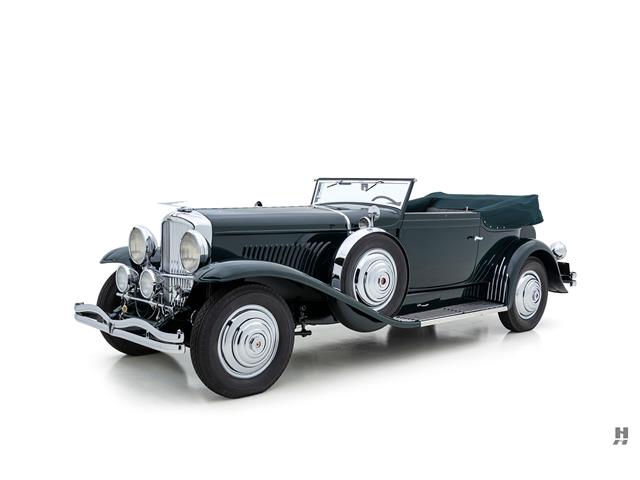
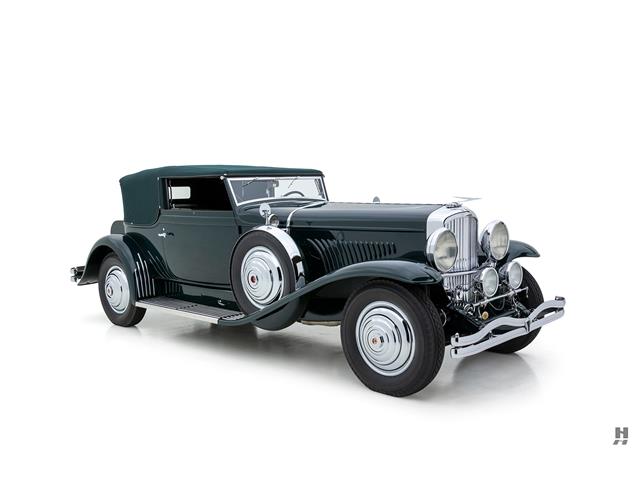
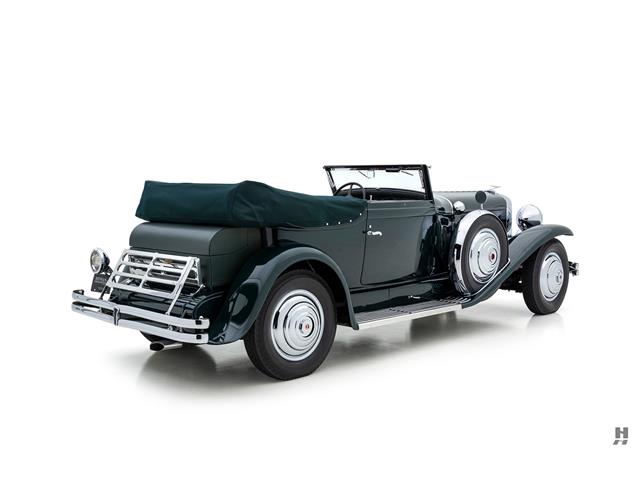
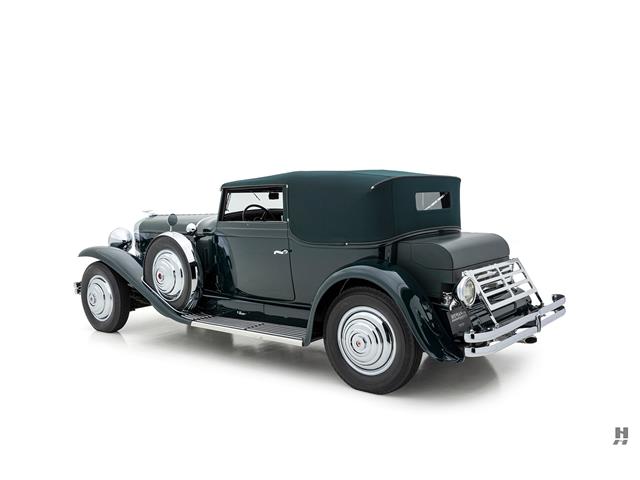
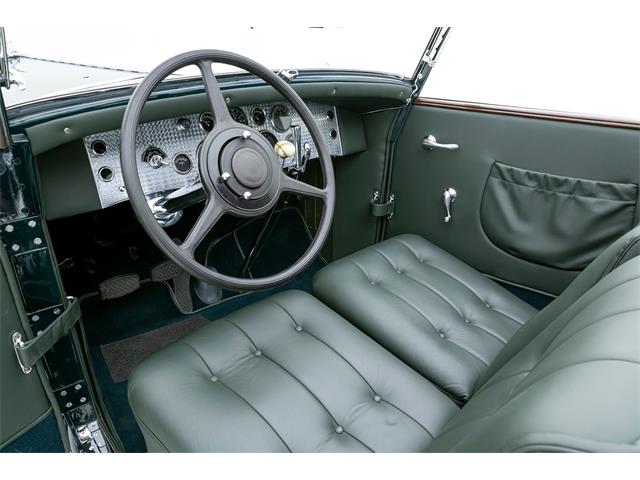
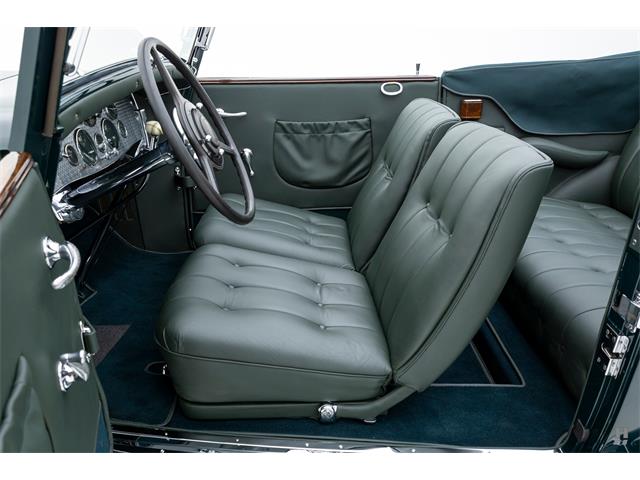
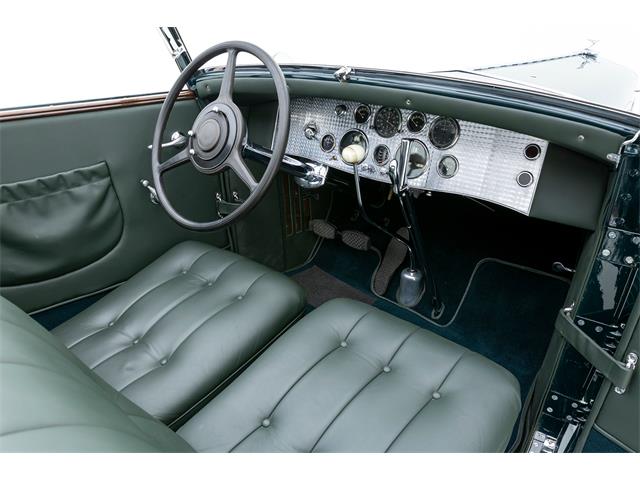
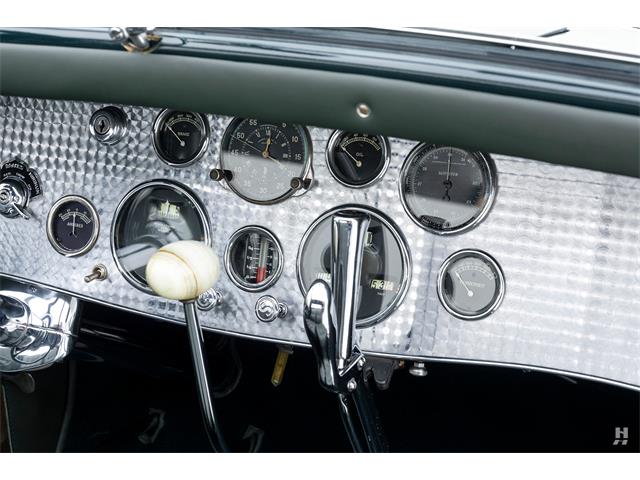
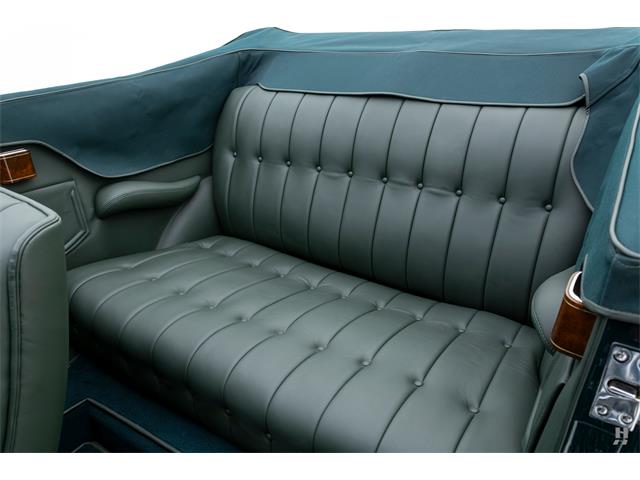
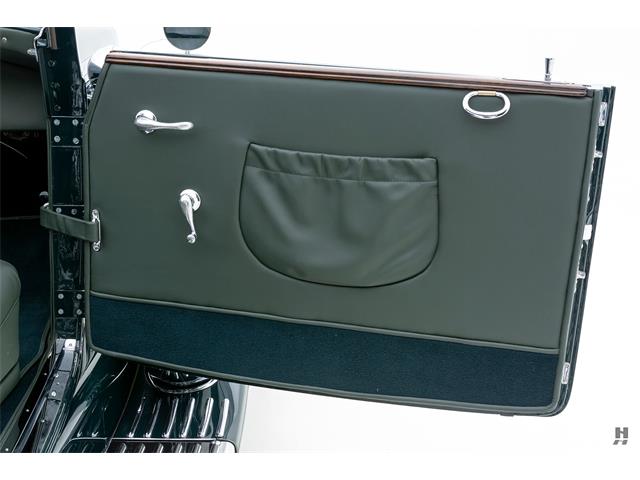
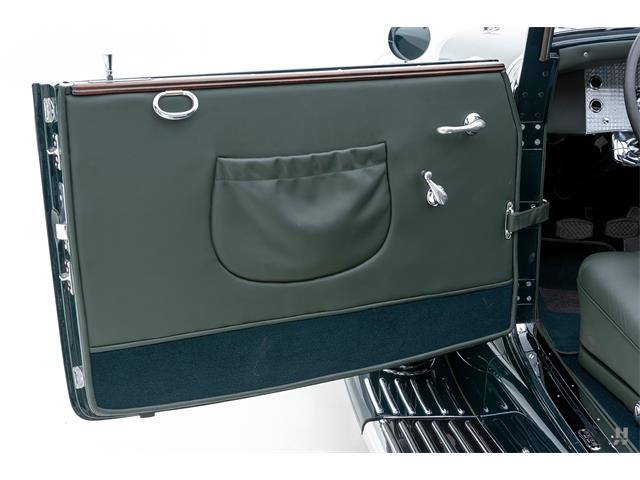
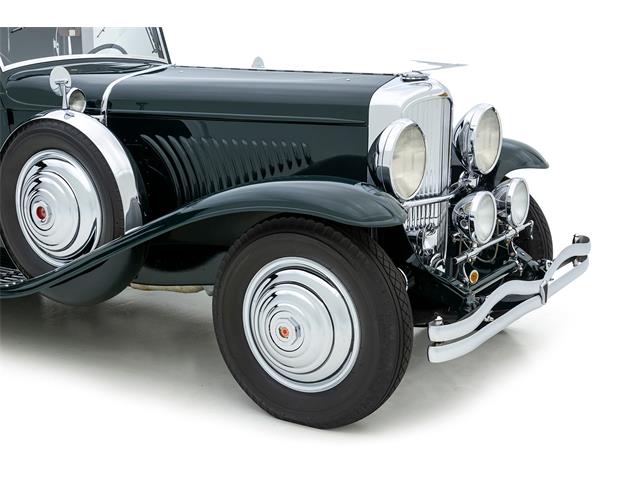
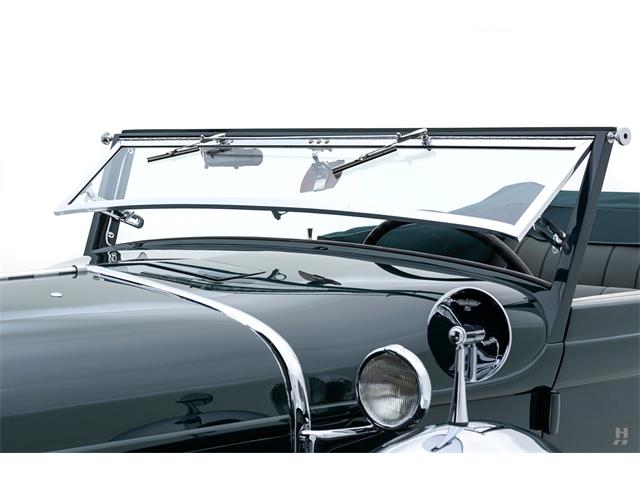
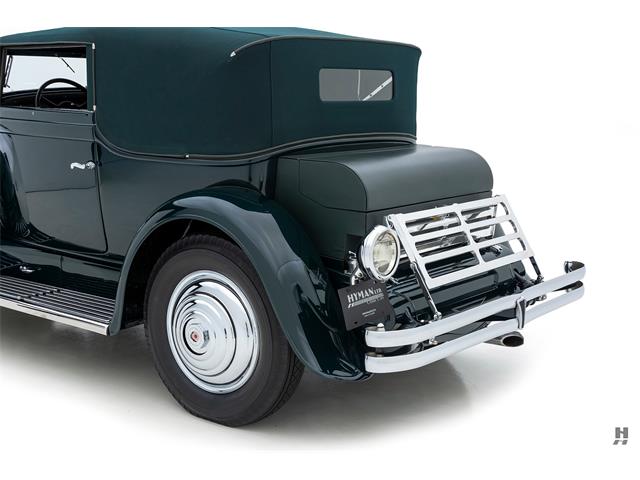
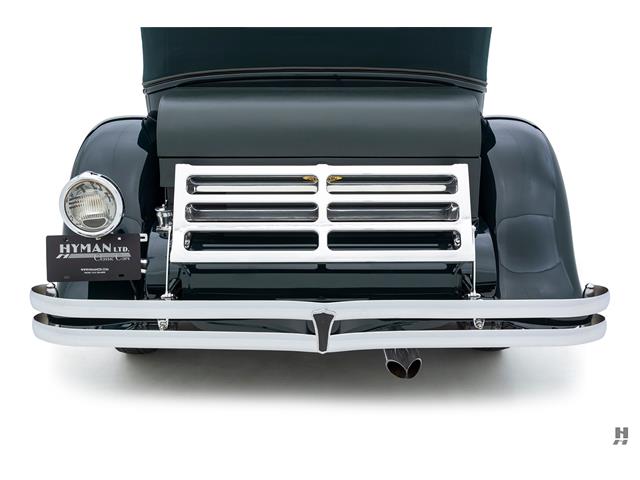
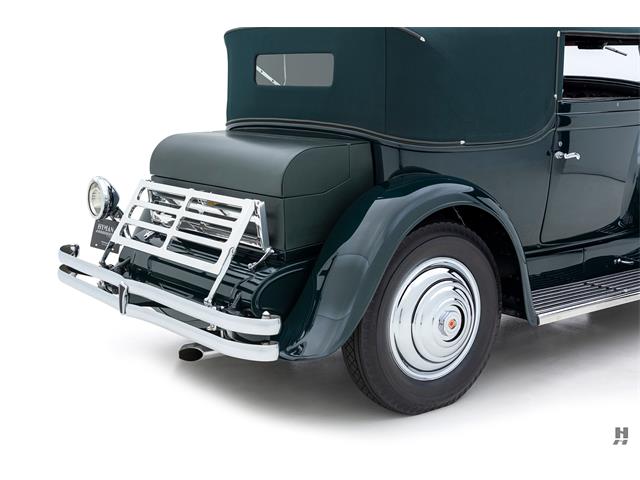
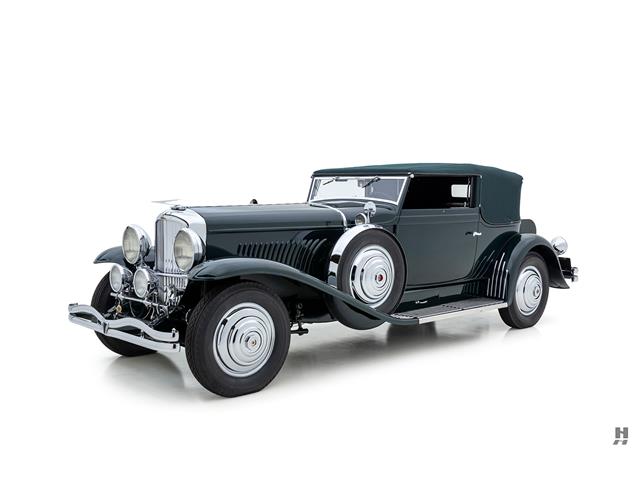
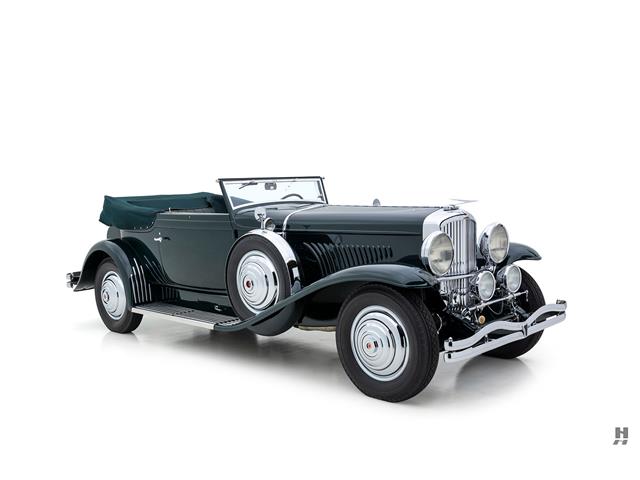
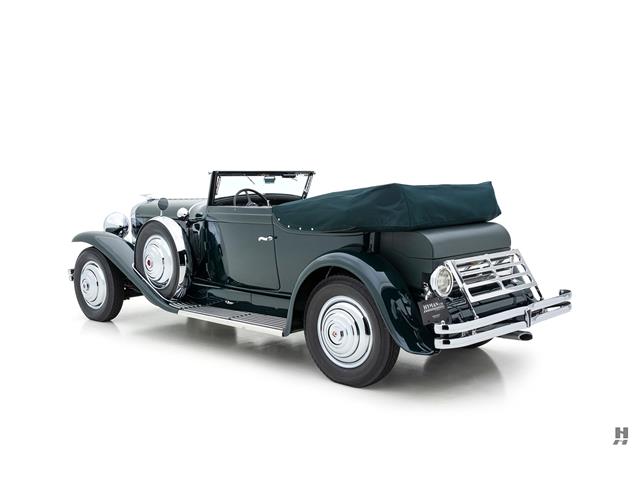
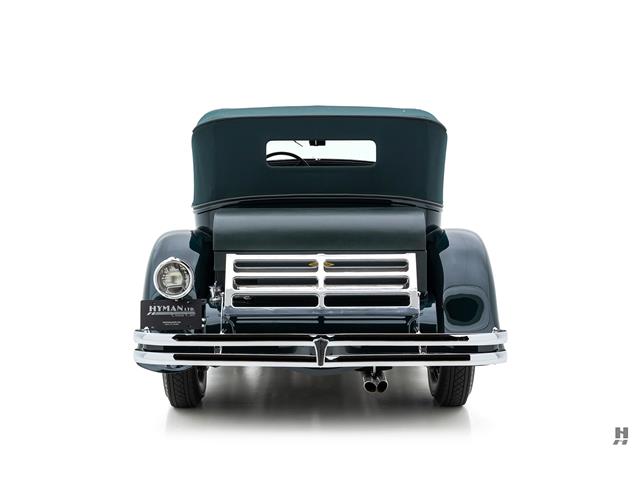
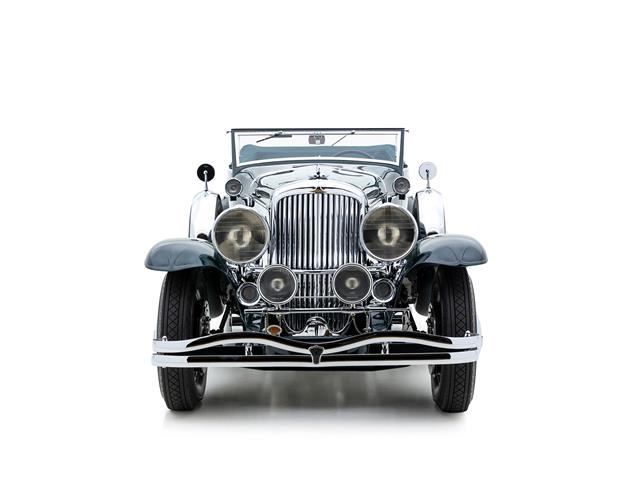
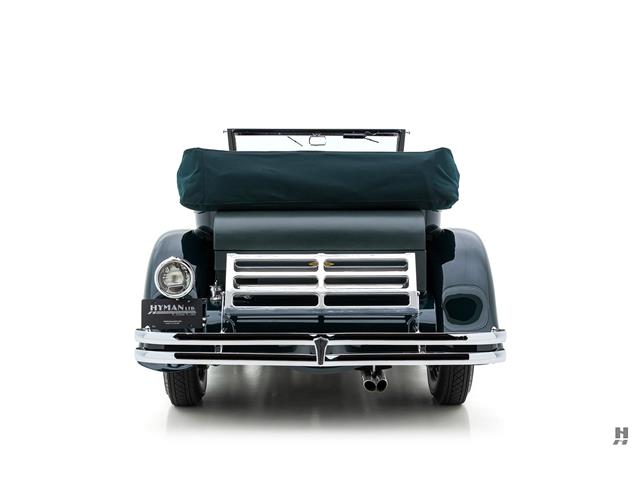
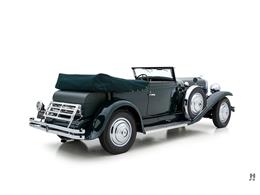
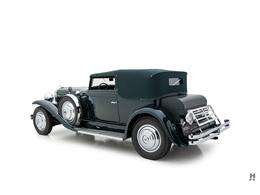
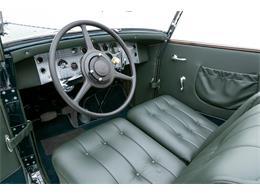
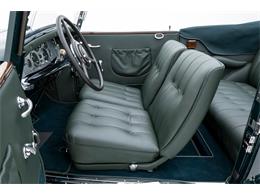
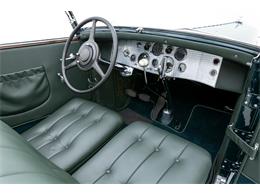
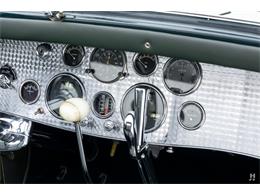
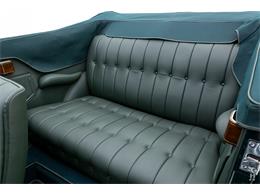
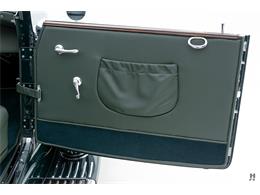
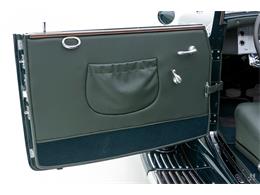
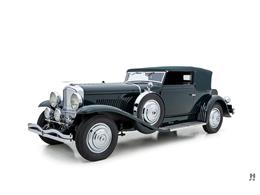
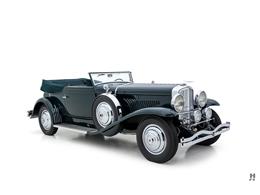
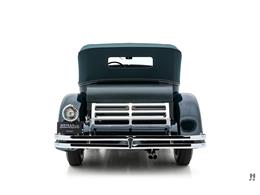
- Elegant Rollston Convertible Victoria coachwork with dark green
leather interior
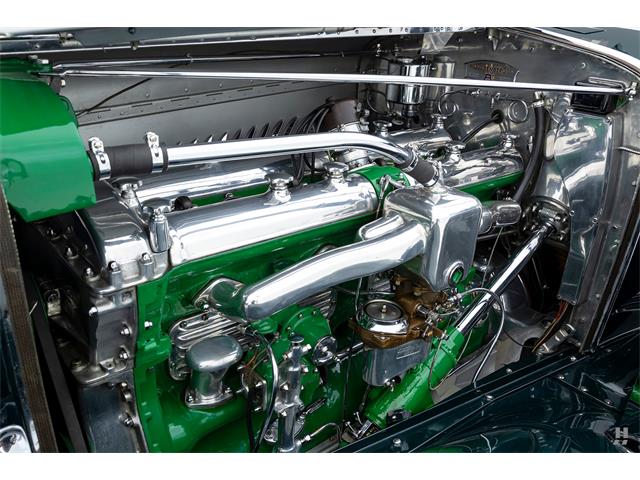
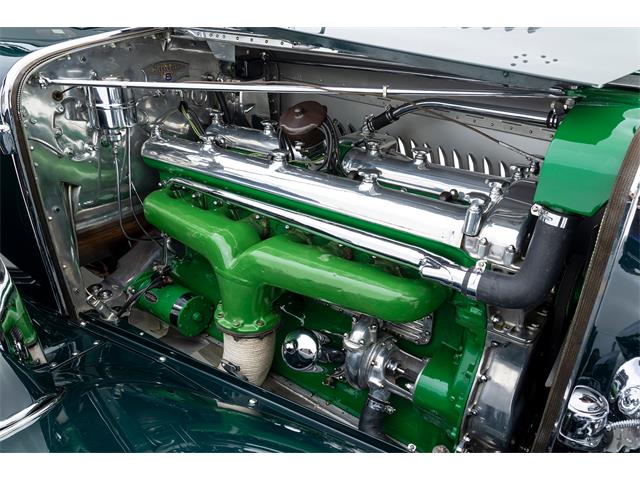
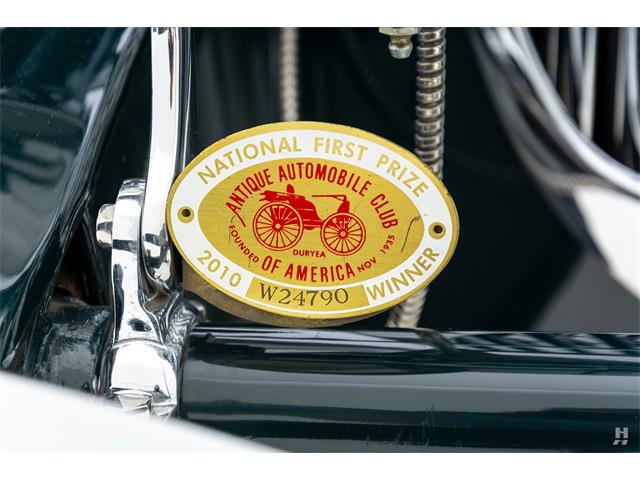
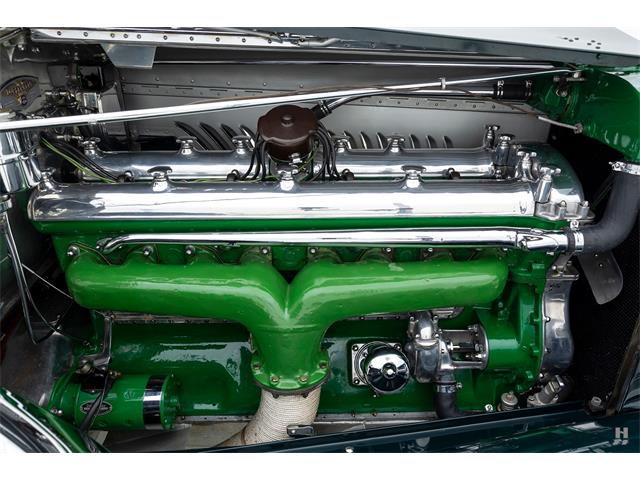
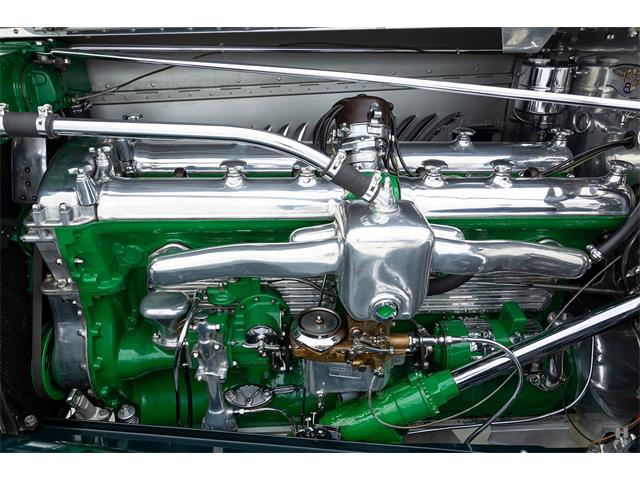
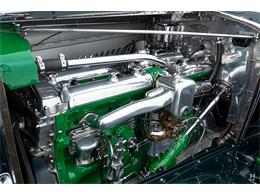
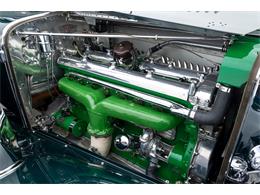
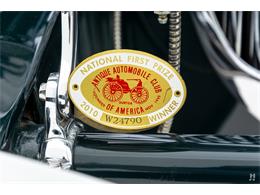
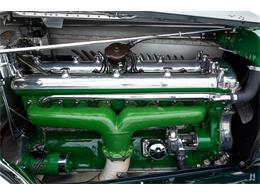
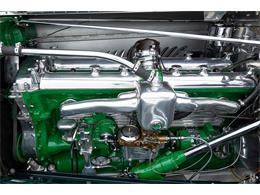
- Babinsky-built motor, AACA National First Prize winner, shown
at Pebble Beach and Amelia Island
The introduction of the Duesenberg Model J at the 1928 New York
Auto Salon marked a defining moment in American automotive history.
Conceived by brothers Fred and August Duesenberg and backed by the
resources of E.L. Cord's rapidly expanding automotive empire, the
Model J represented the ultimate expression of engineering ambition
and luxury. With its magnificent 420-cubic-inch dual overhead
camshaft straight eight producing an advertised 265 horsepower, the
Model J was among the most powerful production automobiles in the
world. Combined with a robust chassis capable of supporting the
finest coachwork available, it became the chassis of choice for
America's wealthiest clientele and the most prestigious custom
coachbuilders of the era.
Chassis 2126 occupies a particularly important place within the
early history of the Model J. Completed in the earliest stages of
production, it was among the cars displayed at the marque's
dramatic debut at the 1928 New York Auto Salon, where the Model J
instantly captured the attention of the motoring public and
established itself as the new standard for American luxury.
Following the exhibition, chassis 2126 became the first Model J to
be sold at retail, delivered new to F. B. Lewis of Chicago. At the
time of its debut and sale, the car wore elegant five passenger
sedan coachwork by Holbrook, one of the distinguished American
coachbuilders whose refined designs complemented the imposing
Duesenberg chassis.
Over the course of its long and well-documented life, the car
passed through the hands of several notable caretakers before
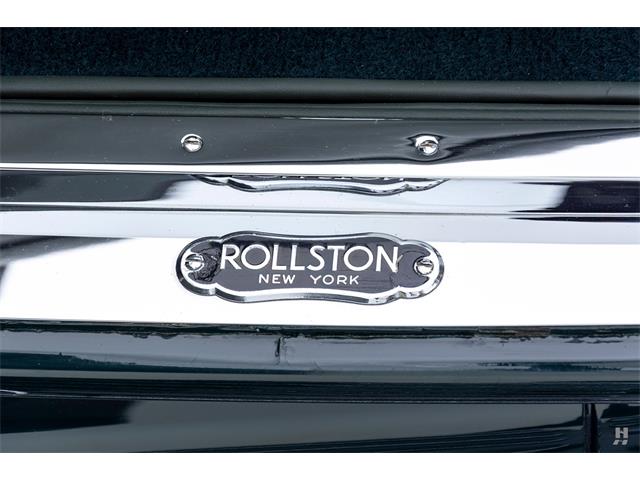
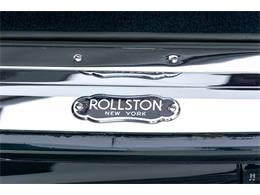
eventually receiving the striking Rollston Convertible Victoria
coachwork it wears today. This body originated on chassis
J-428/2442, a car originally delivered to Cornelius Vanderbilt
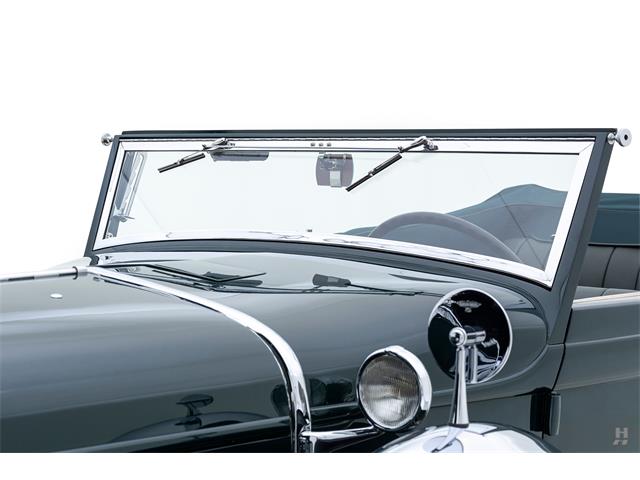
Whitney. The Convertible Victoria style represented one of
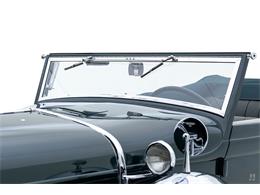
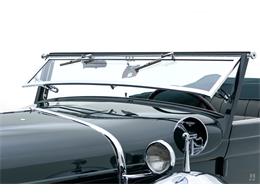
Rollston's most graceful and sporting designs, characterized by its
long sweeping beltline, elegantly raked windshield, and balanced
proportions that perfectly complement the imposing dimensions of
the Model J chassis.
During the mid-twentieth century the car came into the care of
several dedicated enthusiasts, including its second long-term
owner. In the early 1960s noted enthusiast Homer Fitterling bought
the Duesenberg and subsequently had the car restored by expert
Keith Brown. During the restoration, Brown fitted this striking
Convertible Victoria body, in addition to the hood from J-539/2578
and firewall 2463 were fitted to the car. Such changes were not
uncommon during the early decades of the collector car hobby, when
enthusiasts often sought to preserve significant coachwork and
chassis combinations in usable condition.
The car later passed through the hands of respected collectors
including Ed Weaver and Dr. Joseph Murphy, the latter refinishing
the car in an elegant dark green livery that suits the dignified
Rollston coachwork exceptionally well. In 2004 the car was acquired
by noted collector Ralph Marano who commissioned respected
specialist Steve Babinsky to perform a rebuild of the motor with
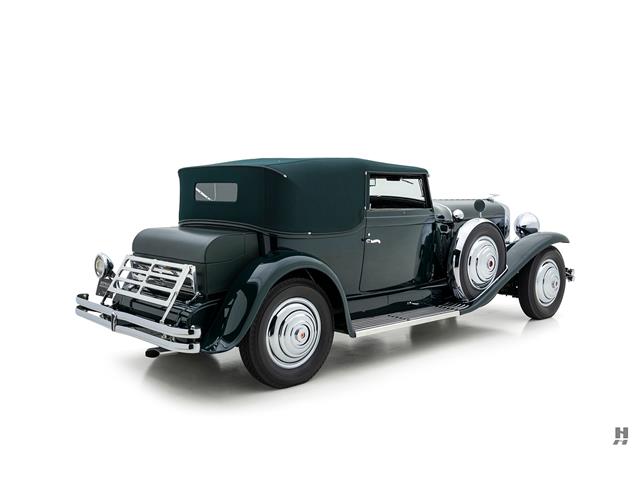
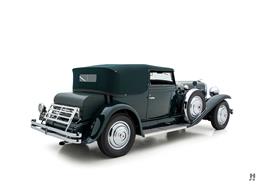
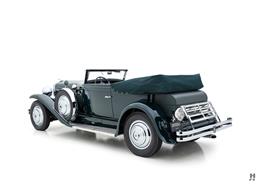
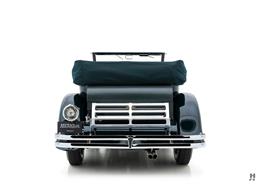
Carrillo H-beam connecting rods. During this time the top was
reupholstered to the dark green canvas today, presenting and
fitting exceptionally well.
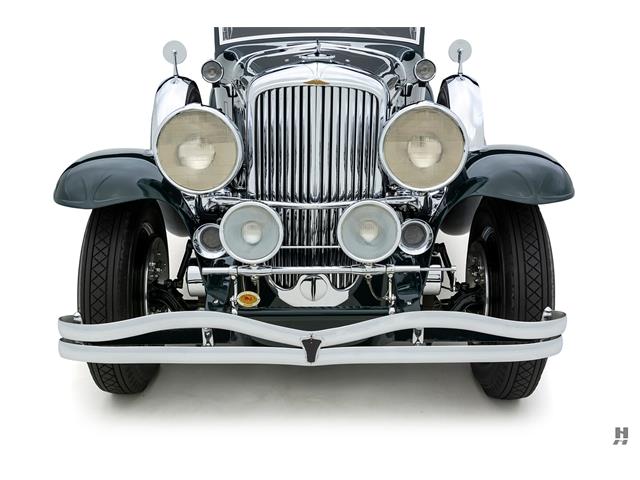
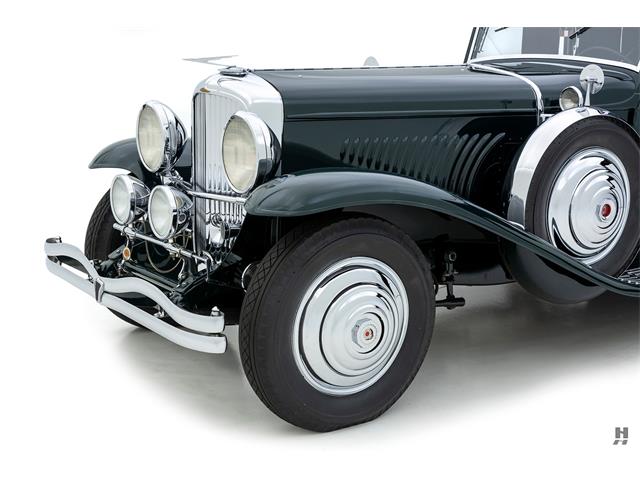
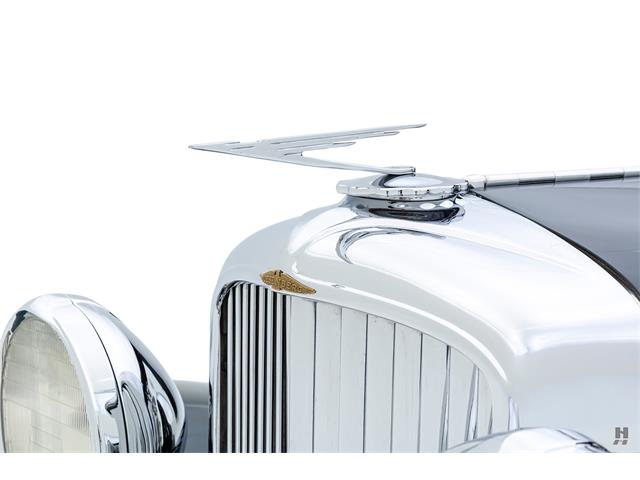
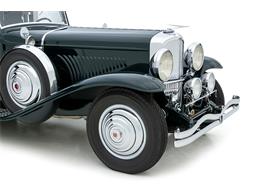
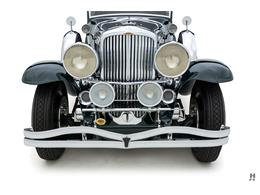
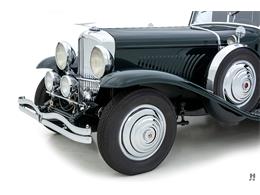
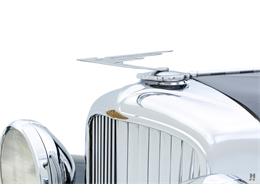
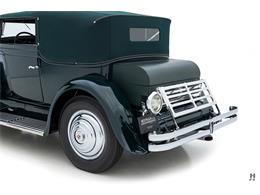
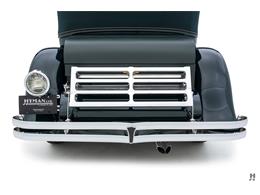
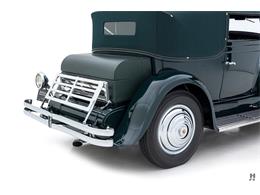
The resulting work added to the striking presentation: deep green
with matching green leather upholstery and a coordinating top.
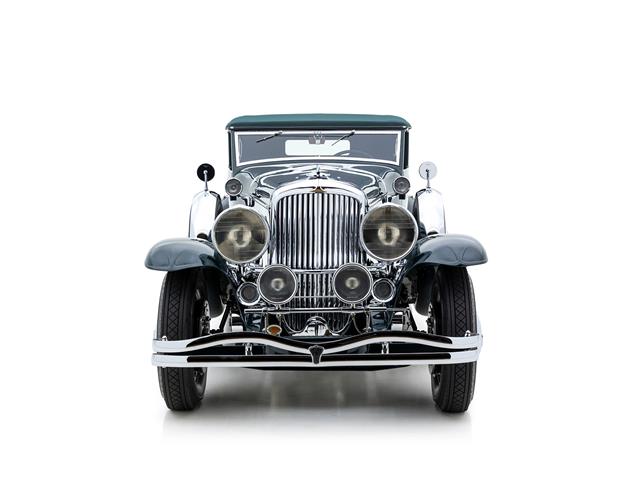
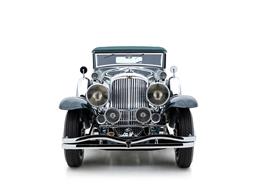
J-104 is visually cohesive and a handsome example whose proportions
and detailing highlight the elegant lines of the Rollston body.
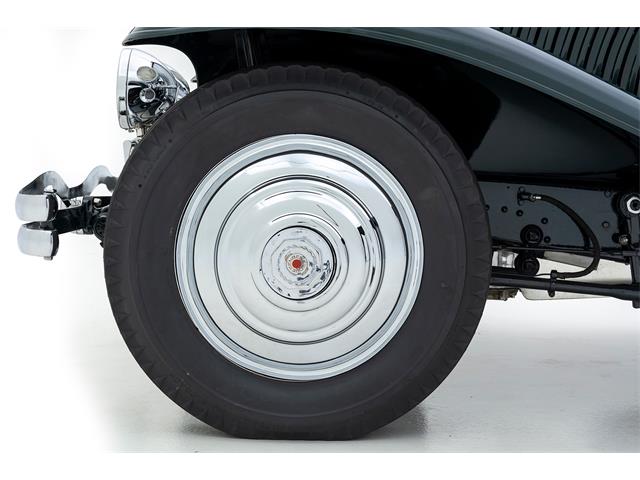
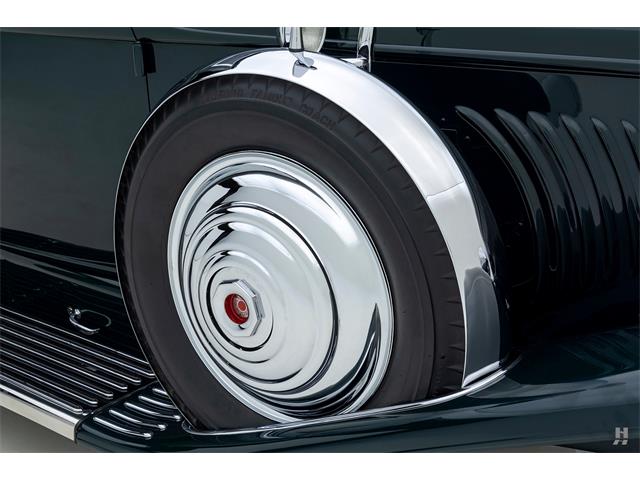
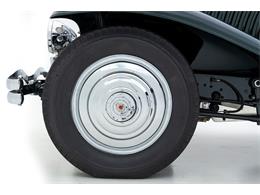
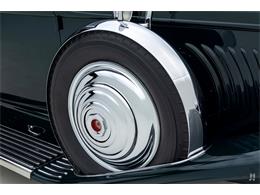
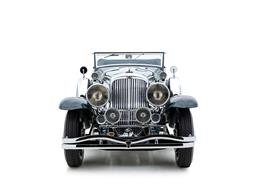
Today the car rides on classic wire wheels with chrome wheel discs
and presents with exceptional presence befitting its status as one
of the great automobiles of the Classic Era.
Soon after, the car earned significant recognition on the concours
circuit. It received an AACA National First Prize in 2010 and has
been exhibited at several of the most prestigious automotive
gatherings in the United States, including the 2013 Pebble Beach
Concours d'Elegance, the Amelia Island Concours d'Elegance in 2011
and again in 2026 where it won the Champion's Choice award. The car
is also certified by the Auburn Cord Duesenberg Club, further
confirming its authenticity and historical significance.
Today this remarkable Model J presents in outstanding condition,
the restoration having matured gracefully while retaining its
impressive visual impact. The deep green finish highlights the
dramatic scale of the Rollston coachwork, while the richly trimmed
leather interior provides an inviting environment befitting one of
America's greatest luxury automobiles. Equally impressive is the
car's performance on the road. With its immense straight eight
delivering abundant torque and remarkably smooth operation, the
driving experience remains every bit as compelling today as it was
when the Model J first astonished the motoring world.
With its documented presence at the 1928 New York Auto Salon,
status as the first retail Model J sold, elegant Rollston
Convertible Victoria coachwork, and decades of careful stewardship
among knowledgeable collectors, chassis 2126 represents a
fascinating and highly significant example of the legendary
Duesenberg Model J. Combining early production history,
distinguished coachwork, and concours-level presentation, it stands
as a compelling opportunity to experience one of the most
celebrated automobiles of the Classic Era.
Offers welcome and trades considered.
Please note that this car is titled as a 1931.