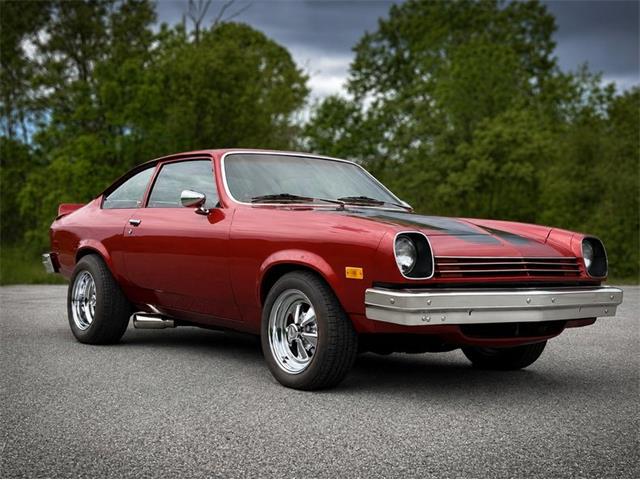
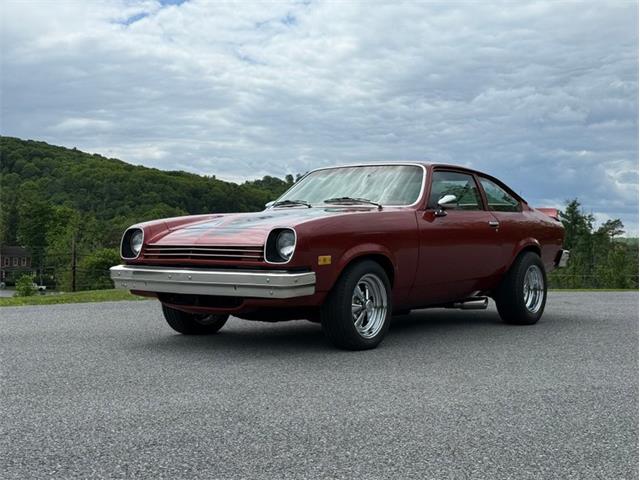
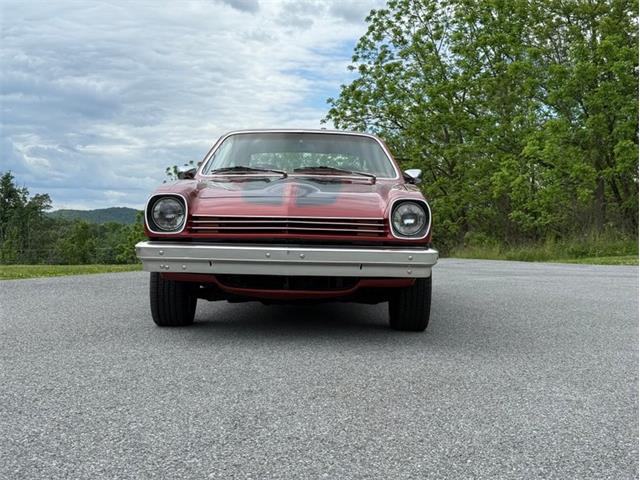
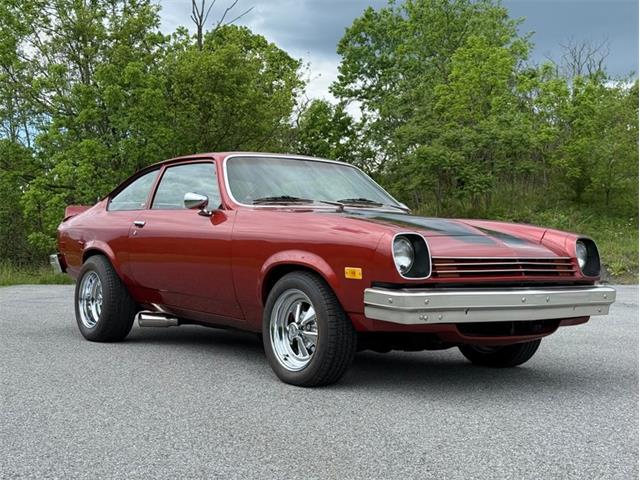
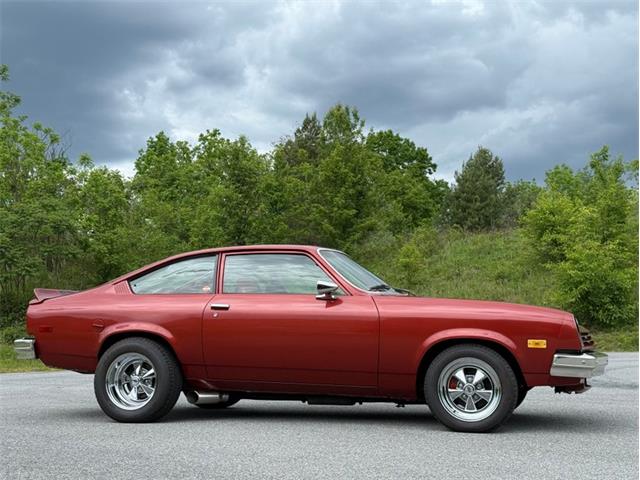
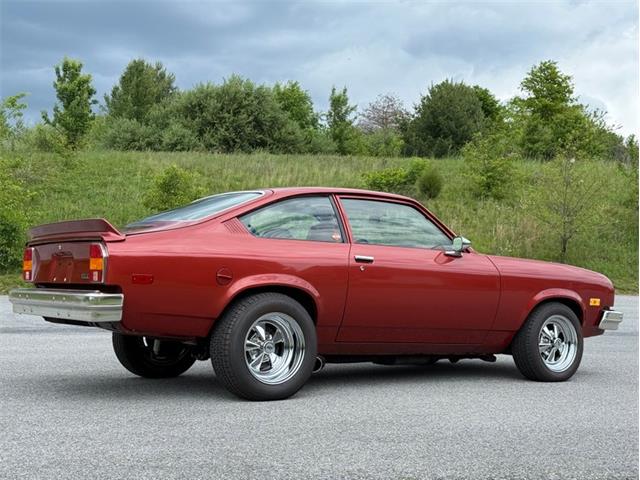
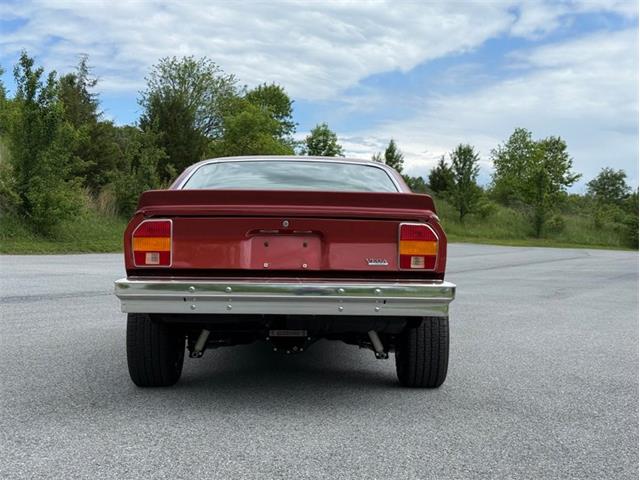
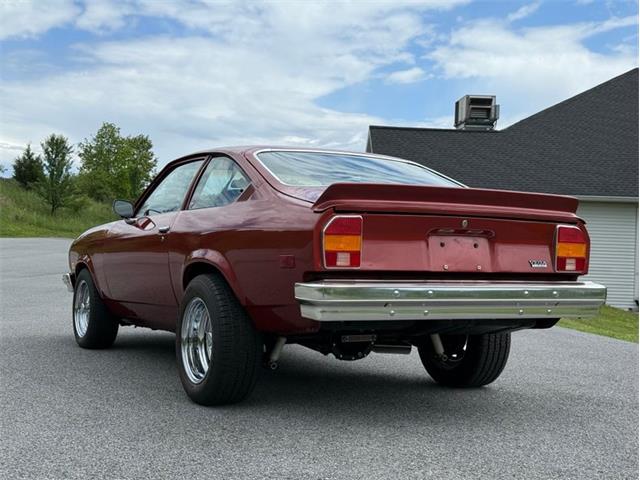
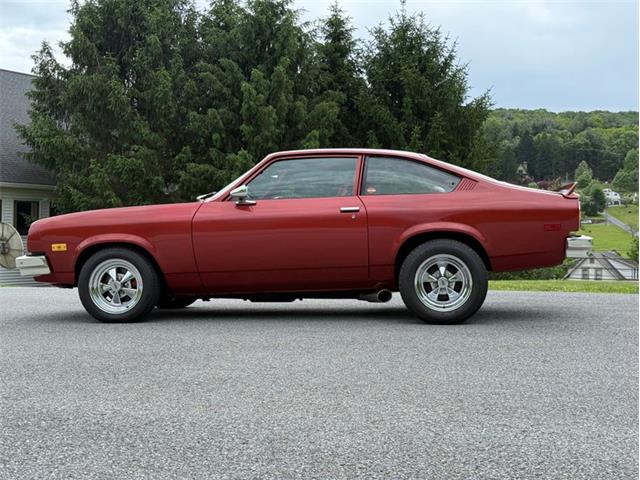
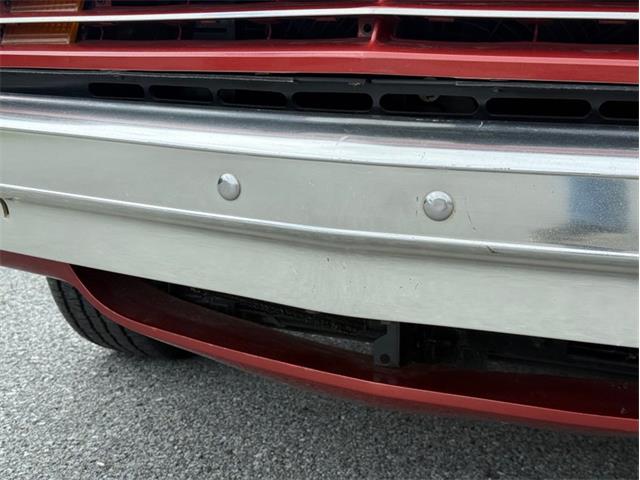
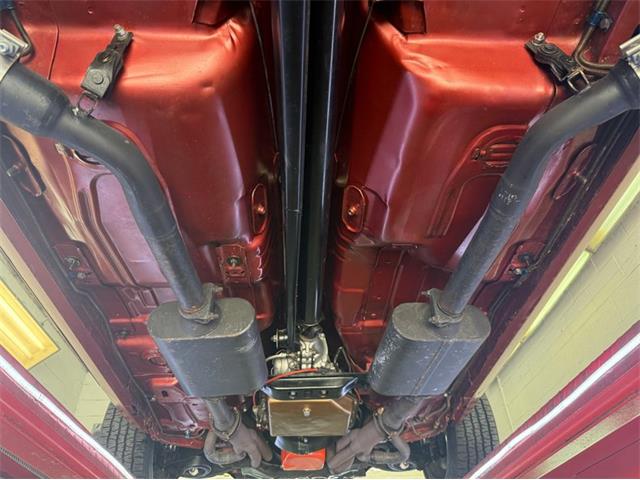
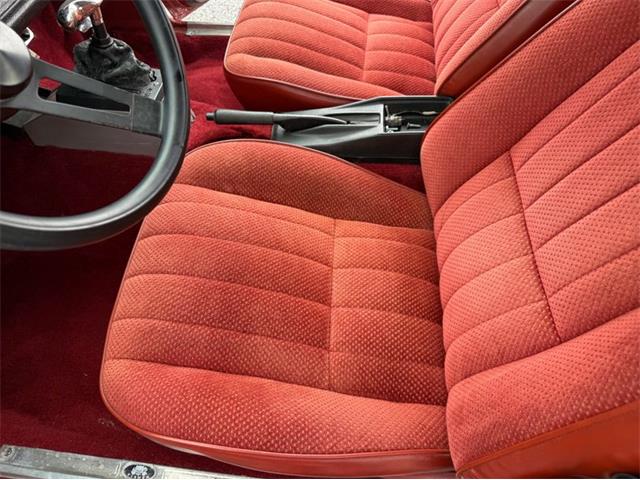
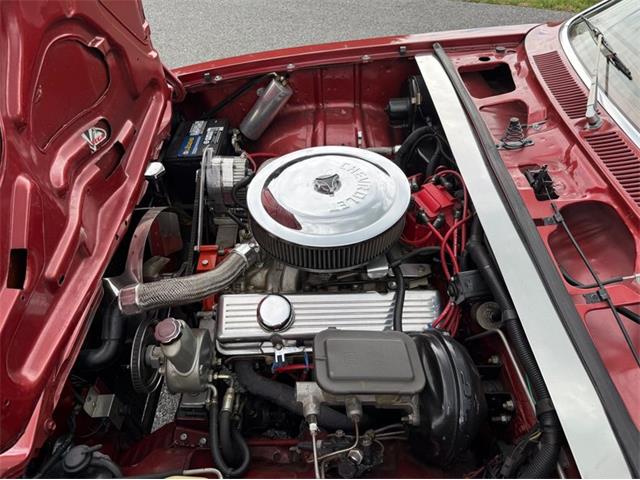
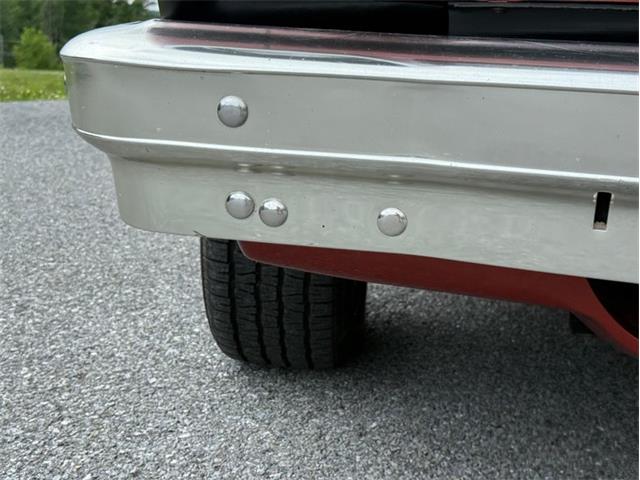
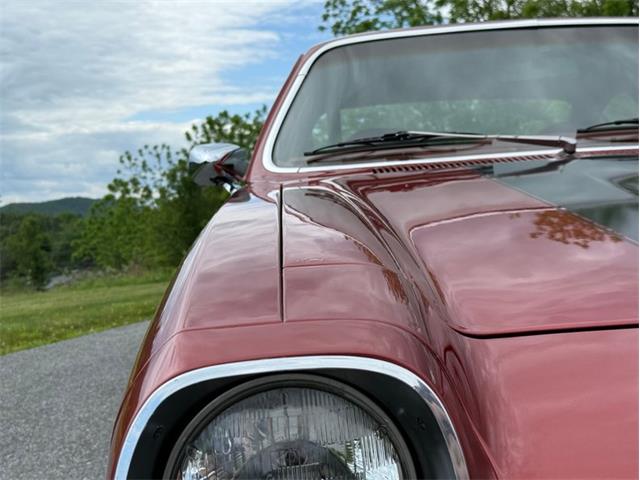
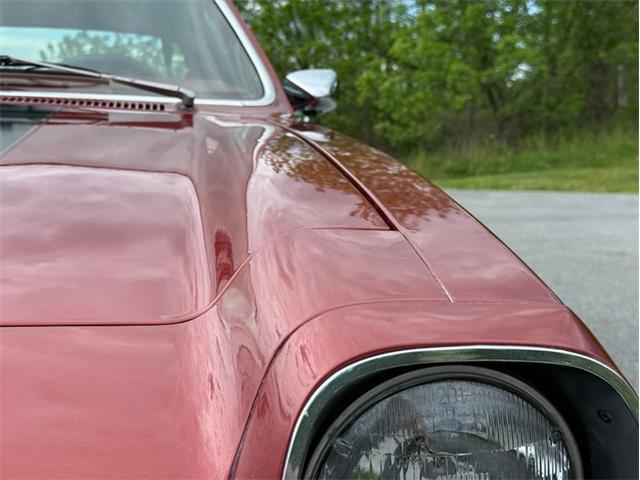
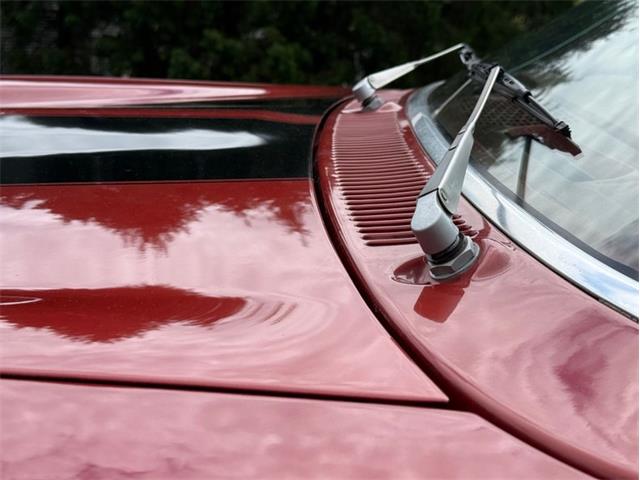
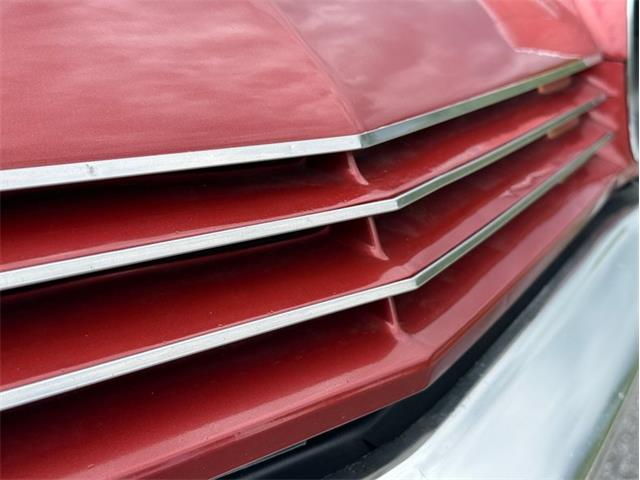
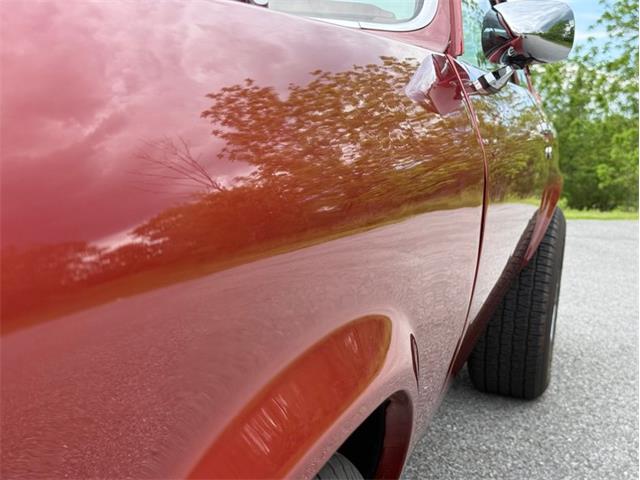
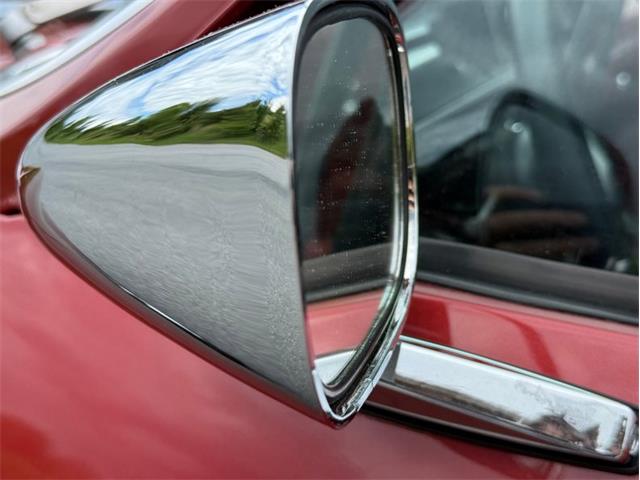
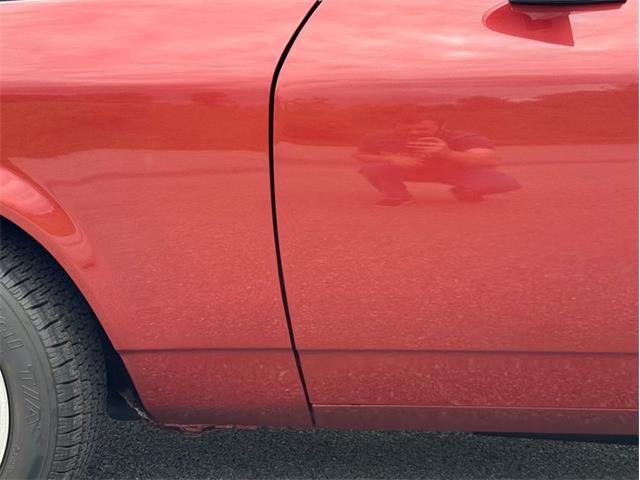
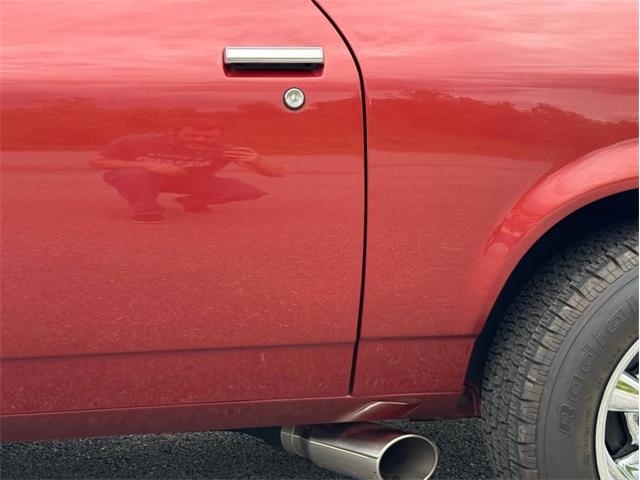
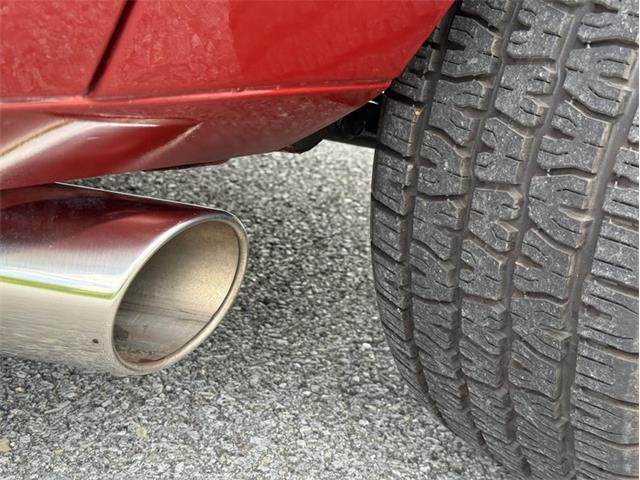
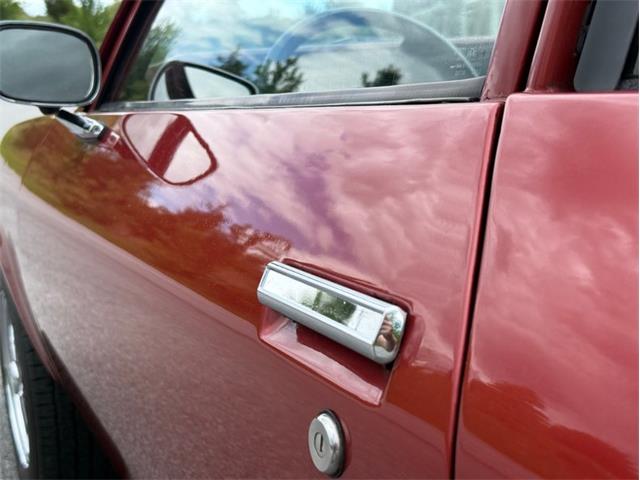
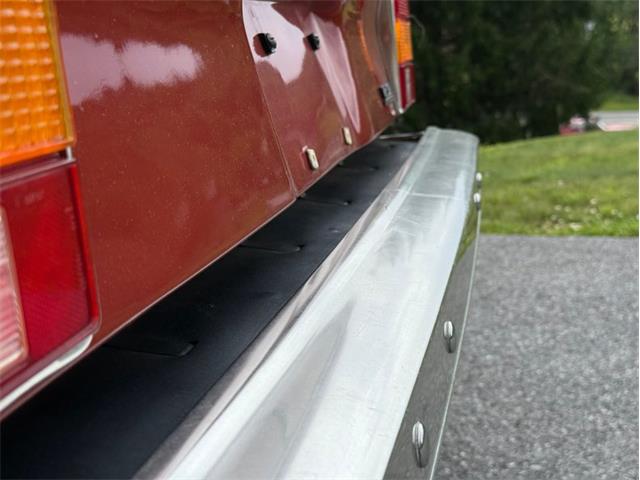
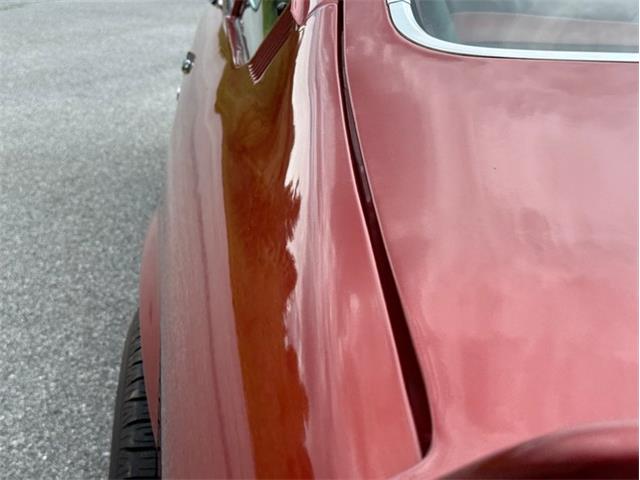
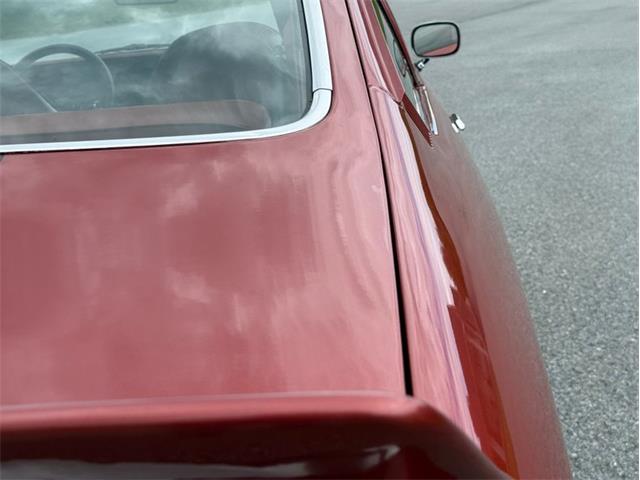
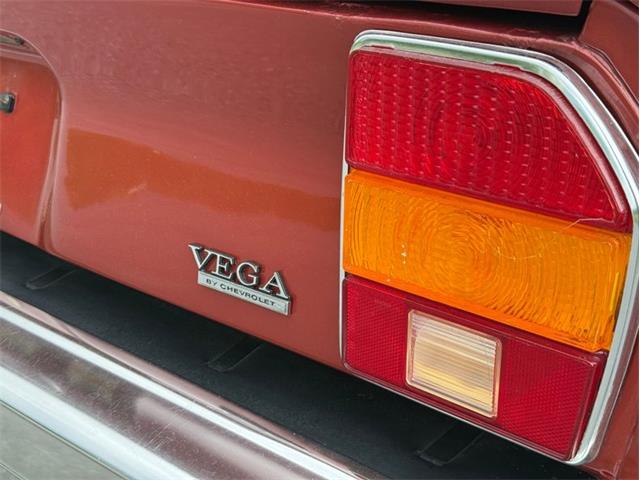
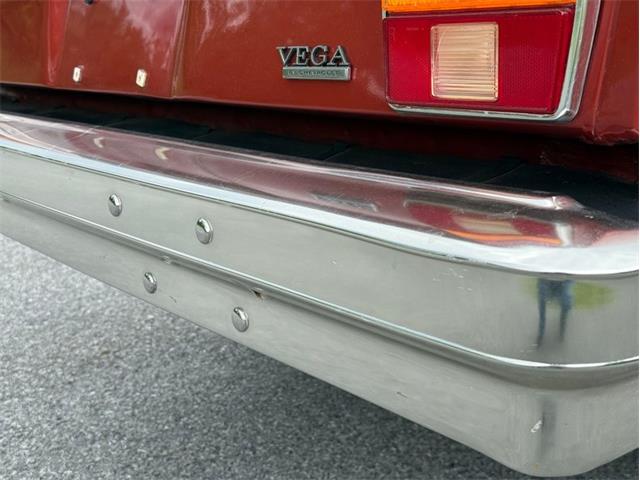
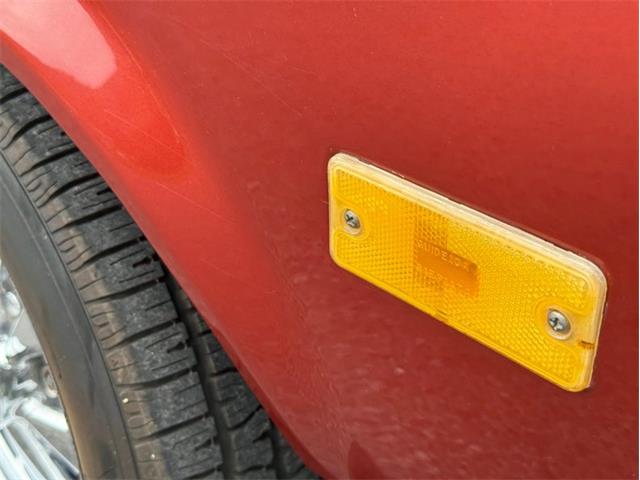
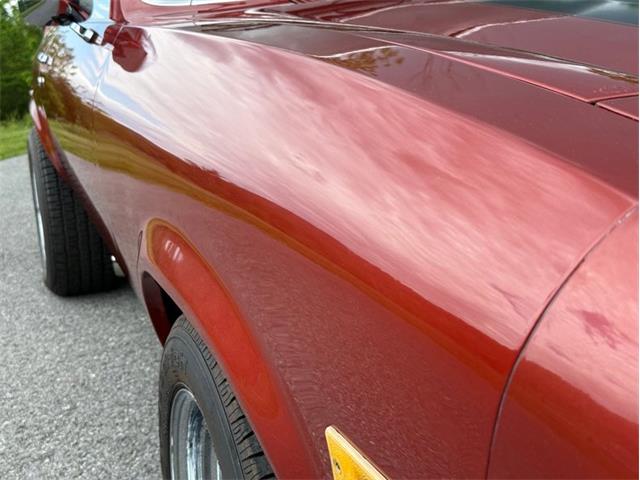
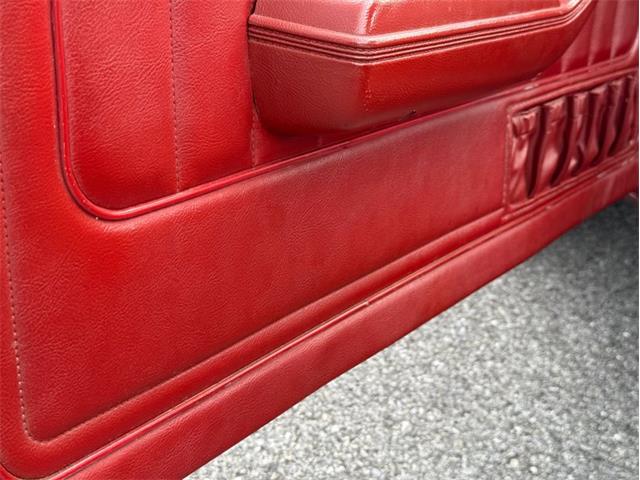
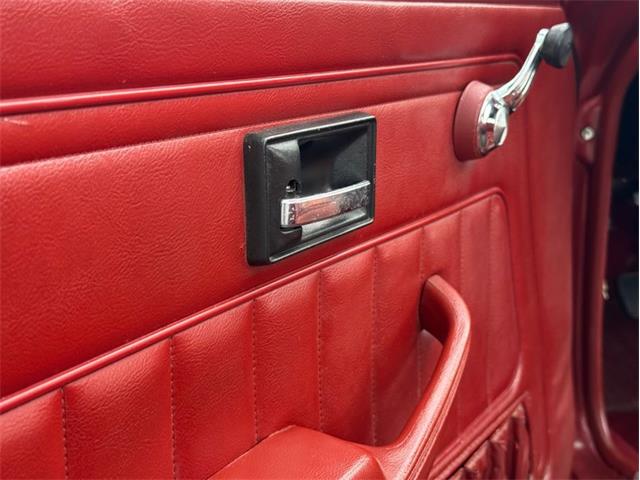
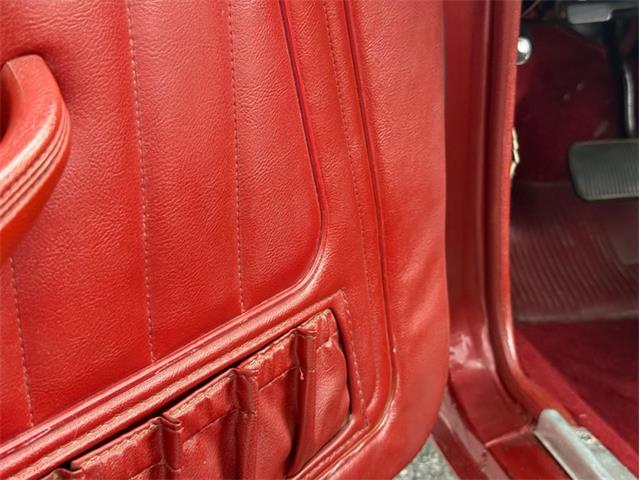
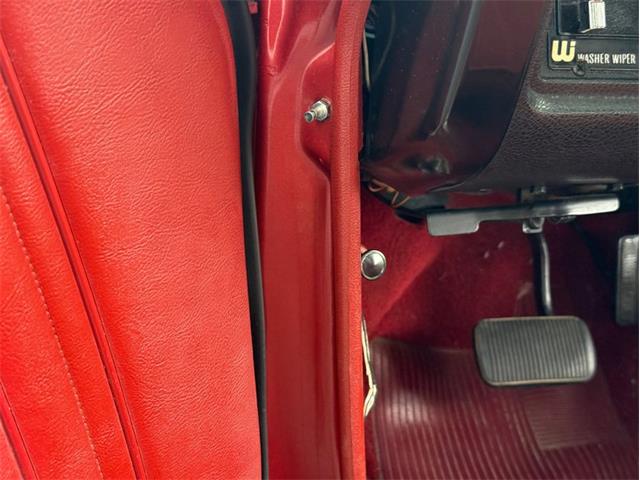
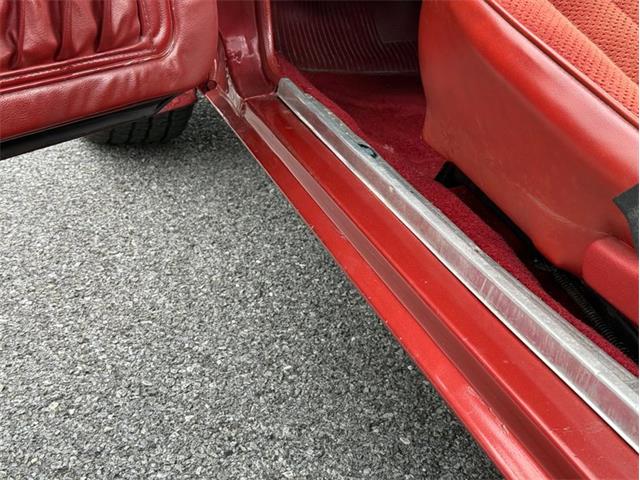
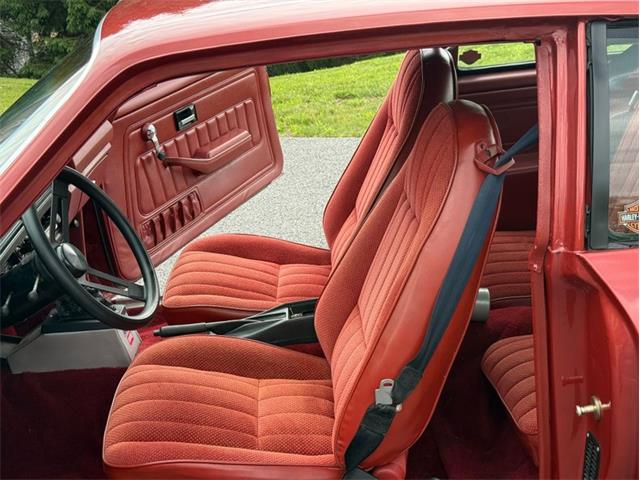
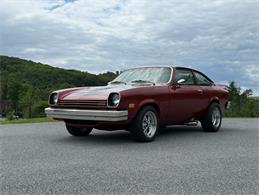
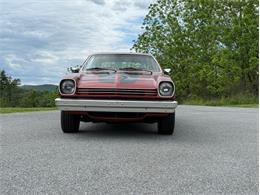
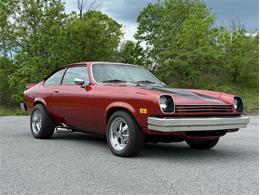
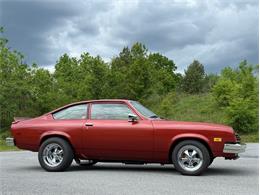
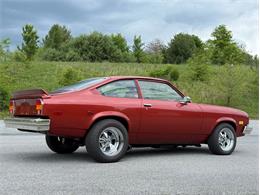
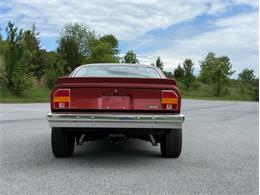
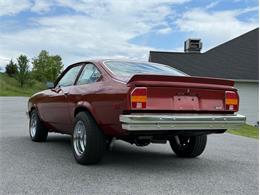
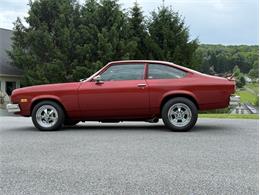
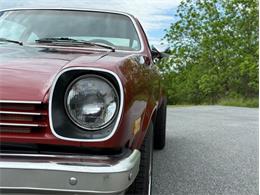
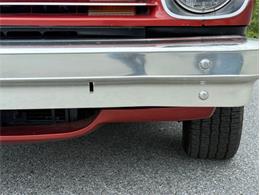
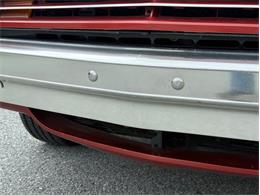
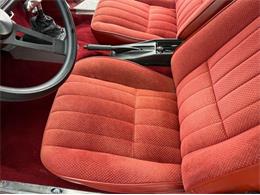
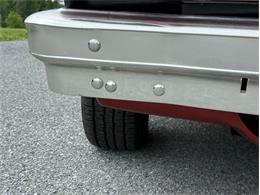
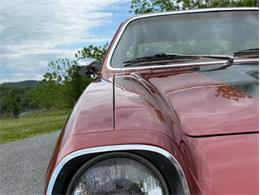
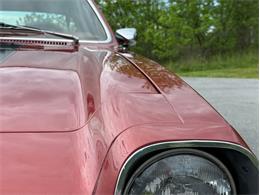
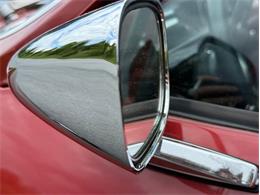
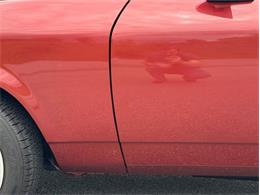
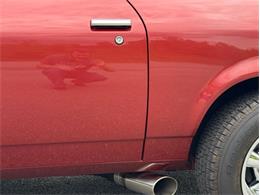
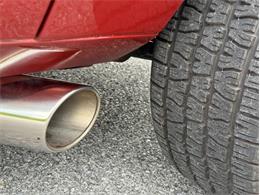
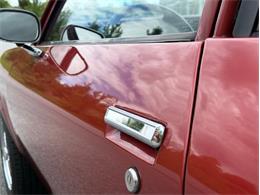
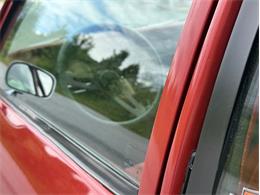
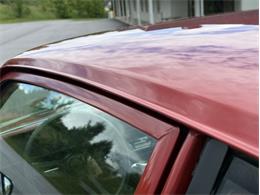
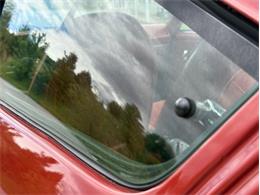
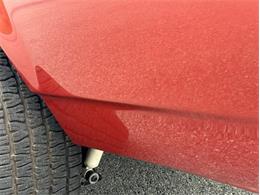
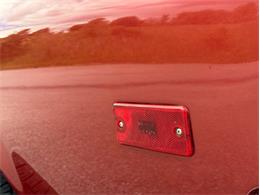
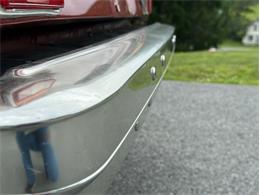
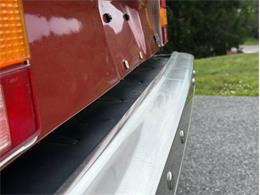
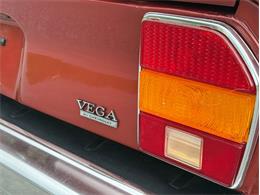
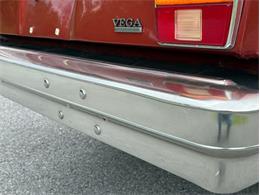
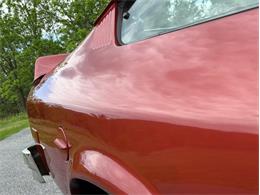
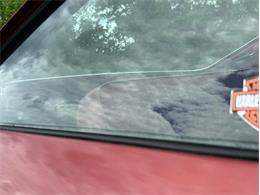
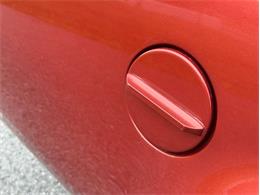
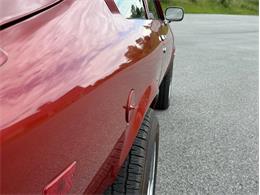
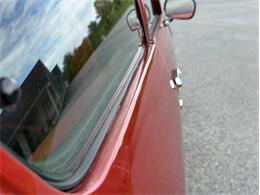
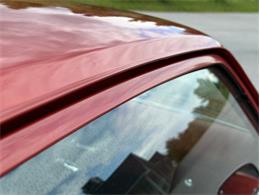
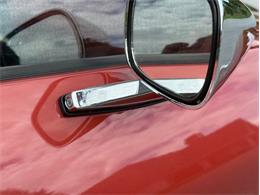
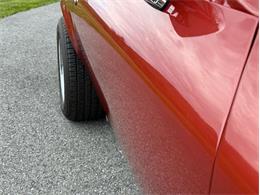
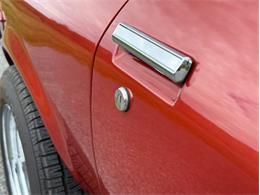
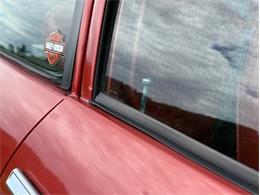
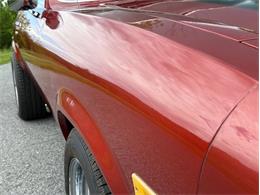
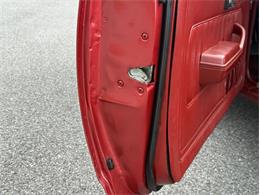
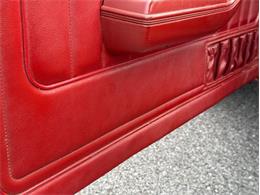
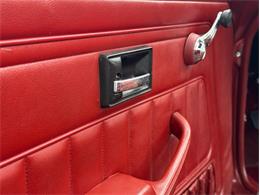
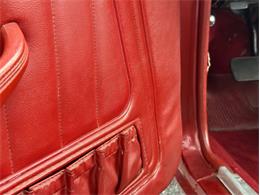
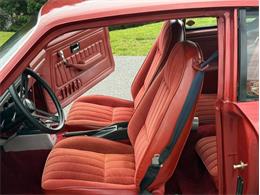
1976 Chevrolet Vega in bronze over a matching bronze cloth
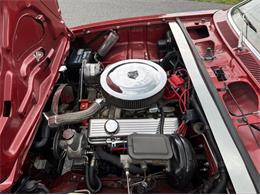
interior, built into a serious street machine with a 383ci stroker
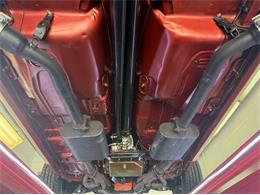
small block backed by a TH350 automatic. This is a frame-off
restored Vega with a detailed painted undercarriage, Spohn
Performance rear control arms, an upgraded rear end, and the kind
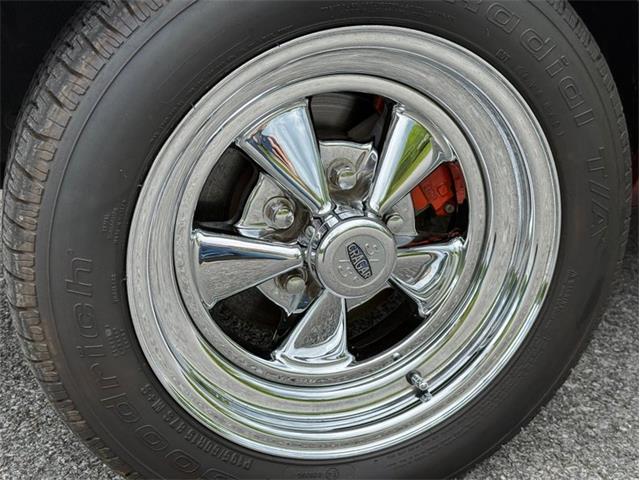
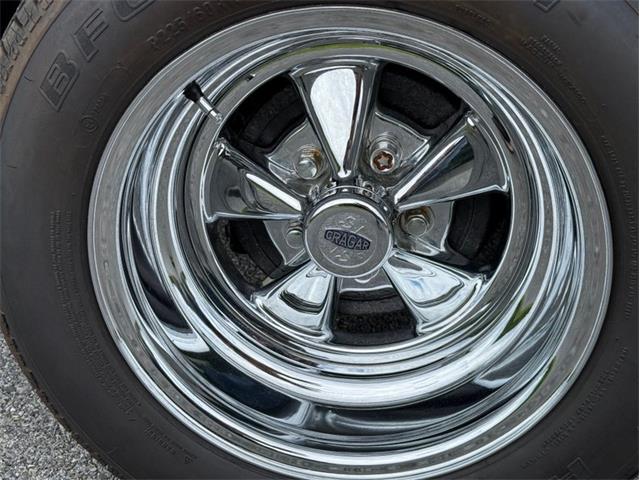
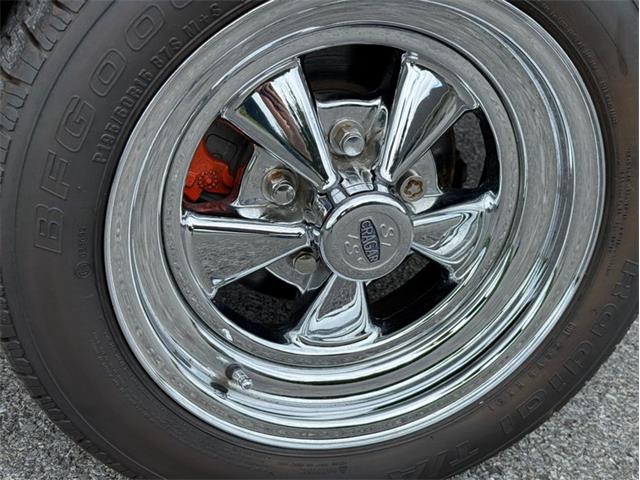
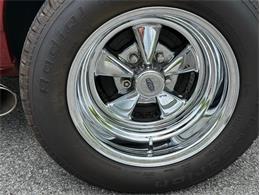
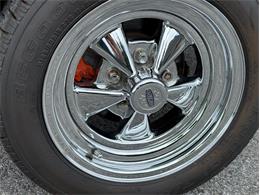
of stance and wheel/tire combo that tells you what it's actually
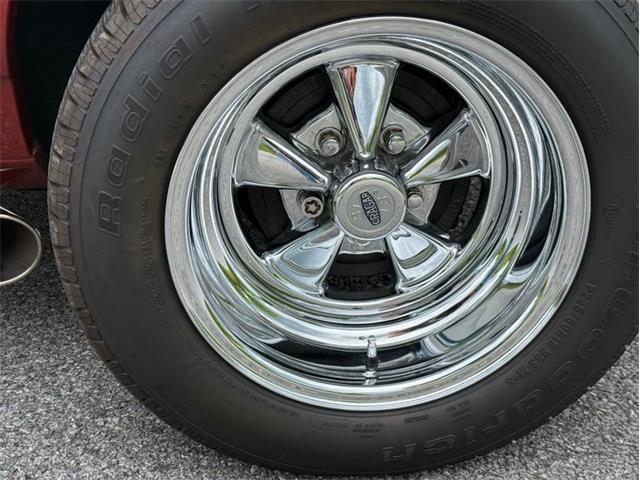
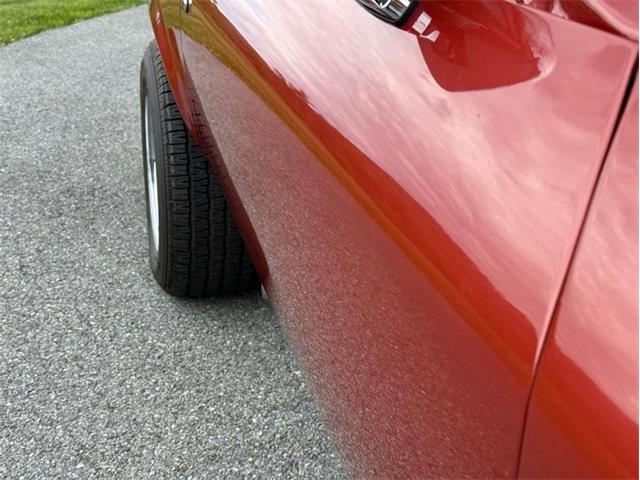
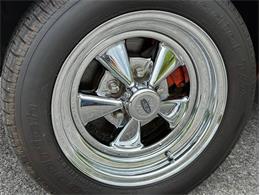
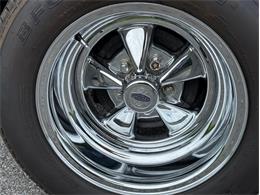
built for. Cragar SS chrome five-spokes, BFGoodrich Radial T/A
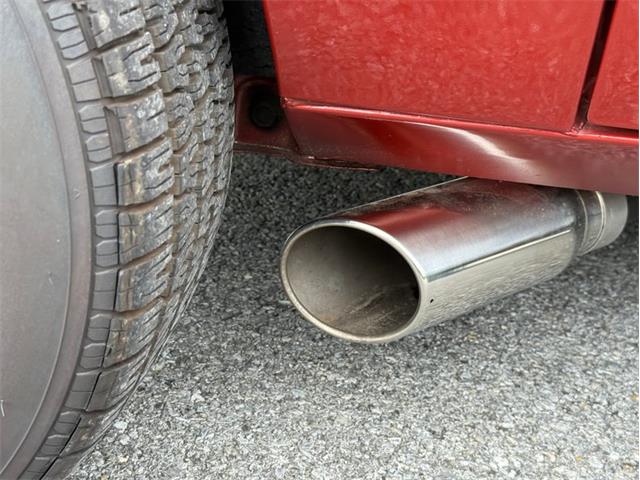
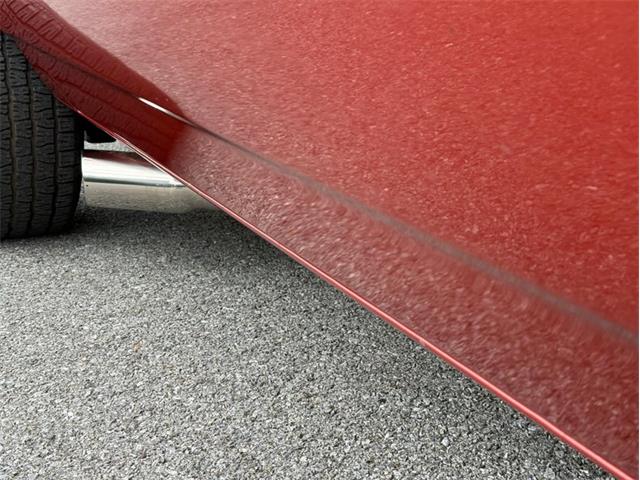
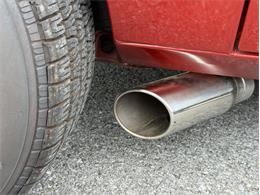
rubber, side-exit dual exhaust, and a hood-side-pipe vibe that
wasn't optional from the factory.
For a car that left Lordstown with a 2.3L aluminum-block
four-cylinder and a reputation for self-destructing engines, this
is the build the Vega was always begging for.
What It Has
383ci stroker small block (350 block bored and stroked)
TH350 3-speed automatic transmission
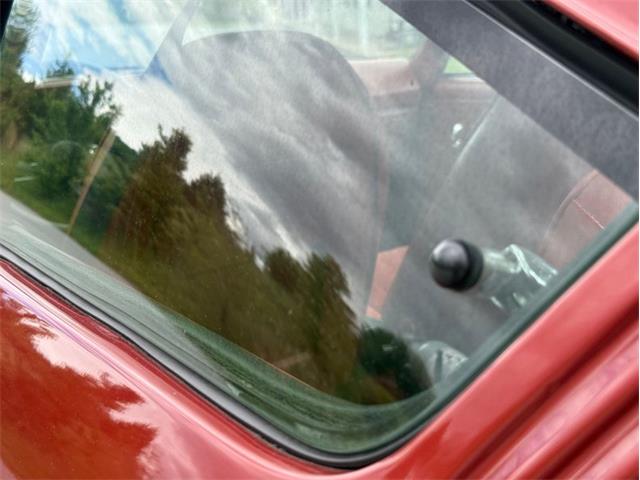
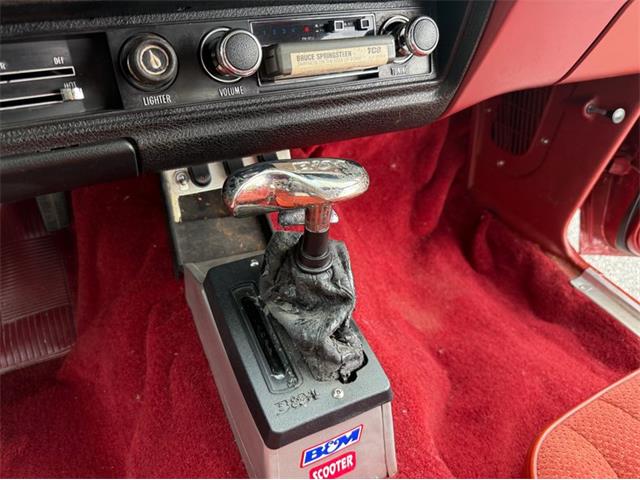
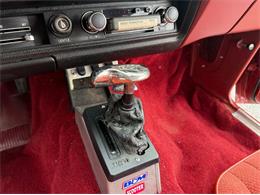
B&M aftermarket shifter
Upgraded rear end with traction-style suspension setup
Spohn Performance adjustable rear control arms
Updated suspension components
Power steering
Power front disc brakes, rear drums
Cragar SS chrome five-spoke wheels
BFGoodrich Radial T/A tires, 195/60R15
Side-exit dual exhaust
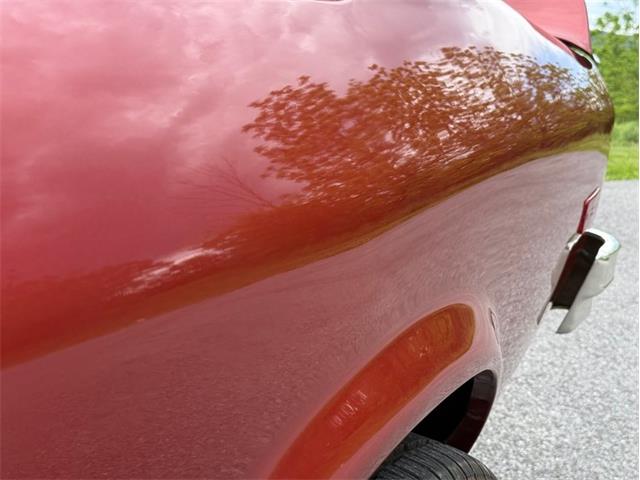
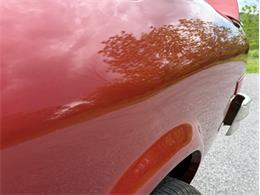
Bronze exterior paint
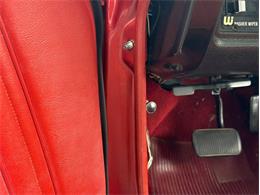
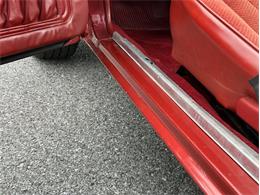
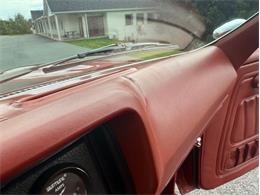
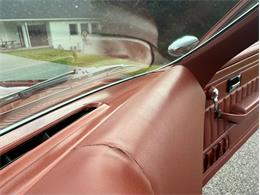
Bronze cloth bucket seat interior with center console
Aftermarket tri-gauge cluster (additional gauges for monitoring the
383)
8-track player (working condition not verified)
Frame-off restoration with detailed painted undercarriage
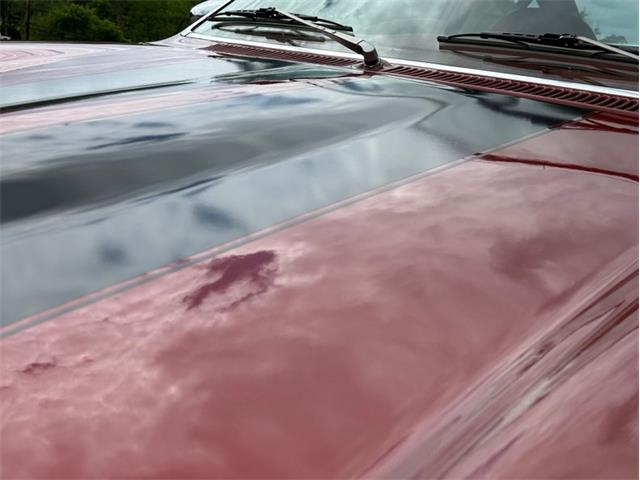
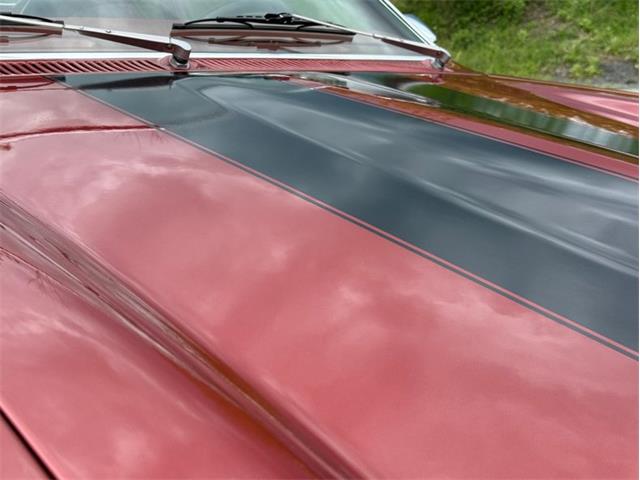
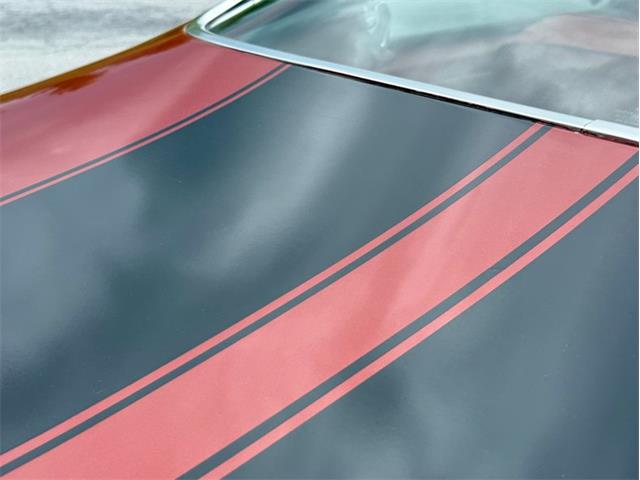
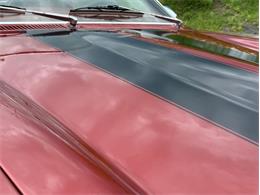
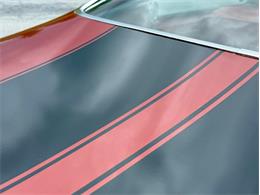
Black hockey-stripe-style graphic across the hood
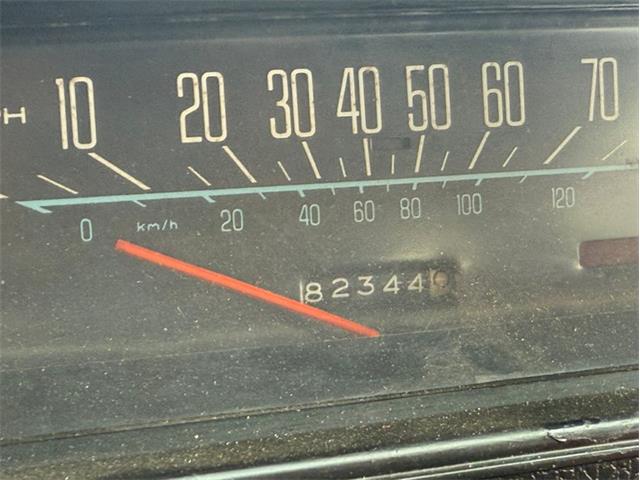
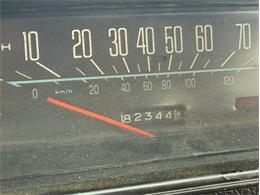
82,344 miles showing on the odometer (note: odometer not functional
- see below)
What You Should Know
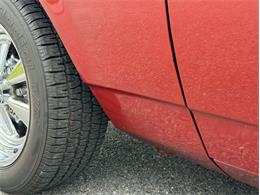
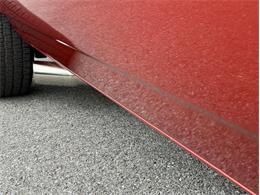
This is a frame-off restored car, but it's a Vega - meaning the
body is still subject to the same rust-prone unit-body construction
that made these cars famous for dissolving. The restoration shop
addressed the undercarriage with paint and detail work, but Vegas
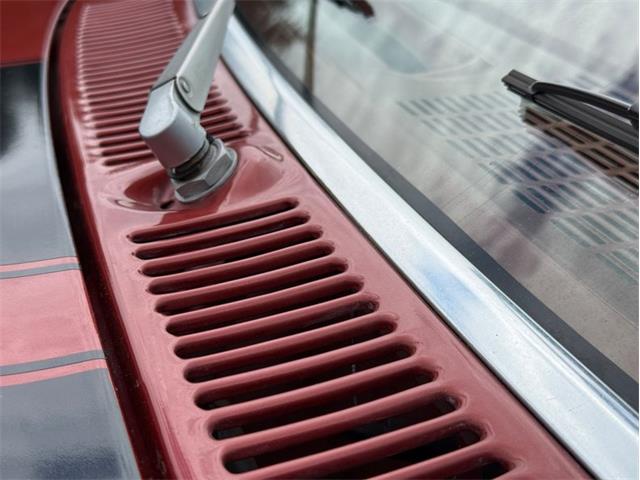
hide their sins in places you can't see without a lift. We'd
encourage any serious buyer to do an in-person inspection of the
cowl, rocker panels, and rear quarters.
There are a few items worth flagging directly:
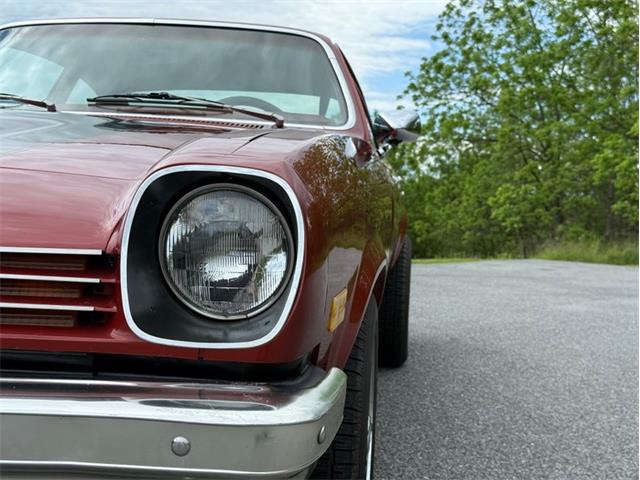
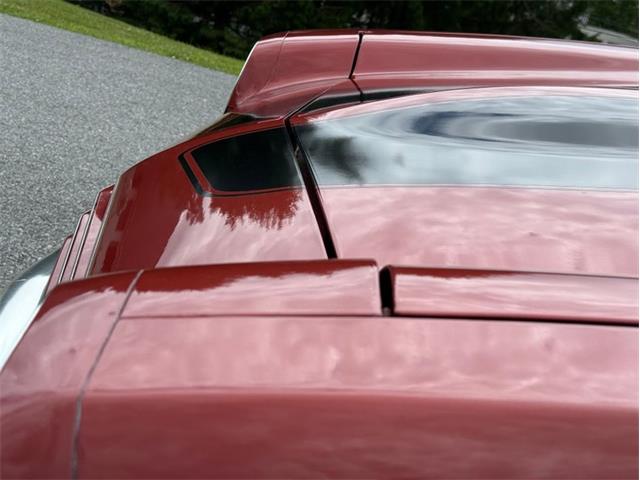
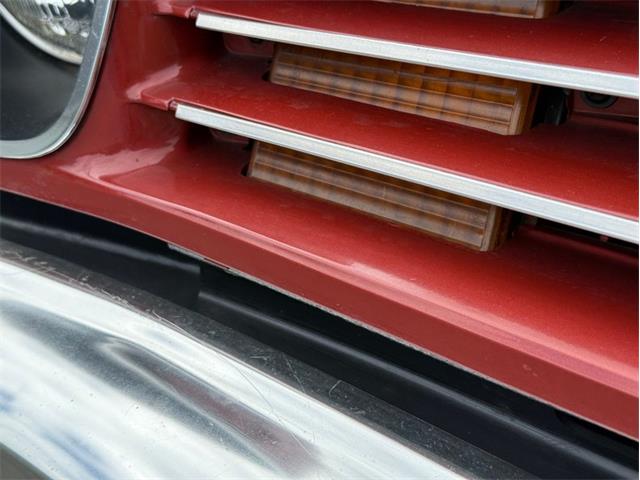
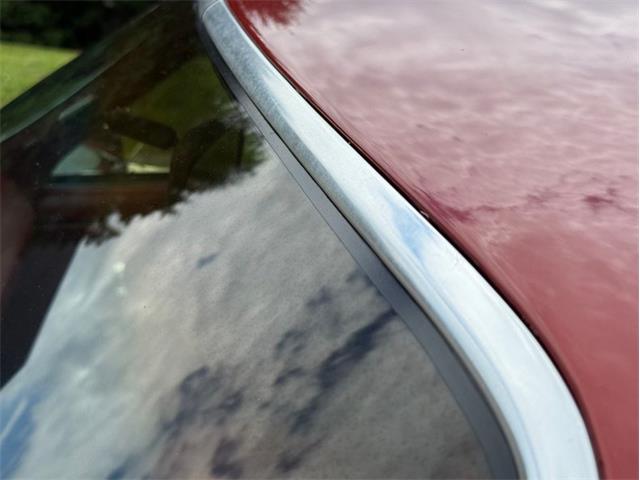
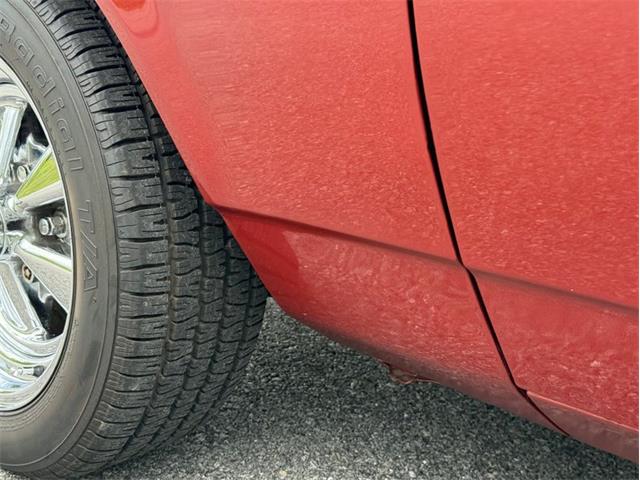
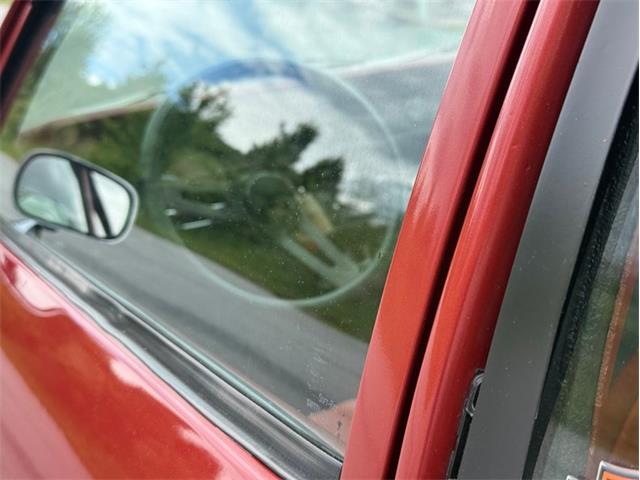
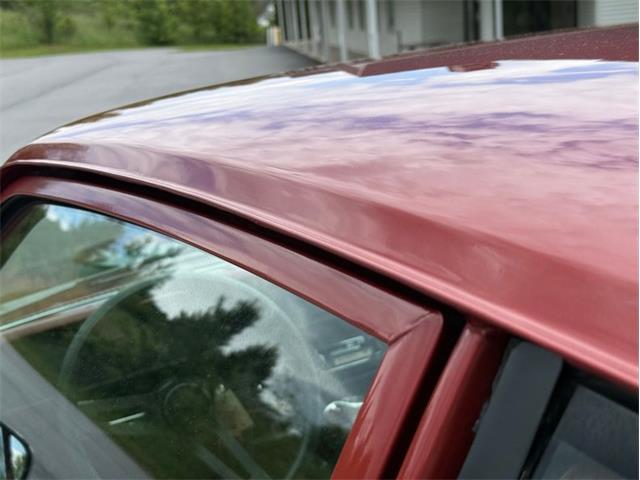
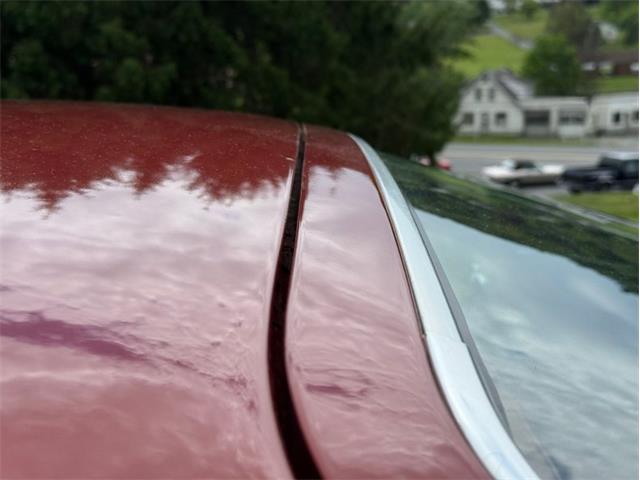
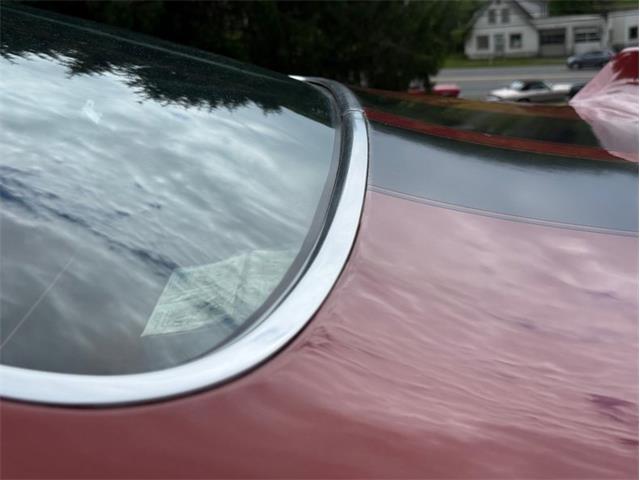
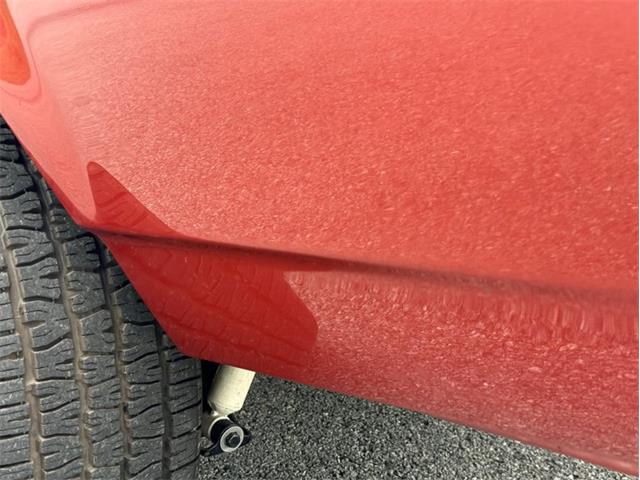
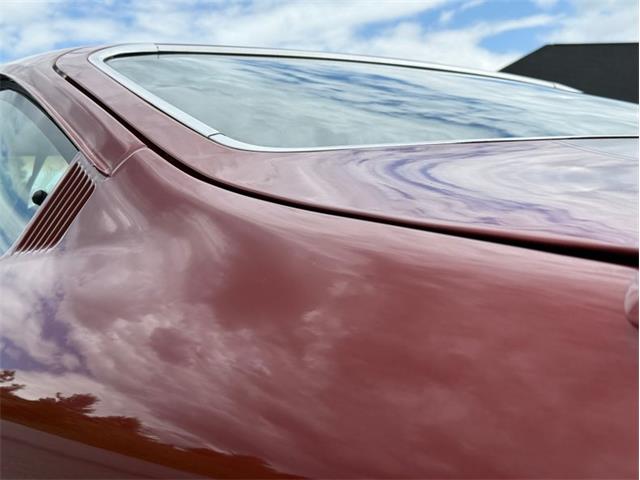
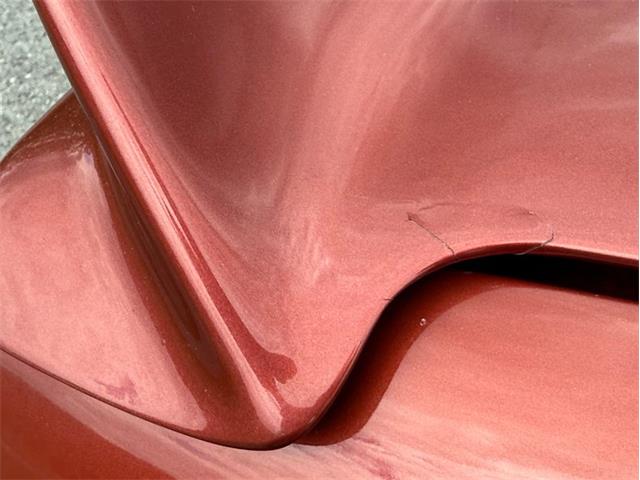
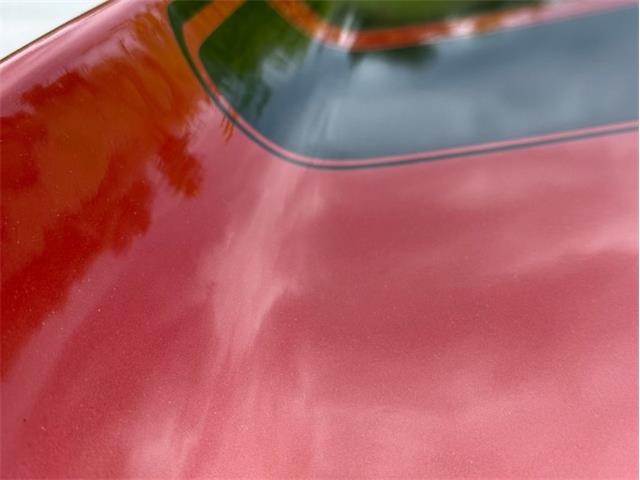
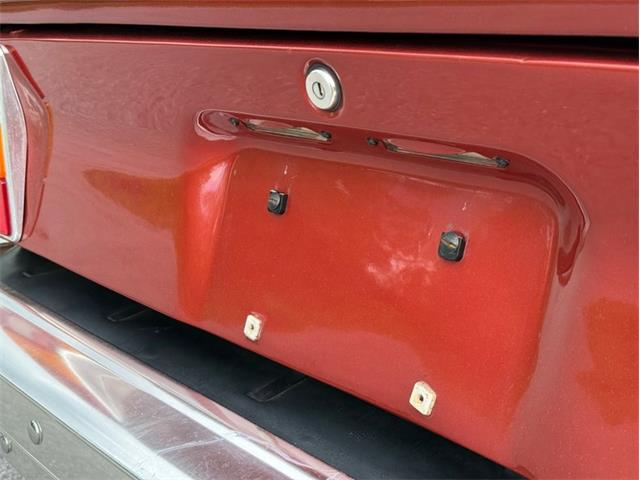
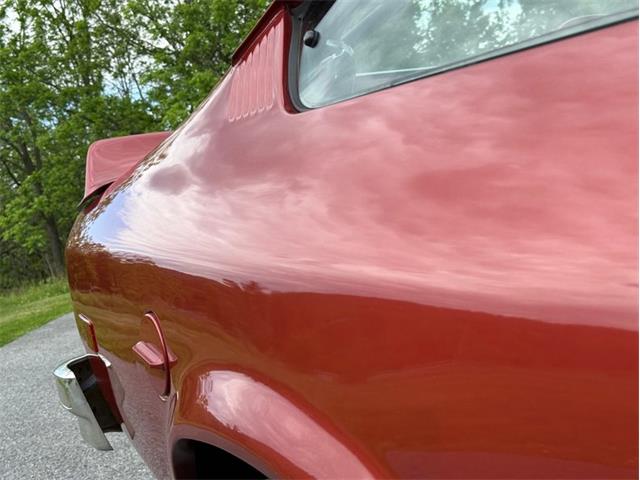
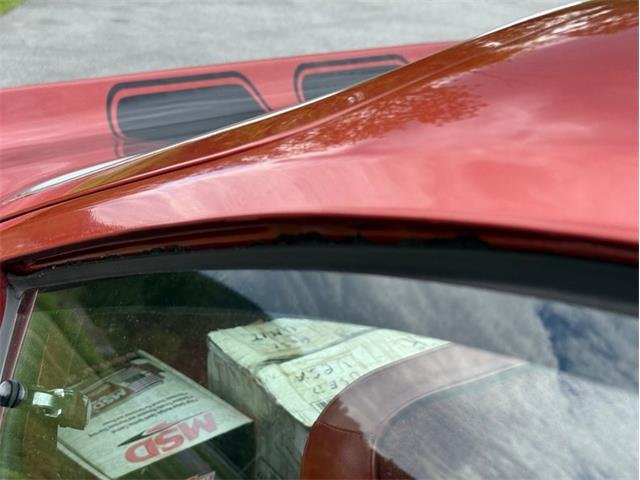
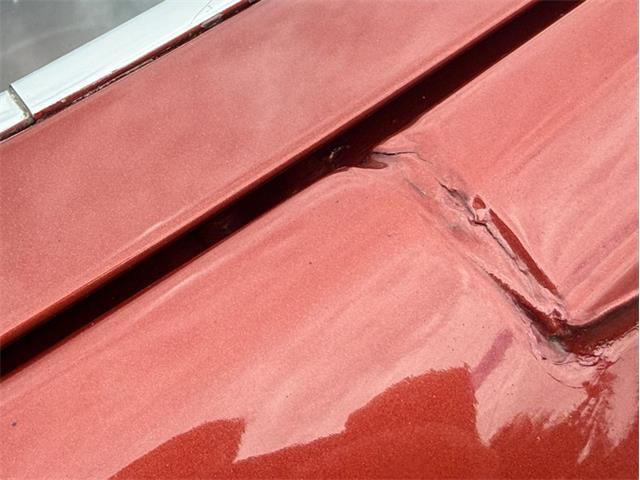
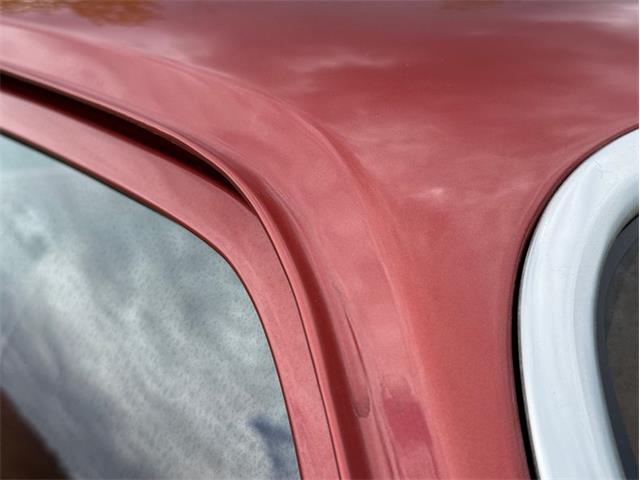
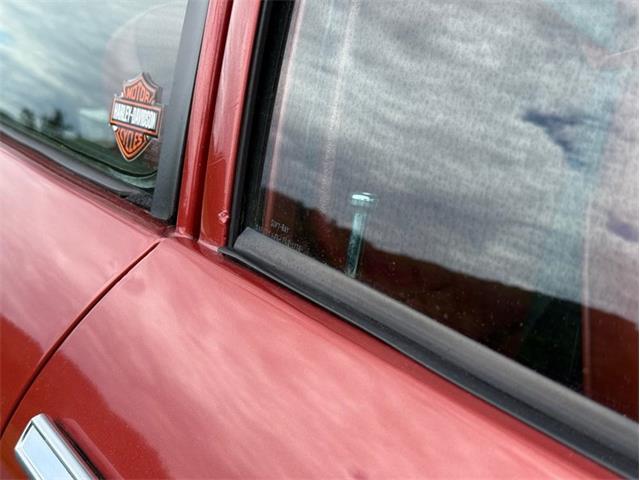
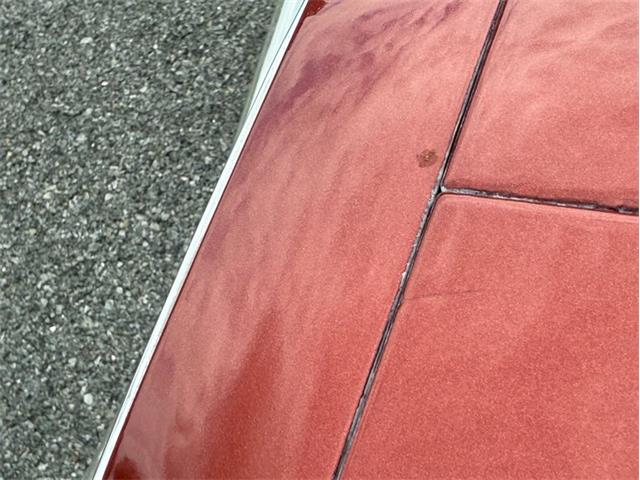
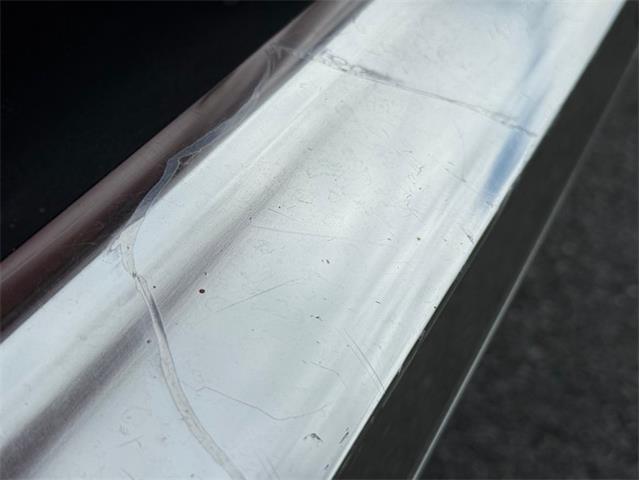
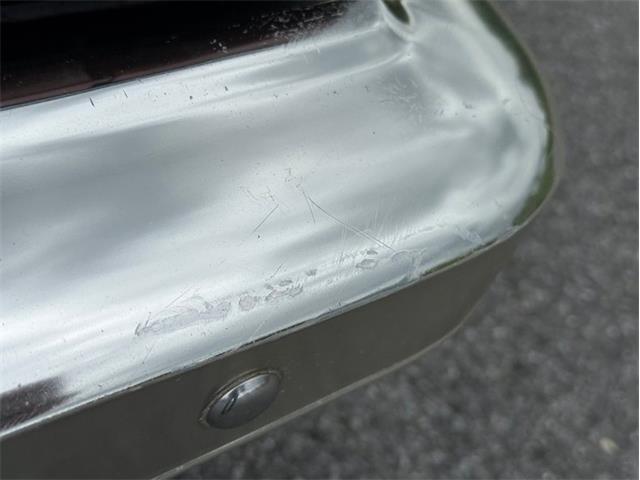
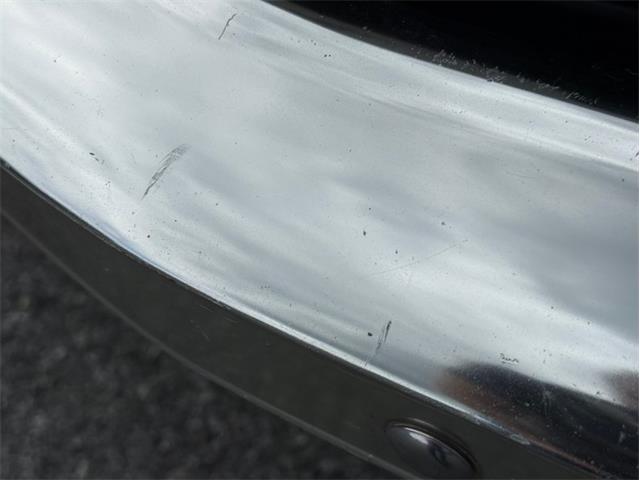
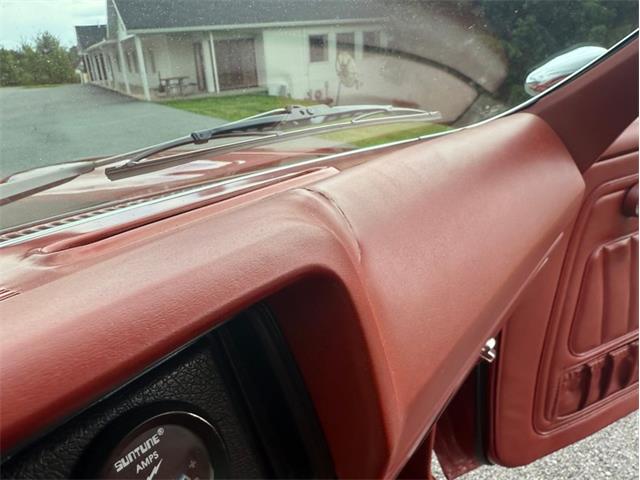
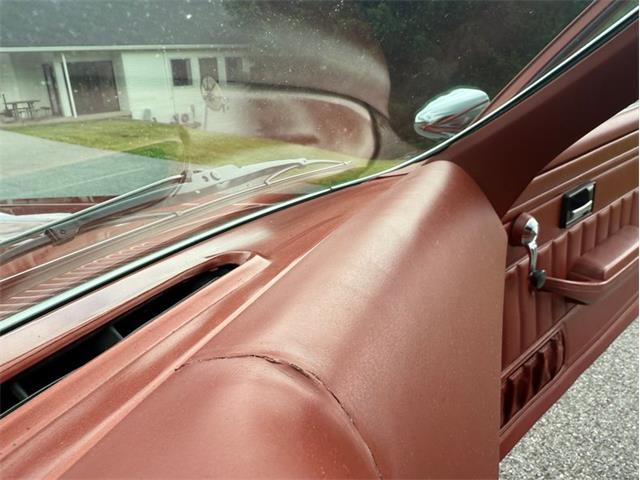
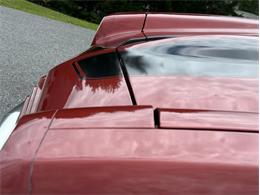
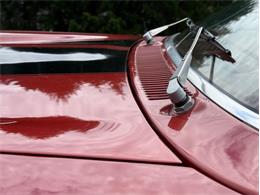
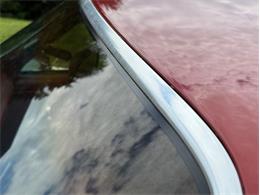
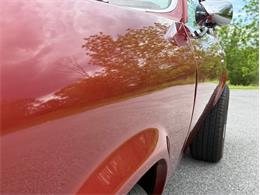
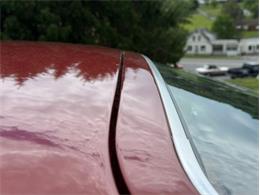
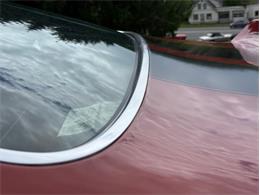
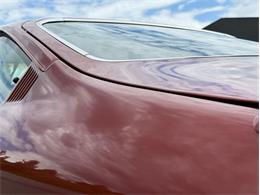
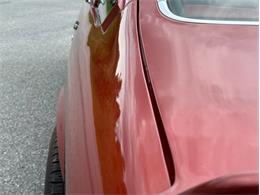
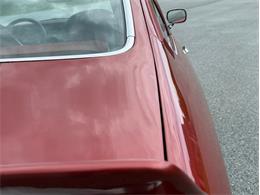
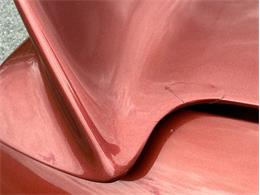
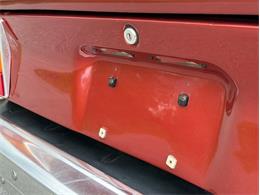
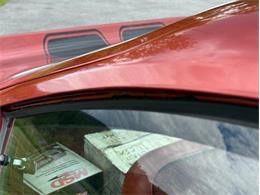
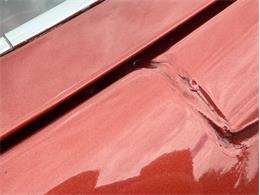
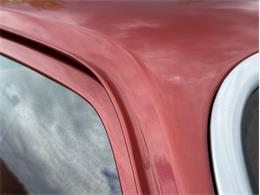
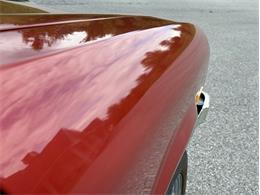
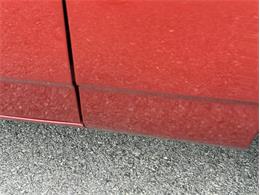
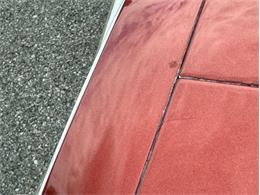
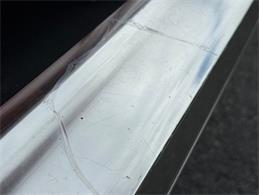
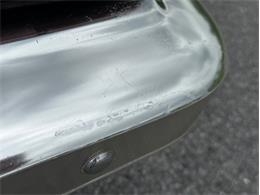
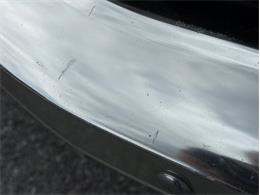
Paint crack near the spoiler. Visible in the close-up photos. It's
a clean stress crack in the paint at a body line, not a structural
issue we can see, but it's there and we're not hiding it. Could be
addressed with bodywork or left as-is depending on the buyer's
preferences.
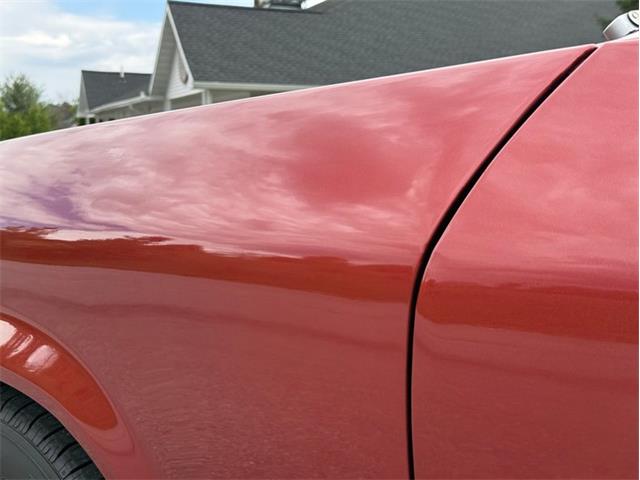
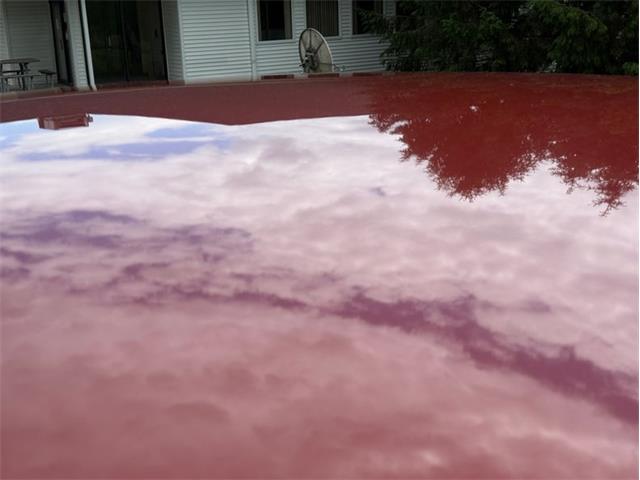
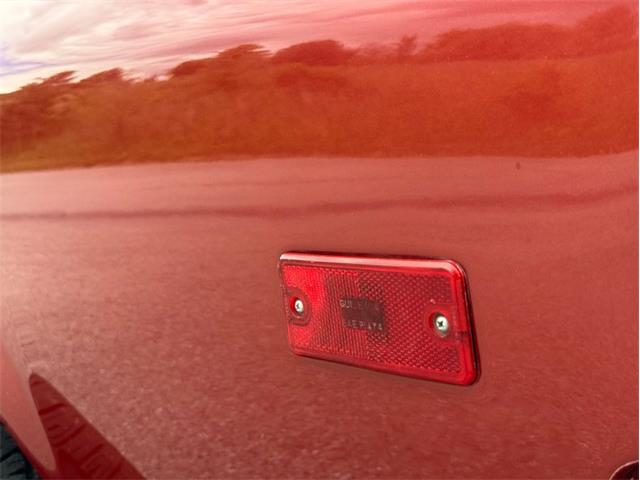
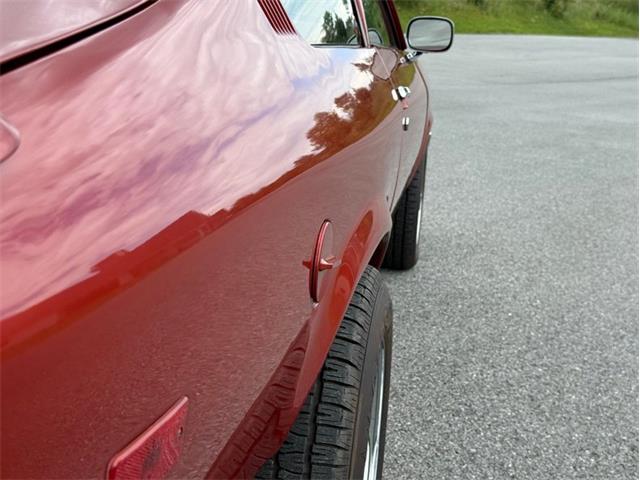
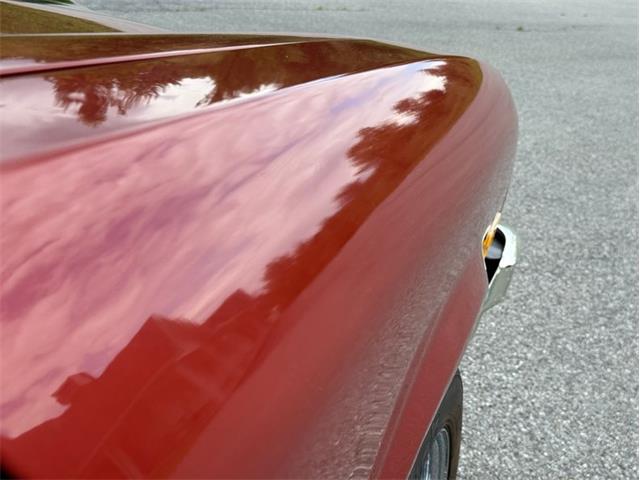
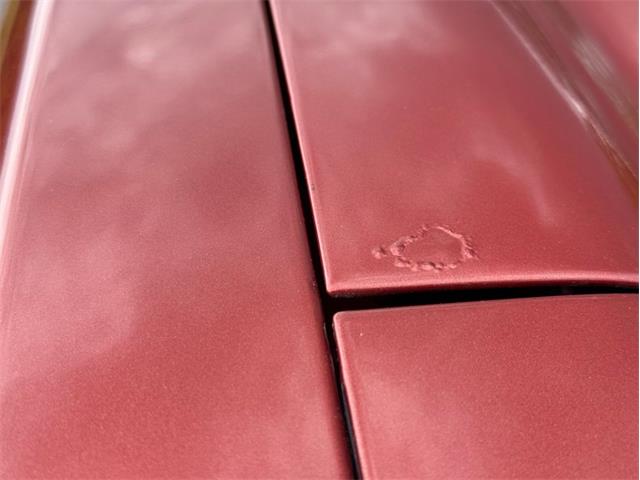
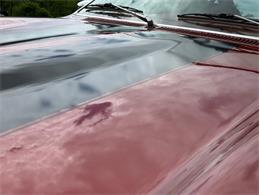
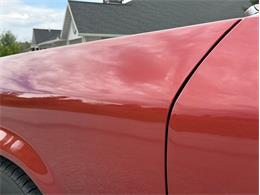
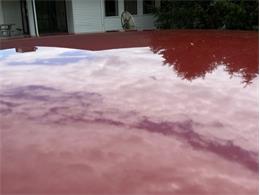
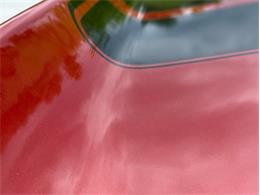
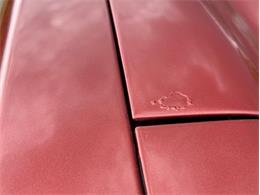
Rust bubble on the hood. Small but present, also pictured in the
listing photos. Could be a surface issue from a paint chip that
took on moisture, could be something more - only a sanding
inspection will tell you. Buyer should plan on addressing this
before it grows.
Speedometer and odometer do not work. The 82,344 miles shown is
what the dash reads - actual mileage is undocumented and
unknowable. This is a TMU (true mileage unknown) situation and
should be treated as such. The aftermarket tri-gauges work and give
you the engine info you actually need, but you'll want a working
speedo if you plan to drive this on the road regularly.
The 383 is not original to the car (no Vega ever left the factory
with a small block V8), and we don't have build sheets or
documentation for the engine internals - cam specs, compression,
dyno numbers are not on file. The B&M shifter and aftermarket
gauges are obvious modifications. This is a built car, not a
documented period correct V8 Vega conversion, and it's priced as
such.
The Bigger Picture
The Chevy Vega is one of the great "what if" cars in American
performance history. Introduced in 1971 as Chevrolet's answer to
the imports, it was designed to weigh under 2,300 pounds, ride on a
97-inch wheelbase, and undercut the Pinto on price. The H-body
platform is the same architecture that underpinned the Cosworth
Vega, the Monza, and the Pontiac Sunbird - and that lightweight
platform with a small block V8 stuffed in the engine bay is a
recipe that hot rodders figured out before the cars were even out
of production.
A 383-powered Vega in the 2,500-pound range is a deeply quick car.
The weight-to-power ratio puts it in territory that a stock
first-gen Camaro can't touch, and the short wheelbase makes it
twitchy and aggressive in a way that's the whole point. These
conversions used to be done with junkyard 350s and homemade motor
mounts; today, with a properly stroked 383, modern suspension
components like the Spohn arms, and a frame-off restoration, you're
looking at a build that's far more capable than what was possible
30 years ago.
V8 Vega conversions are not a common sight at car shows or
cruise-ins. The Vega's reputation killed most of them through
neglect, and the survivors that got rebuilt usually became
drag-only cars rather than street drivers. A street-driven,
restored, V8 Vega is genuinely uncommon.
How to Buy It
Inspections welcome - and frankly encouraged on this one given the
body construction and the documentation gaps on the drivetrain.
Transport quotes available, trades considered. Located in
Orwigsburg, PA at RT 61 Classics & Toy Barn. Call or text the shop
to schedule a viewing or request a video walk-around.
ClassicCars.com has been recognized as one of the fastest-growing private companies in the United States, successfully making the Inc. 5000 list in both 2015,
2016, 2017 and 2018. This prestigious accolade represents the continued growth of the company, and ClassicCars.com's dominance as the world's largest online marketplace for
buying and selling classic and collector vehicles.
The Stevie Awards, the world's premier business awards recognized
ClassicCars.com's first-class Customer Support team with a Stevie Bronze Award in 2019, celebrating the team's skills as exemplary customer support specialists.
In 2016 The Journal, brought to you by ClassicCars.com, was celebrated as the SECOND MOST INFLUENTIAL automotive blog in the world by NFC Performance.