Engine No. 5100087
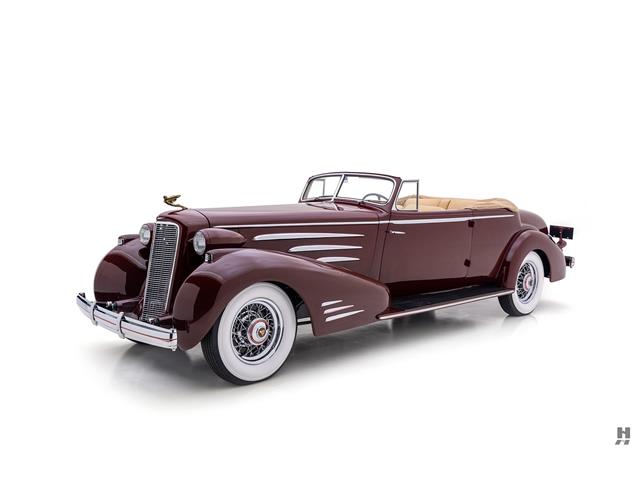
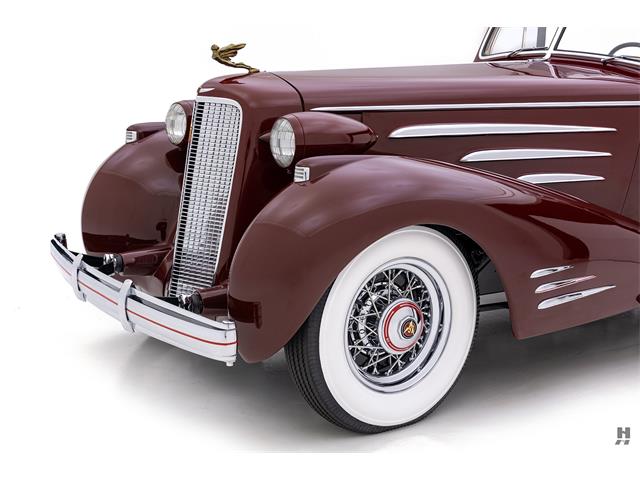
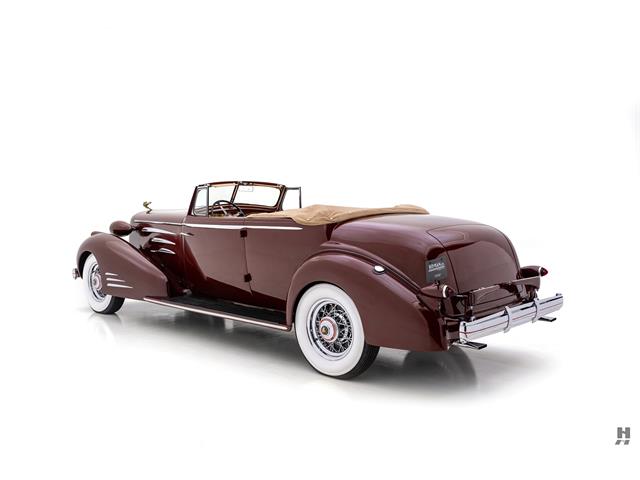
- One of just 50 Cadillac V-16s produced for 1935, with rare
Fleetwood coachwork
- Believed to be one of only two 5-passenger Convertible Coupes
built that year
- Formerly part of the renowned Blackhawk Collection
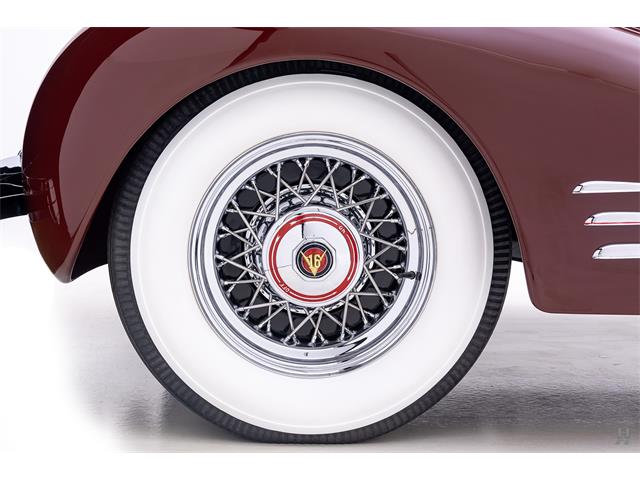
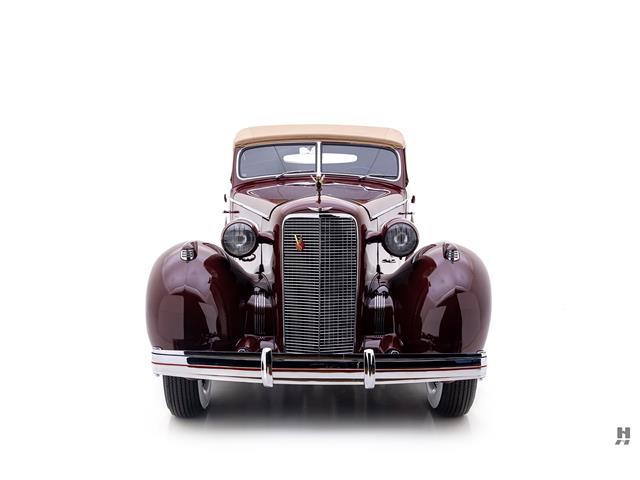
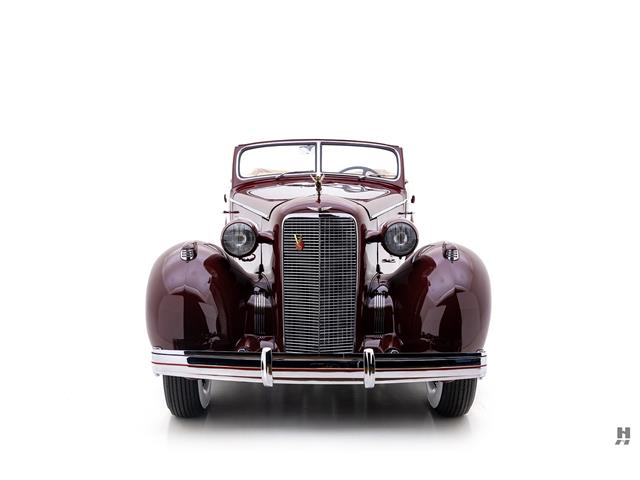
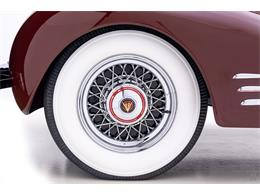
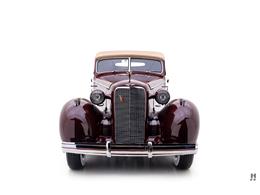
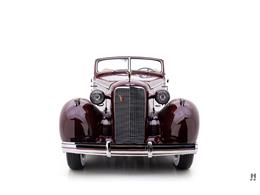
- Elegant dark red over tan leather with chrome wire wheels and
wide whitewalls
As the 1920s drew to a close, Cadillac was enjoying considerable
success in the hotly contested luxury car market. Locked in a tight
battle with its cross-town rivals at Packard, General Motors made a
bold move by adding La Salle as a stylish junior companion brand to
Cadillac. Harley Earl, who is widely considered as the father of
American car styling, was first hired to design the La Salle, and
with its immediate success, he was put in charge of the newly
created Art and Color Department at GM where he would soon make his
mark on the rest of the GM lineup.
With Cadillac on firm footing, company president Larry Fisher,
together with Harley Earl set their sights on creating an all-new
flagship to lead the GM's most prestigious marque into the 1930s.
Earl and Fisher took a tour of England and mainland Europe,
visiting with traditional coachbuilders such as Barker, James
Young, Saoutchik, and Vanvooren in search of inspiration.
Meanwhile, in Detroit, Cadillac was set to unveil a stunning new
powerplant that would become the new Crown Jewel at General Motors.
Cadillac introduced two new engines based on the same architecture
- a V12 and a sensational, 452 cubic-inch V-16, both designed
in-house by Owen Nacker. The engines were technically and visually
stunning, with overhead valves and stylish Art Deco-inspired
styling. Both engines were powerful, but it was the mighty V-16
that genuinely stole the headlines with its 175-horsepower output
and unparalleled refinement.
The V-16 engine was installed in a new, strengthened chassis with
power-assisted brakes and a "clashless" synchronized gearbox.
Unlike its competitors, General Motors utilized in-house
coachbuilders Fisher and Fleetwood to build the bodies for the new
Series 452, with only a select few cars going to outside firms.
Nearly one hundred body and wheelbase combinations were possible,
which ensured the kind of exclusivity that was necessary if
Cadillac hoped to lure buyers from the likes of Rolls-Royce and
Hispano-Suiza. The basis styling was penned by a team led by Harley
Earl, while Fisher and Fleetwood crafted some of the most beautiful
bodies of the 1930s.
Cadillac wanted the V-16 to remain at the pinnacle of the market
and updated it annually. For 1934, the entire Cadillac line was
redesigned with beautiful new styling, influenced by the
Streamline-Moderne period, and this design was updated again for
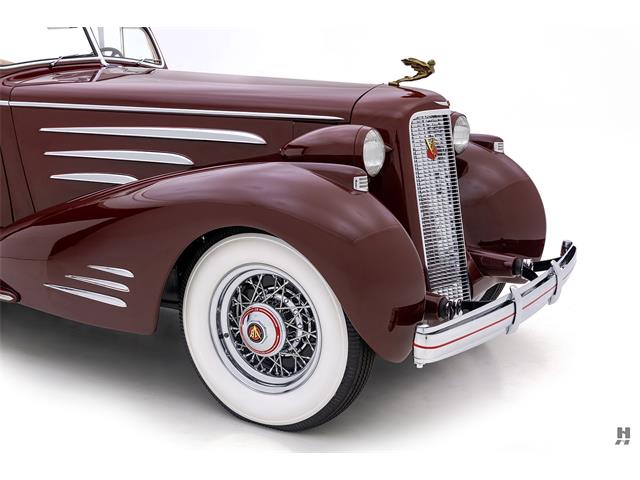
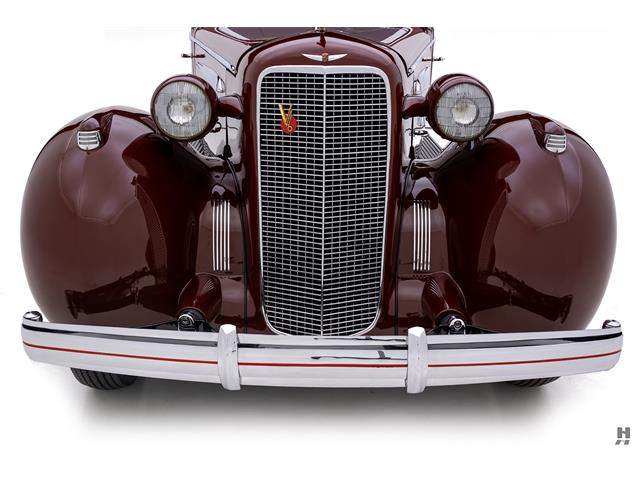
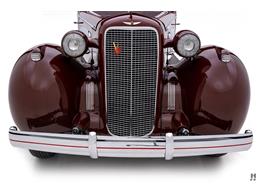
1935. The new design was lower and longer than before, with pontoon
fenders, bullet headlamps, and clean, linear details. Mechanically,
the V-16 was uprated to 185 horsepower and sat in a massive
154-inch wheelbase chassis. Yet America was still in the throes of
the Great Depression, and despite all the visual splendor and
engineering excellence, V-16 sales amounted to a mere 212 total
chassis built from 1934 through the end of the first generation in
1937. In spite of the fact that GM lost money on every example they
built, the Cadillac V-16 stands as one of the most desirable and
collectible American motorcars of the classic era.
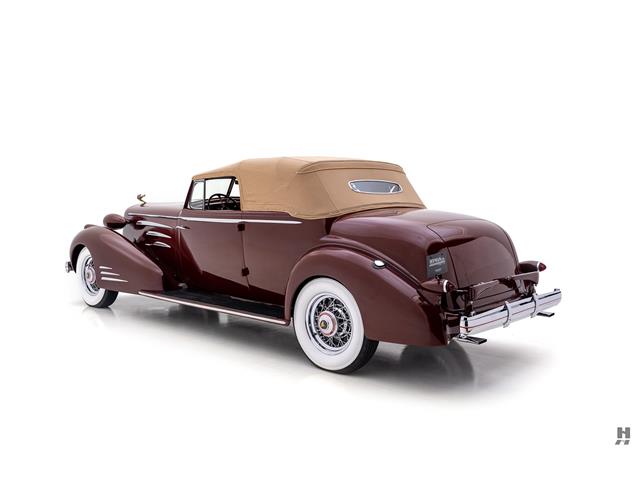
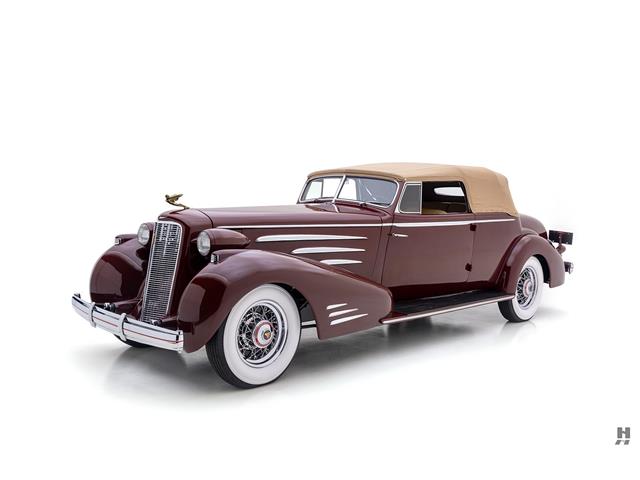
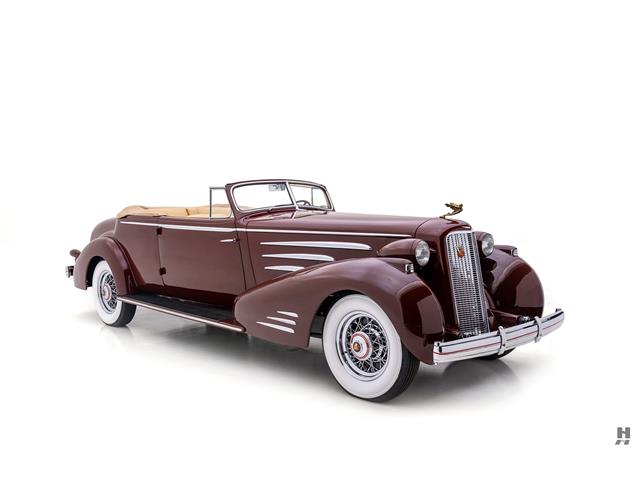
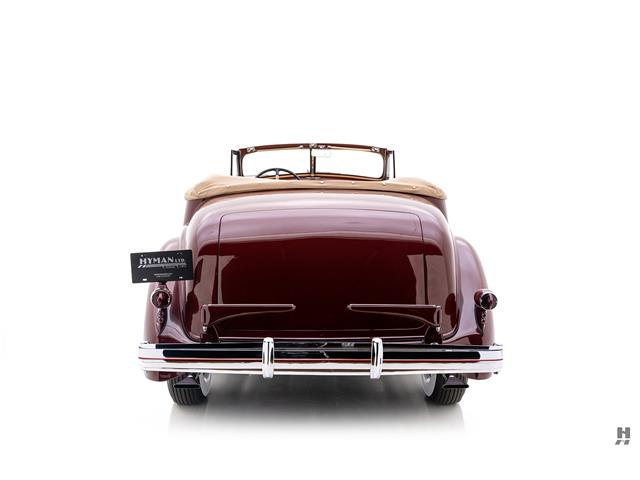
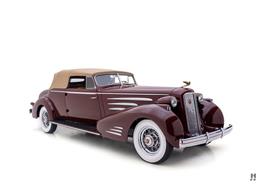
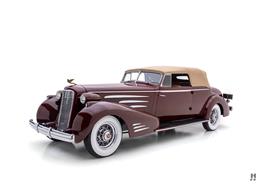
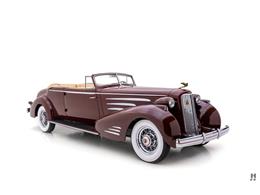
This fabulous 1935 Cadillac Series 35-90 exemplifies the elegance
and grandeur of the Classic Era and is a stunning piece of early
Streamline design and is one of just 50 Sixteens produced in 1935.
Engine number 5100087 is believed to be one of only two that were
built in 1935 in the Fleetwood 5-Passenger Convertible Coupe body
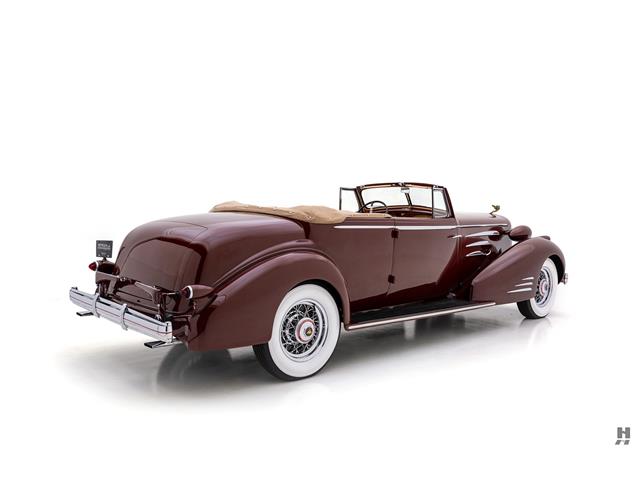
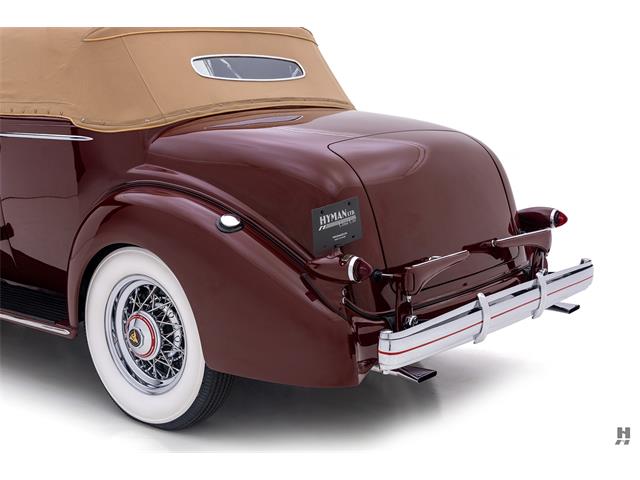
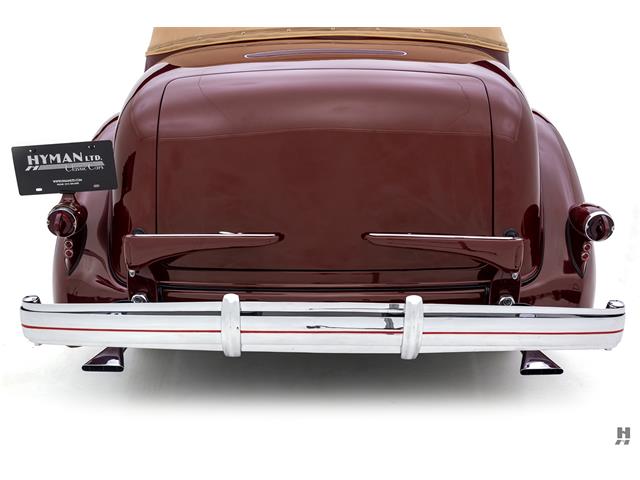
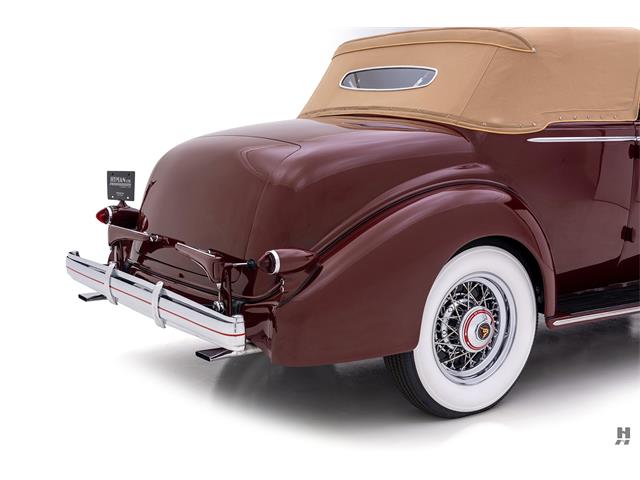
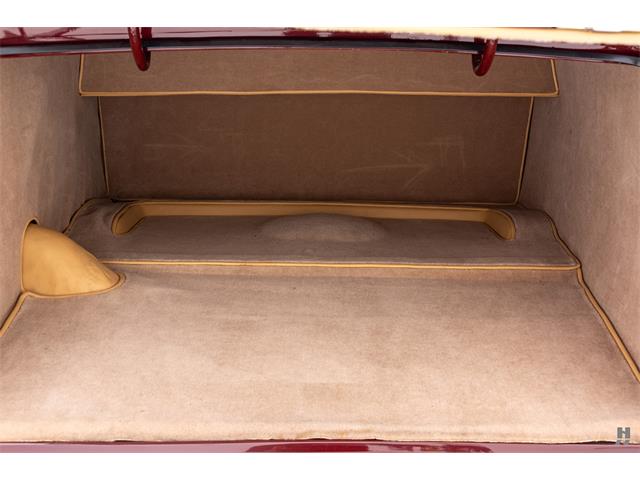
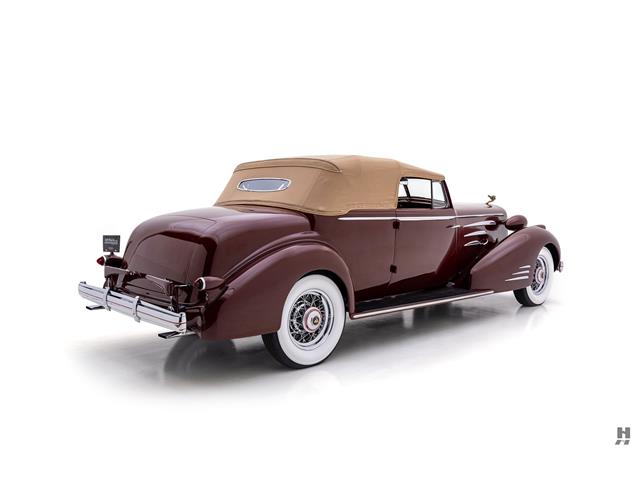
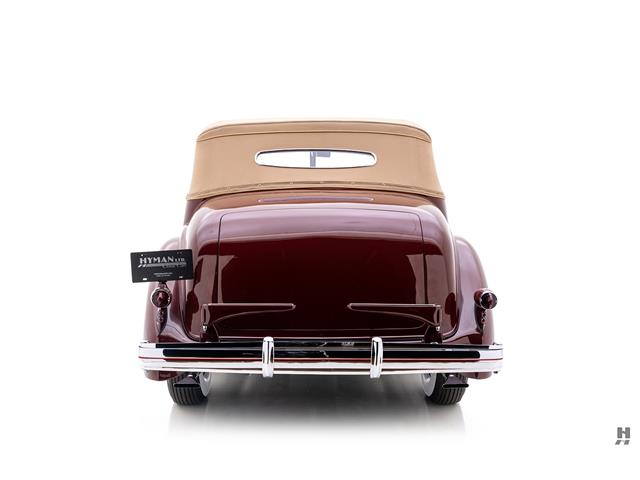
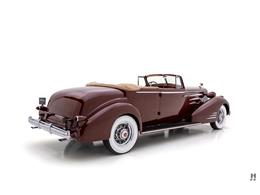
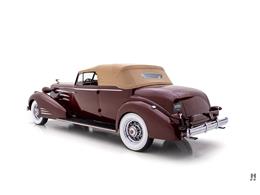
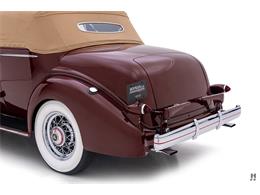
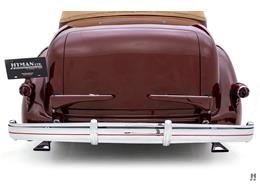
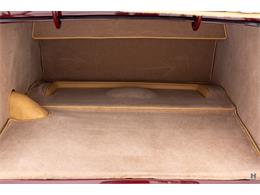
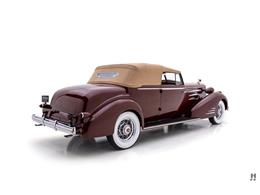
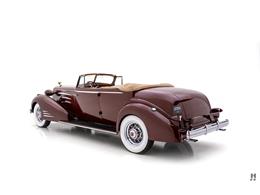
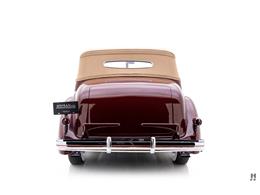
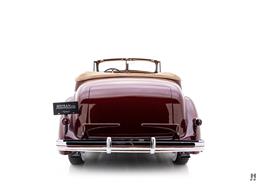
style #5885. Equipped for long journeys, the 5-passenger
convertible coupe features a cavernous built-in trunk, as well as a
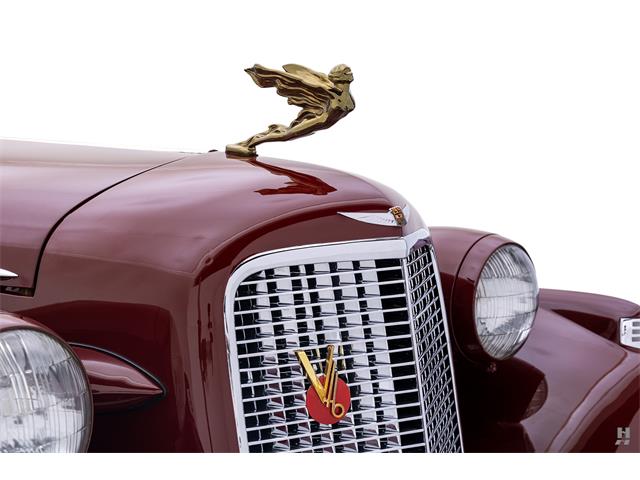
trunk rack for even more storage. Other options include a radio,
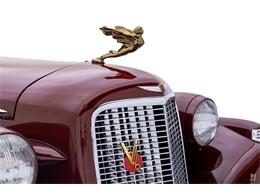
banjo steering wheel, chrome wire wheels, gold goddess mascot, and
a single trunk-mounted spare. Unfortunately, 5100087's early
history is unknown, and in correspondence with Cadillac Historical
Services, this car's serial number falls in a group of cars whose
records were not retained.
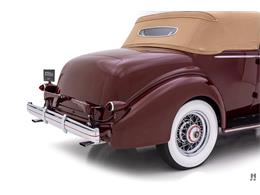
Previously part of the renown Blackhawk Collection, the V-16
Convertible Victoria presents in excellent condition, with a
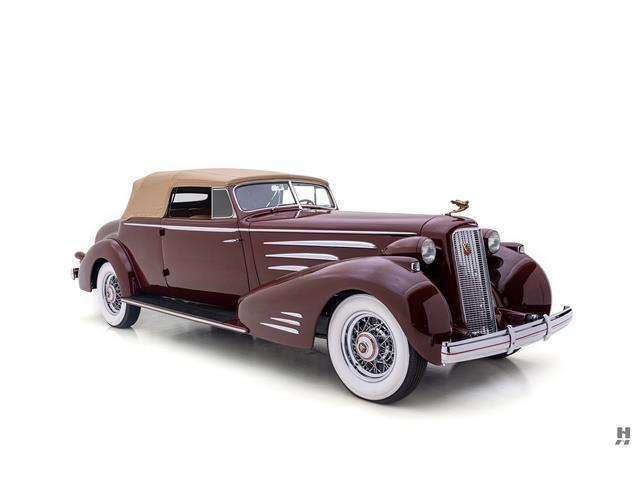
well-preserved, gently matured restoration. The elegant and
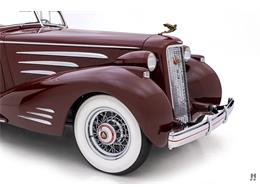
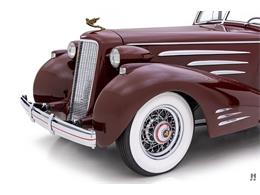
imposing Fleetwood bodywork is finished in a lovely dark red color,
set off handsomely with chrome wire wheels fitted with wide
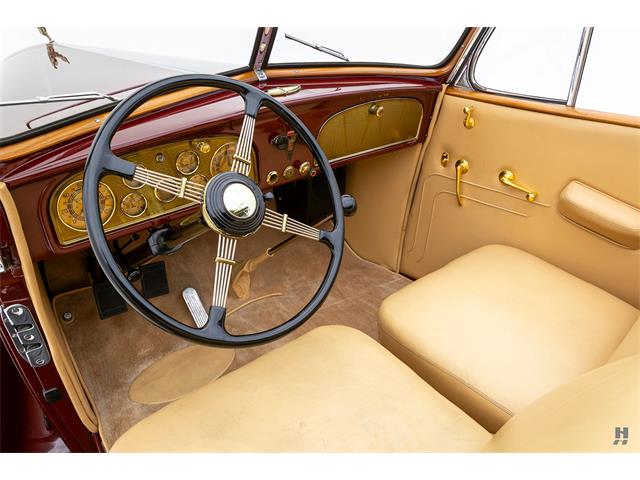
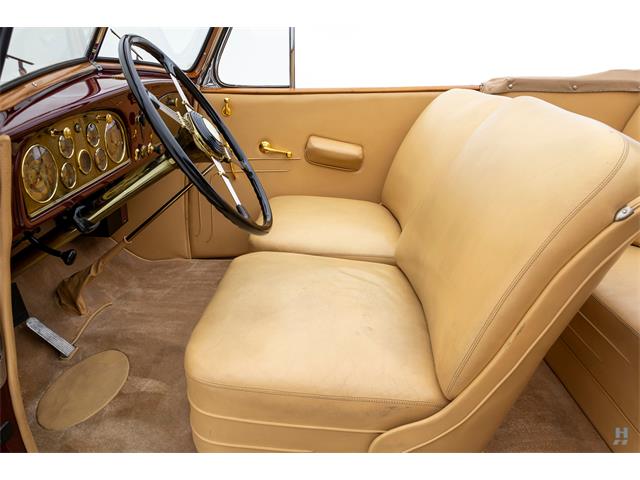
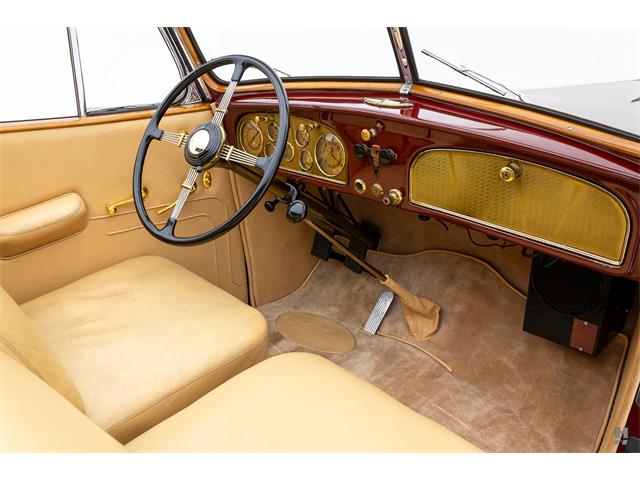
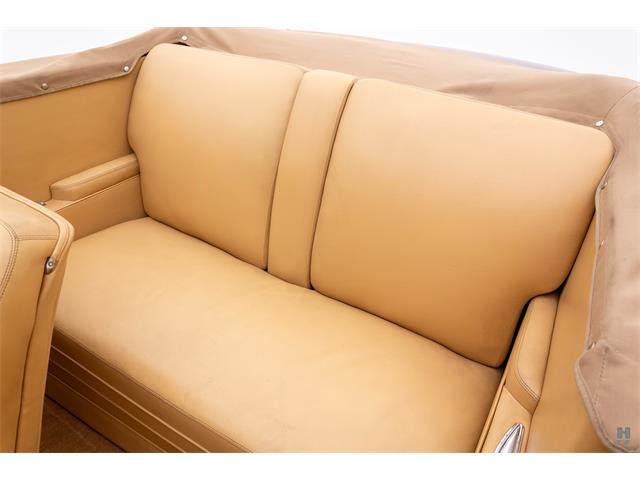
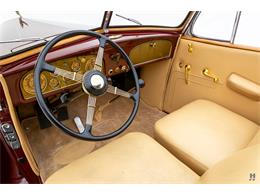
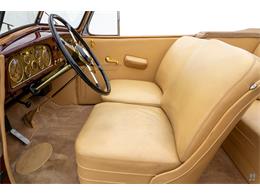
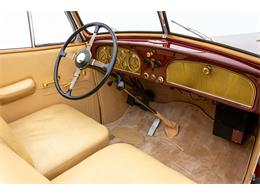
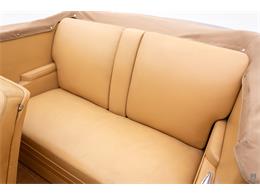
whitewall tires. Opening the doors, you are treated to a tan
leather interior in excellent order, showing only the very
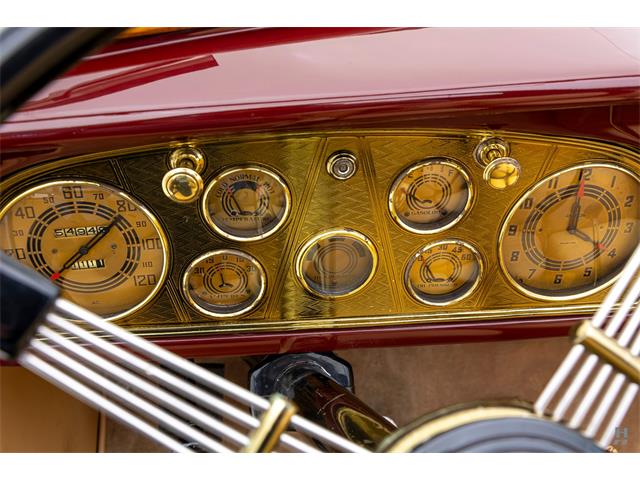
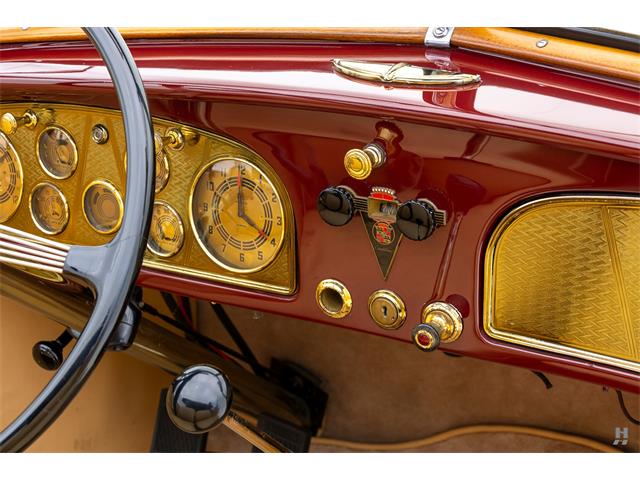
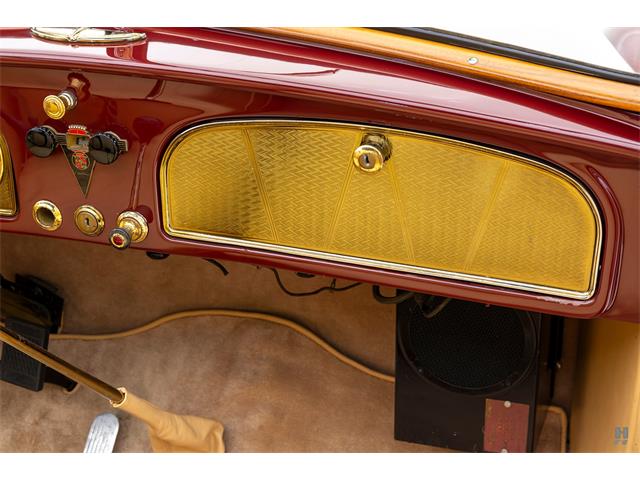
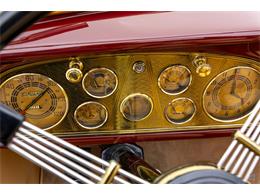
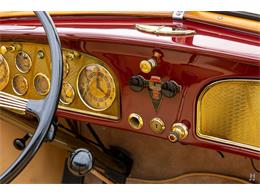
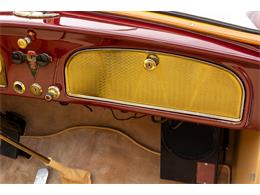
slightest creasing from light use. Gorgeous detailing adorns the
dash with its gold engine-turned escutcheons and correct original
instrumentation. Rear passengers are treated to a large leather
chair with a folding armrest, individual cigar lighters and
beautifully detailed ash trays. The tan canvas top is in excellent
condition.
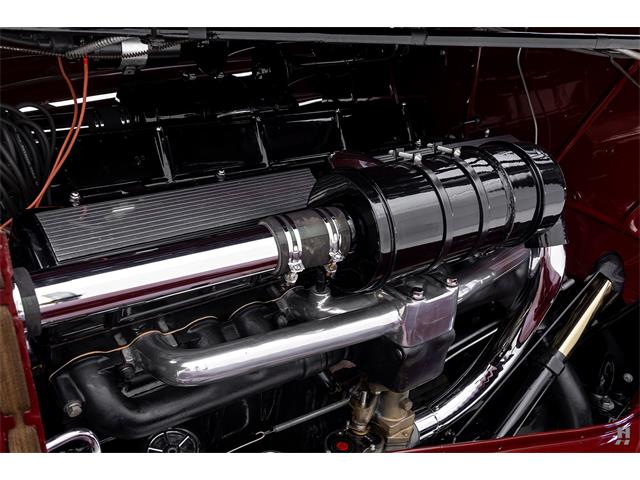
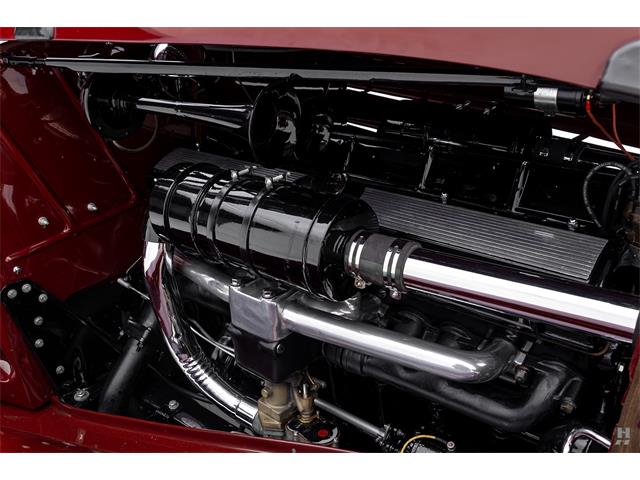
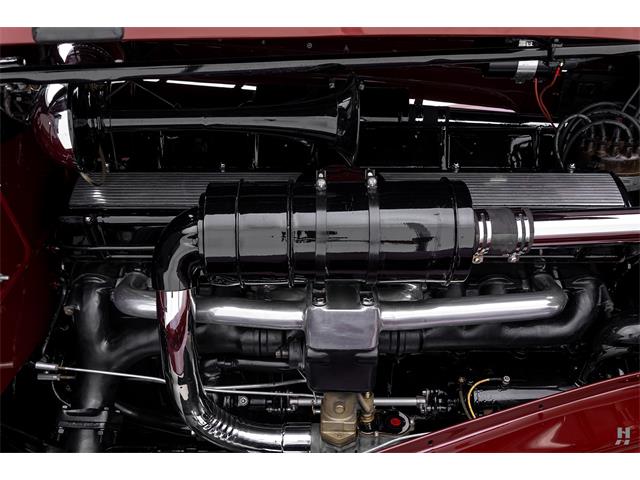
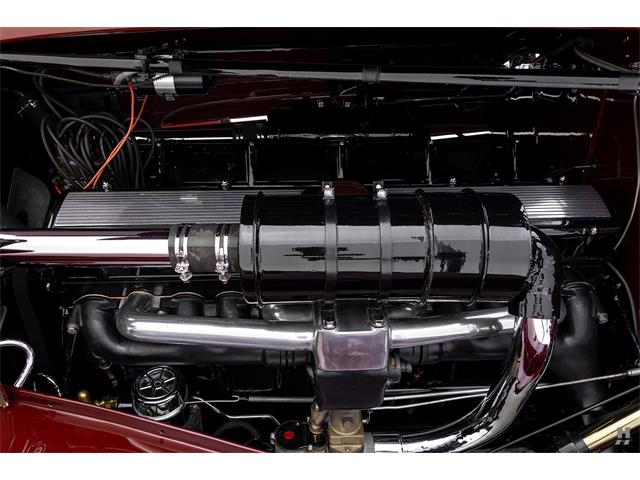
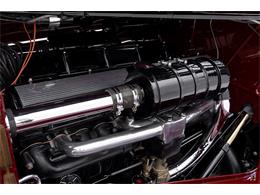
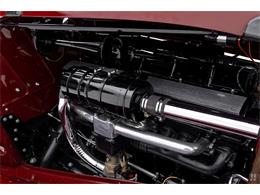
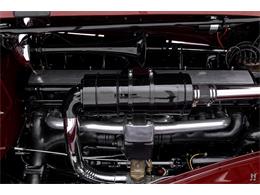
It is difficult to determine whether the body or the engine is the
star of this show. Opening the long bonnet reveals one of the most
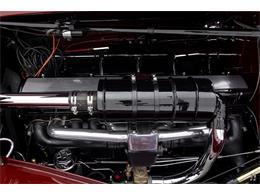
awe-inspiring engines of the era. The Cadillac V-16 is a
masterpiece of form following function and a piece of mechanical
beauty. The narrow angle Vee is topped with black painted rocker
covers accented with polished ribs. The engine compartment remains
in superb condition and on a recent road test the car performed and
drove superbly, however there is evidence of a prior repair to the
block. The Cadillac's current condition is a testament to the high
quality of the restoration, as well as the loving care and
maintenance the car has enjoyed since.
Few automobiles of the era can compare with the 1935 Cadillac V-16
for its presence and style. With a 154-inch wheelbase and an
overall length of nearly twenty feet, this massive V-16 makes an
undoubtedly bold statement. This remarkable automobile represents
the very best that Cadillac - and America - had to offer in the
period. It is a piece of art, history and engineering brilliance
that can be shown or toured with pride.
Offers welcome and trades considered.