VIN 1T10014
- The 14th of just 26 cars produced
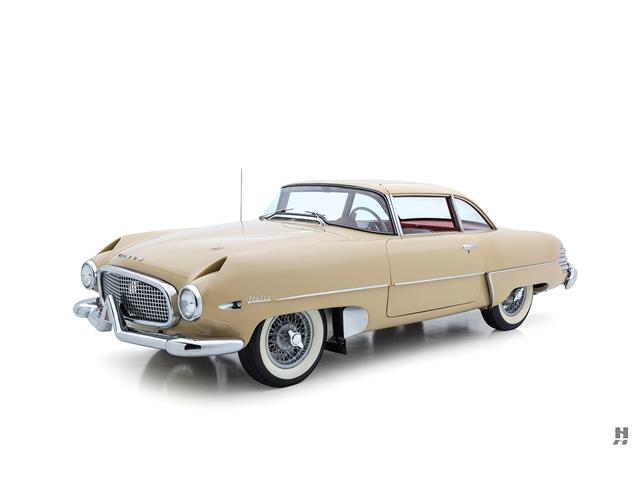
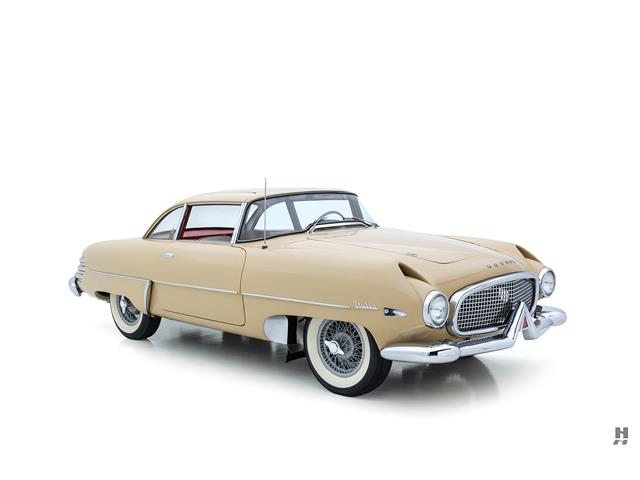
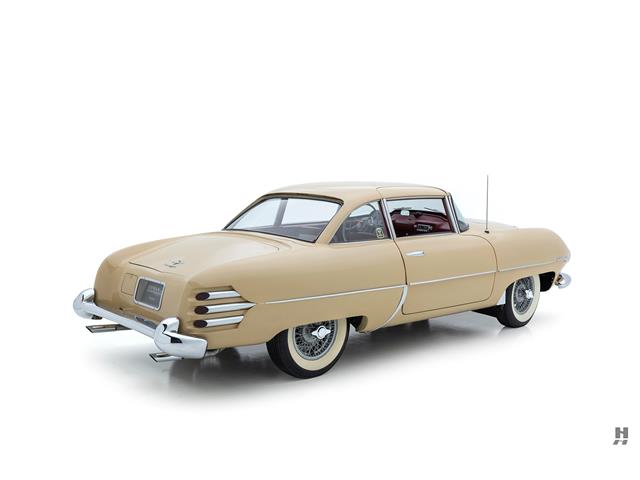
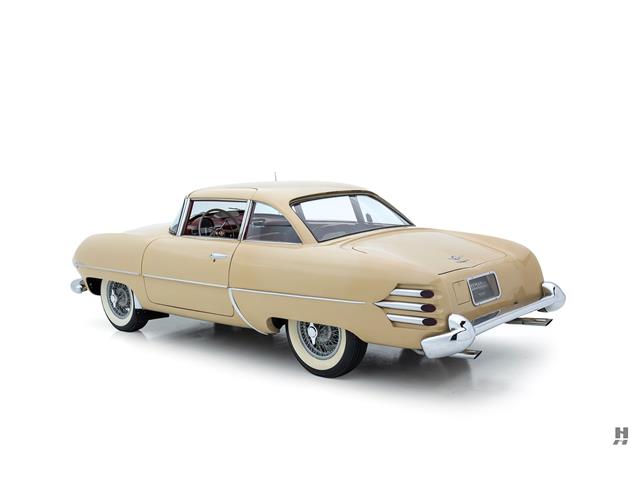
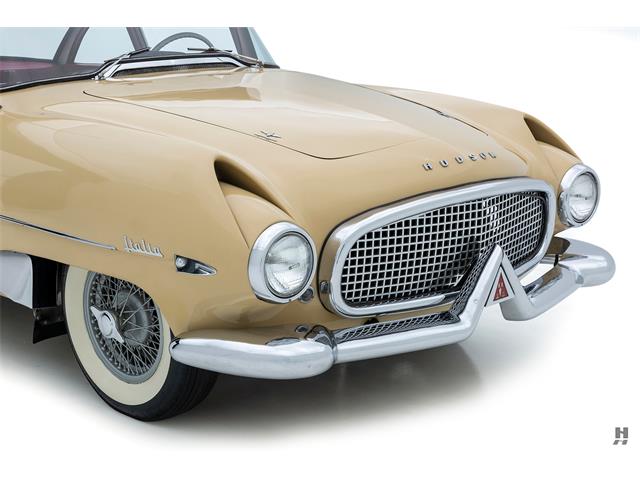
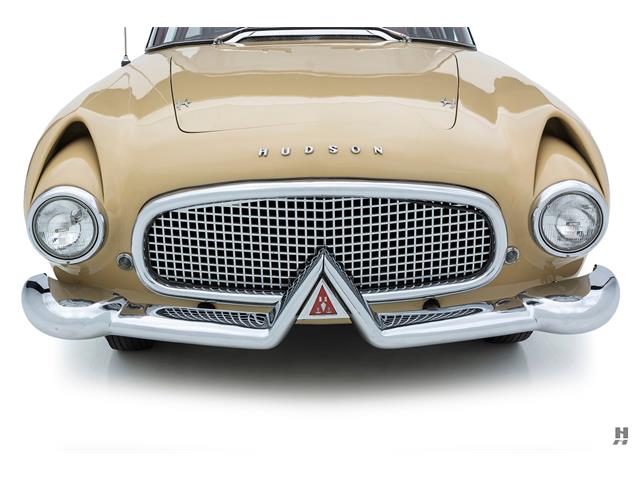
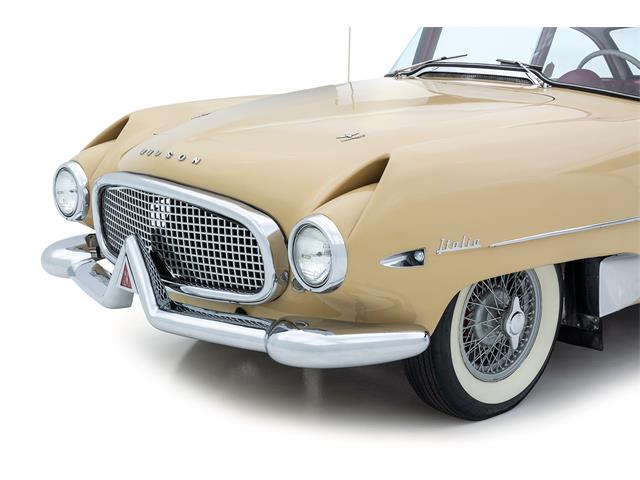
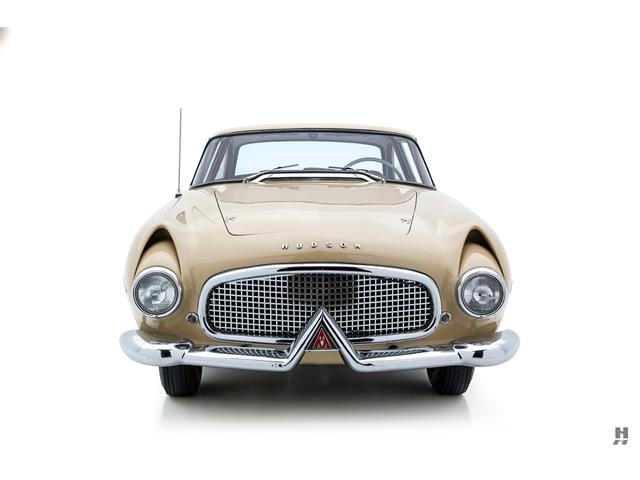
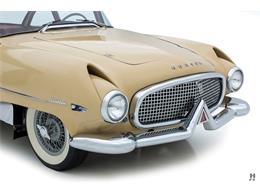
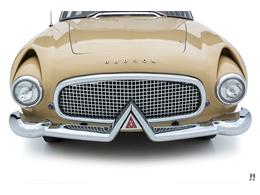
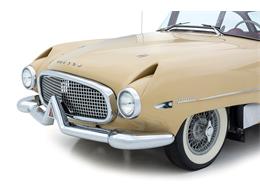
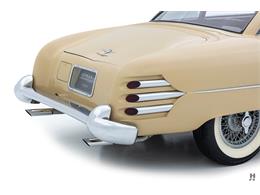
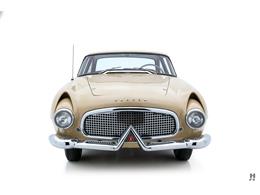
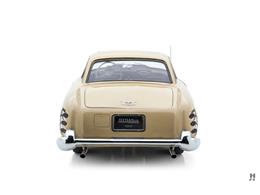
- Fantastic Jet-Age bodywork, designed and crafted by Carrozzeria
Touring in Milan
- Never restored and well preserved in largely original
condition
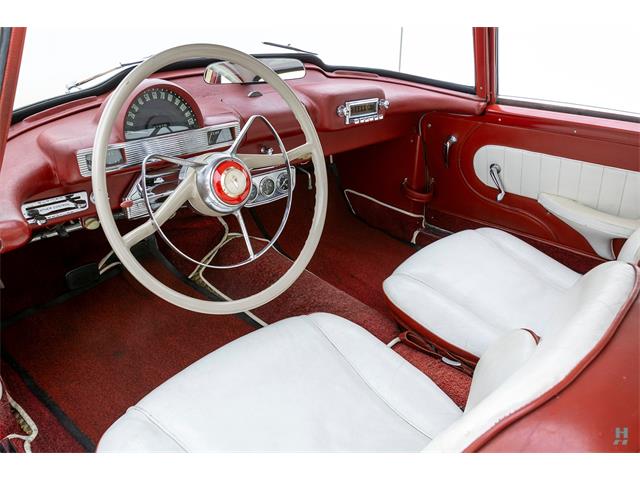
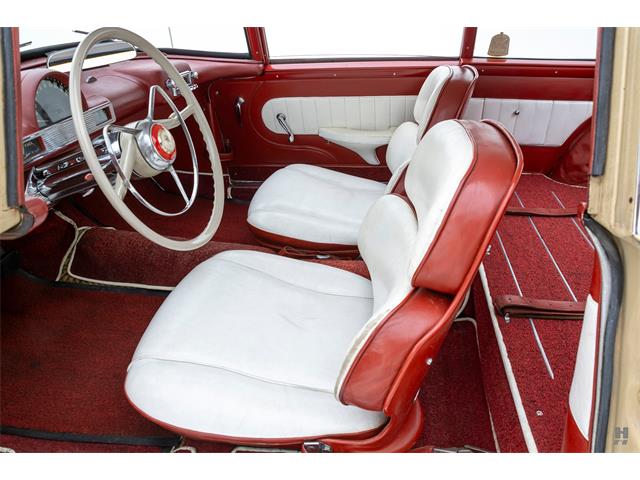
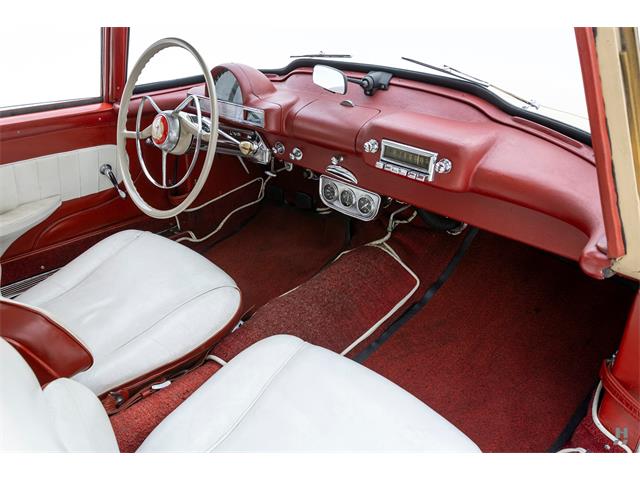
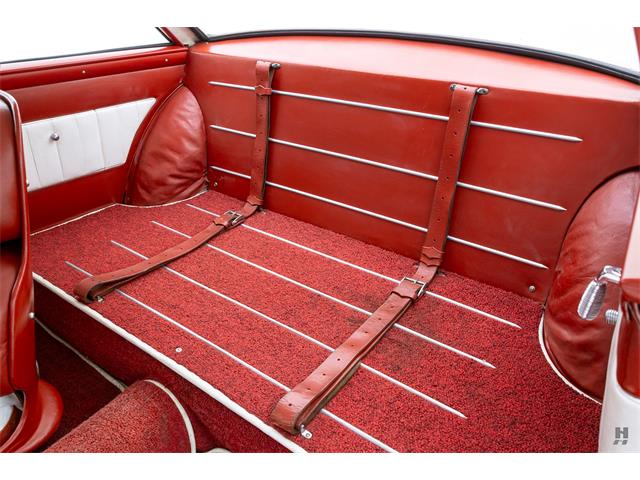
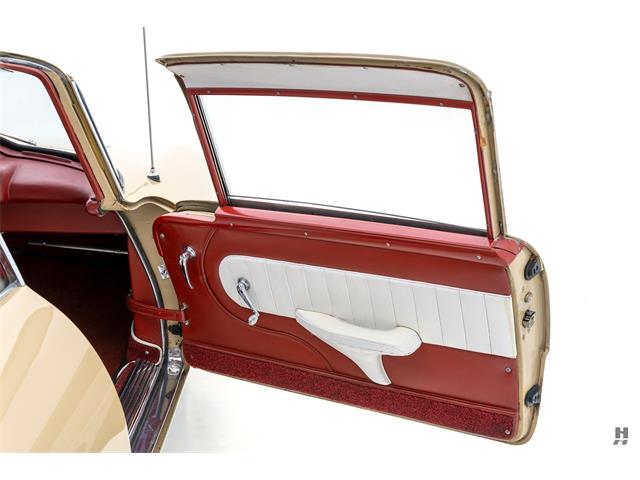
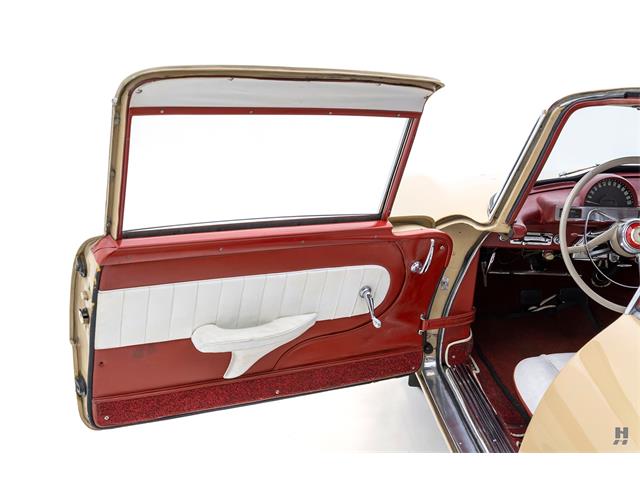
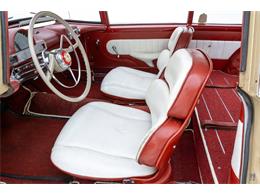
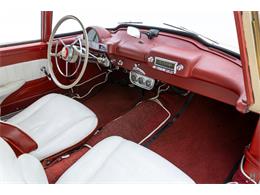
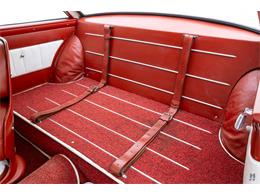
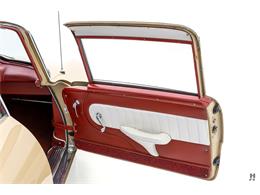
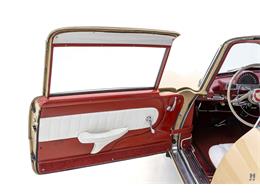
- Superb original red and white leather interior
- Offered from long-term private ownership
In the early 1950s, America's independent automakers found
themselves on the sidelines while sales war raged between GM and
Ford. Among those fending for leftovers was Hudson Motor Company of
Detroit, looking for a new way to steal attention from the big
boys. With limited resources, Hudson management chose to develop a
new small car to compete with Nash's new Rambler. The new Hudson
Jet first appeared in 1953 - a compact four-door sedan with
innovative unibody construction and a torquey 202 cubic-inch
inline-six. Unfortunately, excessive meddling from upper management
hampered the project, and Hudson's President, A.E. Barit, insisted
on changes that turned what could have been a distinctive small car
into a conservative, somewhat dowdy facsimile of a 1952 Ford.
Nearly all of Hudson's available resources went toward the project,
ultimately causing their undoing and forcing a merger with Nash to
create AMC in 1954.
But not everything about the Jet was dire. Hudson's design
director, Frank Spring, somehow managed to convince the board that
a sporty version of the Jet would attract America's young, sports
car hungry buyers, and perhaps steal some sales from Chevy's new
Corvette and the emerging imports. In 1953, Frank Spring traveled
to Brussels, Belgium to meet Carlo Felice Anderloni of Carrozzeria
Touring, Milan. Over dinner, they discussed a sports car utilizing
Hudson underpinnings, with lightweight Italian coachwork. They even
sketched the concept on a dinner napkin which, incidentally, still
exists in Touring's archives! With detailed ironed out and
handshakes all around, the Hudson Italia project was underway.
Spring arranged for the shipment of a complete Hudson Jet to
Touring's workshop in Milan. After the Italians tested the standard
car, they commenced stripping it down and rebuilding it as a
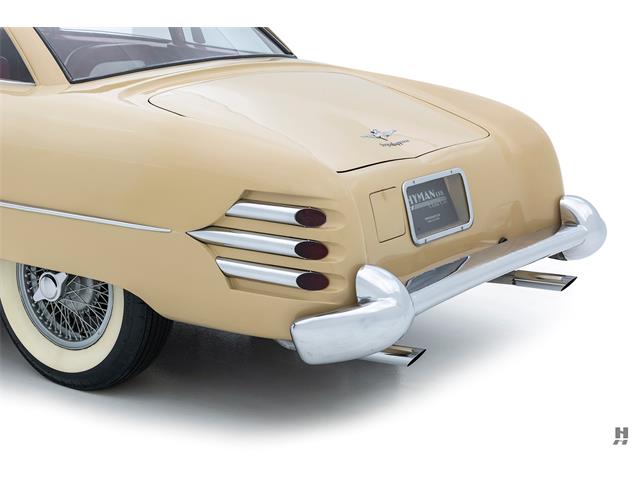
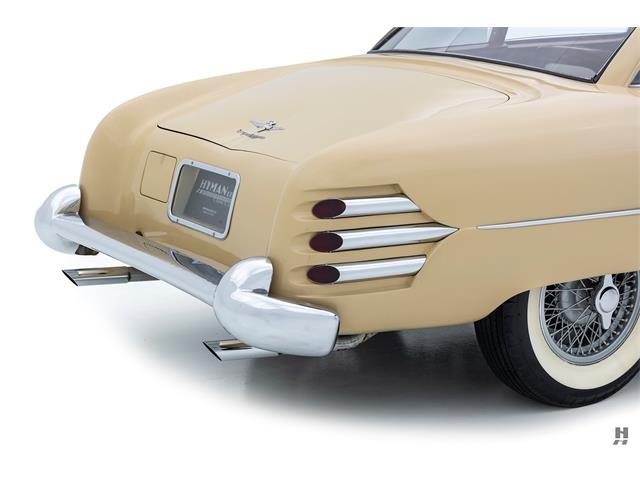
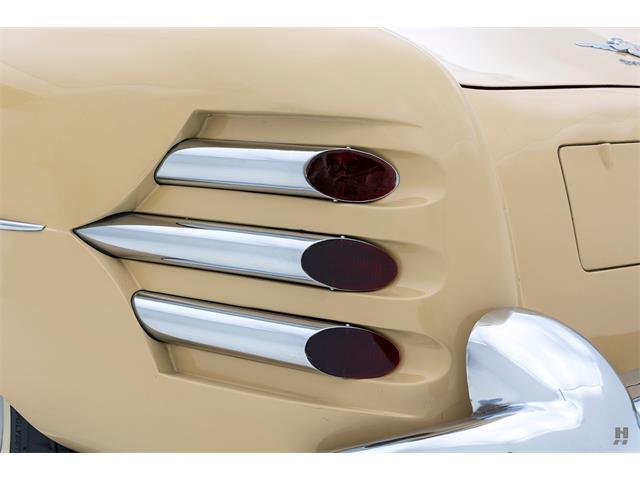
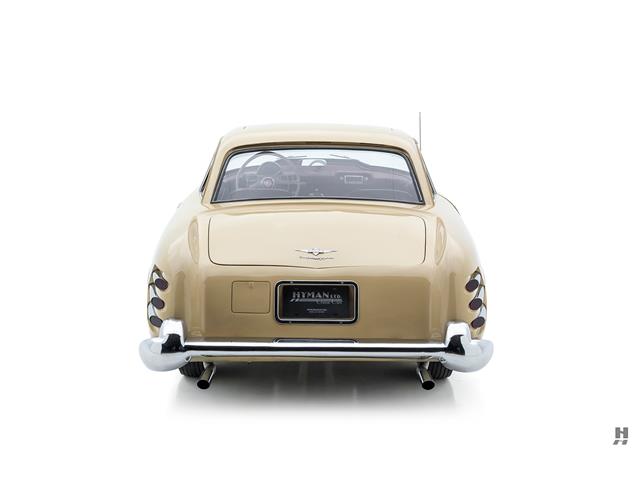
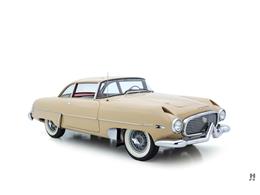
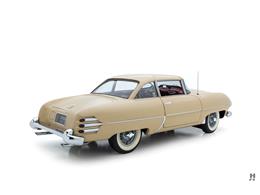
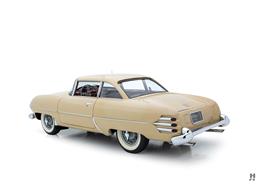
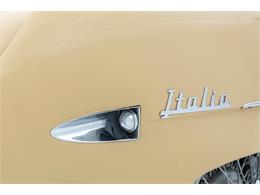
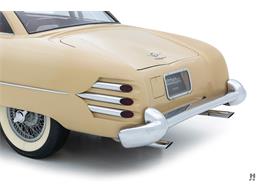
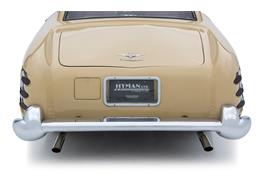
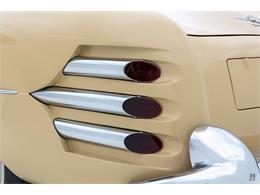
two-door coupe with scoops, vents, jet-age faux exhausts, and
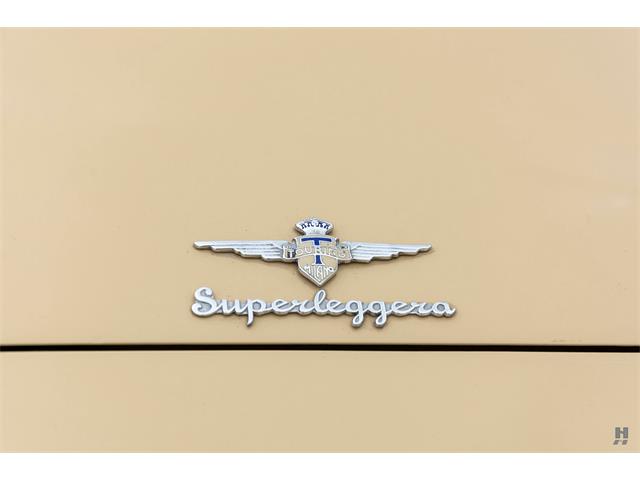
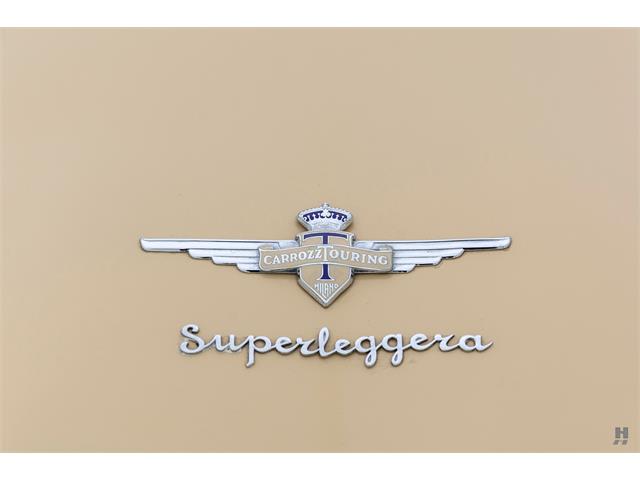
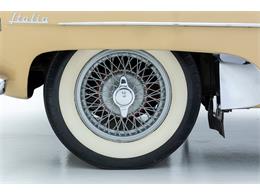
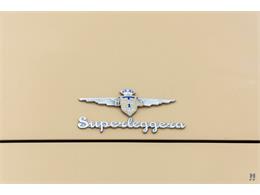
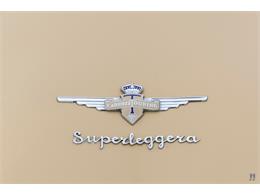
Borrani wire wheels. Built in the Superleggera style, the car
utilized a steel wire skeleton skinned in hand-formed aluminum. The
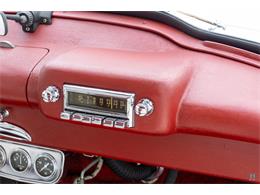
drama didn't stop inside, either. Unique form-fitting seats trimmed
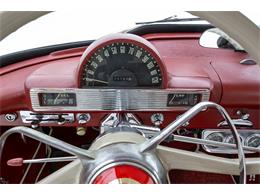
in two-tone red and white leather faced a wrinkle-finish dash. The
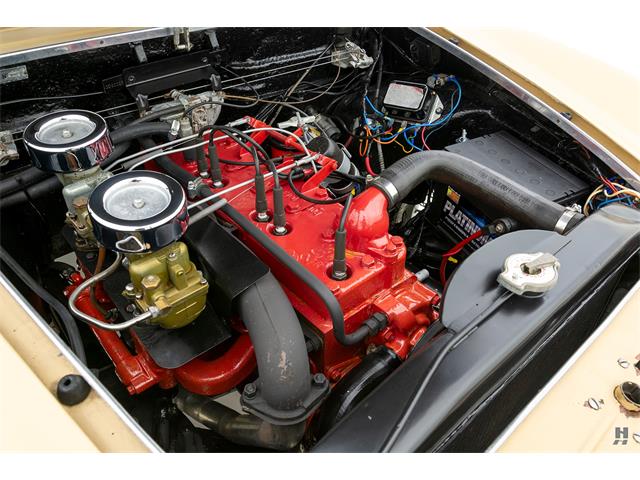
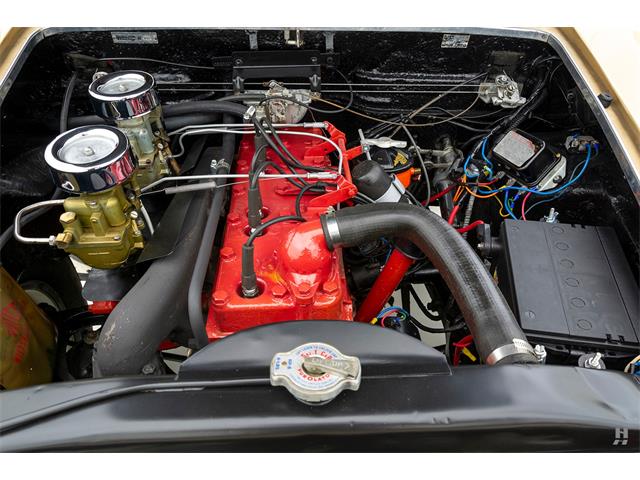
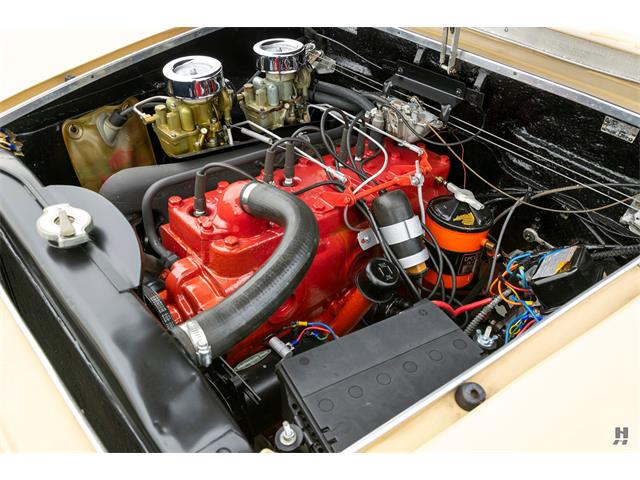
engine gained Hudson's Twin-H Power carbs, boosting output to 115
horsepower with a generous wave of torque. Predictably, the cost of
sending Jets to Italy to be completely rebodied quickly spiraled
out of control, and with an eye-watering $4,800 list price, the
board of the newly formed AMC saw little reason to keep the project
alive.
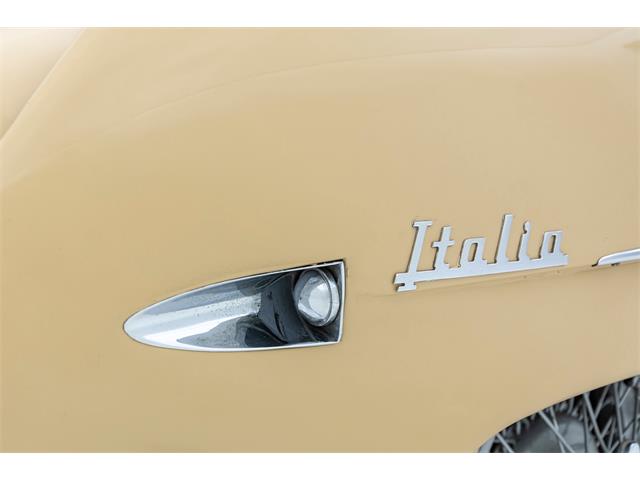
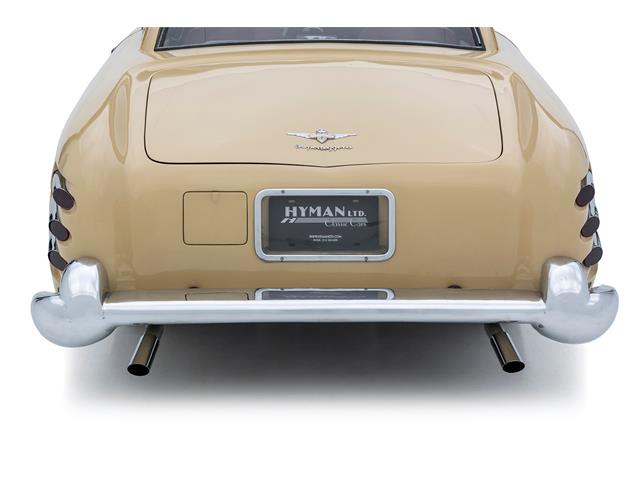
Chassis 10014 is the 14th Hudson Italia of just 26 completed and is
a charming example presented in largely un-restored condition.
Offered from long-term private ownership, it is an honest example
which has never been disassembled and restored, instead having been
enjoyed and maintained through the years. The Carrozzeria Touring
bodywork (no. 4039) shows good panel fit and the correct Crema
paintwork presents well overall, displaying some age-appropriate
imperfections. Similarly, the chrome and bright trim are in very
good order overall, with moderate patina visible in places. It
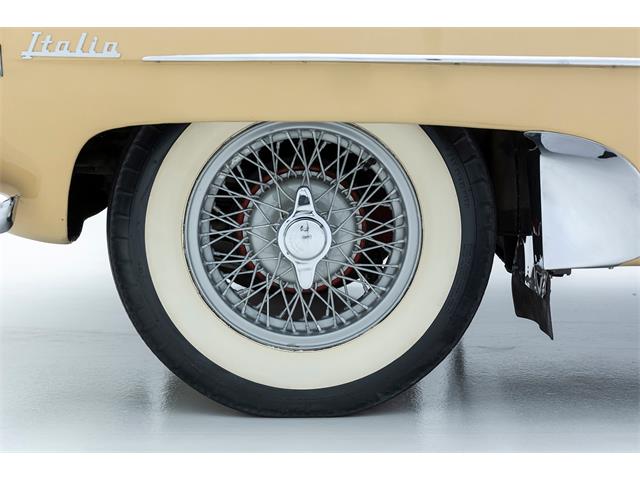
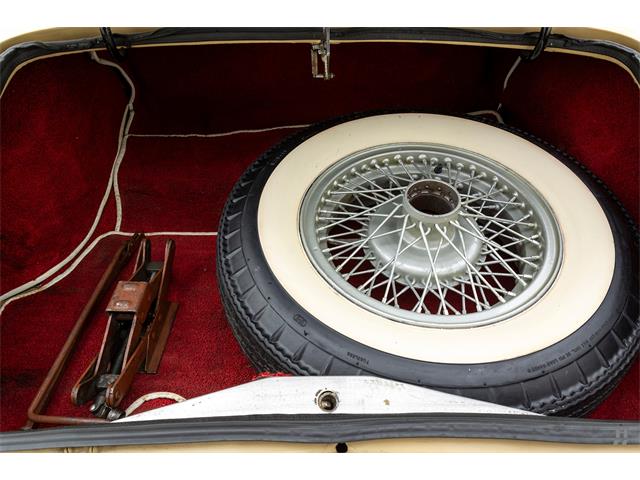
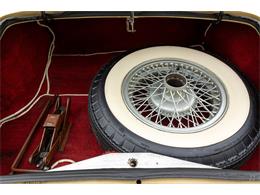
rides on authentic Borrani wire wheels, finished in silver and
fitted with period-correct whitewall bias-ply tires. The overall
effect is that of a refreshingly honest car which wears its minor
flaws as badges of honor.
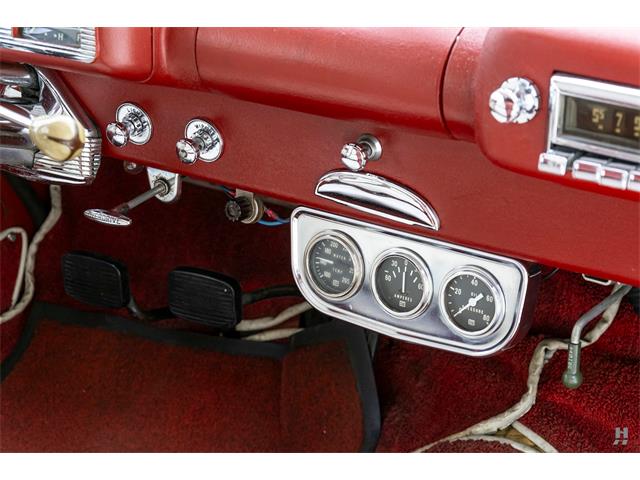
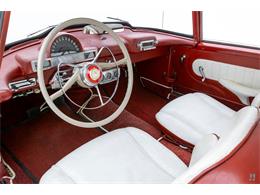
The wonderful cockpit features distinctive bucket seats upholstered
with white leather seating surfaces, contrasting against red side
seat trims, carpets, and panels. The leather displays a fantastic
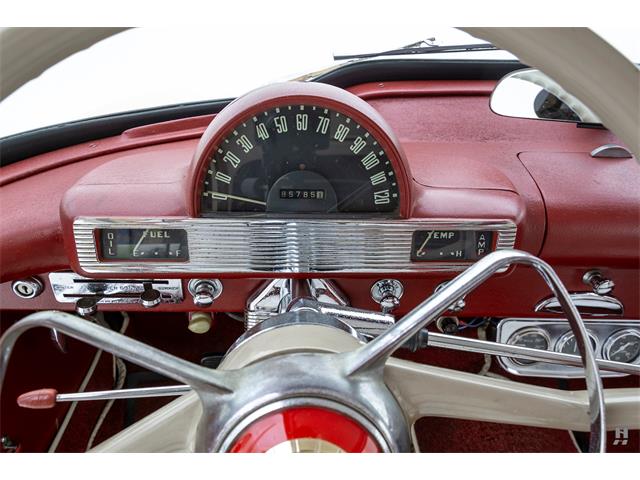
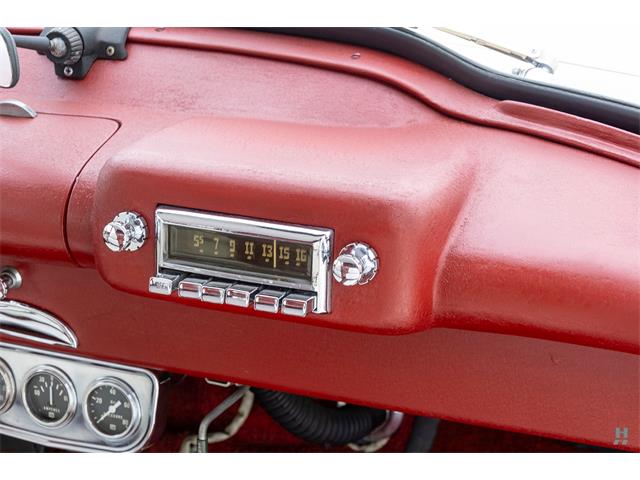
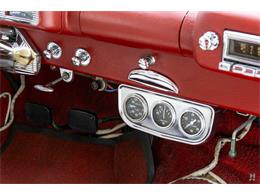
patina and character earned through use and care. Instruments and
controls including the steering wheel and switchgear are correct
original items, with the addition of a pair of period aftermarket
SW auxiliary gauges. The odometer displays 85,000 miles, which is
believed to be accurate and reflective of the car's preserved
condition.
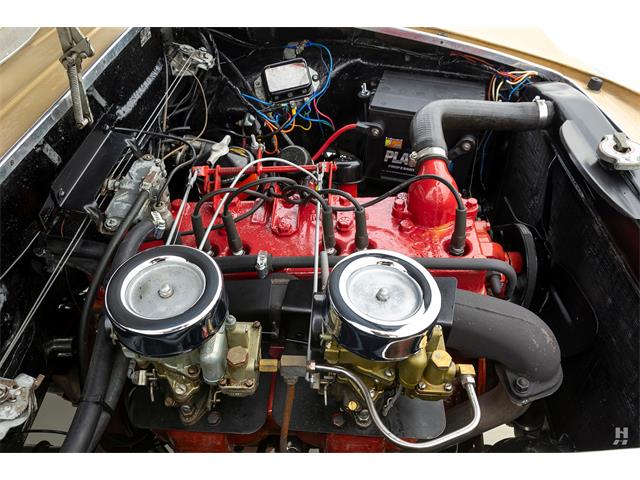
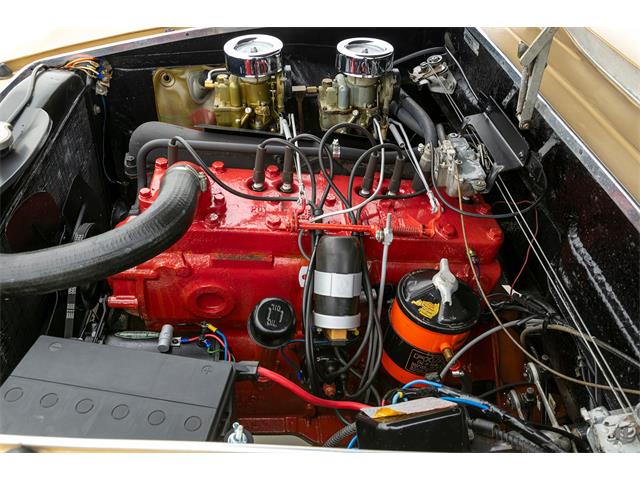
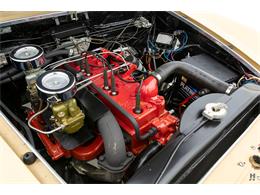
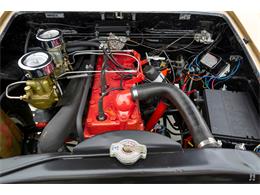
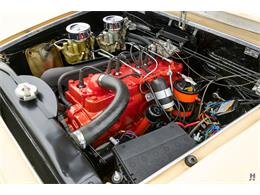
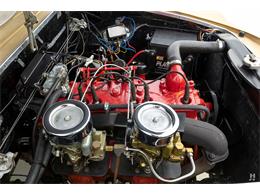
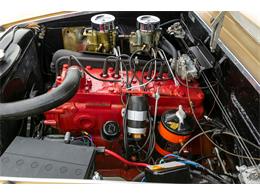
The engine bay is appropriately tidy for an unrestored original
car, housing Hudson's venerable L-head inline-six, displacing 202
cubic inches, and rated at 114 horsepower with factory Twin H-Power
carburetors. It feeds a 3-speed manual gearbox with overdrive, and
the chassis features hydraulic drum brakes and independent front
suspension.
No collection of American sports cars is complete without an
Italia, but with just 26 ever produced, opportunities to acquire
one are undoubtedly rare. Chassis 014 stands out among its peers as
one of the last cars to survive without a total restoration. It has
been faithfully enjoyed and maintained by a custodian with a keen
sense of preservation, and it remains a charming example to enjoy
out on the road, or to compete for preservation class honors in
concours events worldwide.
Offers welcome and trades considered.