The 1950s proved to be a challenging period for America's
independent automakers. General Motors, Ford, and Chrysler
Corporation were locked in a sales war, leaving the likes of Nash,
Hudson, Kaiser and Studebaker to fight for the scraps. The only way
to survive against the might of the Big Three was to unite, and in
1954, Hudson and Nash did just that, forming American Motors
Corporation, headquartered in Detroit.
Then president of Nash, George C. Mason, had looked for ways to
help Nash stand apart from the competition. His appreciation for
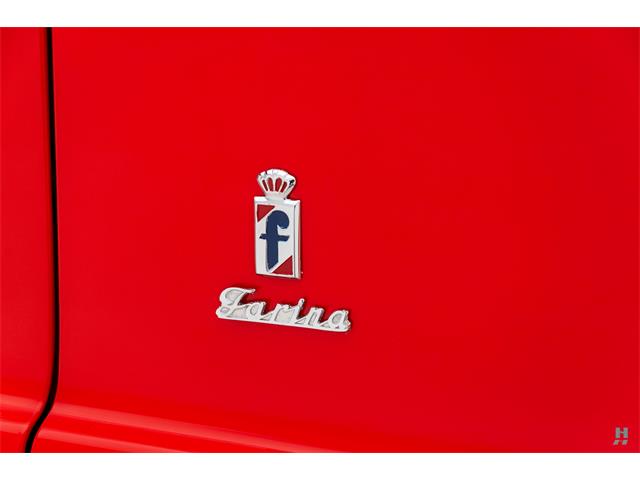
European design, especially the sophisticated and understated work
of Pinin Farina, saw him turn to the Torinese firm for help, first
with the Nash-Healey sports car. Mason felt Panelcraft's initial
design was not distinctive enough, so he enlisted the Italians to
redesign it with a more Nash-like appearance, kicking off a brief
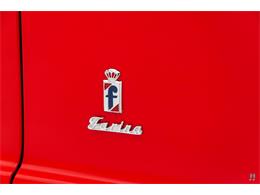
but fruitful relationship. In 1952, Pinin Farina partially restyled
the Statesman line, bringing elements of the Nash Healey Le Mans
roadster to its production sedan line. Pinin Farina design
continued to influence the Nash range through the final year of
production, with the flagship Ambassador being the last Nash to
wear 'PF' badge on its flanks in 1957.
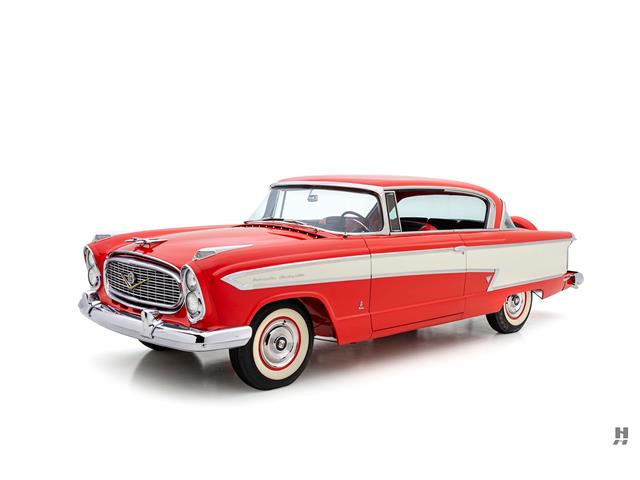
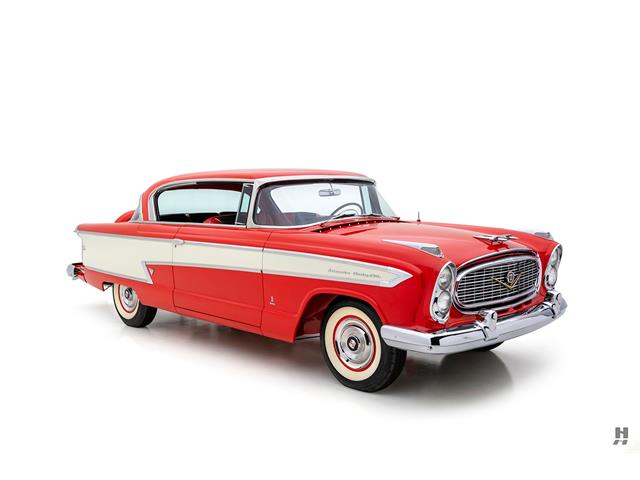
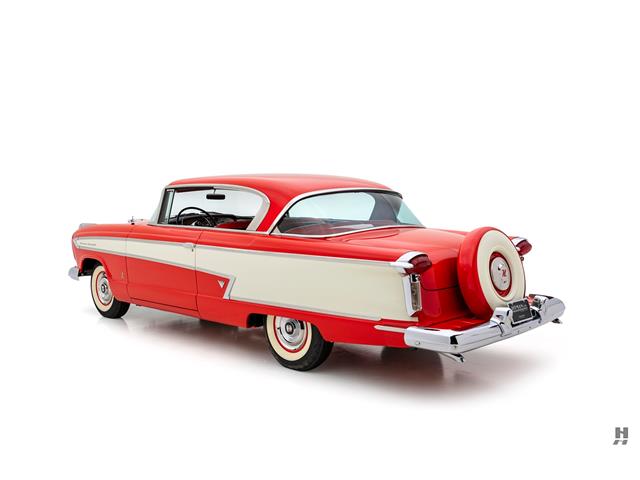
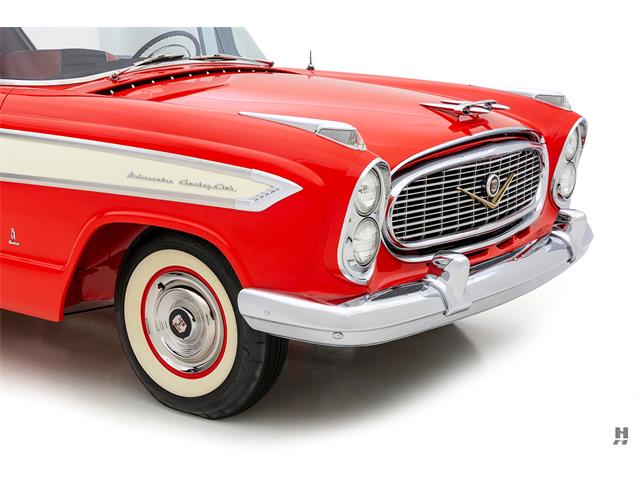
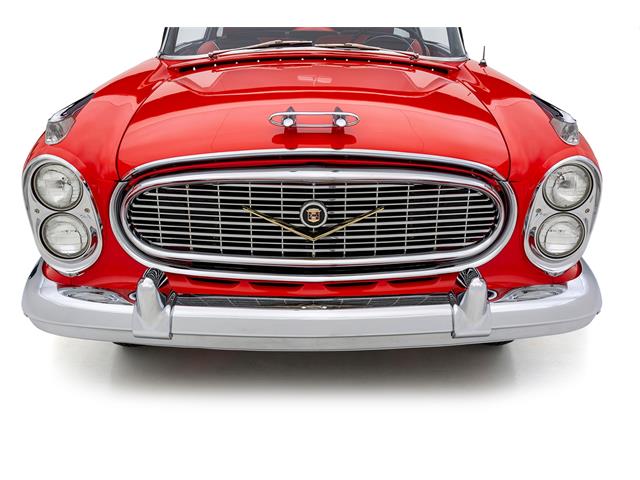
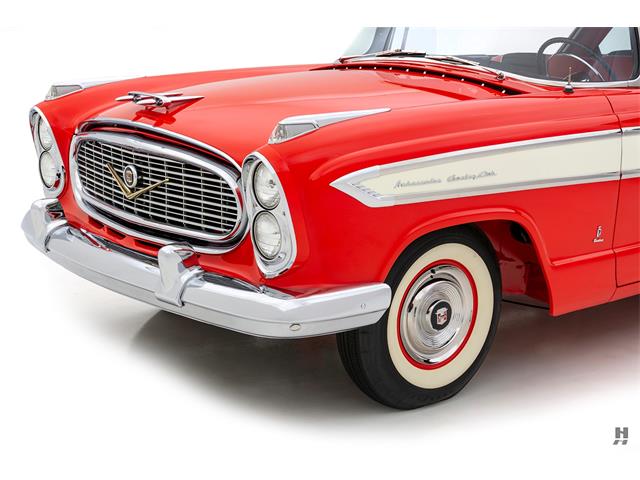
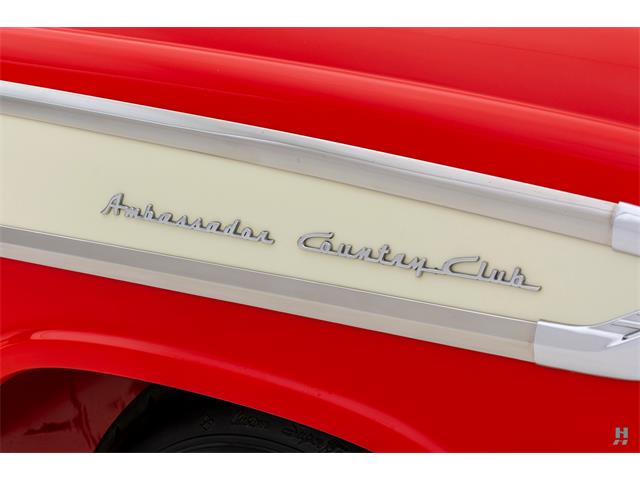
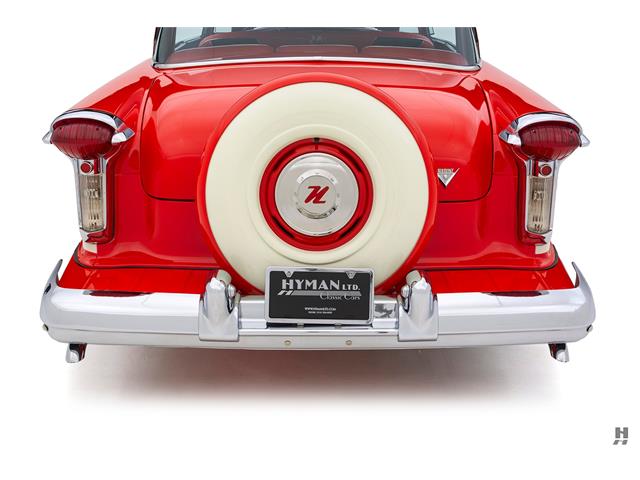
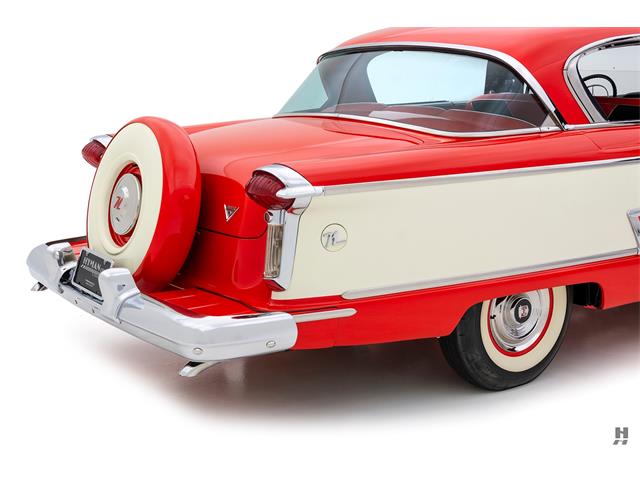
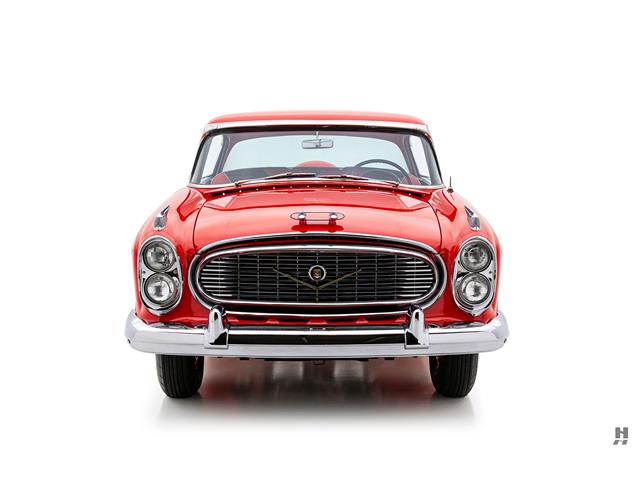
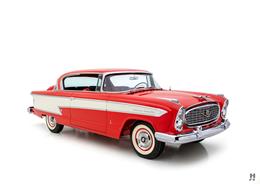
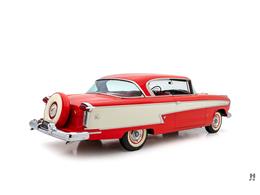
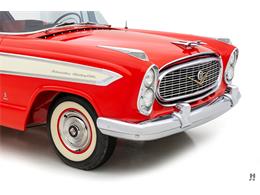
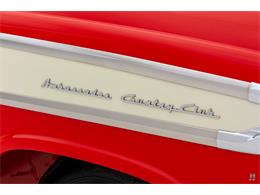
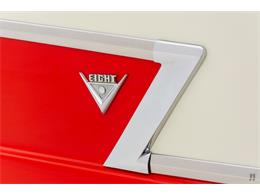
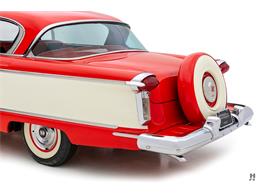
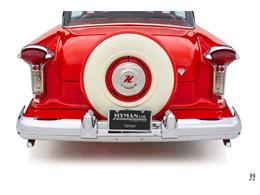
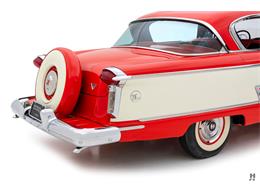
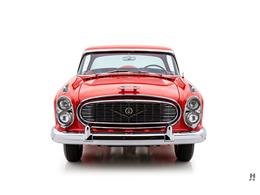
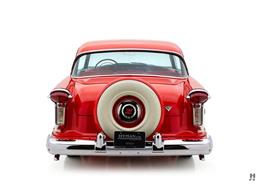
Representing the top of the Nash range in 1957 is this stunning,
meticulously restored 2-door Ambassador Series 80 Custom "Country
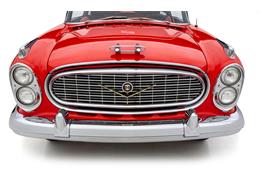
Club" Hardtop. Nash had lots to tout in 1957, including advanced
unibody construction, handsome new front-end styling by Pinin
Farina with four vertically stacked headlights, longer and lower
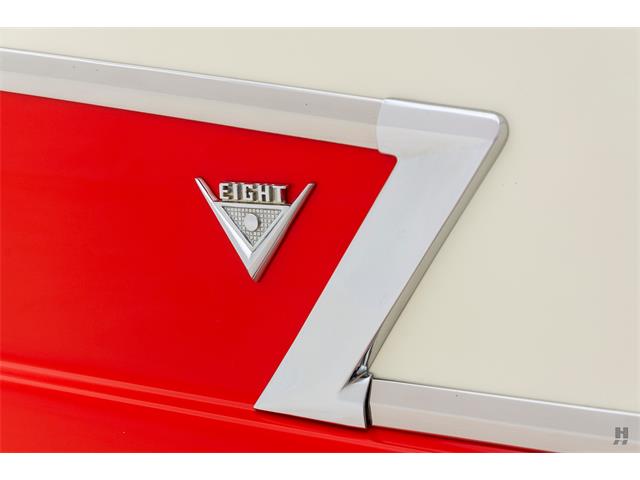
lines, and AMC's powerful new 327 cubic-inch overhead valve V8
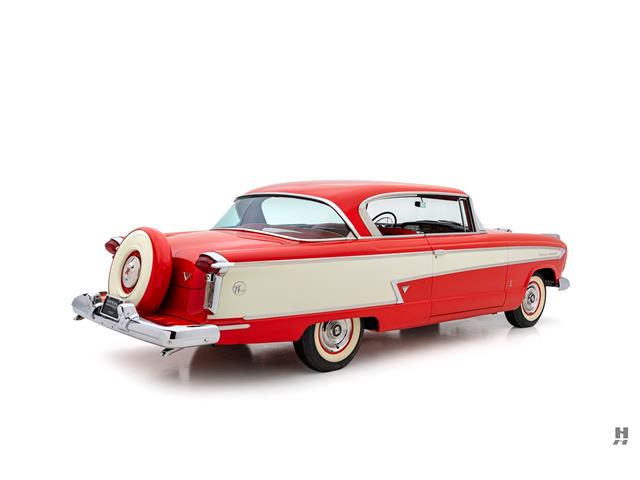
engine. Nash pitched the Ambassador as the superlative
cross-country car, as this car demonstrates with features including
the "Airliner Recliner" seats that fold flat into travel beds,
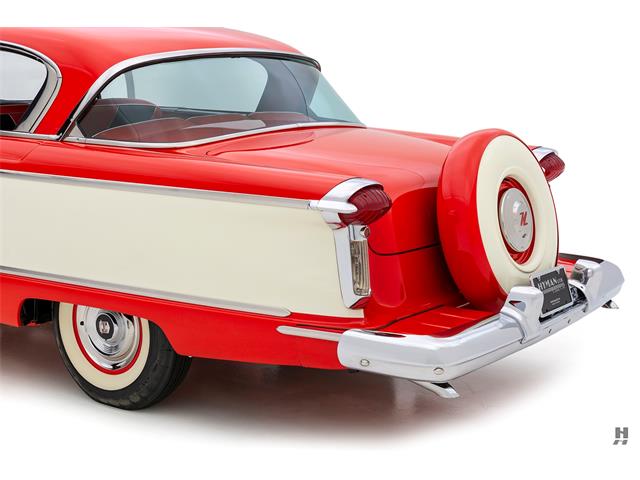
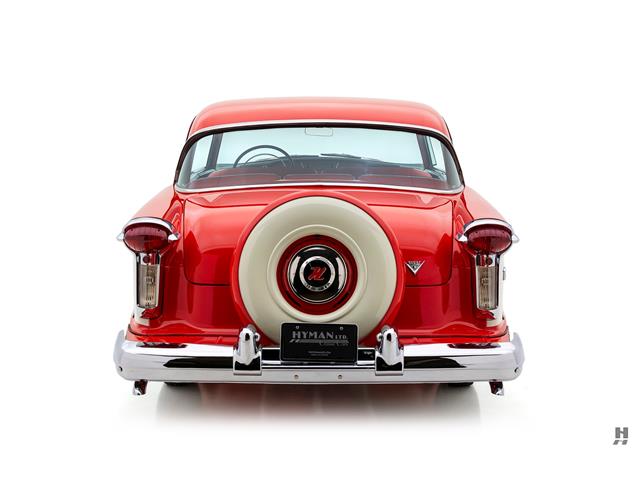
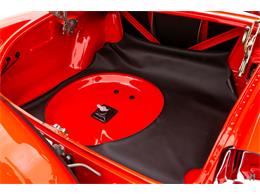
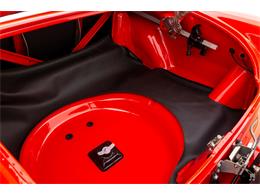
"Weather Eye" ventilation system, radio, an optional continental
spare wheel, and the requisite power brakes and steering. But just
as they seemed to reach their peak, the Nash and Hudson names were
relegated to the history books, as AMC adopted Rambler as their
primary brand.
In total, just 3,561 Ambassadors rolled out in 1957, and it is
reported that just 997 were Country Club models like this. This
incredible example was acquired by a West Coast-based collector in
the mid-2000s. Reportedly a solid, original car with virtually no
corrosion, it was immediately handed to Fred's Custom Wiring & Auto
Works in Ontario, California, for a full restoration. The big Nash
was carefully disassembled, catalogued, and mounted on a rotisserie
prior to the body being media blasted (using soda to prevent
warping the original panels). The engine and Flashaway Hydramatic
transmission were removed and set aside for rebuilding.
Midway through the project, the owner was forced to sell, but
thankfully, a longtime Nash enthusiast was in the market and
stumbled across the listing - reaching an agreement within a couple
of days. The car remained in the care of Fred's, and the project
was seen through to completion.
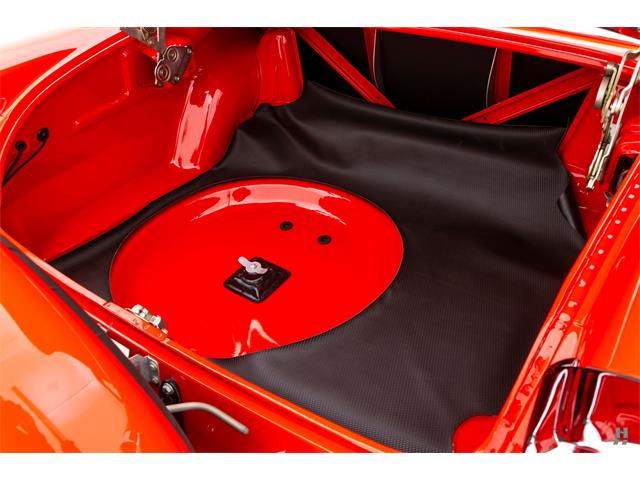
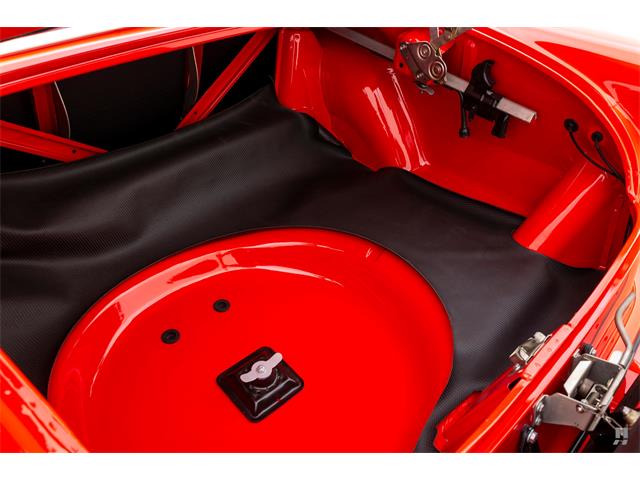
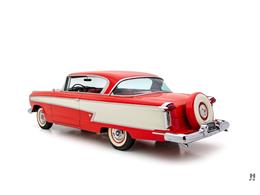
The results of the restoration are nothing short of extraordinary.
Finished to a standard rarely - if ever - seen on a Nash of this
era, this remarkable Ambassador is restored to concours quality
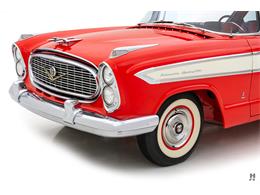
standards. Originally finished in Plum, the new owner selected a
suitably flashy factory-offered shade of Mardi Gras Red with Frost
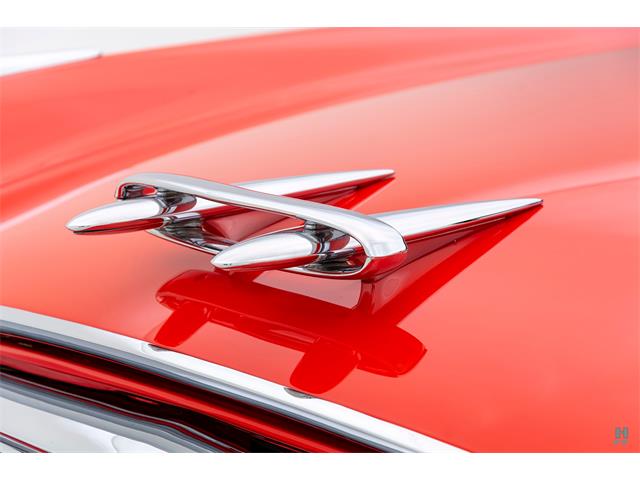
White accents. All of the exterior chrome and brightwork was
restored and refitted with careful attention paid to precise
alignment.
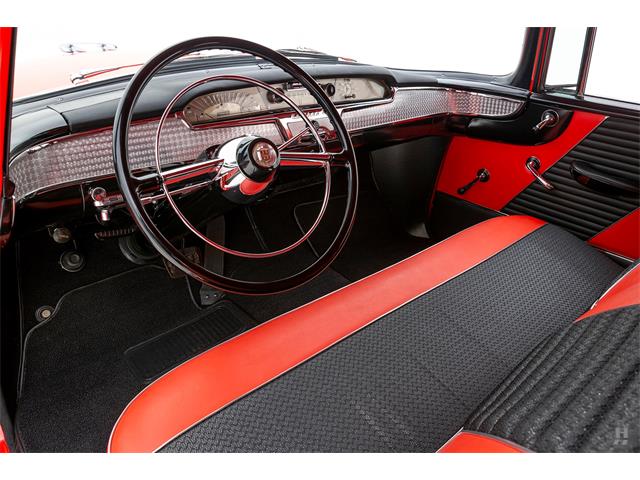
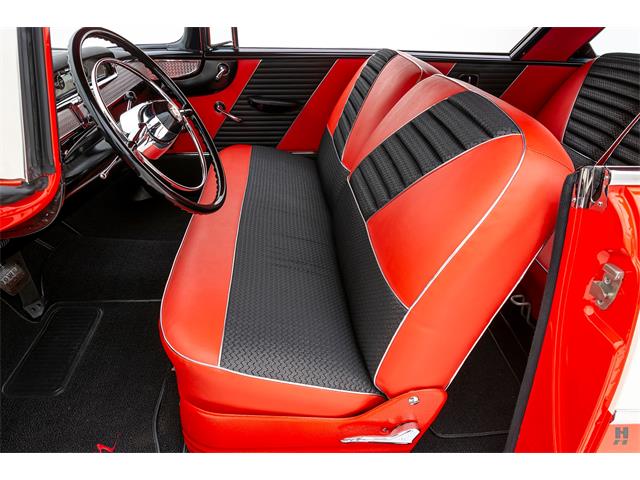
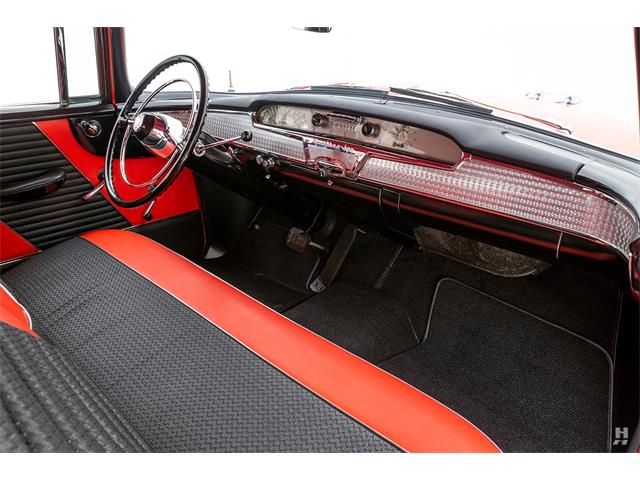
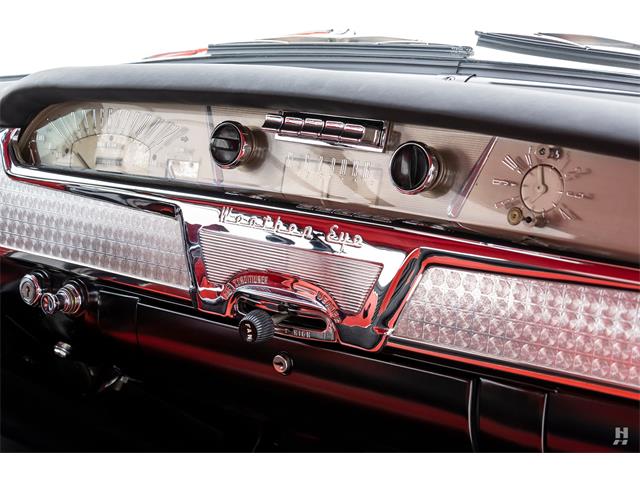
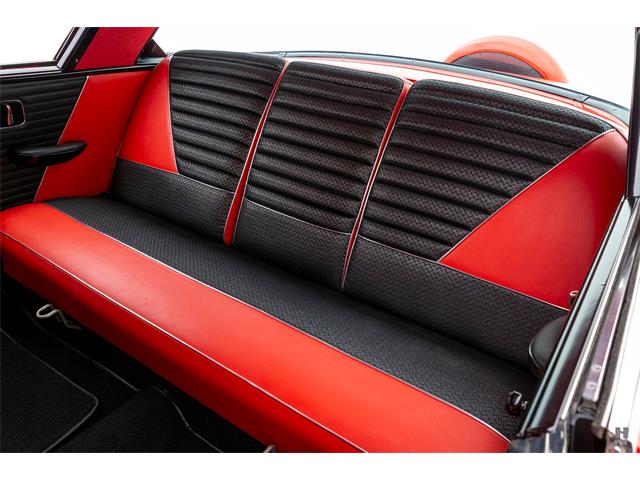
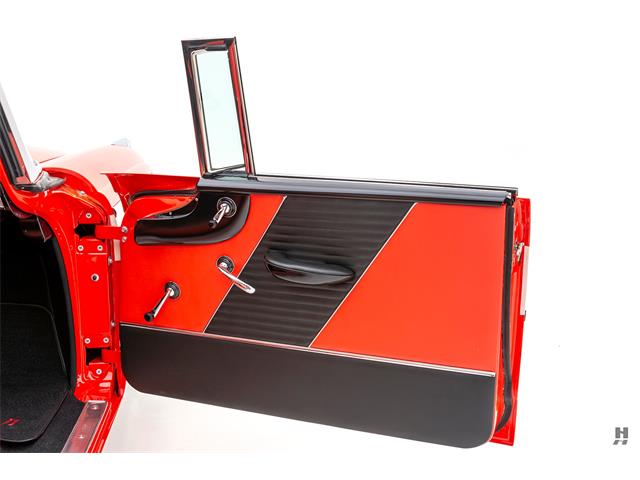
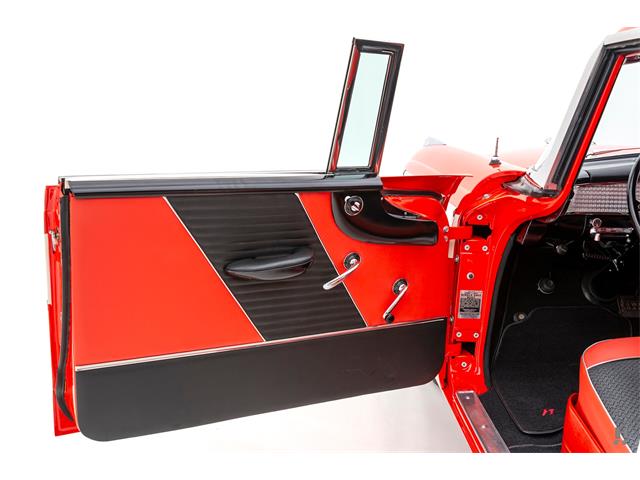
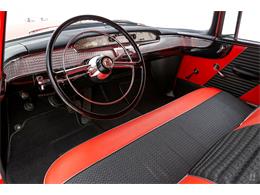
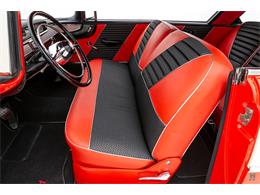
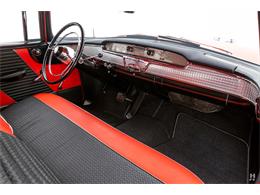
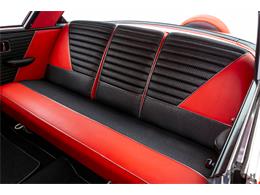
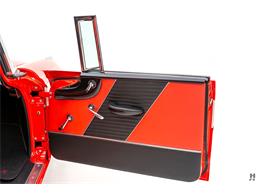
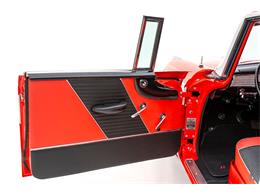
Inside, the same meticulous attention was paid to restoring the
upholstery. The Airline Recliner seats are upholstered in period
correct red vinyl with black fabric inserts sourced from SMS Auto
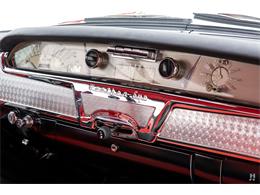
Fabrics. A new-old-stock dash pad was also sourced to cap off the
beautifully restored instrument panel, also a Pinin Farina design
feature.
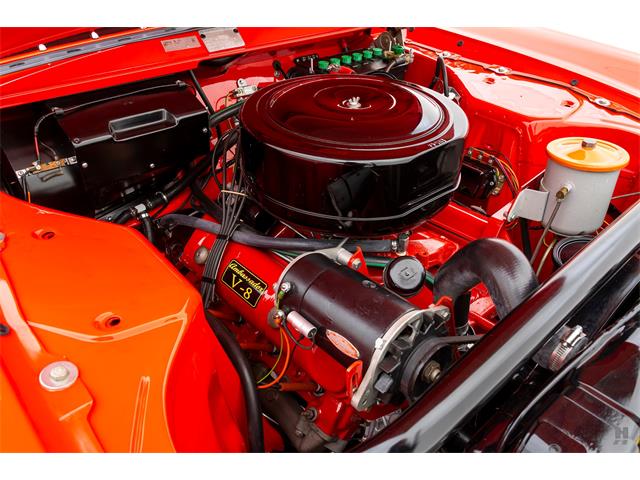
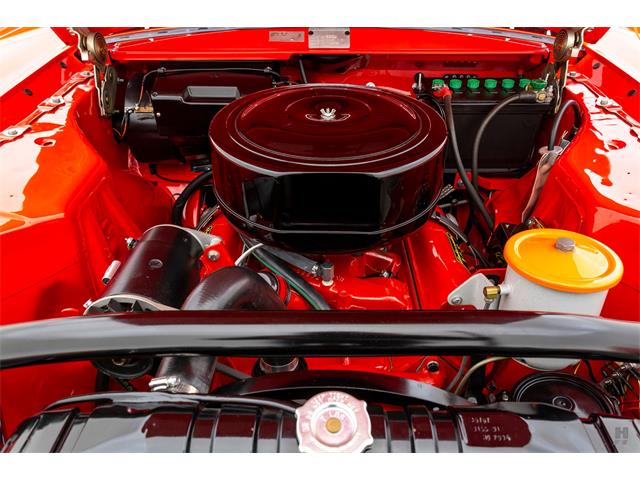
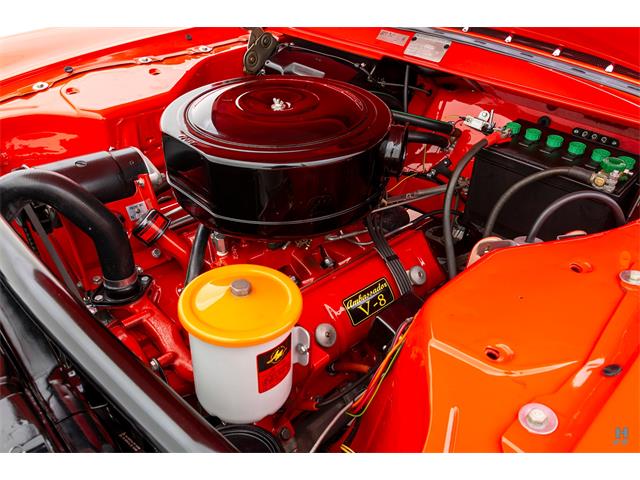
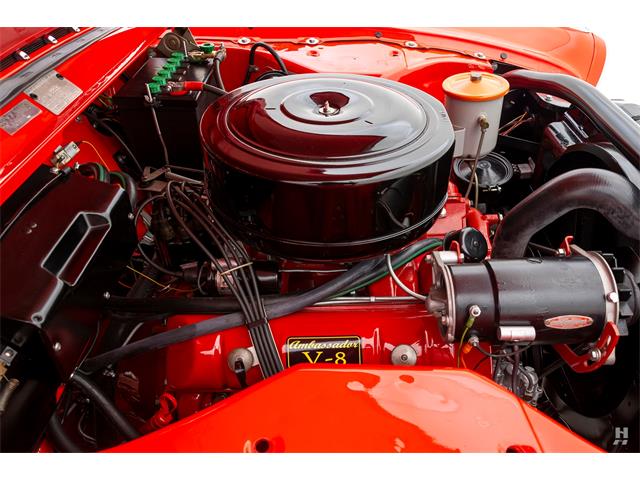
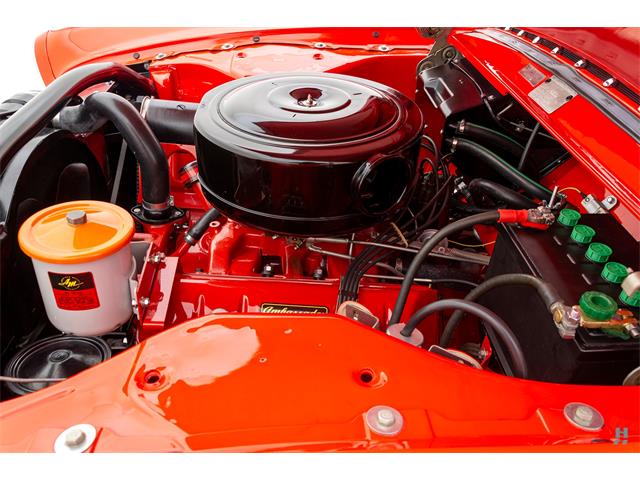
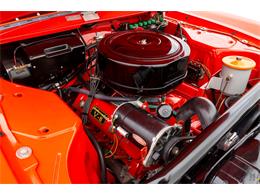
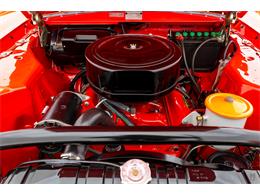
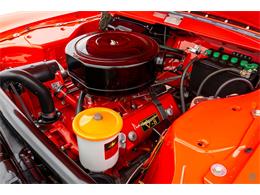
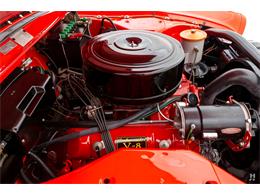
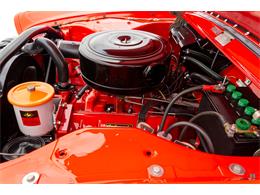
Of course, the drivetrain was fully restored as well. AMC's 327 V8
was torn down and found to be in excellent condition, requiring
only a slight overbore. The crankshaft was balanced and polished,
and heads refreshed with new guides. Similarly, the transmission
was also rebuilt and the chassis components restored to a high
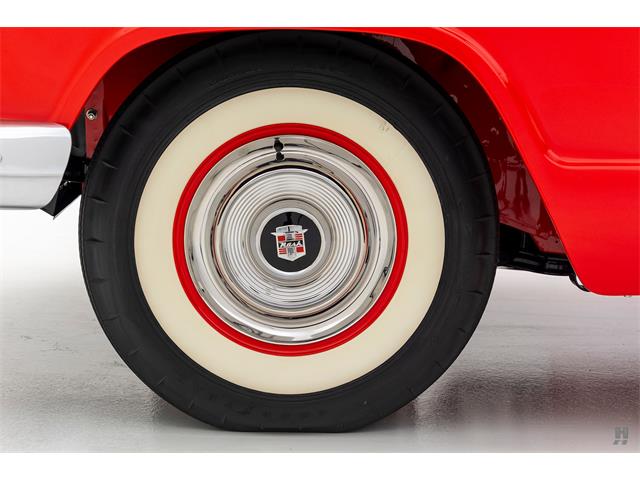
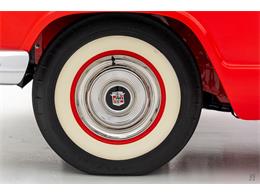
standard with period correct chassis black paint. It rides on
red-painted steel wheels shod with correct original wheel covers
and period-correct wide-whitewall bias-ply tires for the proper
stance and handling.
With the restoration complete, the Nash was enjoyed as intended,
being driven about 100 miles per month with careful maintenance of
the exceptional restoration. It was shown just once at the 2009
Glenmoor Gathering, taking home a much-deserved Best in Class
award. It remains a truly superlative example of the marque - one
of the finest we've encountered - suitable for prestigious concours
events or touring. It is a fabulous celebration of the
oft-forgotten transatlantic partnership between Nash and Pinin
Farina, and of the creativity that emerged from America's
independents during this fruitful period of automotive design.
ClassicCars.com has been recognized as one of the fastest-growing private companies in the United States, successfully making the Inc. 5000 list in both 2015,
2016, 2017 and 2018. This prestigious accolade represents the continued growth of the company, and ClassicCars.com's dominance as the world's largest online marketplace for
buying and selling classic and collector vehicles.
The Stevie Awards, the world's premier business awards recognized
ClassicCars.com's first-class Customer Support team with a Stevie Bronze Award in 2019, celebrating the team's skills as exemplary customer support specialists.
In 2016 The Journal, brought to you by ClassicCars.com, was celebrated as the SECOND MOST INFLUENTIAL automotive blog in the world by NFC Performance.