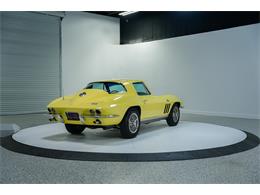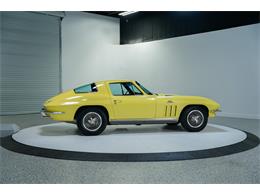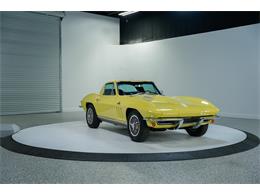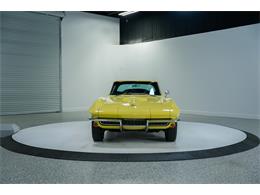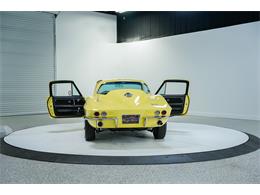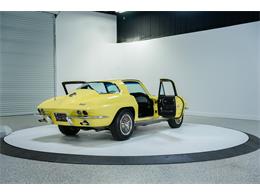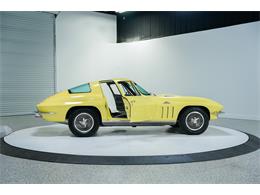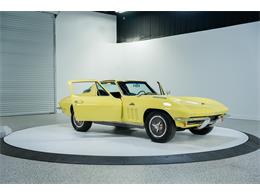
Vehicle Overview
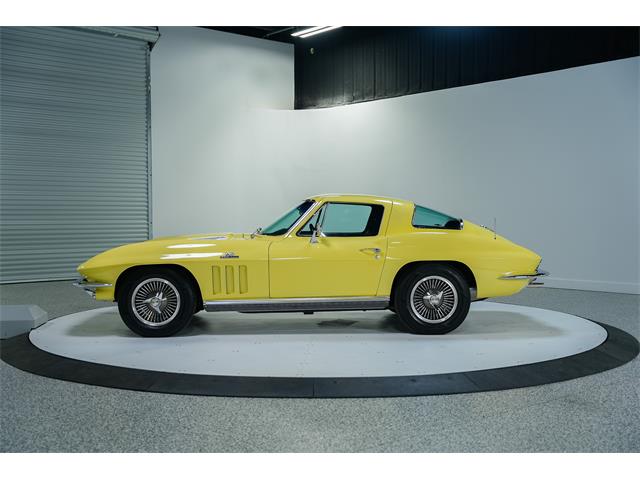
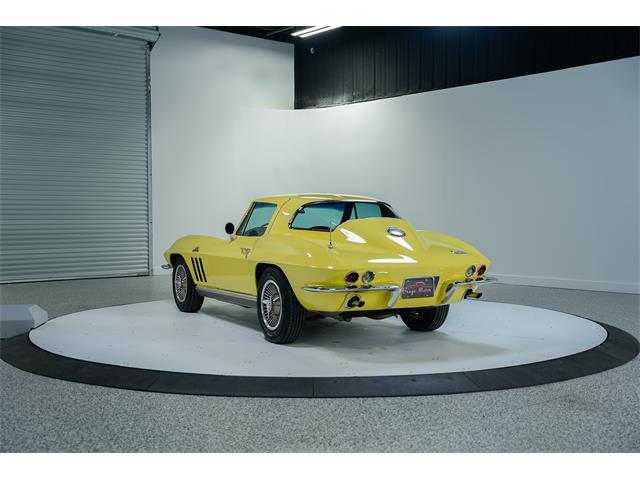
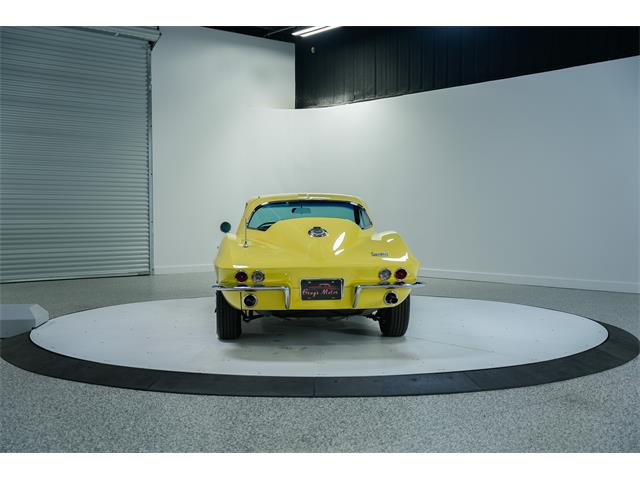
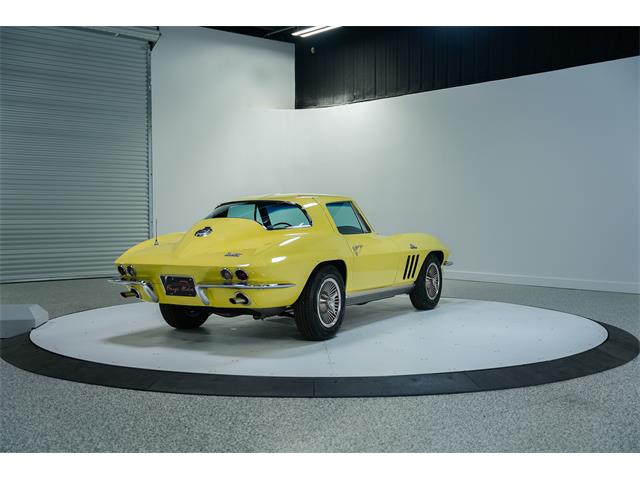
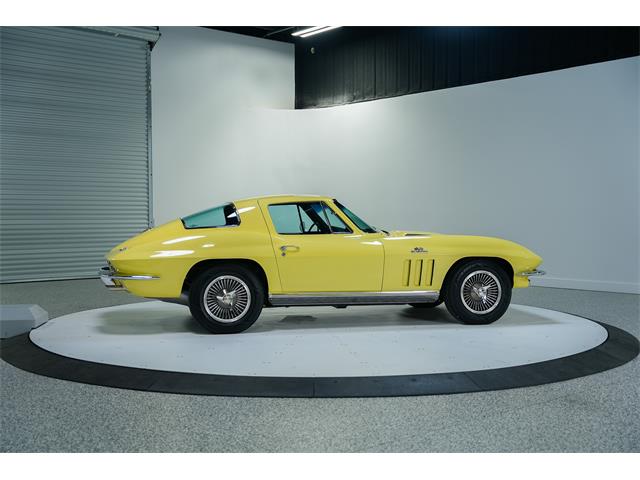
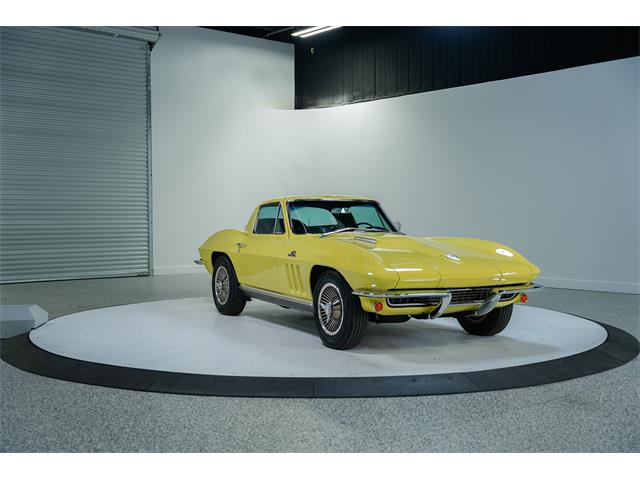
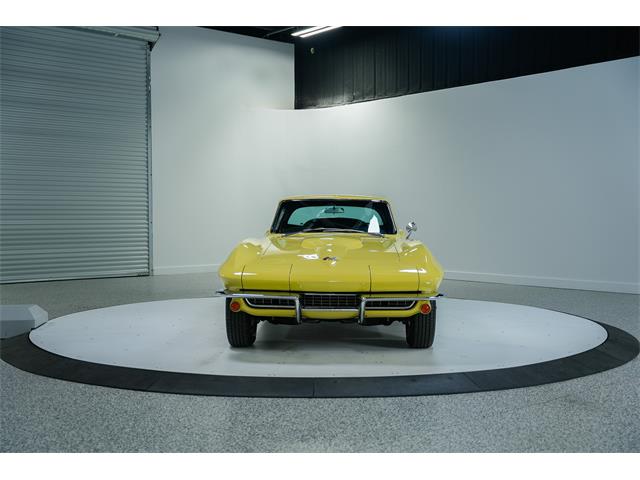
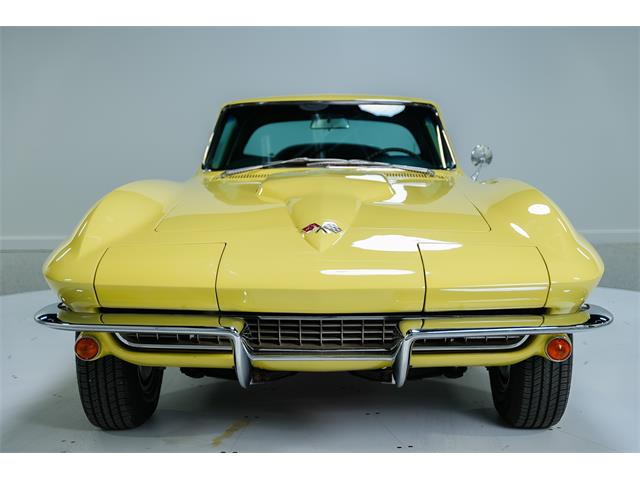
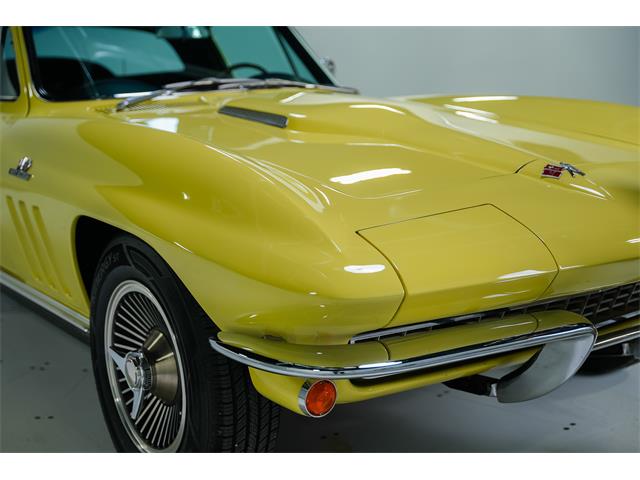
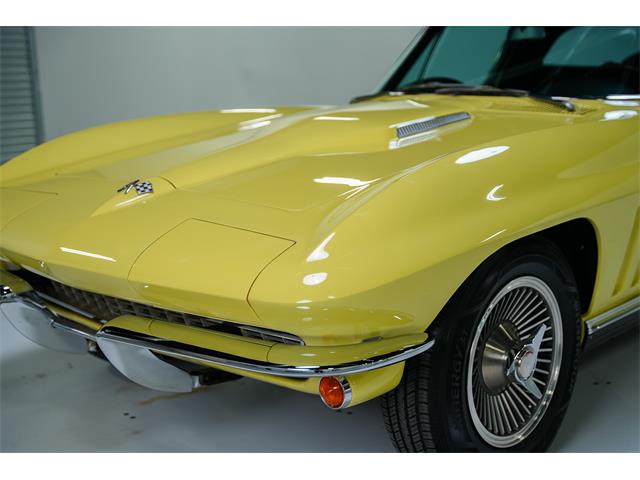
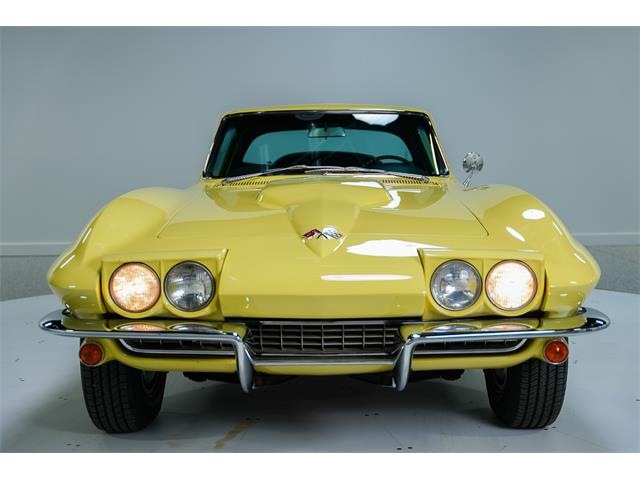
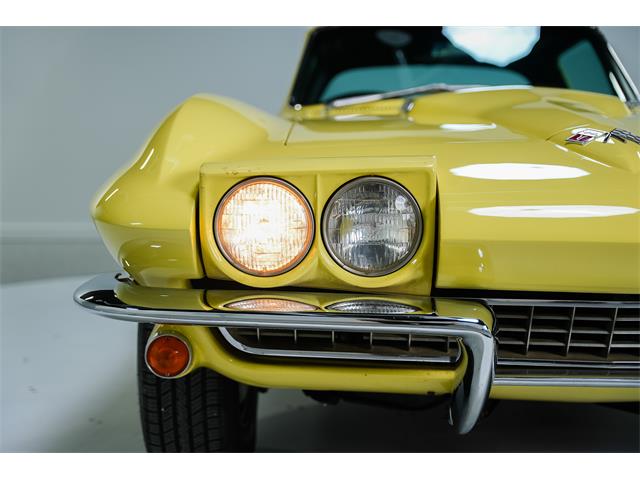
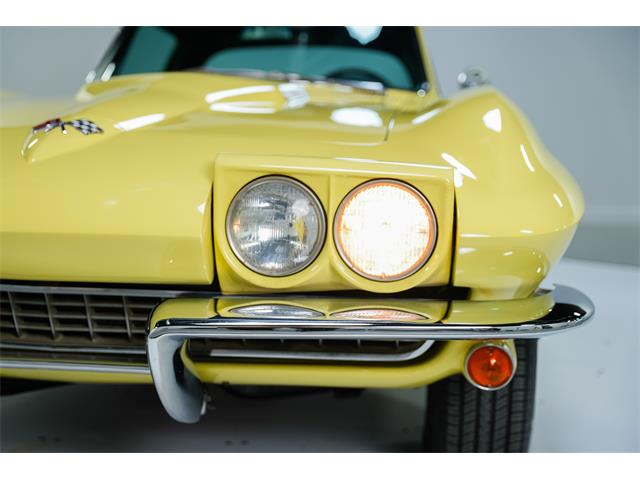
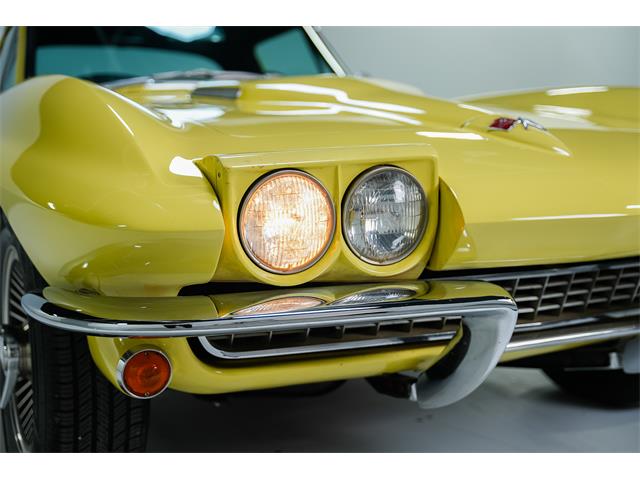
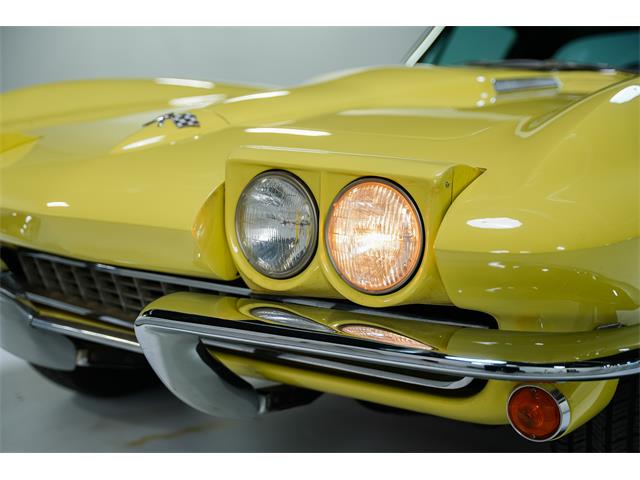
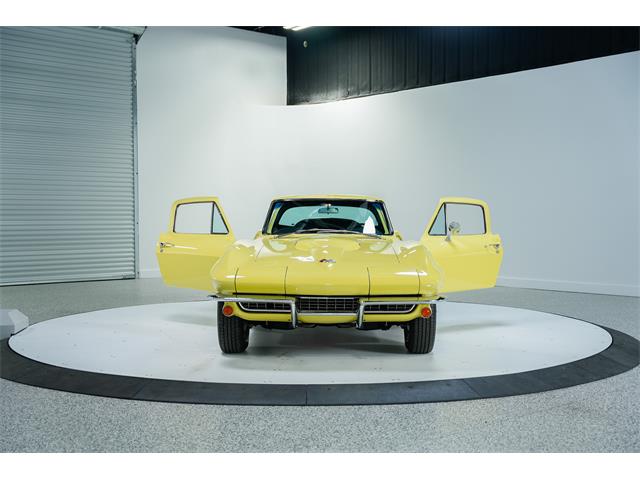
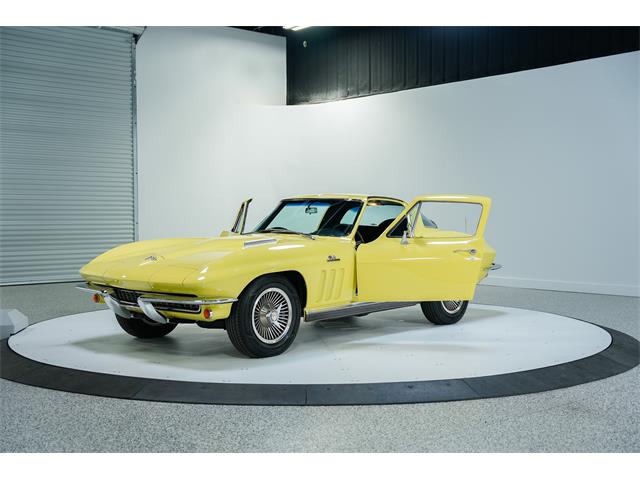
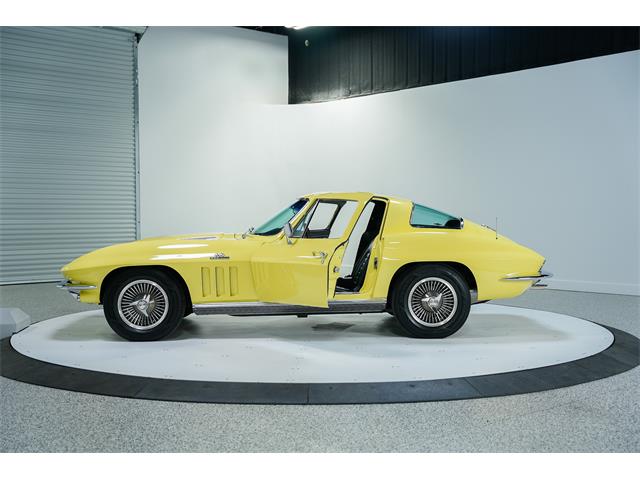
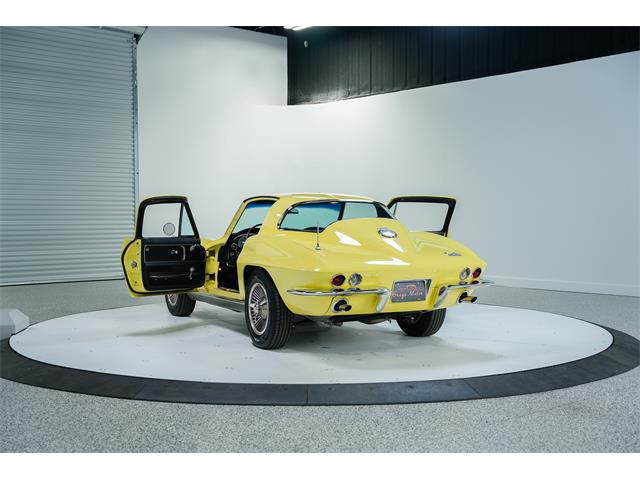
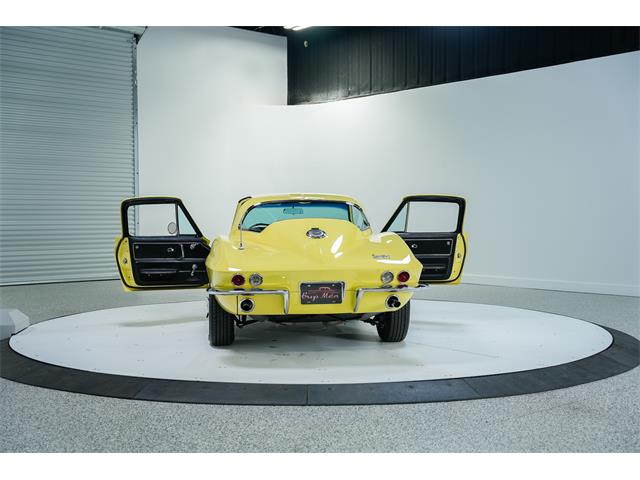
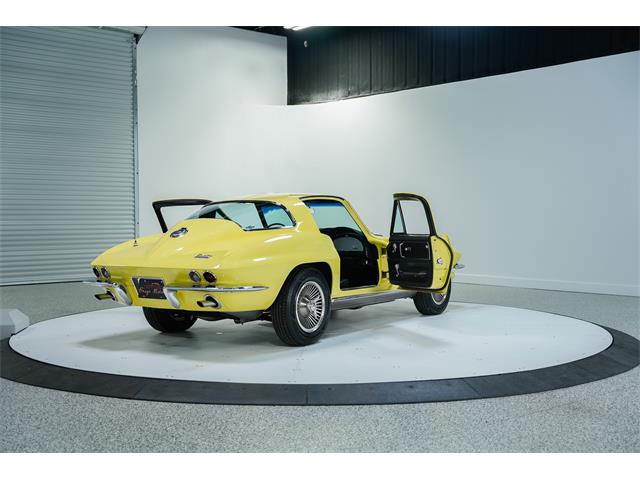
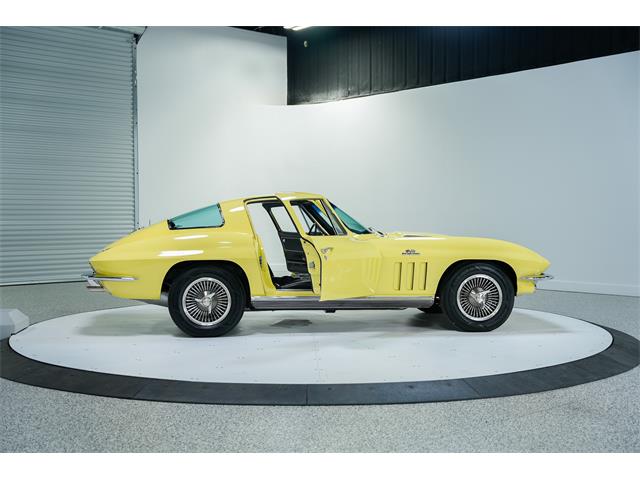
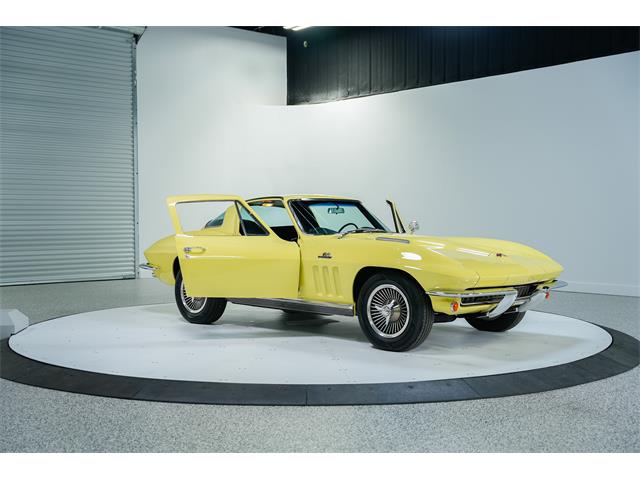
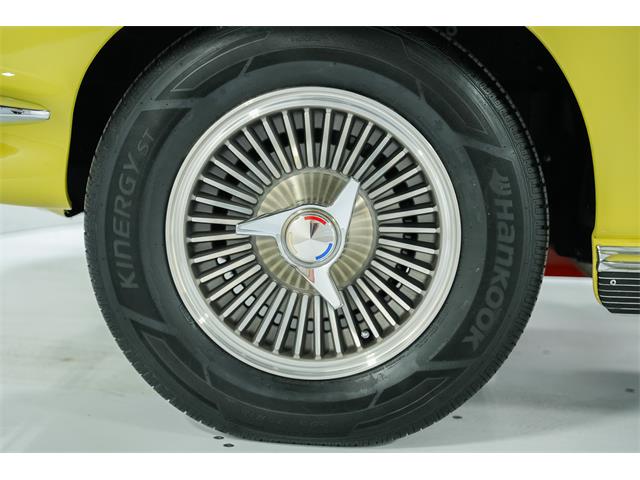
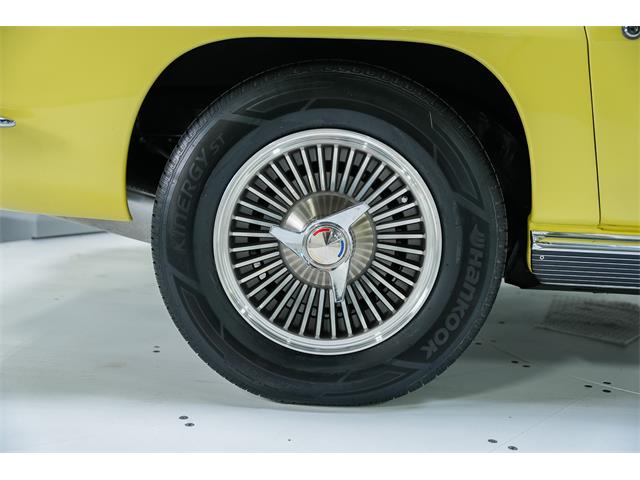
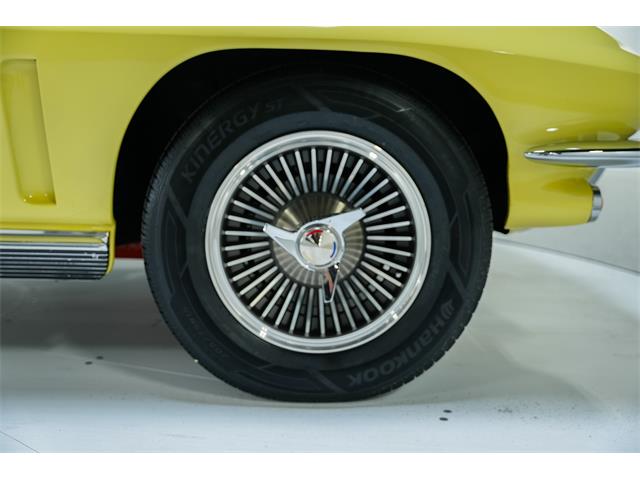
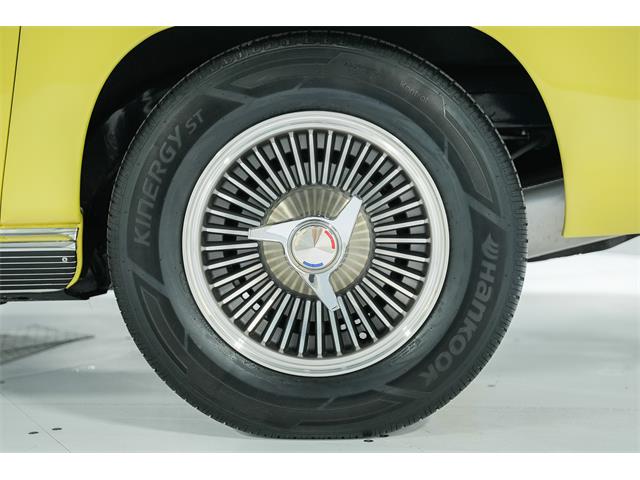
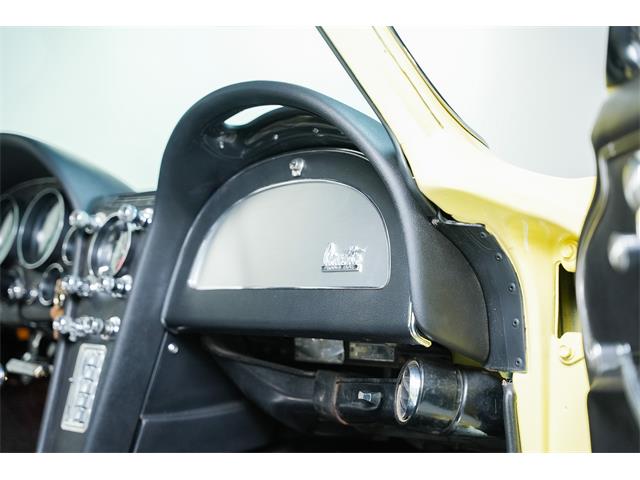
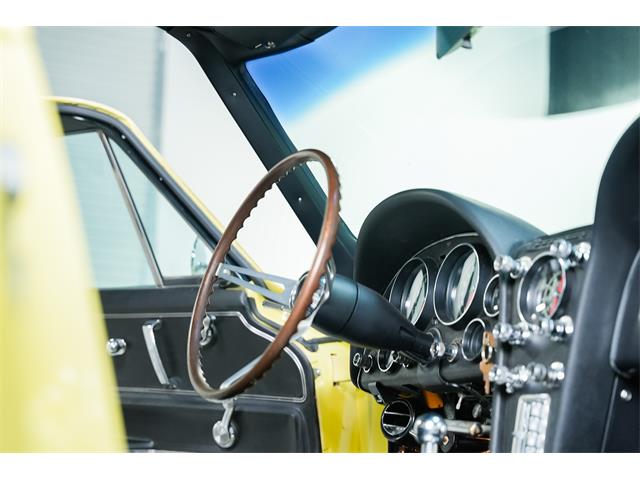
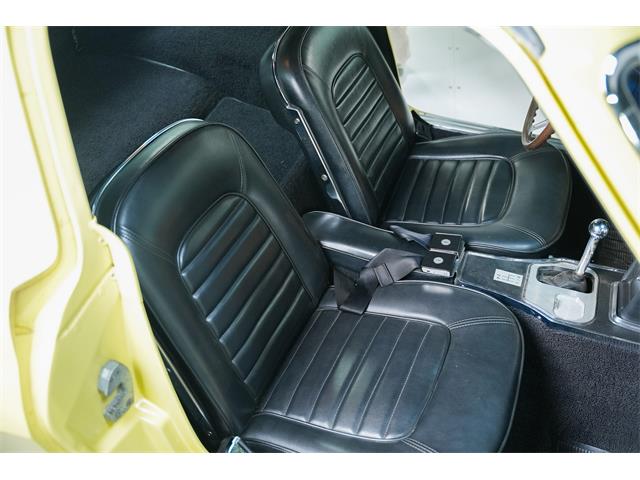
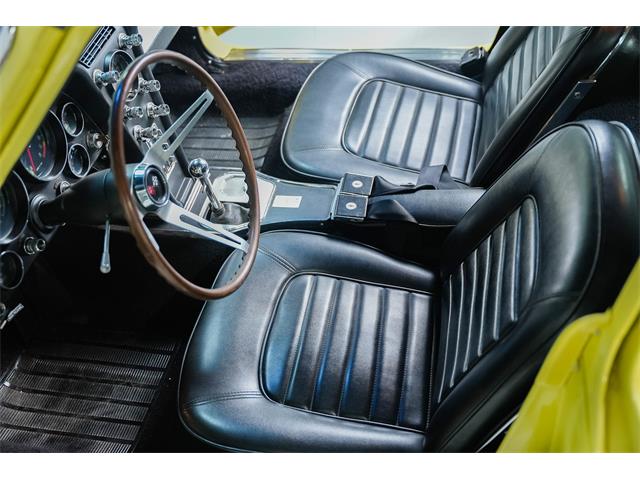
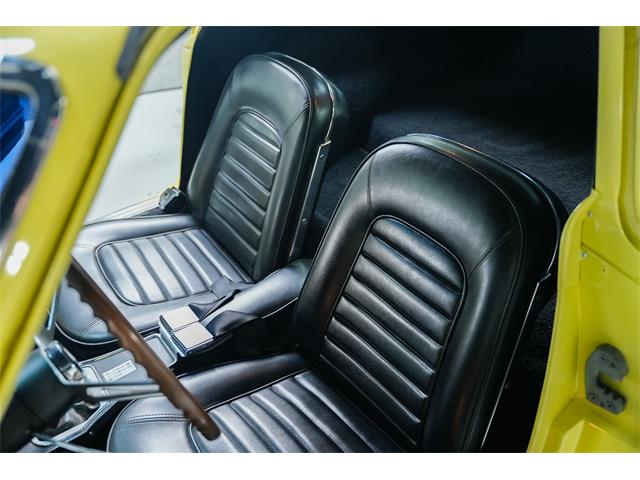
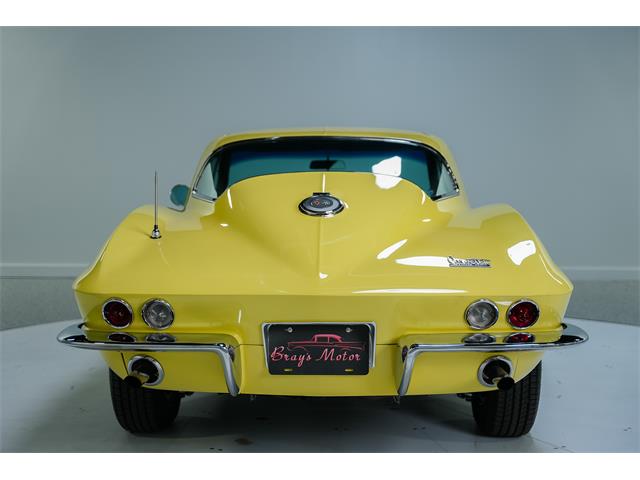
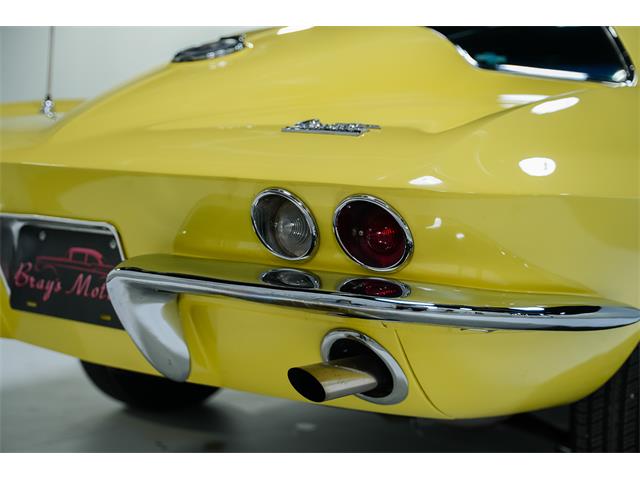
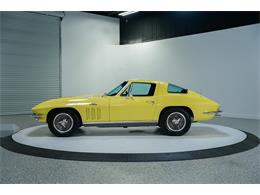
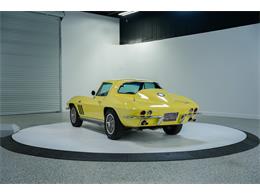
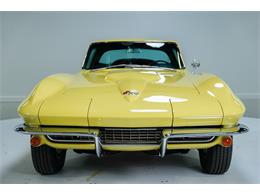
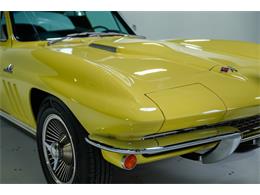
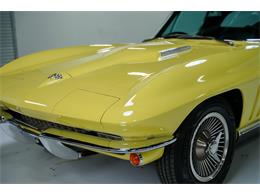
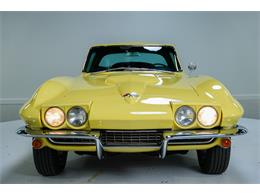
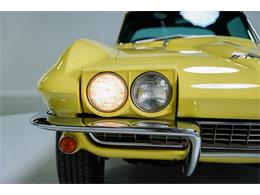
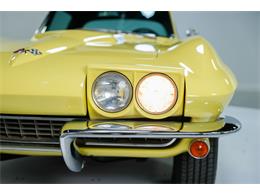
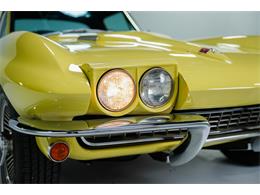
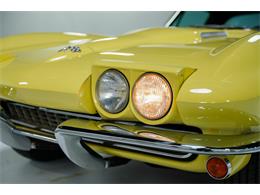
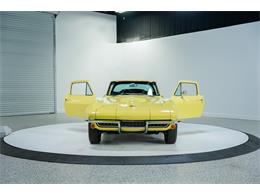
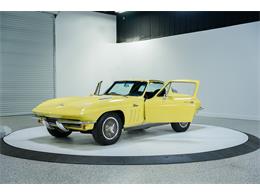
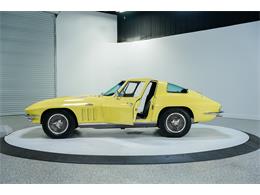
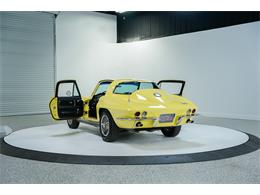
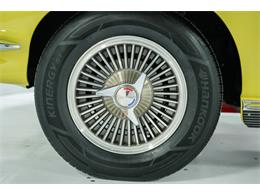
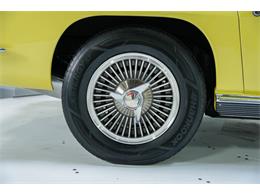
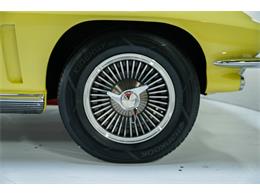
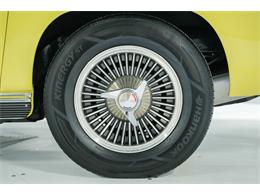
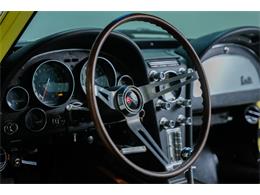
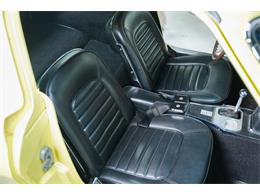
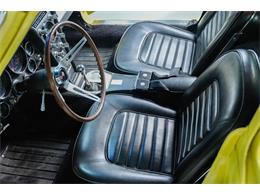
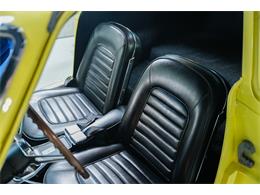
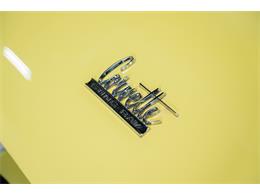
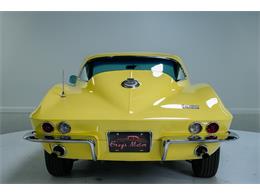
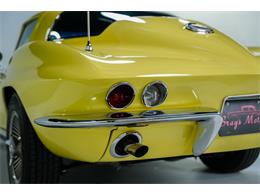
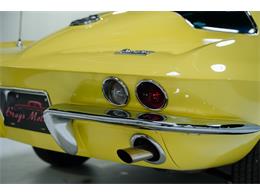
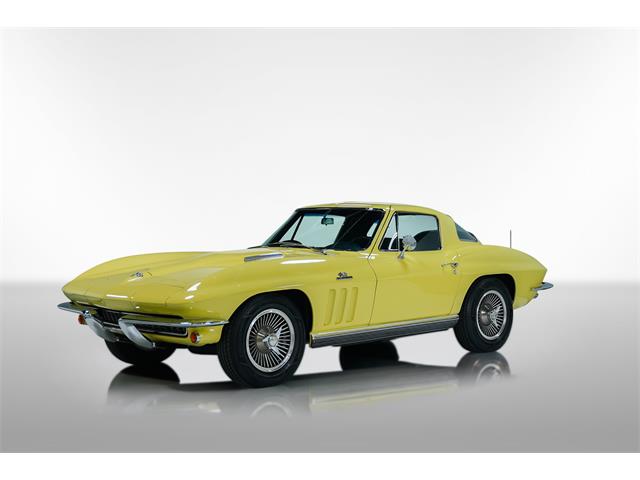
Finished in its factory-correct Sunfire Yellow over a Black vinyl interior, this 1966 Chevrolet Corvette Coupe is a highly correct big-block example equipped with Chevrolet's L36 427 cubic-inch V8, Muncie M21 close-ratio four-speed manual transmission, factory-installed air conditioning, and knock-off wheels. Acquired from a respected private collection specializing in 1963–1967 Corvettes, the car reflects long-term enthusiast ownership and careful stewardship.
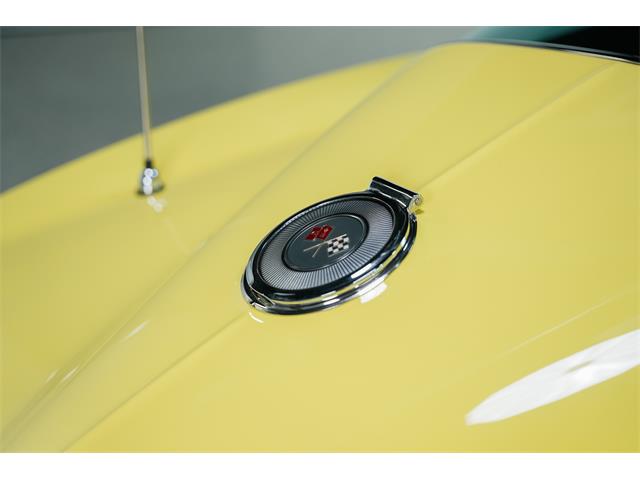
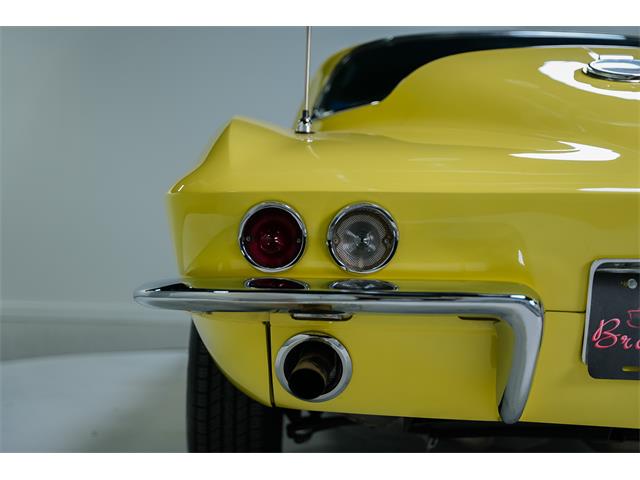
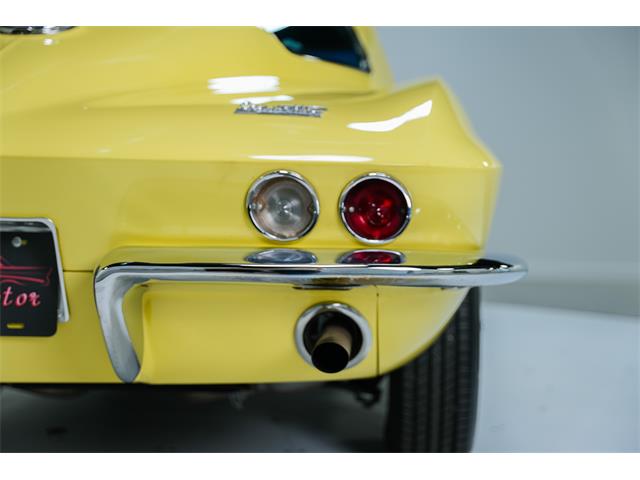
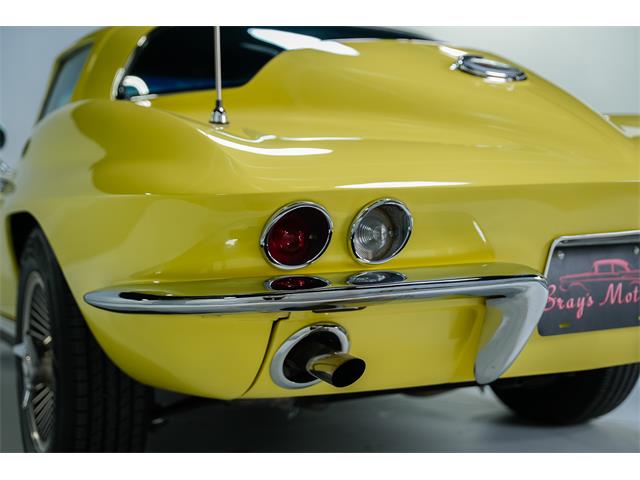
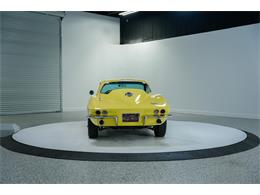
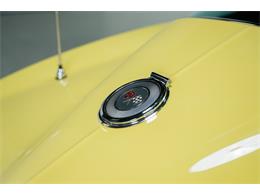
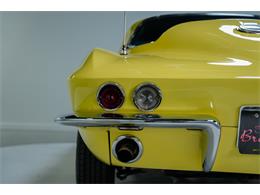
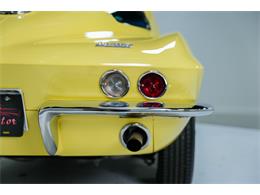
The body is one of this Corvette's defining attributes. Rust and accident free, it retains exceptionally straight fiberglass, excellent panel alignment, and the clean, well-preserved appearance that is increasingly difficult to find among mid-year Corvettes. The original factory bonding strips remain intact throughout the body, further supporting its originality and the absence of significant structural repairs. The overall presentation is highly correct, reflecting a car that has been maintained with an emphasis on preserving its factory character rather than altering it.
Built at Chevrolet's St. Louis assembly plant on November 29, 1965, this Corvette remains finished in its original color combination of Sunfire Yellow (984AA) over a standard Black vinyl interior. An accompanying NCRS Shipping Data Report documents delivery through Hooker-Vandergriff Chevrolet of Arlington, Texas, confirming the car's original selling dealer and factory configuration.
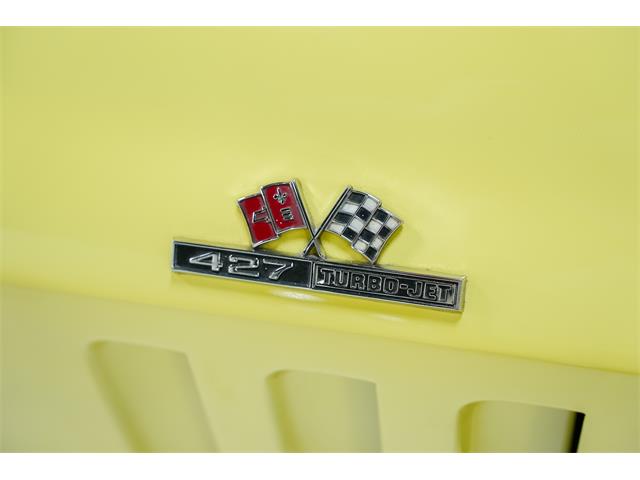
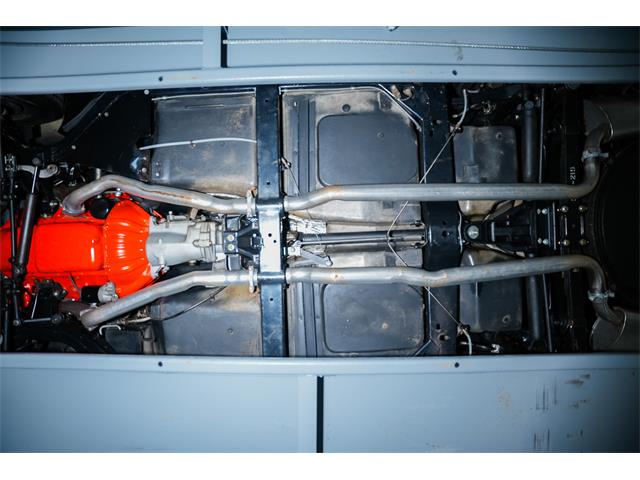
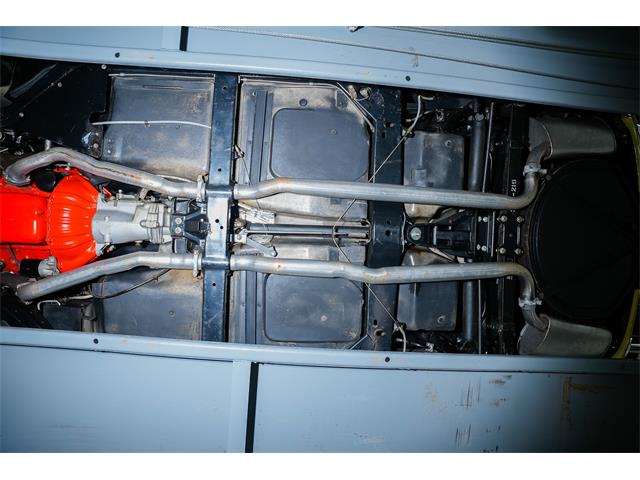
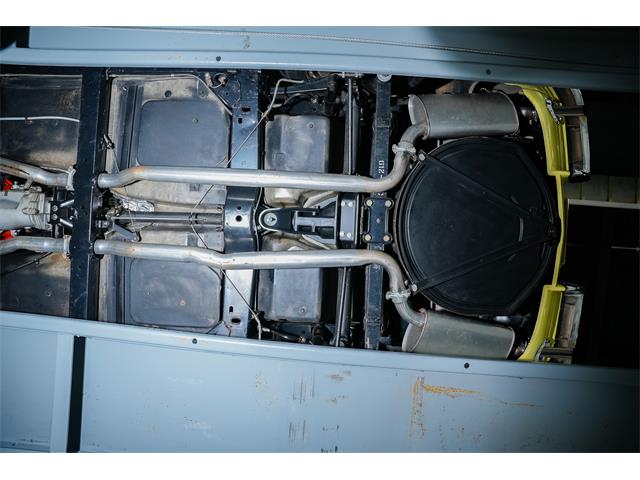
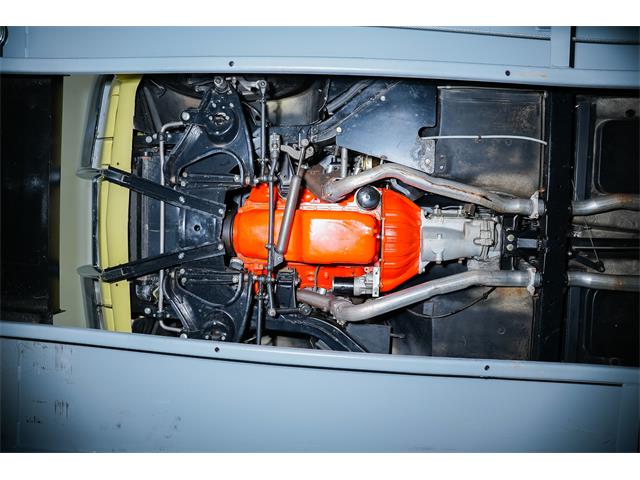
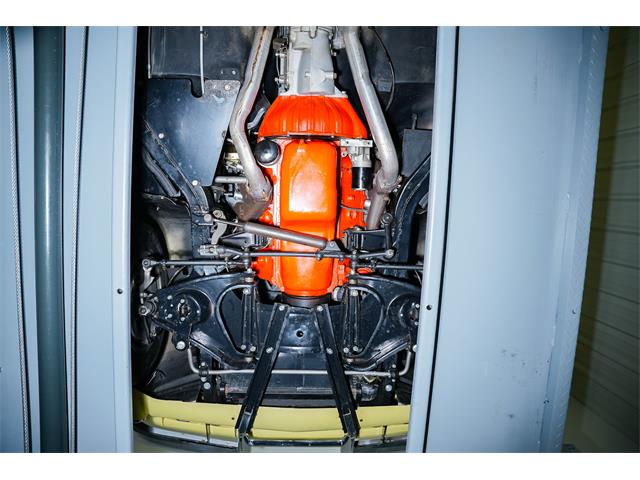
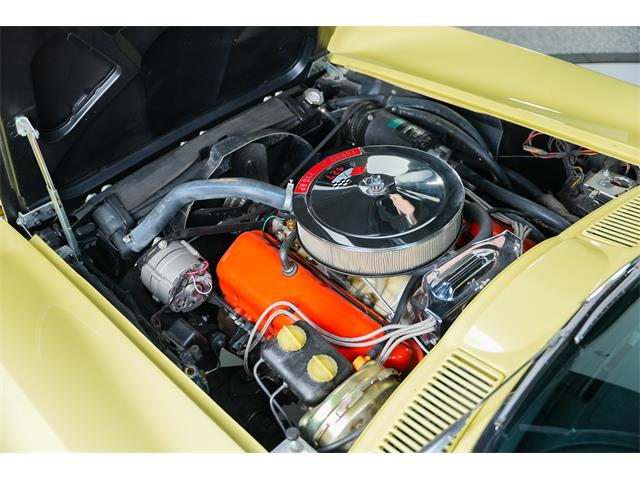
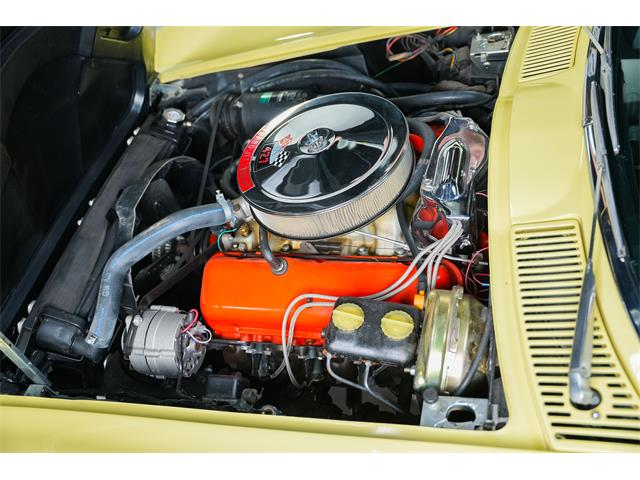
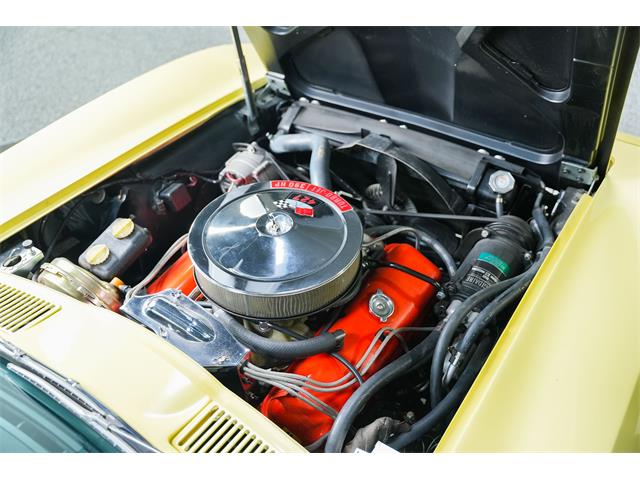
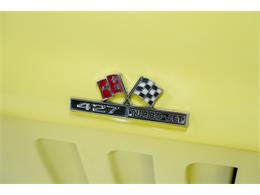
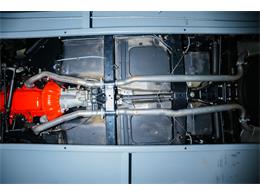
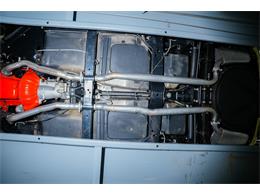
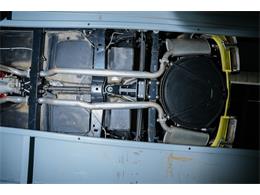
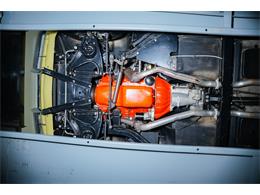
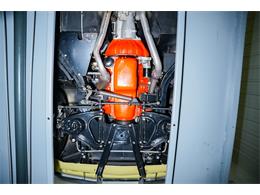
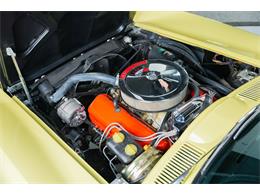
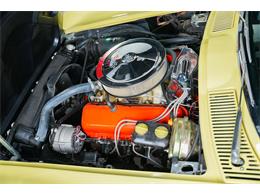
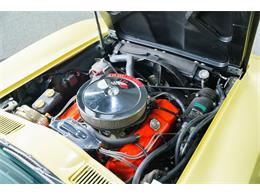
Power is provided by the L36 427 cubic-inch Turbo-Jet V8, factory rated at 390 horsepower. For 1966, the L36 was the only 427 engine available with factory-installed air conditioning, making this one of the more desirable drivetrain combinations offered during the model year. The engine is equipped with the correct Winters aluminum intake manifold, a period-correct Holley four-barrel carburetor, factory chrome distributor shielding, and original-style stainless ignition shielding. Power is delivered through a Muncie M21 close-ratio four-speed manual transmission and factory-style dual exhaust, preserving the performance and character expected of a mid-year big-block Corvette.
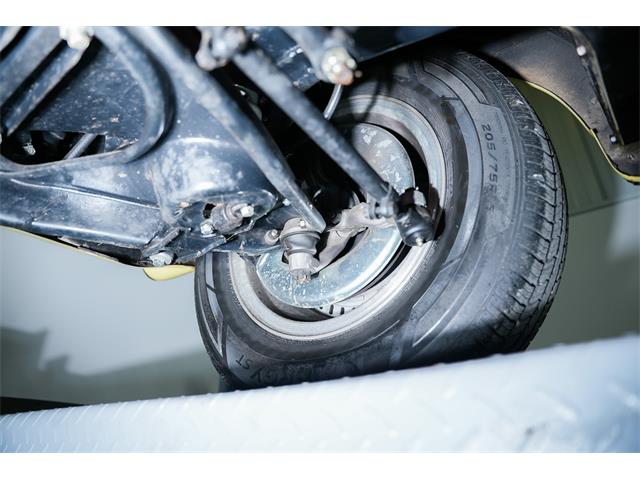
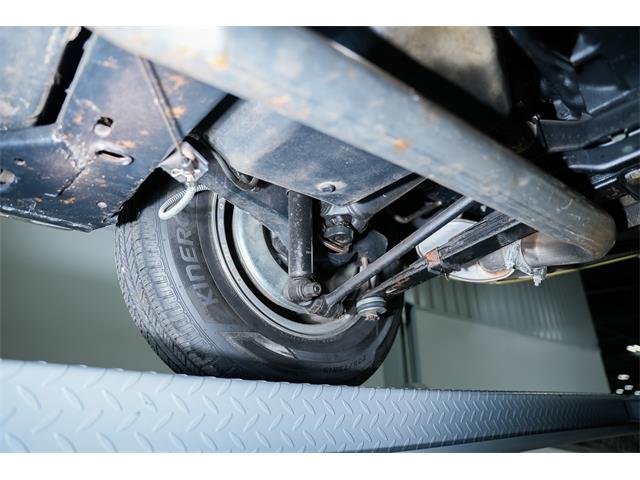
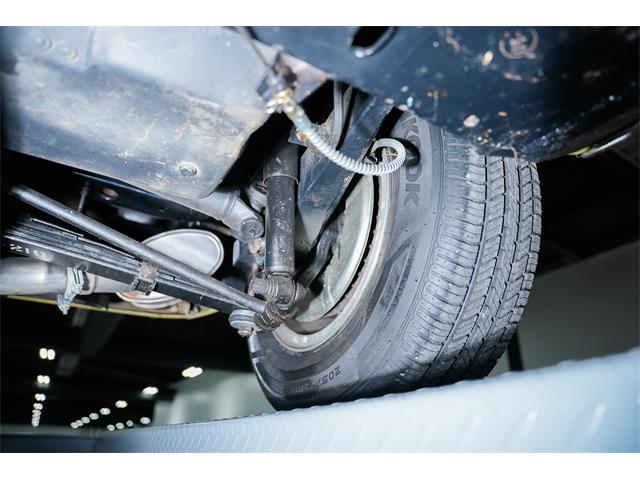
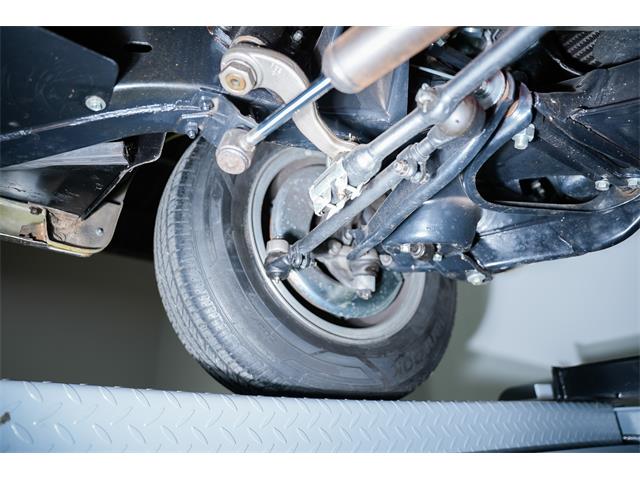
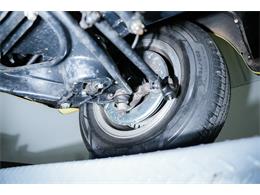
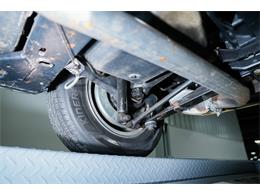
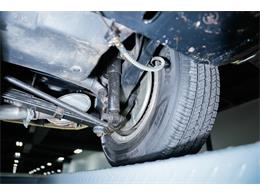
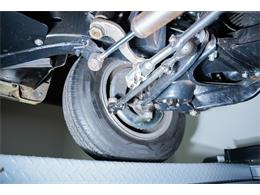
Mechanically, the Corvette has benefited from a comprehensive restoration of its independent rear suspension. Every nut, bolt, bushing, bearing, and fastener within the assembly has been replaced or restored, returning the suspension to factory operating condition. The braking system retains the correct Delco Moraine four-wheel disc brake calipers, preserving one of the important factory components unique to these cars. Combined with factory suspension geometry and the torque of the 427, the result is a Corvette that delivers the balanced driving characteristics for which the C2 generation is known.
This Corvette presents as an exceptionally honest and well-preserved example of Chevrolet's second-generation sports car. Its rust-free, accident-free body, intact factory bonding strips, documented history, desirable factory equipment, and extensive mechanical restoration combine to create a Corvette that is equally rewarding to drive, display, or add to a quality collection.
Technical Specifications
Vehicle Identification
VIN: 194376S101968
Model Year: 1966
Chevrolet Corvette Coupe
Assembly Plant: St. Louis, Missouri
Build Date: November 29, 1965 (Body Tag A29)
Body & Exterior
Rust-free body
Accident-free body
Original factory bonding strips retained
Exceptionally straight fiberglass body
Excellent panel alignment and fit
Factory Color: Sunfire Yellow (984AA)
Original color combination
Knock-off style aluminum wheels
Hankook 205/75R15 radial tires
Interior
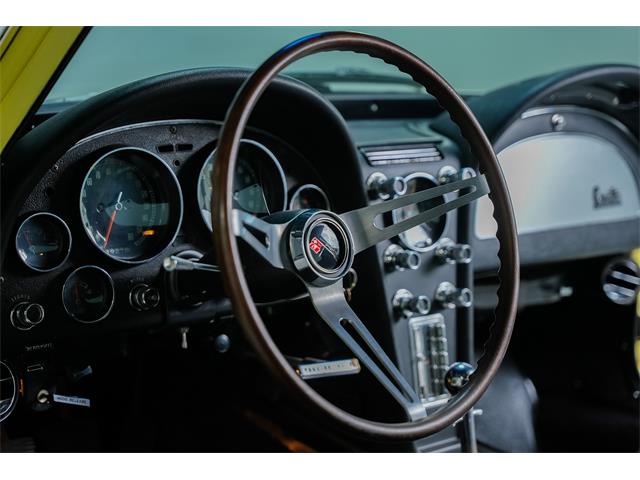
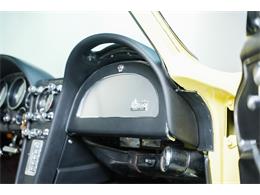
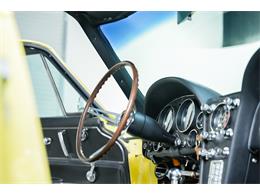
Standard Black Vinyl Interior (Trim STD)
Factory center console
Factory instrumentation
Factory air conditioning controls
Engine
Chevrolet Turbo-Jet 427 CID Big-Block V8
RPO L36
Factory Rating: 390 Horsepower
Engine Casting Number: 3869942
Partial Engine Stamp: "6S27" visible
Correct Winters aluminum intake manifold
Period-correct Holley four-barrel carburetor
Factory chrome distributor shielding
Original-style stainless ignition shielding
Transmission
Muncie M21 Close-Ratio Four-Speed Manual
Transmission Tag: 3880853
Cooling & Air Conditioning
Factory-installed air conditioning
Factory radiator retained
Exhaust
Factory-style dual exhaust system
Suspension & Chassis
Independent Rear Suspension fully restored
Every nut, bolt, bushing, bearing, and fastener replaced
Factory suspension geometry retained
Brakes
Correct Delco Moraine four-wheel disc brake calipers
Factory four-wheel disc brake system
Documentation
NCRS Shipping Data Report
Delivered new through Hooker-Vandergriff Chevrolet
Arlington, Texas
Condition Assessment
Very clean overall presentation
Highly correct throughout
Rust-free body
Accident-free body
Original factory bonding strips retained
Long-term collector ownership
Comprehensive independent rear suspension restoration
Model History
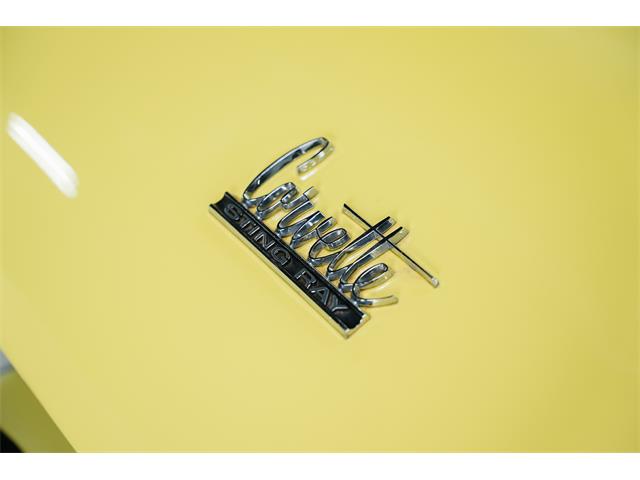
The 1966 model year marked the debut for Chevrolet's newly introduced 427 cubic-inch big-block and represented one of the most refined years of the C2 Corvette's development. Building on the Sting Ray design introduced in 1963, the 1966 Corvette retained the styling that had already become one of the most recognizable shapes in American automotive history while benefiting from the increased performance of Chevrolet's Mark IV big-block engine family.
Chevrolet offered four versions of the 427 for 1966, ranging from the 390-horsepower L36 to the competition-oriented 425-horsepower L72. The L36 occupied a distinctive position within the lineup, delivering substantial torque and excellent drivability while remaining well suited to long-distance touring.
The L36 also holds a unique place in Corvette history because it was the only 427 cubic-inch engine available with factory-installed air conditioning during the 1966 model year. Buyers wanting the torque and performance of Chevrolet's new big-block without sacrificing factory air conditioning had only one choice—the L36. Today, that combination remains one of the more desirable factory configurations offered during the model year.
The C2 Corvette's independent rear suspension, four-wheel disc brakes, and fiberglass body construction continued to distinguish it from virtually every American performance car of its era. These engineering features, combined with the new 427 engine, established the mid-year Corvette as one of the most capable American sports cars of the 1960s.
Today, collectors place increasing emphasis on originality, structural integrity, and documented history. Rust-free, accident-free cars retaining their original bonding strips, correct major components, and factory specifications have become increasingly difficult to find. Well-preserved examples equipped with the L36, factory-installed air conditioning, and a four-speed transmission remain among the most desirable touring-oriented C2 Corvettes, offering an exceptional combination of performance, authenticity, and drivability.