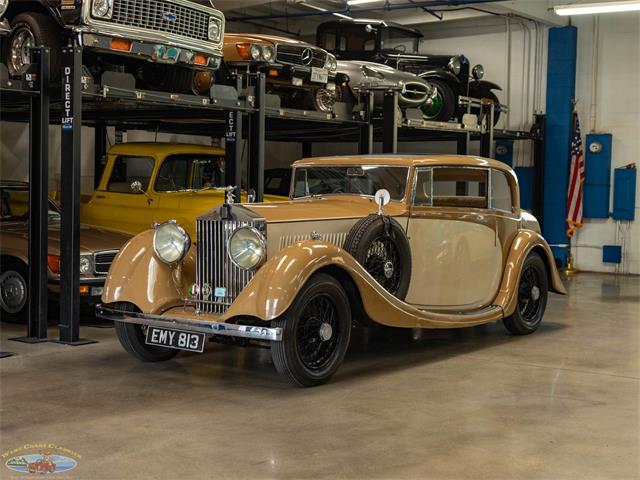
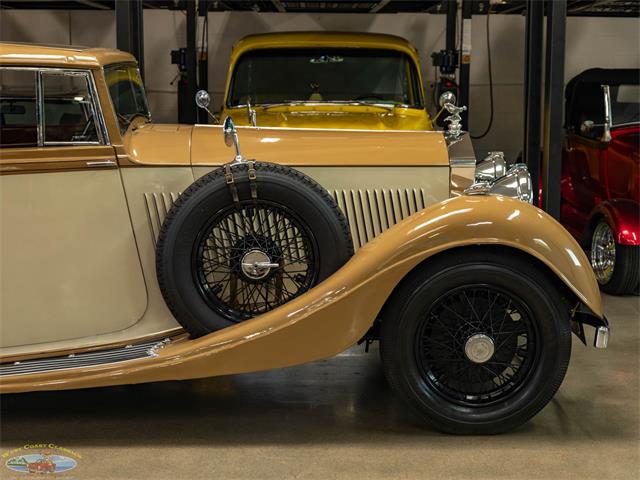
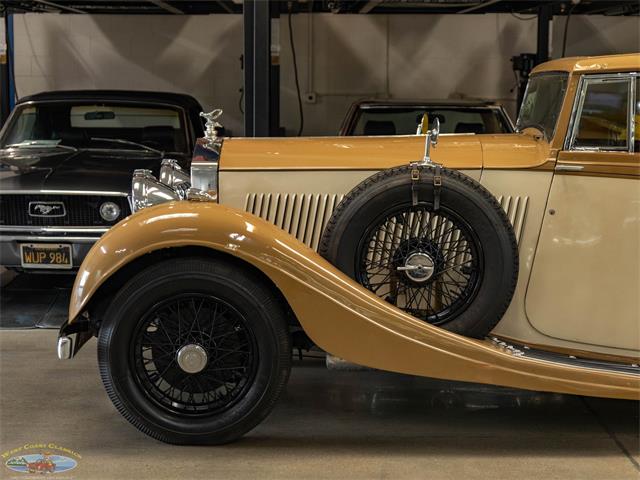
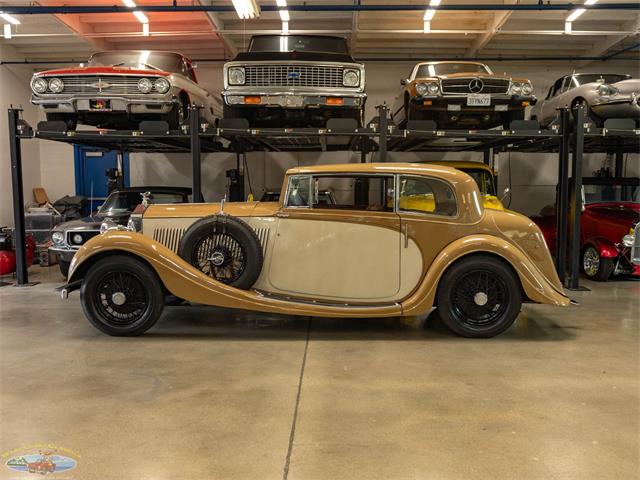
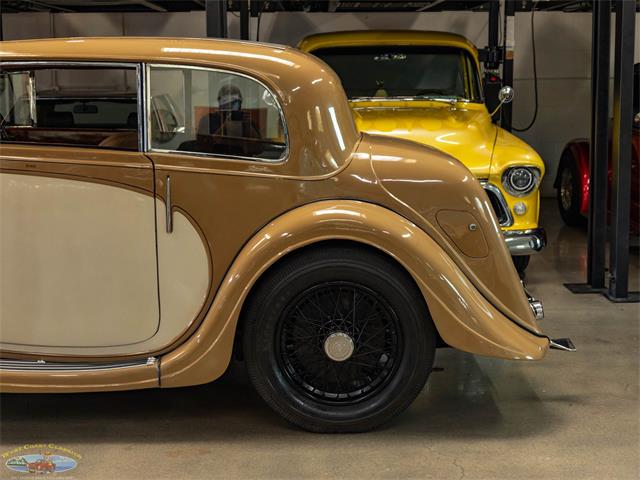
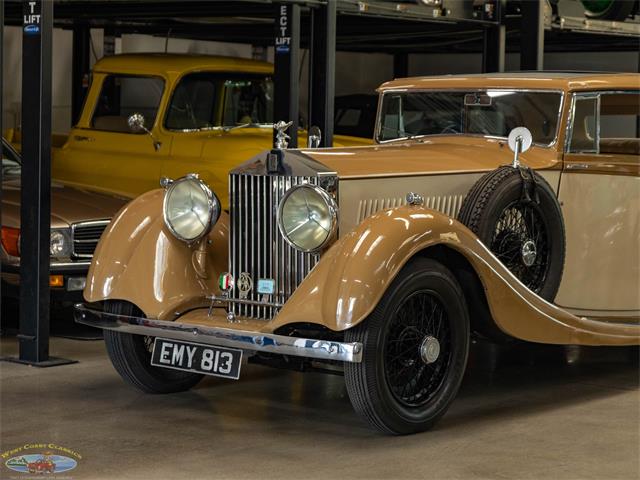
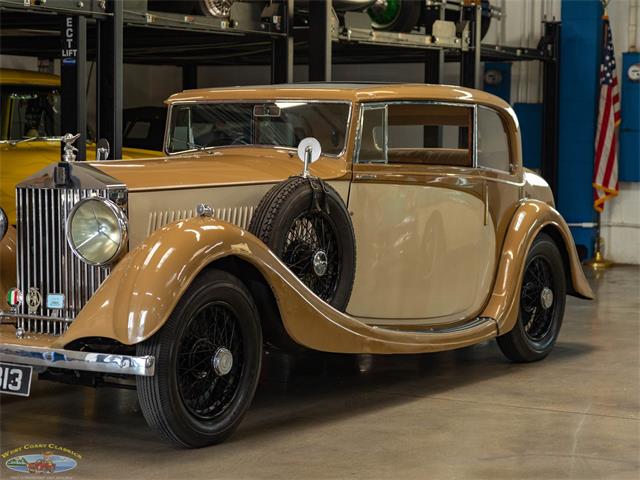
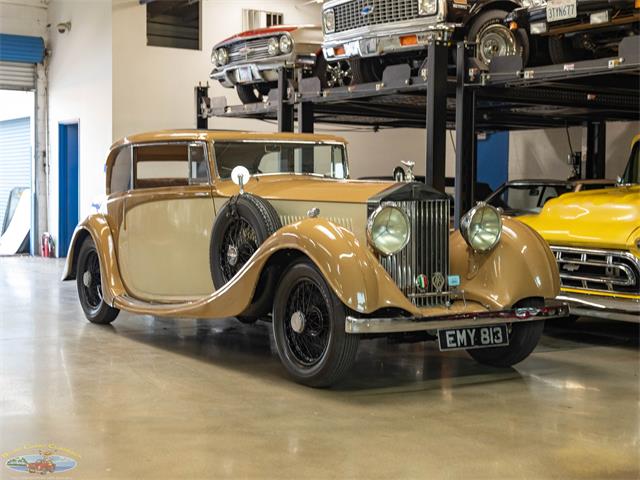
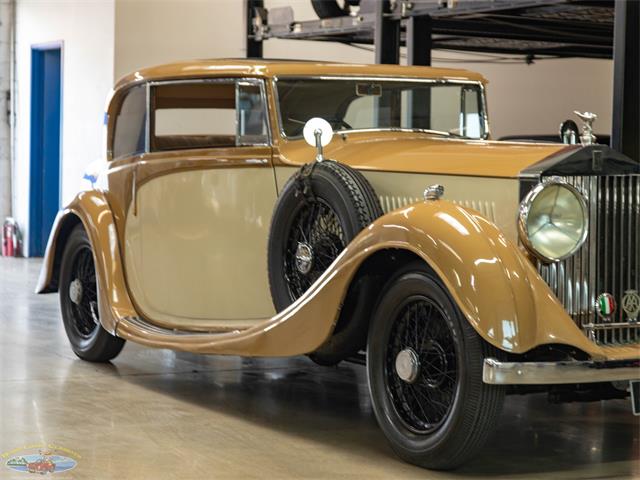
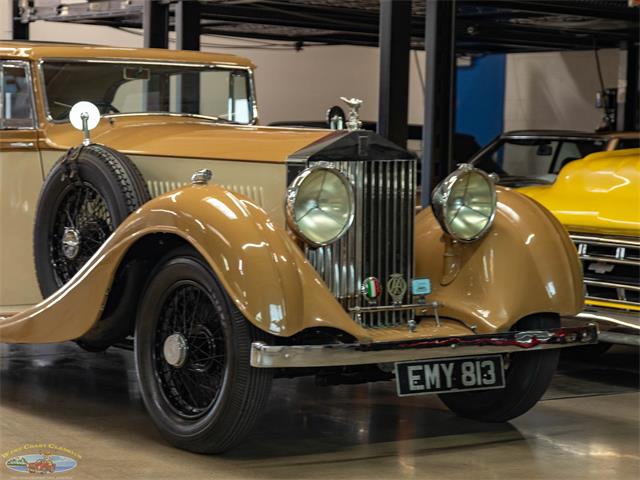
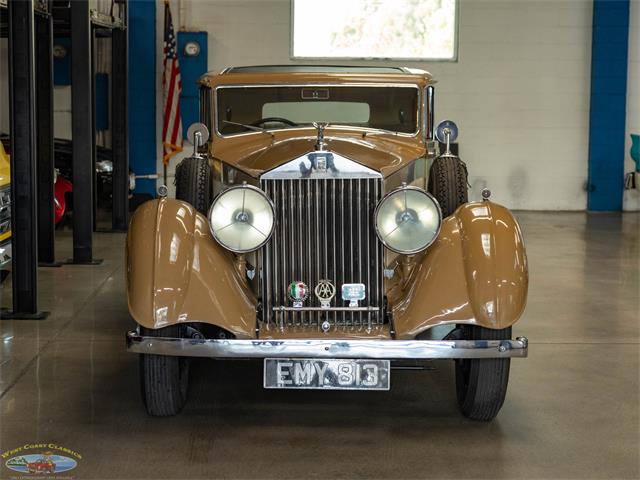
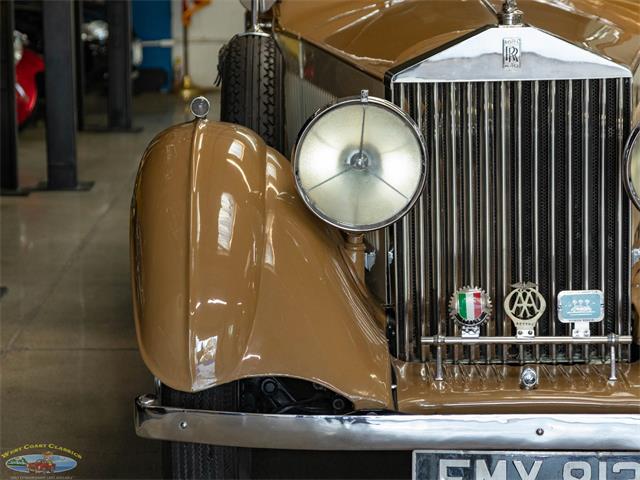
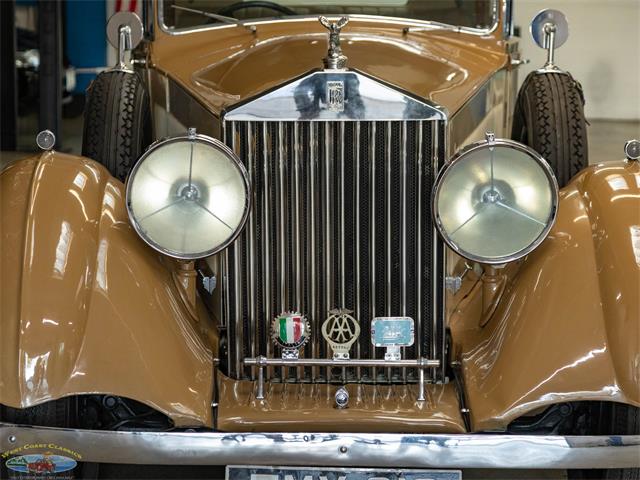
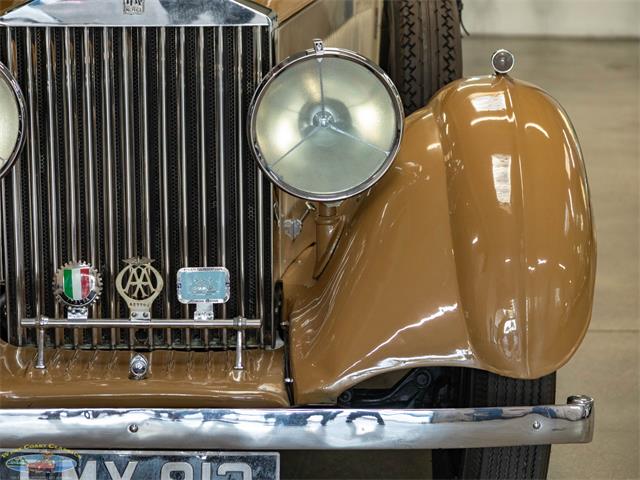
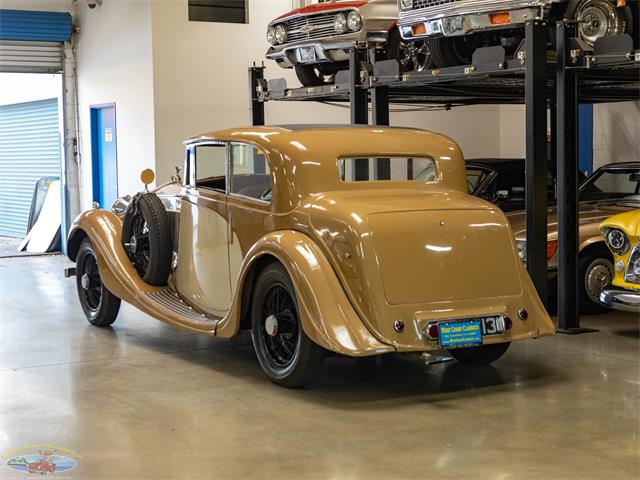
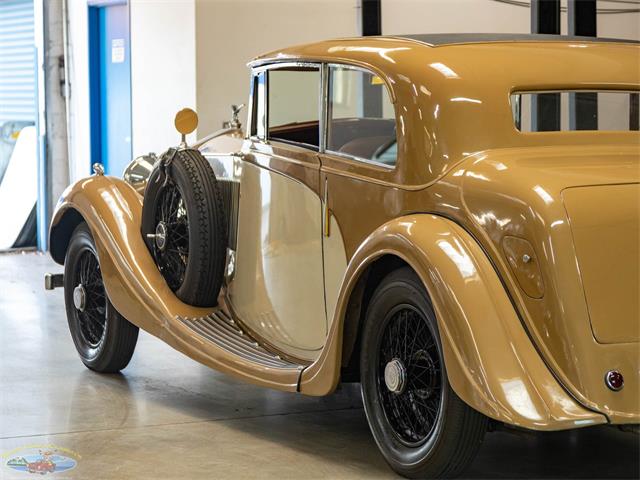
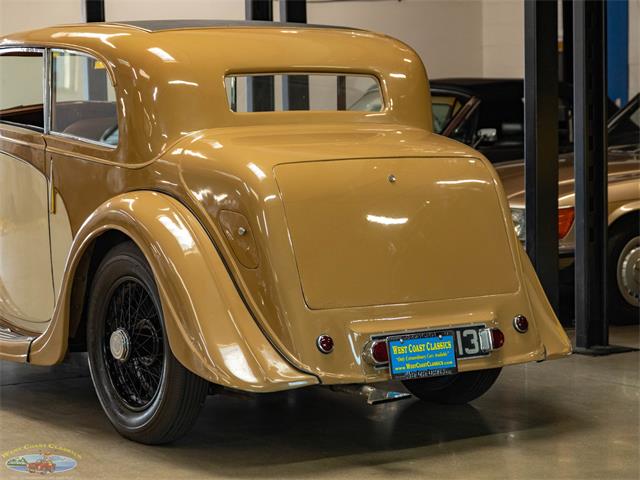
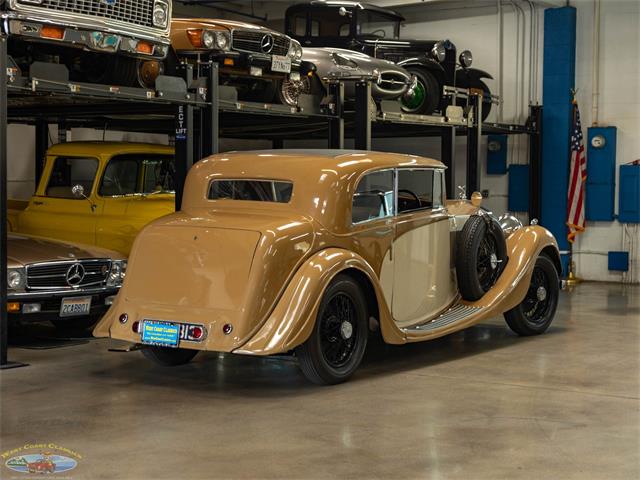
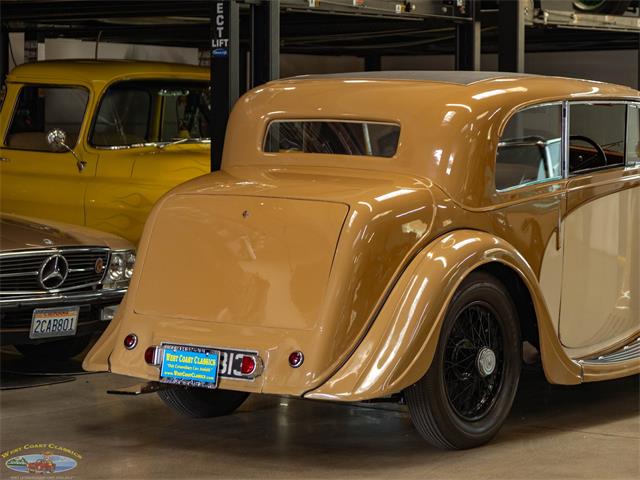
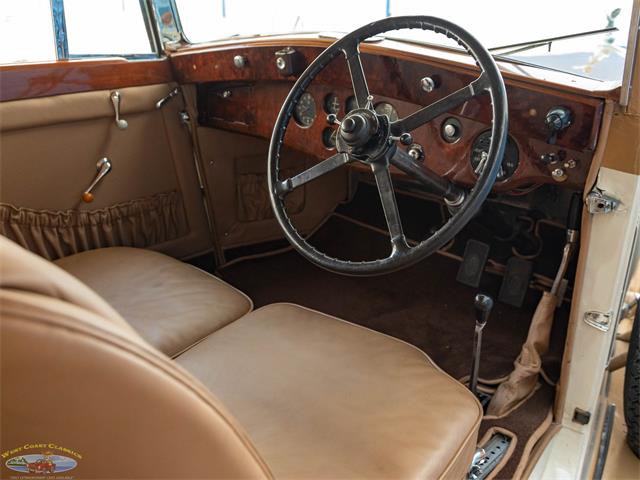
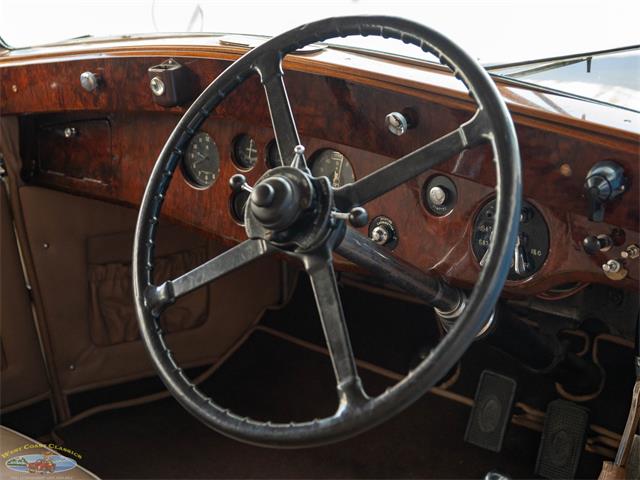
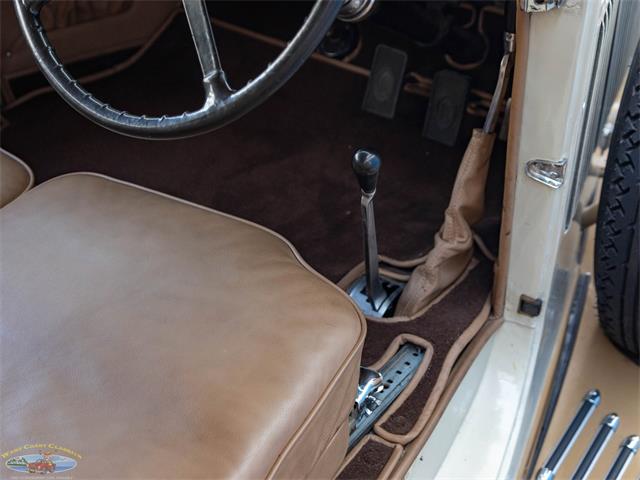
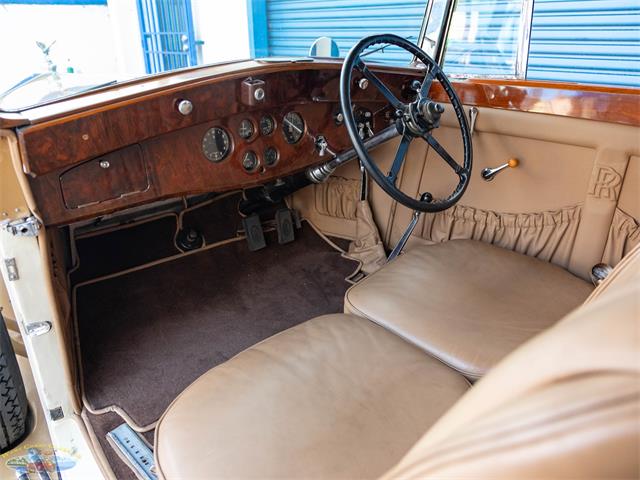
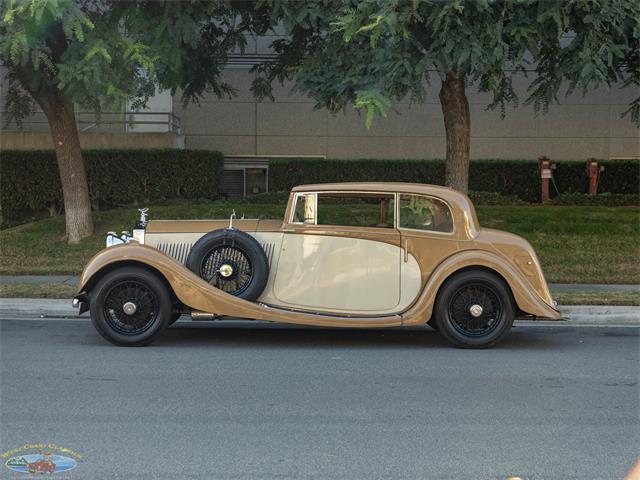
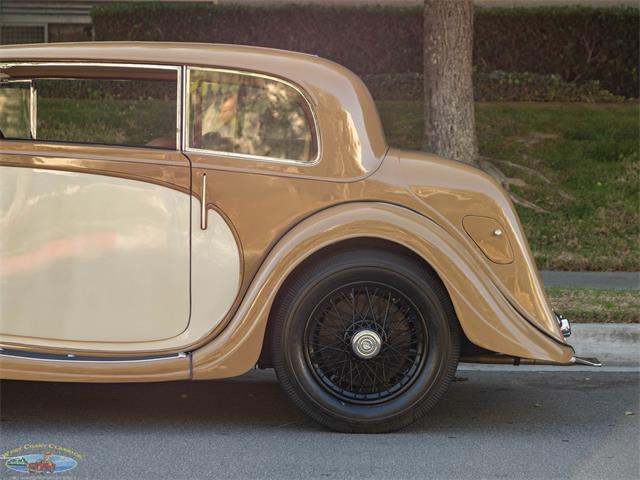
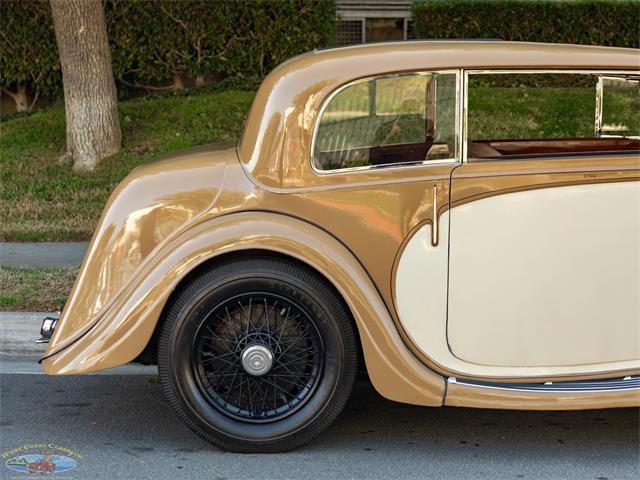
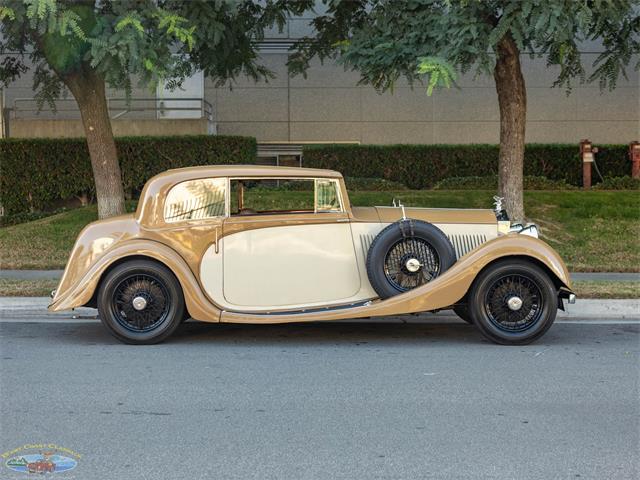
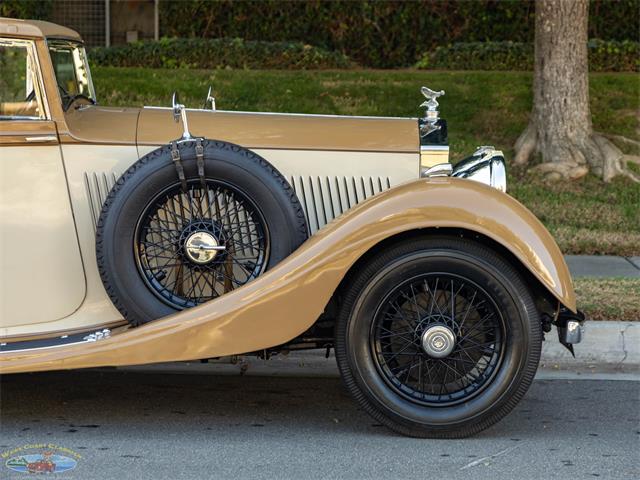
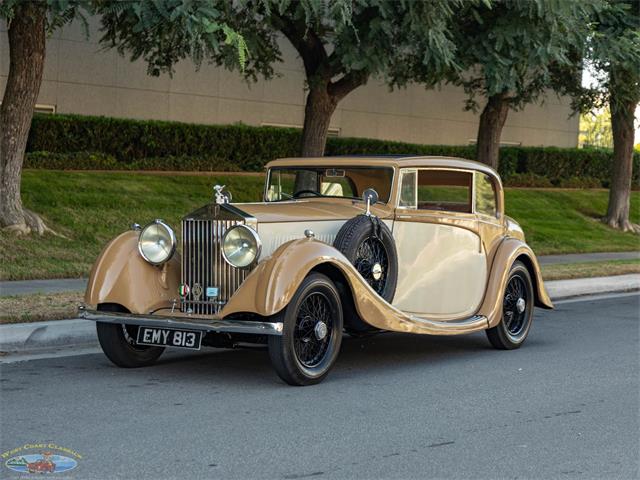
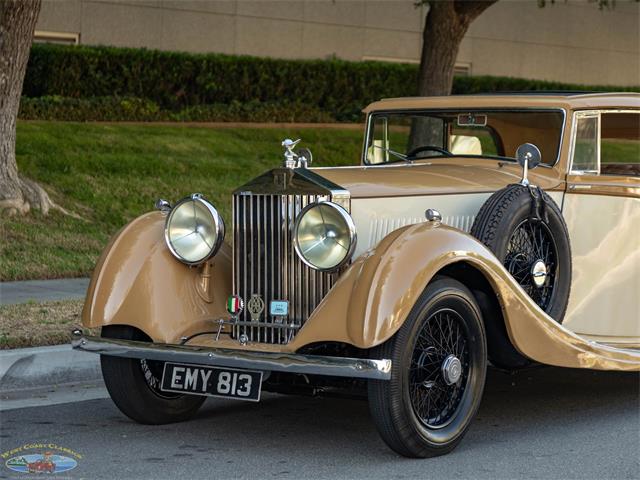
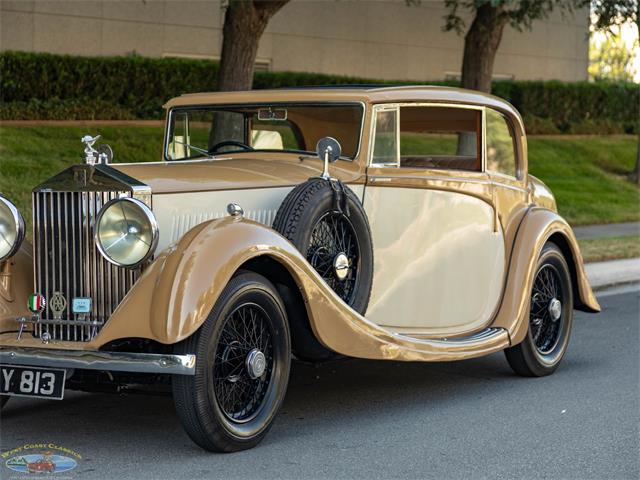
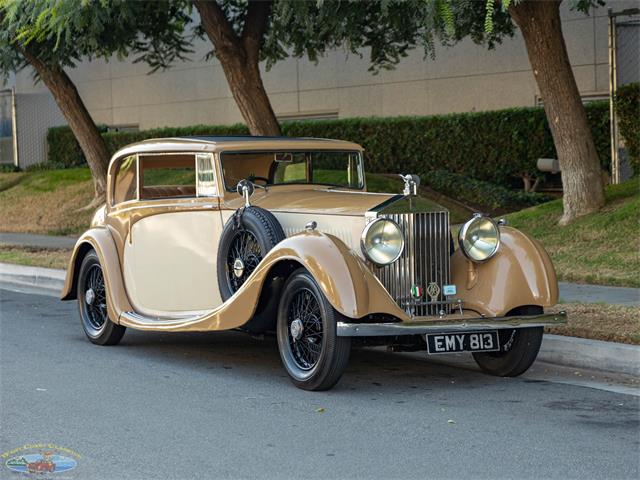
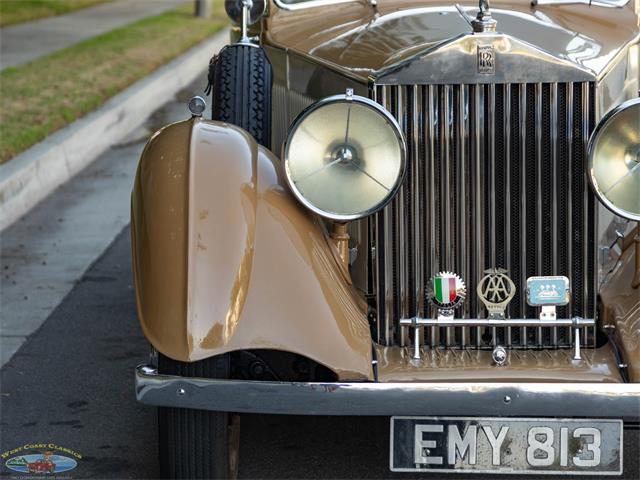
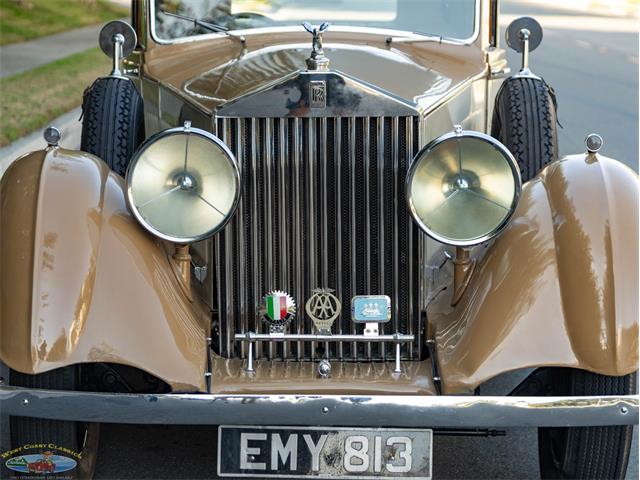
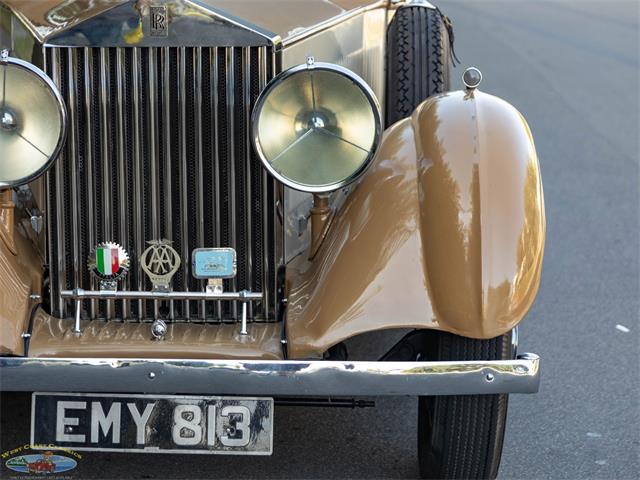
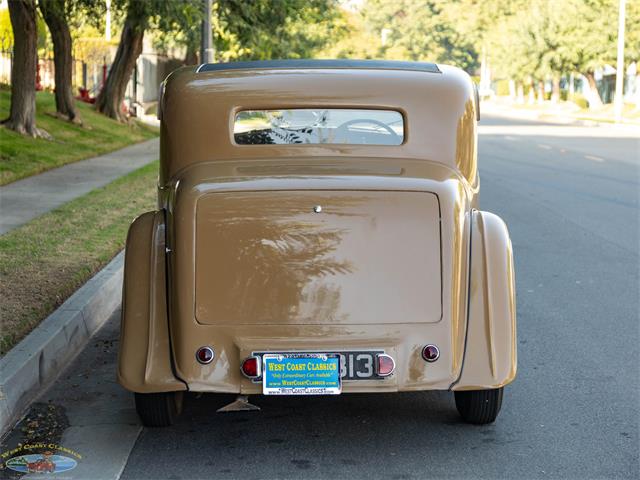
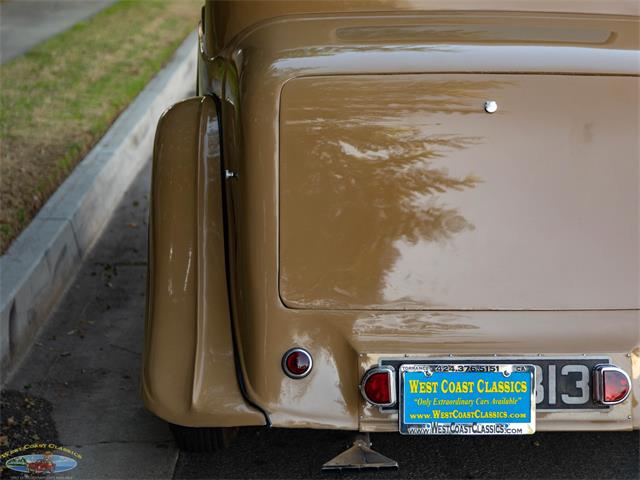
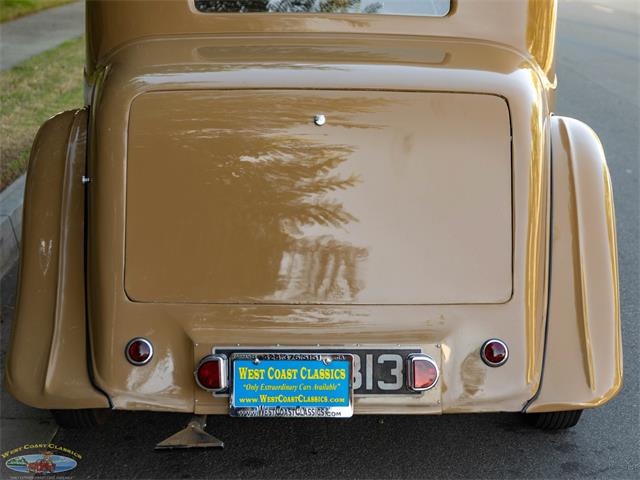
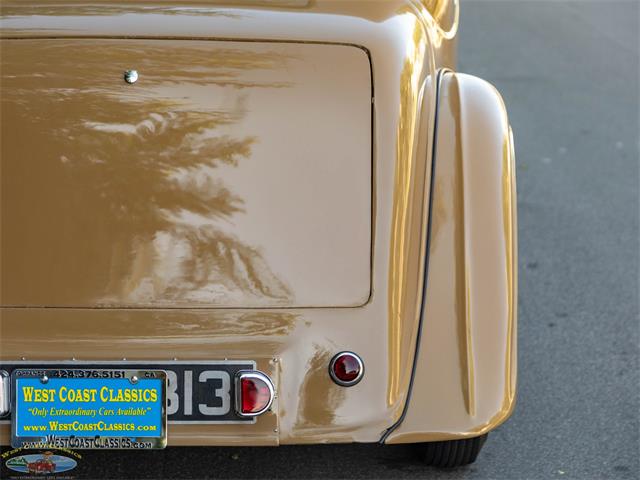
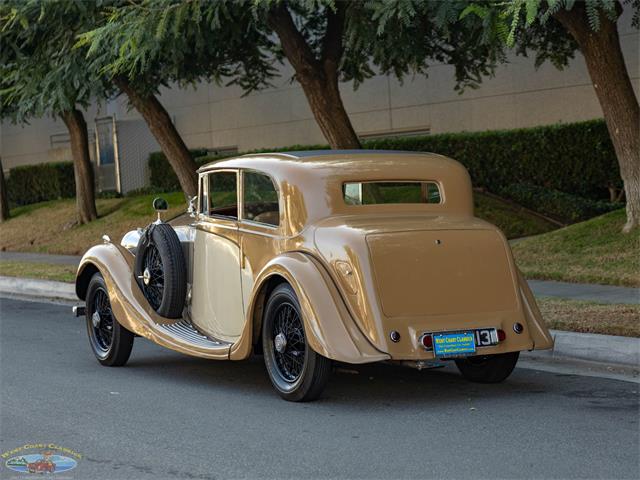
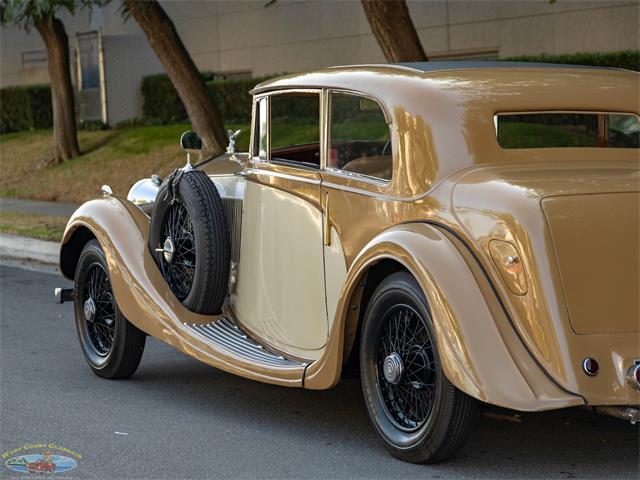
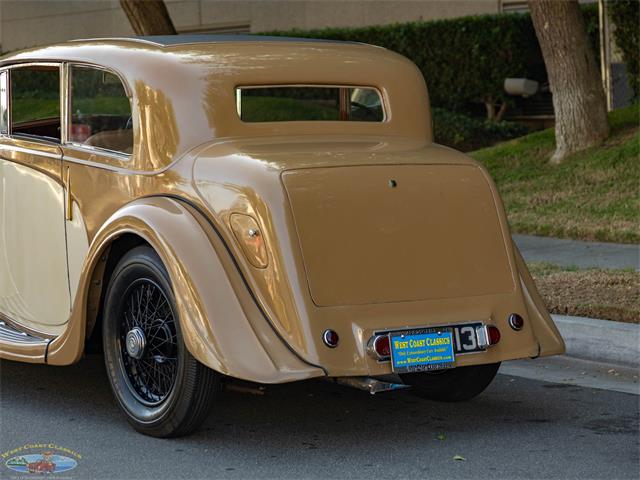
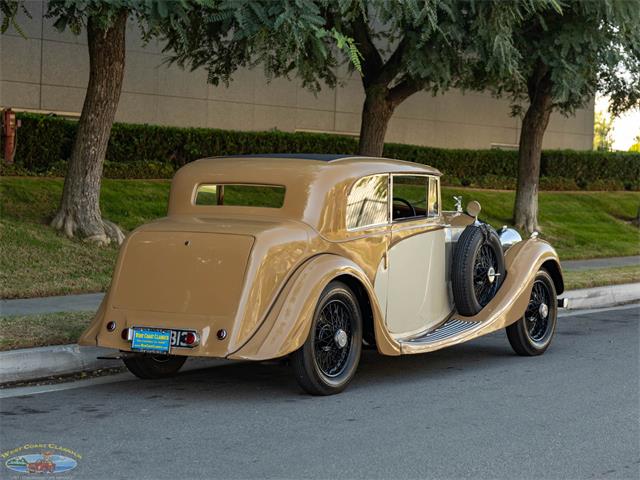
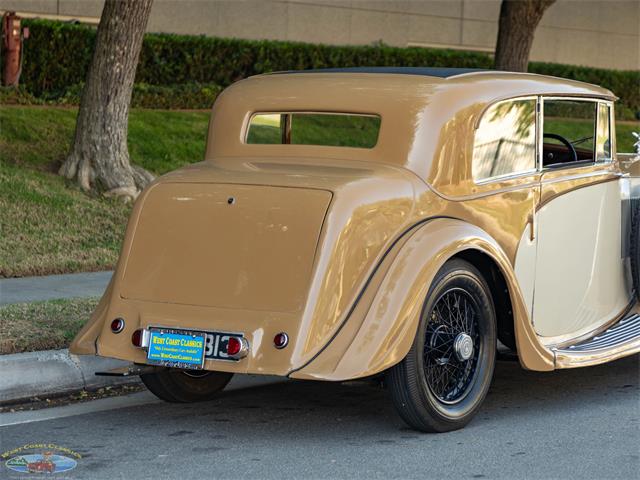
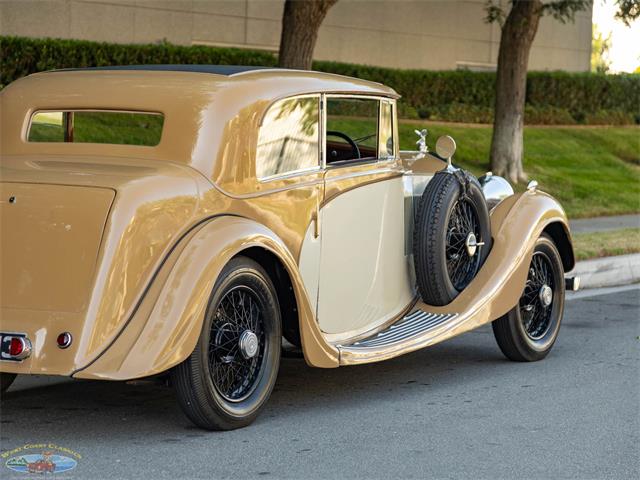
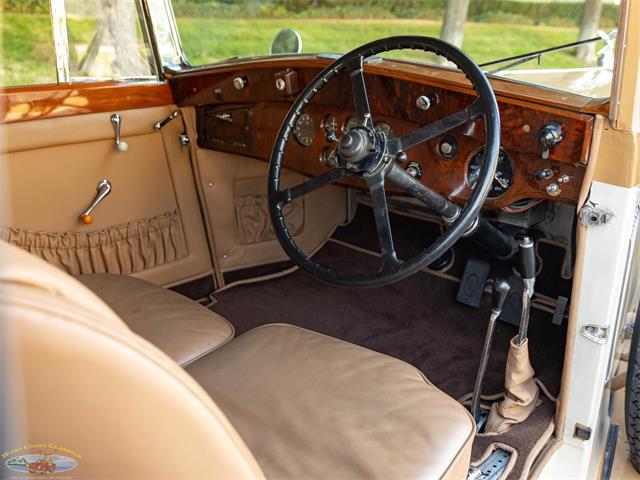
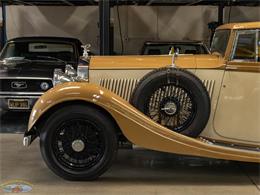
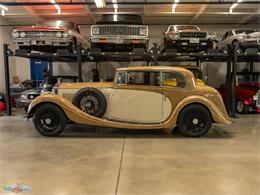
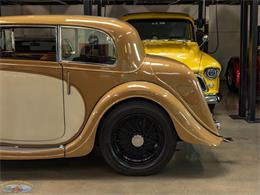
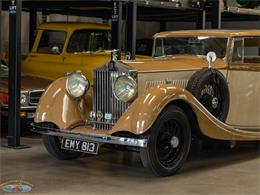
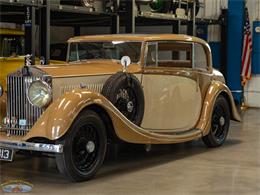
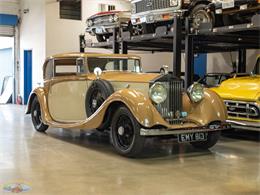
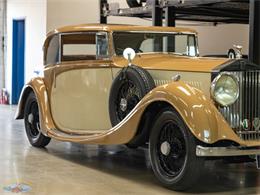
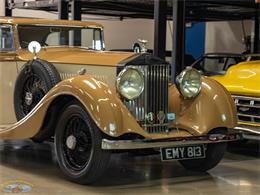
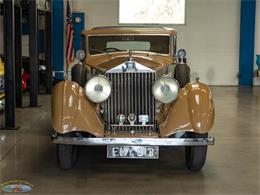
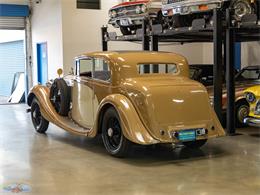
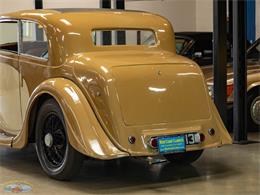
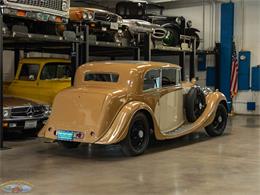
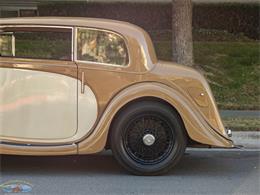
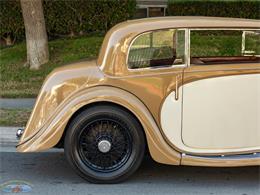
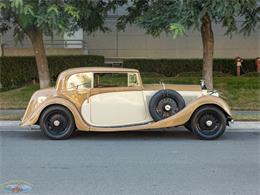
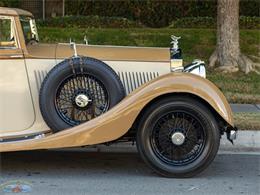
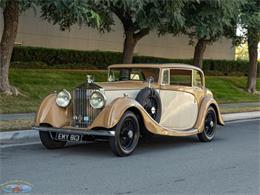
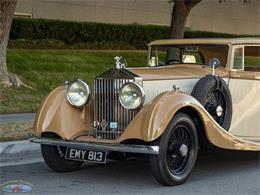
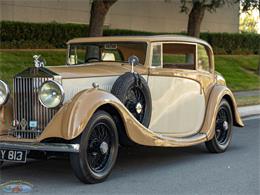
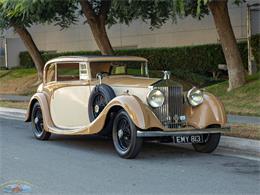
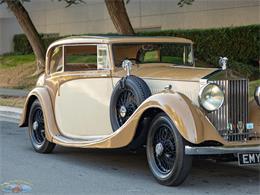
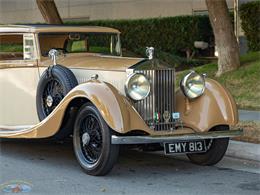
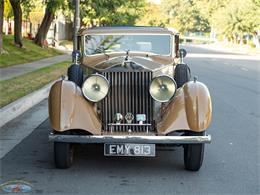
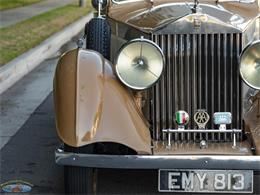
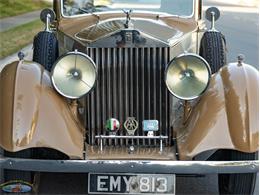
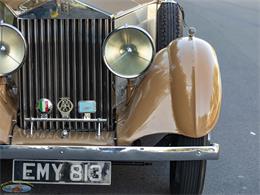
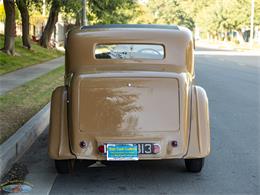
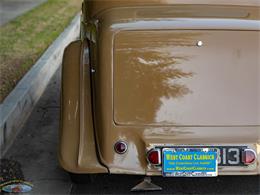
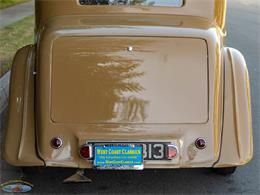
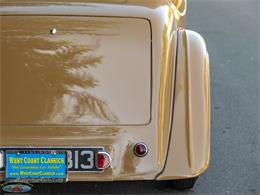
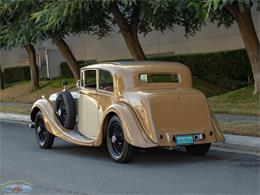
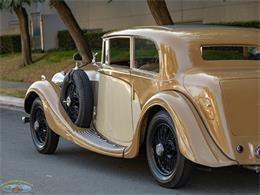
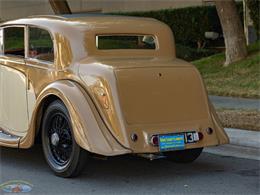
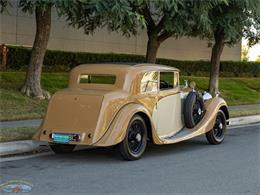
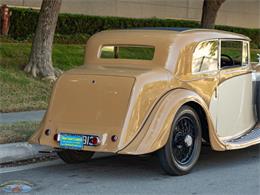
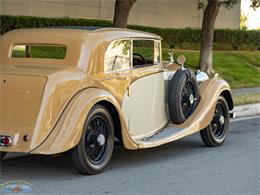
West Coast Classics are proud to present this extraordinarily rare,
award winning of prestigious events and very original 1935
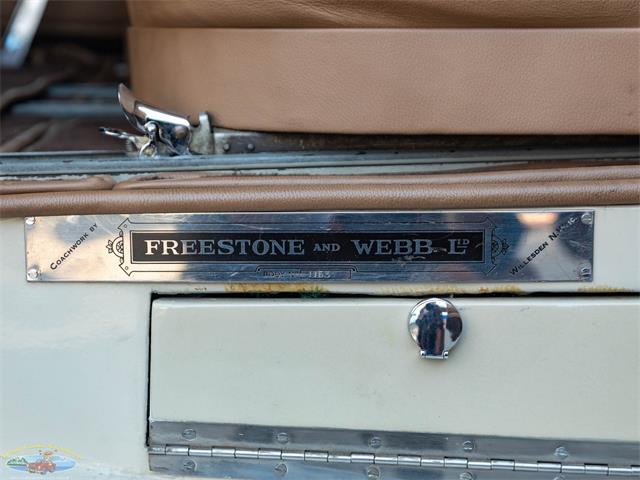
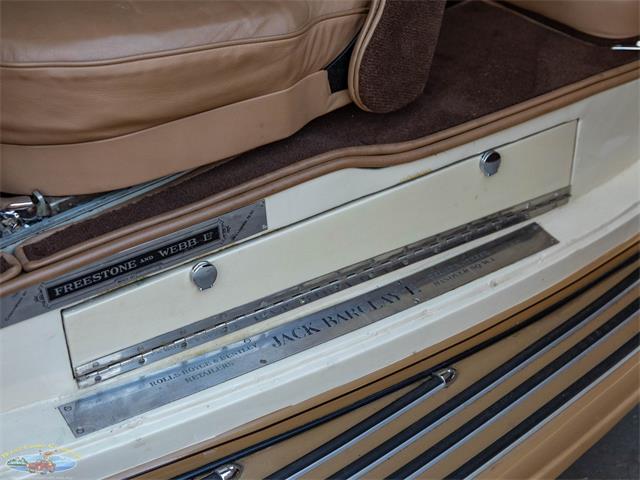
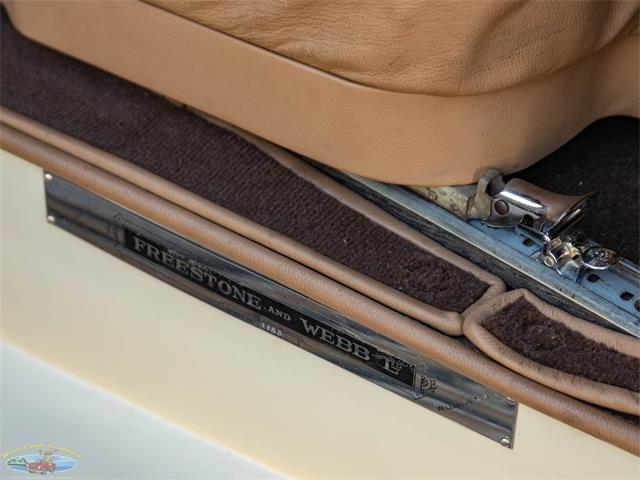
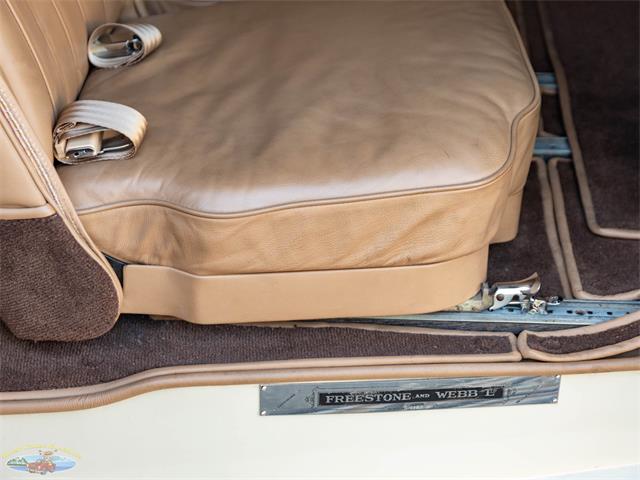
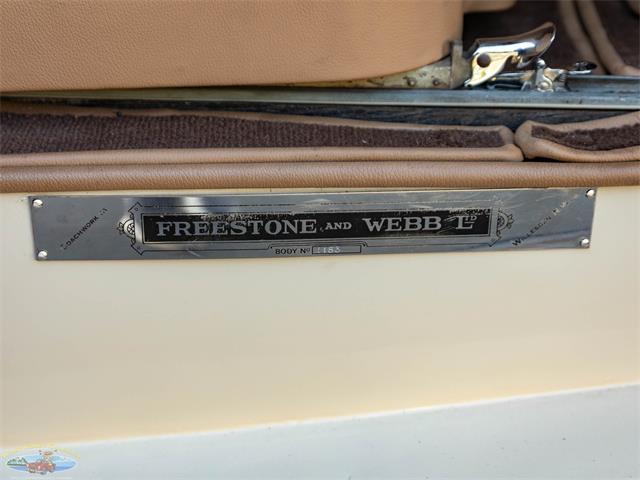
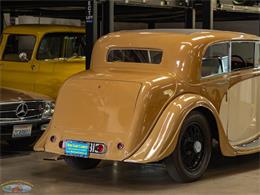
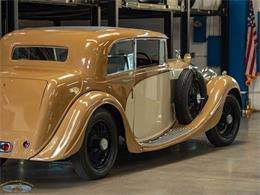
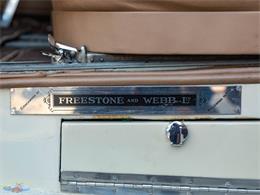
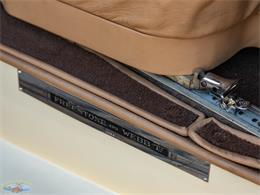
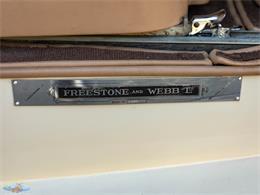
Rolls-Royce 20/25 Coupe with aluminum body and wood frame by
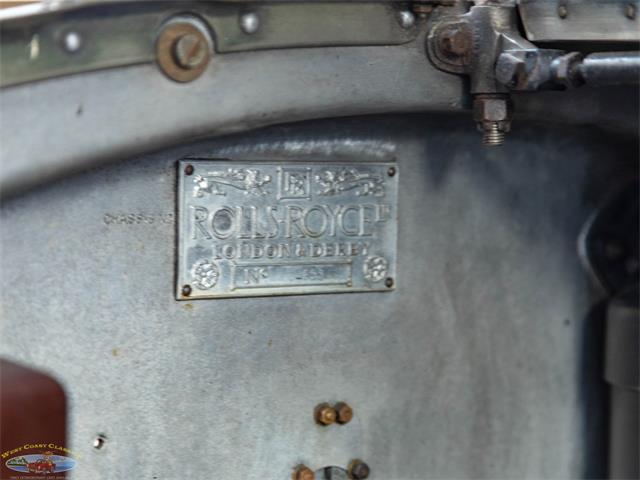
Freestone & Webb. Chassis # GLG53Engine #
D3T Fixed Head Three Quarter Coupe 20/25
GLG53 One of two examples of this attractive body on the
20/25 chassis Beautifully finished, national award-winning
restoration Accompanied by copies of build records,
restoration photos, and invoices A CCCA Full
Classic Chassis number GLG53 was one of two Rolls-Royce
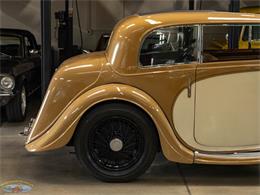
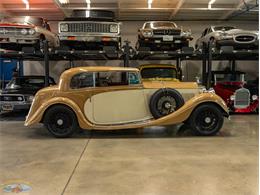
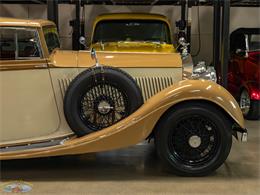
20/25s fitted with coupe bodies to this design by Freestone
& Webb, who were renown and highly regarded for their
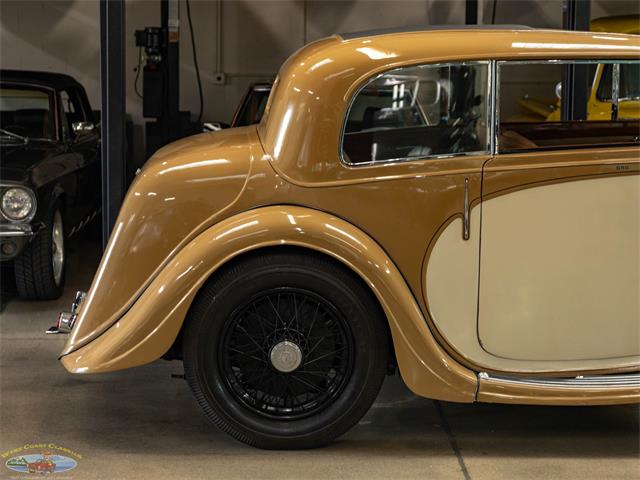
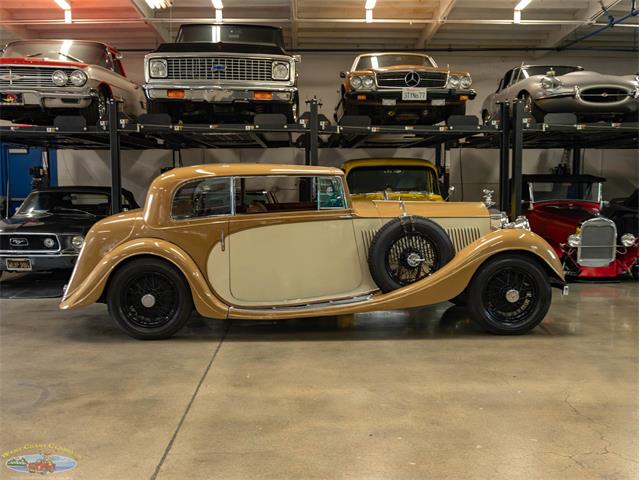
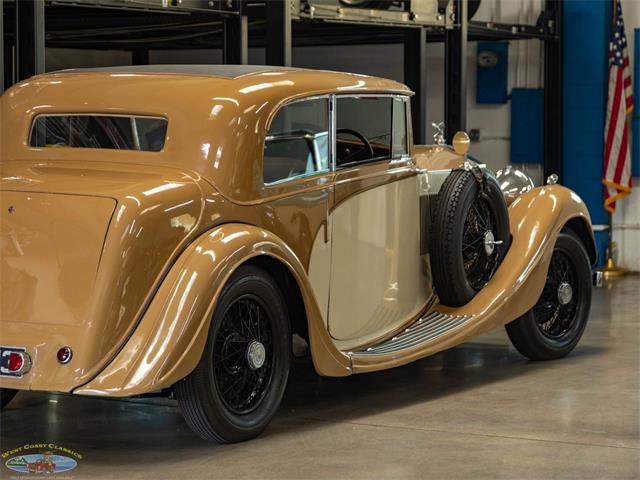
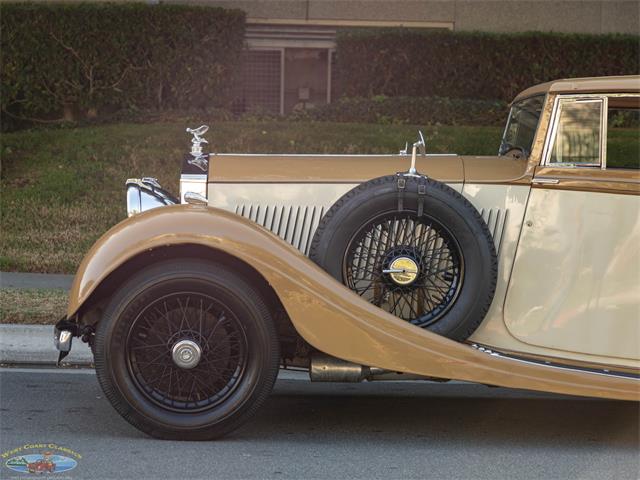
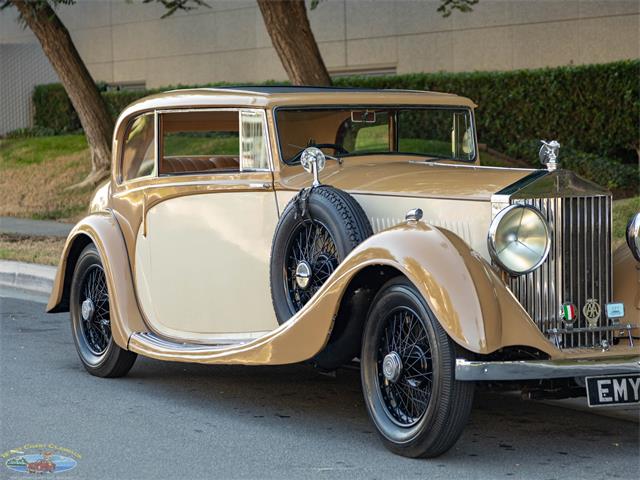
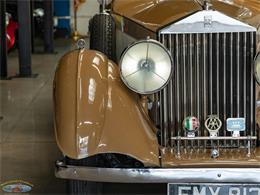
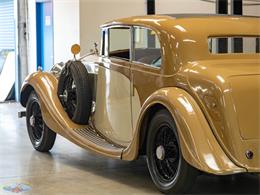
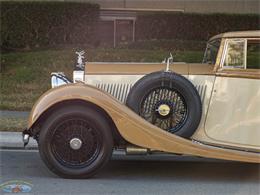
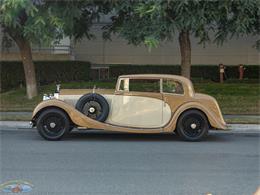
sporting razor edge style. Featuring sweeping fenders and
an especially tasteful roofline, it was specified for continental
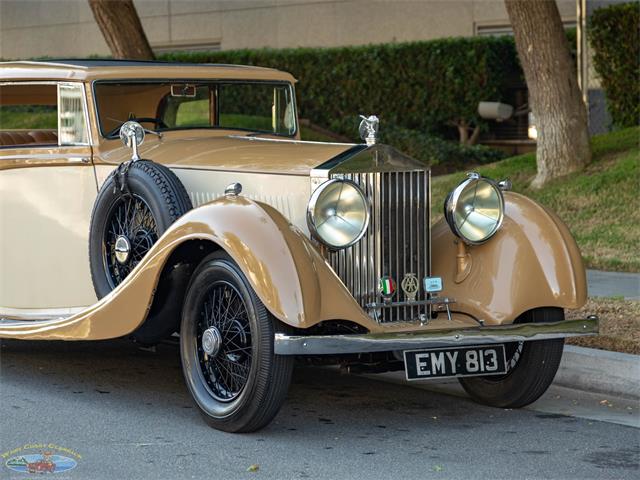
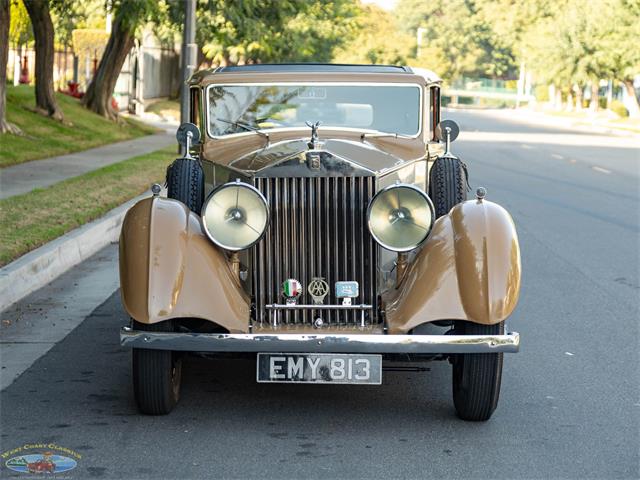
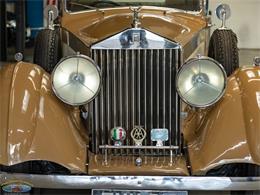
touring with firmer springs, lower headlights, and dual spares by
its original owner, Sir James Henderson, Esq., a British diplomat
living in Milan, Italy at the time.The elegant coupe is shown as
delivered in Lawrence Daltons legendary Rolls Royce bibles "Those
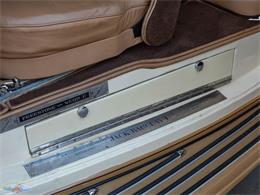
Elegant Rolls-Royce", as well as in a period advertisement by
legendary London dealer Jack Barclay Ltd, who appeared especially
proud of this sale and chose this particular car over any other for
his 1935 advertisements. Factory records indicate that the
car next passed to a Mr. Stroppel, then to Donald Fraser of Harley
Street, London, and to American enthusiast W.E. Hurlock in 1965.
Two additional owners, Fred Pennington of Pennsylvania and Thomas
Moody of Florida, followed before the car was acquired by its most
recent caretaker, an avid Rolls-Royce enthusiast, before we
recently acquired the car. Beginning in 2016, the owner
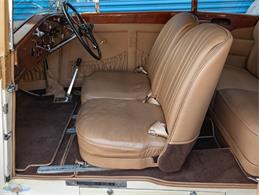
undertook a full restoration of the car to its original condition.
Much of the work was completed in his own hands, including
rebuilding the inner wood framework, repairing the sheet metal, and
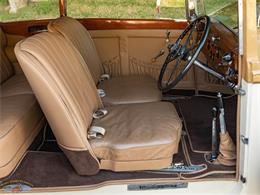
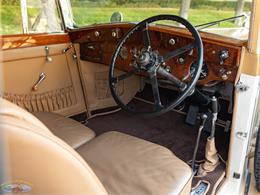
finishing the body in a period-correct color scheme of Embassy
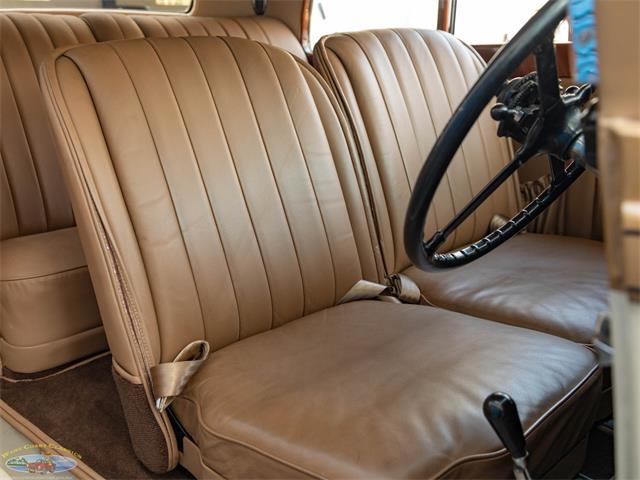
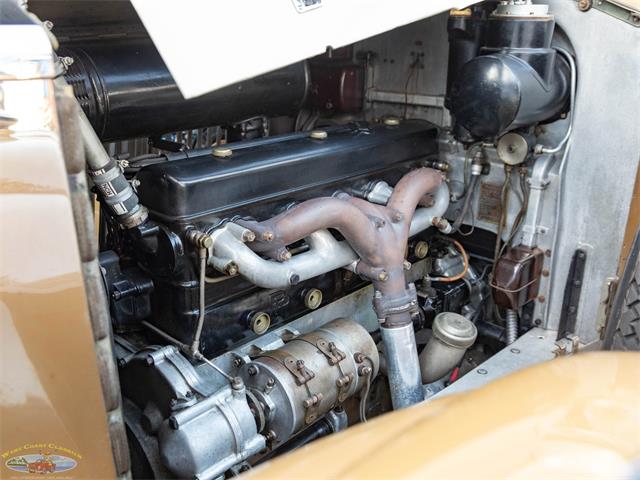
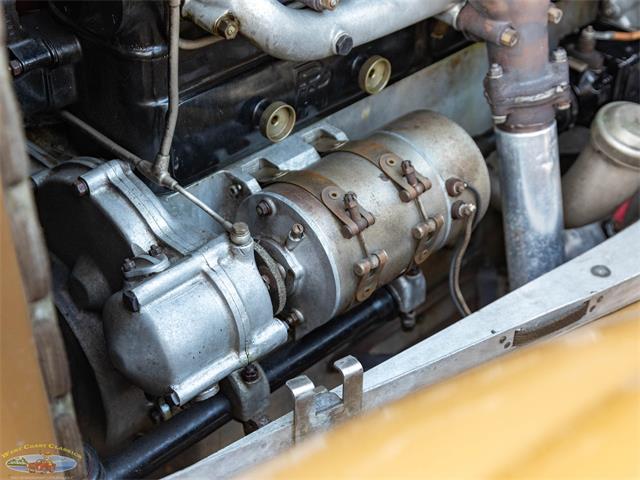
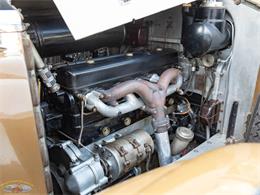
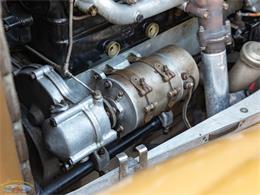
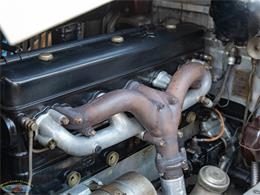
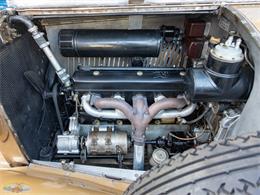
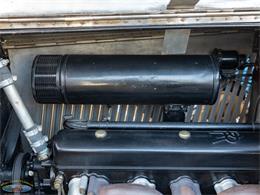
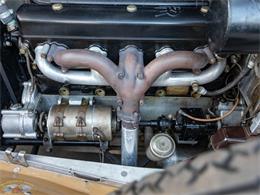
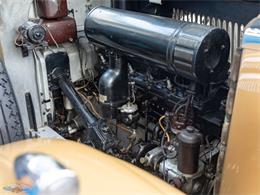
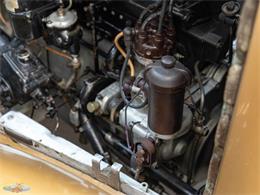
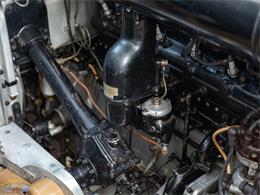
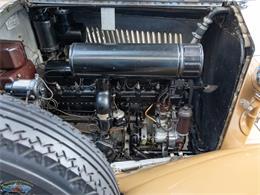
Beige and Sandstorm Beige. The engine was rebuilt by James Long and
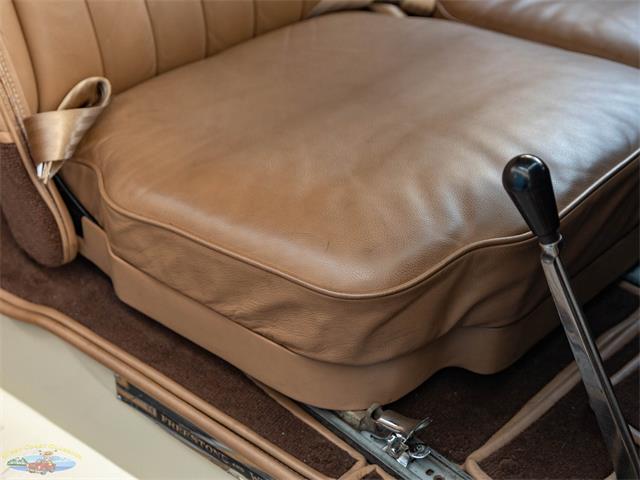
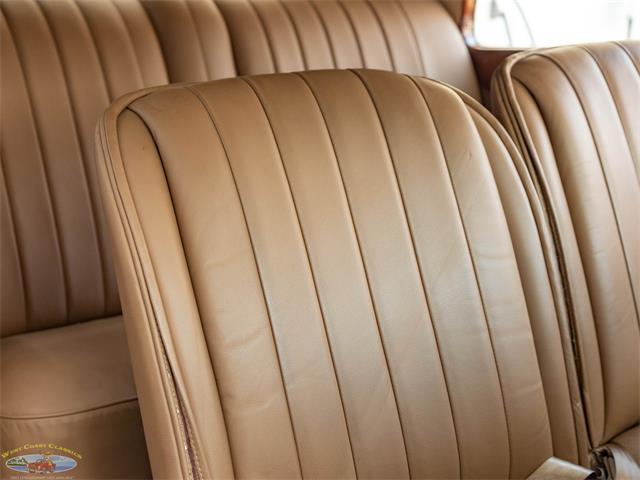
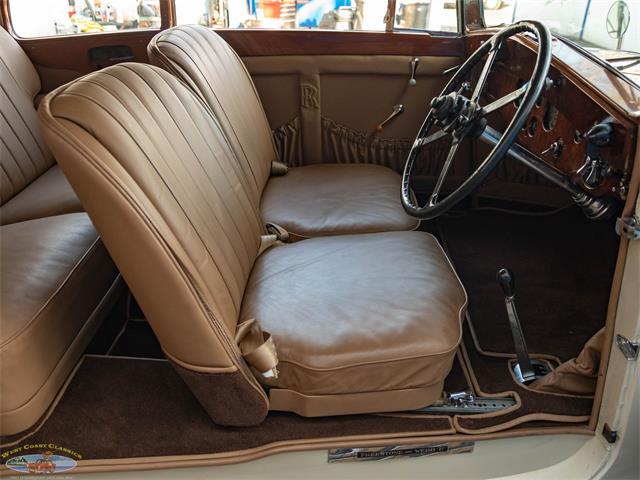
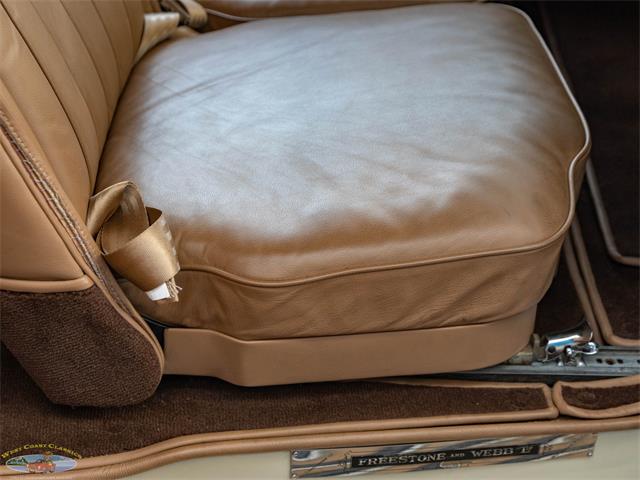
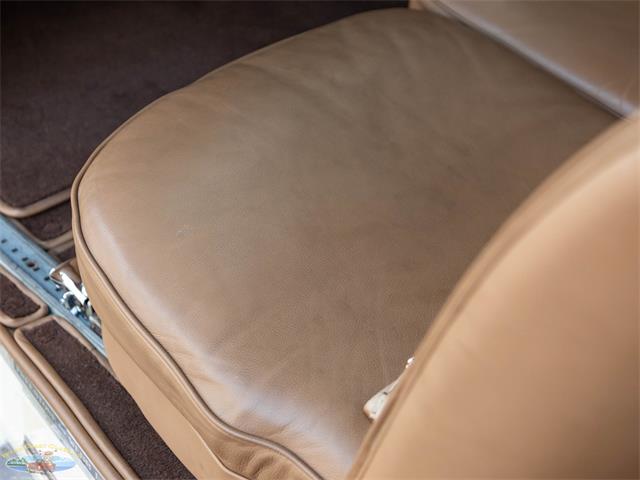
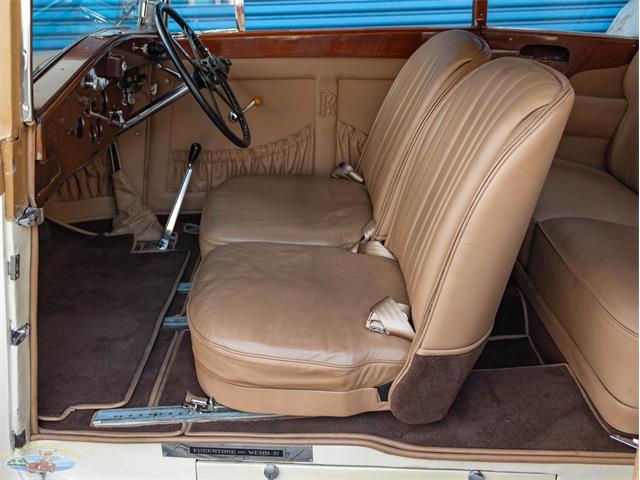
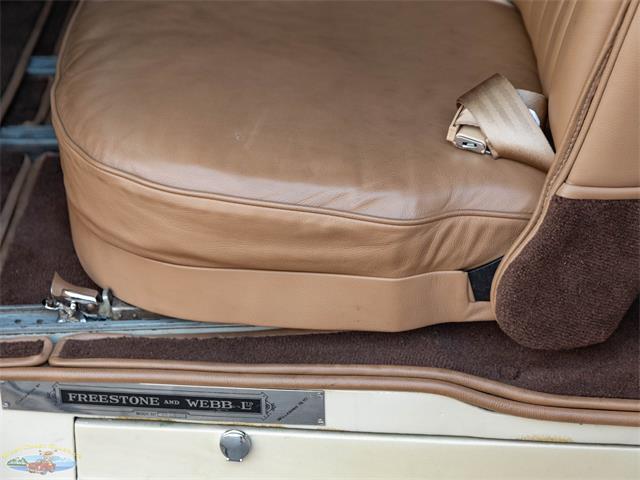
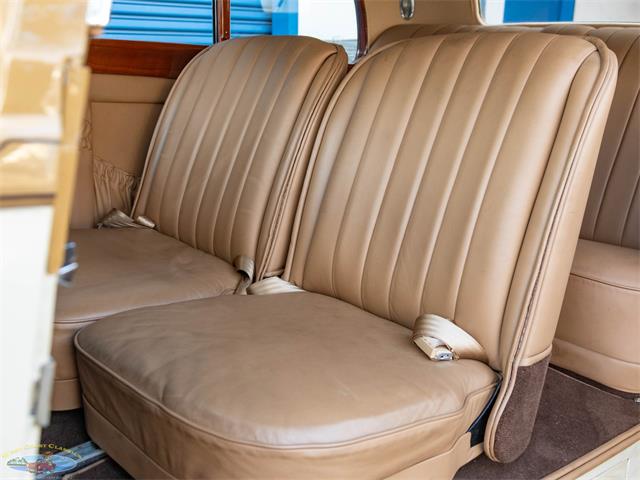
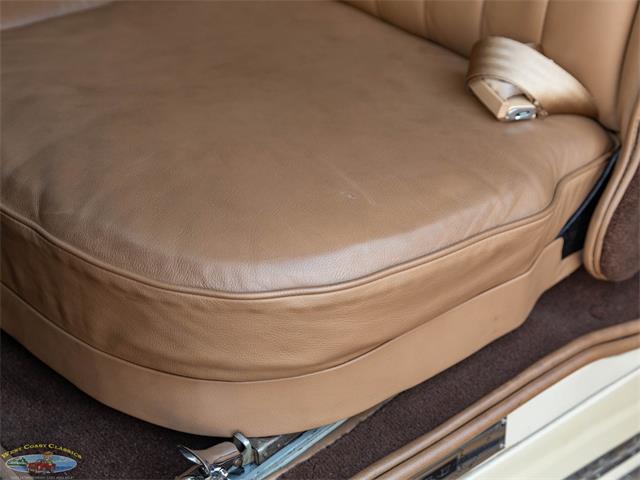
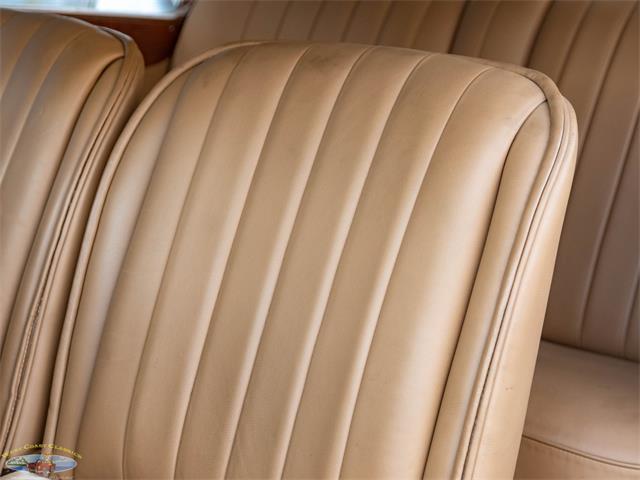
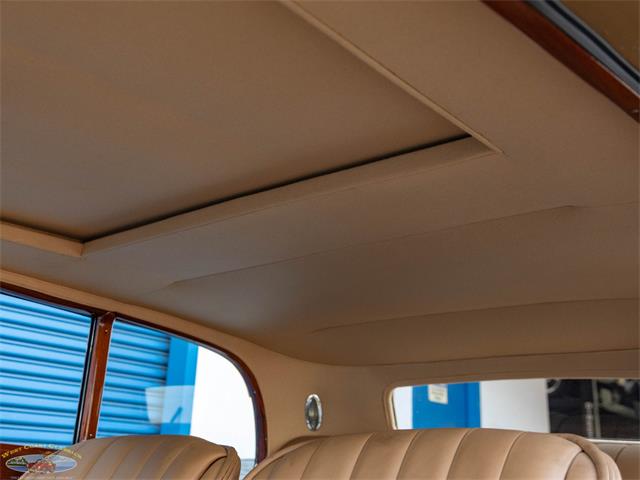
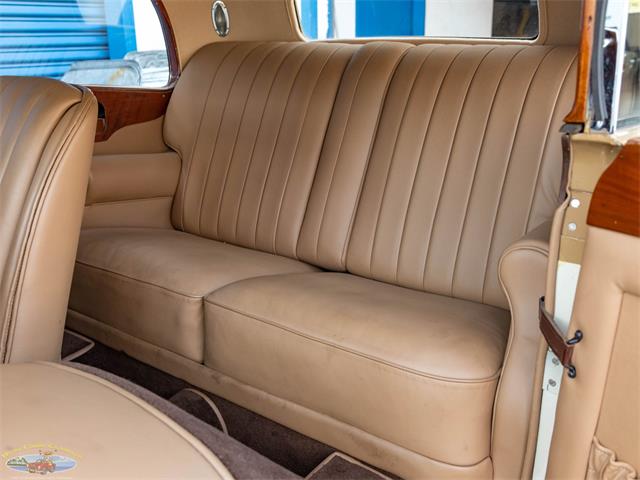
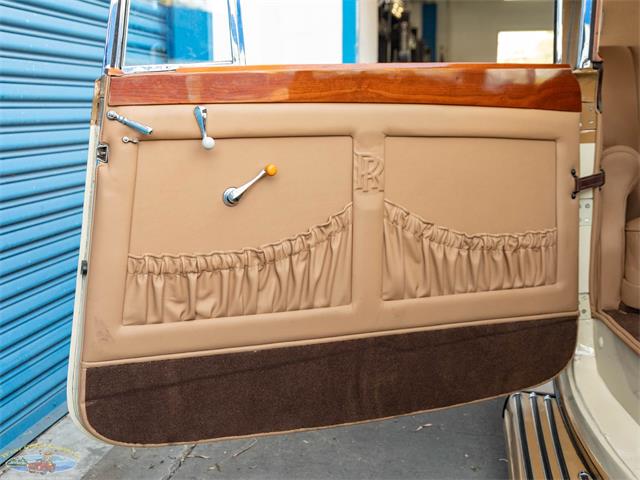
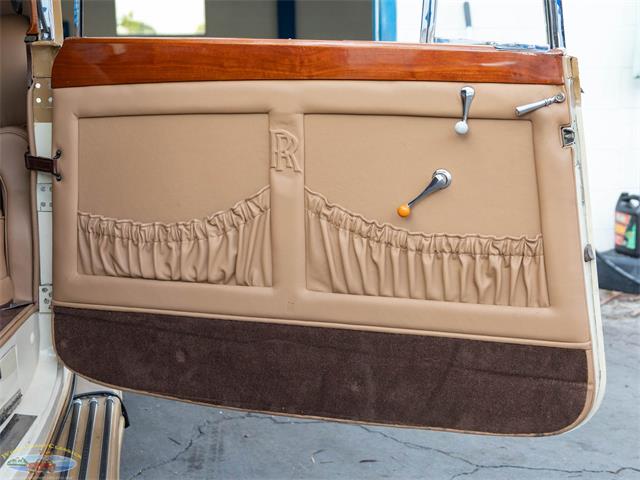
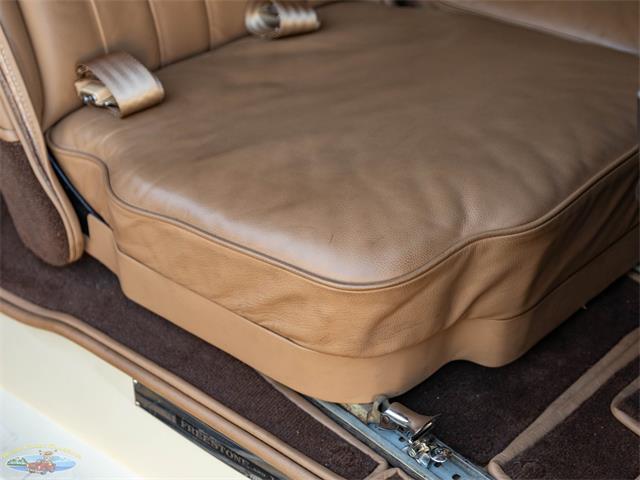
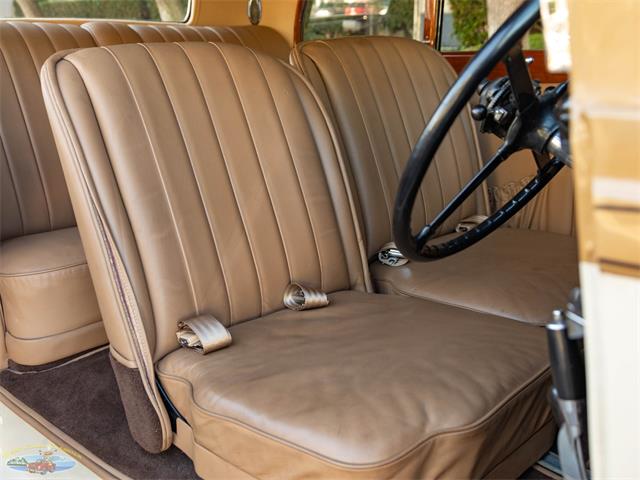
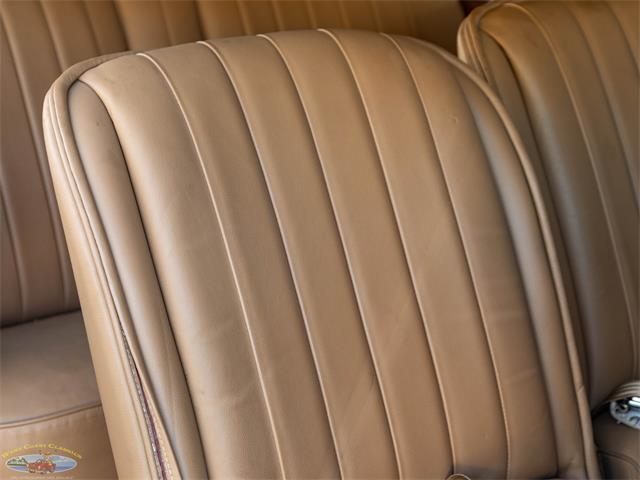
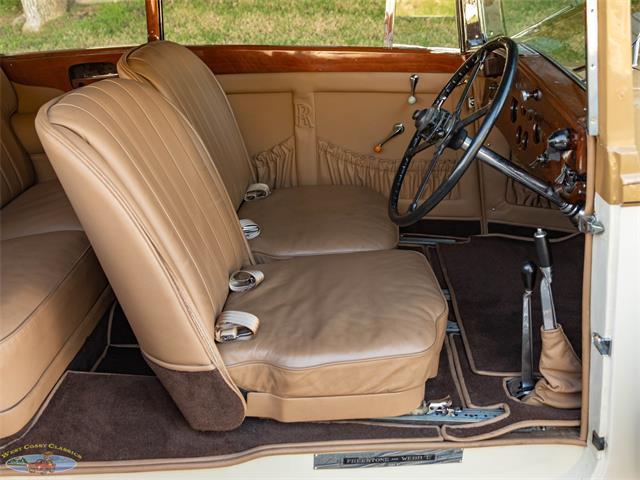
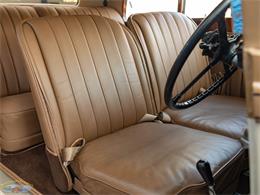
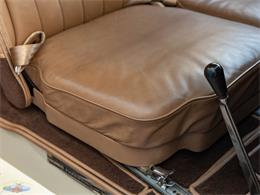
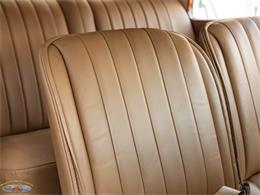
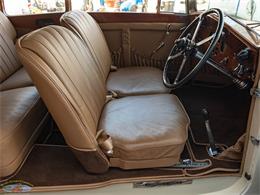
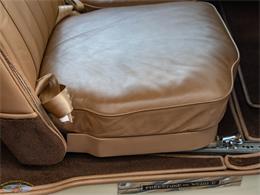
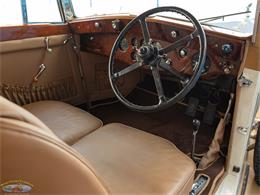
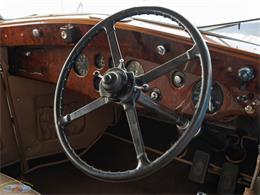
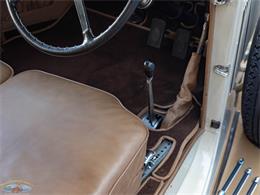
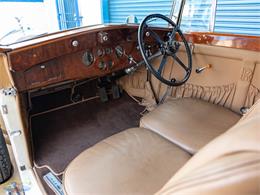
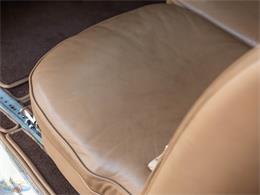
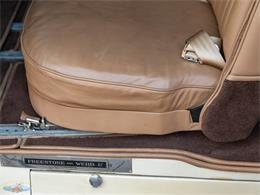
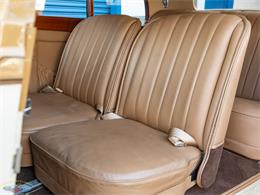
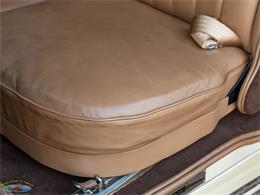
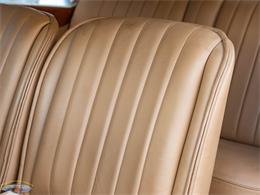
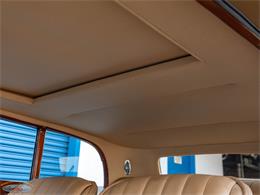
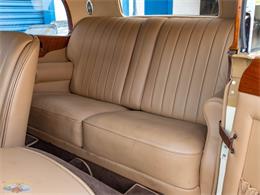
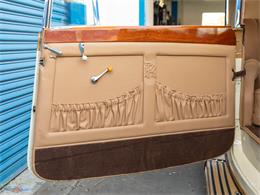
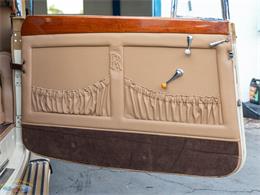
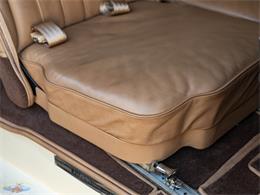
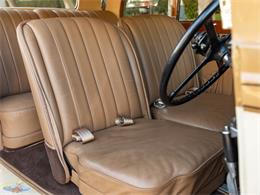
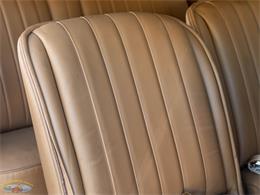
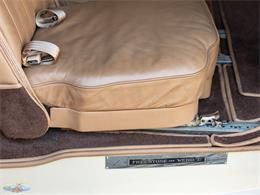
the upholstery done by L&S Auto Trim of Gainesville,
Florida, using wool and leather materials matched to samples of the
originals. With restoration at last complete, the car was
shown quite successfully in competition, including appearances at
Keeneland and Hilton Head in 2018, a very prestigious Antique
Automobile Club of America First Junior at Palatka in 2019, and
winning the coveted first place in the Early Small Horsepower
Concours class at the Rolls-Royce Owners Club Annual Meet at
Gettysburg, Pennsylvania, in 2023. Still in excellent overall
condition, it is accompanied by a particularly interesting history
file, including photographs and invoices from the
restoration. One of the most award-winning and
best-finished small Rolls-Royces offered in recent memory, with
especially pleasing and dramatic styling, this is an exceptional
example of the 20/25, offered from one excellent caretaker to the
next. The Rolls-Royce 20/25 is the second of the inter-war
entry-level models. Built between 1929 and 1936, it was to prove
very popular, becoming the most successful selling inter-war
Rolls-Royce. Its success enabled Rolls-Royce to survive
the Great Depression, unlike the majority of its competitors in the
luxury market, and remain one of World's great
brands. Only 3,827 20/25s were produced over its 7 years
of production, and as a testament too their incredible build
quality more than 70% of these reportedly still survive in use
today. The target market for the 20/25 was the same as the
Twenty the luxury, owner driver, not chauffeur
driven, market. The project to develop the next
generation 20 hp was code named Goshawk with the goal for
the new model to increase both power &
performance. This was achieved by increasing the bore from
3 to 3.25 inches. The stroke was unchanged at 4.5 inches. This
increased capacity by 17%, from 3,128 to 3,675cc, and raised the
RAC rating up to 25.4 hp! In 1936 the 20/25 model
was replaced by the 25.30, in which the bore was further increased
to 3.5 inches. In 1938 the 25/30 was given a new chassis with
independent front suspension, and became the Wraith.The 20/25 also
enabled Rolls-Royce to quickly capitalize on its 1931 acquisition
of Bentley Motors Ltd and as part of integrating its acquisition,
Rolls-Royce discontinued the Bentley 8 litre due to the perceived
market overlap with the Phantom II. This meant the acquisition
brought with it the Bentley brand but with no car to produce!They
quickly decided to create a new Bentley using the 20/25 engine with
some adaptations, and a chassis that had been developed for a 2
litre Rolls-Royce that had been intended as an economy version of
the 20/25 but had been cancelled. This formed the basis of the
first "Derby Bentley" aka know as the 3 1/2 liter.The coachbuilding
firm of Freestone & Webb was formed in 1923 for the sole
purpose of car body building. Mr freestone being from Crossley
Motors and Mr Webb from a French firm of coachbuilders. Its
workshops were in Brentfield Rd, Willesden, London and they
concentrated primarily on private order Rolls Royce &
Bentley chassis, with output eventually averaging some 15 cars per
year. During World War II the company switched to aircraft
production working mainly on the renown Spitfire wing tips.
Freestone & Webb exhibited regularly at the London Motor
Show and for no less than nine consecutive years took the Gold
Medal in the private coachbuilders competition. On the death of Mr
Webb in 1955 the copany was taken over by H. R. Owen of Berkeley
Street, London. The general technical specification of the
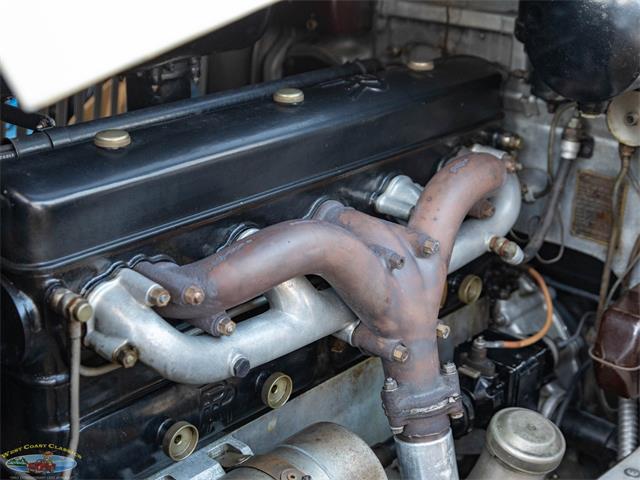
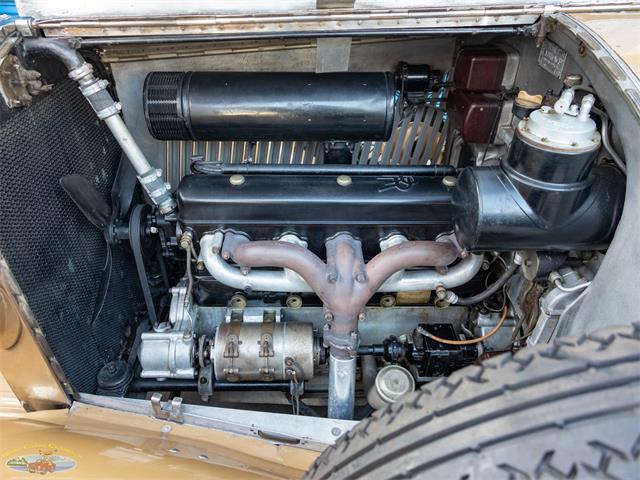
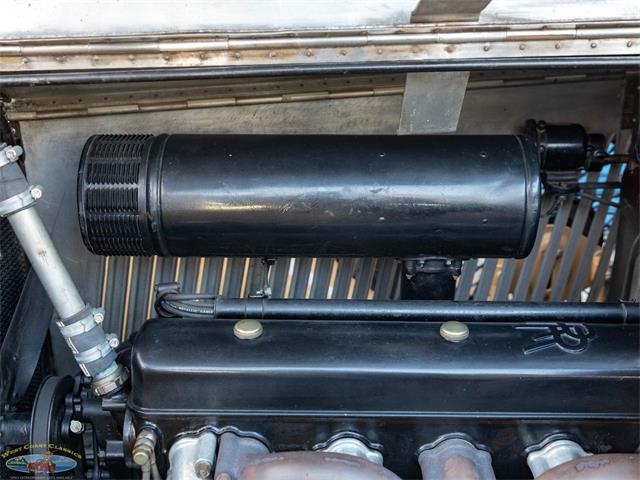
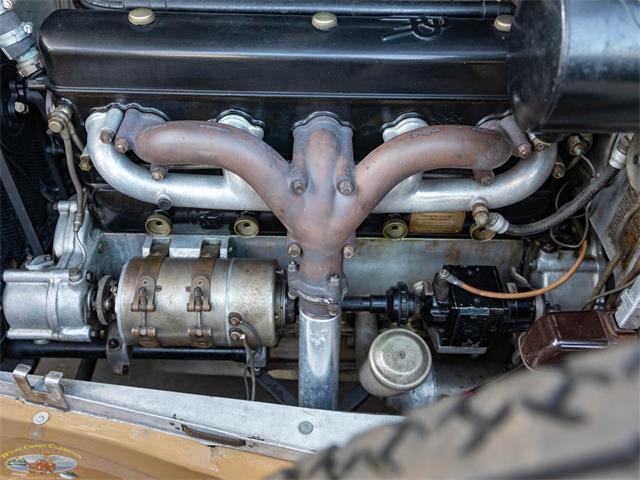
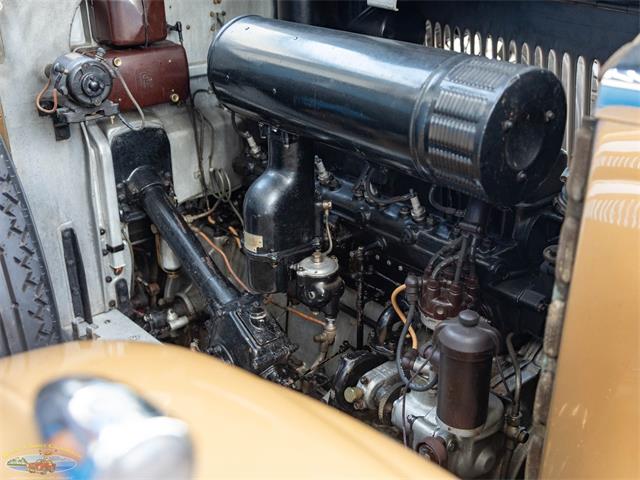
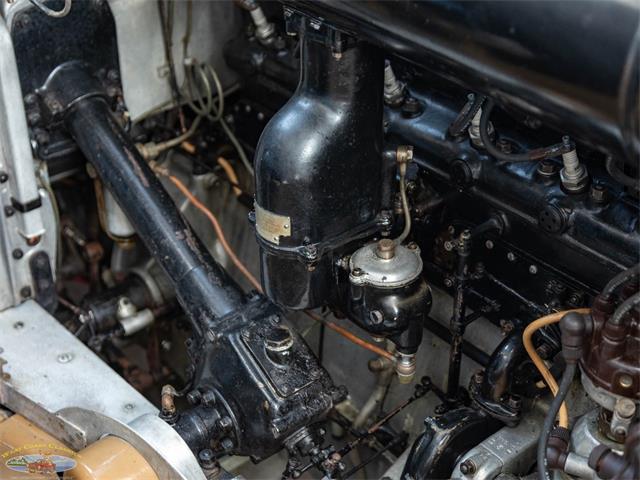
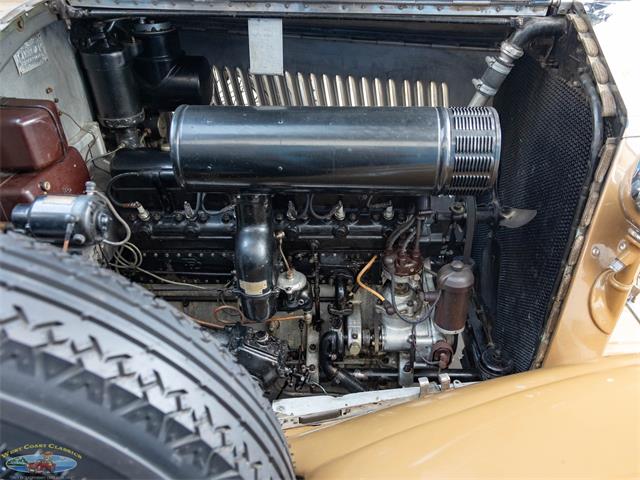
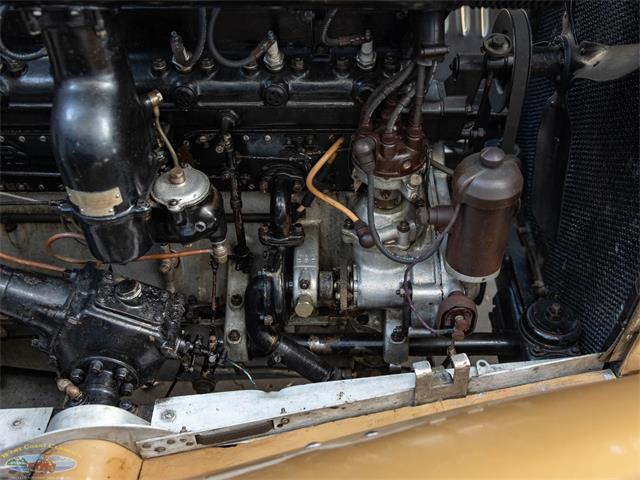
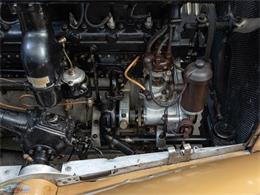
20/25 are as follows:Engine:Inline 6-cylinder, overhead pushrod
operated valve engine with 3,699cc capacity. Separate cast iron
block and aluminum crankcase with detachable cast iron 6-plug head.
It has an 82 mm bore with a 114 mm stroke.
7-bearing crankshaft with vibration damper. Pressure fed
lubrication with relief valve feeding rocker shaft and timing
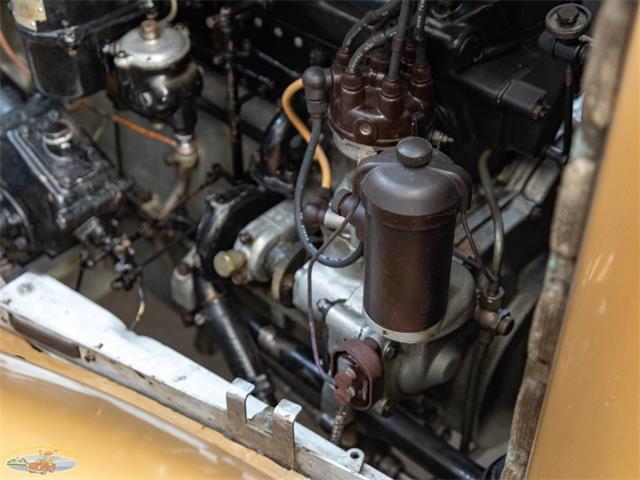
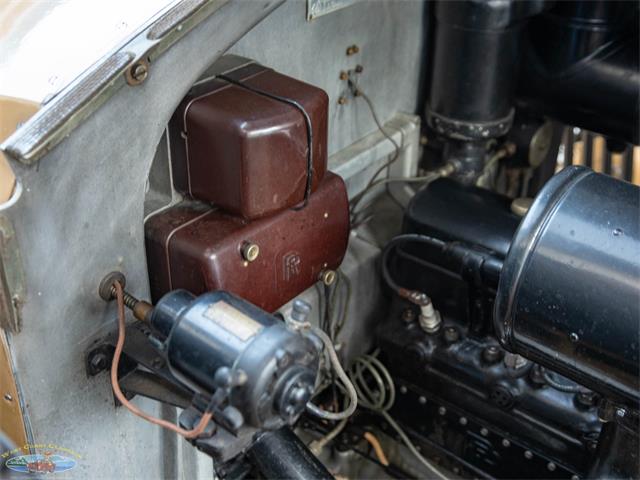
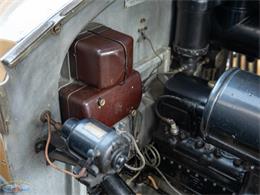
gears.Ignition System:Independent coil and standby magneto systems.
12V system. Centrifugal advance with hand override. Distributor gap
0.017-0.021inchesCooling System:The famous Rolls-Royce radiator
with triangular top with vertical louvres, the angle of which can
be adjusted to control engine cooling. In early models, the
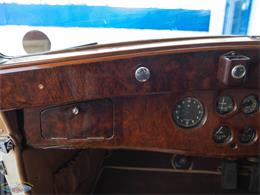
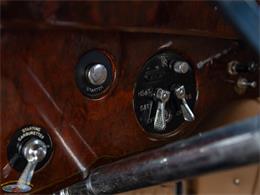
radiator shutters is operated manually via a lever on the
dashboard. Cars from 1931 onward have an automatic control via a
thermostat. Engine driven centrifugal pump and belt-driven
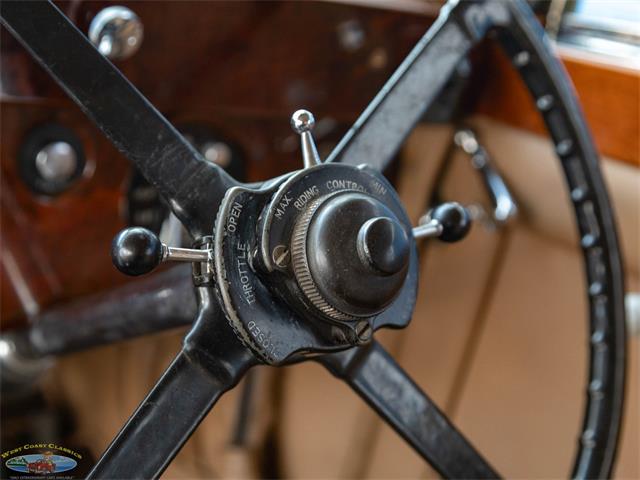
fan.Carburation:A single Rolls-Royce two-jet type with starting
carburetor, automatic air valve and steering column
control.Fuel:14-gallon rear tank, increased to 18 gallons from 1932
onward. "Autovac" vacuum-fed fuel pump. Electric fuel gauge from
1933 onward.Transmission:Four-speed gearbox. Gearboxes from 1932
onward have synchromesh in third and top gears. Right hand
gearchange. Single dry plate clutch. Open drive propeller
shaft.Suspension:Semi-elliptic leaf springs front and rear.
Hydraulic dampers.Brakes:Internal expanding four-wheel operation
with independent handbrake on the rear wheels. Mechanical servo
motor driven from the gearbox.Chassis lubrication:"One-Shot" Bijur
centralized chassis lubrication system.Steering:Worm and nut.The
20/25 engine and chassis were designed for owner drivers: ideally
to be fitted with a saloon or coup? body, however, many 20/25's
were fitted with larger and heavier limousine bodies, which
impaired their performance.Rolls-Royce made only the chassis and
mechanical parts. The body was made and fitted by renown coa...for
more information please contact the seller.
ClassicCars.com has been recognized as one of the fastest-growing private companies in the United States, successfully making the Inc. 5000 list in both 2015,
2016, 2017 and 2018. This prestigious accolade represents the continued growth of the company, and ClassicCars.com's dominance as the world's largest online marketplace for
buying and selling classic and collector vehicles.
The Stevie Awards, the world's premier business awards recognized
ClassicCars.com's first-class Customer Support team with a Stevie Bronze Award in 2019, celebrating the team's skills as exemplary customer support specialists.
In 2016 The Journal, brought to you by ClassicCars.com, was celebrated as the SECOND MOST INFLUENTIAL automotive blog in the world by NFC Performance.