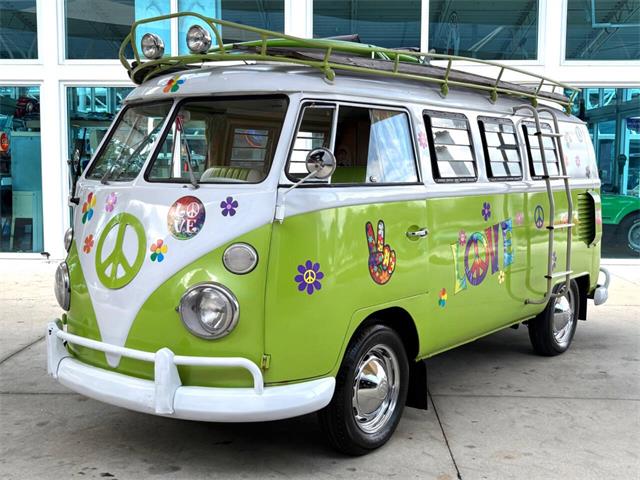
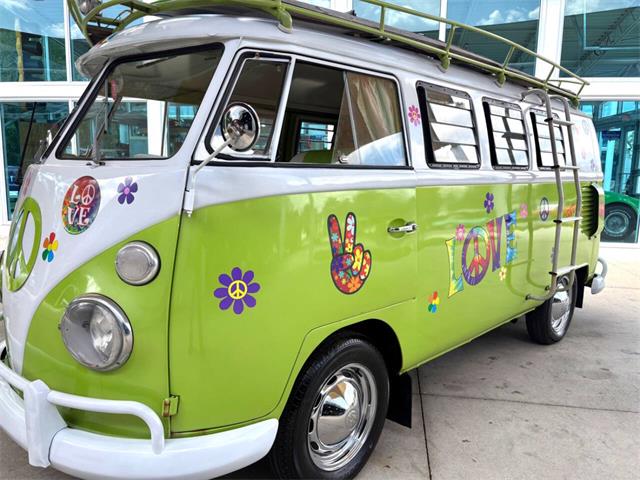
1966 Volkswagen Type 2 Microbus �€" Westfalia-Style Pop Top, Custom
Build Why This Car Is Special The 1966 Volkswagen Type 2 occupies a
specific and well-documented place in automotive history.
Volkswagen introduced the Type 2 �€" officially the Transporter,
though most people know it simply as the Bus or Microbus �€" in
1950, and by the mid-1960s it had evolved into one of the most
practical and culturally recognizable vehicles on the road. The
second generation, known among enthusiasts as the Bay Window,
wouldn't arrive until 1968. That means this 1966 example is a
late-production first-generation Type 2, part of what collectors
call the 'splitscreen' era �€" named for the two-piece divided
windshield that defined the front end of all first-gen buses. The
first-generation Type 2 was built from 1950 through 1967, and the
1966 model year sits right at the sweet spot of that run:
mechanically mature, with seventeen years of incremental refinement
behind it, but still carrying the flat front end, barn-door
proportions, and rear-engine layout that make these vehicles so
immediately identifiable. VW built the Type 2 in Wolfsburg and
later Hannover, exporting tens of thousands to the United States
throughout the 1950s and 1960s. Surviving first-generation buses in
usable, customized condition are increasingly difficult to find,
partly because rust claimed so many of them and partly because the
ones that survived have become collectible enough to price out of
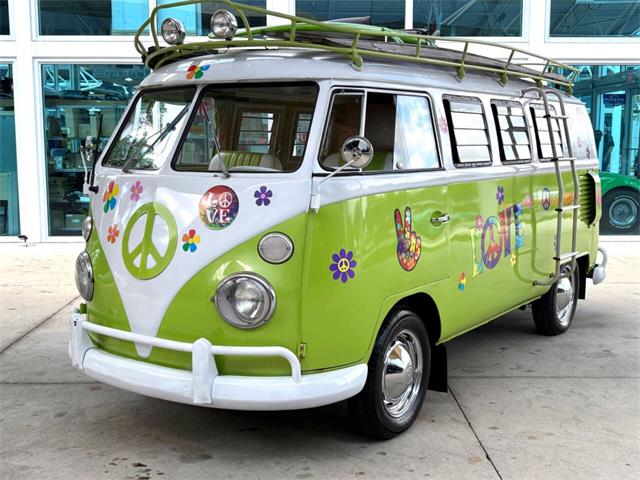
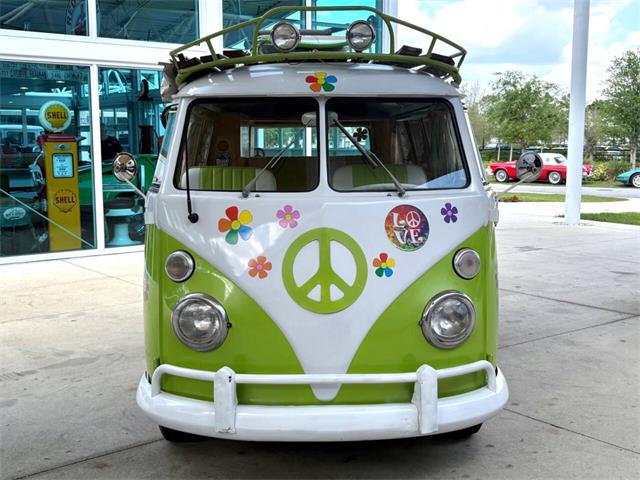
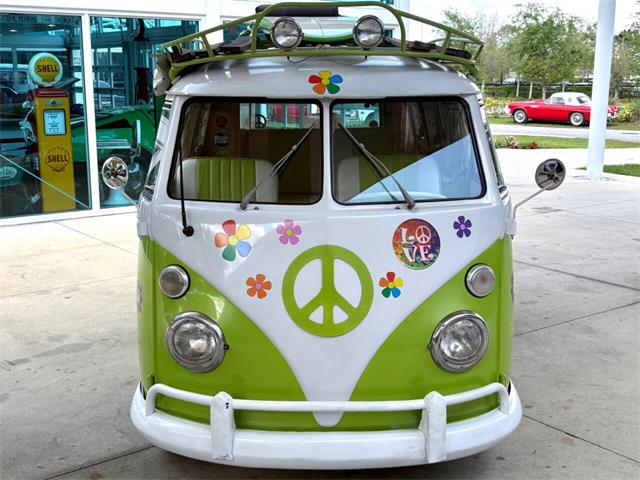
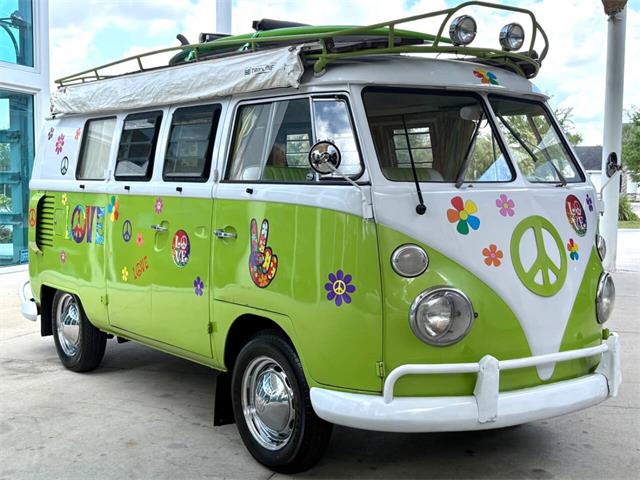
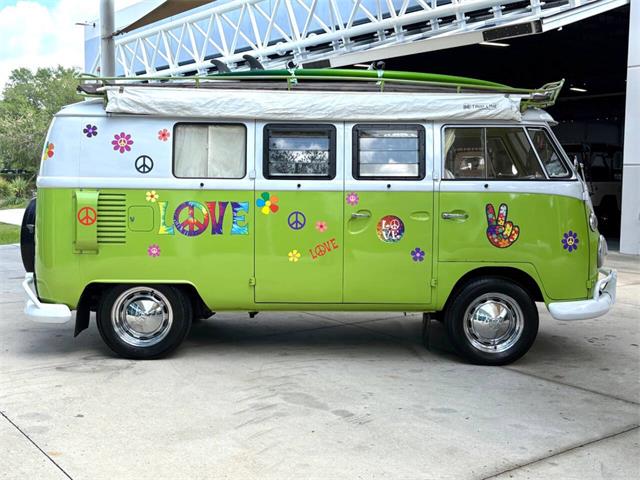
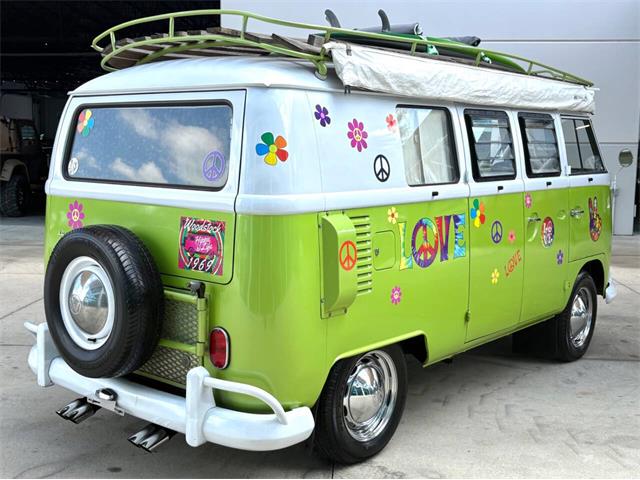
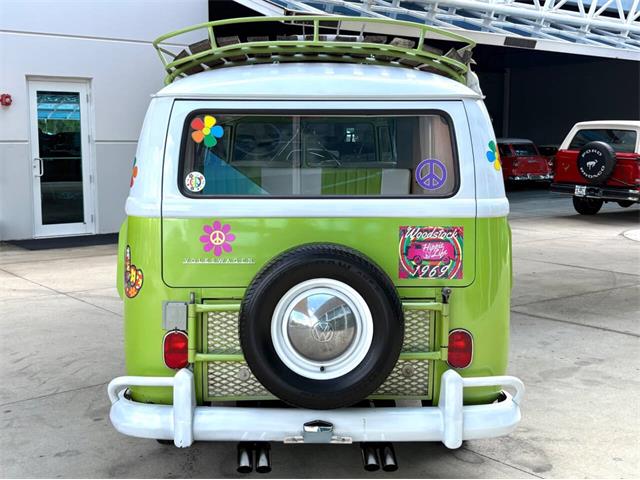
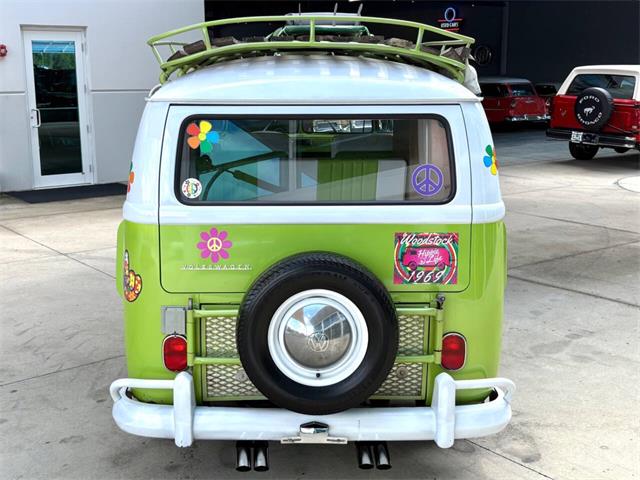
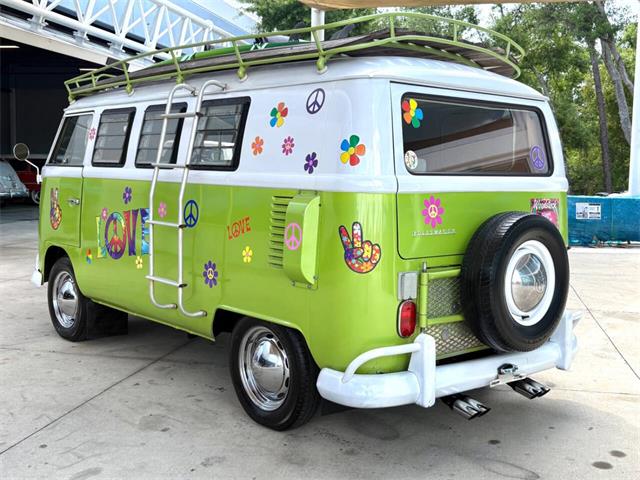
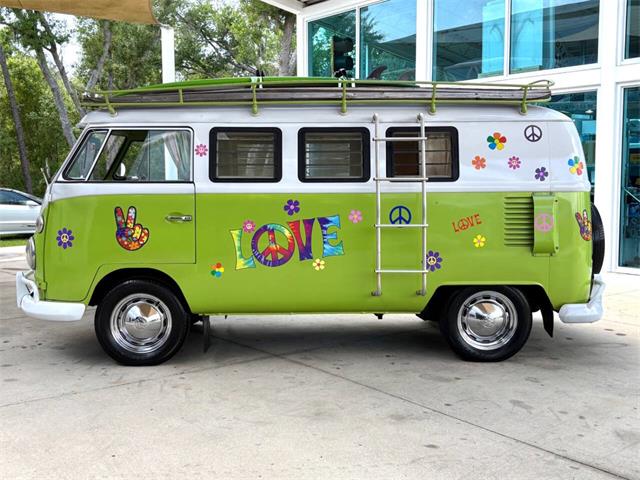
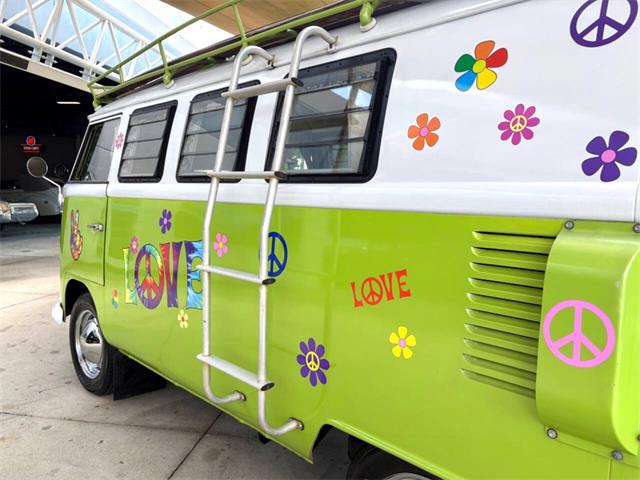
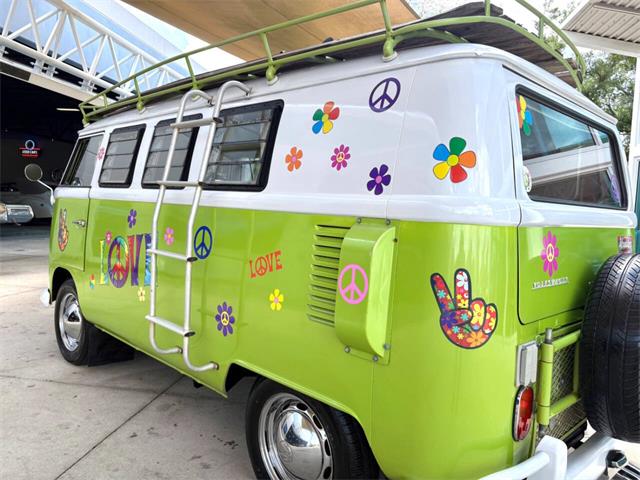
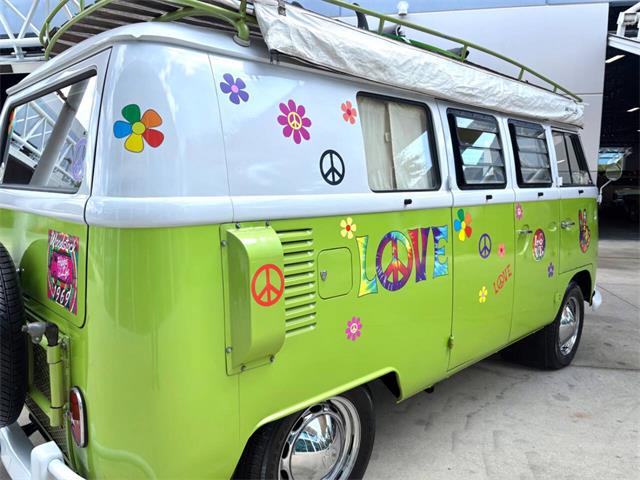
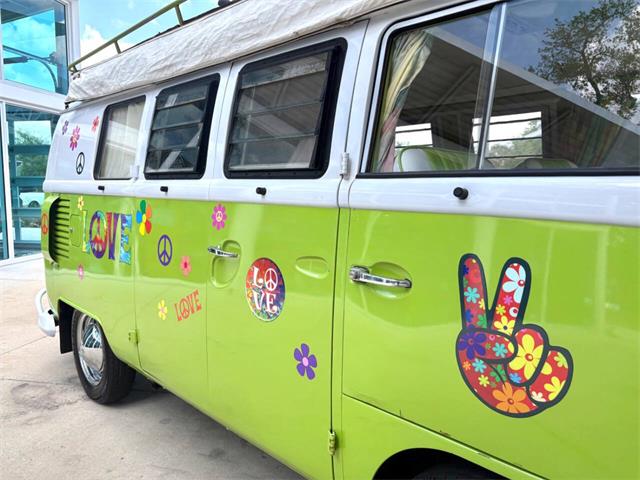
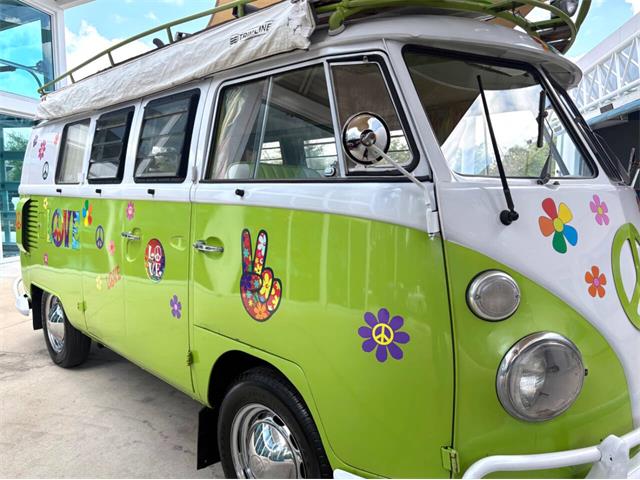
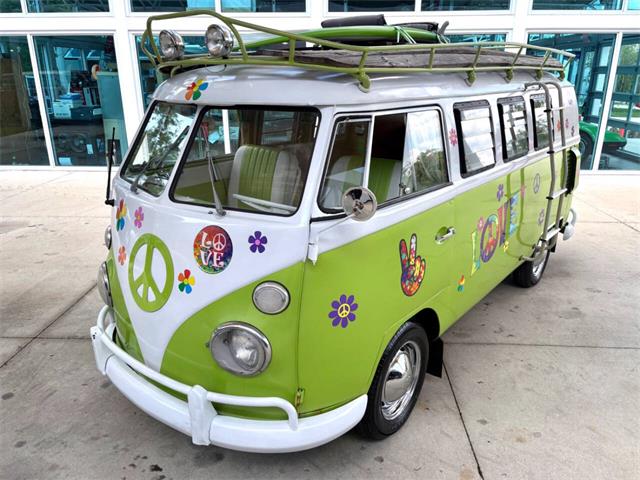
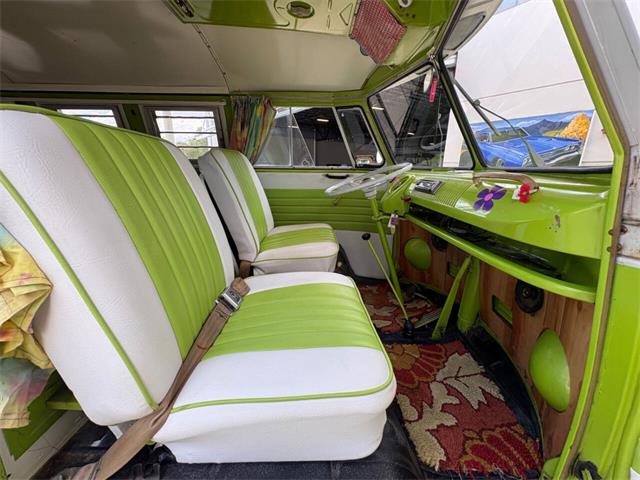
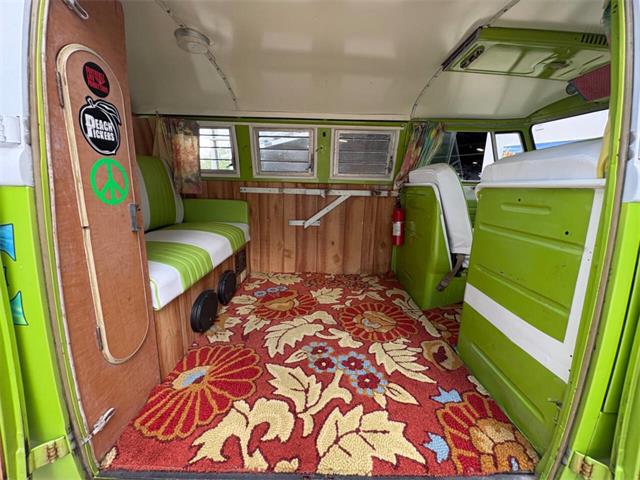
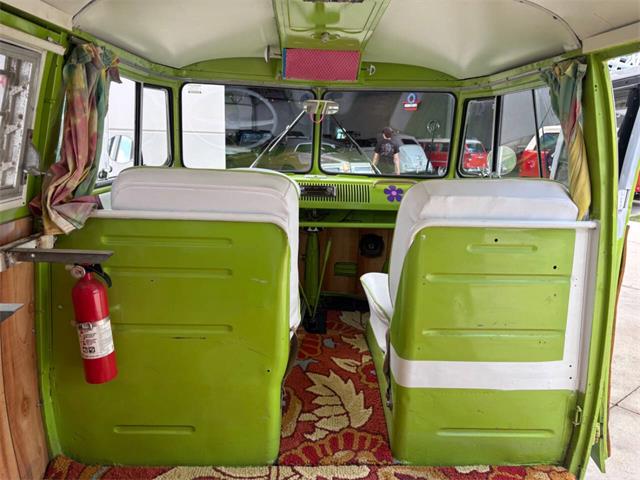
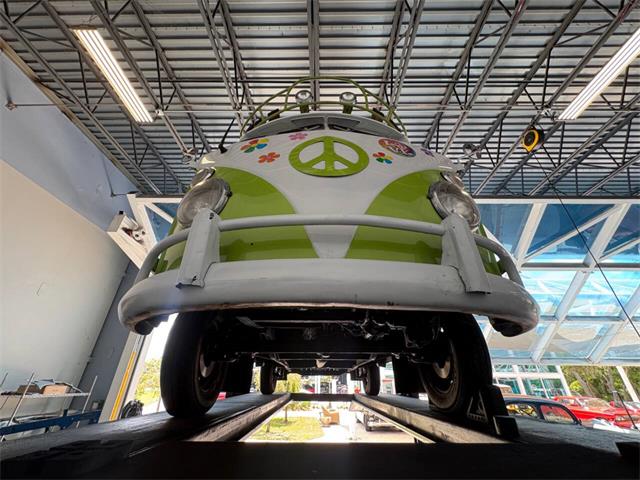
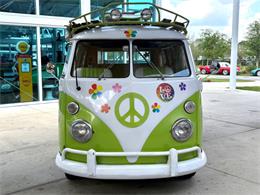
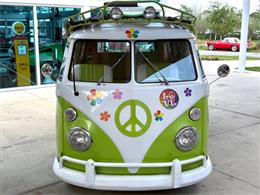
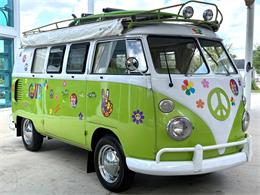
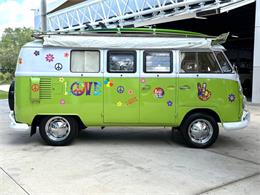
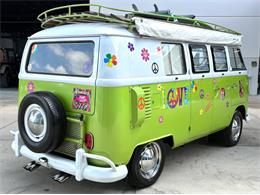
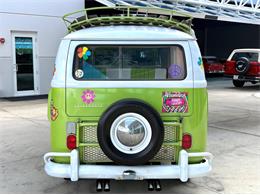
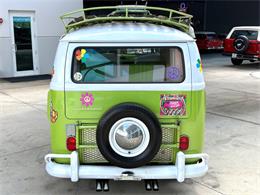
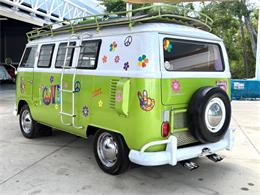
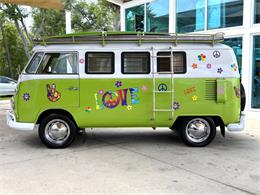
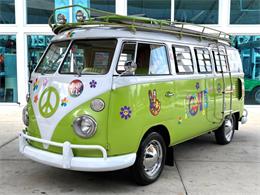
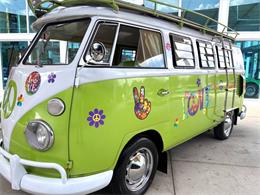
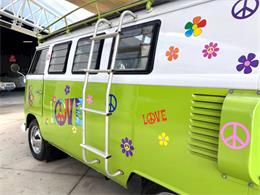
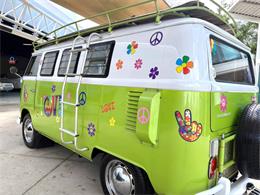
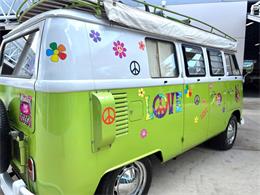
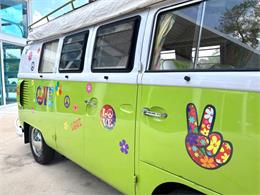
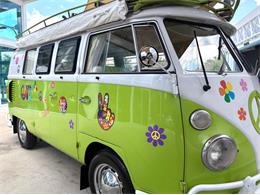
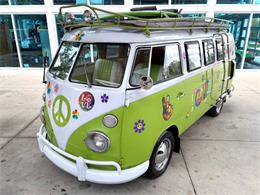
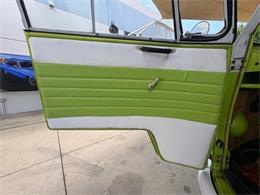
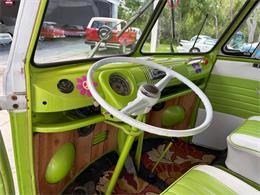
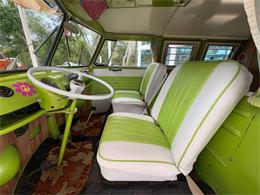
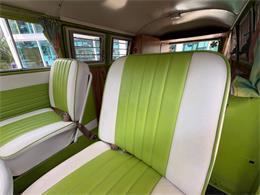
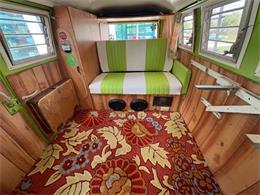
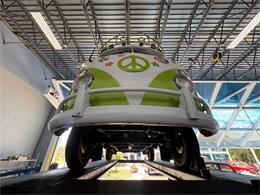
daily use. This particular 1966 Volkswagen Type 2 has been built
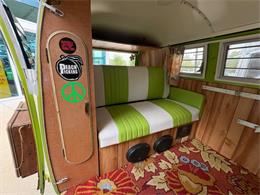
out as a camper-style cruiser with a Westfalia-style pop-top roof,
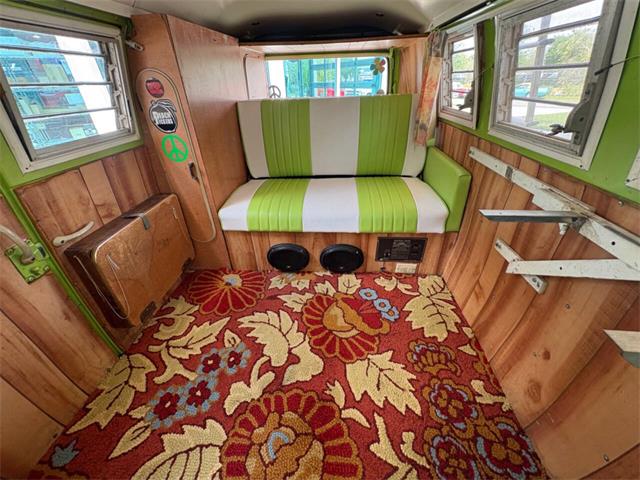
a rear sleeping/cargo bed, a roof rack with auxiliary lights, and a
110-volt inverter with plug-in access �€" meaning it functions as a
short-trip weekend vehicle right now, without additional work. The
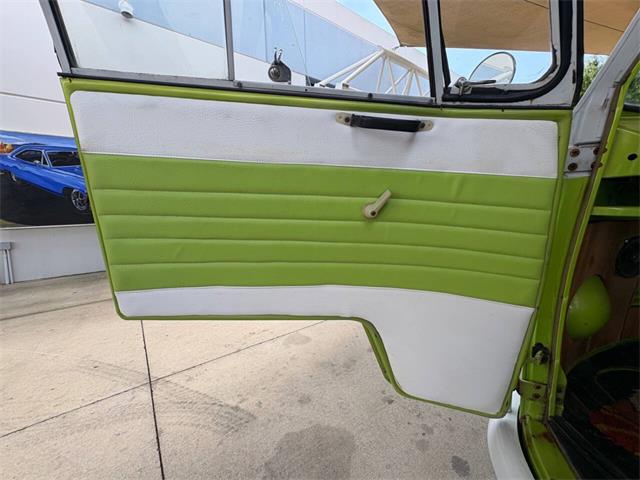
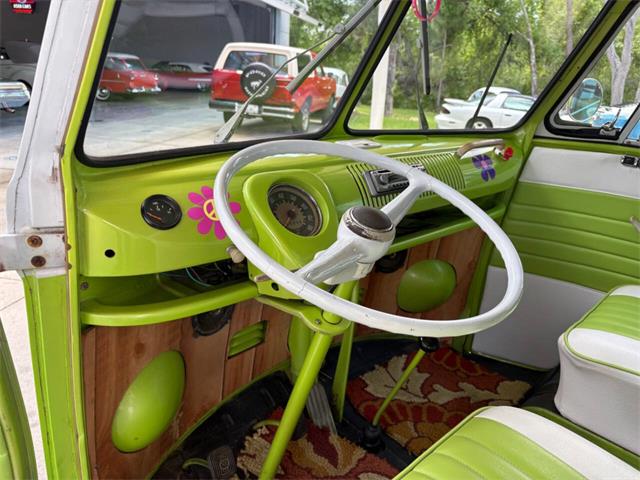
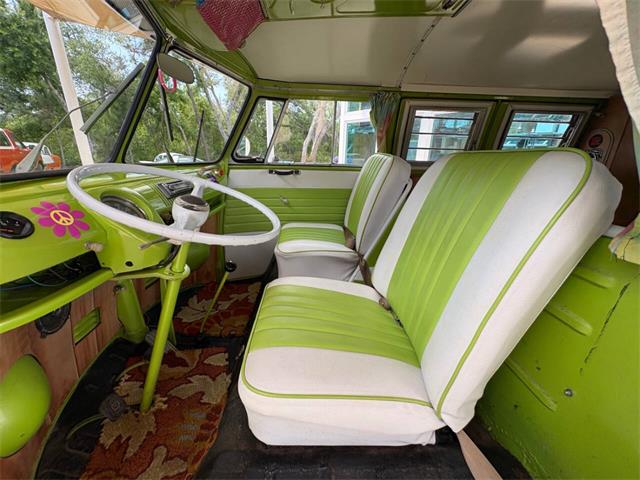
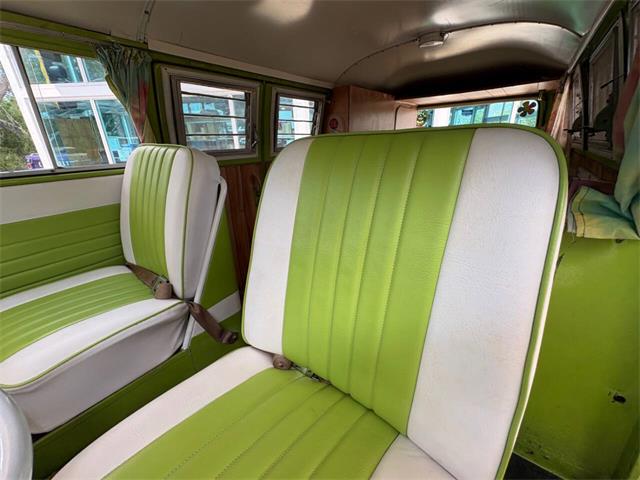
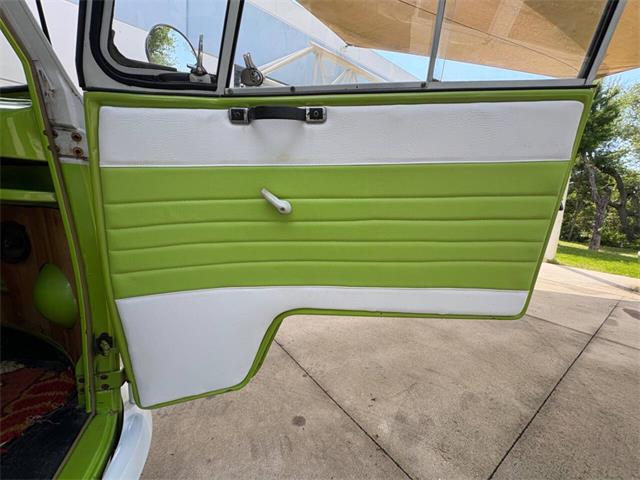
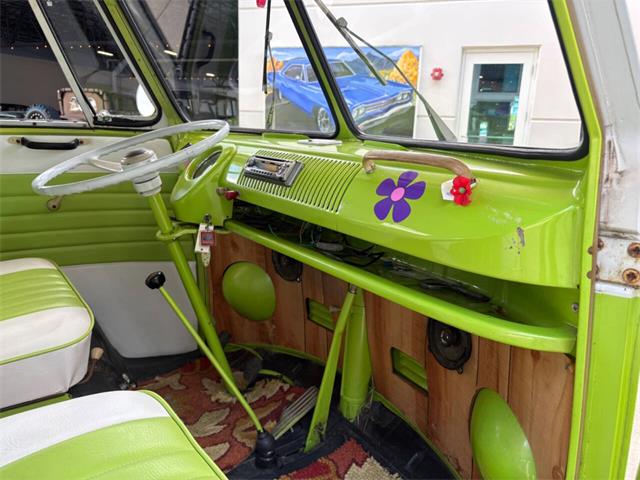
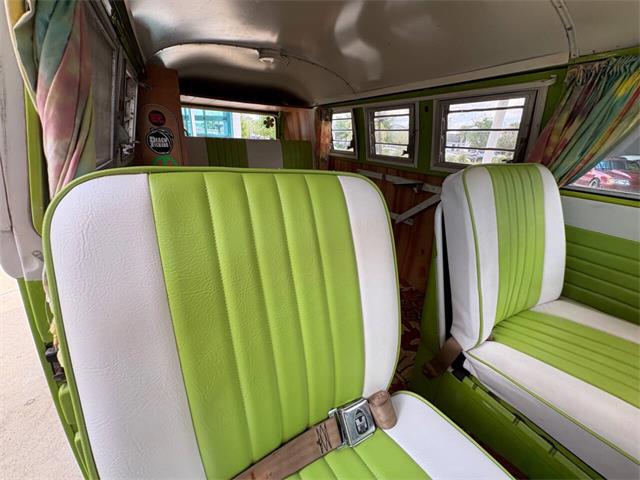
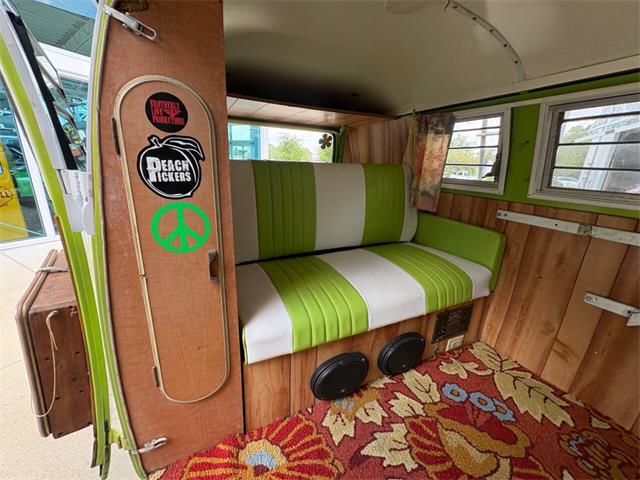
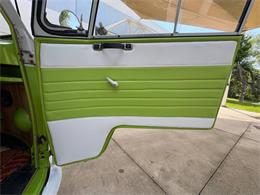
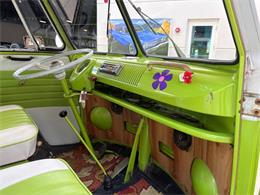
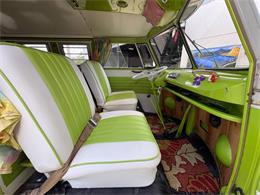
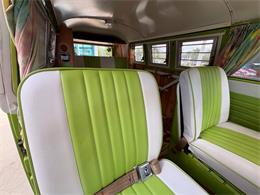
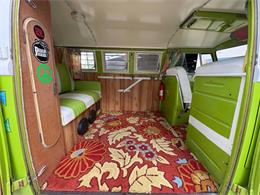
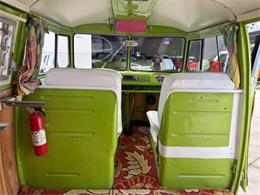
flower power custom paint and the green and white two-tone vinyl
interior make clear that this bus was built to be enjoyed, not
stored. It's a usable, expressive piece of 1960s Americana that
happens to be mechanically sorted and ready to drive. Features List
Fresh air-cooled flat-4 engine rebuild Fresh 4-speed manual
transmission Upgraded performance air filter Dual quad exhaust tips
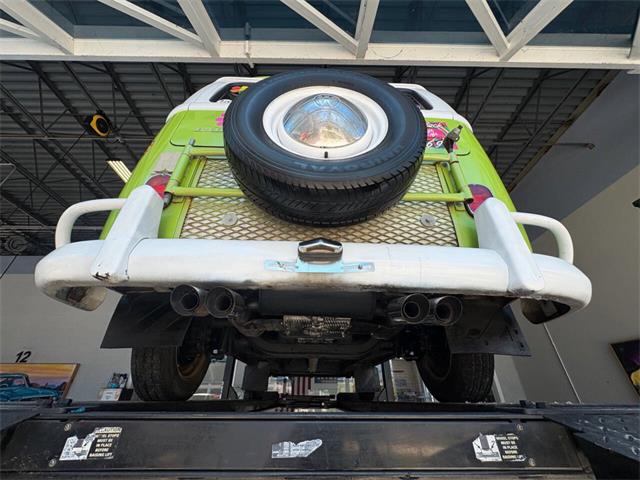
New disc brakes (front upgrade) Westfalia-style pop-top roof Roof
rack with auxiliary driving lights Exterior rear spare tire mount
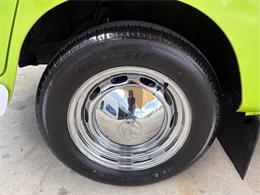
with full-size spare Chrome front and rear bumpers Chrome trim
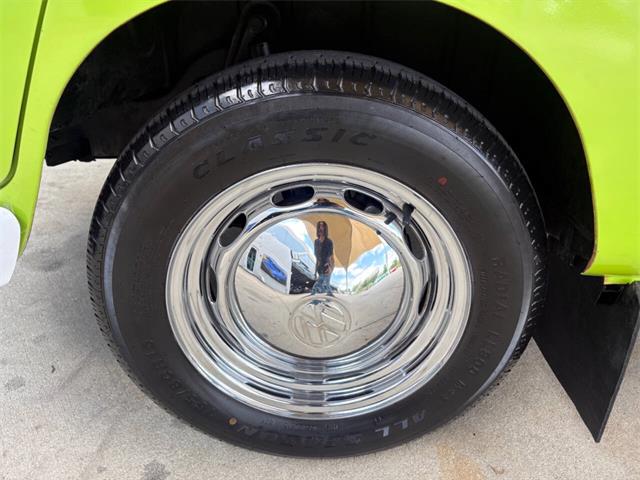
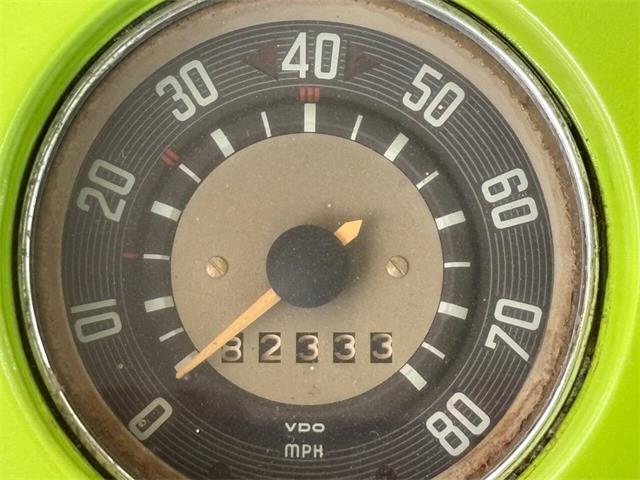
wheels Custom green and white vinyl interior Wood panel interior
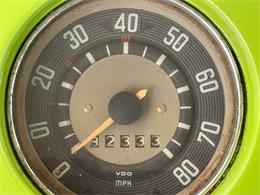
accents Curtained rear windows VDO speedometer Rear sleeping/cargo
bed 110-volt plug-in with onboard inverter Flower power custom
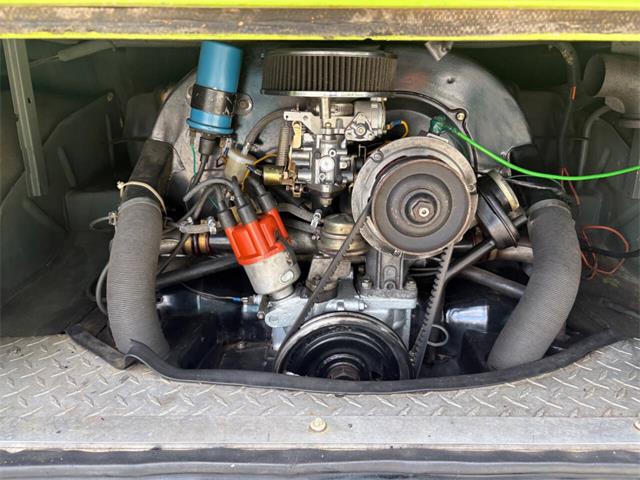
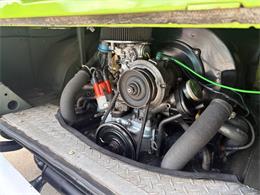
exterior paint Mechanical The heart of any 1966 Volkswagen Type 2
is its air-cooled flat-4, mounted in the rear and cooled entirely
by a belt-driven fan �€" no radiator, no coolant, no water pump to
fail. From the factory, the 1966 Type 2 came with a 1500cc engine
producing roughly 42 horsepower, and later in the model year VW
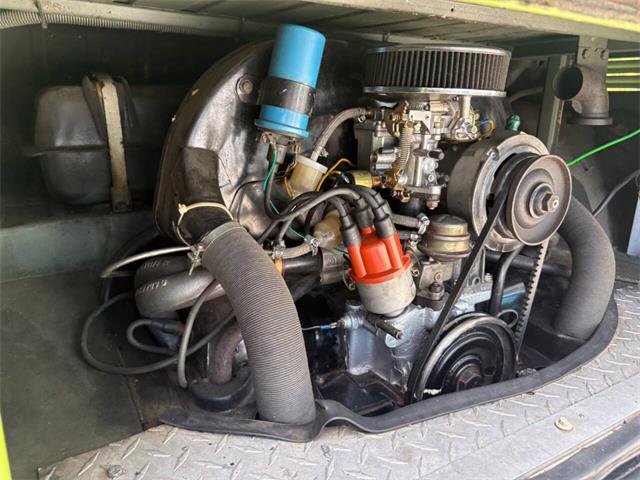
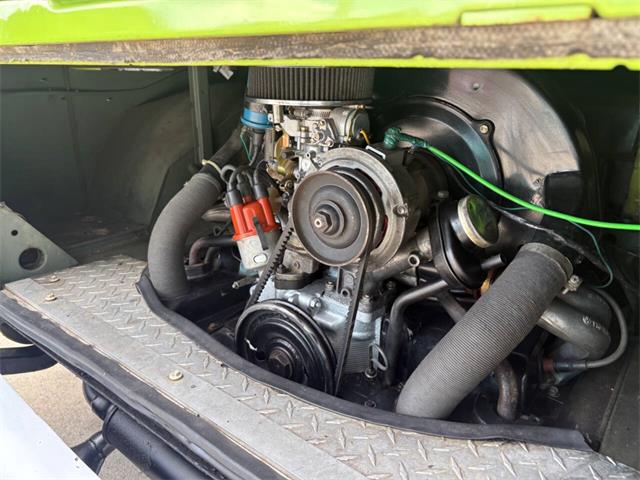
transitioned to the 1600cc unit. The engine in this bus has been
freshly rebuilt, which on an air-cooled Volkswagen is
straightforward and well-documented work �€" these engines were
designed to be rebuilt, with widely available parts and a mechanic
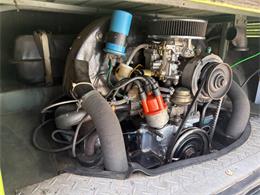
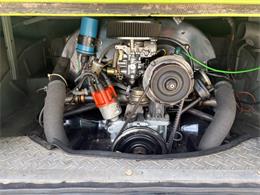
base that spans decades. The upgraded performance air filter
visible in the engine bay is a practical addition that improves
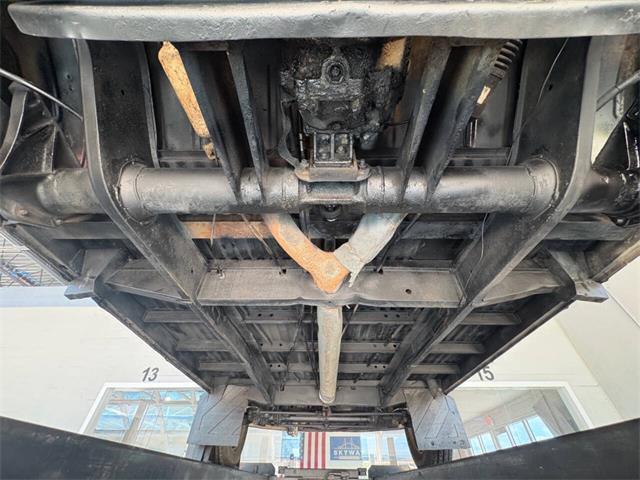
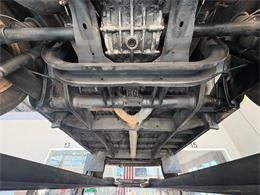
airflow and simplifies servicing. The 4-speed manual transmission
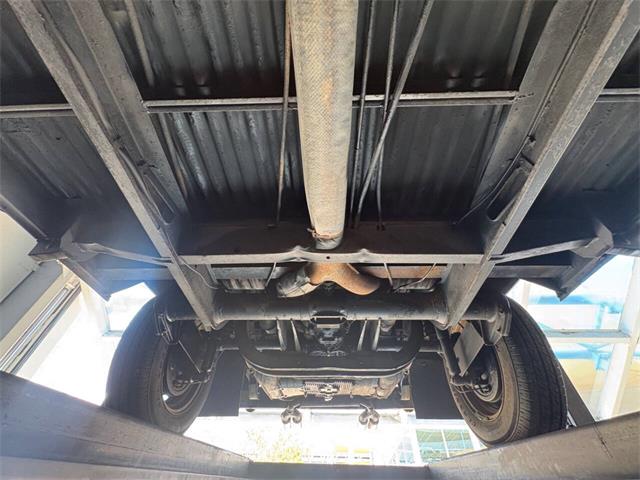
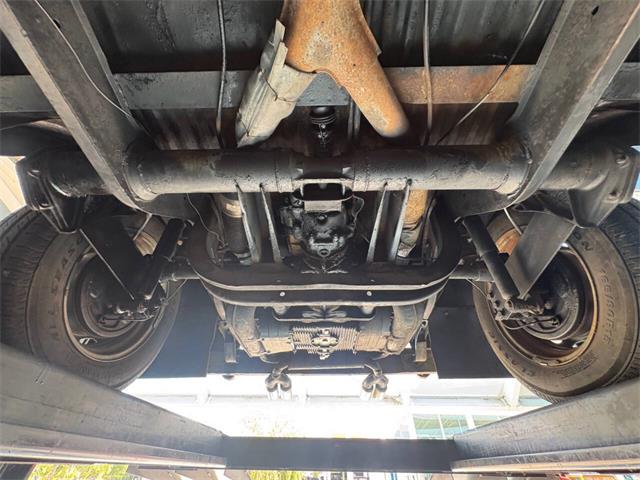
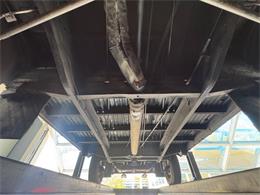
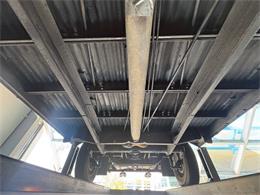
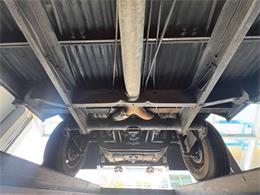
has also been freshly rebuilt. On first-generation Type 2 buses,
the transmission and transaxle are integral to the rear suspension
geometry, so a freshly sorted gearbox matters both for reliability
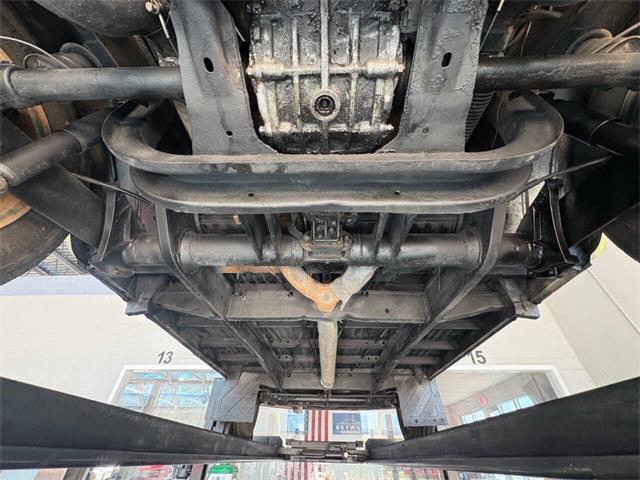
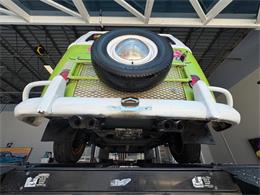
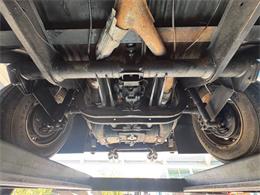
and handling. Dual quad exhaust tips exit from the rear below the
spare tire mount, giving the exhaust a period-custom look that
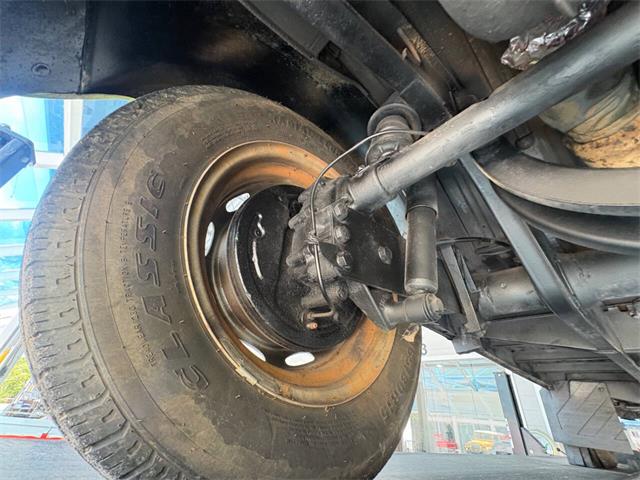
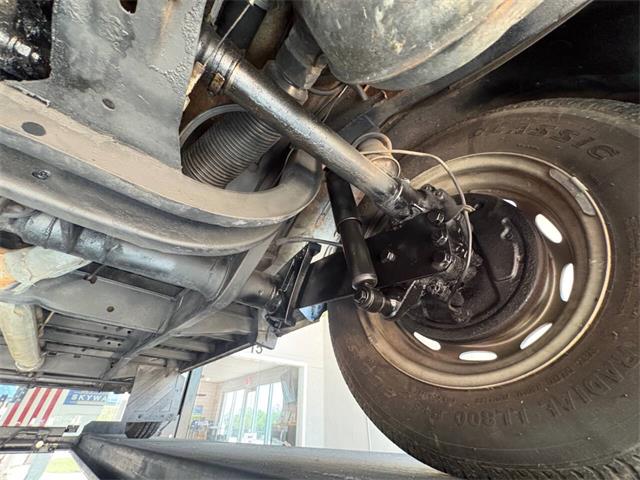
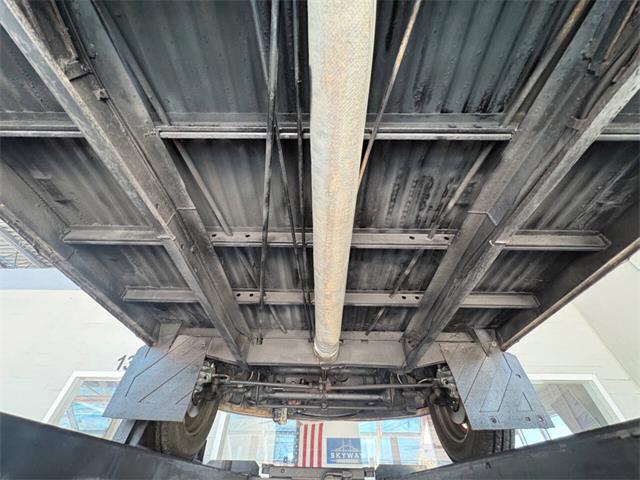
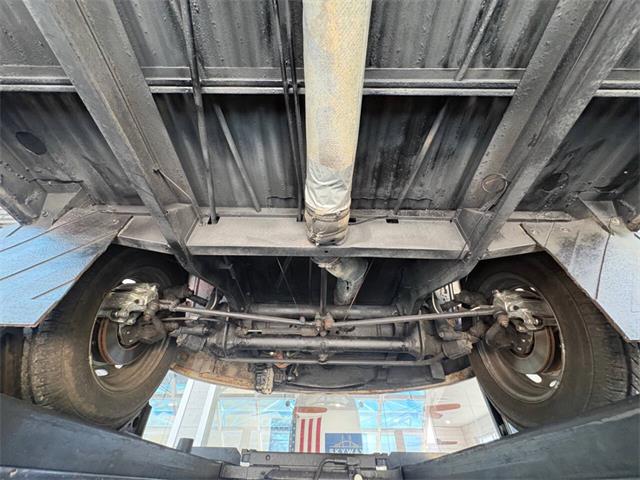
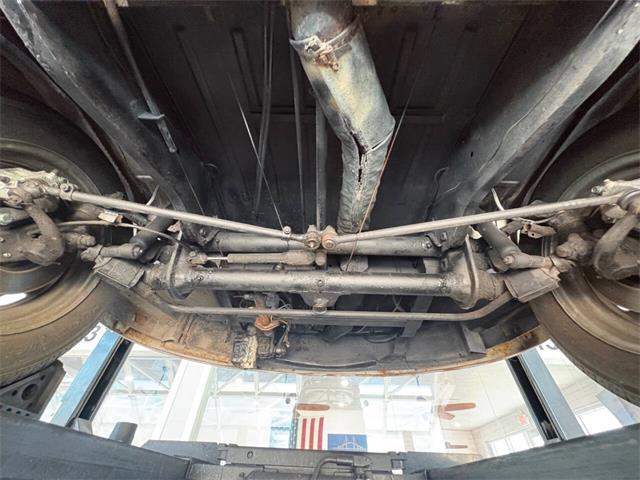
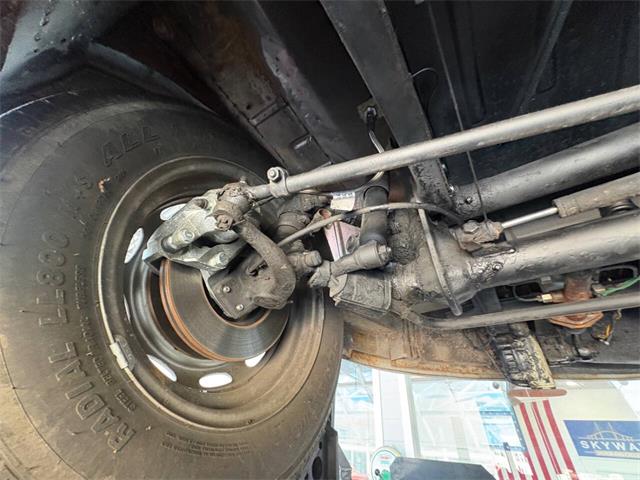
suits the build. One of the most meaningful mechanical upgrades on
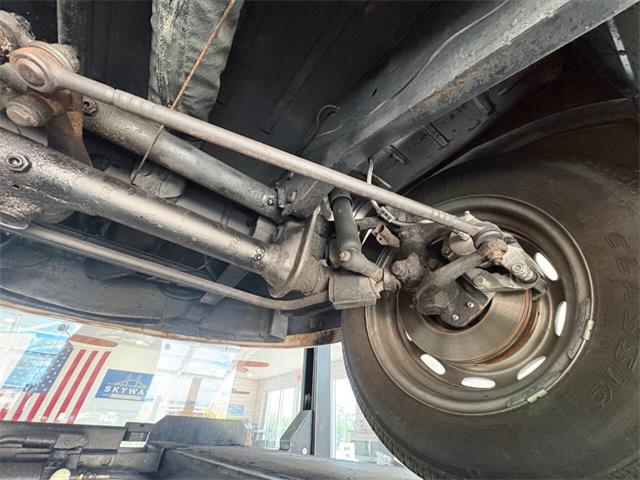
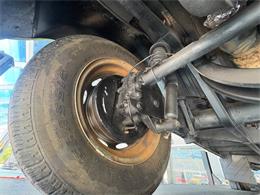
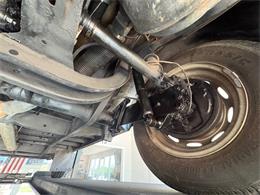
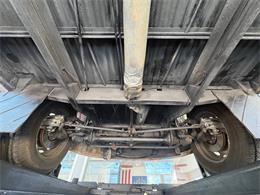
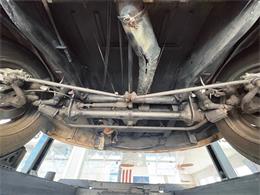
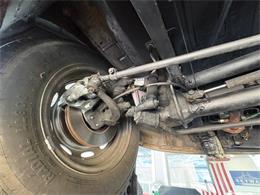
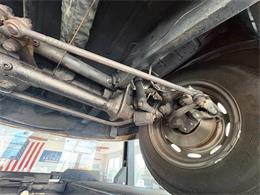
this bus is the conversion to front disc brakes. Factory
first-generation Type 2 buses came with four-wheel drums, which are
adequate at low speeds but show their limits in modern traffic.
Disc brakes up front reduce stopping distan
ClassicCars.com has been recognized as one of the fastest-growing private companies in the United States, successfully making the Inc. 5000 list in both 2015,
2016, 2017 and 2018. This prestigious accolade represents the continued growth of the company, and ClassicCars.com's dominance as the world's largest online marketplace for
buying and selling classic and collector vehicles.
The Stevie Awards, the world's premier business awards recognized
ClassicCars.com's first-class Customer Support team with a Stevie Bronze Award in 2019, celebrating the team's skills as exemplary customer support specialists.
In 2016 The Journal, brought to you by ClassicCars.com, was celebrated as the SECOND MOST INFLUENTIAL automotive blog in the world by NFC Performance.