Introduced for the 1963 model year, the second-generation Chevrolet
Corvette C2, better known as the Sting Ray, marked a dramatic
turning point in the evolution of America's sports car. Under the
direction of Bill Mitchell and engineering visionary Zora
Arkus-Duntov, the Corvette shed its earlier rounded forms in favor
of sharp, aerodynamic lines inspired by the experimental XP-87
Stingray racer. By 1965, the platform had matured into one of the
most balanced and performance-oriented Corvettes yet produced. The
1965 model year brought significant advancements that further
solidified the Corvette's reputation on both road and track. Most
notably, it marked the introduction of standard four-wheel disc
brakes, a major leap forward in braking performance and reliability
that placed the Corvette firmly in line with contemporary European
sports cars. Visually, the 1965 Corvette retained the aggressive
styling of the C2, with its hidden headlamps, sculpted fenders, and
distinctive side vents, though the hood lost the earlier faux vents
in favor of a cleaner appearance. Under the hood, the 1965 Corvette
offered an impressive range of engine options that catered to a
wide spectrum of drivers. The base engine was a 327-cubic-inch
small-block V-8 producing 250 horsepower, while higher-output
versions of the 327 delivered 300, 350, and 365 horsepower, the
latter featuring fuel injection for heightened performance. This
marked the first year the Corvette was available with a big-block
engine, dramatically increasing its straight-line performance and
establishing a new benchmark for American muscle. Paired with a
choice of manual or automatic transmissions, the 1965 Corvette
offered a driving experience that ranged from refined grand touring
to an outright performance machine. Today, 1965 stands as a notable
year in Corvette history, blending innovative engineering, striking
design, and a breadth of performance options that continue to
captivate enthusiasts and collectors alike. The recipient of a
rotisserie restoration, this numbers-matching L79 convertible is
finished in its original and attractive color combination of Code
GG Glen Green over a black vinyl trimmed interior. Featuring nice
paint and bodywork throughout, it's equipped with new goldline
BFGoodrich tires with factory spinner hubcaps mounted in the
center. Also equipped is a newer folding tan convertible top. The
interior features a factory AM/FM radio with a power antenna, teak
steering wheel, clock, and interior lights. The odometer shows just
66,300 miles, which reflects the title. Under the hood is the
numbers-matching 327-cubic-inch 350-horsepower L79 V-8 engine that
is paired with a factory Muncie four-speed manual transmission. The
underside and engine bay are nicely detailed, which follows suit
with the overall condition of the car. Accompanying this Corvette
is an NCRS shipping data report. A strong, fun, and powerful
example that has been well-restored and finished in its original
colors, this numbers-matching 1965 Corvette would be a great
addition to one's collection or garage, and deliver plenty of
memories out and about on the road. * Numbers-matching 327/350-HP
L79 V-8 engine
* Recipient of a rotisserie restoration
* Attractive color combination of Glen Green over black
* Documented by an NCRS shipping data report
Introduced for the 1963 model year, the second-generation Chevrolet
Corvette C2, better known as the Sting Ray, marked a dramatic
turning point in the evolution of America's sports car. Under the
direction of Bill Mitchell and engineering visionary Zora
Arkus-Duntov, the Corvette shed its earlier rounded forms in favor
of sharp, aerodynamic lines inspired by the experimental XP-87
Stingray racer. By 1965, the platform had matured into one of the
most balanced and performance-oriented Corvettes yet produced.
The 1965 model year brought significant advancements that further
solidified the Corvette's reputation on both road and track. Most
notably, it marked the introduction of standard four-wheel disc
brakes, a major leap forward in braking performance and reliability
that placed the Corvette firmly in line with contemporary European
sports cars. Visually, the 1965 Corvette retained the aggressive
styling of the C2, with its hidden headlamps, sculpted fenders, and
distinctive side vents, though the hood lost the earlier faux vents
in favor of a cleaner appearance.
Under the hood, the 1965 Corvette offered an impressive range of
engine options that catered to a wide spectrum of drivers. The base
engine was a 327-cubic-inch small-block V-8 producing 250
horsepower, while higher-output versions of the 327 delivered 300,
350, and 365 horsepower, the latter featuring fuel injection for
heightened performance. This marked the first year the Corvette was
available with a big-block engine, dramatically increasing its
straight-line performance and establishing a new benchmark for
American muscle.
Paired with a choice of manual or automatic transmissions, the 1965
Corvette offered a driving experience that ranged from refined
grand touring to an outright performance machine. Today, 1965
stands as a notable year in Corvette history, blending innovative
engineering, striking design, and a breadth of performance options
that continue to captivate enthusiasts and collectors alike.
The recipient of a rotisserie restoration, this numbers-matching
L79 convertible is finished in its original and attractive color
combination of Code GG Glen Green over a black vinyl trimmed
interior. Featuring nice paint and bodywork throughout, it's
equipped with new goldline BFGoodrich tires with factory spinner
hubcaps mounted in the center. Also equipped is a newer folding tan
convertible top.
The interior features a factory AM/FM radio with a power antenna,
teak steering wheel, clock, and interior lights. The odometer shows
just 66,300 miles, which reflects the title.
Under the hood is the numbers-matching 327-cubic-inch
350-horsepower L79 V-8 engine that is paired with a factory Muncie
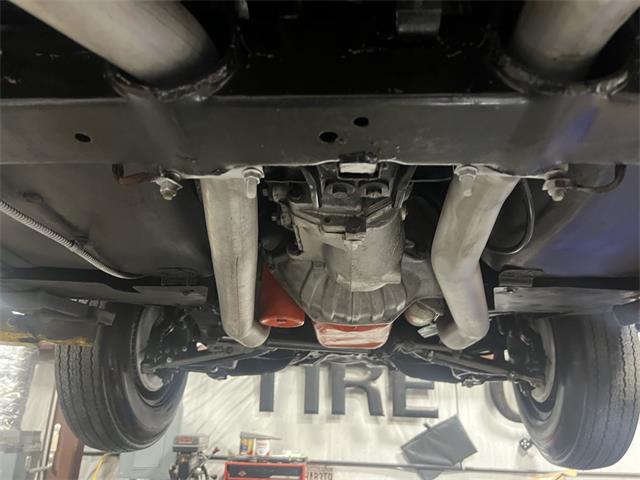
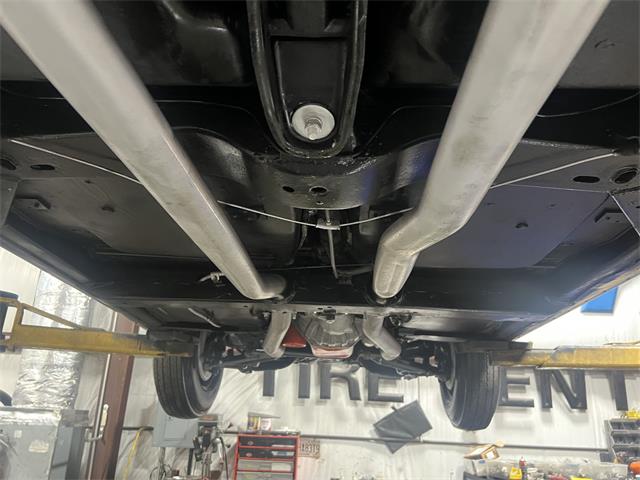
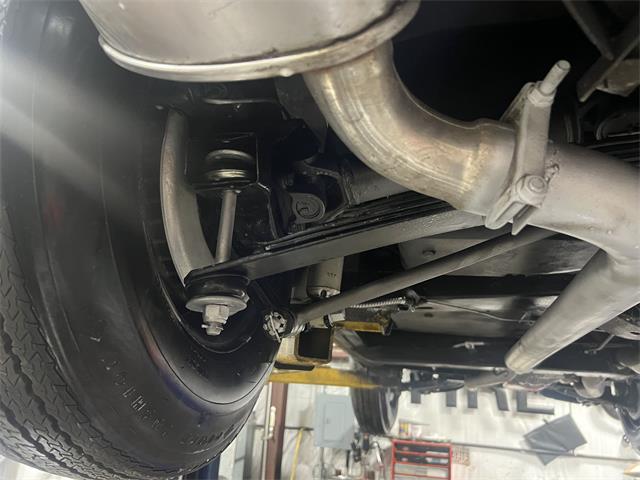
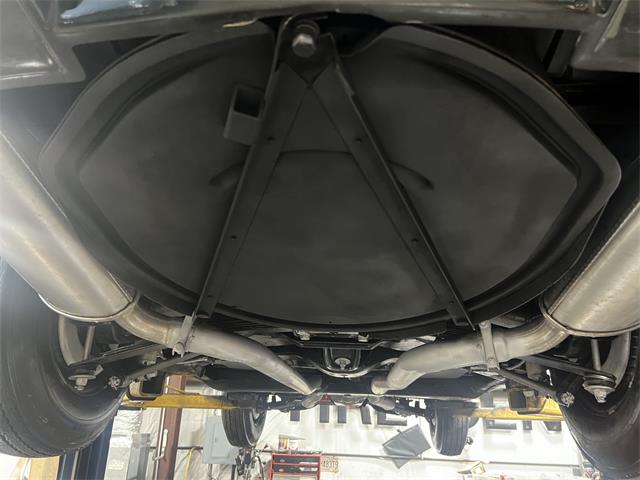
four-speed manual transmission. The underside and engine bay are
nicely detailed, which follows suit with the overall condition of
the car.
Accompanying this Corvette is an NCRS shipping data report. A
strong, fun, and powerful example that has been well-restored and
finished in its original colors, this numbers-matching 1965
Corvette would be a great addition to one's collection or garage,
and deliver plenty of memories out and about on the road.
ClassicCars.com has been recognized as one of the fastest-growing private companies in the United States, successfully making the Inc. 5000 list in both 2015,
2016, 2017 and 2018. This prestigious accolade represents the continued growth of the company, and ClassicCars.com's dominance as the world's largest online marketplace for
buying and selling classic and collector vehicles.
The Stevie Awards, the world's premier business awards recognized
ClassicCars.com's first-class Customer Support team with a Stevie Bronze Award in 2019, celebrating the team's skills as exemplary customer support specialists.
In 2016 The Journal, brought to you by ClassicCars.com, was celebrated as the SECOND MOST INFLUENTIAL automotive blog in the world by NFC Performance.