This vehicle has been soldThis vehicle is no longer available for sale on ClassicCars.com. Please set an alert if you would like to be notified as soon as similar vehicles become available.
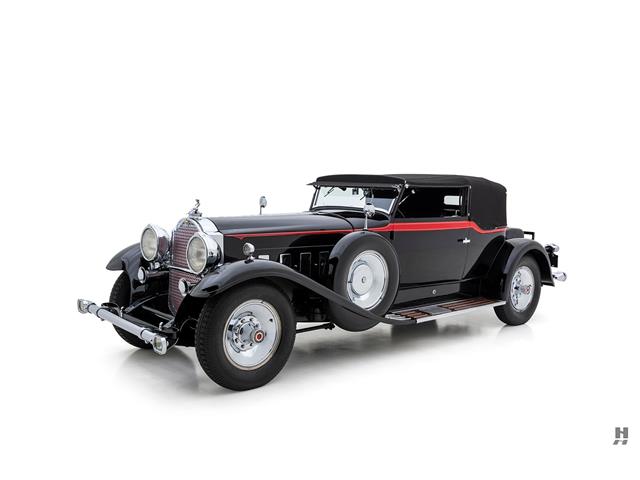
For Sale: 1930 Packard 745 Deluxe Eight in Saint Louis, Missouri
In the late 1920s, Packard was riding high on a wave of record
sales and profits. With little indication of the economic woes on
the horizon, the company forged ahead with the Seventh Series,
introduced in August 1929. The range consisted of the 726 and 733
Standard Eight, followed by the uncharacteristically sporty 734
Speedster, then the 740 Custom Eight, and finally the flagship 745
Deluxe Eight. Per usual practice, Packard offered a dizzying
variety of coachwork options from their in-house body shop, while
independents like LeBaron, Brewster, Rollston, and Dietrich courted
buyers with beautiful designs. Smaller boutique shops such as
Brunn, Judkins, and Willoughby also had opportunity to grace
Packard's outstanding 7th Series with their finest work.
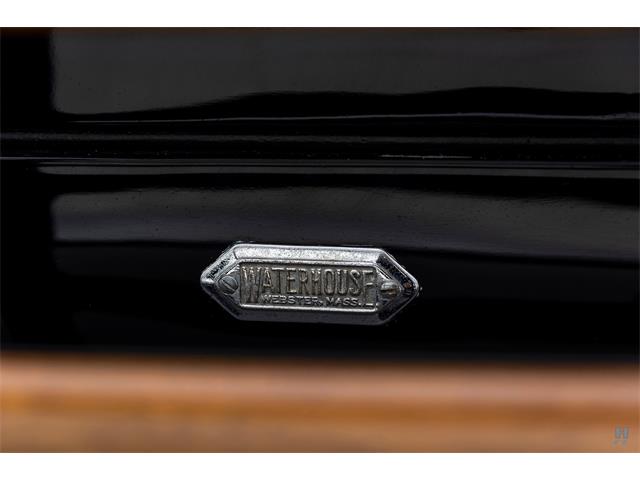
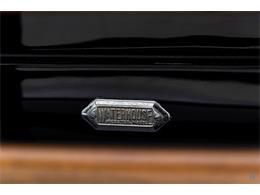
Waterhouse Company of Webster, Massachusetts, was a relative
newcomer to the coachbuilding scene, founded by former Judkins
employee Charles Waterhouse at the end of 1928. Despite the firm's
small size, they quickly gained an enviable reputation for quality,
starting on a high note by scoring DuPont Motors as its first
client. Waterhouse created several distinctive and elegant designs,
but the Convertible Victoria is widely regarded as the firm's
signature style. By using long-wheelbase chassis, designer George
Briggs Weaver had ample space for the broad, blind-quarter top to
disappear entirely below the beltline, the result being elegant,
superbly balanced proportions. Waterhouse bodies were highly
exclusive, exquisitely crafted, and fabulously expensive. Sadly,
less expensive copycat designs combined with the Great Depression
claimed Waterhouse in 1933, just five short years since its
inception. In the end, Waterhouse created only 296 bodies in their
Webster, Massachusetts workshop, 131 of those on Packard chassis.
Of those, eleven were sports sedans, and the remaining were
Convertible Victorias.
It is believed that just five examples of Packard's renowned 745
Deluxe Eight with the Waterhouse Convertible Victoria coachwork are
known to exist, including this stunning example, chassis no.
185625. While the early history of this car is not fully known, it
has been owned by several noted collectors over the years and is
said to be verified as a genuine Waterhouse.
Throughout the 1970s and into the early 1980s, 185625 was owned by
Gene Storm of California, who kept it until 1983. It was reportedly
restored in the next owner's care, and traded hands again around
2000, joining the extensive California-based collection of Patrick
Phinney. In 2012, it was acquired by the renowned collector
Terrence E. Adderley, where the Waterhouse Packard was right at
home among his broad array of world-class Classic Era superstars.
Following the passing of Mr. Adderley, the Waterhouse Packard was
gifted to the Gilmore Museum of Hickory Corners, Michigan, where it
has been proudly displayed, and from where it is being offered
here.
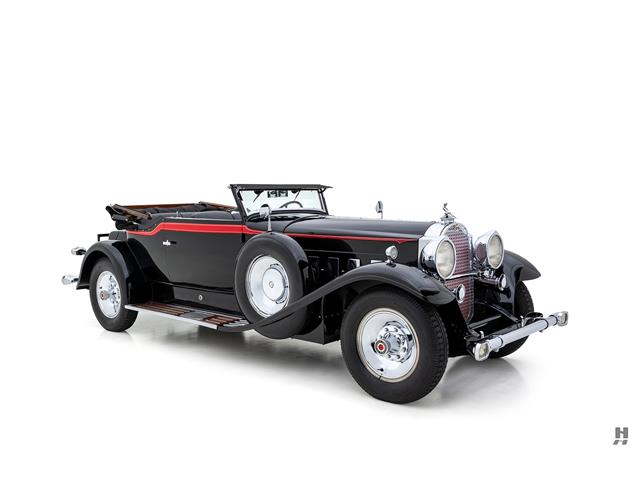
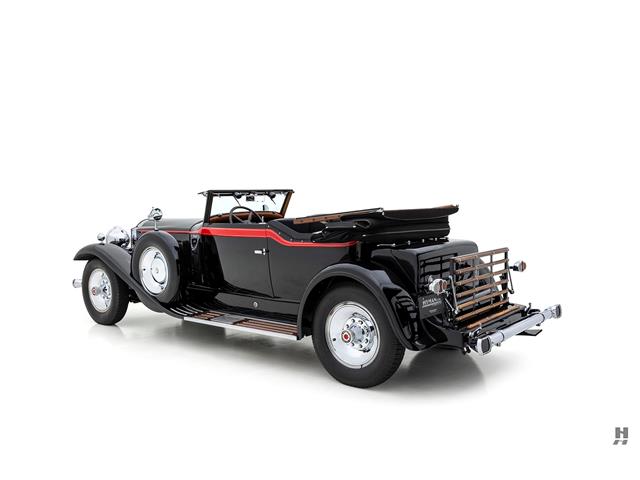
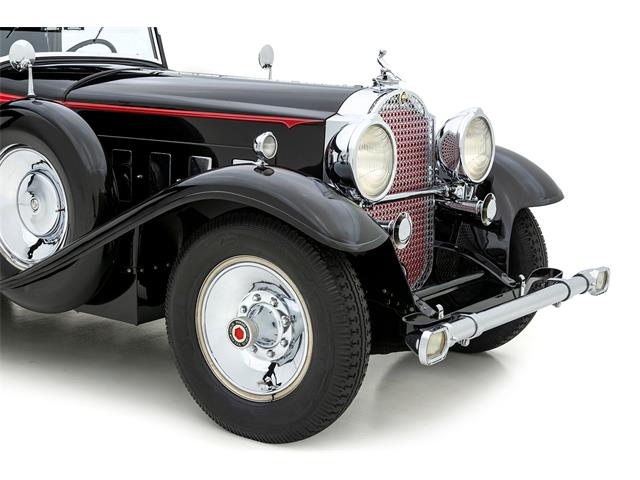
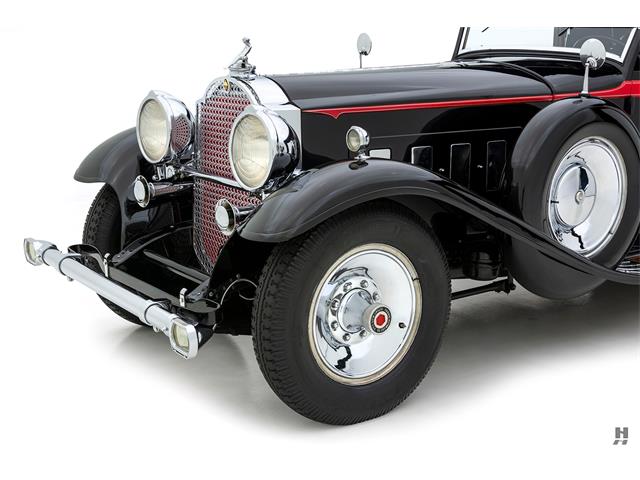
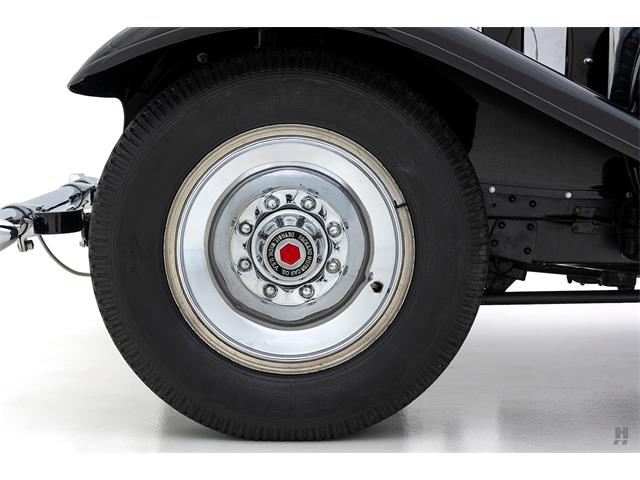
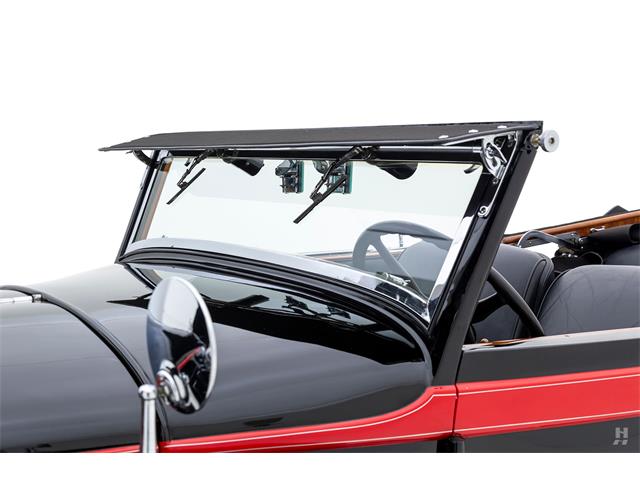
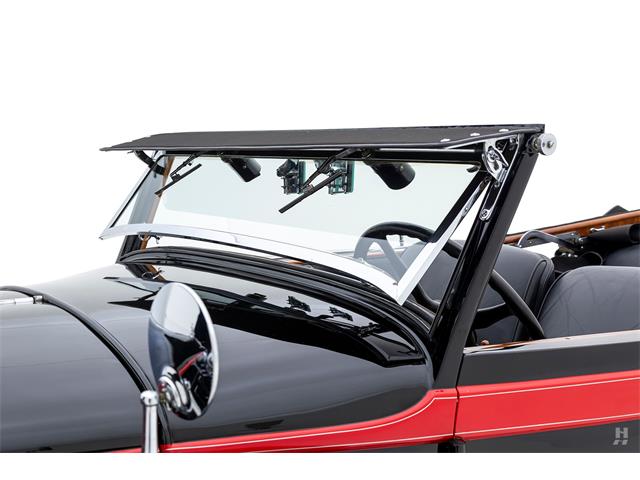
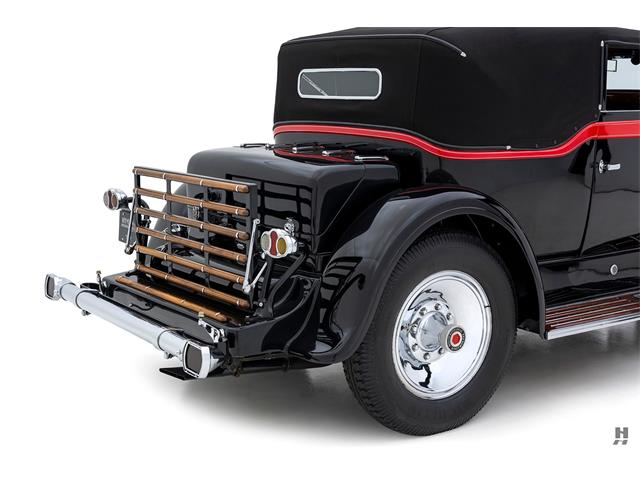
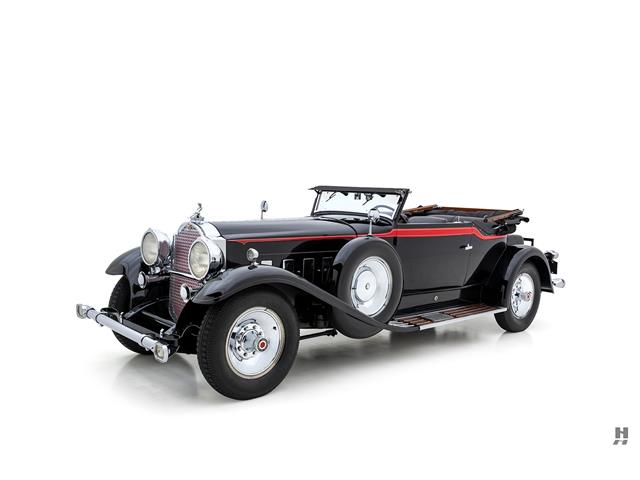
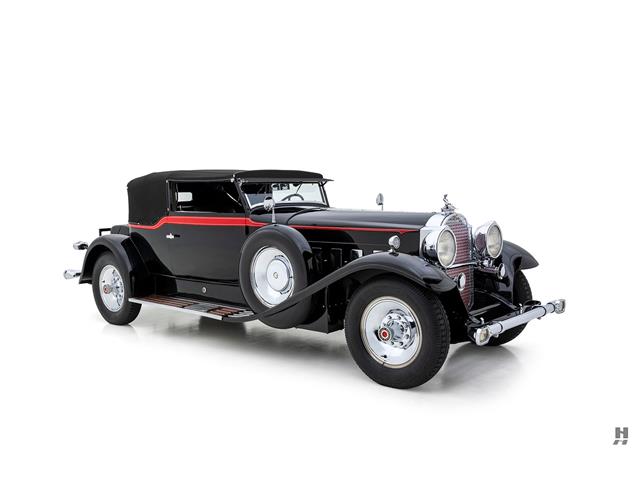
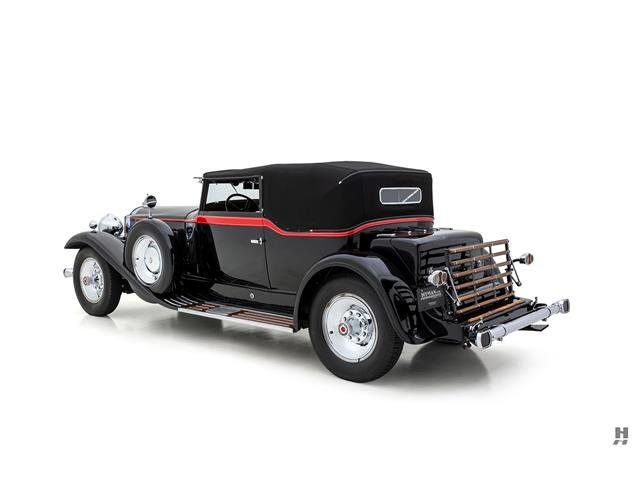
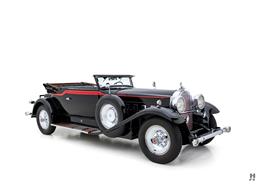
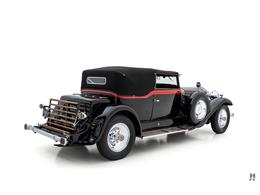
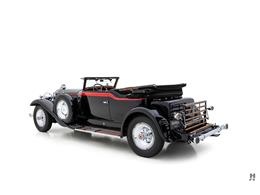
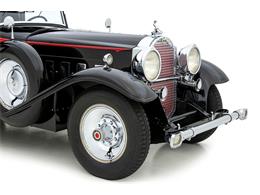
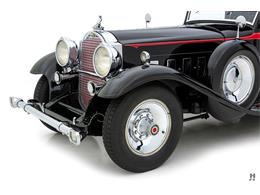
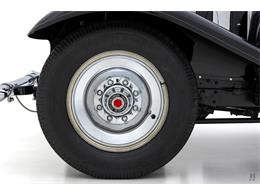
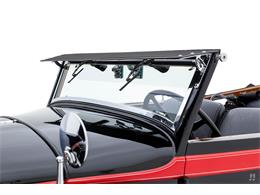
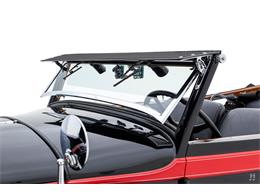
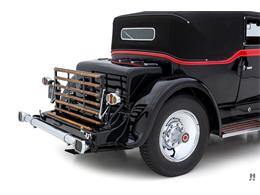
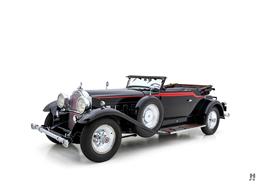
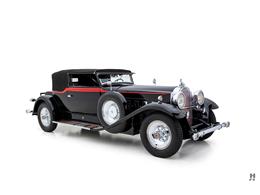
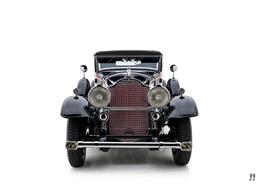
Strikingly finished in black with a red feature line, and riding on
polished disc wheels shod with black wall tires, this marvelous
Packard embodies Gatsby Era grandeur and glamour. The older
restoration has been beautifully maintained and freshened as needed
over the years, and it remains simply stunning. Fantastic period
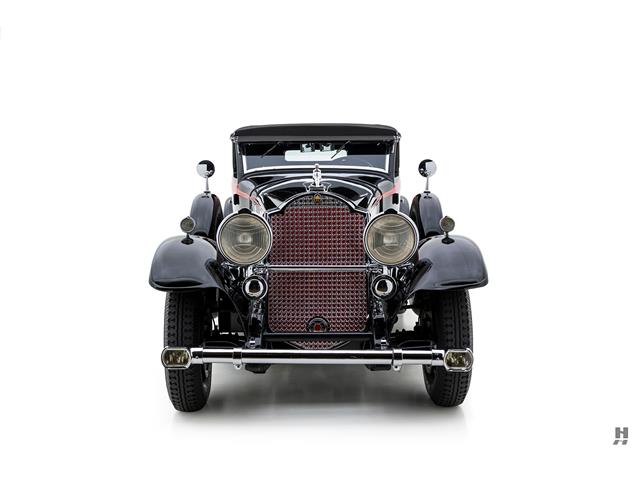
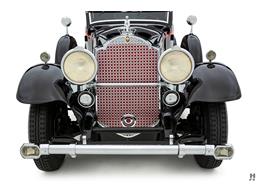
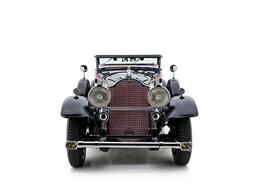
details and accessories abound. First and foremost is the
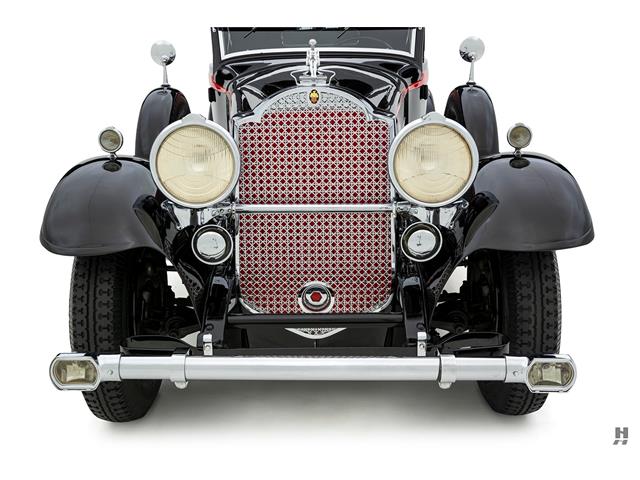
exceedingly rare tubular front bumper with integrated fog lamps,
sometimes known as a Woodlite Bumper, or a Ray-Bar Bumper, it was
listed in the official Packard Approved Accessory catalogue as the
"Packard Bright Bumper." There's also a pair of chrome horns with
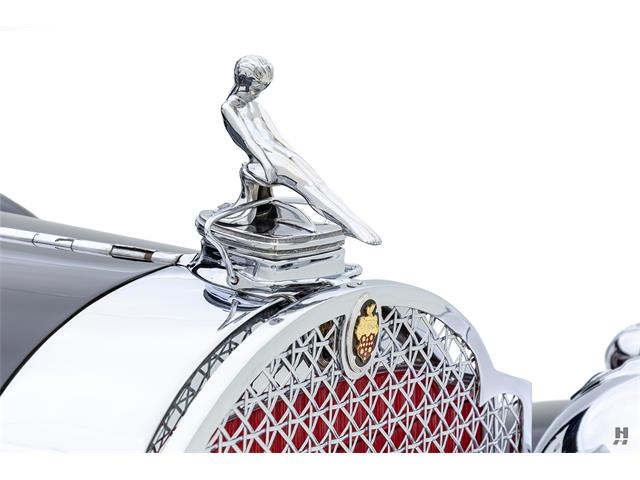
interesting muffler covers, and a chrome radiator stone guard which
plays brilliantly with red-painted radiator slats behind it. The
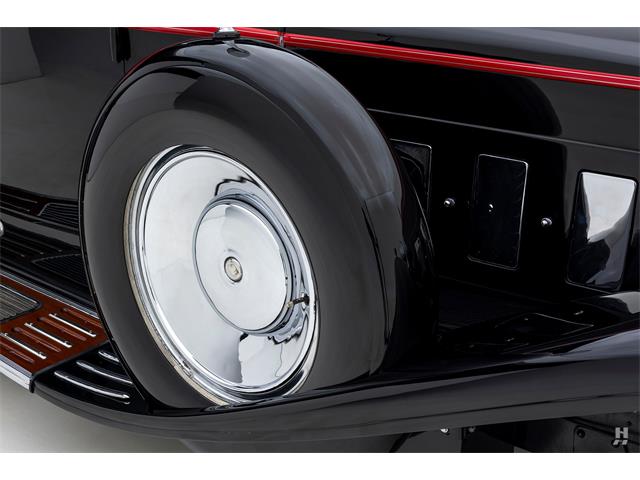
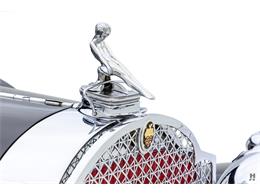
radiator is topped with a Packard Adonis mascot. Further down are
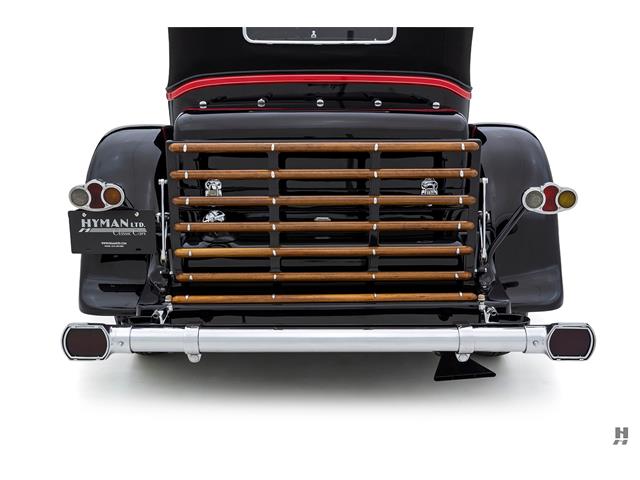
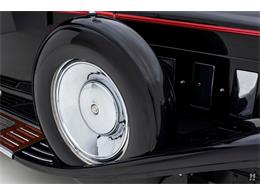
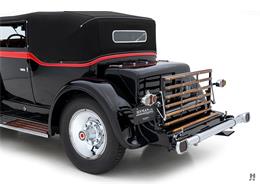
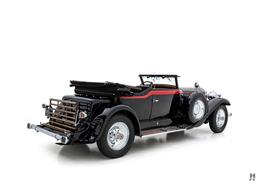
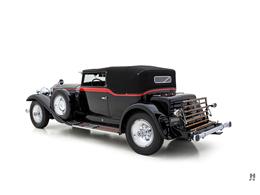
dual side-mount spares encased in painted metal covers, looking
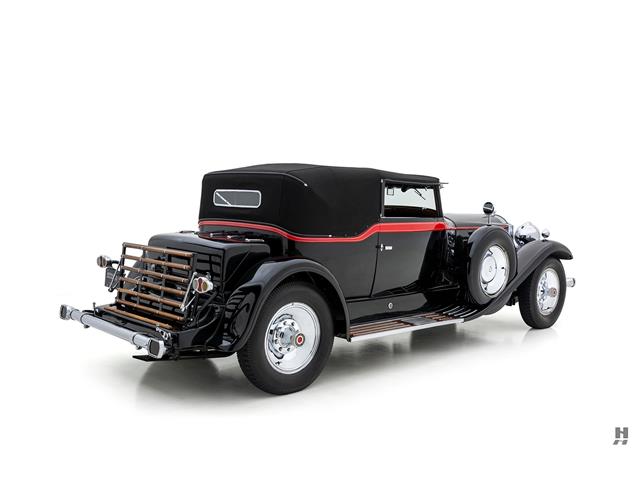
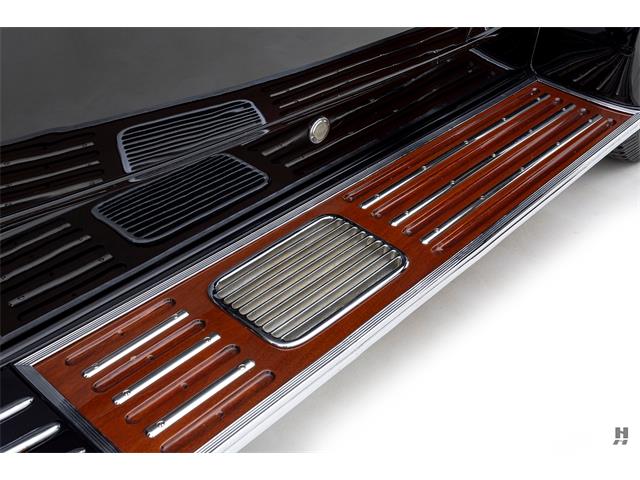
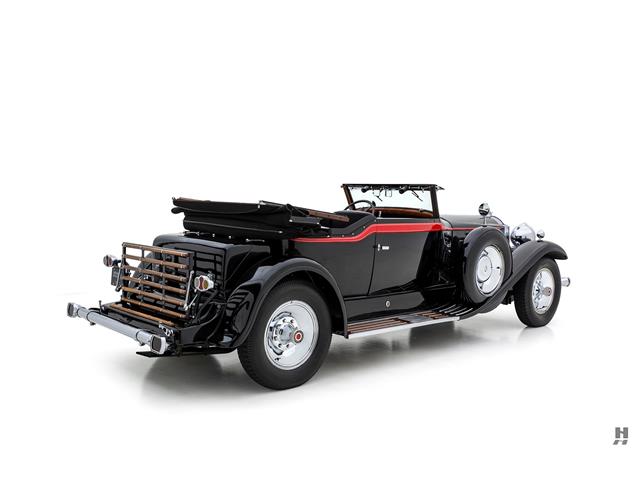
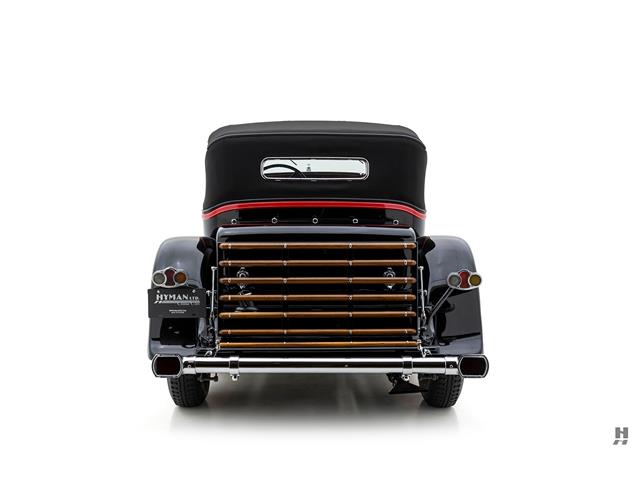
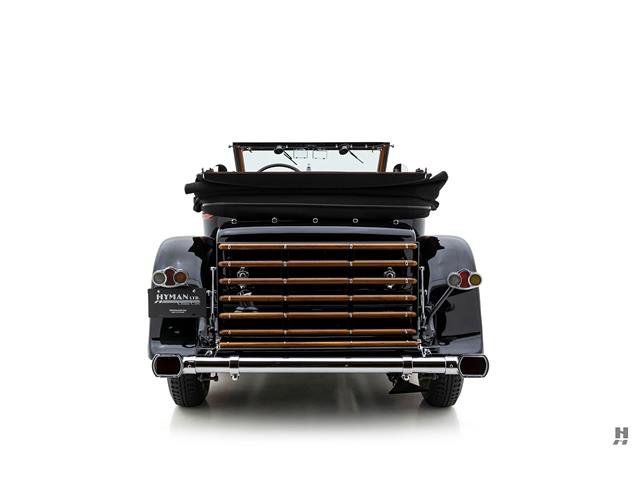
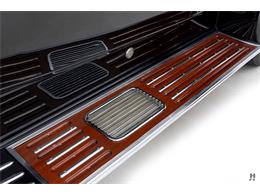
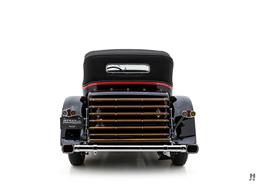
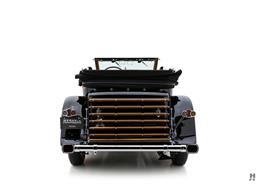
especially smart against the polished disc wheels. Varnished
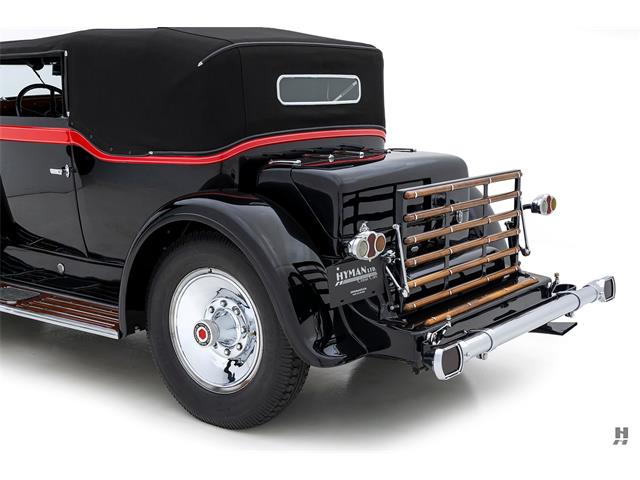
running boards are adorned with chrome accent strips, and around
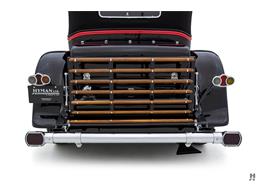
back there is a trunk rack, dual taillights, and a matching Packard
Bright Bumper with integrated stop lights.
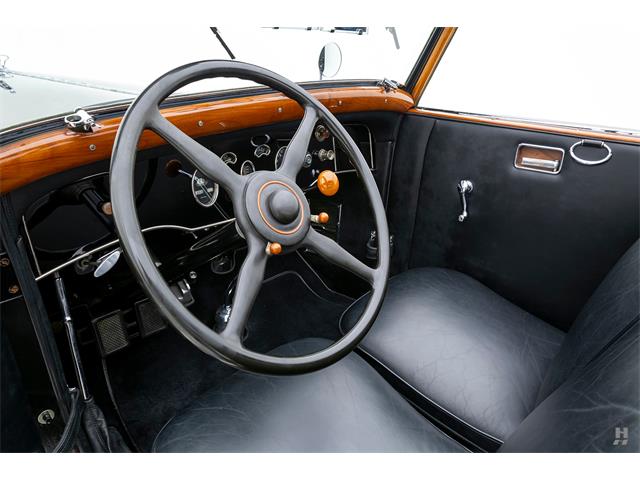
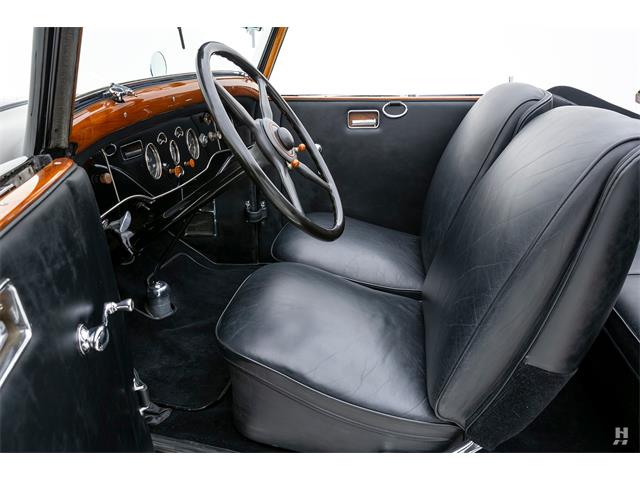
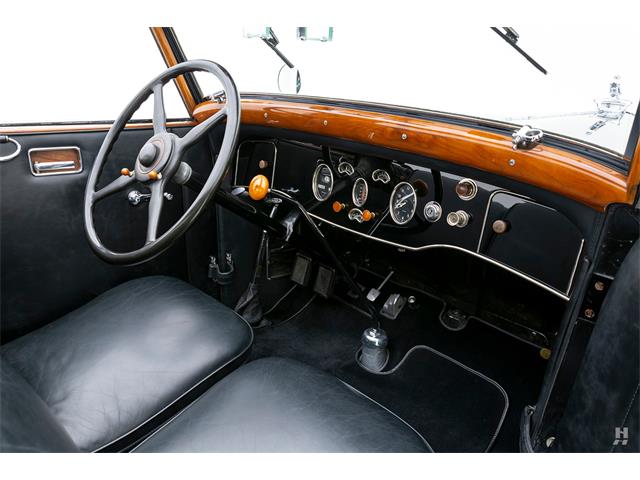
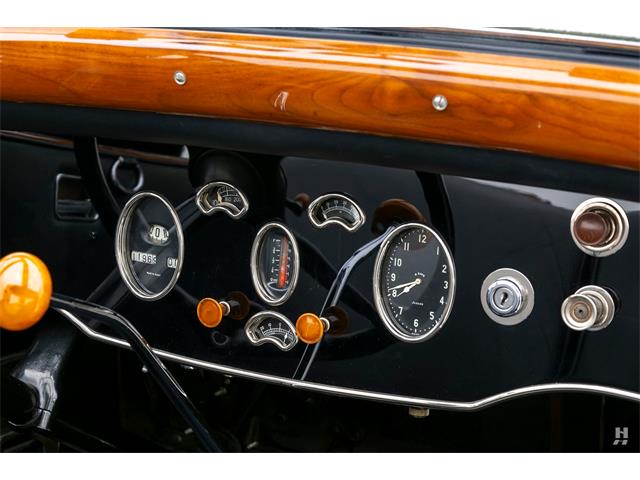
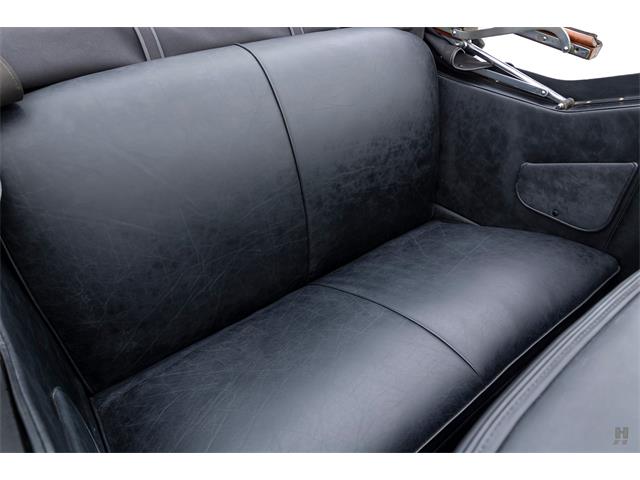
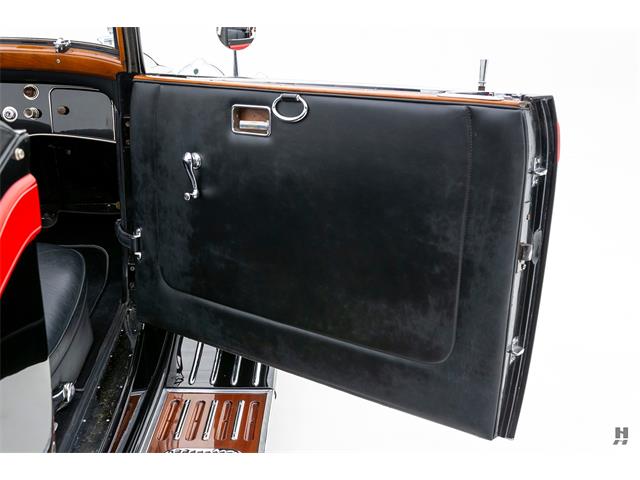
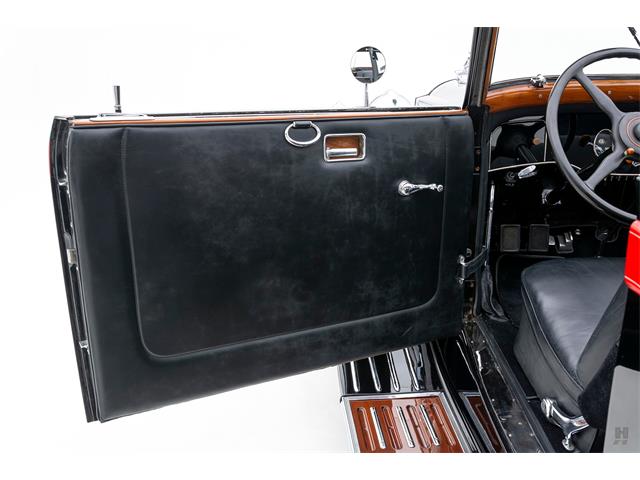
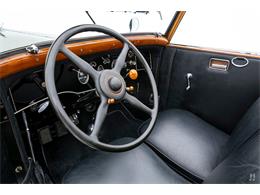
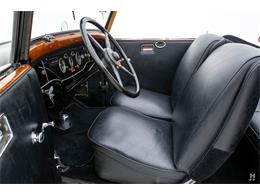
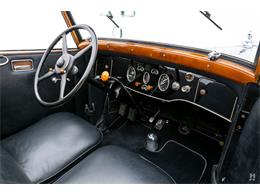
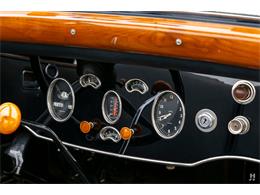
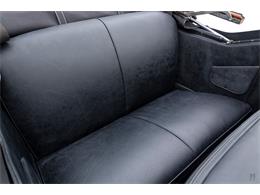
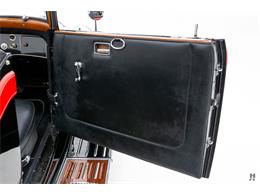
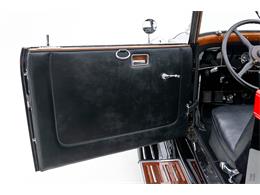
Inside, black leather upholstery covers the seats and interior
panels along with black carpet and a black painted dash.
Amber-colored Bakelite knobs and flashes of wood trim around the
windows add a touch of warmth to the sporting atmosphere. The
leather has aged remarkably well, having reportedly been
reupholstered once since the initial restoration. It shows only
light-to-moderate creasing from occasional use. The black canvas
top is excellent, and details like interior dome lights (rare on a
convertible of this era) point to the quality and detail of the
Waterhouse coachwork.
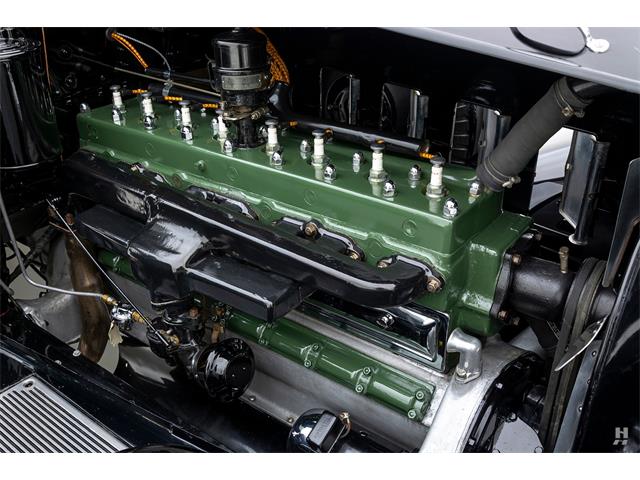
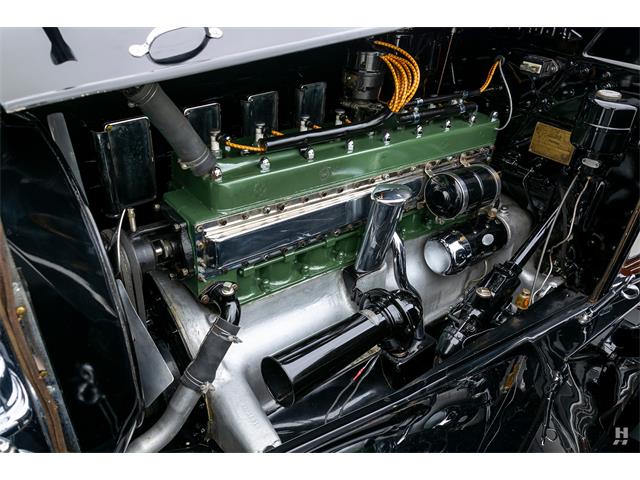
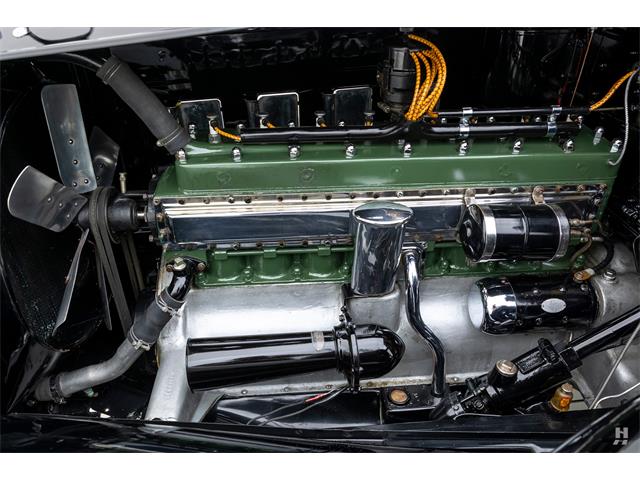
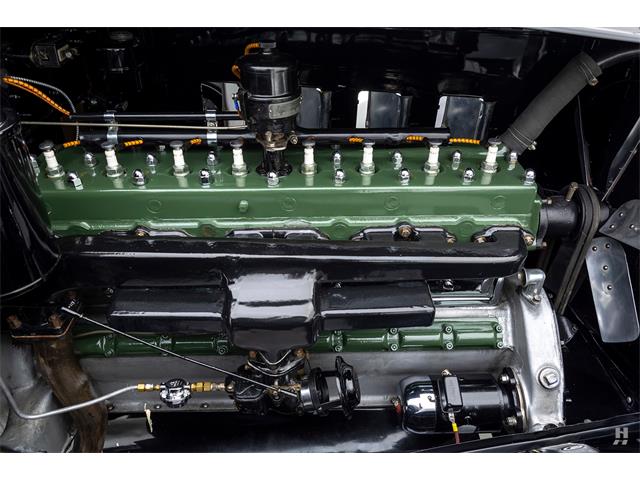
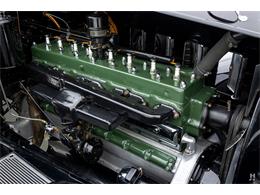
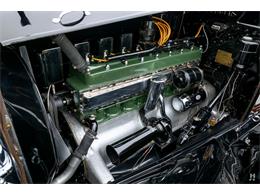
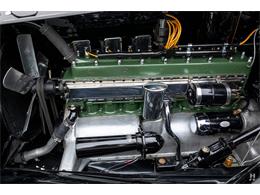
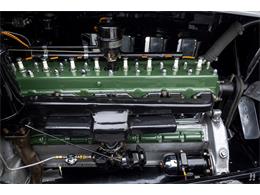
Few engines of the period compare with Packard's 384.8 cubic-inch
L-head inline eight for smoothness and refinement. In the
145.5-inch 745 Deluxe Eight chassis, the engine is backed with a
four-speed manual transmission, and this car has an additional
overdrive unit added to make effective use of the engine's ample
torque for high-speed touring. The engine is authentically
detailed, and while showing signs of use, it remains very tidy.
While detailed Packard records are non-existent, it is noted that
the engine number, 185762, is very close to the chassis number
(185625), indicating it could be the original unit. This is
generally accepted by marque specialists as the closest one gets to
having 'matching numbers' in a Packard of this period.
The well-preserved restoration makes this an excellent candidate
for enjoyment on CCCA CARavan� tours, and with only five known
examples, encountering another is quite unlikely. Exceptionally
rare, highly desirable and undeniably beautiful, this Packard 745
Deluxe Eight Waterhouse Victoria is must-have for any devoted
Packard collector.
ClassicCars.com has been recognized as one of the fastest-growing private companies in the United States, successfully making the Inc. 5000 list in both 2015,
2016, 2017 and 2018. This prestigious accolade represents the continued growth of the company, and ClassicCars.com's dominance as the world's largest online marketplace for
buying and selling classic and collector vehicles.
The Stevie Awards, the world's premier business awards recognized
ClassicCars.com's first-class Customer Support team with a Stevie Bronze Award in 2019, celebrating the team's skills as exemplary customer support specialists.
In 2016 The Journal, brought to you by ClassicCars.com, was celebrated as the SECOND MOST INFLUENTIAL automotive blog in the world by NFC Performance.