December 1, 1928, is a significant date in motoring history,
marking the unveiling of Duesenberg's show-stopping Model J at that
year's New York Auto Show. The Duesenberg Brothers had already
earned an enviable reputation on the racetrack, and their initial
road-going car, the Model A, caught the attention of E.L. Cord.
Cord had an ambitious plan to build the undisputed finest car in
the world, and with his acquisition of the Duesenberg Automobile
and Motors Co, he could make that dream reality. The superlative
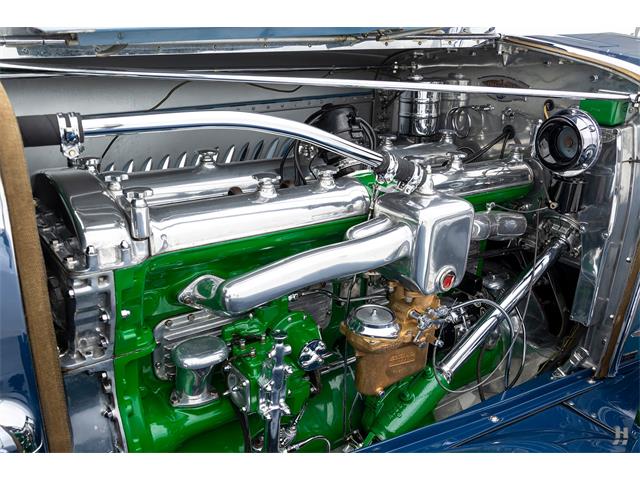
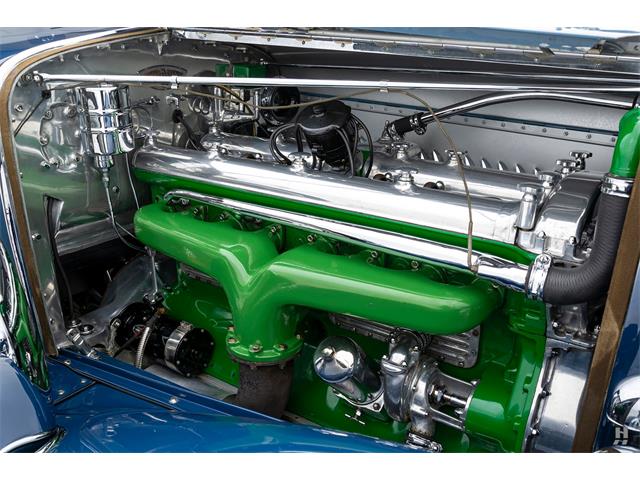
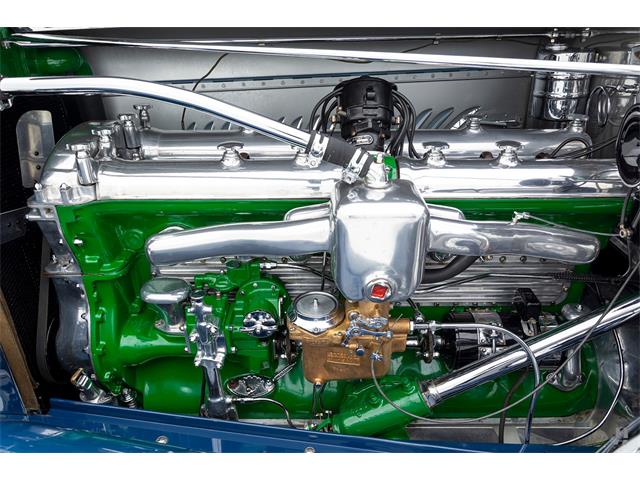
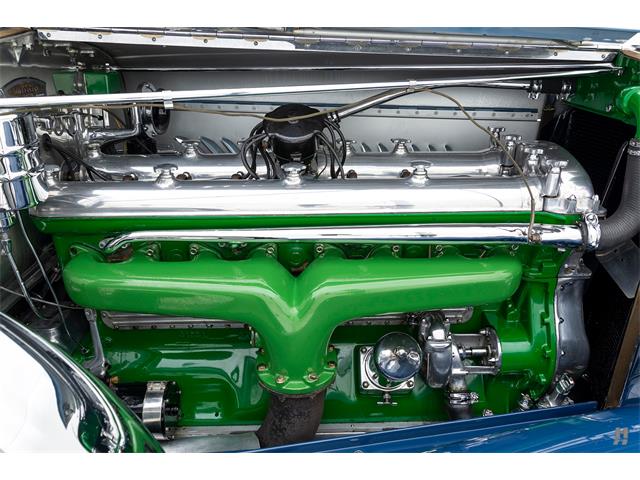
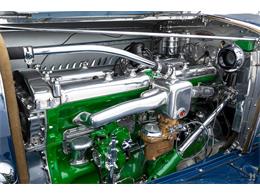
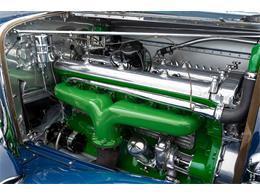
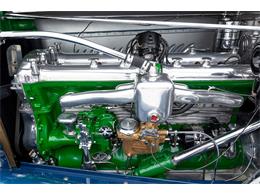
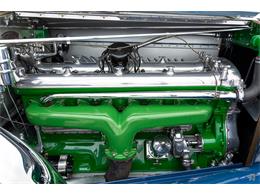
new Model J was an engineering masterpiece, with a 420-cubic inch
inline eight-cylinder engine at its heart, designed by Fred
Duesenberg and built by Cord subsidiary Lycoming. The engine bore
race-proven technology including twin overhead camshafts and four
valves per cylinder, producing an astonishing 265 horsepower in
naturally aspirated form - or a mighty 320 horsepower when fitted
with the optional supercharger, astounding figures for 1928!
Handling all that power was an overbuilt chassis with revolutionary
hydraulic drum brakes and fully automatic chassis lubrication
operating every 30-60 miles. The Model J was far and above the
fastest, most exclusive, and most expensive car in America, capable
of vanquishing nearly anything that came its way.
Timing was not on Cord's side, as the entry price of nearly $10,000
for a chassis alone came just as an economic depression loomed.
Despite its headline-grabbing stats, sales topped off at just 481
cars in total - well short from E.L. Cord's ambitious, and likely
unrealistic, goal of 500 vehicles per year. While the Model J was
sold over a span of several years before the company's untimely
demise, nearly all of the chassis were constructed between 1929 and
1930, but updates were incorporated as orders trickled in.
Like its competitors, Duesenberg sold customers a complete rolling
chassis, while bodies were produced either by outside coachbuilder
or via the house LaGrande label (produced by Union City Body
Company). Independent firms including LeBaron, Murphy, and Judkins
also offered a wide array of catalogue styles from stately
limousines to rakish convertibles and were always ready to
accommodate special requests for unique coachwork.
LeBaron Carrosserie was one of the most prolific producers of
Duesenberg J bodies producing some 40 bodies and earning an
enviable reputation for exceptional quality. In fact, when choosing
a name for its in-house body catalogue, A-C-D management chose the
phonetically similar "LaGrande" deliberately playing on LeBaron's
stellar reputation.
The Model J remains one of the most collectible and coveted
American automobiles ever produced, with a sense of occasion and
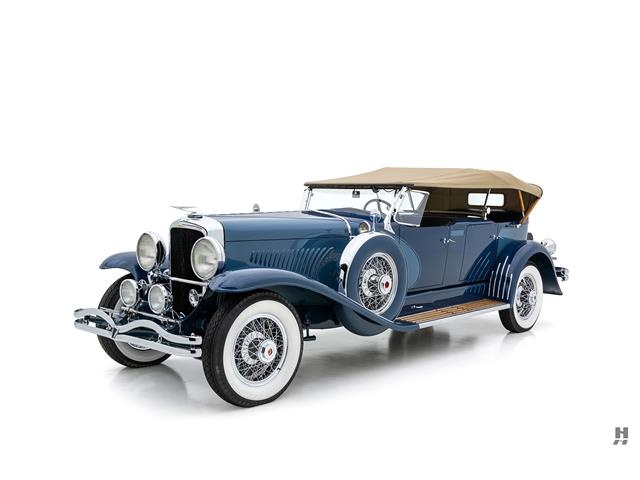
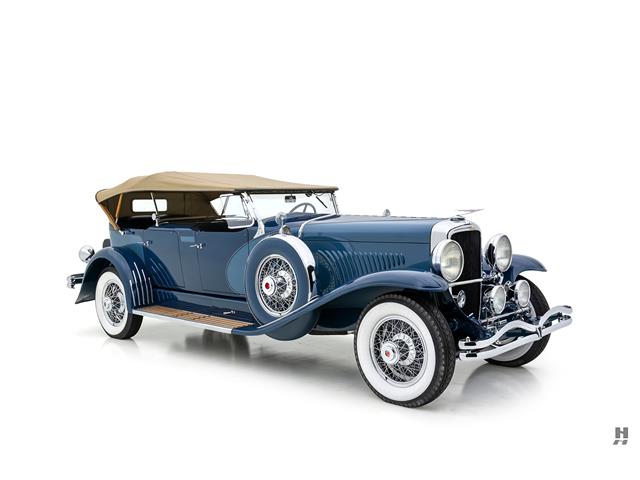
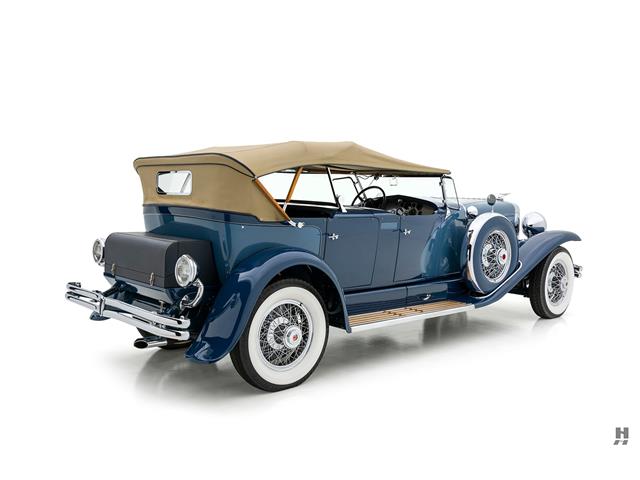
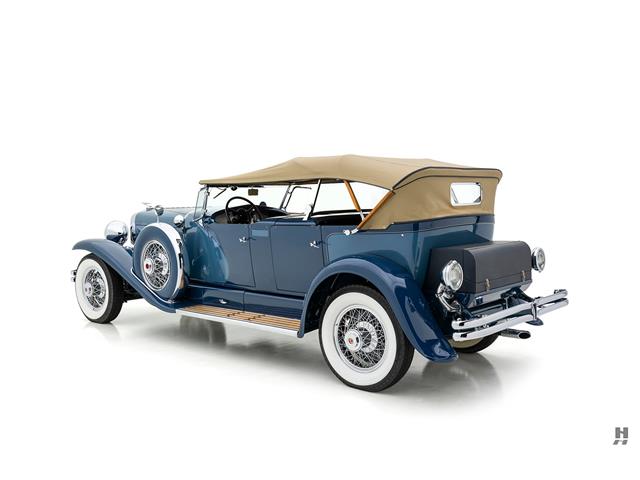
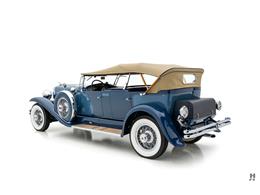
grandeur that has rarely been repeated. Chassis number 2185/J-156
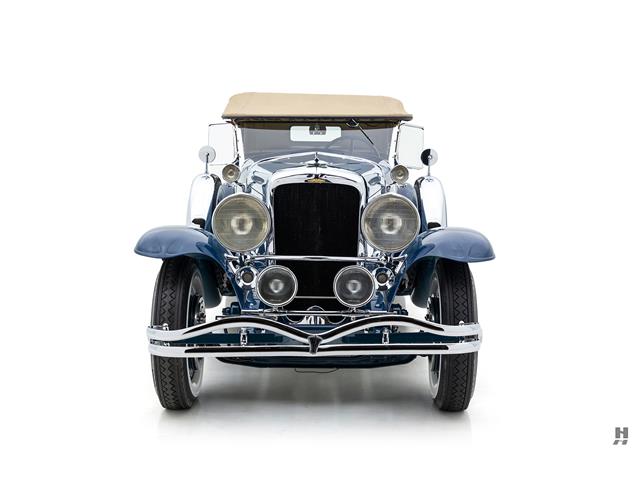
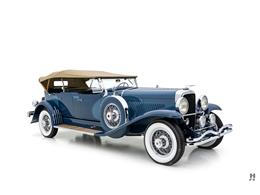
aptly demonstrates the Model J's impact, with its striking Dual
Cowl "Sweep Panel" coachwork in the style of LeBaron.
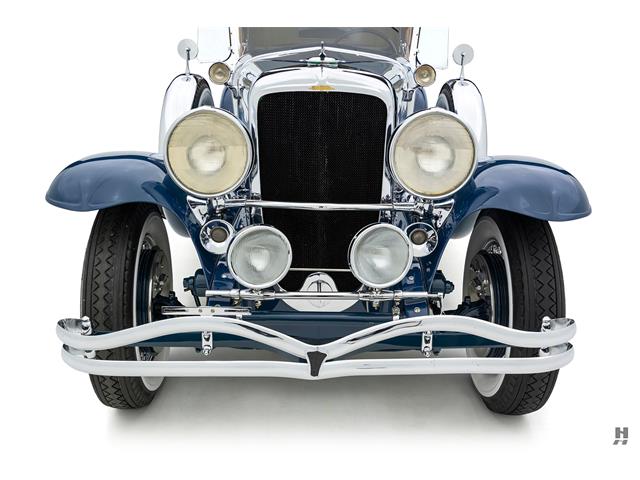
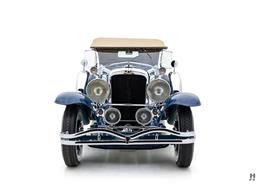
According to marque historians including Fred Roe, Josh Malks, and
J.L. Elbert, chassis 2185/J-156 is a long-wheelbase example, fitted
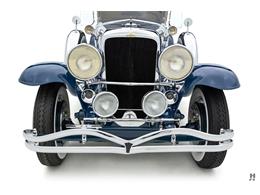
from new with LeBaron's handsome dual cowl Sweep Panel body. It is
an early car, as evidenced by the black honeycomb radiator which
lacks the more common chrome slats of the later cars. It gives the
car a subtly purposeful look, which suits the sporting LeBaron
coachwork. It is understood that this car suffered a road accident
in the early 1930s - a not-too-uncommon occurrence with owners
experiencing the Model J's performance for the first time.
Following the crash, it was deemed too costly to repair, and while
some notes suggest the car was "scrapped," the reality is that it
was simply parked in storage - where it sat, undisturbed and unused
for the next half-century.
In the early 1980s, the car was discovered and acquired by the late
Rick Carroll, a renowned collector who owned an astounding number
of Duesenberg Js during his lifetime. By the 1980s, any Model J had
become very much worth saving, and Carroll set about restoring 2185
to its original splendor. Following disassembly and evaluation, it
was determined that the chassis could not be safely repaired, so an
accurate replacement was sourced. Likewise, the coachwork was
damaged beyond repair, so a new body was faithfully recreated in
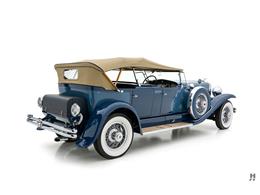
the style of the original LeBaron Sweep Panel Dual Cowl Phaeton,
distinguished by its rakish windscreen, low roof line, and
gracefully sweeping feature lines on the body sides.
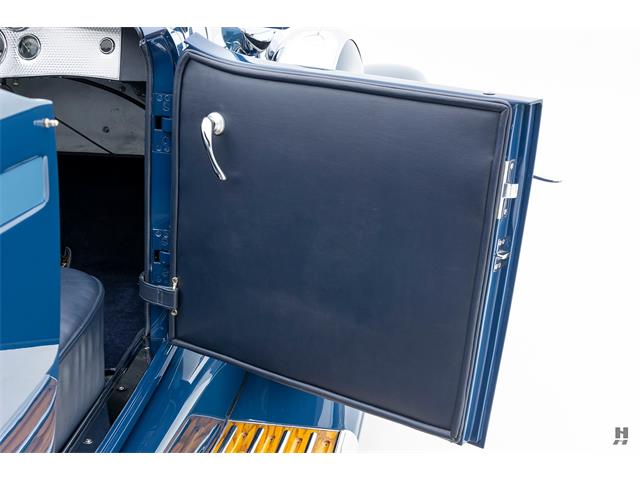
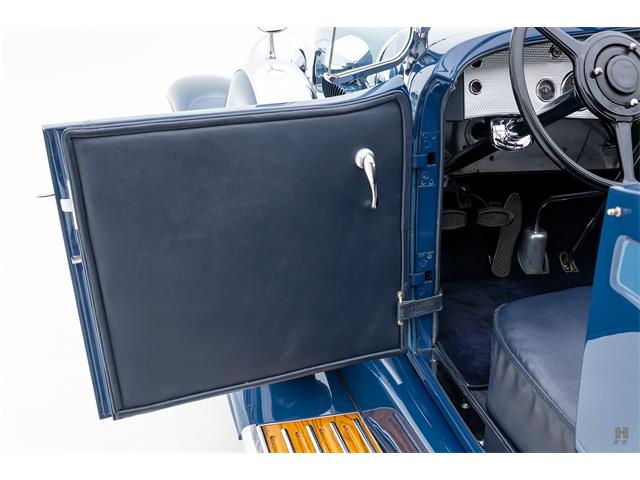
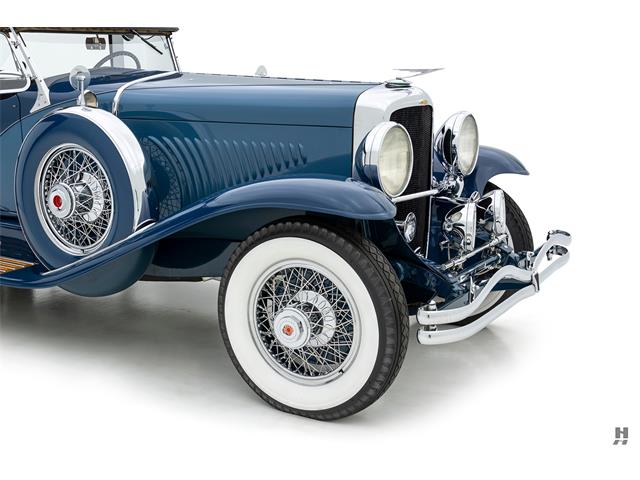
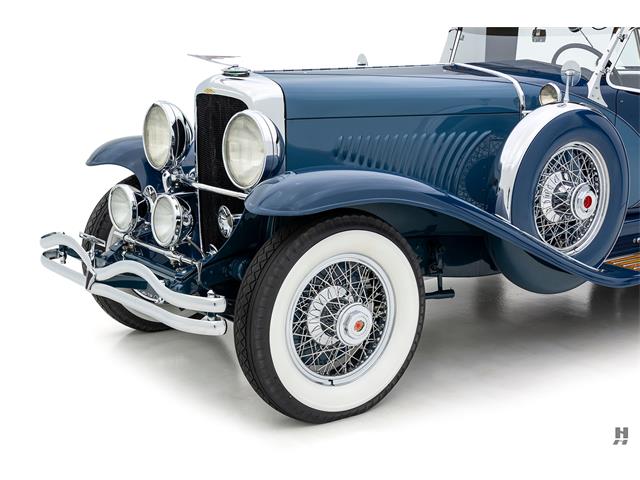
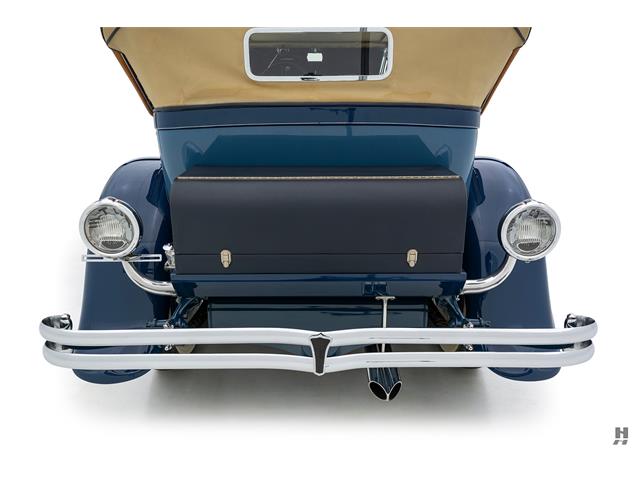
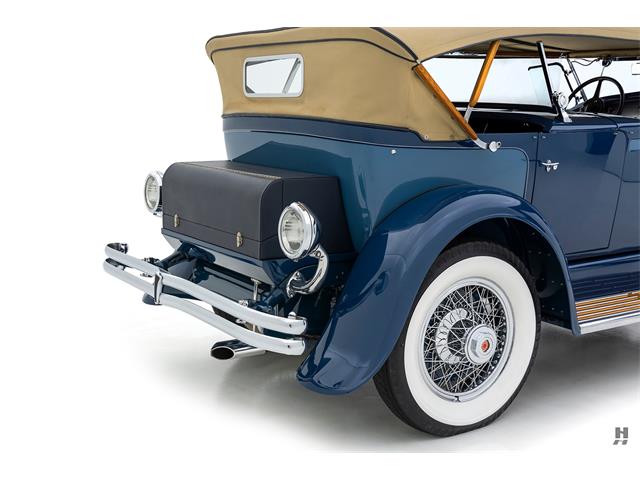
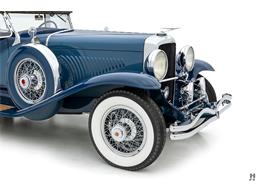
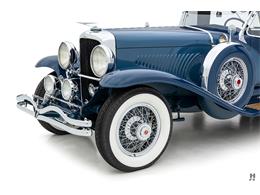
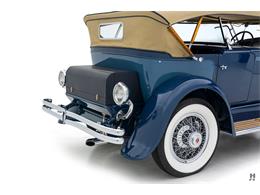
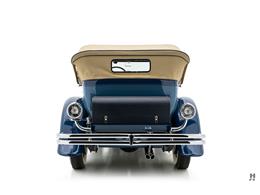
A particularly attractive color scheme was chosen, consisting of
medium blue on the body and fenders, with lighter blue on the sweep
panel accents, separated by a discreet silver stripe. Period
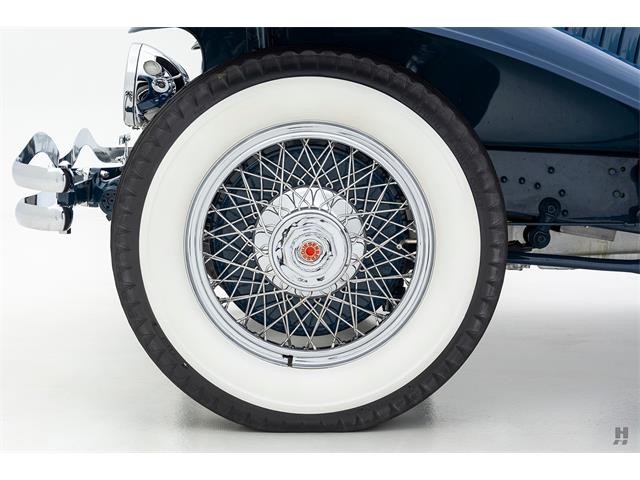
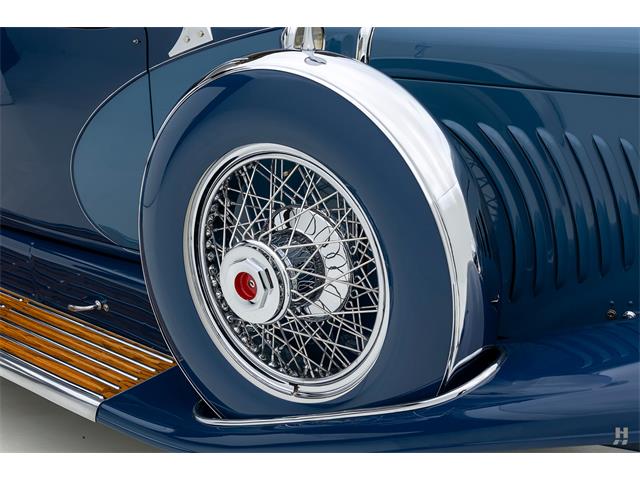
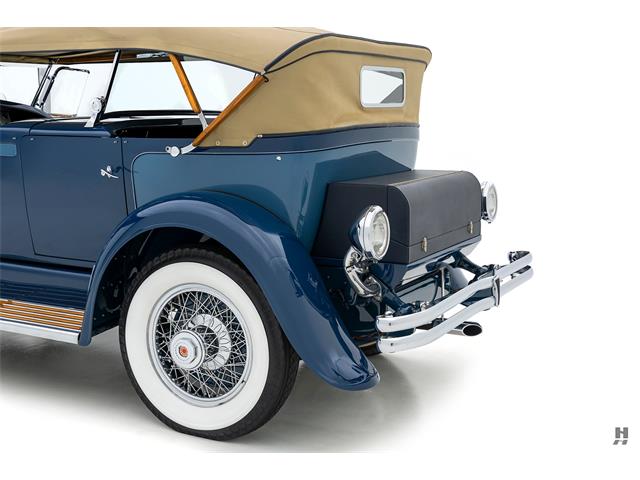
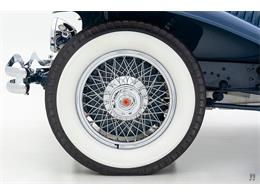
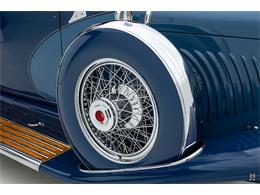
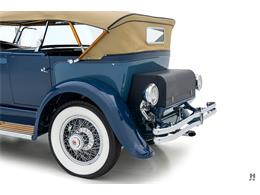
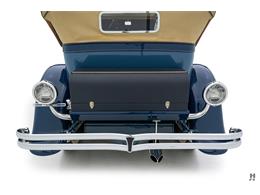
accessories include dual side mount spares with body-color metal
covers, dual Pilot Ray driving lamps, chrome wire wheels mounted
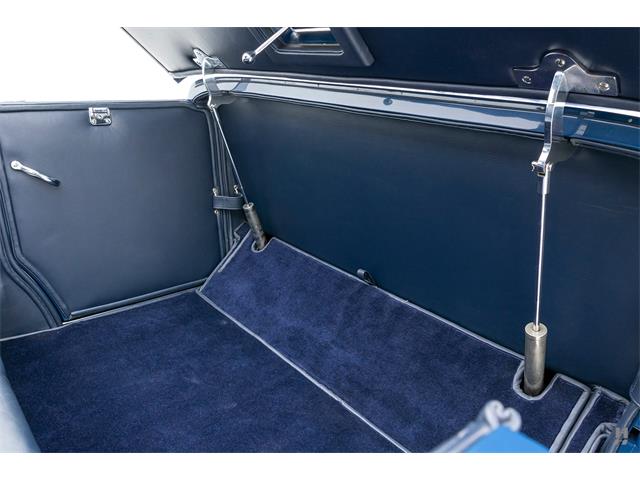
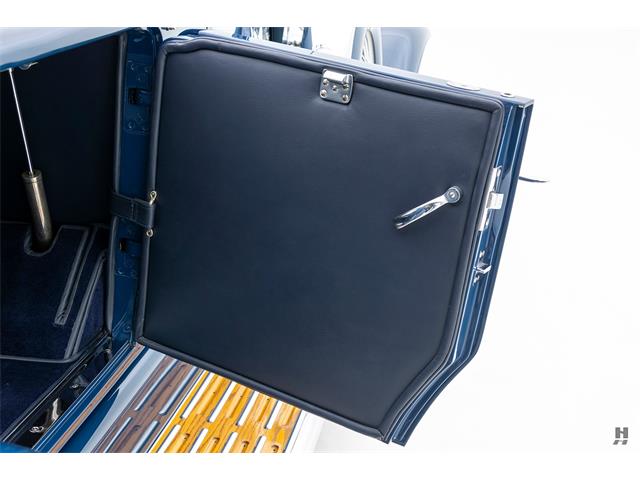
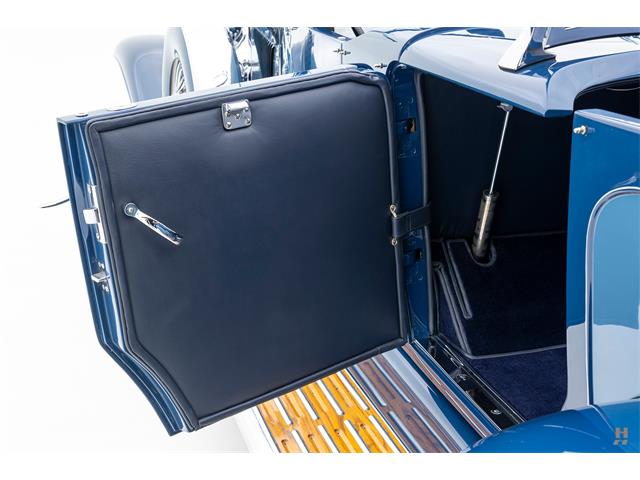
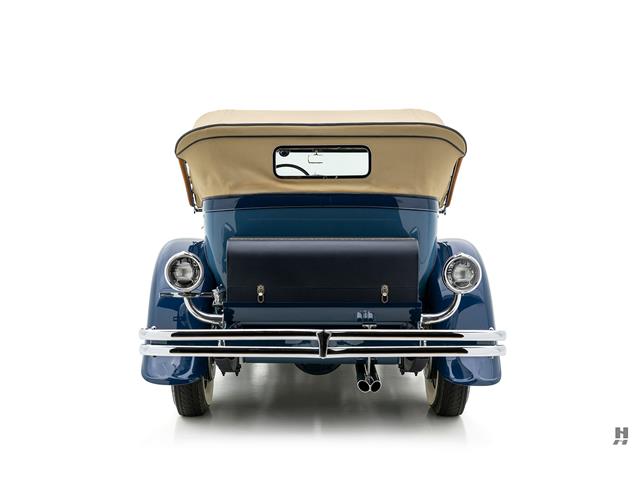
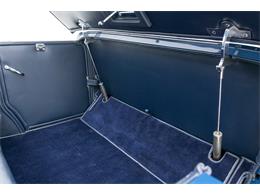
with double-sided whitewall tires, and a trunk rack with leather
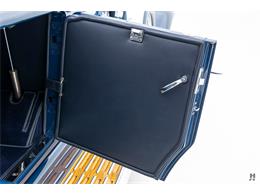
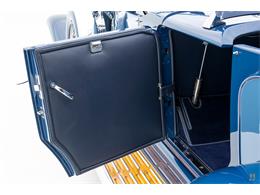
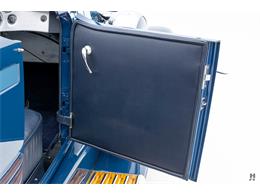
trunk. The running boards feature beautifully varnished woodwork,
which contrasts marvelously with the blue paintwork for a touch of
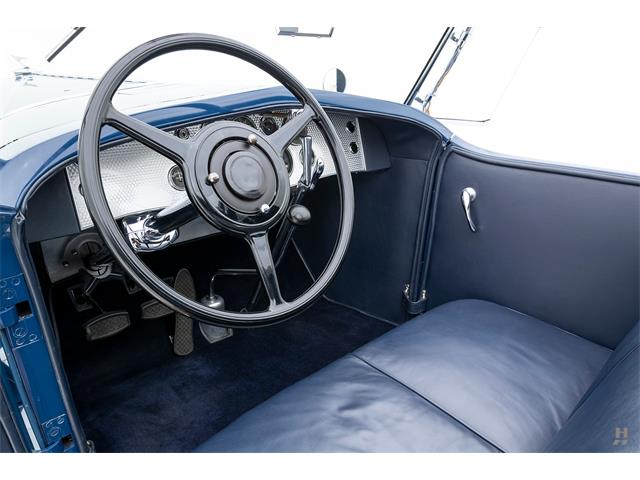
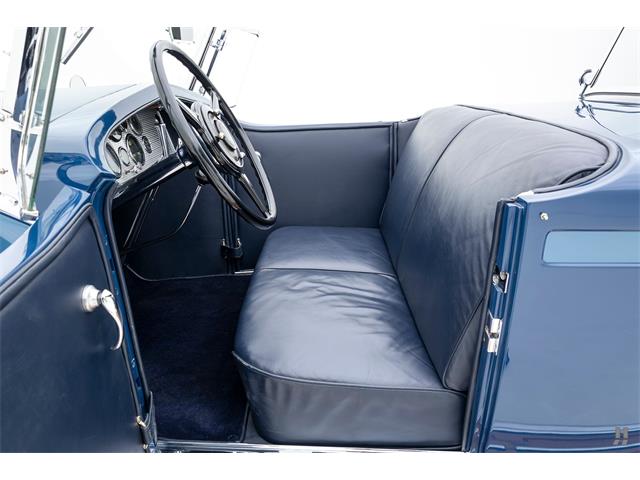
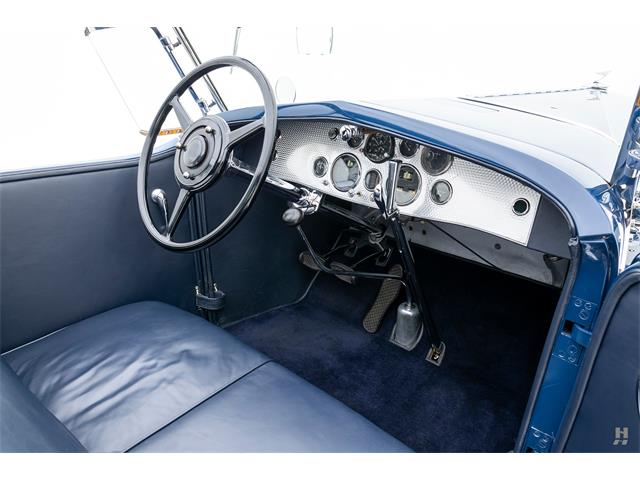
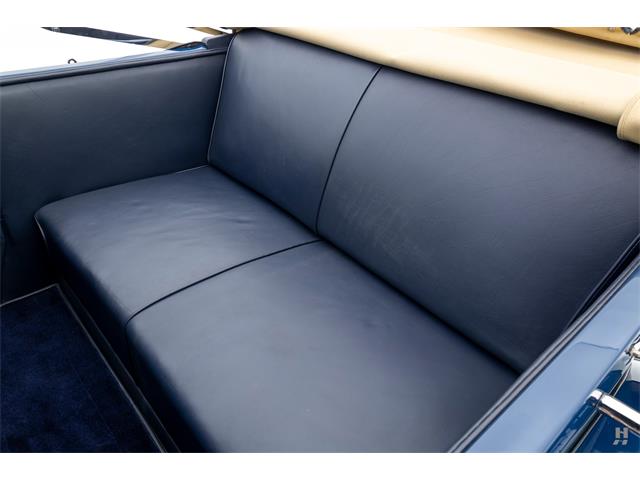
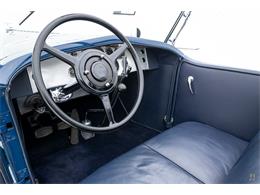
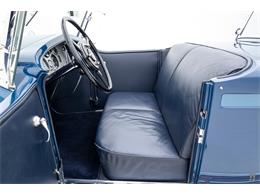
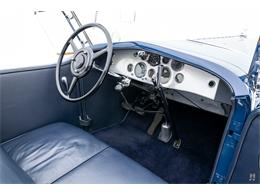
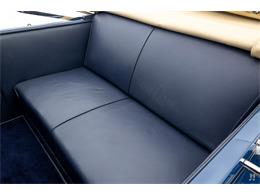
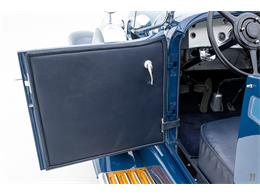
nautical-inspired sophistication. Dark blue leather complements the
paintwork, and the tan canvas convertible top is piped in blue,
further enhancing the 1930s Newport, Rhode Island aesthetic.
Following Mr. Carroll's passing, 2185/J-156 was sold in 1990 as
part of the dispersal of his collection by Sotheby's. Following its
restoration, 2185/J-156 earned awards including an AACA Senior
National award in 1990 and was featured in the AACA Antique
Automobile magazine.
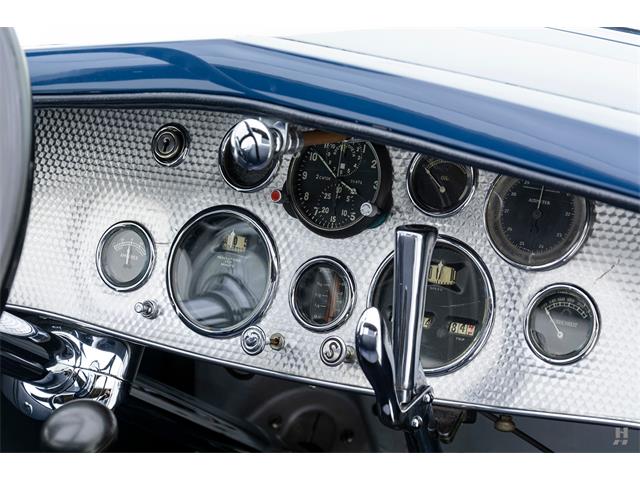
Over the years it has been quietly in the care of private
collections, and the restoration, while older, has been
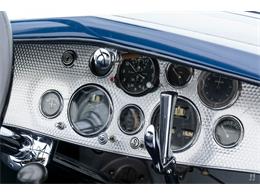
meticulously maintained with the car remaining in excellent
condition overall. Evidence of light use is apparent throughout,
demonstrating this car's usable nature. Light creasing of the
leather upholstery presents an inviting atmosphere for driver and
passengers, and every outing is sure to be a real occasion.
For the seasoned collector or first-time Duesenberg J buyer alike,
2185/J-156 presents an appealing opportunity. With its handsome and
sporting coachwork distinctively presented in a gorgeous livery and
finely maintained restoration it is suitable for participation in
well-attended events such as The Duesenberg Tour, CCCA CARavan�
tours, or to display in casual concours events.
ClassicCars.com has been recognized as one of the fastest-growing private companies in the United States, successfully making the Inc. 5000 list in both 2015,
2016, 2017 and 2018. This prestigious accolade represents the continued growth of the company, and ClassicCars.com's dominance as the world's largest online marketplace for
buying and selling classic and collector vehicles.
The Stevie Awards, the world's premier business awards recognized
ClassicCars.com's first-class Customer Support team with a Stevie Bronze Award in 2019, celebrating the team's skills as exemplary customer support specialists.
In 2016 The Journal, brought to you by ClassicCars.com, was celebrated as the SECOND MOST INFLUENTIAL automotive blog in the world by NFC Performance.