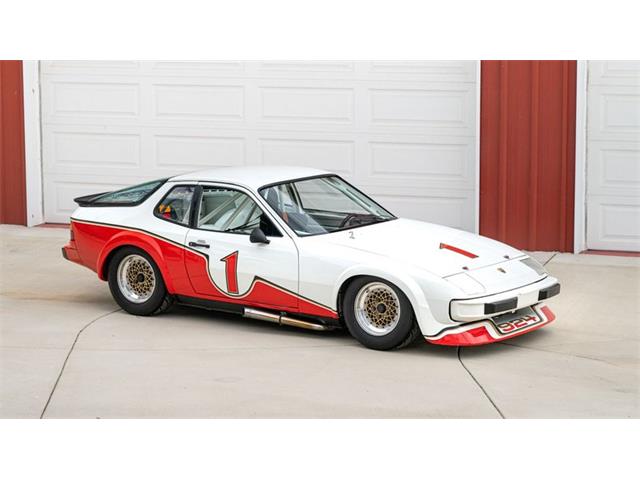
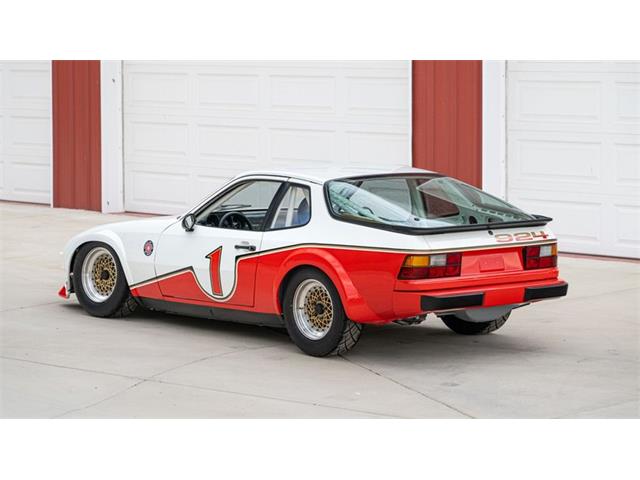
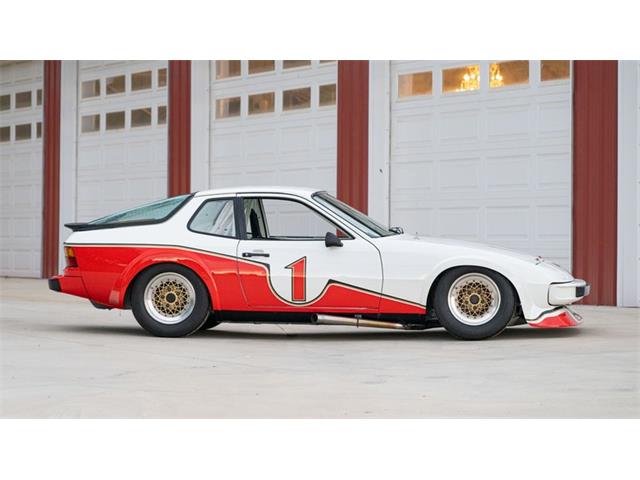
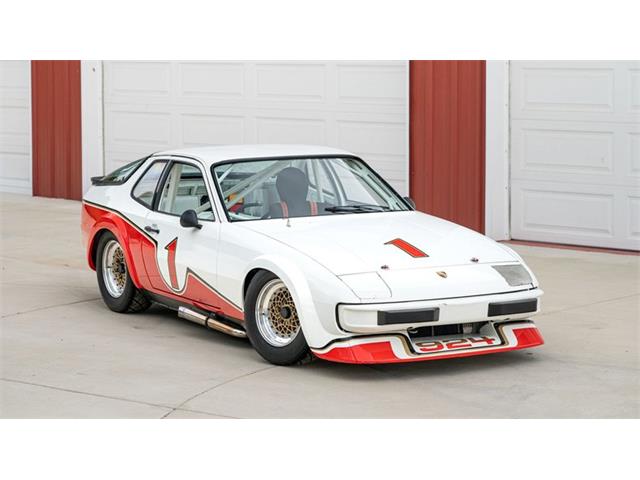
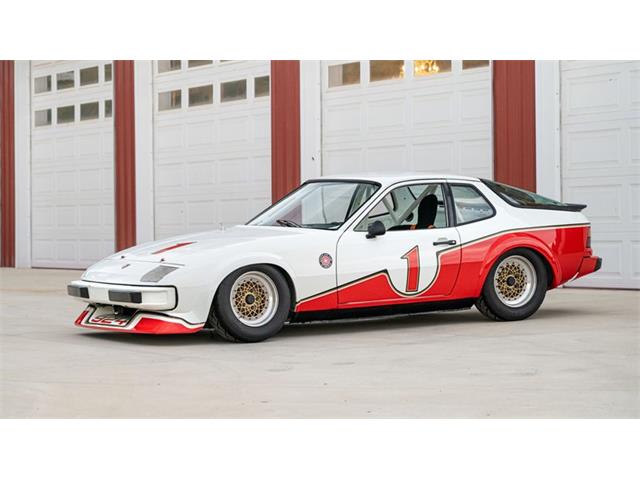
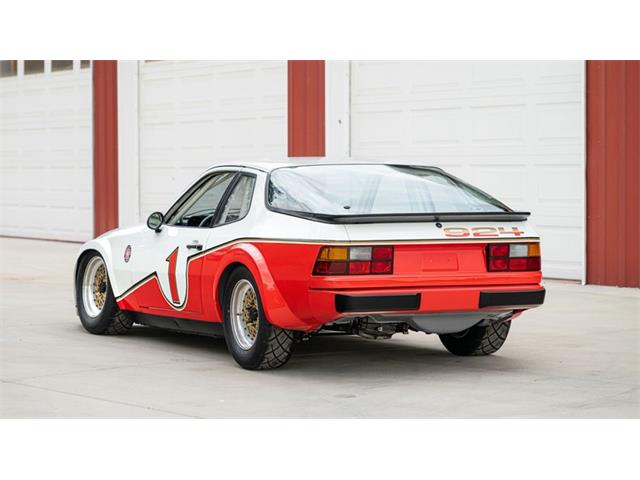
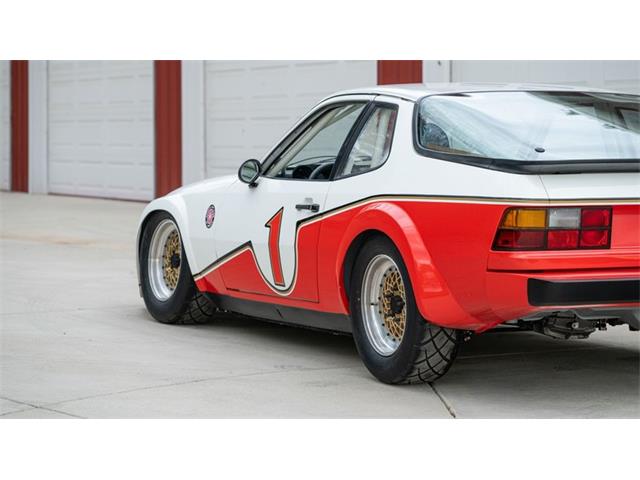
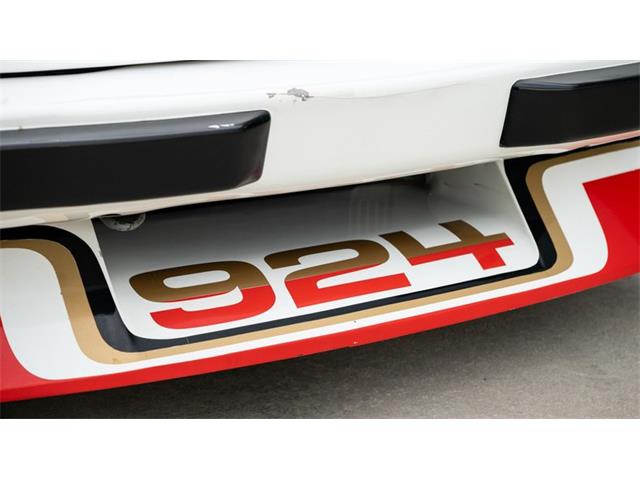
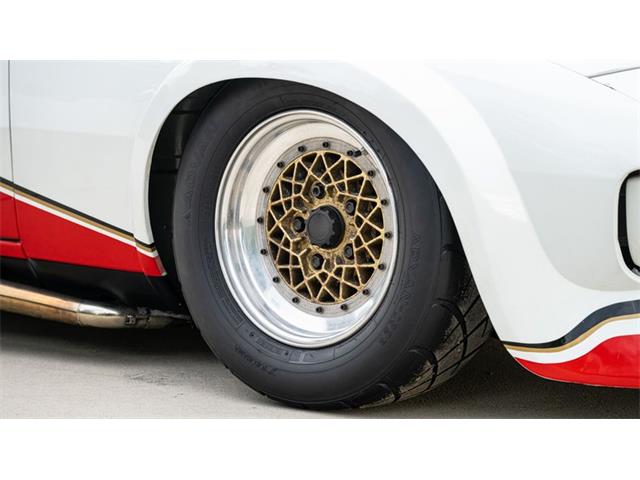
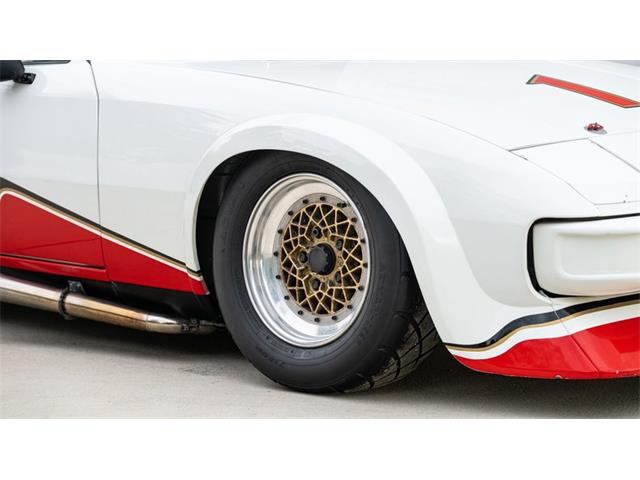
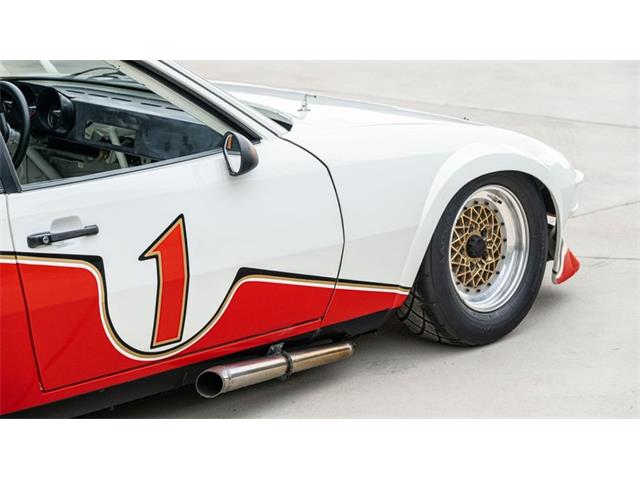
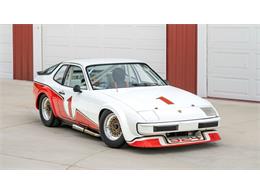
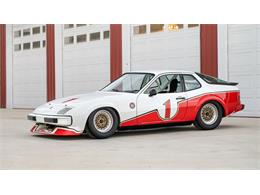
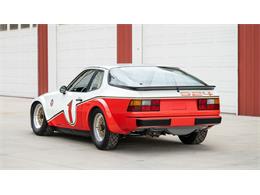
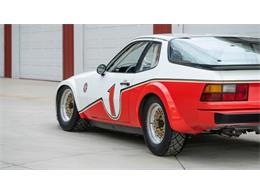
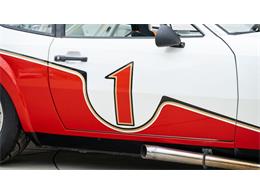
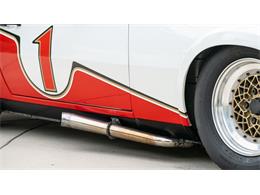
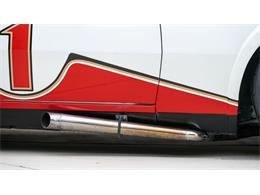
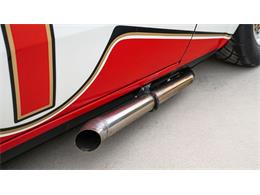
When Porsche introduced the 924 SCCA D-Production racer in the
December 1979 issue of Christophorus, it marked a decisive and
carefully considered expansion of the company's competition
philosophy. Designated Type 933, the new Weissach-engineered car
was conceived specifically for the Sports Car Club of America's
(SCCA) D-Production category, launching the transaxle generation in
the same way the 356 and early 911 had once begun their U.S.
sporting careers. Rather than adapting an existing race car to
local regulations, Porsche chose to engineer a dedicated SCCA
machine from the outset-an approach that underscored the importance
the company placed on the program.
The first examples were delivered to Porsche-Audi's competition
department in New Jersey, where they served as pilot cars to
establish specifications and methodology ahead of wider
availability for the 1980 season. As expected, its debut at Road
Atlanta in October 1979 demonstrated that Porsche had taken
D-Production racing seriously.
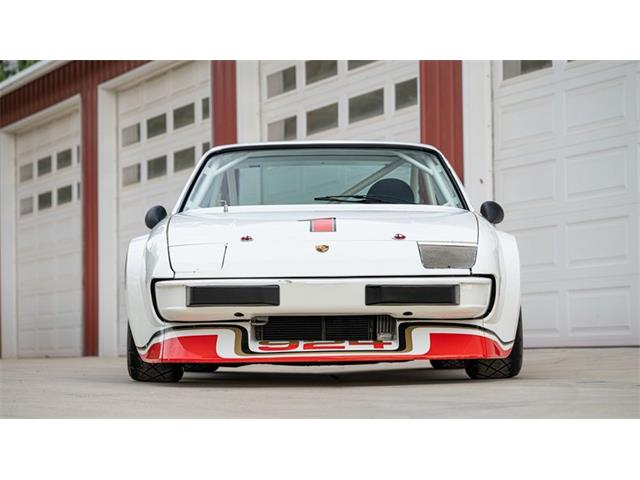
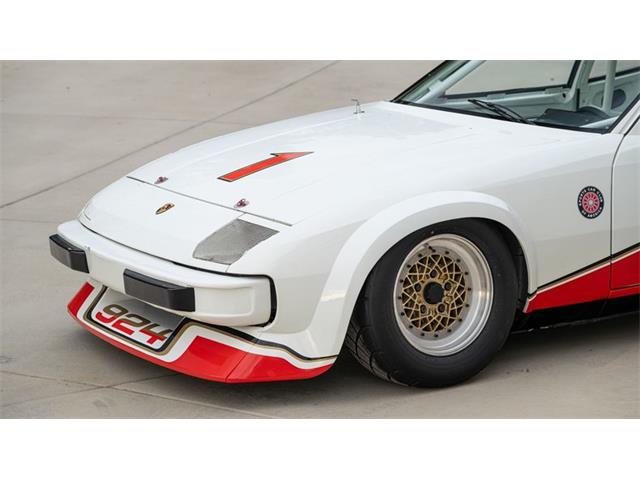
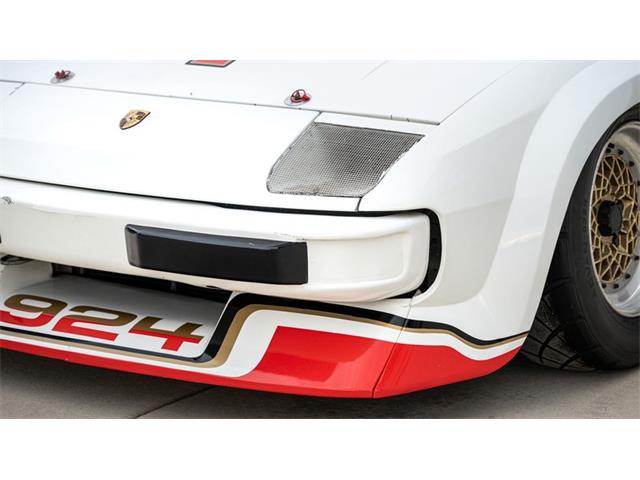
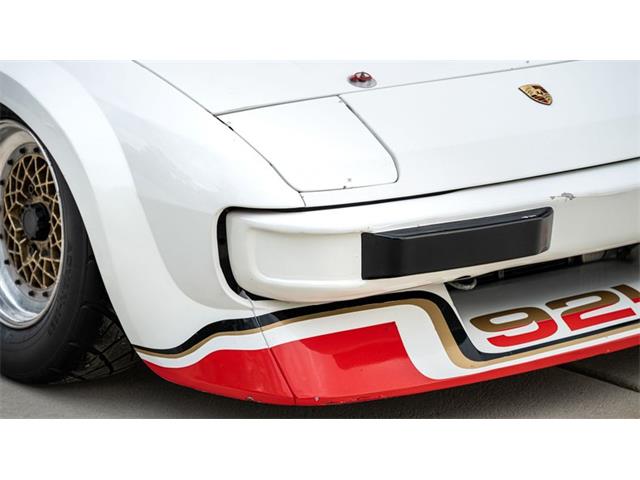
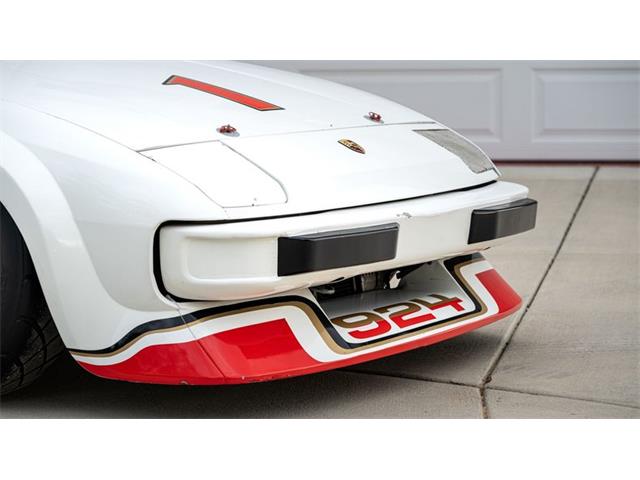
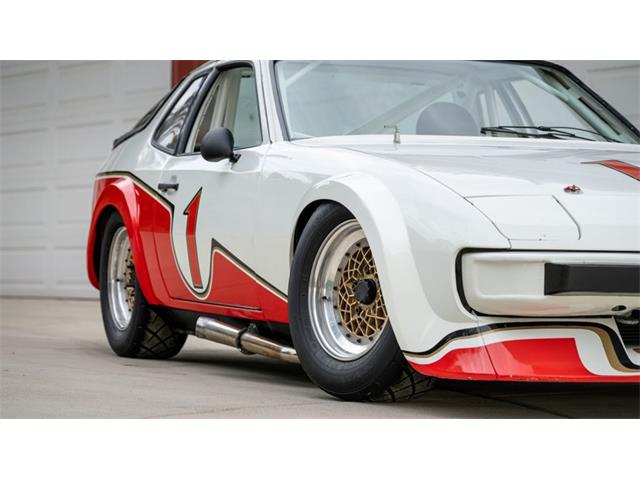
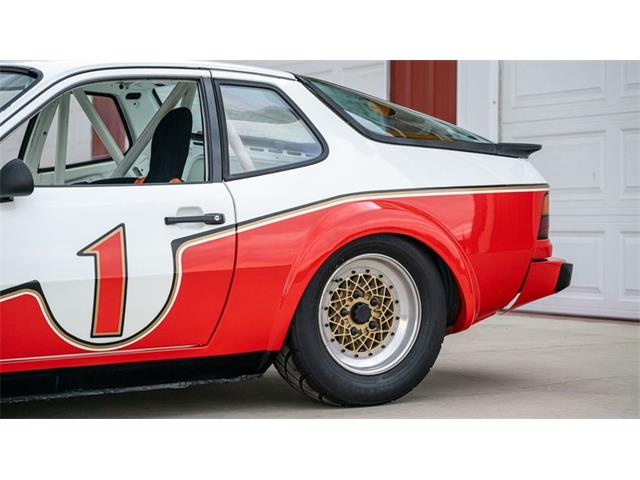
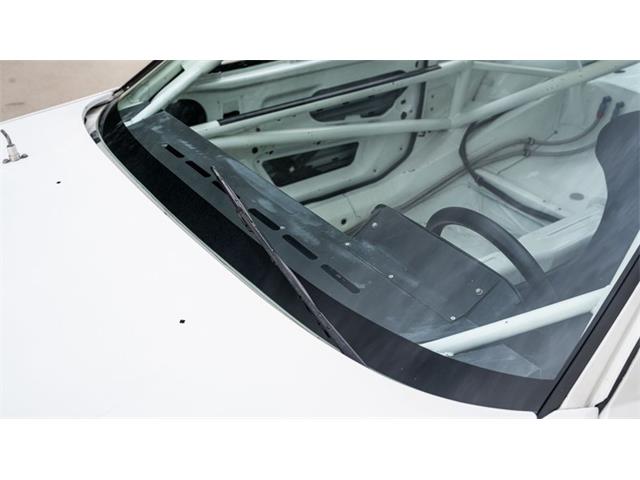
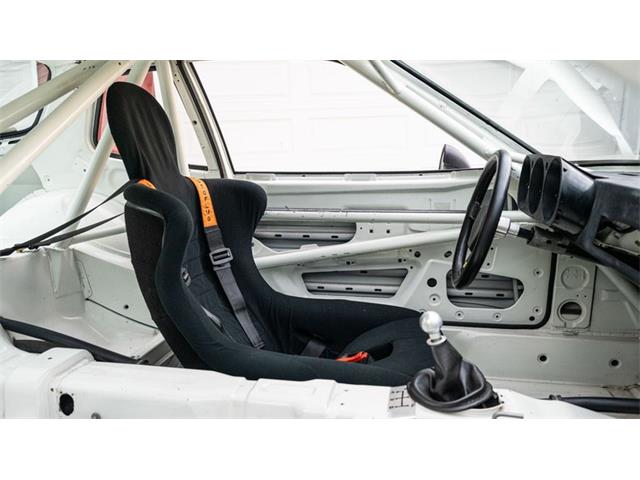
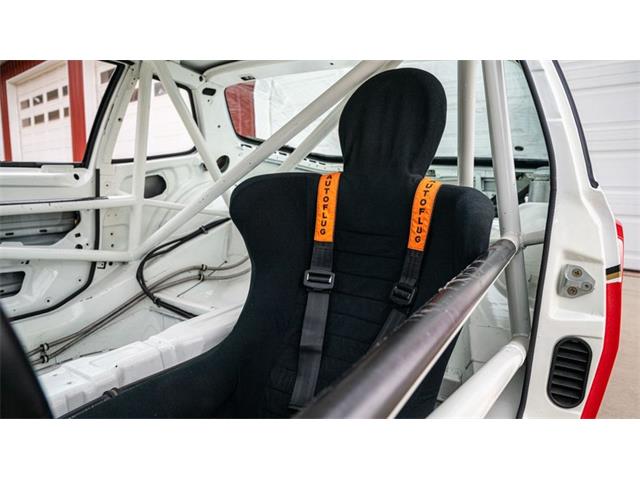
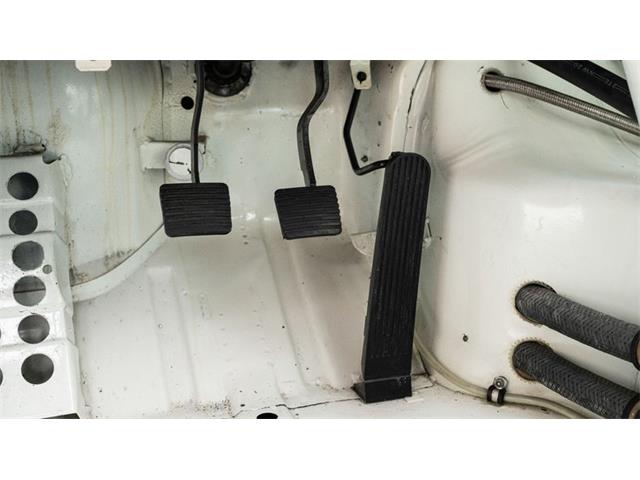
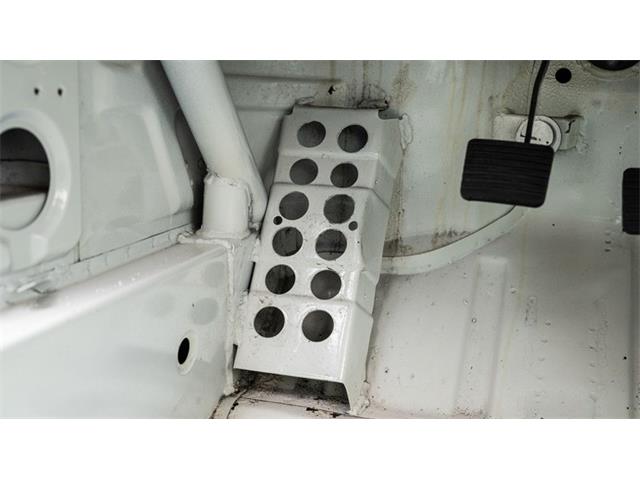
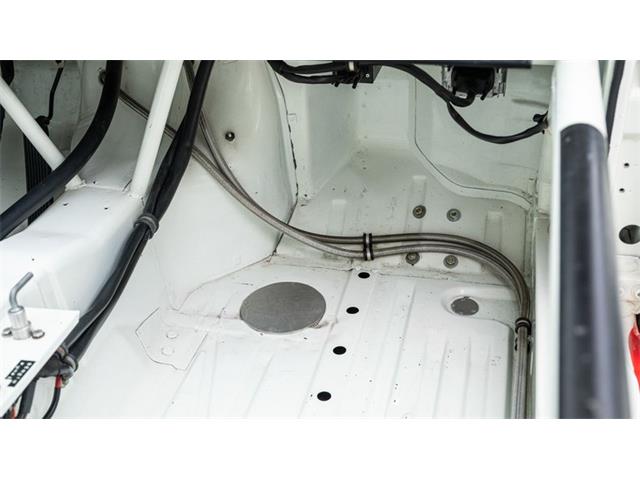
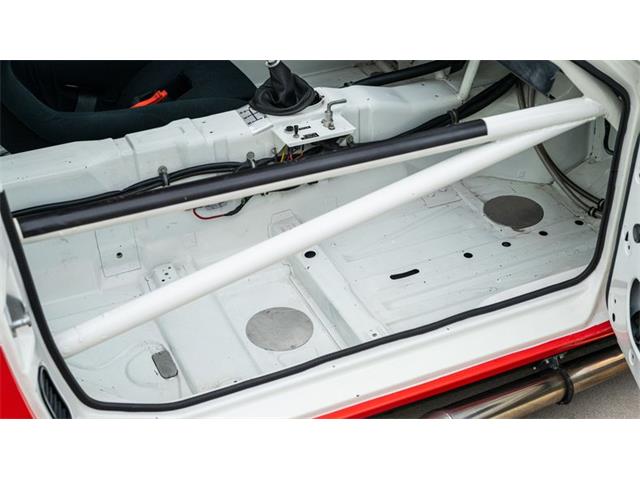
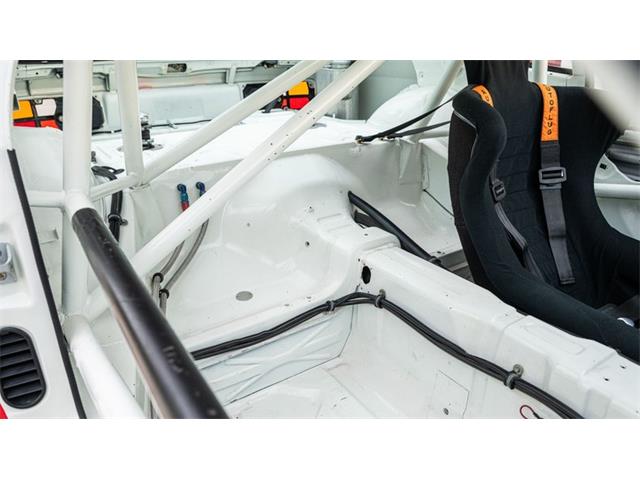
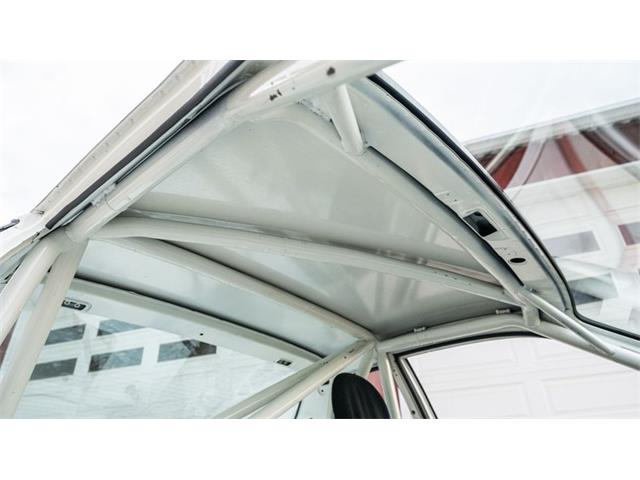
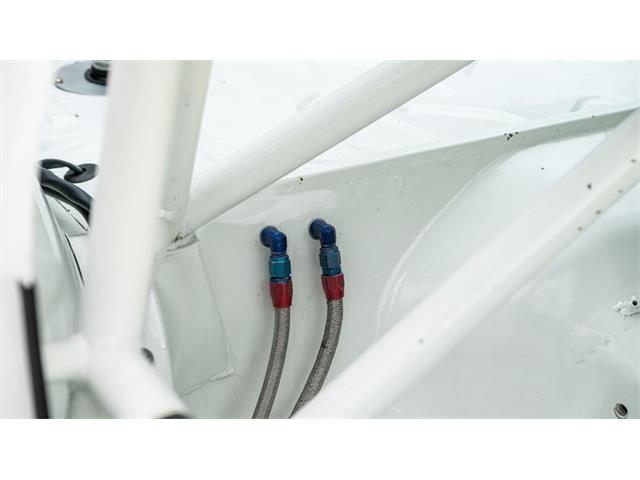
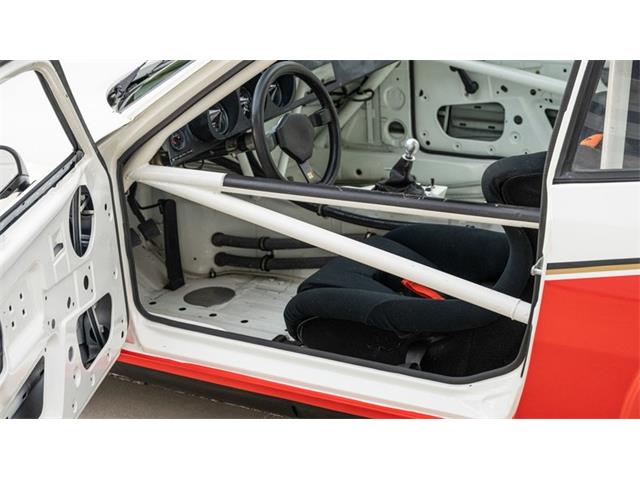
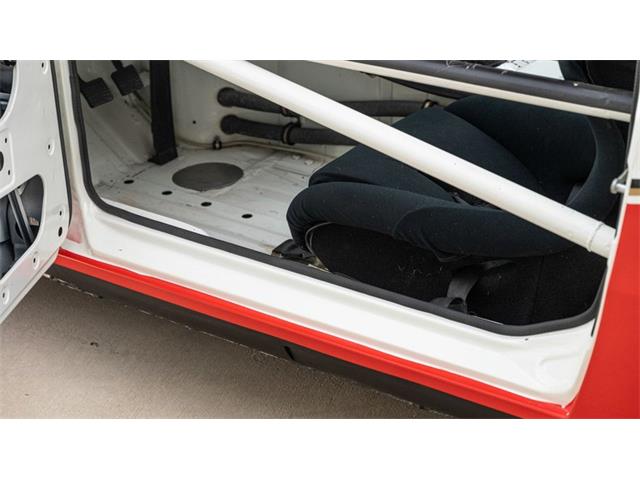
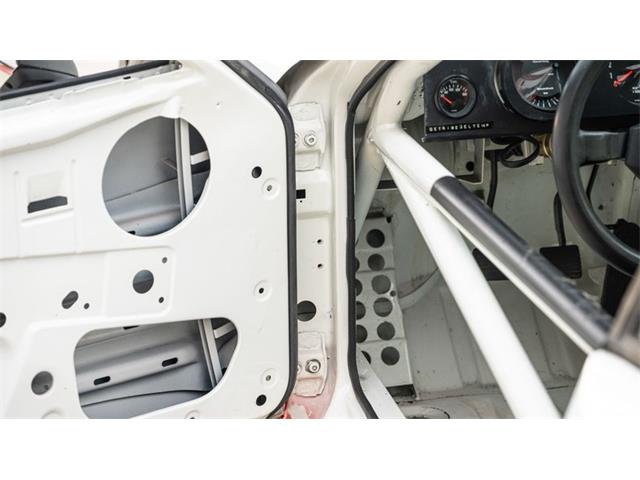
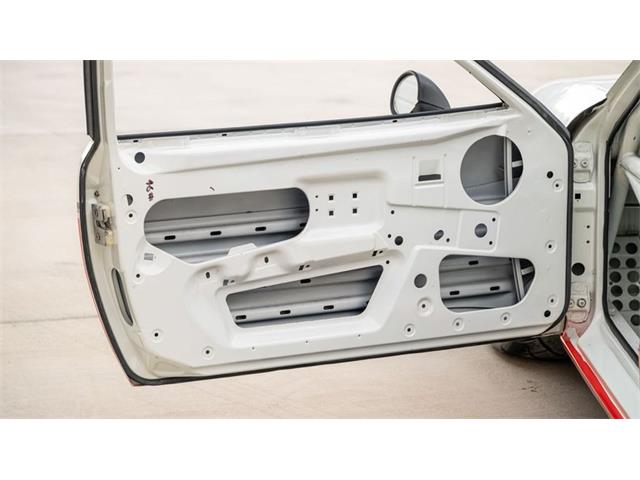
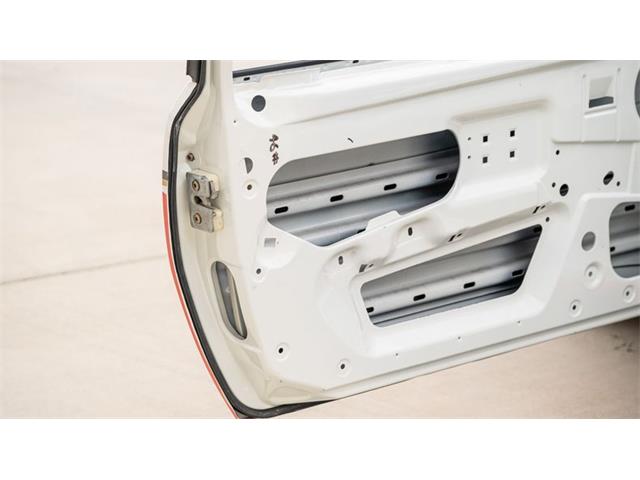
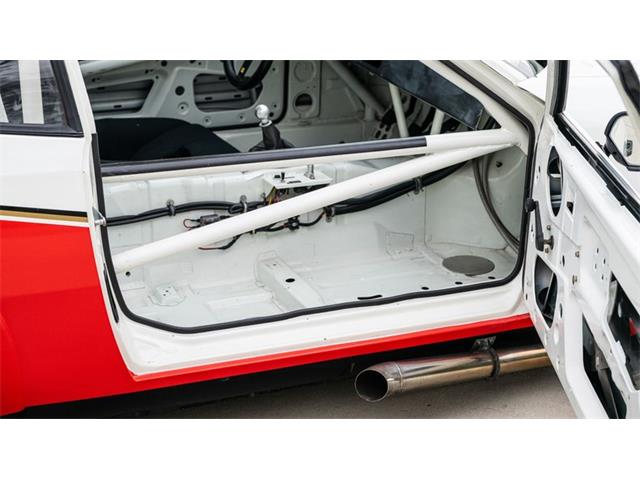
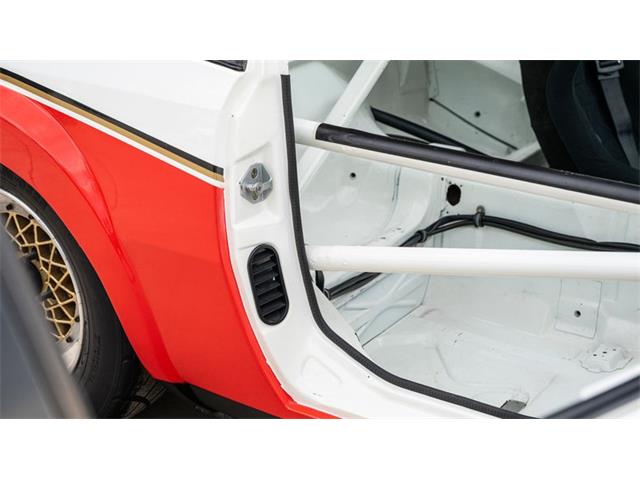
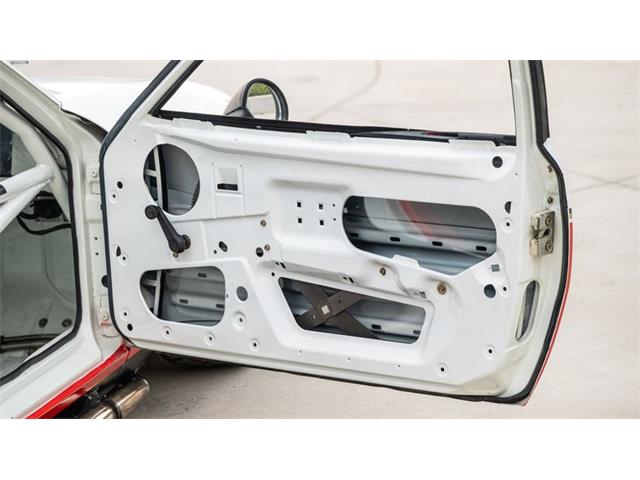
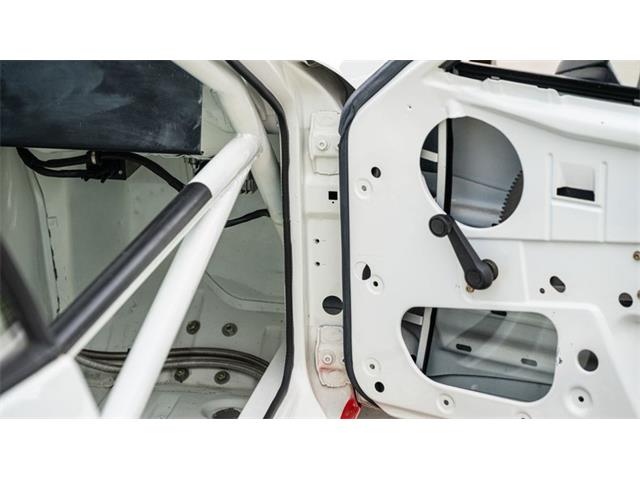
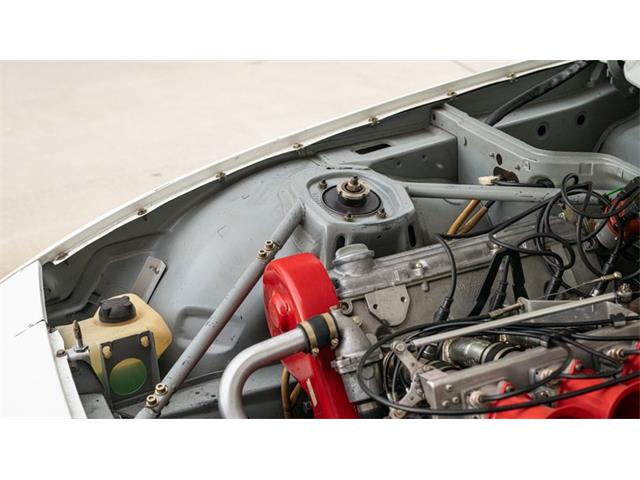
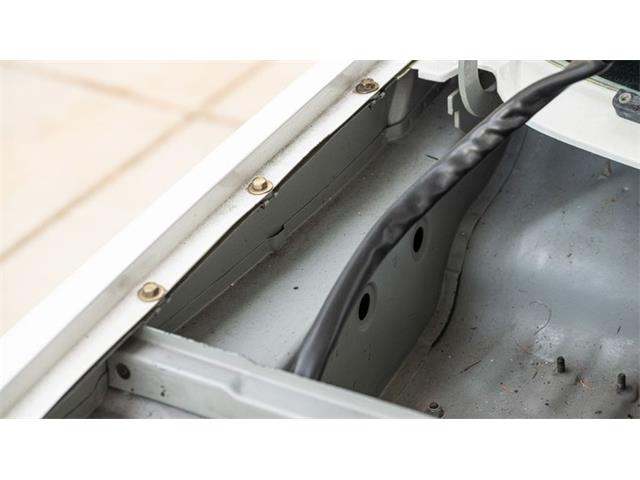
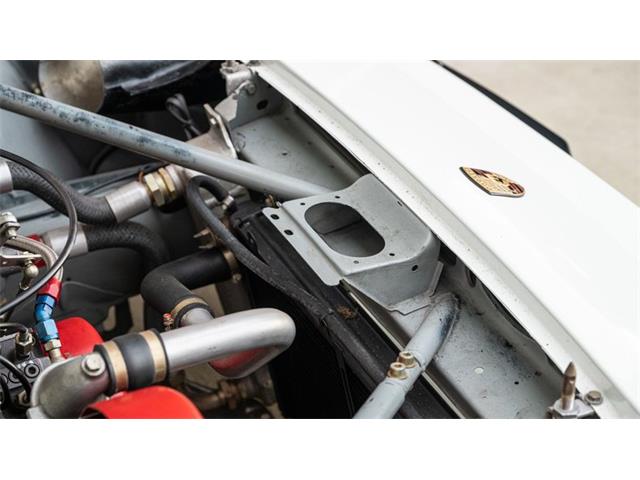
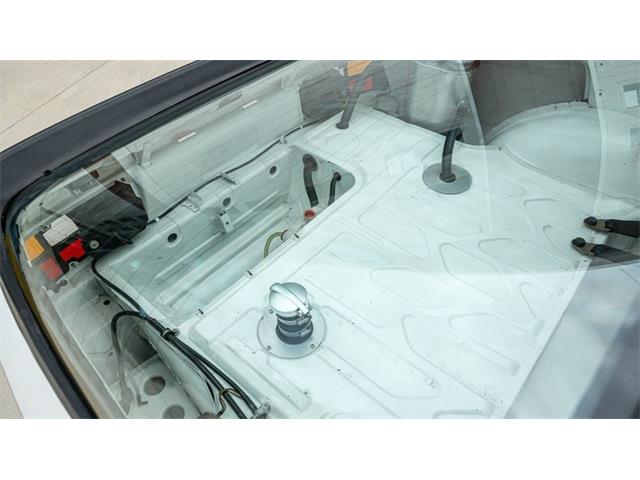
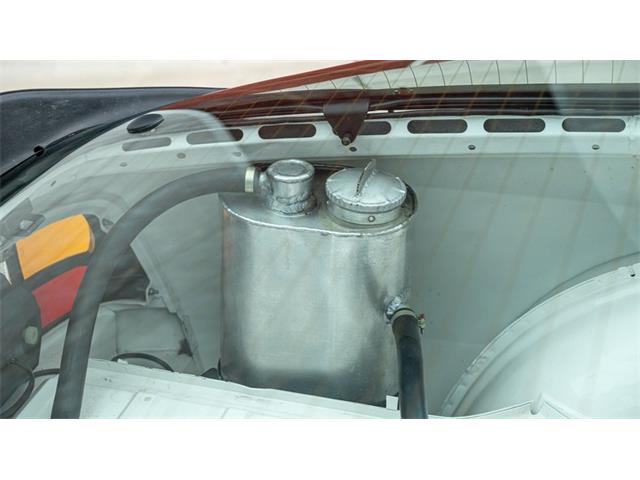
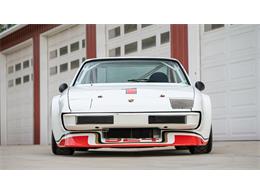
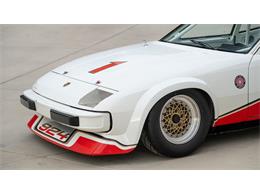
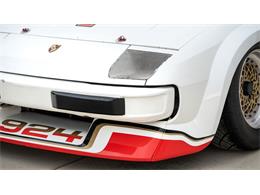
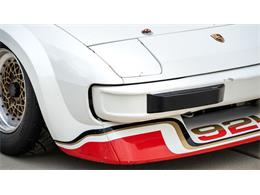
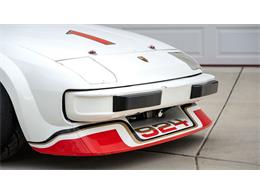
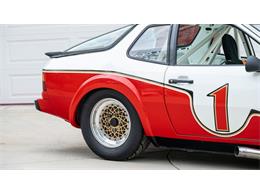
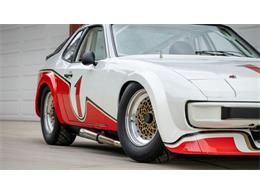
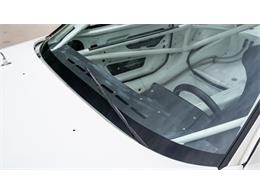
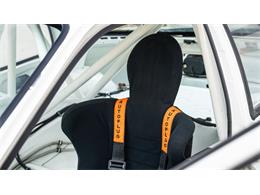
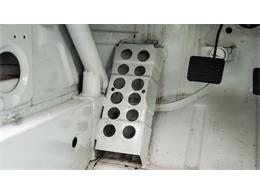
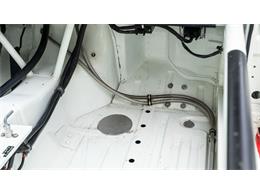
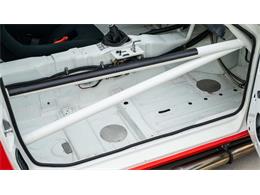
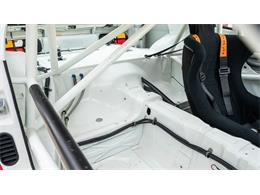
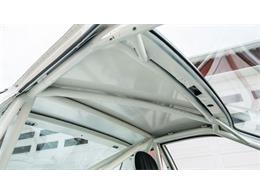
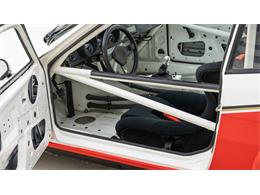
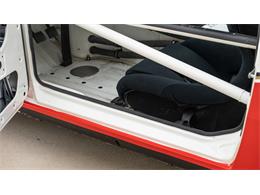
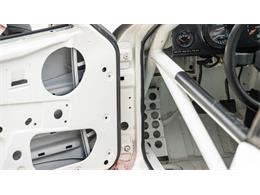
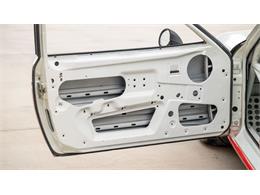
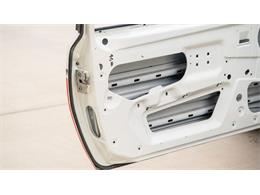
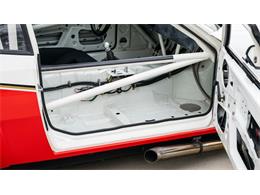
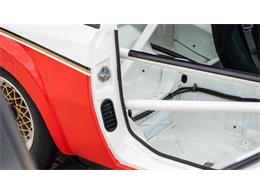
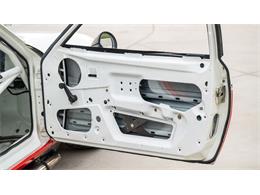
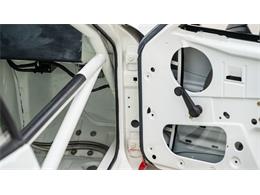
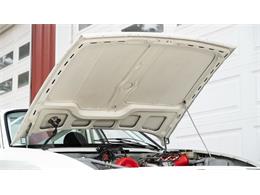
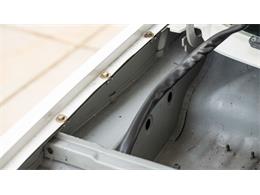
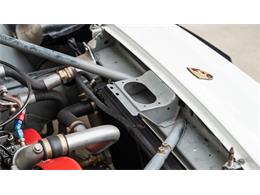
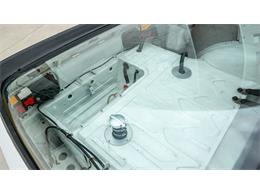
The body shell was comprehensively stripped and reinforced, leaving
only essential sheet metal within. A welded roll cage provided both
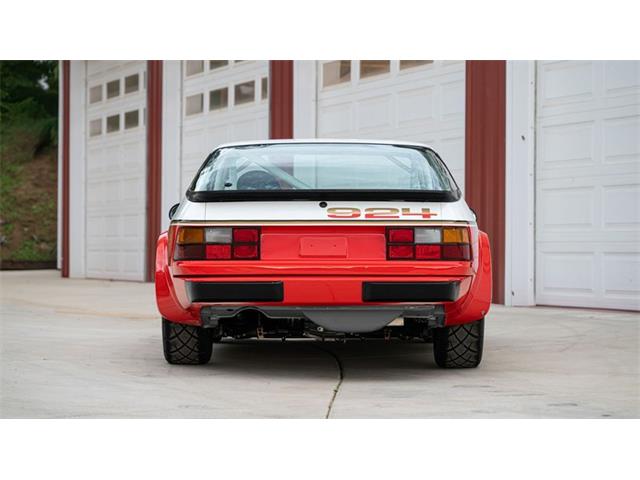
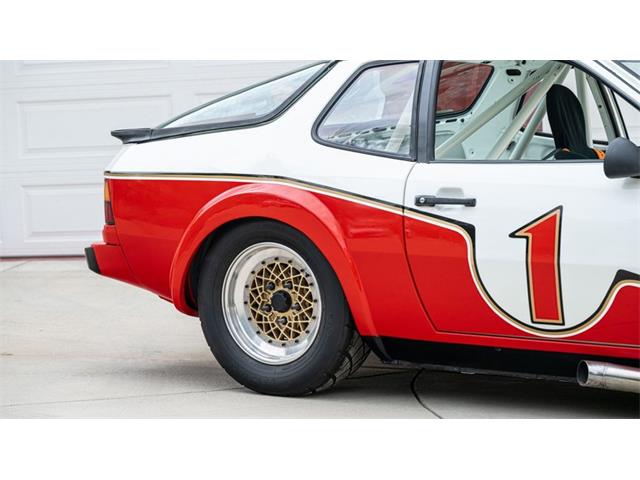
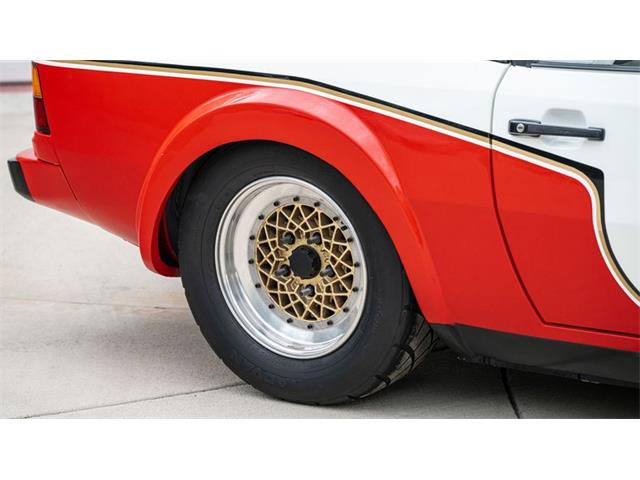
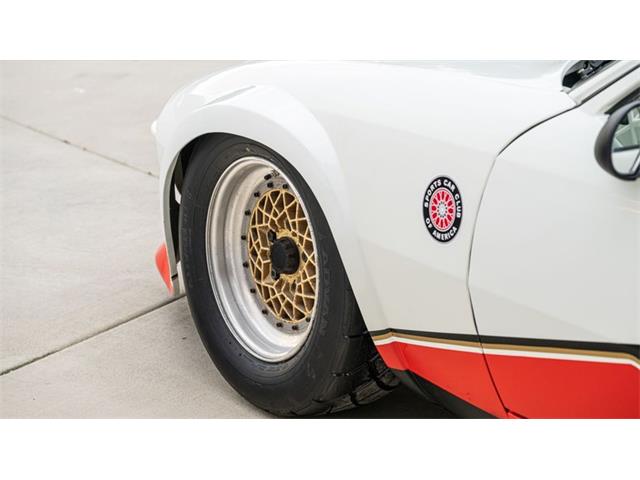
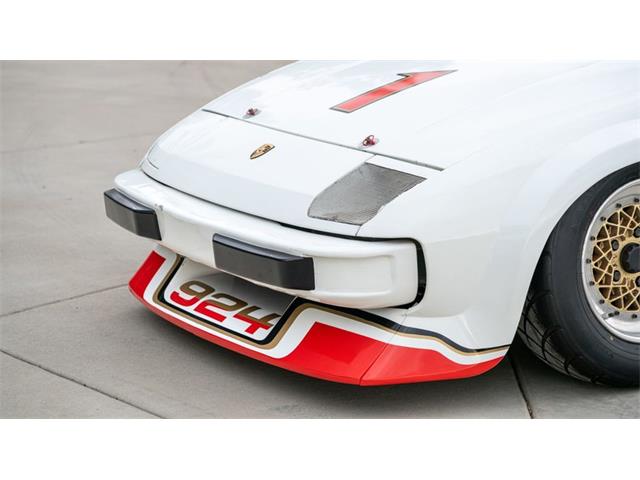
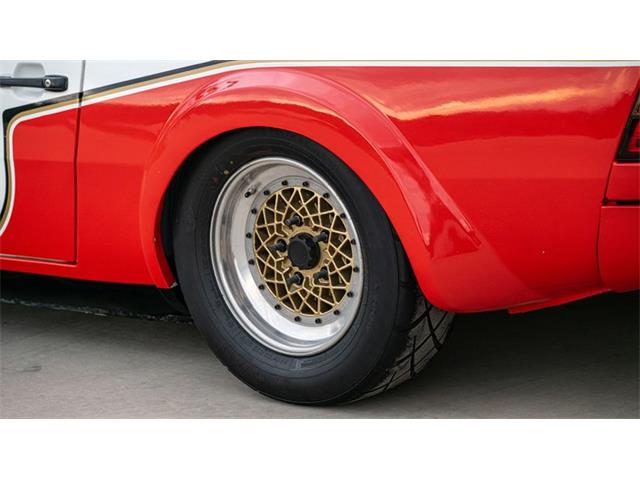
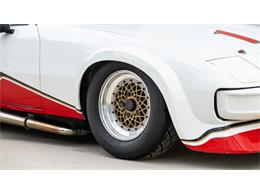
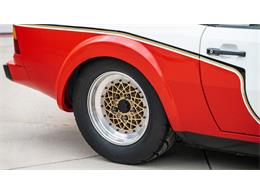
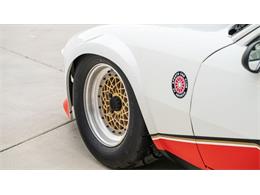
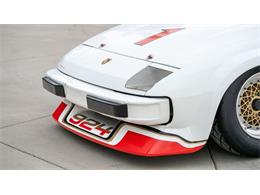
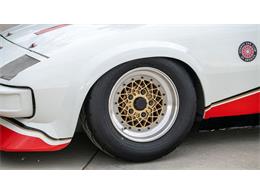
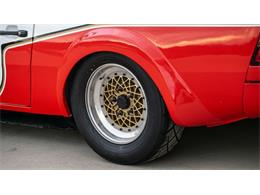
safety and substantial torsional stiffness, while fiberglass fender
extensions and a deep molded front spoiler addressed aerodynamic
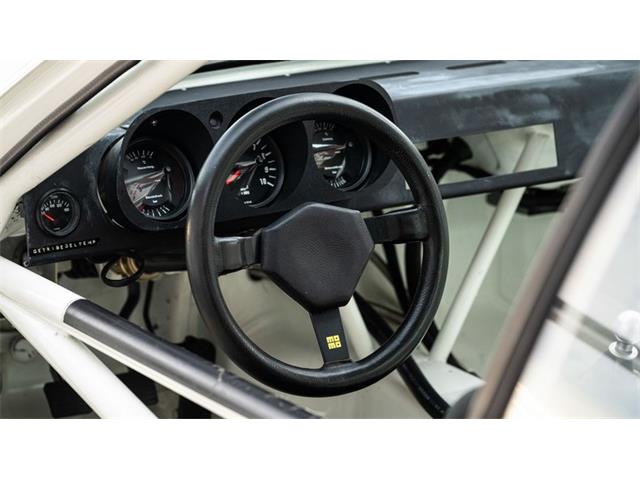
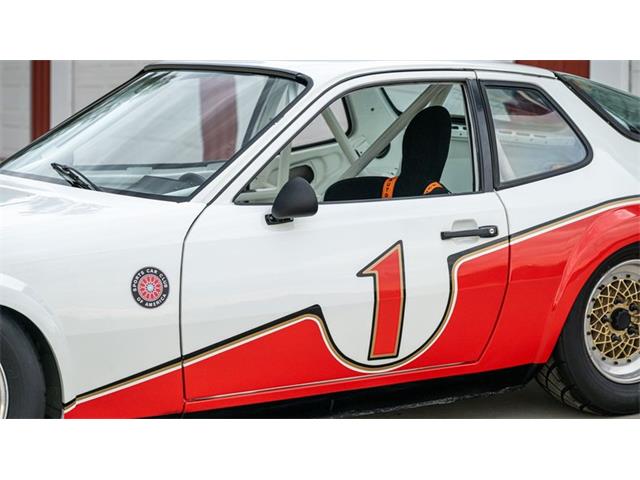
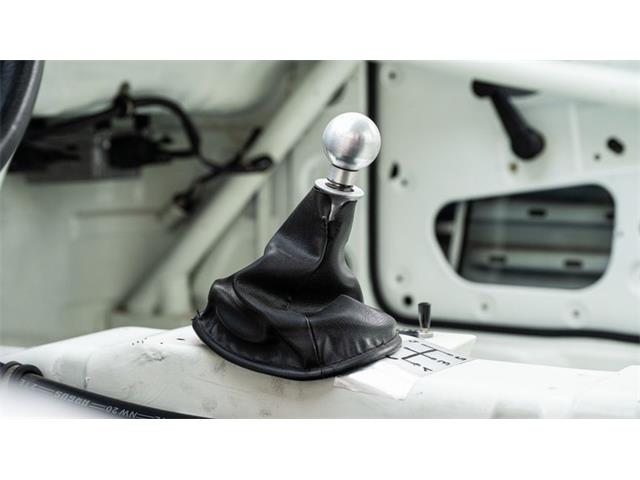
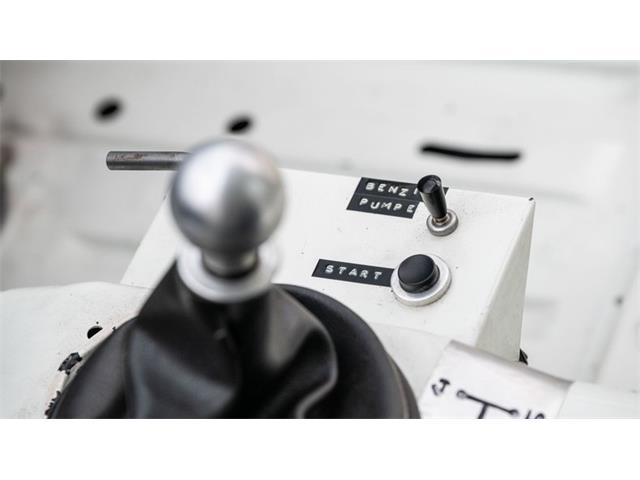
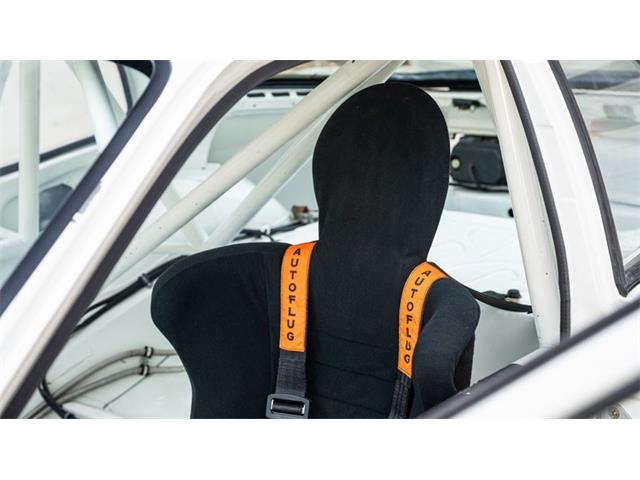
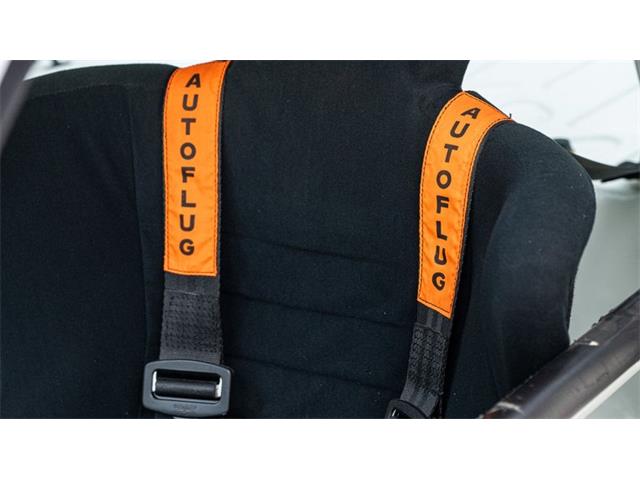
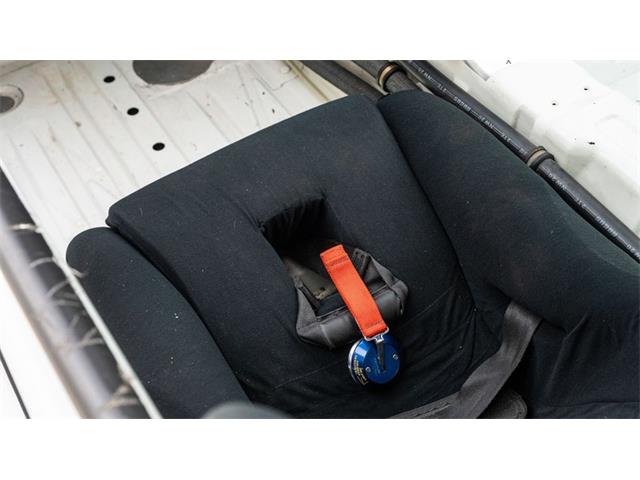
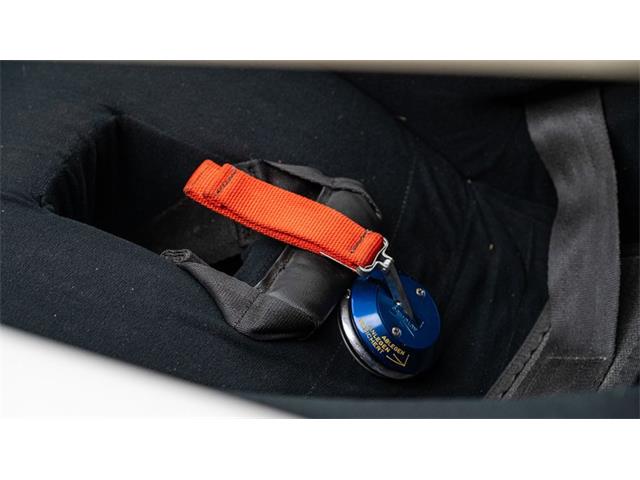
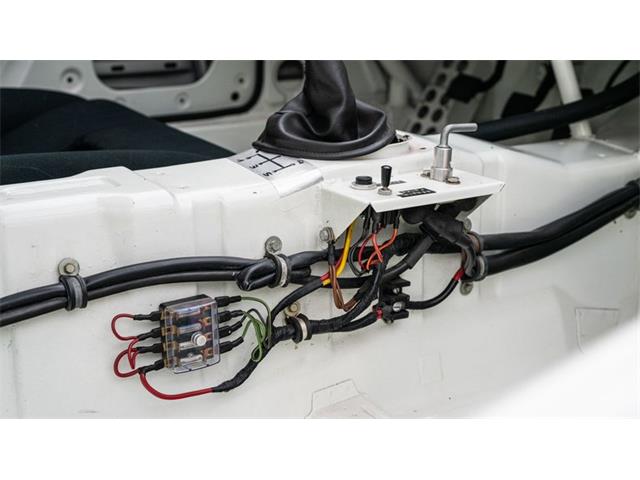
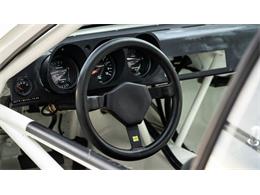
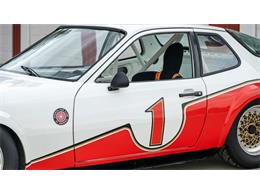
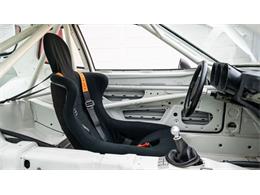
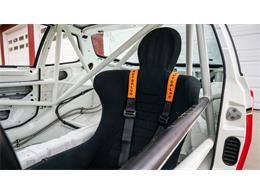
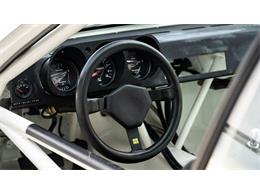
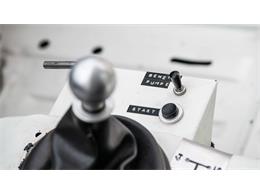
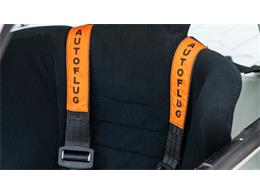
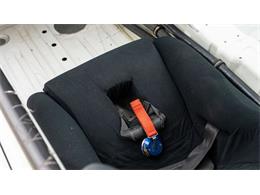
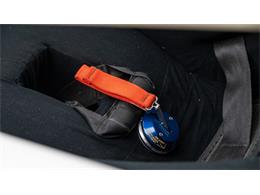
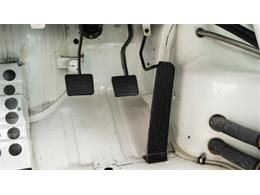
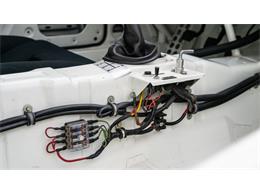
and track-width requirements. The stripped interior was
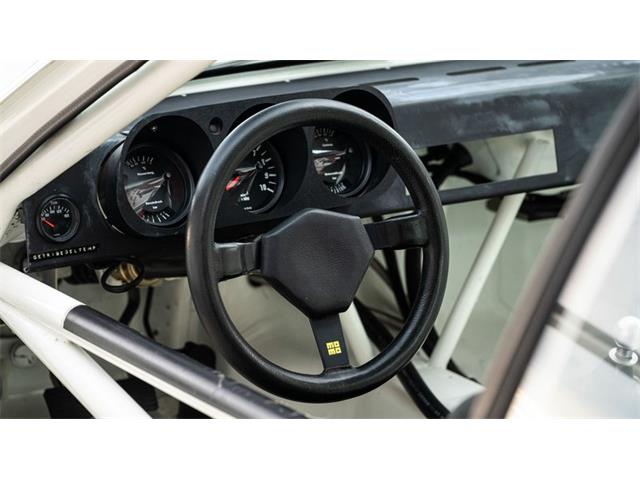
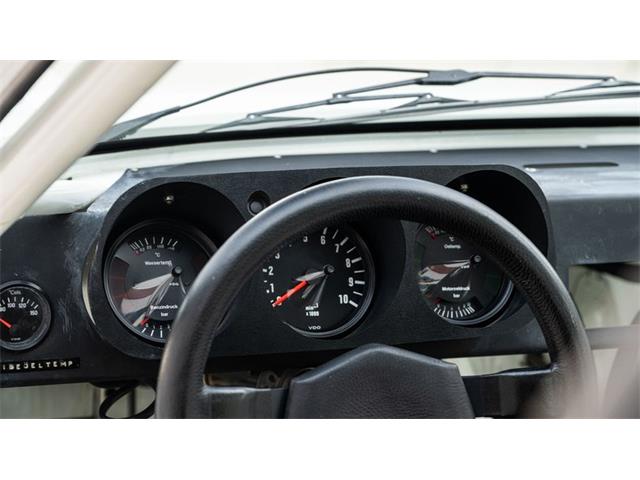
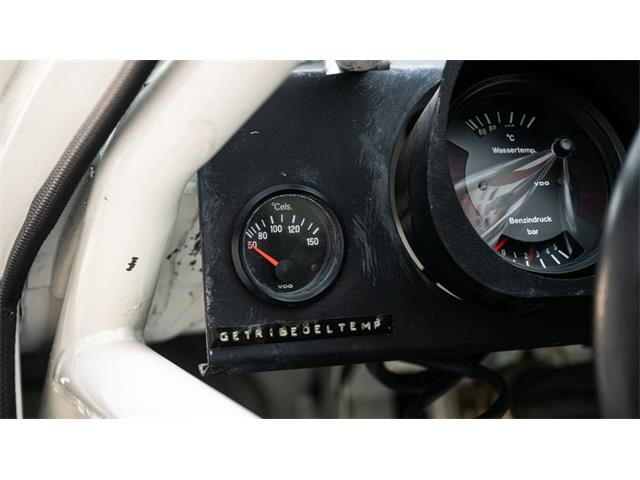
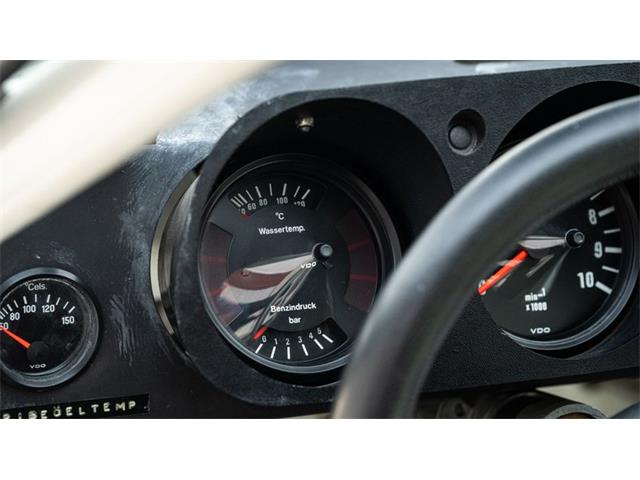
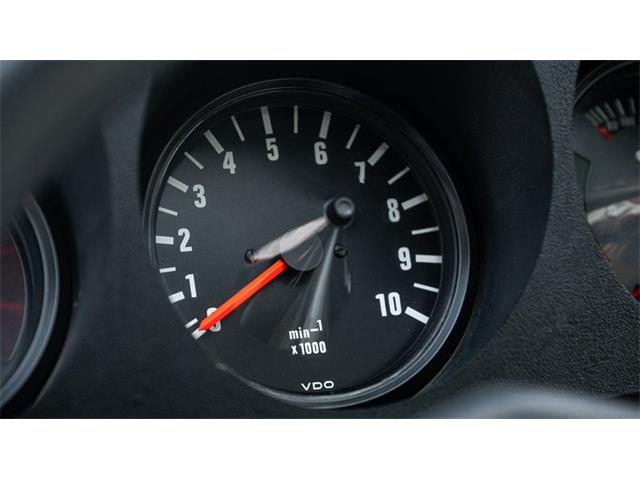
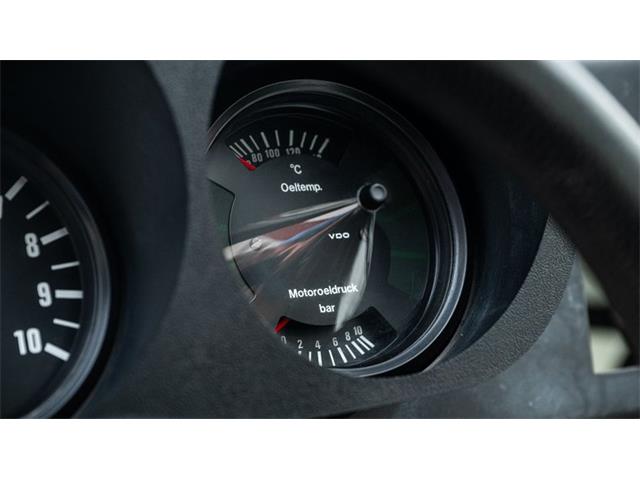
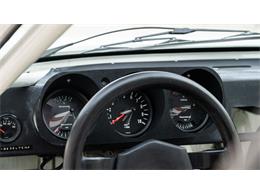
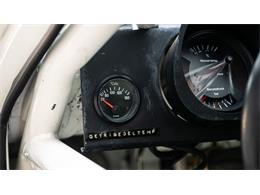
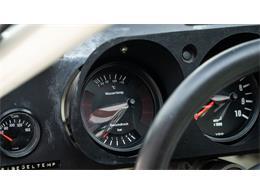
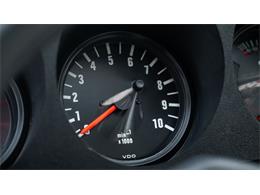
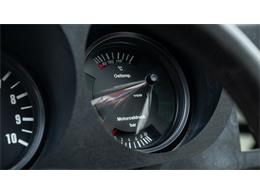
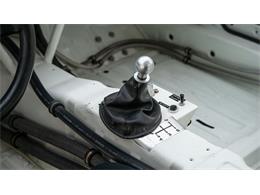
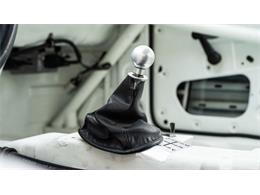
purpose-built and uncompromising, featuring a proven Porsche 935
"lollipop" seat, simplified instrumentation, lightweight controls,
and a central electrical cut-off.
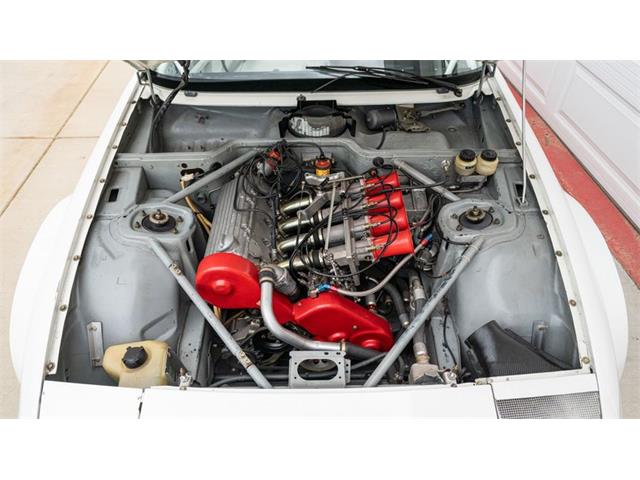
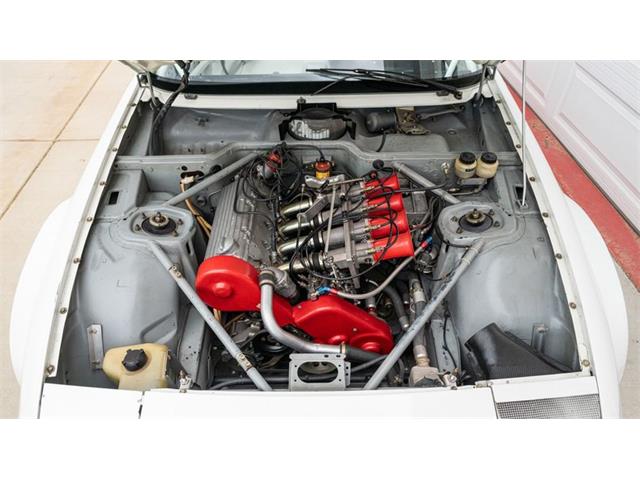
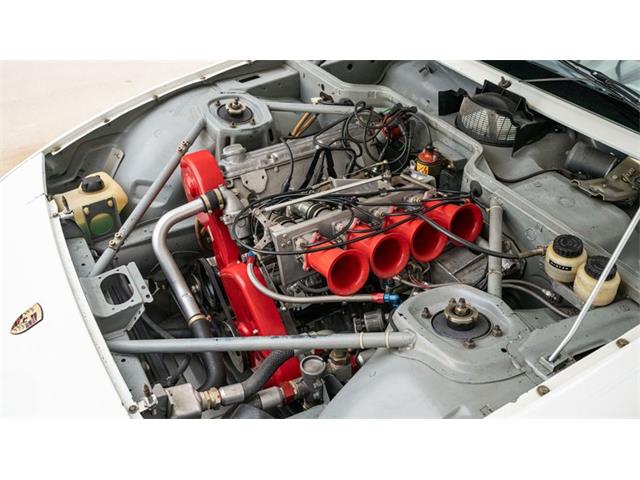
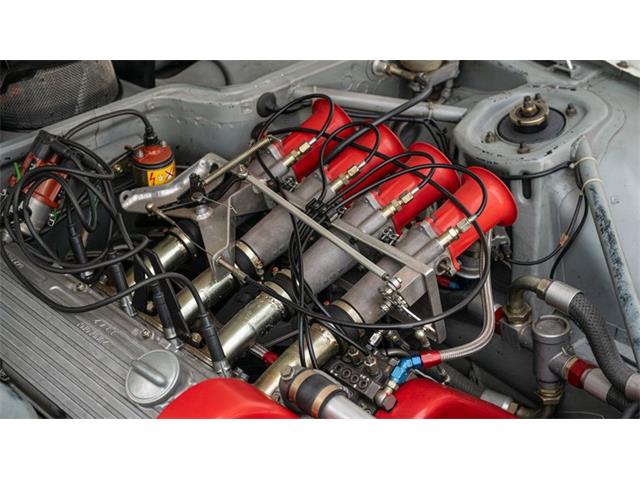
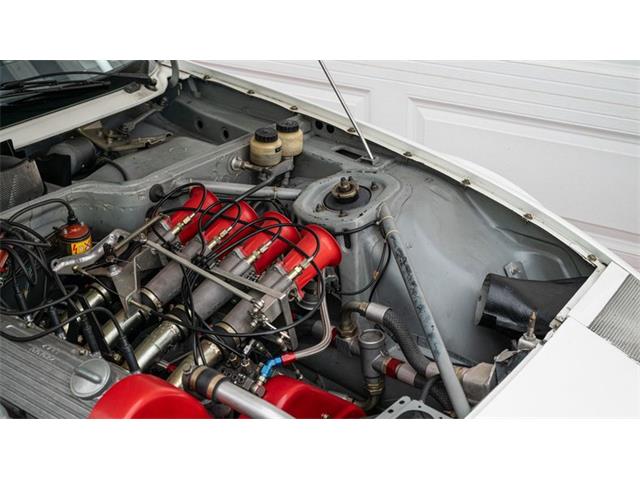
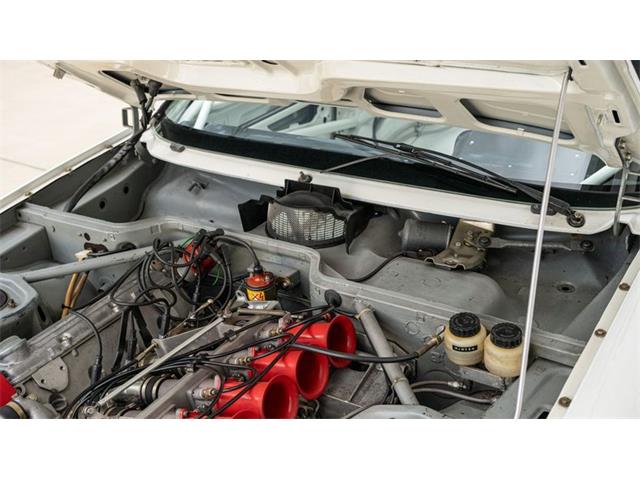
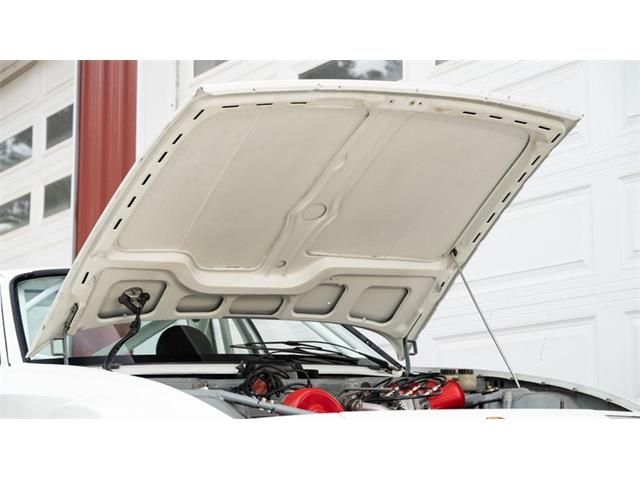
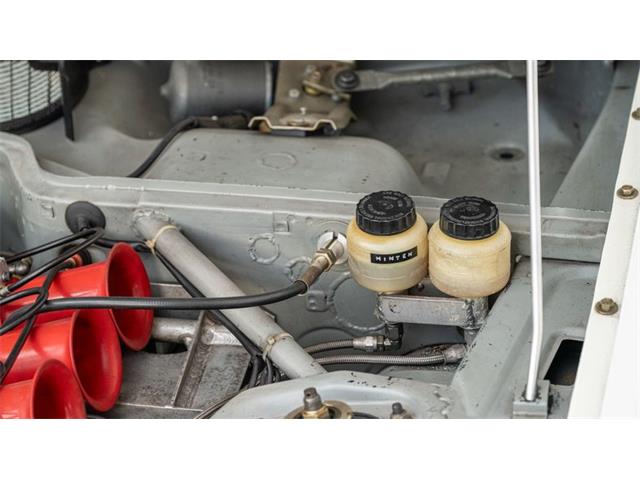
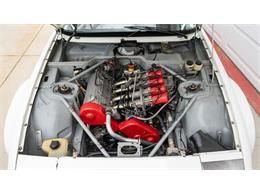
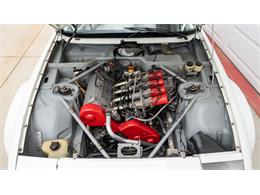
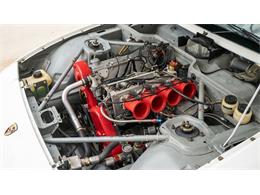
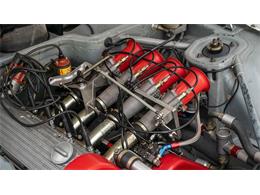
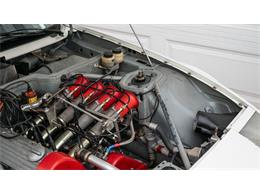
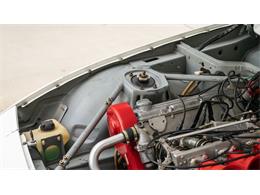
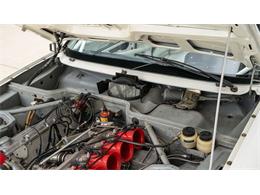
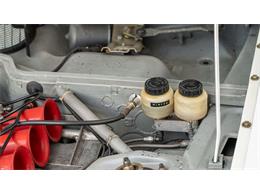
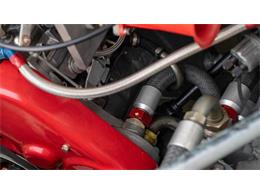
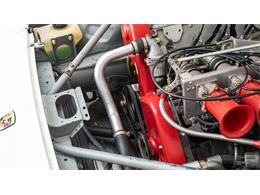
Beneath the skin, the engineering depth of the Type 933 becomes
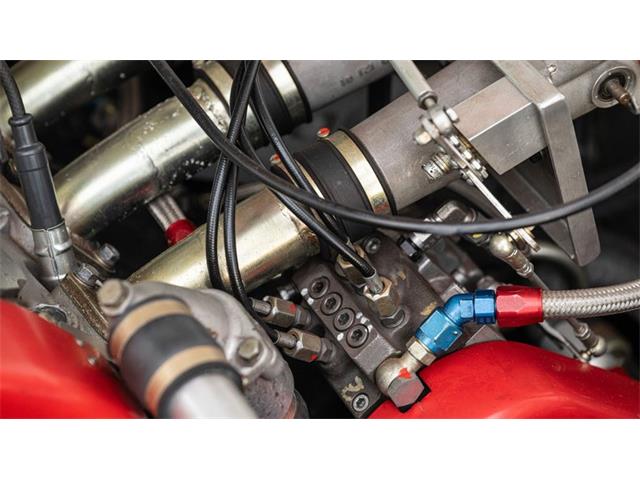
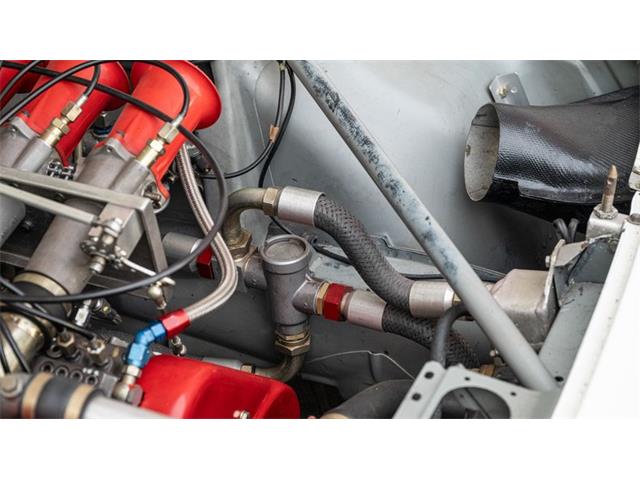
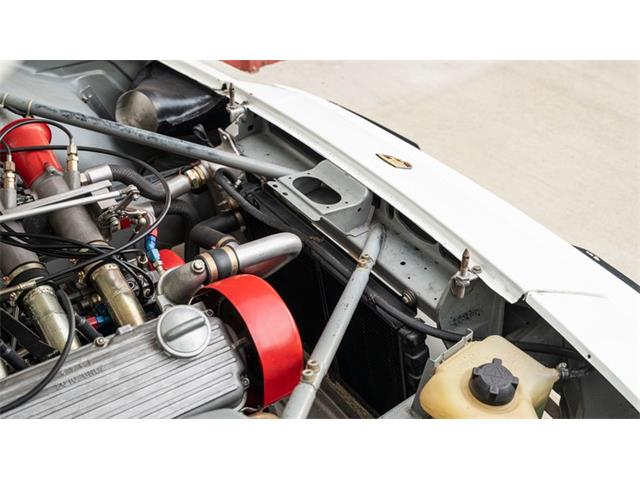
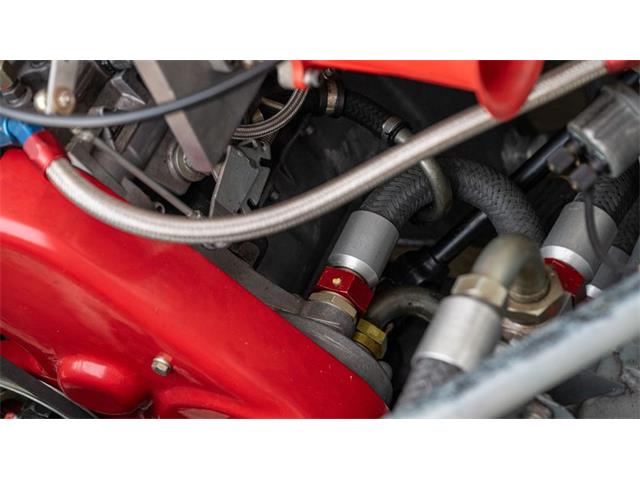
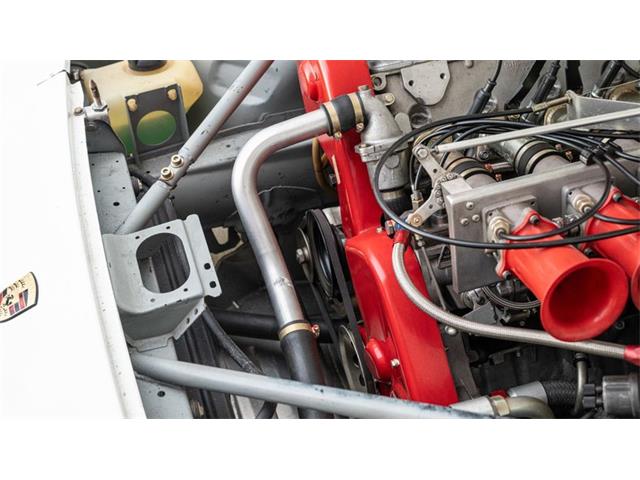
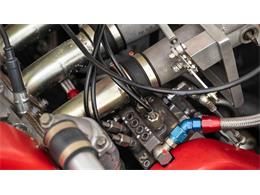
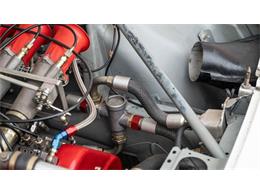
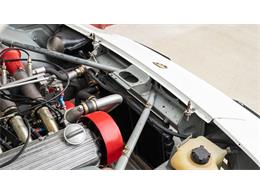
even more apparent. The 2.0-liter inline-four was enlarged to 2,039
cc and fitted with mechanical Bosch/Kugelfischer fuel injection,
allowing significantly increased airflow and higher engine speeds.
Compression was raised to 11.5:1, producing a homologated output of
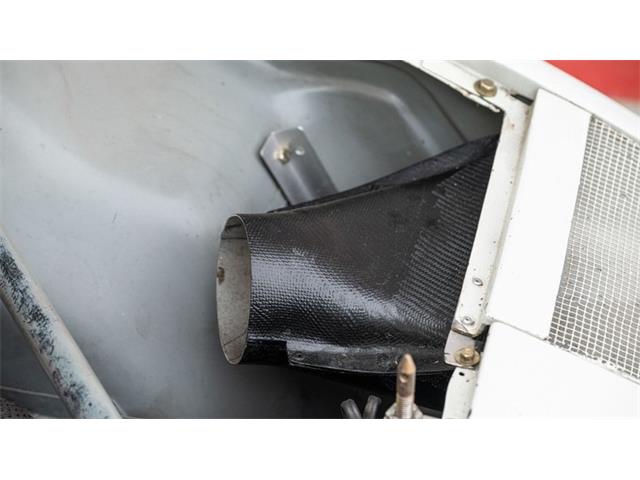
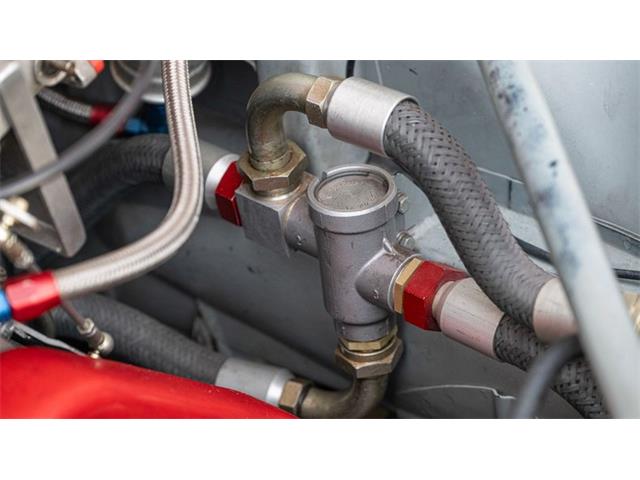
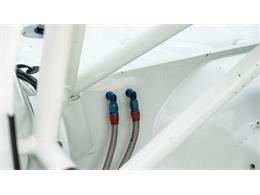
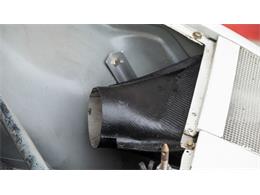
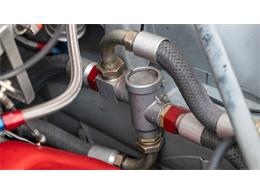
180 horsepower at raucous 7,000 rpm. Cooling was addressed with an
upgraded radiator and auxiliary oil cooling, while the drivetrain
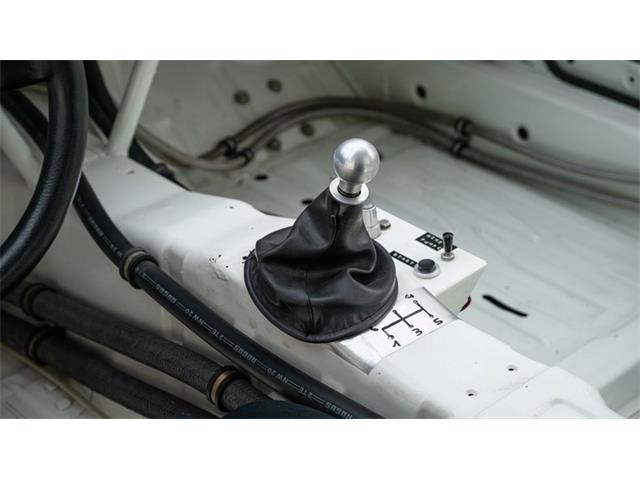
incorporated Porsche's five-speed transaxle with interchangeable
ratios and an 80-percent locking limited-slip differential.
Suspension geometry, wheel bearings, and rear springs were
strengthened specifically for circuit racing, and braking was
handled by Turbo-derived dual-circuit discs.
With its factory-backing and rigorous development, the 924 SCCA
proved its competitiveness almost immediately, achieving national
success and firmly establishing the Type 933 as a serious Porsche
competition platform within D-Production by the 1980 season. In
fact, there were nearly a dozen Type 933s racing in the United
States that year, yet 924 SCCA D-Production chassis number 90015
did not enter the cut-and-thrust of SCCA competition. Instead, the
car remained unassembled changing hands among a short list of
U.S.-based owners before eventually landing at
Freisinger-Motorsport of Karlsruhe, Germany, world famous for their
race team, exacting restorations, and incredible supply of road and
racing Porsche parts.
Interestingly, given the style of construction allowing those
American-dealer teams to complete the cars to their specification,
the car remained in "new-in-the-box" condition as it would have
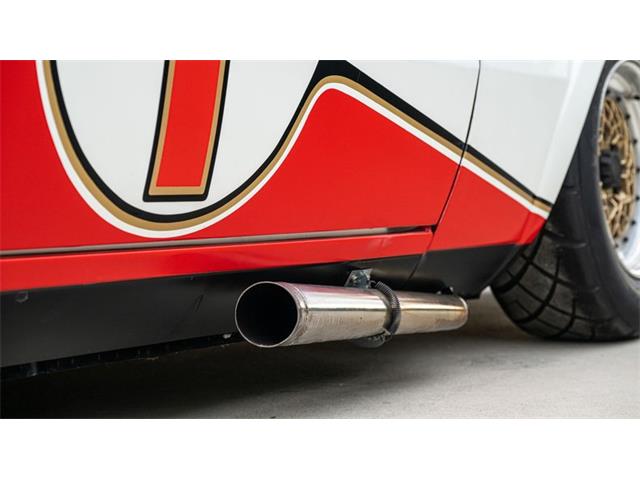
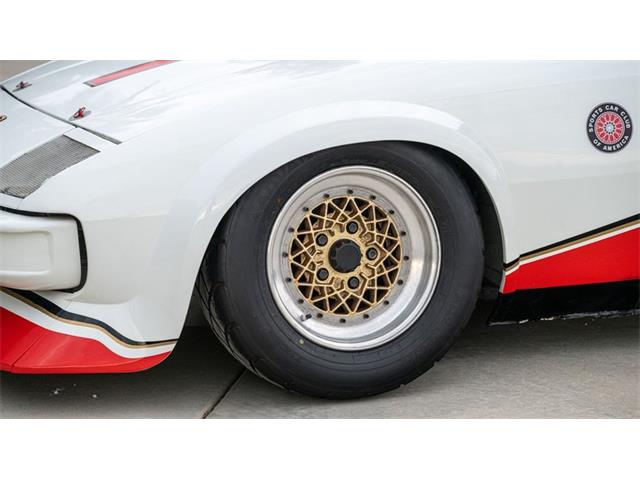
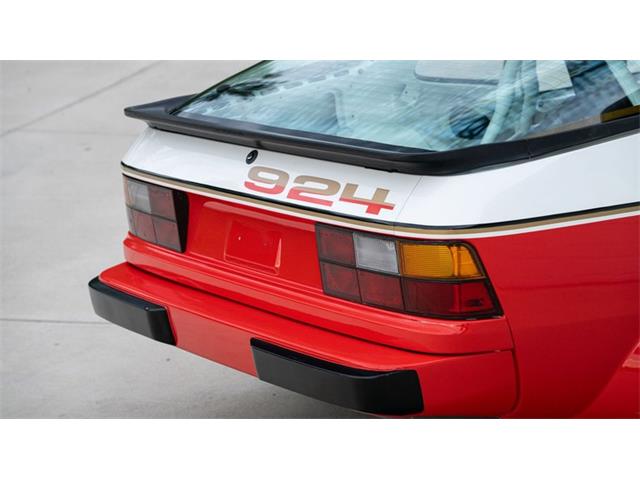
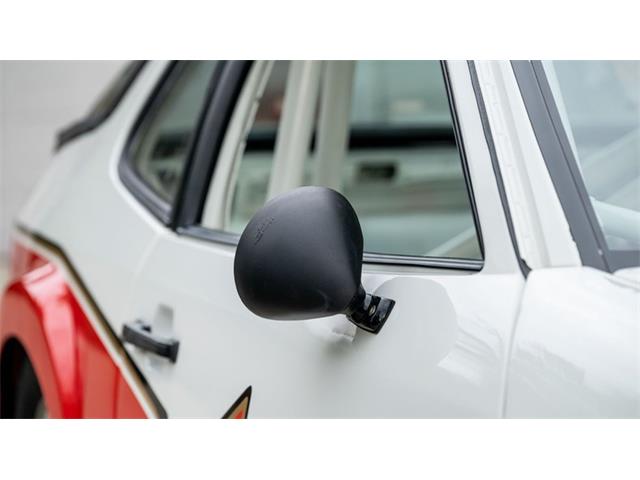
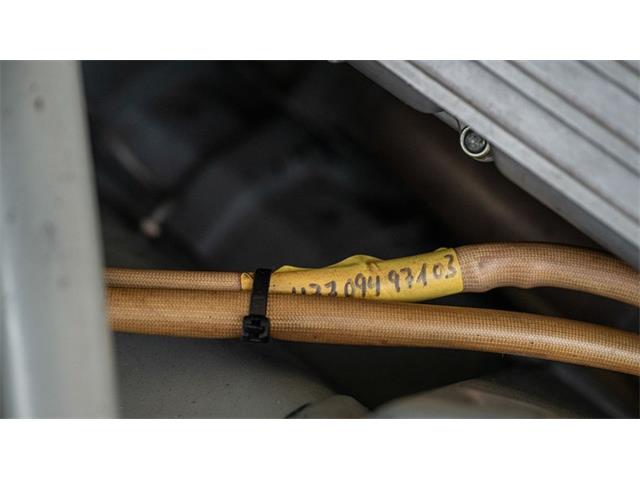
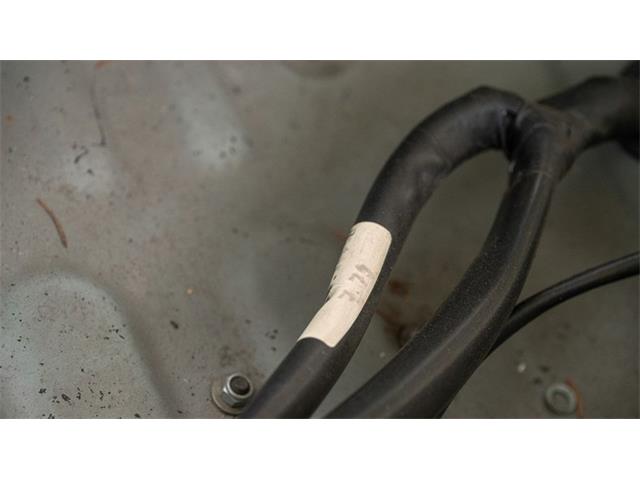
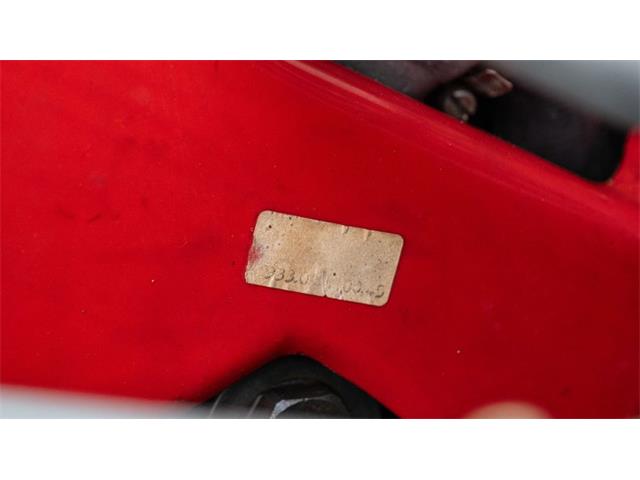
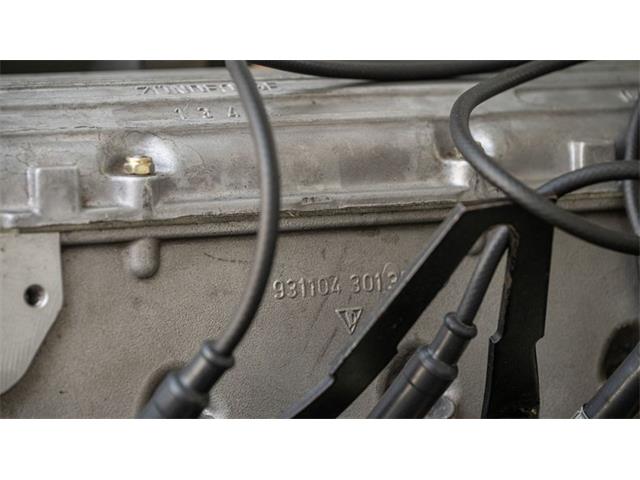
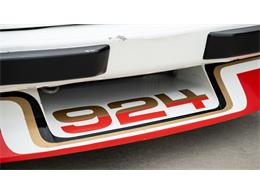
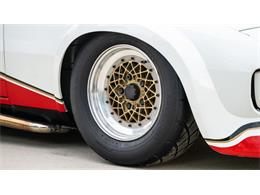
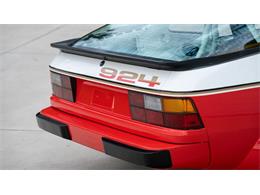
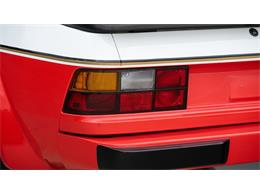
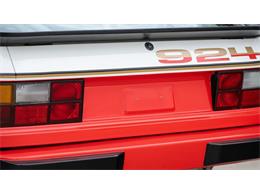
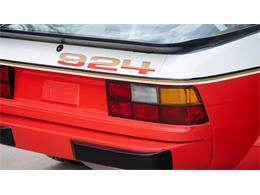
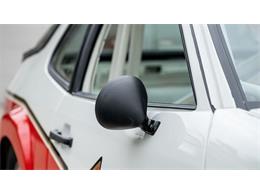
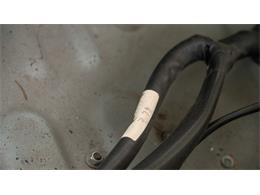
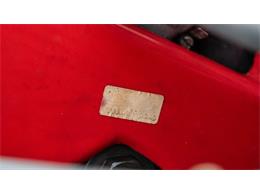
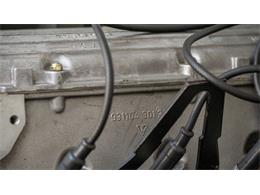
been delivered to the United States in early 1980. Numerous images
from the completion that began in 2013 reveal all of the special
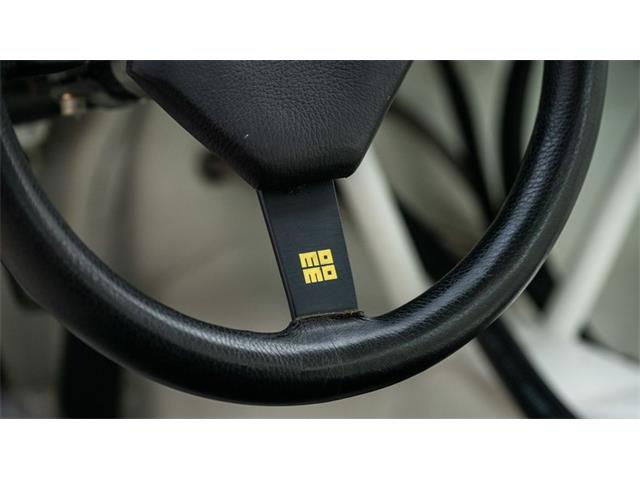
chassis features and race specification parts like its lollipop
seat, BBS wheels, Momo steering wheel, and Kugelfischer injection
are present. As expected, the experts at Freisinger left no stone
unturned with chassis 90015 given their in-house engine and
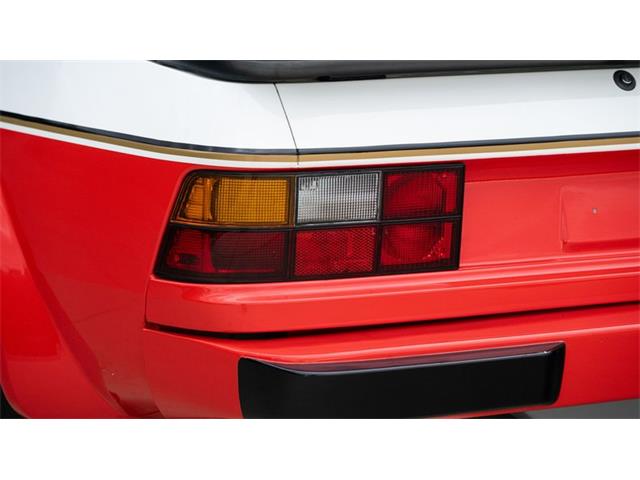
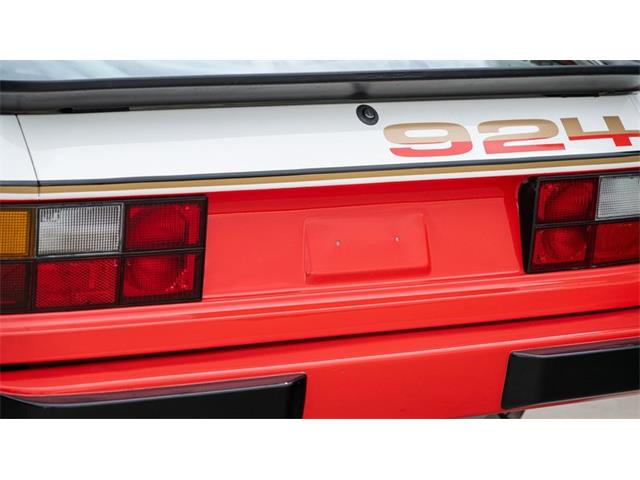
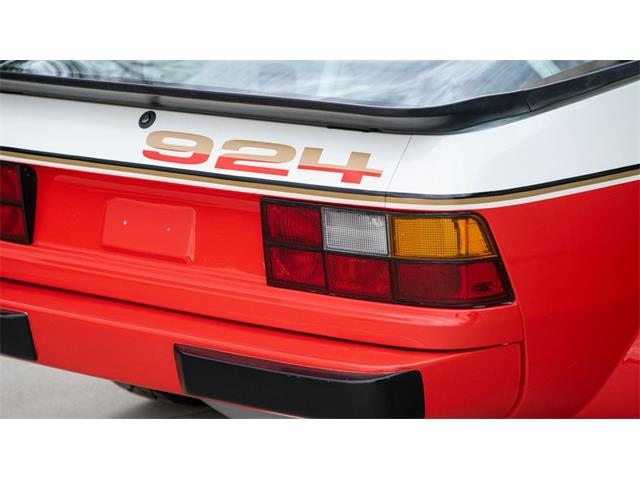
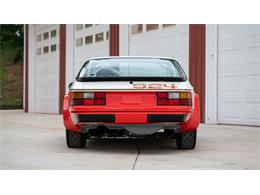
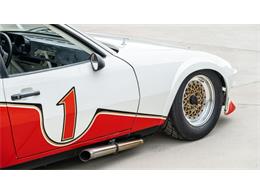
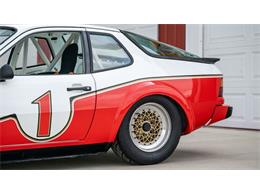
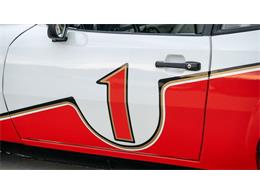
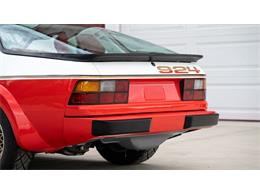
transmission builders, chassis technicians, and paint shop. Most
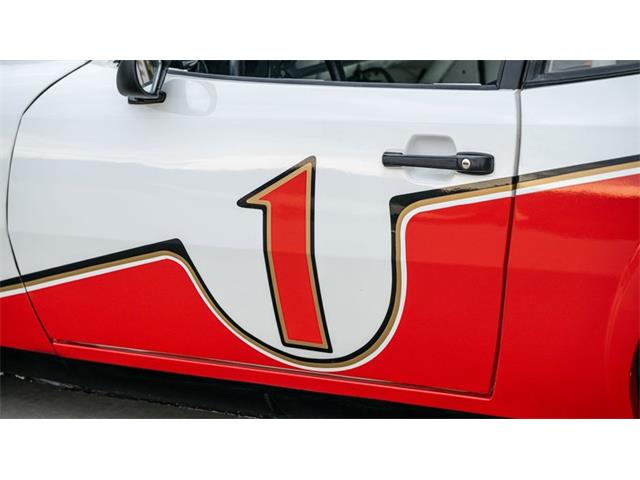
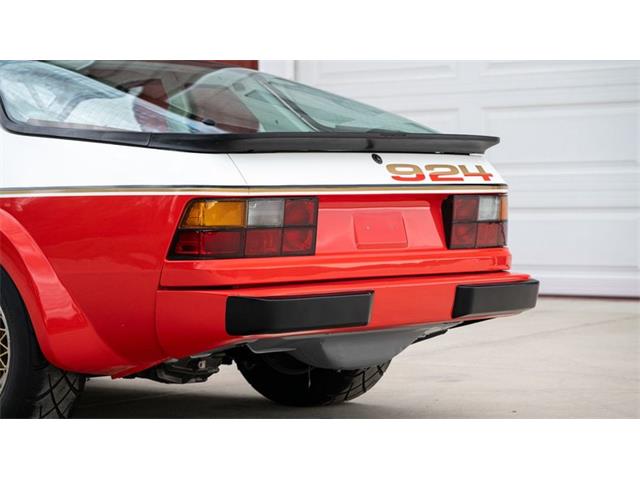
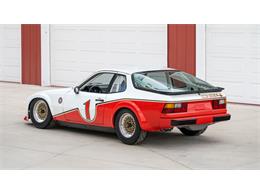
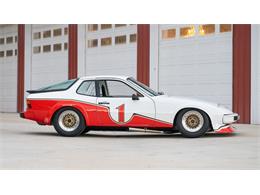
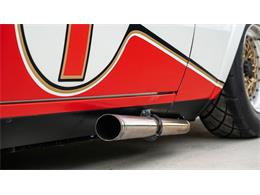
impressive is the dedication to the spot-on replication of the
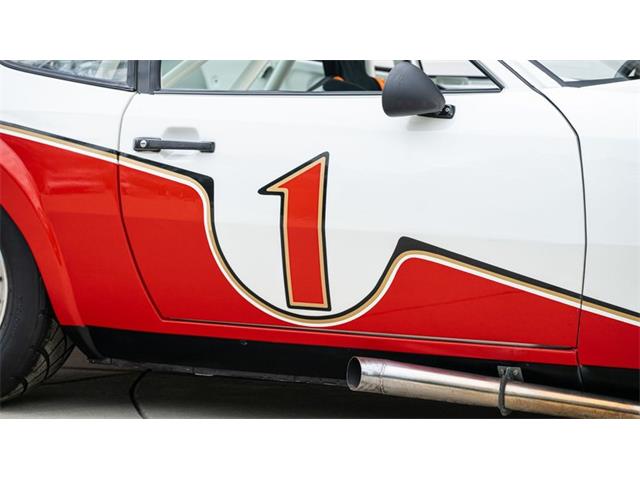
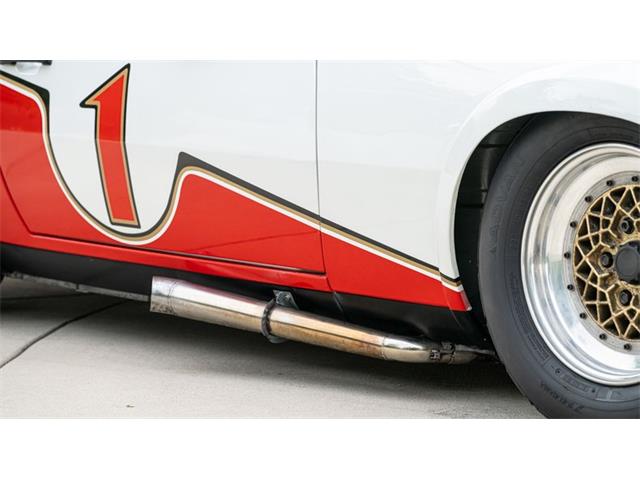
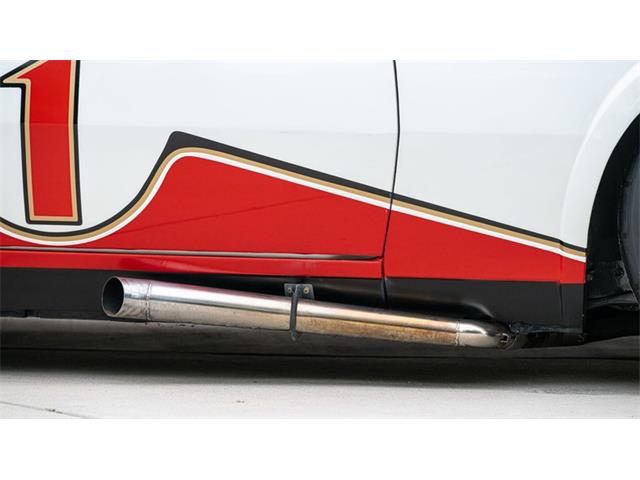
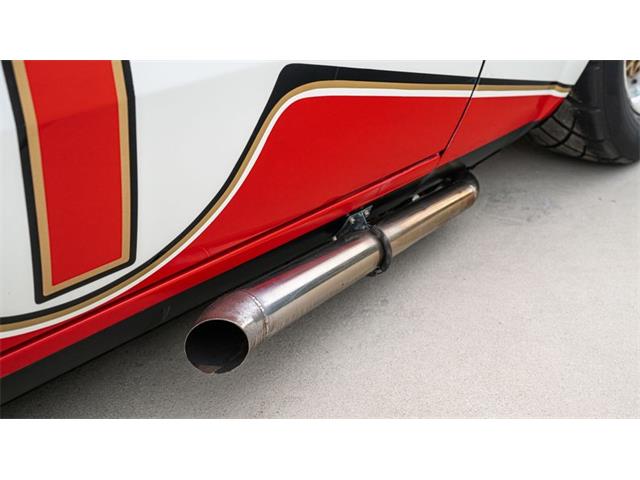
white and red livery as seen on the cover of the December 1979
issue of Christophorus. The completed car is as good-or perhaps
even better-than those turned out by Holbert in Warrington,
Pennsylvania, Bob Hagestad in Denver, Colorado, or any of the other
SCCA dealer teams in the winter of 1980.
The first new 924 SCCA D-Production in nearly 40 years emerged
fresh from Freisinger's workshop in late 2019 and was immediately
snapped up by the consignor, a collector of many of the finest
Sonderwunsch Special Wishes and "one-off" Porsches ever created.
Naturally, chassis 90015 slotted into the group with aplomb as a
near-as-makes-no-difference "deadstock" factory Porsche racing
car.
Naturally, there are parallels to be made with the 1978 924 Turbo
Rally and 1993 968 Turbo RS offered by Broad Arrow Auctions at
Amelia Island in 2026-each a rare, factory-built Porsche with a
specific competition purpose at either end of the transaxle era.
The 924 SCCA D-Production, however, was engineered with a different
mission: not to serve as an early Turbo test and rally or a final
Transaxle racing statement, but as a naturally aspirated
firecracker to be delivered as a factory-prepared racing car for
U.S. dealer teams to campaign in SCCA D-Production. What makes
90015 extraordinary is that it remained in the state it was
delivered-essentially "fresh from the box," a rare, preserved
chapter in Porsche's competition story-a highly focused factory
racing car that, as of yet, has not run a lap in anger, its
competitive future still to be written.
ClassicCars.com has been recognized as one of the fastest-growing private companies in the United States, successfully making the Inc. 5000 list in both 2015,
2016, 2017 and 2018. This prestigious accolade represents the continued growth of the company, and ClassicCars.com's dominance as the world's largest online marketplace for
buying and selling classic and collector vehicles.
The Stevie Awards, the world's premier business awards recognized
ClassicCars.com's first-class Customer Support team with a Stevie Bronze Award in 2019, celebrating the team's skills as exemplary customer support specialists.
In 2016 The Journal, brought to you by ClassicCars.com, was celebrated as the SECOND MOST INFLUENTIAL automotive blog in the world by NFC Performance.