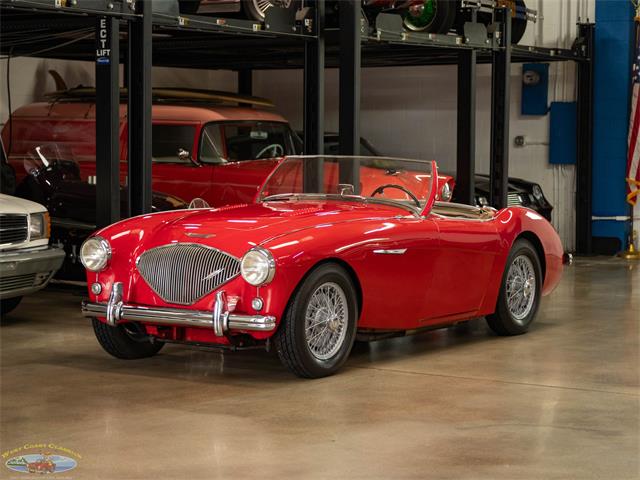
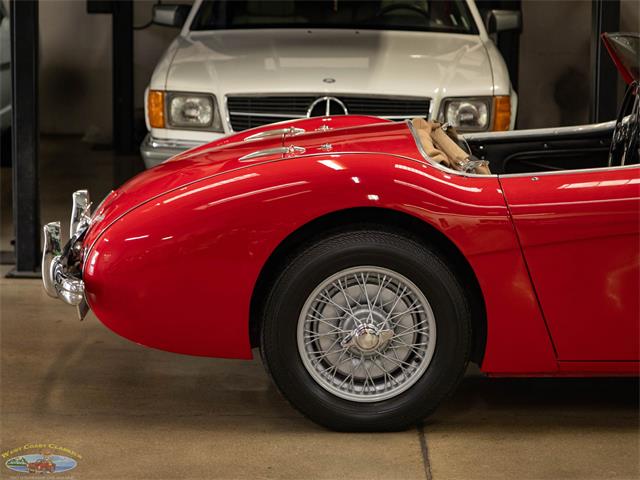
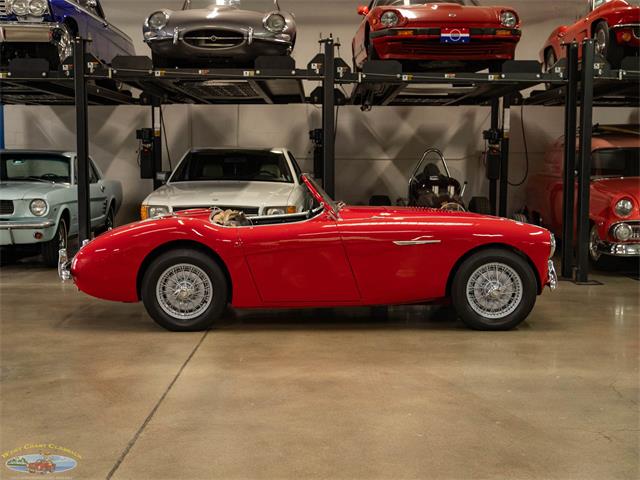
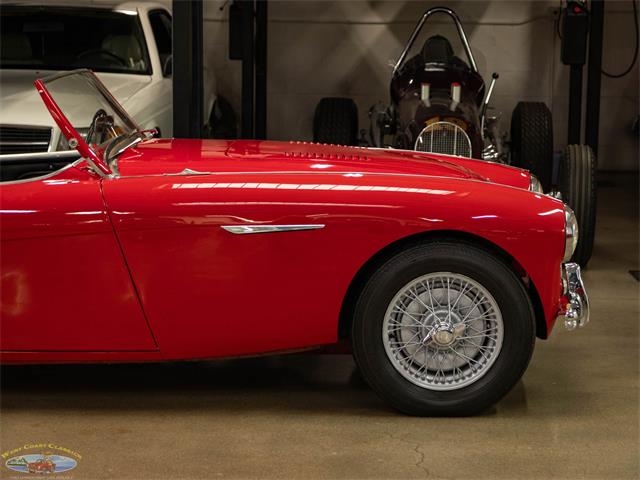
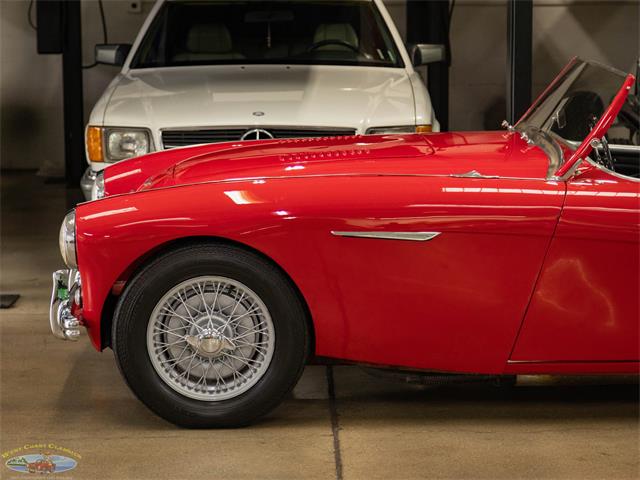
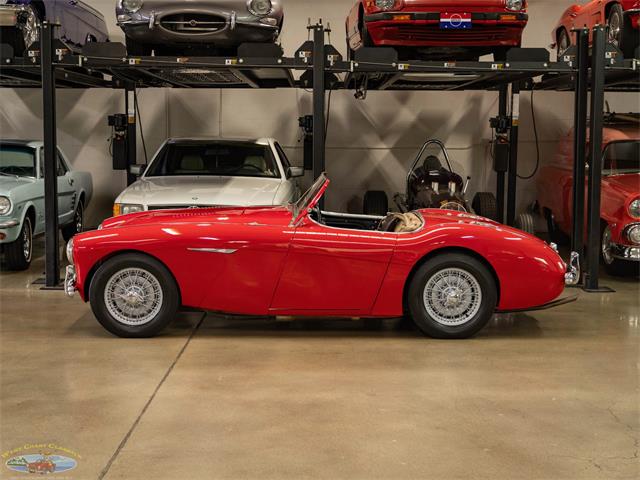
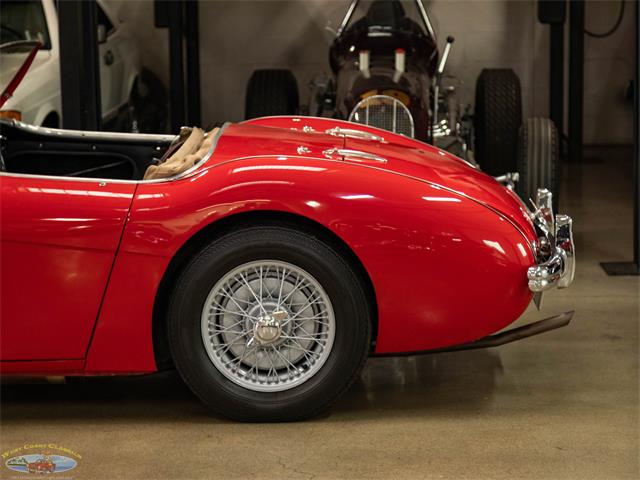
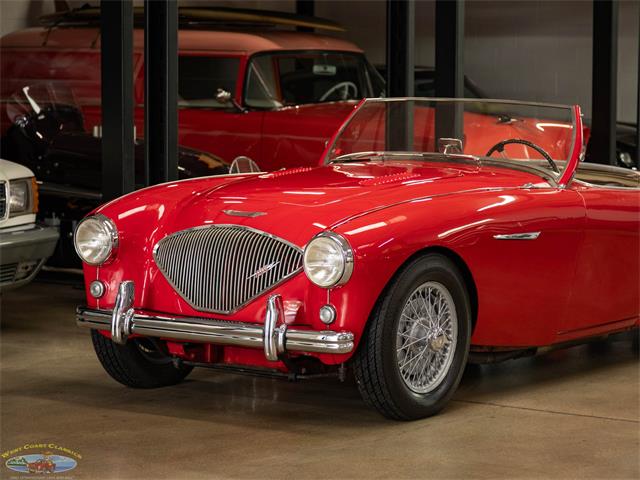
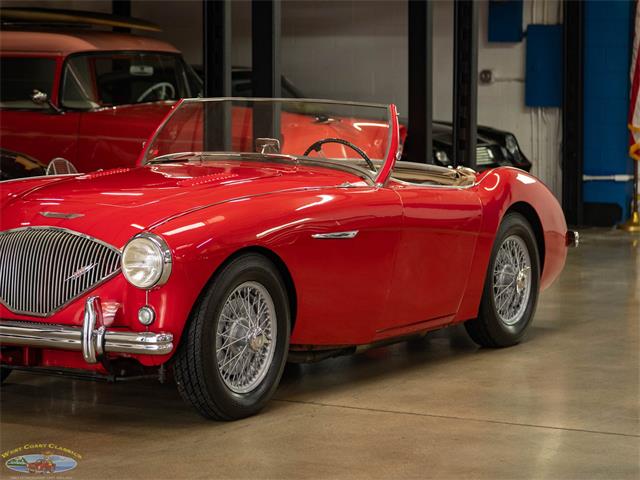
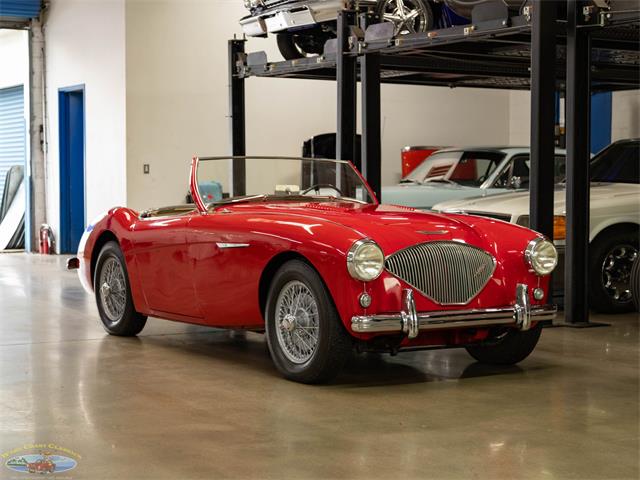
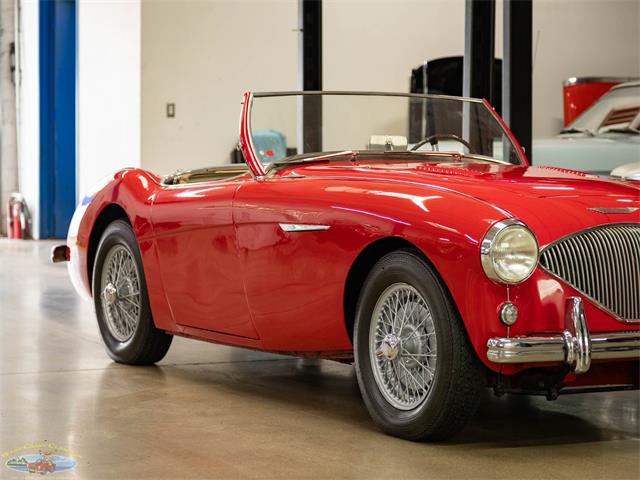
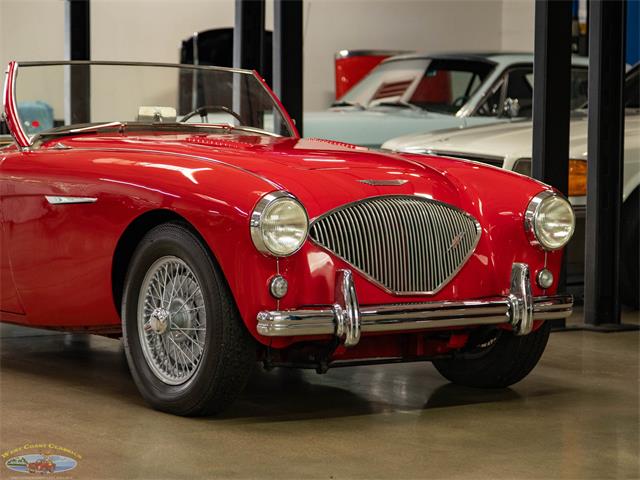
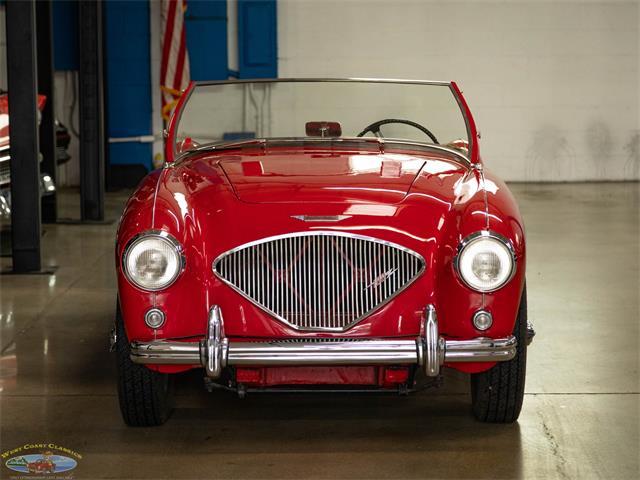
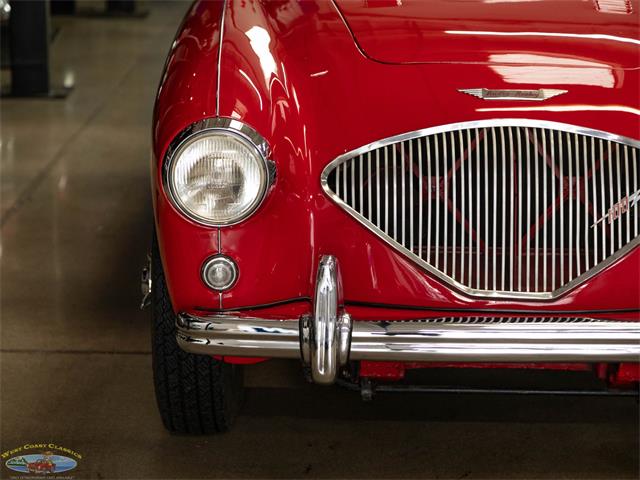
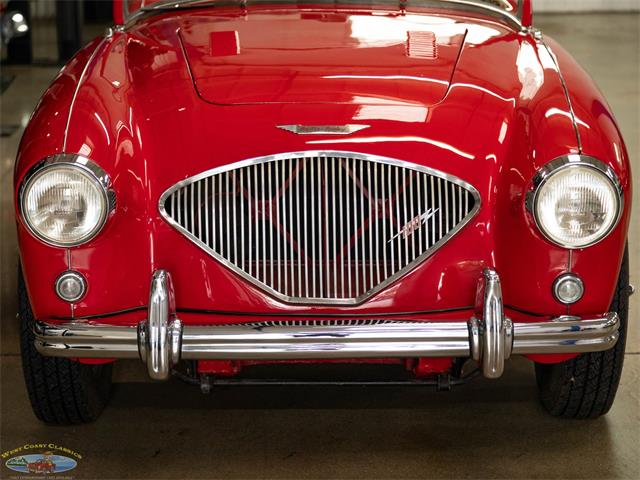
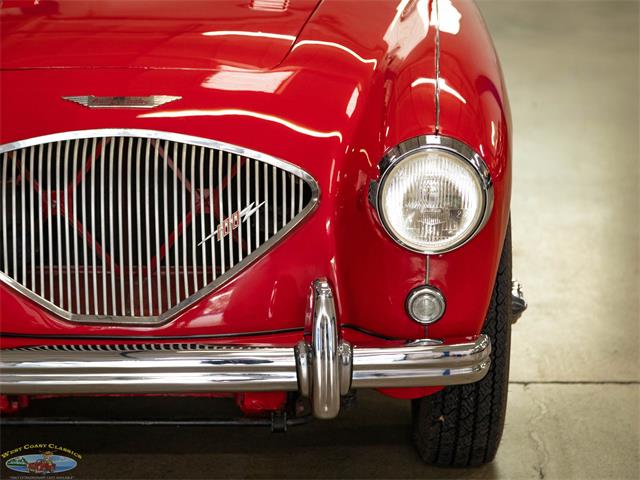
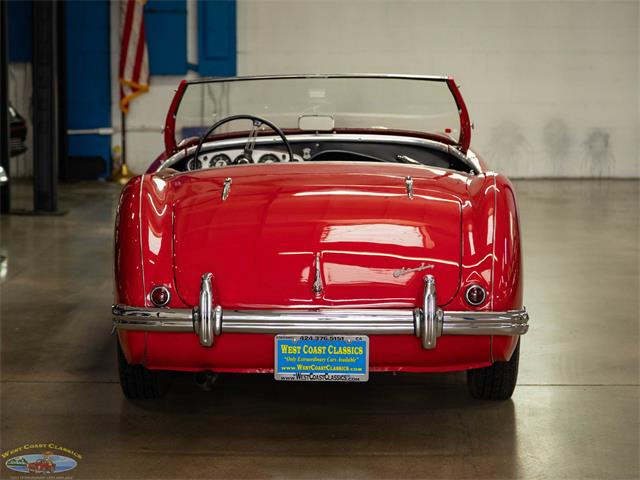
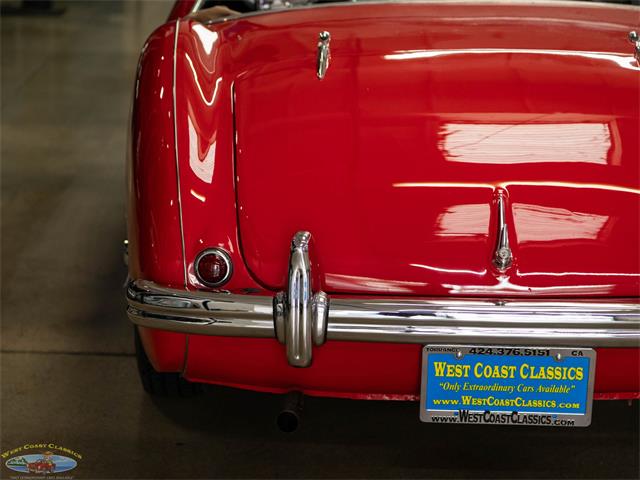
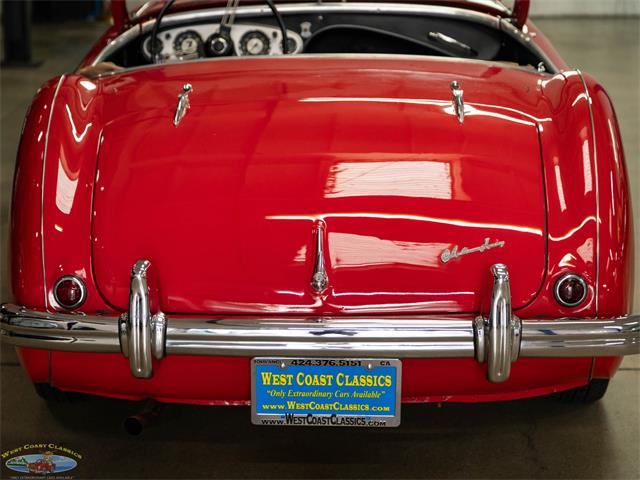
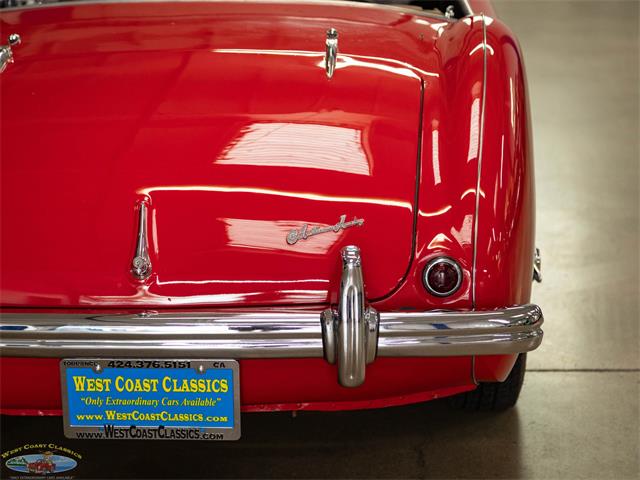
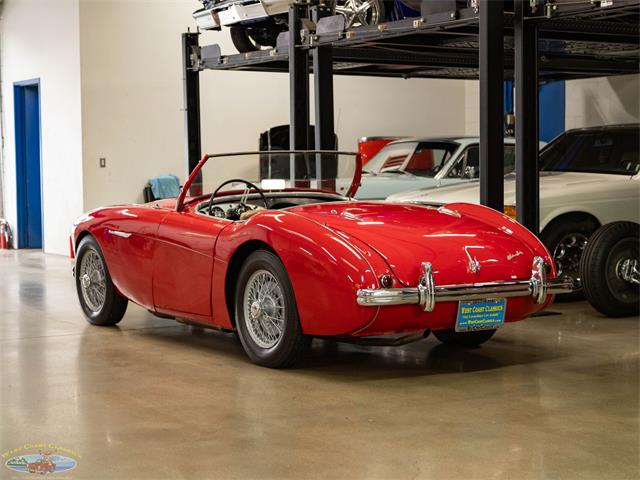
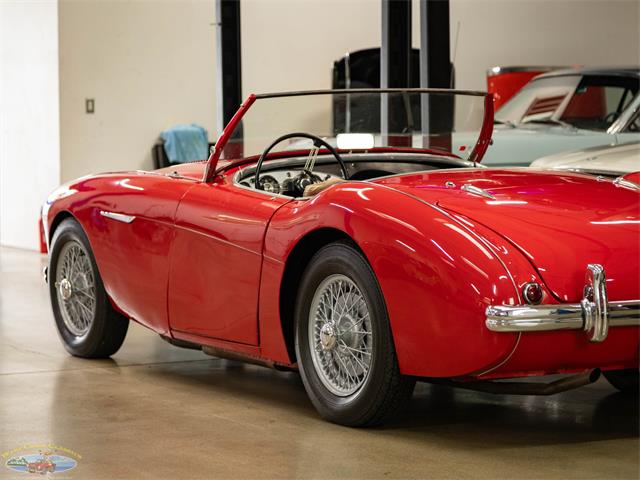
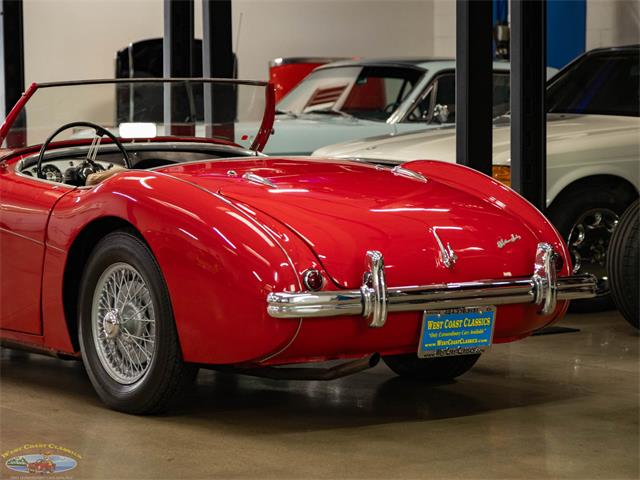
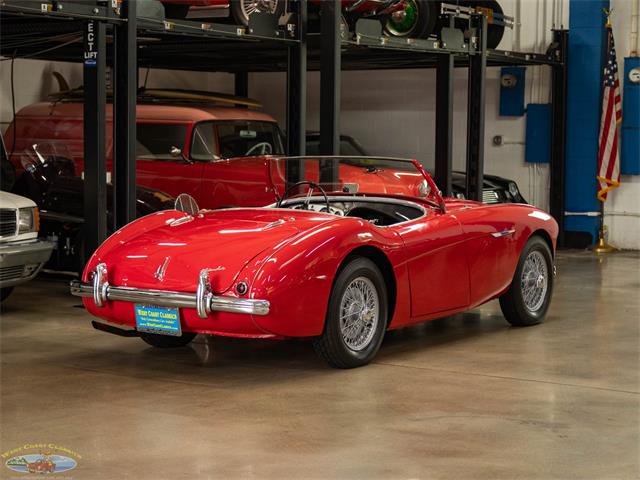
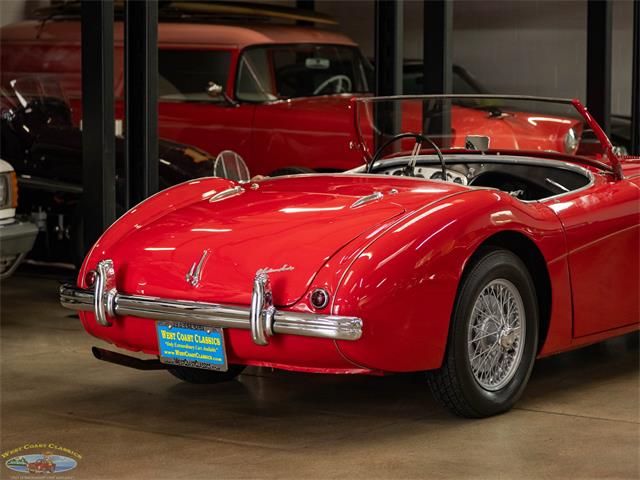
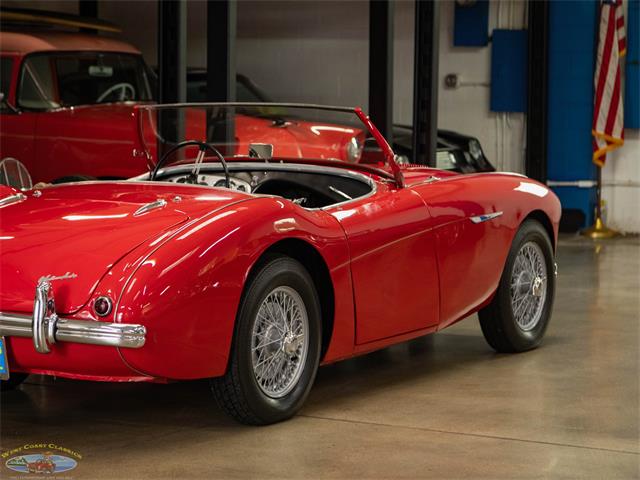
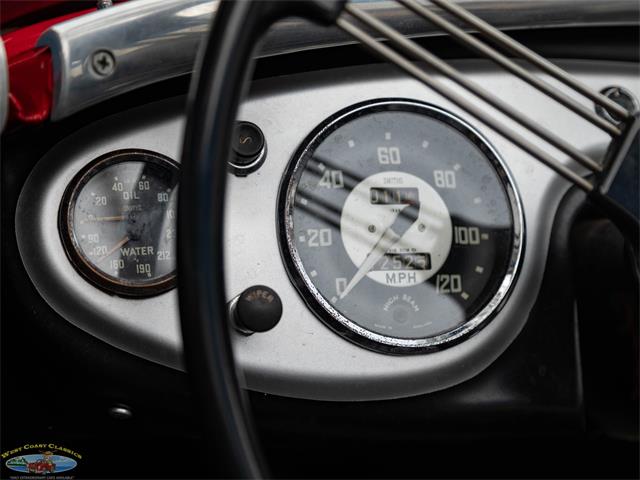
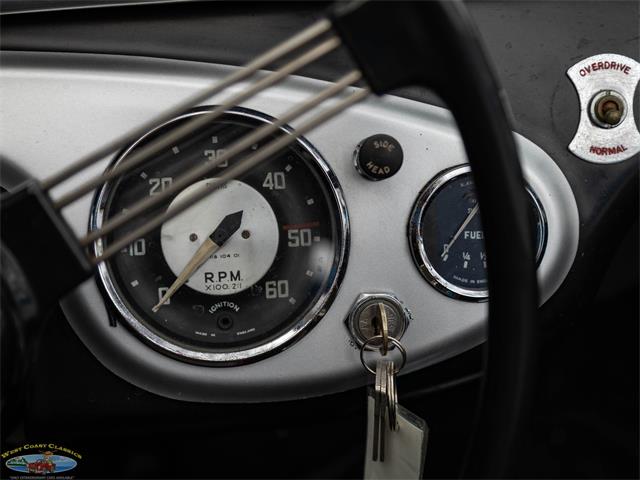
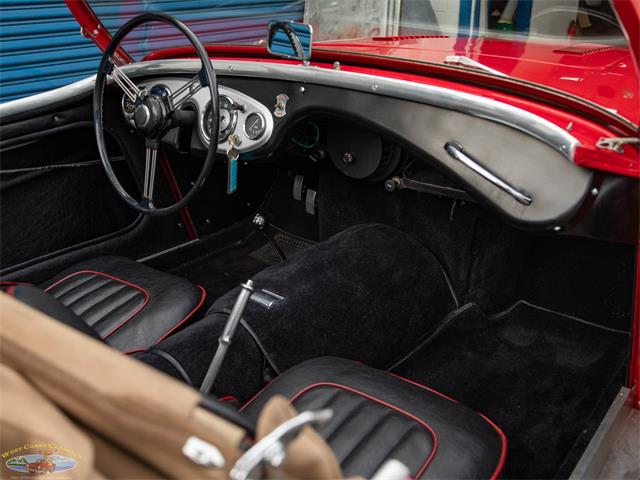
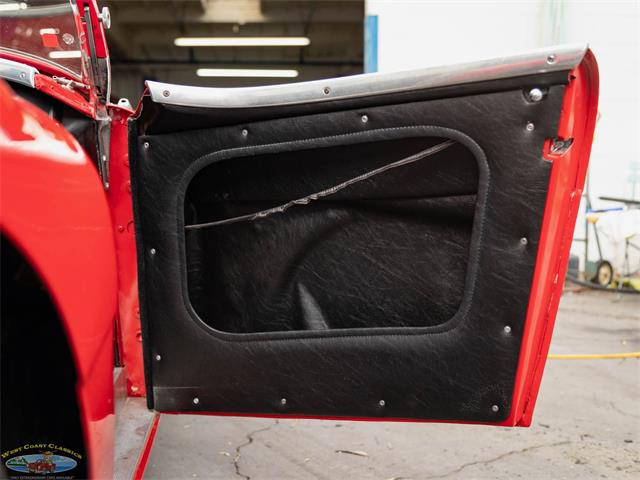
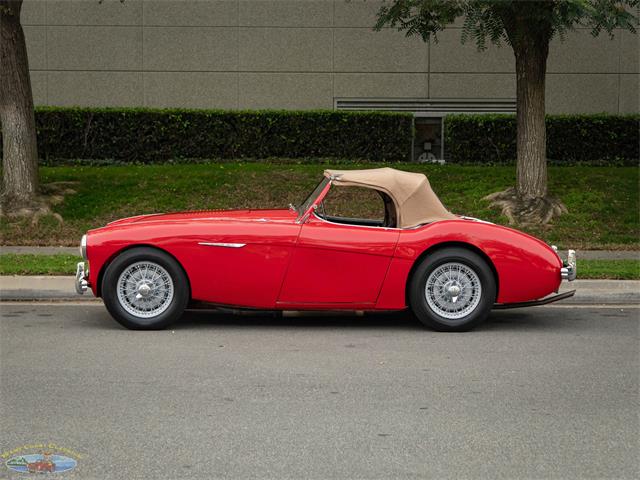
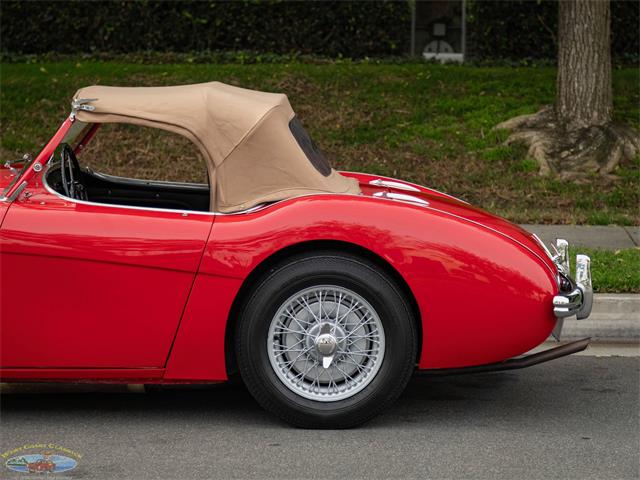
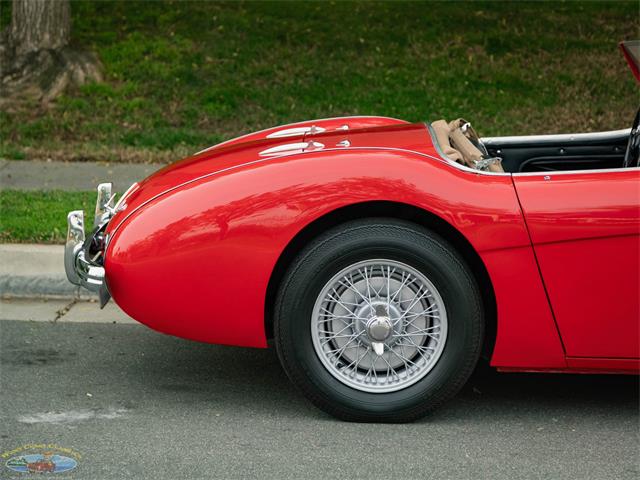
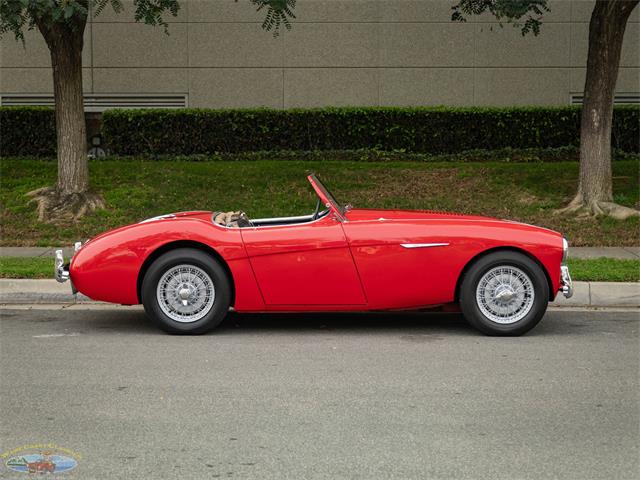
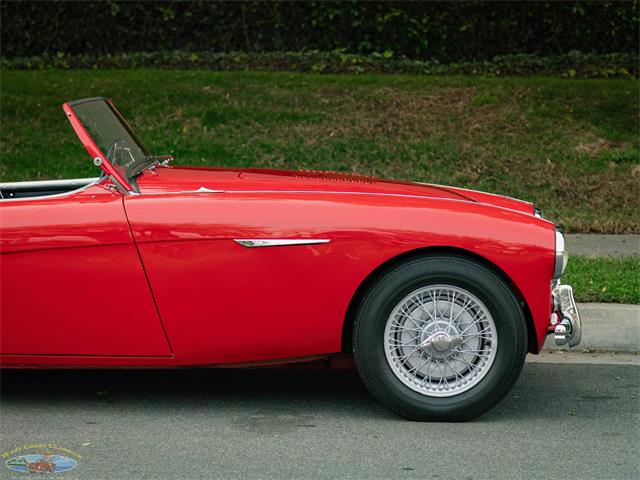
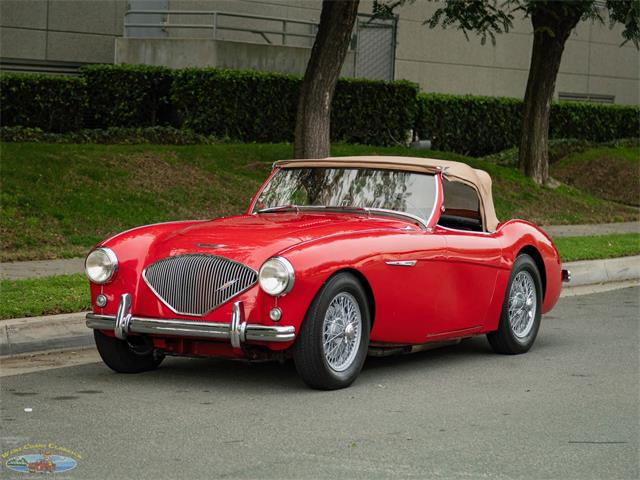
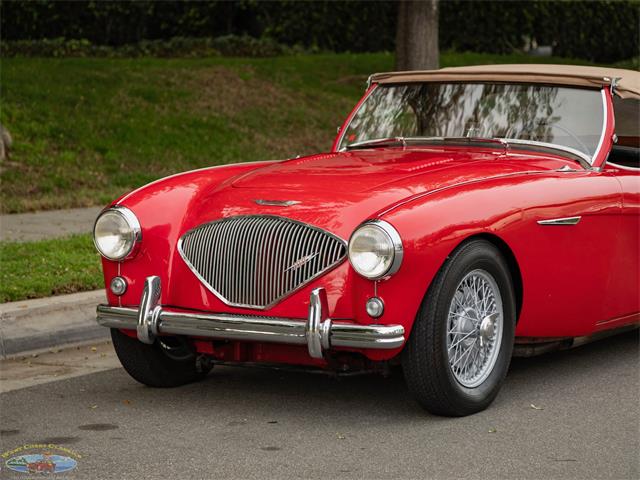
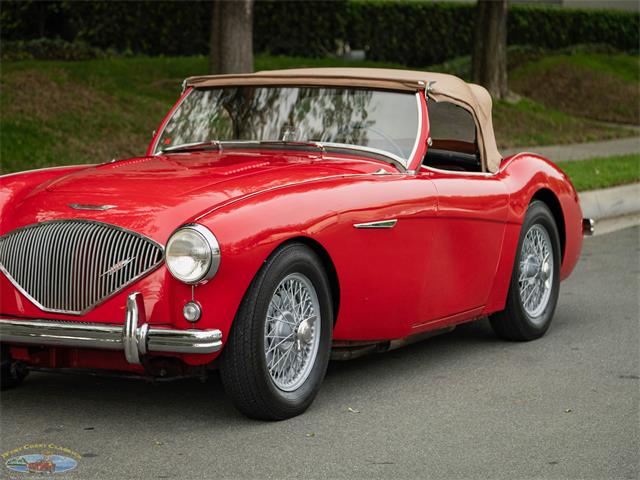
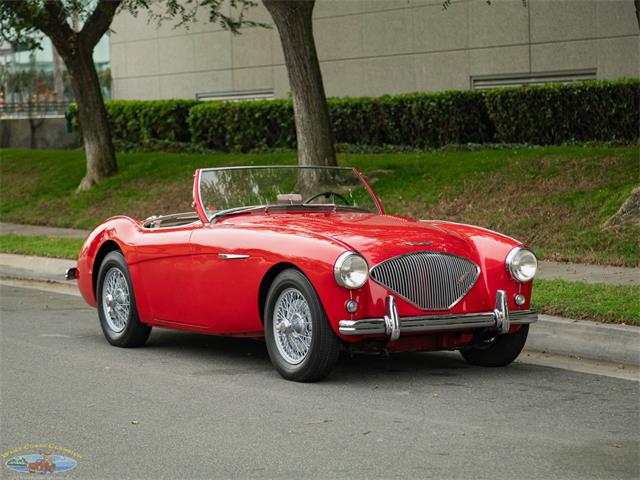
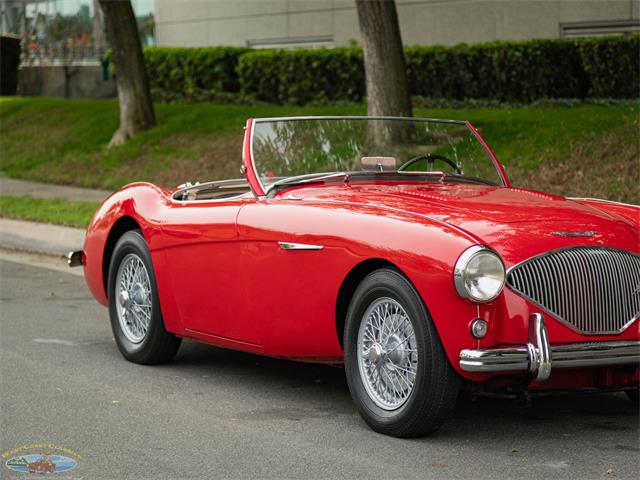
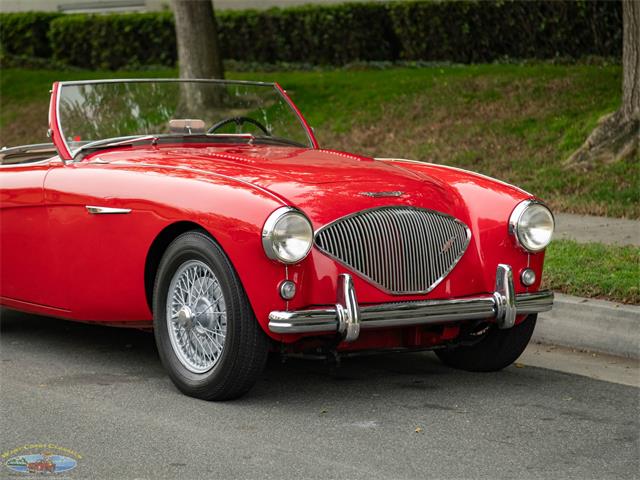
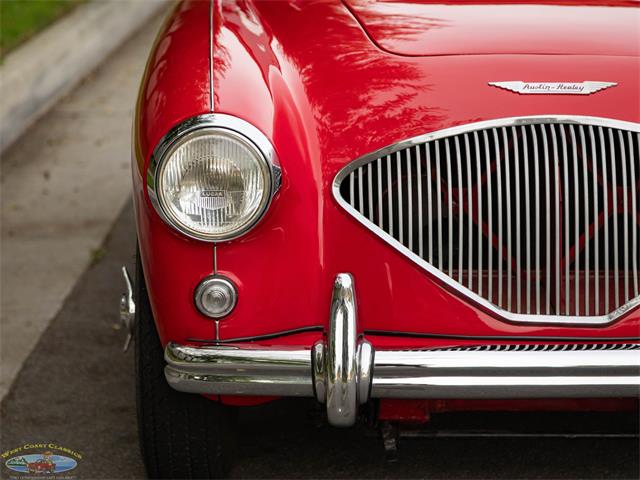
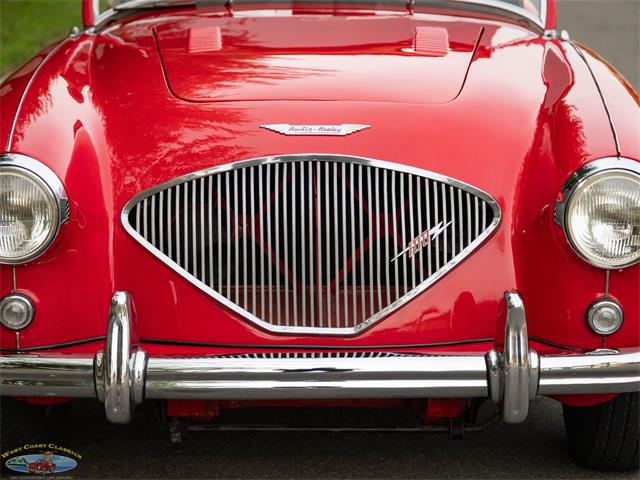
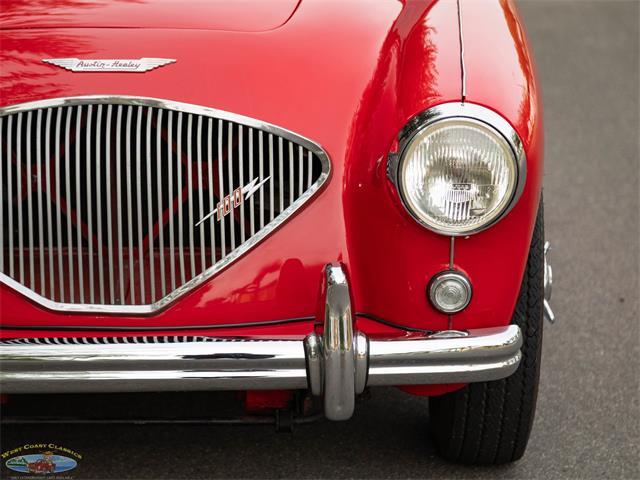
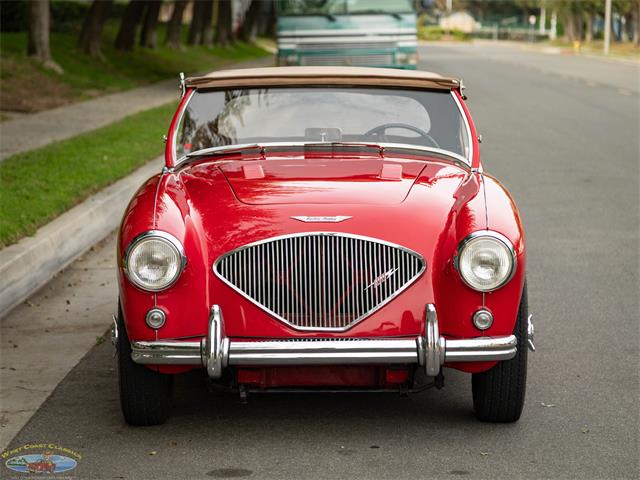
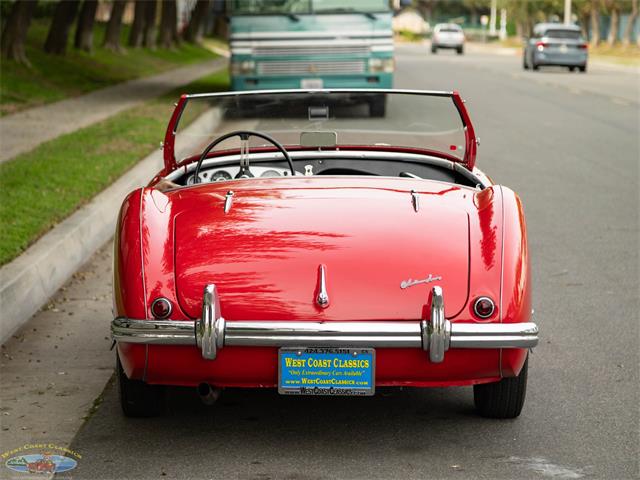
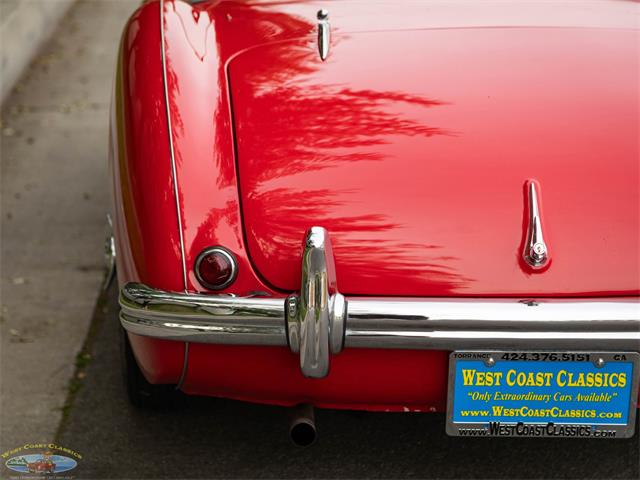
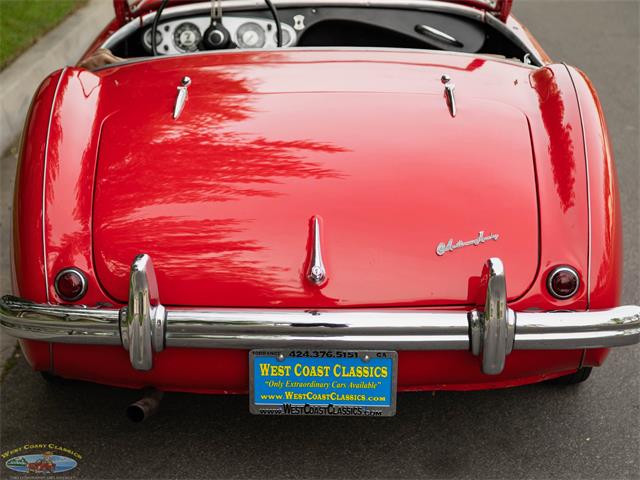
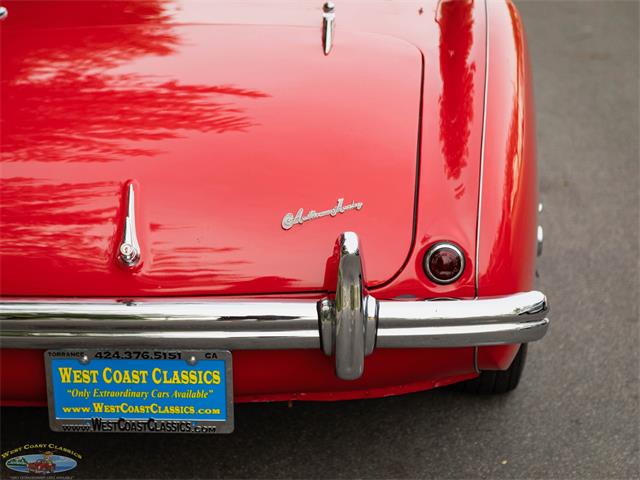
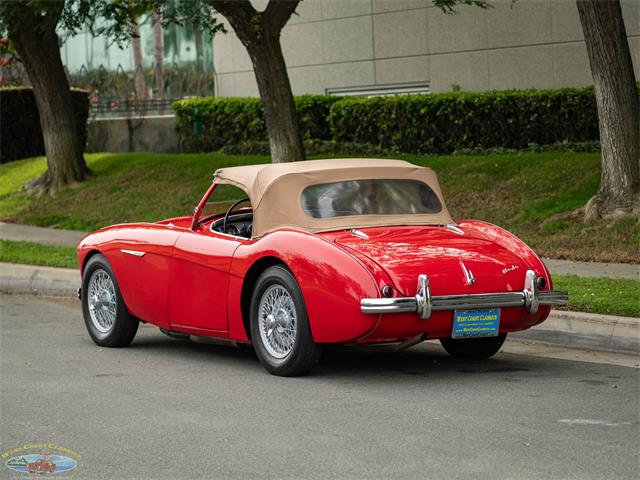
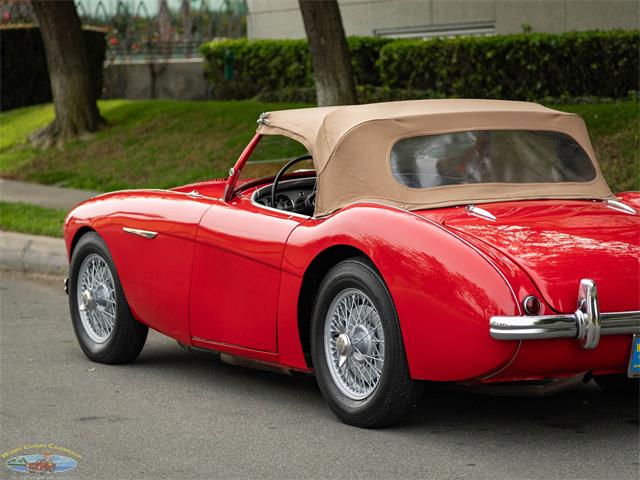
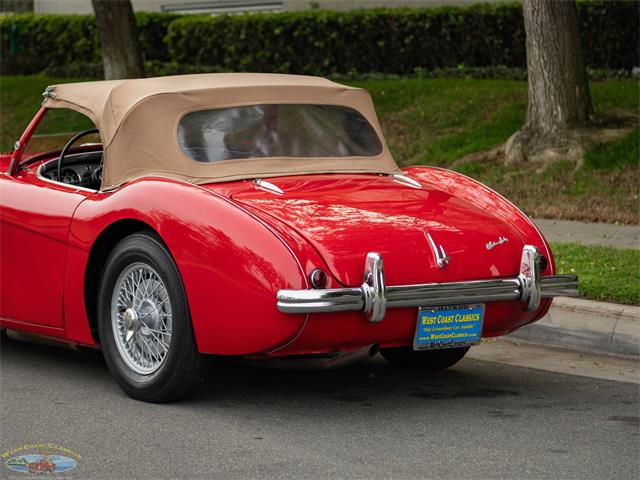
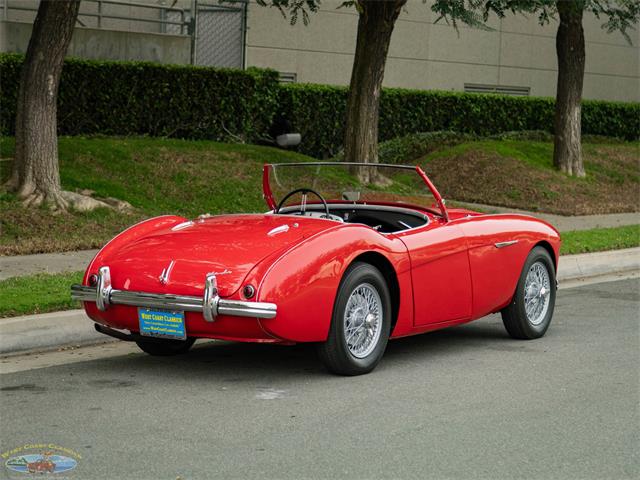
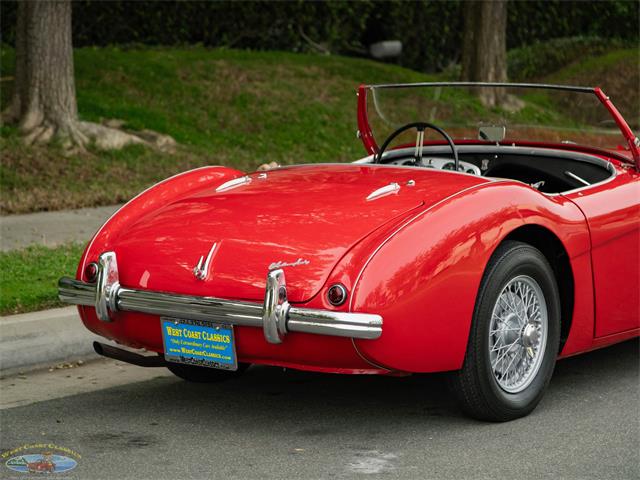
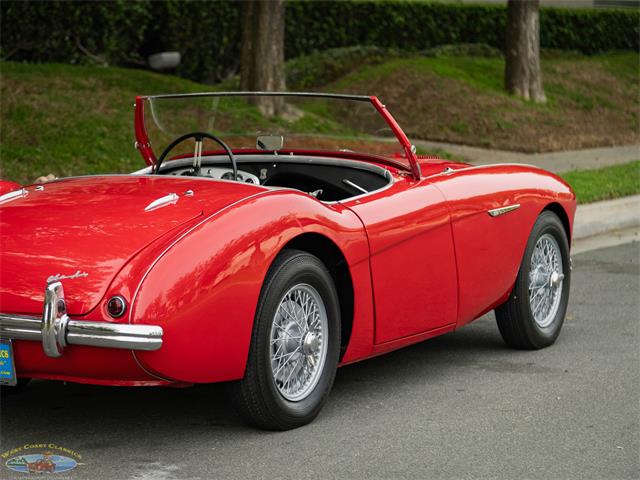
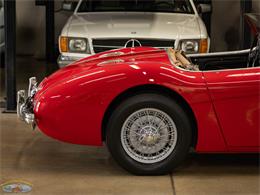
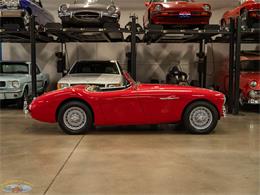
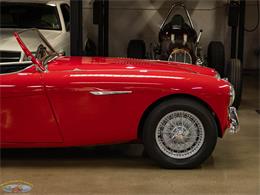
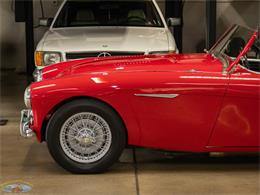
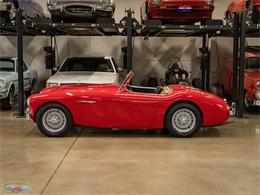
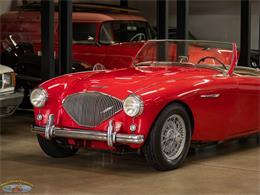
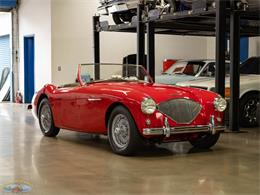
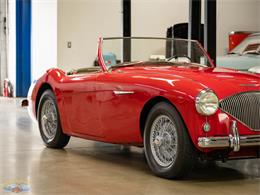
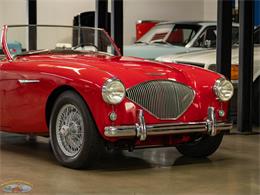
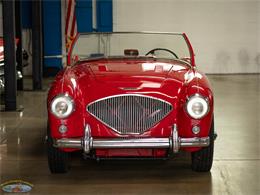
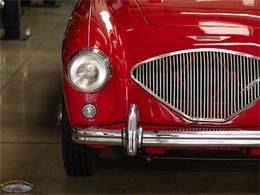
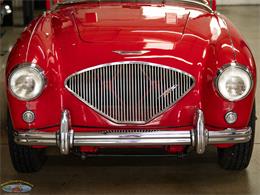
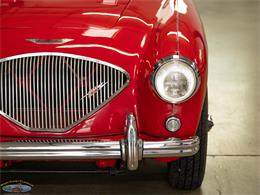
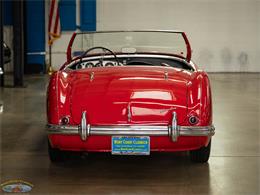
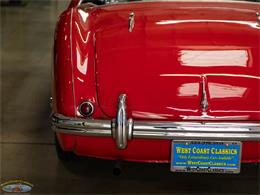
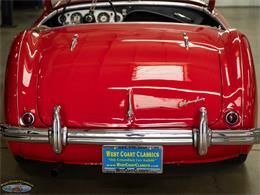
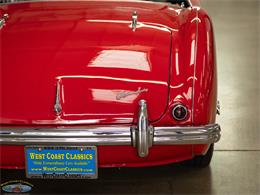
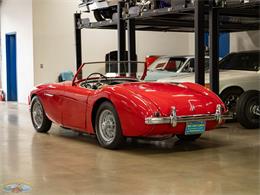
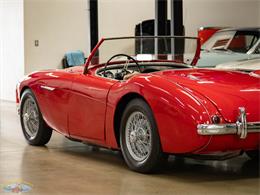
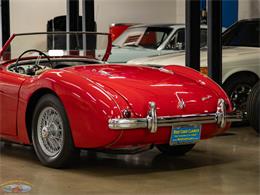
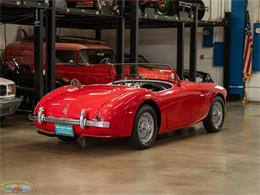
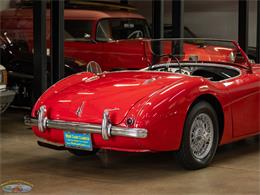
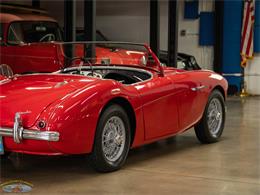
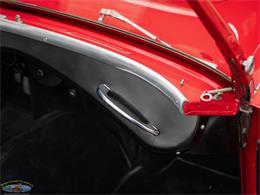
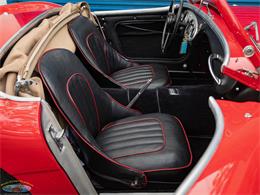
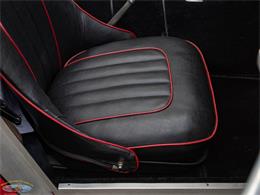
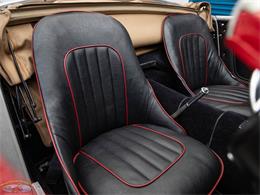
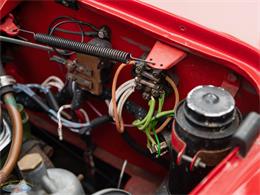
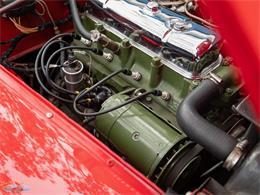
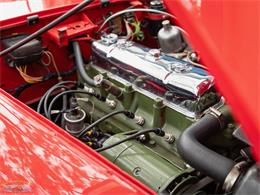
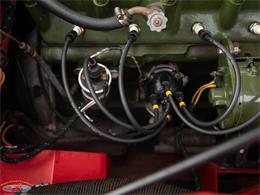
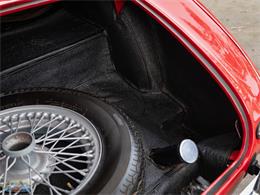
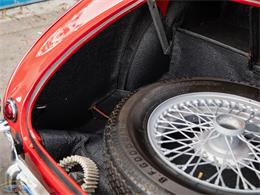
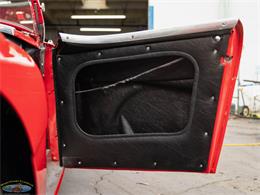
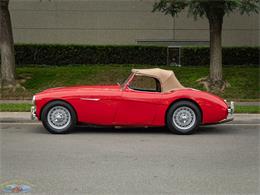
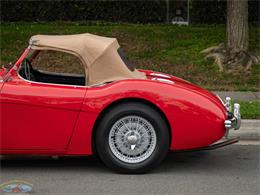
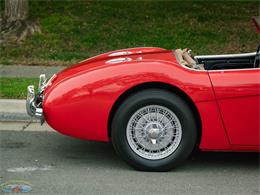
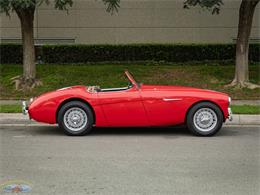
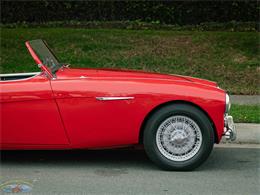
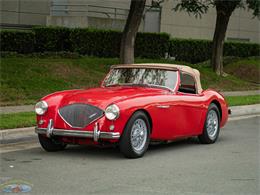
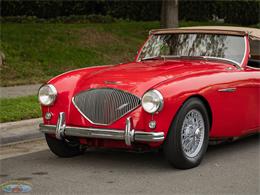
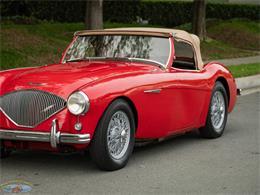
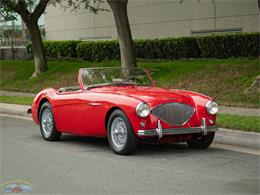
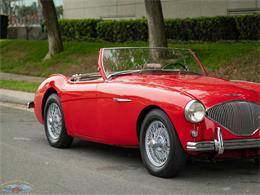
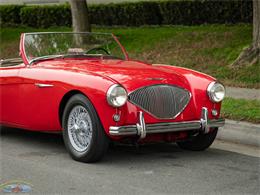
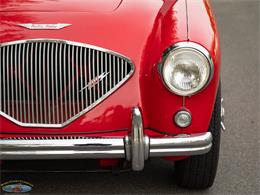
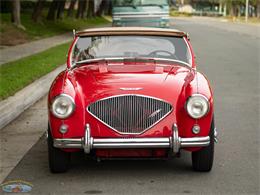
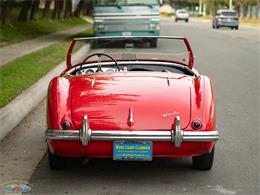
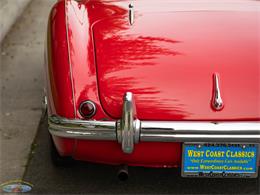
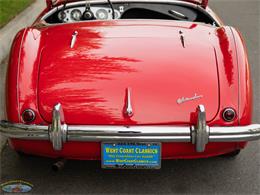
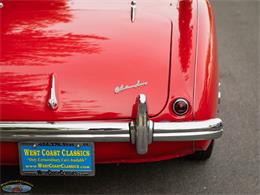
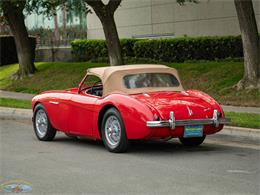
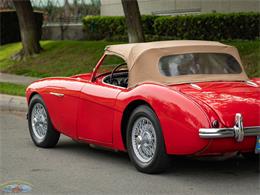
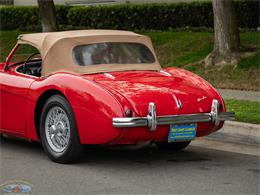
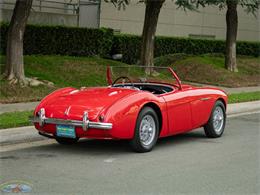
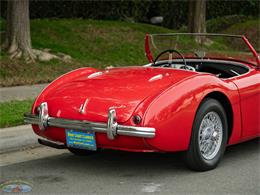
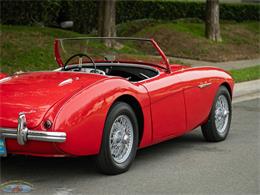
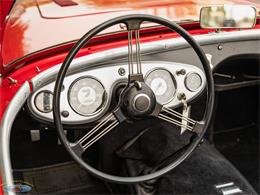
West Coast Classics are proud to present this 1954 Austin-Healey
100-4 BN1 Roadster which are considered the definitive "first" of
the "Big Healeys," and celebrated for their pure design and
lightweight agility. Built September 10, 1954Chassis No.
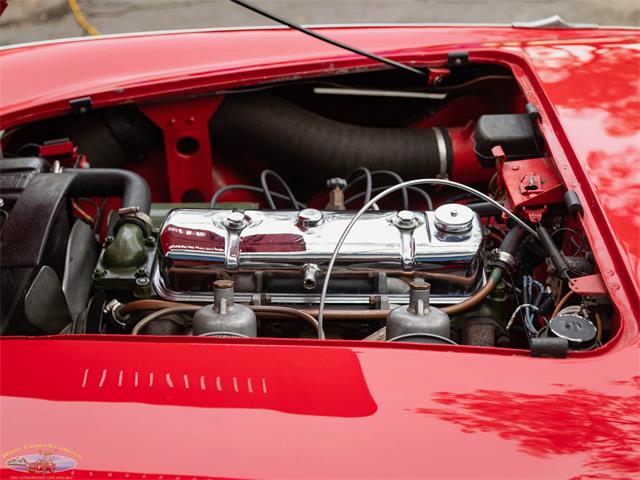
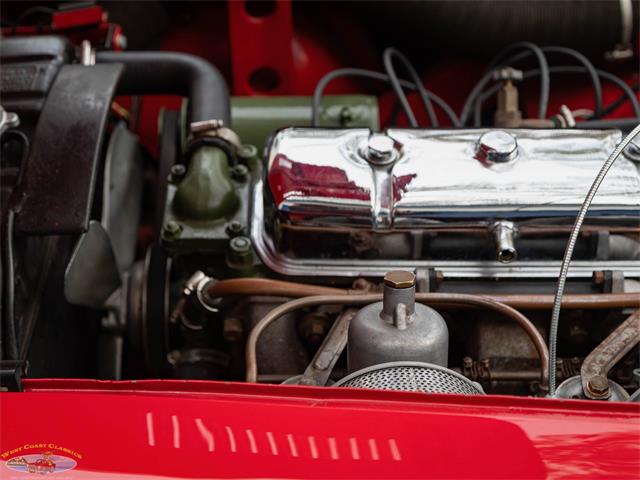
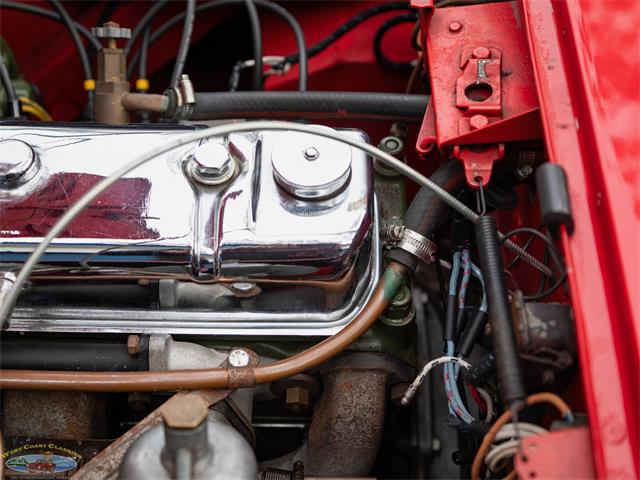
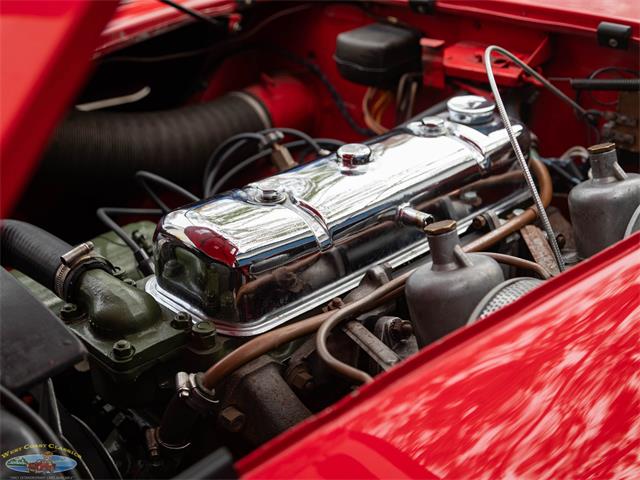
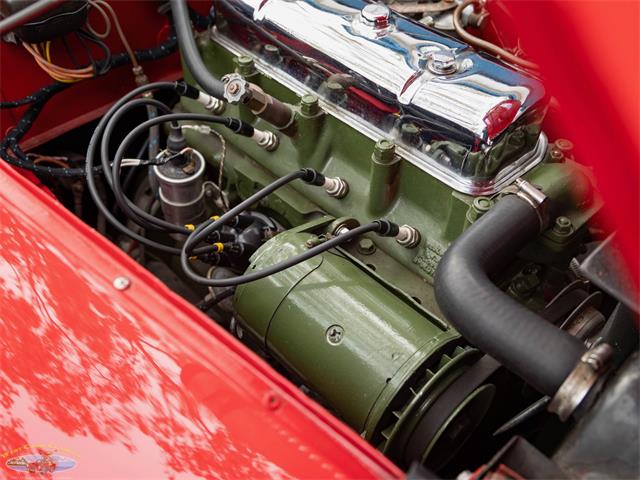
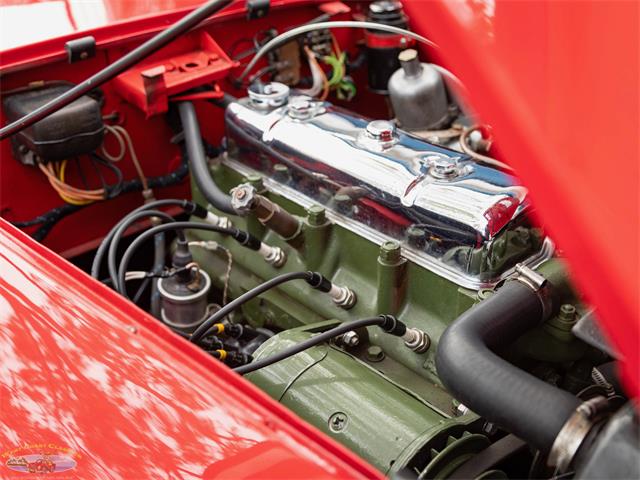
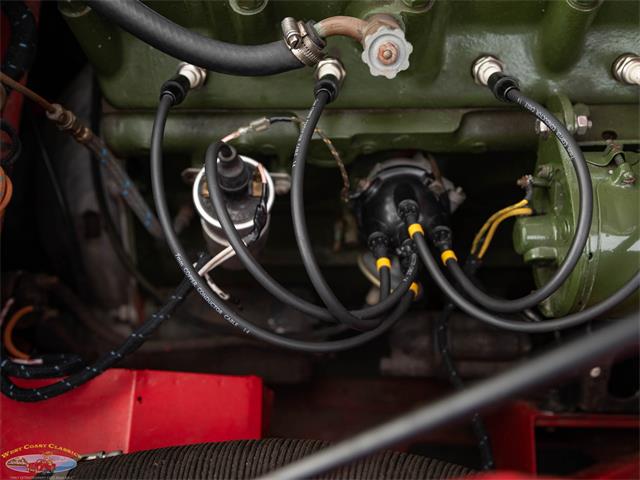
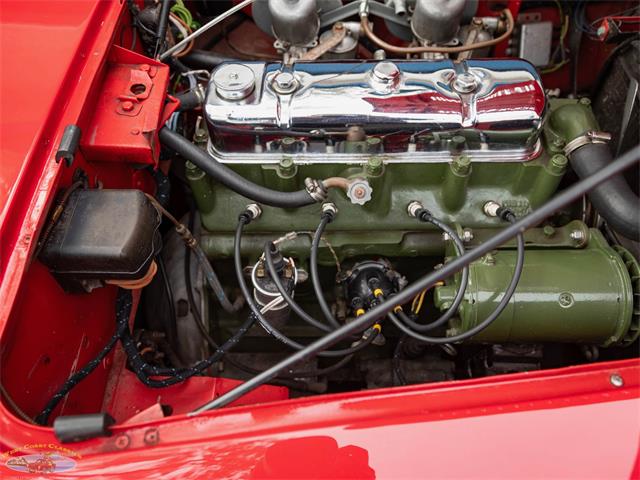
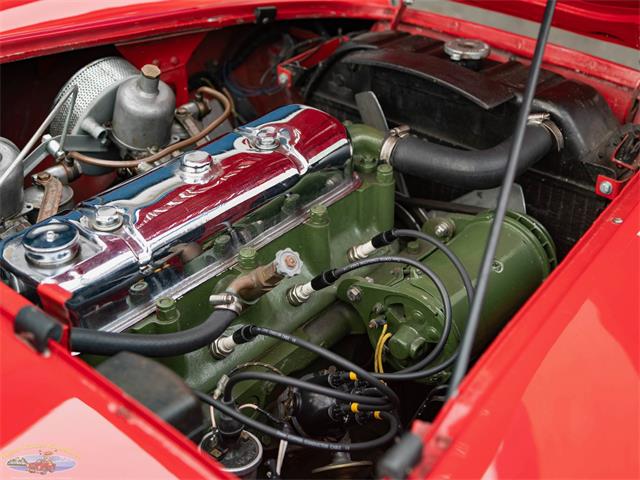
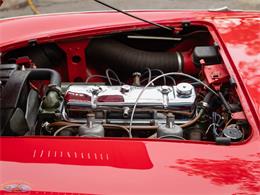
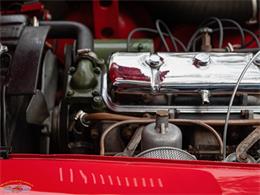
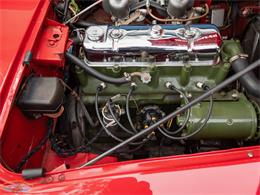
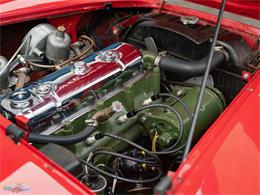
BN1-L/219223Engine No. 1B-219223Body No. 4965-51642660cc inline
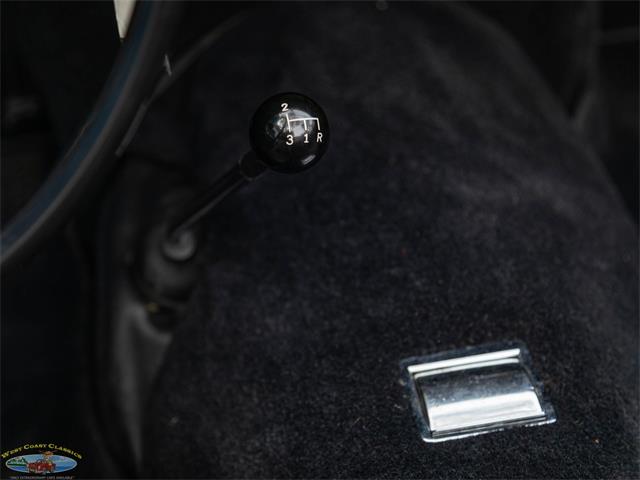
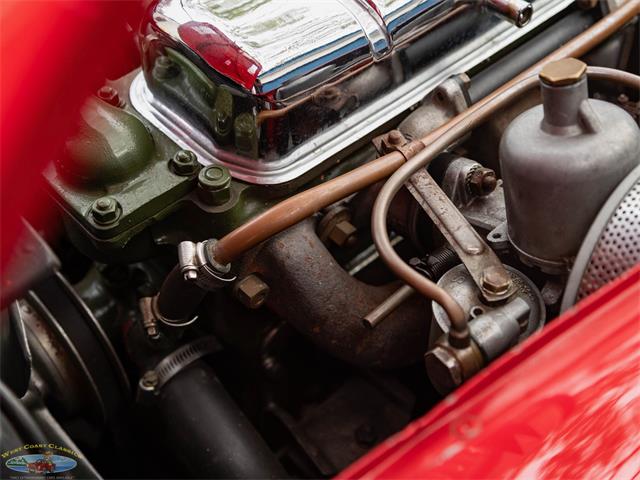
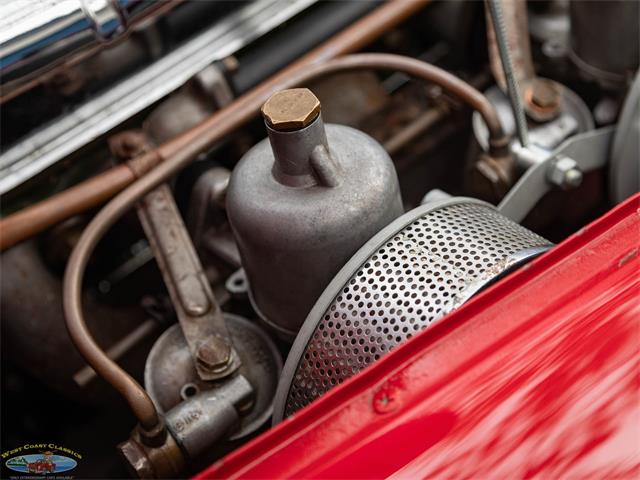
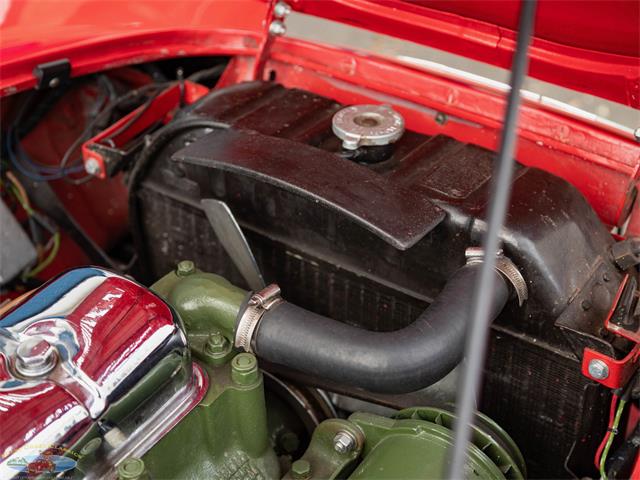
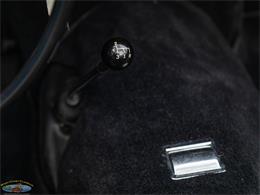
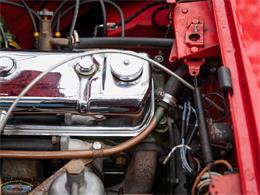
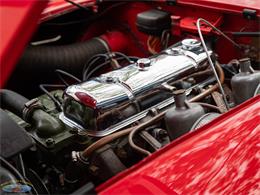
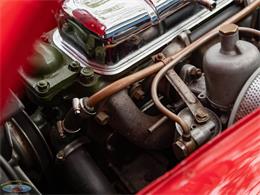
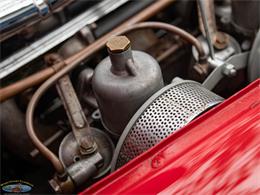
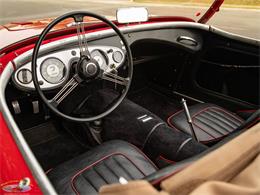
4-cylinder engineDual carburetors3-speed manual gearbox with
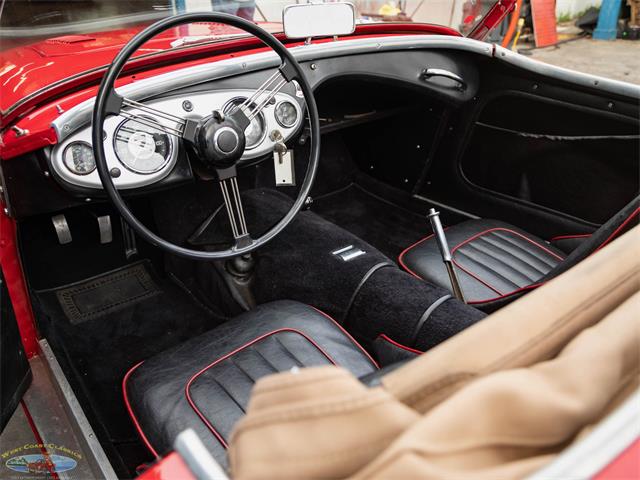
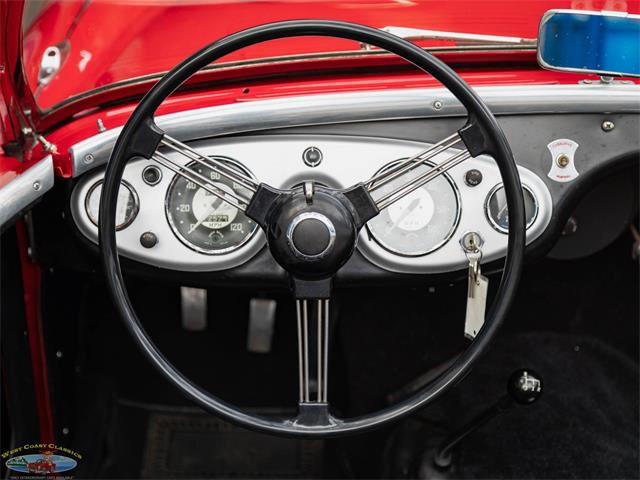
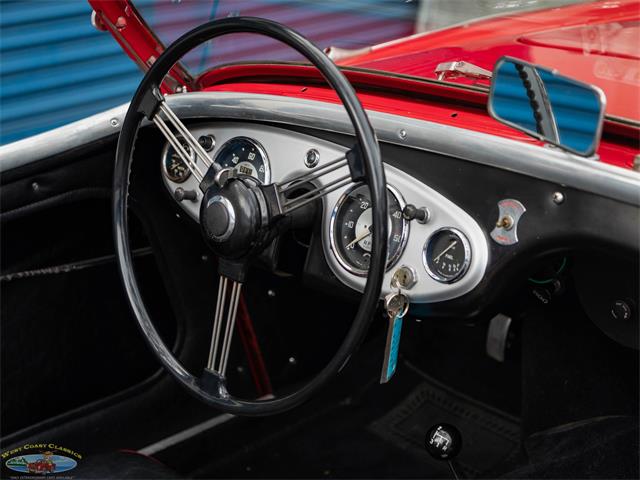
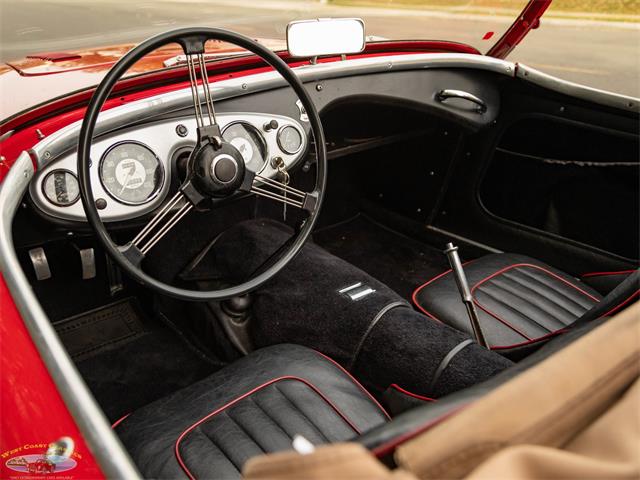
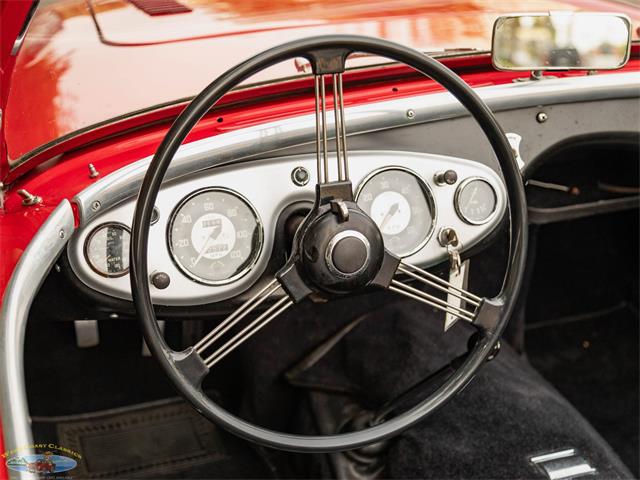
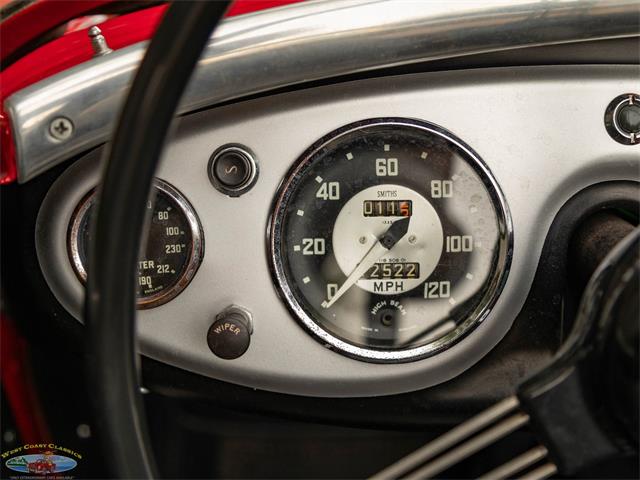
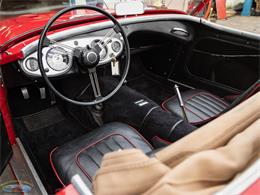
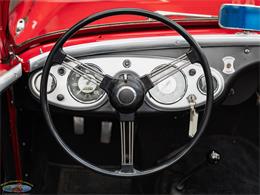
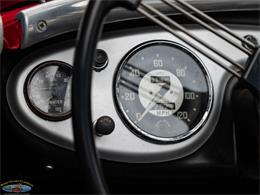
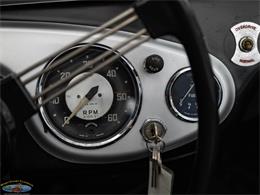
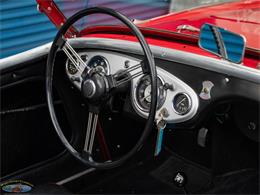
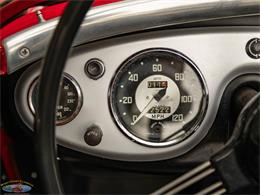
overdriveSmiths instrumentationFactory heater option, Laminated
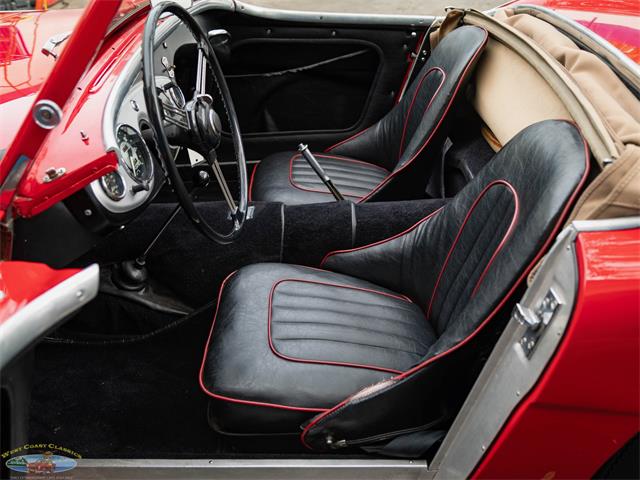
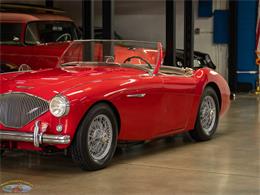
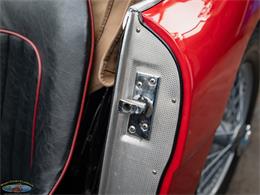
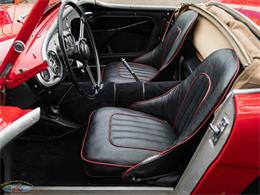
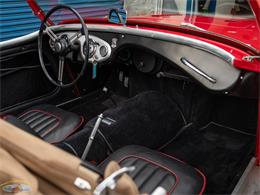
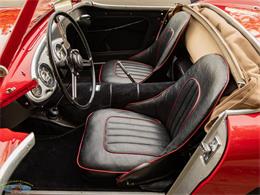
windscreen, Miles per Hour speedometerFinished in factory-correct
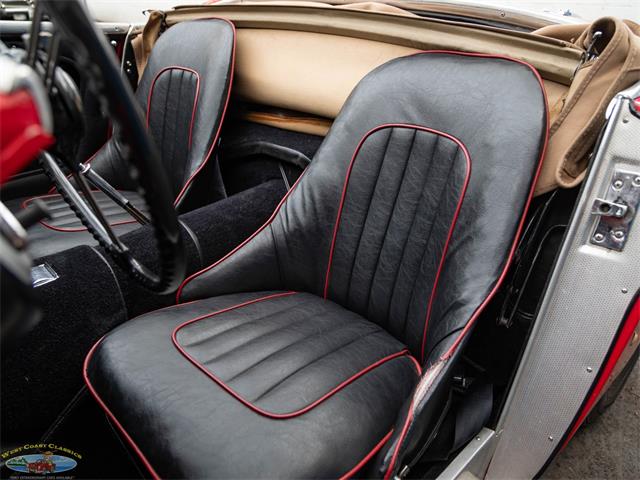
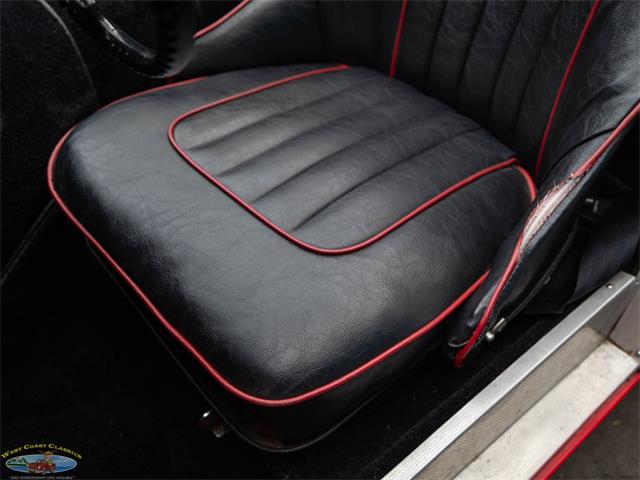
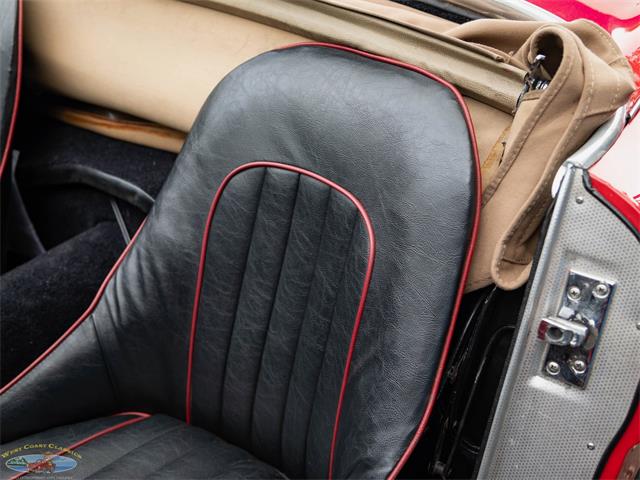
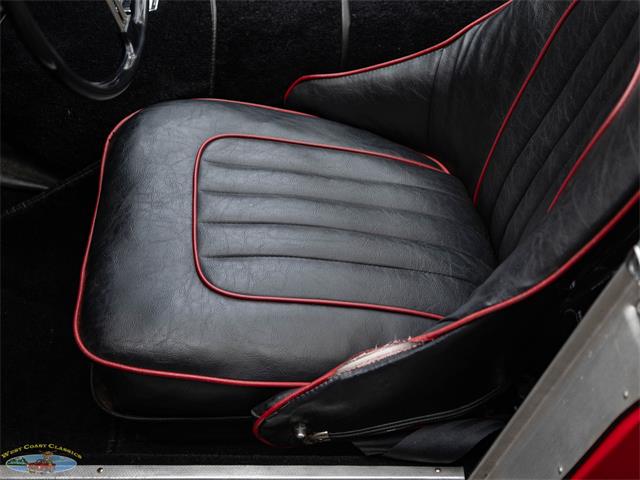
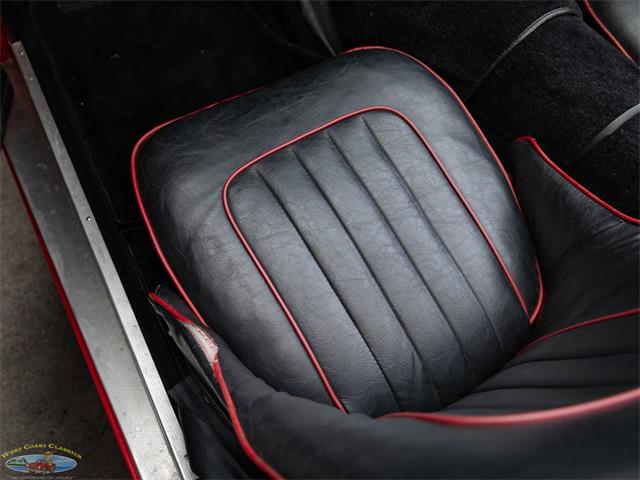
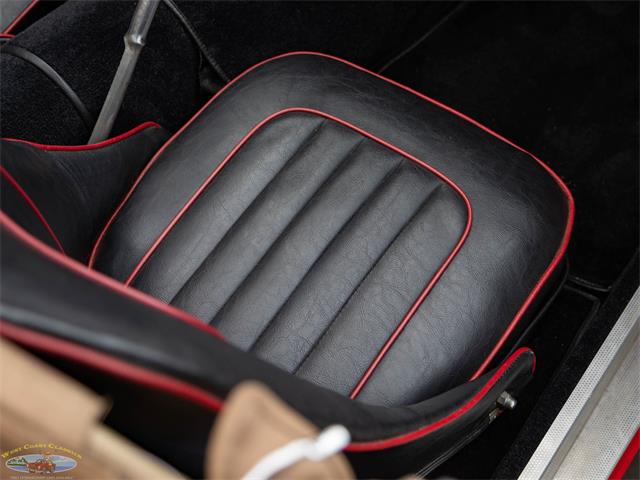
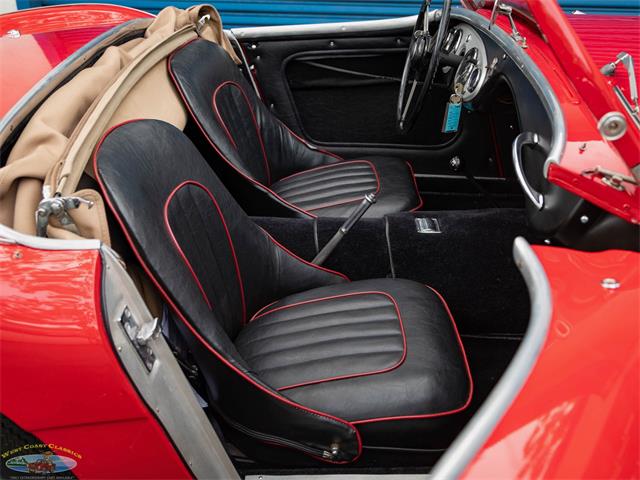
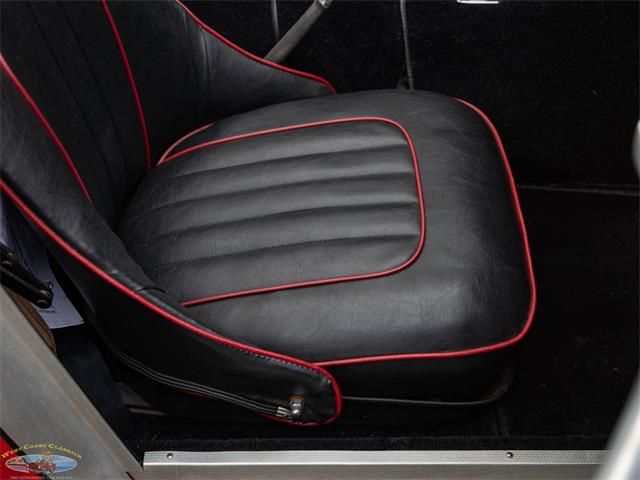
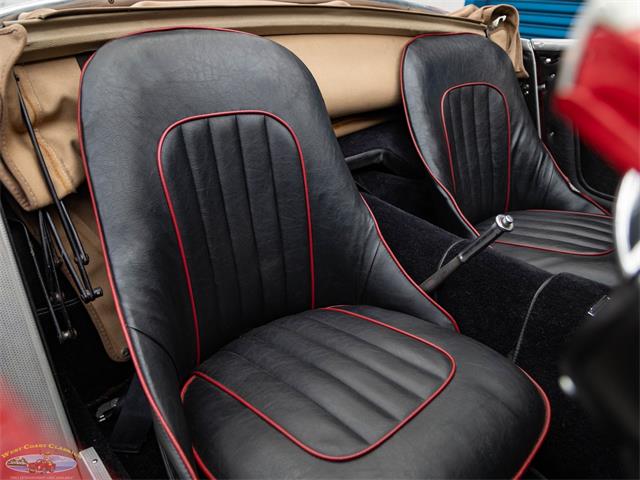
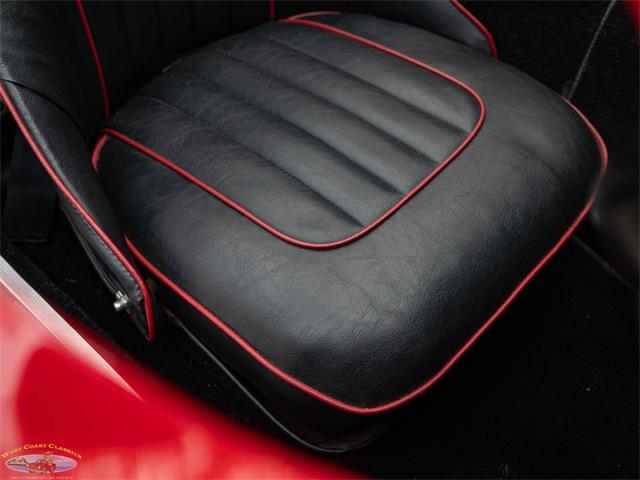
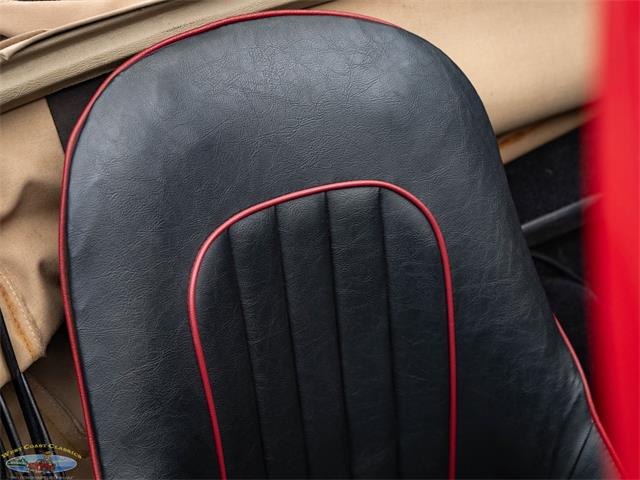
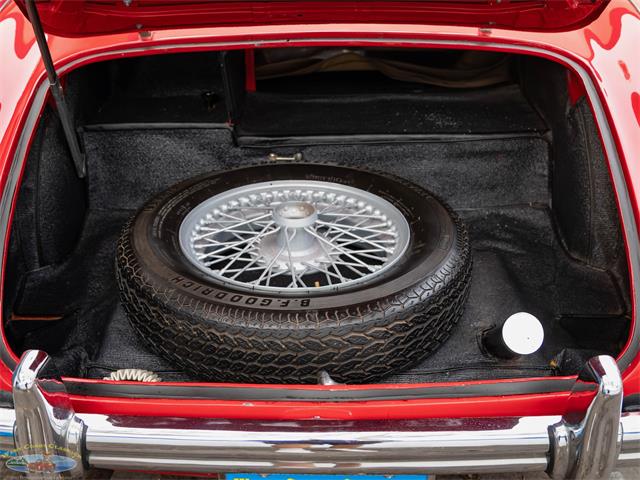
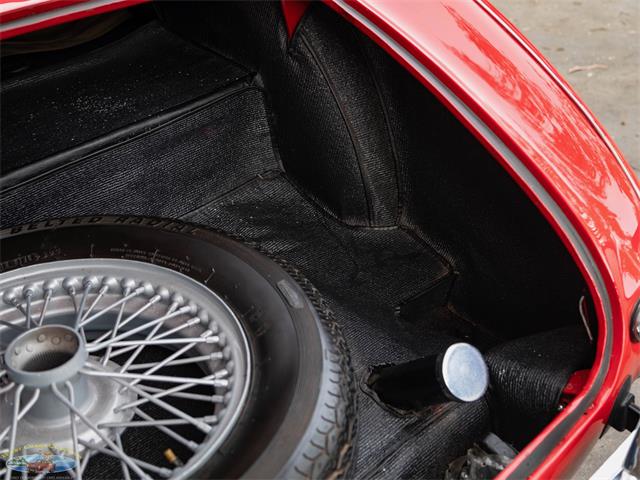
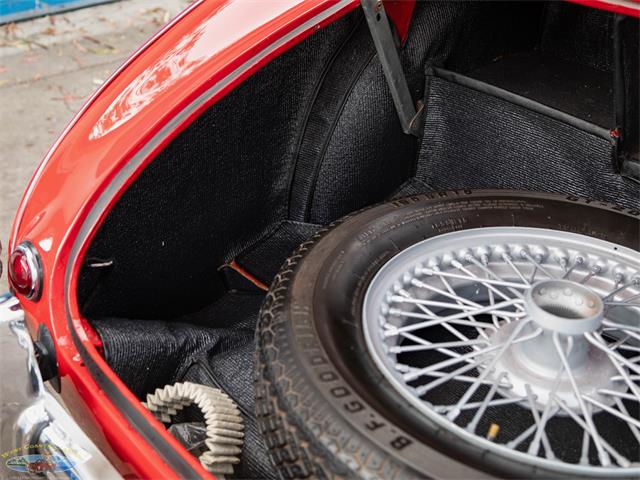
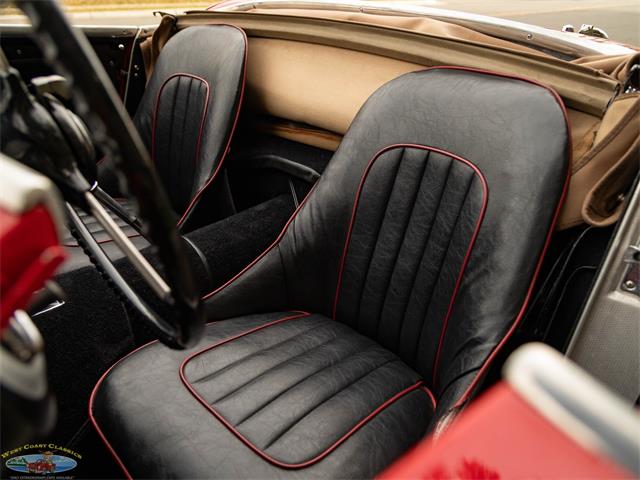
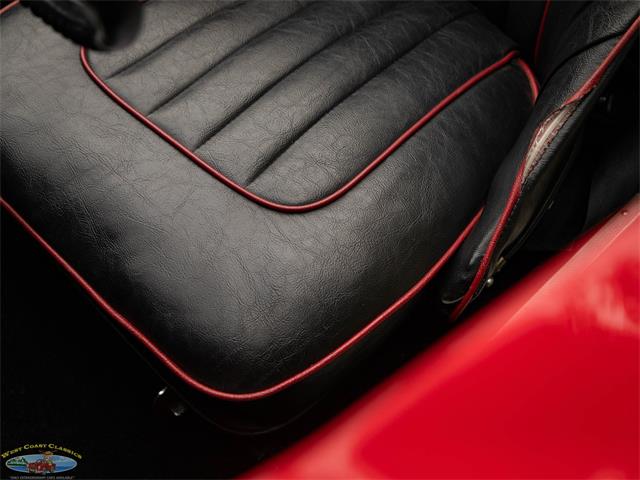
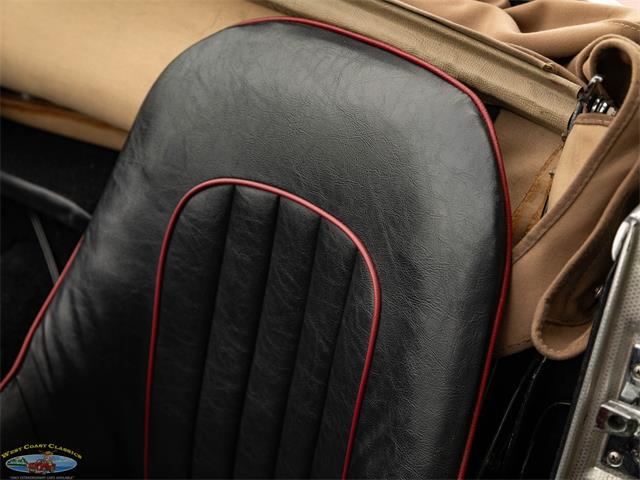
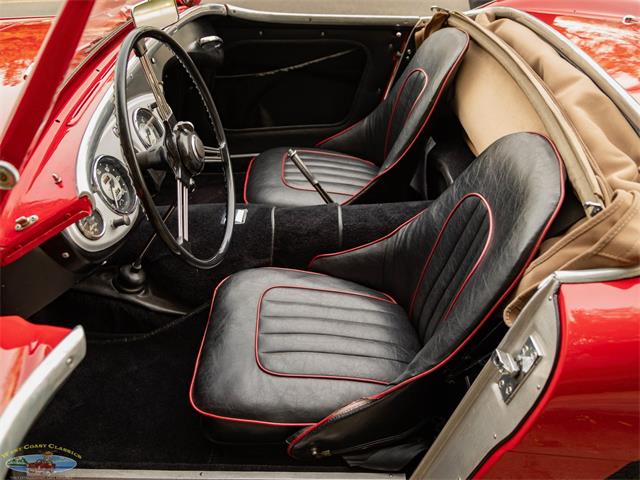
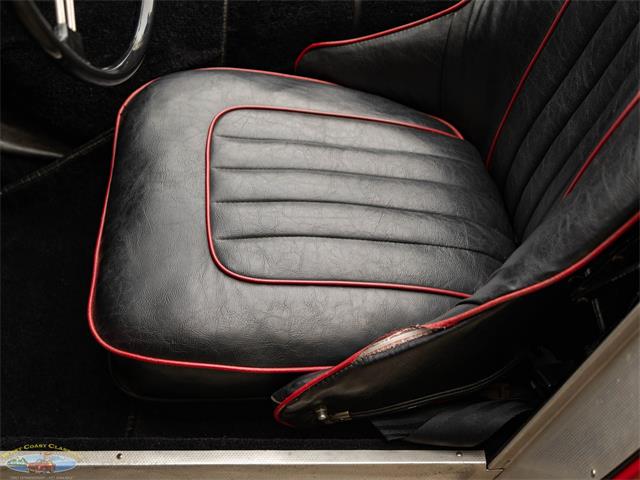
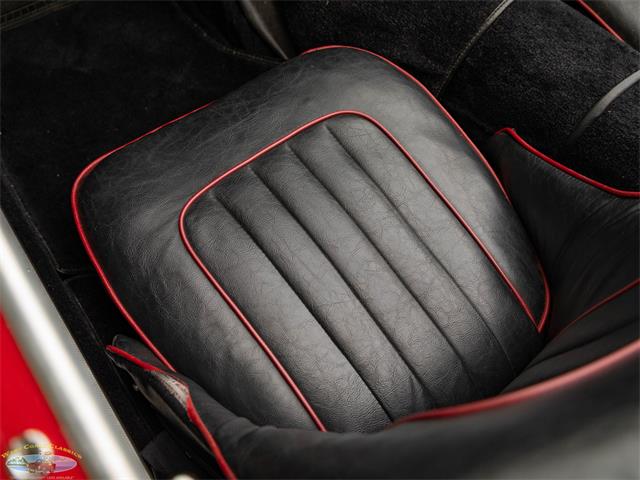
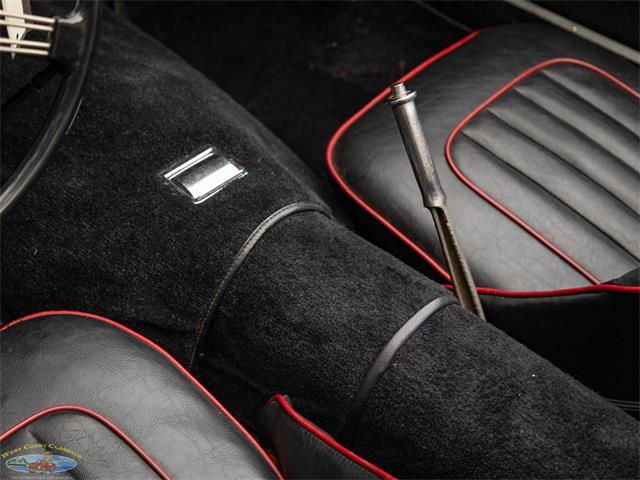
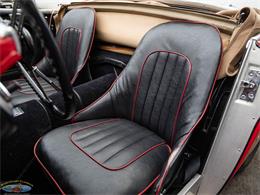
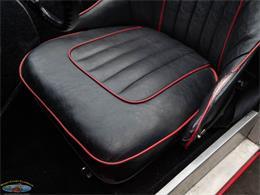
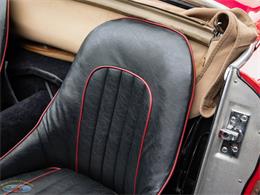
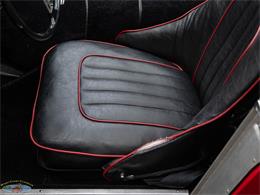
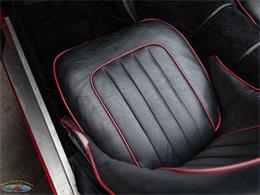
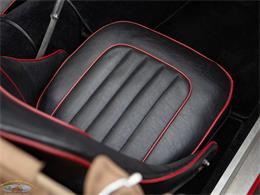
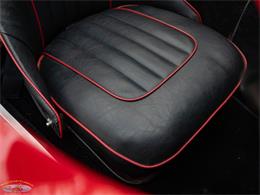
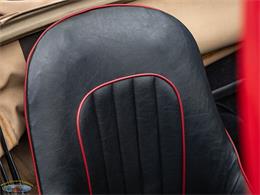
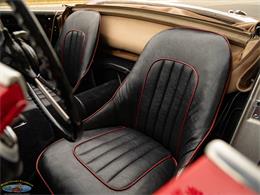
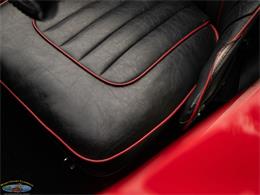
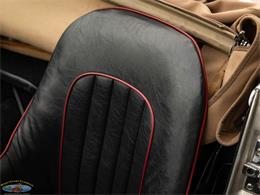
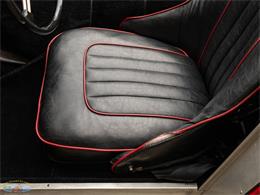
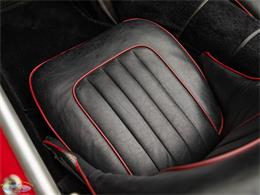
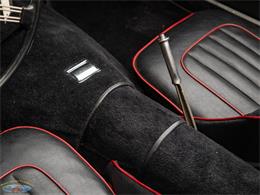
Carmine Red paintBlack upholstery with Red piping and Black
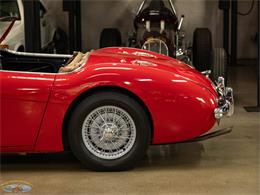
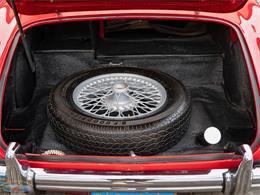
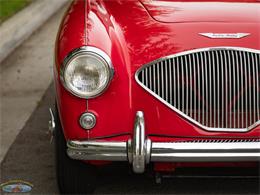
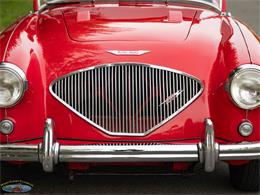
carpets15-inch knock-off wire wheelsFront and rear bumper
guardsBritish Motor Industry Heritage Trust CertificatePlease note
that the car is titled using the cars body number. What
began as a joint venture between Donald Healey and the British
Motor Corporation (BMC) to bridge the market gap between the
affordable MG and the high-end Jaguar was destined to become one of
Englands truly iconic sport cars! The car was to be named
"100" because it was the first Healey capable of breaking the 100
mph barrier and in 1953 the 100-4 set multiple land speed and
endurance records at the Bonneville Salt Flats, cementing its
performance reputation in the American market.The BN1 models were
produced between May 1953 and August 1955 before being replaced by
the BN2.Technical SpecificationsEngine: 2,660 cc (2.7L) Inline
4-cylinder OHV engine, adapted from the Austin
A90.Performance:Horsepower: 90 bhp @ 4,000 rpm.Torque: 144 ft-lbs @
2,000 rpm.Top Speed: 106 mph (standard); up to 111 mph with the
windshield folded down for aerodynamics.Acceleration: 060 mph in
approximately 11.2 seconds.Transmission: A unique 3-speed manual
with overdrive on the top two gears. (Note: Technically a modified
4-speed where 1st was often blocked out due to the engine?s high
torque).Braking & Suspension: Girling 11-inch drum brakes
all round; independent front suspension with coil springs and a
rigid rear axle with semi-elliptic leaf springs. Key
FeaturesFolding Windshield: One of its most iconic features,
allowing the driver to lay the screen flat for improved
aerodynamics.Construction: Aluminum and steel body panels over a
steel frame.Optional "Le Mans" Kit: Many owners retrofitted their
cars with "M" specifications, which included larger SU H6
carburetors, high-compression pistons, and a louvered bonnet.The
next generation model was the BN-2 fitted with a 4 speed manual
transmission and still with overdrive on the top two gears. Other
features that distinguish the BN2 from the BN1 are the slightly
larger front wheel arches, different rear axle and being the first
100 with optional two-tone paint.By January 1956 production was
running at 200 cars each month and sales in California 150 cars
each month with the final BN2 built in July 1956.The
high-performance 100M model was introduced in 1955 with larger
carburettors, a cold air box to increase engine air flow, high-lift
camshaft and 8.1:1 compression pistons and it produced
110 bhp at 4500 rpm. With a stiffened front
suspension and the hood louvres to distinguish it, along with a
leather hood belt. Most of the 100Ms were finished with a two-tone
paint scheme, in all, only 640 100Ms were built by the factory.The
100M components (including the high compression pistons) were also
made available as the Le Mans Engine Modification Kit, which could
be retrofitted and installed in either a BN1 or BN2 with the engine
in situ, improving the power output to approximately
100 bhp at 4500 rpm. The kit could be ordered
from BMC, allowing private owners to make their own modifications,
but these are not as valuable as any of the original 640 factory
100M?s. Only the factory-registered chassis identification numbers
can distinguish the actual factory built originals from retrofitted
models.Finally and built primarily for racing, the aluminium-bodied
"100S" (for Sebring) model developed a phenomenal for its day
132 bhp at 4700 rpm! Five works
development/special test cars carrying the "SPL" chassis number
prefix were developed during 1953 and 1954, with one winning its
class at Sebring in 1954 and prompting the "S" designation. Only 50
production 100S cars were made, hand built in Warwick and delivered
between February - November 1955 and carrying the "AHS" chassis
number prefix.To minimize weight and improve performance the cast
iron cylinder head was replaced by a Weslake designed aluminium
one, and the overdrive unit was not installed. Dunlop disc brakes
were used all-round, the world's first production car to feature
them both front and rear. To further lighten the vehicle, bumpers
and hood (convertible top) were eliminated, the grille reduced in
size, and the windscreen made of plastic. In all, weight was
reduced by approximately 200 lb. The majority of 100Ss
were two-toned white with Lobelia Blue sides. A handful were
produced in solid Spruce Green and red, and a single one in black.
ClassicCars.com has been recognized as one of the fastest-growing private companies in the United States, successfully making the Inc. 5000 list in both 2015,
2016, 2017 and 2018. This prestigious accolade represents the continued growth of the company, and ClassicCars.com's dominance as the world's largest online marketplace for
buying and selling classic and collector vehicles.
The Stevie Awards, the world's premier business awards recognized
ClassicCars.com's first-class Customer Support team with a Stevie Bronze Award in 2019, celebrating the team's skills as exemplary customer support specialists.
In 2016 The Journal, brought to you by ClassicCars.com, was celebrated as the SECOND MOST INFLUENTIAL automotive blog in the world by NFC Performance.