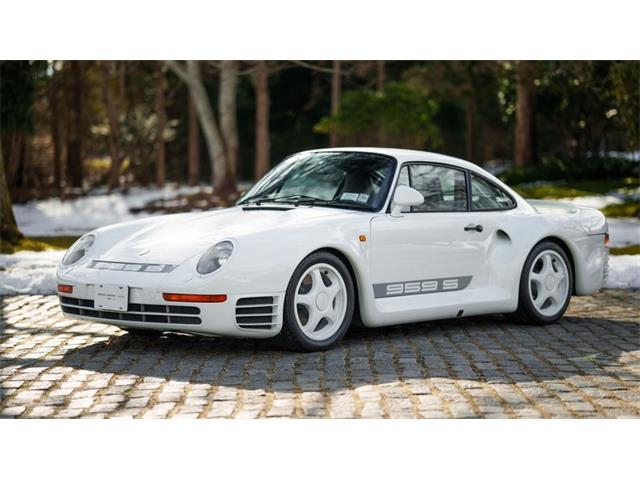
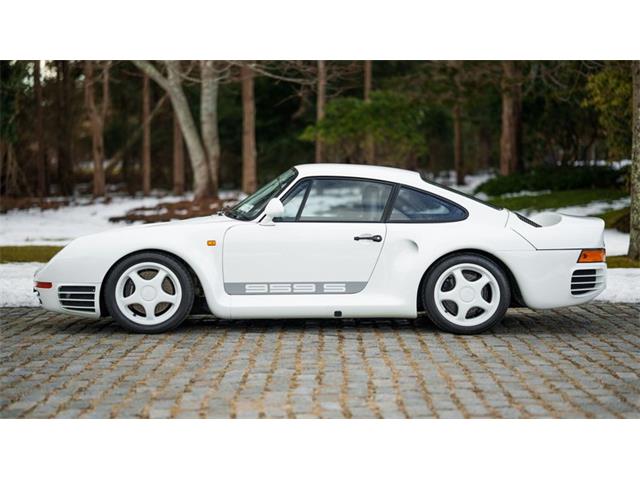
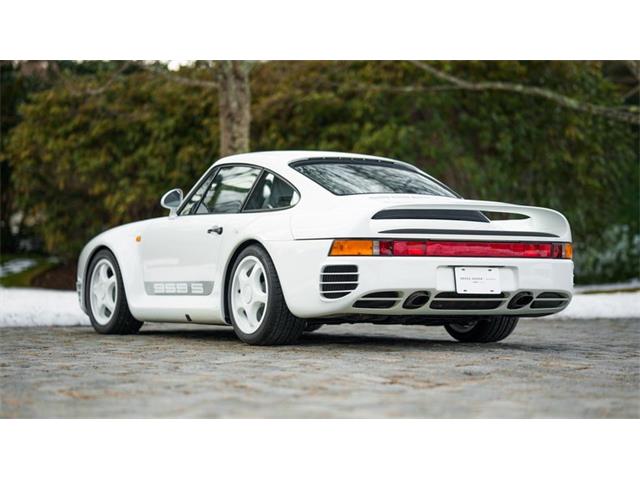
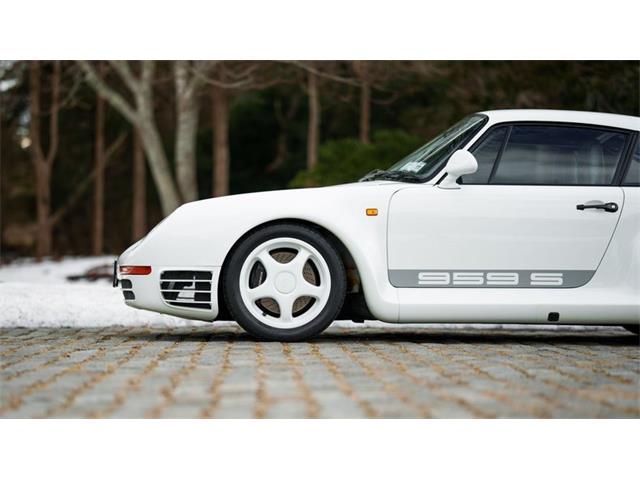
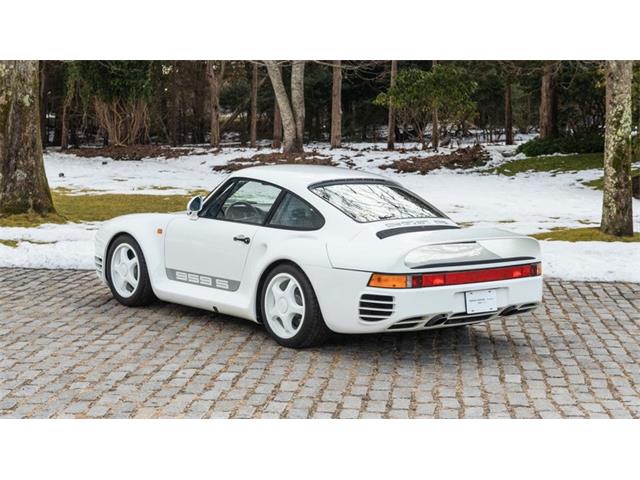
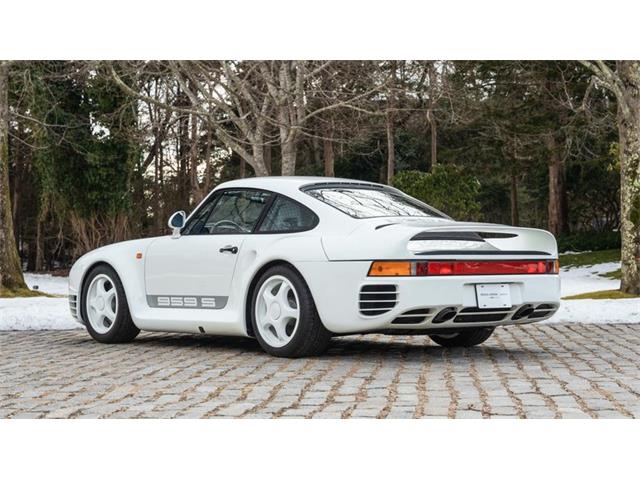
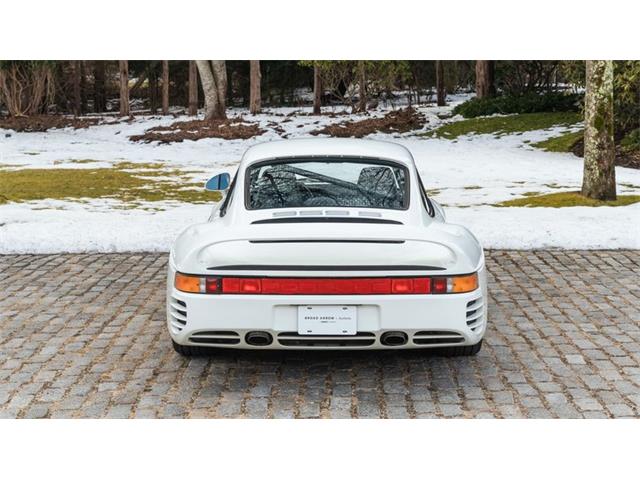
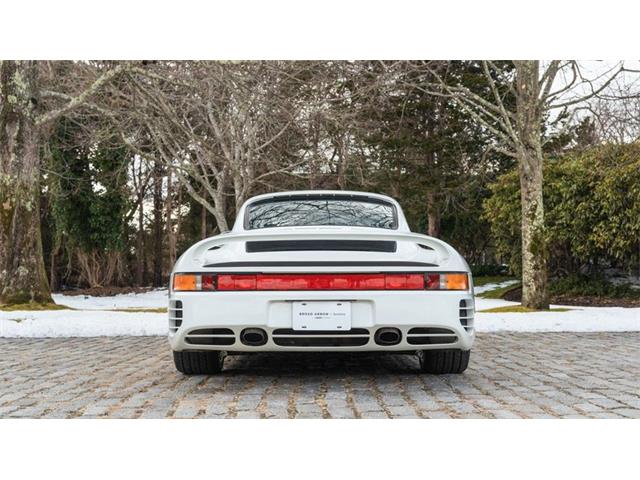
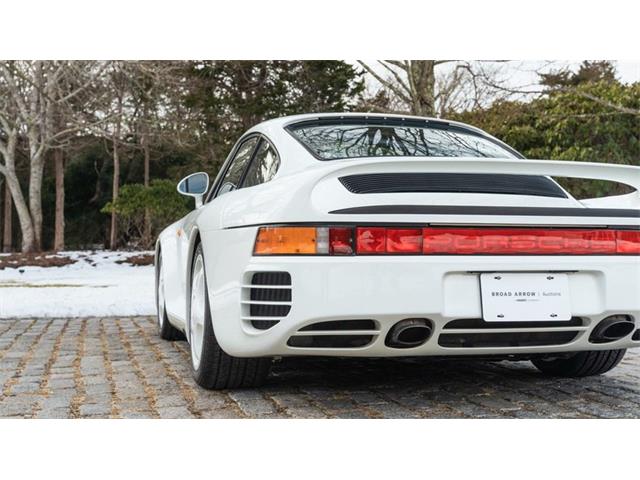
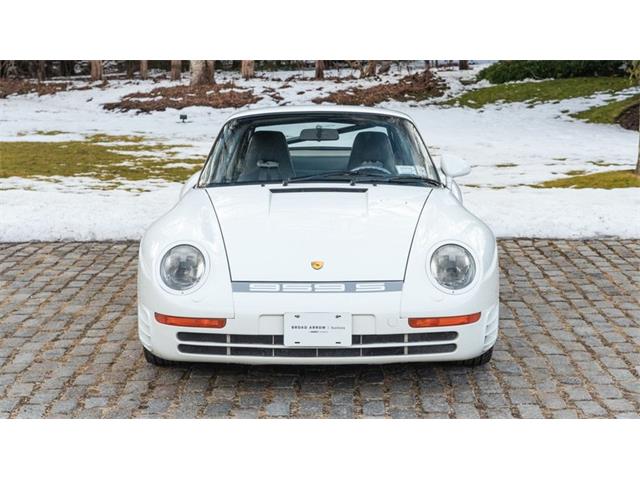
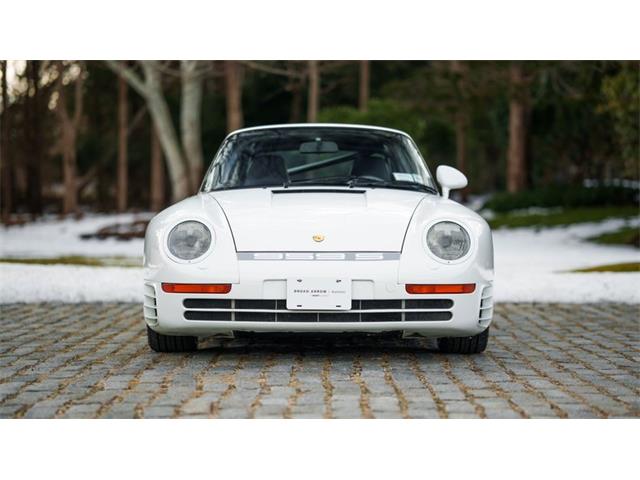
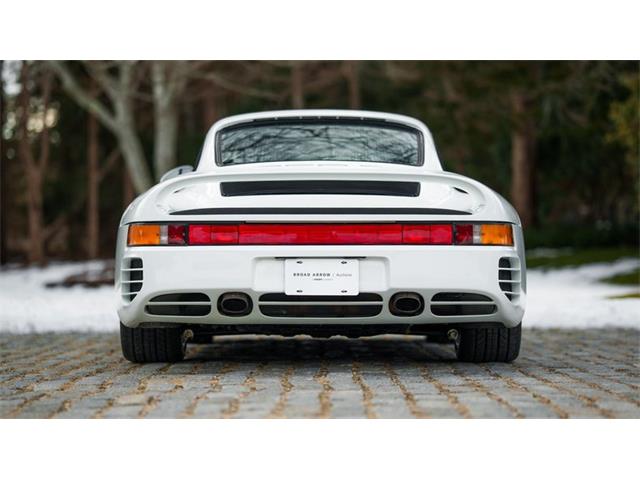
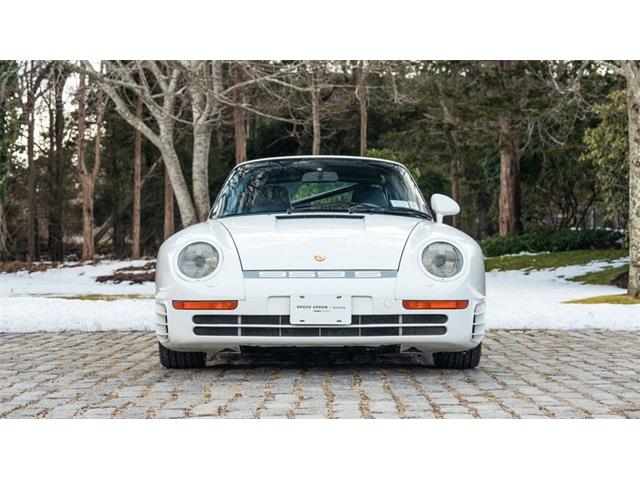
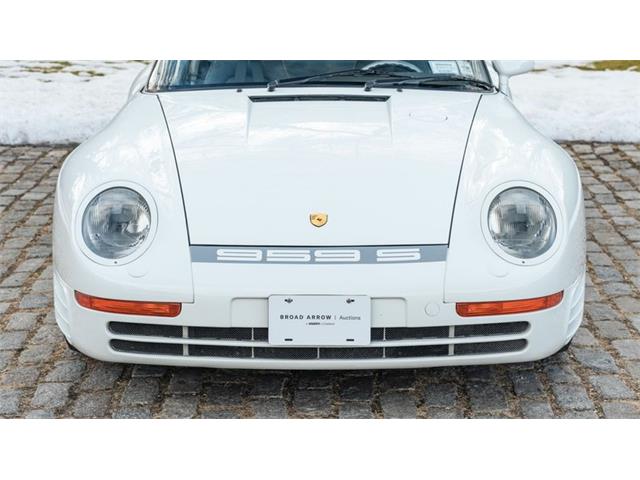
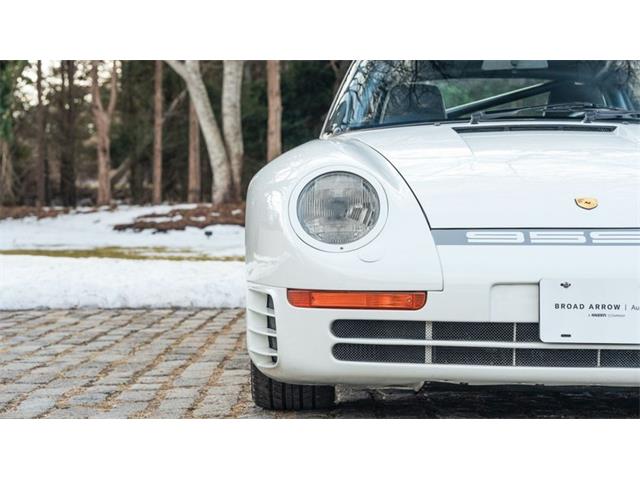
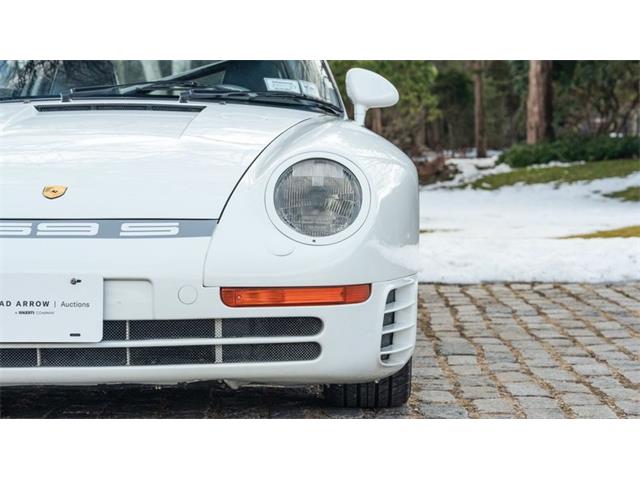
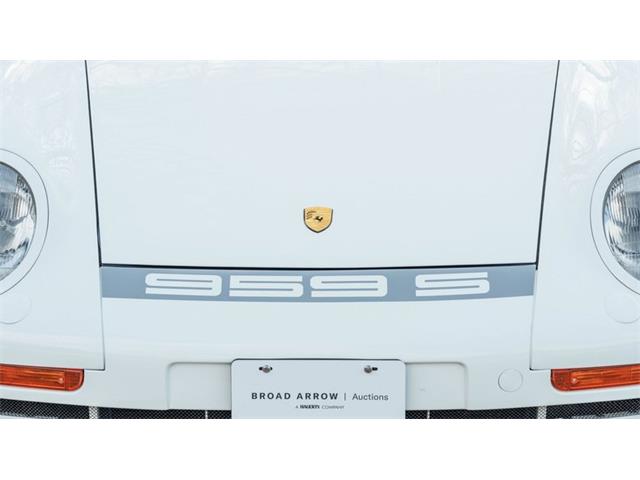
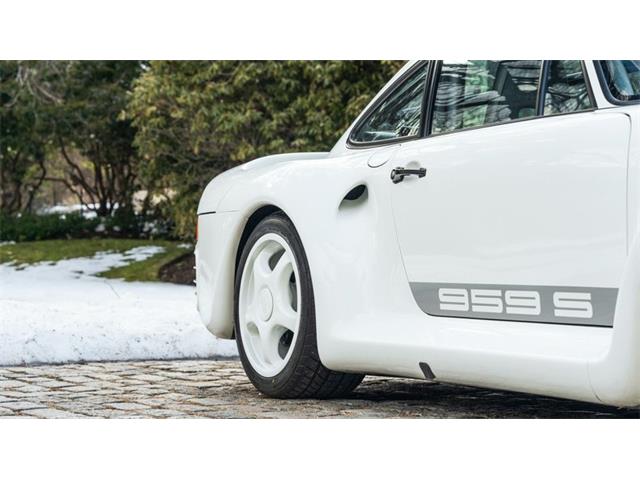
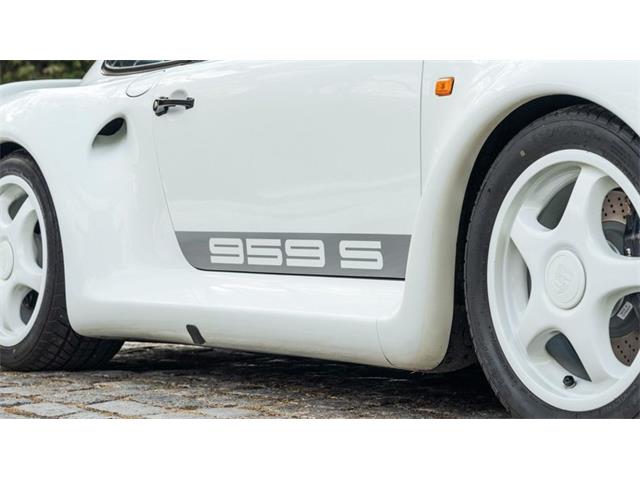
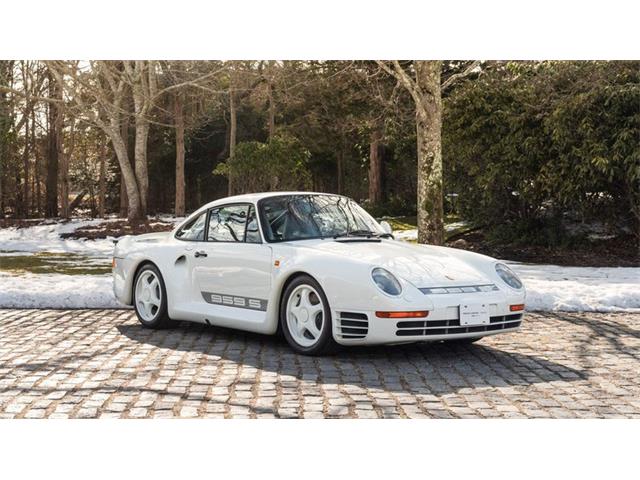
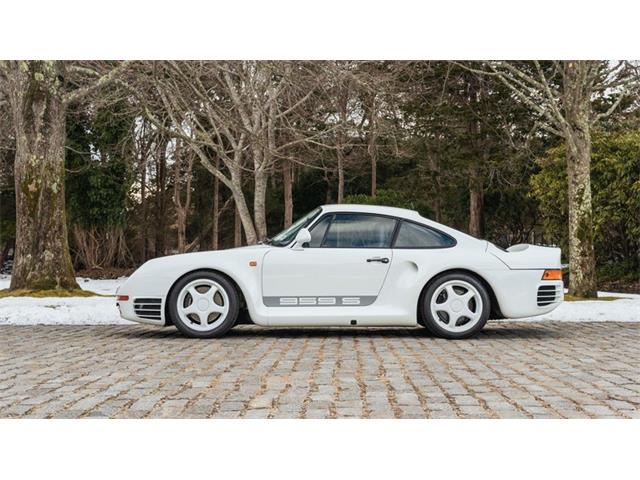
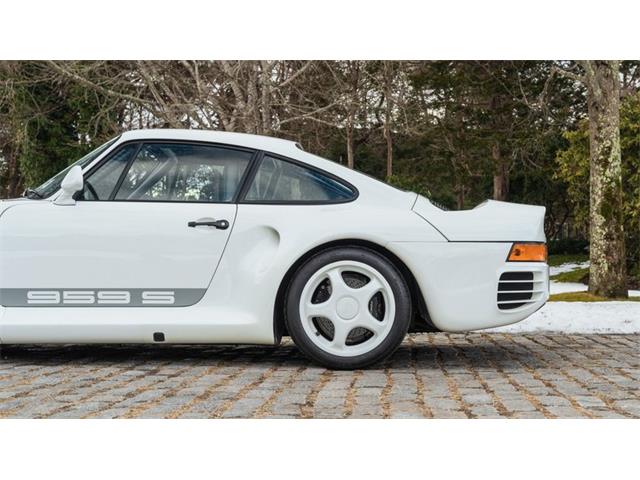
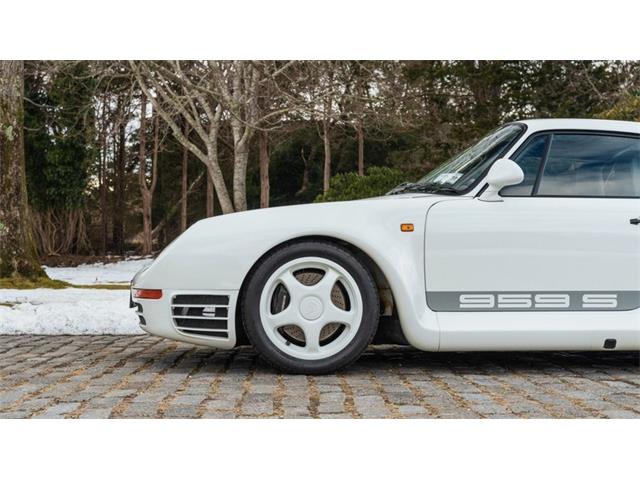
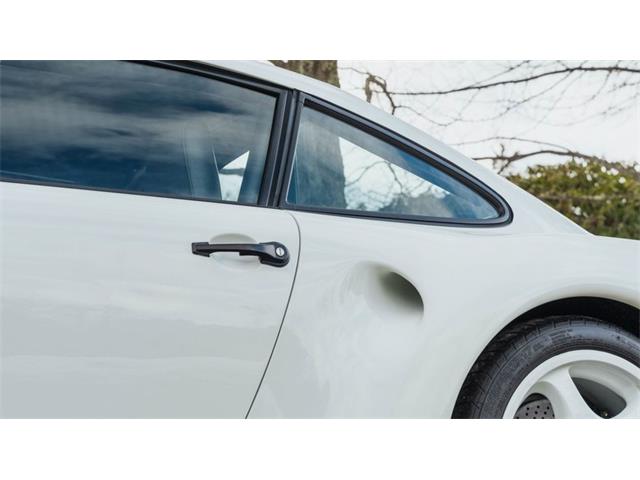
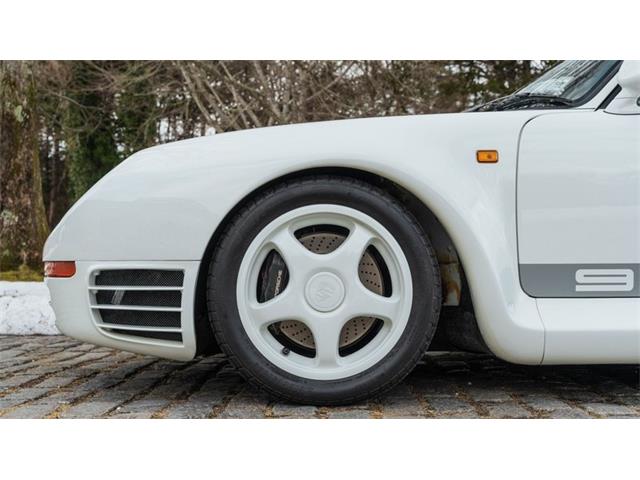
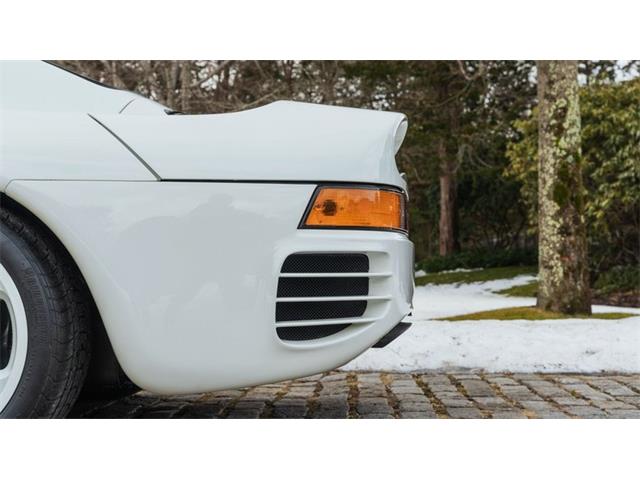
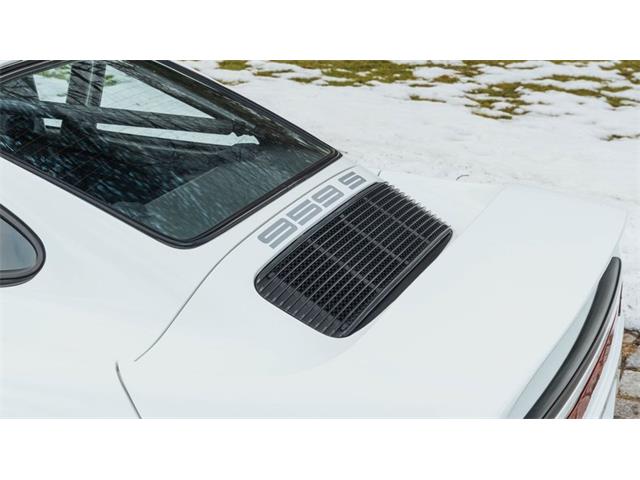
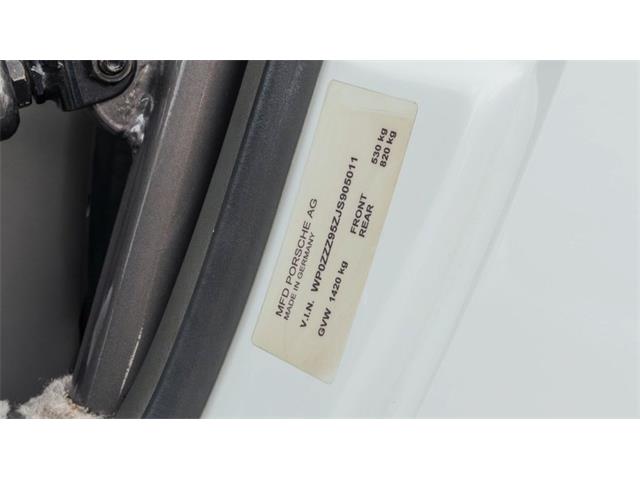
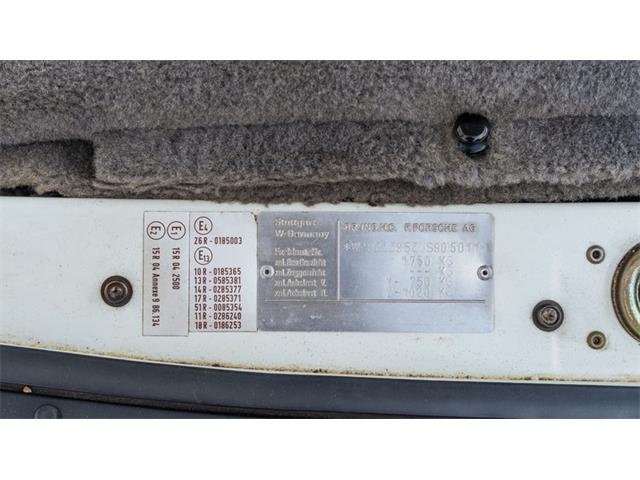
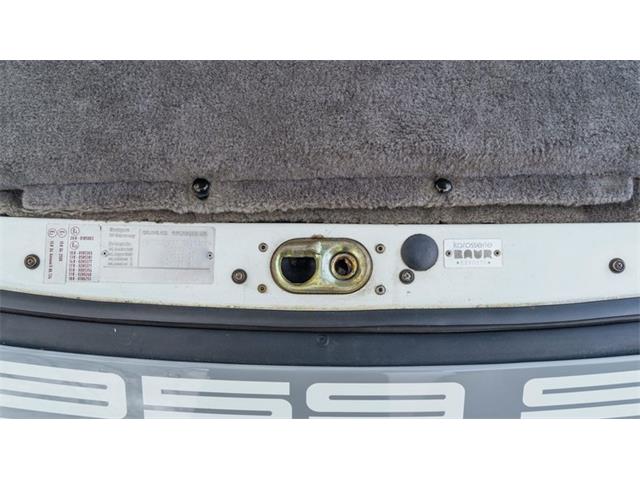
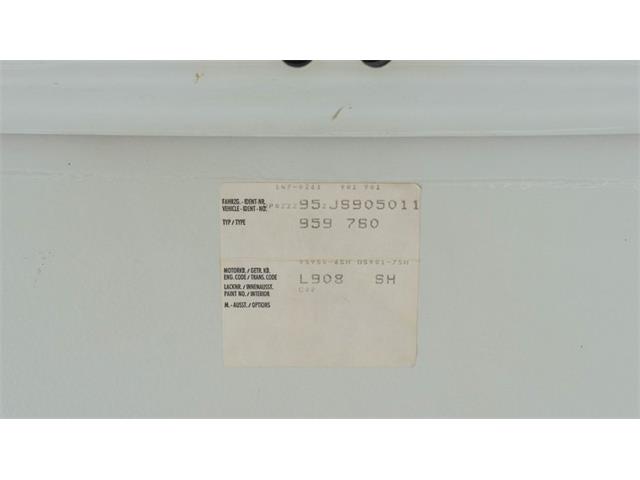
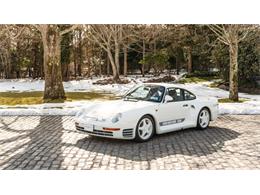
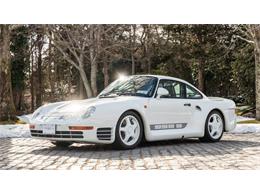
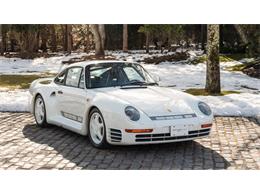
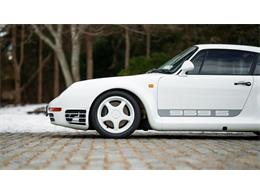
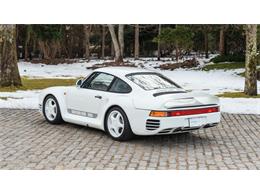
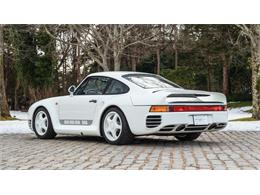
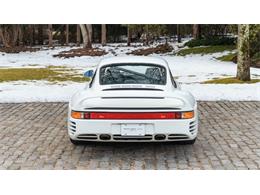
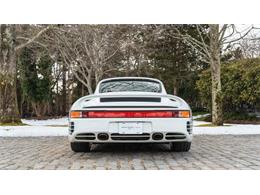
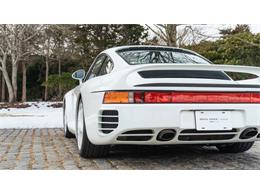
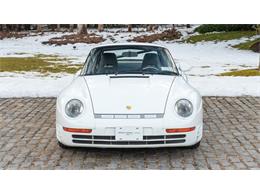
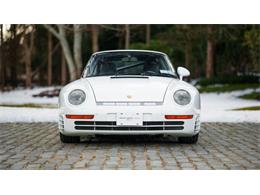
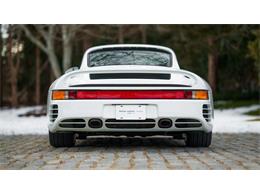
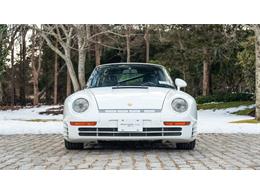
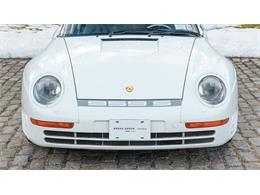
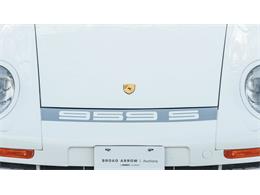
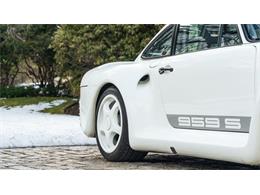
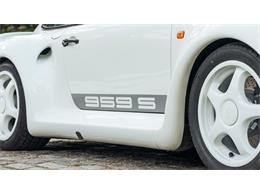
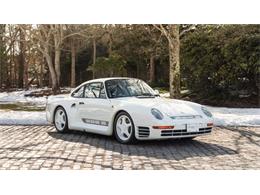
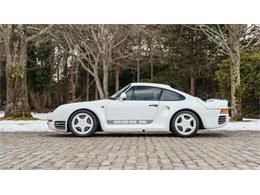
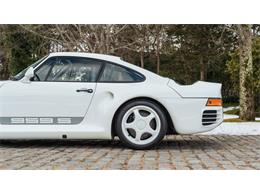
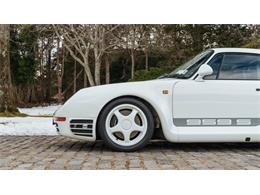
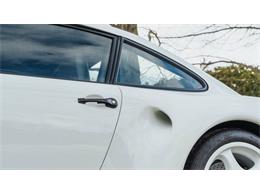
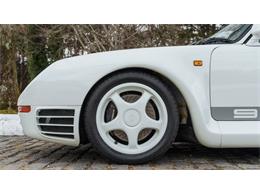
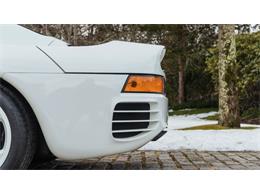
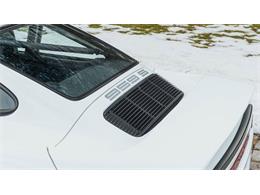
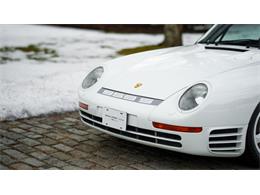
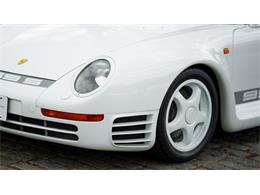
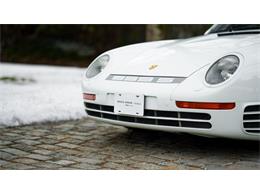
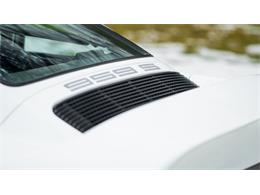
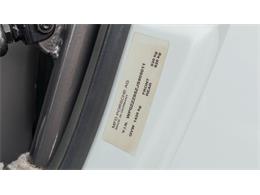
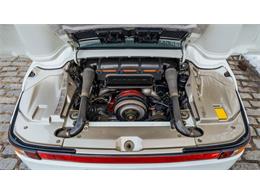
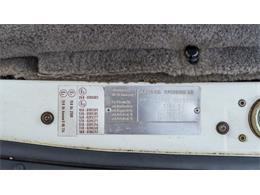
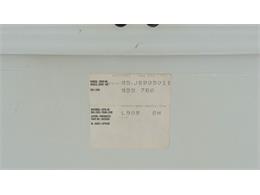
Chassis No. WP0ZZZ95ZJS905011
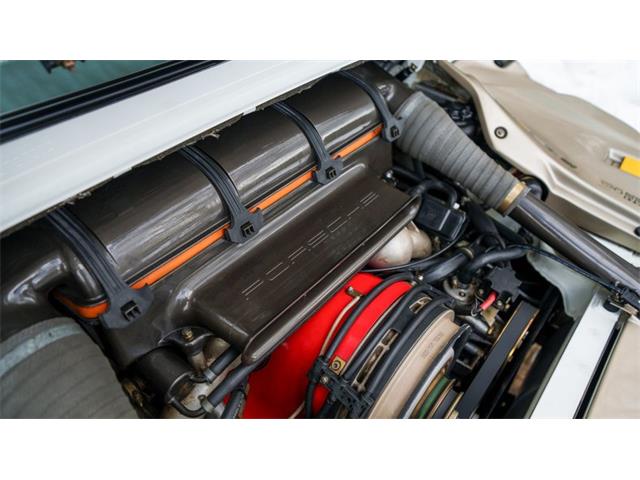
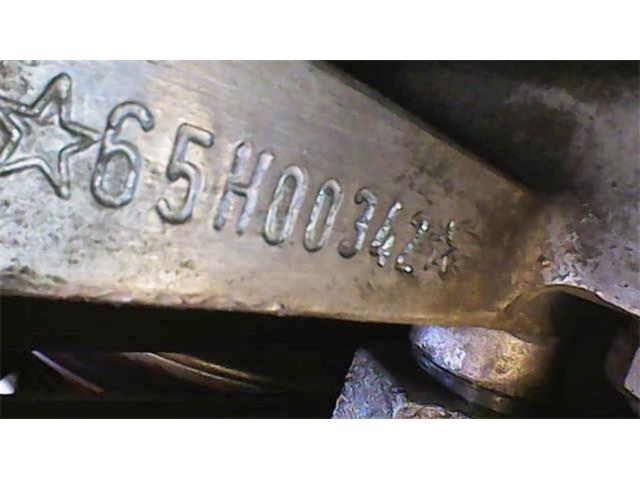
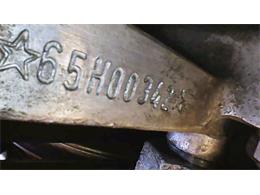
Engine No. 65H00342
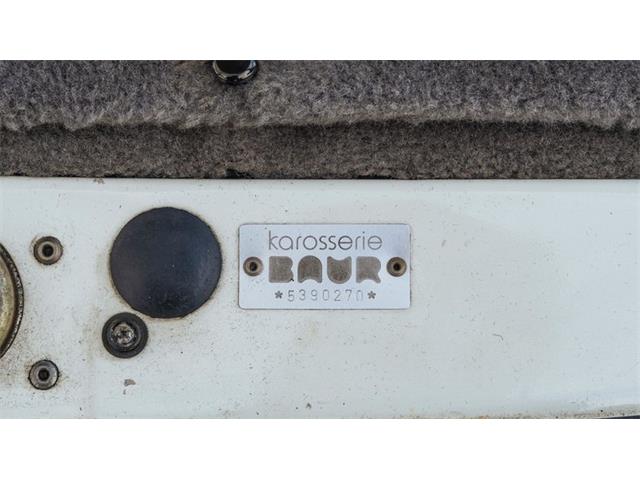
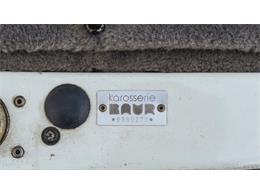
Karl Baur Body No. 5390270
Porsche's internal type-numbering system has always been very
effective, and its 1980s 959 supercar naturally followed suit. The
standard Komfort model was designated "959 750," while the
lightweight, competition-oriented variant carried the suffix "959
760." On paper, that designation suggests a natural evolution; in
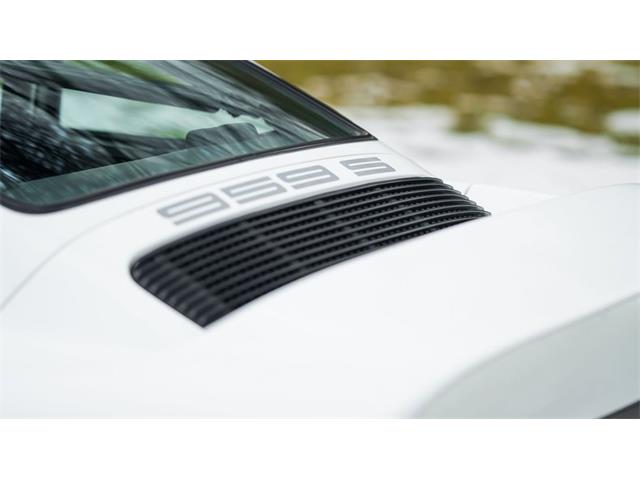
reality, the 959 Sport was never supposed to exist. Just 30
examples were produced at Porsche's R�ssle Bau facility in
Zuffenhausen, created not as part of the original product plan but
as an improvised response to regulatory obstacles, spiraling costs,
and an increasingly fraught effort to bring Porsche's most advanced
road car to the United States.
Today, the 959's rocky U.S. approval process, the fact it was a
technology testbed, and a loss-leader are well known, but at the
time the U.S. federalization of the car was intentionally shrouded
in mystery. Porsche's U.S. distributor, Porsche Cars North America
(PCNA), claimed that modifications required by DOT and EPA
regulations would "destroy" the supercar, necessitating a total
exterior redesign and crash-testing, with the federalization
process ultimately doubling the cost of each 959 sent to America.
In the end, Porsche elected not to send any 959 Komforts to the
U.S., yet this was not because of the 50-state regulations but
rather the fact that cost overruns and delays pushed the actual
cost of each of the 292 959 Komforts to a rumored 1.000.000 DM per
car! What better way to recoup those costs than by using the EPA
and DOT as partial scapegoats, cancel those U.S. contracts, and
offer that large group of newly available 959s elsewhere, closer to
their actual cost. The infamous letter sent in March of 1986 by
PCNA President John A. Cook to those interested in purchasing a
959, notifying them of the car's cancellation and the fact that the
supercar technology would filter down into their road cars, likely
went over like a lead balloon.
This abject disappointment led to extreme measures by those with
elevated expectations. A gang of four-with the owner of Polo
Fashions among them-each purchased a C00 German-market 959 Komfort,
self-importing it into the United States. By 1993 each was forced
to pay a $50,000 fine upon discovery, proving just how motivated
U.S. buyers were to obtain one. As a result, Porsche chose to
leverage their Motorsport Department to create a competition
version of the 959, first dubbed "Rennen IMSA," and now known as
the 959 Sport. The 959 Sports would be imported as racing cars
under special exemption delivered to Al Holbert at Porsche
Motorsport North America?(PMNA) based in Warrington, Pennsylvania
in late 1988.
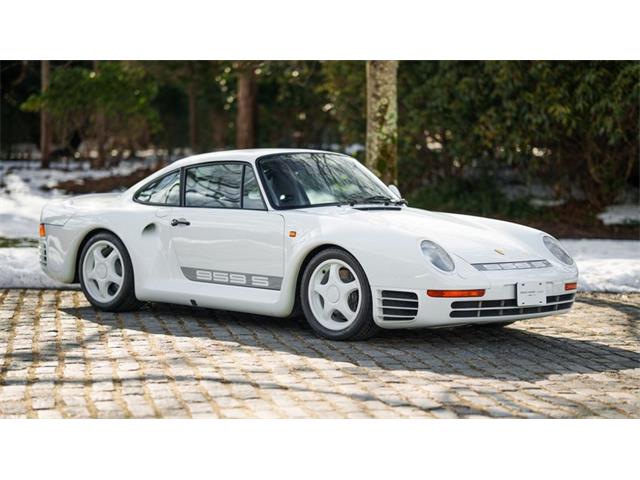
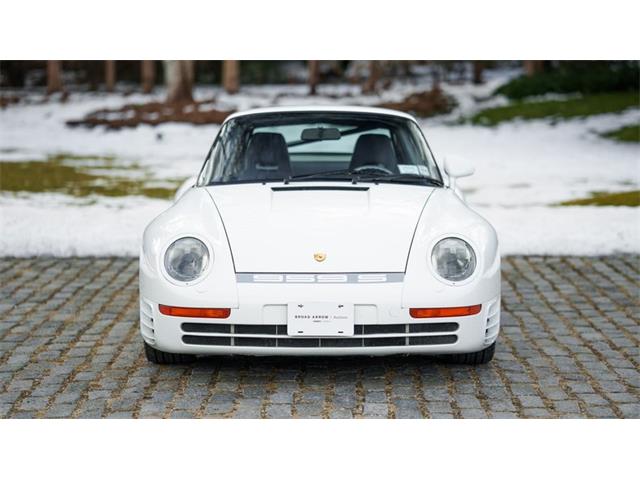
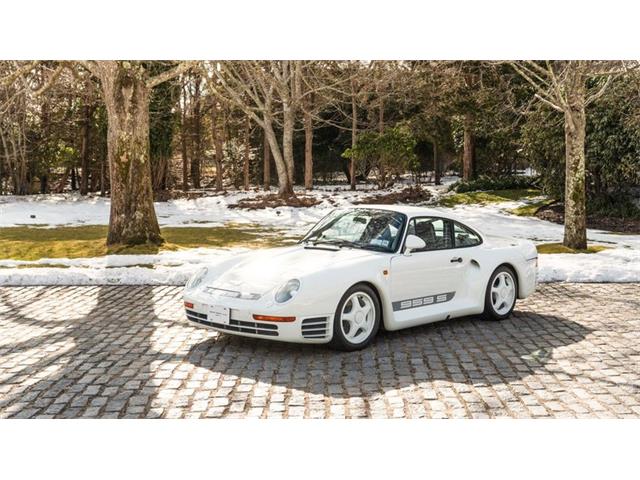
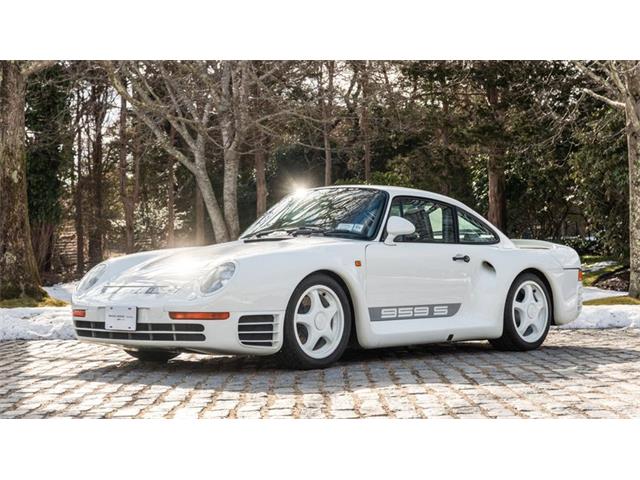
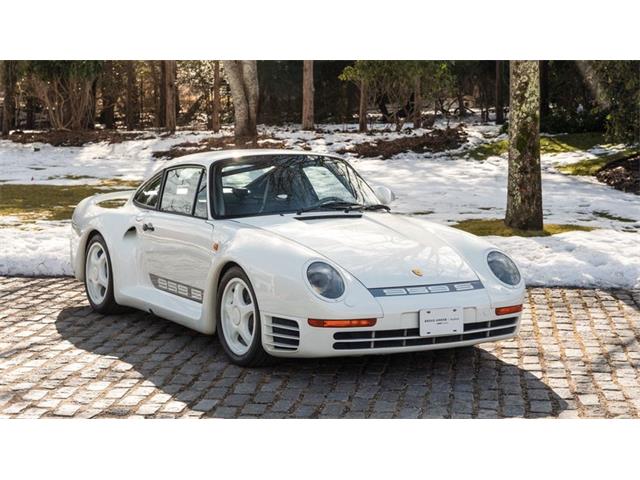
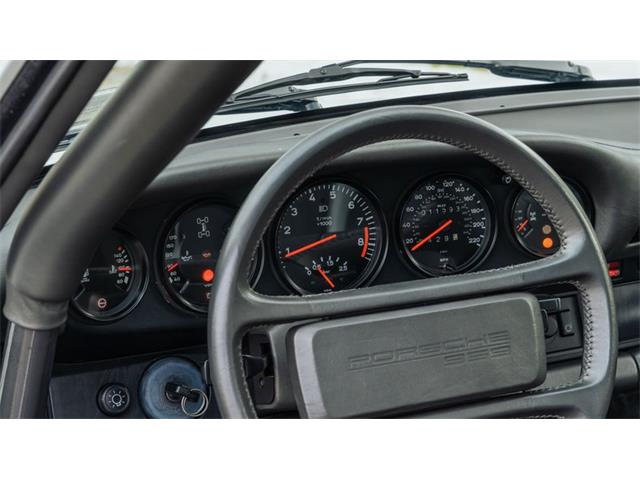
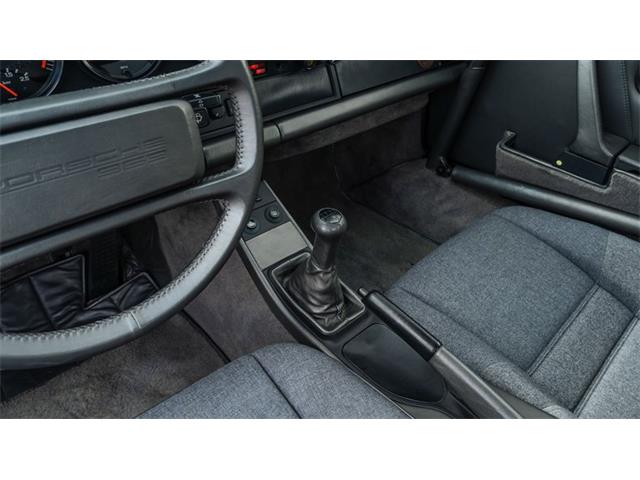
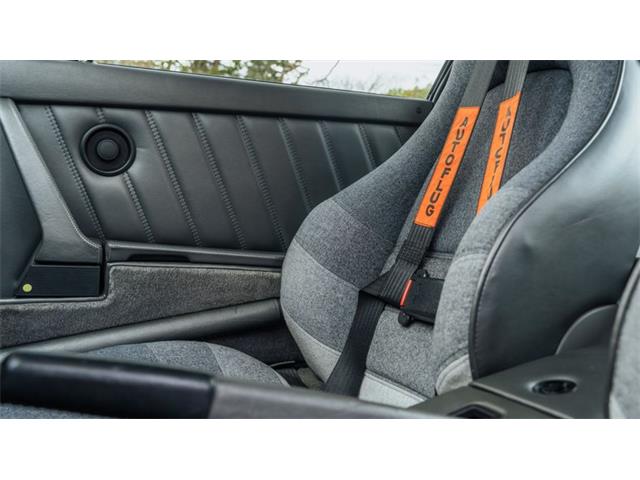
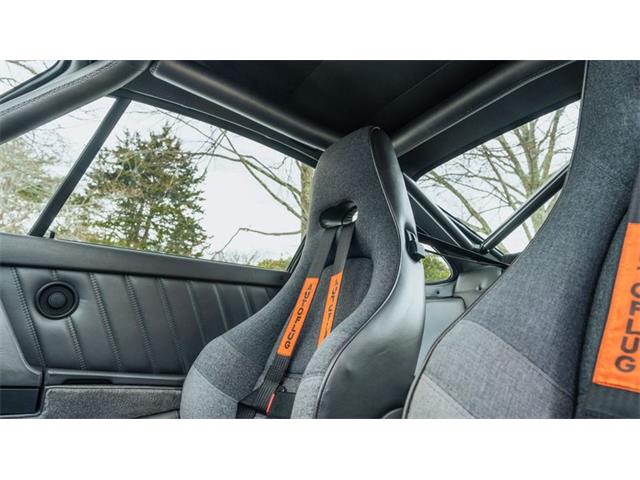
Instead of "destroying" the?959, the U.S.-specification 959
S?quickly became?one of the rarest and most?sought-after?variants
of an already?highly desirable?supercar.?In order to?extoll its
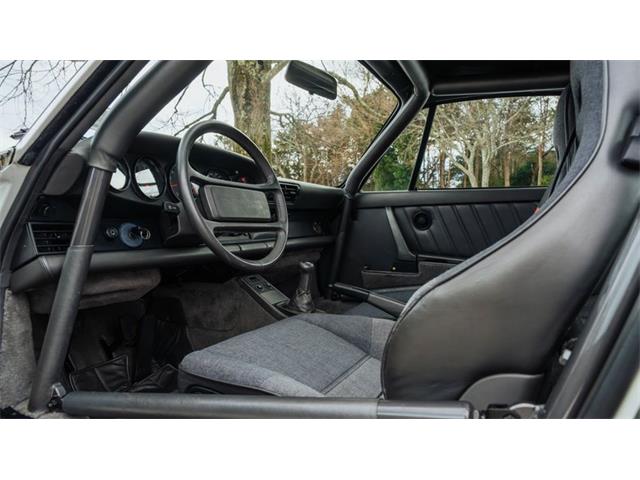
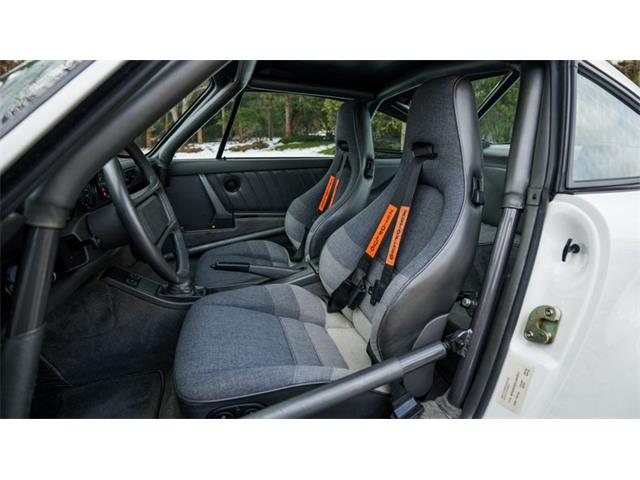
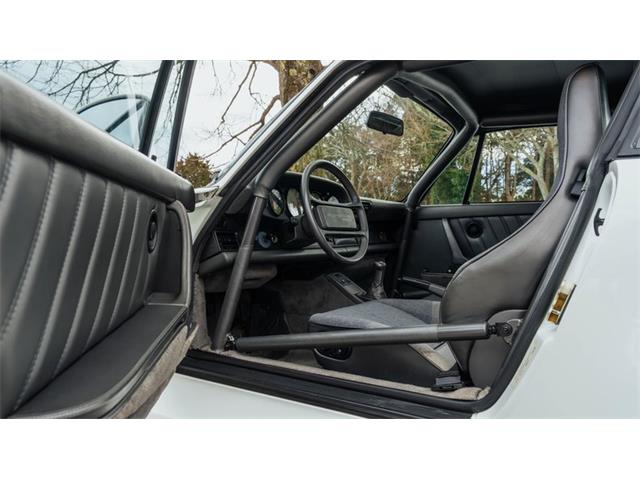
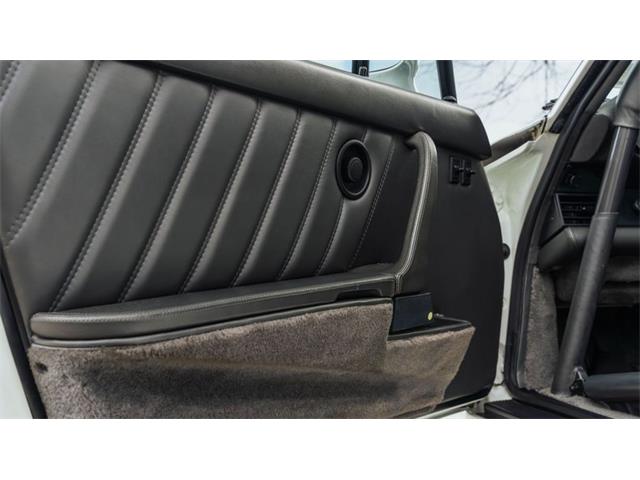
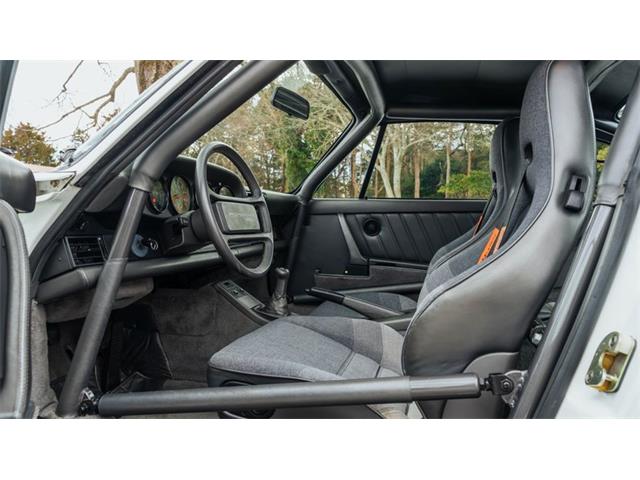
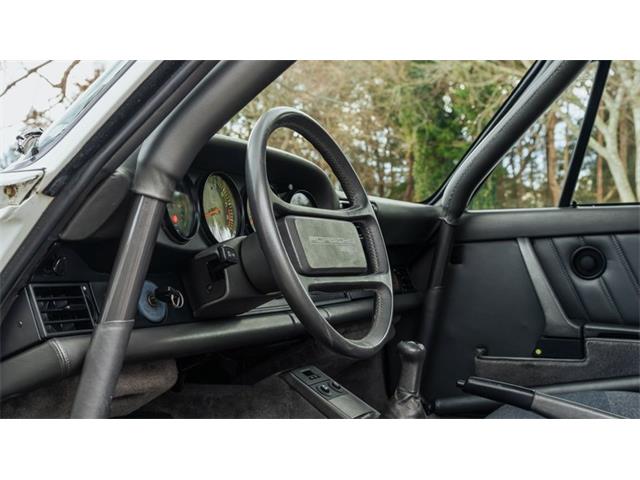
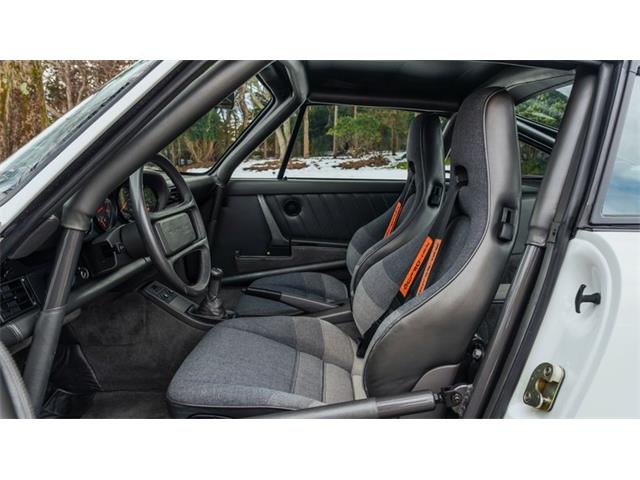
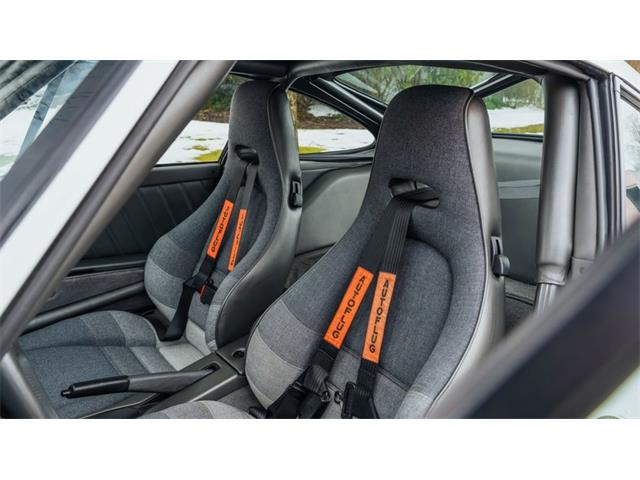
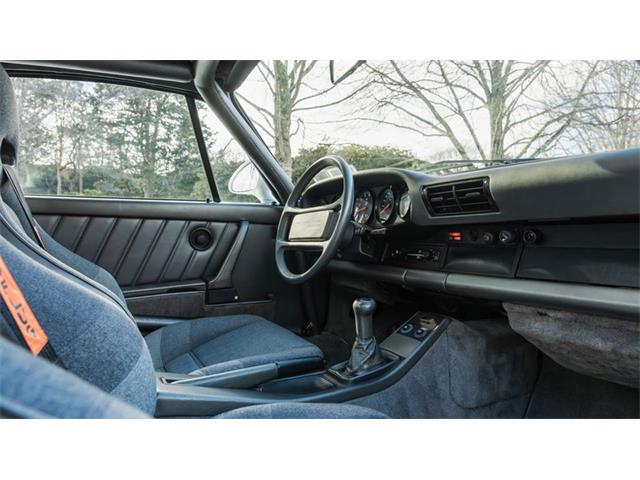
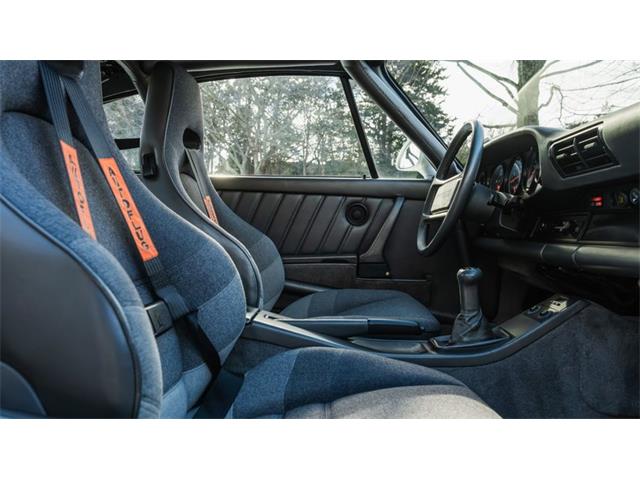
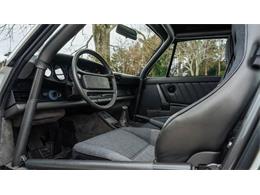
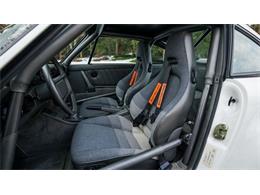
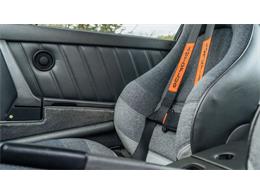
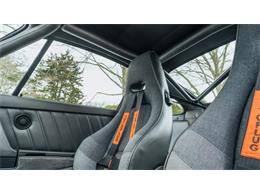
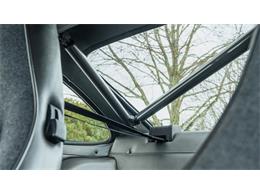
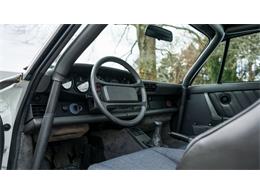
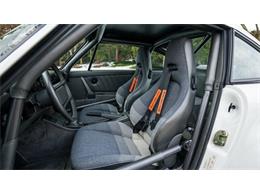
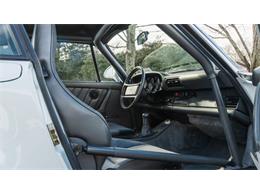
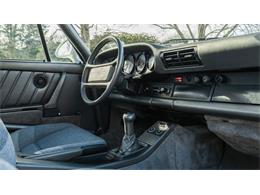
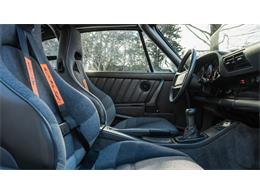
Porsche Motorsport credentials, the?new?959 S was fitted
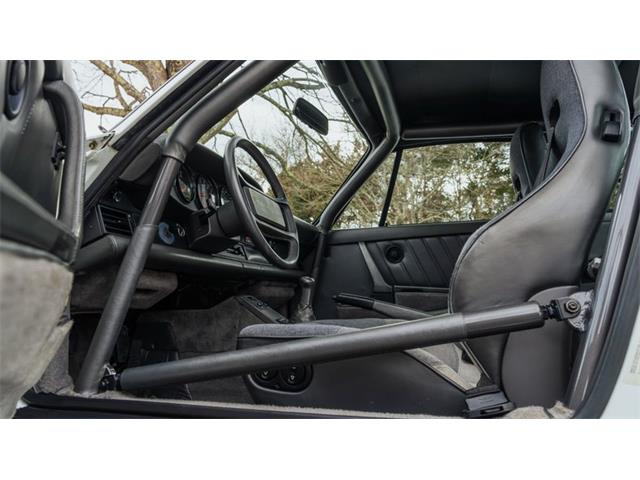
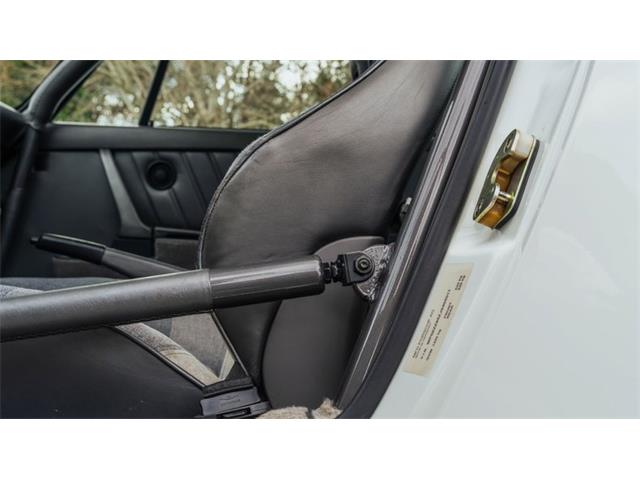
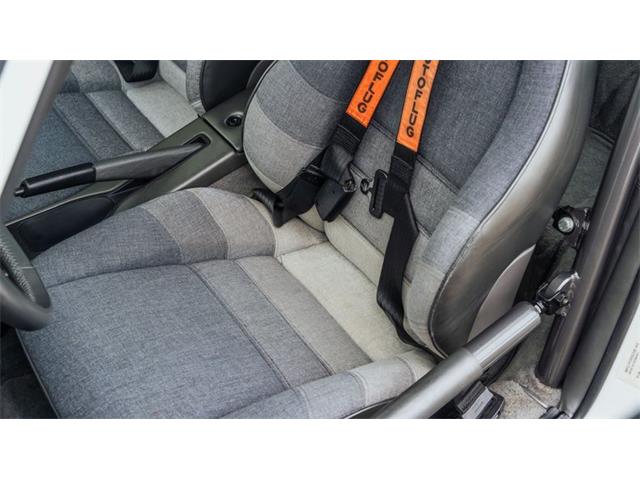
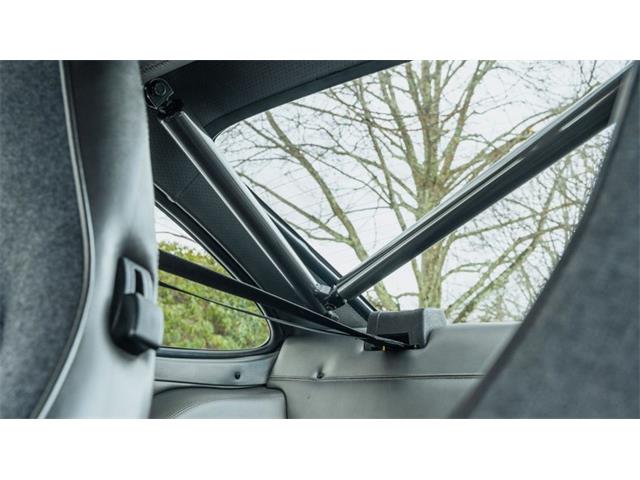
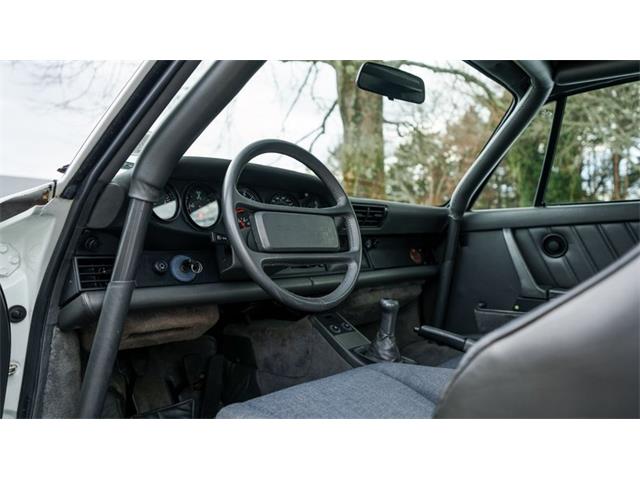
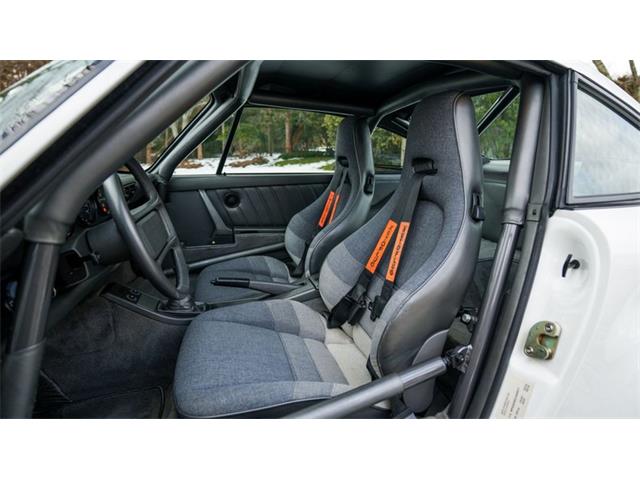
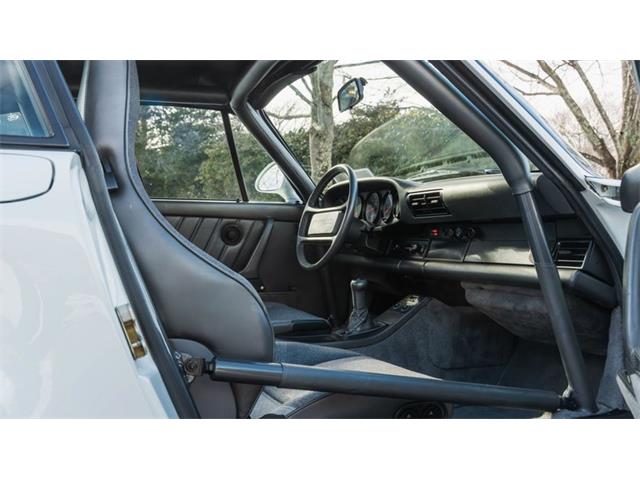
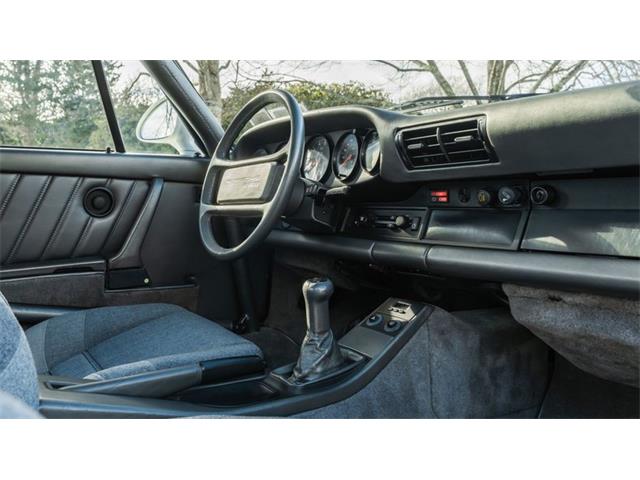
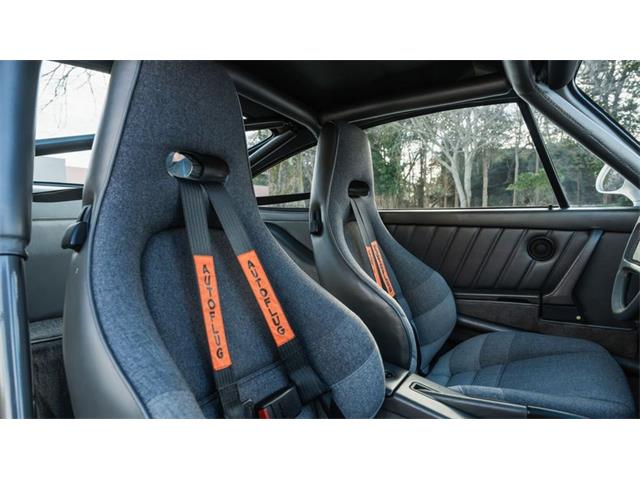
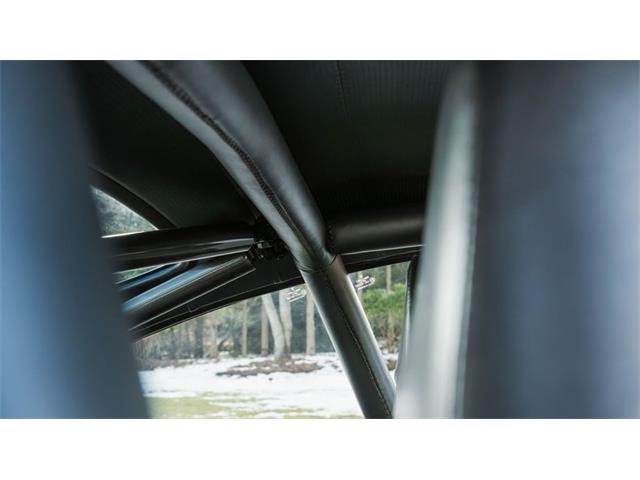
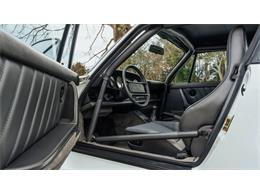
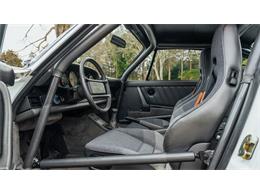
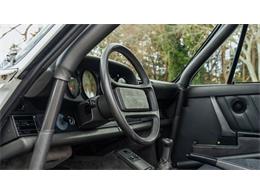
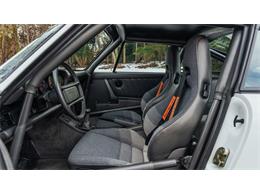
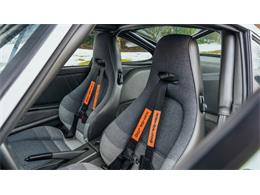
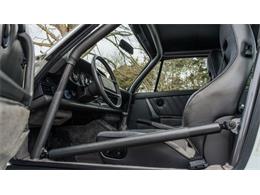
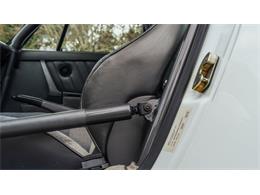
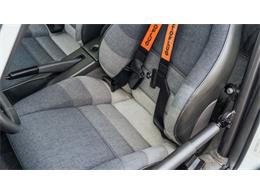
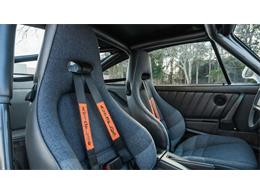
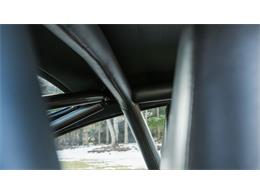
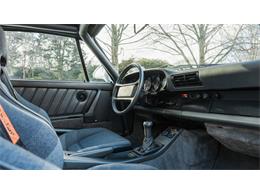
with?a?full roll cage, cloth?tri-color?Recaro sport seats,
four-point?Autoflug?racing?harnesses,?and?coil-over suspension.
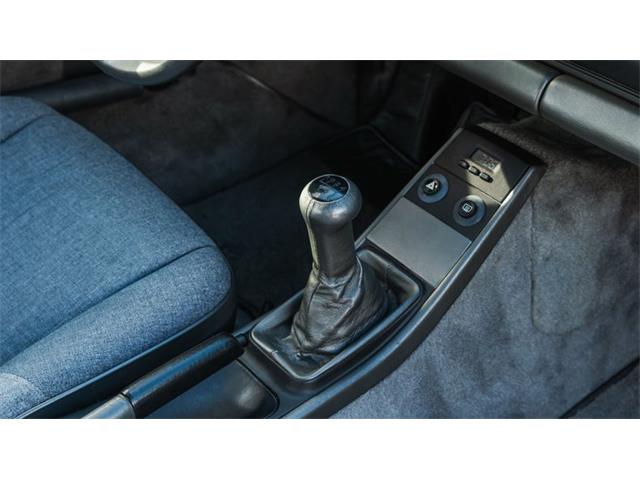
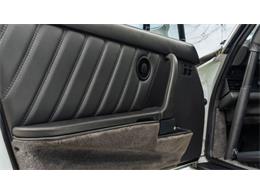
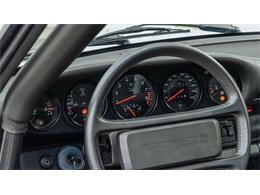
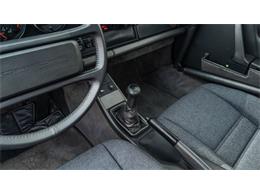
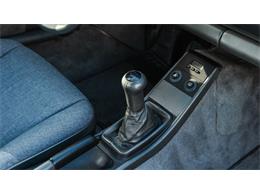
Heavy, non-essential luxury items were omitted including the radio,
speakers, ?and?adjustable height?suspension?reducing weight by?100
kilograms. To?no one's?surprise, the new lightweight 959 Sport was
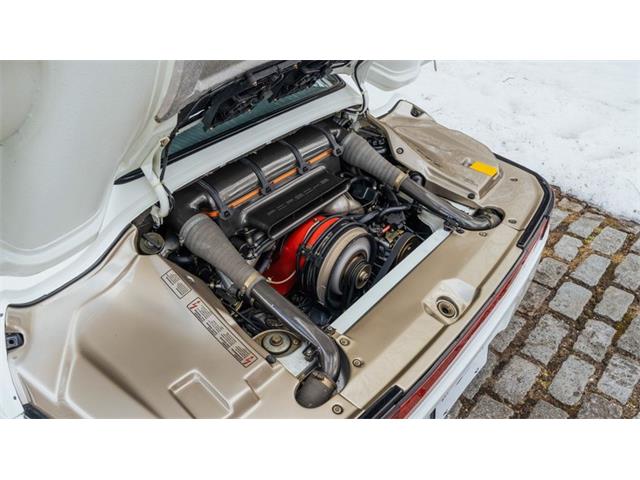
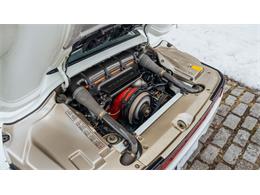
a performer, and according to many, the 959 should have
originally?been?built?to compete with the Ferrari F40.?An?Auto
Motor und Sport?test registered the 959 S at a
scarcely?believable?210.6 miles?per hour.
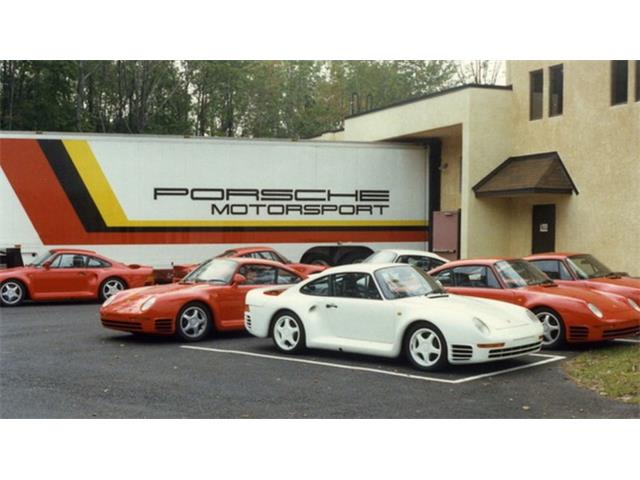
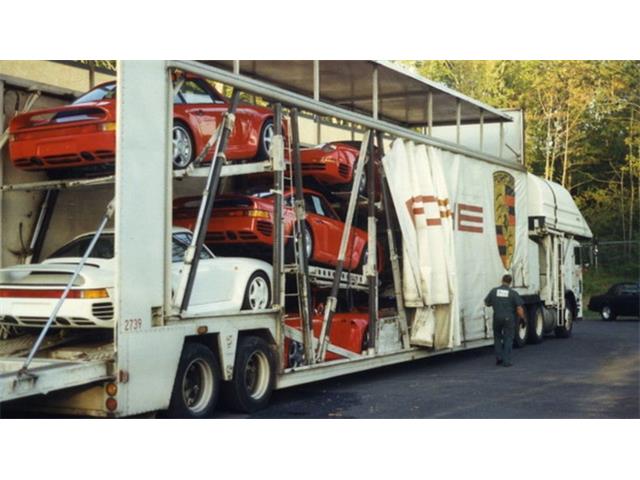
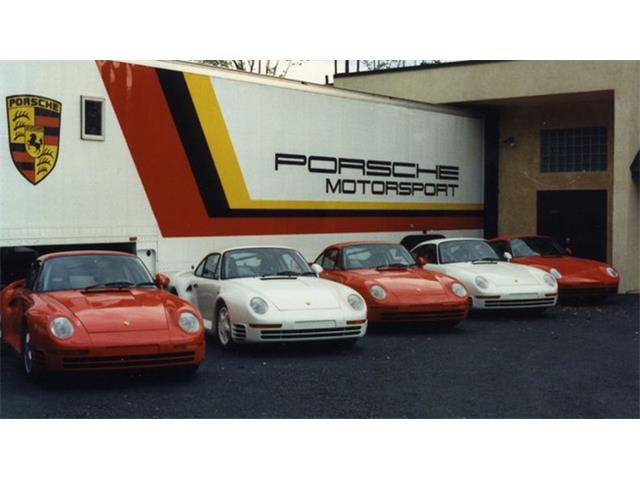
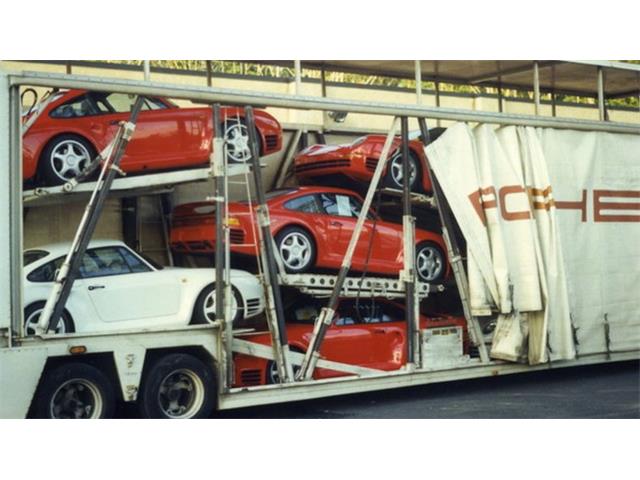
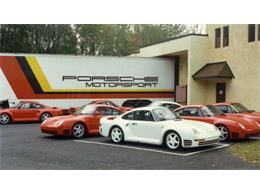
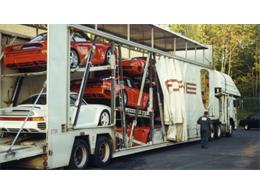
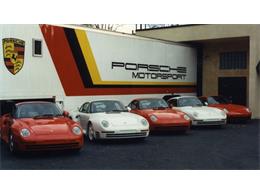
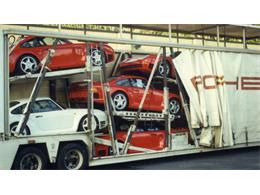
Period?photos on file from Tom Seabolt, long-time Holbert Racing
and PMNA employee, show the first batch of eight (five Guards Red
and three Grand Prix White) 959 Sports
delivered?to?PMNA?headquarters in?Warrington,?Pennsylvania
depicting a scene only seen in Stuttgart?with a truckload of?the
new?959 S neatly?lined up.?Unfortunately, this would be
a?short-lived?victory, as U.S. authorities called PMNA's 959 S
motorsport?program?for what it was-a thinly veiled attempt to
finally deliver a 959 to those in the United States?who had waited
at length to receive one through the proper channels. All eight of
the initial 959 S batch would have to return to Stuttgart. Each of
the 29?"C02" U.S.-market?959 Sports quickly found homes abroad as
the quickest, most desirable 959 ever created. For those wishing to
bring a 959 to the United States (with the exception of the
aforementioned rare cases) doing so would remain forbidden fruit,
firmly within the scope of the infamous "25?Year?Rule."?
Interestingly, Porsche sent purchase contracts to those in the
United States allocated a 959 Sport, offering the car if they were
willing to take delivery in Germany. One of those who could not
resist finalizing their order for a 959 S was Vasek Polak Jr., with
the son of the U.S. Porsche dealer, racer, race team owner,
all-around Porsche icon Vasek Polak taking delivery at the factory
of chassis number 011 on 15 September 1989. In a 2023 Magneto
article Polak Jr. was asked the question-of-all-questions "What
were your favorite cars?" To that query a slew of Porsches spills
forth yet it is his former 959 Sport where he is the most emotive
stating, "Spending many summers driving a 959 S in Europe is the
all-time high mark..."
A report by J�rgen Barth indicates that Polak Jr. had a partner
with the rare Sport model in Larry Vollum who brought the car to
the United States with the assistance of Sun International in 1995.
Vollum is a well-known detail-obsessed racer, engineer, and
collector of interesting and obscure special vehicles and the 959
Sport suits that definition! Later, the car was acquired by noted
collector Paige Stevens, also based in the Portland, Oregon area.
In 2008 it became a foundational part of a world-famous
international Porsche collection focused on important "one off"
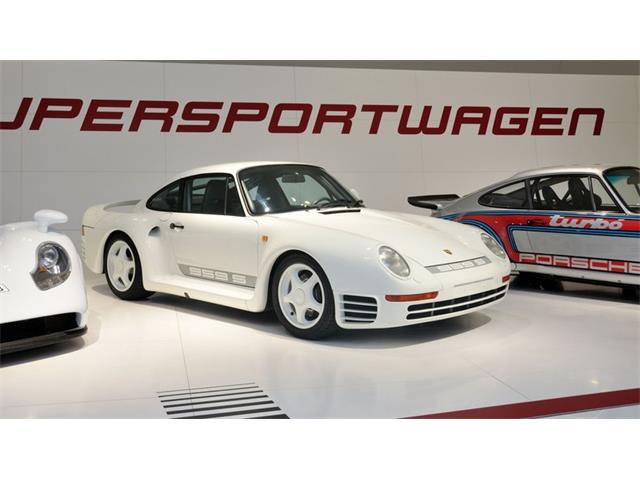
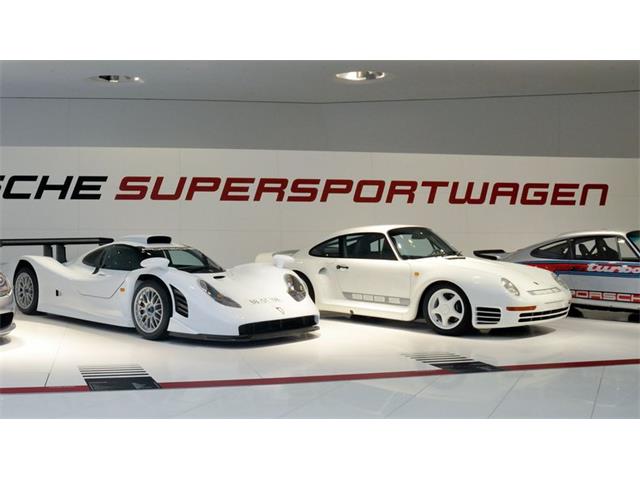
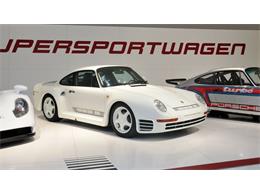
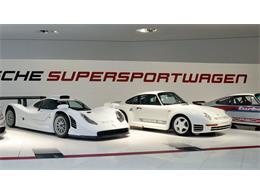
models. In 2014, the factory Porsche Museum borrowed chassis number
011 from this collector, forming a part of an impressive six-month
exhibit of important Porsche cars celebrating 60 years of the
company's Supersportwagen. Placed between the extraordinary
ex-Herbert von Karajan Sonderwunsch, 1975 Martini-liveried 911
Turbo, and the factory's own 911 GT1 Strassenversion, the 959 S
served as the technological and philosophical link between
Porsche's early turbocharged road cars and its later Le
Mans-derived homologation specials not to mention presenting an
awe-inspiring sight.
In 2017, the car was offered for public sale and acquired by the
consignor, whose eye for high-quality and important sports cars
sits among the very best with a flair for design and artistry of
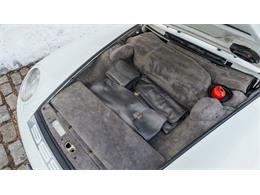
particular import. As further confirmation of the brilliance 959
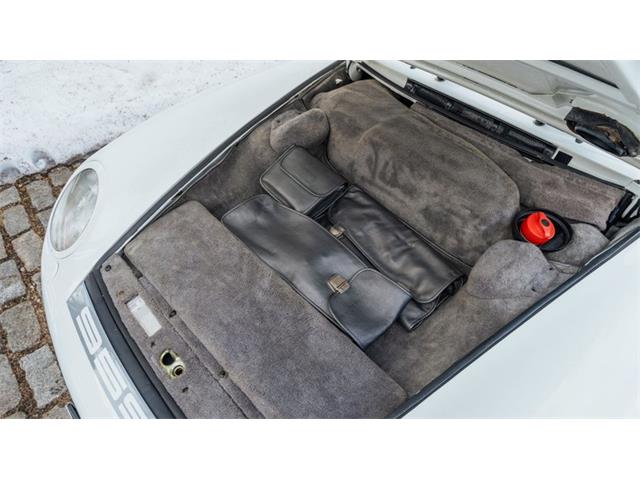
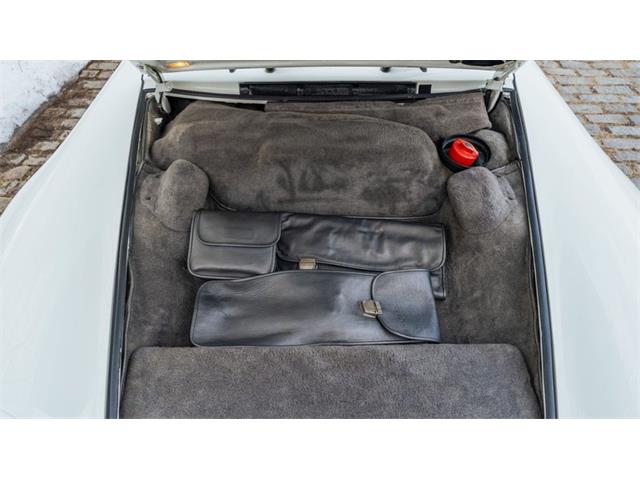
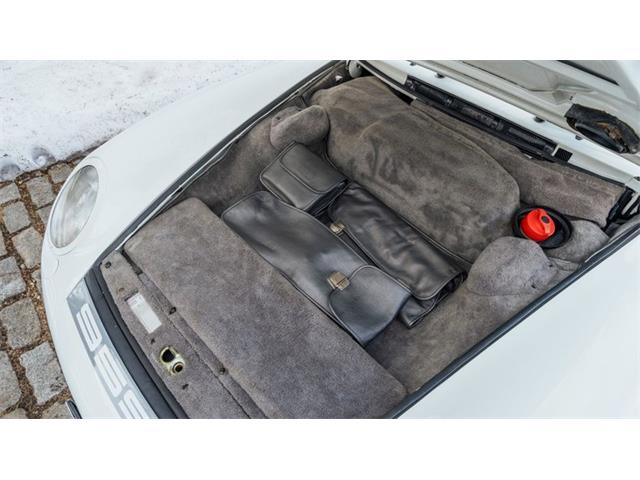
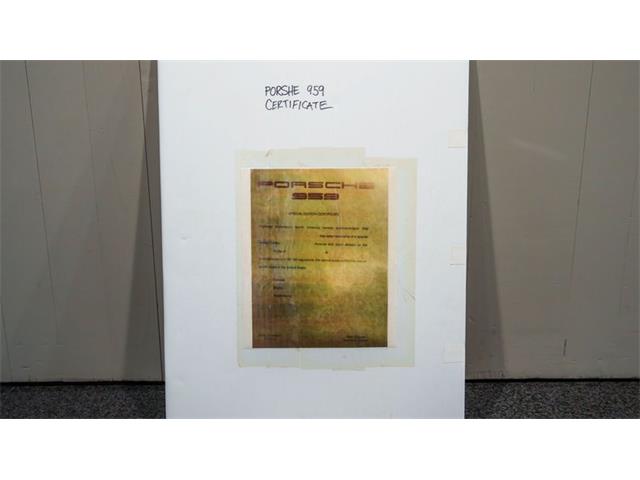
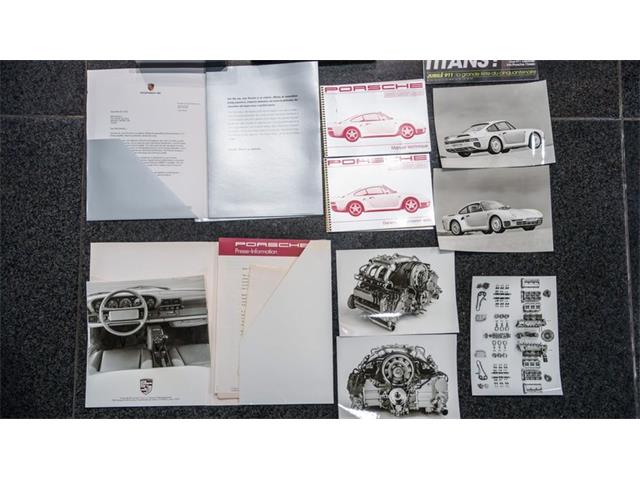
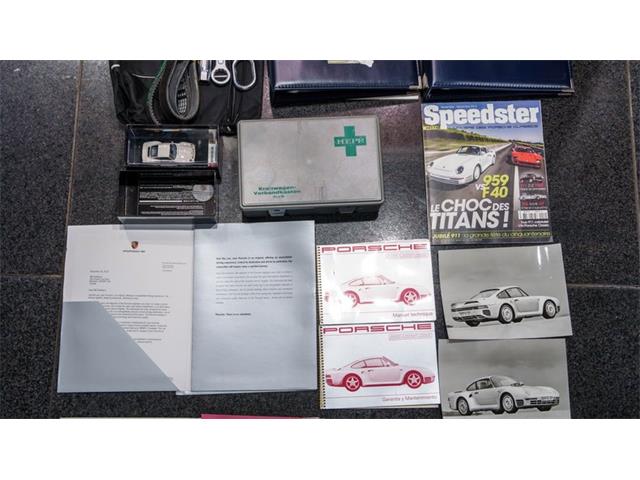
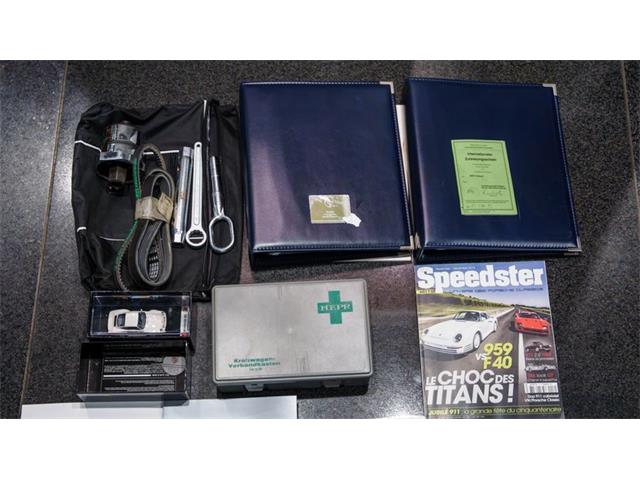
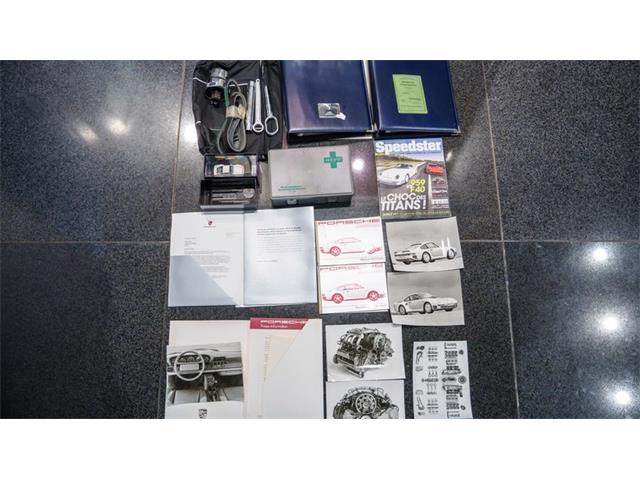
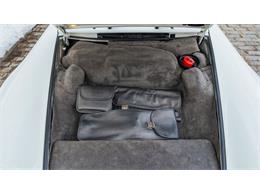
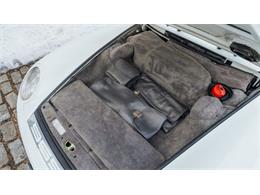
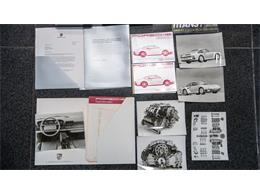
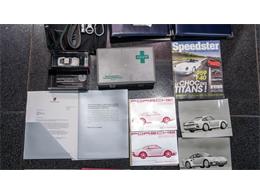
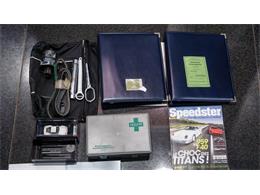
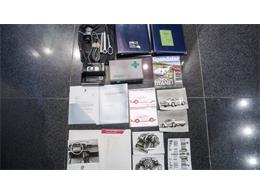
Sport chassis number 011, it retains its tools, jack, and air pump
in proper interior leather bags, HEPP medical kit, its serialized
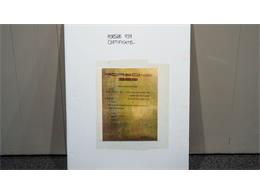
owner's manual noting factory delivery and vestiges of its U.S.
"Rennen IMSA" specification with a 959 Special Edition Certificate
from Al Holbert.
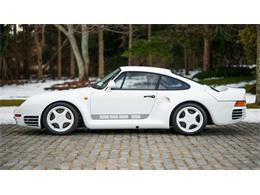
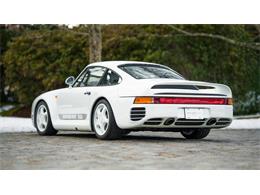
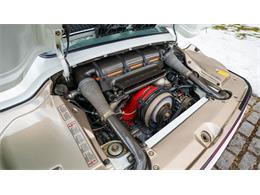
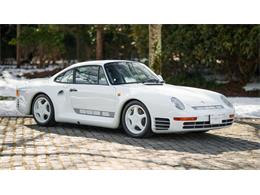
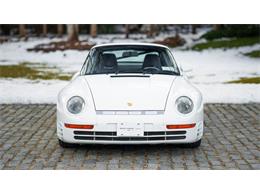
It should go without saying that the 959 Sport represents the
purest expression of Porsche's ambitions in the 1980s, and chassis
number 011 reflects that intent with special clarity. As one of the
original eight delivered to PMNA in the United States and later
finding its first owner with Vasek Polak Jr., it was chosen by the
factory for display at the Porsche Museum and today remains
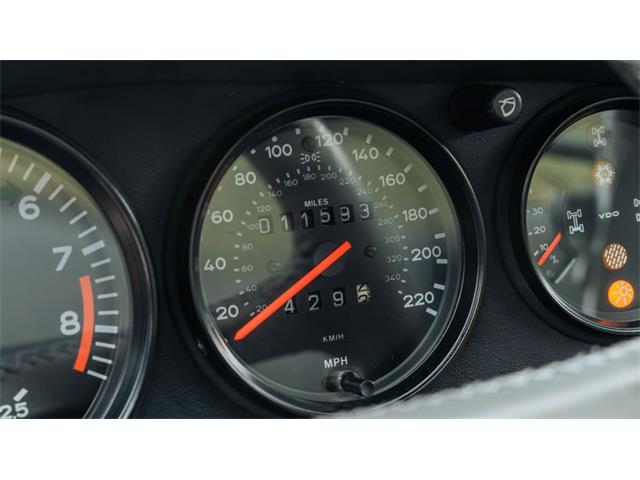
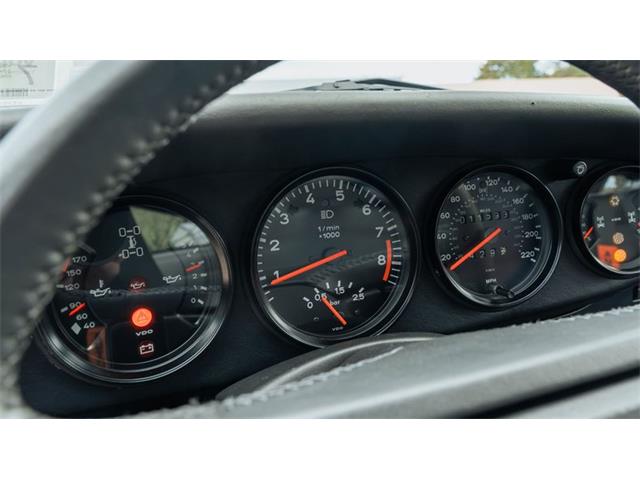
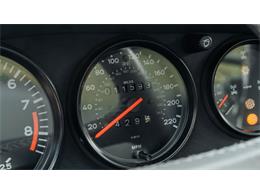
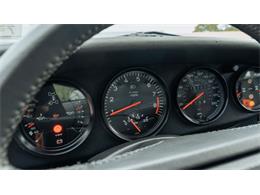
preserved in excellent original condition with just 11,593 miles at
the time of cataloging. Offered with exceptional integrity and a
number of original delivery items, chassis 011 stands today as one
of the most authentic and historically important 959 Sports-an
unmistakable reminder of Porsche engineering at its most defiant
and uncompromising.
ClassicCars.com has been recognized as one of the fastest-growing private companies in the United States, successfully making the Inc. 5000 list in both 2015,
2016, 2017 and 2018. This prestigious accolade represents the continued growth of the company, and ClassicCars.com's dominance as the world's largest online marketplace for
buying and selling classic and collector vehicles.
The Stevie Awards, the world's premier business awards recognized
ClassicCars.com's first-class Customer Support team with a Stevie Bronze Award in 2019, celebrating the team's skills as exemplary customer support specialists.
In 2016 The Journal, brought to you by ClassicCars.com, was celebrated as the SECOND MOST INFLUENTIAL automotive blog in the world by NFC Performance.