Please note: Online Bidding is not available for this lot, unless
specifically pre-arranged with Broad Arrow before the auction
begins. For further information and alternative bidding options
please reach out to
[email protected]
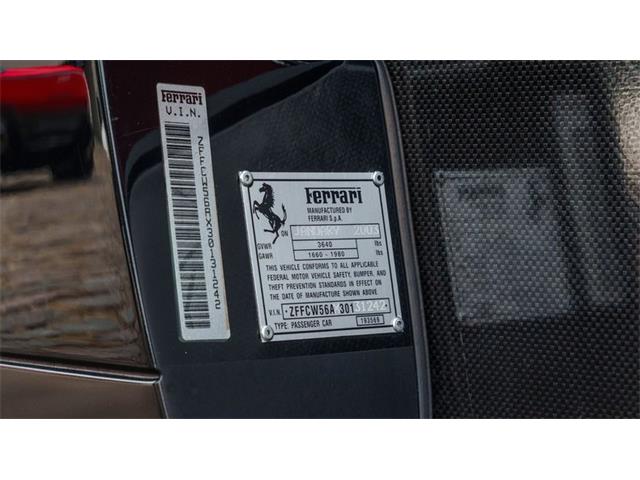
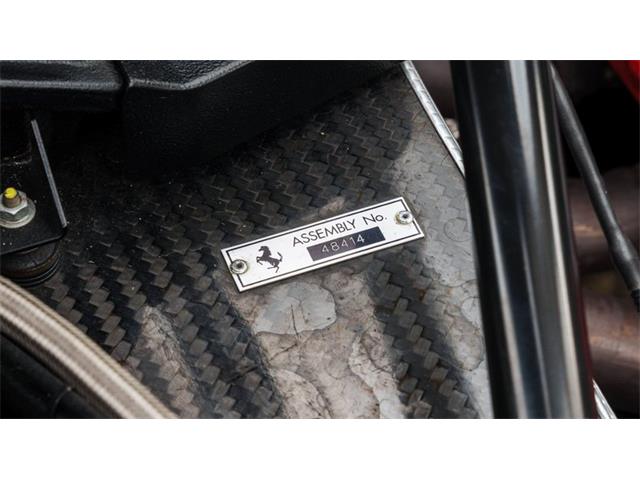
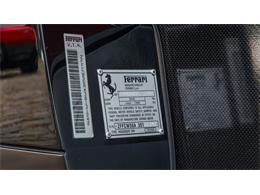
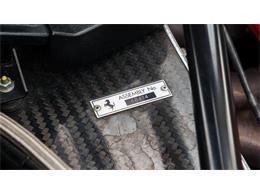
Chassis No. ZFFCW56AX30131242
Engine No. 73094
Transmission No. 70
Every so often, Ferrari has graced the automotive world with a new
ultra-limited creation designed to showcase the latest Formula One
technology in a production road car, each representing the state of
the art at the time of their release. In the 1980s, Maranello
engineers demonstrated the benefits of turbocharging with the
pioneering performance of the homologation Ferrari 288 GTO, later
utilizing the program to develop a new 40th-anniversary road car,
the legendary Ferrari F40. The 1990s saw Formula One teams make
giant leaps forward in technology with such advancements as active
suspension, traction control, semi-automatic transmissions, and
enhanced aerodynamics, reflected in the bristling innovations of
the Ferrari F50 with its F1-derived naturally aspirated V12.
At the turn of the millennium, the Scuderia Ferrari Formula One
Team was in the midst of an unprecedented period of dominance,
having won the 1999, 2000, and 2001 Constructors' Championships and
the 2000 and 2001 Drivers' Championships. In mid-2002, coinciding
with Michael Schumacher's third consecutive Drivers' Championship
for the Italian team, Ferrari debuted the Ferrari Enzo at the Paris
Motor Show, named after il Commendatore himself and representing
the zenith of the brand's technological innovations up to that
point.
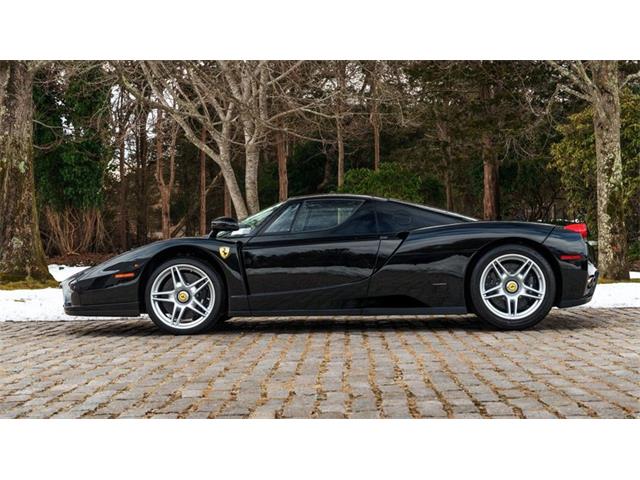
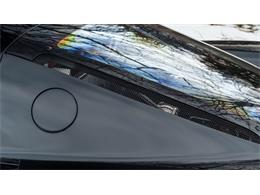
Never before had a road-going Ferrari's shape been so heavily
dictated by aerodynamic efficiency. Its sleek carbon fiber and
Kevlar-woven skin, penned by Pininfarina designer Ken Okuyama, was
meticulously sculpted through extensive wind tunnel testing and saw
the first use of active aerodynamics in the legendary supercar
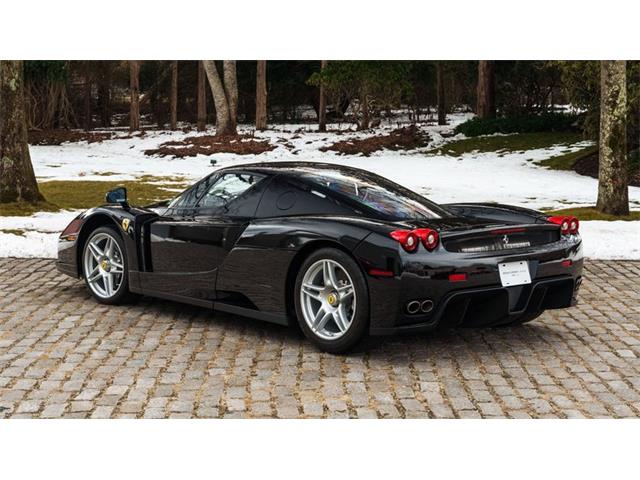
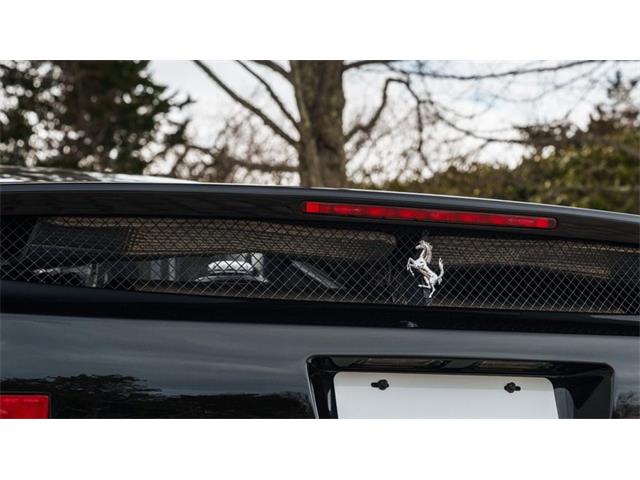
lineage. Breaking from the high-wing tradition of the F40 and F50,
the Enzo instead utilized a subtle rear wing that raised and
retracted in conjunction with front flaps hidden underneath the two
front radiators to generate up to 758 pounds of downforce. Above
185 miles per hour, the aerodynamic aids reduced drag, enabling the
Enzo to achieve its otherworldly 218 mile-per-hour top speed.
Beneath its clever, ultra-lightweight bodywork was an equally
ingenious architecture consisting of a carbon fiber and aluminum
honeycomb monocoque tub weighing just 202 pounds. Attached to its
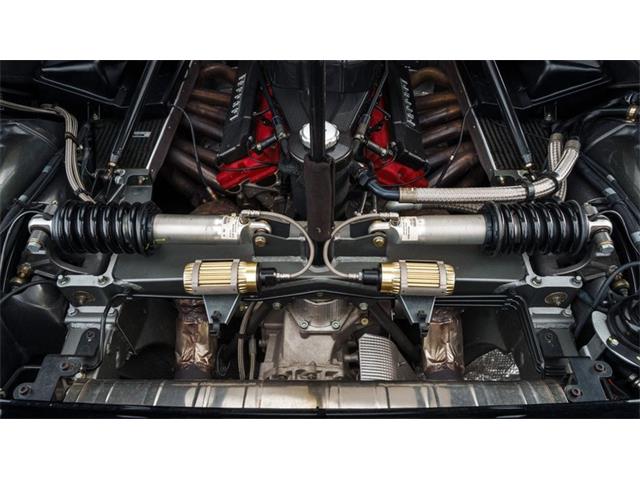
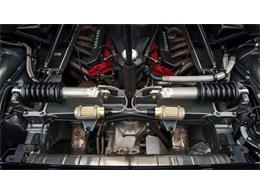
aluminum subframes were unequal-length wishbones with
pushrod-operated springs and electronically controlled shock
absorbers that could be adjusted from the cabin, offering both a
"Sport" mode and a "Race" setting. Carbon-ceramic brake discs some
14.9 inches in diameter were developed specifically for the Enzo by
Brembo, and marked the first time that the technology, employed for
years by the Formula One team, was implemented in a Ferrari road
car.
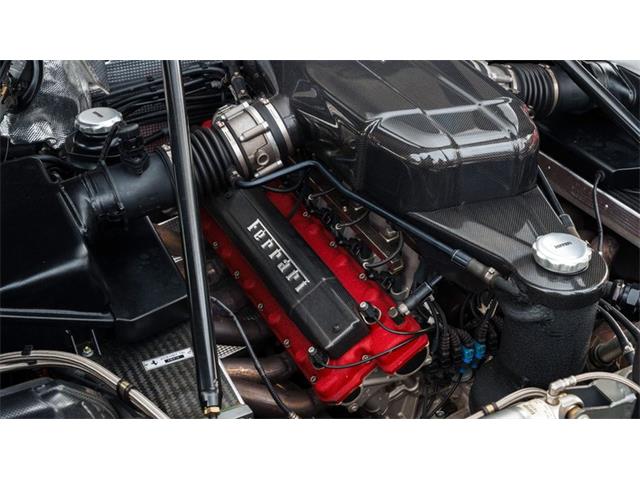
Where the F50's V12 engine was an adaptation of the unit in the
F92A Formula One car that left some drivers desiring more torque,
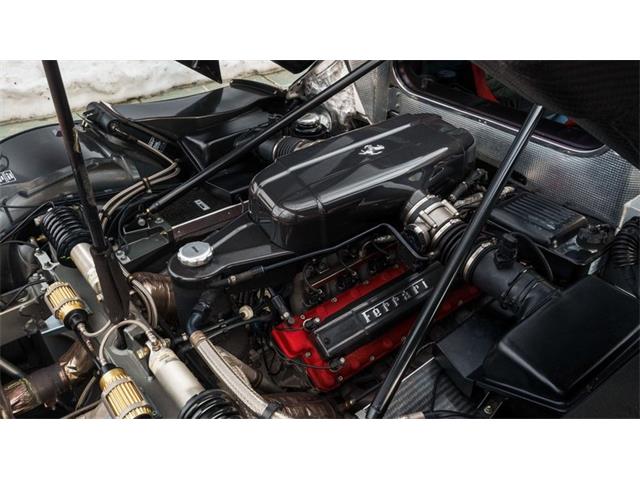
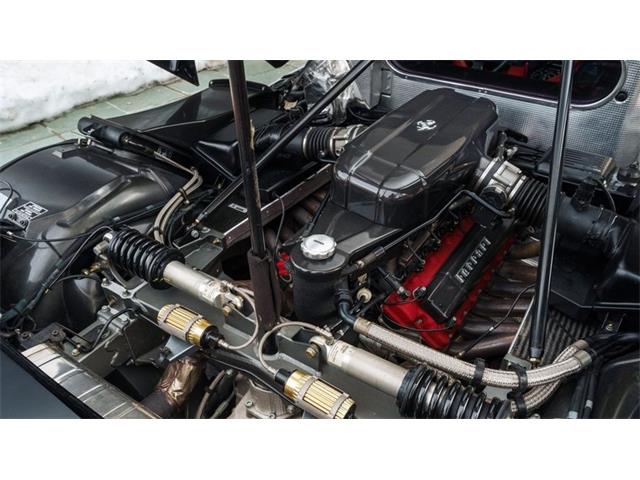
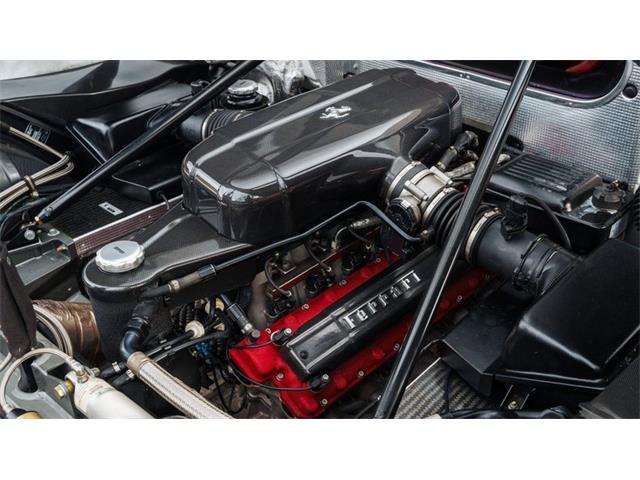
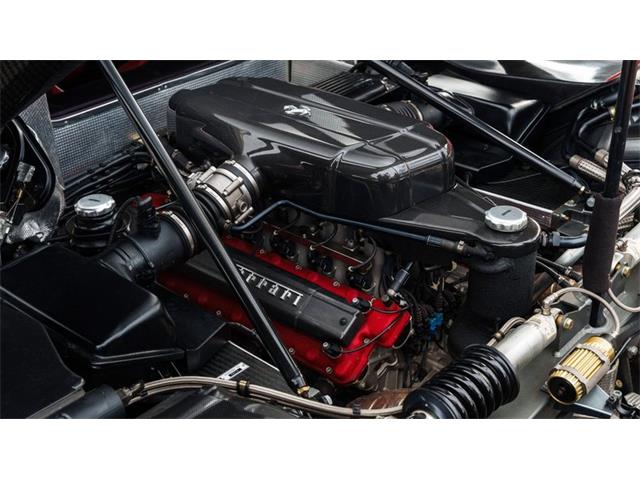
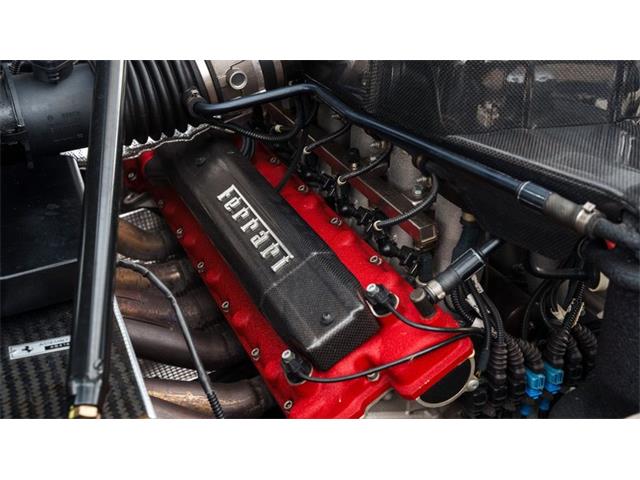
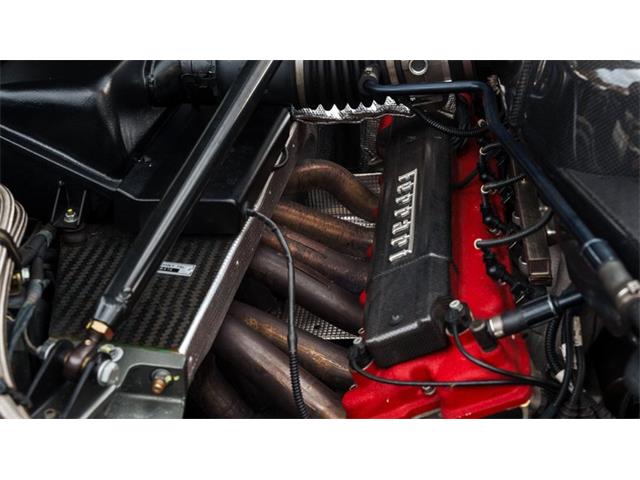
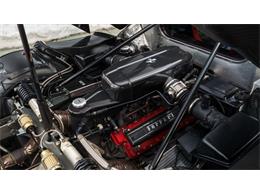
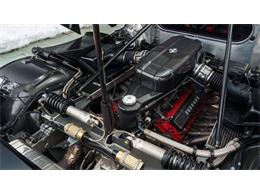
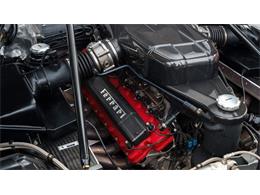
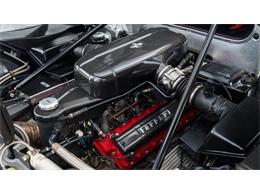
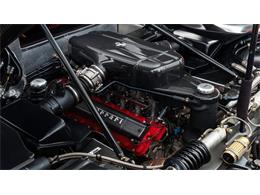
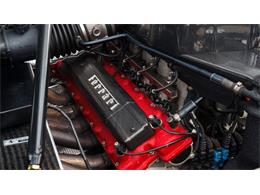
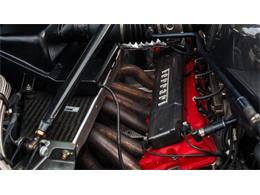
the beating heart of the Enzo was an entirely new 65-degree,
6.0-liter V12. The naturally aspirated engine was specifically
designed to deliver huge torque at low revs, with a maximum output
of 660 horsepower at 7,800 rpm and 484 pound-feet of torque at
5,500 rpm. Mounted directly to the engine was an F1-derived,
electrohydraulic-assisted paddle-shift six-speed transmission
providing lightning-fast shift times of around 150
milliseconds.
While Ferrari had experimented in the past with bringing Formula
One technology to the road, the Enzo was the first supercar of its
kind to seamlessly integrate these technologies into a livable,
everyday driving experience. The F40 and F50, while extremely quick
on the track, had a reputation of being less than comfortable on
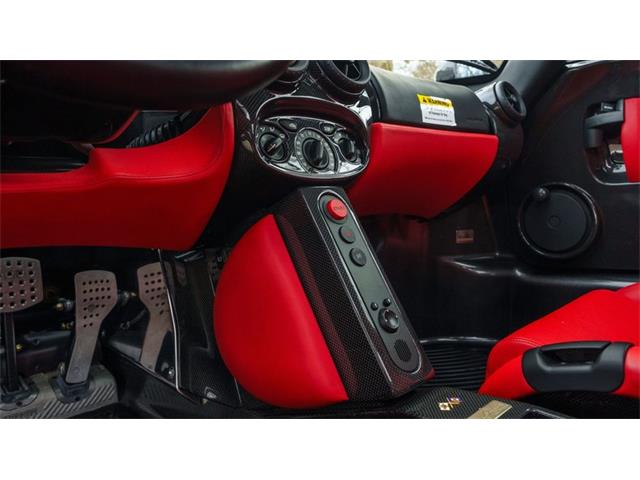
the road. The Enzo, by contrast, offered excellent visibility,
easy-to-operate steering wheel controls, minimal road noise, and a
supple ride, all while being a full 2.1 seconds faster than the F50
around the short Fiorano test track! As a result, the Enzo's
cutting-edge innovations-its compact V12, carbon ceramic brakes,
and advanced aerodynamics-have been implemented in every modern
Ferrari since.
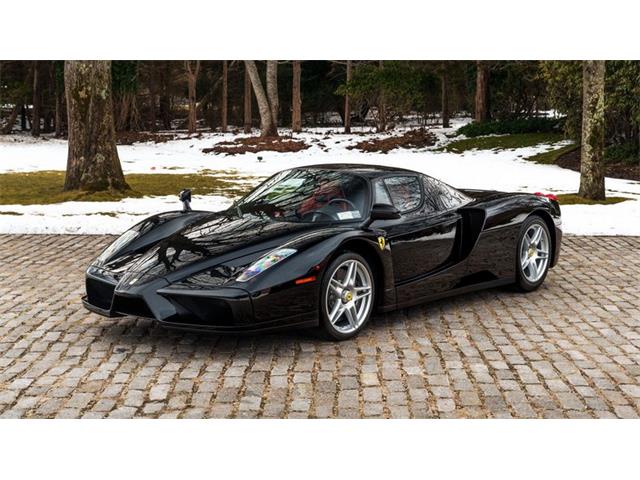
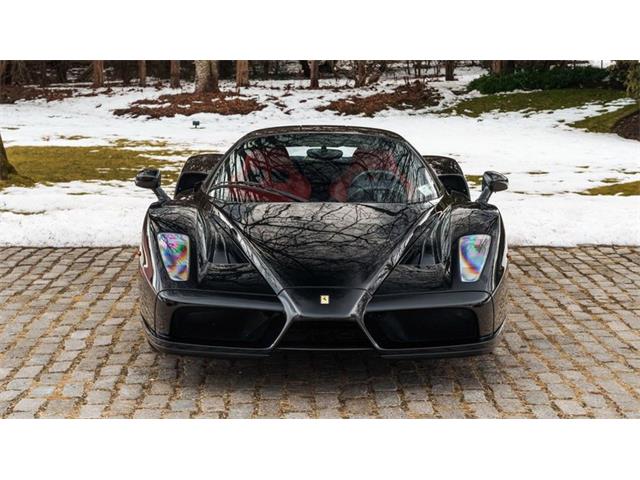
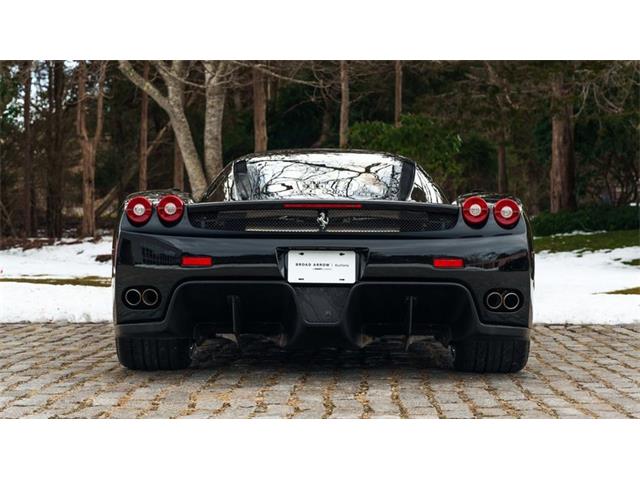
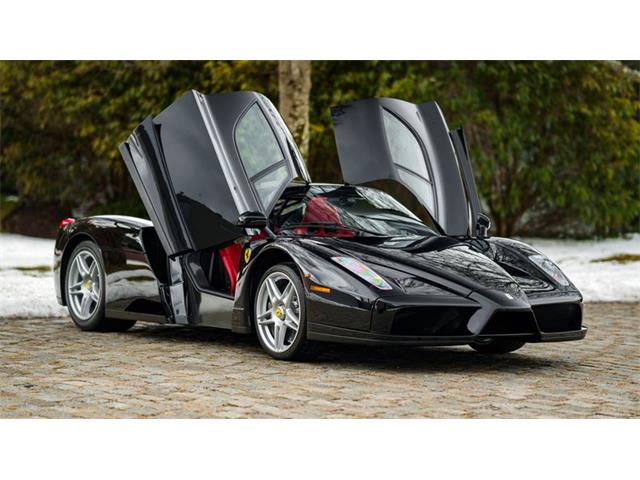
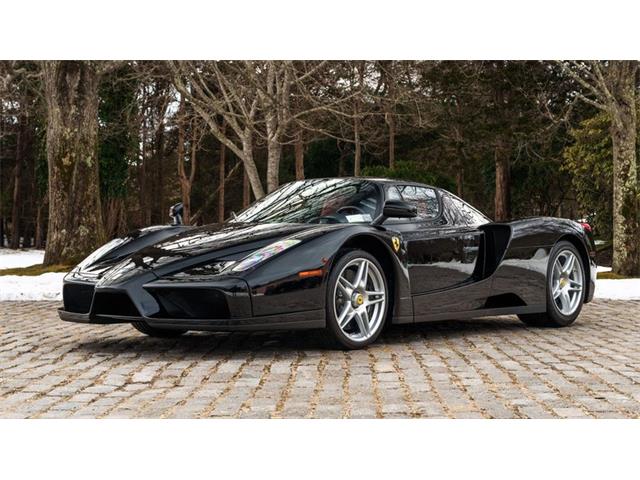
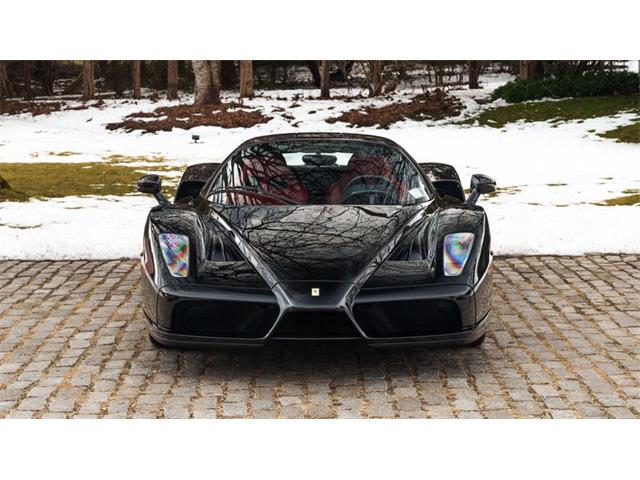
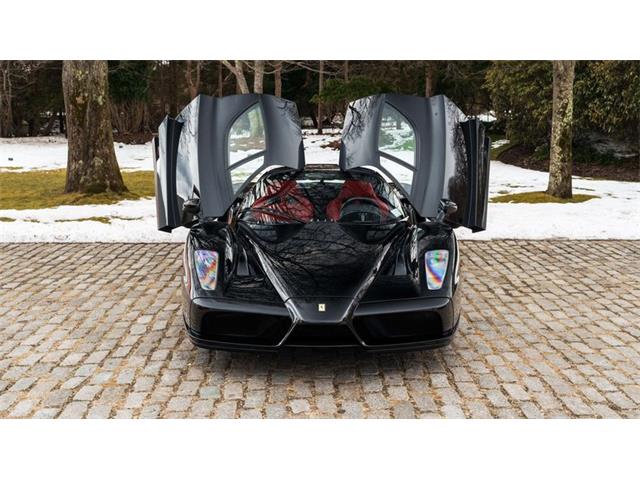
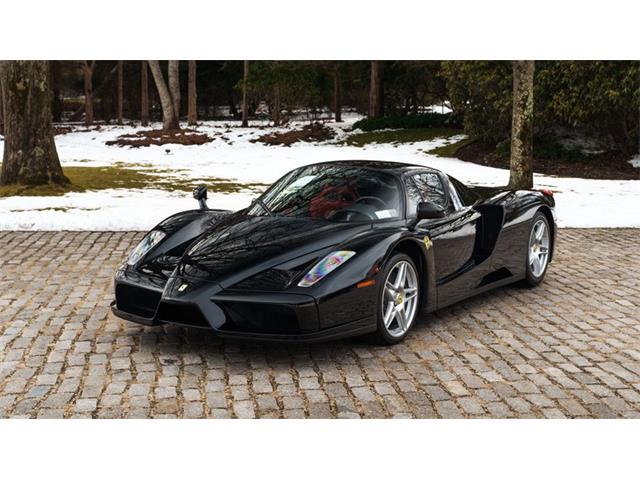
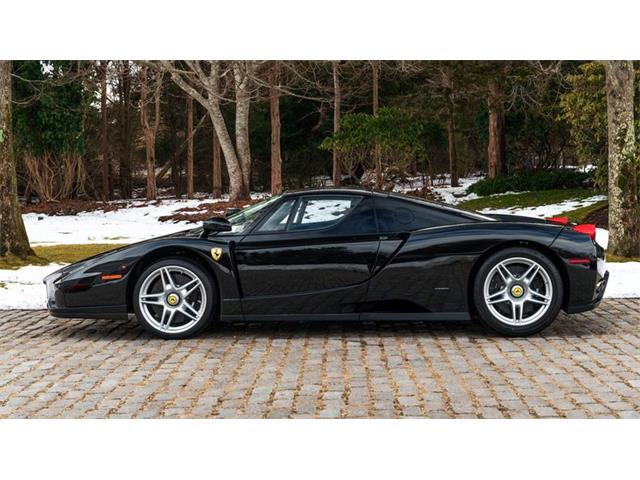
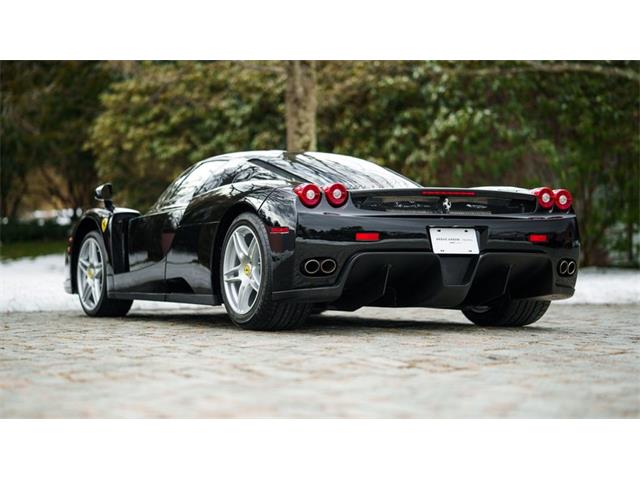
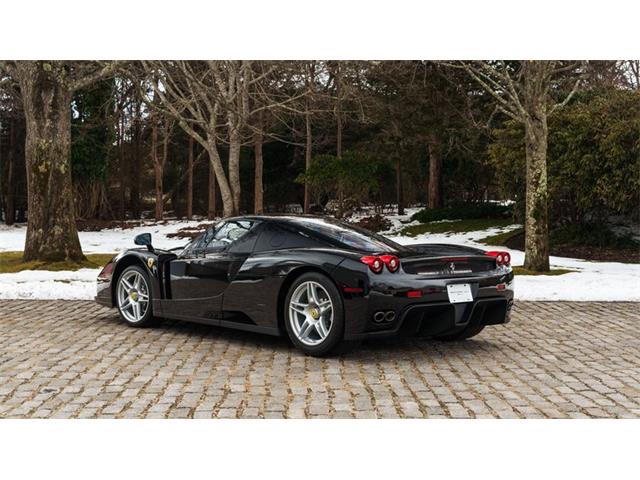
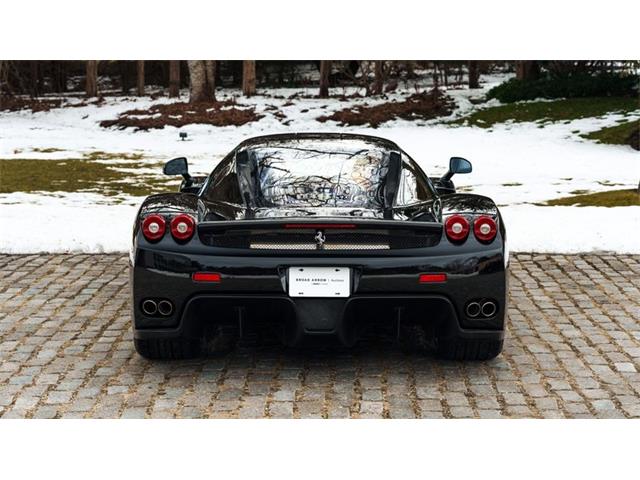
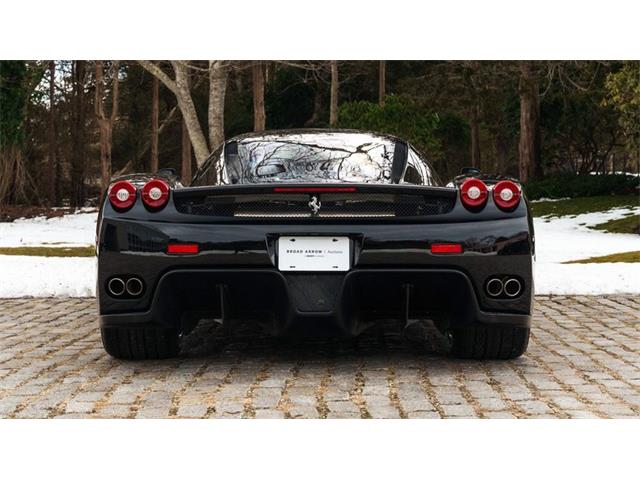
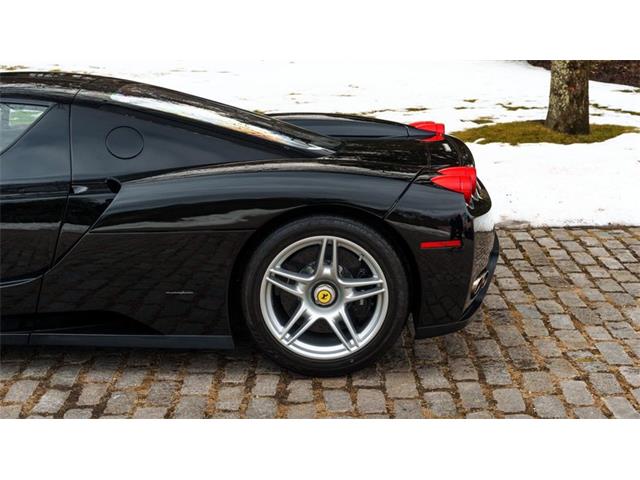
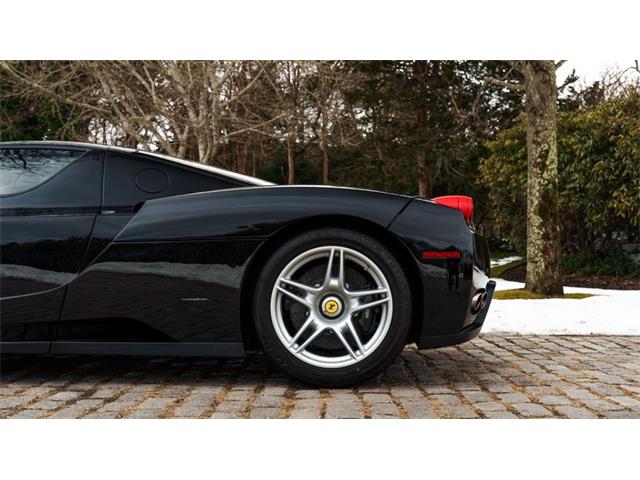
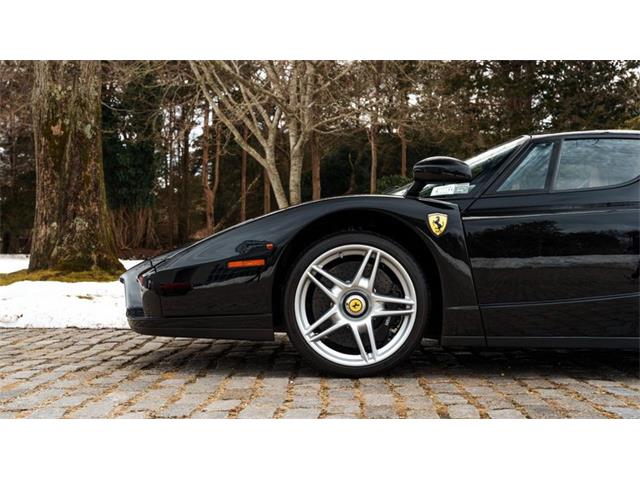
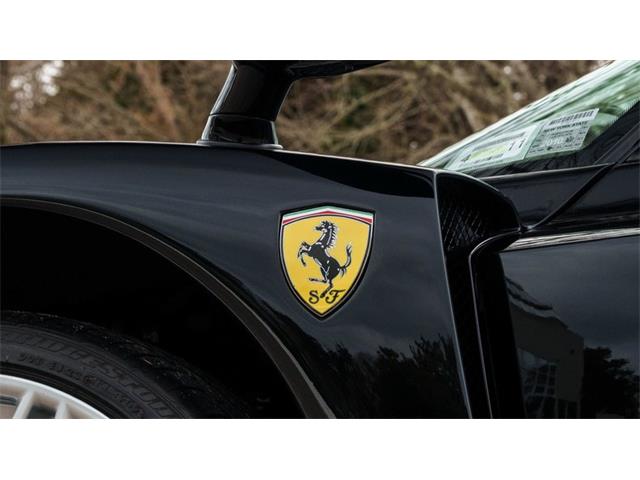
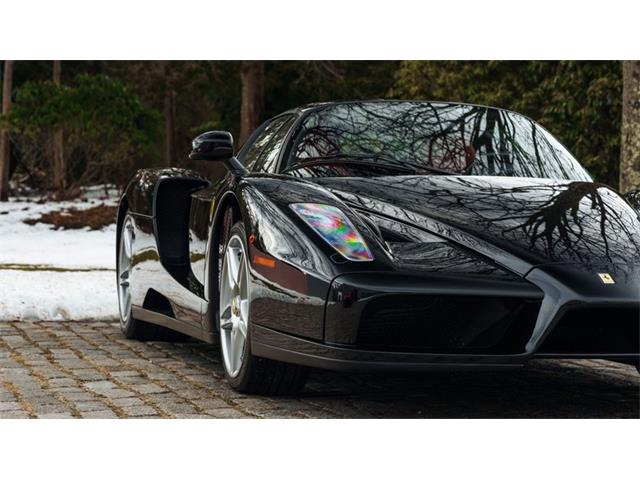
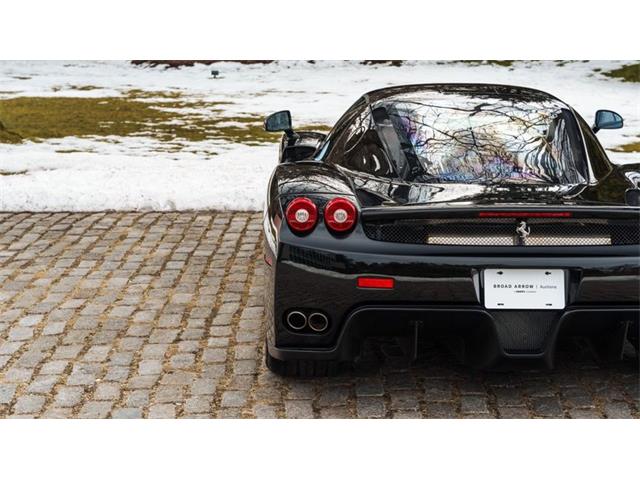
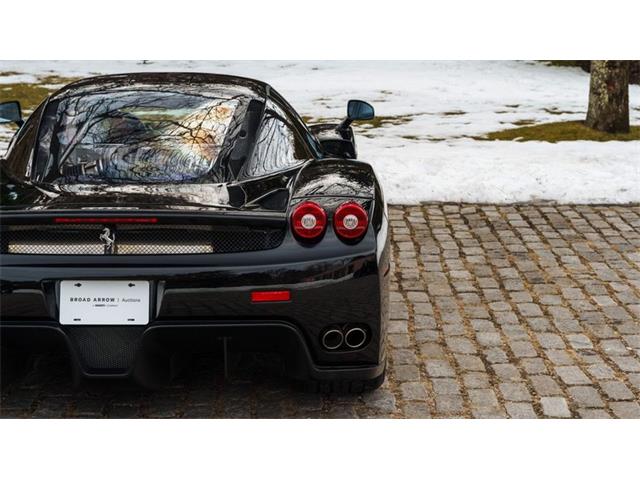
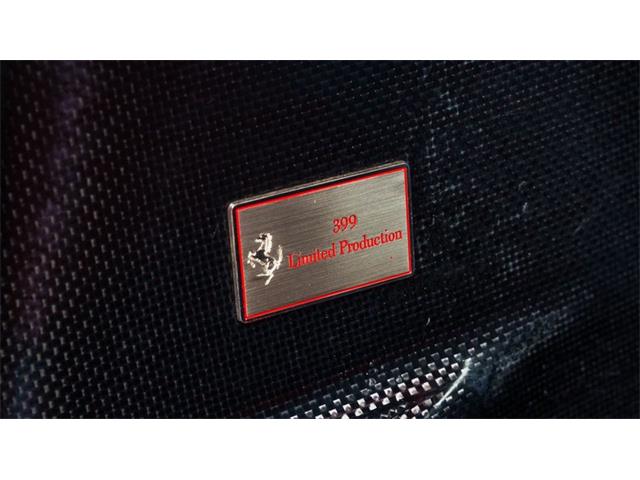
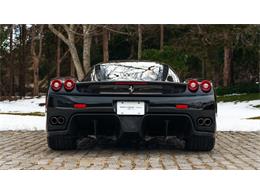
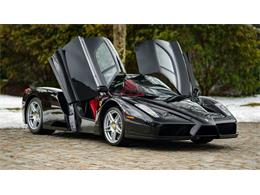
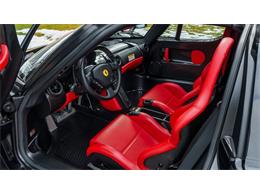
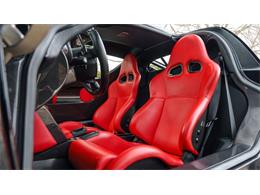
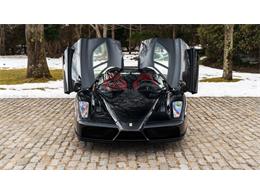
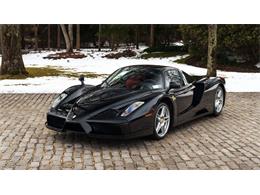
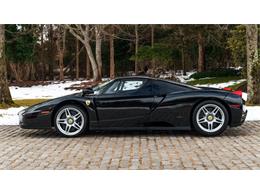
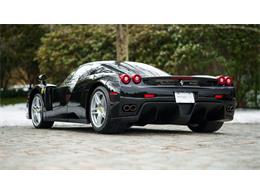
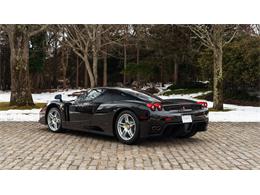
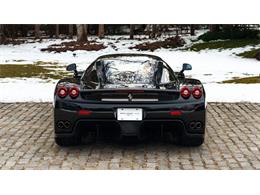
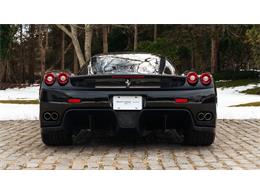
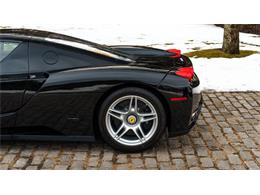
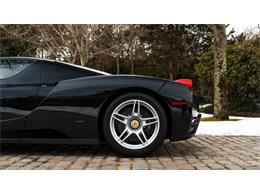
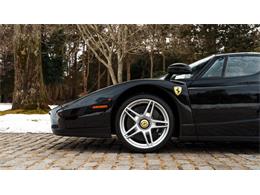
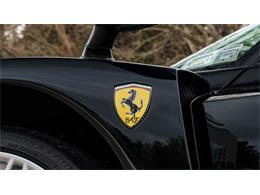
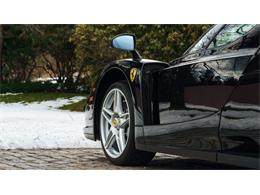
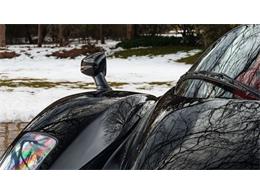
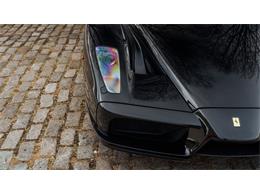
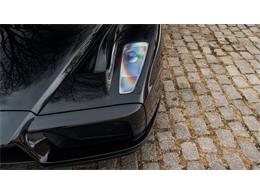
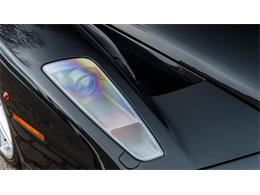
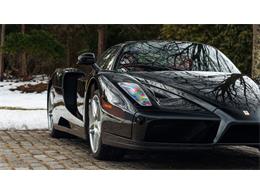
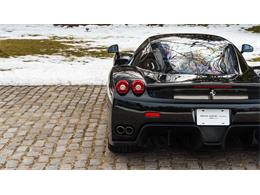
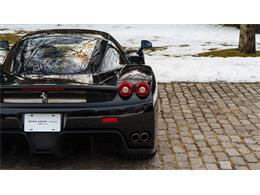
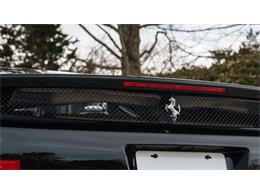
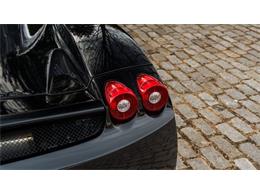
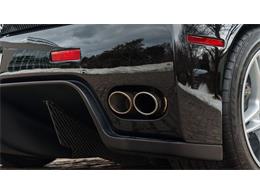
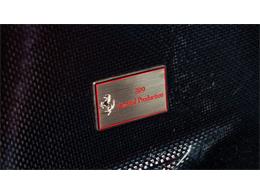
Of the 400 Enzos built, just 111 were delivered to the United
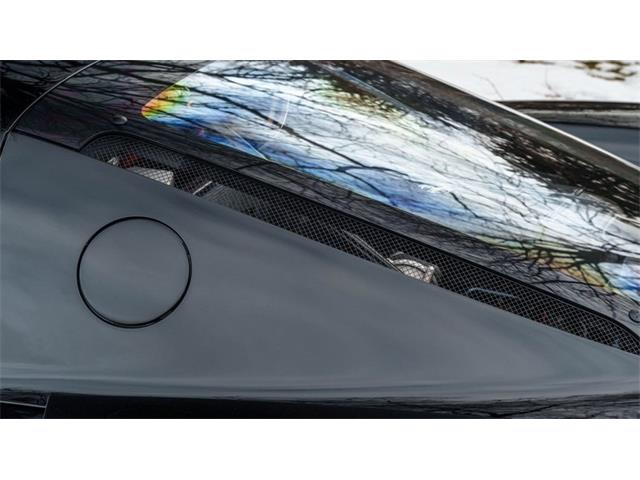
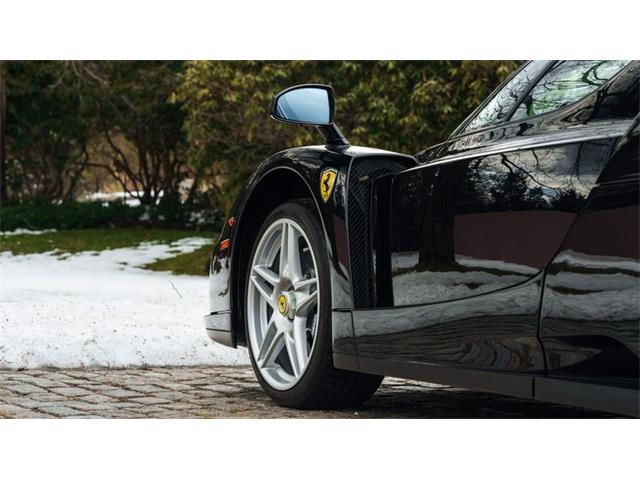
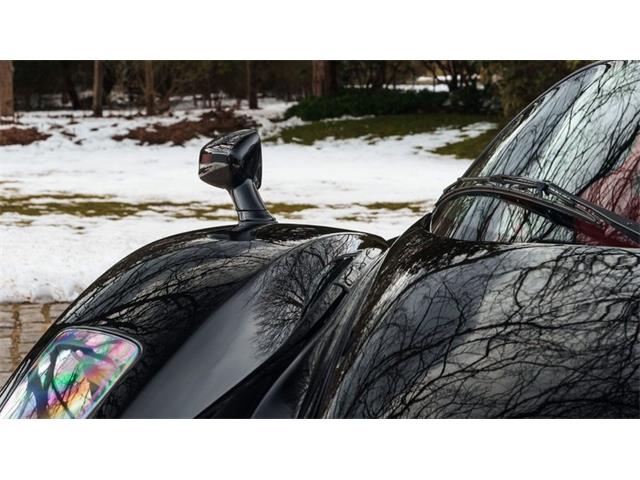
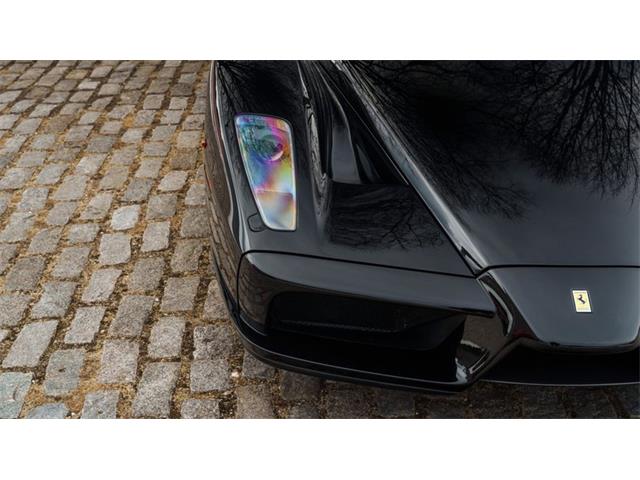
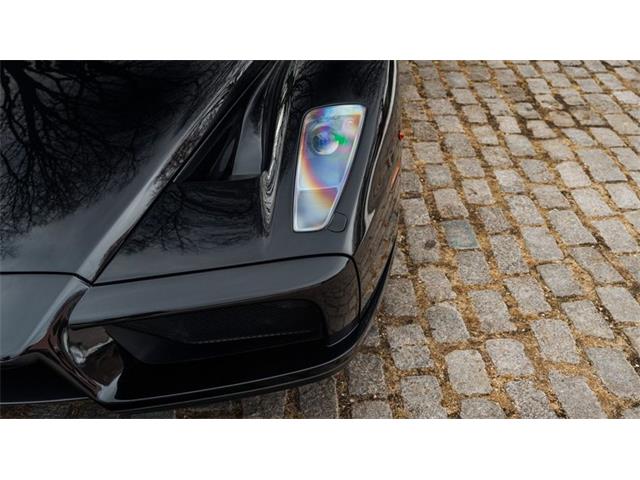
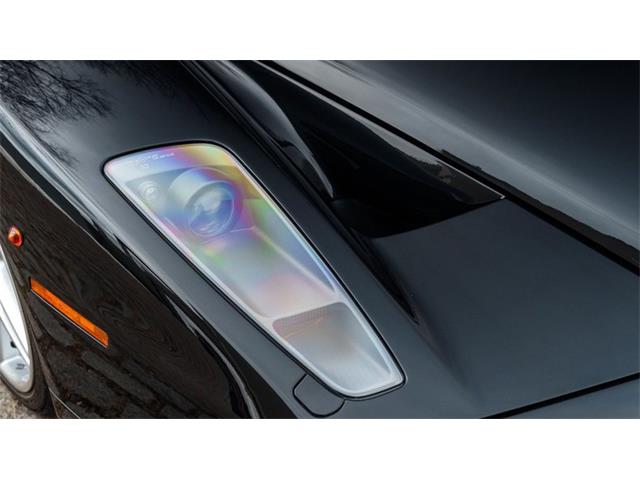
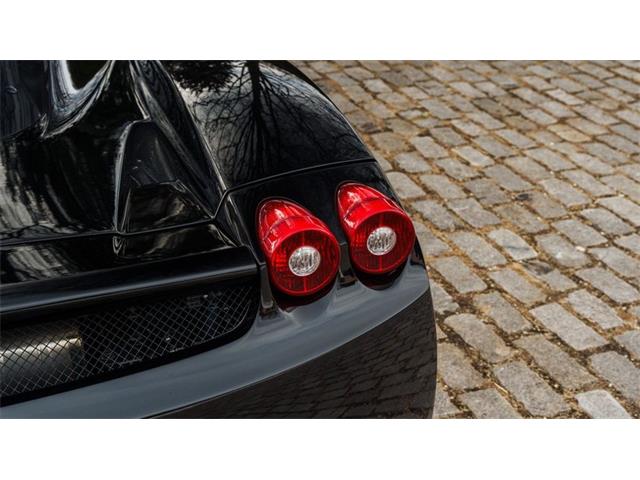
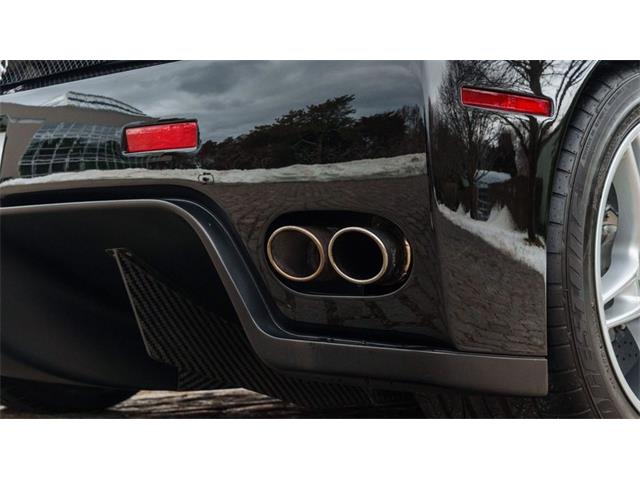
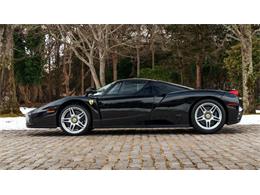
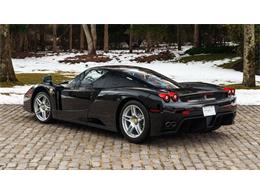
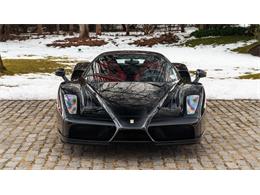
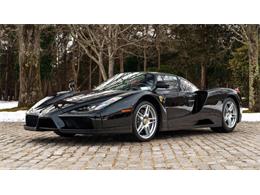
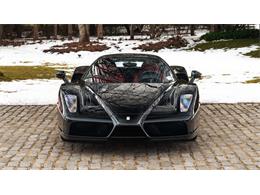
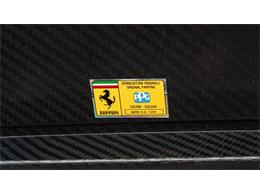
States. This impeccable example, chassis 131242, is one of
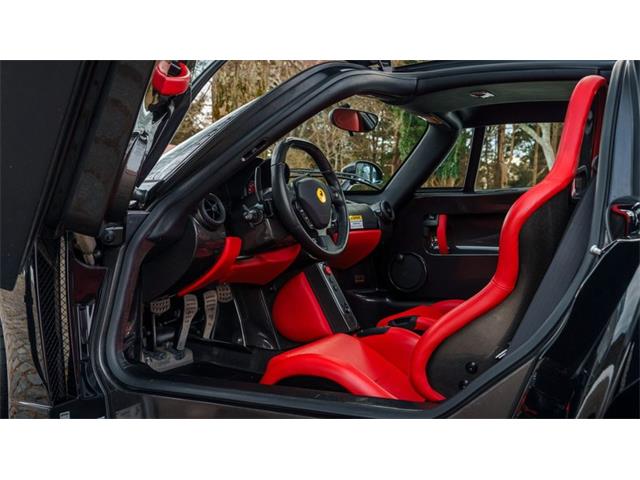
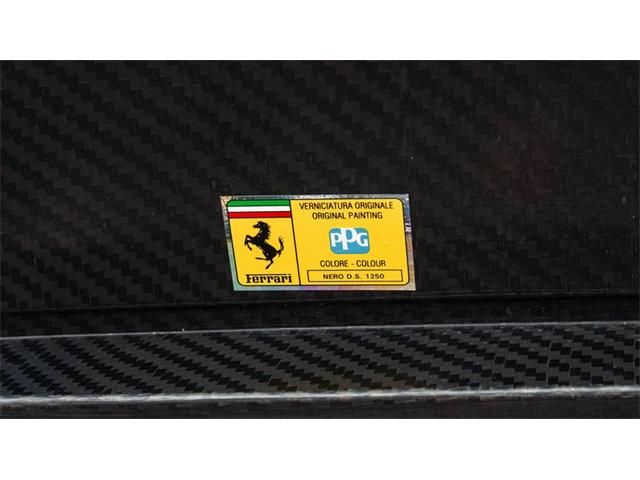
them-made all the more remarkable by its ultra-rare Nero D.S.
finish, a color applied to only 11 U.S.-delivered cars and a 12th
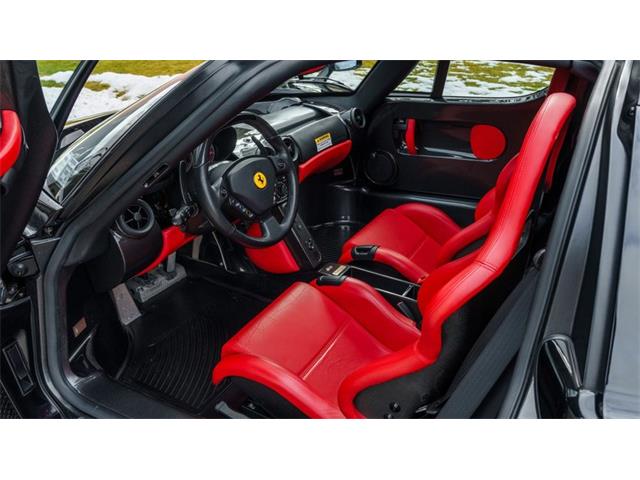
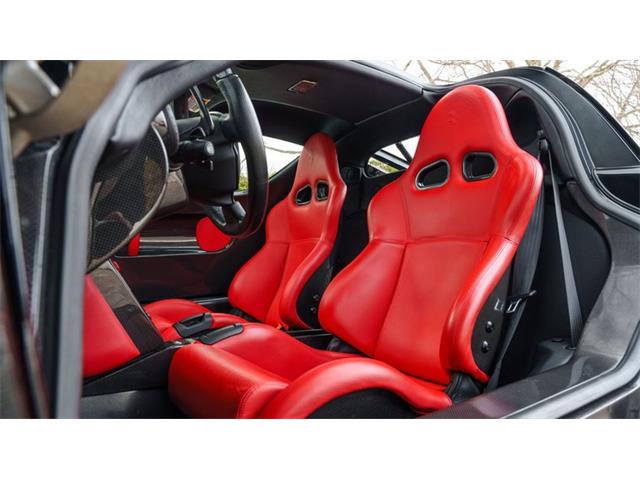
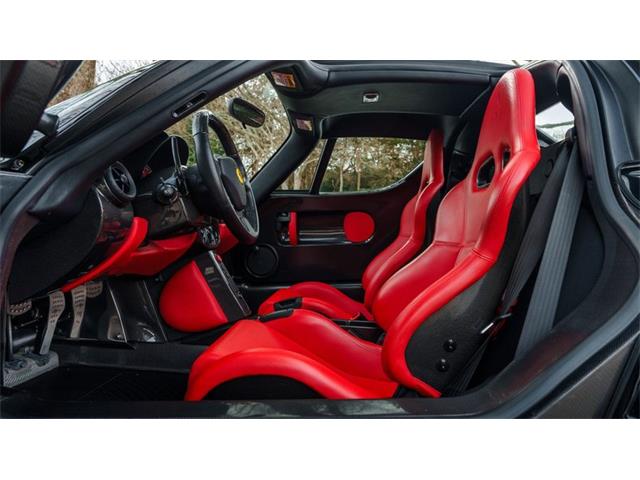
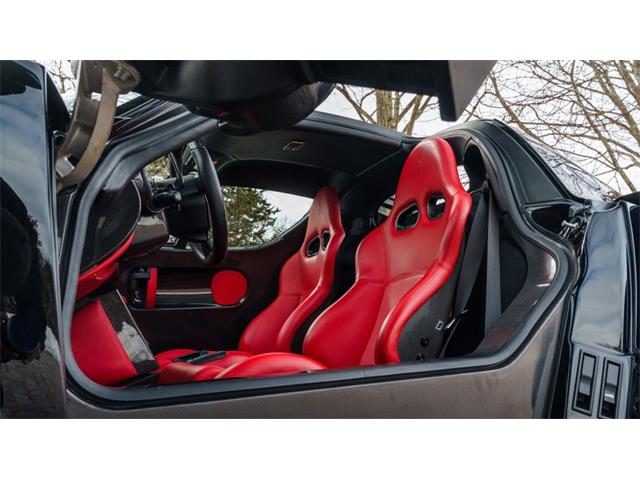
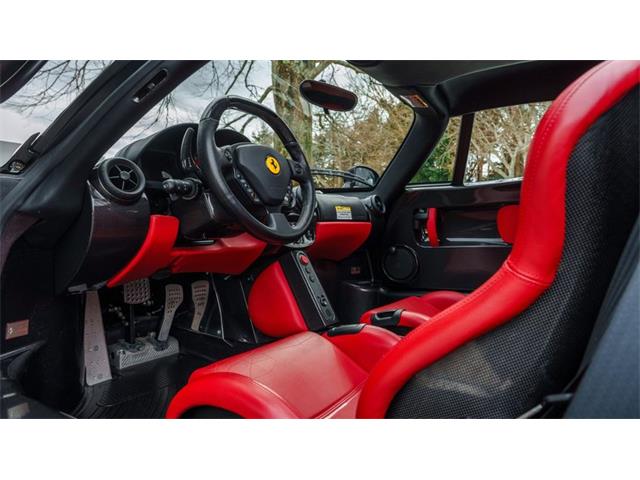
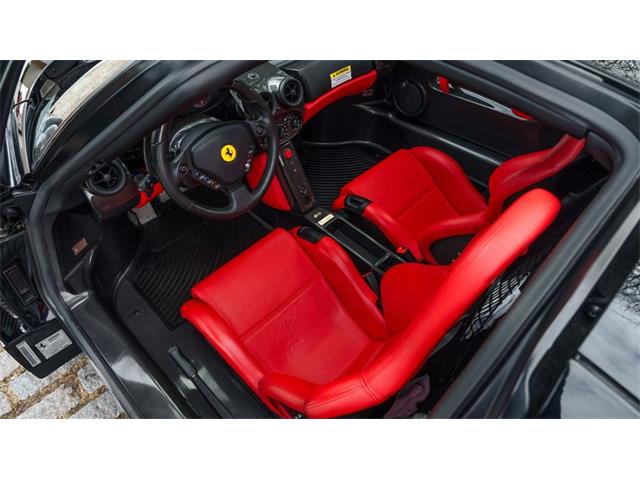
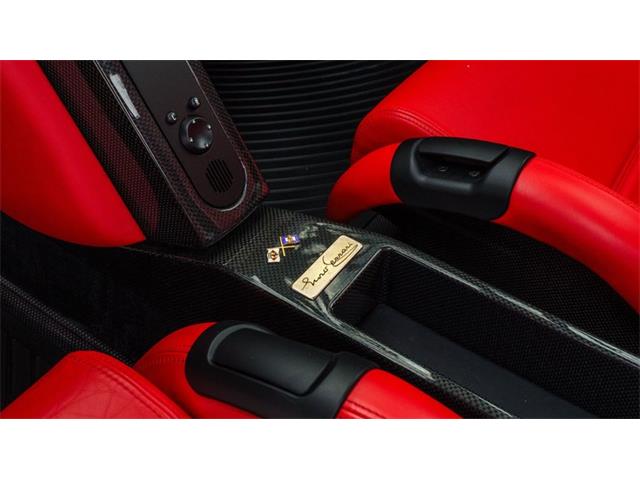
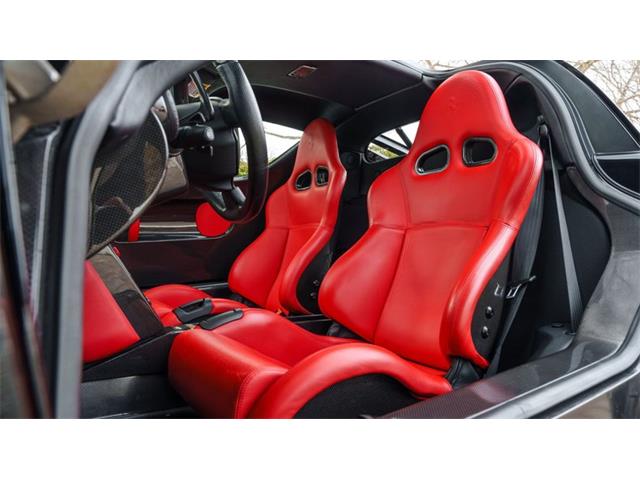
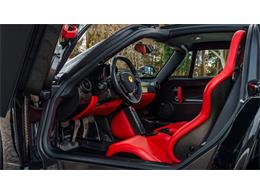
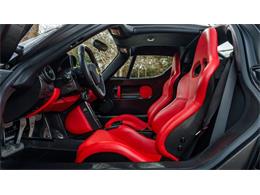
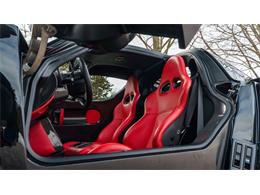
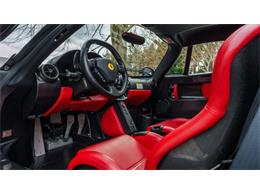
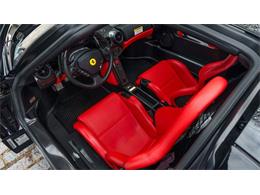
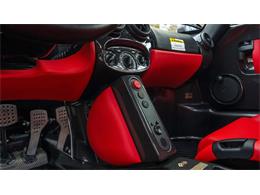
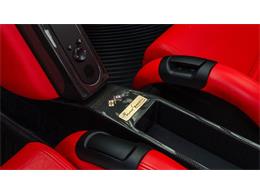
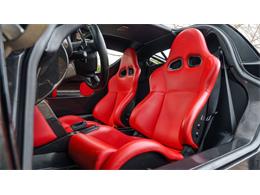
example bound for Canada. Complemented by a Rosso leather interior,
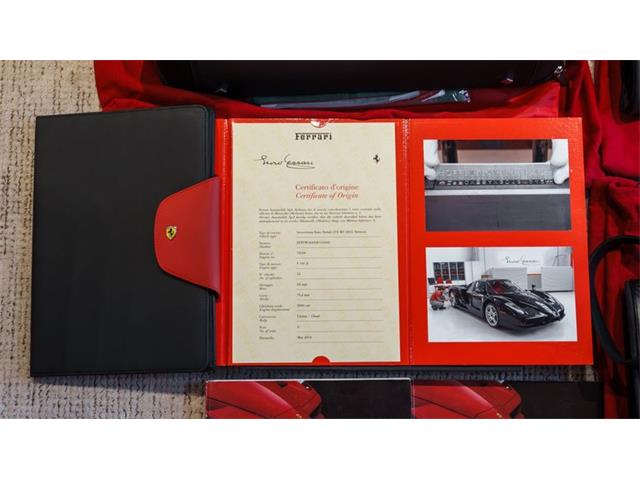
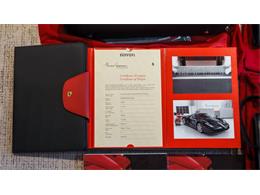
the car left Maranello as a 2003 model-year example per its
factory-issued Certificate of Origin. The original pre-delivery
inspection sheet confirms delivery through Barchetta Red, Inc. (now
Ferrari of Long Island) in February 2003, accompanied by its
owner's manuals in their leather pouch with a flashlight and a
spare key.
Of the dozen North American Nero Enzos, chassis 131242 is the
lowest mileage of all examples. Further still, the car is entirely
complete from the day of delivery thanks to devoted care and
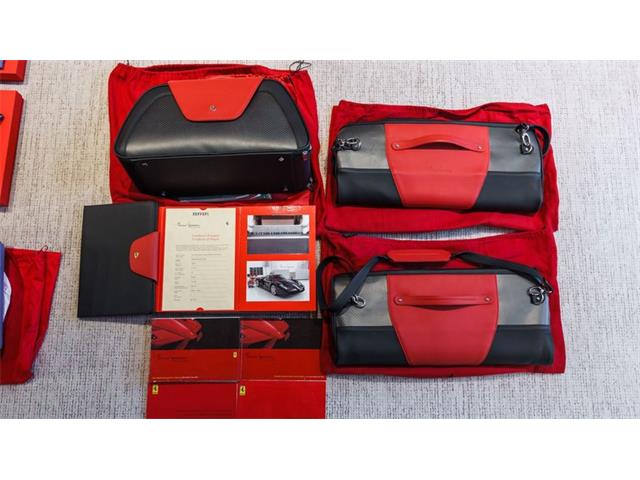
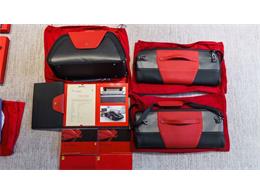
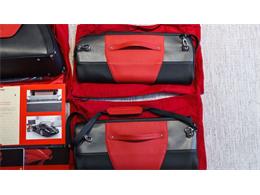
methodical preservation of its sole owner since new. The trunk
retains its tool kit, wheel socket, and tire inflator bags still
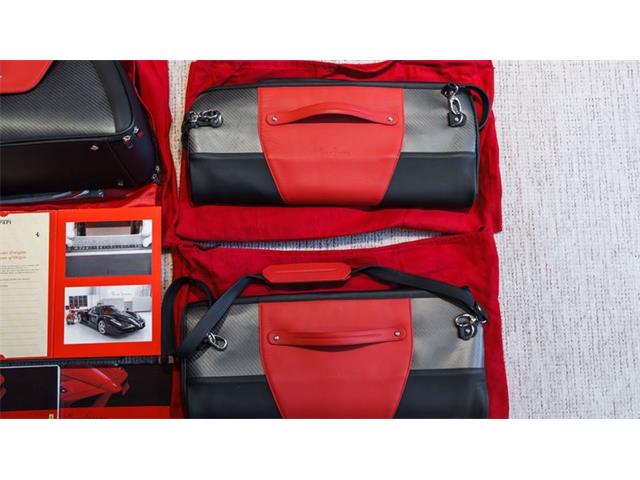
wrapped in plastic, alongside the original three-piece fitted
luggage set with red dust covers. Additionally, the original
internal Pre-Delivery Vehicle Checklist from the dealer remains
with the car, as does the Certificate of Origin with build photos
and a letter addressed to the owner congratulating them on their
purchase.
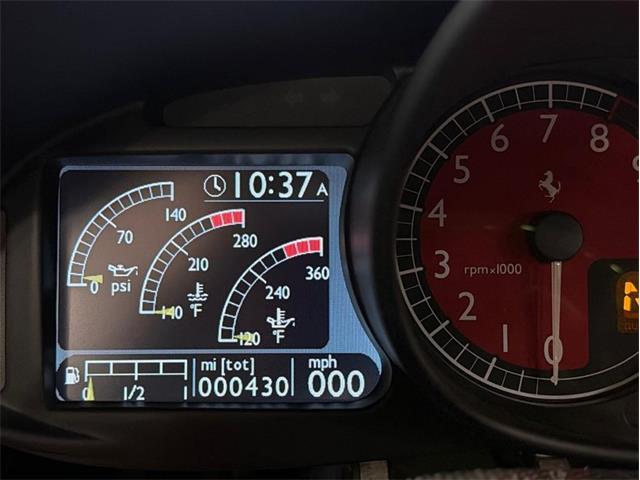
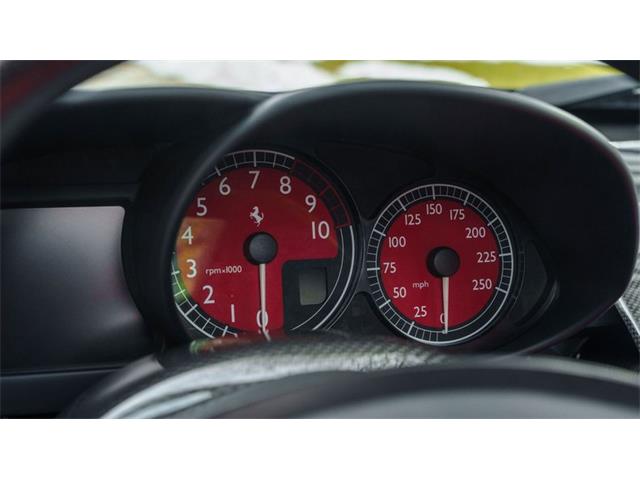
Mechanically, chassis 131242 remains as close to its
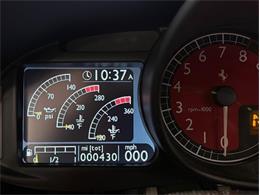
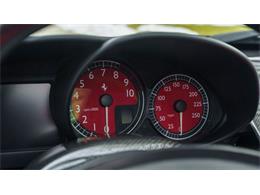
factory-delivered state as one could hope to find. The odometer
reads less than 450 miles, an extremely low number supported by a
CARFAX Vehicle History Report documenting routine maintenance by
the delivering dealer throughout its life. Most recently, in
November 2024, the Enzo returned to Ferrari of Long Island for a
seasonal service that included an oil and filter change, fresh
brake fluid, power steering fluid, and coolant, a new battery, and
attention to the inexorable "sticky buttons" issue.
Chassis 131242 presents today as one of Ferrari's most compelling
hypercar time capsules from the turn of the millennium, preserved
exactly as-delivered from the moment it left Maranello. With only
400 examples ever produced, and as one of a mere handful finished
in this sophisticated livery, this painstakingly preserved,
single-owner Enzo would make a breathtaking centerpiece in any
supercar collection, or the crowning acquisition for a collector
looking to complete the "Big Six" sextet of Ferrari supercars.