The mid-1950s were a time of critical transition for Ferrari.
Enzo's racing cars were the class of the field across a wide
breadth of motorsport disciplines, and the reliance on road car
sales to fund the race team became increasingly important. To this
point, Ferrari's road cars were little more than thinly veiled
versions of racing GTs, but a more road-focused, volume production
car was necessary for Ferrari to compete against its rivals.
The new 250 series intended to fill that void, attracting wealthy
buyers to bask in Ferrari's motorsport glory in a stylish,
sophisticated road-going package. Utilizing proven chassis
architecture and the magnificent Gioacchino Colombo-designed
3-liter V12 engine, the 250 GT delivered luxury, refinement and
performance, while spreading the gospel of Ferrari to critical new
markets, especially in North America.
The first in the series, the 250 Europa, also marked a seismic
change for Ferrari, as design favor shifted from Carrozzeria
Vignale to Carrozzeria Pinin Farina (later Pininfarina), the latter
bodying 48 of the 53 250 Europas produced. But as the 250 series
grew in popularity, Pininfarina initially lacked the production
capacity to make bodies quickly enough to meet demand. In order to
keep up, Ferrari enlisted the help of relative newcomer Carrozzeria
Boano to take up the slack. Founded by ex-Farina designer Mario
Felice Boano, the coachbuilder enjoyed a brief but prolific period,
and the Ferrari 250 Boano was by far the most famous design to roll
from their shop doors. Boano and his son Gian Paolo developed a
close relationship with Fiat and after some 82 cars were completed
for Ferrari, the pair departed to lead Centro Stile Fiat at the end
of 1957. With that, operation of Carrozzeria Boano fell to Mario's
son-in-law, Ezio Ellena, who renamed the firm Carrozzeria Ellena,
and completed approximately 50 additional cars under the name
before production ended.
While outwardly similar to one another, subtle differences
distinguish the 250 Boano and Ellena from one another, and typical
of the era, design changes came about in a gradual and varied
manner. The most notable design changes adopted by Ellena include a
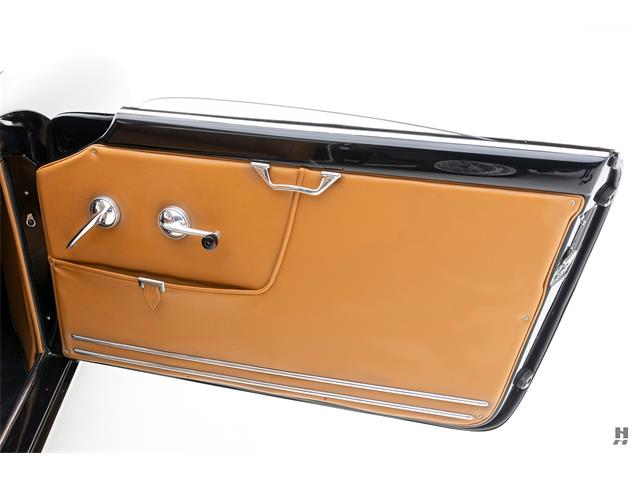
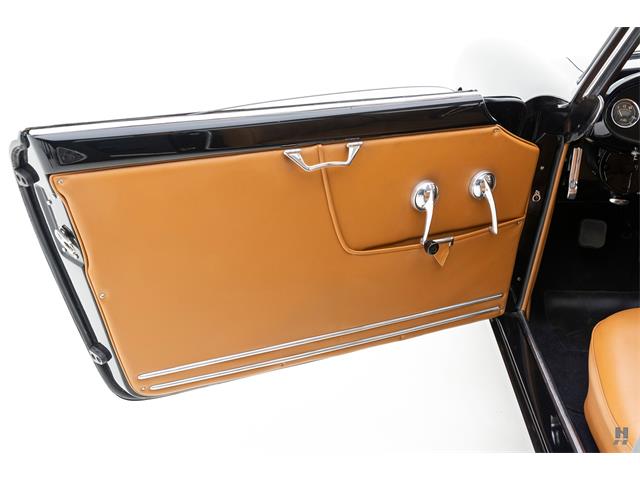
2-inch higher roof line for greater comfort and visibility, and
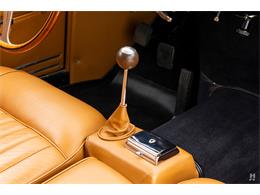
elimination of the door vent windows. Ferrari also improved later
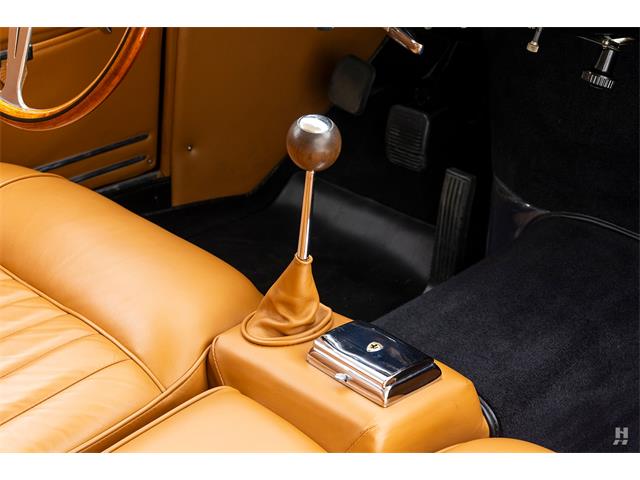
cars with larger brakes, a ZF steering box, conventional shift
pattern for the 4-speed 'box, and single-distributor ignition.
Compared to the harder-edged cars like the Tour de France, the
Ellena was tuned for grand touring, with softer suspension,
synchromesh gears, and luxurious trimmings. Of course, the Ferrari
competition DNA was undiluted, proven by 250 Ellenas scoring some
notable wins on events like the Alpine Rally and Acropolis
Rally.
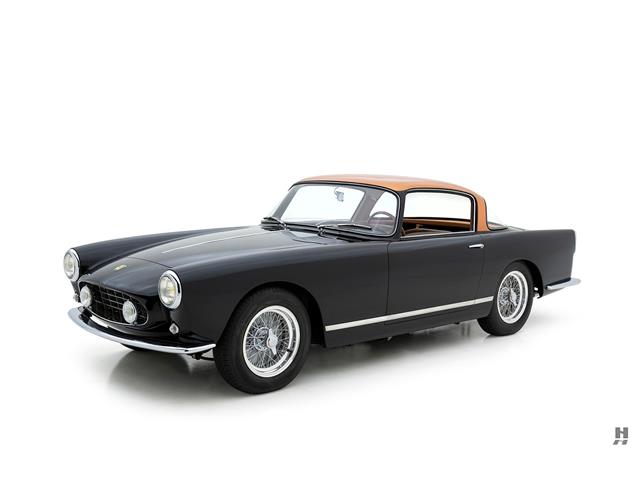
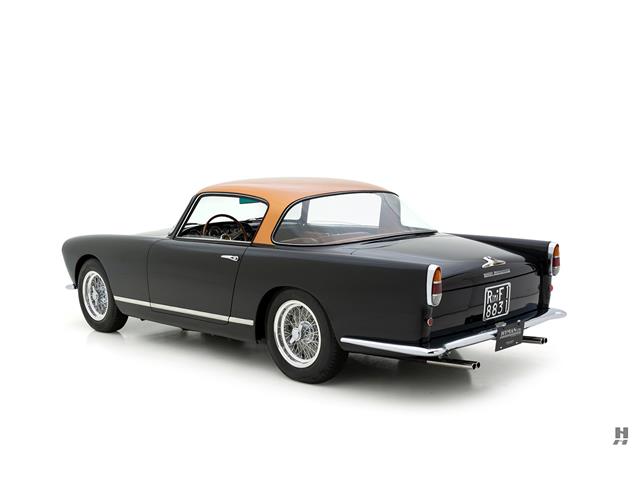
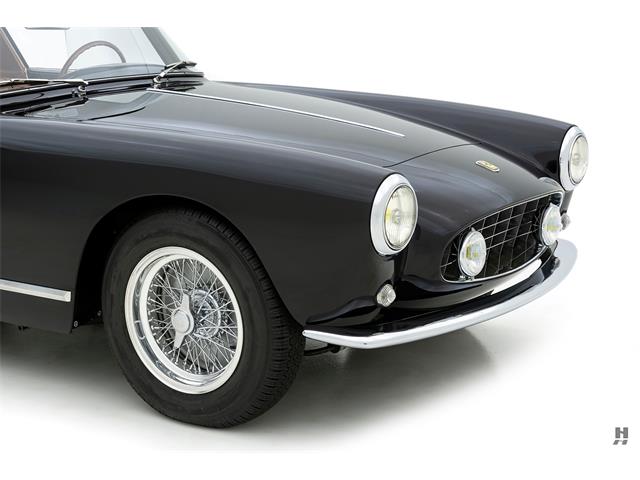
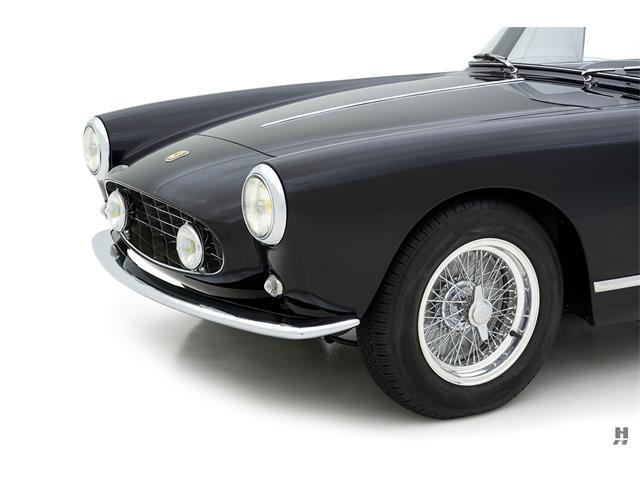
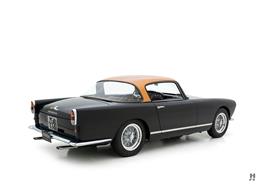
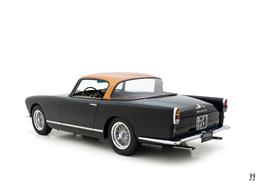
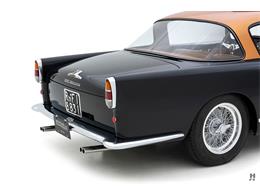
Chassis 0727GT is a beautifully restored example of a 250 GT Ellena
"High Roof," benefitting from a recent specialist restoration.
While the earliest history of this car is not currently documented,
0727GT was discovered in North America following a long period of
storage. At the time of its discovery, the car was essentially
complete, in need of restoration but missing the original engine
which was installed in a 250 Europa in the 1970s. In the mid-2010s,
the Ellena underwent a total nut-and-bolt, photo-documented
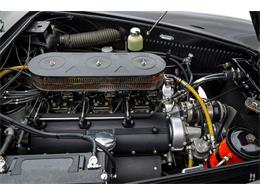
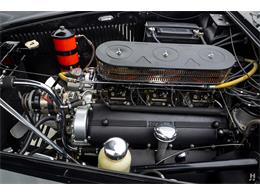
restoration totaling €250,000, completed in 2017. As part of the
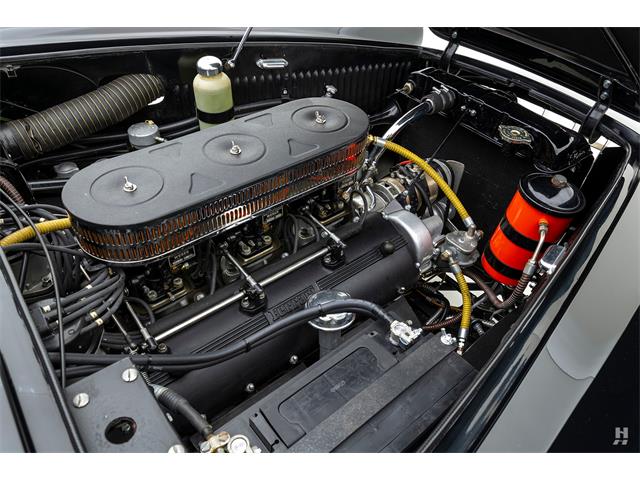
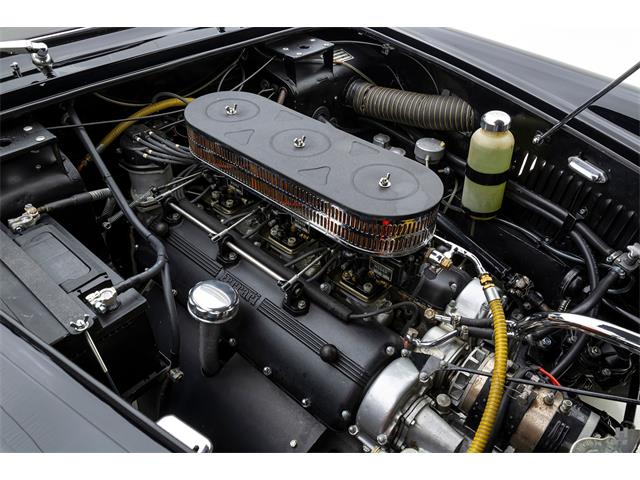
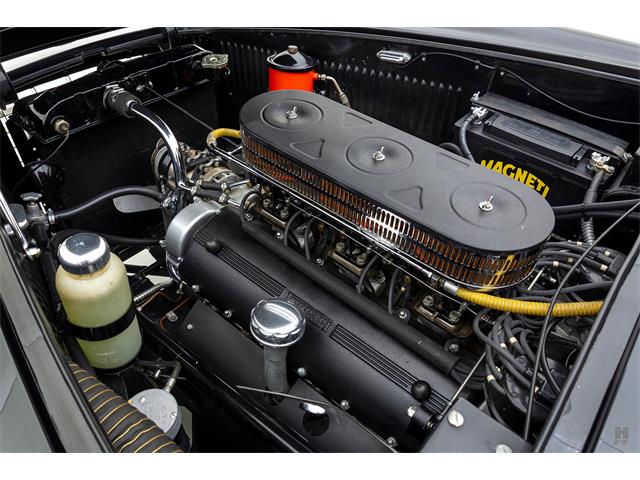
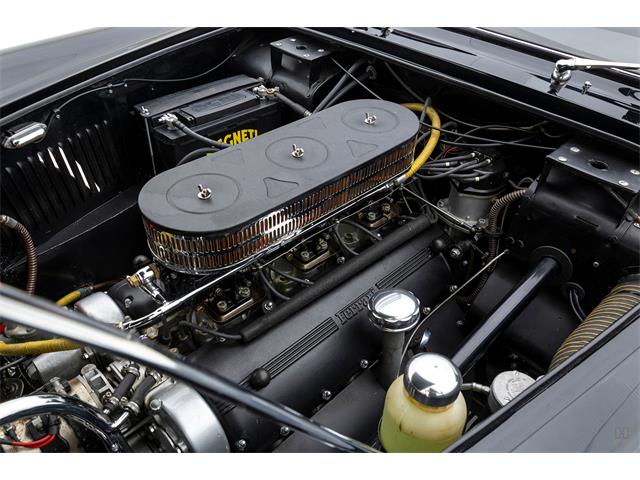
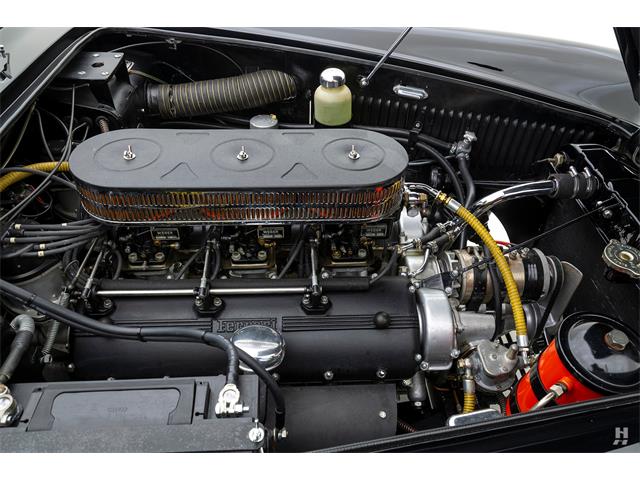
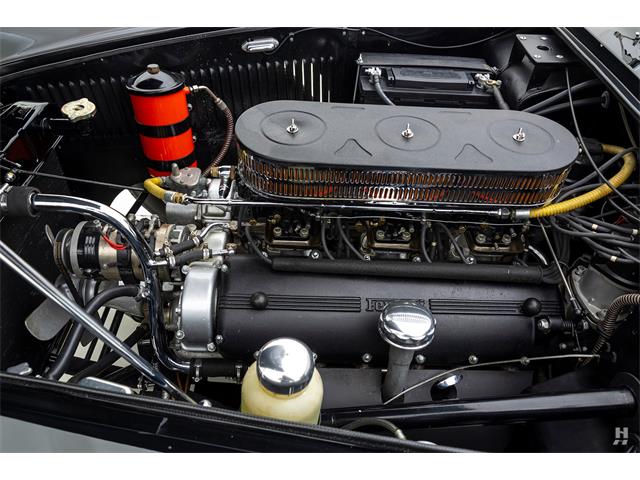
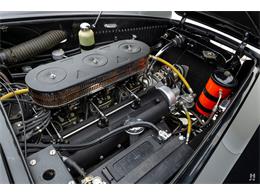
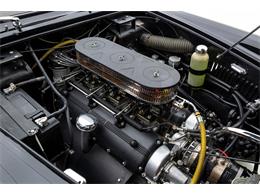
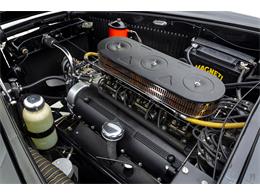
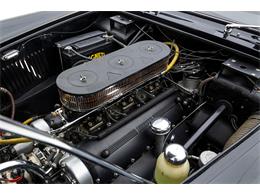
project, a period-correct inside plug Colombo V12 was sourced,
originally fitted to 250 GT 1483GT (internal no. 0556D). Photos on
file show the car was stripped to bare metal and the coachwork
meticulously restored and finished to a high standard. The
restoration included full rebuilding and detailing of the chassis
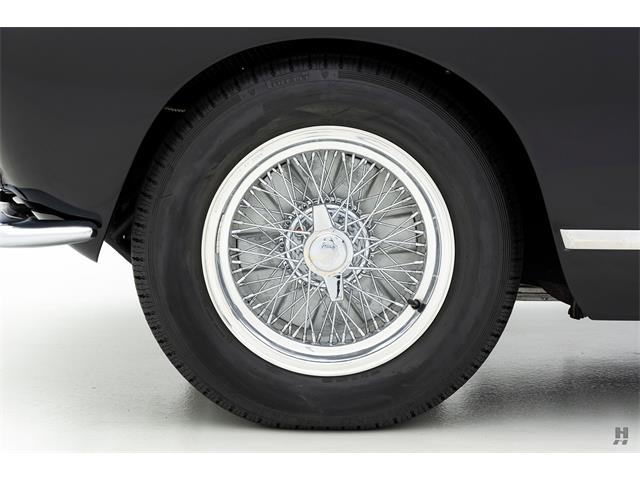
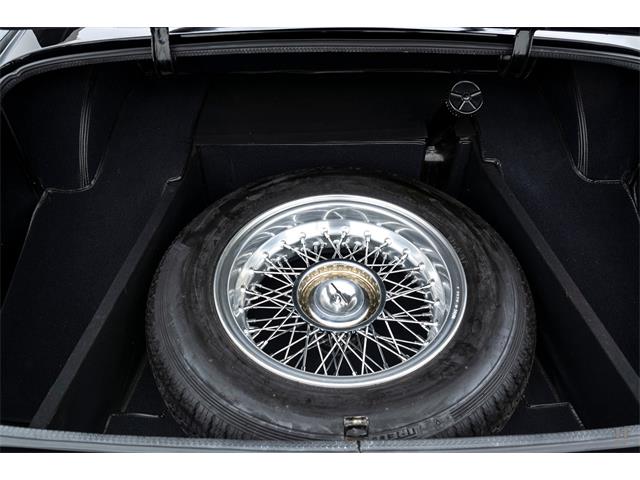
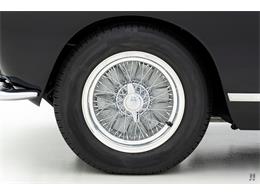
and underbody components, wheels restored by Borrani and fitted
with period-correct Pirelli tires, and a complete overhaul of the
V12 engine to include new bearings, forged pistons, authentic Weber
38DZ carburetors, and period correct ignition components.
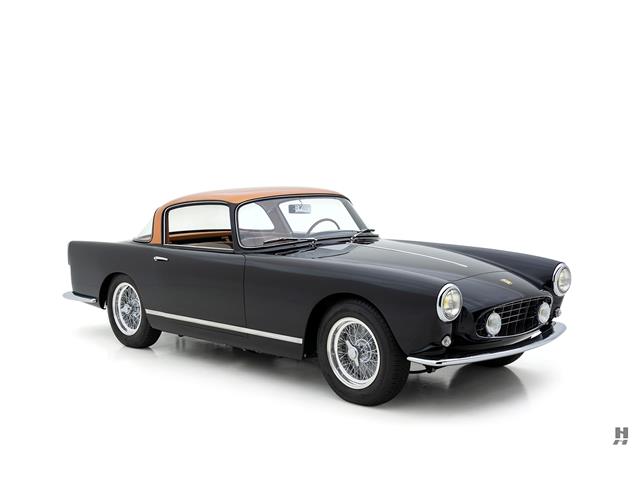
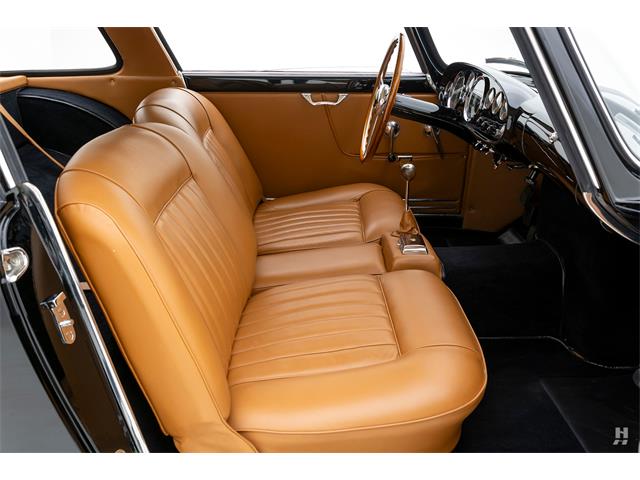
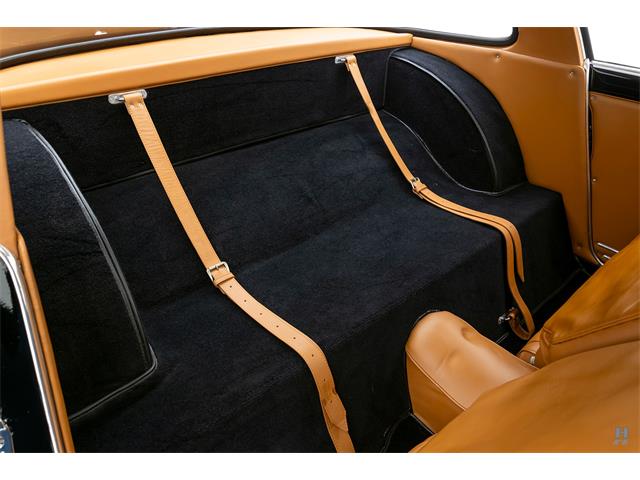
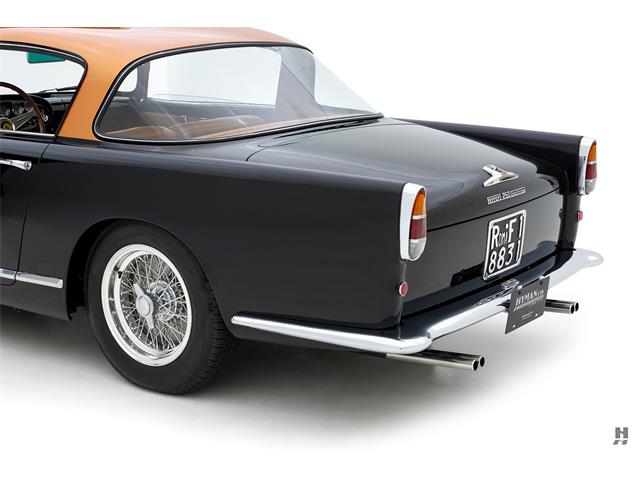
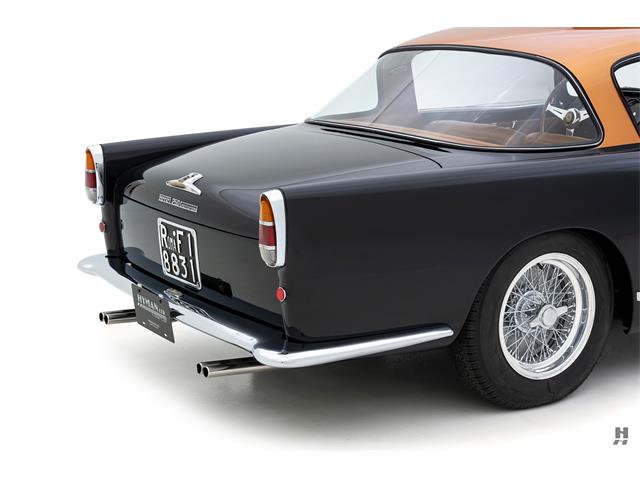
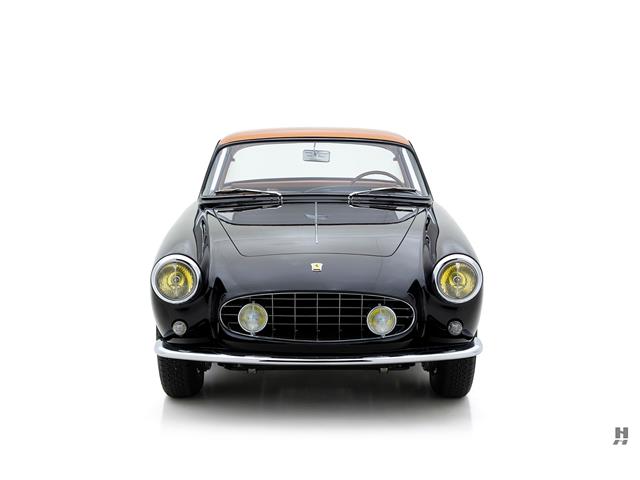
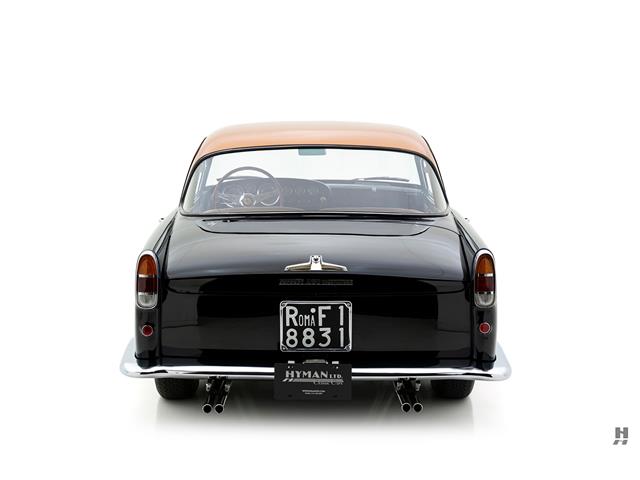
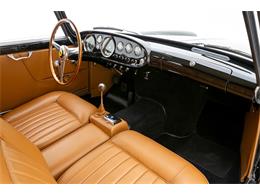
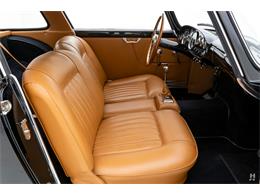
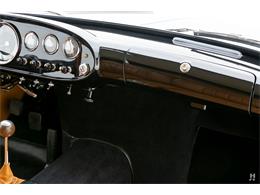
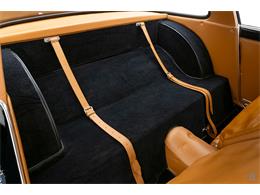
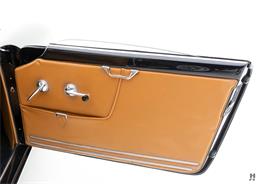
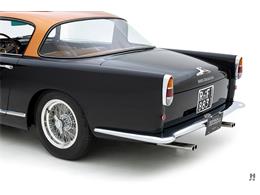
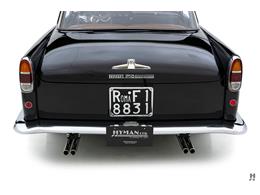
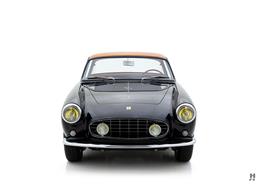
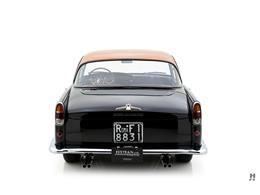
A striking color scheme of black with a contrasting copper roof was
chosen to highlight the Ellena's sophisticated, elegant lines. The
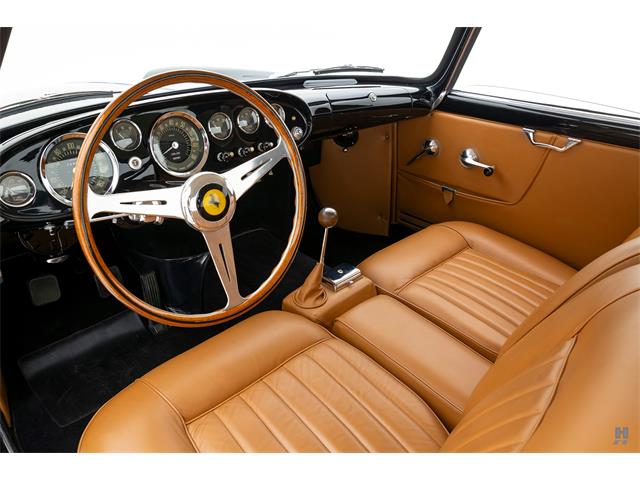
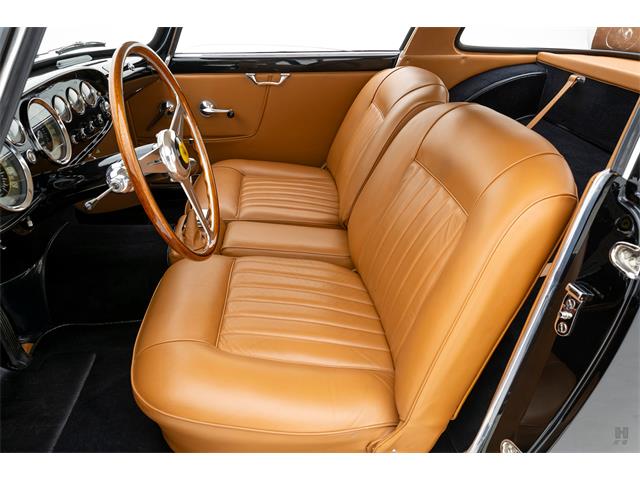
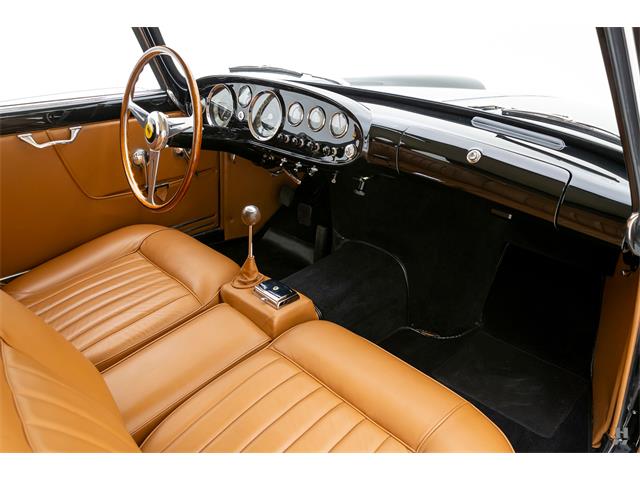
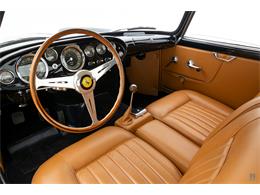
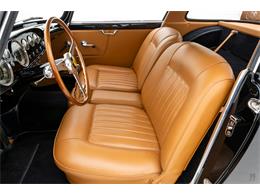
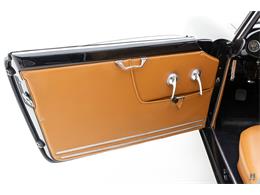
luxurious tan leather interior was restored to concours standards
by Tappezzeria Luppi, one of the world's leading Ferrari upholstery
restoration specialists, located in the heart of Ferrari country in
Modena, Italy. Upon its completion, 0727GT returned to the United
States and in 2022 marque specialist Patrick Ottis handled some
fine tuning and mechanical sorting in preparation for proper road
use. It then joined an extensive private collection of significant
European sports and GT cars, from which it is being offered.
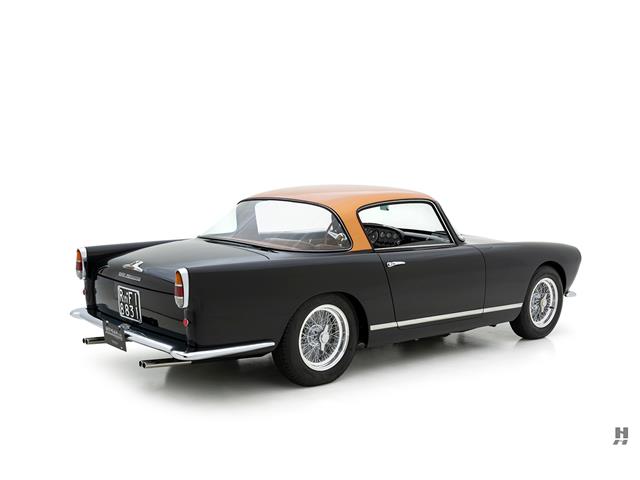
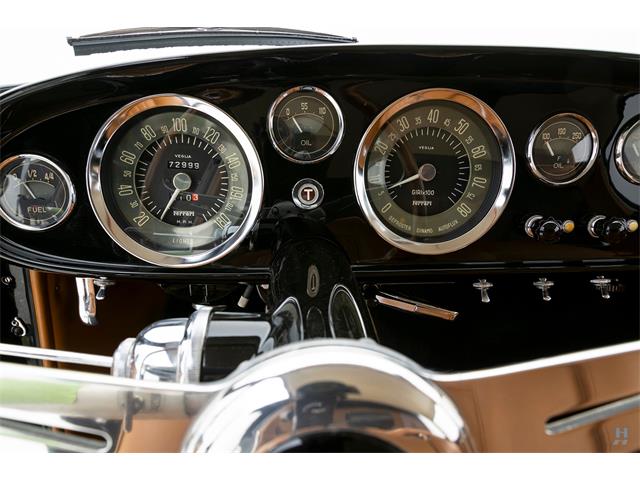
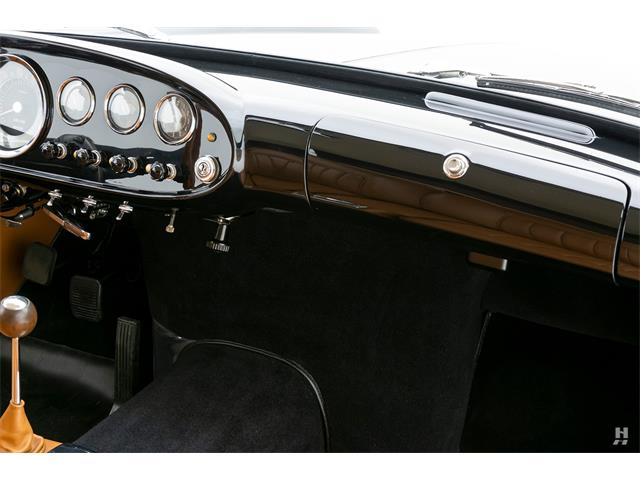
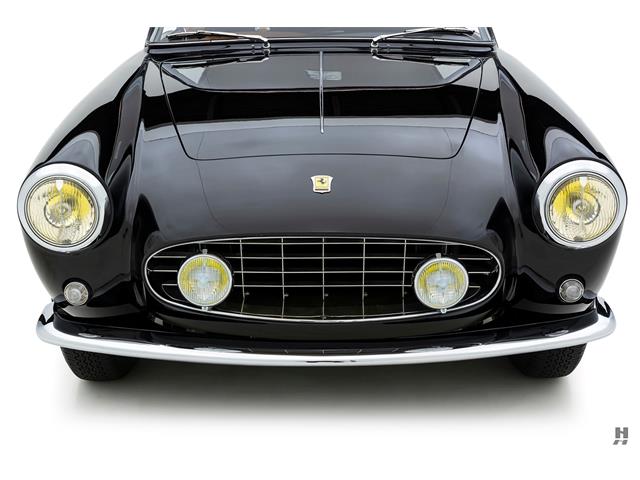
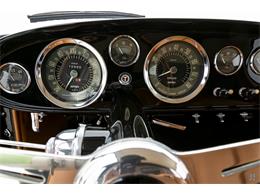
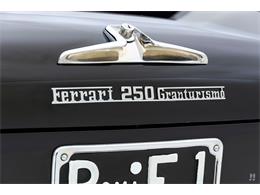
Since its restoration, 0727GT has seen only occasional use and is
in beautiful condition throughout, displaying excellent panel fit,
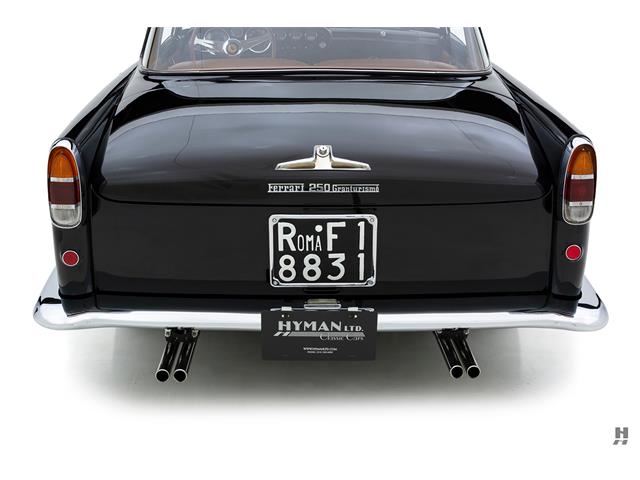
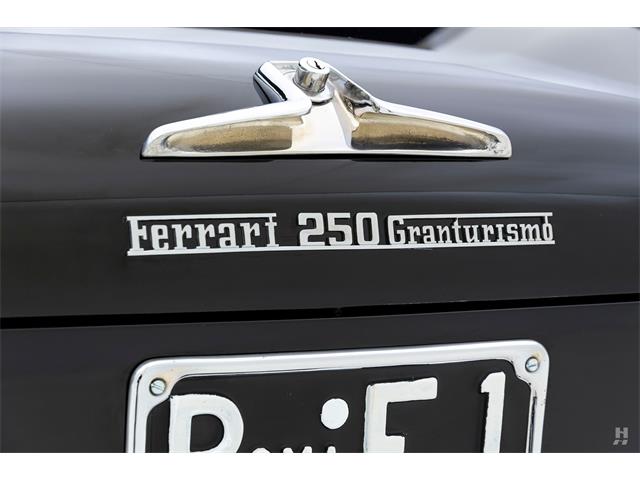
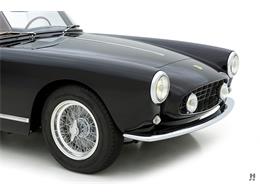
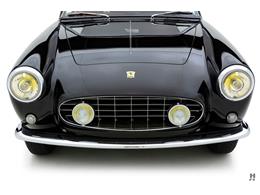
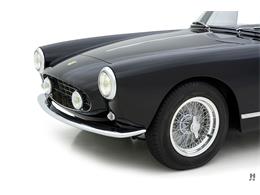
finish quality, and details like proper "Ferrari 250 Granturismo"
script, gorgeous Marchal headlamps, and matching fog lamps in the
grille. The 250 Ellena's 2-inch higher roof, thin pillars, and
single-piece wraparound rear screen make ingress a breeze, and
provide an airy, spacious cabin. These cars are renowned for their
long-distance ability, and 0727GT is a prime example to enjoy on
prestigious driving events like the Colorado Grand or California
Mille, while its striking livery and superb presentation will
garner much attention in show settings.
Produced in small numbers, revered for their on-road ability and
beautiful looks, and cherished by collectors, the 250 Grantursismo
Boano/Ellena is a foundational model in Ferrari lore, establishing
the still relatively young automaker as leader in the GT market,
and highlighting the brilliance of this short-lived, but undeniably
talented Italian carrozzeria.
ClassicCars.com has been recognized as one of the fastest-growing private companies in the United States, successfully making the Inc. 5000 list in both 2015,
2016, 2017 and 2018. This prestigious accolade represents the continued growth of the company, and ClassicCars.com's dominance as the world's largest online marketplace for
buying and selling classic and collector vehicles.
The Stevie Awards, the world's premier business awards recognized
ClassicCars.com's first-class Customer Support team with a Stevie Bronze Award in 2019, celebrating the team's skills as exemplary customer support specialists.
In 2016 The Journal, brought to you by ClassicCars.com, was celebrated as the SECOND MOST INFLUENTIAL automotive blog in the world by NFC Performance.