Please note: Online Bidding is not available for this lot, unless
specifically pre-arranged with Broad Arrow before the auction
begins. For further information and alternative bidding options
please reach out to
[email protected]
Chassis No. 4976
Engine No. 30698
Bertone Body No. 790
The 21st of May 1966 was the evening before the start of the Monaco
Grand Prix. Jim Clark, John Surtees, and Jackie Stewart had secured
positions one, two, and three on the grid for the race the next day
and the world's well-heeled and well-connected were congregating at
parties around the principality, including the famous Casino
Square. Lamborghini's now-legendary development engineer and test
driver Bob Wallace had just driven a prototype Miura all the way
from Sant'Agata to Monaco, making its presence well known around
the Monegasque streets and parking it directly in front of the
Casino. For Ferruccio Lamborghini, who never entertained a factory
racing program and whose fabled marque was born in part out of a
rivalry with Enzo Ferrari, this was quite the statement, in full
view no less of a very qualified buying audience.
The reaction was extraordinary. The Miura had only been introduced
a short while earlier at the Geneva Auto Salon, and here it was,
the world's first true supercar, dropping the jaws of the tuxedoed
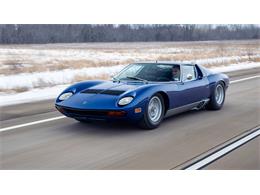
jetset in attendance. Its design was stunning, low, menacing yet
remarkably beautiful and its engineering was atypical to say the
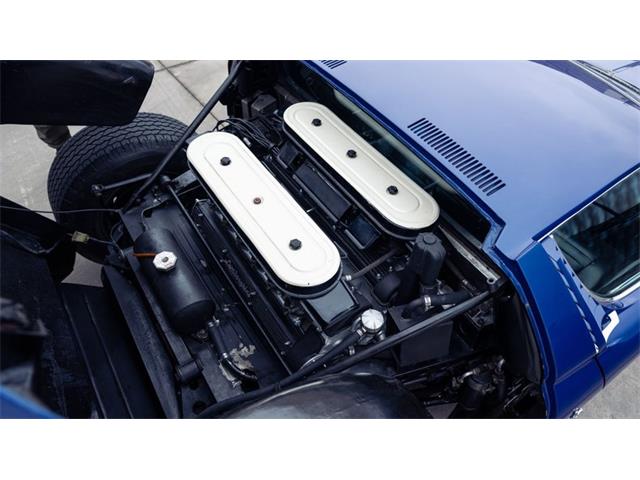
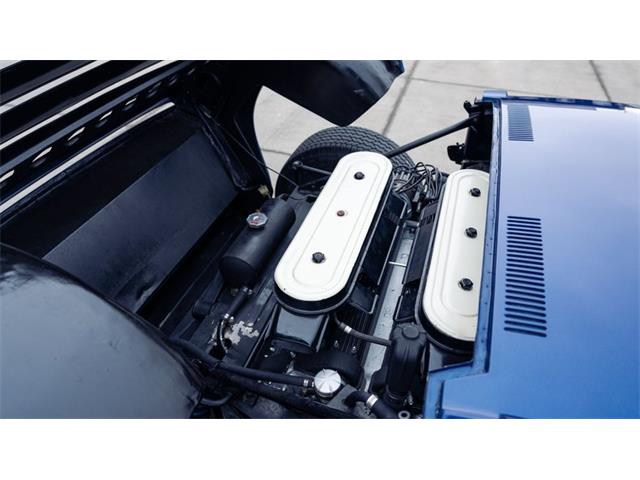
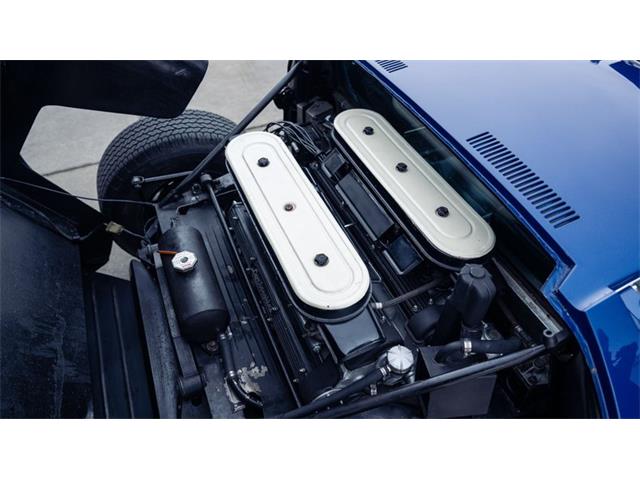
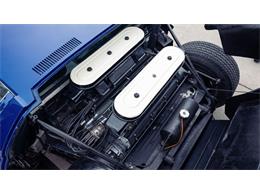
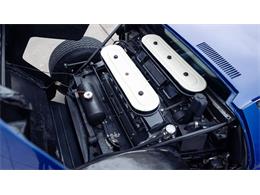
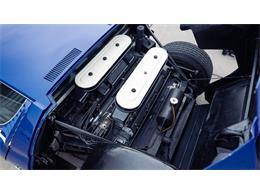
least-a transversely mounted V12 displacing four liters, fed by
four Weber carburetors, and it was mounted amidships, the way most
true supercars have been configured since that time. It was a tour
de force to say the least, with a chassis engineered by Giampaolo
Dallara and Paolo Stanzani, a body built by Bertone in Turin, and a
design by a young Marcello Gandini, whose stellar career requires
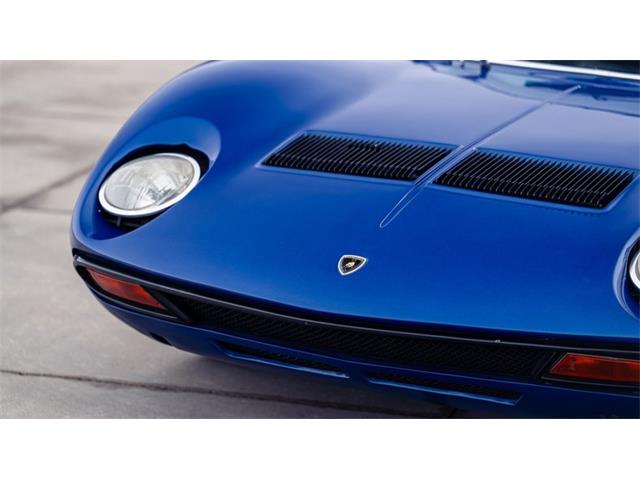
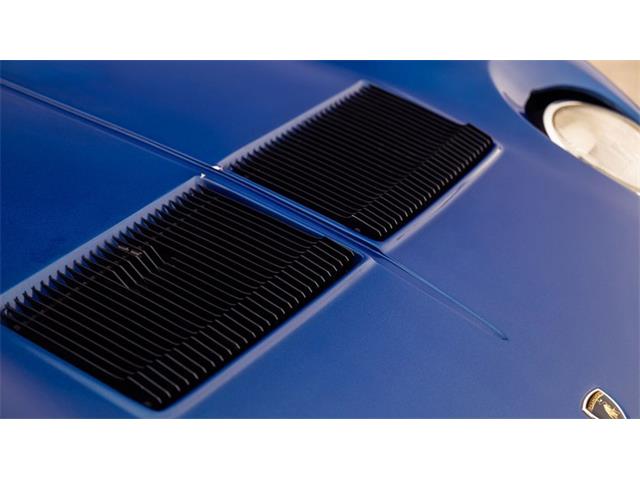
no introduction. With a Raging Bull on its hood and a name that
paid homage to Don Eduardo Miura, breeder of legendary fighting
bulls, the Miura produced an appropriately aggressive yet elegant
exhaust note, in contrast to its competitors in Maranello, and it
heralded the arrival of Lamborghini's bombshell design that set the
course for decades of model evolution.
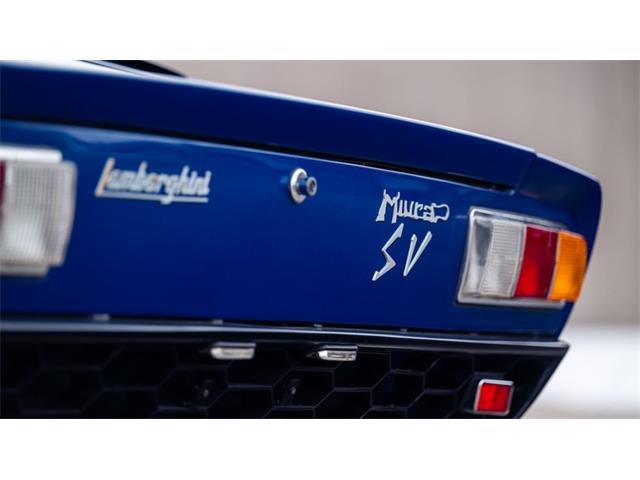
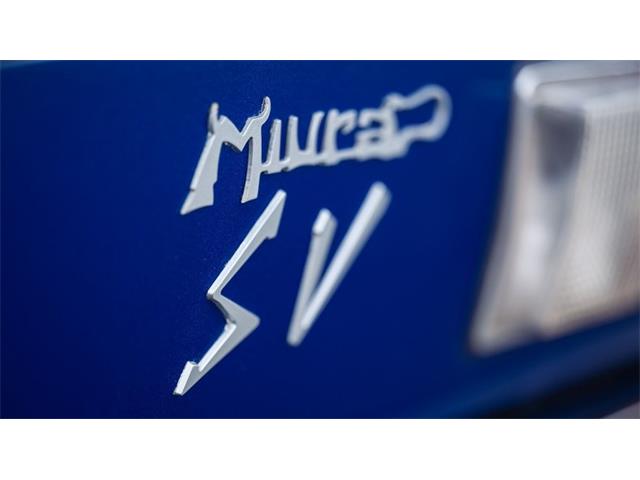
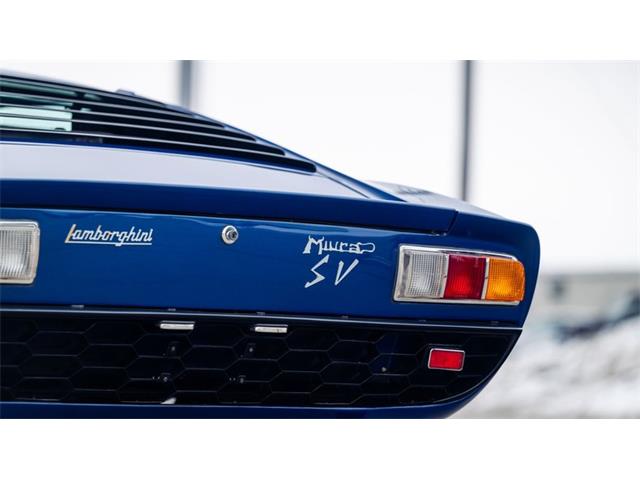
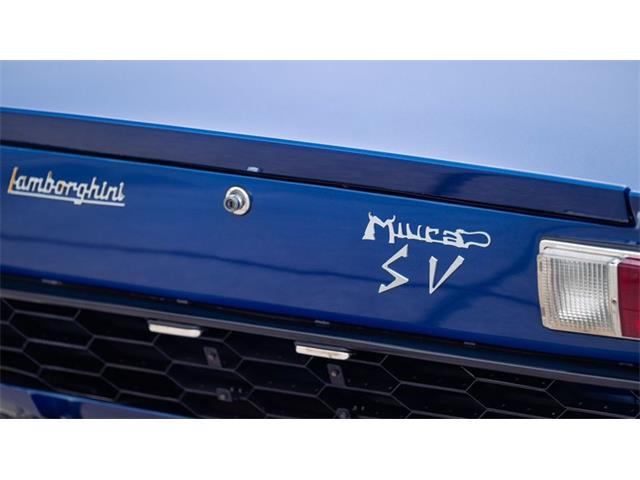
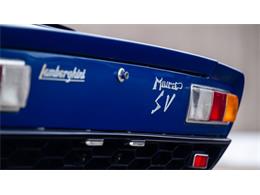
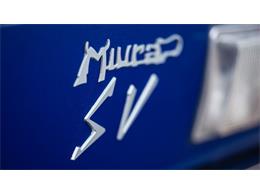
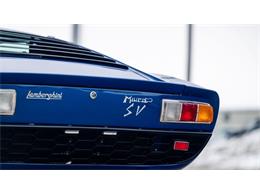
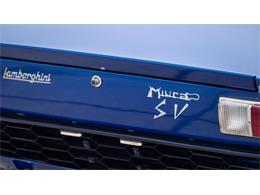
The first series of the Miura are known as P400, followed in
evolution by the P400 S and finally, the "SV." While the
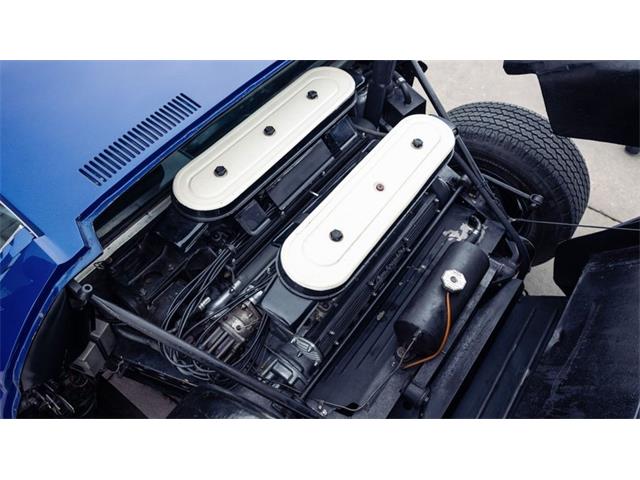
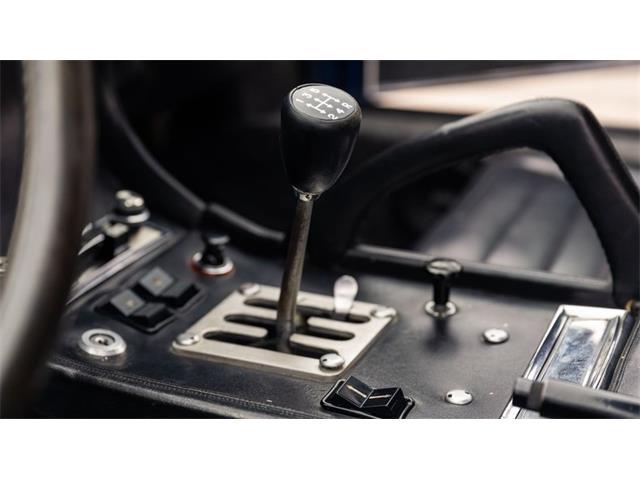
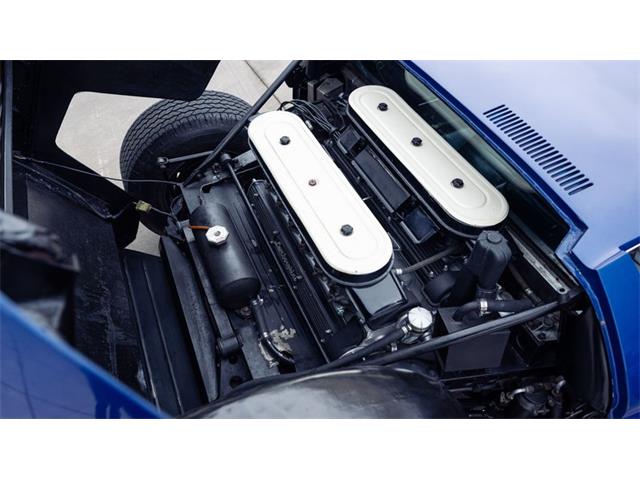
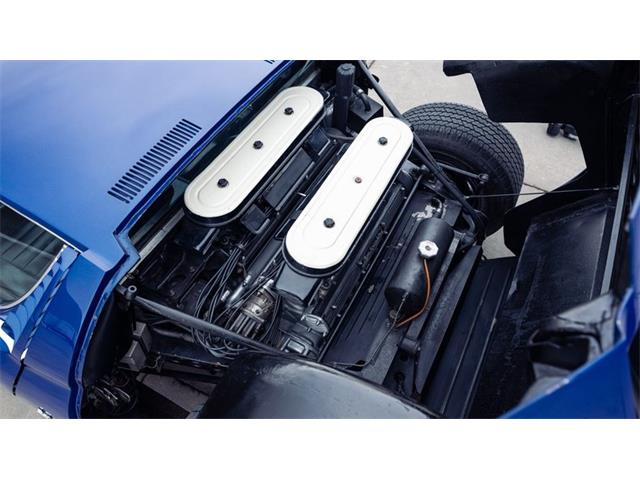
fundamental formula remained unchanged with a mid-mounted 3.9-liter
all-alloy DOHC V12 with five-speed transaxle, the SV benefited from
years of iterative changes and very notably, an increase in
horsepower to 385 horsepower, 15 more than its predecessor, with
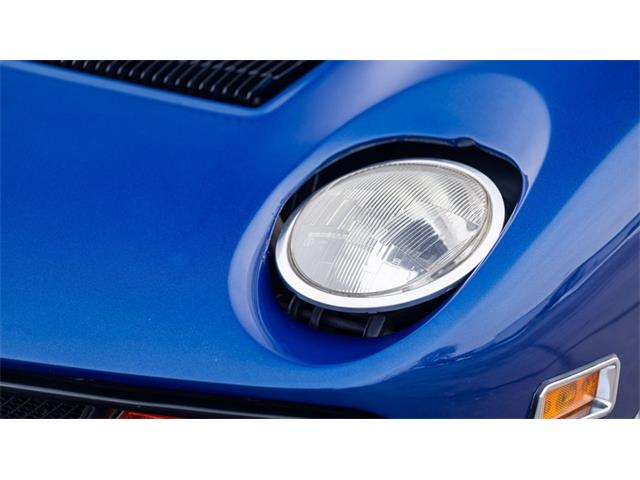
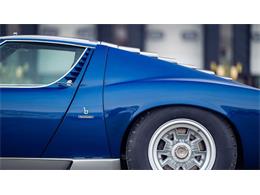
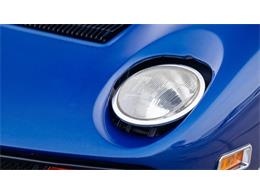
adjusted cam timing and Weber carburetion. Design-wise, the model
is immediately recognizable for its lack of headlight "eyelashes"
and the aggressively voluptuous rear fenders that were widened to
accommodate the larger wheels and tires. Lamborghini is said to
have reserved the SV strictly for VIP clients, not to mention by
special order only. In the end just some 150 SVs would be made,
putting its rarity quotient on par with some of the most
collectible cars. A mere twenty-one were delivered to the U.S.-of
which just thirteen were factory-equipped with the ultimate
split-sump-equipped engine. Such low production figures have always
made these cars an exceedingly rare commodity in the U.S.?
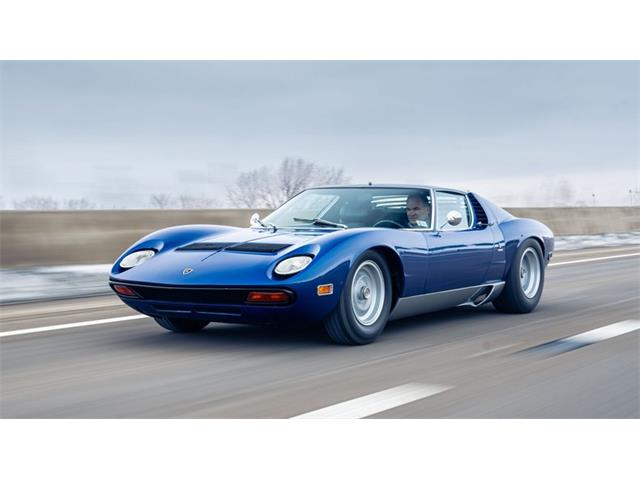
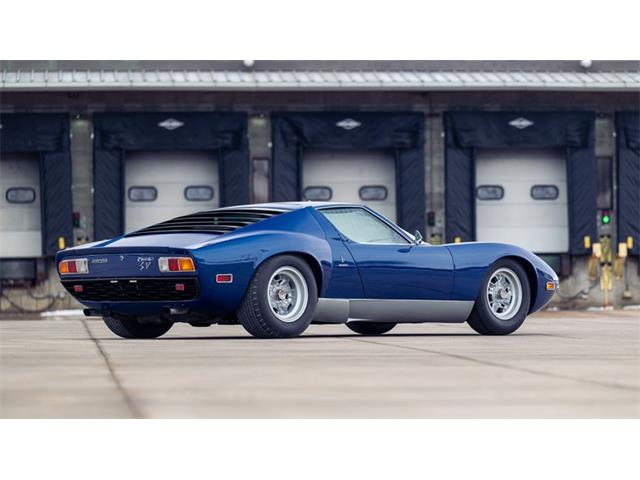
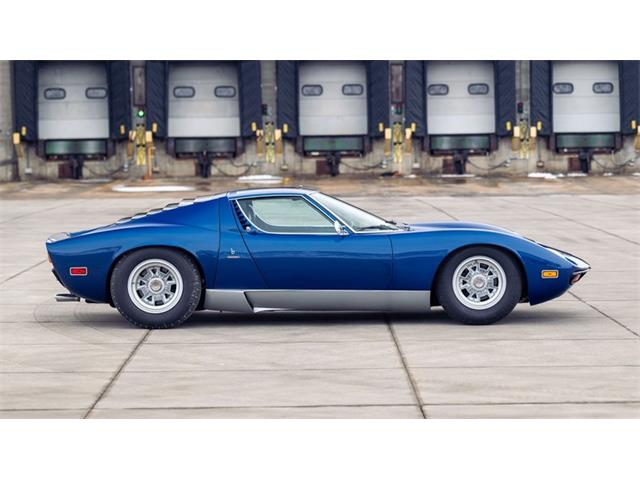
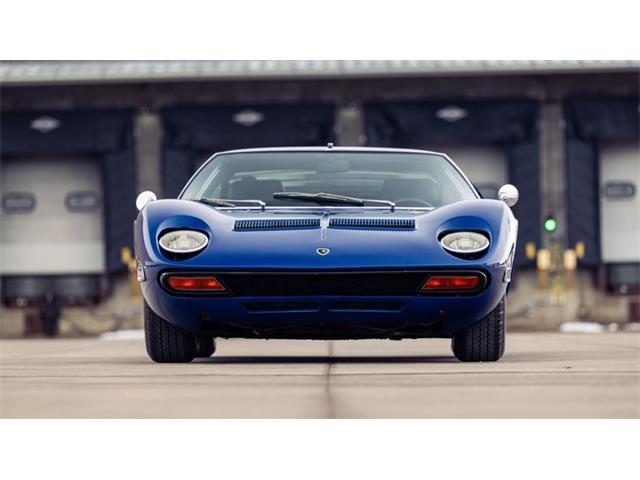
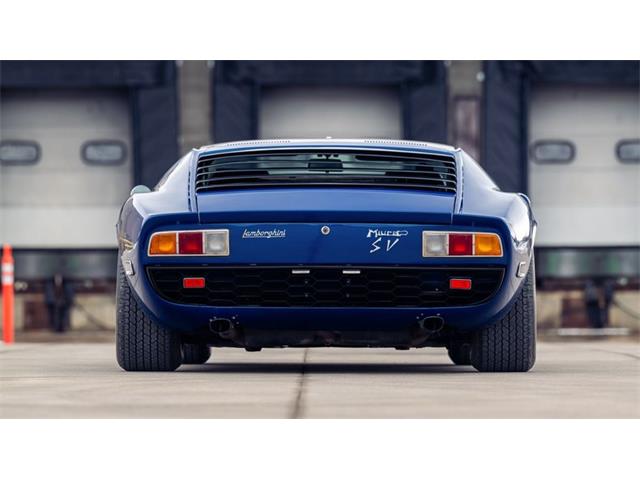
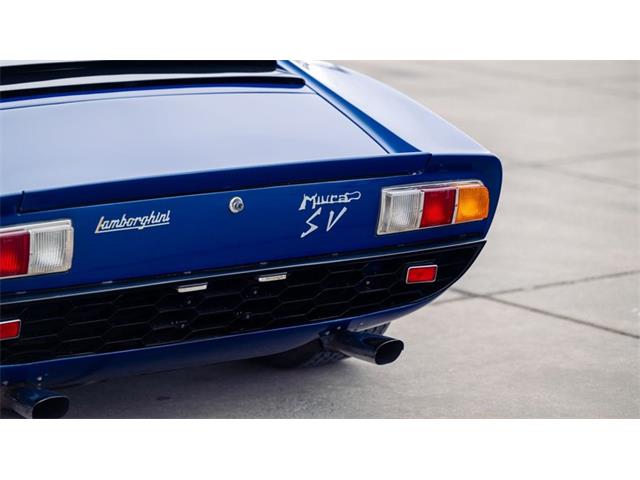
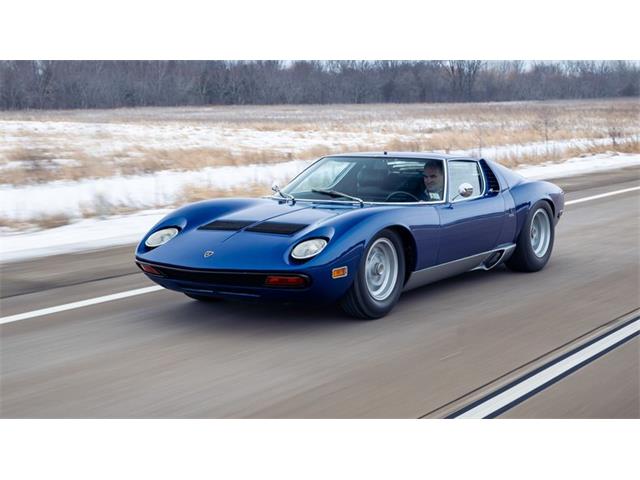
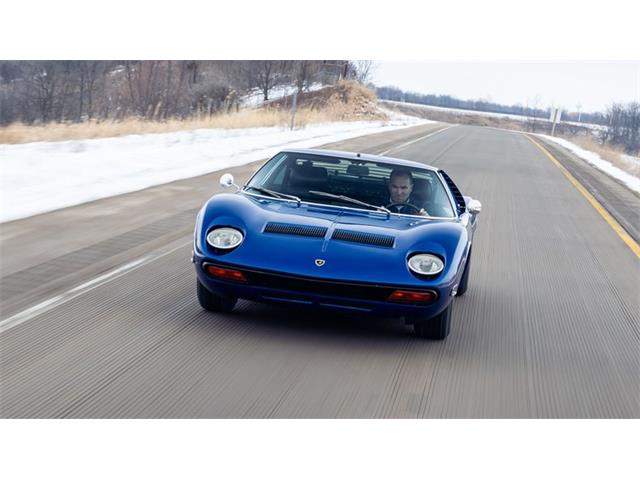
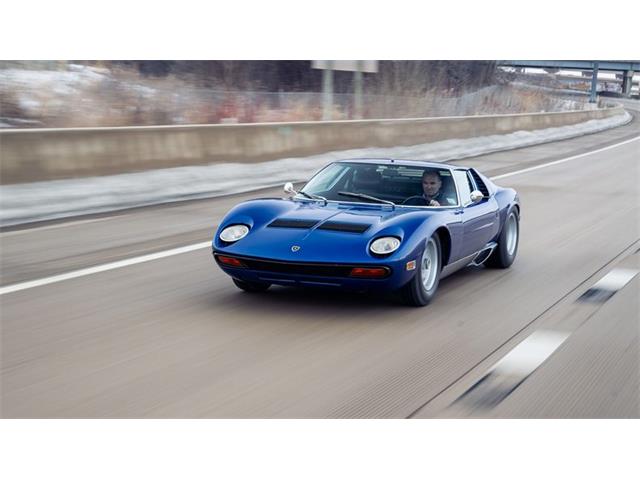
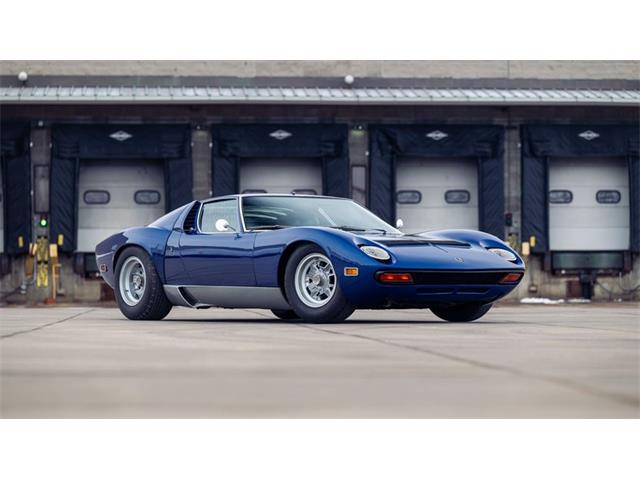
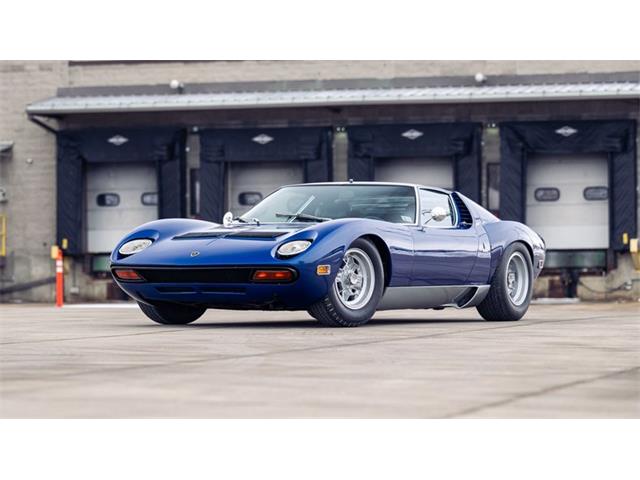
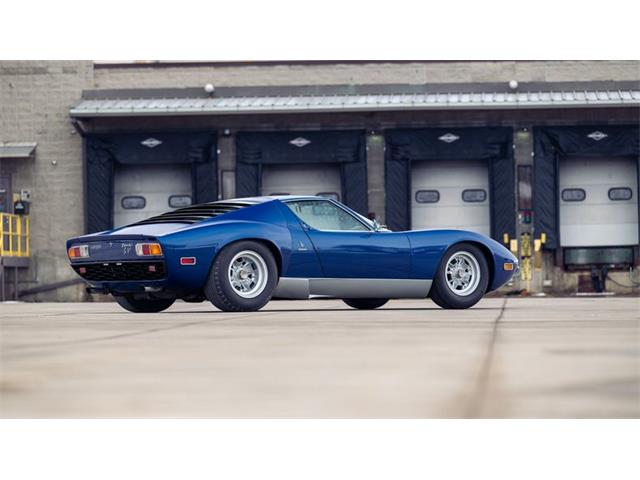
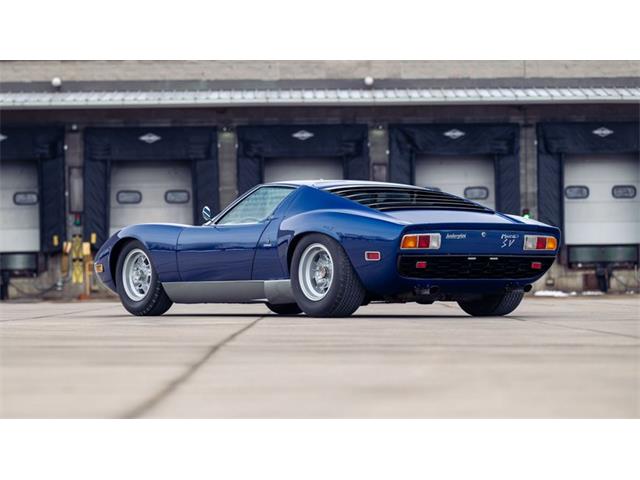
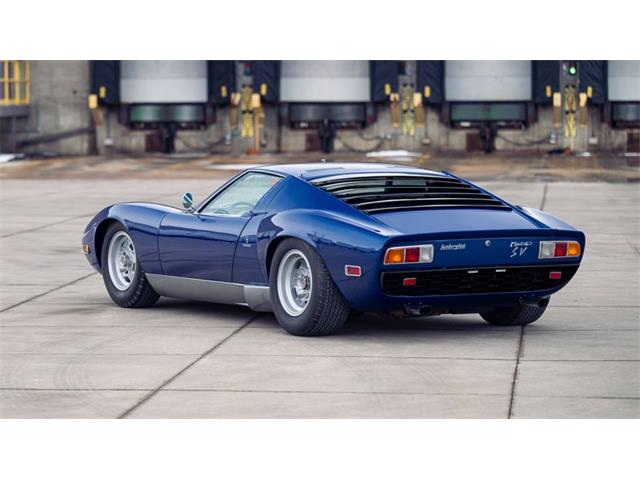
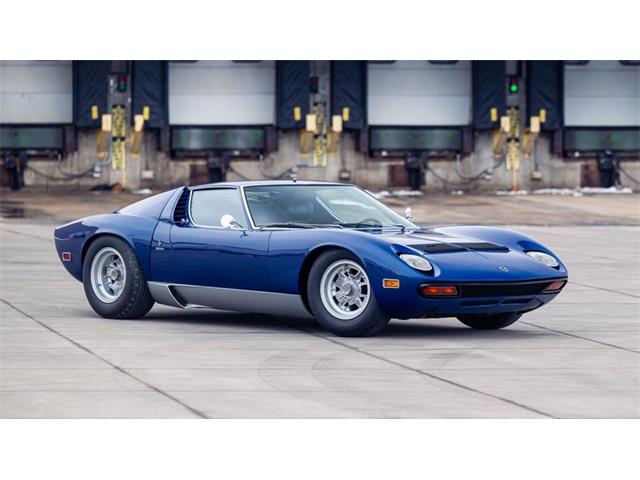
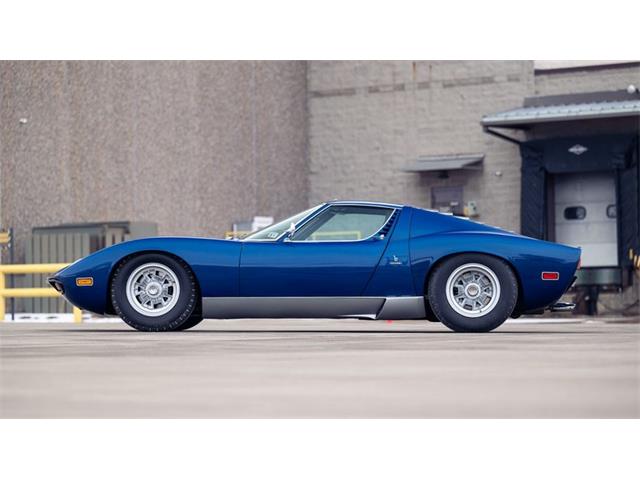
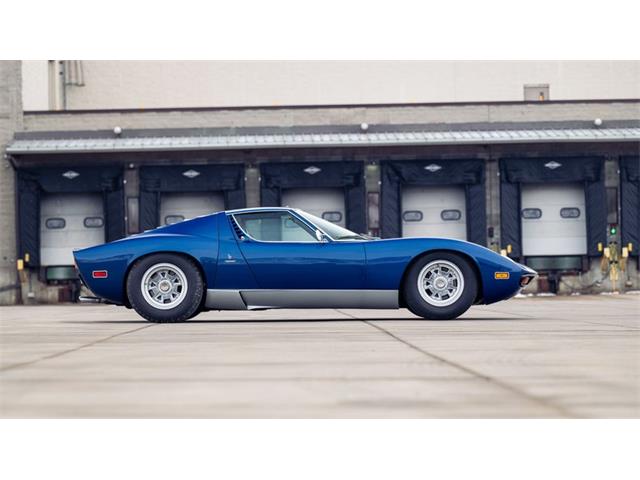
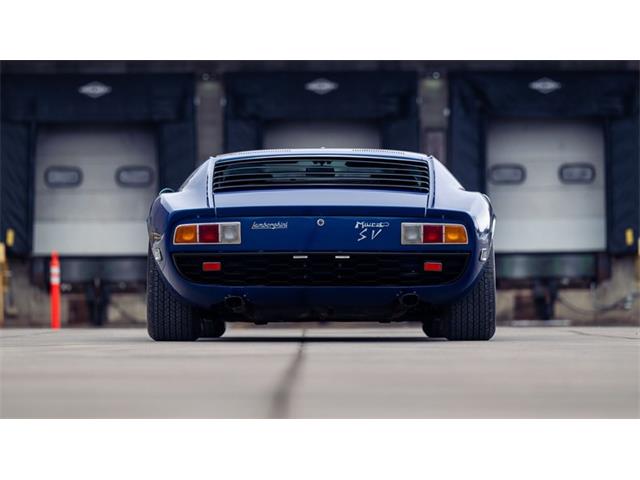
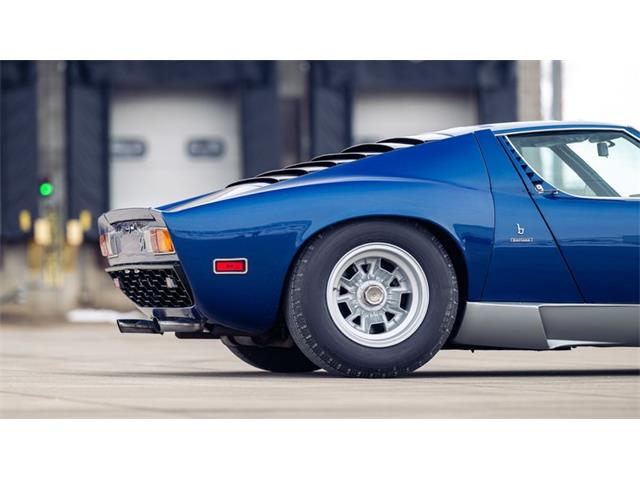
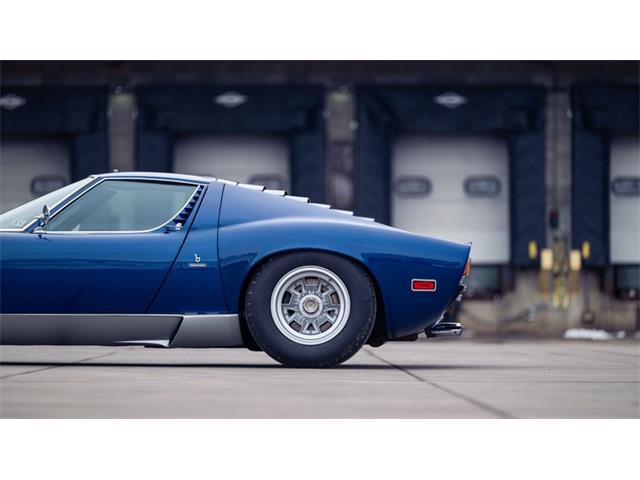
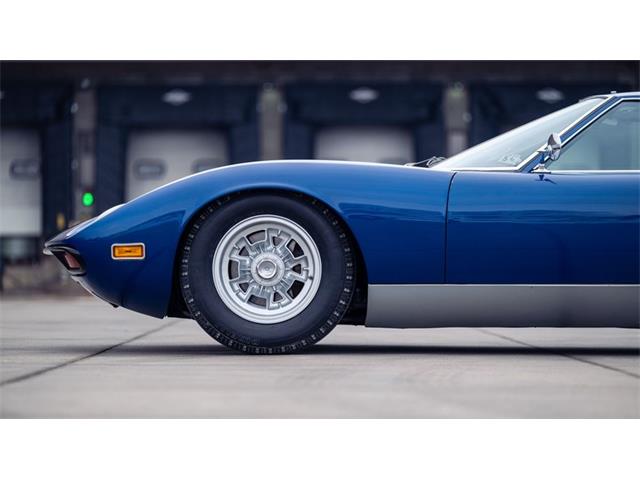
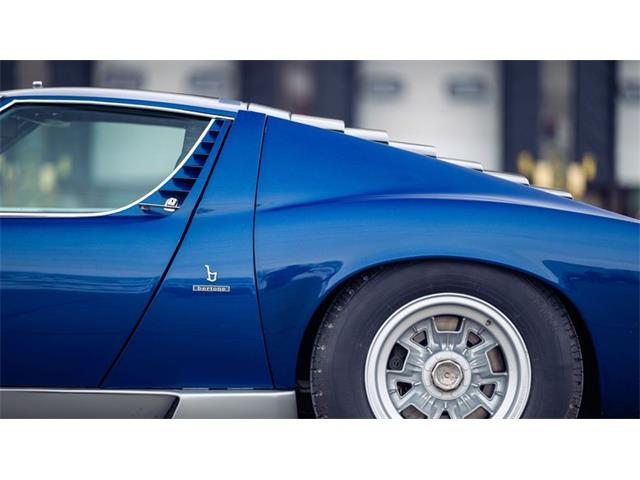
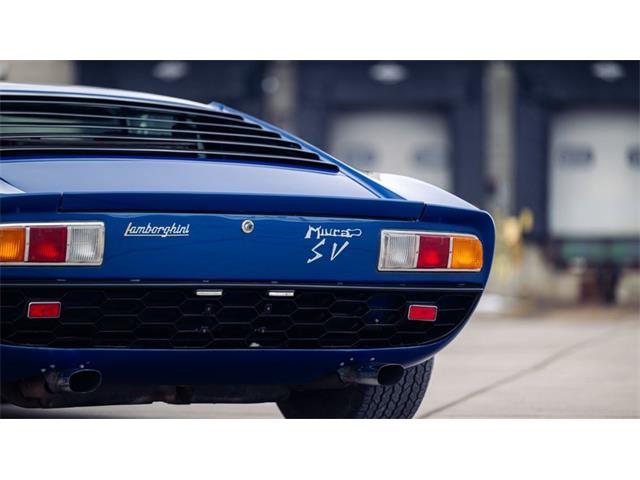
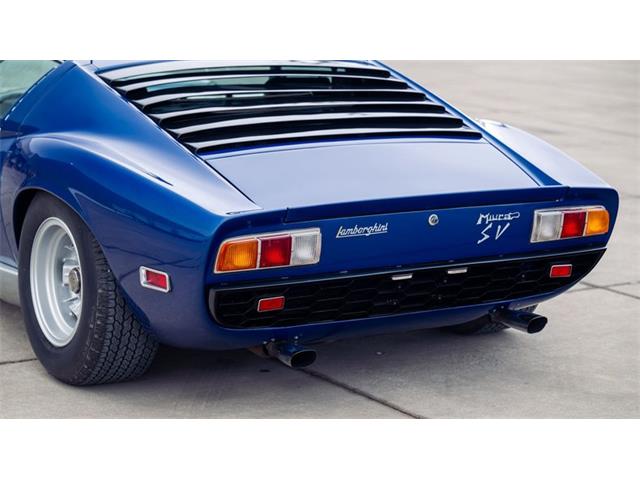
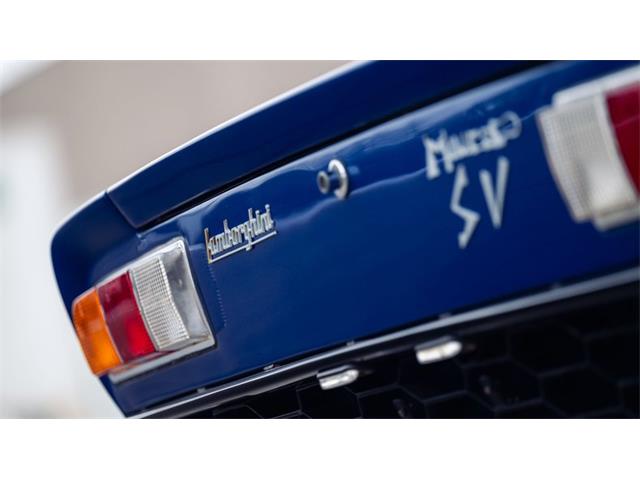
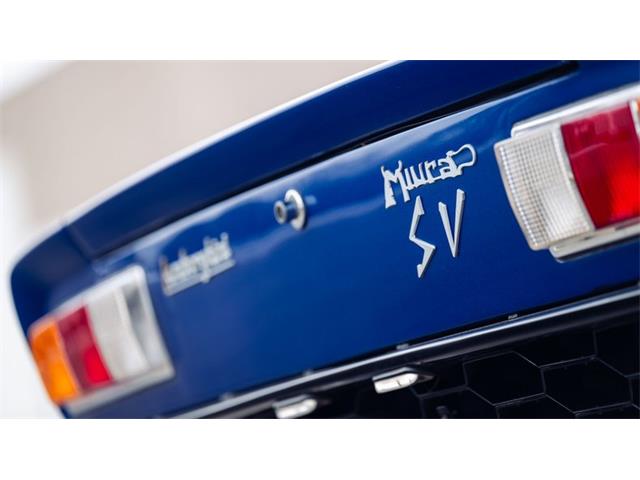
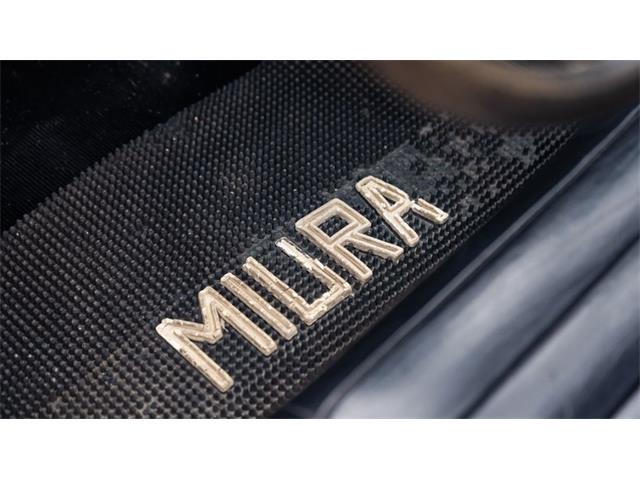
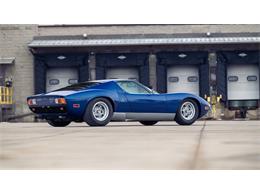
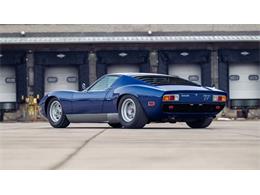
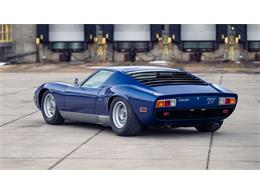
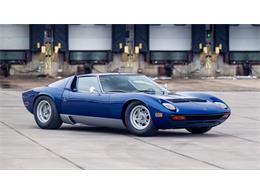
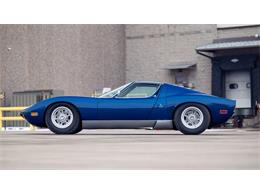
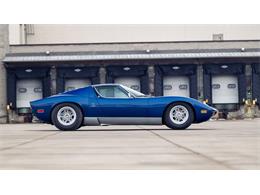
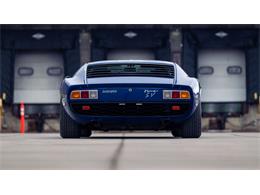
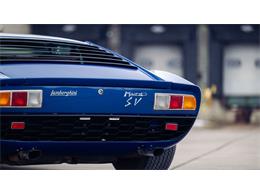
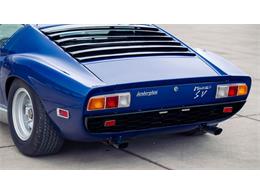
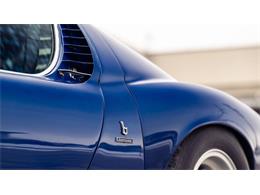
The spectacularly original example offered here, Miura SV chassis
number 4976, is indeed one of these rare and most desirable, late
production and fully evolved split-sump, U.S.-market specification
models, benefitting from everything Lamborghini learned during the
production run of these now highly collectible cars. According to
Simon Kidston's seminal tome on the Lamborghini Miura, 4976 was
completed to Miura SV specifications at the Sant'Agata Lamborghini
works during fall/winter 1971/72. Destined for the U.S. market, the
SV was finished in the elegant shade of?Argento Indianapolis
Metallizzato?(Silver Metallic) exterior color-a color in which just
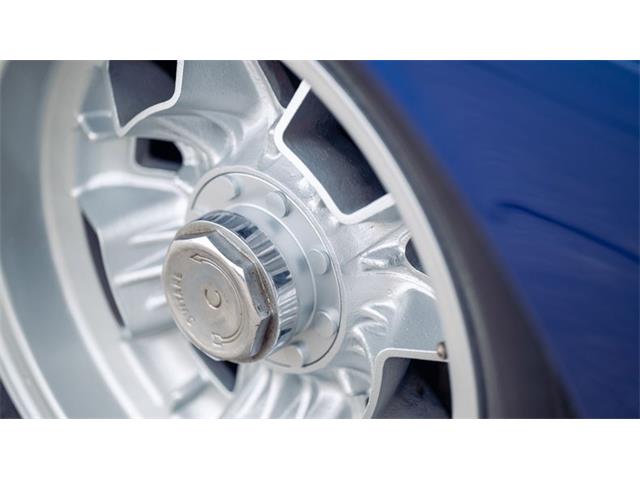
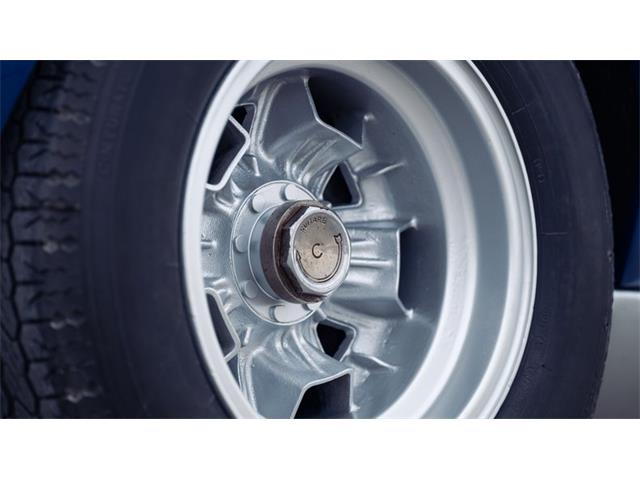
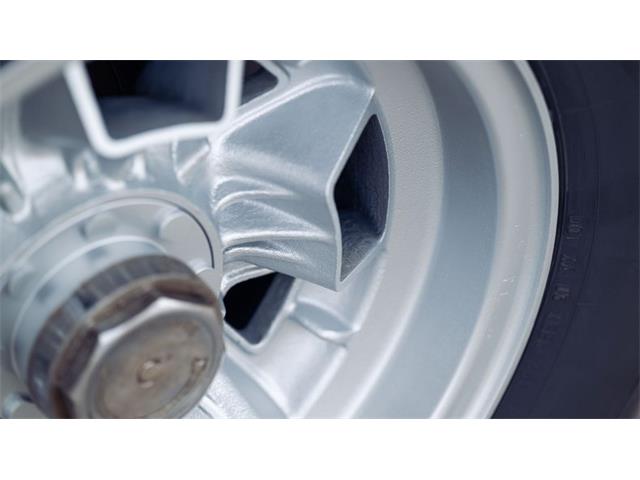
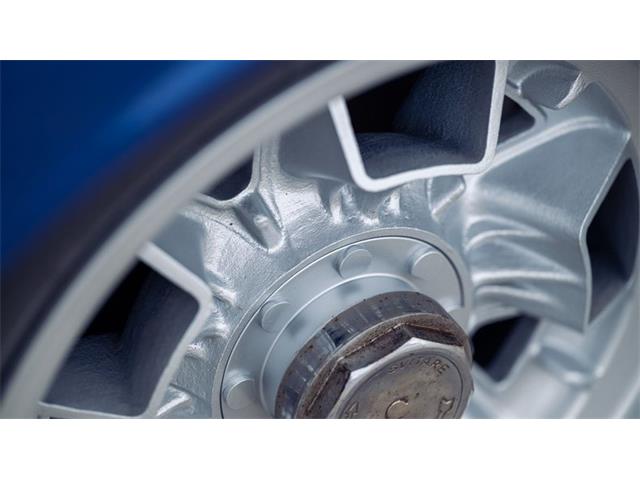
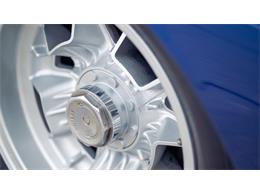
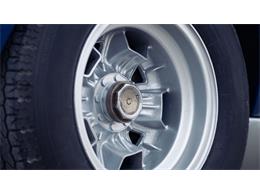
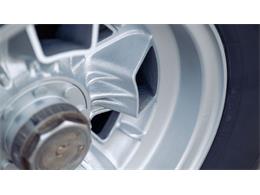
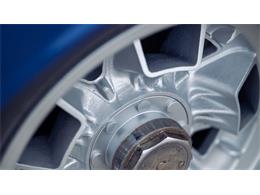
thirteen Miura SVs were painted from new. The lower trim panels and
the iconic alloy wheels were finished in a neatly contrasting, soft
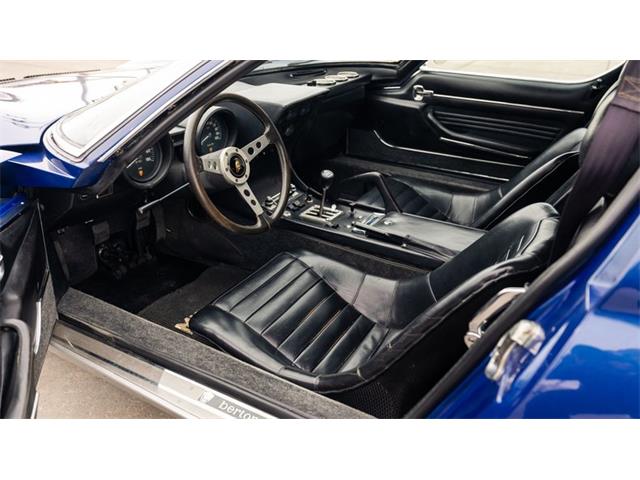
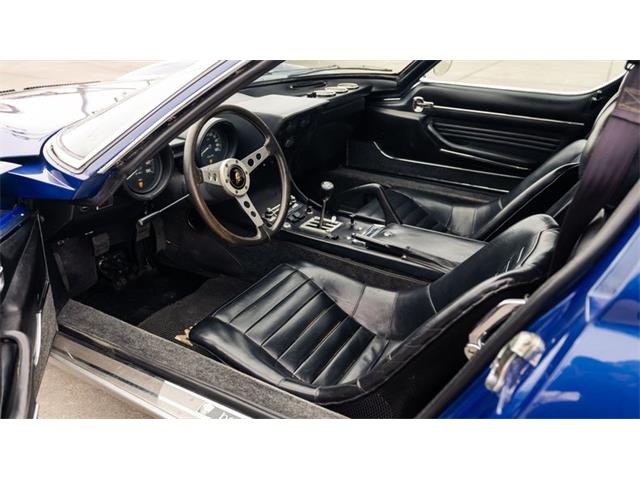
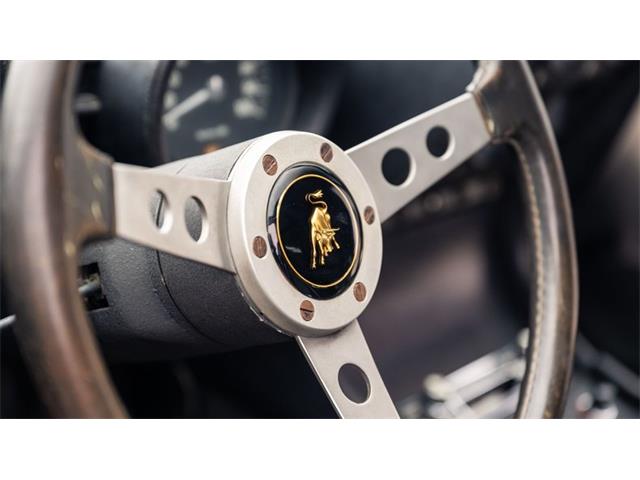
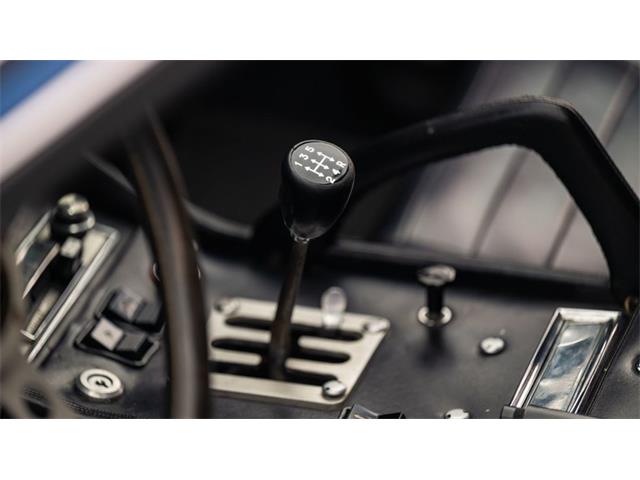
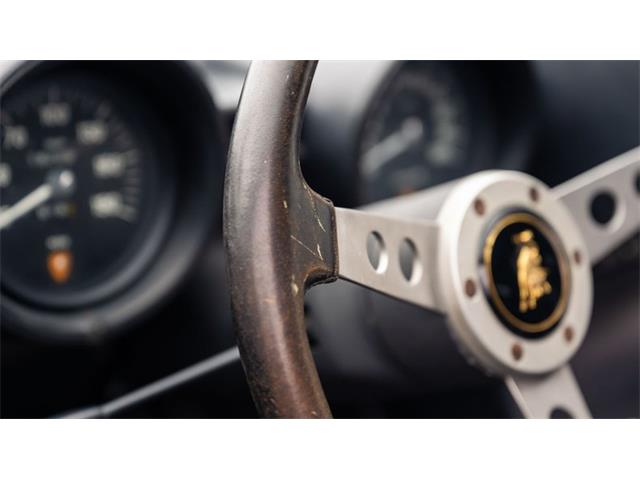
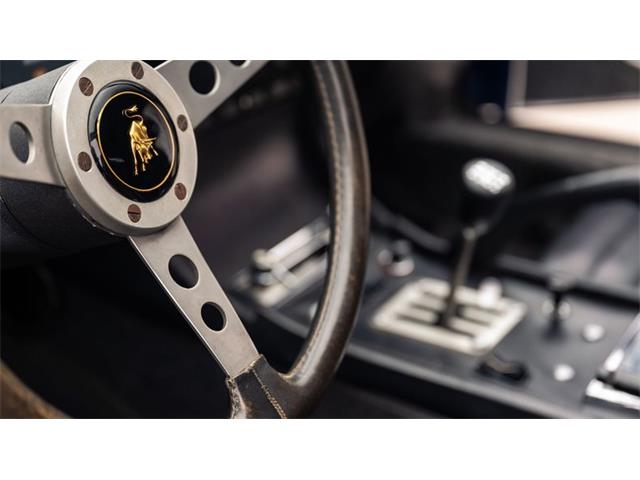
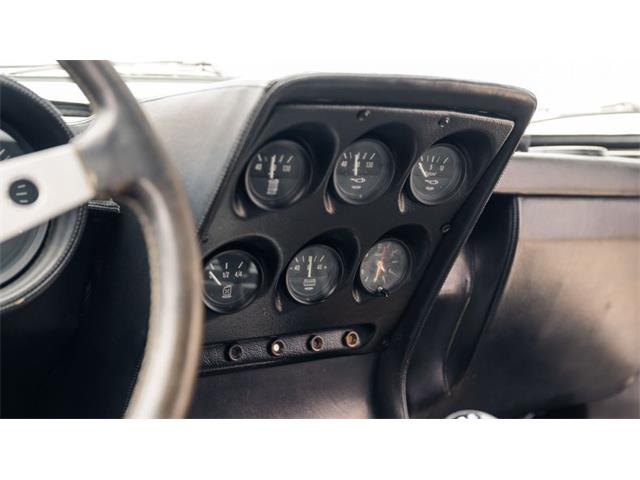
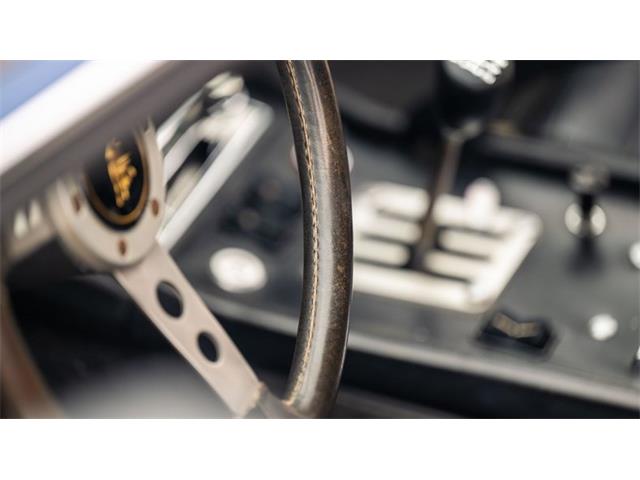
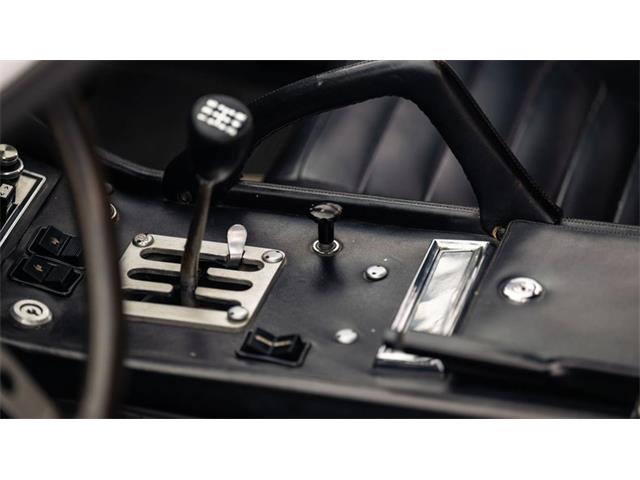
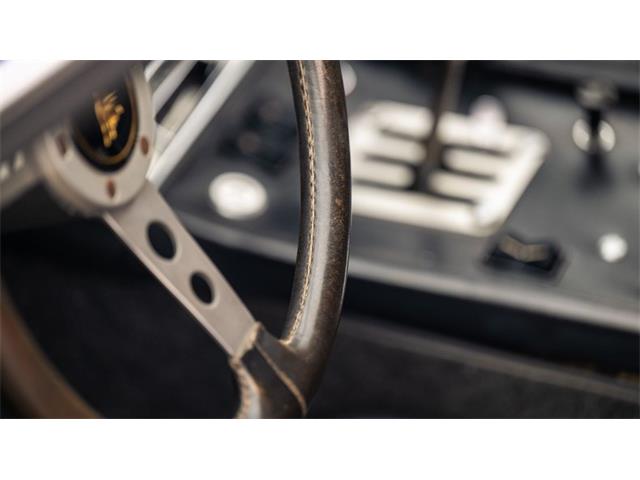
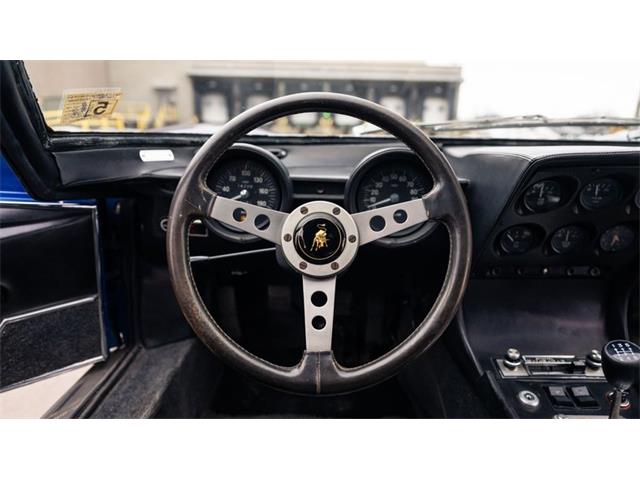
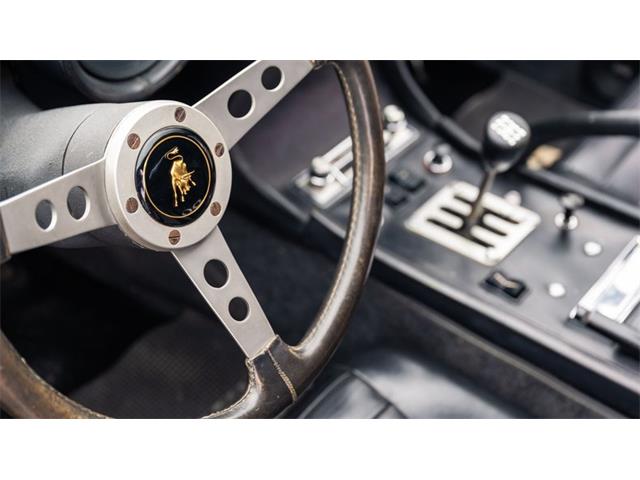
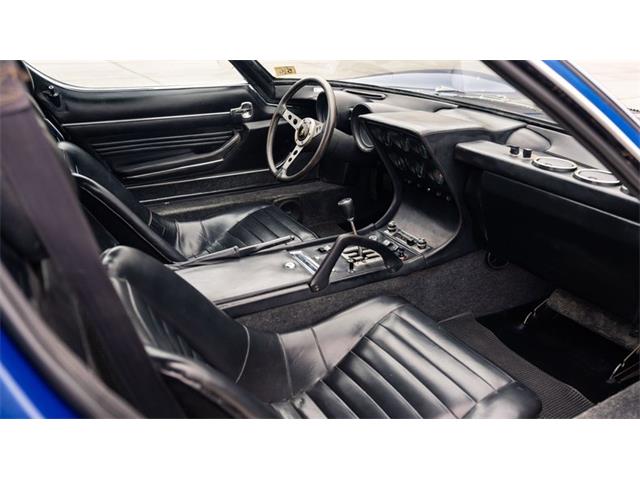
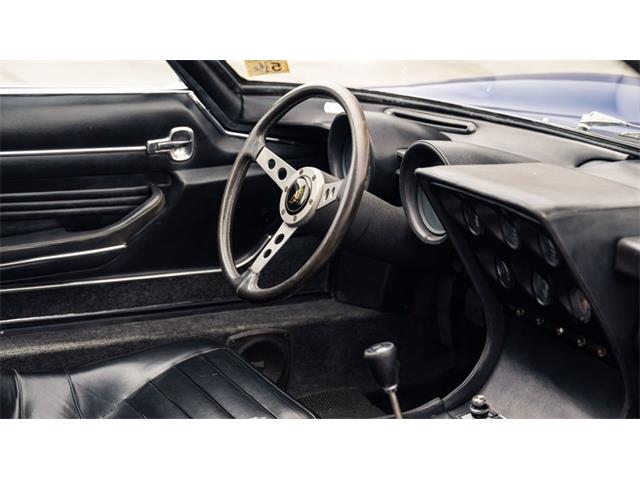
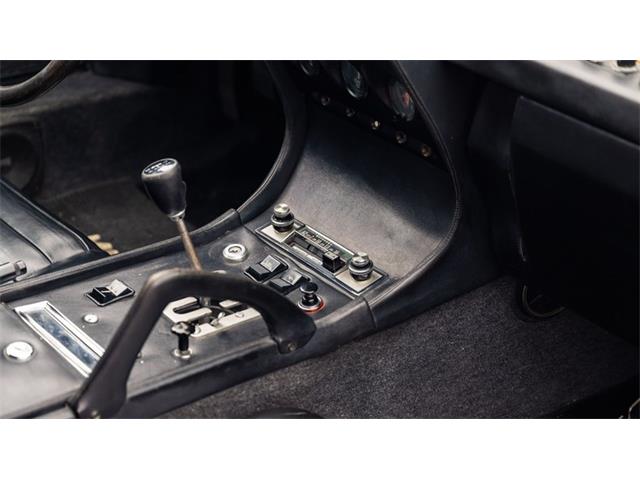
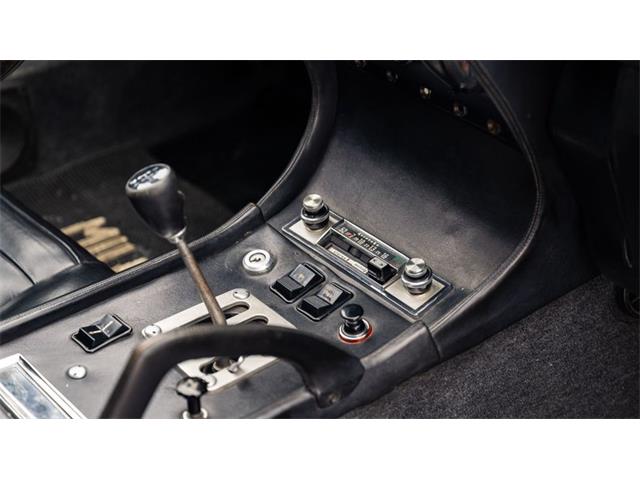
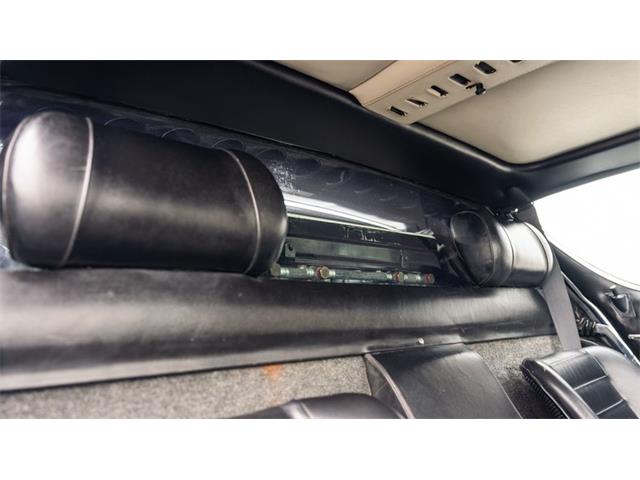
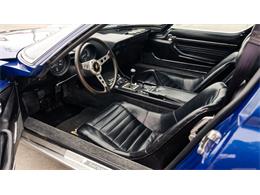
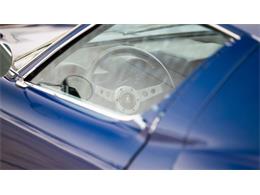
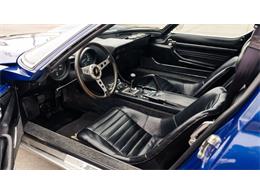
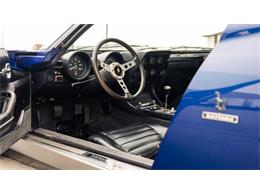
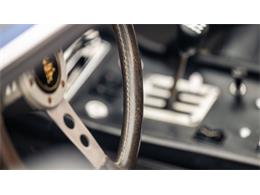
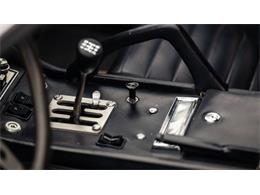
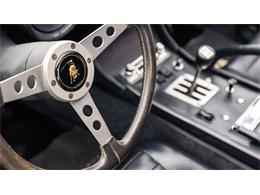
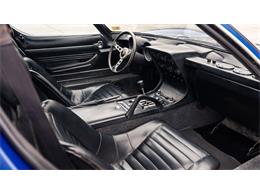
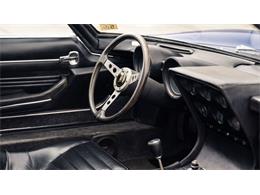
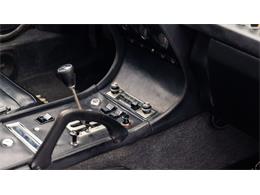
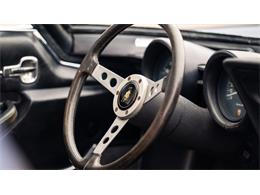
gold metallic color. The interior was trimmed in black leather over
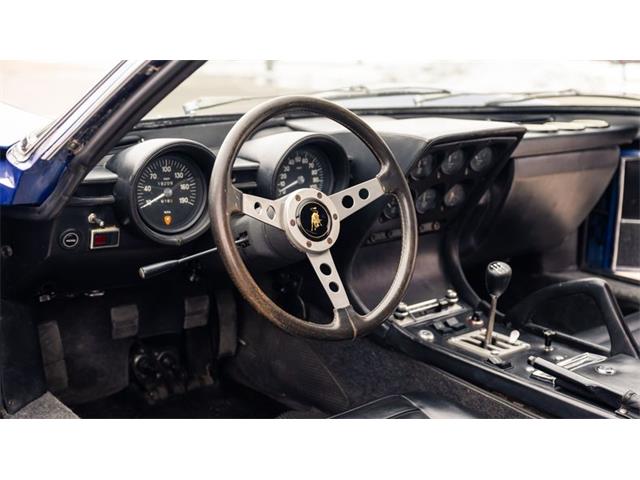
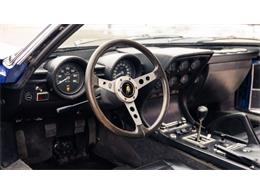
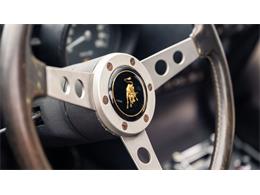
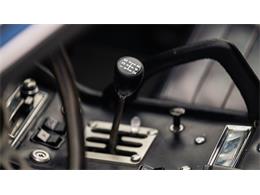
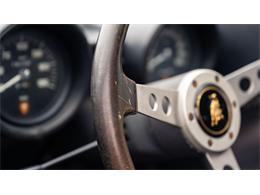
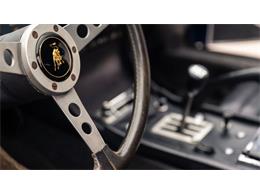
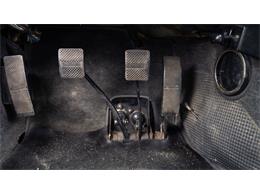
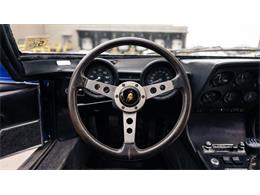
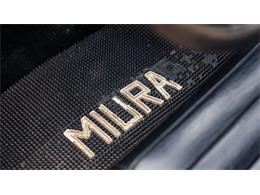
grey carpets, which remains intact and original in the car today,
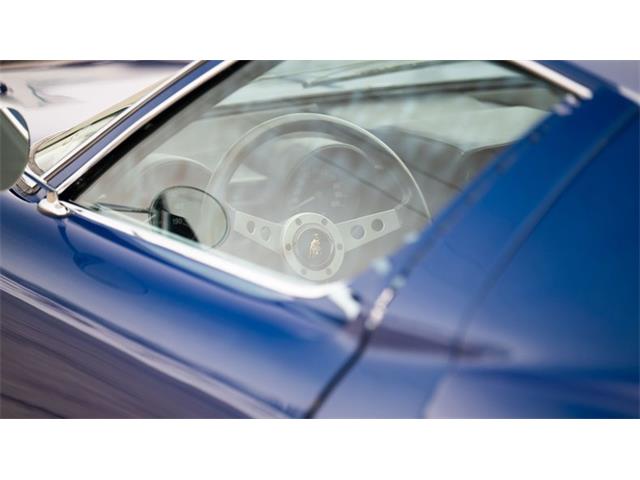
beautifully preserved displaying a spectacular patina. The optional
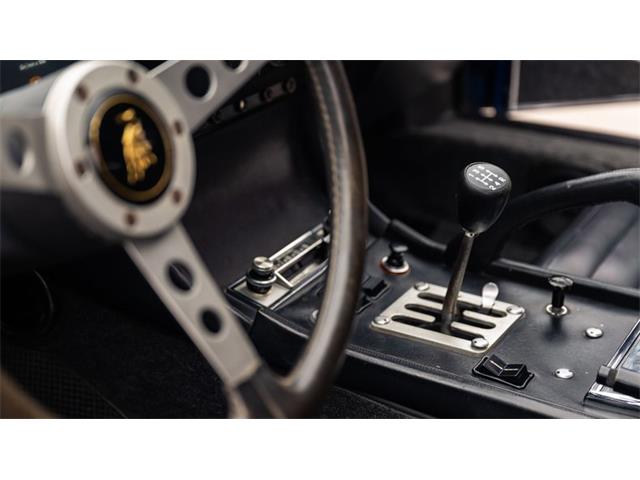
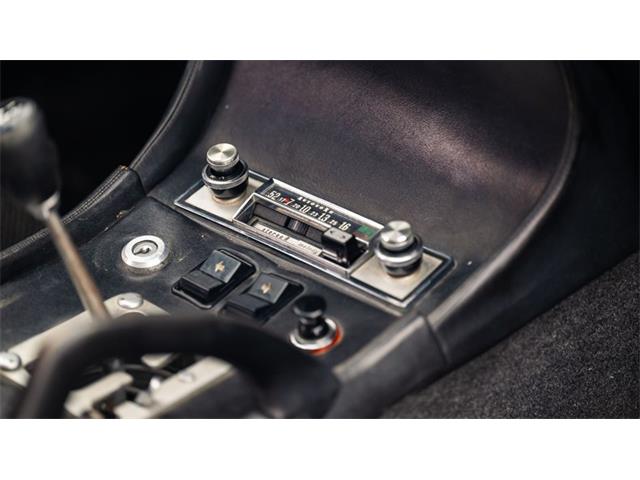
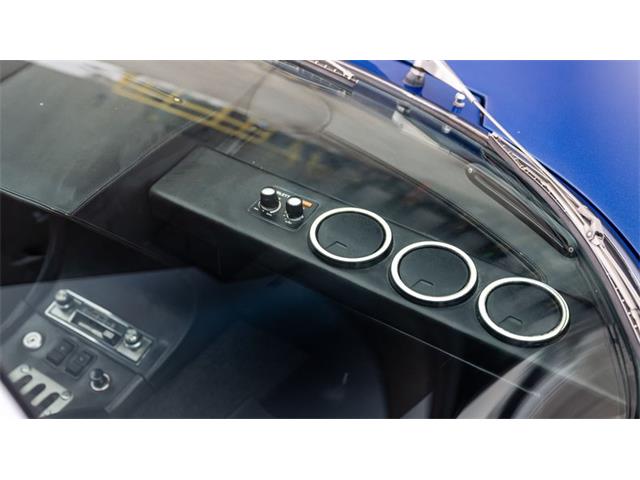
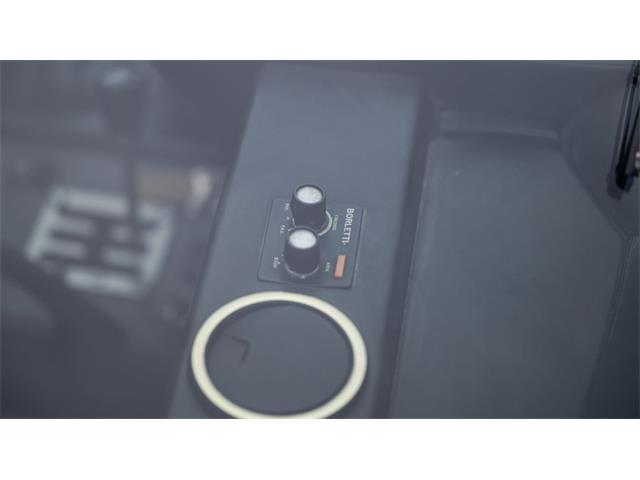
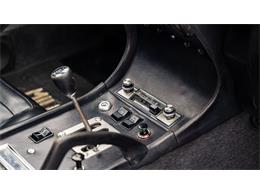
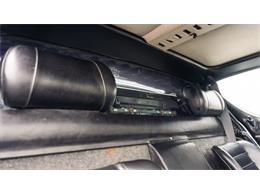
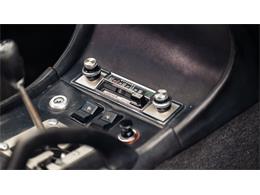
extras installed on 4976 at the factory were seat belts, hexagonal
wheel nuts, a radio with tape player, and the desirable Borletti
Air Conditioning system. All these desirable extras remain in situ
on the car today. Factory records further note a first test drive
on the?Tangenziale?motorway in Northern Sant'Agata in very foggy
weather, and that the finished Miura SV chassis number 4976 was
dispatched on 28 February 1972.?
Chassis number 4976 was soon after shipped to the United States,
where Lamborghini's USA concessionaire Modena Racing Company and
Mr. Alfredo Pedretti would take delivery of the brand-new supercar
that summer. During the following six to nine months, the engine
was swapped with that of sister-car, Lamborghini Miura SV chassis
number 4992, until recently, when the engines were swapped back to
their original chassis, now giving both cars their matching numbers
engines. On 21 April 1973, just over a year after the new Miura SV
was completed at the factory, it joined the exceptional collection
of Dr. Hector A. Escamilla of San Antonio, Texas, with whom 4976
would remain for the next 52 years. Lovely Kodachrome photos of the
Miura SV and the pioneering collection of Dr. Escamilla were taken
in the 1970s, already including a Mercedes-Benz 300 SL Gullwing and
Roadster, a Ferrari 275 GTB/4 and other soon-to-be highly
collectible sports cars.
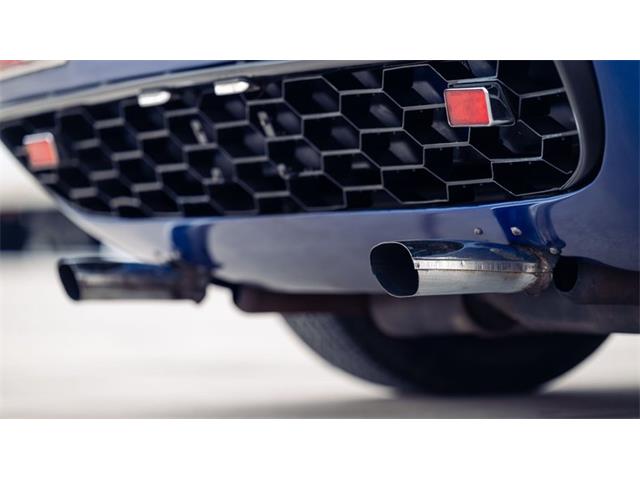
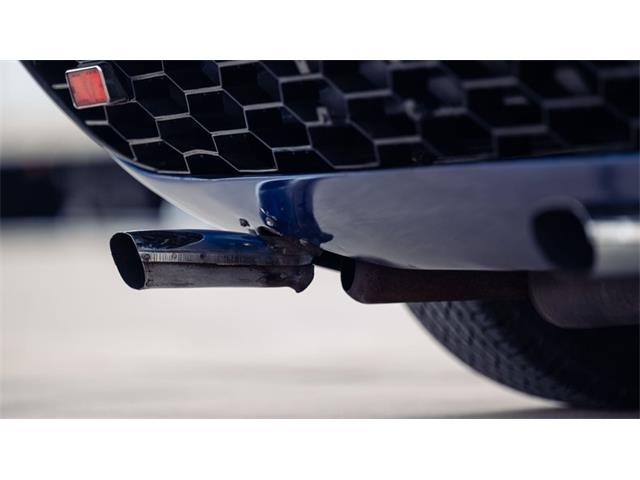
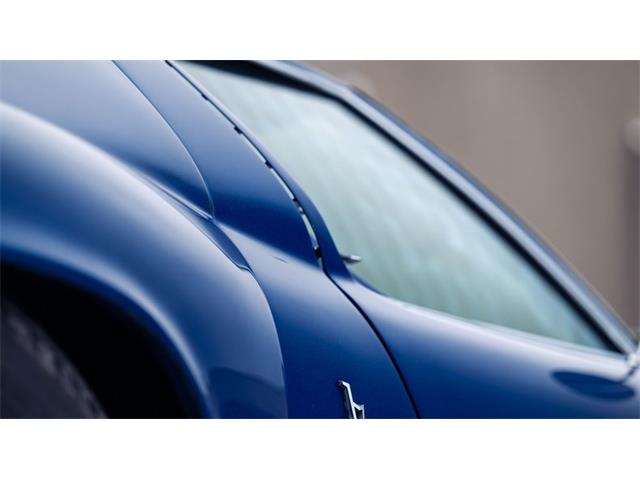
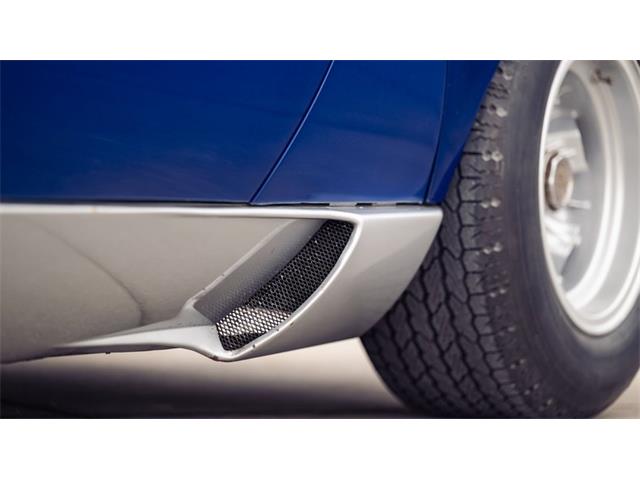
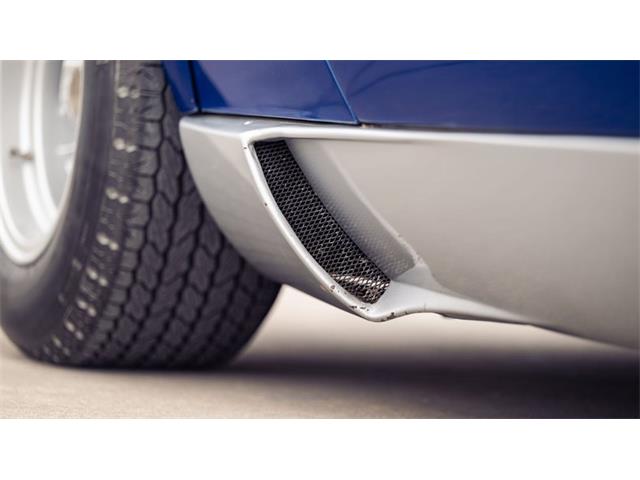
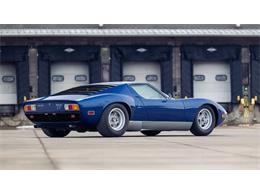
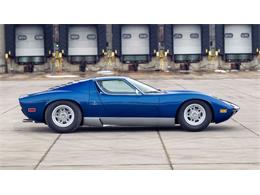
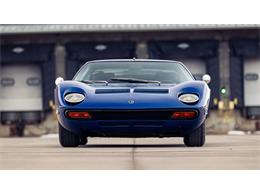
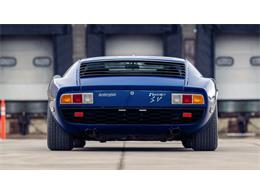
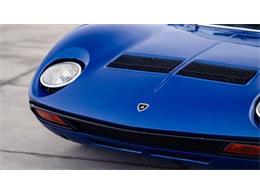
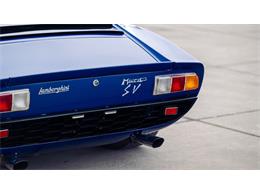
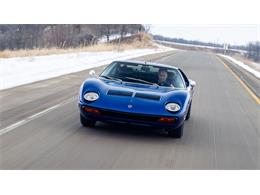
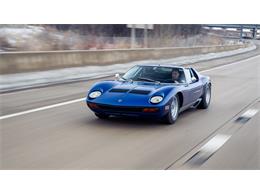
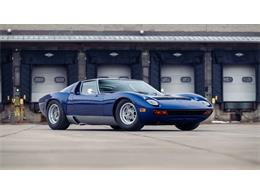
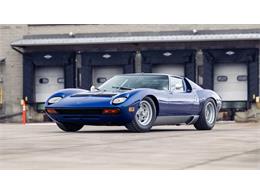
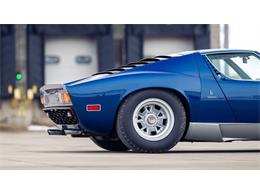
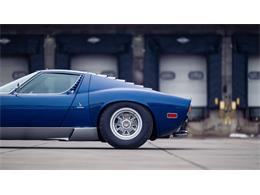
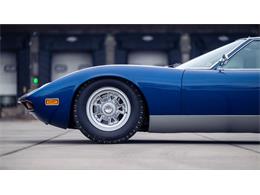
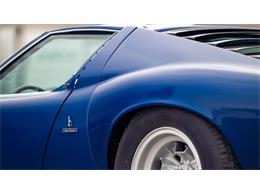
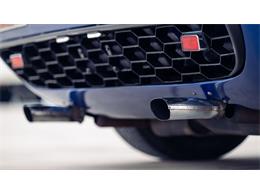
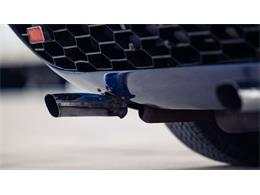
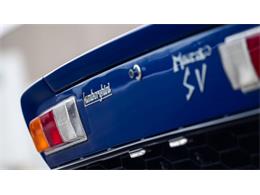
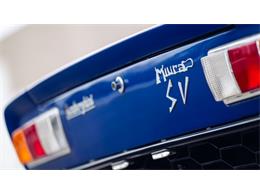
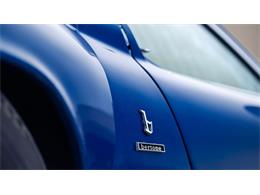
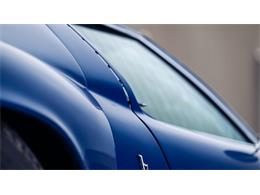
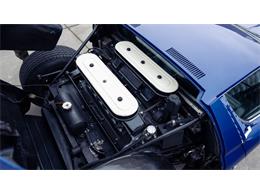
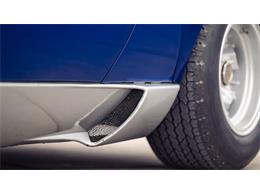
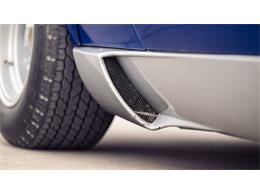
Apart from a late 1970s repaint in a color much like the factory
Miura color?Blue Notte, Miura SV number 4976 today remains in
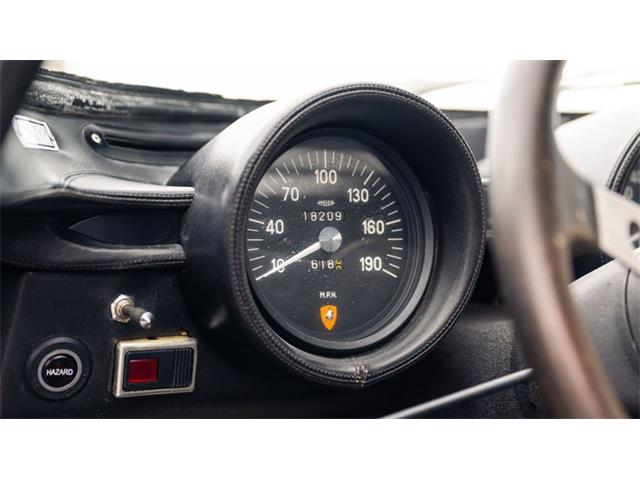
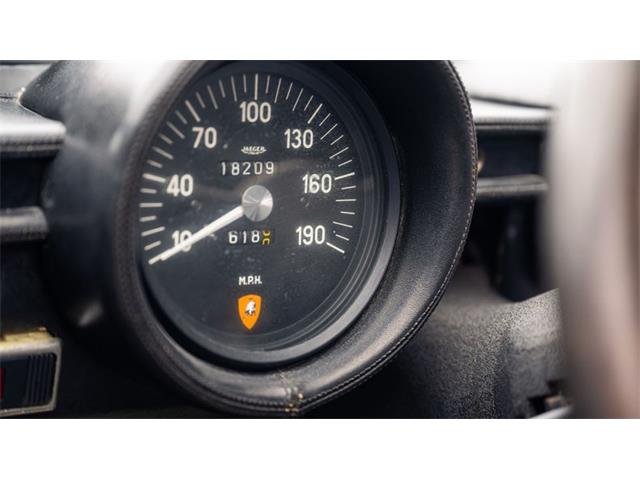
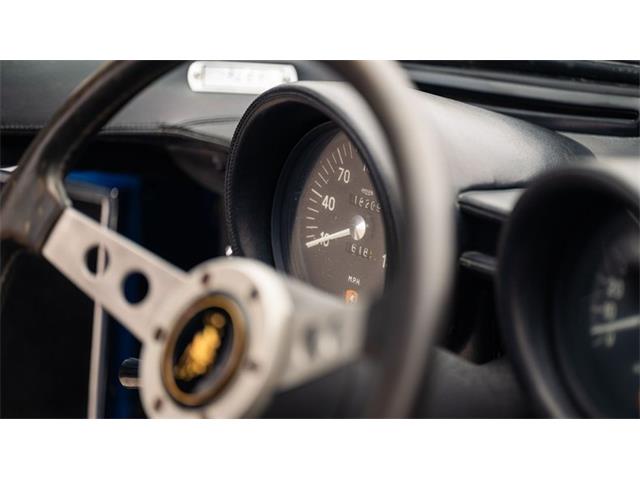
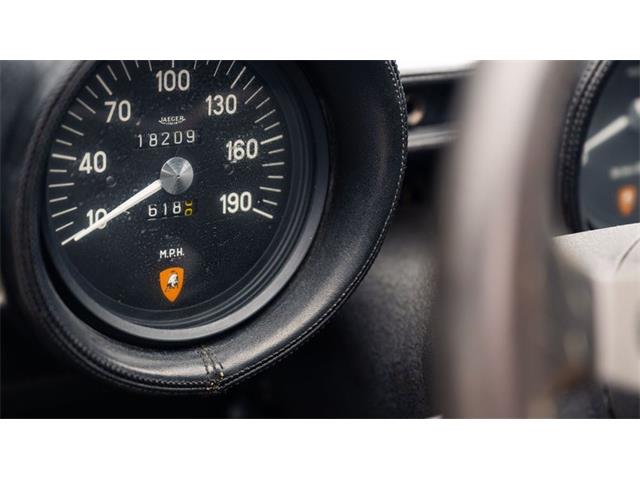
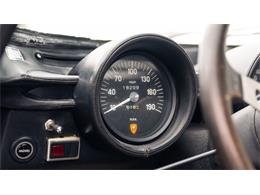
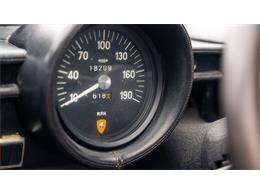
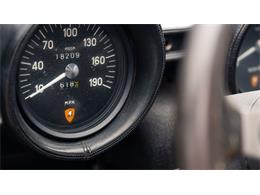
remarkably original and unmodified condition, with just 18,212
miles recorded on the odometer at the time of cataloging. The
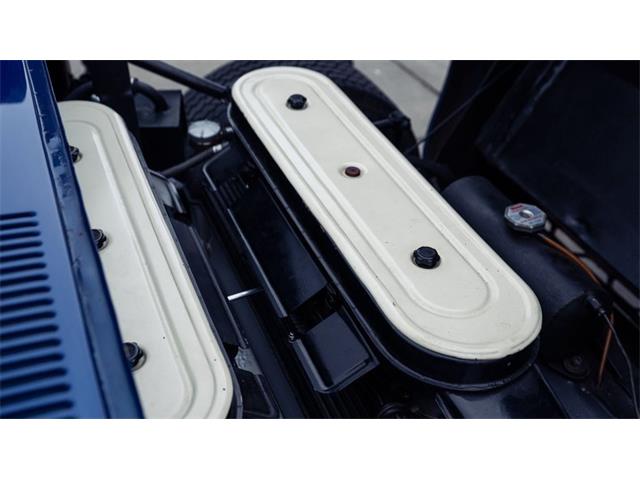
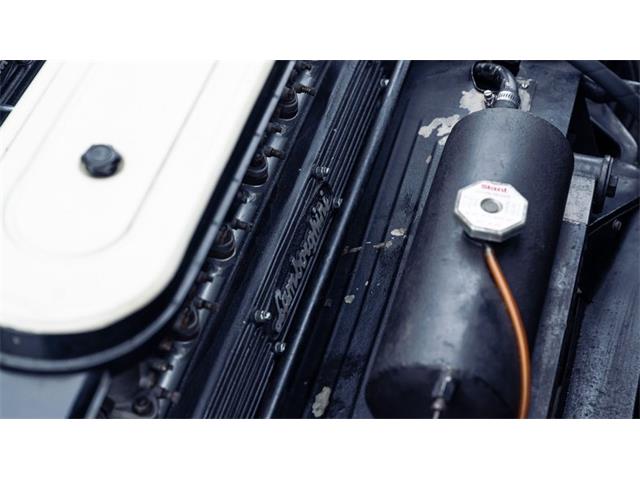
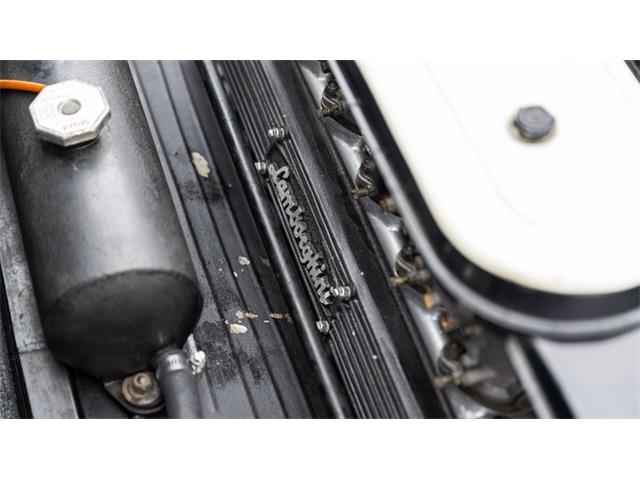
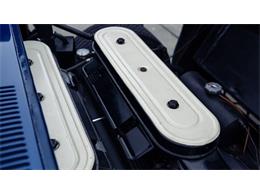
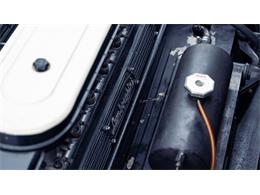
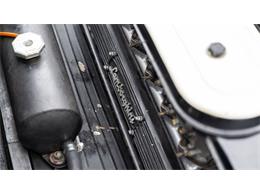
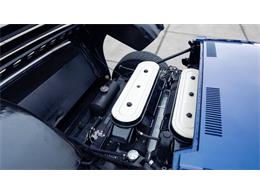
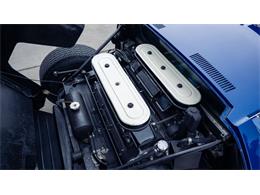
original matching-numbers engine has been rebuilt by the
specialists at Motion Products Inc. of Neenah, Wisconsin. The
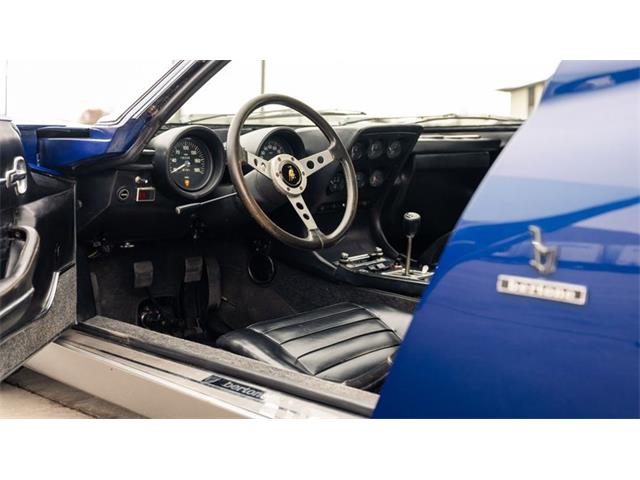
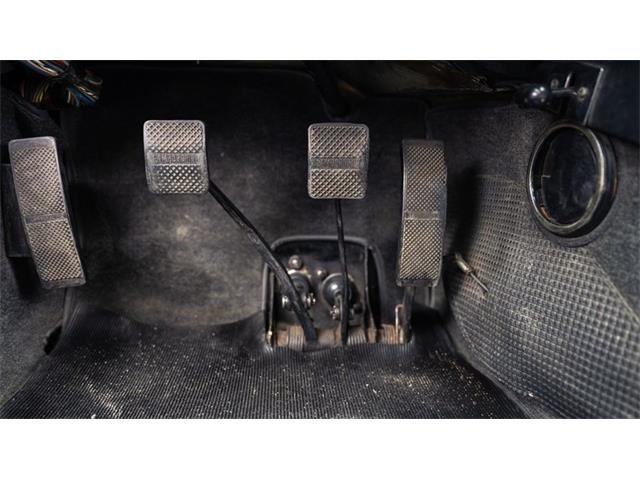
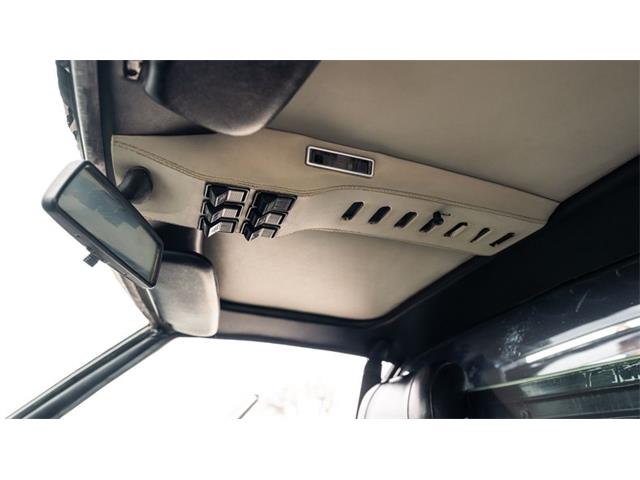
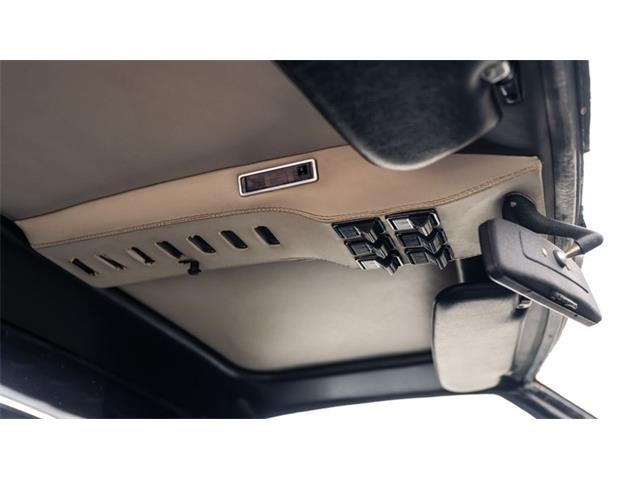
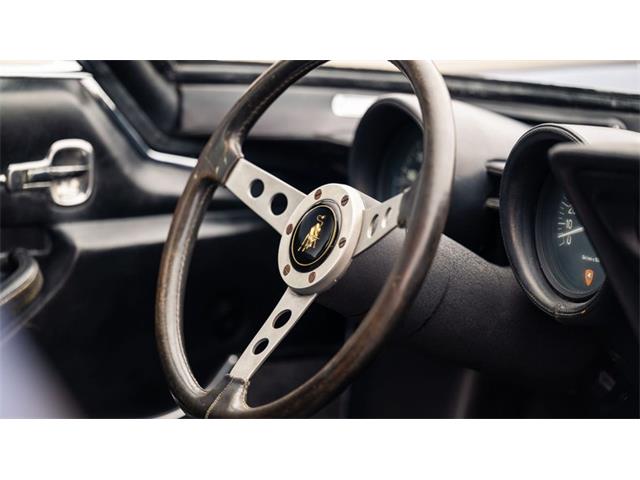
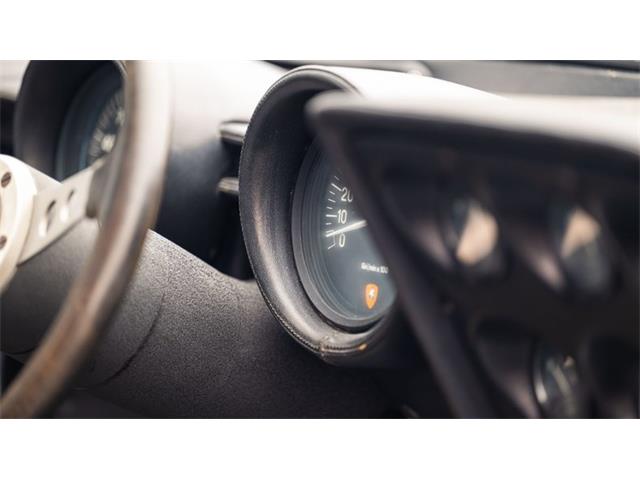
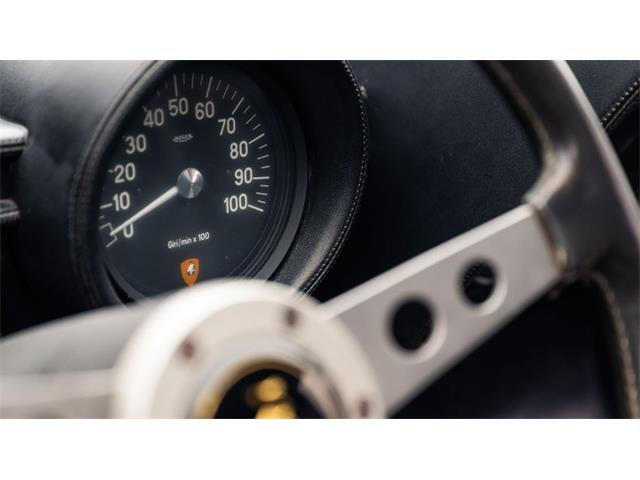
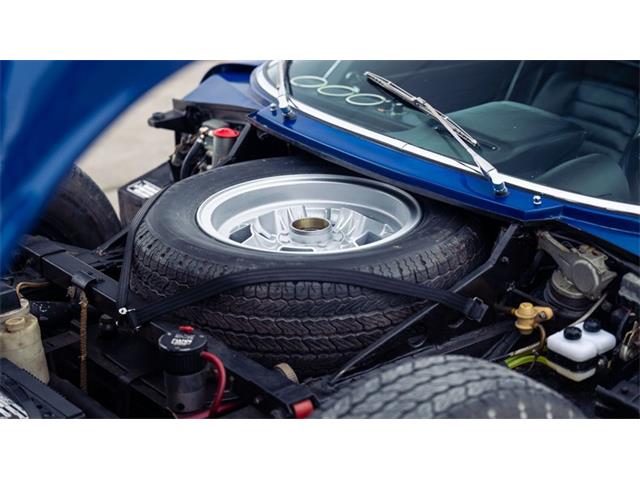
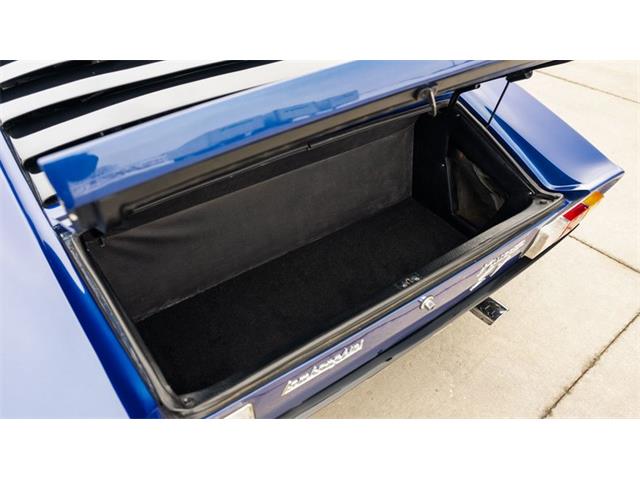
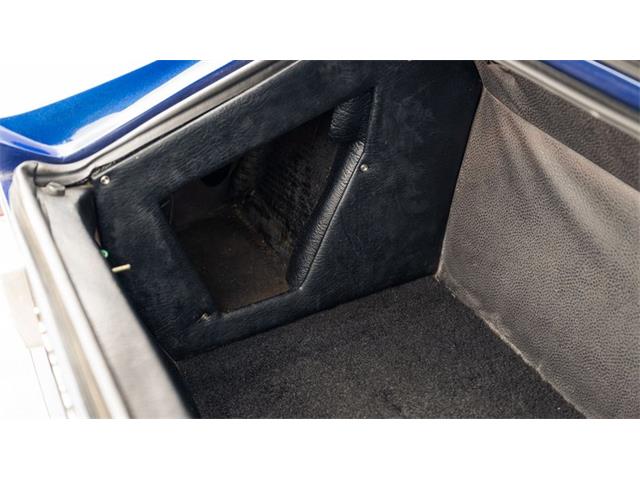
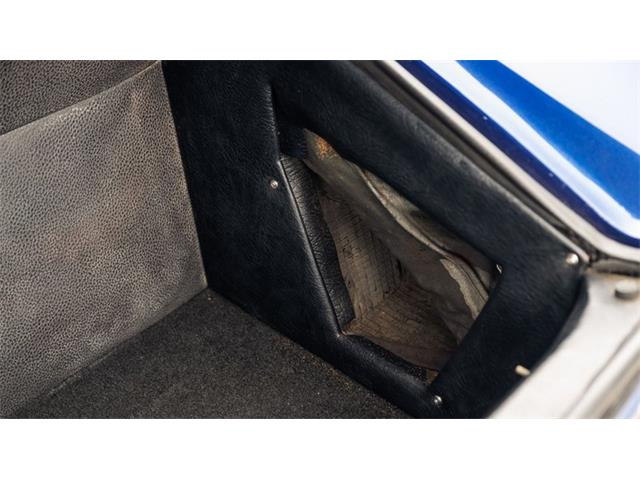
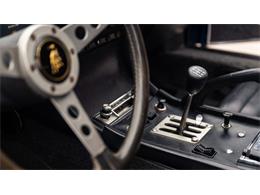
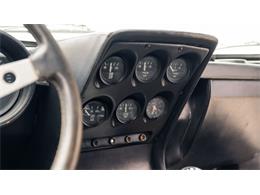
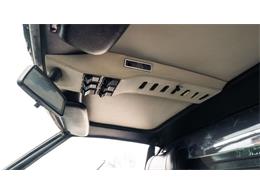
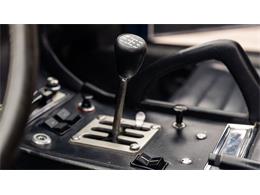
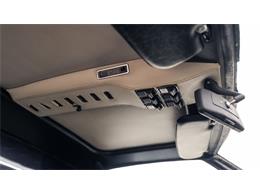
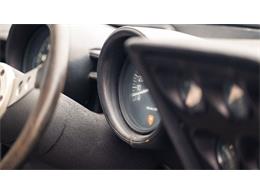
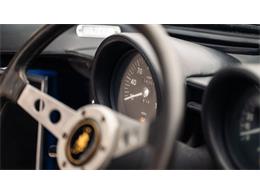
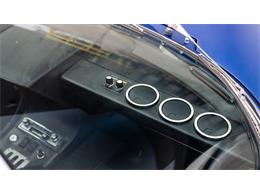
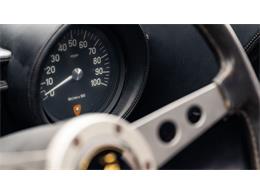
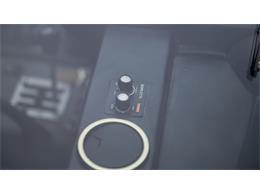
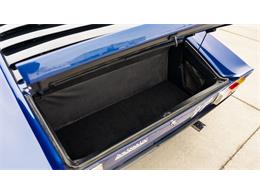
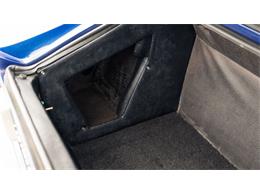
interior remains original, and ancillaries and options remain
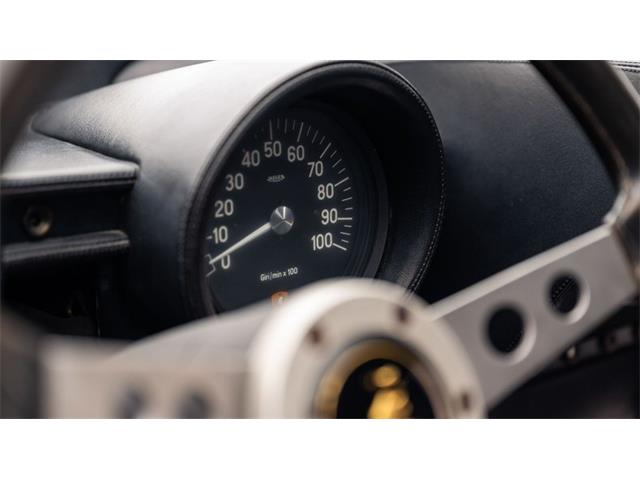
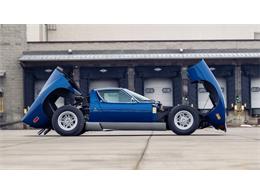
intact and on the car, as do its gauges and switches. A close
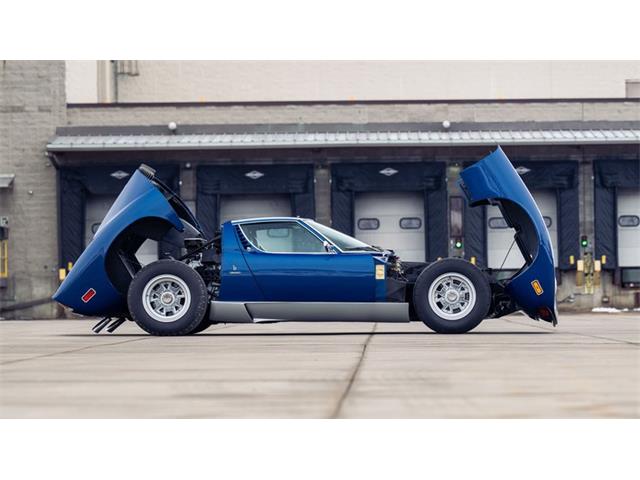
inspection of the car's chassis tub and body panels further reveal
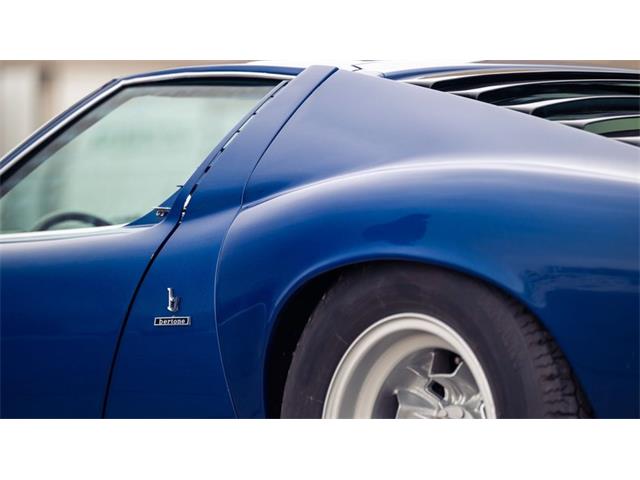
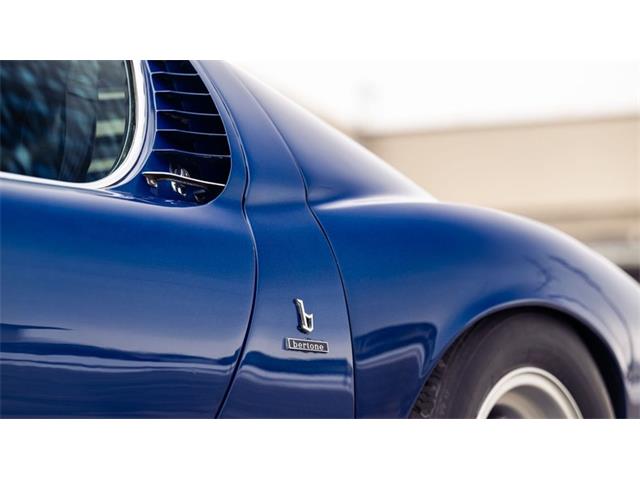
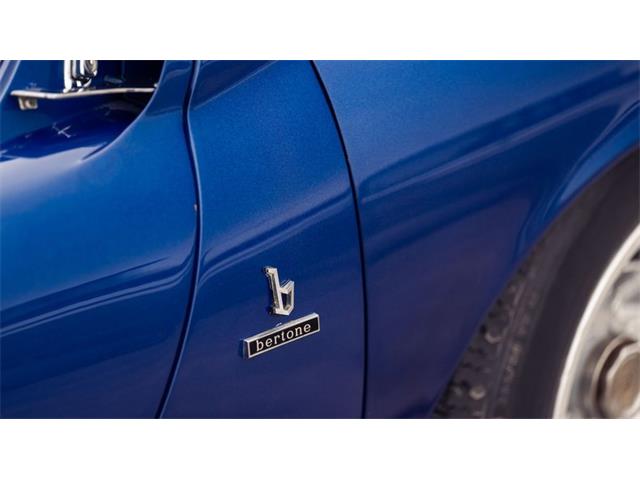
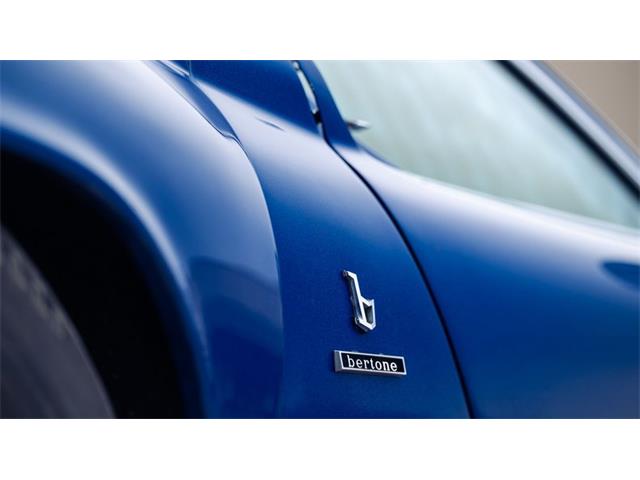
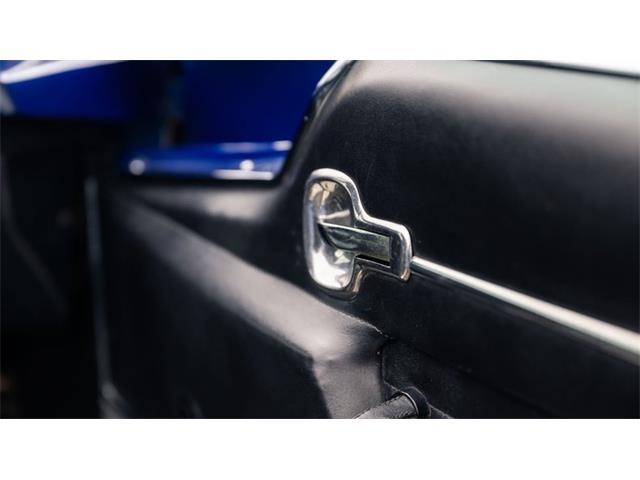
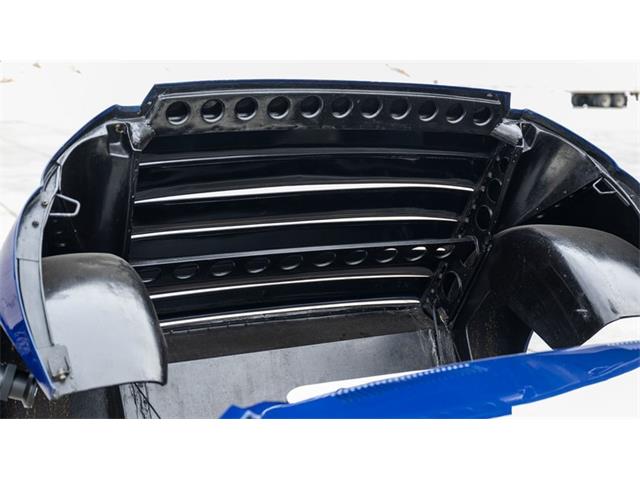
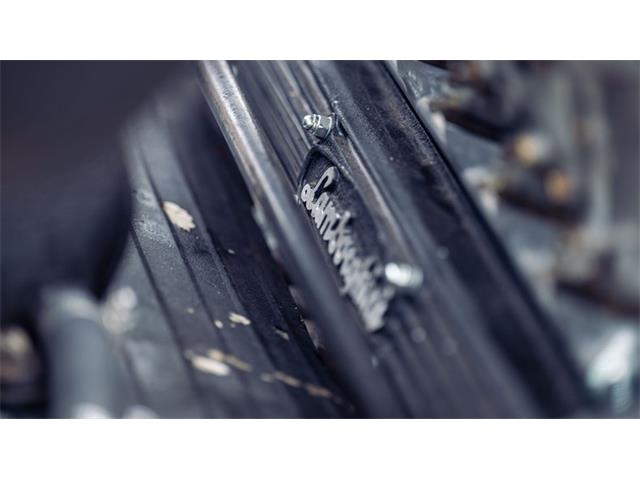
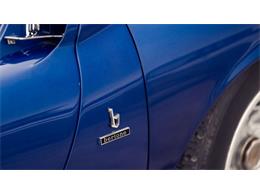
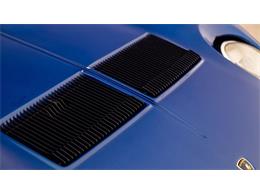
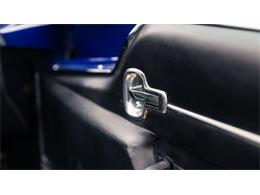
an original and undamaged car. The Bertone body number 790 is found
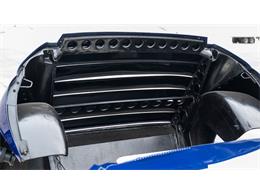
on the chassis tub, front and rear clamshells, trunk lid, both
doors and door handles, louvres over the engine compartment, and
even on the trim panels, confirming they are original to the car.
The glass bears the correct stampings, and the chassis tag and
stamped chassis number on the front cross member remain original
and unaltered.
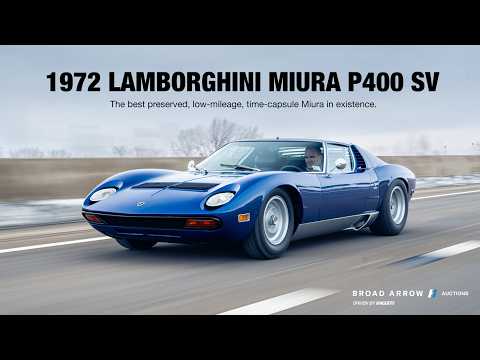
Miura SV 4976 is without doubt among the best preserved,
low-mileage, time-capsule Miuras in existence, emerging out of half
a century plus single custodian ownership. Benefitting from the
ultimate and highly desirable SV factory split-sump specification,
and U.S. delivery since new (one of just thirteen), this
most-collectible Lamborghini represents a very rare opportunity to
acquire a gently preserved vs restored example, equipped with its
matching-numbers engine, original bodywork and preserved interior,
and just 18,212 miles recorded on the odometer from new.
Please note this vehicle is titled as Model Year 1971