This vehicle has been soldThis vehicle is no longer available for sale on ClassicCars.com. Please set an alert if you would like to be notified as soon as similar vehicles become available.
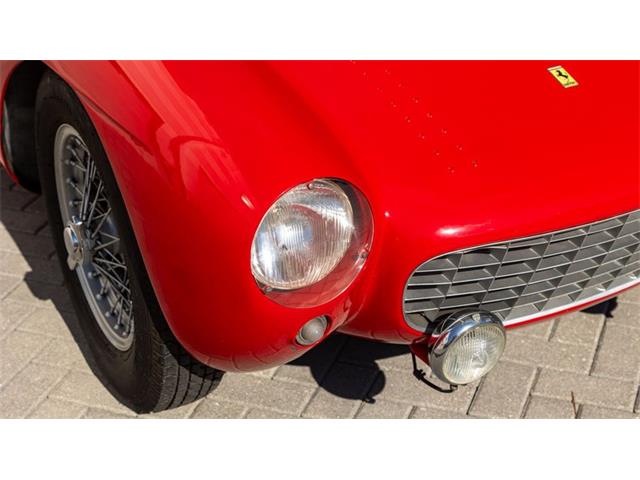
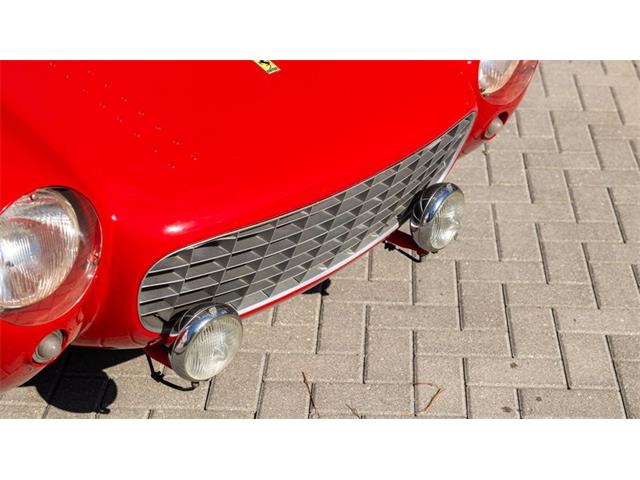
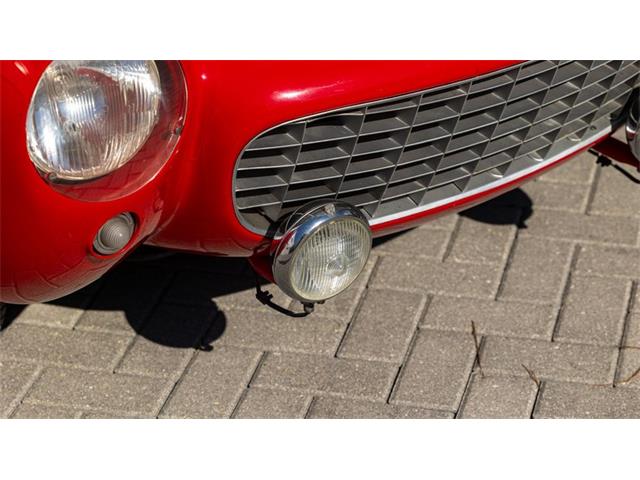
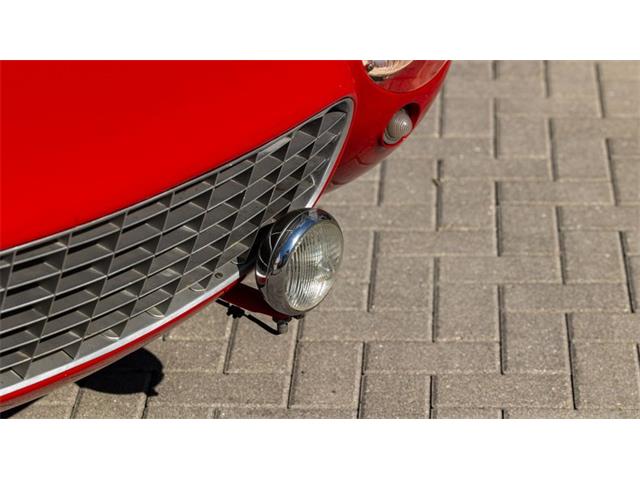
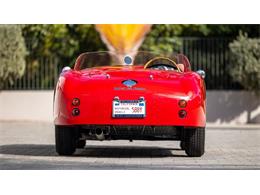
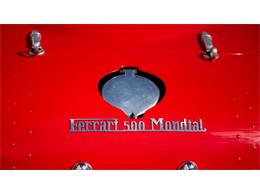
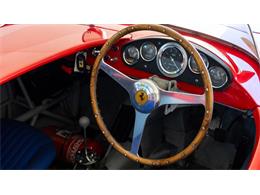
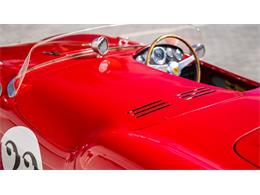
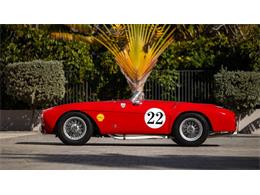
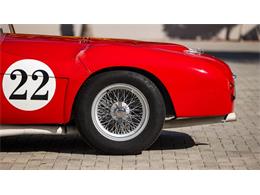
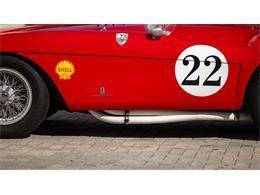
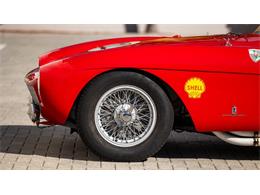
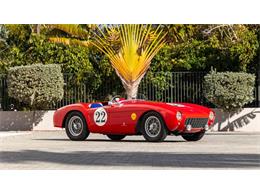
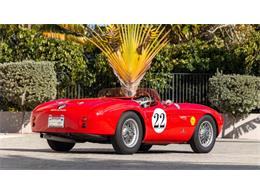
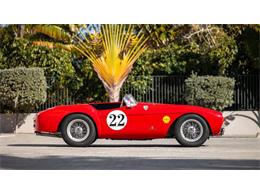
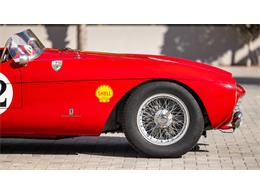
For Sale at Auction: 1954 Ferrari 500 in Amelia Island, Florida
In the early 1950s, Ferrari's gradual shift away from an exclusive
reliance on the traditional V12 might seem counterintuitive,
particularly given the marque's immense success with Colombo
twelve-cylinder power. Yet changing competitive conditions, and the
demonstrated potential of lighter six- and four-cylinder
alternatives, encouraged Scuderia Ferrari to take a new approach.
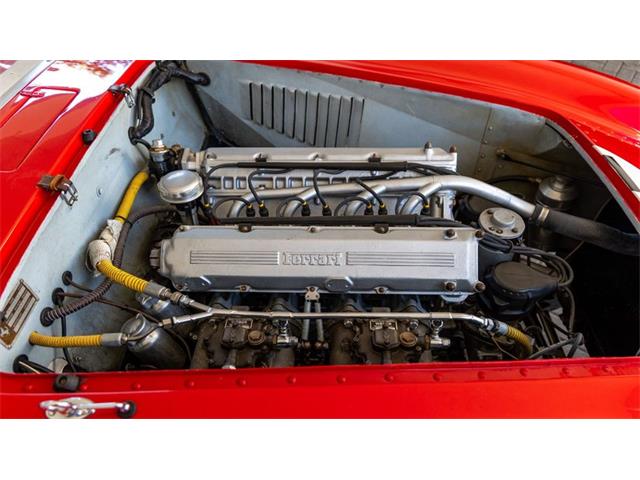
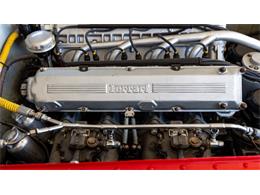
While Gioachino Colombo championed the V12's large piston surface
area and low piston speed, Aurelio Lampredi pursued a different set
of advantages-reduced weight, strong low-speed torque, and fewer
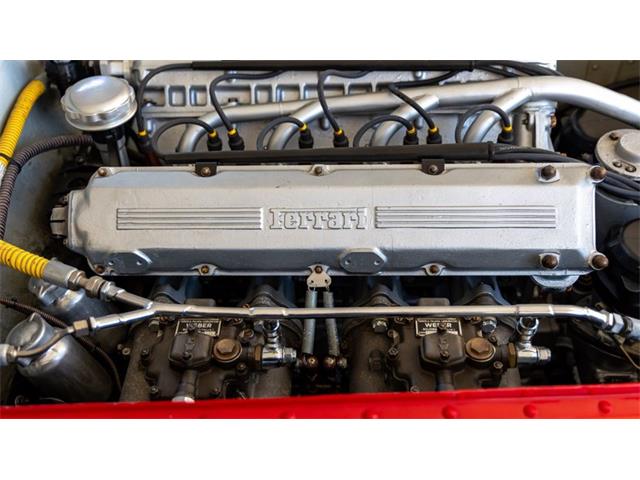
moving parts, paired with a twin-overhead-cam layout that
prioritized efficient breathing and durability.
Lampredi's new four-cylinder was proven first in single-seaters.
Introduced in Formula Two as the Tipo 500, it quickly proved to be
almost invincible, becoming a cornerstone of the factory's program
and helping deliver World Championship titles in 1952 and 1953 in
the hands of Alberto Ascari. From there, it was a natural step to
adapt the concept to sports racing. In the spring of 1953,
Ferrari's four-cylinder sports-racers appeared in the form of the
2.5-liter 625TF and 3.0-liter 735S at Autodromo Nazionale Monza,
with Mike Hawthorn's 625TF finishing an impressive fourth place
ahead of competitors with much larger-displacement engines.
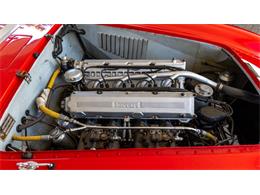
Later that year, Ferrari implemented the proven engine into its
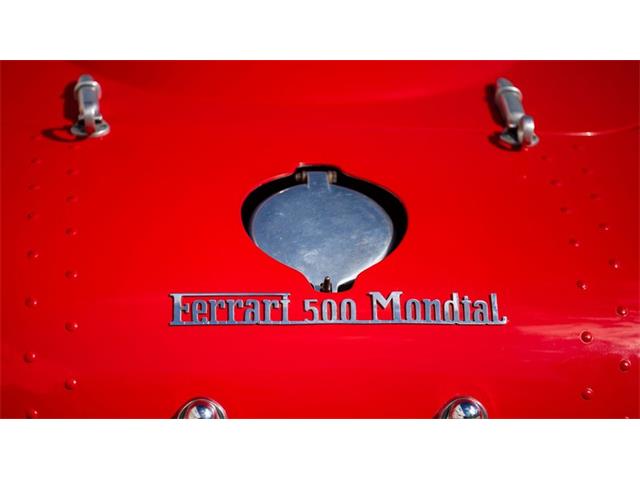
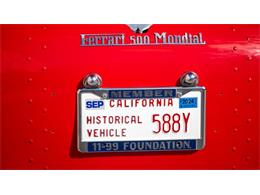
first four-cylinder gentlemen's sports racers: the 500 Mondial and
the larger-displacement 750 Monza, the former named to commemorate
Ascari and Ferrari's recent championship success (Mondial
translating to Global). The 500 Mondial was produced in two series
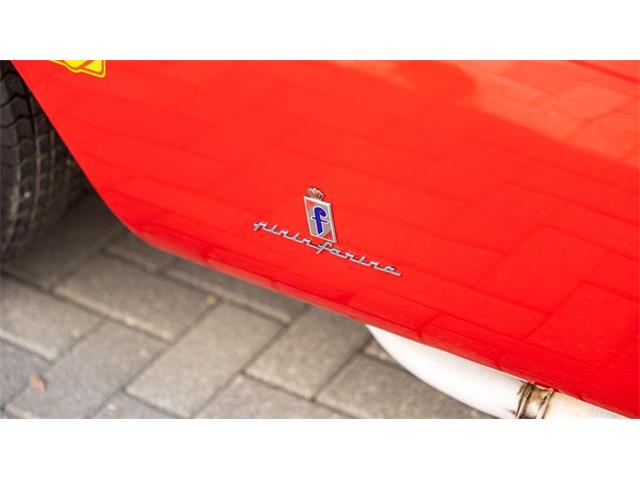
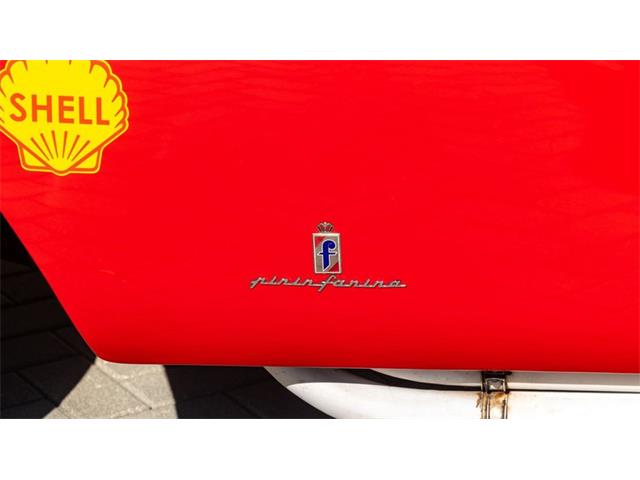
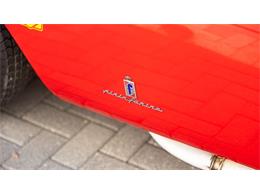
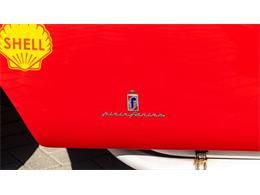
from 1953 to 1954. The initial Series I run was bodied by Pinin
Farina, comprising 13 Spider examples and just two Berlinettas. A
second series followed with approximately 14 additional cars built
by young Modena coachbuilder Franco Scaglietti-the beginning of a
long and influential relationship with Ferrari-adopting a design
created for Dino Ferrari's personal 166MM. In total, just 29
examples were built per Ferrari.
On the road and circuit, the 500 Mondial swiftly garnered
competition successes. In December 1953, a Series I Mondial entry
achieved a remarkable second overall at the 12 Hours of Casablanca,
finishing behind a 4.5-liter 375 but ahead of larger-displacement
opposition. In early 1954, the model was campaigned in North Africa
with a 2.0-liter class win at Agadir, then second place at Dakar,
and later a victory at Marrakesh, closing its African tour on a
high. Back in Italy, it delivered one of the season's most
celebrated performances with an impressive second place at the
Mille Miglia under Vittorio Marzotto-losing out only to Ascari's
potent Lancia D24. These and many other high-profile podiums firmly
established the 500 Mondial as one of the most fearsome customer
sports racers of its era.
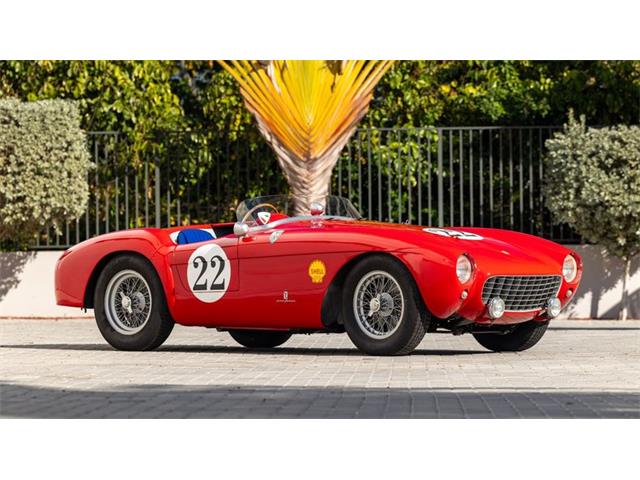
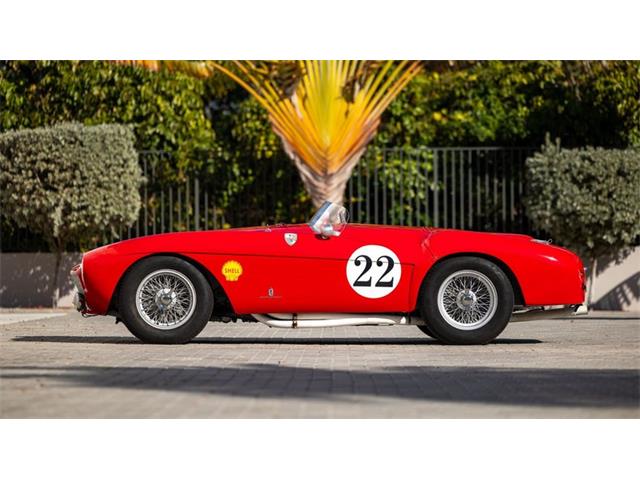
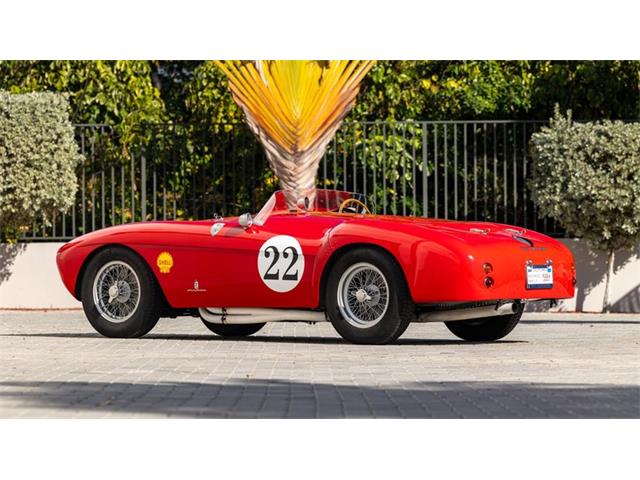
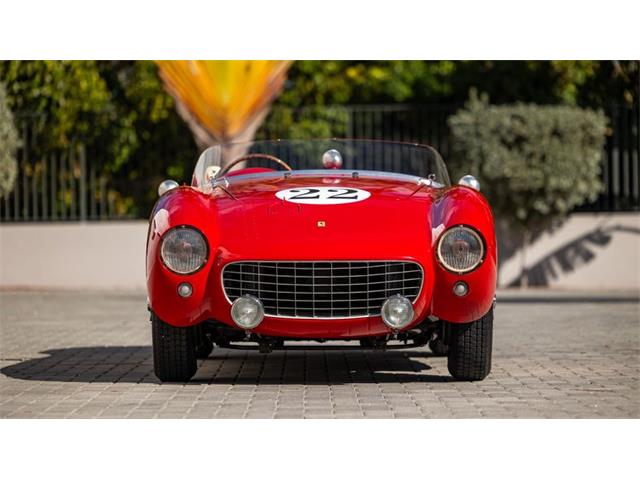
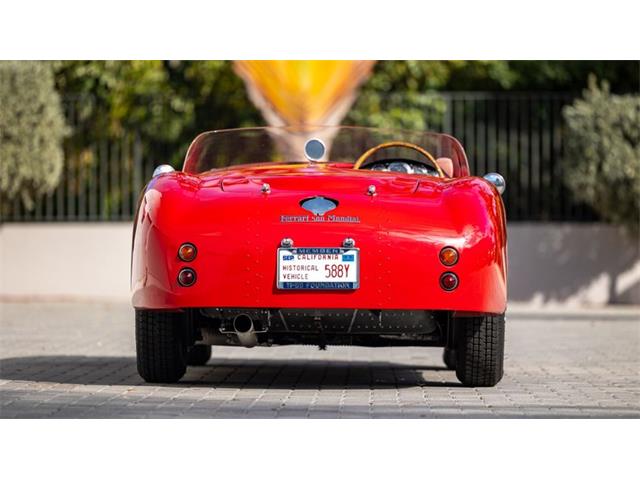
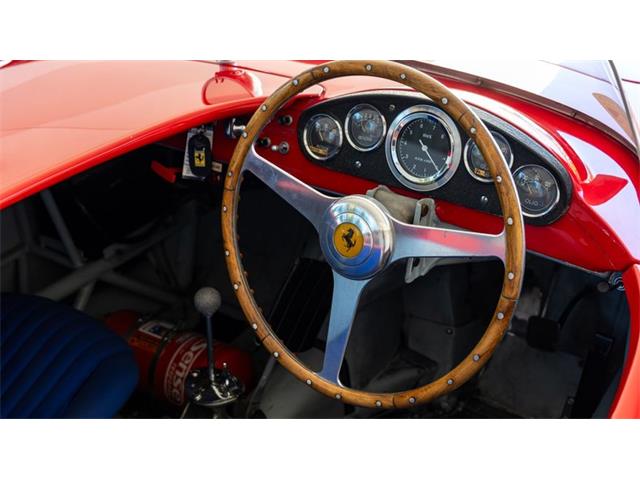
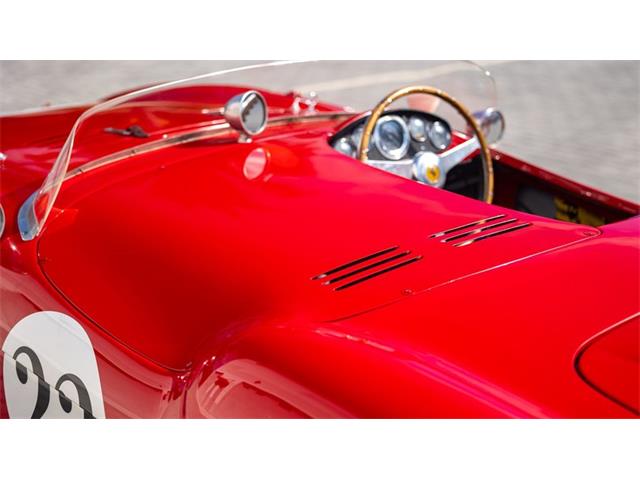
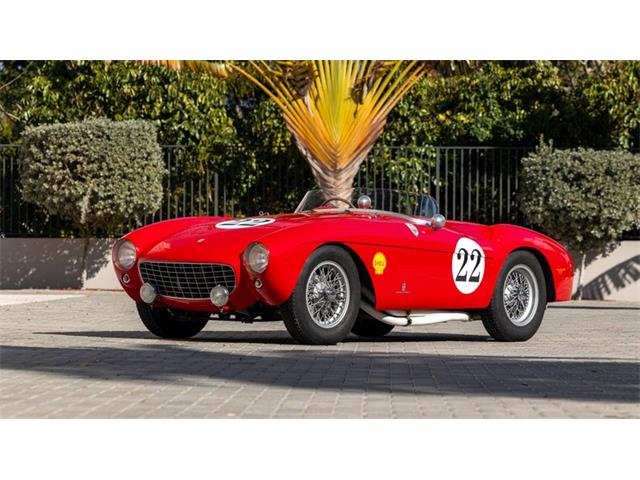
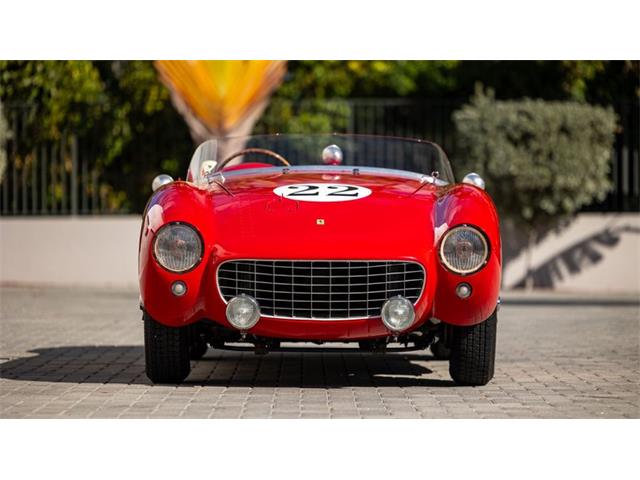
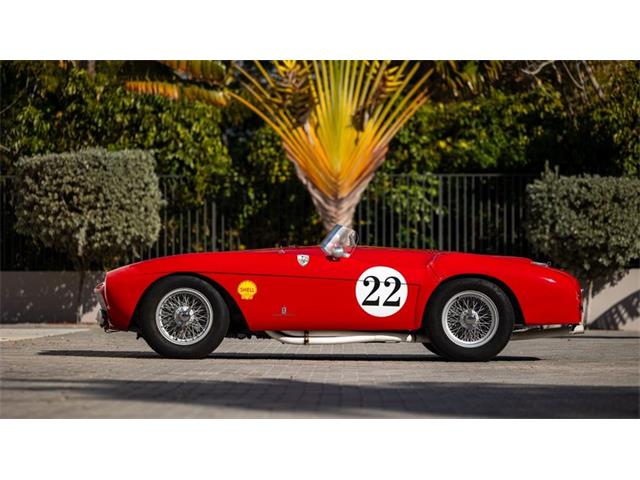
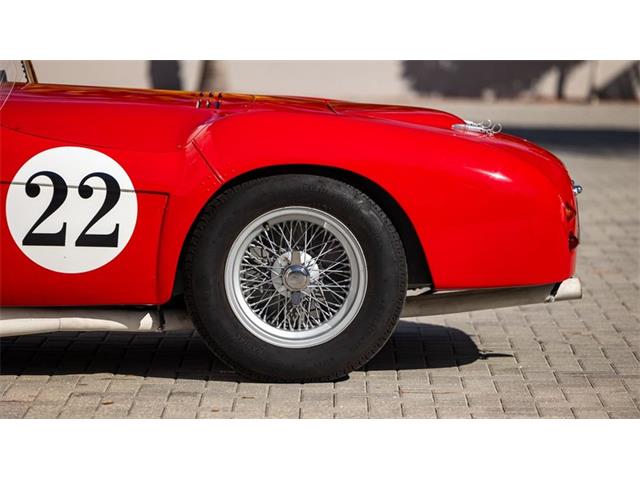
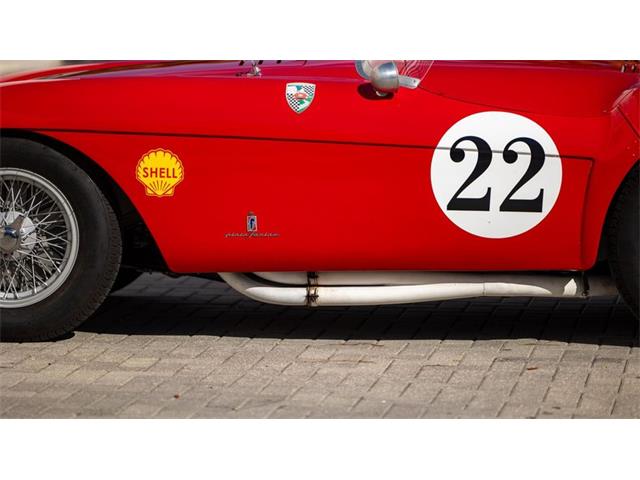
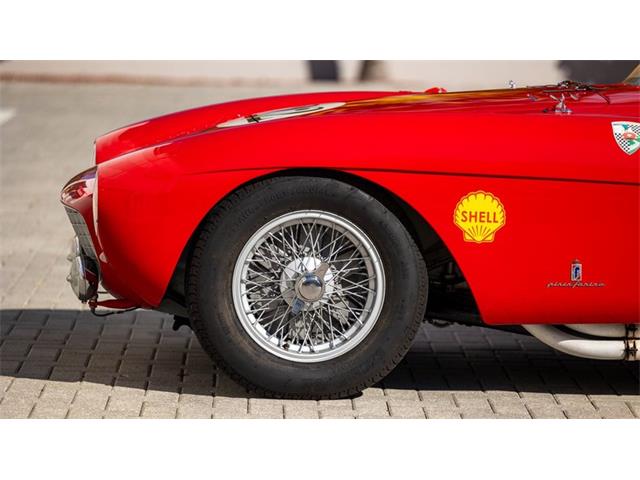
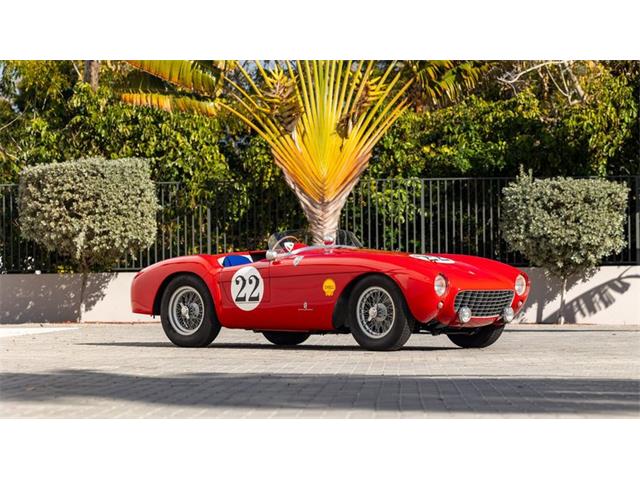
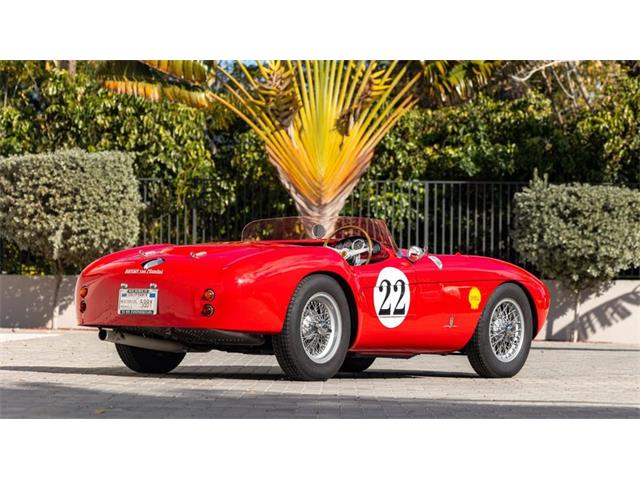
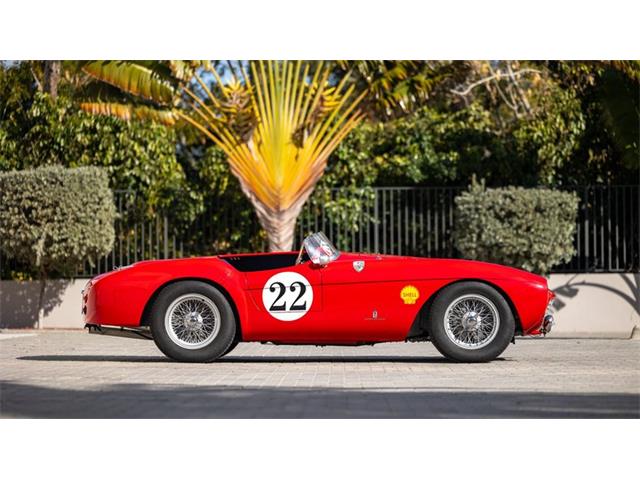
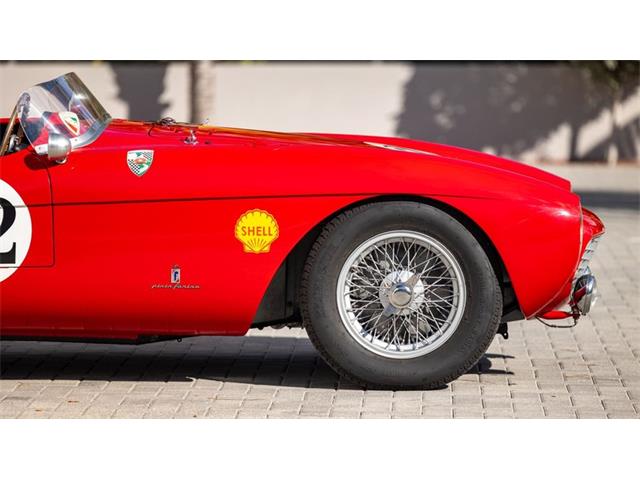
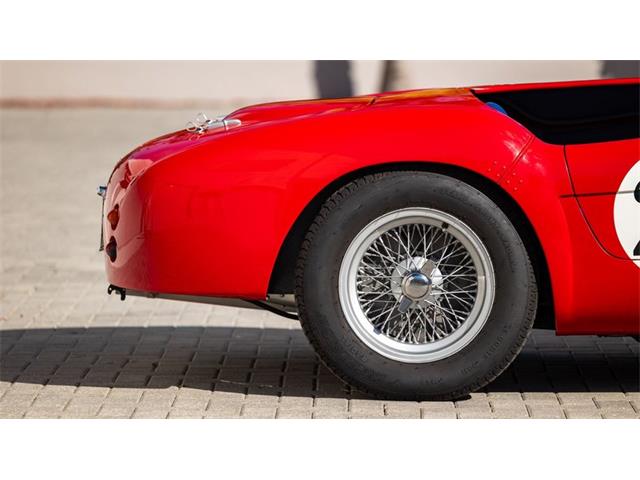
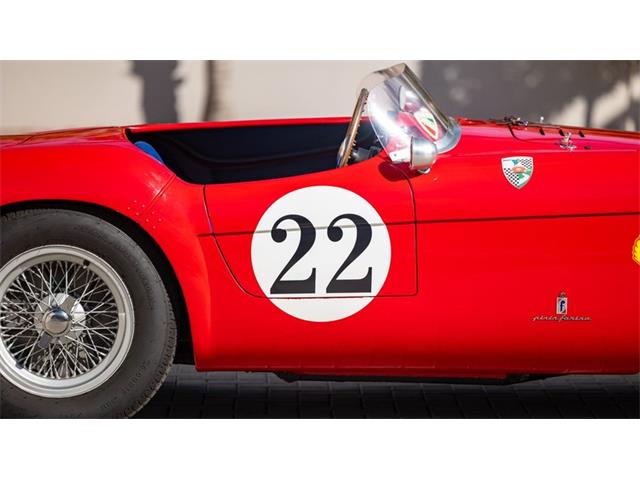
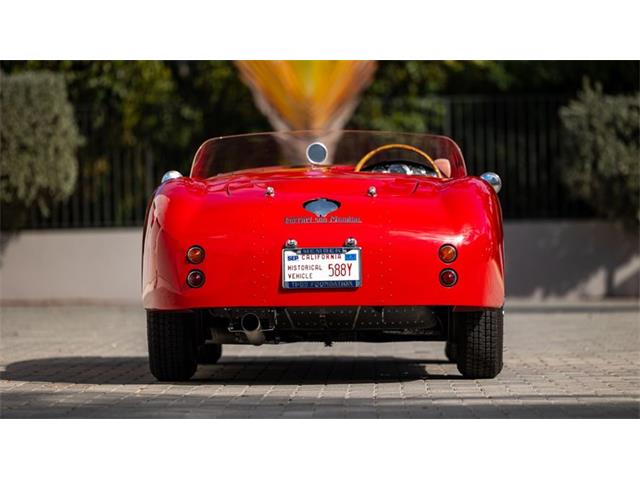
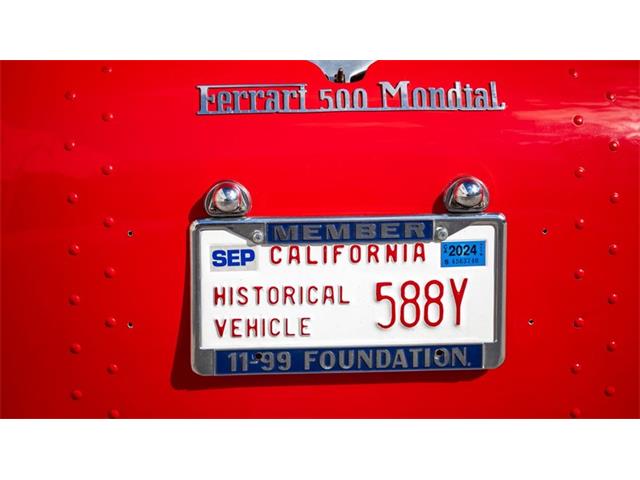
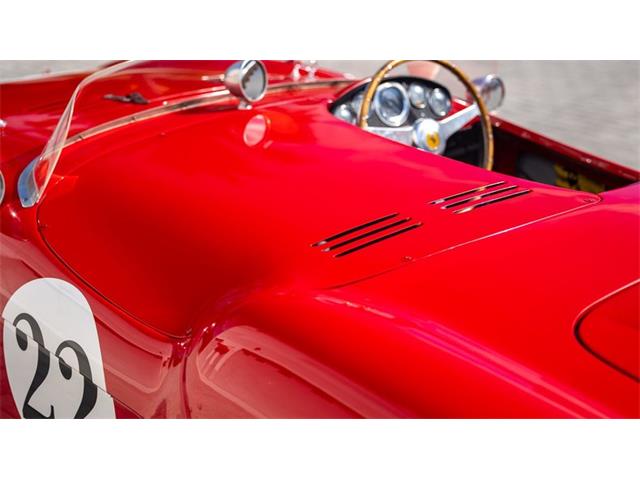
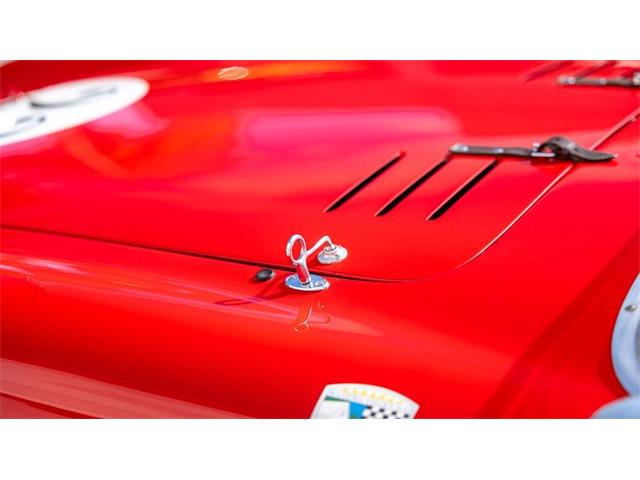
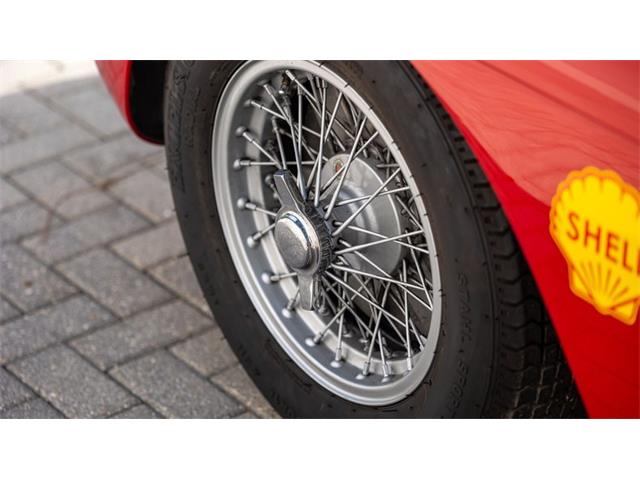
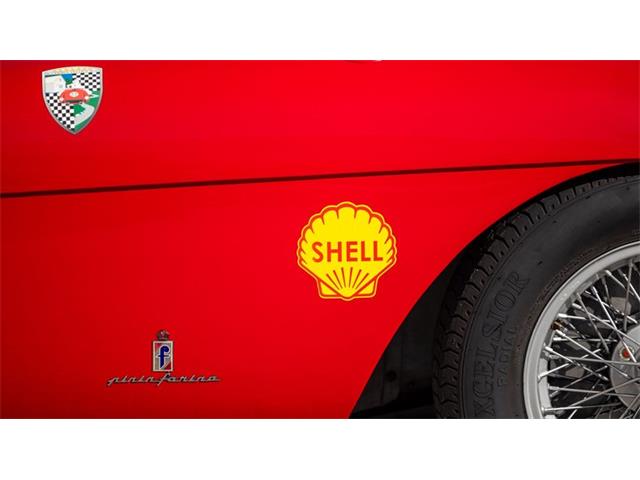
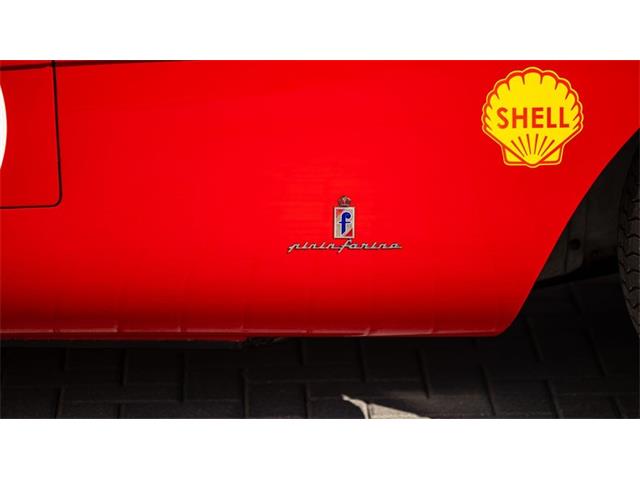
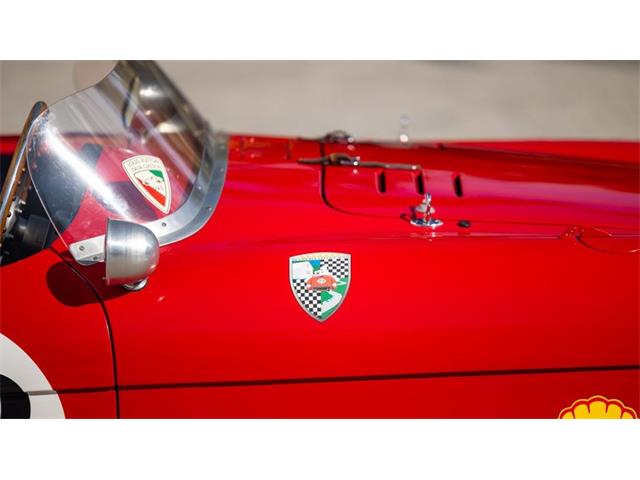
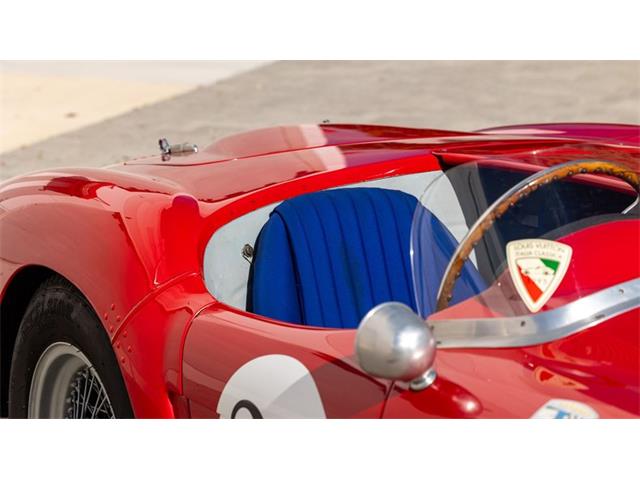
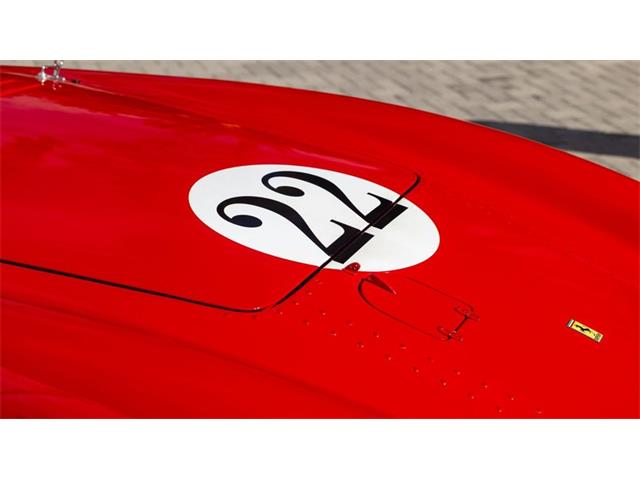
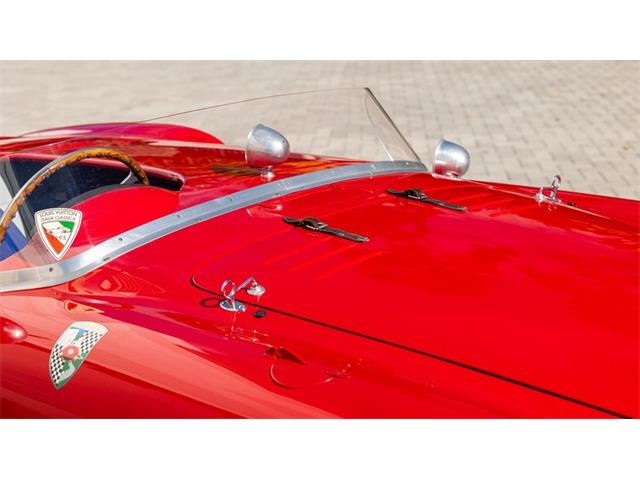
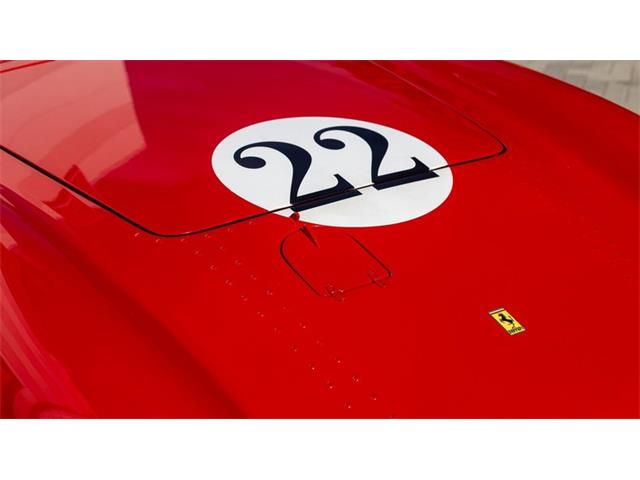
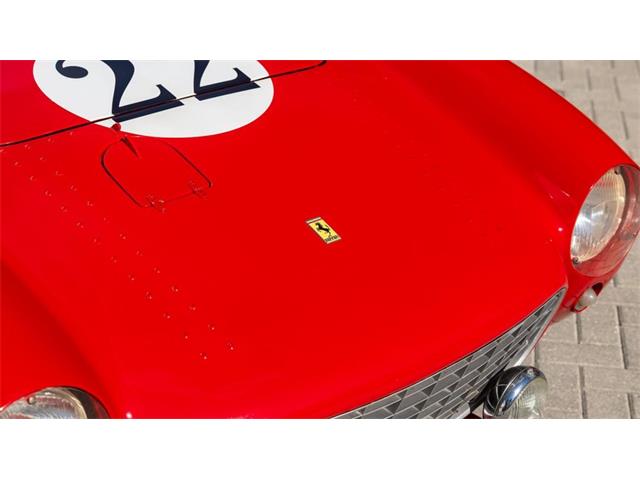
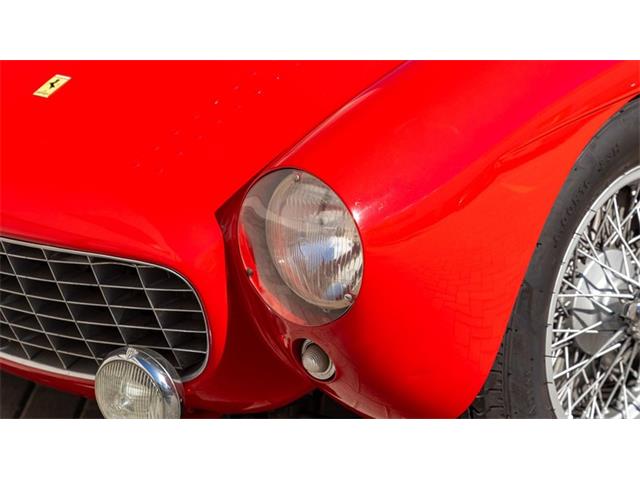
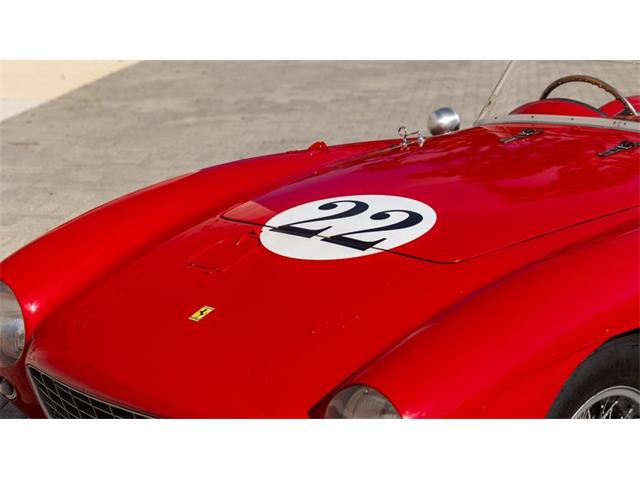
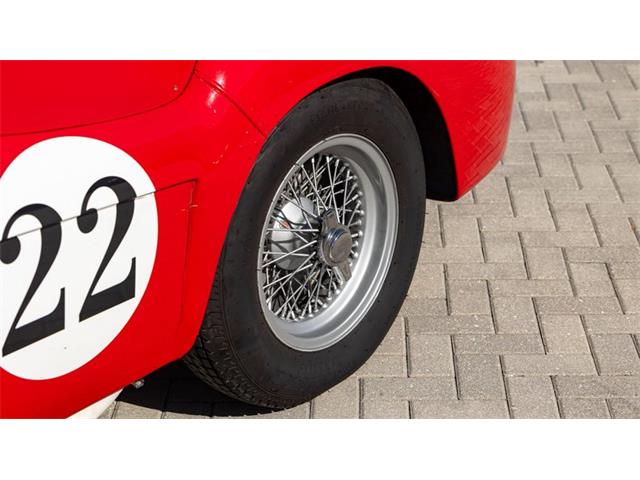
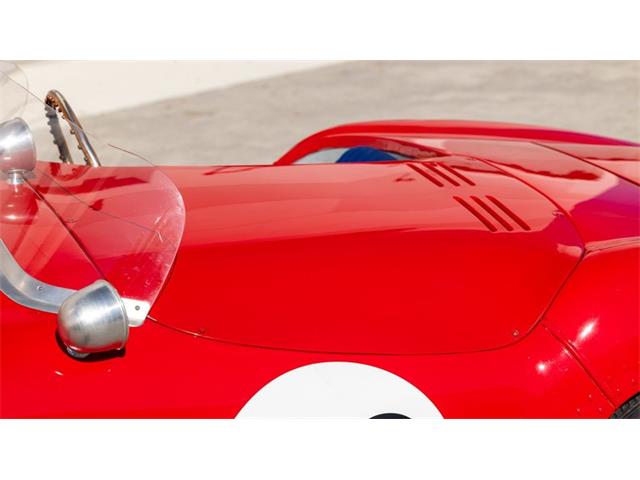
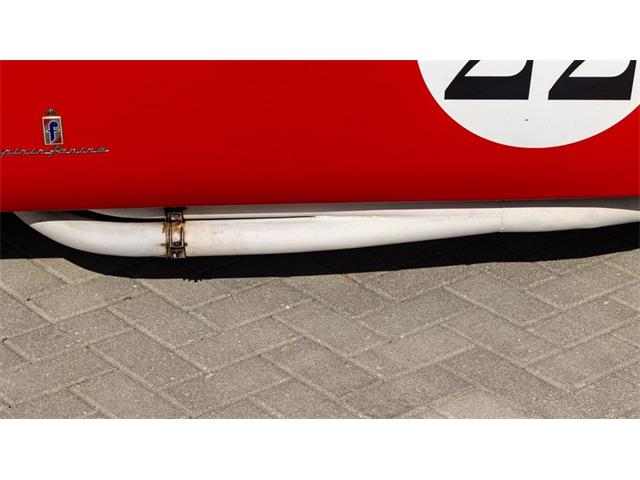
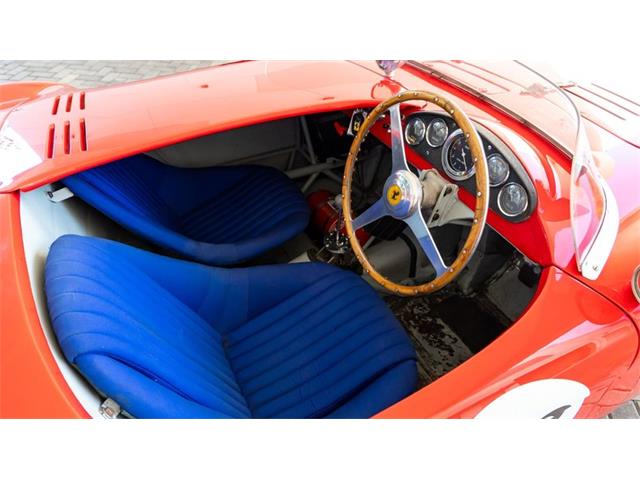
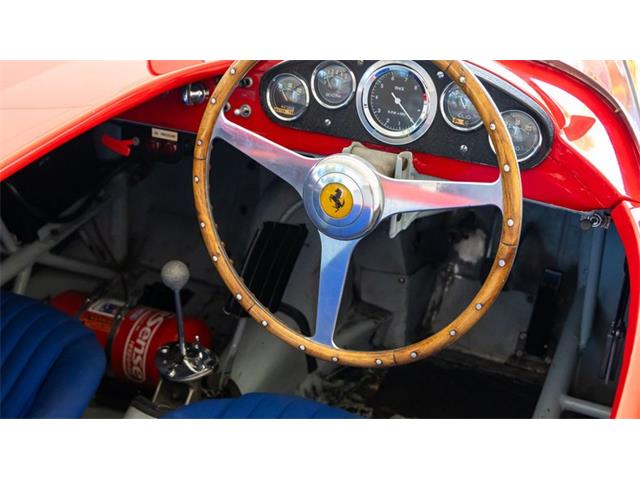
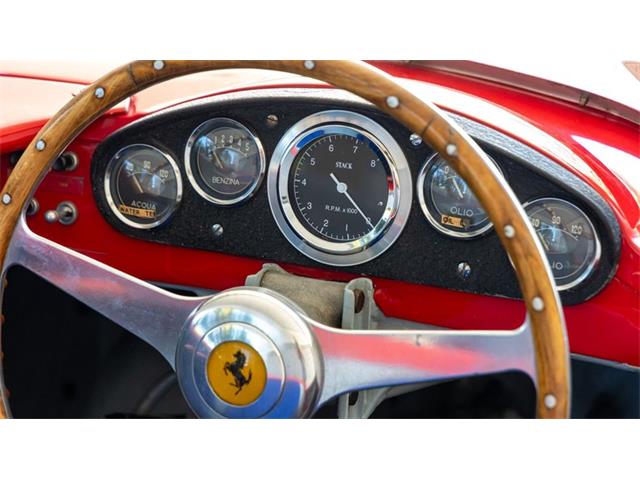
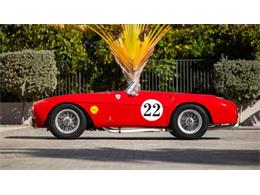
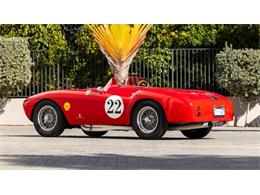
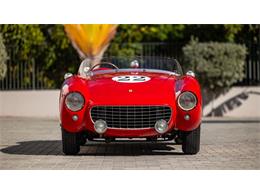
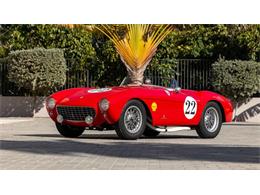
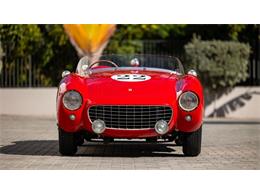
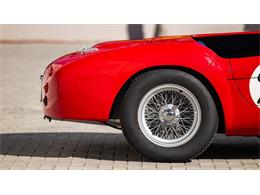
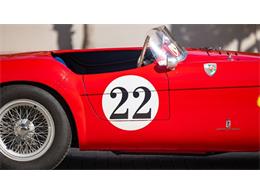
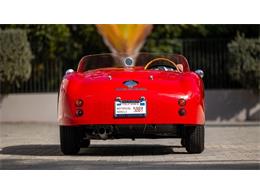
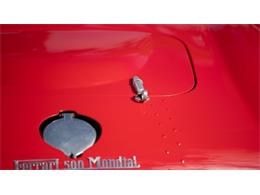
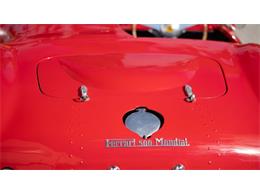
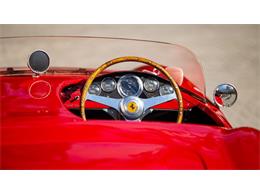
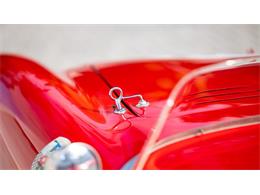
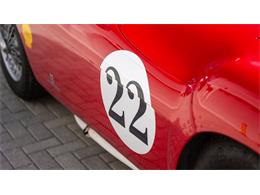
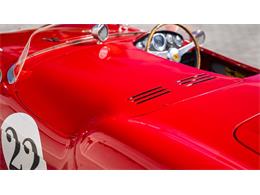
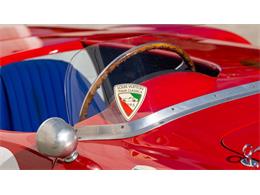
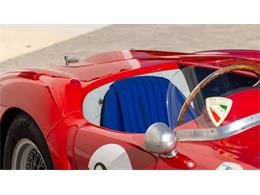
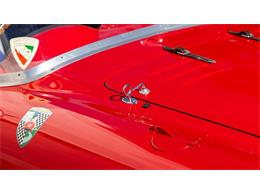
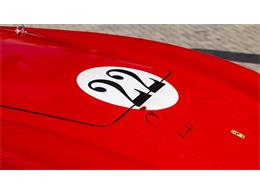
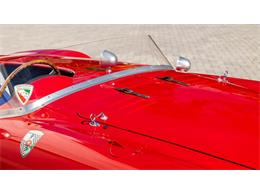
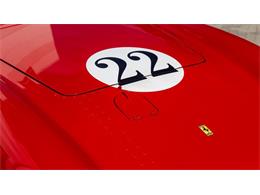
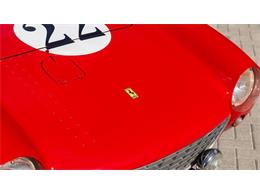
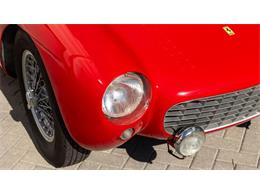
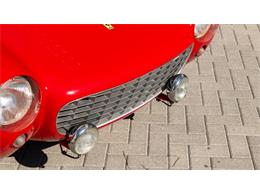
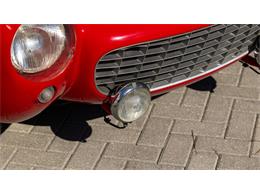
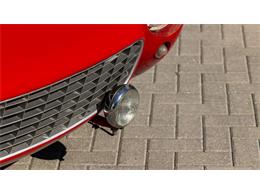
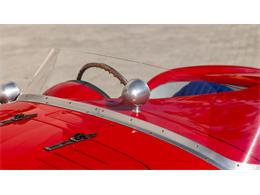
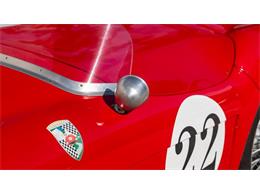
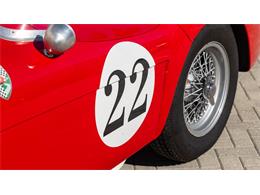
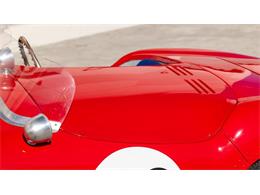
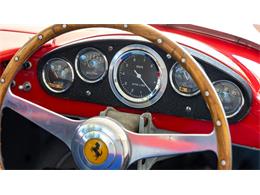
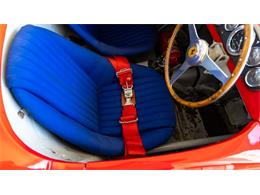
Completed on 23 March 1954, Ferrari 500 Mondial chassis 0408 MD is
one of just 13 Series I Spiders bodied by Pinin Farina. According
to Ferrari historian Marcel Massini's research, it was assigned to
Scuderia Ferrari works team and made its competition debut in May
1954 as one of five similar works entries in that year's Mille
Miglia. Driven by Paolo Pineschi with co-driver Mirko Landini, the
brand-new Mondial finished 74th overall in the grueling 1,000-mile
race-an auspicious start on the world stage for the four-cylinder
sports racer. The car's documented participation in this legendary
race is further validated by period images from the Mille Miglia
that remain on file, capturing 0408 MD wearing start number
459.
Soon after the Mille Miglia, 0408 MD was sold via Swedish Ferrari
importer Tore Bjurstr�m to its first private owner, amateur driver
Valdemar Stener. Stener immediately put the Mondial to good use in
Scandinavian events. Over the next several seasons the car amassed
an impressive record in Sweden and even neighboring Finland, with
podiums and class wins in both road and ice racing. Notable results
included a fifth-place finish in class at the 1954 Helsinki Grand
Prix, a second place overall at Ljungsdalbacken, a class victory at
Hedemora, and an eighth in class finish at the 1955 Swedish Grand
Prix. Stener also achieved a third overall finish and set a new
Swedish speed record in the 2.0-liter class in the Varpen ice race,
underscoring the Mondial's versatility and competitiveness on all
surfaces.
By October 1955, Stener traded 0408 MD to fellow countryman Bj�rn
M�rtensson, reportedly trading in his 250 MM, chassis 0252MM.
M�rtensson continued the car's competitive career into 1956,
notably capturing tenth overall and second in class at the 1956
Swedish Grand Prix and a class victory at the 1956 Copenhagen Grand
Prix. Massini's research notes that the Mondial returned to the
factory where it was "totally overhauled" ahead of the 1957 season,
during which M�rtensson continued to campaign the car extensively
in both circuit and ice events. M�rtensson's tenure concluded that
August after taking part in the Karlskoga Kanonloppet, selling the
Ferrari soon afterward to Olof "Mas-Olle" Persson. The following
winter, Persson raced in eight ice races with 0408 MD, clinching
the national ice racing championship.
In 1958, the Mondial passed to Lars Edin of Uppsala who returned it
to competition that summer. Chassis 0408 MD once again contested
Karlskoga in August 1958 and finished an impressive ninth overall
and fourth in class. The 1959 season saw Edin continue to achieve
respectable finishes such as seventh overall at the V�stkustloppet
sports car race that July and a sixth in class finish at Karlskoga
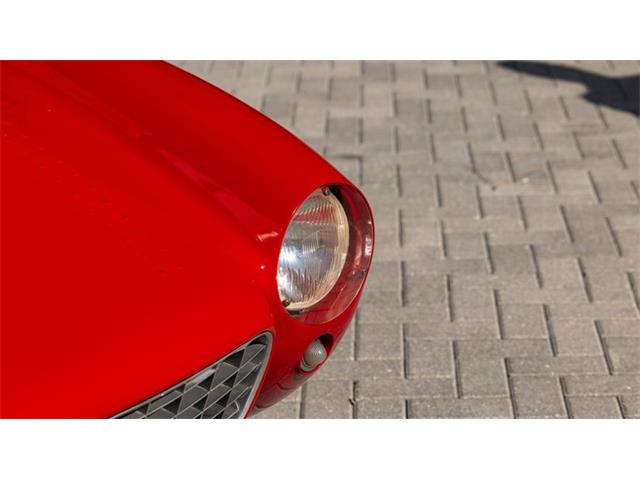
later that summer. Perhaps influenced by the envelope body of the
250 TR, Edin decided at the end of 1959 to update the Ferrari's
coachwork to a contemporary style. He commissioned Ockelbo Verkstad
in Sweden to rebody the car in fiberglass, emulating the latest
Scaglietti look with open headlights. The result was a striking
bright yellow Spider with a black longitudinal stripe, selling it
in this guise later that year to Gunnar Kaj Wall of Stockholm.
The Mondial continued to change hands among a succession of Swedish
enthusiasts in the early 1960s, appearing at historic sports car
exhibitions and events across Sweden. By 1973, the well-traveled
Ferrari finally left Scandinavia joining American Gary D. Schmidt
while it was in Germany. Throughout the 1970s, Schmidt would take
part in an enviable schedule of Ferrari Club meetings and vintage
racing events across Europe, including at Spa-Francorchamps (1975),
the Mille Miglia Storica (1977), and the Oldtimer Grand Prix at the
N�rburgring (1979). In 1980, Schmidt sold 0408 MD to noted Italian
enthusiast Stefano?Arborini, who continued to exercise it in
historic rallies and races, including in three further Mille Miglia
appearances (1982, 1984, 1986).
Later in 1986, the car was sold to Adrien de Ghellinck of Brussels,
who kept up the tradition with Mille Miglia entries in 1987 and
1988. Its next keepers, brothers Alessandro and Carlo Tonolli of
Milan, saw the Ferrari through two more Mille Miglia runs in 1989
and 1991, making 0408 MD an eight-time veteran of the modern Mille
Miglia by the early 1990s. After the 1991 outing, the Tonollis
elected to return the car to its original form. They entrusted the
Mondial to respected Modenese panel-beaters Bacchelli & Villa for a
complete restoration. In 1995, while the mechanicals were being
overhauled by Livio Guarnieri S.r.l., the aging fiberglass shell
was removed and 0408 MD's bodywork was painstakingly reconstructed
in alumi...for more information please contact the seller.
ClassicCars.com has been recognized as one of the fastest-growing private companies in the United States, successfully making the Inc. 5000 list in both 2015,
2016, 2017 and 2018. This prestigious accolade represents the continued growth of the company, and ClassicCars.com's dominance as the world's largest online marketplace for
buying and selling classic and collector vehicles.
The Stevie Awards, the world's premier business awards recognized
ClassicCars.com's first-class Customer Support team with a Stevie Bronze Award in 2019, celebrating the team's skills as exemplary customer support specialists.
In 2016 The Journal, brought to you by ClassicCars.com, was celebrated as the SECOND MOST INFLUENTIAL automotive blog in the world by NFC Performance.