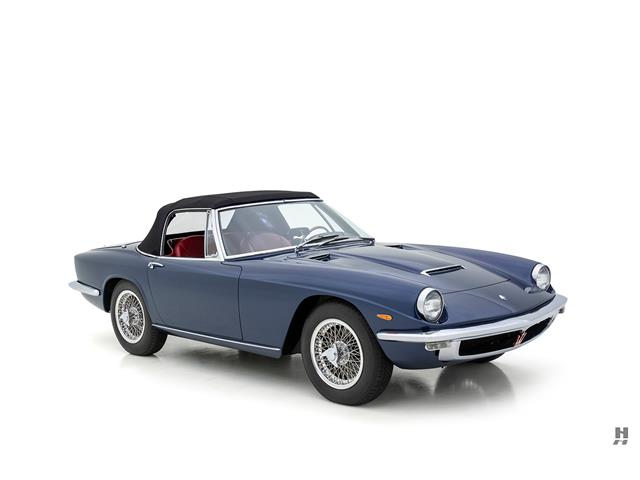
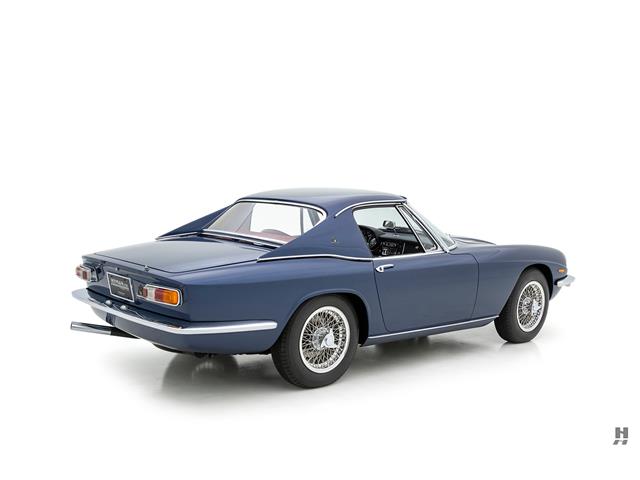
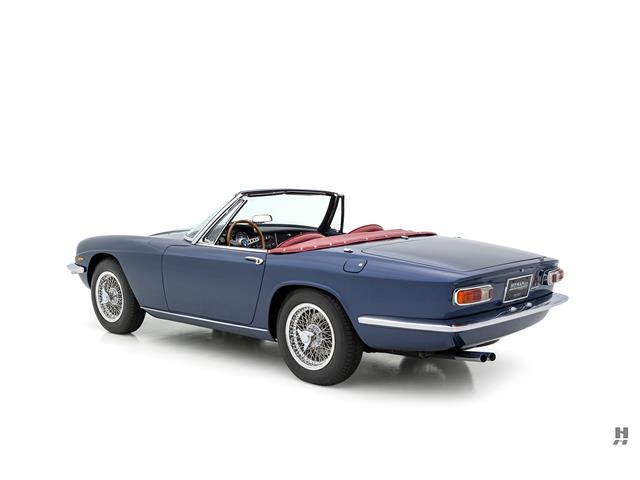
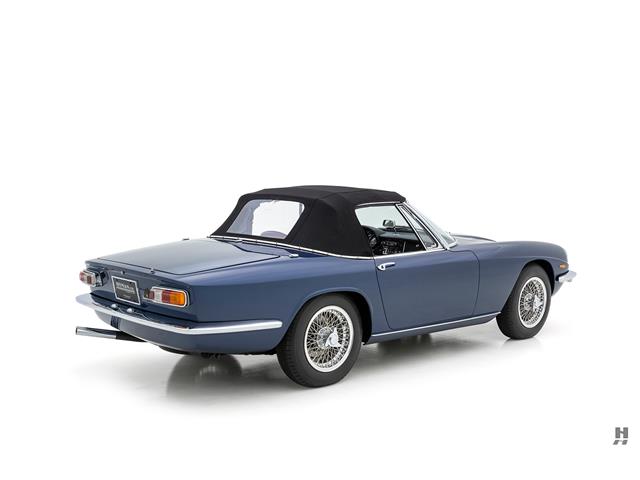
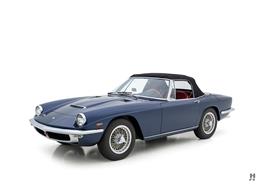
Introduced in November 1963 at the Salone Internazionale
dell'Automobile di Torino, the Maserati Mistral ushered in a new
era for the marque, both in nomenclature and in engineering
philosophy. Named after the cold, forceful wind that sweeps across
southern France, the Mistral established Maserati's tradition of
wind inspired model names, a lineage that would later include the
Ghibli, Bora, and Khamsin. More significantly, it represented the
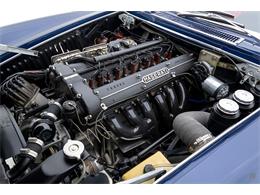
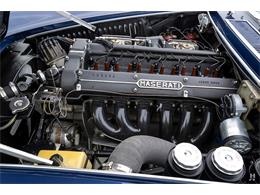
final and most refined expression of Maserati's celebrated front
engined, twin spark, double overhead cam inline six engine, whose
roots can be traced directly to the marque's formidable 350S sports
racing program of the 1950s.
The Mistral succeeded the long running 3500 GT and carried forward
the concept of a refined yet purposeful Italian gran turismo. Its
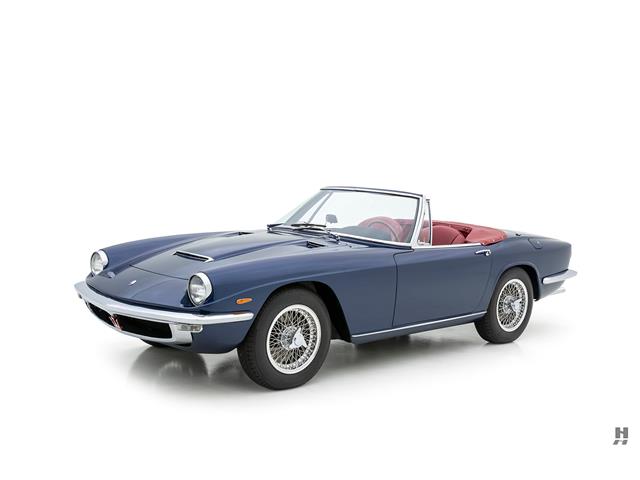
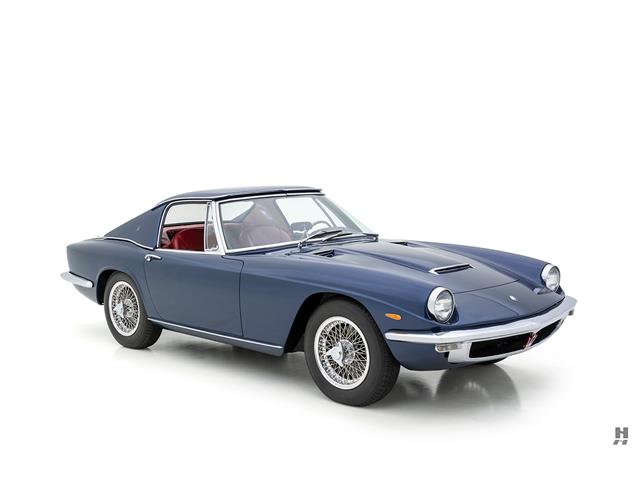
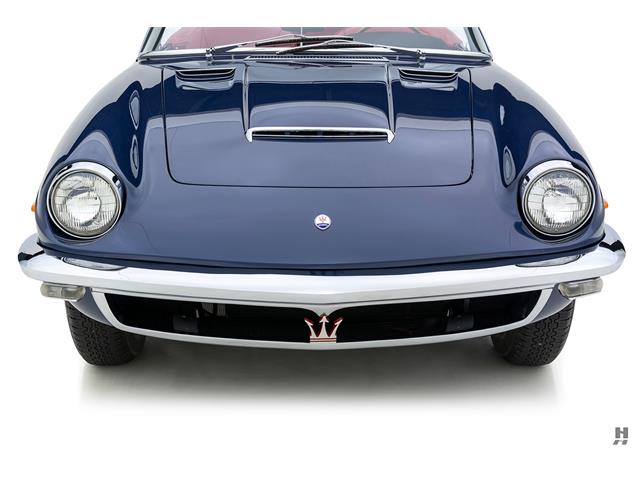
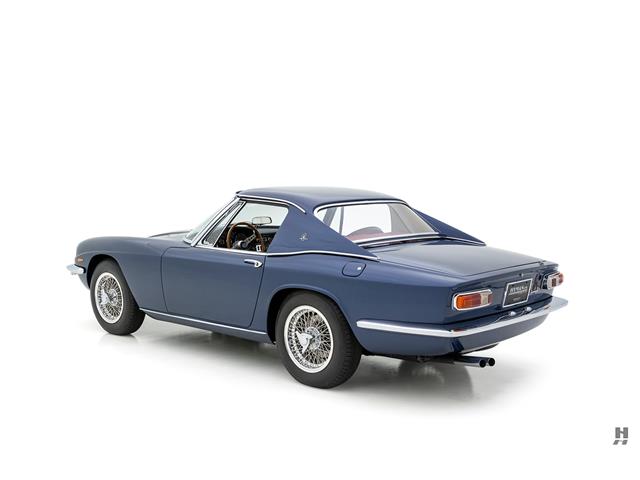
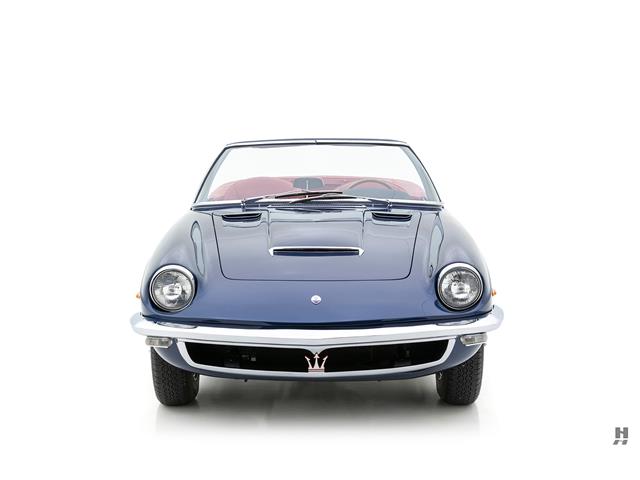
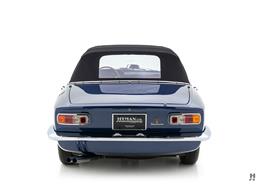
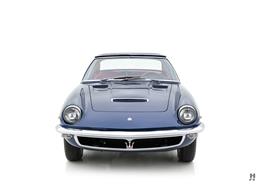
striking bodywork was penned by Pietro Frua, whose deft hand gave
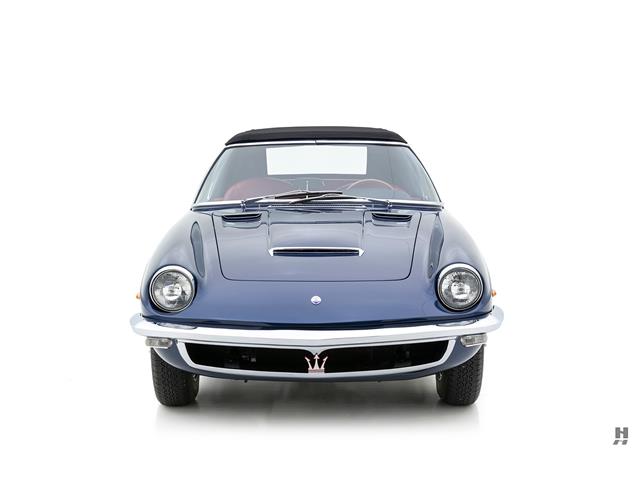
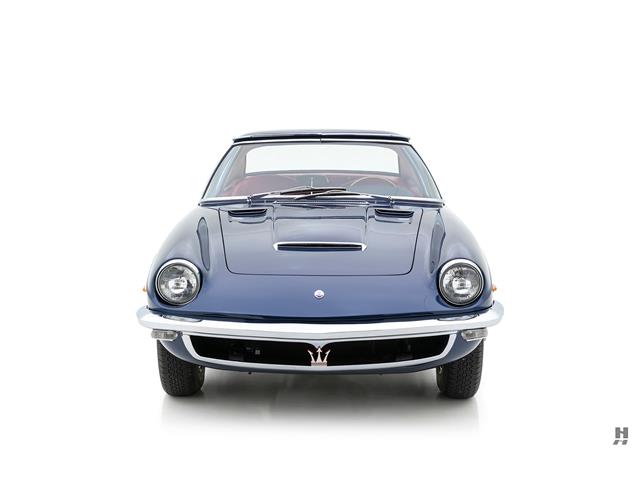
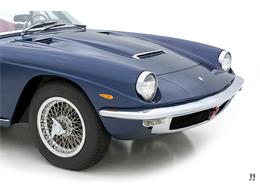
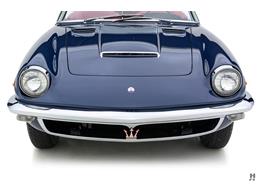
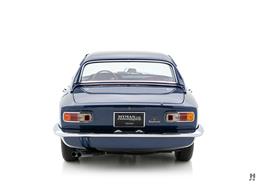
the Mistral a low, athletic stance defined by a sharp shark nose
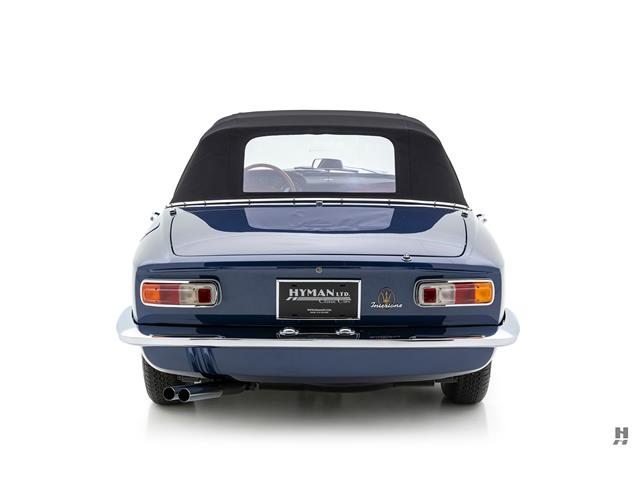
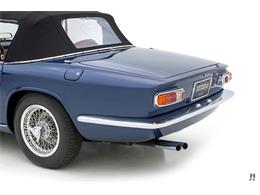
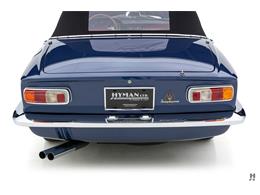
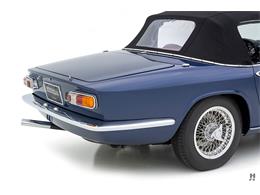
grille, delicate glasshouse, and abbreviated Kamm style tail.
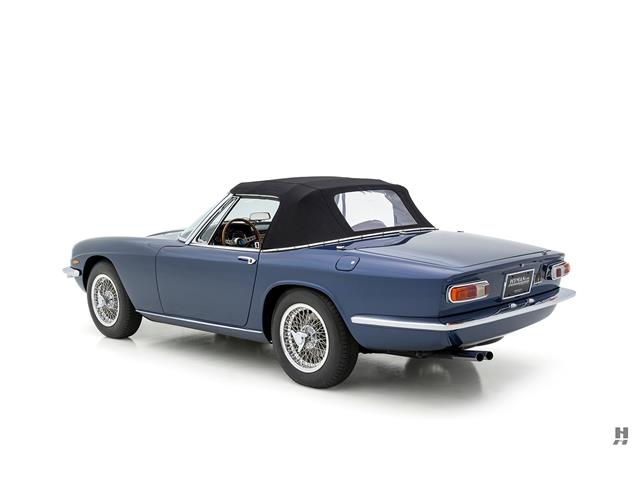
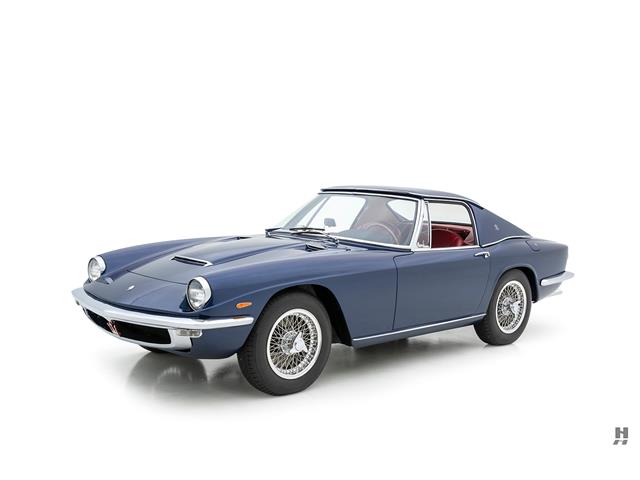
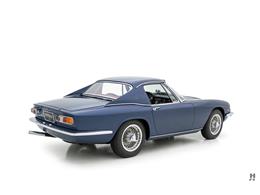
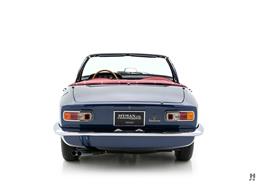
Offered in both fixed roof coupe and open Spyder form, the latter
featured a distinctive removable aluminum hardtop that echoed the
coupe's elegant roofline while preserving the flexibility of open
air motoring.
Production numbers underscore the Mistral Spyder's rarity. Over the
model's seven year production run, Maserati completed just 124
Spyders, compared to 844 coupes. Of those Spyders, a mere 30 early
examples were equipped with the original 3.5 liter inline six. The
example offered here, chassis 027, is one of those highly coveted
early 3.5 liter Spyders.
Commissioned in July 1964, chassis 027 was originally specified in
Grigio Montebello over a Pella Rossa leather interior, a
sophisticated and sporting combination. Its factory order form
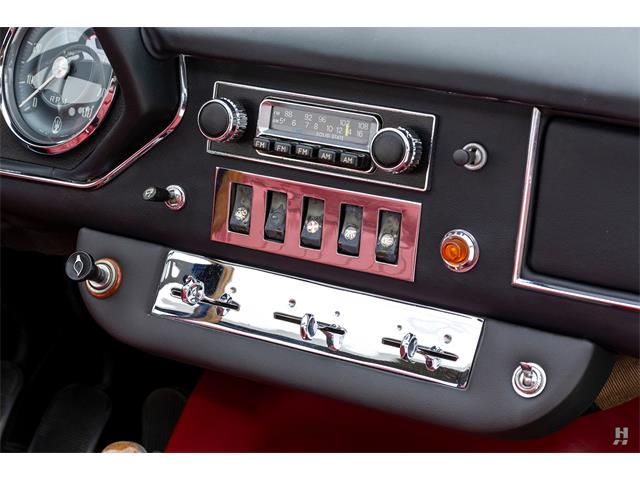
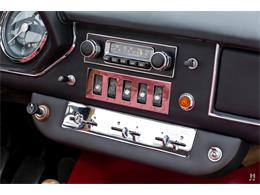
documents an impressive array of period options, including the
rarely specified aluminum removable hardtop, Borrani wire wheels, a
Blaupunkt radio, and electric windows. Completed in October 1964,
the car was dispatched new to Auto Distributors of New York, as
confirmed by accompanying Maserati Classiche documentation.
At some point earlier in its life, the Mistral was refinished in
red with a tan interior and reportedly spent several years on
museum display. In 2012, it was acquired by a previous owner in
Florida, who soon thereafter commissioned a comprehensive, ground
up restoration beginning in 2013. The work was approached with an
emphasis on authenticity, craftsmanship, and long term enjoyment.
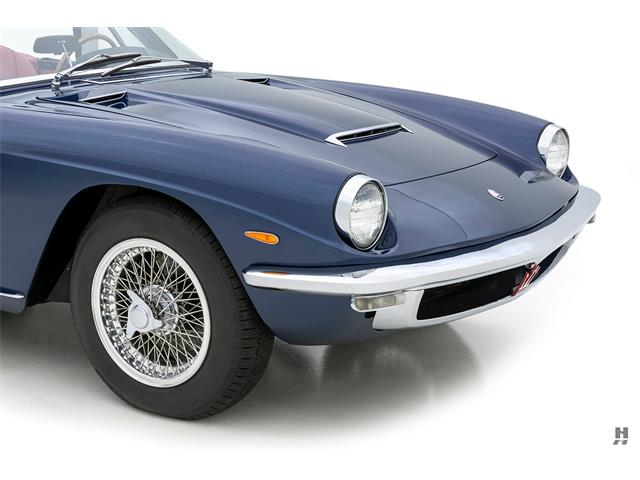
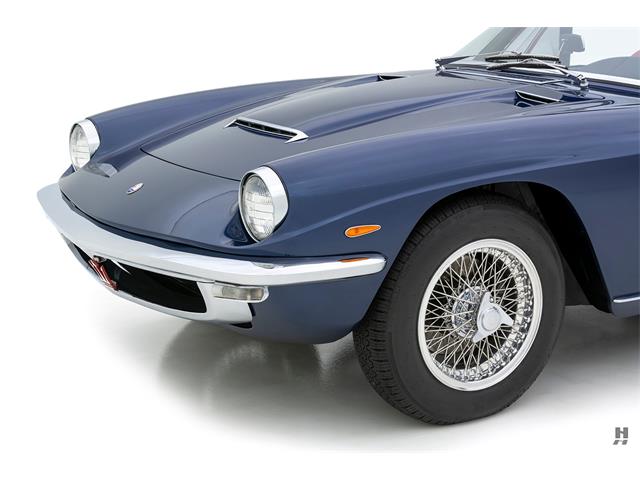
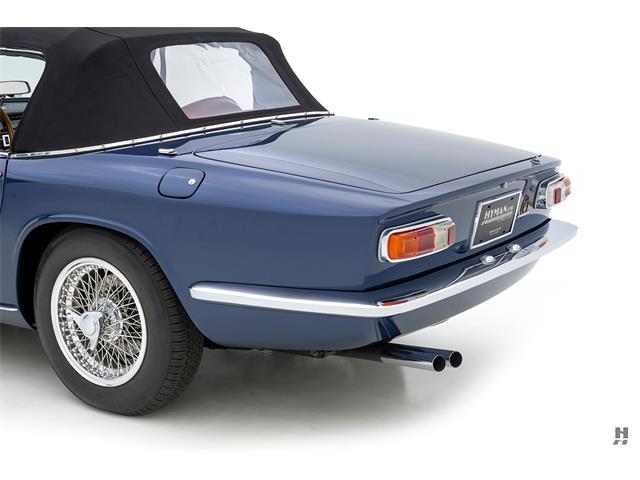
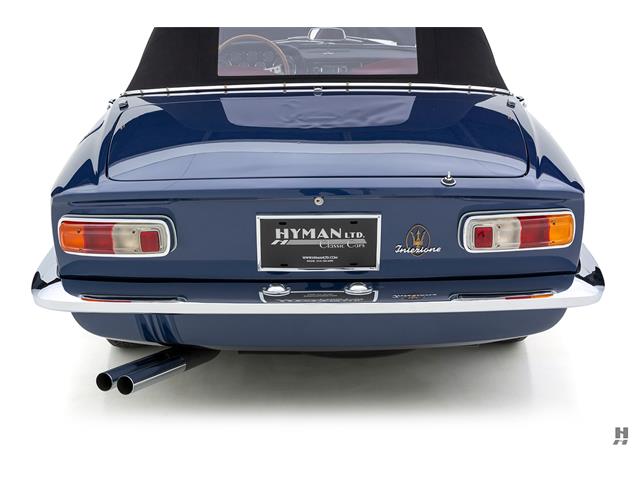
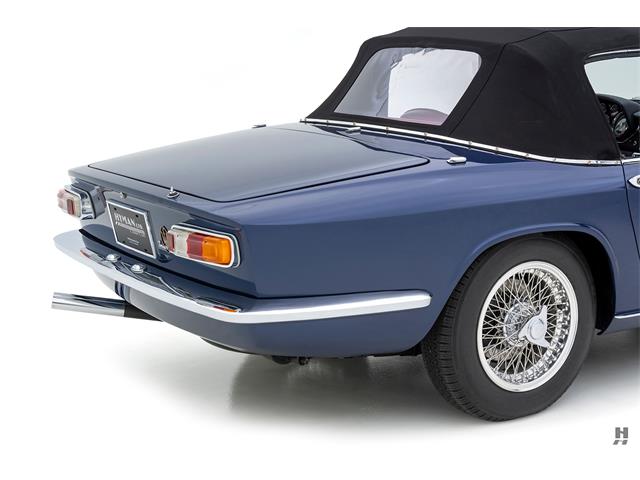
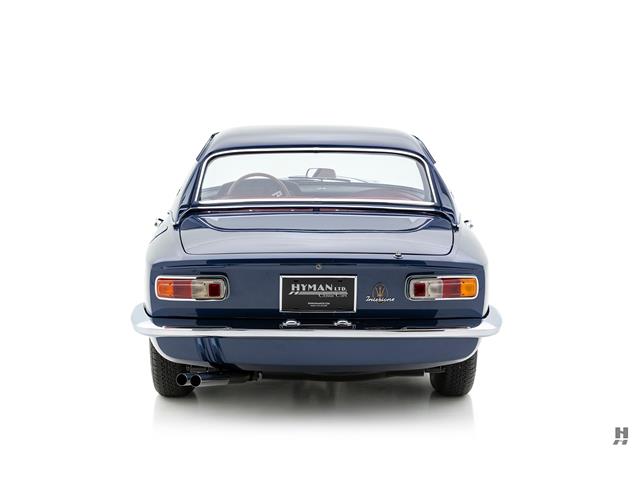
The body was stripped to bare metal, the floor pans replaced as
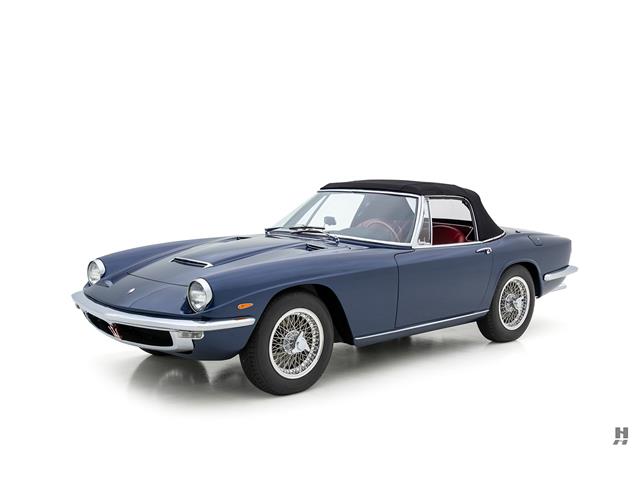
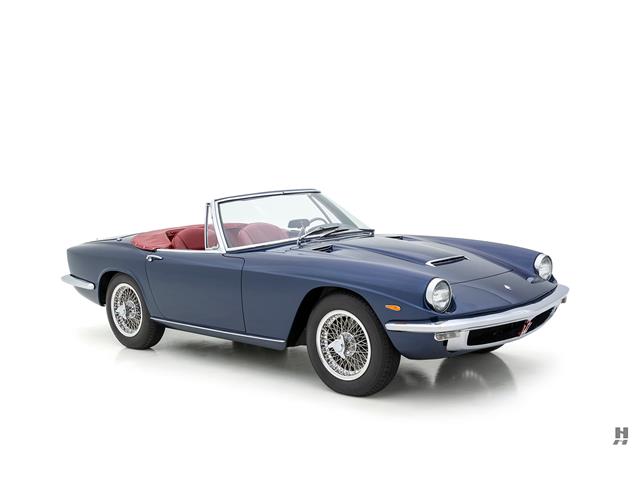
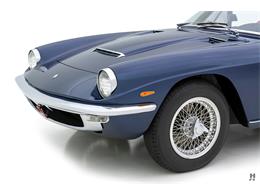
needed, and the car refinished in the elegant and period correct
Blu Sera Metallizzato. The result is a finish that accentuates
Frua's clean, flowing lines while giving the Spyder a distinctly
purposeful presence.
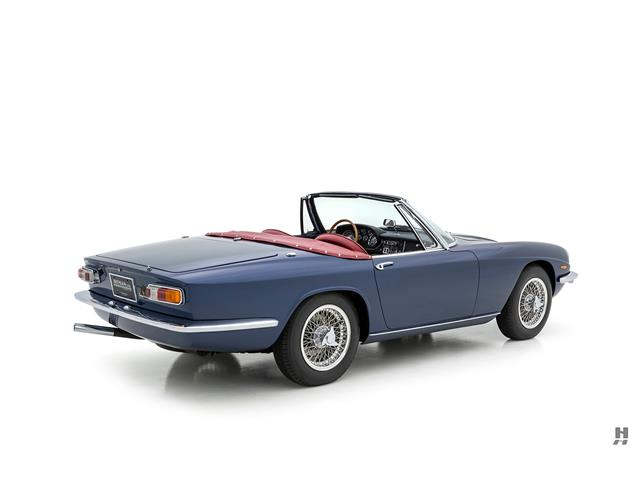
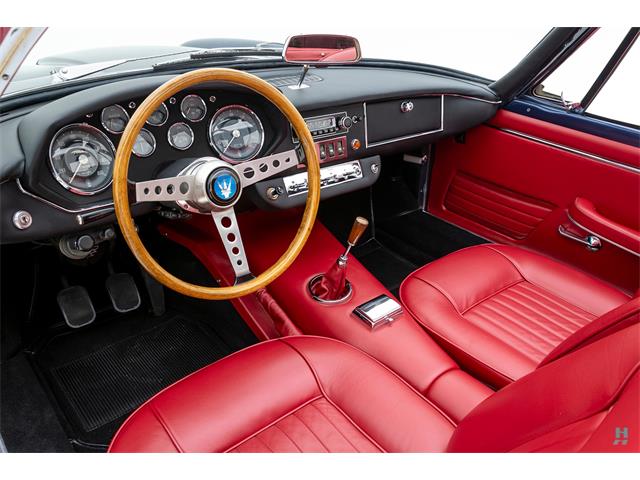
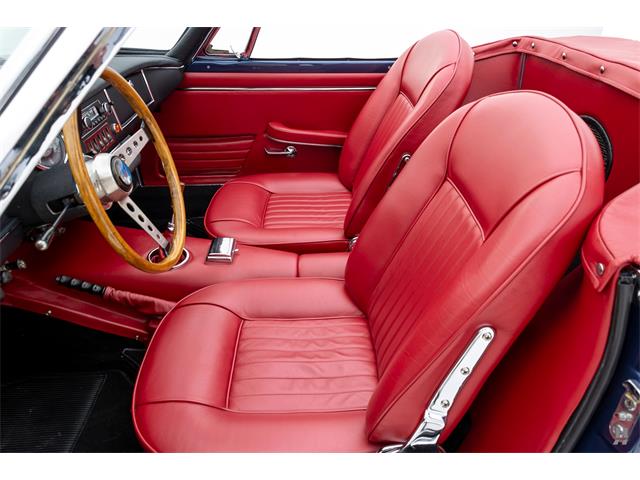
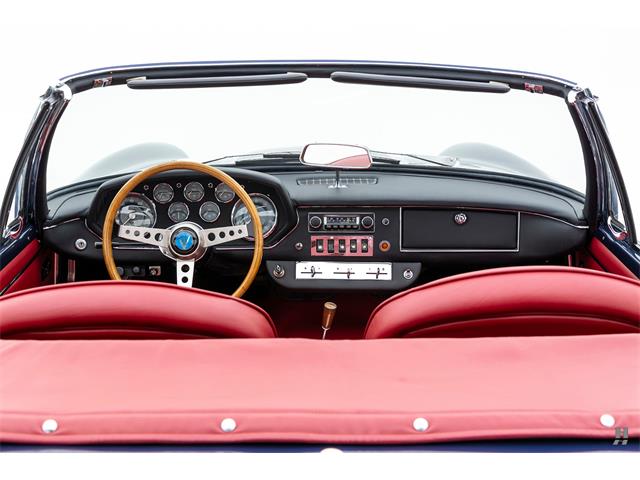
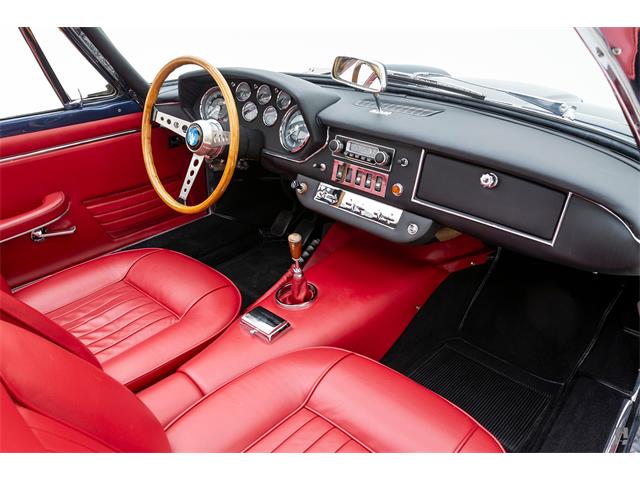
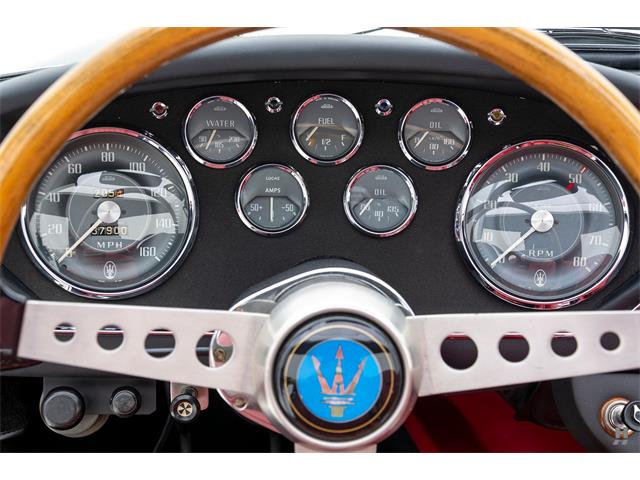
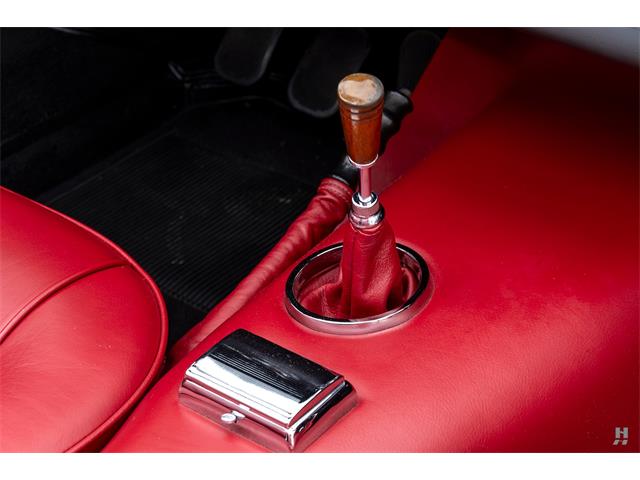
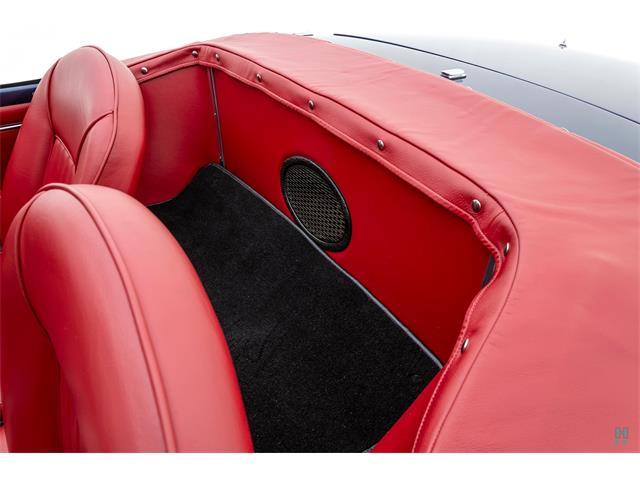
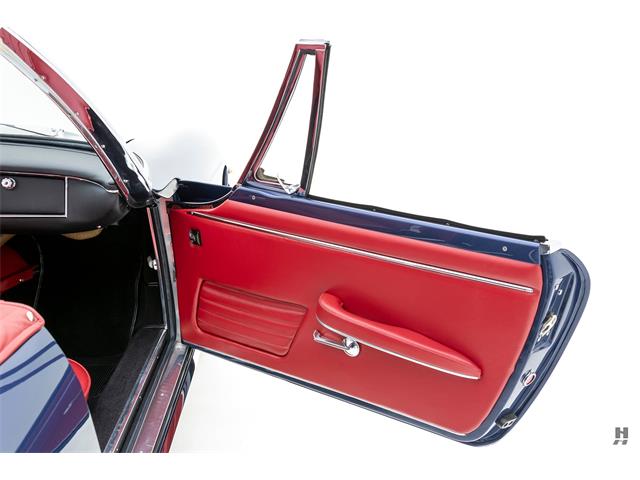
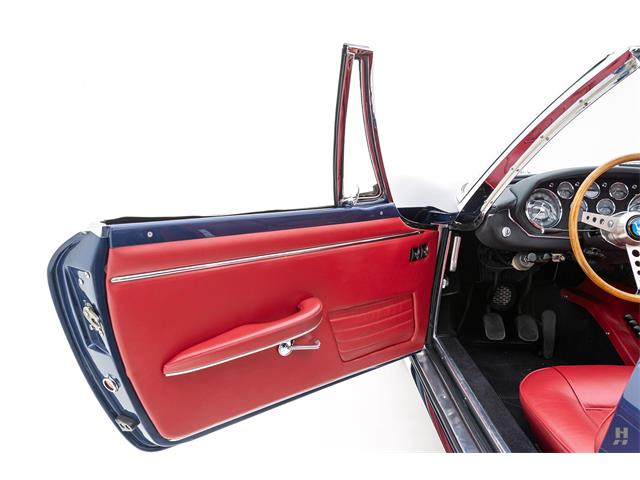
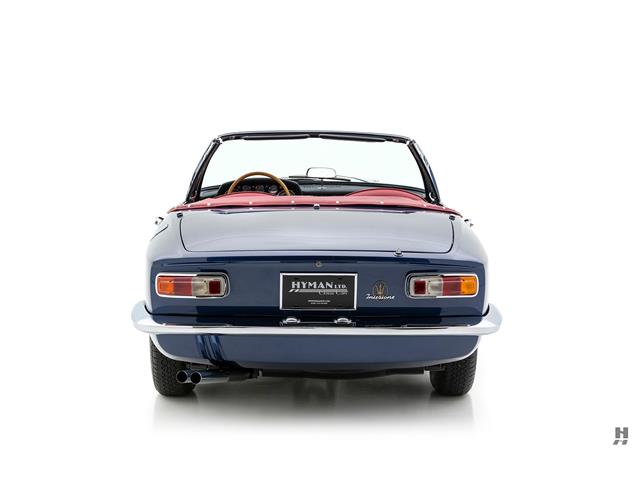
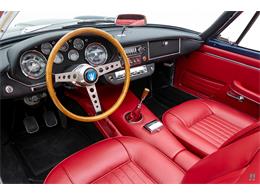
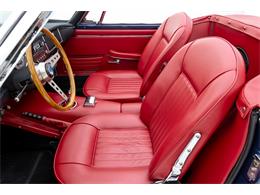
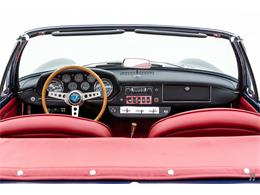
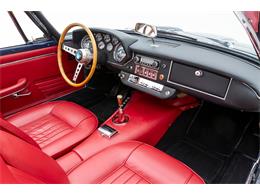
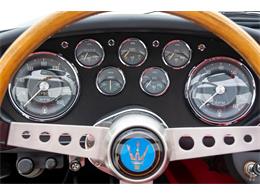
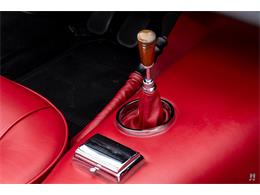
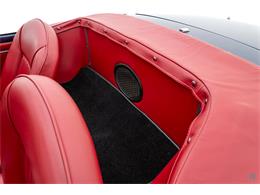
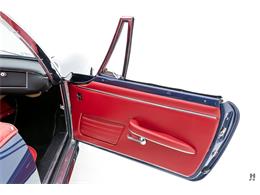
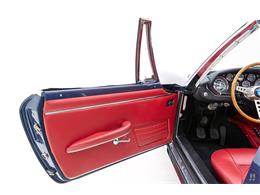
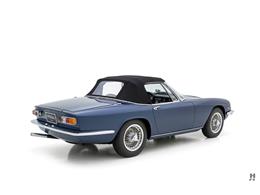
Interior restoration was entrusted to Coachtrim of Danbury,
Connecticut, which retrimmed the cabin in correct Rosso Connolly
leather and fitted a new black fabric convertible top. The aluminum
hardtop was also restored, receiving a replacement headliner, while
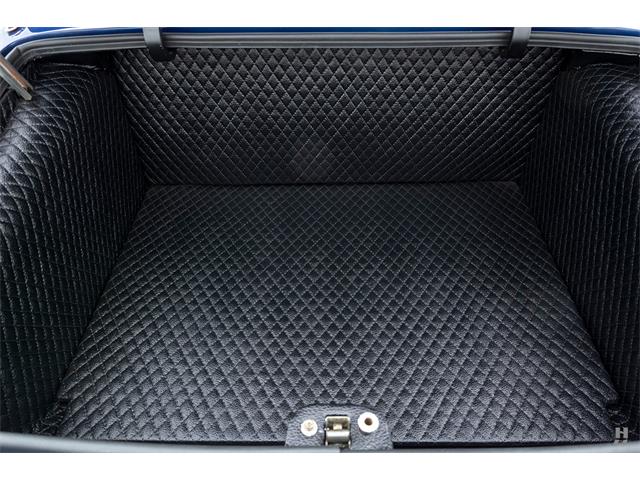
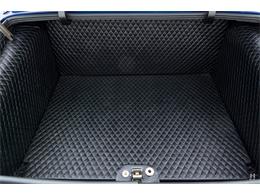
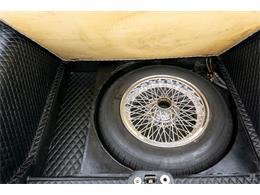
the trunk was properly retrimmed in quilted black vinyl. Exterior
brightwork was refinished by Qual Krom of Erie, Pennsylvania,
returning the bumpers and trim to concours level presentation.
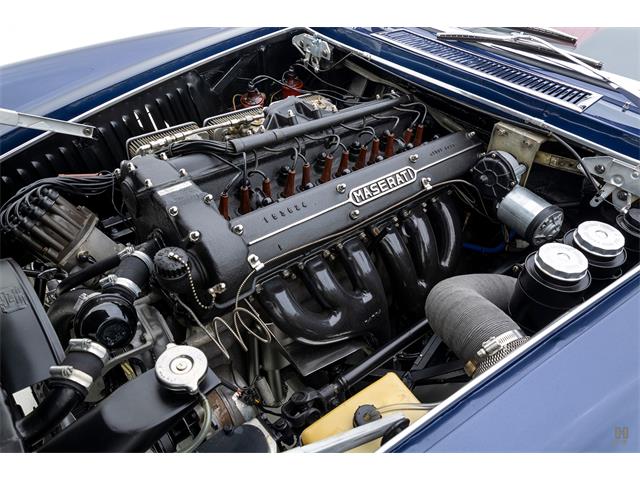
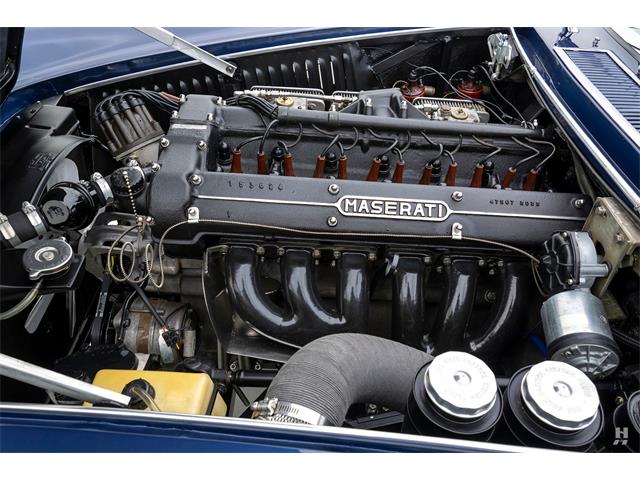
Mechanically, the Mistral benefitted from a thorough refurbishment
as well. The suspension, featuring independent double wishbones
with coil springs up front and a leaf sprung solid rear axle, was
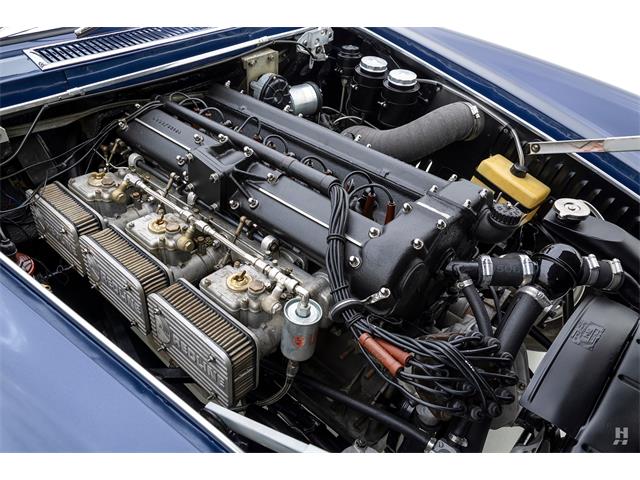
overhauled to ensure proper road manners. While the Mistral was
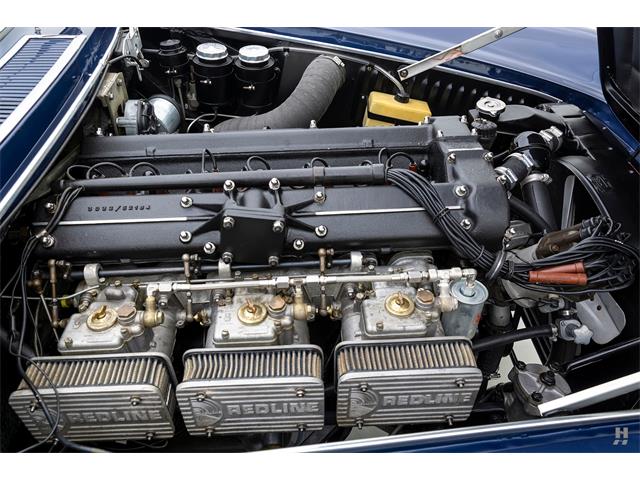
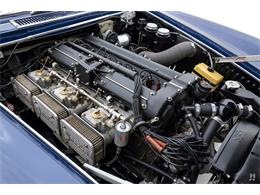
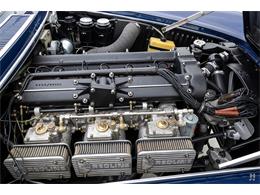
originally equipped with Lucas mechanical fuel injection, this
system was replaced during the restoration with triple Weber 42
DCOE carburetors, rebuilt and tuned by Greg Jones of Stuart,
Florida. The original Lucas injection unit remains with the car
today, offering the next owner the option to return the engine to
its factory Iniezione specification. Additional mechanical work
included replacement ignition components, ensuring strong and
reliable performance.
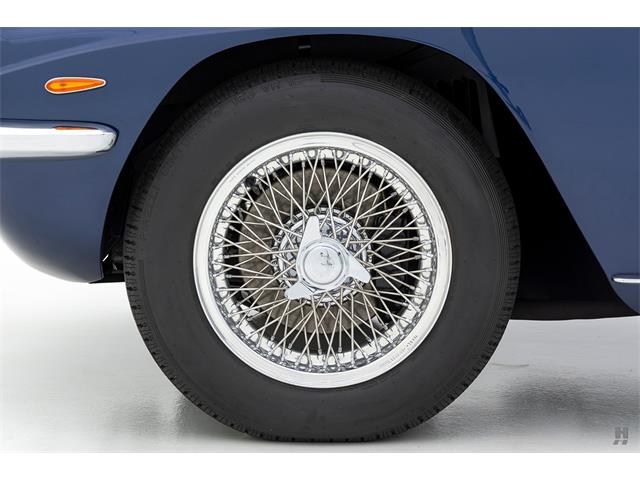
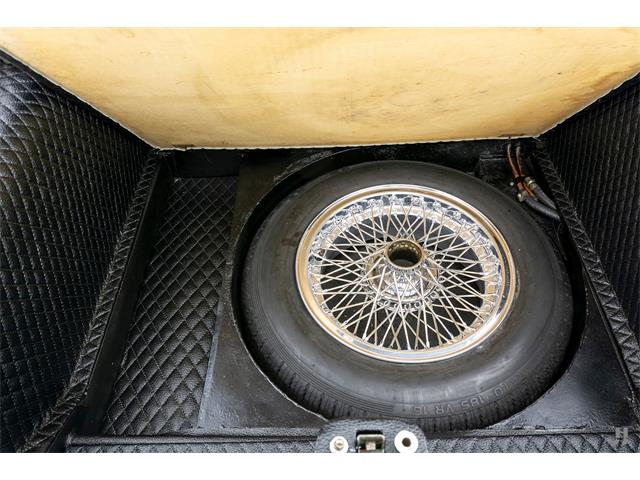
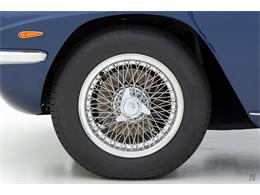
The car rides on correct Borrani wire wheels secured by three eared
knock offs and fitted with Pirelli Cinturato tires in 2017, with a
matching wire spare housed neatly in the trunk. Following
completion of its restoration, the Mistral saw minimal use,
accruing only nominal mileage and remaining carefully maintained by
its previous owner, a devotee to Italian sports cars.
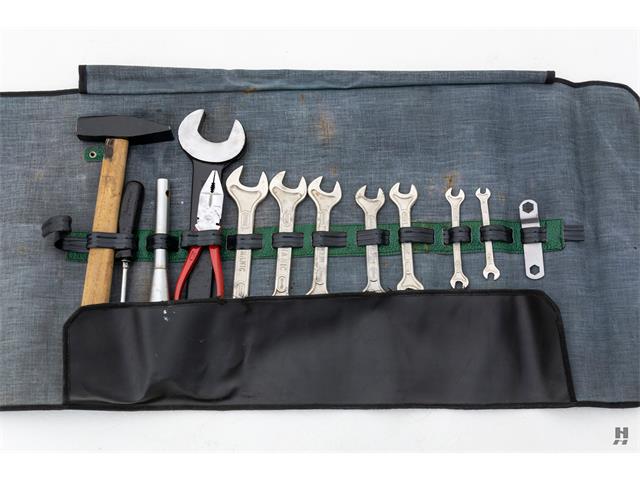
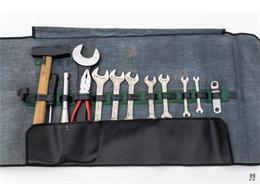
Today, this exceptionally rare 3.5 liter Mistral Spyder is offered
with its matching aluminum hardtop, tool roll, and Maserati
Classiche documentation confirming retention of its original,
matching numbers engine (AM109S 027 internal no. 2308). Elegant,
powerful, and beautifully restored, the Mistral Spyder stands among
the finest grand touring cars of the 1960s, an evocative blend of
racing pedigree, Italian style, and open air sophistication, ready
to be shown, driven, and appreciated by its next caretaker.
ClassicCars.com has been recognized as one of the fastest-growing private companies in the United States, successfully making the Inc. 5000 list in both 2015,
2016, 2017 and 2018. This prestigious accolade represents the continued growth of the company, and ClassicCars.com's dominance as the world's largest online marketplace for
buying and selling classic and collector vehicles.
The Stevie Awards, the world's premier business awards recognized
ClassicCars.com's first-class Customer Support team with a Stevie Bronze Award in 2019, celebrating the team's skills as exemplary customer support specialists.
In 2016 The Journal, brought to you by ClassicCars.com, was celebrated as the SECOND MOST INFLUENTIAL automotive blog in the world by NFC Performance.