This vehicle has been soldThis vehicle is no longer available for sale on ClassicCars.com. Please set an alert if you would like to be notified as soon as similar vehicles become available.
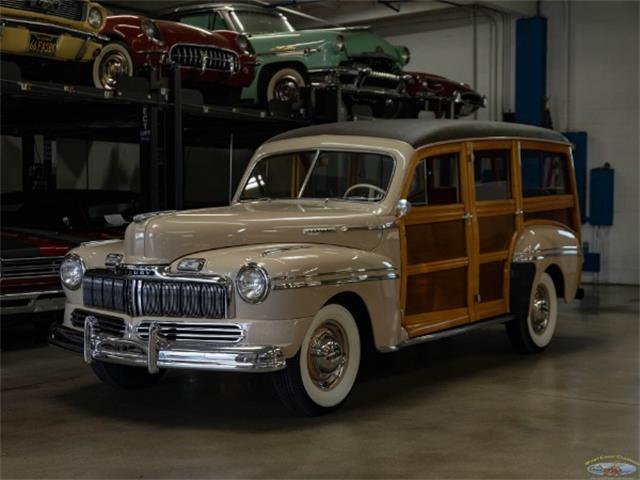
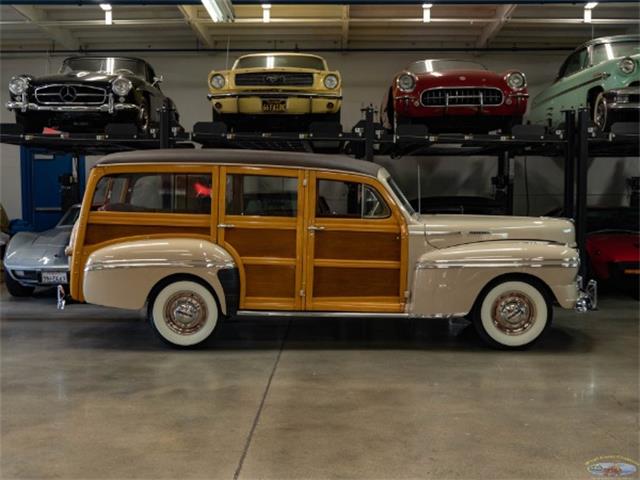
For Sale: 1948 Mercury 4-Door in Torrance, California
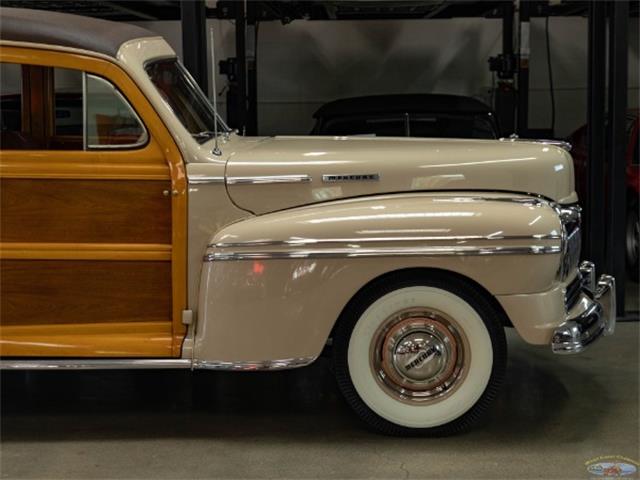
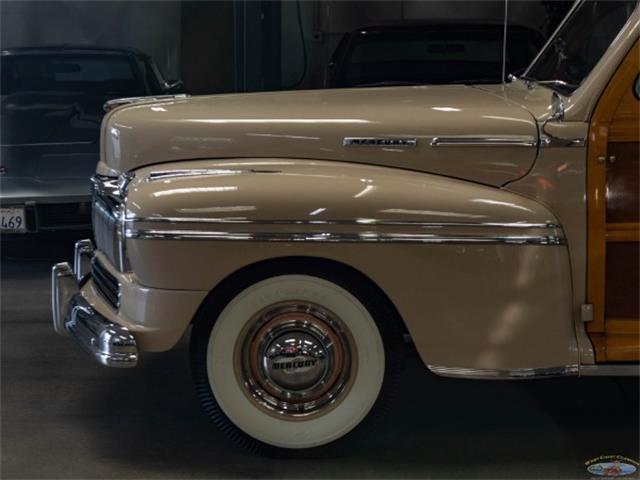
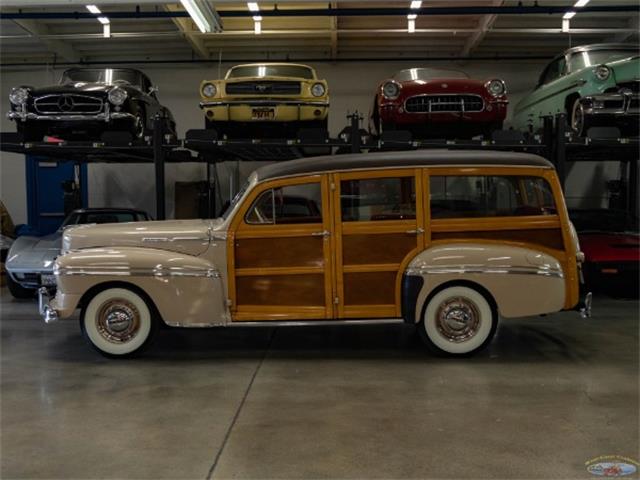
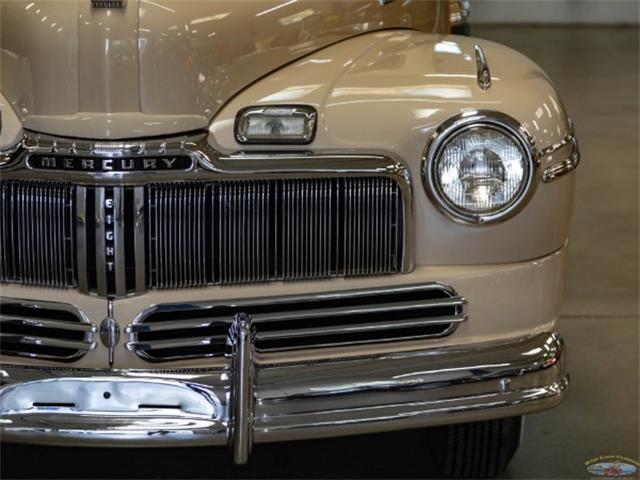
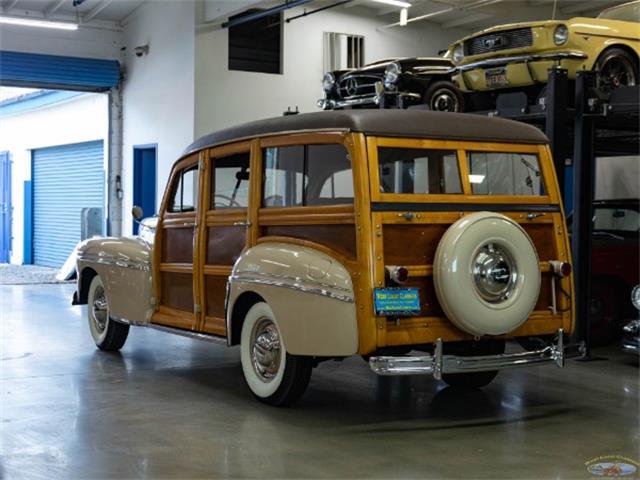
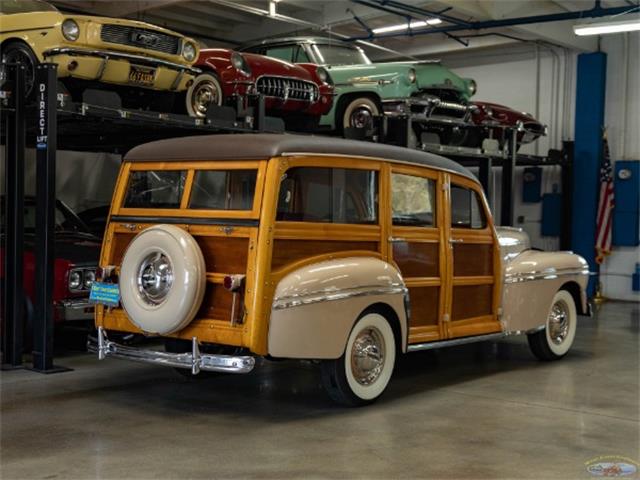
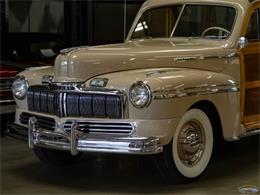
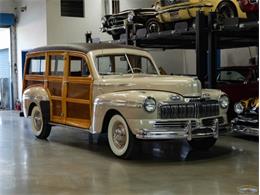
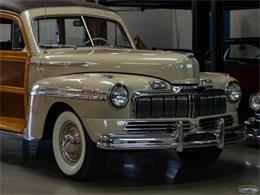
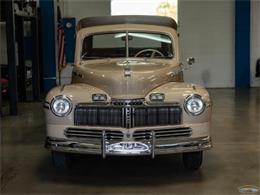
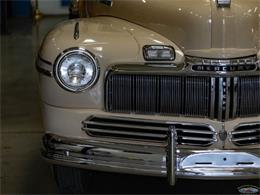
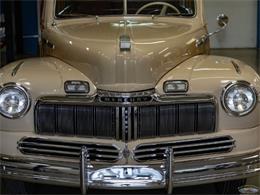
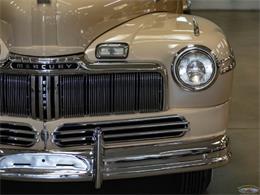
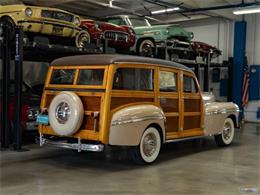
West Coast Classics are proud to present an absolutely beautiful
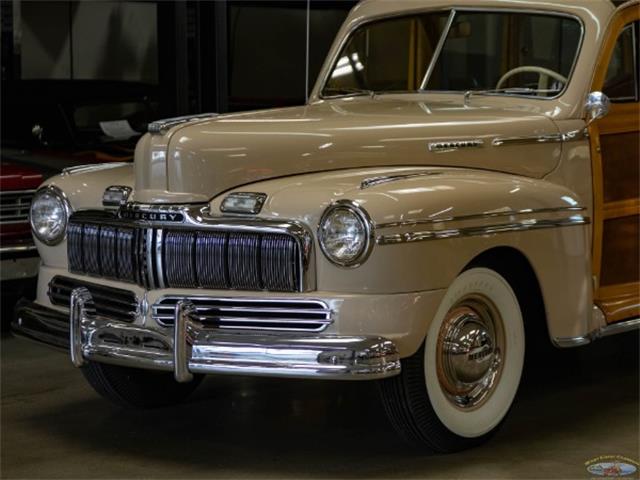
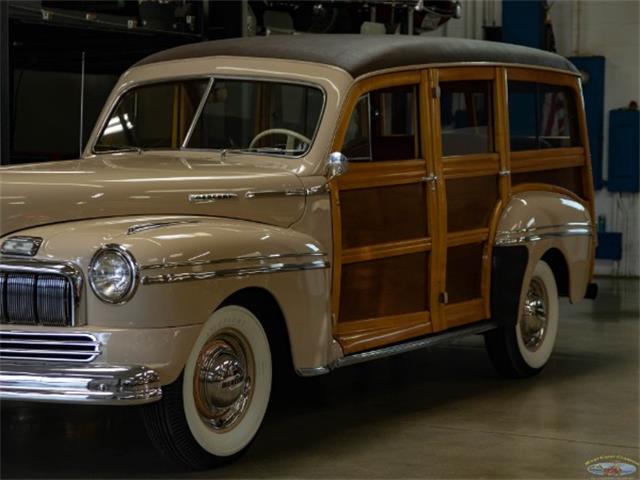
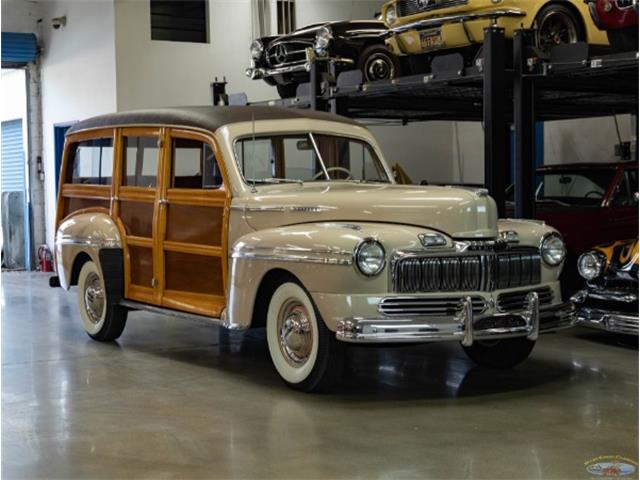
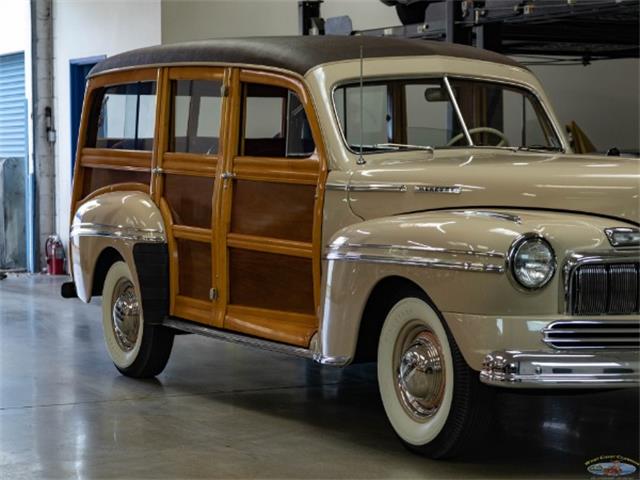
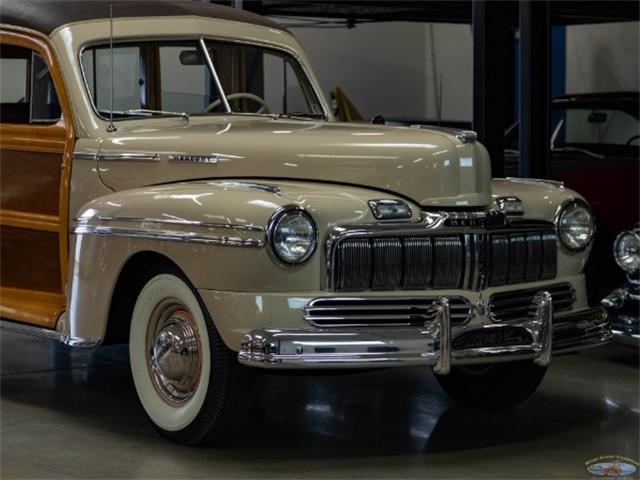
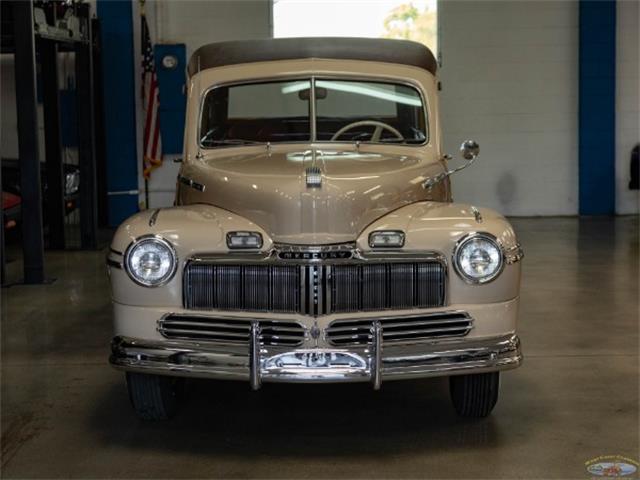
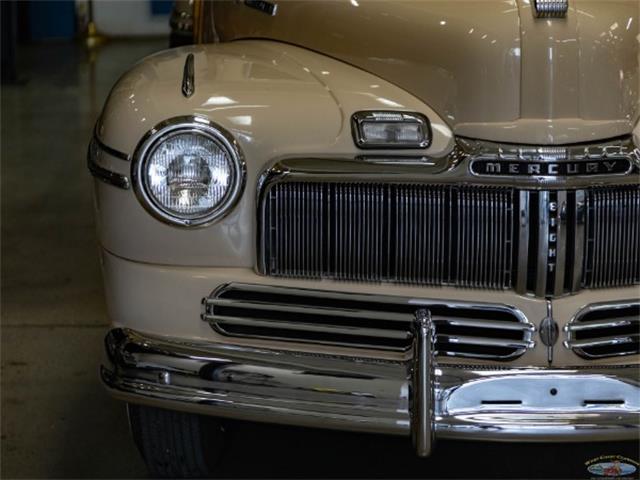
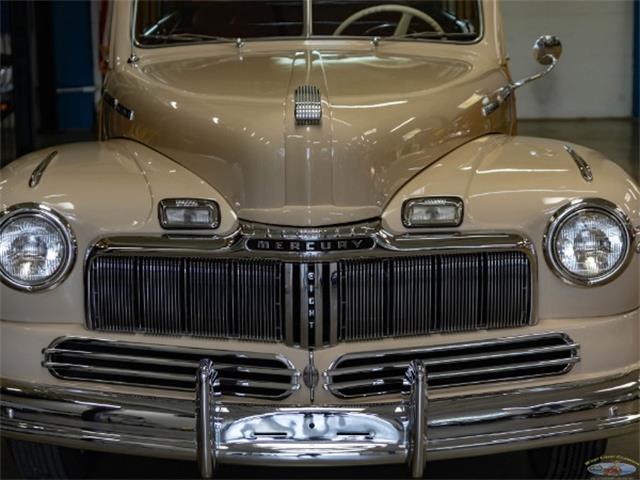
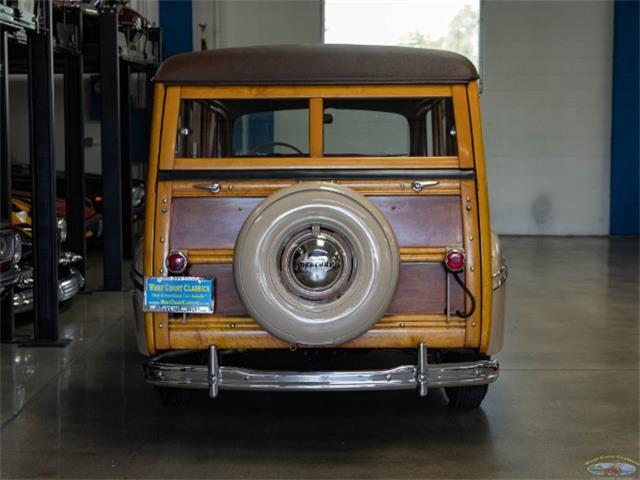
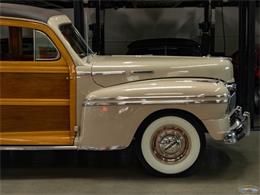
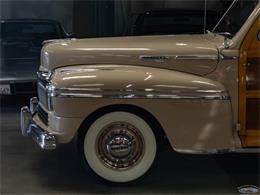
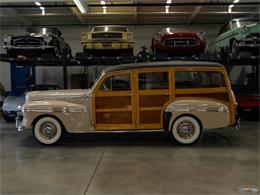
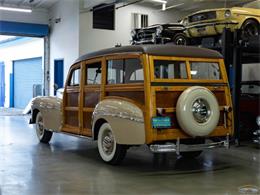
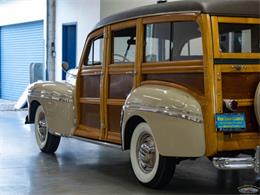
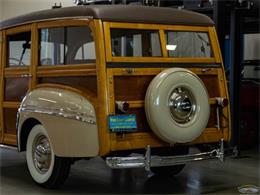
example of this all American classic 1948 Mercury Eight Woody
Station Wagon, a truly exceptional surviving example with the 239
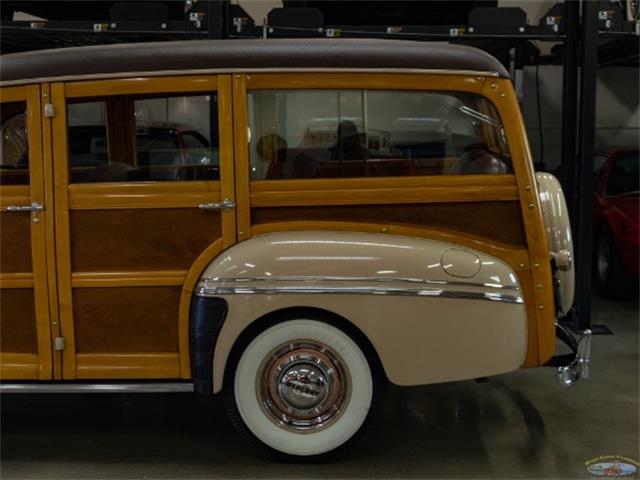
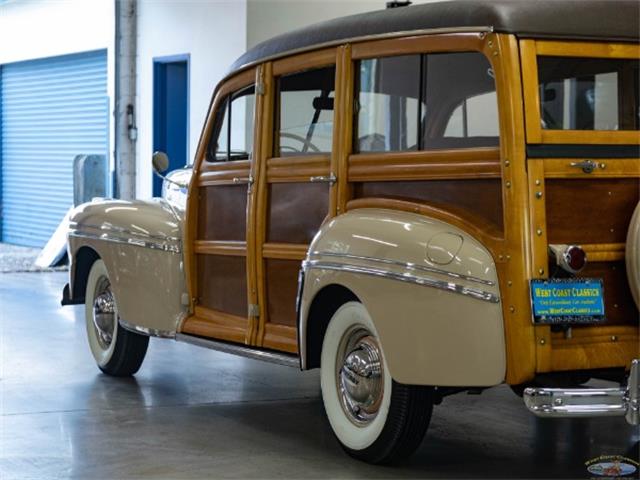
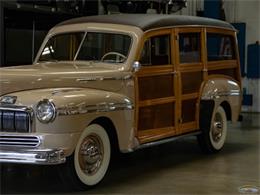
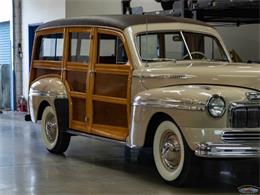
24 stud CID V8 in 'Taffy Brown' with its very rare all original Red
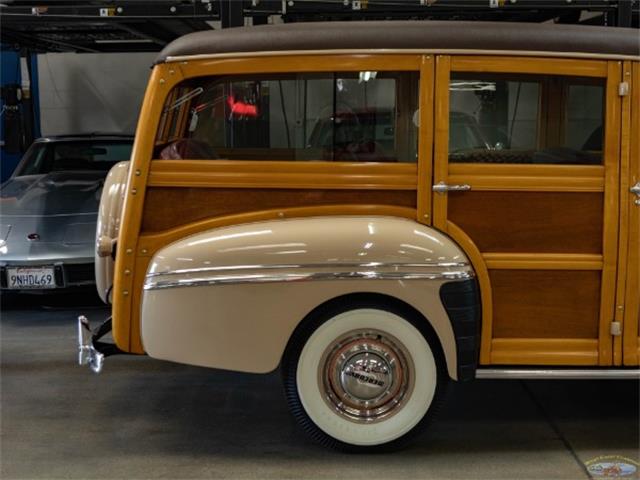
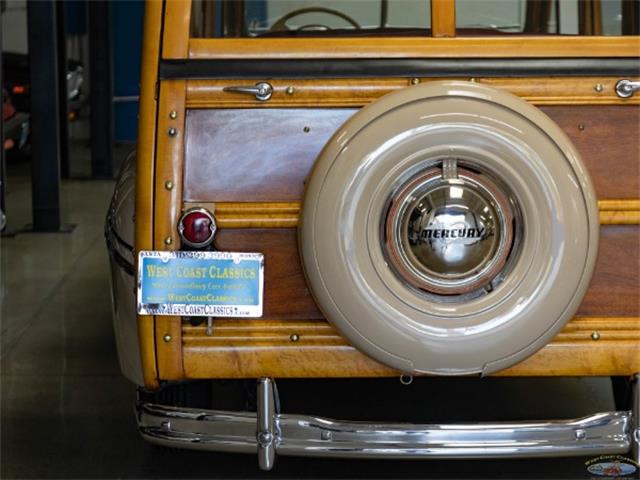
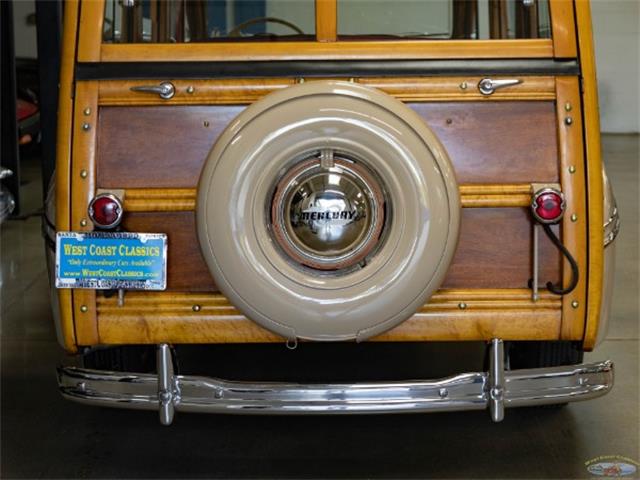
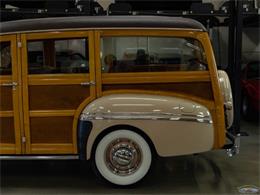
leather interior and original hand selected Bird's Eye Maple Wood
and with this example having been previously part of the legendary
'Nick Alexander Woody Collection' in California.Acquired by Nick
Alexander in 1996 and both mechanically and cosmetically
refurbished by his curators as required with the rare original
'Birdseye Maple Wood' being beautifully restored . The wagon will
be sold with a magazine featuring it, manufacturer's literature and
a Rogue award. 239 CI Flathead V-8 engine Columbia two speed rear
end differential Oil-bath air cleaner and oil filter Column shifted
3-speed manual transmission 'Taffy Brown' exterior with Maple
Woodgrain panels Red leather 3-row interior Fold down 2nd row seat
and removable 3rd row Wood trimmed door cardsEarly Ford V8 Club of
America Rouge Award/National Merit Award Winner Henry Ford famously
instructed his workers at the Iron Mountain plant to set aside the
prized pieces of Birdseye and Tiger Striped lumber to be used only
on Special Jobs, usually friends or important business associates.
This particular example boasts its original Birdseye wood. The Red
leather seats are also all original and whilst obviously showing
some minor signs of wear, which is very minimal, the patina must be
considered quite beautiful and highly sought after and which should
prove most desirable and an extraordinarily rare accompaniment for
the most discerning of collectors! The engine, transmission, and
Columbia 2 speed rear end were rebuilt and the brakes and
suspension were serviced as required. The V8 was upgraded with a
new radiator, electric fuel pump, and Fenton headers with dual
exhaust. The wagon drives as good as it looks with the 2 speed
Columbia rear differential making highway speeds attainable.
Documented with receipts, a magazine feature, and notes during
ownership. 70,000 miles believed to be original. Power comes from a
239ci flathead V8 paired with a two-speed automatic transmission,
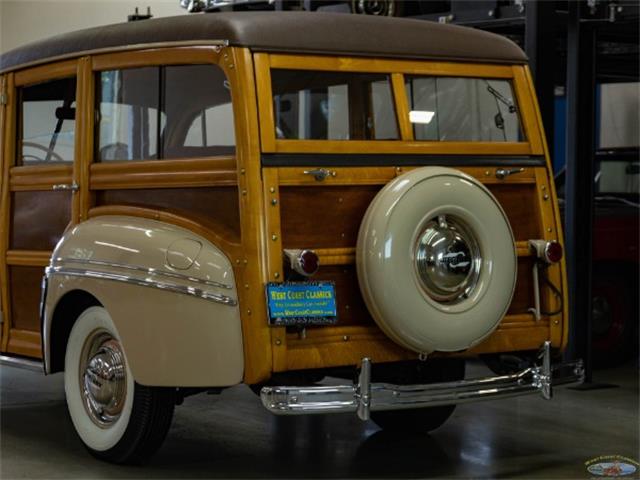
and additional equipment includes a wooden split tailgate, sliding
rear side windows, as well as a push-button AM radio and a
Merco-Therm ventilation and heating system. 15steel wheels with
chrome hubcaps and trim rings are mounted with 225/75 Coker Classic
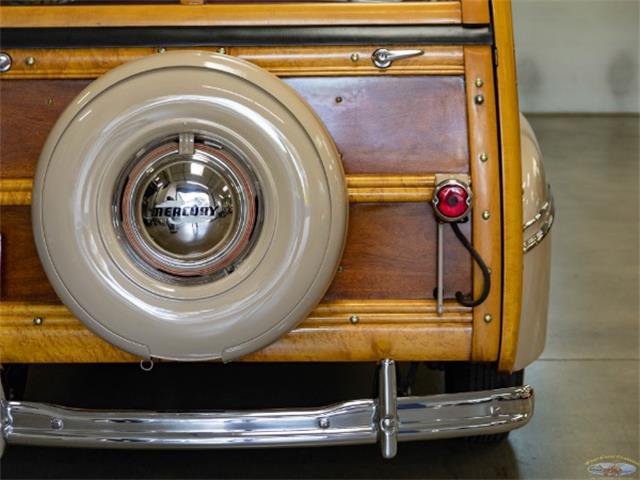
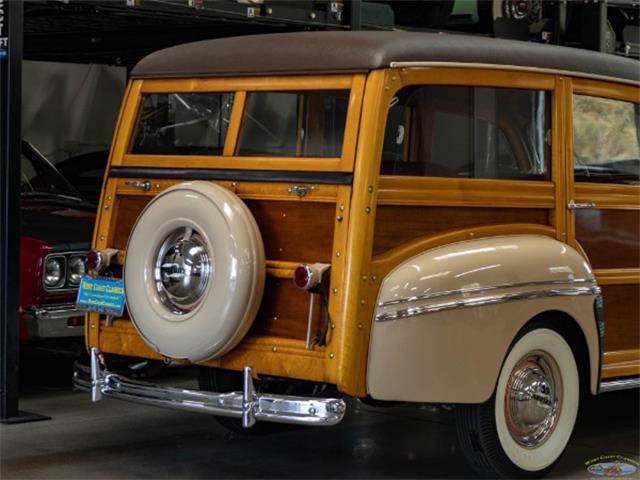
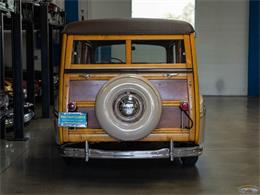
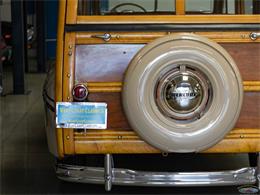
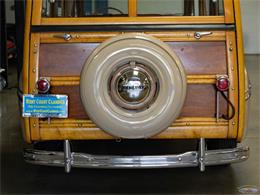
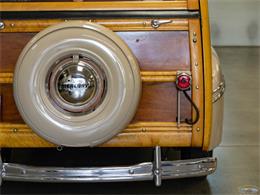
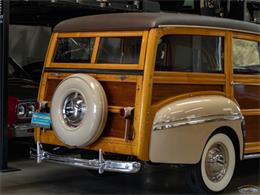
wide-whitewall tires. A covered spare is mounted to the split
tailgate, and braking is provided by four-wheel drums. The cabin
features a split front bench and two rear benches upholstered in
the same all original 'Red' leather upholstery. Matching materials
line the ceiling, and the doors, tailgate, and side panels are
trimmed with refinished wood. Equipment includes an AM radio along
with a Merco-Therm ventilation and heating system. The two-spoke
steering wheel features a chrome horn ring and frames a 110-mph
speedometer, auxiliary gauges, and an analog clock. The 239ci
flathead V8 features a single downdraft carburetor with an offset
oil-bath air cleaner. Power is sent to the rear wheels via a
Merc-o-Matic two-speed automatic transmission. The first woodies
were manufactured in the early 1900s by local coach makers. As was
customary for all coach builders they bought chassis without bodies
and then constructed and crafted the bodies out of wood themselves.
The coach makers would then sell these bespoke creations to local
business owners who would use them to transport guests to and from
the train stations and local resorts and attractions and later
airports. These wagons were multi-seat transporters, with room for
up to 8 passengers plus luggage and this early usage led to the
vehicles being known first as depot hacks, referring to the depots
and the old horse-drawn carriage nickname of "hack". The woody
continued to grow in popularity, until finally in 1929, Ford
released its own version of it. Ford marketed the cars as
all-purpose utilitarian vehicles with a low initial cost, as
wood-bodied cars were at that time less expensive to build than
steel-bodied cars. Through 1939, Fords station wagon bodies were
assembled by Murray Corporation of America, from wood grown in
Henry Fords very own northern Michigan forests. That year, however,
relations between Ford Motor Company and Murray soured. This led
Ford to consider in-house production of the station wagons.
Discussions with the management of the Iron Mountain operation,
then providing the wood parts to Murray for assembly, resulted in a
proposal for all body assembly to be done in the northern Michigan
locale and the bodies would then be sent to assembly plants fully
finished and trimmed. The change took place at the beginning of the
1940 model year. The bodies then took on a much different
appearance. The roofline was subtly altered, becoming more rounded
at the windshield header. Panel spacing was changed, such that the
lower panel became narrower, and the rear quarter panels were
consolidated into one piece. The rear doors, formerly hinged at the
back, suicide style, now swung toward the front. The spare tire,
housed inside in 1938 and 39, on the back of the drivers seat, was
returned to the tailgate, where it had been located from 1935 to
1937. Deluxe wagons were given the option of maple or birch
framing, while Standards came in maple only. Darker-colored gumwood
began to be used for panels, in addition to birch, in both series.
The choice of material was random. Bodies were given three coats of
varnish, hand-sanded between each application. Three engines were
available: the popular 221 cubic inch 85 hp V-8, the small 136
cubic inch 60 hp V-8 (installed in just two Standard wagons), and
the larger 239 cubic inch 95 hp V-8 from the new Mercury, which was
fitted to 354 Deluxe station wagons. By the late 1940s, it became
apparent to auto manufacturers that the woodies were becoming too
increasingly expensive to produce and although still very popular
in appearance, they were no longer a viable option for most buyers
combined with the inconvenience and high cost of cleaning and
maintaining the wood, so the manufacturers started making
wood-paneling instead as an option for their higher-end models. The
first all new post war Mercury's, from 1949-51 were known as the
'bath tub' generation and popularized in legend by James Dean in
'Rebel Without A Cause' and beloved today as then as a cult all
American 1950's classic! Four body styles, with Mercury's
structural wood wagon shifting from four to two doors in this
generation whilst sharing its bodyshell with Ford's wagon. The
familiar flathead V8 was enlarged from the 1946-48 models and
offered with a self shifting Merc-O-Matic transmission in 1951.
Horsepower was also raised and these Woody Wagons were the rarest
of all these models and the most prized today amongst collectors.
This particular 1948 Mercury V8 Woody Wagon is a very well know
example and superb in every respect and so rare in its originality
that it is surely one of a kind and the one to won for the most
descerning of collectors. The wagon is so original as to still hold
true to its roots and which obviously sounds and drives absolutely
magnificently - see the video on our You Tube Page on our website
for visuals. The floors are original and rock-solid, with no signs
of any repairs ever performed. All of the sheet metal is original,
rust-free and very straight. In summary this must be one of the
finest examples anywhere from the most prominent of collections of
a fully operational and turn-key ready 1948 Mercury 239 CID V8
Woody Wagon n the most striking of color combinations; a wonderful
and very collectible example of an all American Mercury Woody
Wagon!
ClassicCars.com has been recognized as one of the fastest-growing private companies in the United States, successfully making the Inc. 5000 list in both 2015,
2016, 2017 and 2018. This prestigious accolade represents the continued growth of the company, and ClassicCars.com's dominance as the world's largest online marketplace for
buying and selling classic and collector vehicles.
The Stevie Awards, the world's premier business awards recognized
ClassicCars.com's first-class Customer Support team with a Stevie Bronze Award in 2019, celebrating the team's skills as exemplary customer support specialists.
In 2016 The Journal, brought to you by ClassicCars.com, was celebrated as the SECOND MOST INFLUENTIAL automotive blog in the world by NFC Performance.