This vehicle has been soldThis vehicle is no longer available for sale on ClassicCars.com. Please set an alert if you would like to be notified as soon as similar vehicles become available.
For Sale: 1914 Packard Touring in Saint Louis, Missouri
A milestone moment for Packard arrived in 1911 with the
introduction of its first six-cylinder model, known simply as the
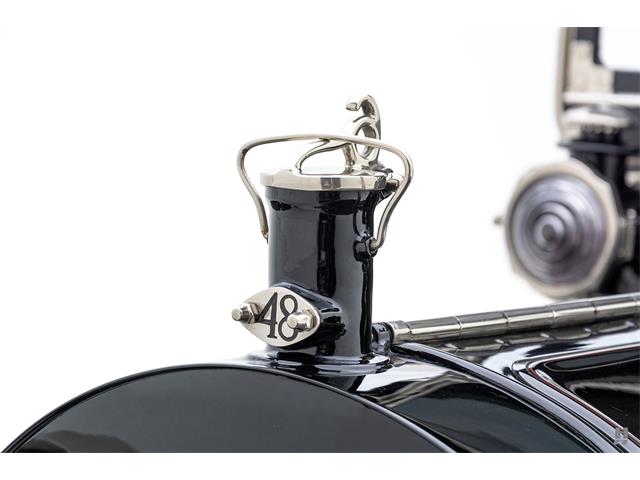
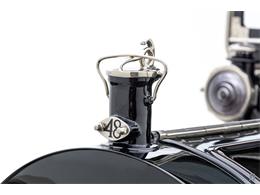
Six. The powerful, refined Six (later also known as the Model 48 or
1-48) solidified Packard's reputation as a luxury car leader known
for exceptional quality, performance and ease of operation. Per
usual Packard practice, rapid and continual refinement took place,
and the Six was soon offered as the 2-48, denoting it as the second
series of the Model 48. In advertisements, it was called the
"Dominant Six" boldly announcing Packard's intent for the car in
this competitive market, while also setting it apart from the
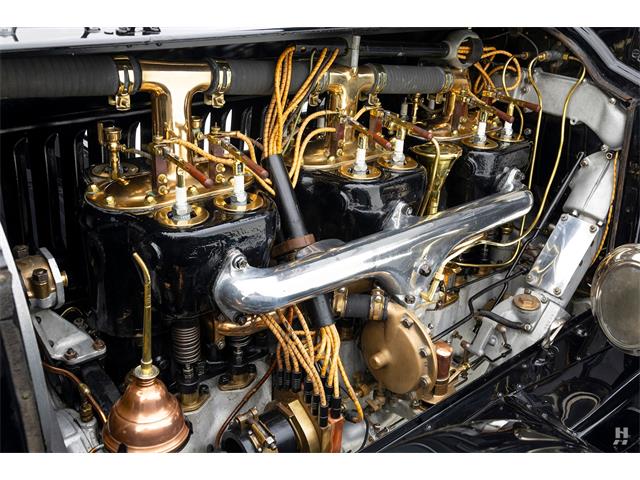
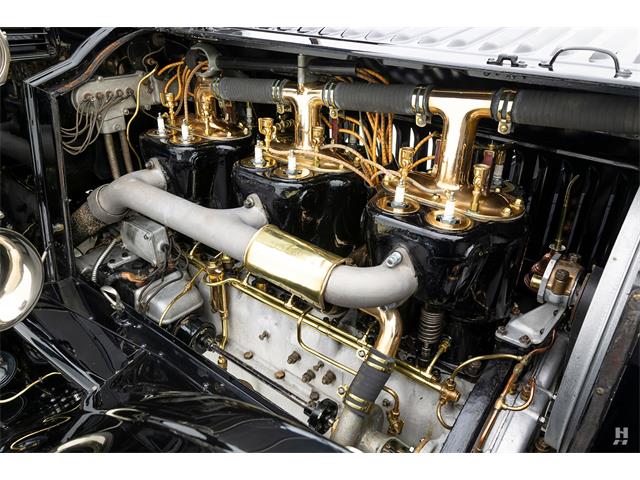
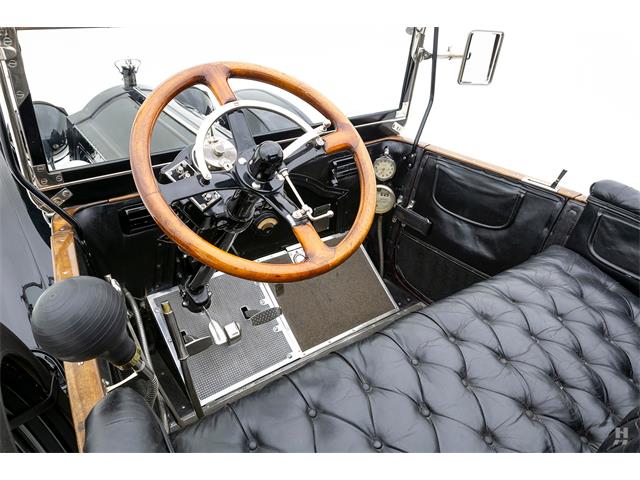
Junior Model 38. By 1914, the 3-48 gained electric starting and
lighting, while big changes were made to the chassis, which was now
standardized with left-hand drive. To accommodate that, the big 525
cubic-inch T-head six was turned 180 degrees in the frame, with
intake and exhaust on opposite sides.
The Dominant Six indeed lived up to its name, delivering
astonishing performance for such a large car. By 1914, the 3-48
produced 82 bhp and a veritable ocean of torque, and depending on
coachwork and gearing, speeds of well over 70 miles per hour were
attainable. That year, a Model 48 was driven to an average speed of
70.447 miles per hour during a 29-lap speed trial at Indianapolis
Motor Speedway. Such performance and quality came at a cost, of
course, and the mighty Packard 48 was not a car for the common man.
Depending on which of the multitude of bodies was selected, the
price ranged from $4,750 to a lofty $6,510.
This spectacular machine is said to be the 12th Model 3-48 built,
fitted with the factory's magnificent 7-passenger tourer body. It
is believed to be one of just two known survivors of this chassis
and body combination and it has known provenance dating back to
1951. It was then, while on a Glidden Tour, when Bud Catlett, a
noted collector, car hunter, and former curator of the world-famous
William F. Harrah Collection, discovered this Packard tucked away
near Alton, Illinois. He mentioned his discovery to a friend,
Gordon Soderman of Sacramento, California, who immediately jumped
at the chance to buy the rare and significant Packard.
Soderman owned the car for many years before selling it in 1965 to
Glen Goolick of Santa Rosa, California, who held it until 1972. It
was then when Don Weber acquired the big Packard, actively using it
in brass-era tours and events around the country. In 1976, Weber
used the car in the Glidden Tour, and the route that year included
a trip up the legendary Pikes Peak! Historian and author Richard M.
Langworth, riding along in the 3-48 as a passenger to the
14,000-foot summit, remarked "The Packard's ascent was a cinch."
During Don Weber's tenure, this was one of a very select few
Packard chosen to appear in the color galleries of Beverly Rae
Kimes' definitive history book, Packard: A History of the Motor Car
and the Company (p.203).
In the early 1990s, Scott Matthews acquired the Packard from Weber
and later had the engine rebuilt. He then sold it in 1997 to
Marshall Matthews who performed a cosmetic restoration, which was
completed in time for Packard's centennial celebration at the 1999
Pebble Beach Concours d'Elegance�. It joined Otis Chandler's
collection in 2004 where it was a fixture of his Vintage Museum of
Transportation and Wildlife.
Following the dispersal of the Chandler Collection in 2006, the
mighty Packard was acquired by Jon Feiber, who used the car with
much enthusiasm on tours and events, reveling in the prodigious
torque and power of the big six. The Packard 3-48 has since joined
another prestigious private collection, where it has been very much
at home among similar significant brass and classic-era
automobiles.
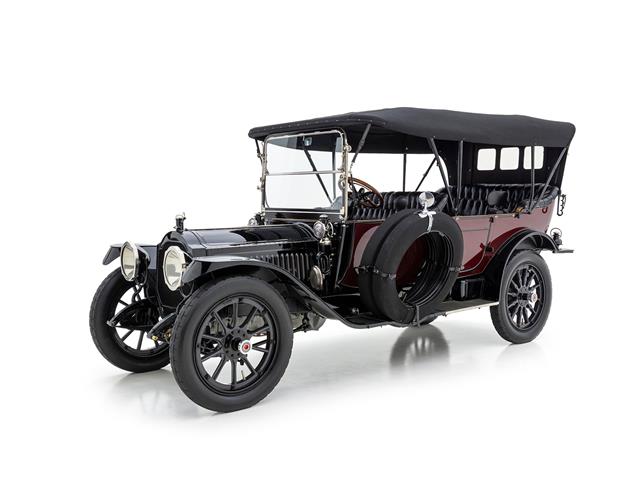
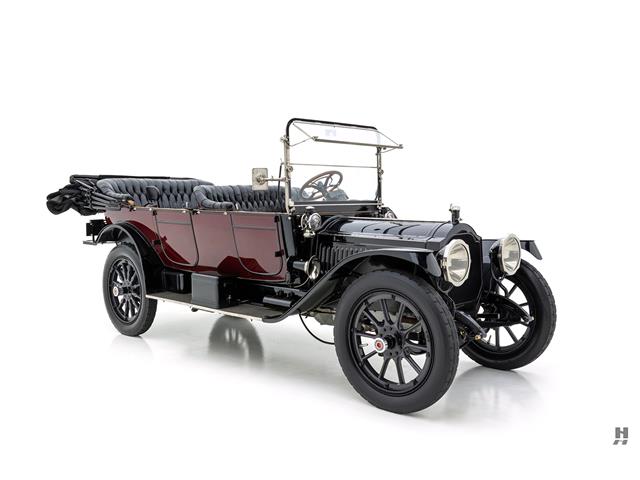
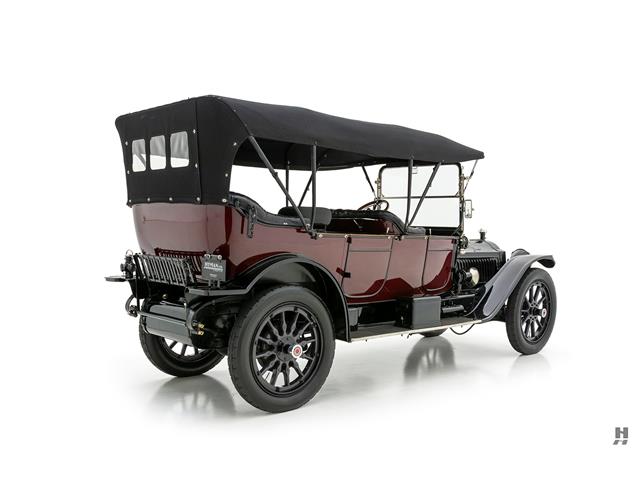
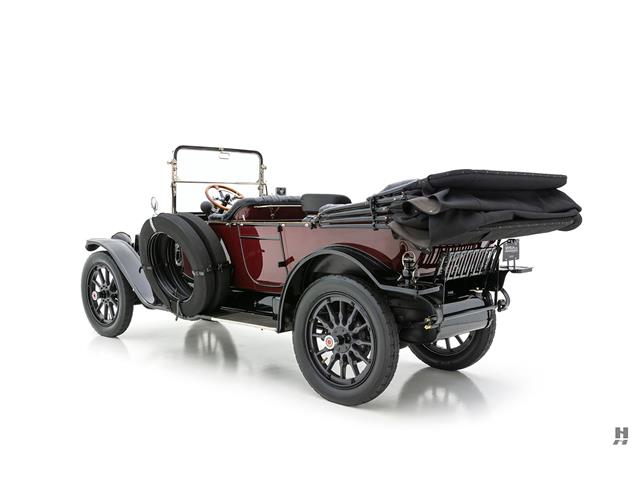
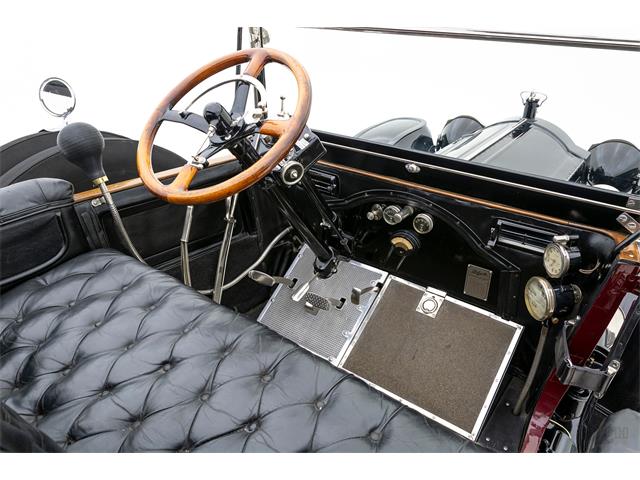
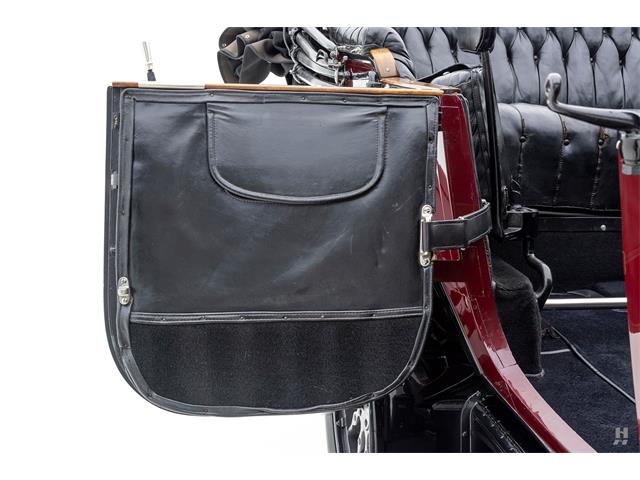
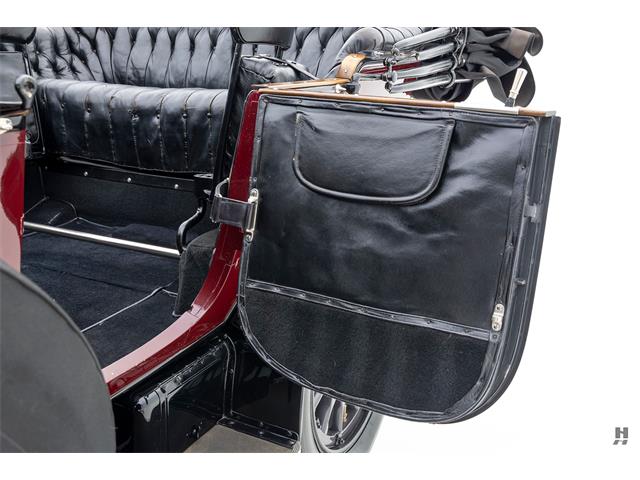
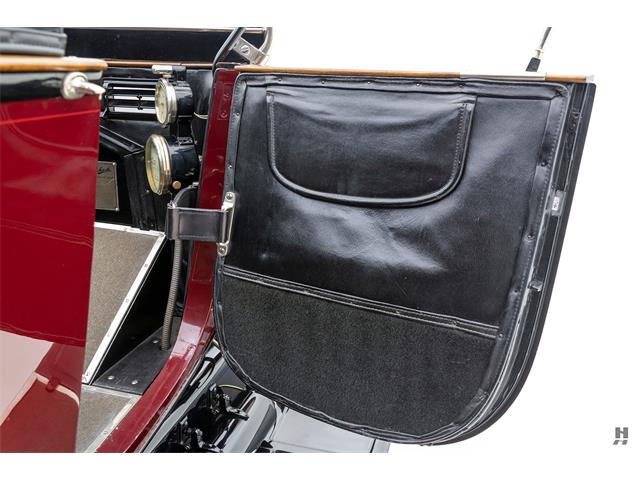
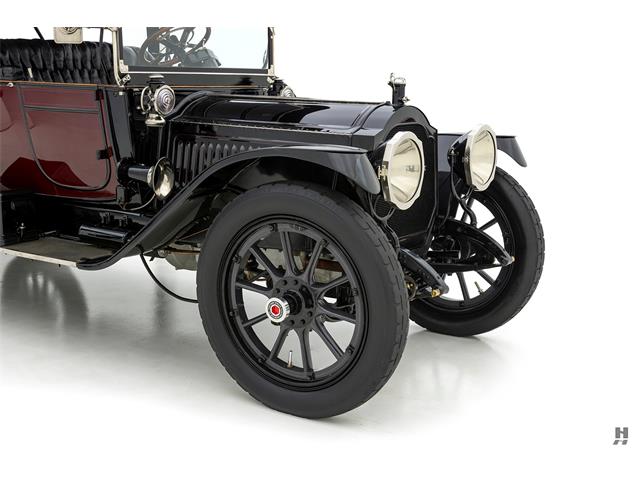
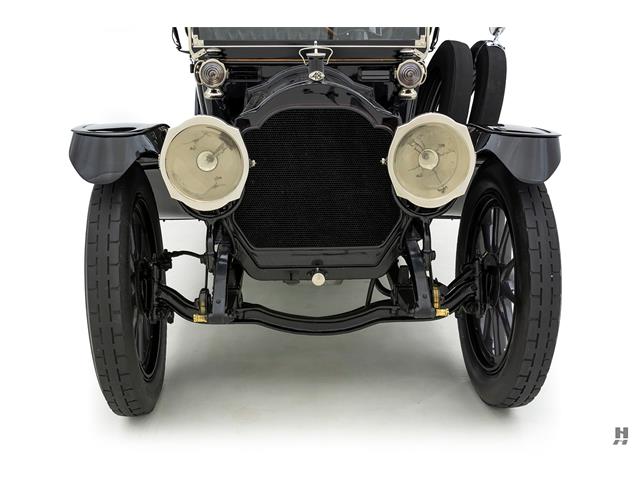
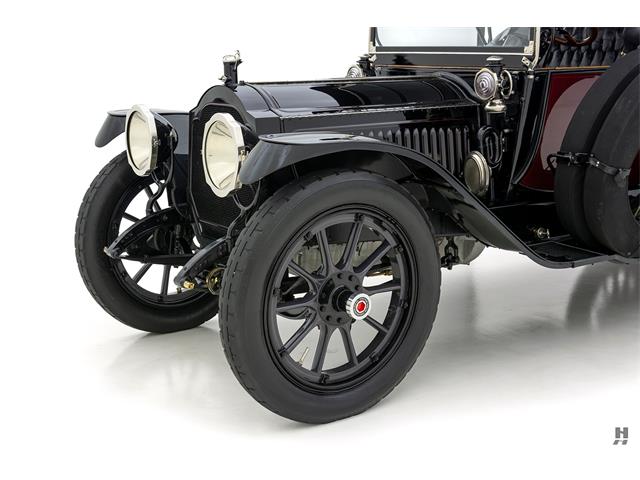
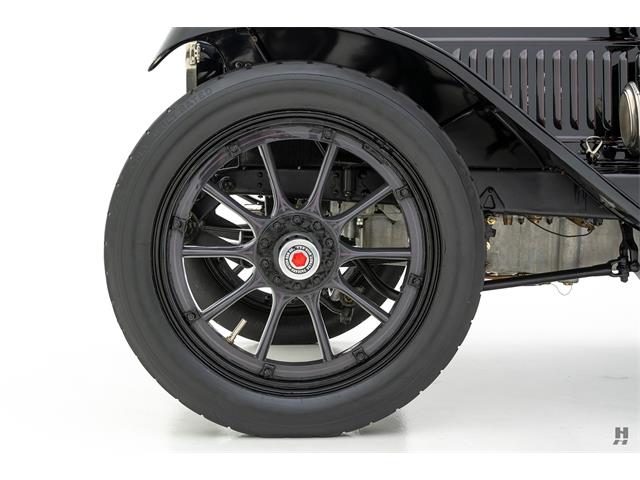
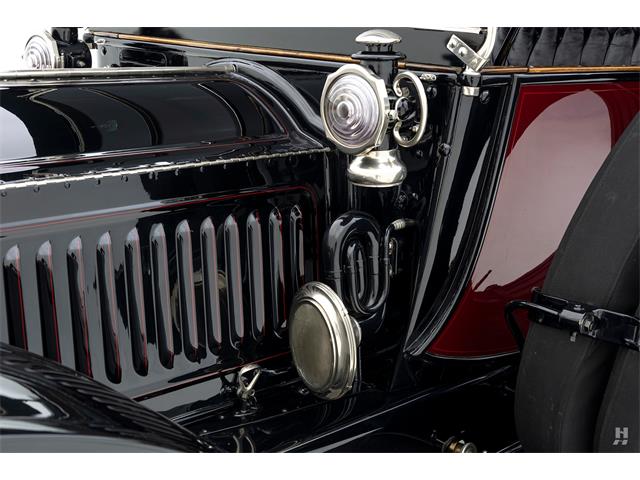
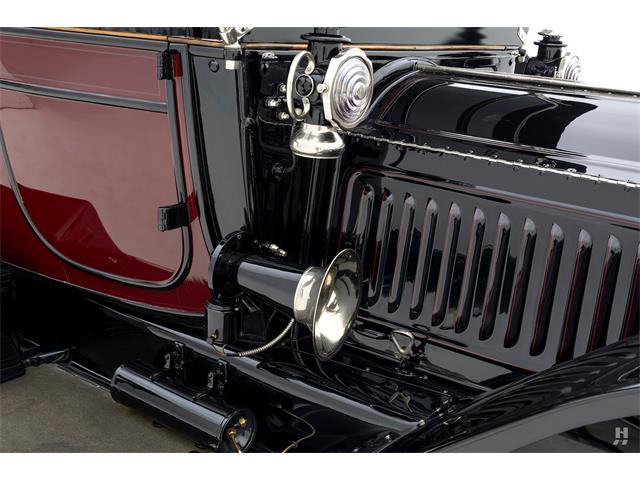
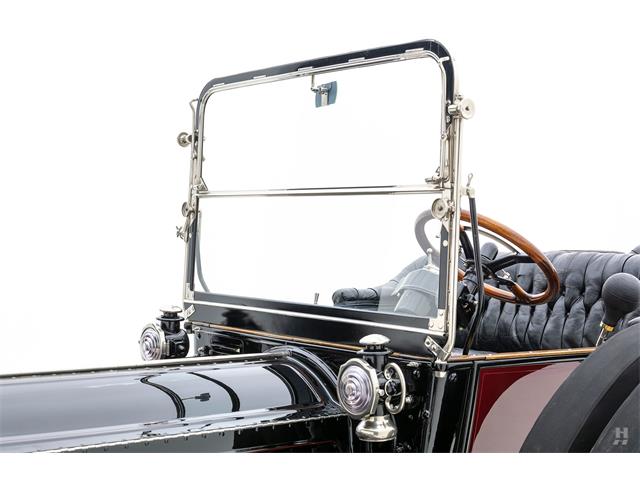
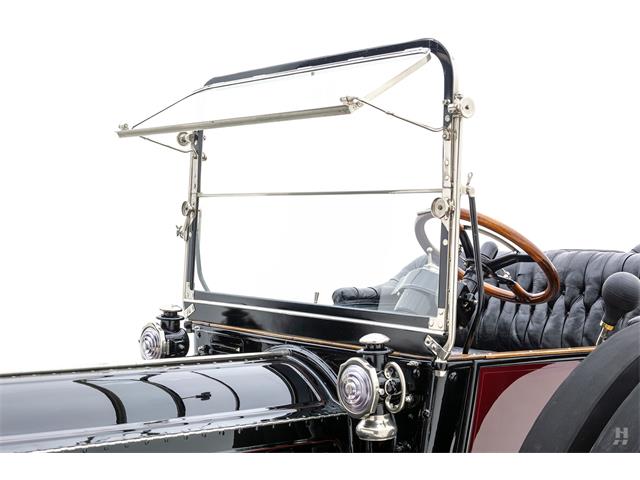
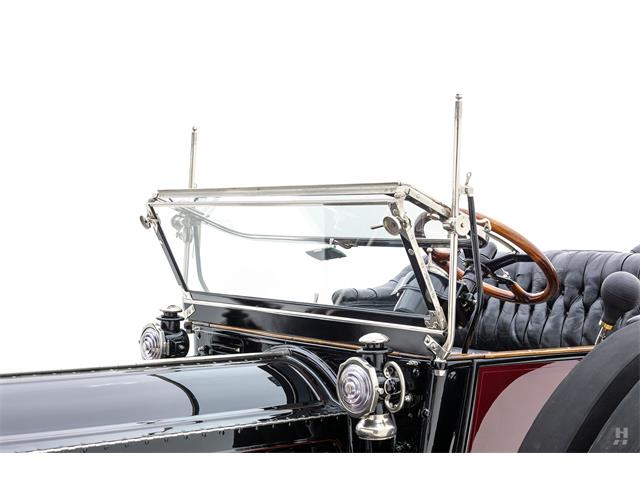
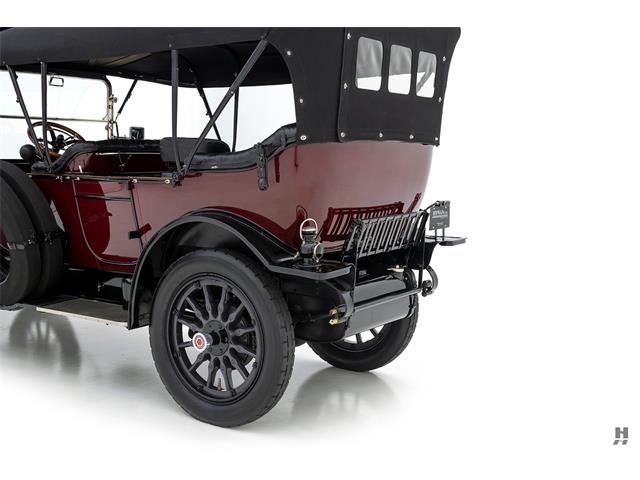
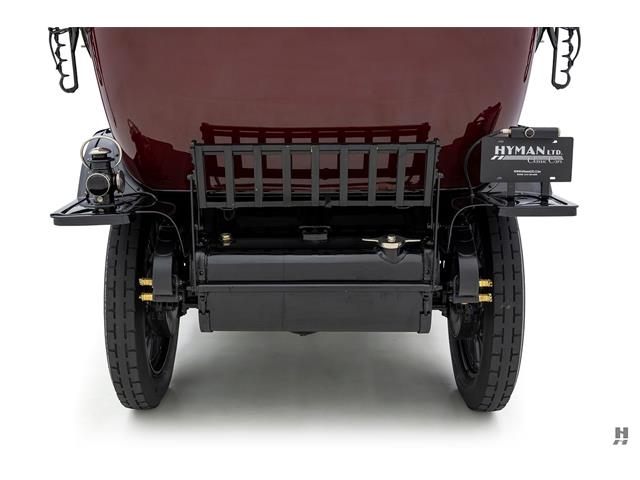
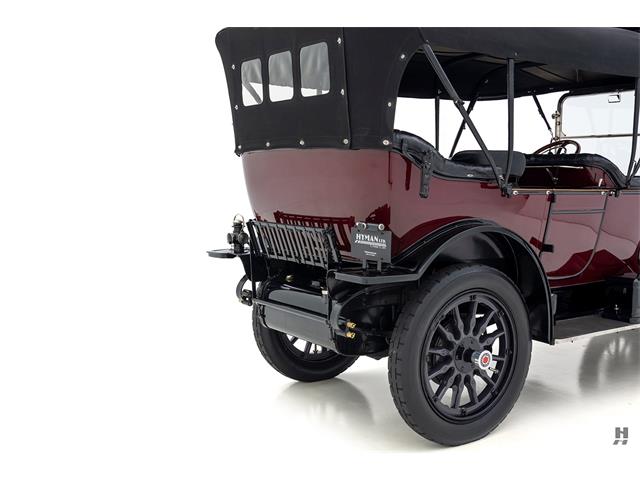
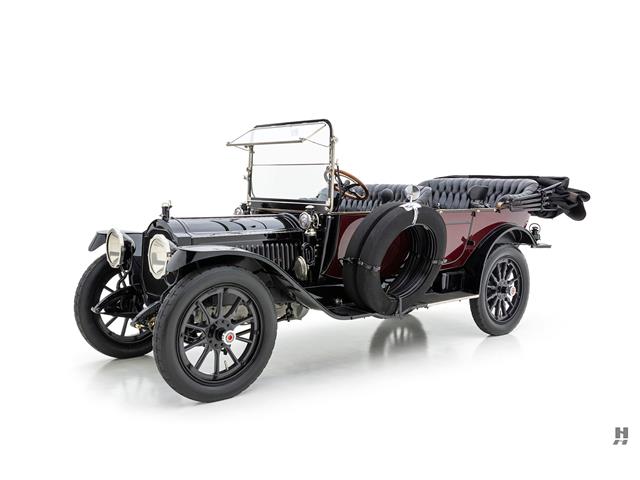
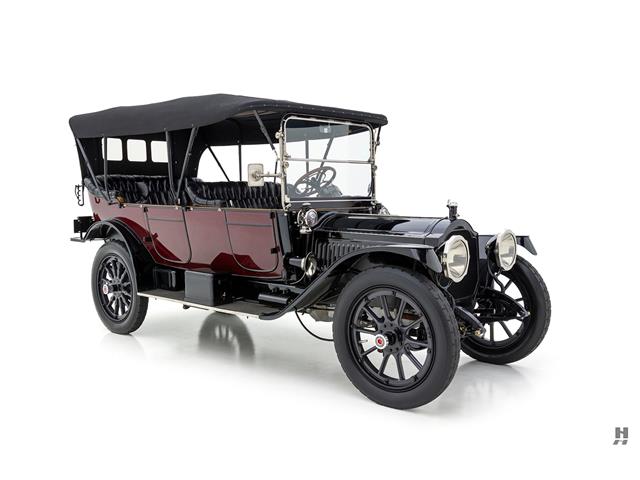
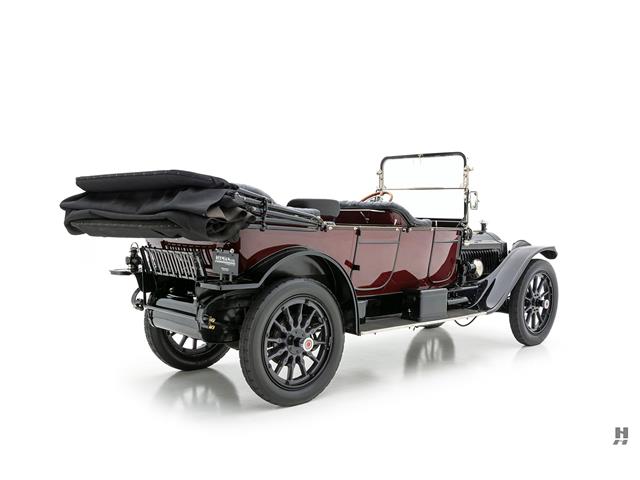
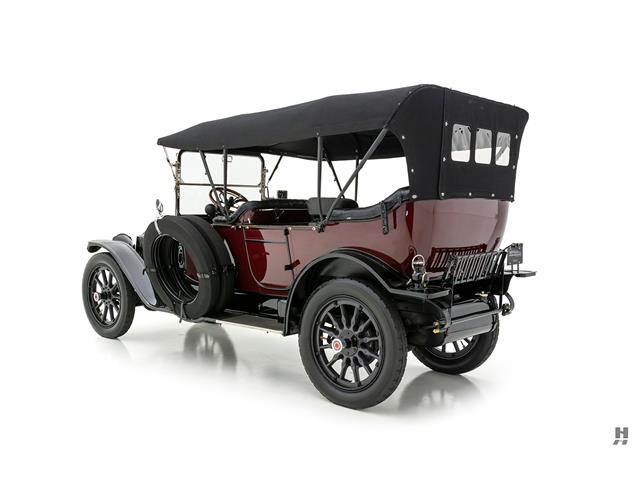
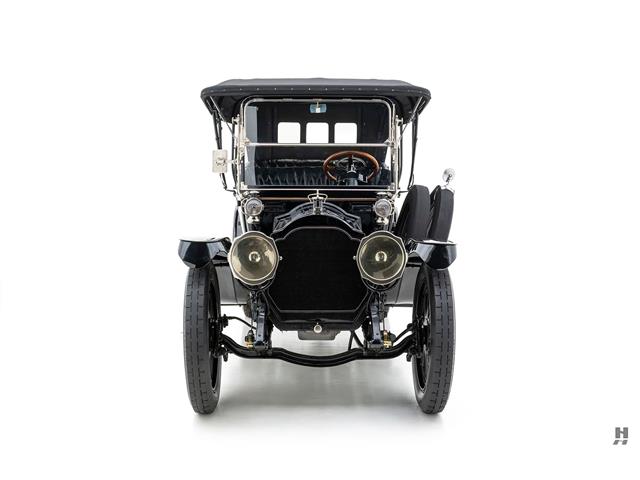
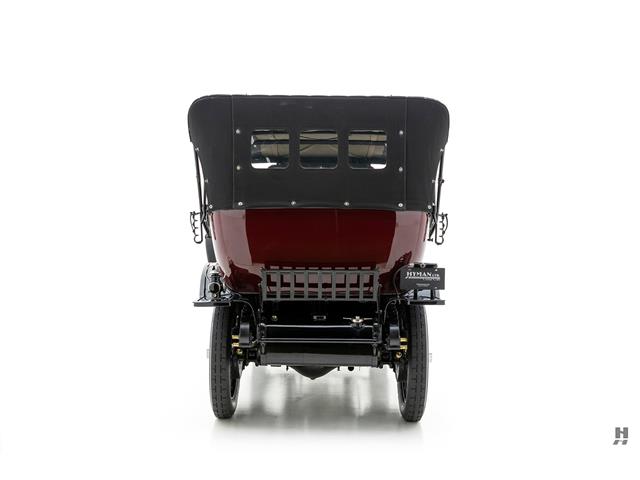
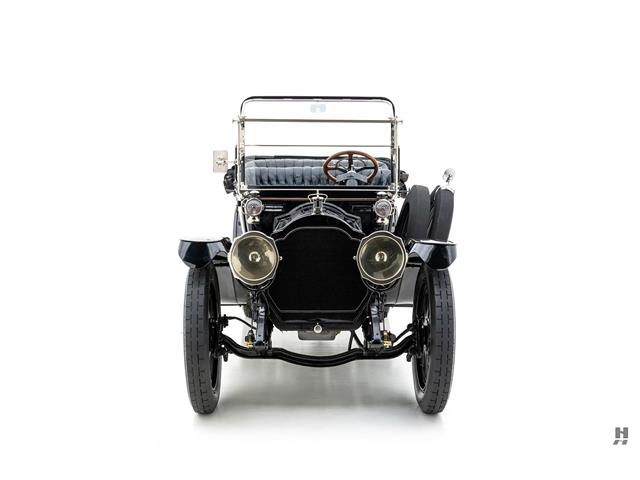
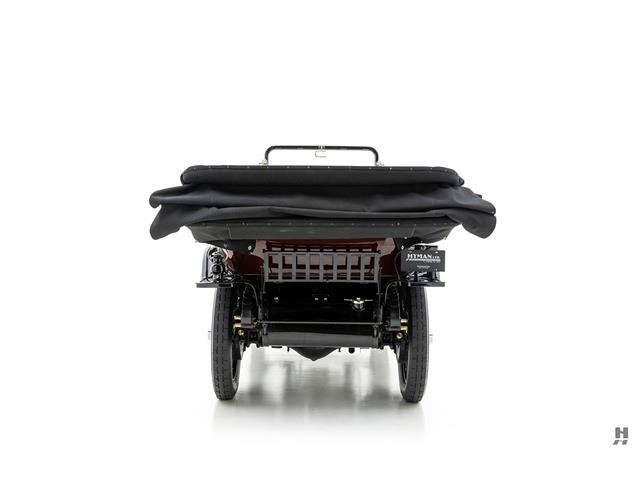
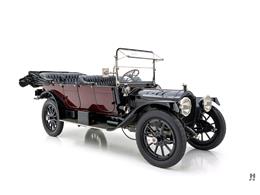
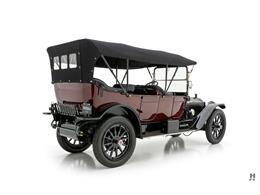
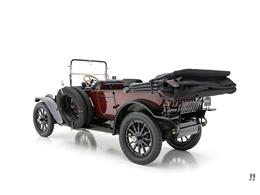
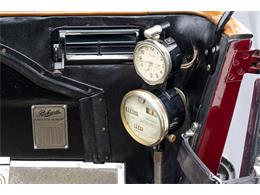
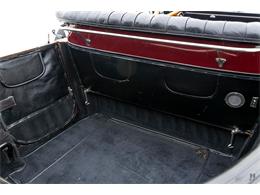
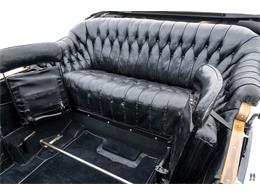
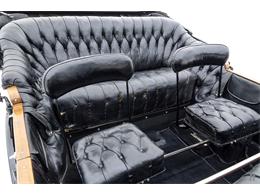
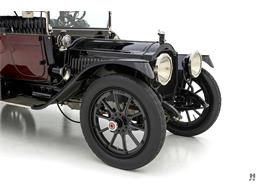
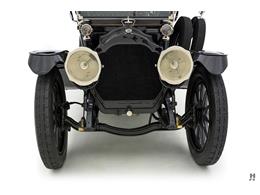
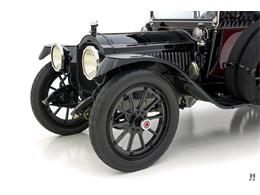
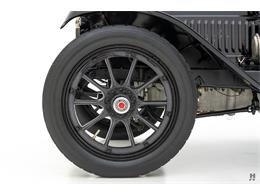
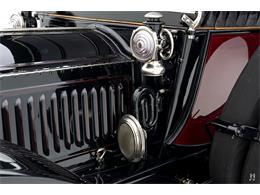
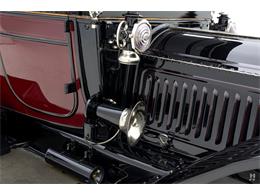
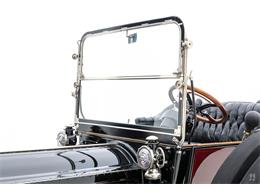
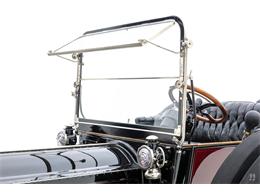
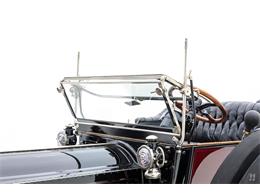
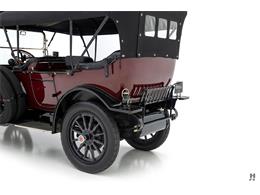
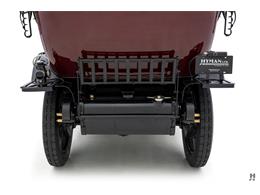
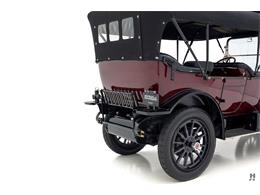
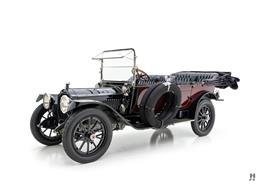
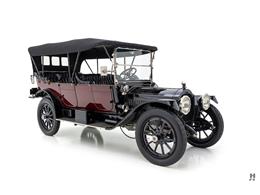
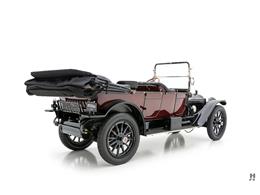
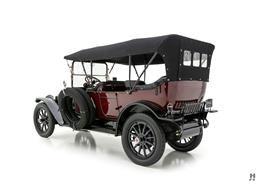
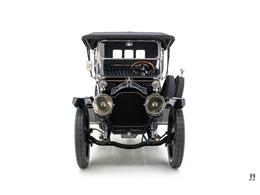
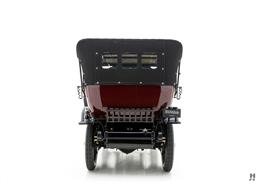
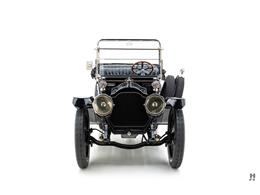
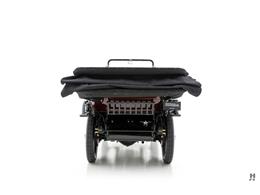
Handsomely presented in a period-correct color scheme consisting of
a dark red body with black fenders, and bonnet, and sitting on a
grand 139" wheelbase chassis, the 3-48 tourer has undeniable
presence. The late 1990s cosmetic restoration had aged remarkably
well thanks to expert care over the years, and it now maintains a
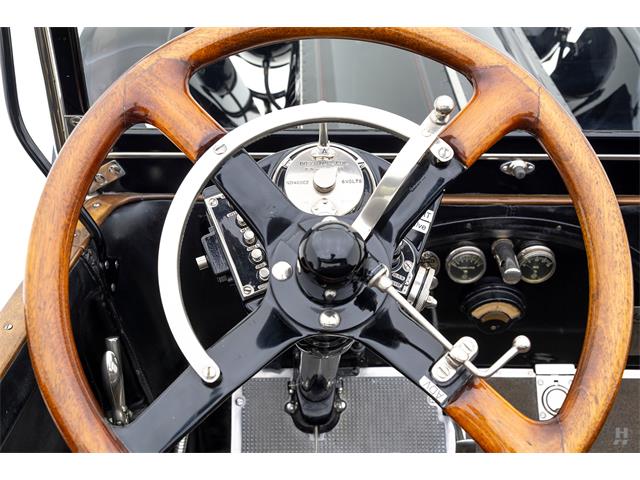
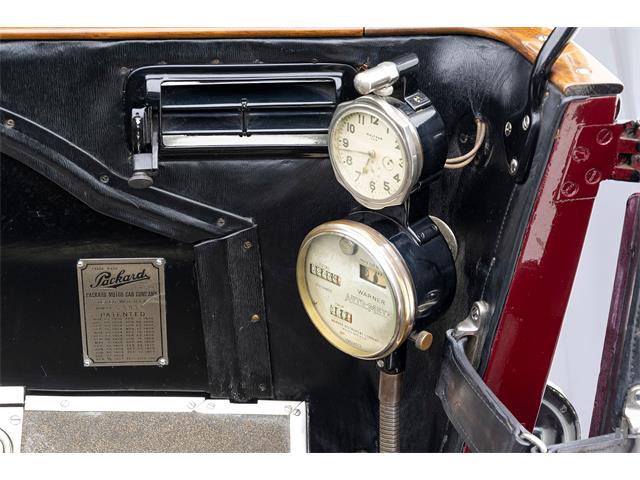
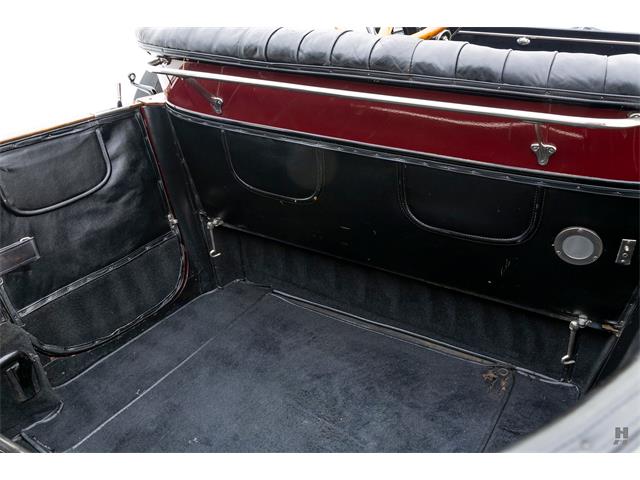
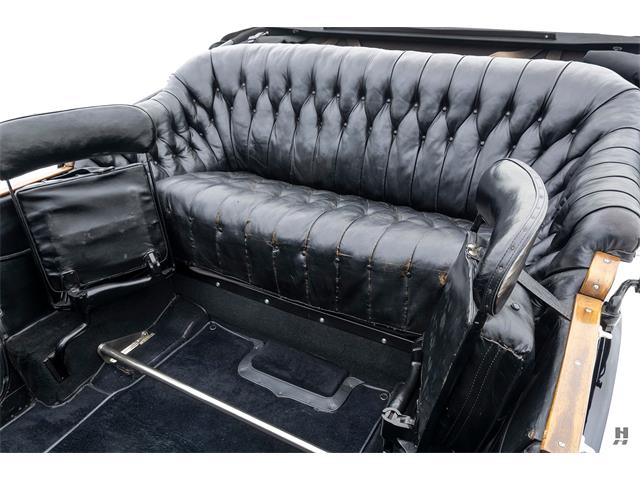
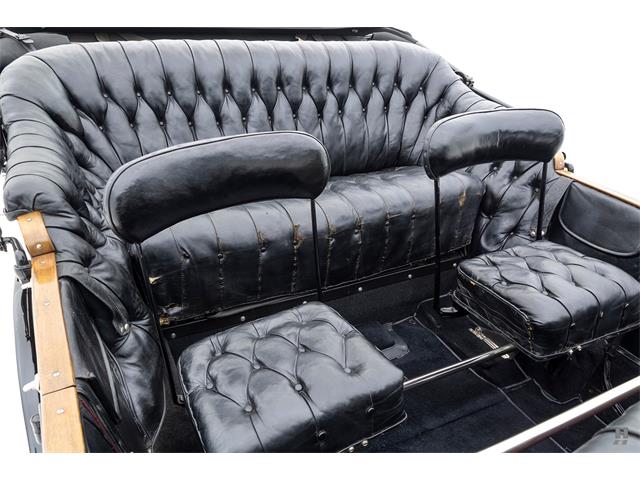
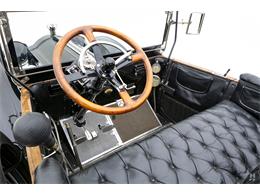
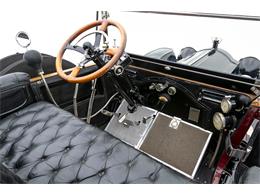
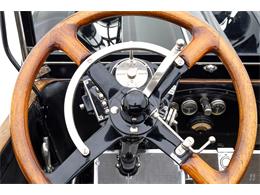
rich character which invites regular use. Equipment includes a
black canvas top, folding jump seats in the rear, beautiful
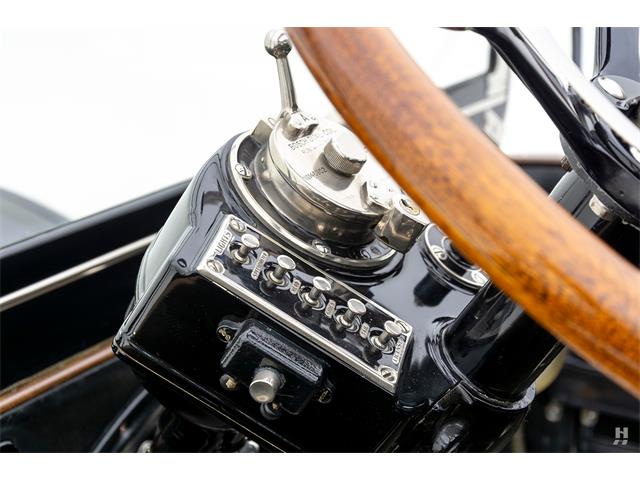
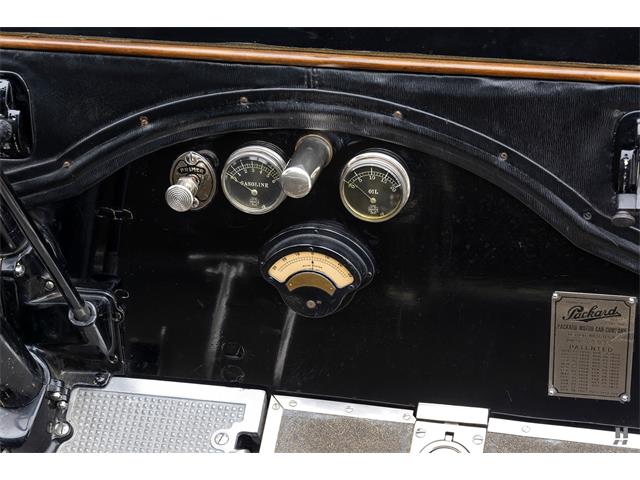
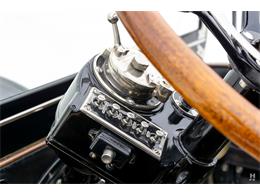
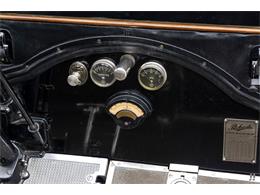
button-tufted leather seats, and lots of polished nickel
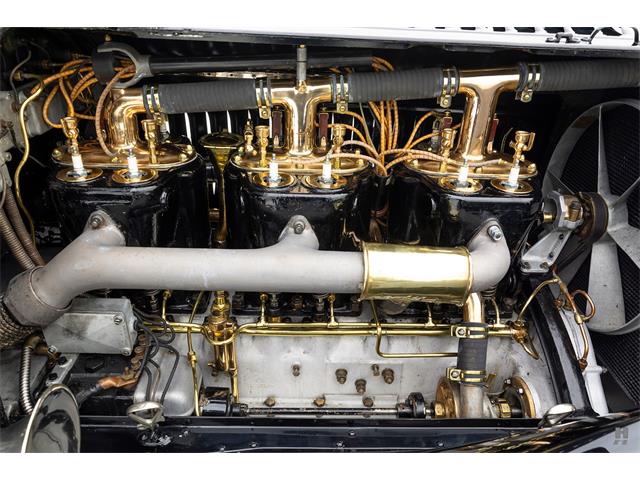
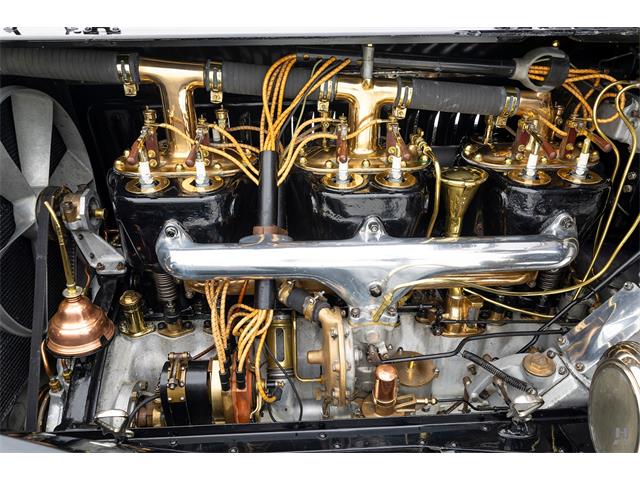
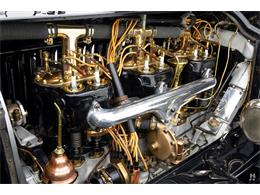
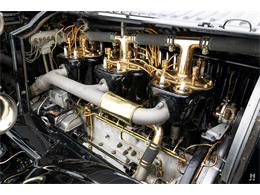
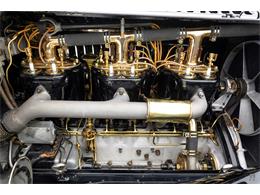
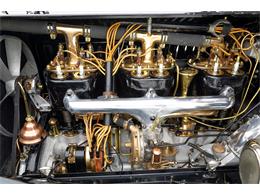
accessories. The mighty 'six was completely rebuilt in 2025, and is
beautifully finished in black enamel with polished copper and brass
fittings. With its performance capabilities, it is an ideal choice
for Horseless Carriage Club of America tours and gatherings, and
the incredible looks are sure to garner much admiration in a show
setting.
Any opportunity to acquire a Packard Dominant Six is a rare one,
and this marvelous Seven-Passenger Tourer, with its rich and
fascinating history, represents a unique chance to add your name to
the roster of devoted enthusiasts who have so carefully preserved
its legacy.
ClassicCars.com has been recognized as one of the fastest-growing private companies in the United States, successfully making the Inc. 5000 list in both 2015,
2016, 2017 and 2018. This prestigious accolade represents the continued growth of the company, and ClassicCars.com's dominance as the world's largest online marketplace for
buying and selling classic and collector vehicles.
The Stevie Awards, the world's premier business awards recognized
ClassicCars.com's first-class Customer Support team with a Stevie Bronze Award in 2019, celebrating the team's skills as exemplary customer support specialists.
In 2016 The Journal, brought to you by ClassicCars.com, was celebrated as the SECOND MOST INFLUENTIAL automotive blog in the world by NFC Performance.