Engineered in secrecy by a hand-selected team operating within the
Ford Product Development Center, the second-generation Ford GT
emerged as a deliberate, competition-led statement of intent. When
revealed to the public at the 2015 Detroit Auto Show, it was clear
that this was no retrospective homage, but a contemporary
mid-engine supercar developed with a singular competitive target:
LM GTE-Pro class victory at the 24 Hours of Le Mans.
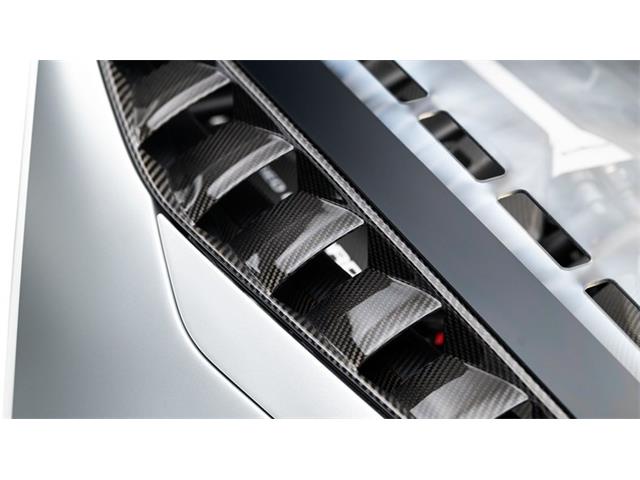
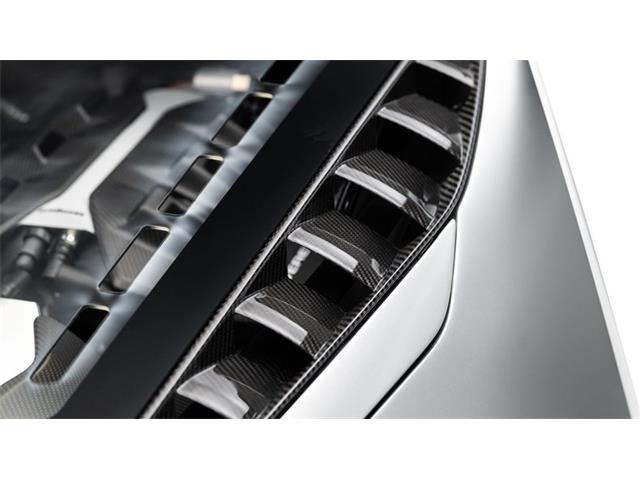
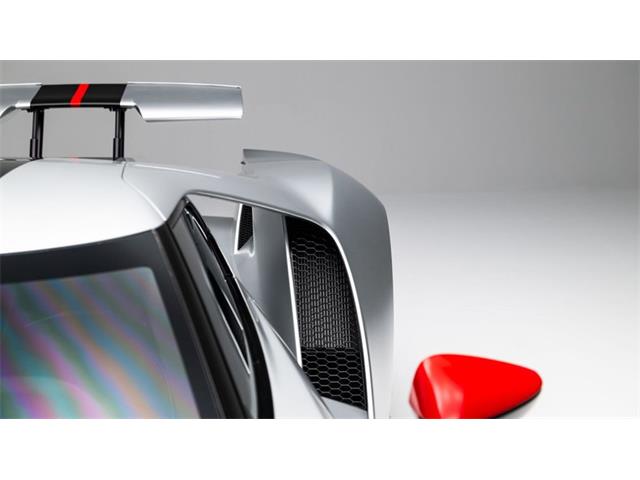
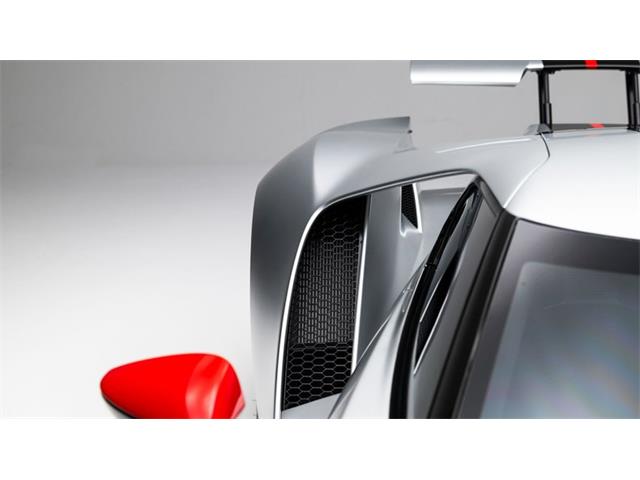
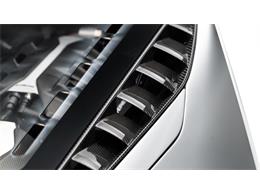
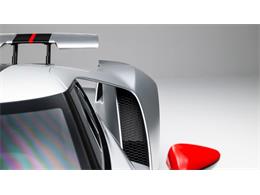
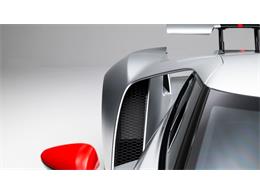
At its core sat a carbon-fiber monocoque clothed in intricately
sculpted composite bodywork that treated airflow as a structural
element. Deep buttresses and flying channels directed air toward
the intercoolers and braking system while generating meaningful
downforce, all in service of stability at speeds exceeding 200 mph.
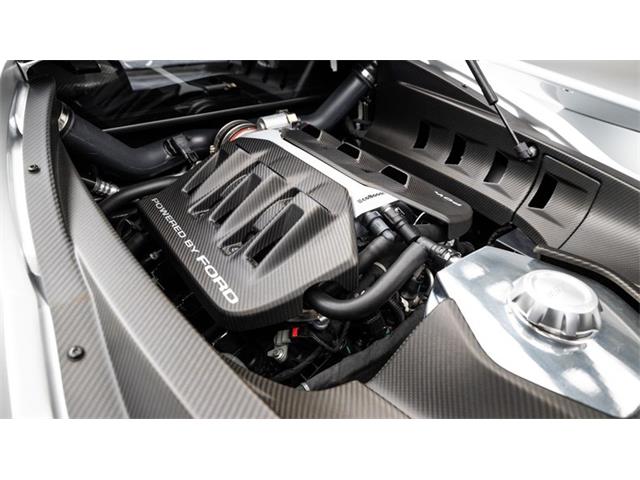
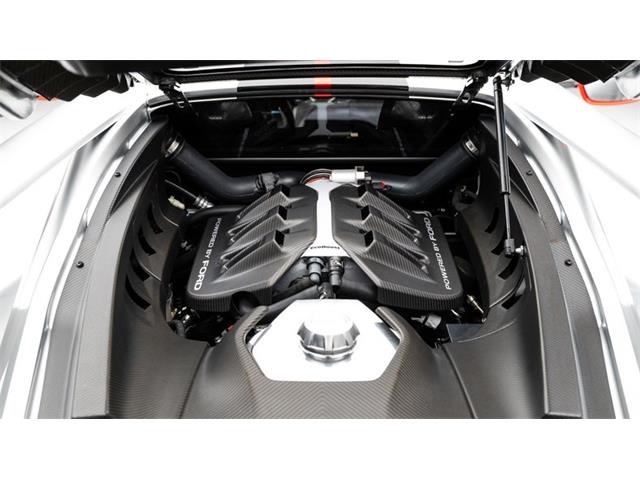
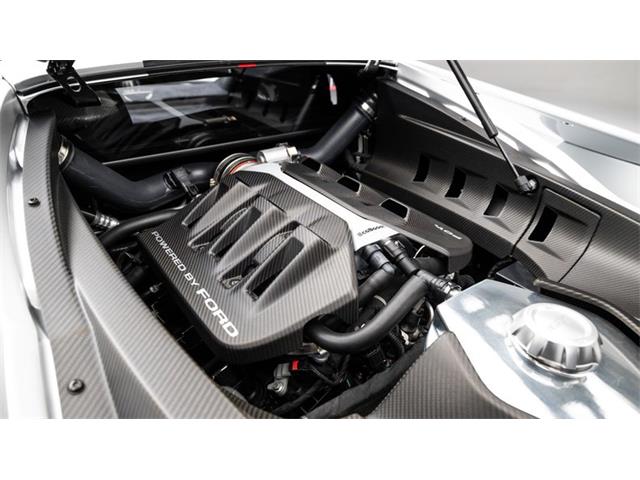
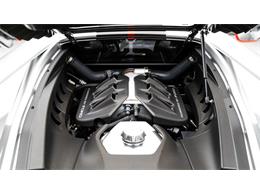
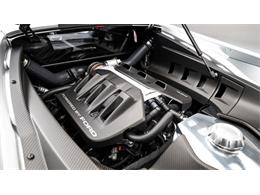
Motivation came from a 3.5-liter twin-turbocharged EcoBoost V6
producing 647 horsepower, paired with a seven-speed dual-clutch
transmission, a combination capable of zero to 60 mph in
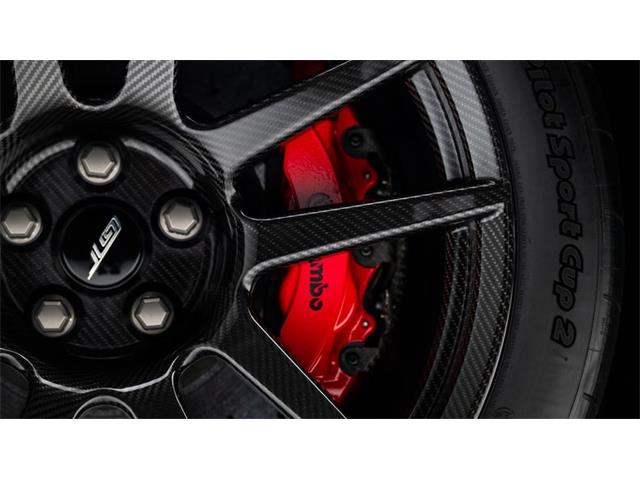
approximately 2.8 seconds and a top speed of 216 mph. Massive
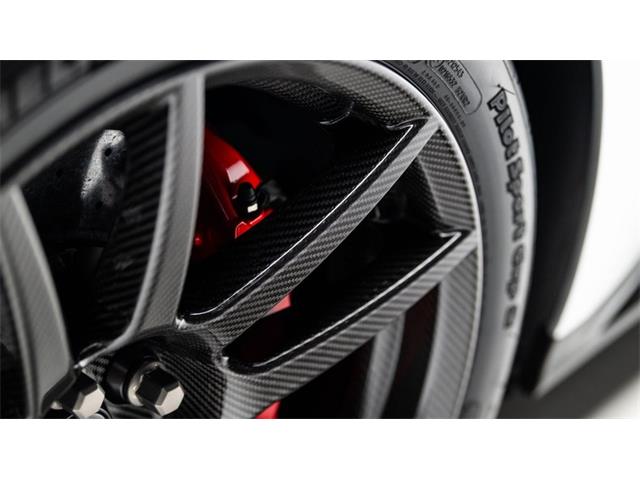
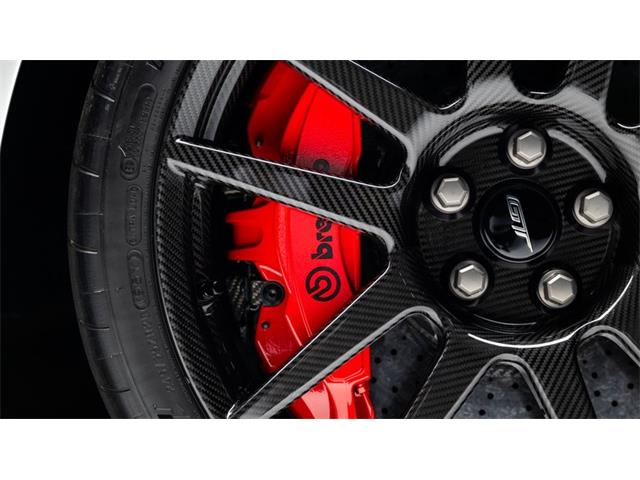
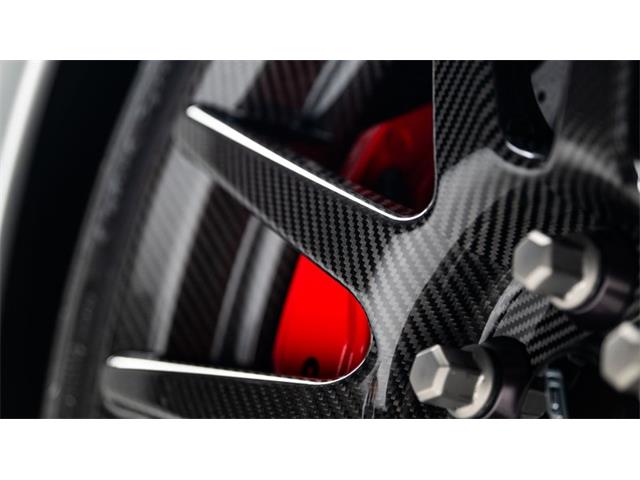
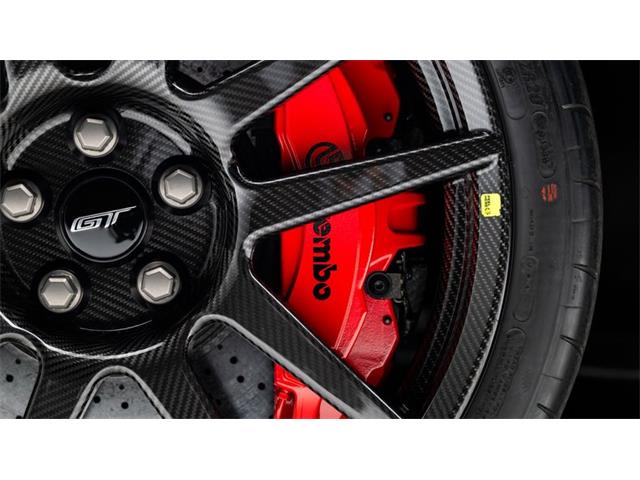
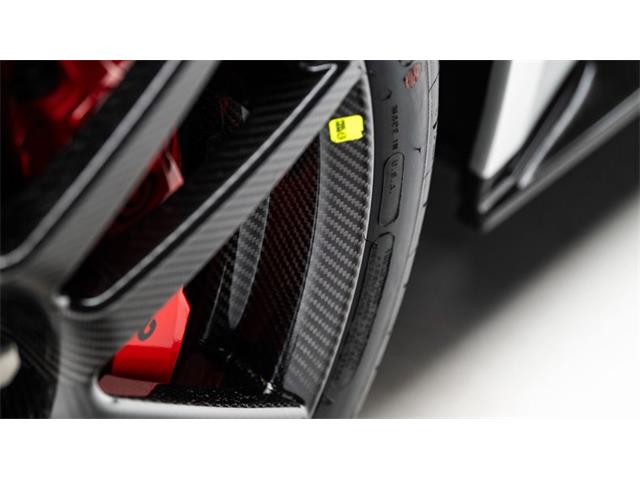
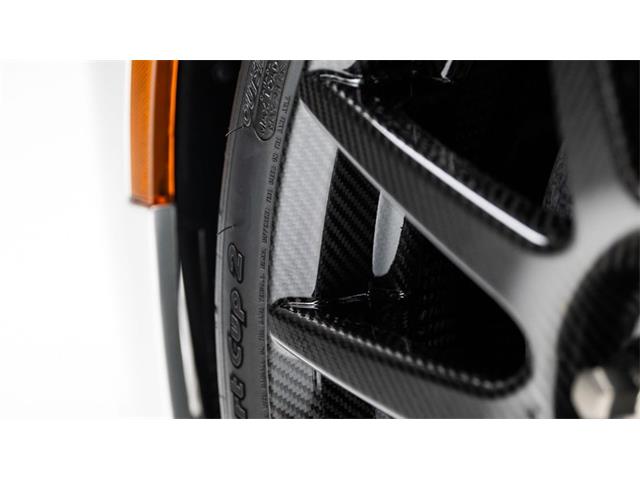
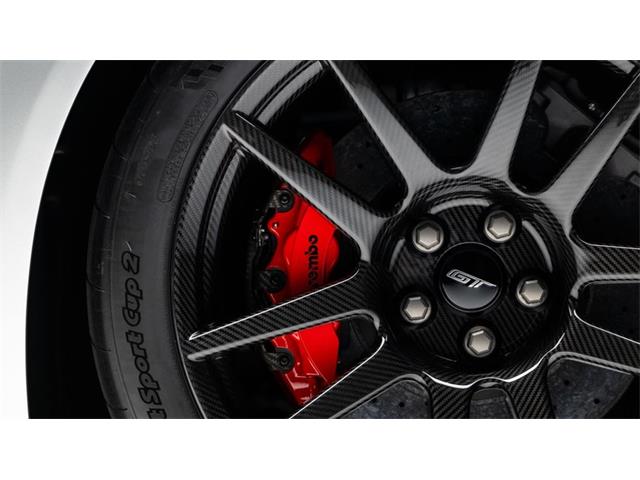
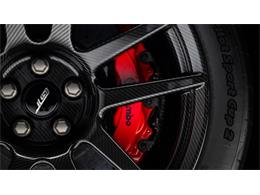
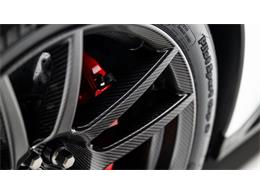
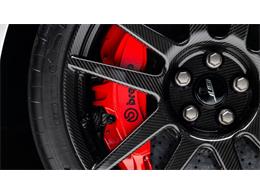
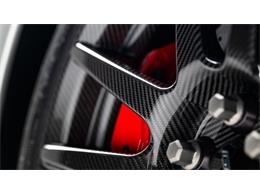
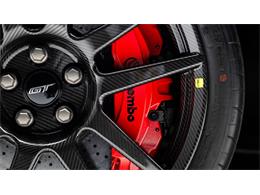
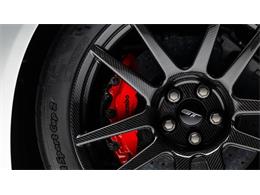
carbon-ceramic braking hardware reinforced the GT's tactile,
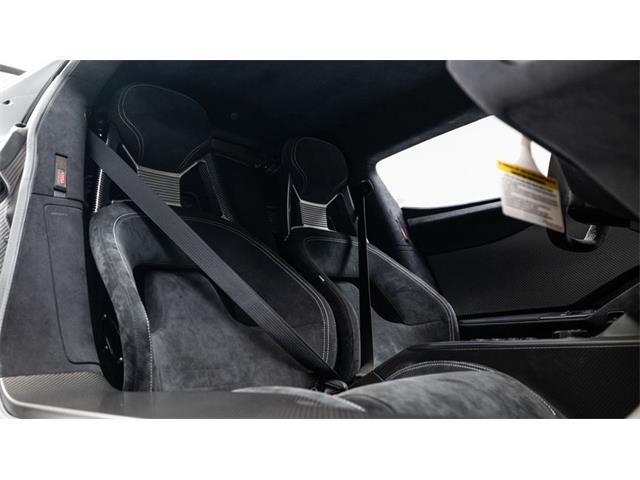
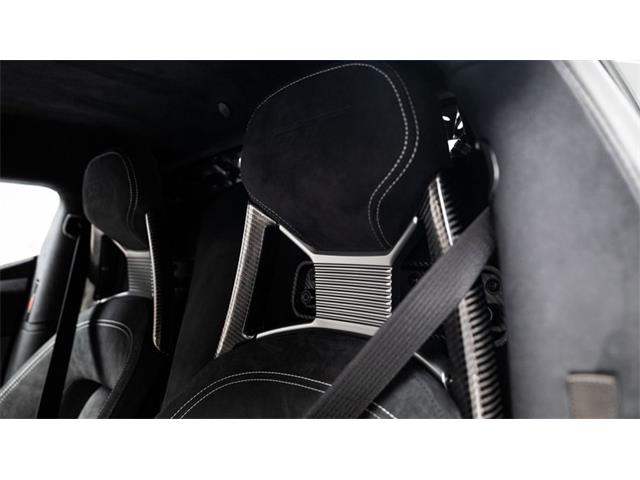
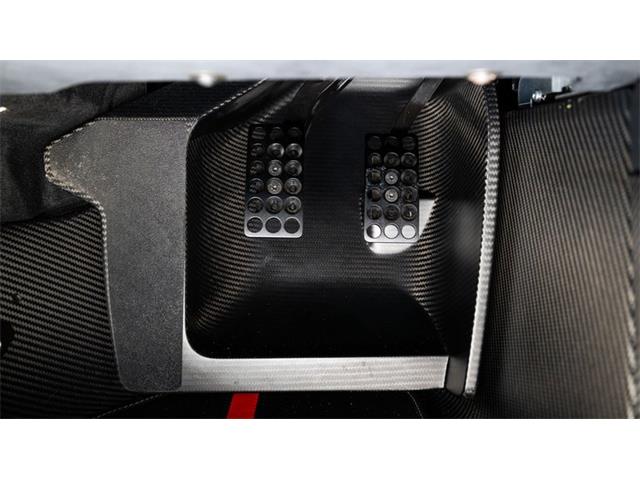
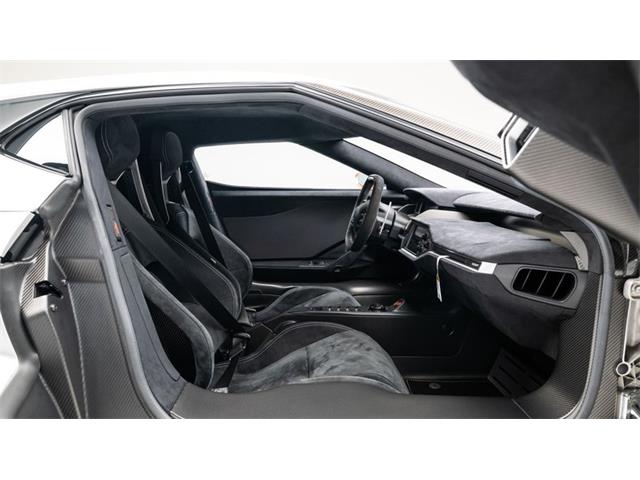
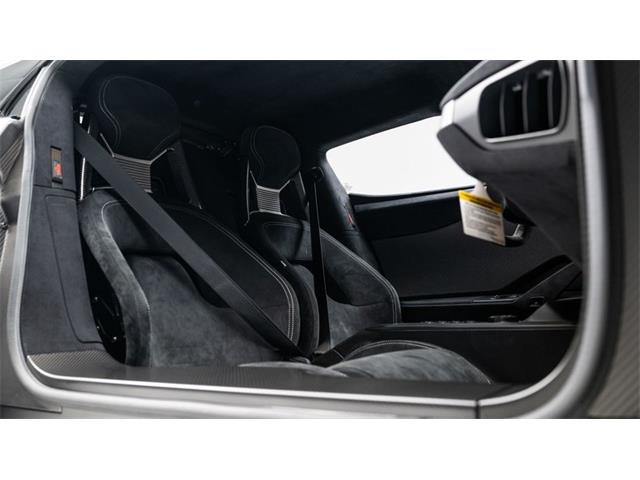
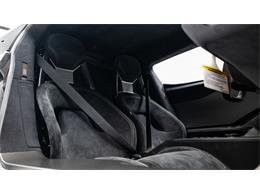
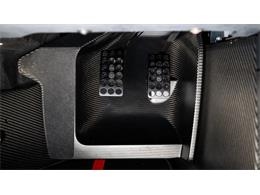
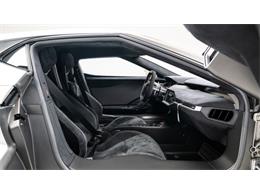
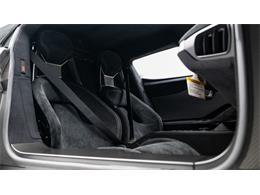
competition-bred character, while fixed carbon-fiber seats and an
adjustable pedal box underscored a packaging philosophy that placed
mass centralization and structural efficiency above conventional
comfort.
Ford's uncompromising focus was vindicated when Chip Ganassi
Racing-entered GTs captured victory in the LM GTE-Pro class at Le
Mans in 2016, finishing first and third in category, arriving
precisely 50 years after the original GT40's landmark triumph. Yet
if the GT's on-track performance was emphatic, its path to
ownership proved equally exacting. Demand outpaced supply by nearly
an order of magnitude at launch, with more than 6,500 applicants
vying for allocation. Fewer than 20 percent were ultimately
approved, and prospective custodians were required to demonstrate
authentic brand allegiance and a commitment to long-term
stewardship. Final assembly was entrusted to Multimatic in Markham,
Ontario, and total production was capped at 1,350 examples through
2022, making it rarer than its 2005-2006 predecessor.
For those selected, acquisition marked the beginning of a highly
curated commissioning process through Ford's Concierge Service,
allowing each owner to tailor finishes, liveries, and interior
specifications to exacting standards. The result was not merely a
supercar, but a tightly controlled homologation special engineered
in confidence, validated in competition, and distributed with the
discernment befitting a modern endurance icon.
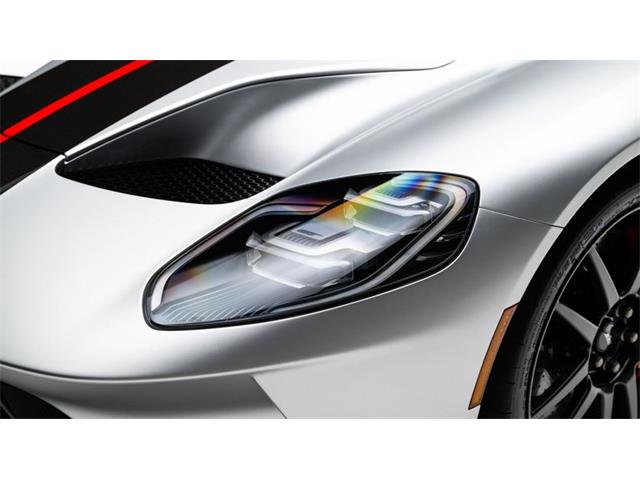
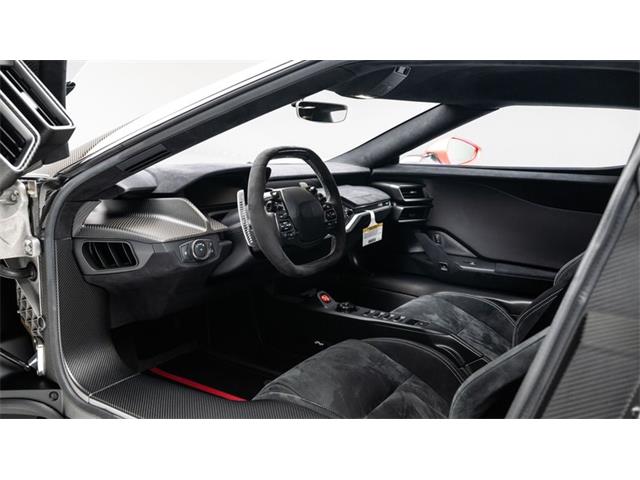
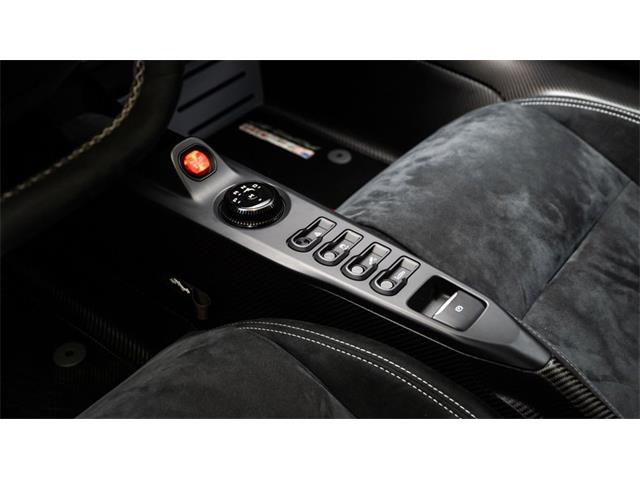
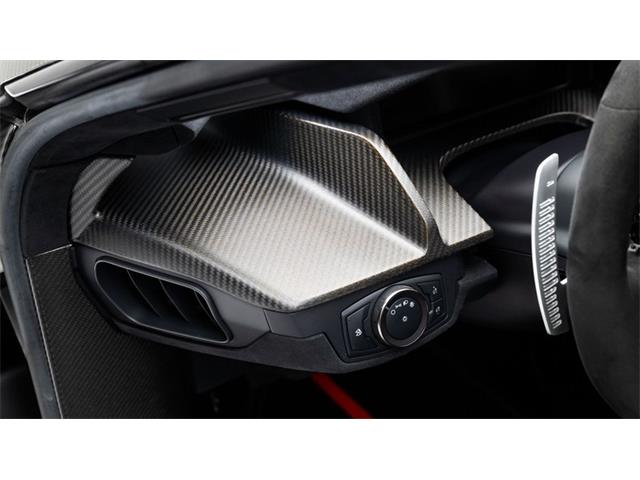
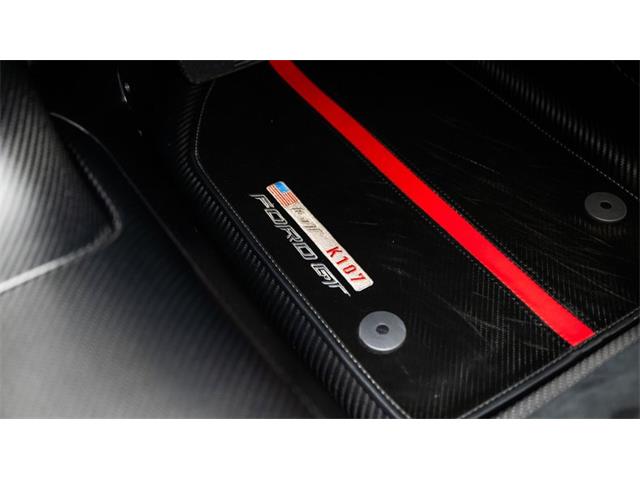
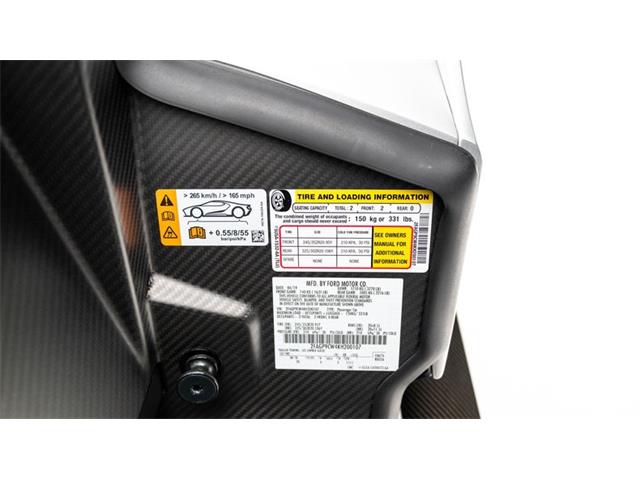
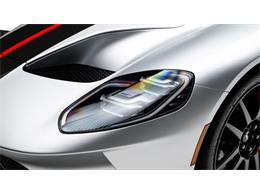
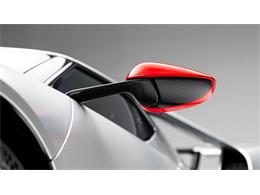
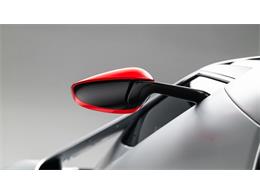
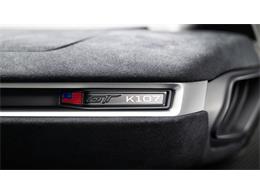
According to its original window sticker, this exceptional Ford GT
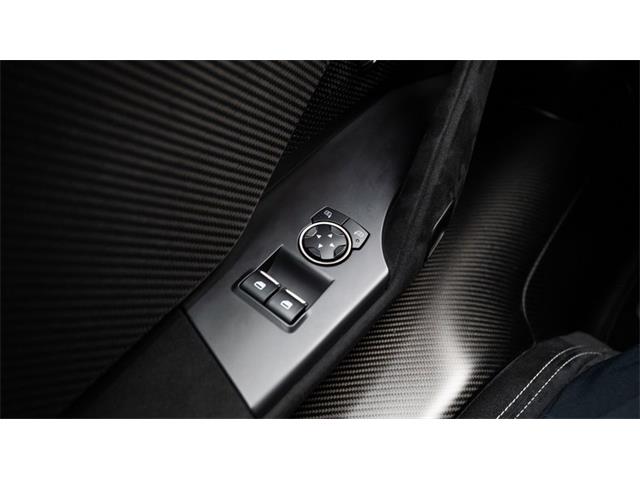
Carbon Series was specified in sleek Ingot Silver. The Carbon
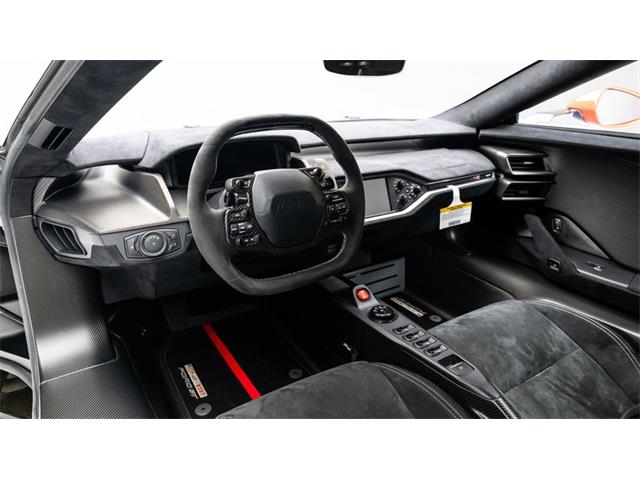
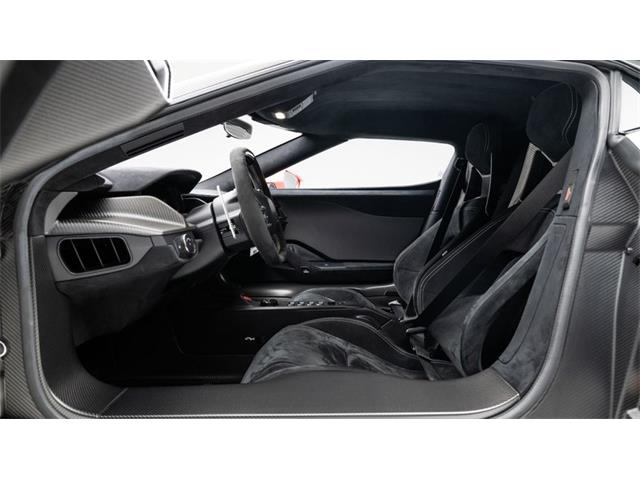
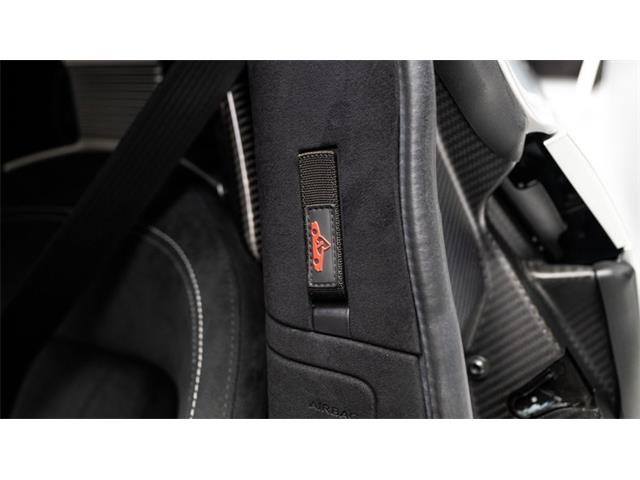
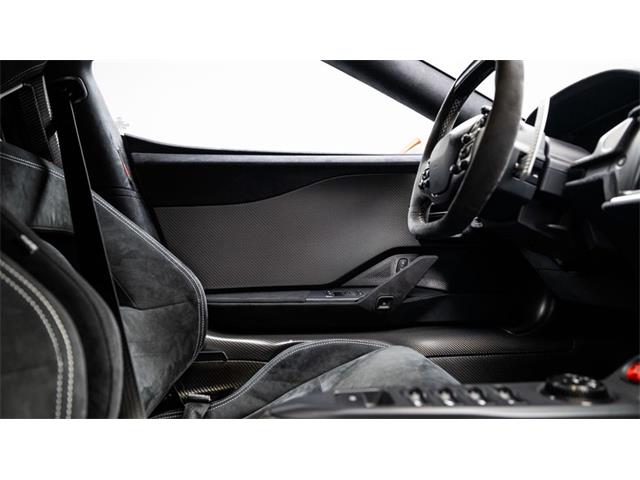
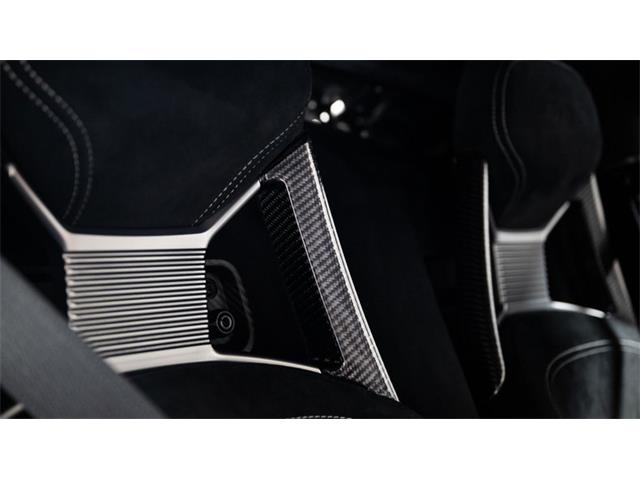
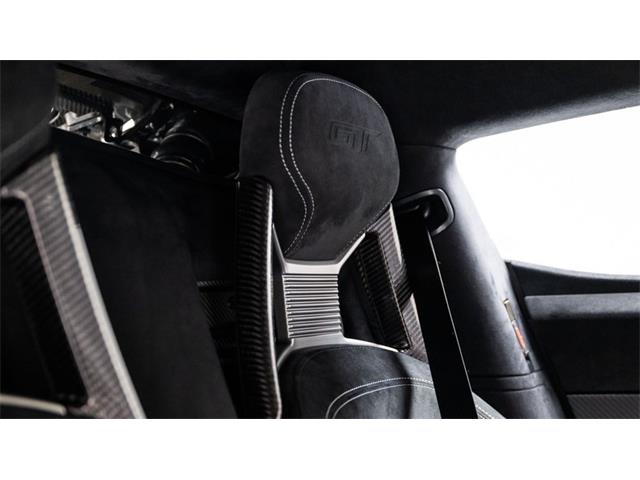
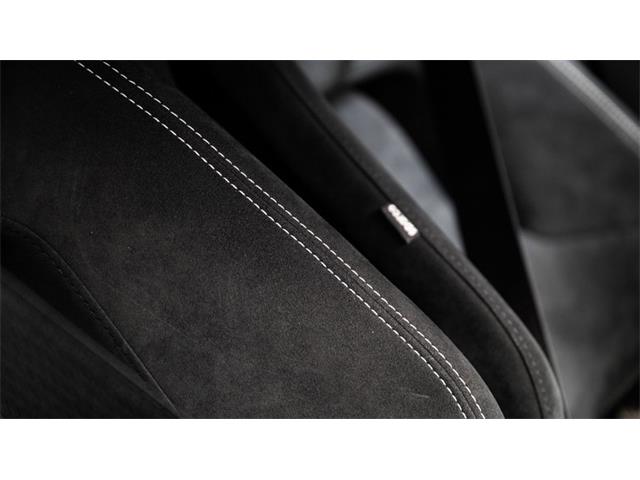
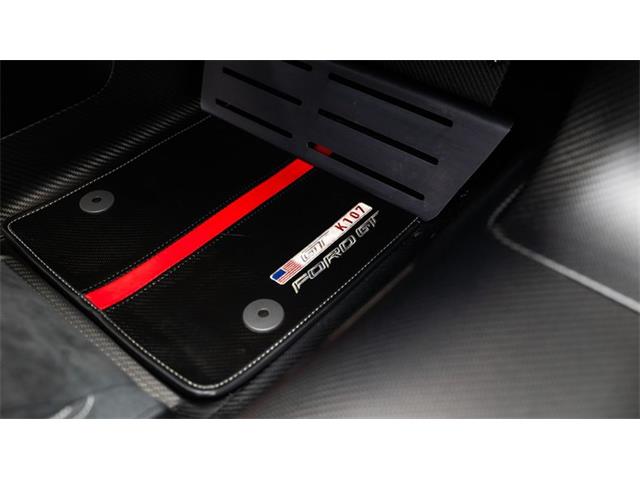
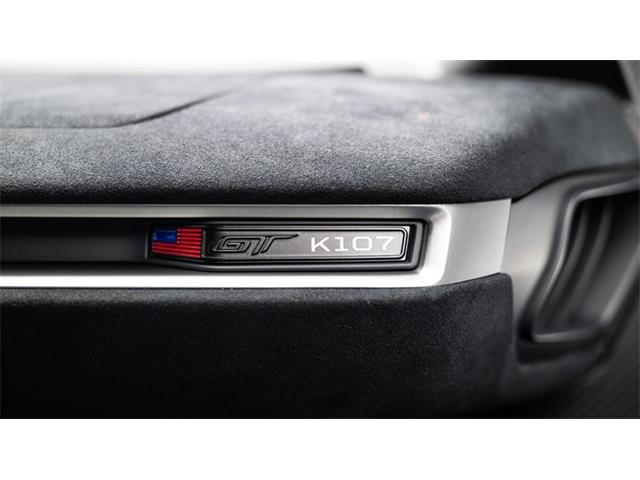
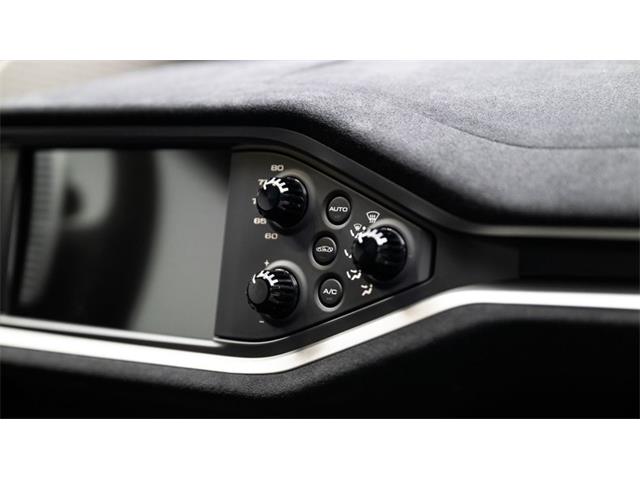
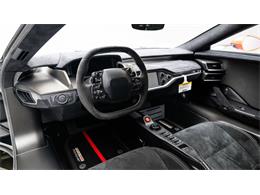
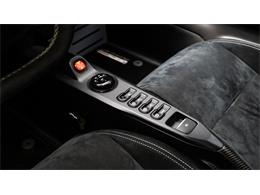
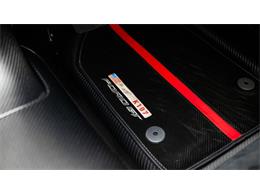
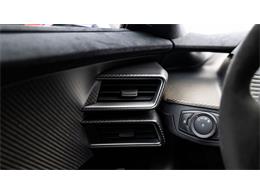
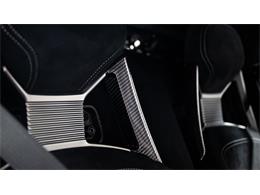
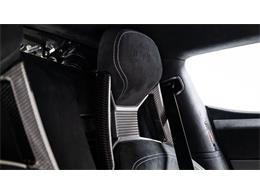
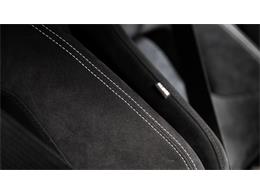
interior features fixed Sparco carbon fiber seats trimmed in
Alcantara with silver contrast stitching. It was further equipped
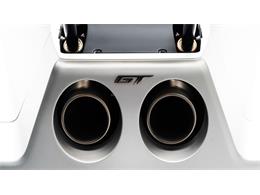
with the highly desirable Equipment Group 600A, a $70,000 package
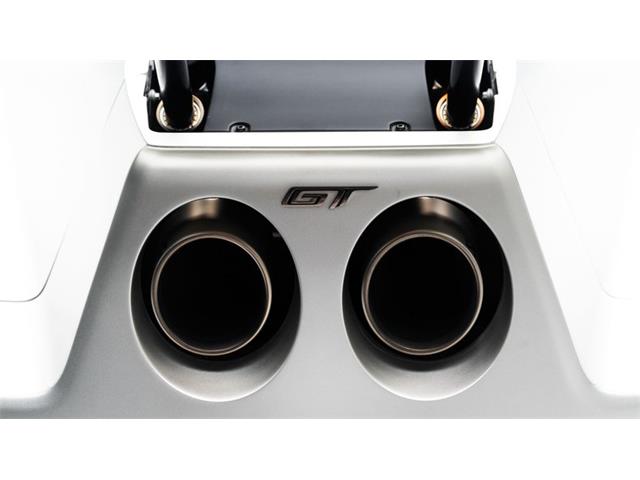
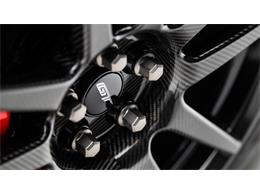
that reduced weight by nearly 40 pounds through the inclusion of a
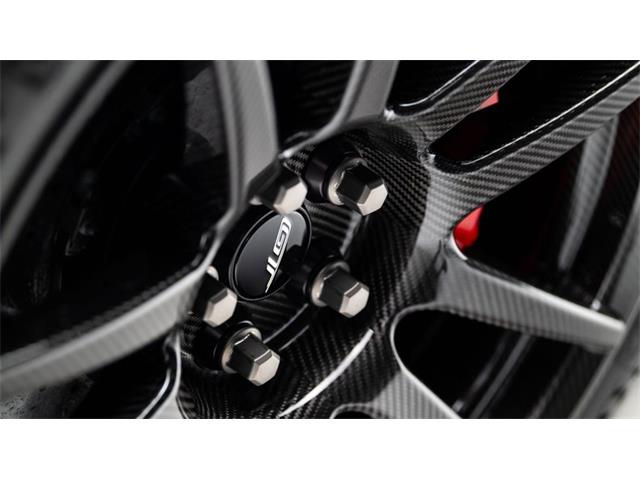
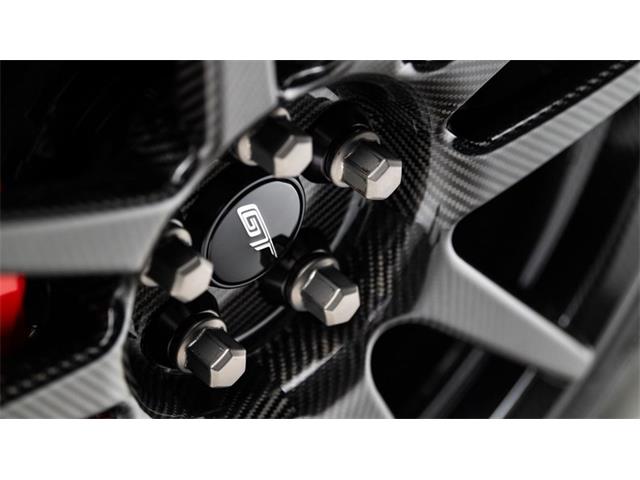
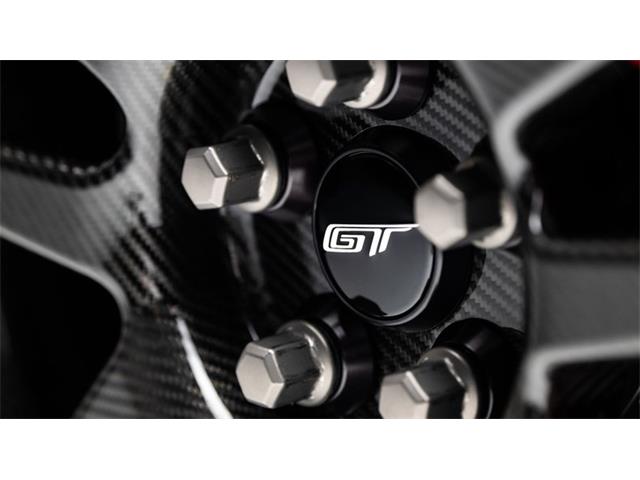
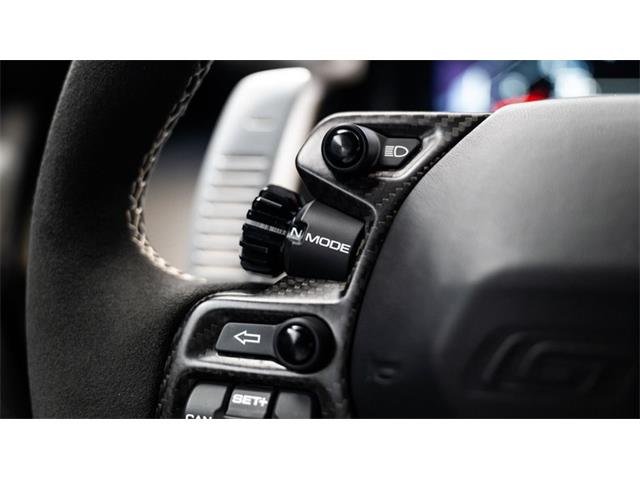
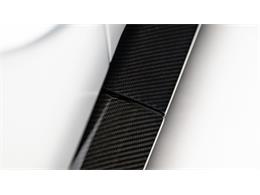
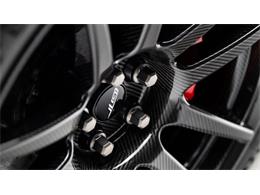
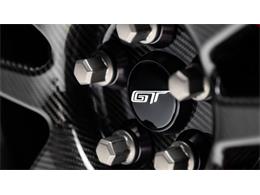
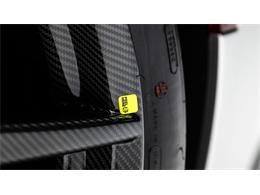
factory titanium exhaust system, titanium lug nuts, and a
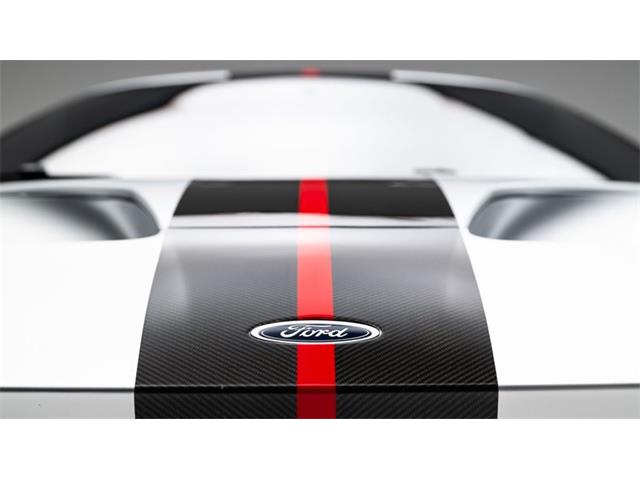
lightweight Alcantara-wrapped steering wheel. The car was
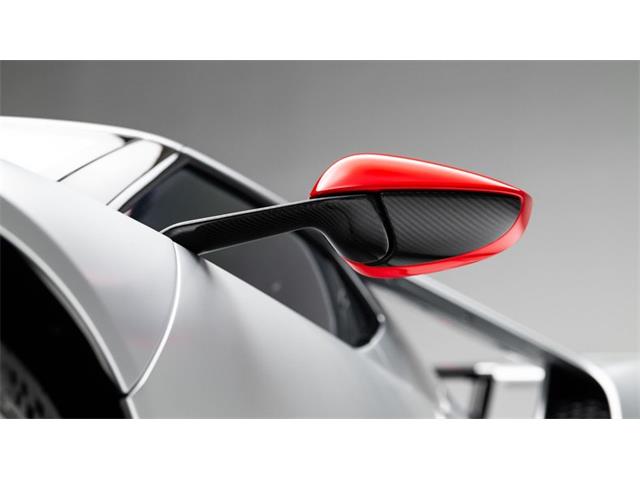
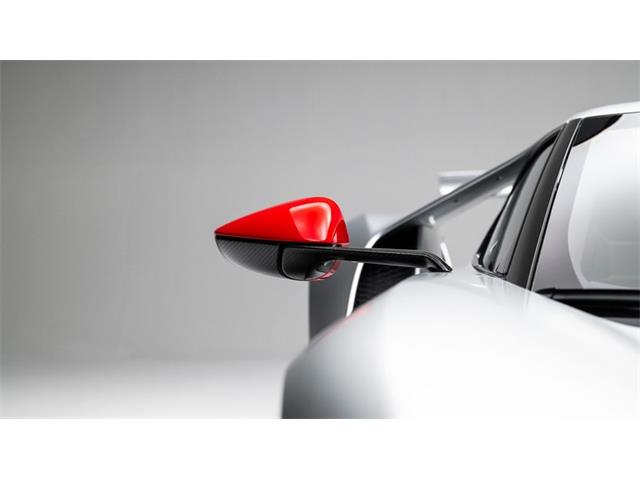
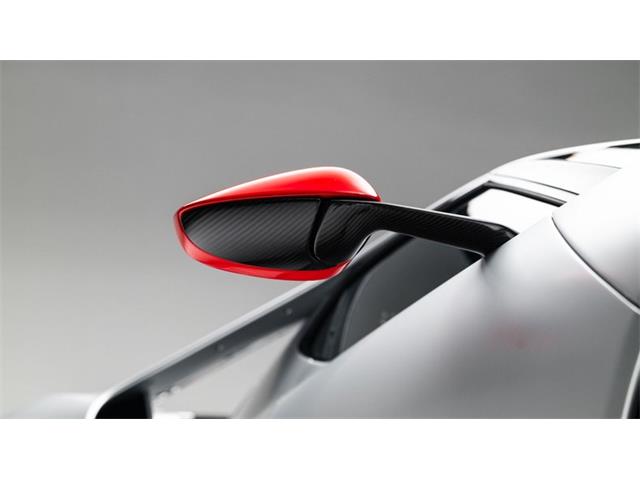
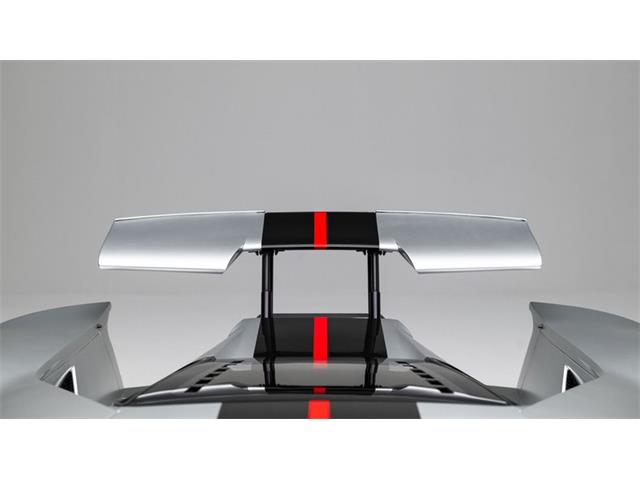
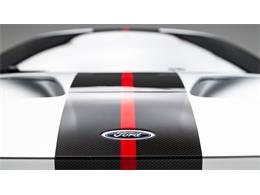
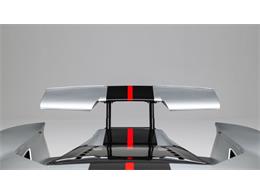
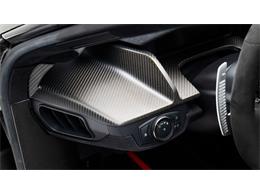
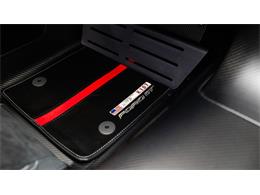
additionally specified with the Carbon Red graphics package and
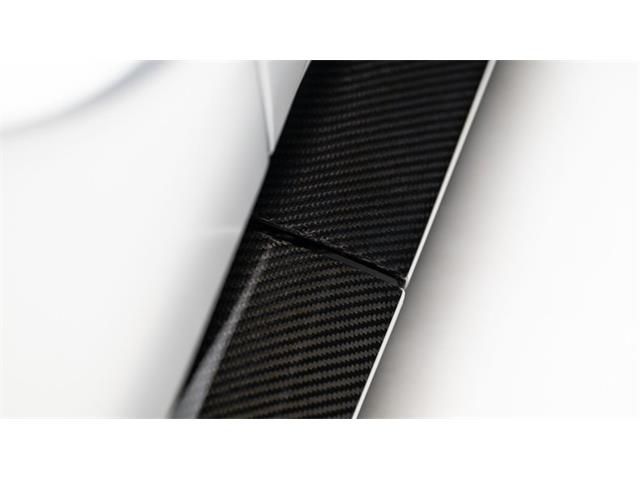
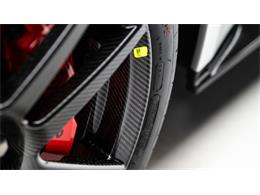
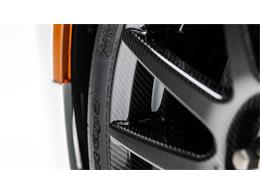
extended gloss carbon-fiber exterior accents for an additional
$15,000. Other options listed on the window sticker include
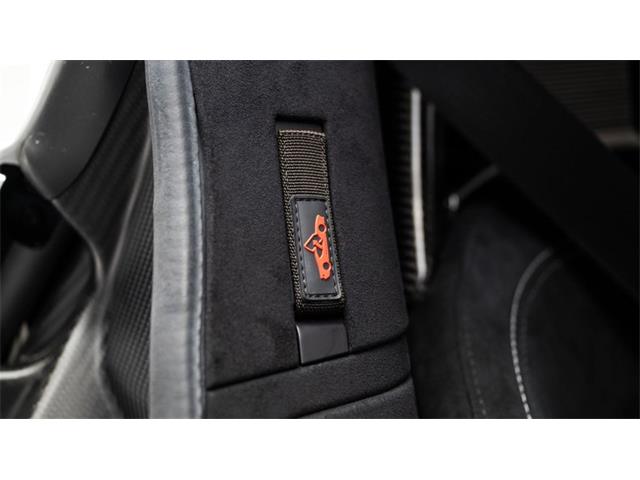
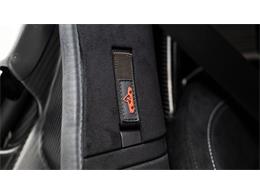
six-point harness anchors, a black locking lug nut kit, a grey
outdoor car cover, and a black indoor car cover. In total, nearly
$92,000 in factory-installed options were applied to this GT.
The clean CARFAX Vehicle History Report shows that the
track-focused Carbon Series GT entered the collection of its
original owner on 6 May 2019. Shortly after taking delivery on 17
May, Protective Film Solutions of Santa Ana, California, installed
XPEL protective film on the entire vehicle along with ClearPlex
windshield protection at a cost approaching $14,000. In August
2019, the GT was invited for display at The Quail, A Motorsports
Gathering.
In September 2022, with just 800 miles recorded, it entered the
collection of its second owner, followed by its third and current
owner in October 2025. As presented today, it has covered a mere
963 miles at cataloging and remains in near-new condition. It is
furnished with highly sought-after delivery items, including
Multimatic production photographs, its factory charger, car covers,
and the carbon fiber GT Design Spec box. With production concluding
in 2022, as-new examples such as this seldom come to market and
represent a compelling opportunity to acquire one of the most
technologically advanced and historically significant American
performance cars of the 21st century.
ClassicCars.com has been recognized as one of the fastest-growing private companies in the United States, successfully making the Inc. 5000 list in both 2015,
2016, 2017 and 2018. This prestigious accolade represents the continued growth of the company, and ClassicCars.com's dominance as the world's largest online marketplace for
buying and selling classic and collector vehicles.
The Stevie Awards, the world's premier business awards recognized
ClassicCars.com's first-class Customer Support team with a Stevie Bronze Award in 2019, celebrating the team's skills as exemplary customer support specialists.
In 2016 The Journal, brought to you by ClassicCars.com, was celebrated as the SECOND MOST INFLUENTIAL automotive blog in the world by NFC Performance.