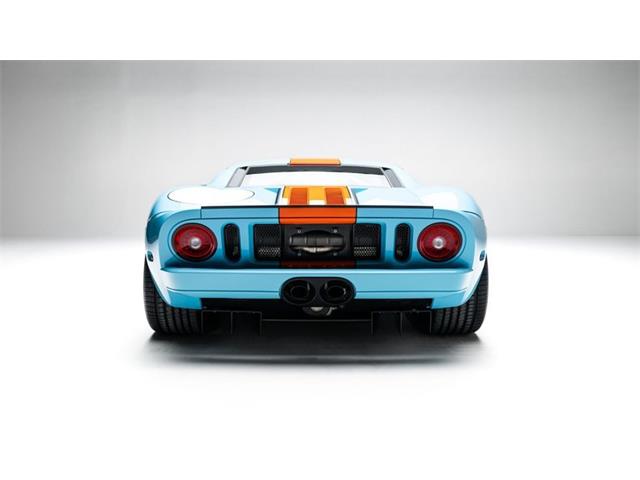
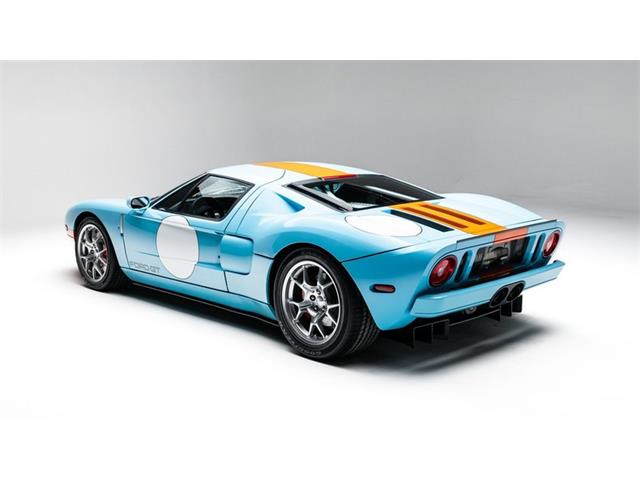
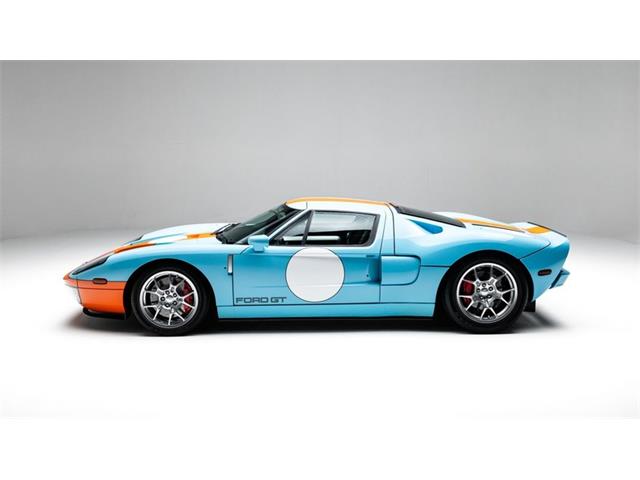
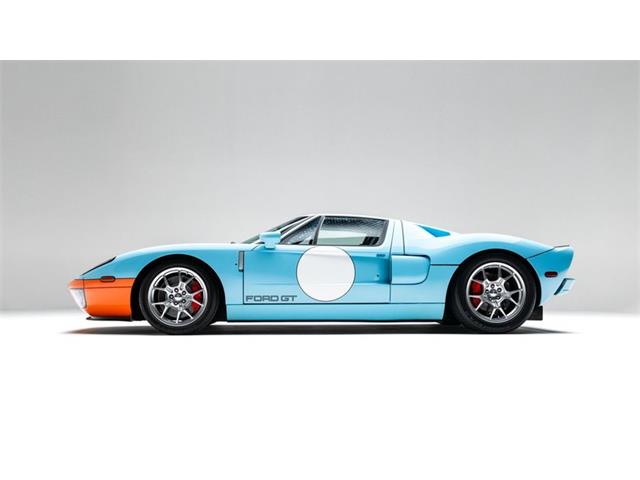
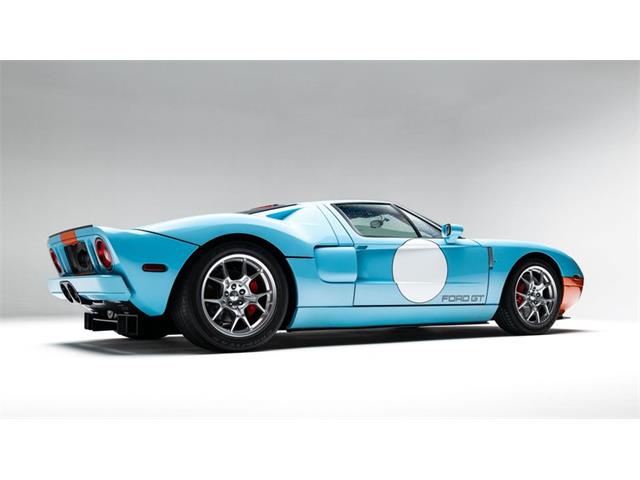
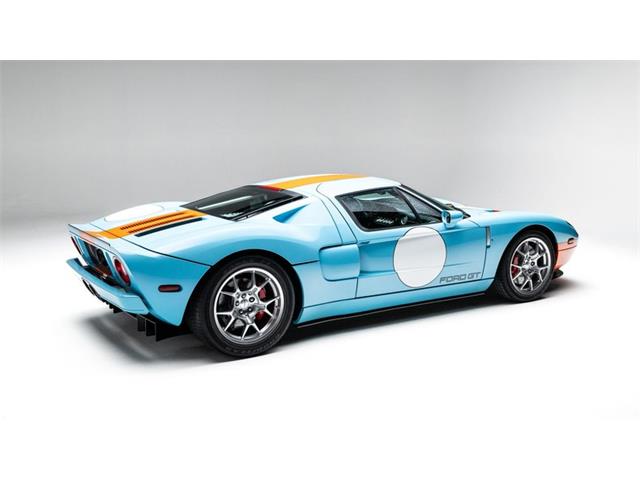
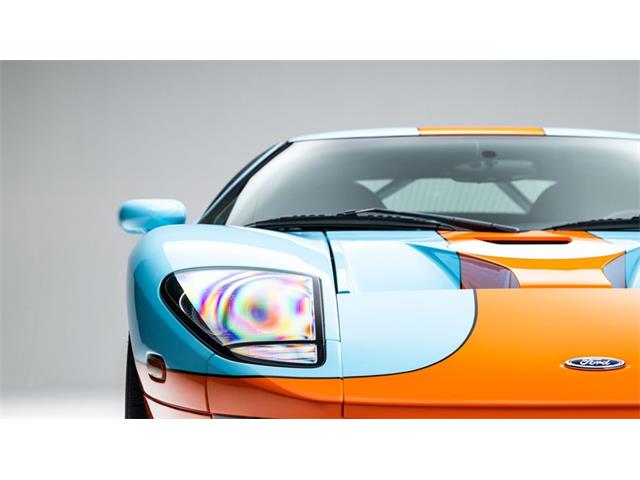
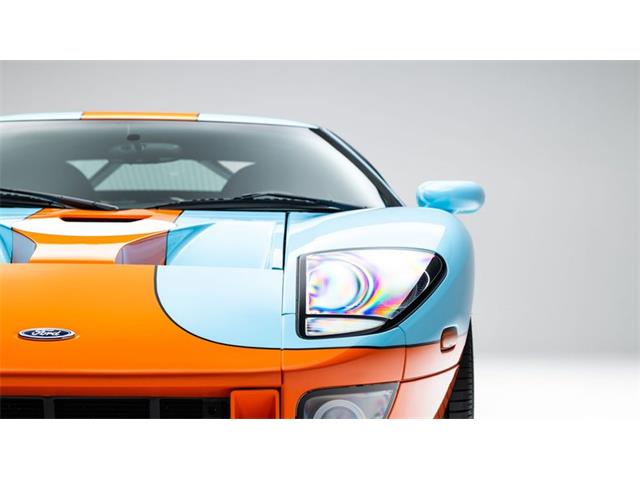
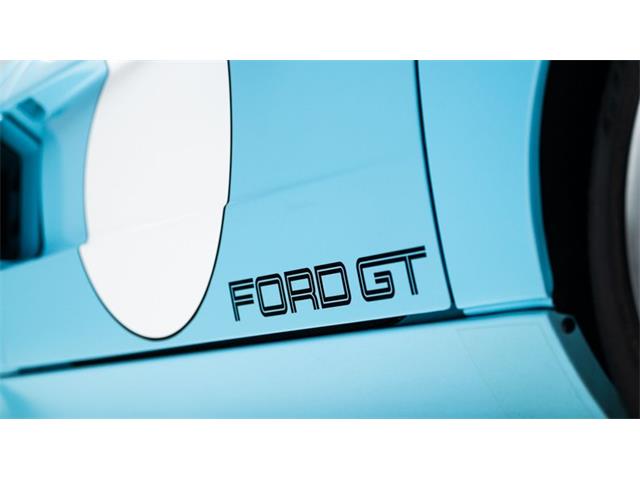
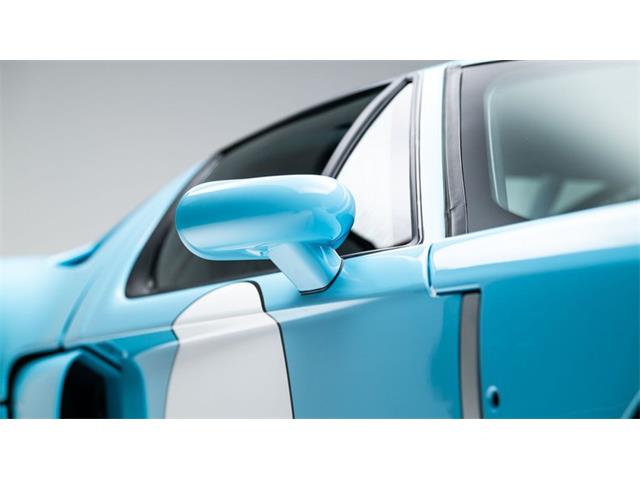
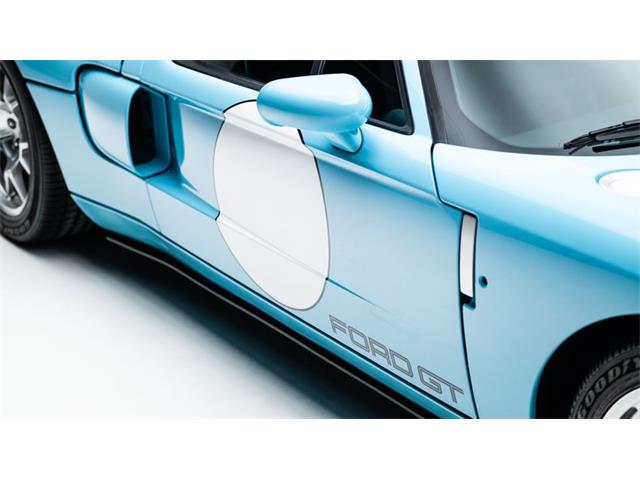
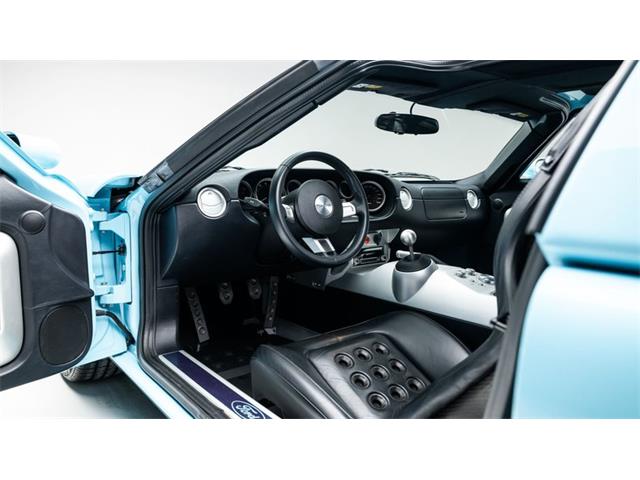
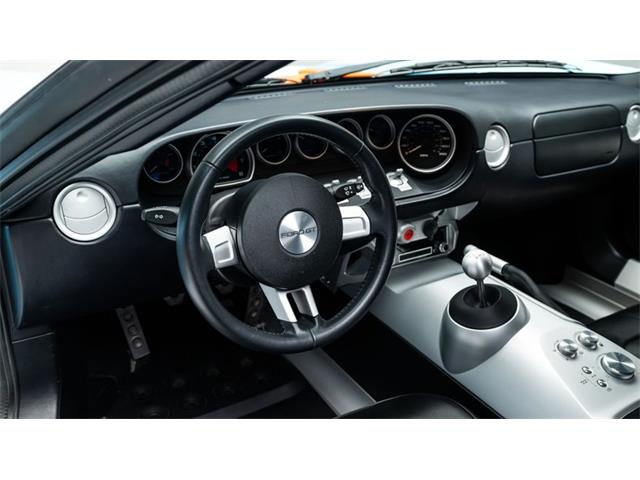
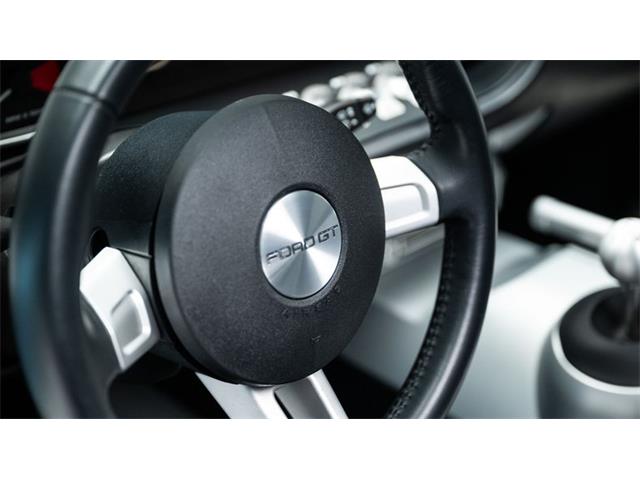
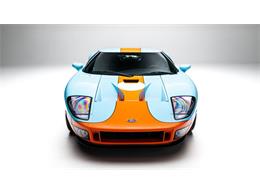
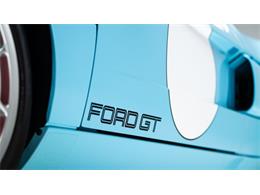
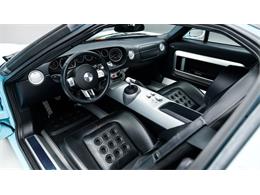
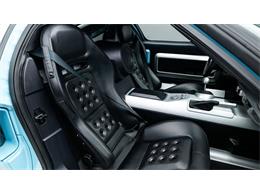
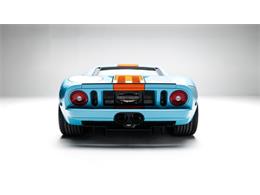
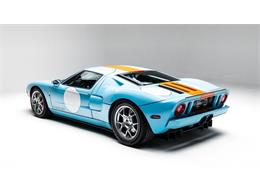
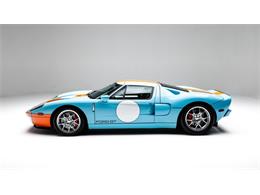
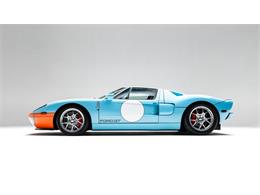
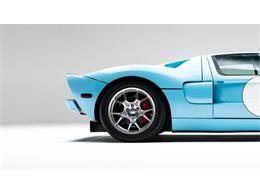
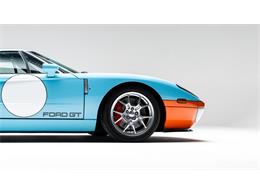
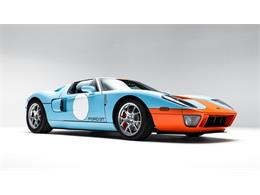
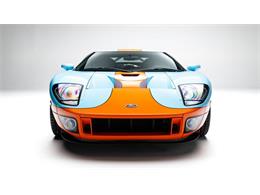
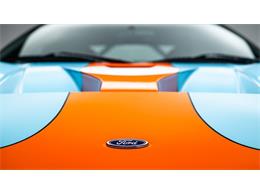
In a decisive and highly symbolic gesture, Ford Motor Company
revived the ethos of its four-time Le Mans-winning GT40 with the
introduction of the Ford GT in the mid-2000s. First revealed as a
concept at the 2002 North American International Auto Show to
celebrate the company's centennial, the production GT emerged under
the internal mantra "The Pace Car for an Entire Company." Designed
by Camilo Pardo, its look distilled the essential visual cues of
the 1960s endurance icon. The result was a thoroughly modern
supercar that balanced heritage with contemporary engineering and
proportion.
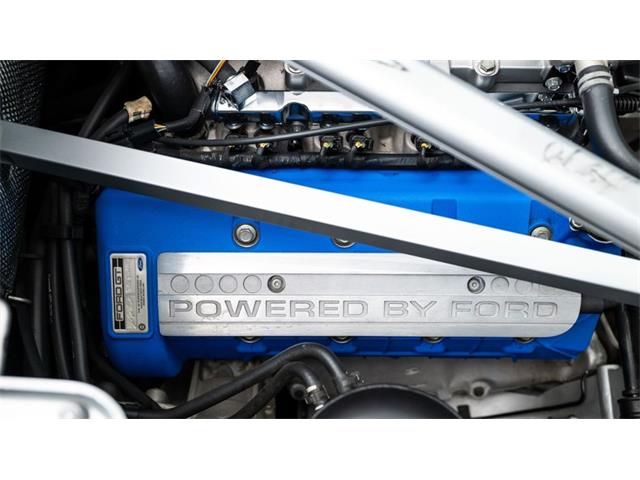
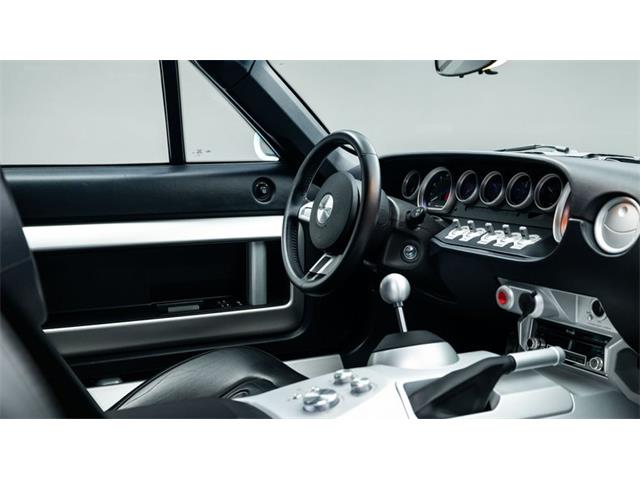
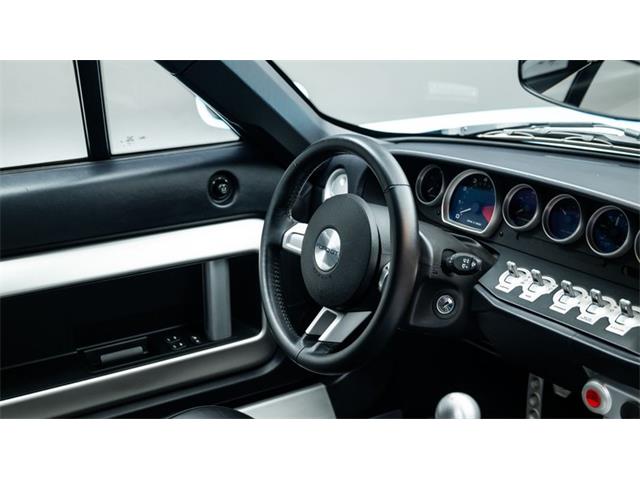
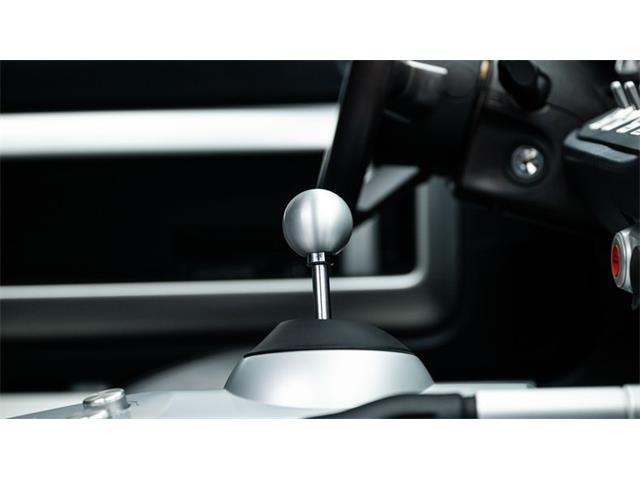
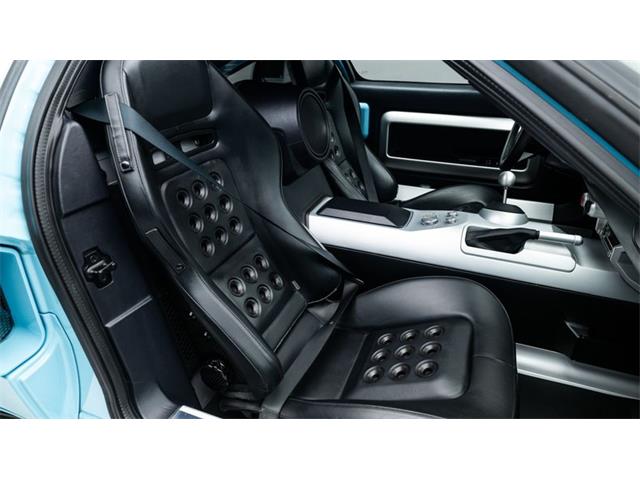
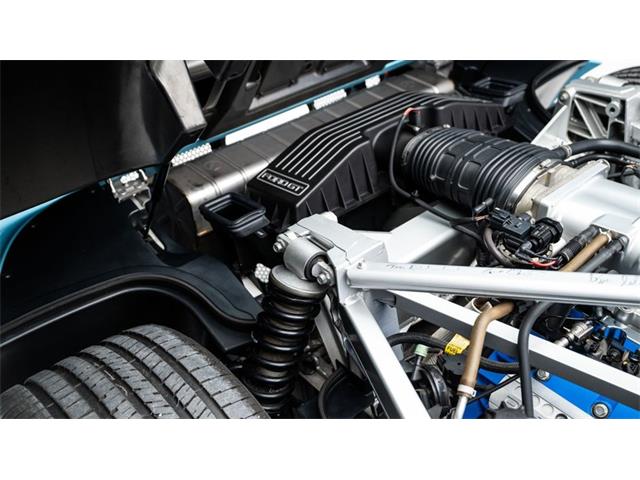
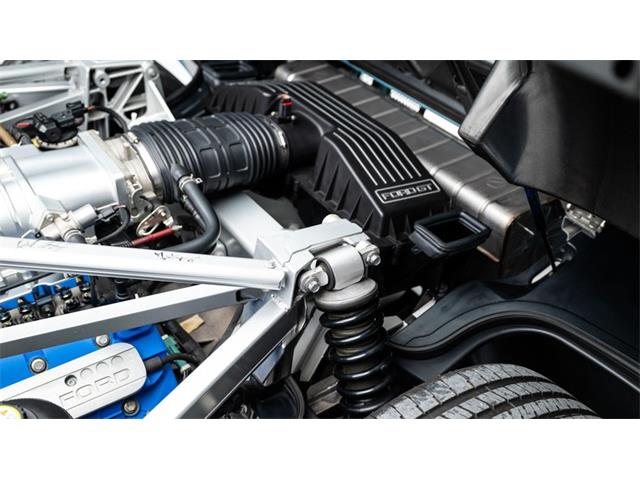
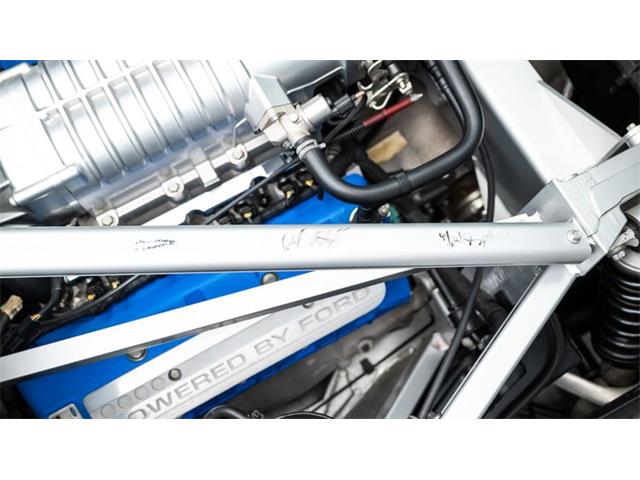
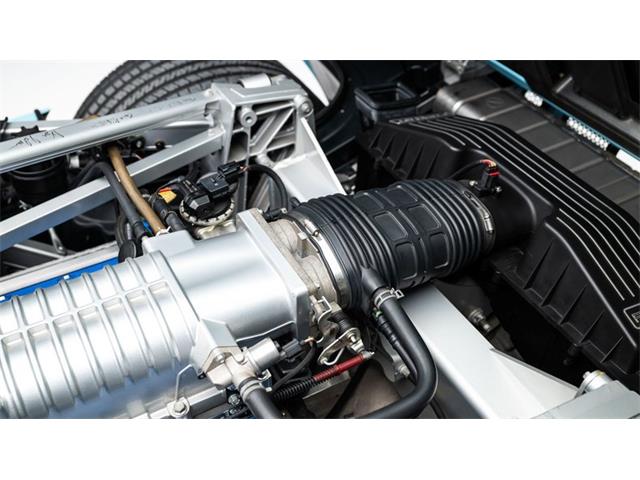
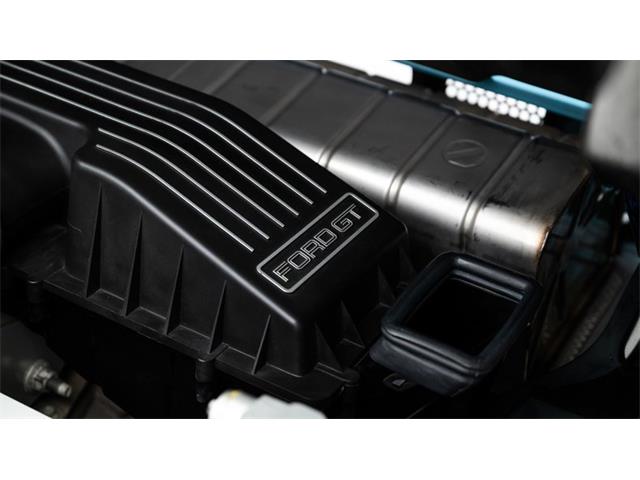
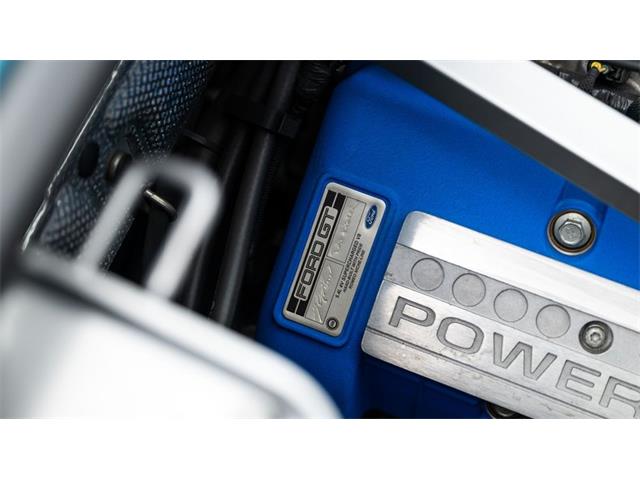
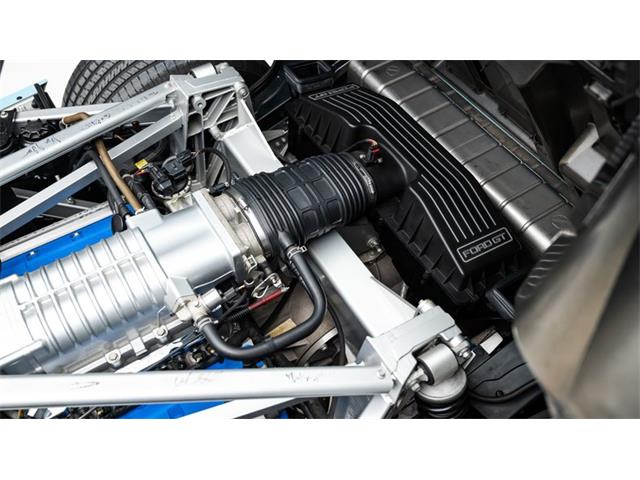
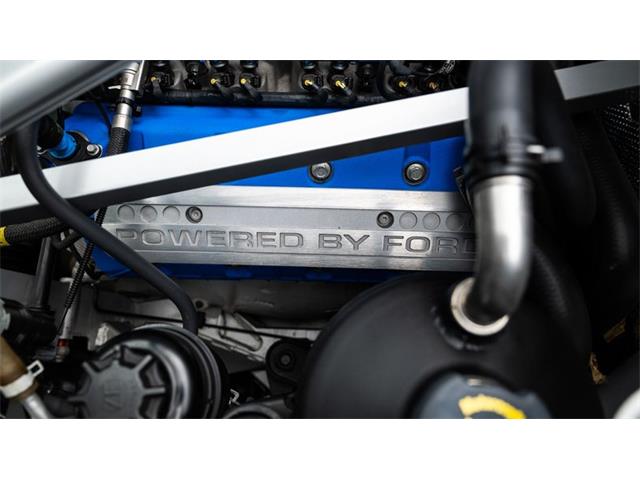
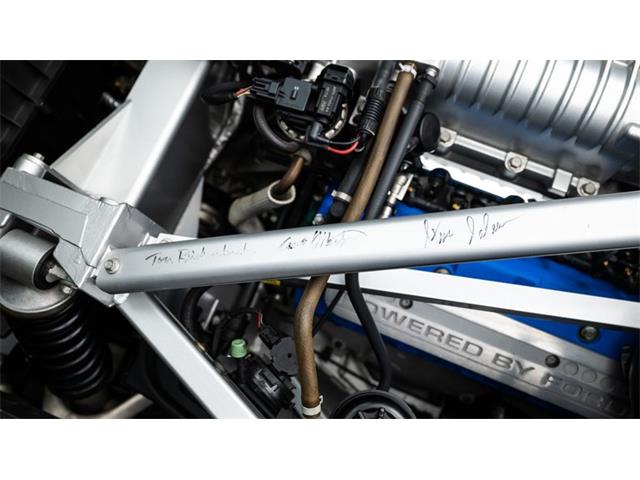
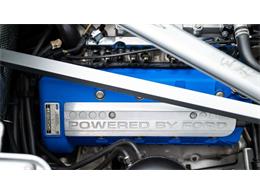
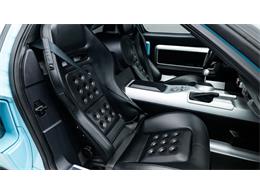
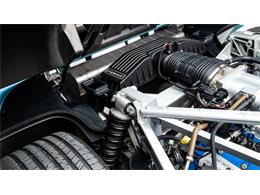
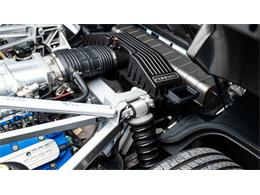
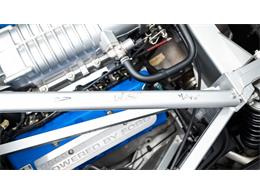
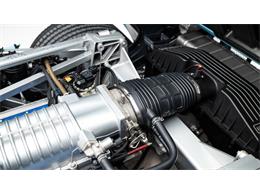
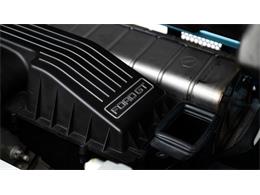
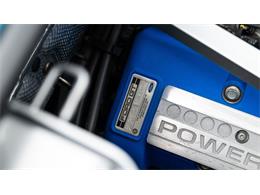
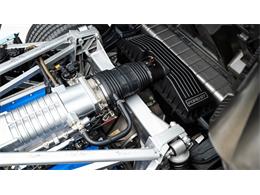
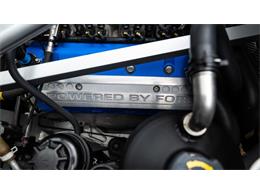
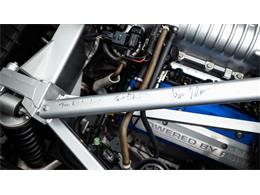
Its aluminum-intensive architecture clothed a mid-mounted 5.4-liter
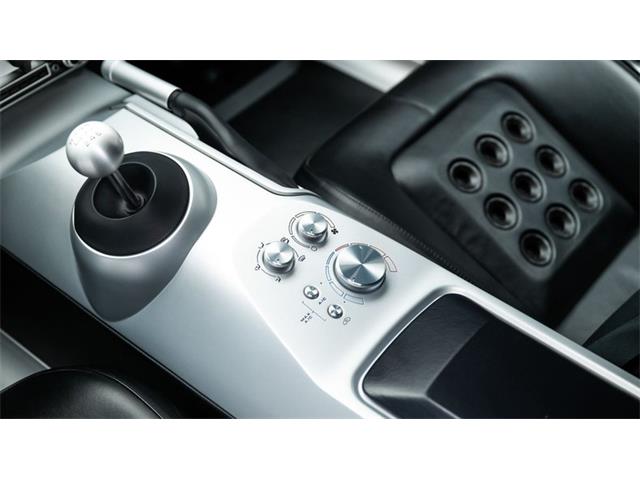
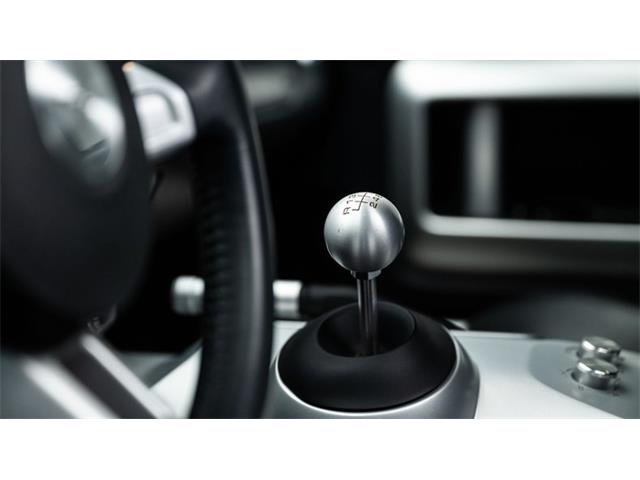
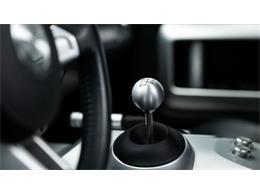
supercharged V8 delivering 550 horsepower through a six-speed
manual transaxle. This combination produced impressive performance,
with zero to 60 mph in approximately 3.3 seconds and a top speed
exceeding 200 mph. The GT was neither retro pastiche nor mere
commemorative exercise. It was a rigorously engineered halo car
conceived to reassert Ford's performance credibility on a global
stage.
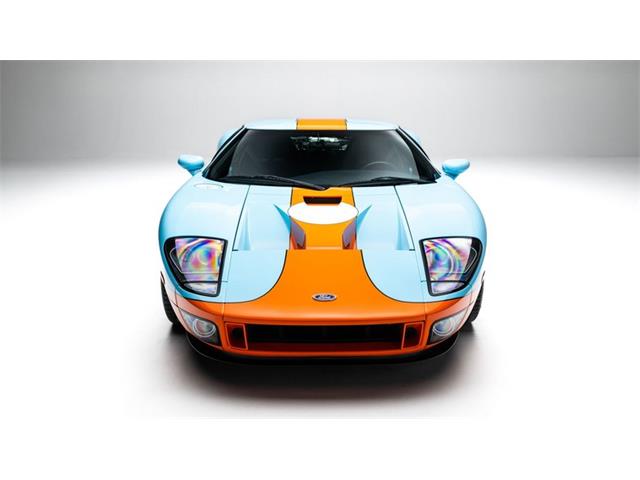
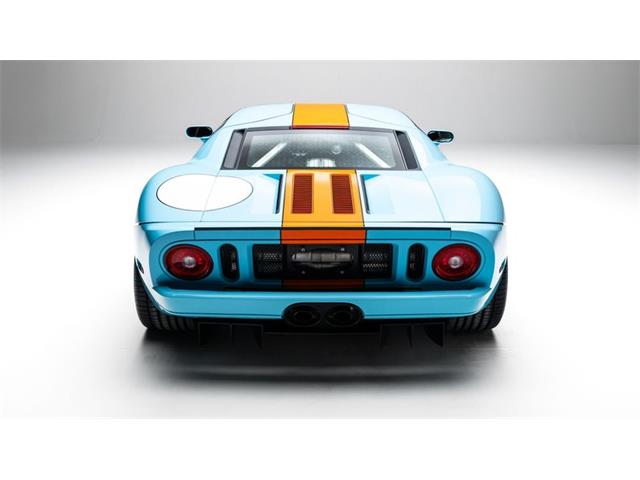
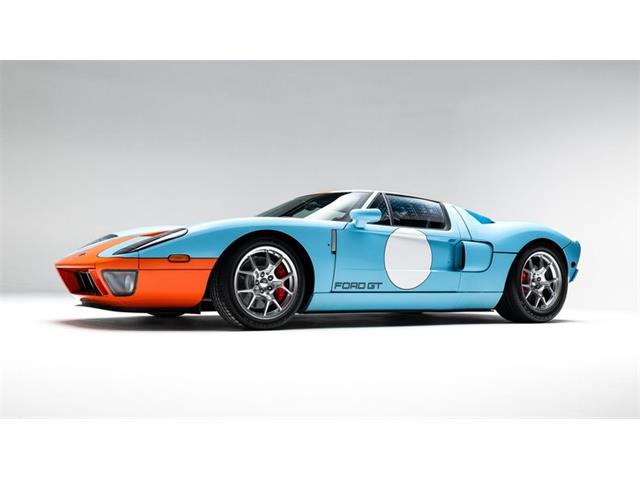
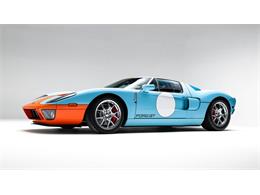
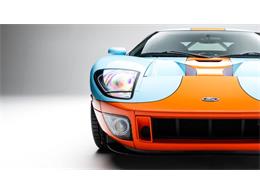
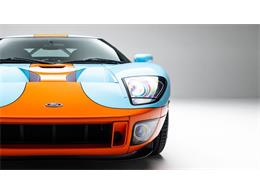
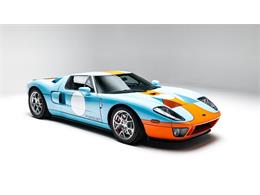
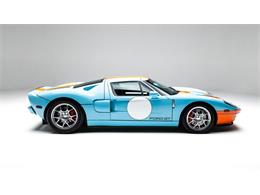
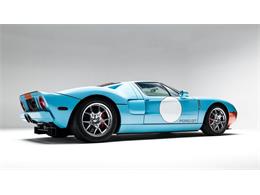
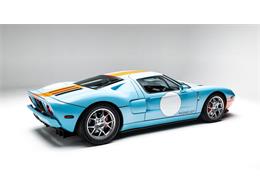
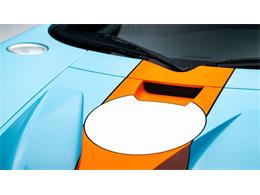
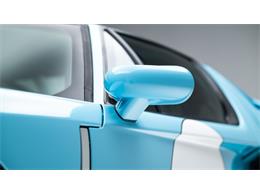
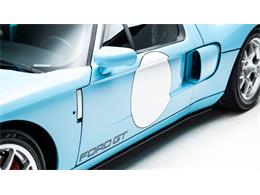
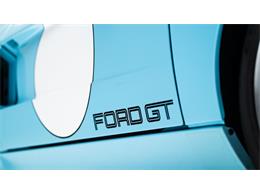
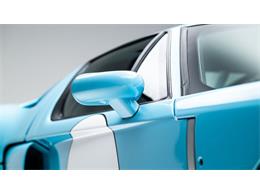
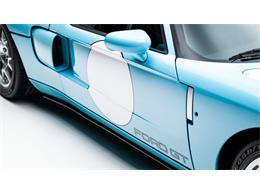
In 2006, the model's second and final year of production, Ford
offered the now-celebrated Heritage Edition, a $13,000 option
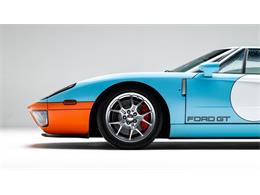
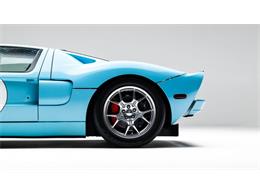
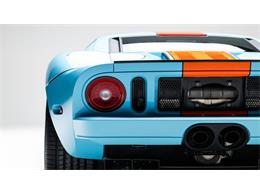
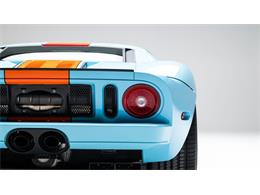
internally identified as "GL PO." This specification paid direct
homage to the Gulf-liveried GT40s campaigned by John Wyer
Automotive Engineering, which achieved consecutive overall
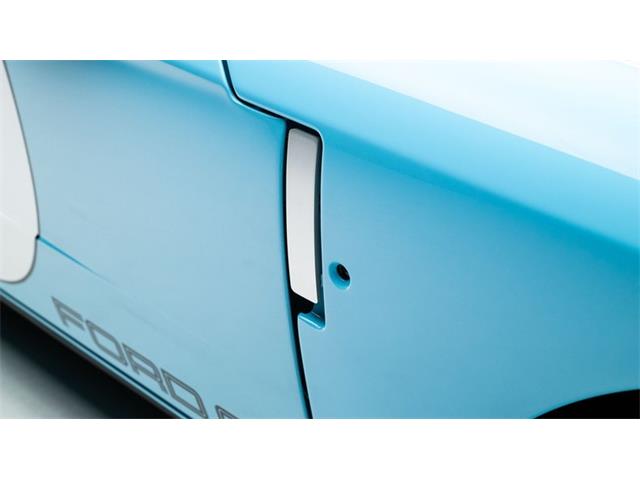
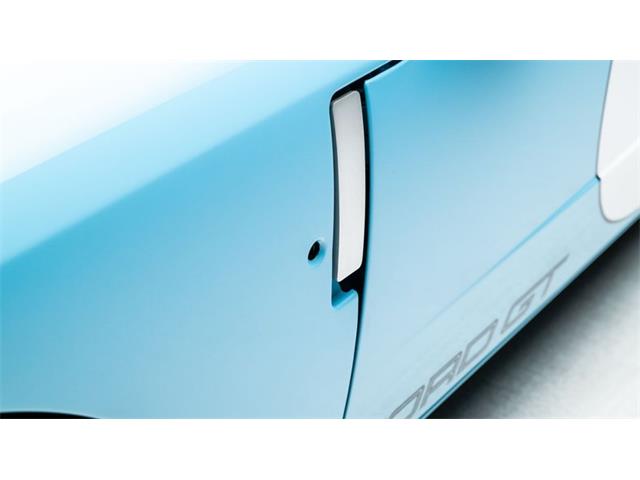
victories at the 24 Hours of Le Mans in 1968 and 1969. Finished in
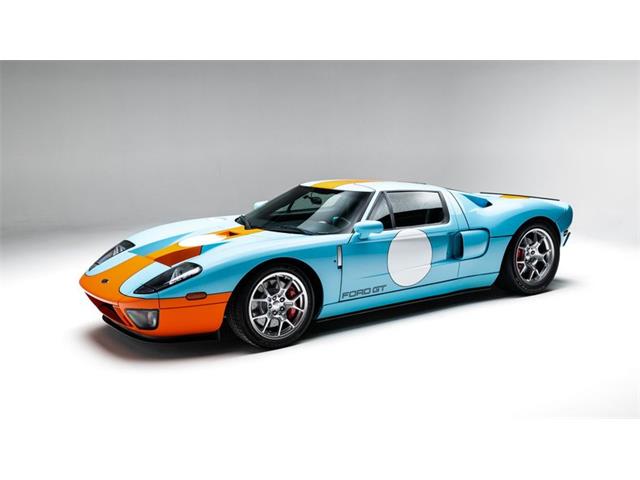
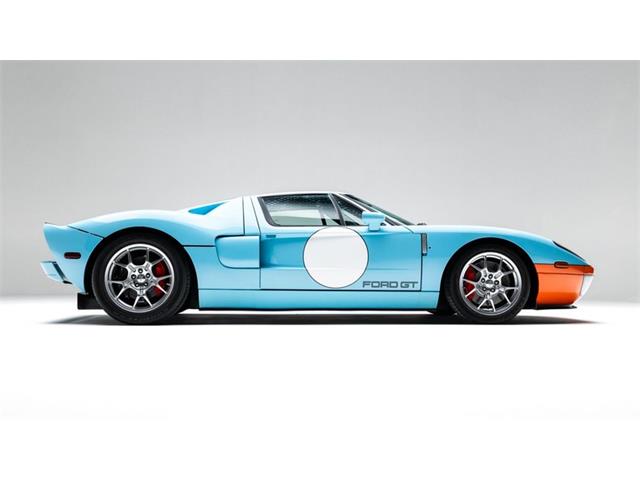
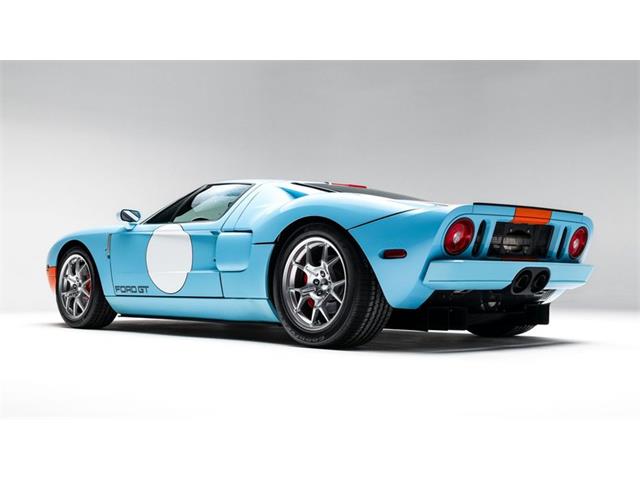
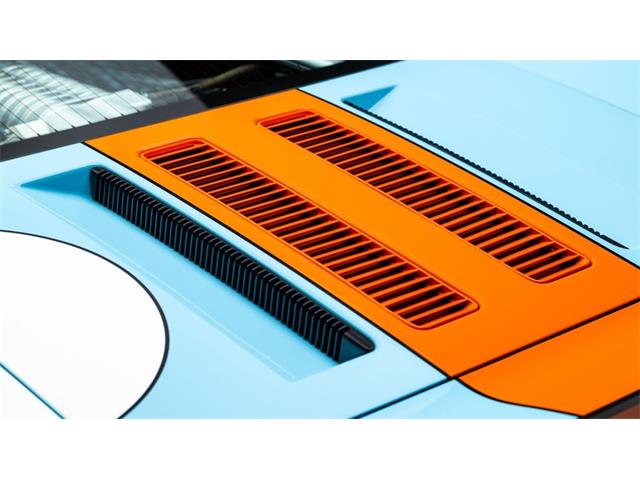
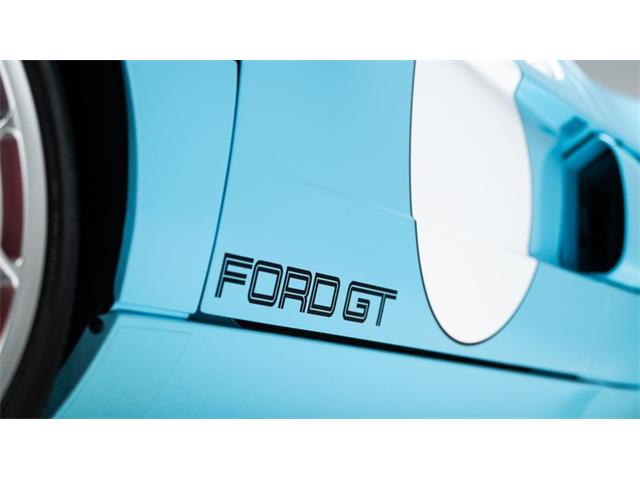
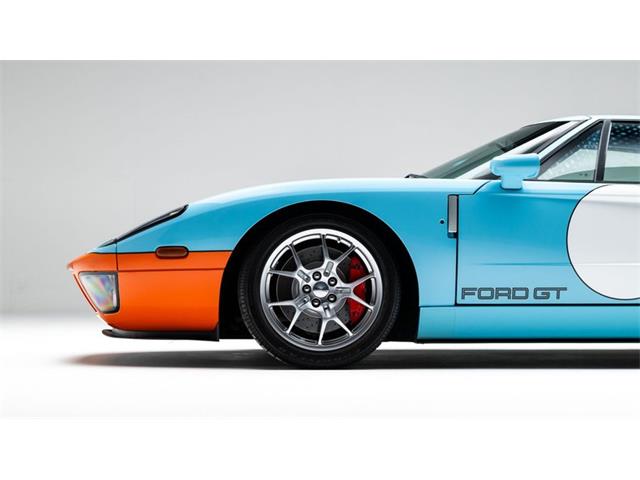
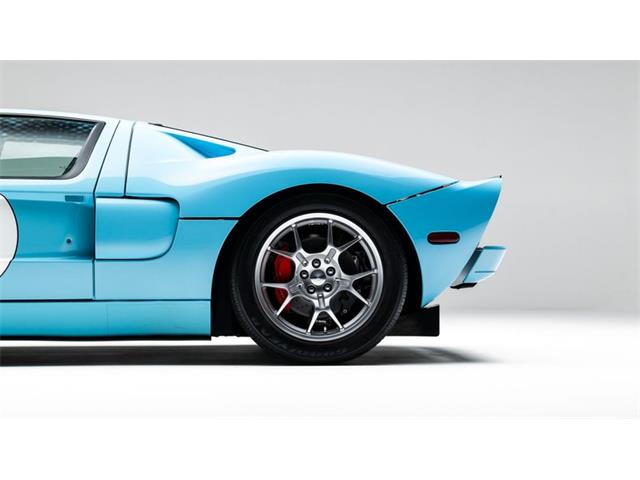
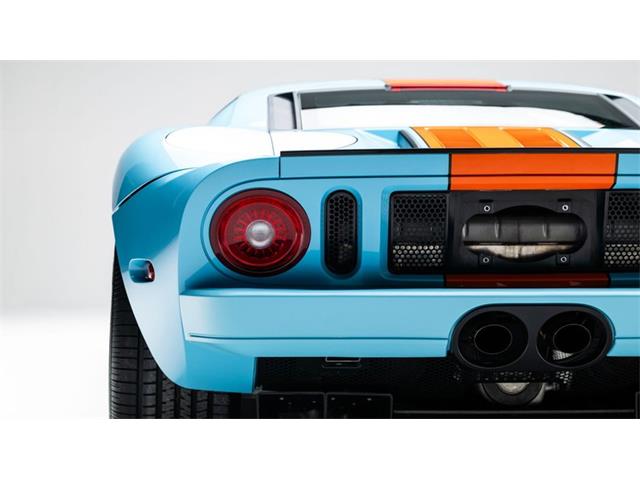
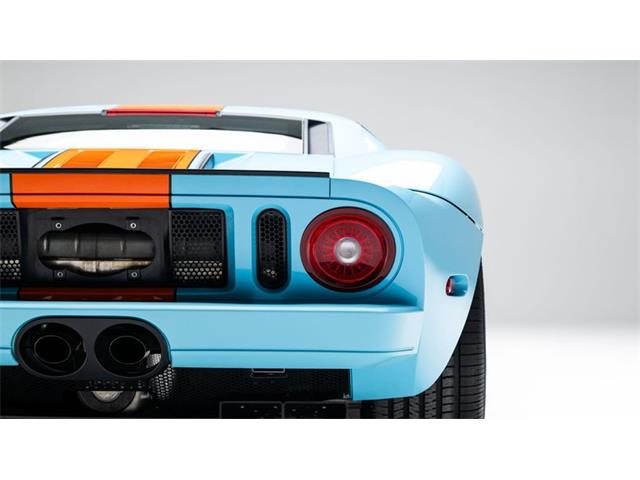
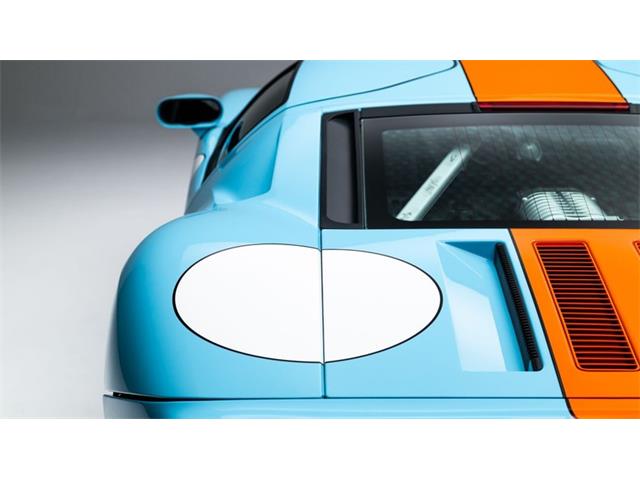
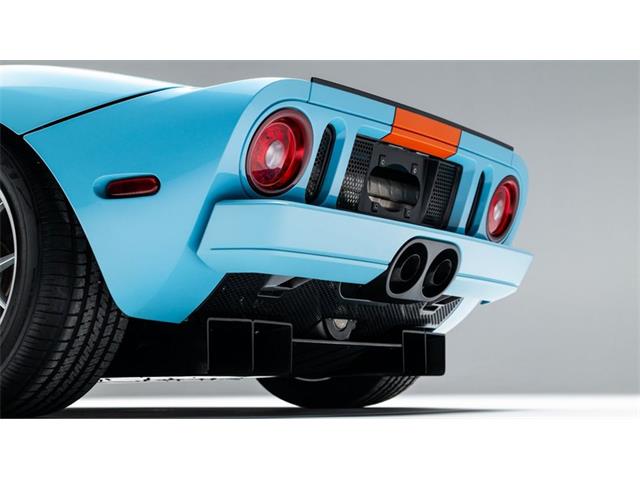
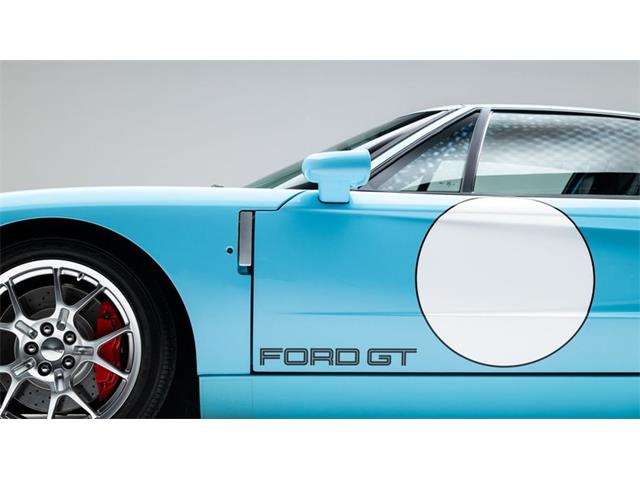
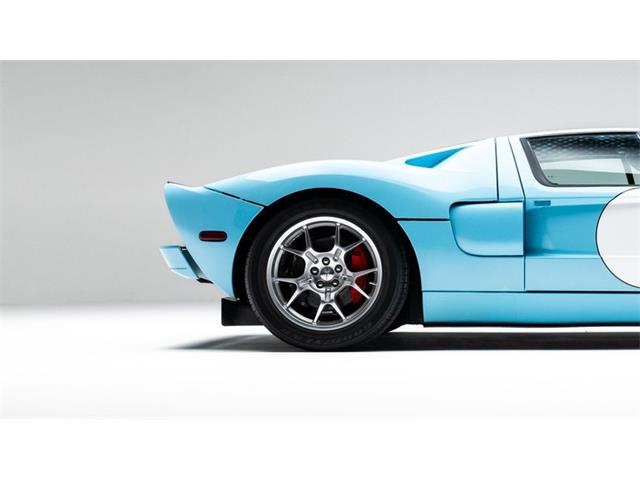
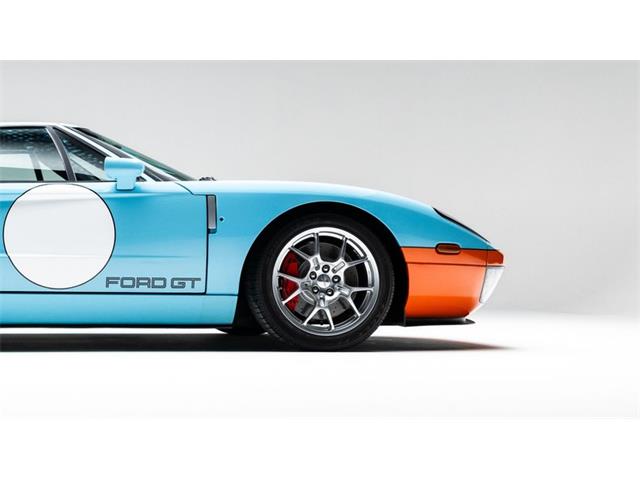
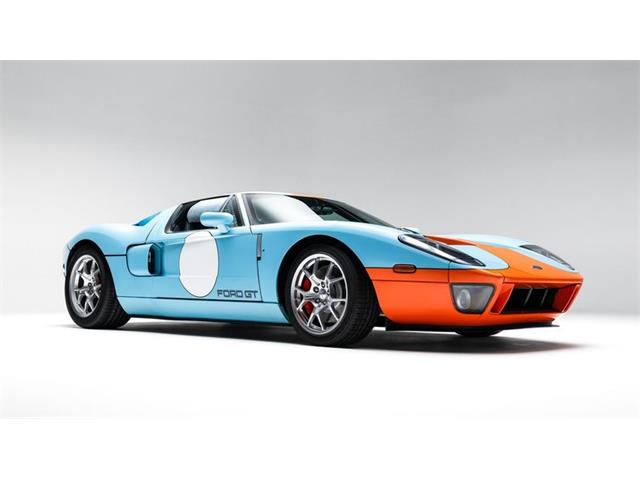
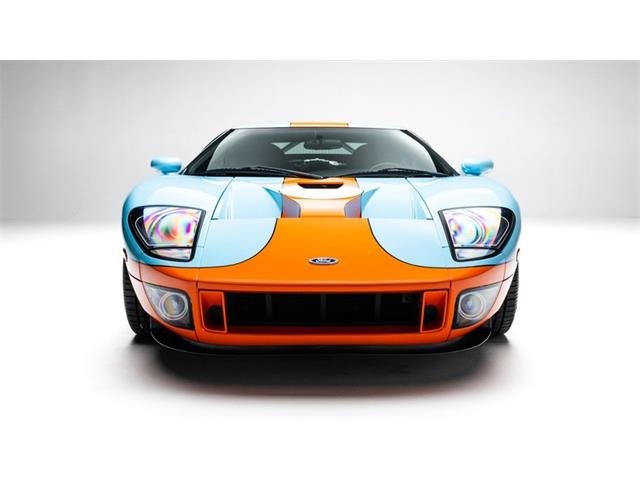
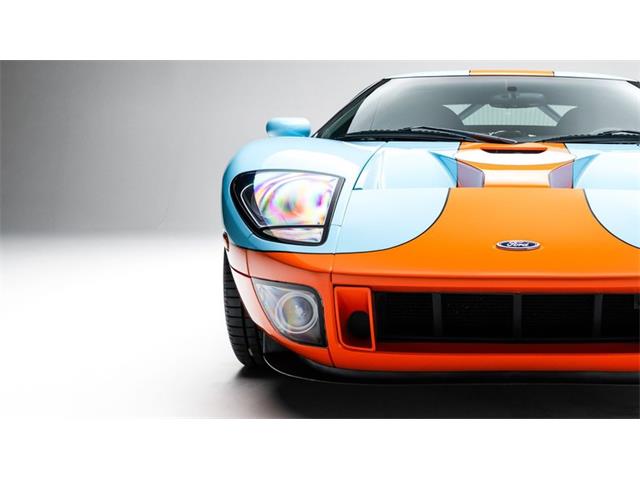
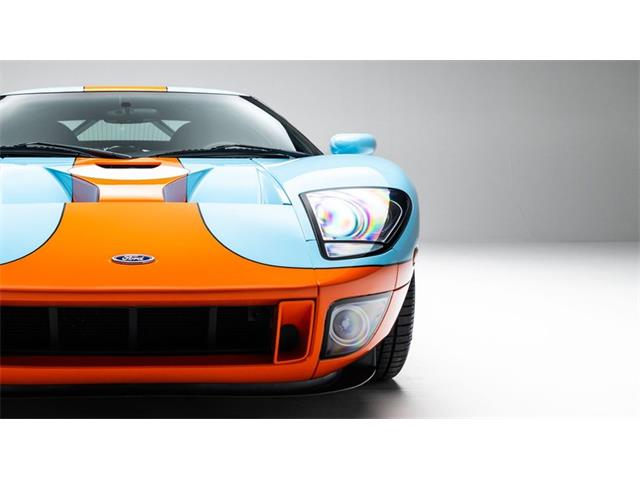
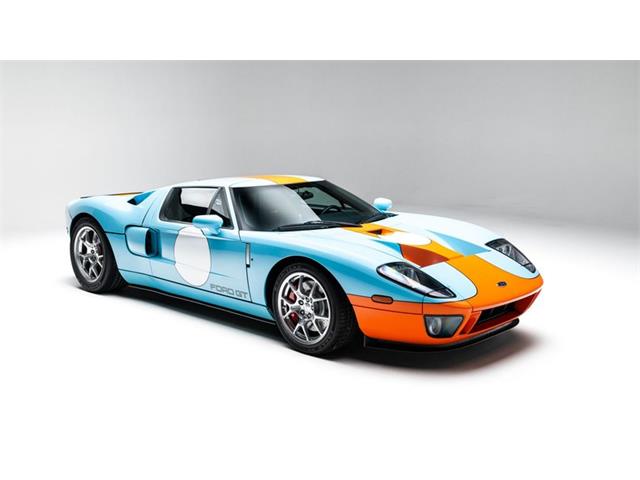
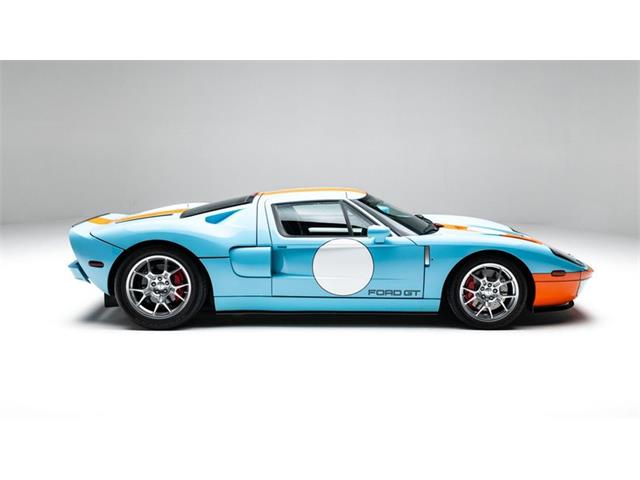
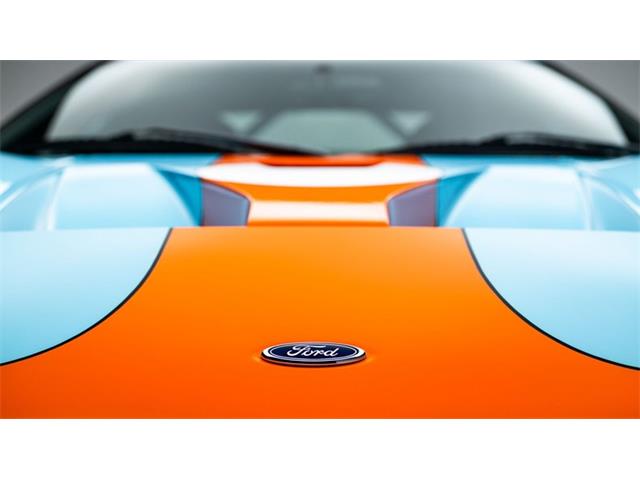
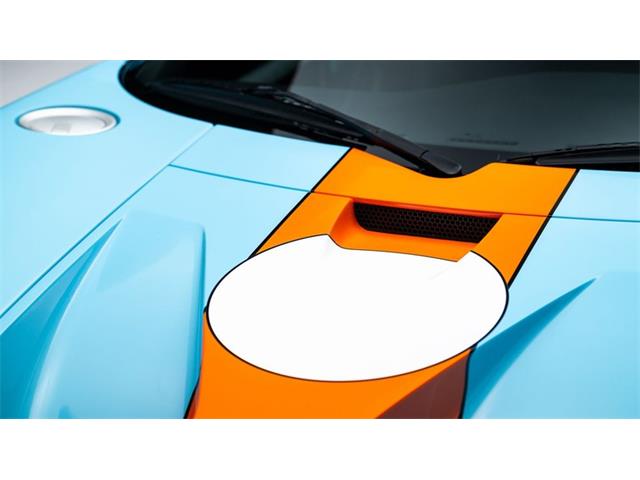
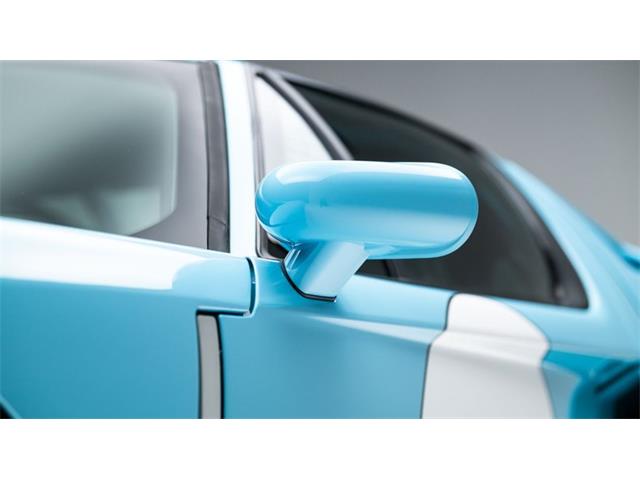
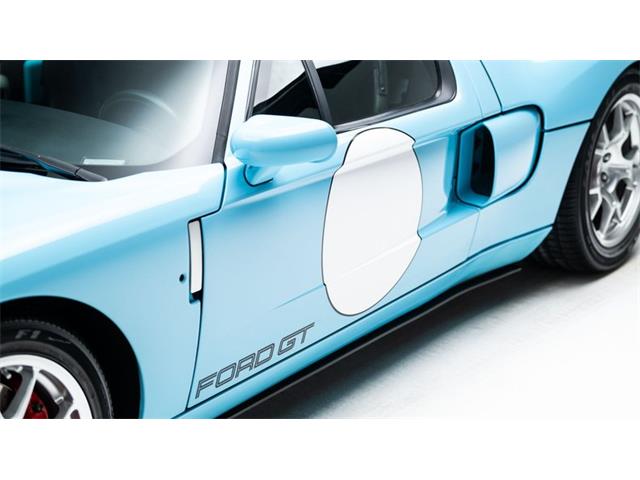
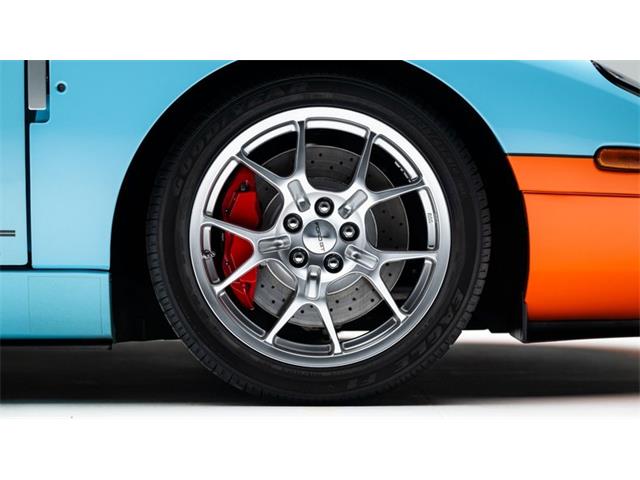
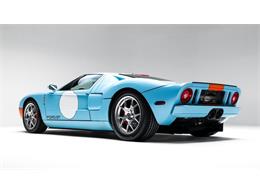
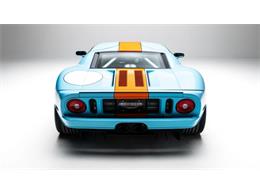
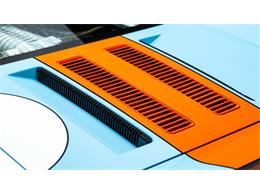
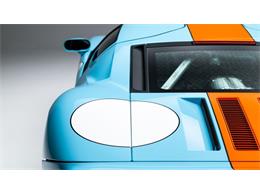
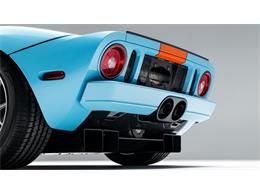
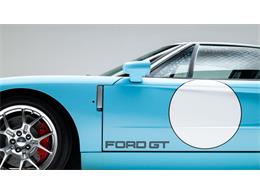
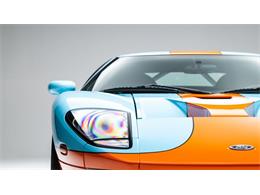
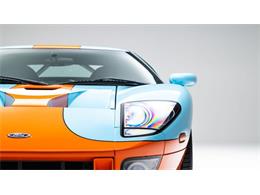
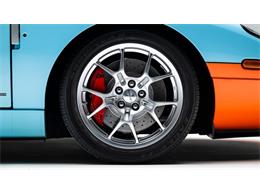
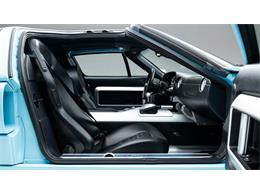
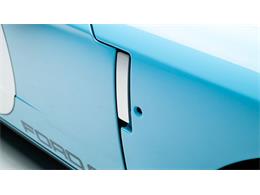
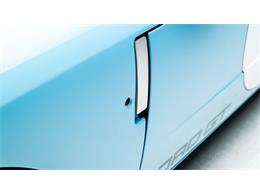
Heritage Blue with Epic Orange striping and white roundels applied
to the doors, hood, and rear deck, the package translated one of
endurance racing's most recognizable color schemes into a fully
road-legal format.
Optioned on just 343 examples, the Heritage Edition distinguished
itself as the definitive expression of the 2005-2006 GT program.
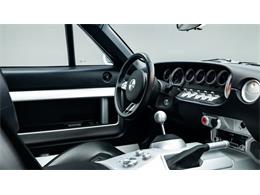
Its direct visual lineage to Ford's competition triumphs, combined
with uncompromising mechanical specification and an analog,
driver-focused character, secured its position as the most
sought-after variant. With sustained collector demand, which was
further amplified by the introduction of the second-generation GT,
the Heritage Edition remains a modern blue-chip collectible firmly
anchored in Ford's endurance racing legacy.
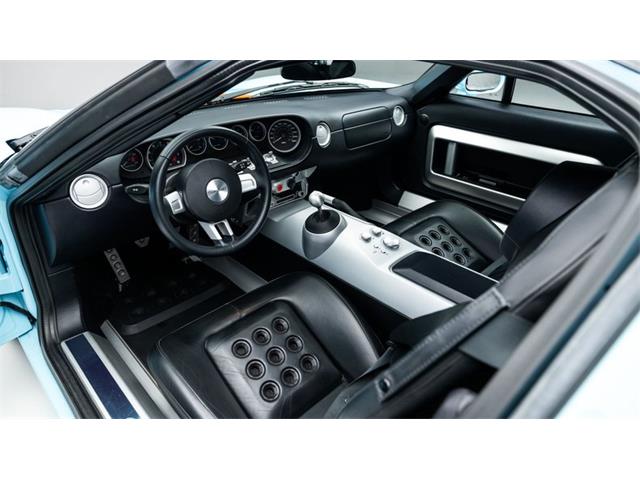
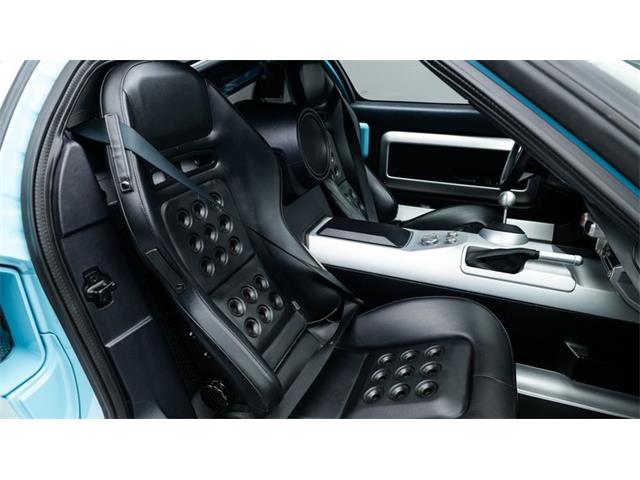
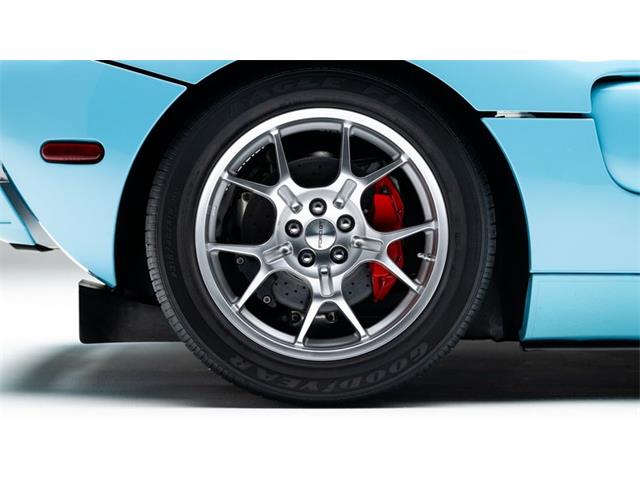
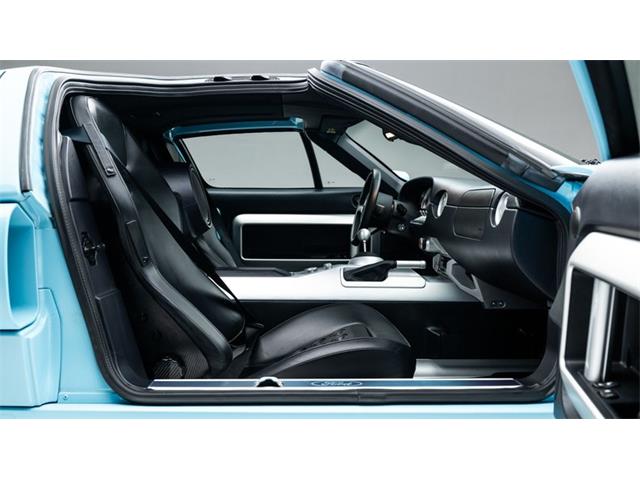
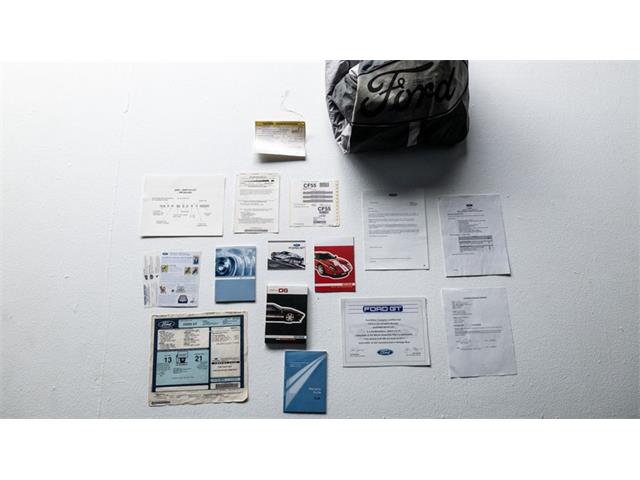
According to the accompanying Ford GT Certificate, this
Heritage-liveried example was completed at Ford's Wixom Assembly
Plant on 8 May 2006 as the 201st of just 343 Heritage Edition cars
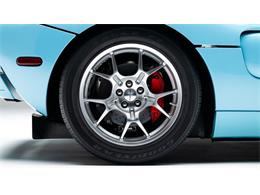
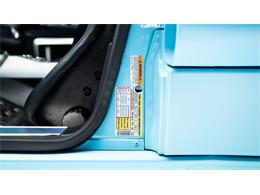
built in this iconic livery. The original window sticker confirms
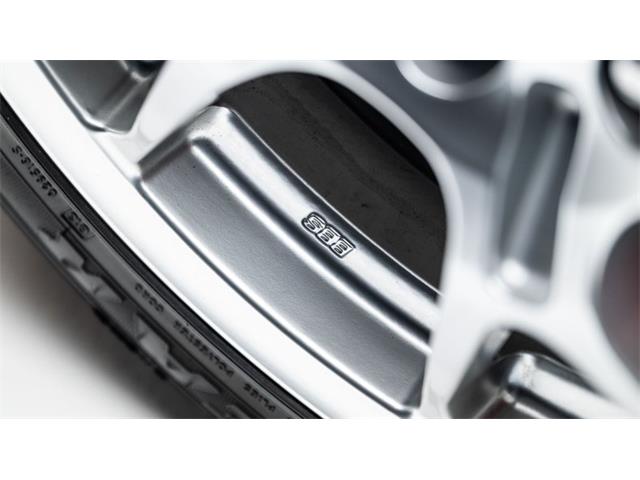
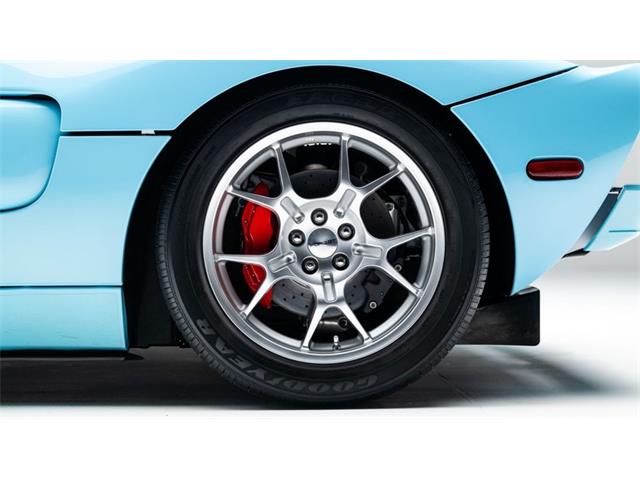
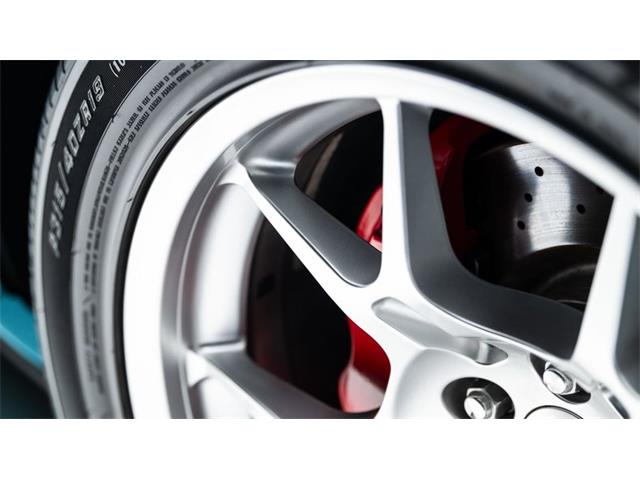
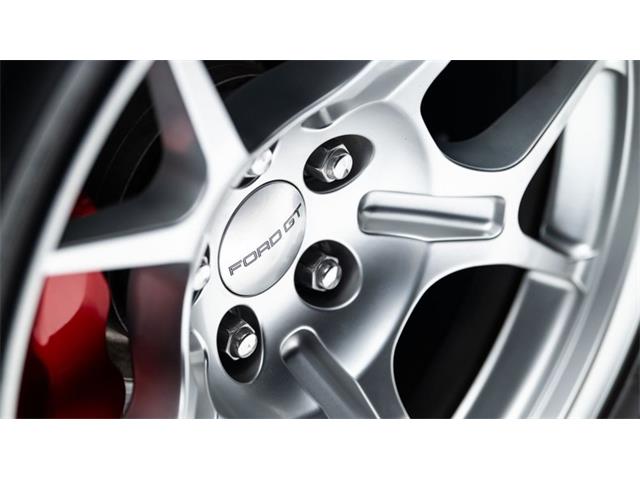
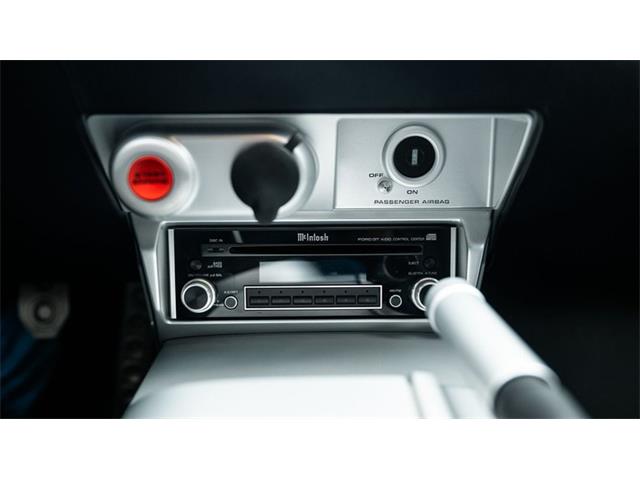
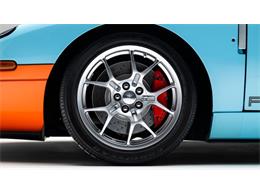
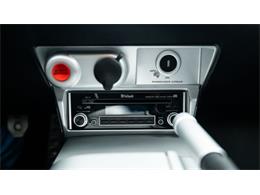
it is a "four-option" car, equipped with the $4,000 McIntosh audio
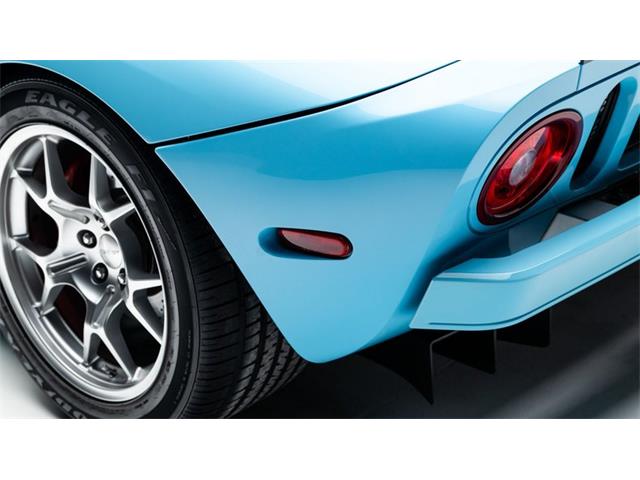
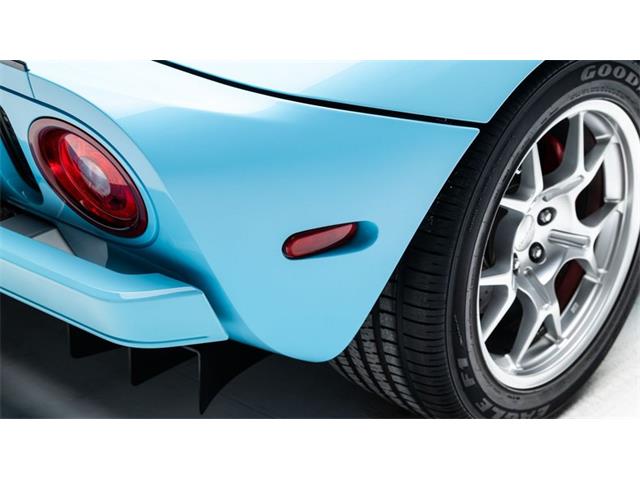
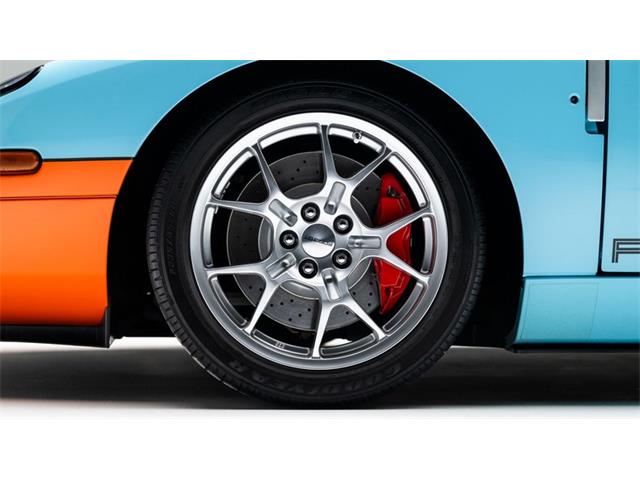
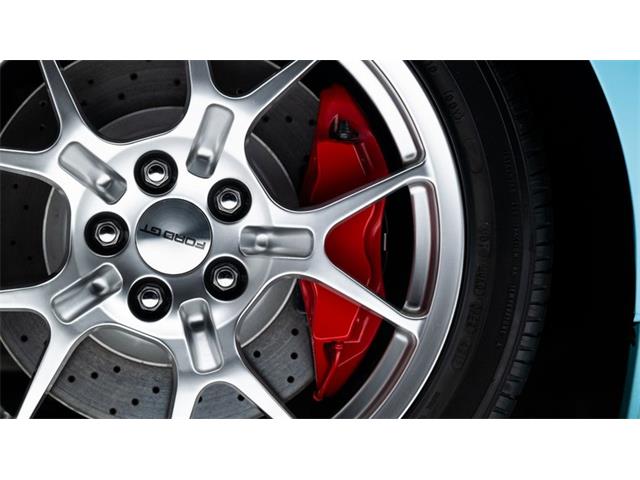
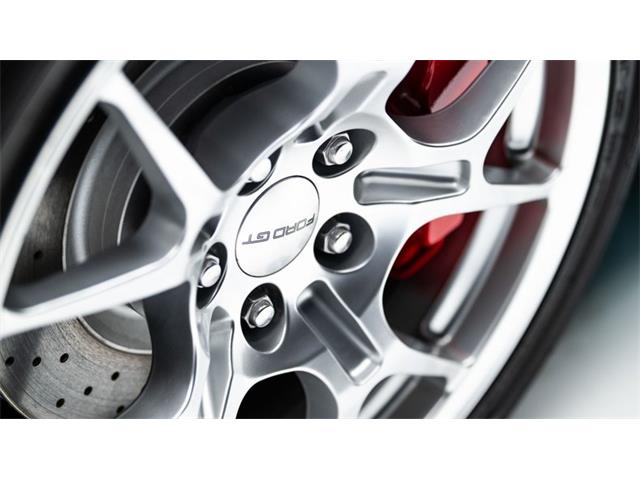
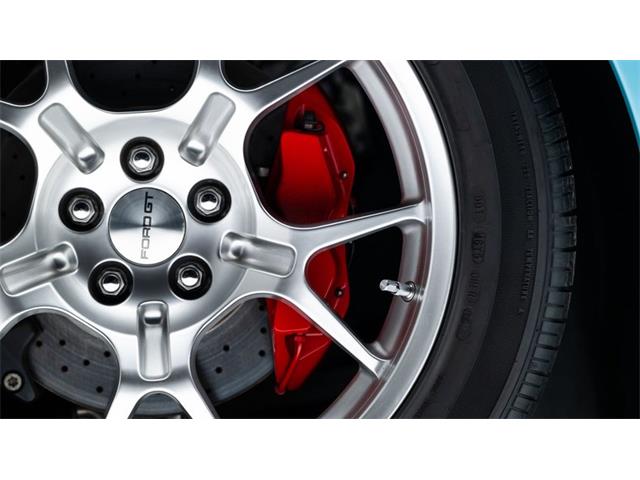
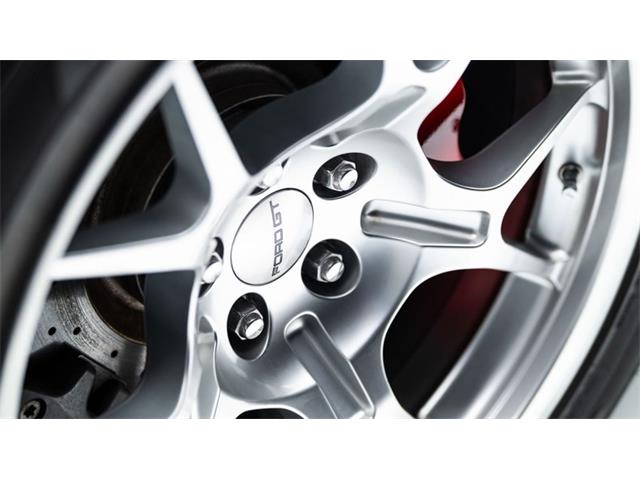
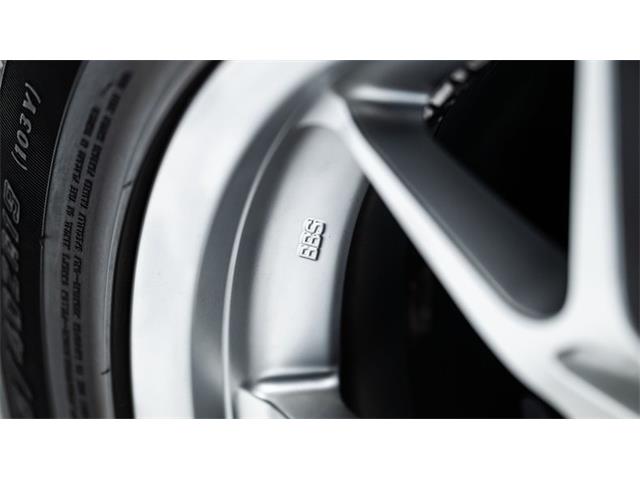
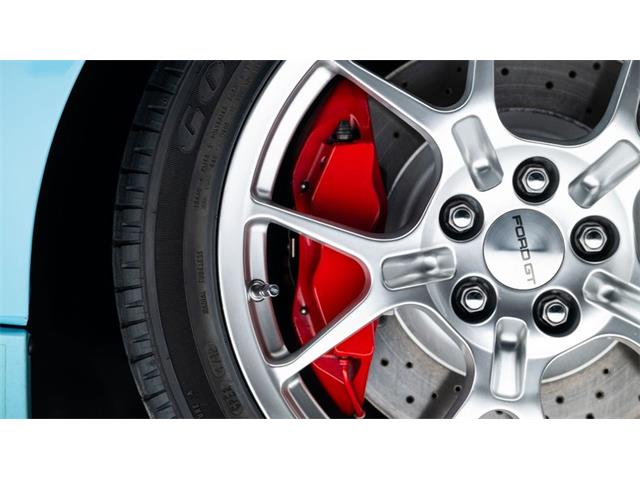
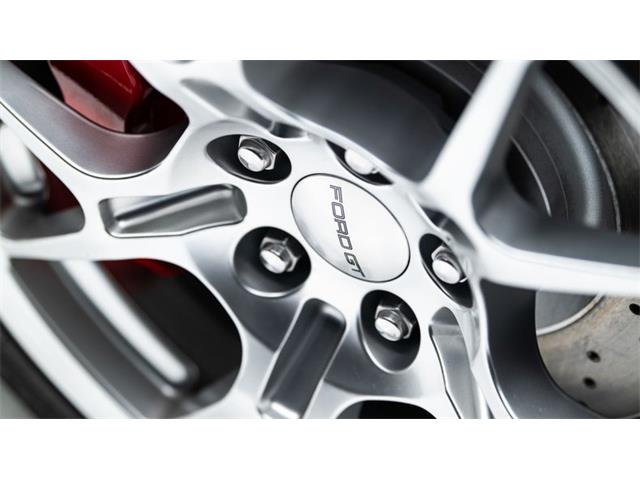
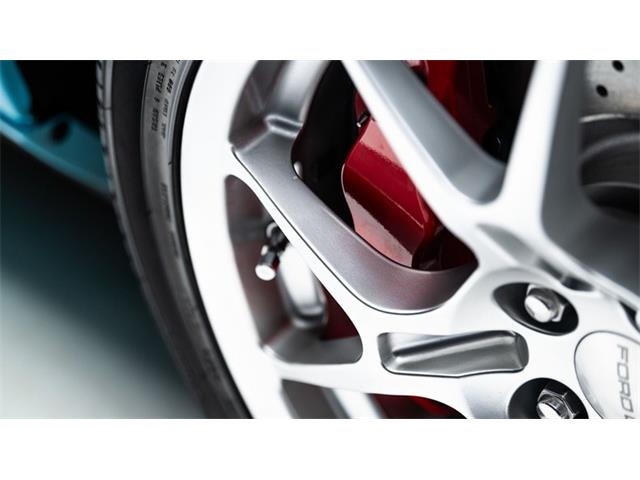
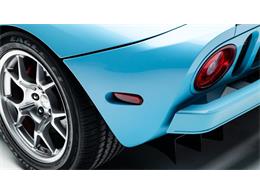
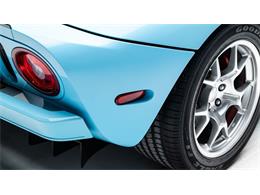
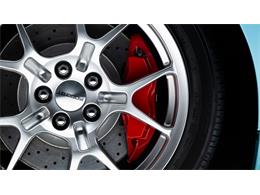
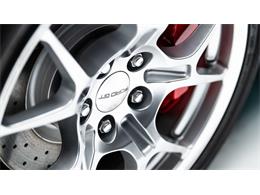
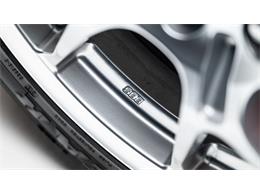
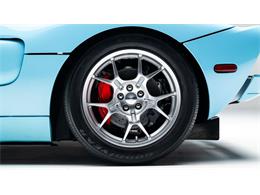
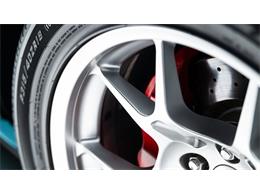
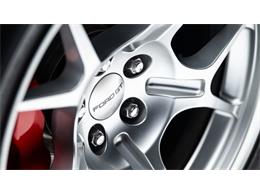
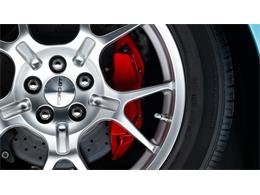
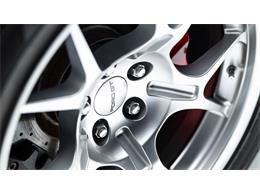
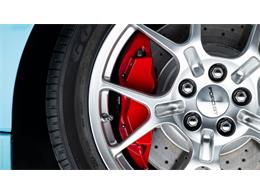
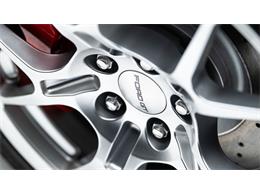
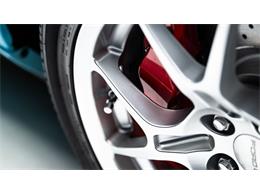
system, $3,500 forged BBS lightweight wheels, $750 red-painted
brake calipers, and the $13,000 Gulf-inspired Heritage livery.
These desirable options added nearly 15 percent to the base
MSRP.
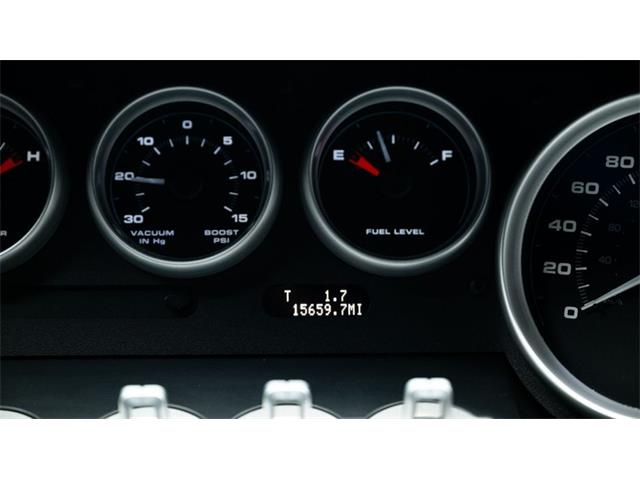
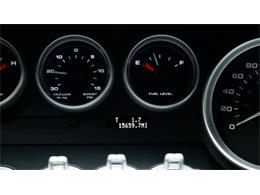
Originally delivered on 23 June 2006, the clean CARFAX Vehicle
History Report confirms this is Ford GT Heritage Edition was under
long-term ownership until 2014, now displaying just under 16,000
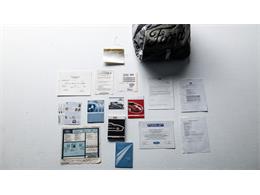
miles at cataloging. Accompanied by its Ford GT Certificate,
original window sticker, and additional delivery items, this
well-documented example represents a compelling opportunity to
acquire an iconic modern supercar that unites motorsport
provenance, distinctive design, and analog performance as a
benchmark example of Ford's most celebrated 21st-century
performance car.
ClassicCars.com has been recognized as one of the fastest-growing private companies in the United States, successfully making the Inc. 5000 list in both 2015,
2016, 2017 and 2018. This prestigious accolade represents the continued growth of the company, and ClassicCars.com's dominance as the world's largest online marketplace for
buying and selling classic and collector vehicles.
The Stevie Awards, the world's premier business awards recognized
ClassicCars.com's first-class Customer Support team with a Stevie Bronze Award in 2019, celebrating the team's skills as exemplary customer support specialists.
In 2016 The Journal, brought to you by ClassicCars.com, was celebrated as the SECOND MOST INFLUENTIAL automotive blog in the world by NFC Performance.