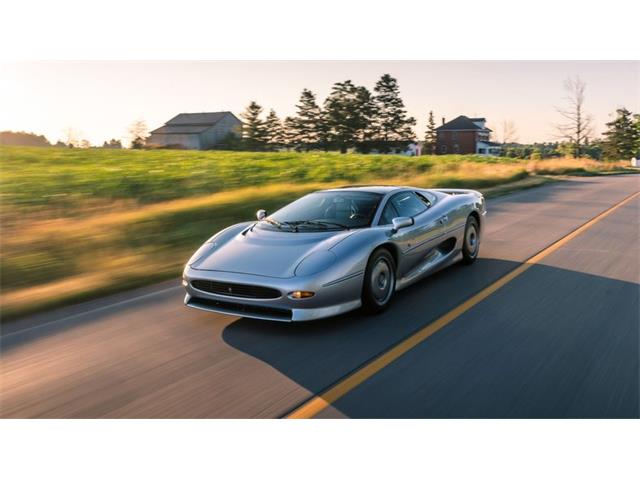
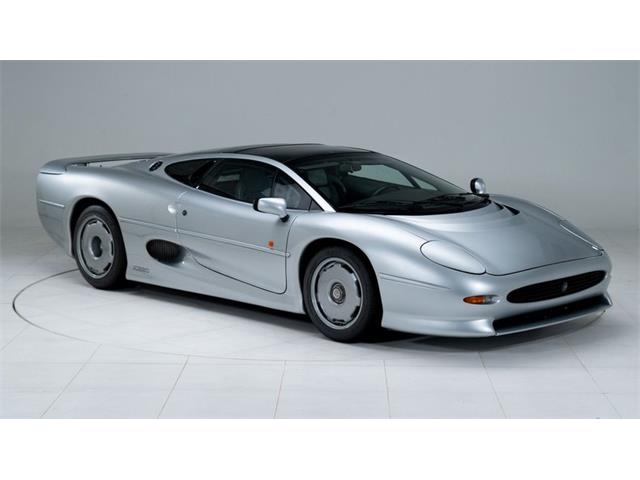
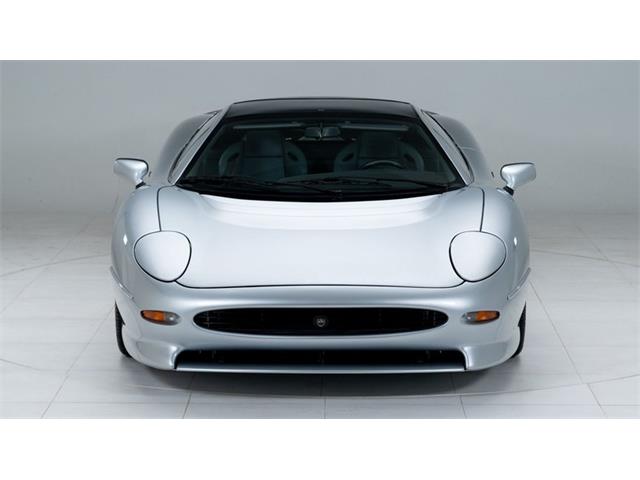
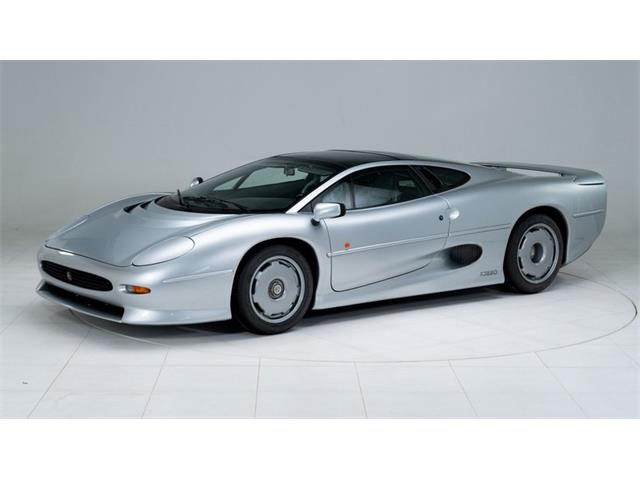
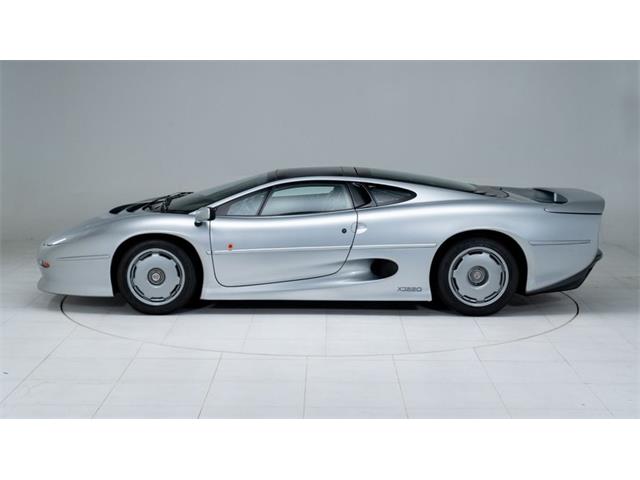
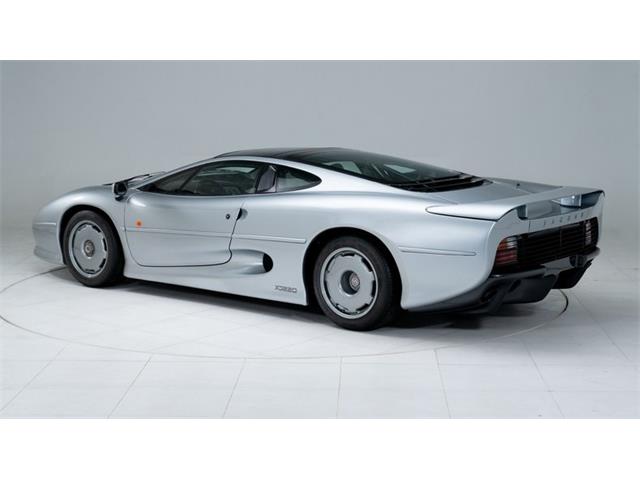
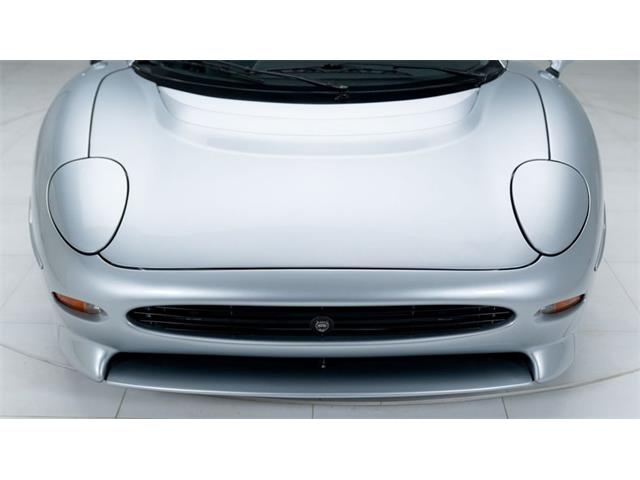
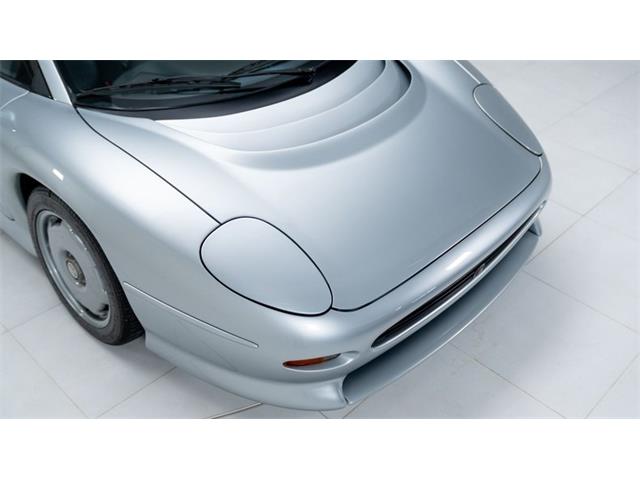
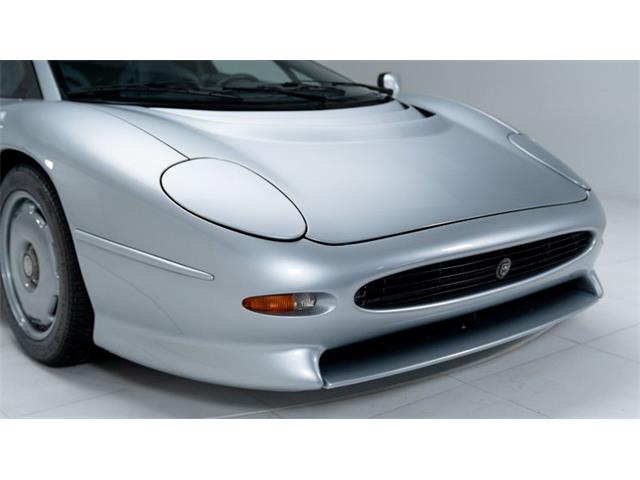
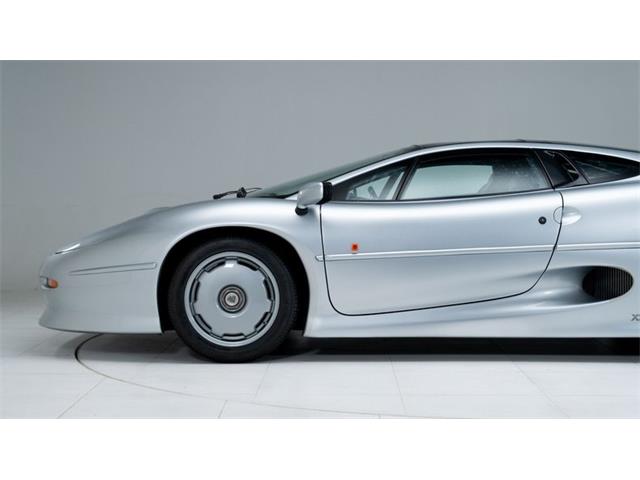
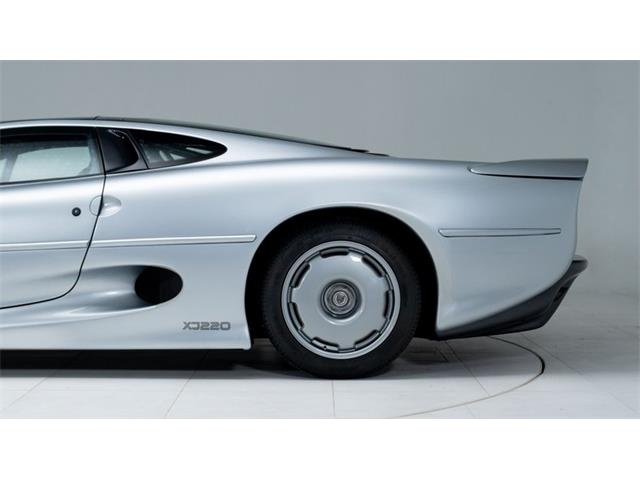
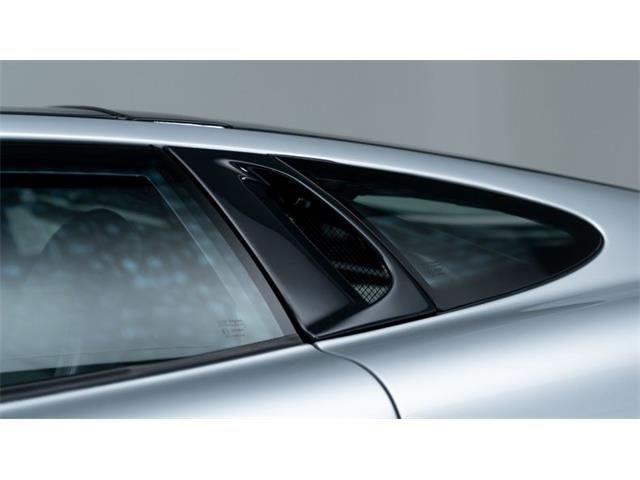
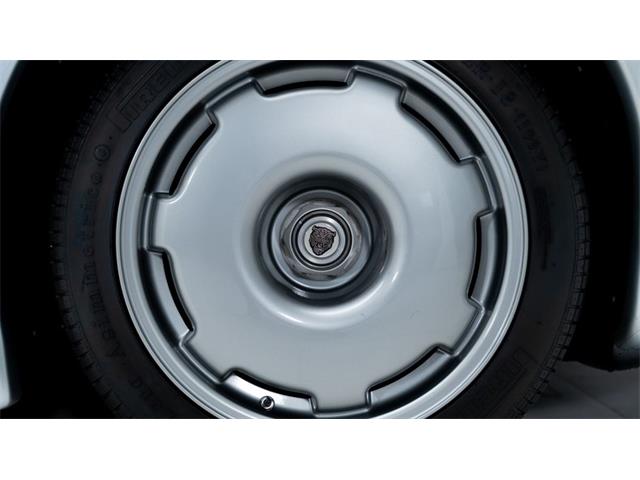
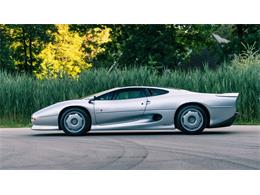
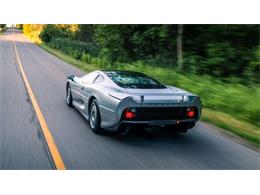
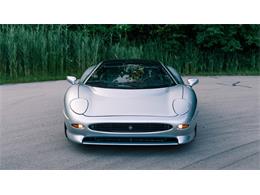
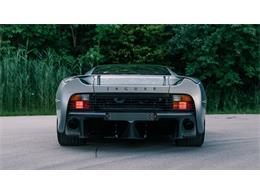
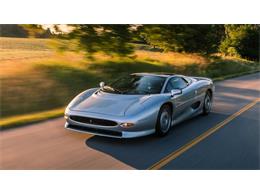
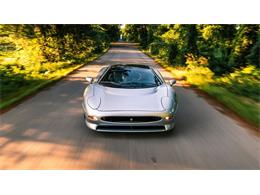
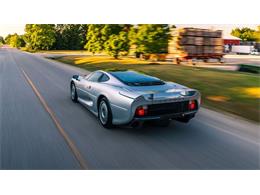
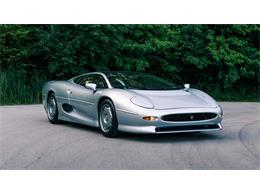
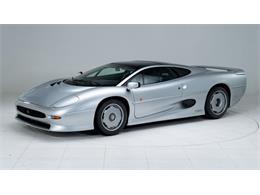
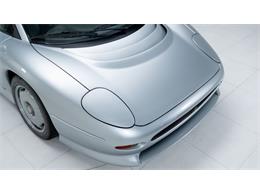
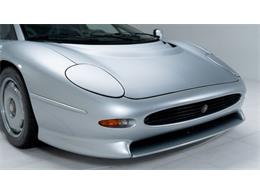
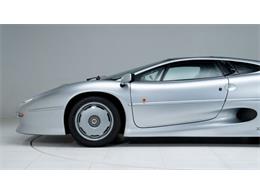
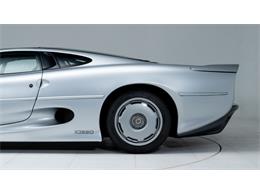
Exceptionally rare, immensely powerful, and wearing a sculptural
body, the Jaguar XJ220 fully embraces the very definition of a
supercar.
In the late 1980s, nearly every major performance car manufacturer
was locked in an intense race to create the ultimate
200-mile-per-hour supercar. Porsche set the benchmark in 1986 with
the technologically advanced 959, with a top speed of 197 mph, soon
followed by Ferrari's F40, which raised the stakes with a claimed
201 mph. At the same time, anticipation grew around Bugatti's
forthcoming EB110, announced at the dawn of the 1990s and rumored
to exceed 210 mph. It was within this fiercely competitive
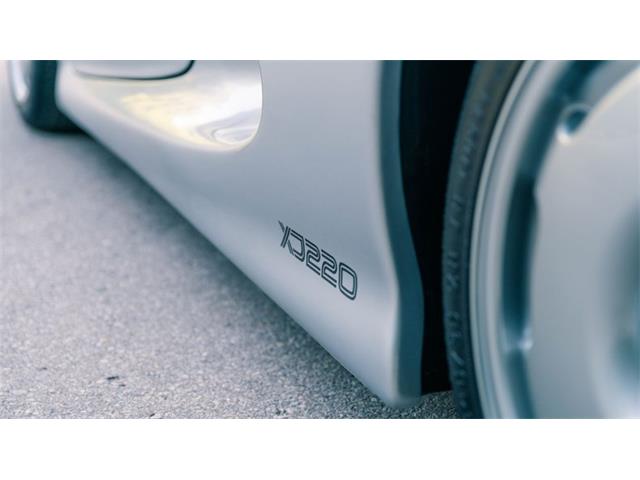
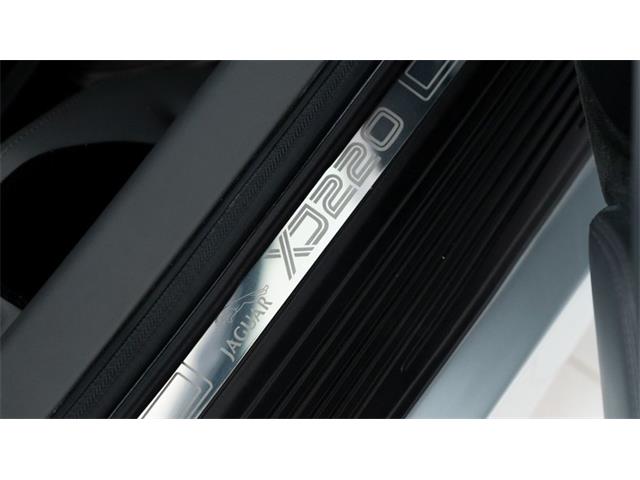
landscape that the Jaguar XJ220 emerged. Its name stands for
eXperimental Jaguar, while "220" boldly signaled a targeted 220 mph
top speed, deliberately echoing the legendary XK120, which four
decades earlier had stunned the world by reaching 120 mph.
It was imagined and brought to life by a small group of a dozen
specialist engineers and designers who worked voluntarily,
dedicating their own time and passion to the project. With discreet
support from nearly forty of Jaguar's suppliers, this unofficial
team, later nicknamed the "Saturday Club", operated outside the
usual corporate framework. The XJ220 is thus profoundly shaped by
intrepidity, a spirit of adventure, and an aura of secrecy.
Fresh from the momentum of its immensely successful endurance
racing program, and its overall victory at the 24 Hours of Le Mans
in 1988, Jaguar was eager to channel its race-winning expertise
into a road-going machine capable of surpassing all rivals.
Unveiled the same year as a concept car, the XJ220 prototype was
built around a chassis, engine, and drivetrain derived directly
from Jaguar's Group C racing cars. Yet, true to the brand's
heritage, it also preserved traditional Jaguar refinement,
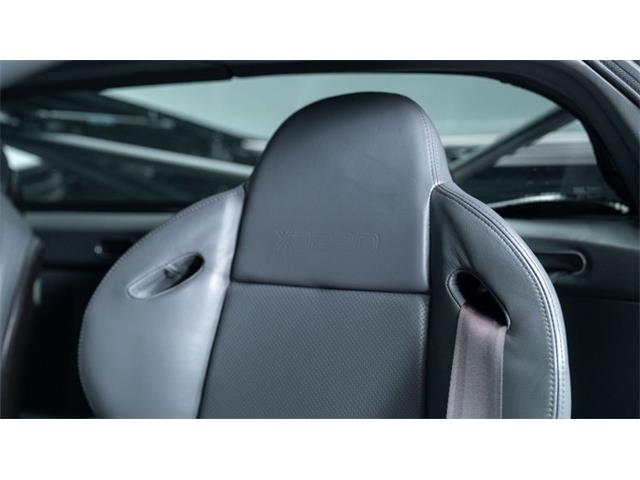
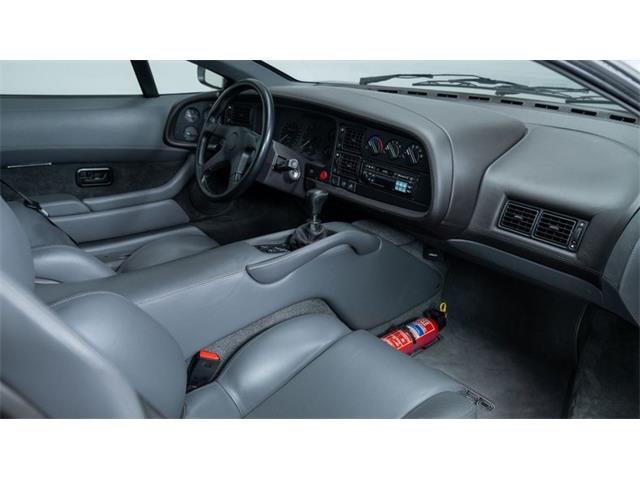
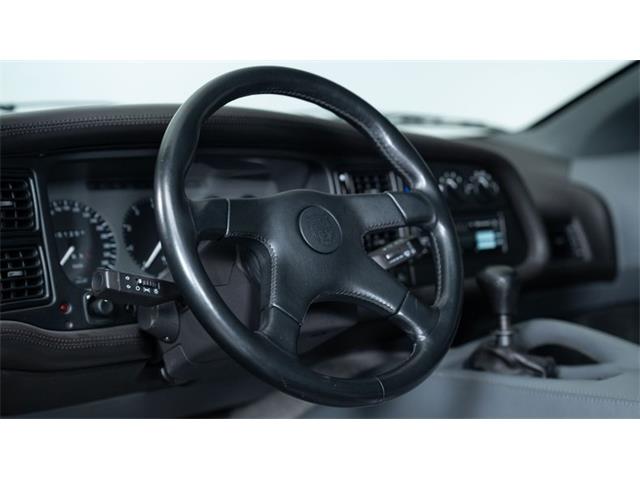
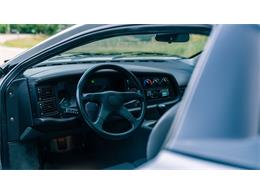
featuring a sumptuous leather interior and a beautifully sculpted
aluminum body.
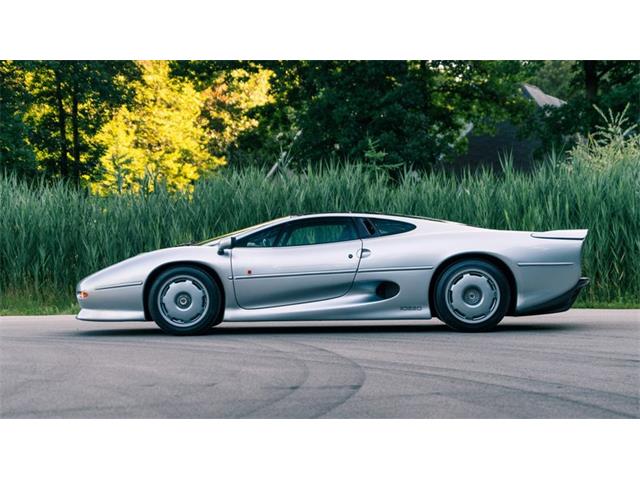
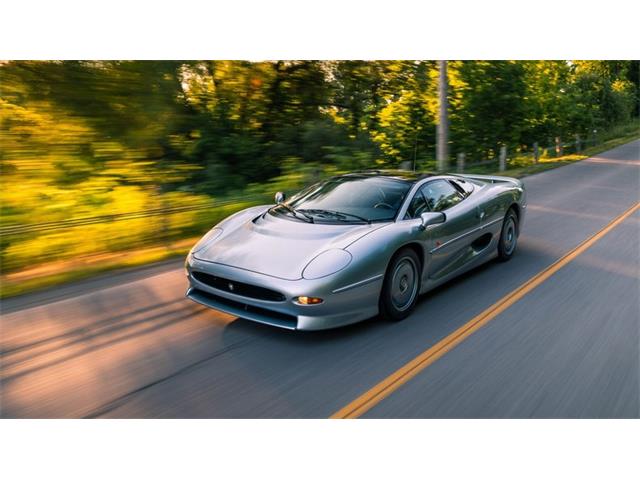
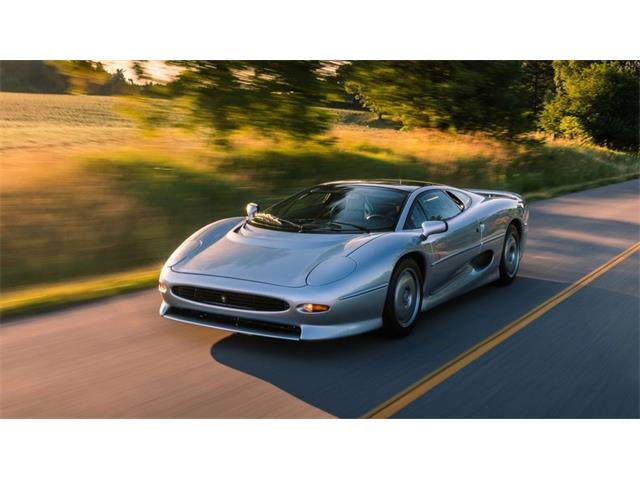
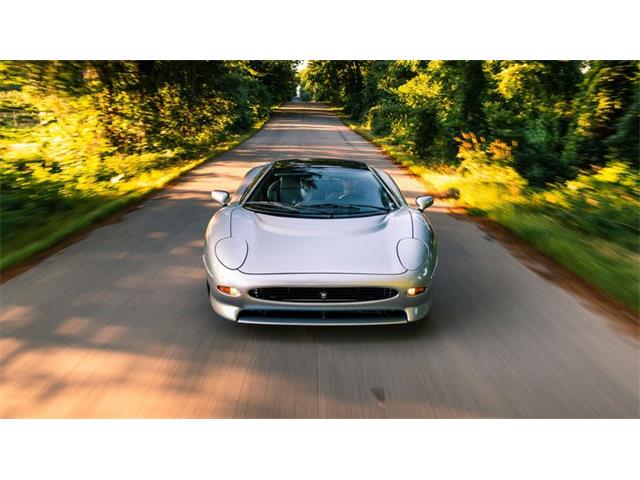
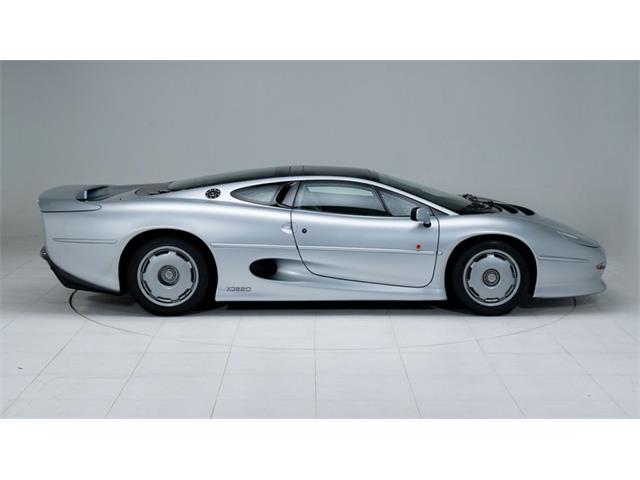
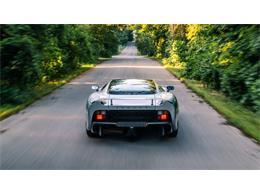
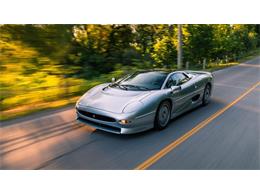
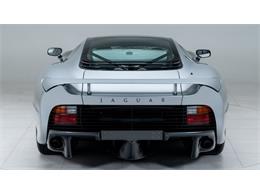
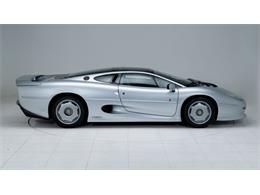
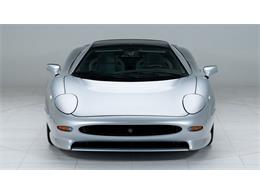
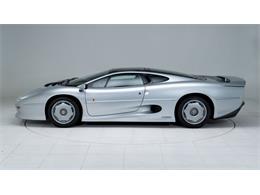
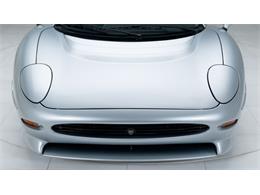
Styled by Keith Helfet, the XJ220 concept perfectly balanced
elegance with aggression, featuring flowing, aerodynamic lines and
retractable headlamps. Its proportions were extreme: 4.9 meters
long, 2.0 meters wide, and just 1.15 meters tall, giving it a
presence unmatched by its rivals. For production, Jaguar entrusted
Tom Walkinshaw Racing, establishing a dedicated facility in Bloxham
and announcing a planned run of 350 units.
Deliveries finally began in 1992, with a U.S. price of $450,000,
well above the initial estimate, a sum that would equate to over a
million dollars today, making it extraordinarily expensive, despite
deposits of around $50,000 paid by customers. Even with technical
changes from the original brief, the XJ220's performance remained
breathtaking, reaching a verified top speed of 217 mph!
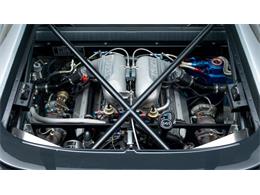
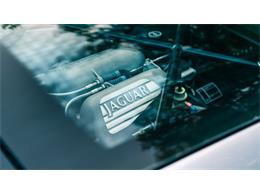
The production XJ220s retained their advanced engineering, built
around lightweight aluminum bodywork and bonded honeycomb chassis.
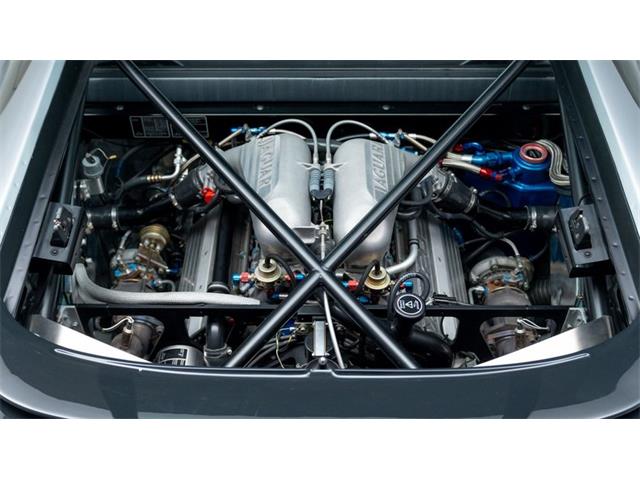
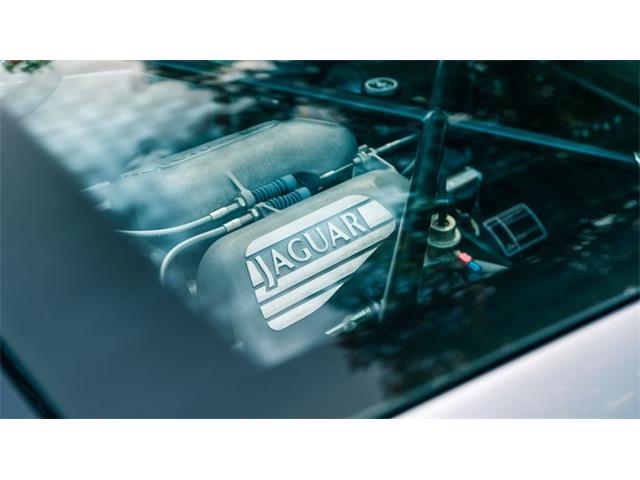
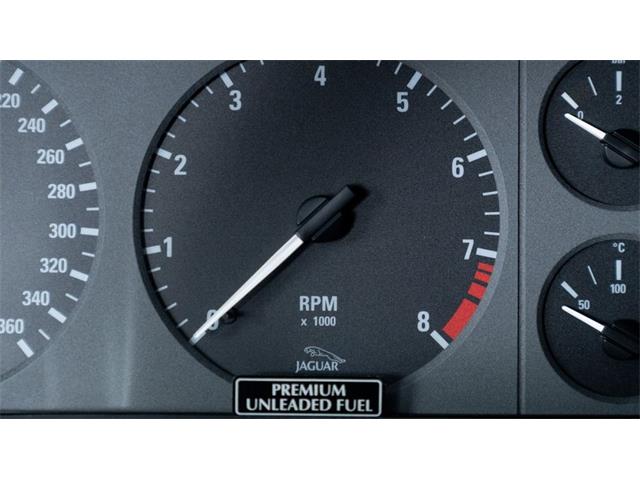
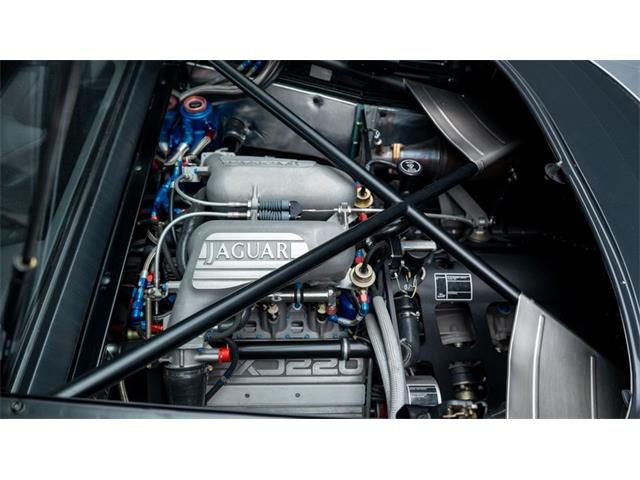
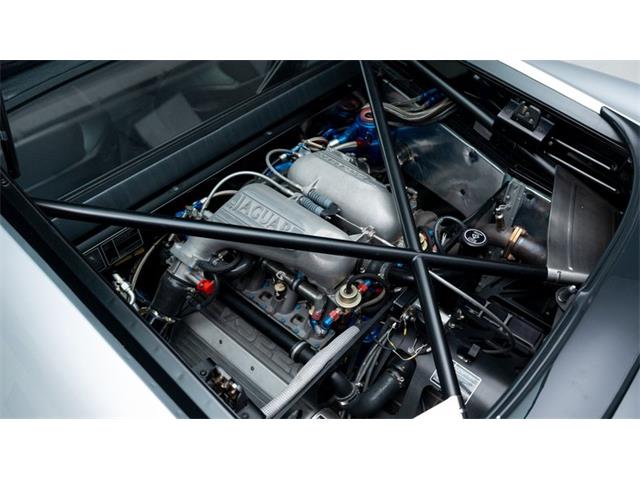
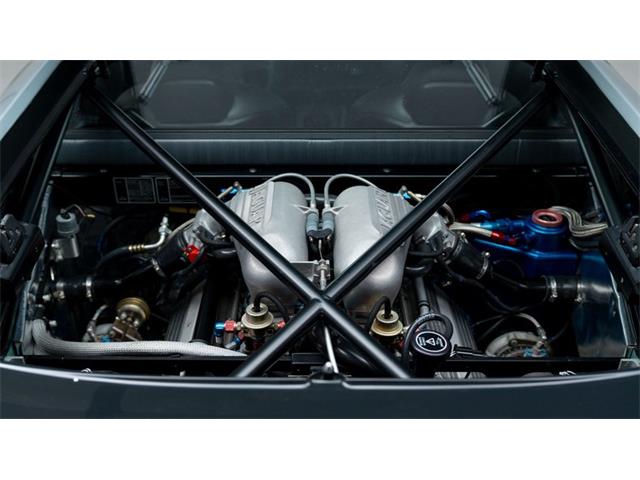
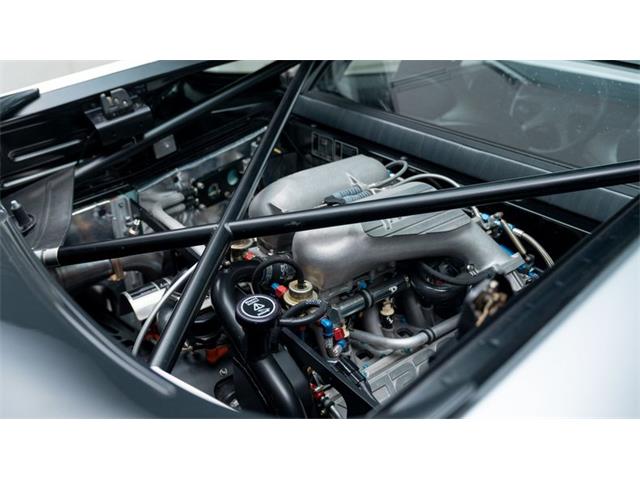
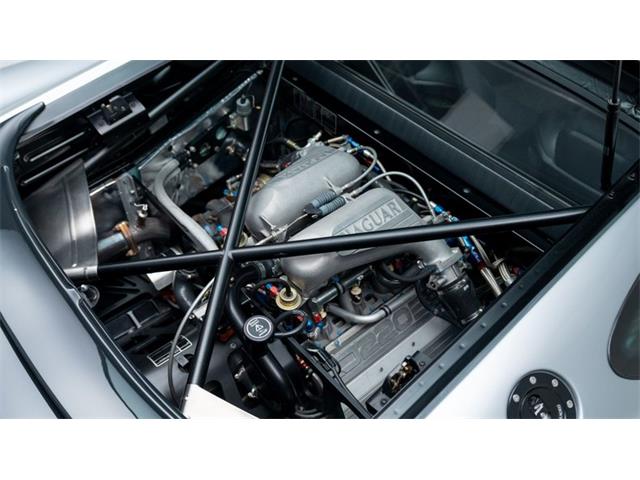
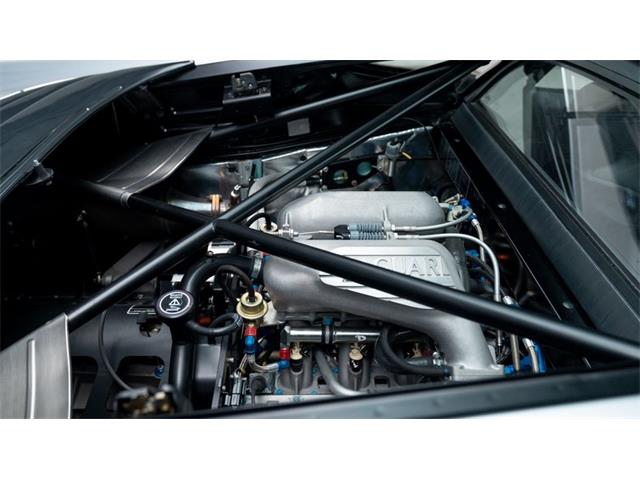
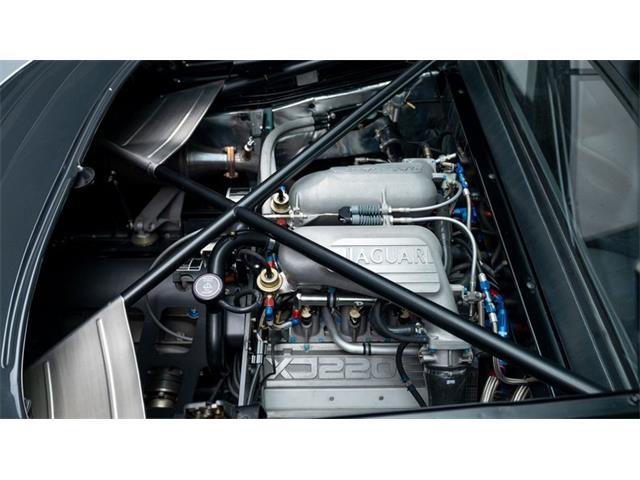
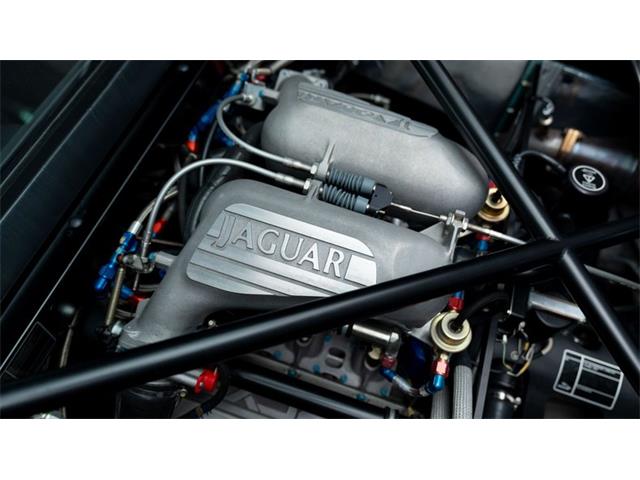
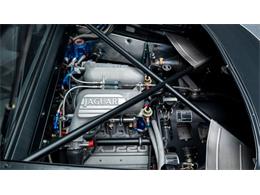
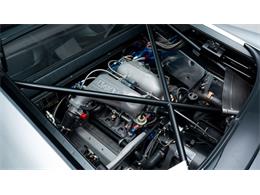
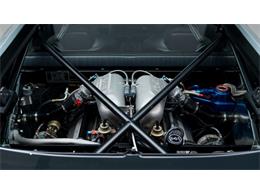
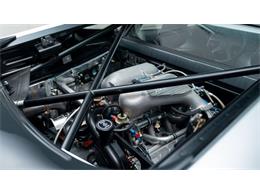
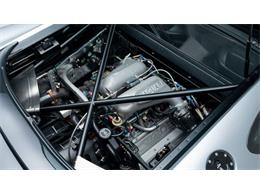
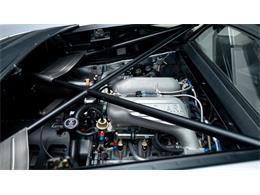
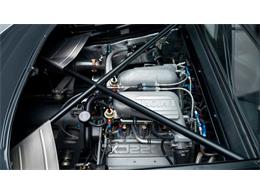
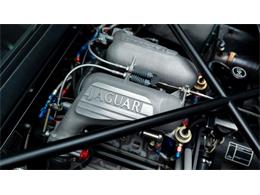
Power came from an FIA Group B, derived twin-turbocharged 3.5-liter
V6, producing 534 horsepower through a five-speed manual
transmission. Despite narrowly missing its top speed goal, the
XJ220 claimed the title of the fastest production car in the world
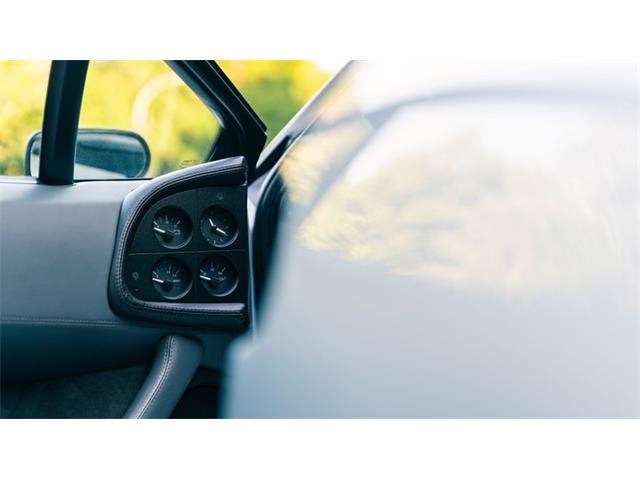
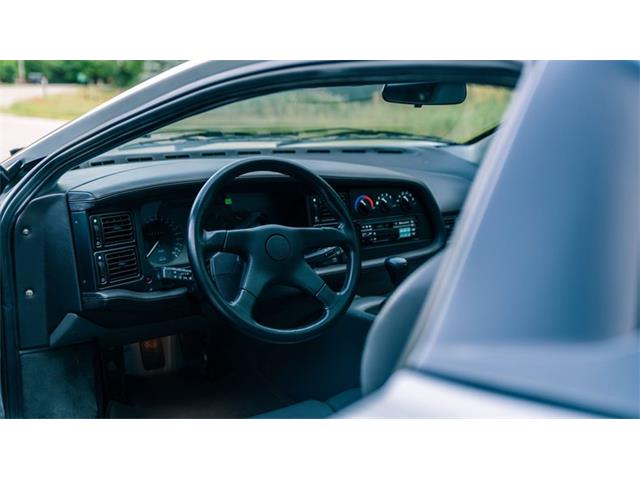
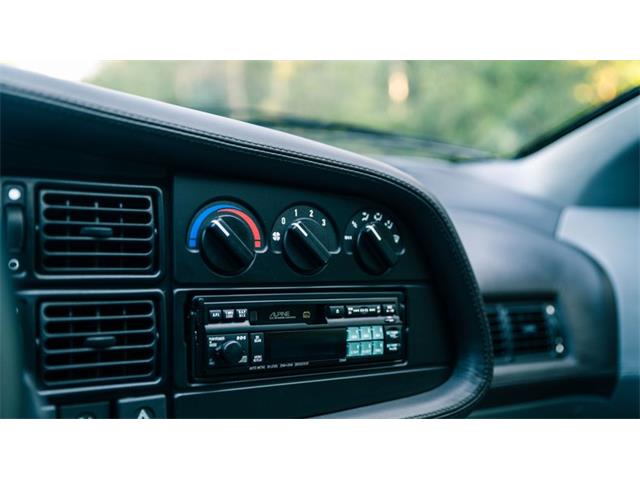
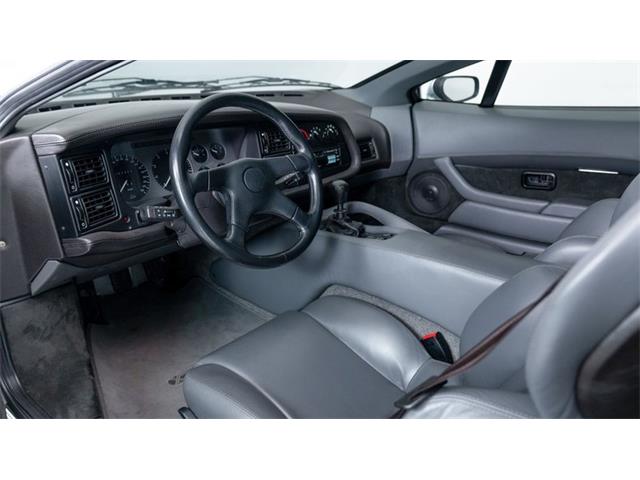
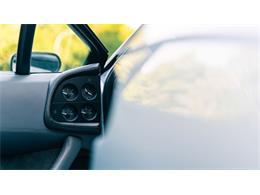
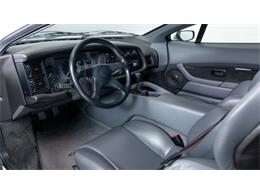
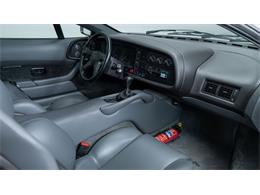
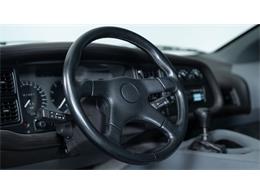
at the time, while remaining unmistakably Jaguar inside,
luxuriously trimmed in Connolly leather.
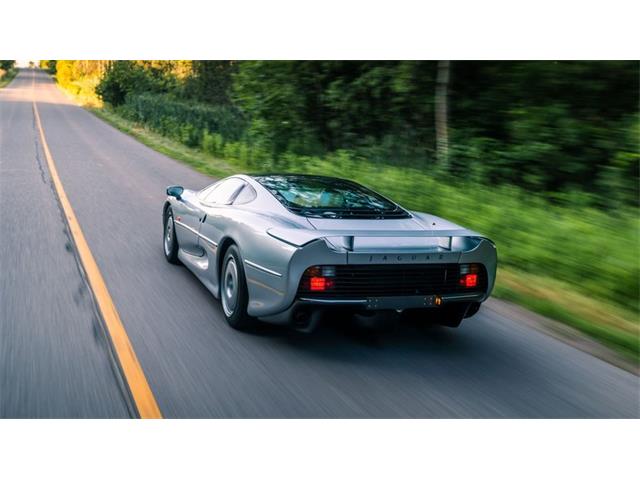
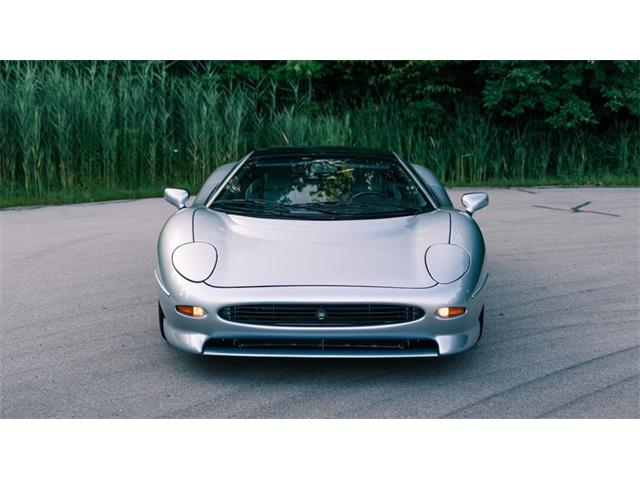
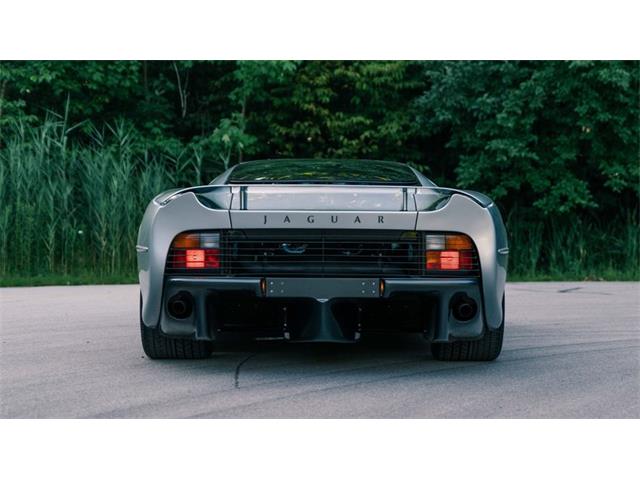
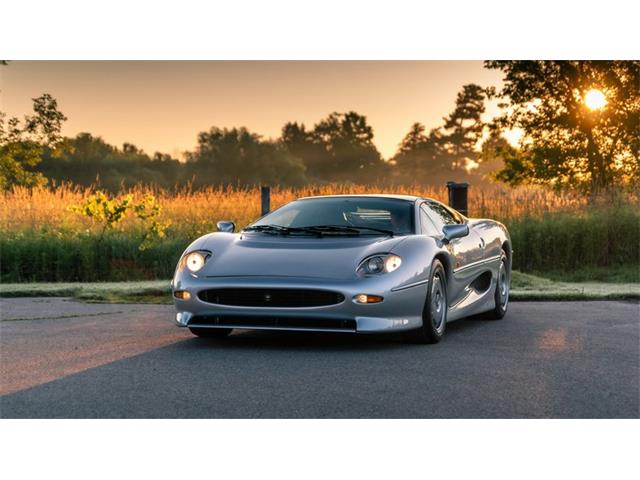
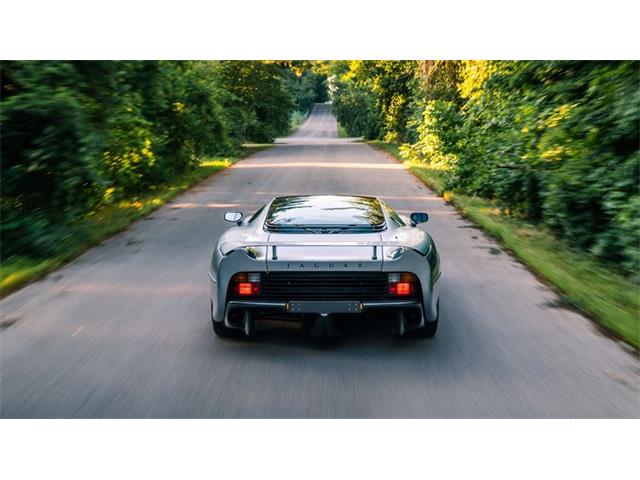
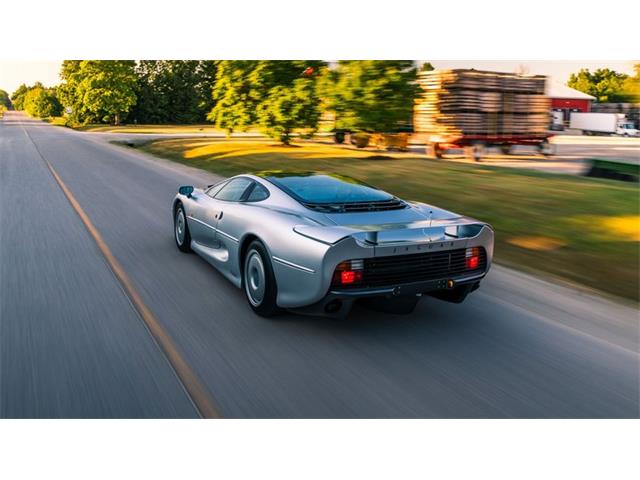
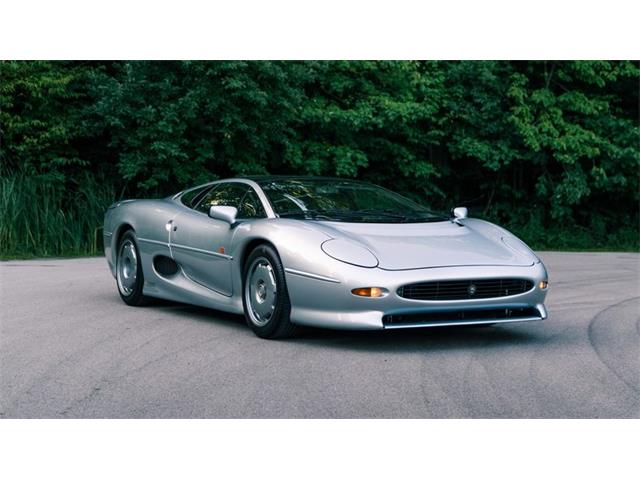
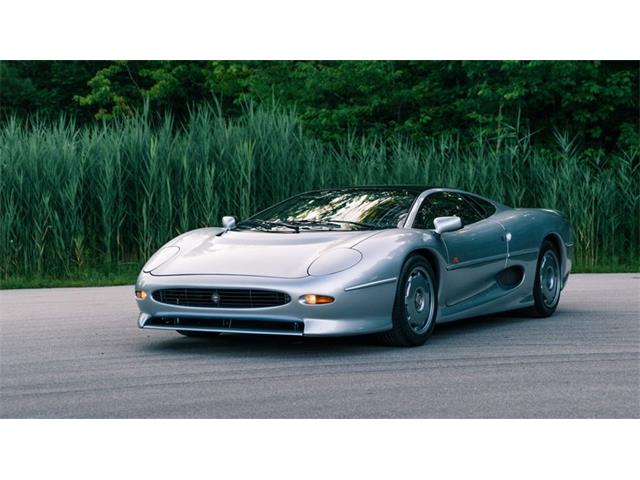
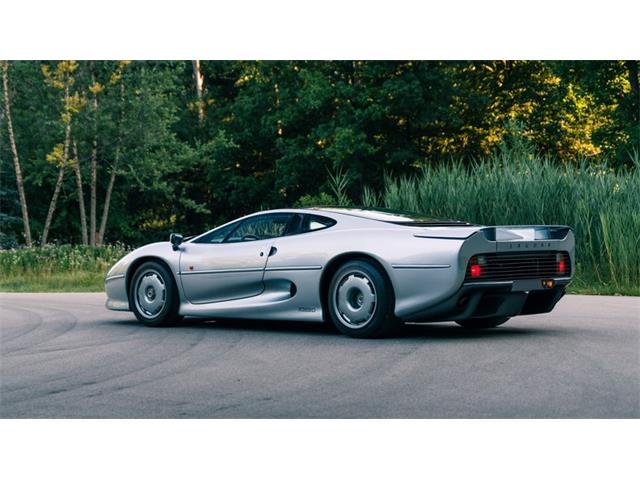
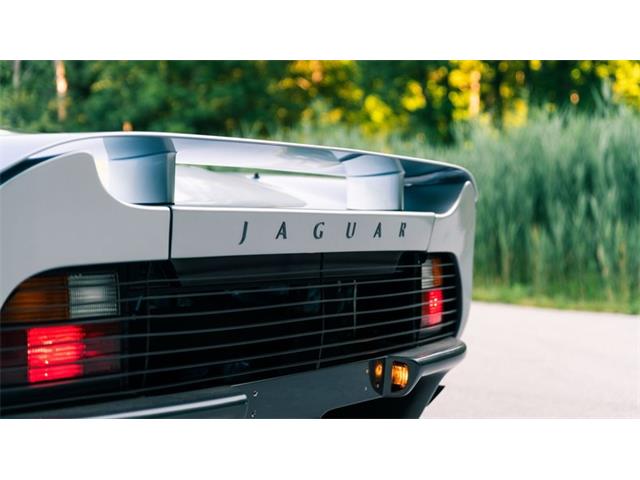
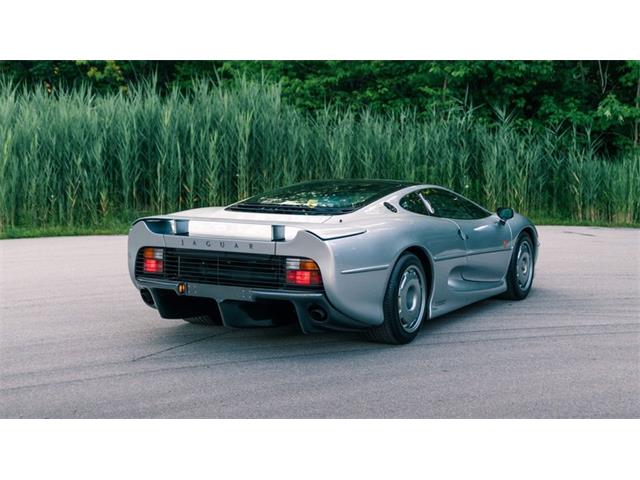
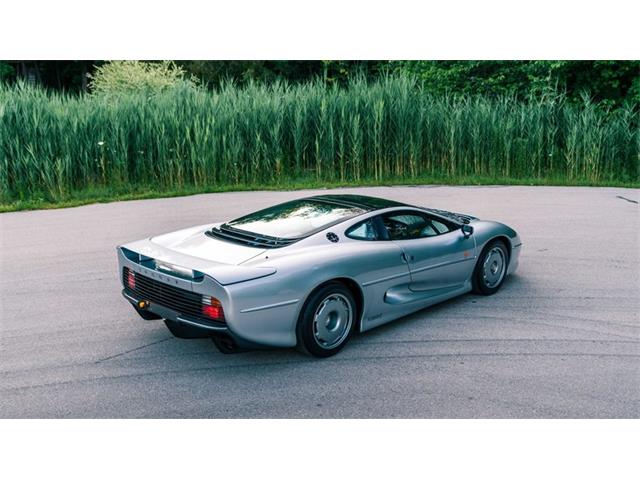
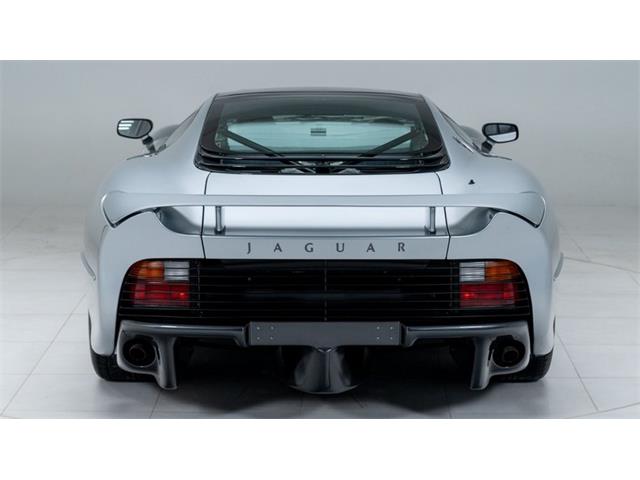
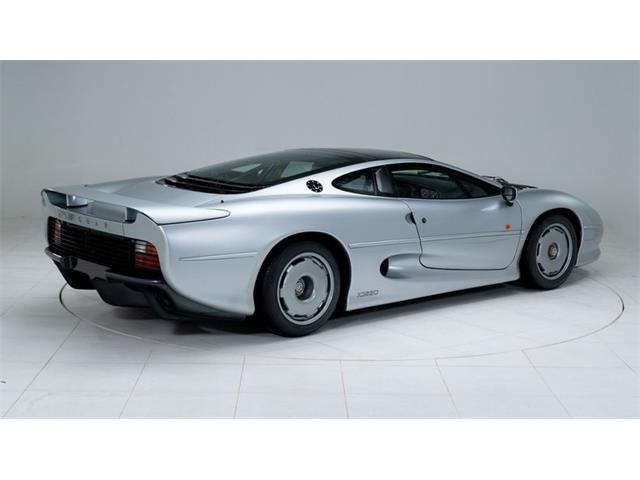
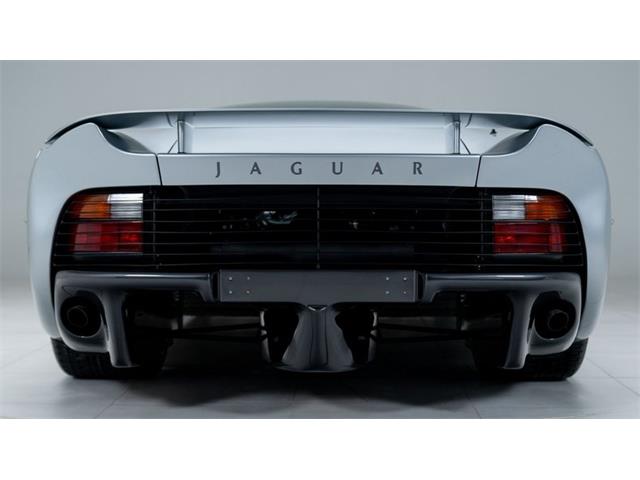
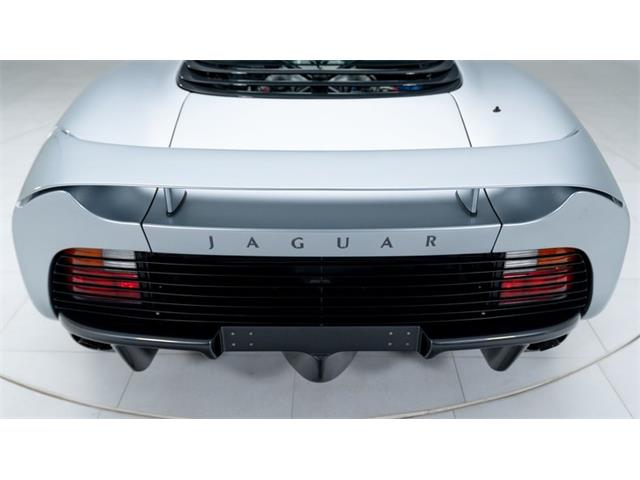
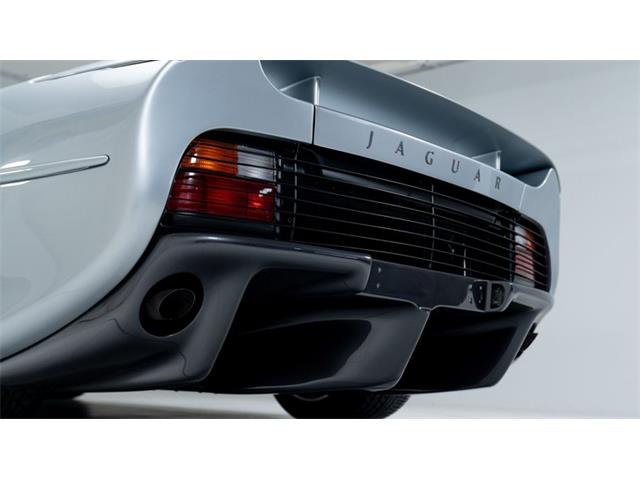
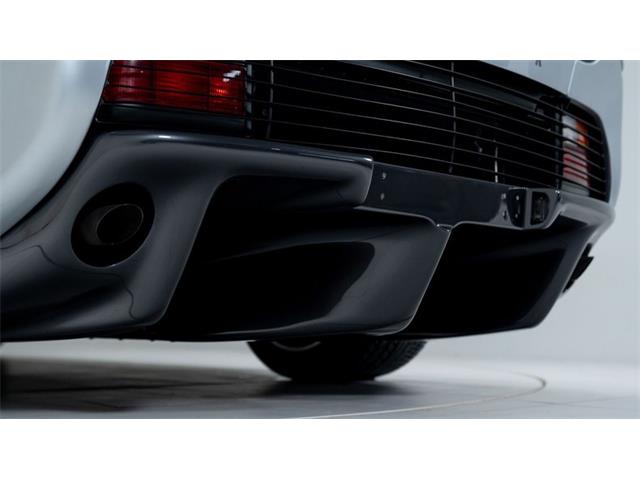
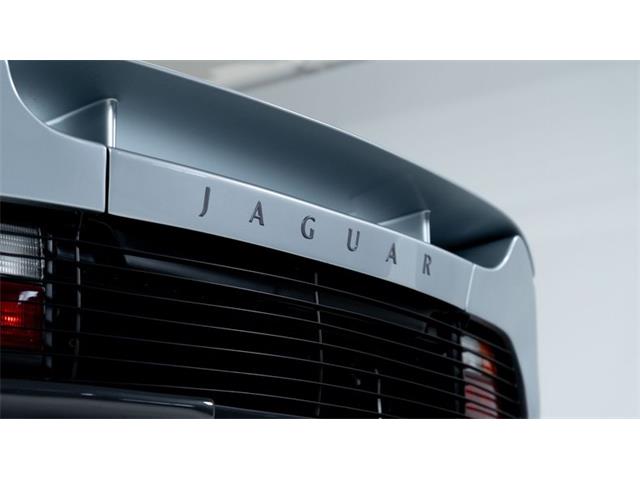
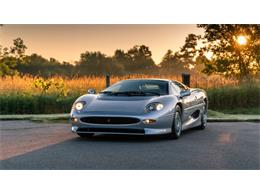
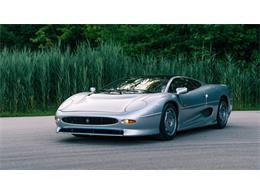
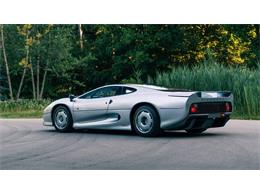
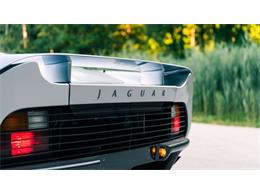
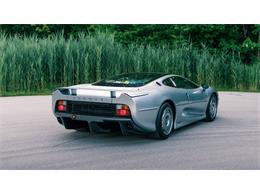
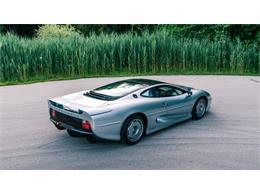
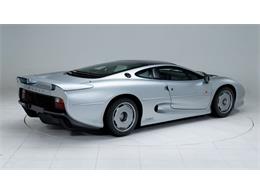
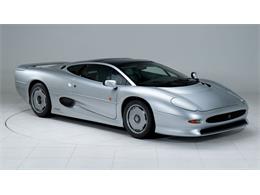
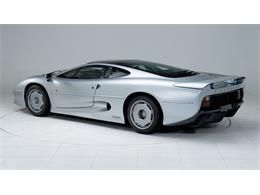
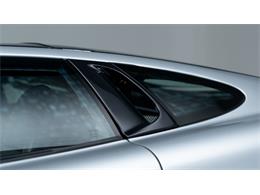
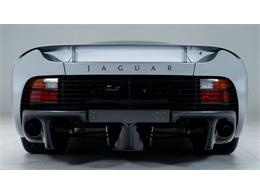
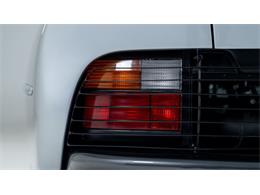
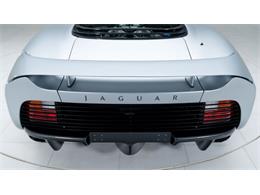
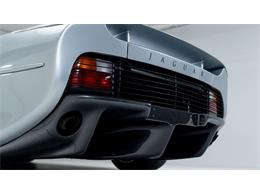
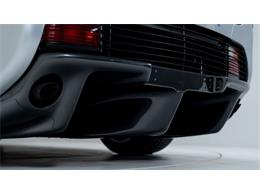
Among the 281 XJ220 ever produced, the example presented here was
originally delivered new with left-hand drive to Vienna, Austria,
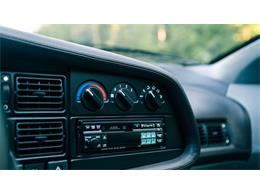
in early autumn 1993, finished in Spa Silver with a Smoke Grey
interior, a color combination that accentuates its futuristic
lines, retained to this day and widely used by Jaguar's own
marketing to promote the XJ220, appearing frequently in period
press material and helping define the model's visual identity. The
Jaguar supercar's first owner was a gentleman by the name of Herr
Scheit.
The XJ220 later became part of a private collection in Luxembourg
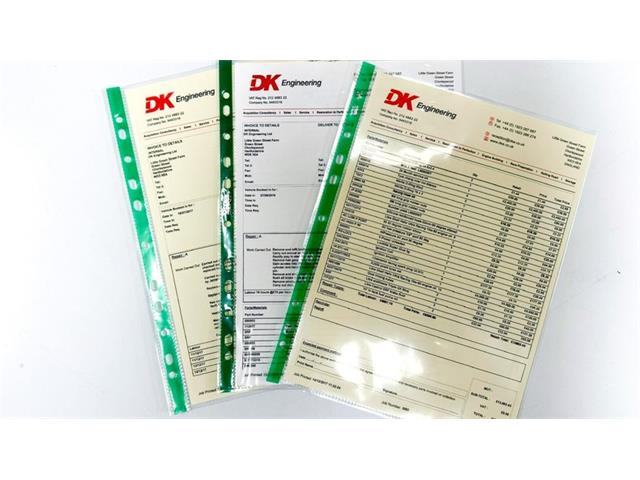
before arriving in Great Britain in 2016, where it was maintained
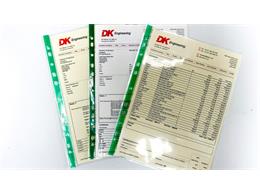
by the specialists at DK Engineering in 2016 and 2017, with
comprehensive invoices on file documenting the low mileage at the
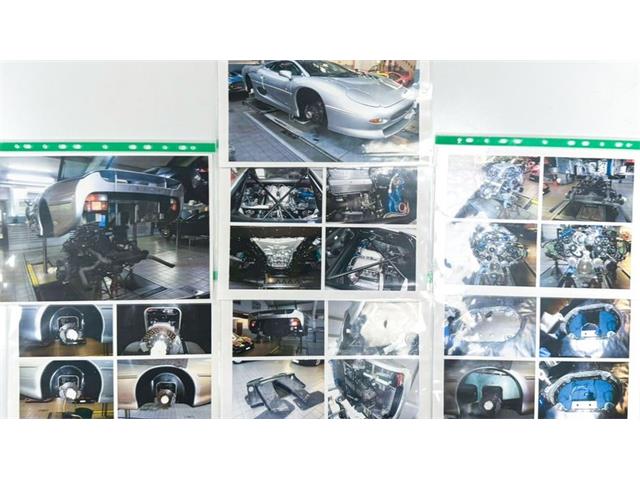
time. The most recent service, carried out at 1,211 kilometers
(just 46 km ago), included an engine-out cambelt service, a
thorough inspection of the entire fuel system with replacement of
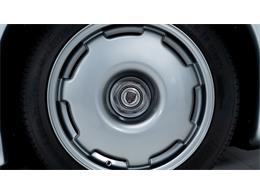
selected pumps, and the fitment of new tires. Throughout its
history, each custodian has demonstrated an unmistakably refined
and highly selective taste in supercars and, fully aware of the
extraordinary nature of the XJ220, added only minimal exercise
mileage along the way.
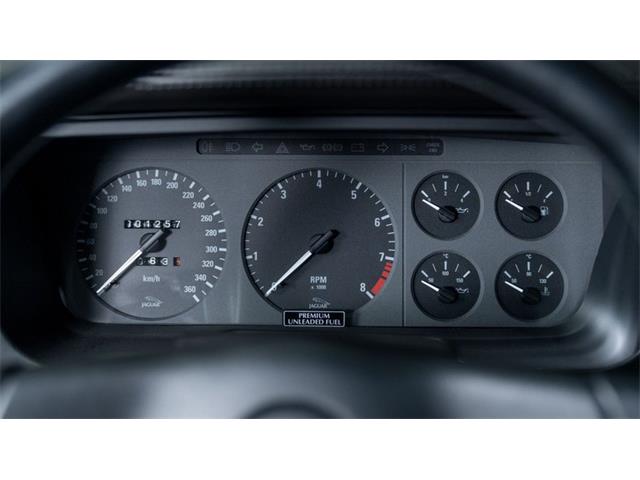
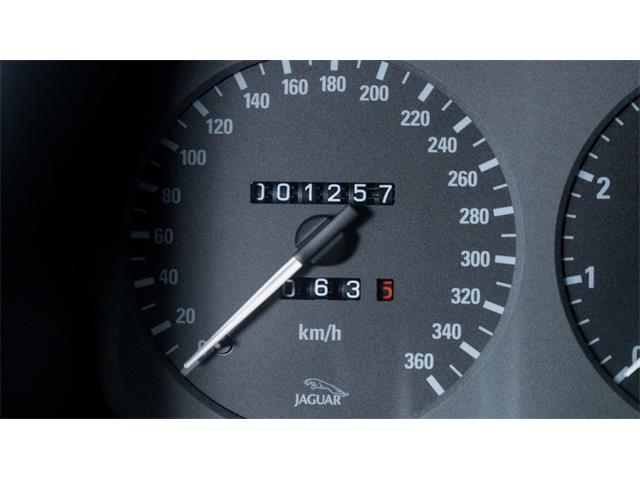
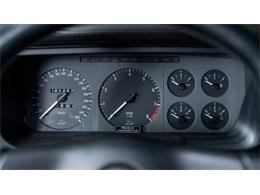
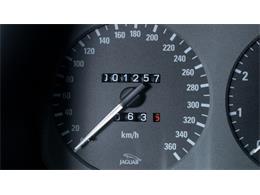
Thirty-three years later, this example displays an impressively low
1,257 kilometers (781 miles) from new at the time of cataloging.
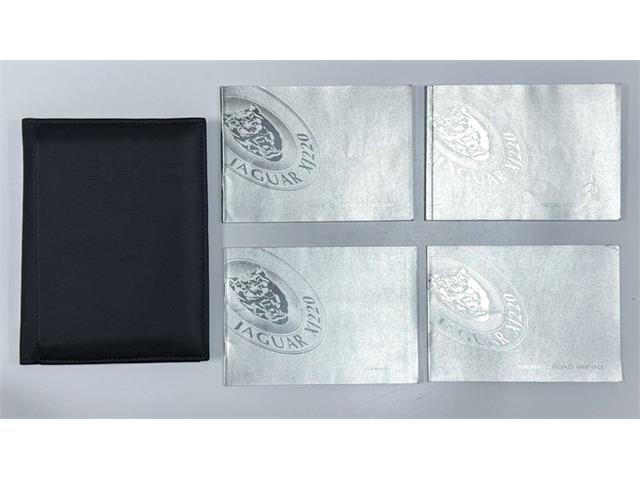
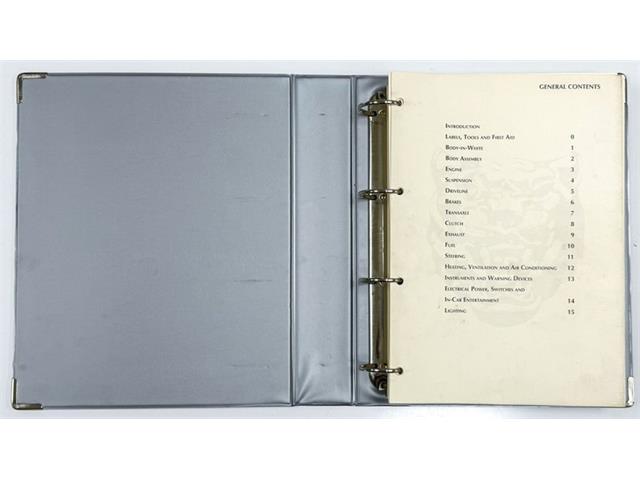
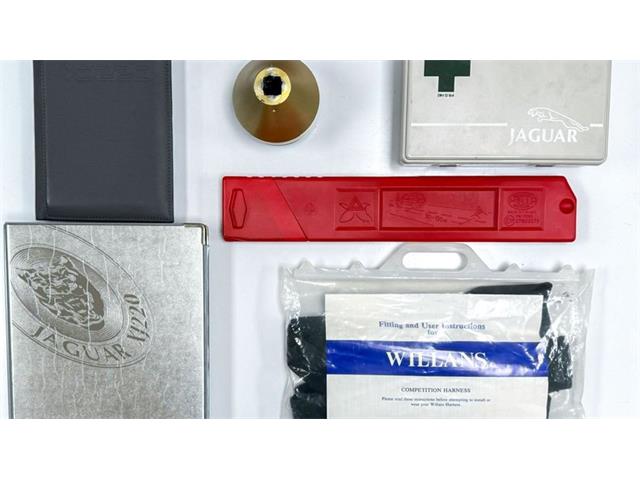
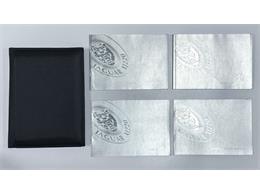
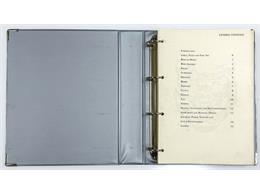
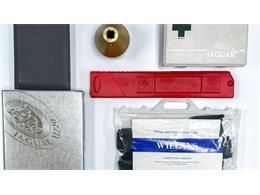
Accompanied by its Jaguar Heritage Certificate, original owner's
manuals, service records, tool kit, and first aid kit, this XJ220
will appeal equally to collectors wishing to preserve it in its
current condition or to those eager to take advantage of its
exceptionally low mileage and enjoy behind-the-wheel driving of one
of the most remarkable supercars of its era.
ClassicCars.com has been recognized as one of the fastest-growing private companies in the United States, successfully making the Inc. 5000 list in both 2015,
2016, 2017 and 2018. This prestigious accolade represents the continued growth of the company, and ClassicCars.com's dominance as the world's largest online marketplace for
buying and selling classic and collector vehicles.
The Stevie Awards, the world's premier business awards recognized
ClassicCars.com's first-class Customer Support team with a Stevie Bronze Award in 2019, celebrating the team's skills as exemplary customer support specialists.
In 2016 The Journal, brought to you by ClassicCars.com, was celebrated as the SECOND MOST INFLUENTIAL automotive blog in the world by NFC Performance.