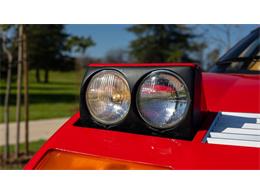
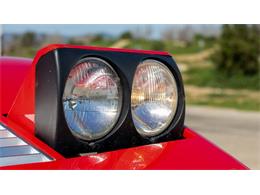
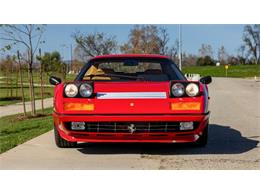
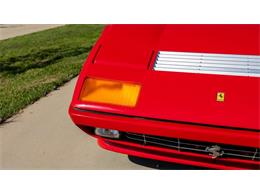
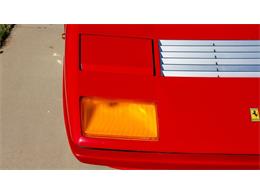
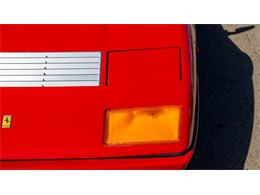
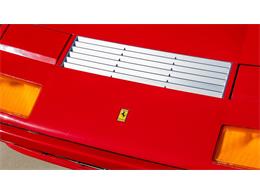
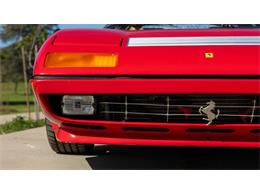
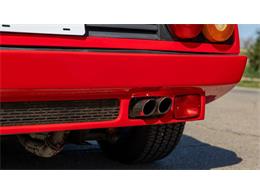
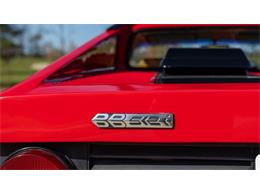
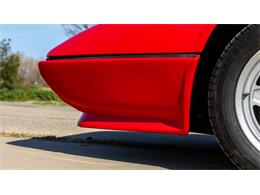
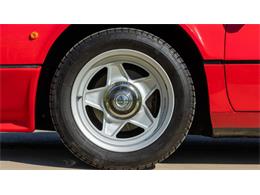
This vehicle has been soldThis vehicle is no longer available for sale on ClassicCars.com. Please set an alert if you would like to be notified as soon as similar vehicles become available.
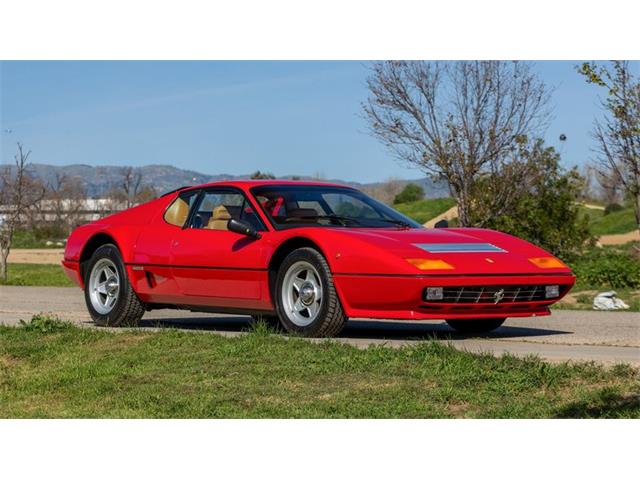
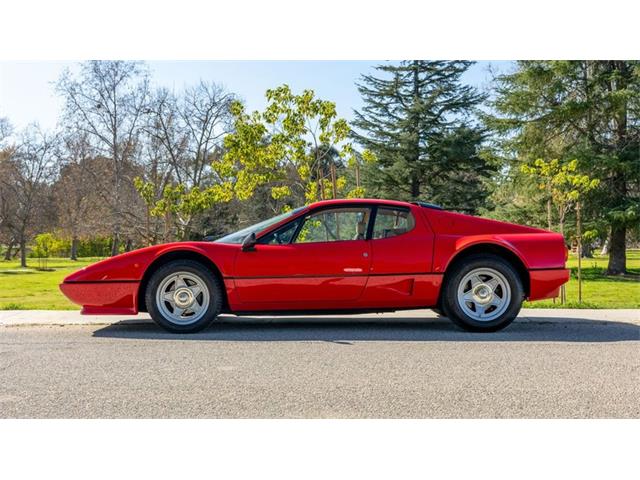
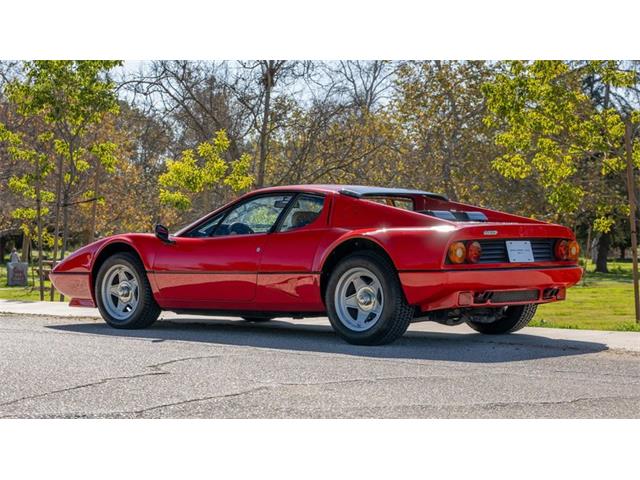
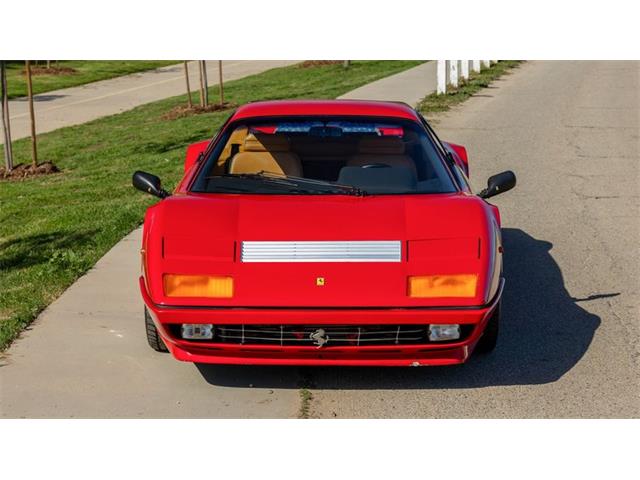
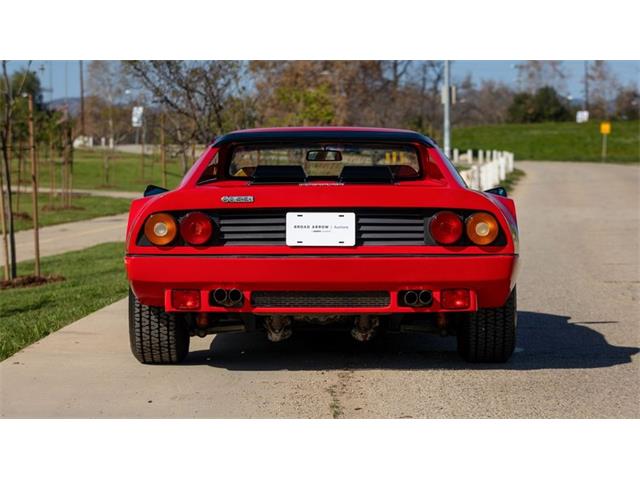
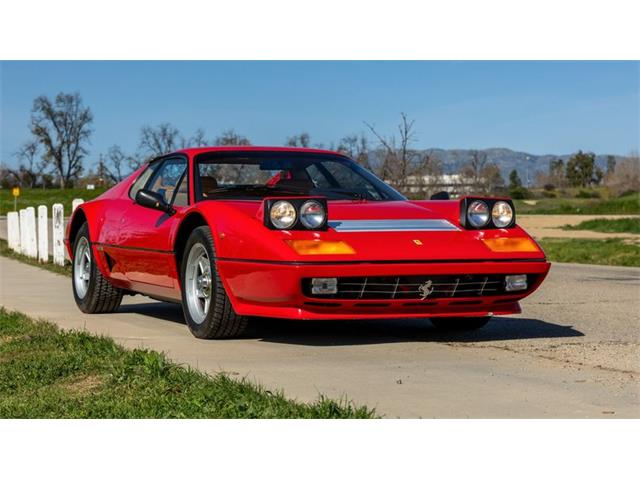
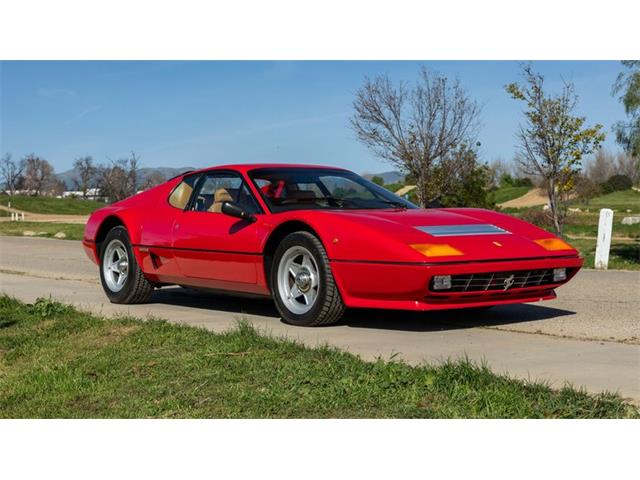
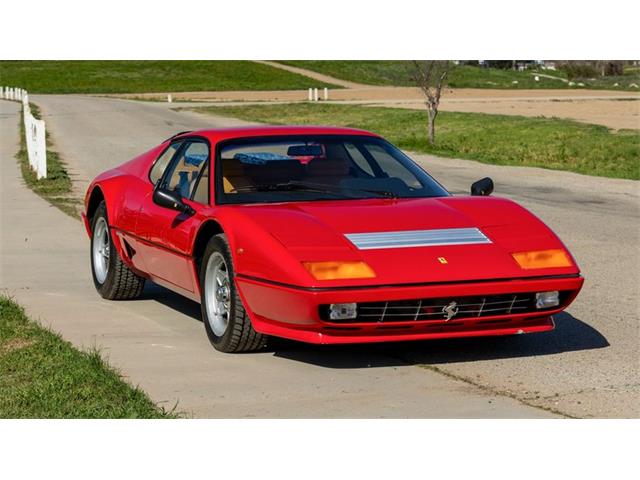
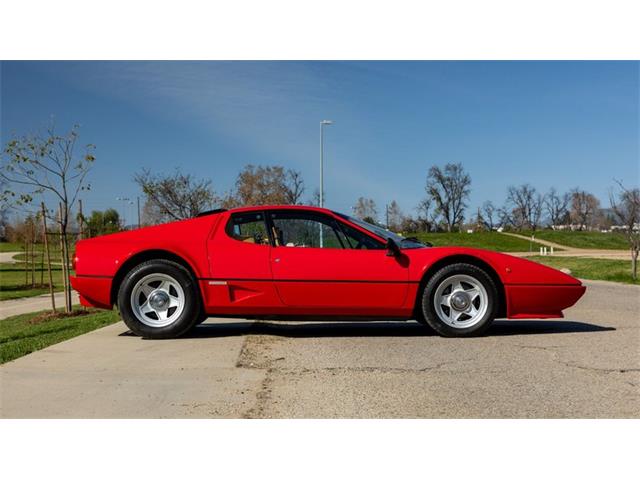
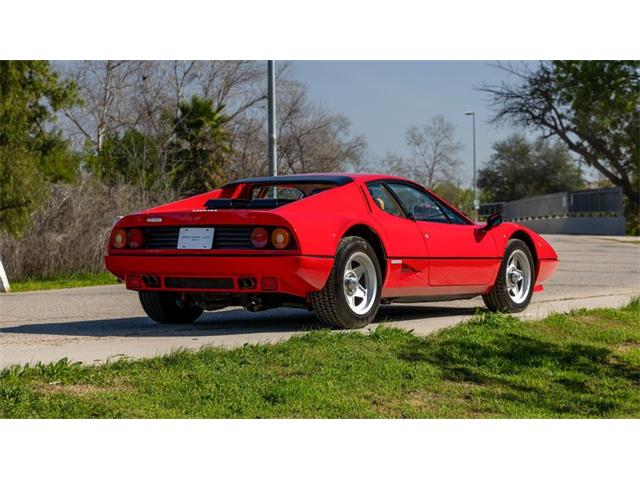
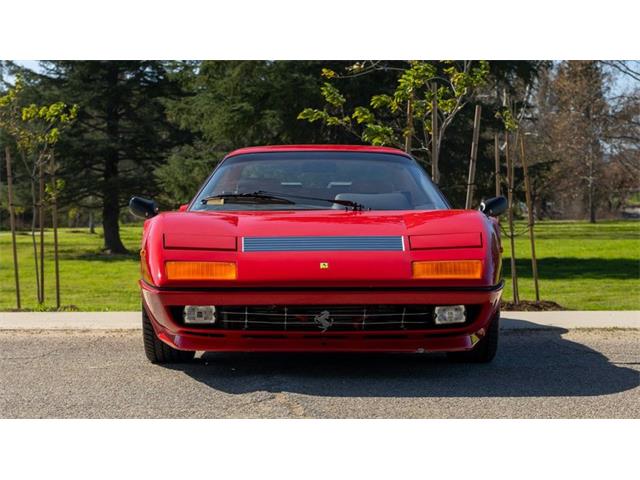
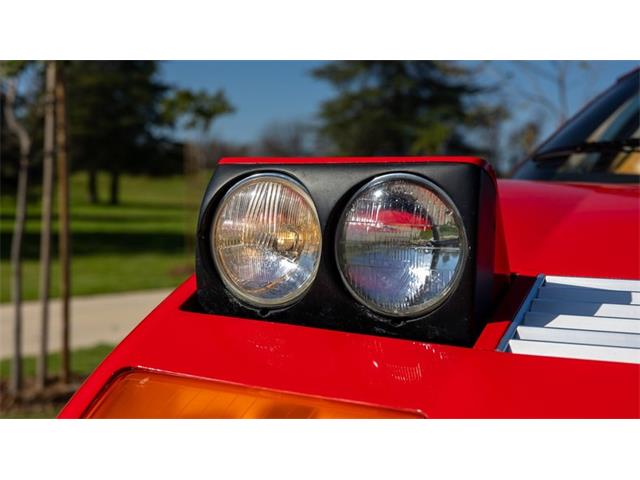
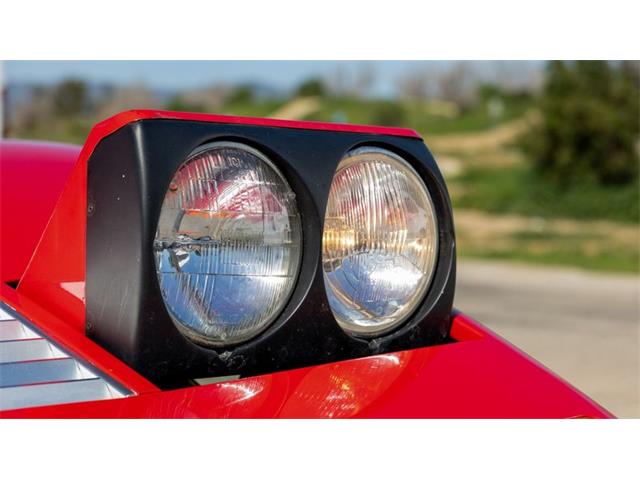
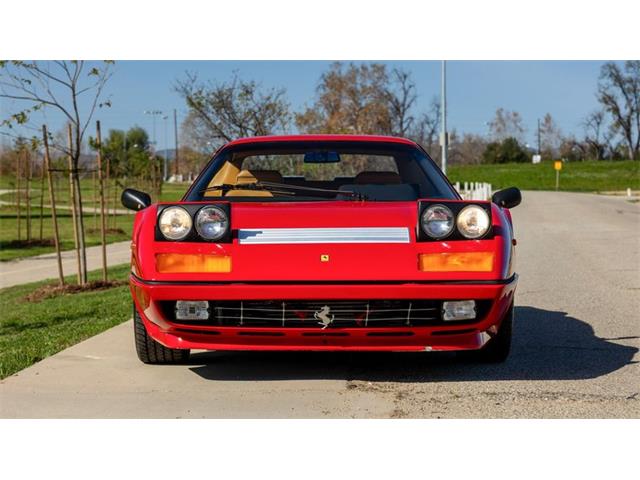
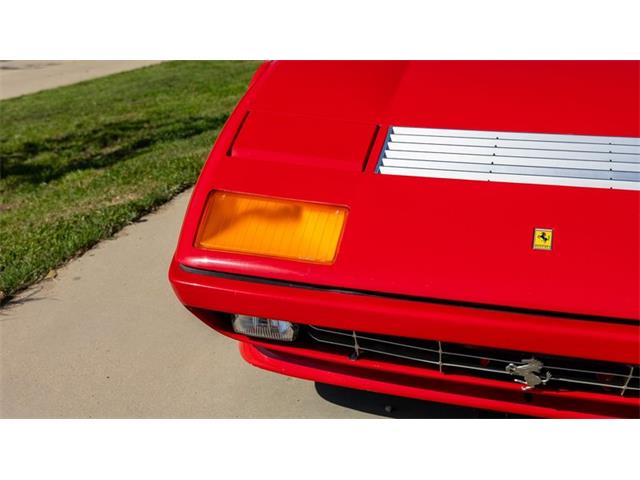
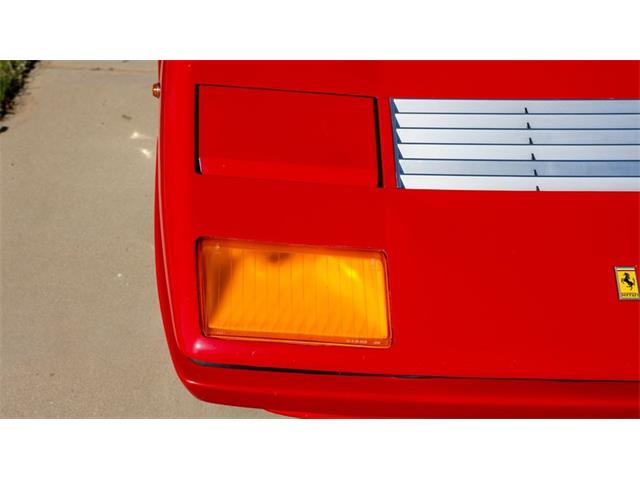
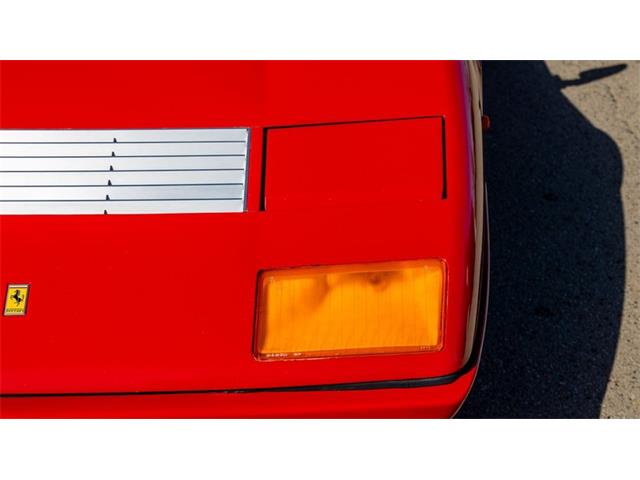
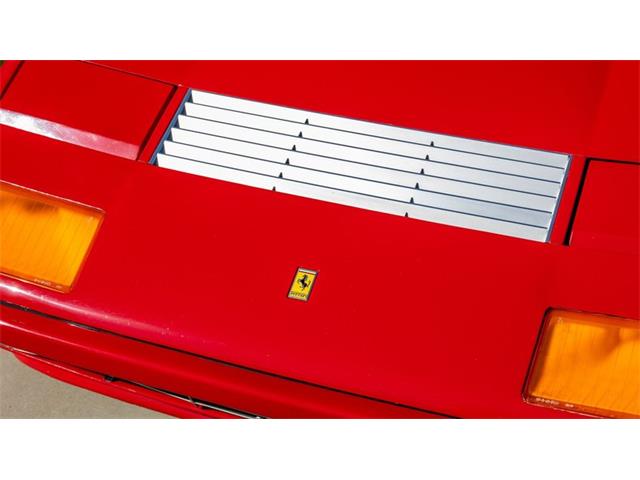
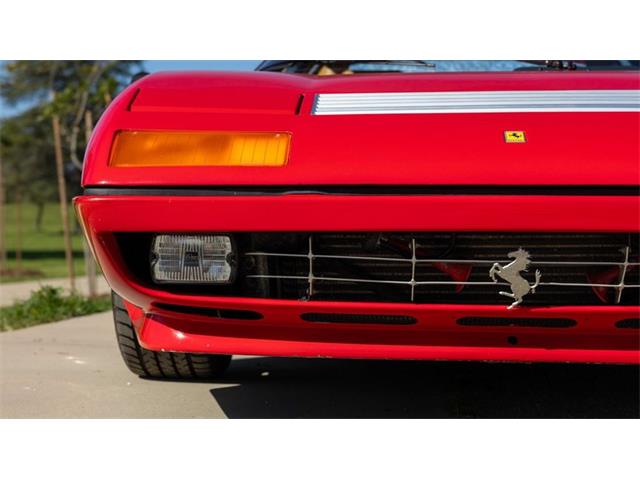
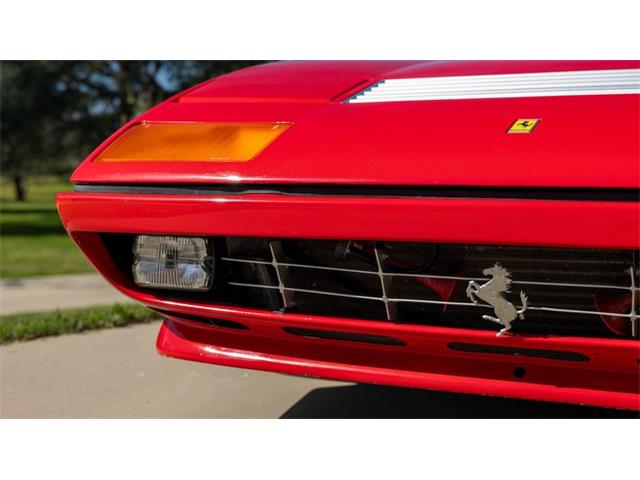
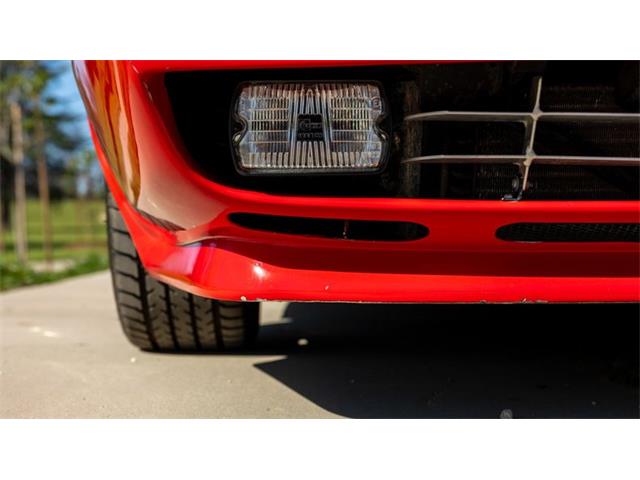
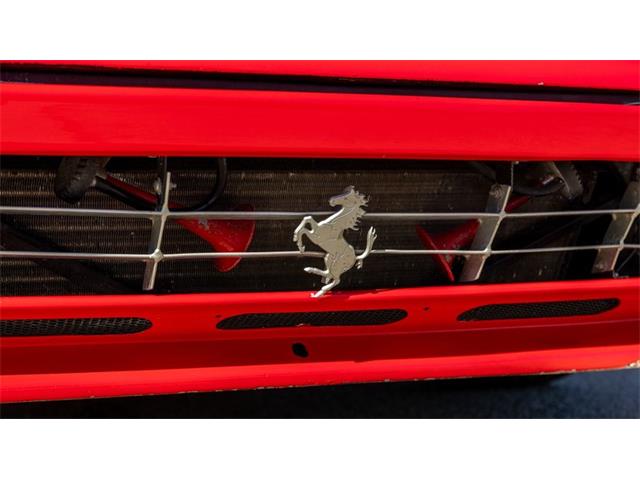
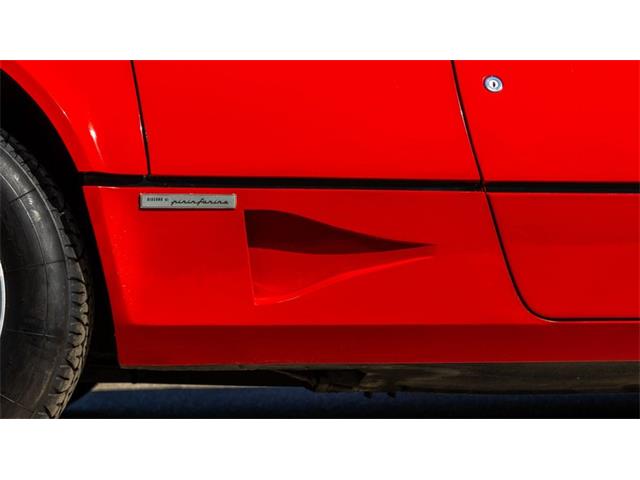
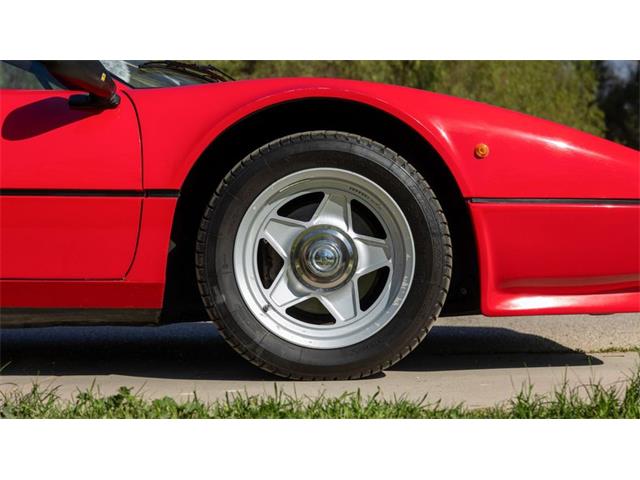
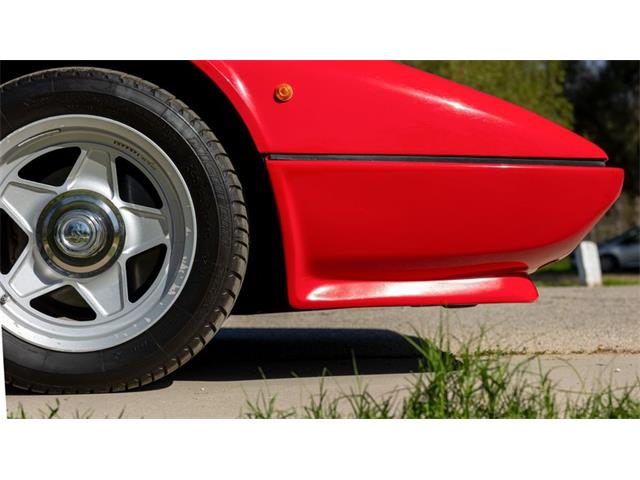
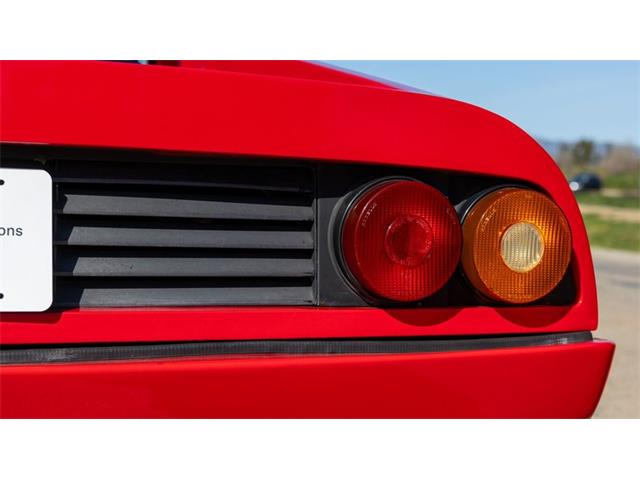
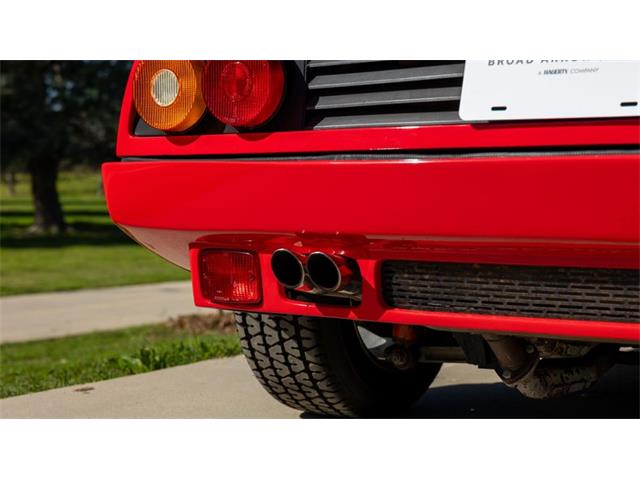
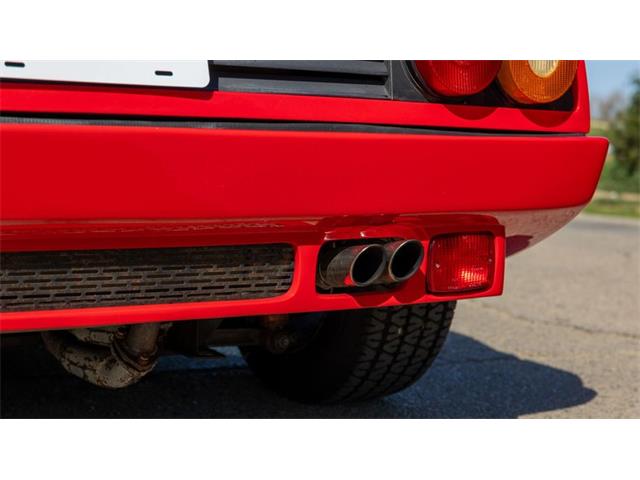
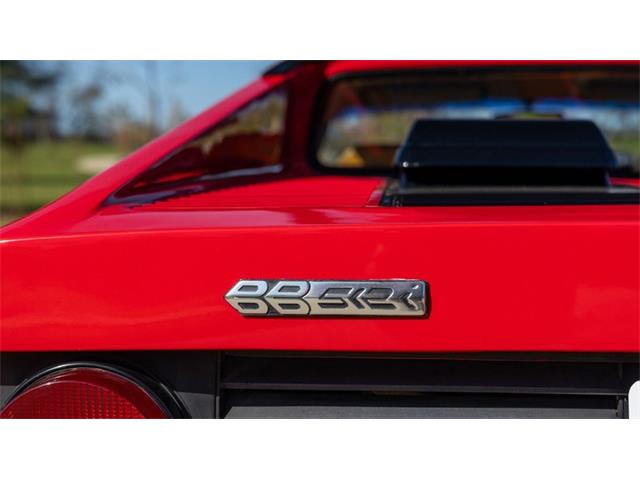
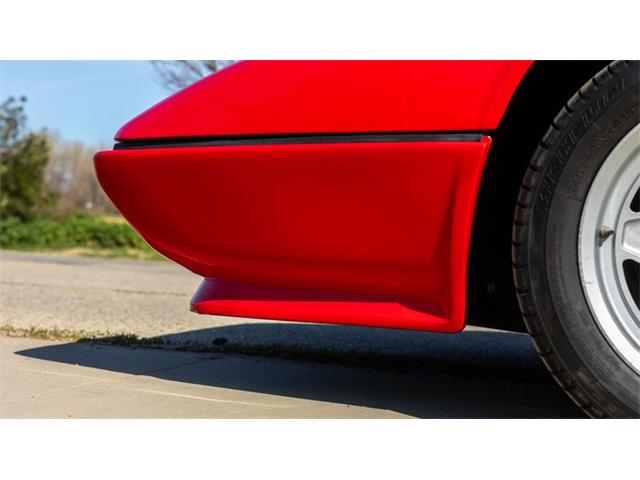
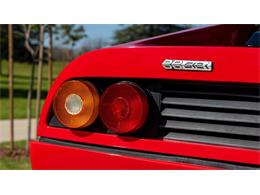
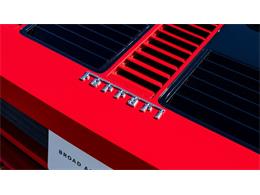
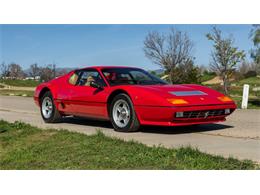
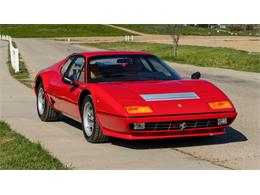
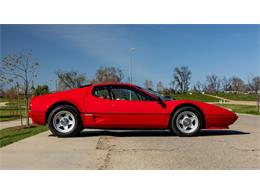
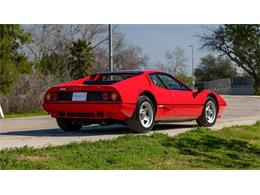
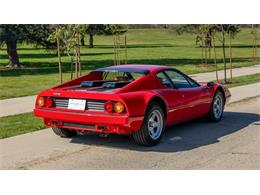
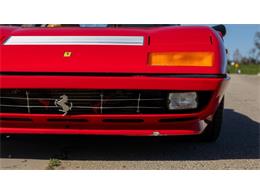
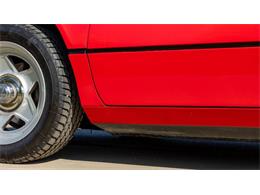
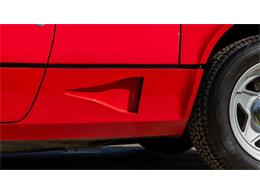
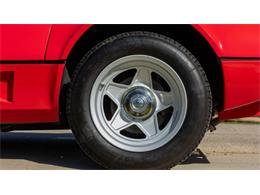
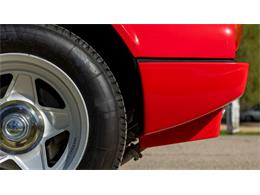
For Sale at Auction: 1983 Ferrari 512 BBI in Amelia Island, Florida
After joining the mid-engined fray with the 365 GT/4 BB in 1973,
Ferrari debuted the 365 Boxer's more refined successor, the 512 BB,
three years later in 1976. Equipped with an enlarged version of the
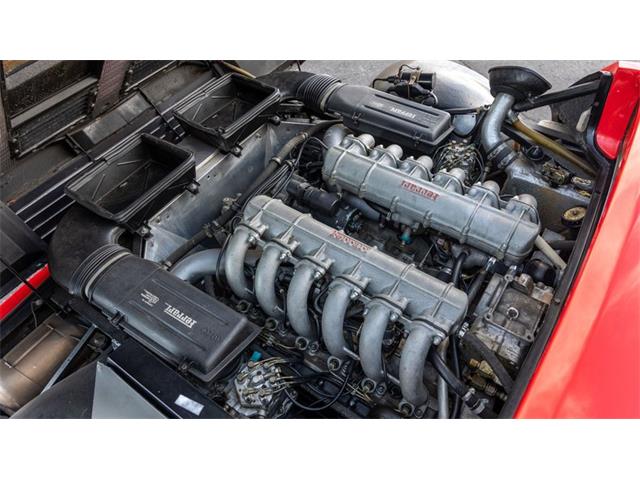
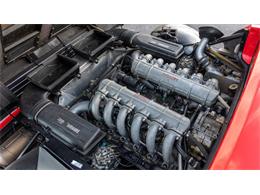
180-degree twelve termed the F102 B, it introduced a new
nomenclature where 512 referred to the car's 5.0-liter, 12-cylinder
engine. The 512 BB retained the successful formula of the original
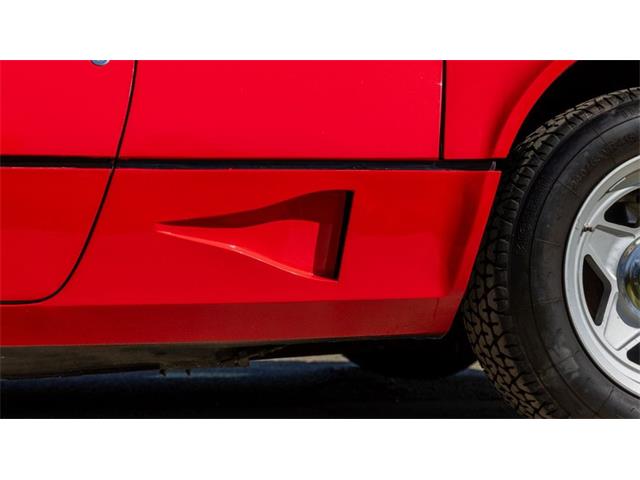
Berlinetta Boxer while introducing minor styling enhancements to
improve aerodynamics and engine cooling. Dry sump lubrication now
prevented oil starvation under hard cornering, while a new dual
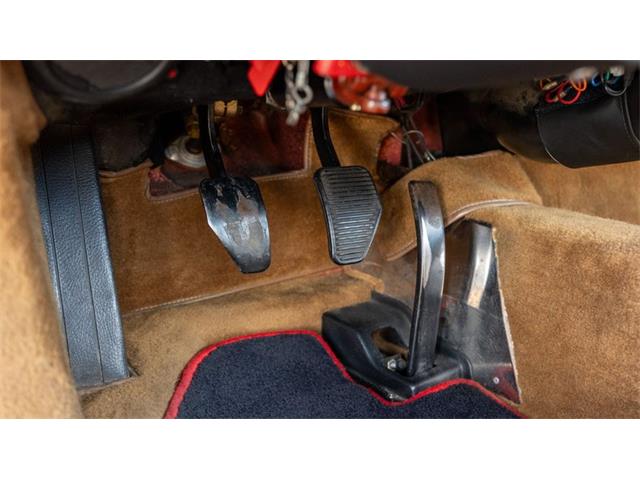
plate clutch reduced pedal effort for a more livable overall
driving experience.
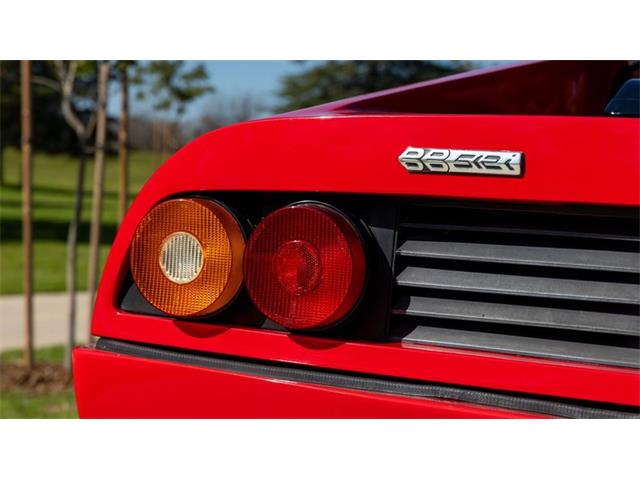
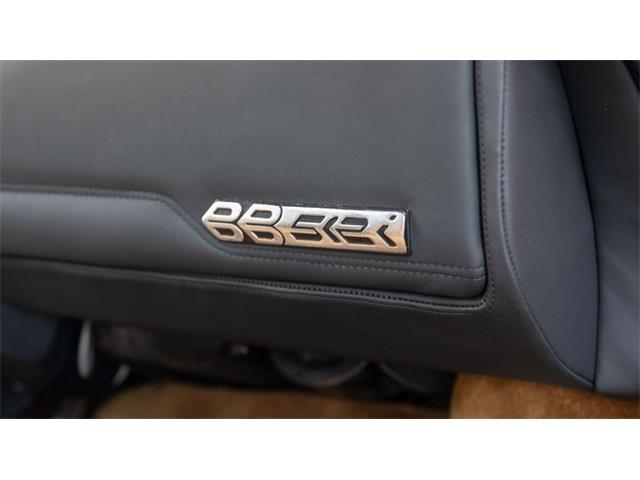
In 1981, the final iteration of the 512 BB emerged as the 512
BBi-the lowercase "i" denoting fuel injection. Only 1,007 units of
the 512 BBi were produced between 1981 and 1984, and this final
fuel-injected series is considered to be the most livable
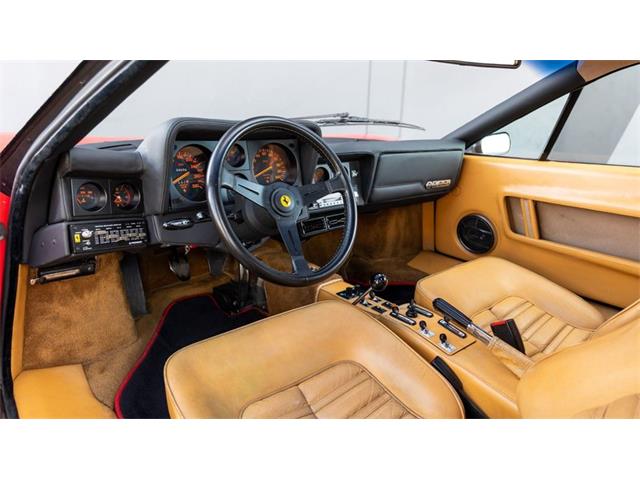
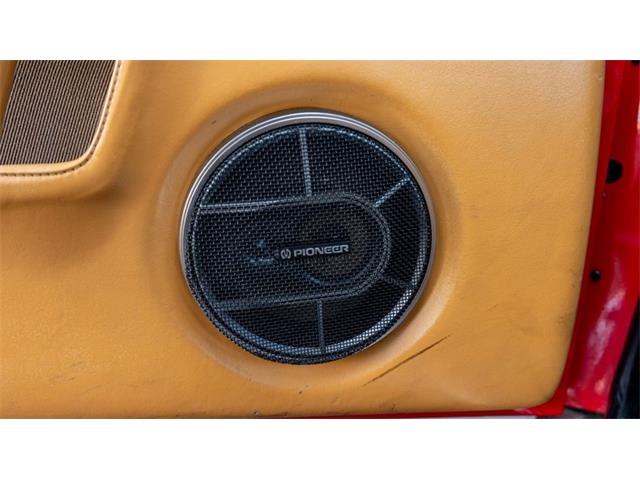
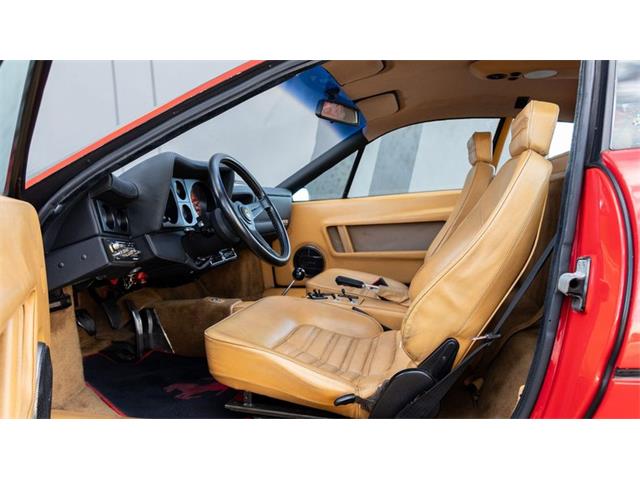
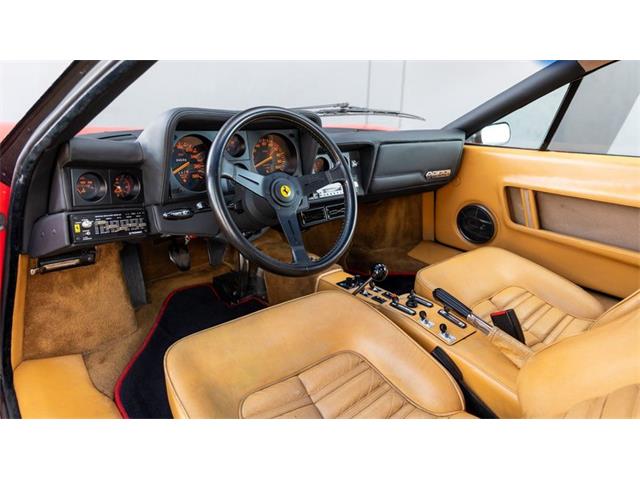
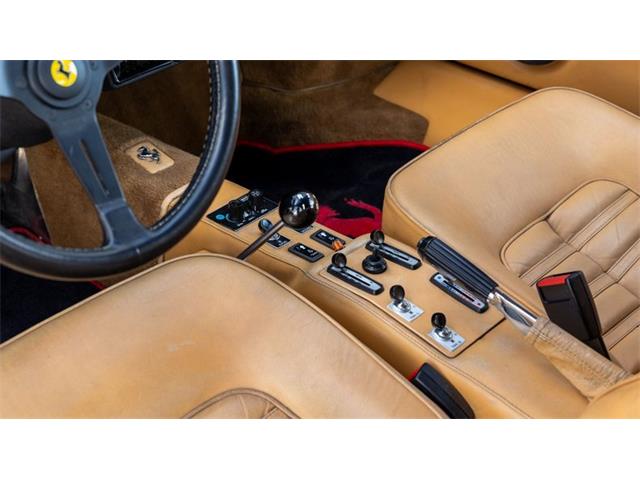
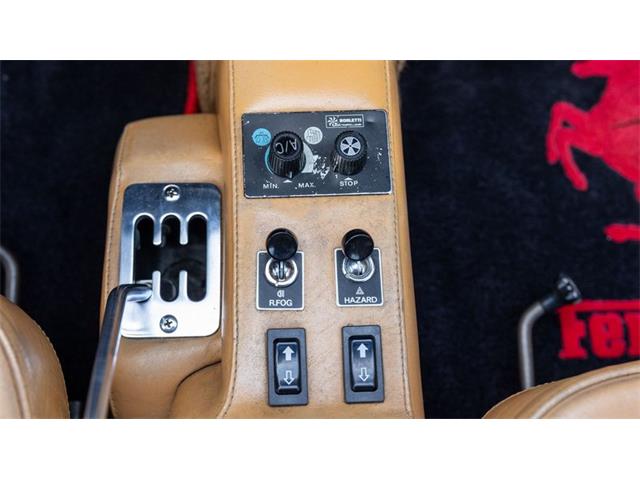
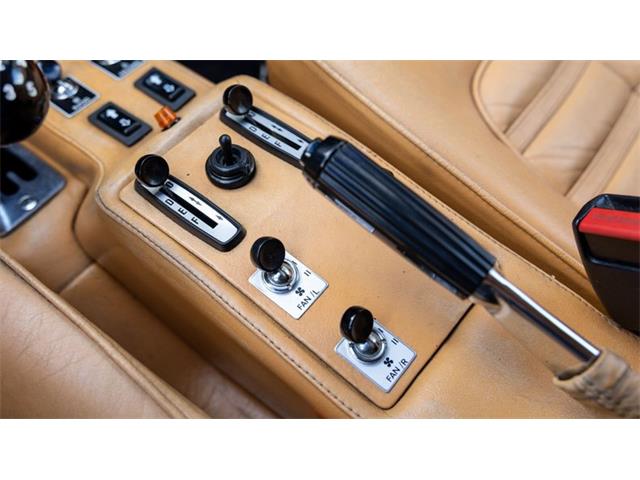
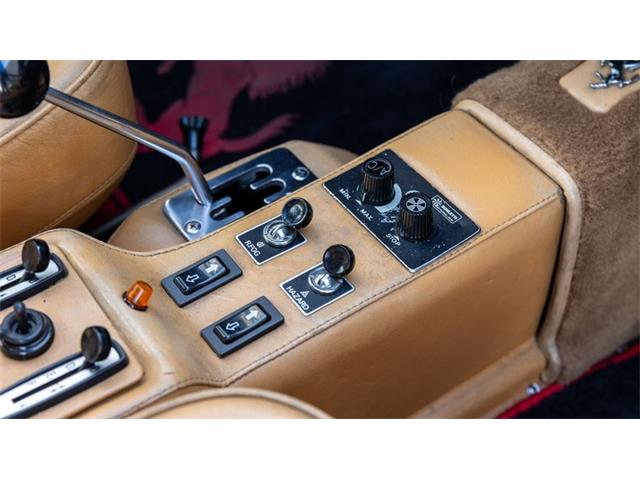
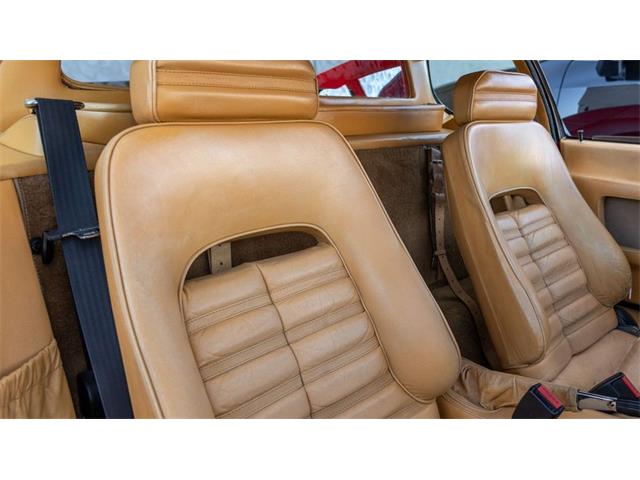
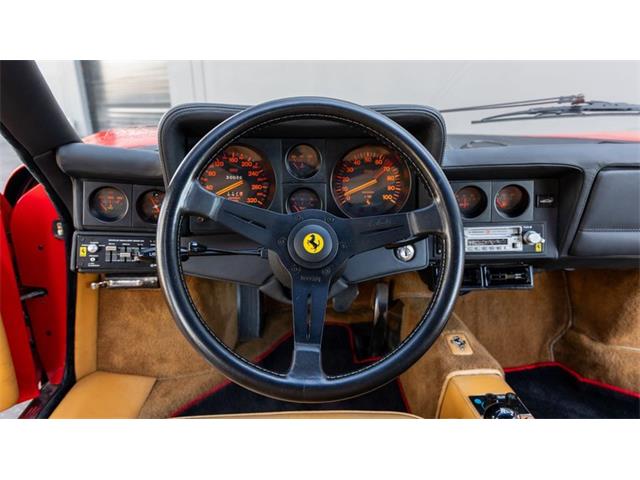
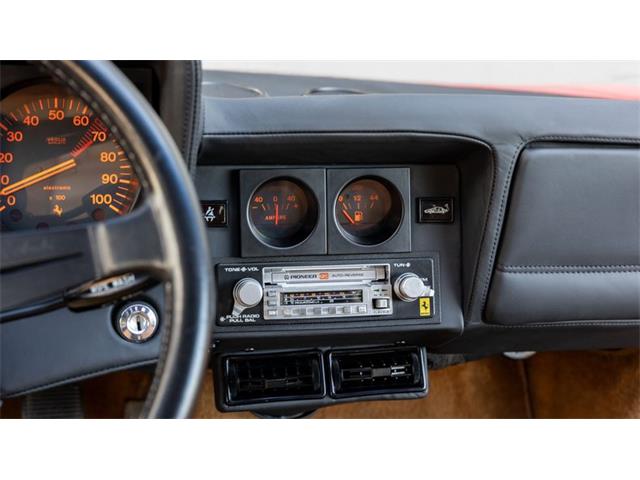
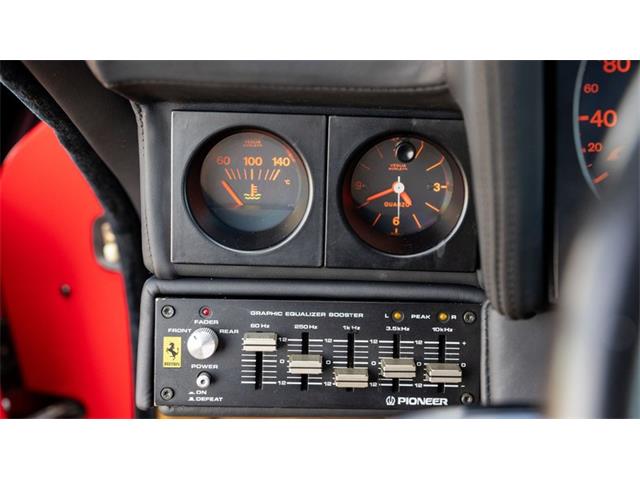
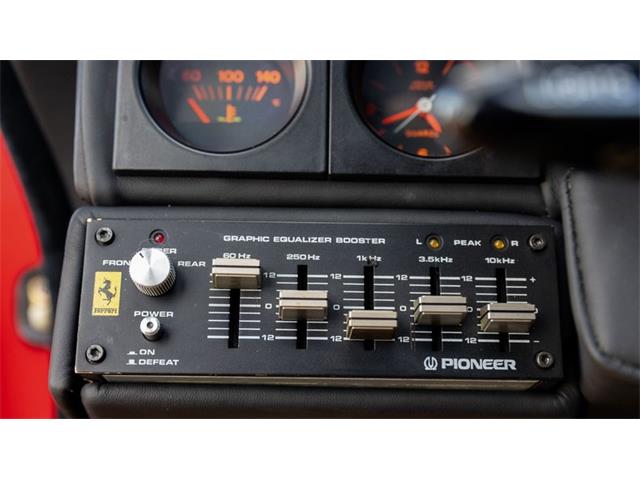
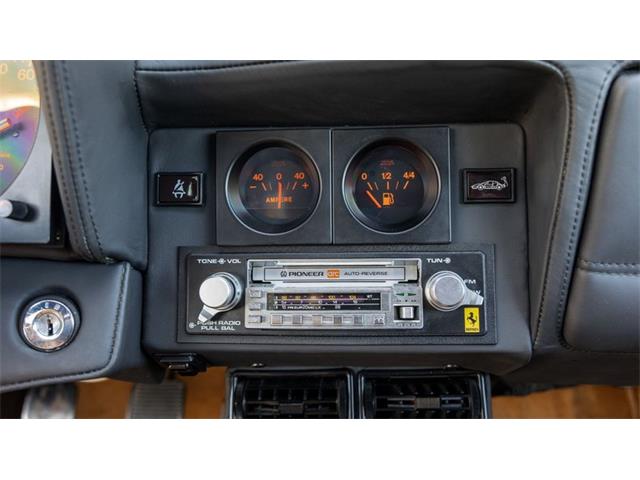
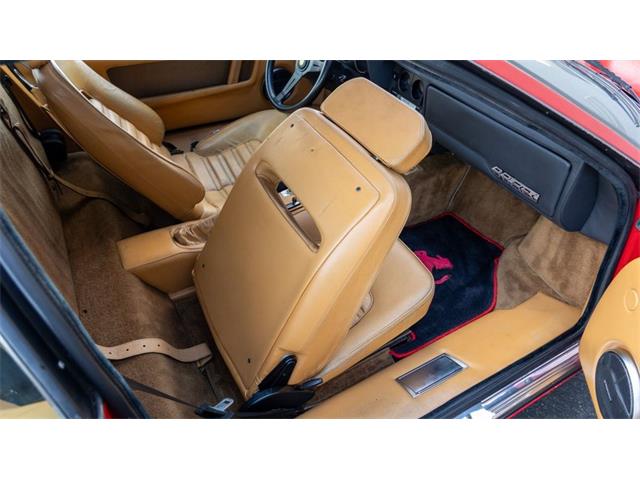
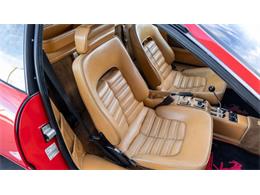
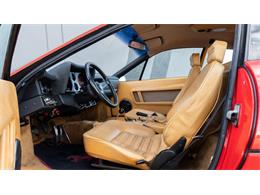
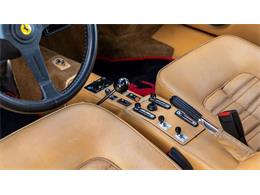
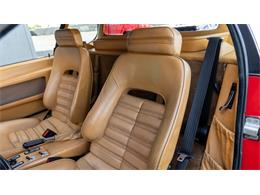
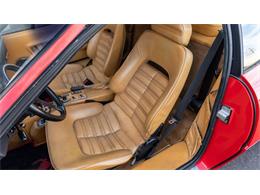
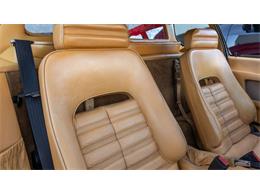
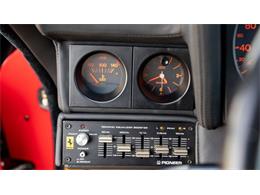
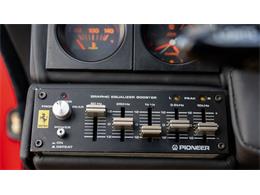
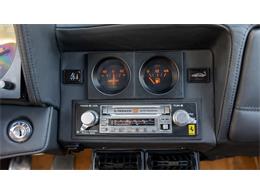
Berlinetta Boxer with reclining seats, headrests, dual electric
mirrors, air conditioning, power windows, and a stereo/graphic
equalizer all being standard equipment. Although the Berlinetta
Boxer was never officially sold in North America, this did not
deter motivated enthusiasts from importing and federalizing
Ferrari's latest flagship.
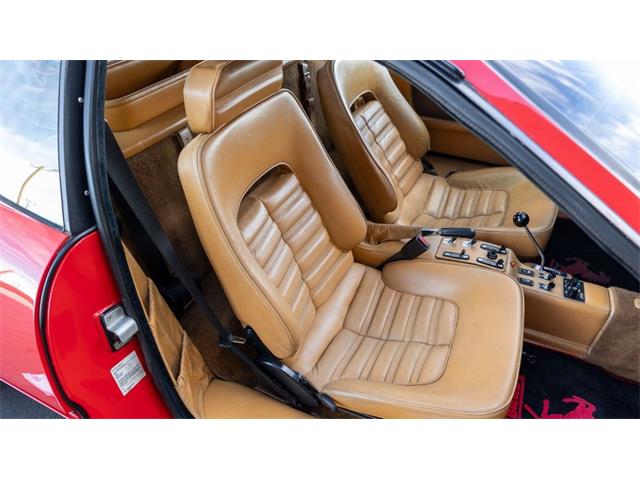
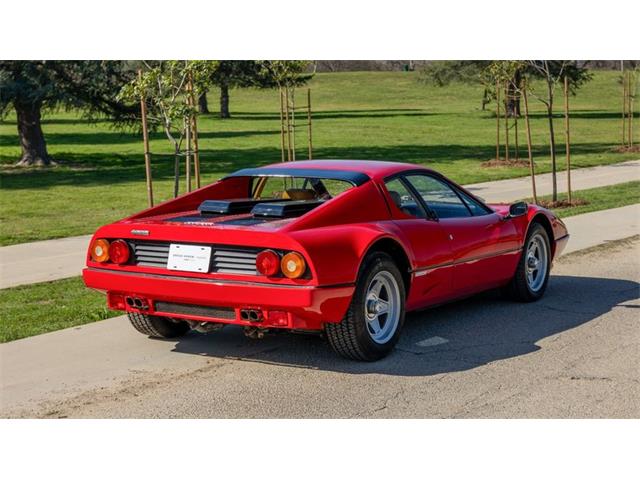
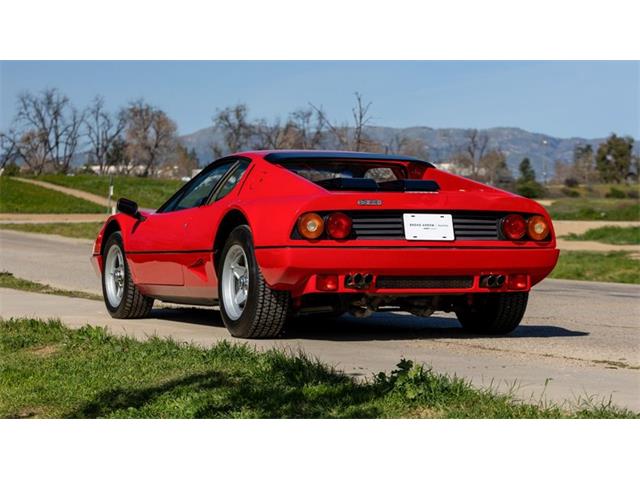
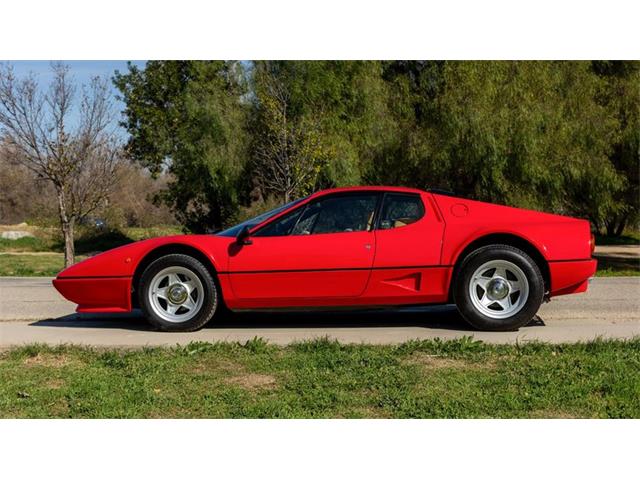
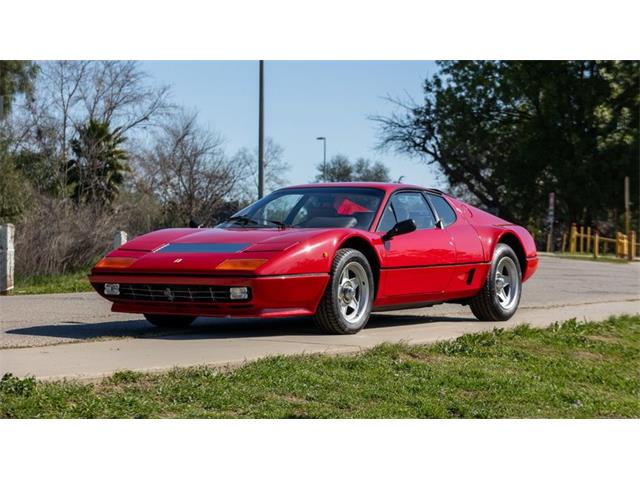
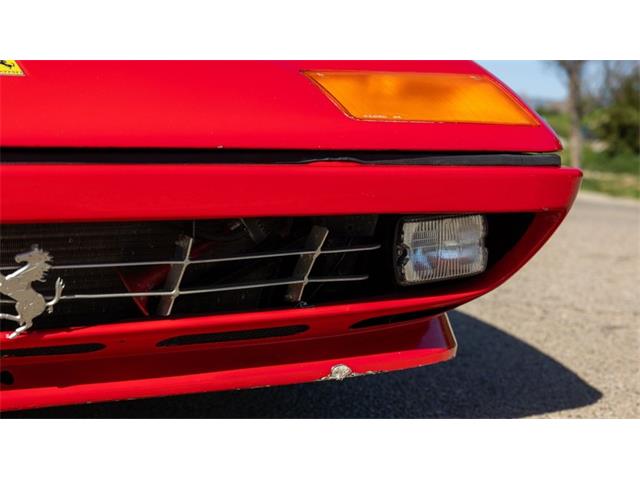
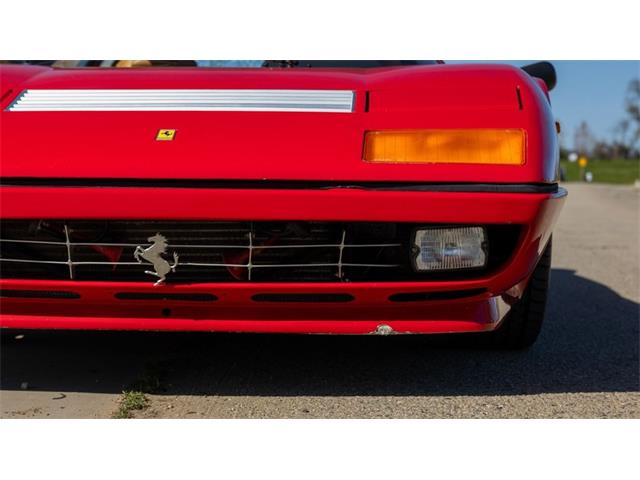
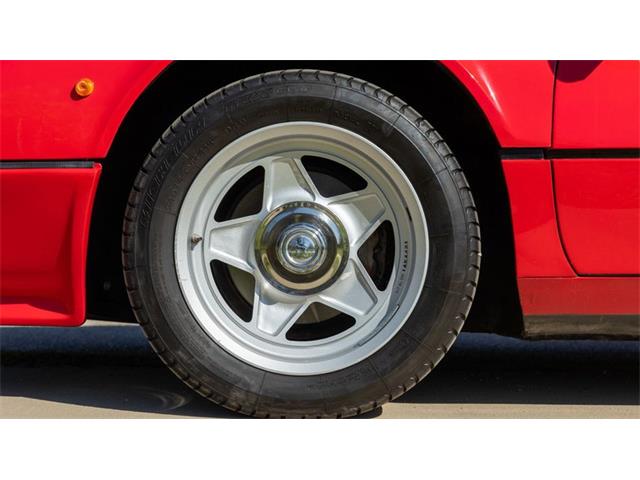
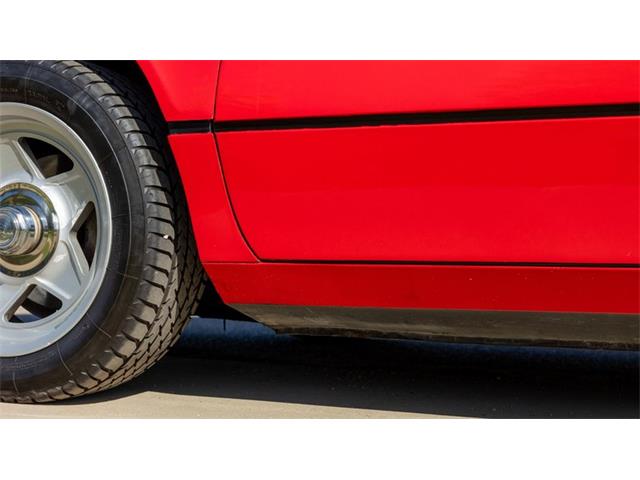
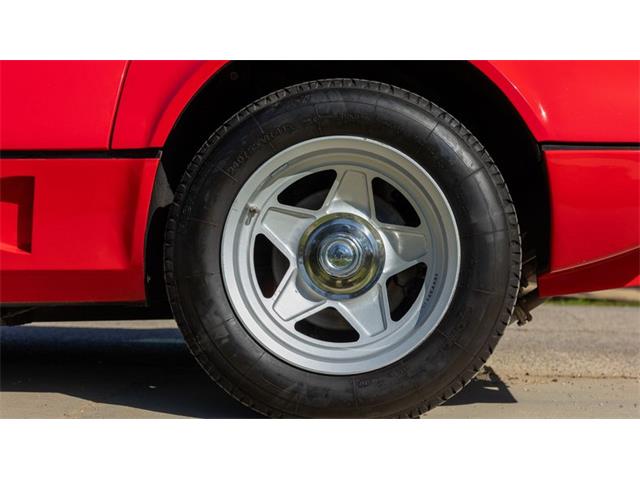
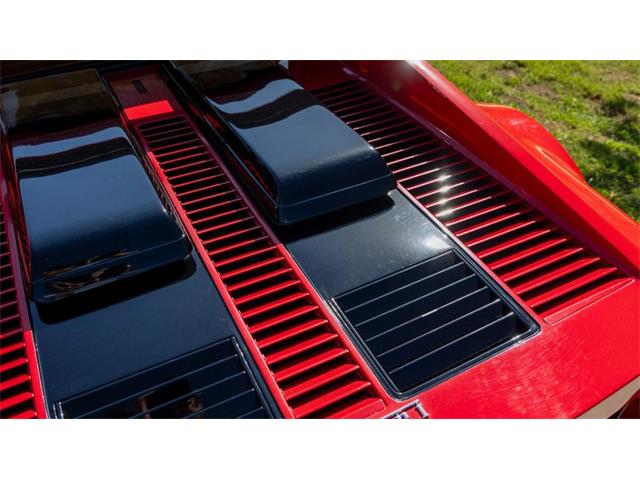
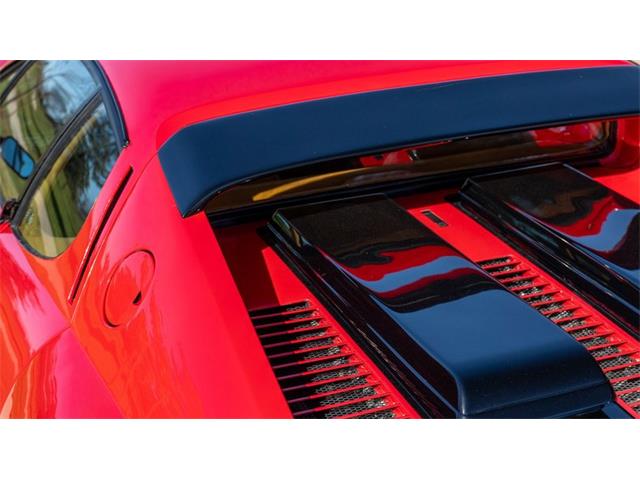
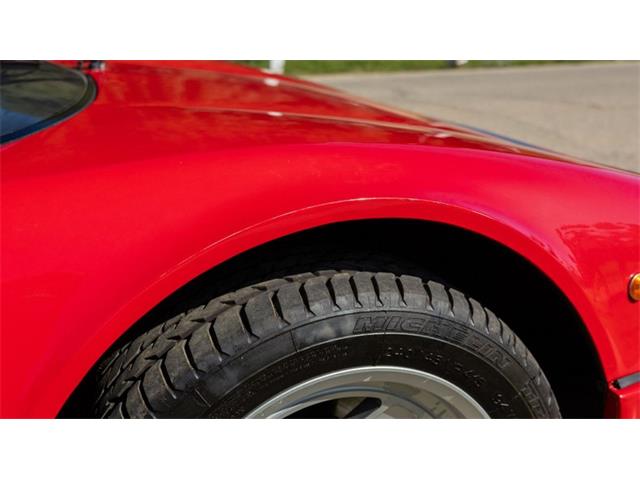
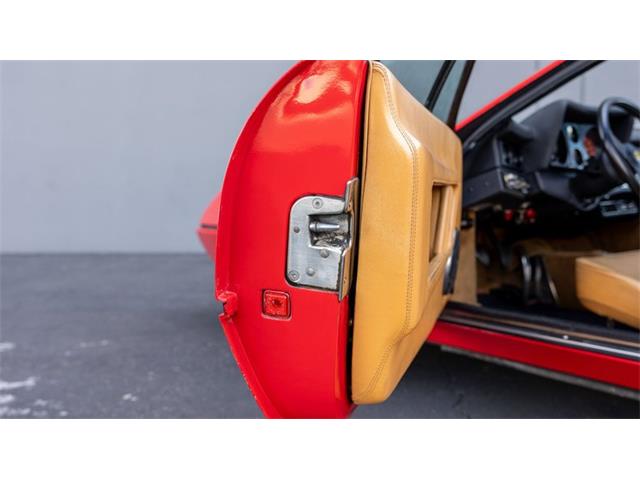
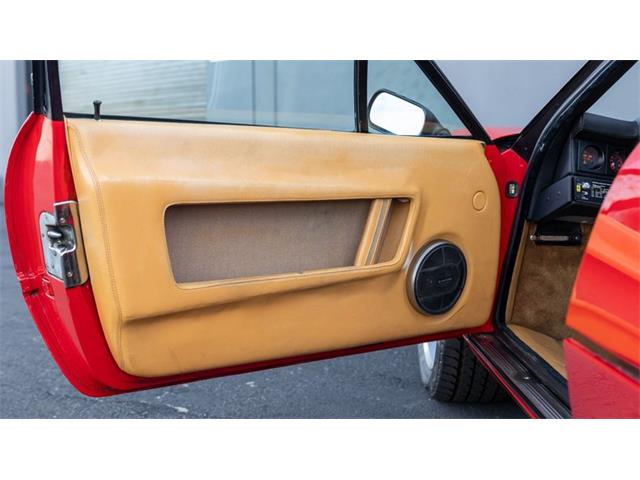
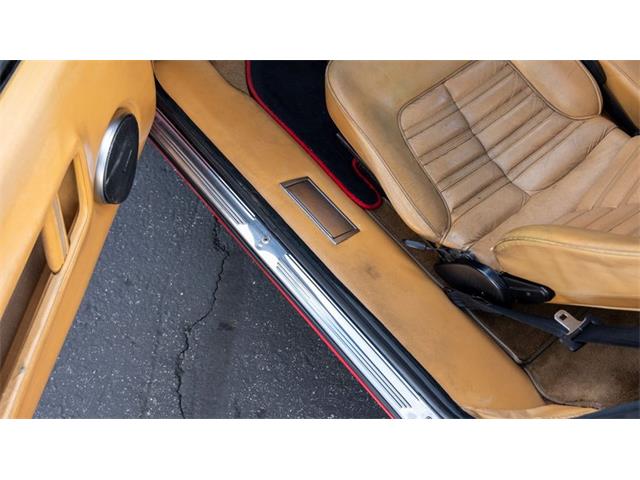
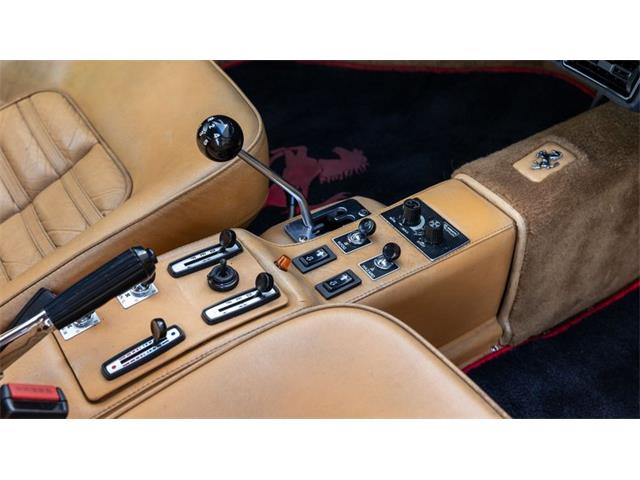
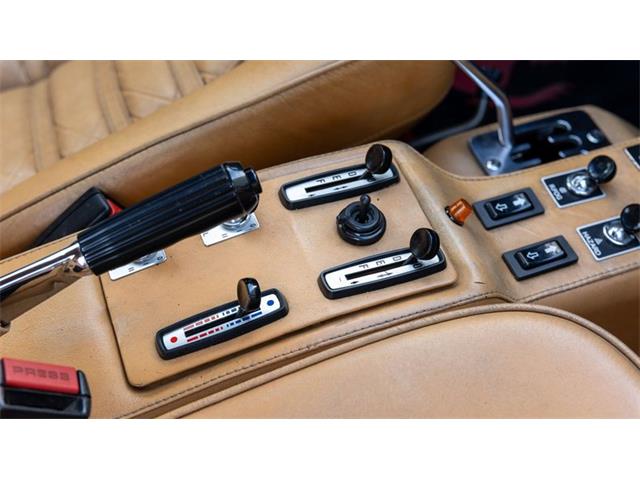
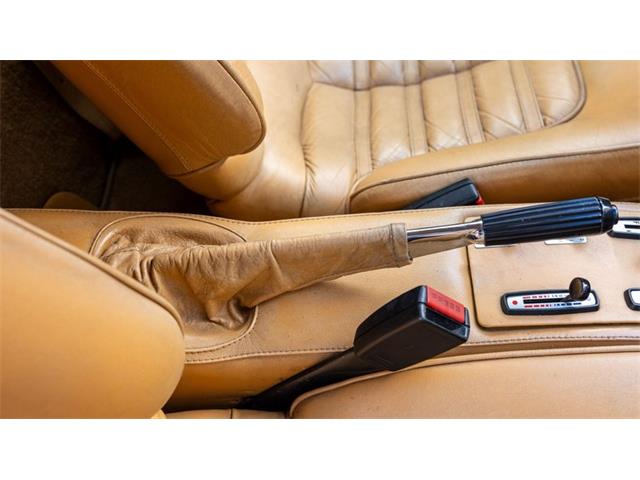
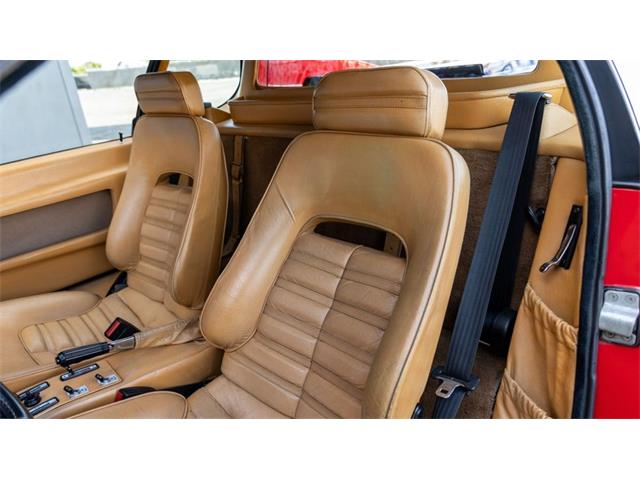
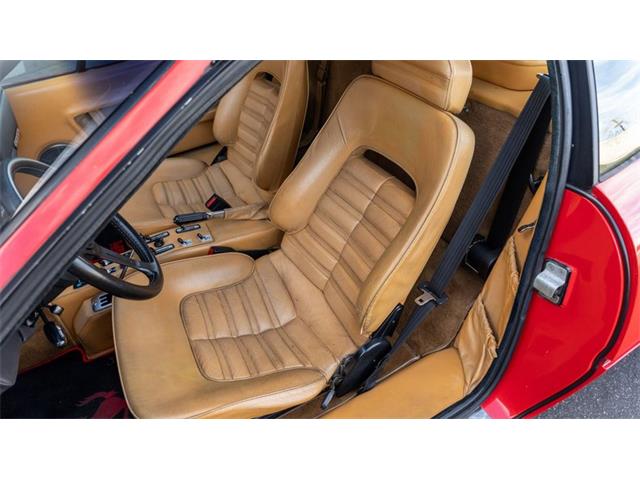
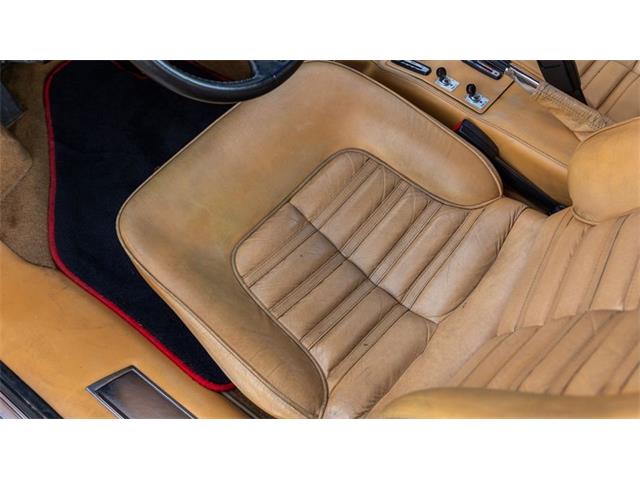
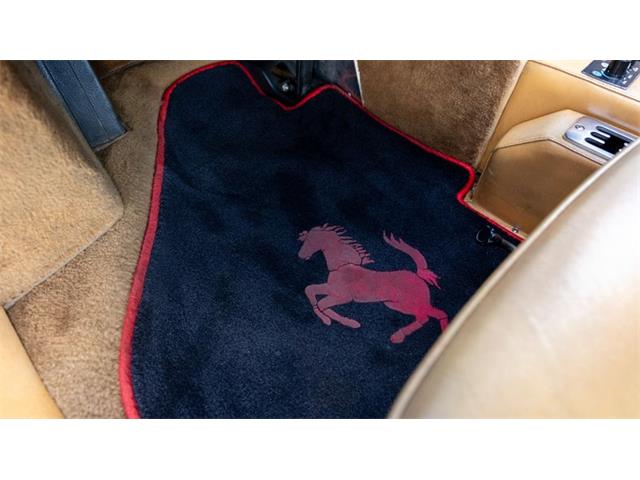
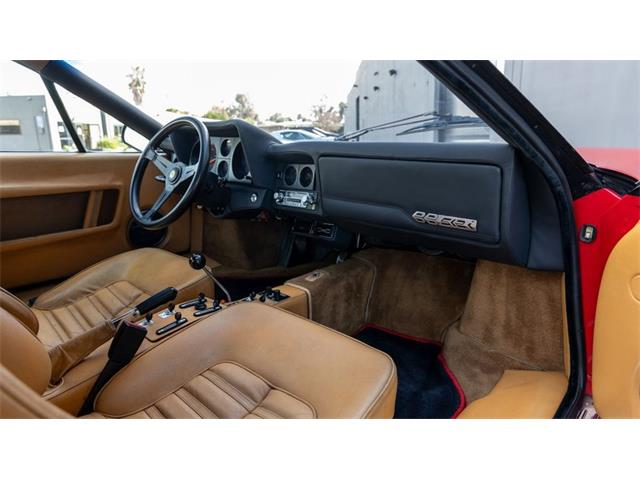
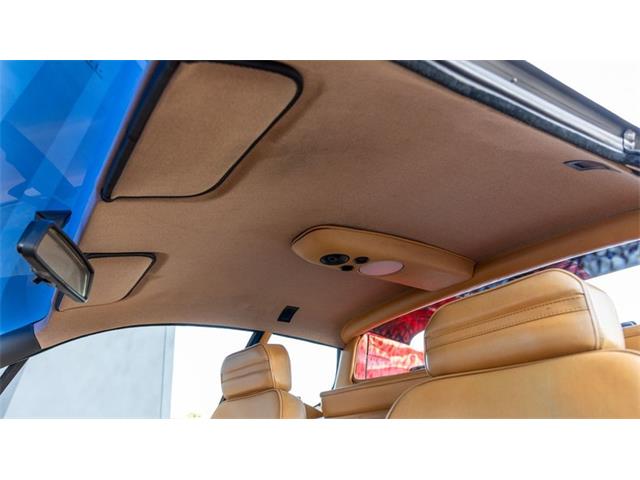
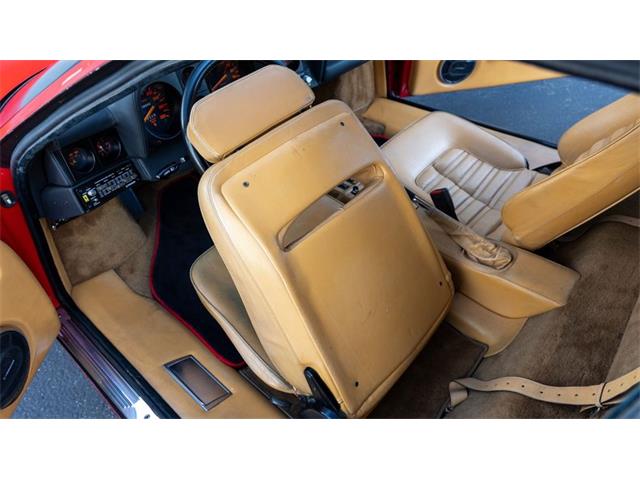
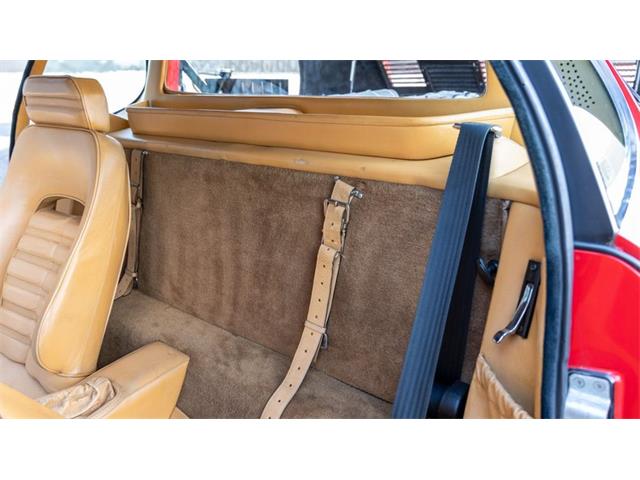
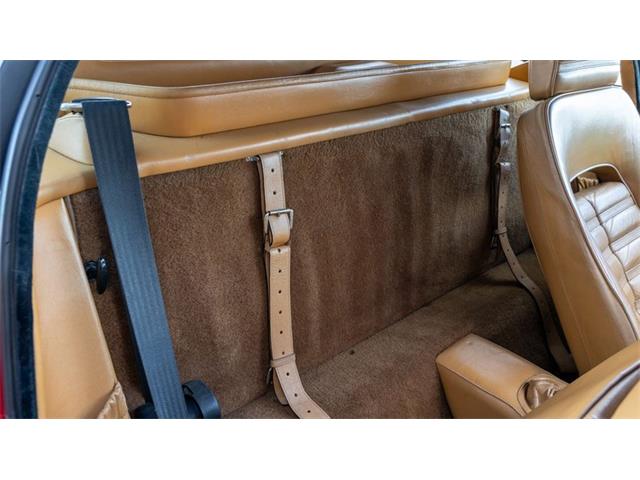
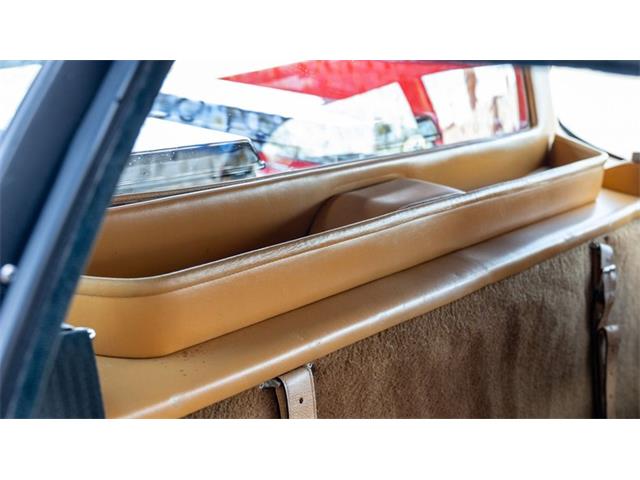
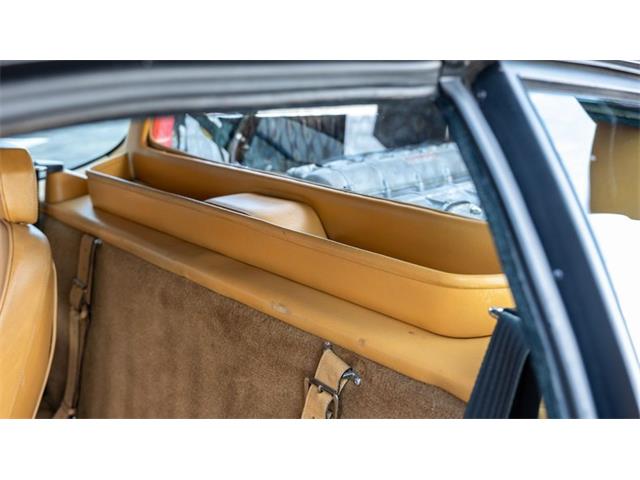
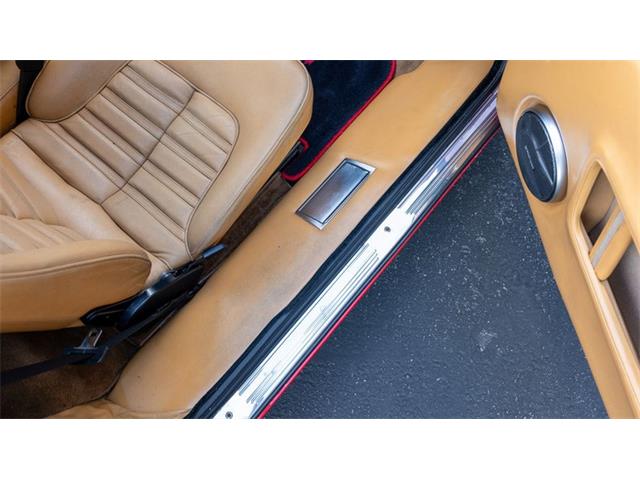
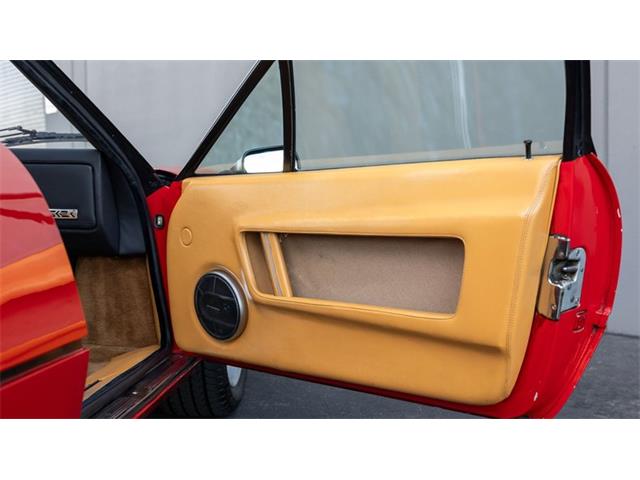
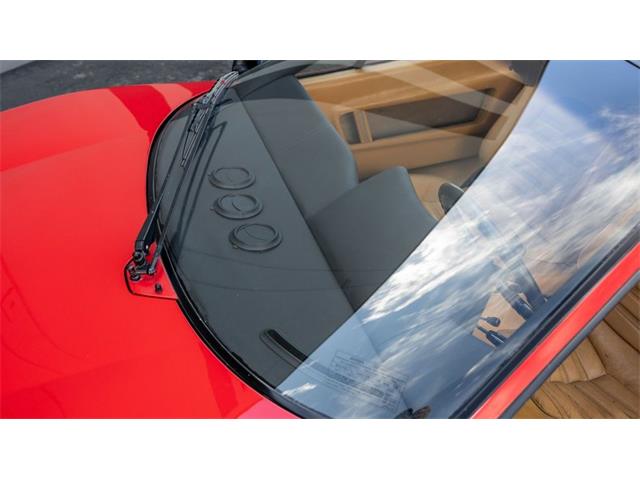
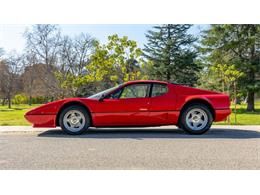
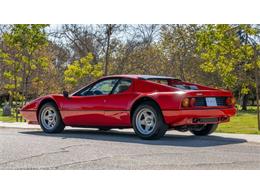
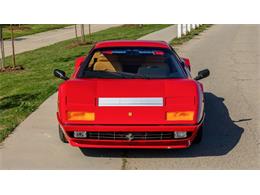
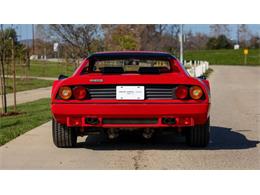
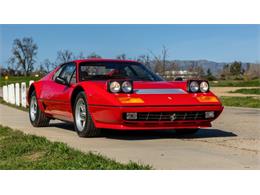
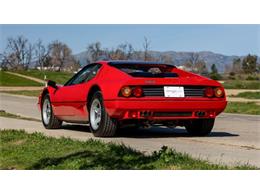
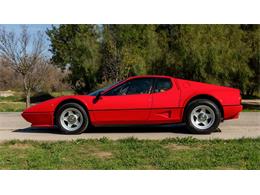
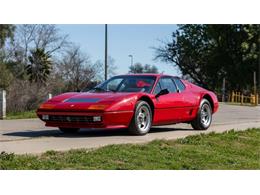
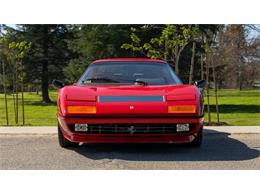
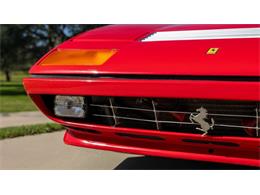
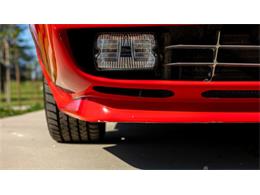
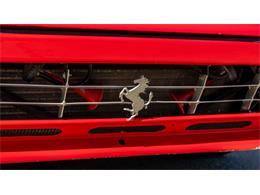
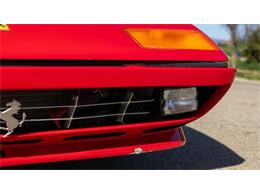
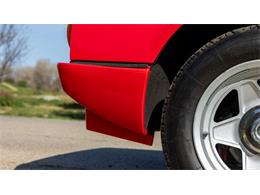
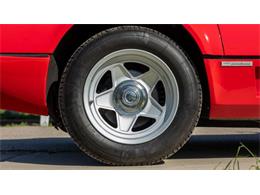
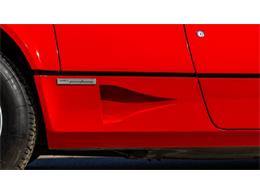
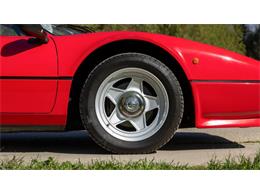
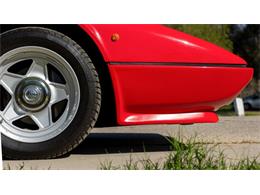
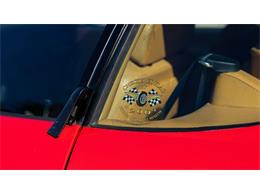
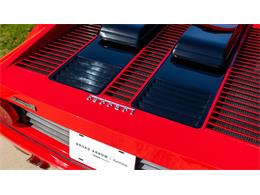
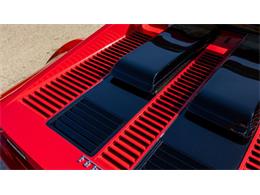
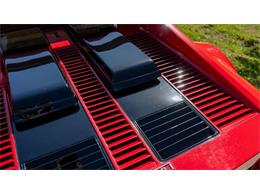
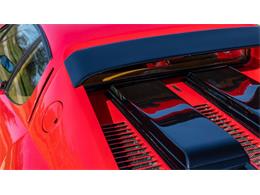
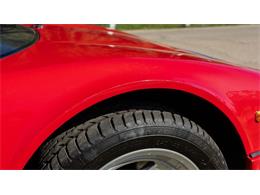
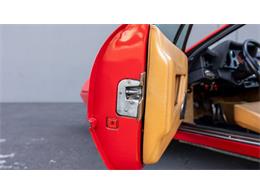
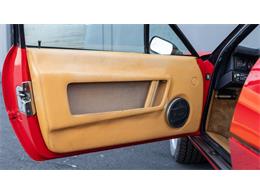
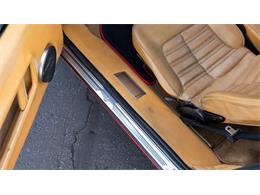
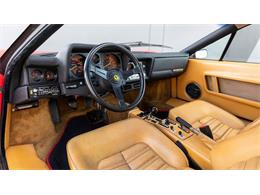
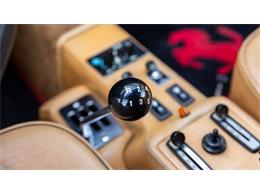
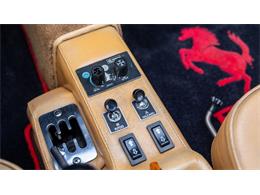
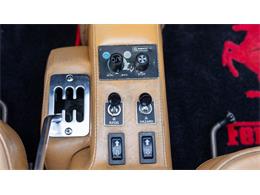
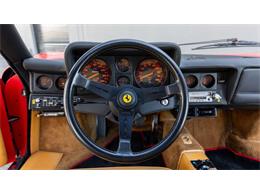
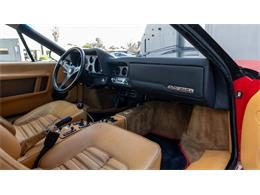
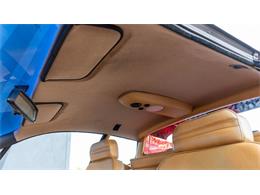
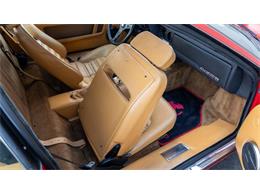
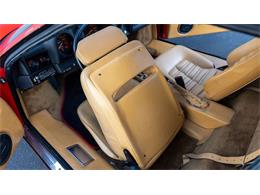
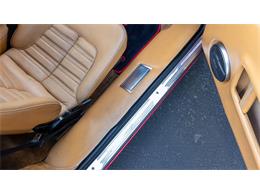
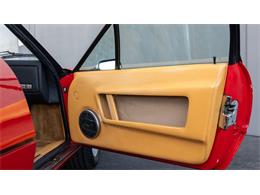
This fine 512 BBi was completed in January 1983, finished in
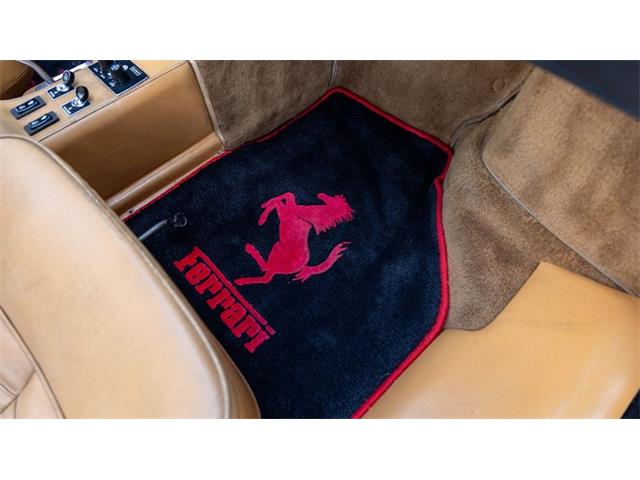
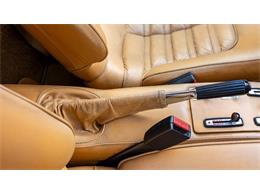
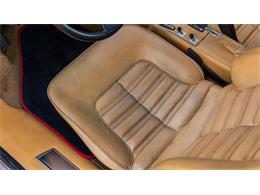
classic Rosso Corsa over Beige leather, and delivered new to
Maranello Concessionaires Ltd. in the U.K., per The Ferrari
Register. A letter on file from the U.S. Department of
Transportation indicates that by March 1983 the Ferrari had been
imported to the United States, and it was soon thereafter relocated
to Switzerland. A previous Swiss registration document shows that
the car was first registered there in April 1984, and by 1988, it
was owned by a Mr. Antoine de Lavallaz of Sion. The original
service and warranty booklet further records routine care in the
late 1990s and early 2000s by Garage Zenith in Sion and Automobile
Nemeth AG in Bern, during the ownership of a Mr. Theodore
Nydegger.
The current owner acquired the Ferrari from Quebec, Canada, in 2005
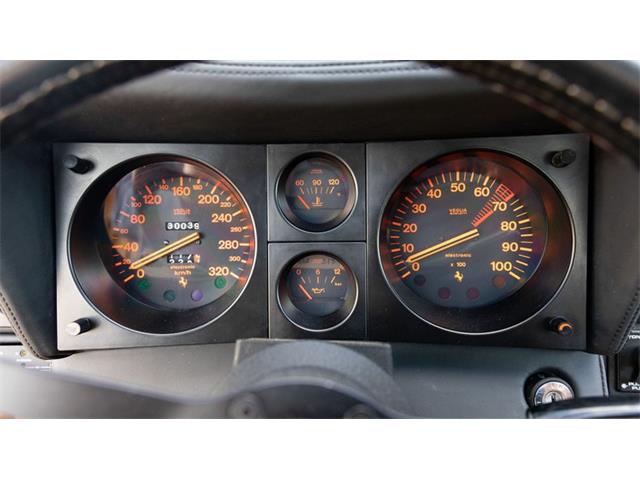
with approximately 26,700 kilometers recorded at the time and
subsequently imported it to California. Since then, chassis 44669
has benefited from diligent attention by Southern California
specialists, including GTO Engineering and Fast Cars Ltd. In
February 2022, the latter installed two new tie-rod ends followed
by a front-end alignment, rebuilt the brake booster and bled the
brakes, and evacuated and recharged the A/C system, and most
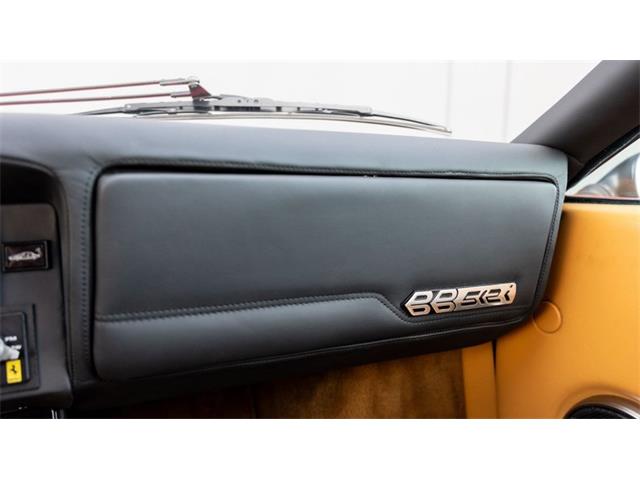
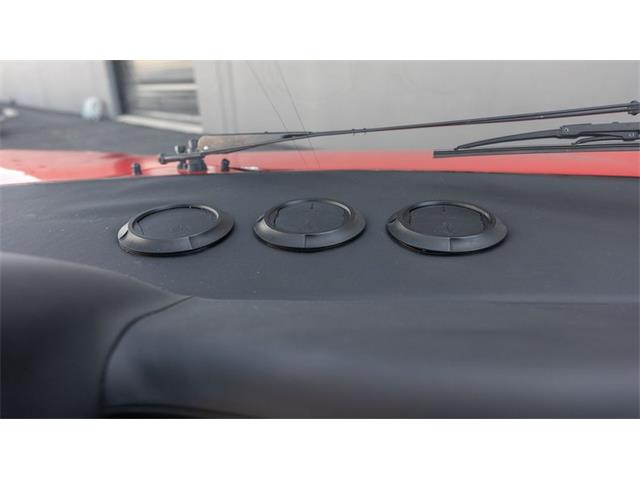
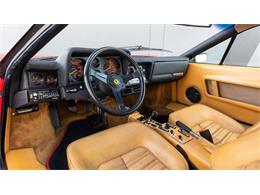
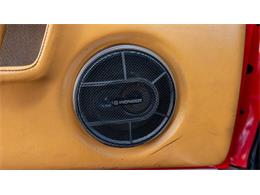
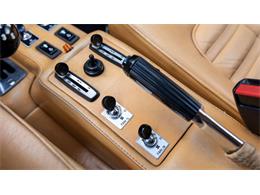
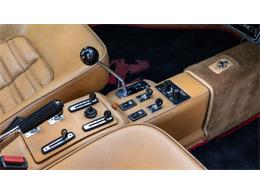
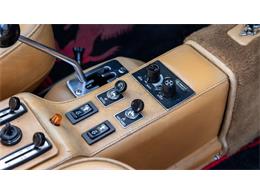
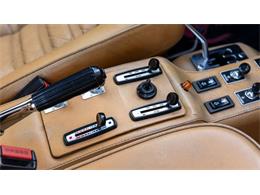
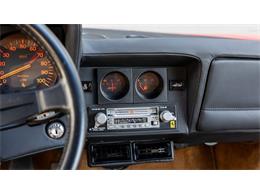
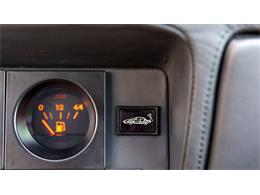
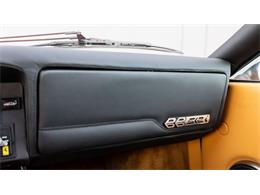
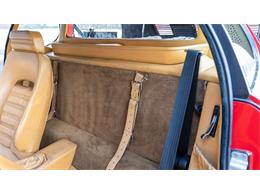
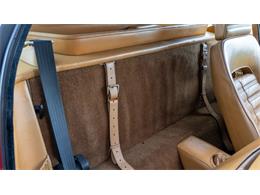
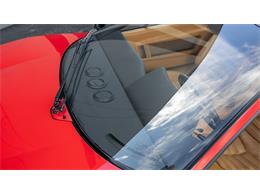
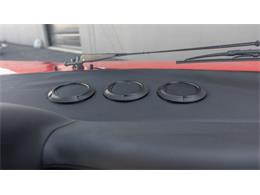
recently, in October 2025, the shop freshened the cabin with a
reupholstery of the dashboard and glovebox.
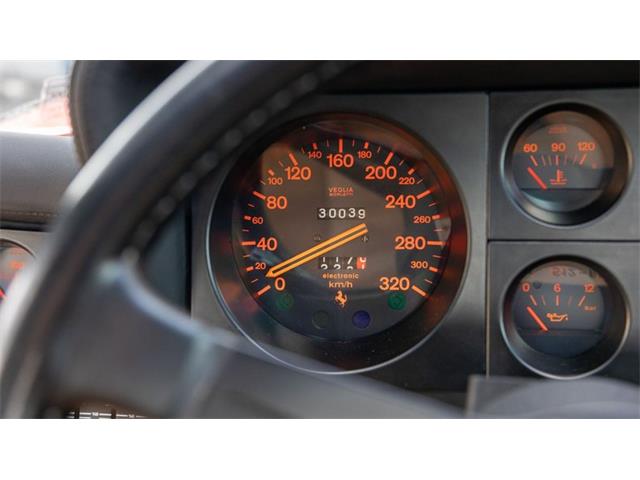
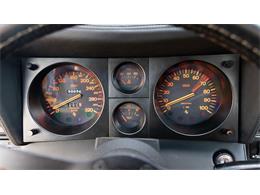
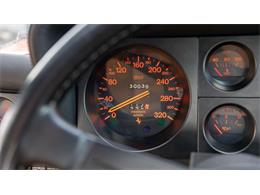
Now showing just over 30,000 kilometers at the time of cataloging,
chassis 44669 is a fine example of an important model that linked
Ferrari's front-engined GT era to their new generation of
mid-engine, flat-twelve road cars. The last of the hand-built
Prancing Horses, it is ready to be enjoyed on the open road for its
unrivaled performance and magnificent flat-twelve soundtrack,
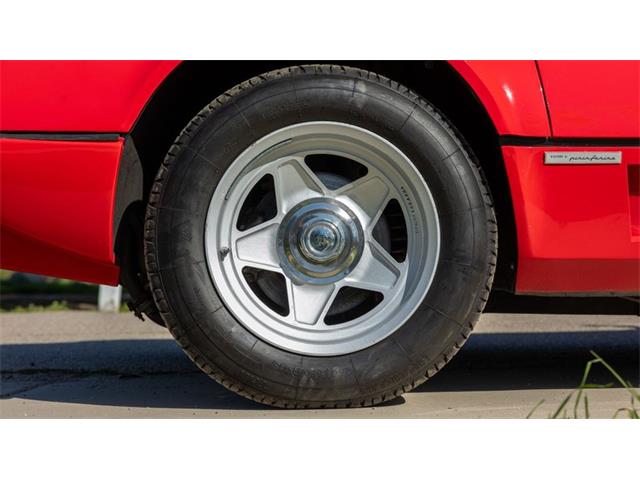
complete with its original books in their proper folio, tool roll,
and spare wheel.
ClassicCars.com has been recognized as one of the fastest-growing private companies in the United States, successfully making the Inc. 5000 list in both 2015,
2016, 2017 and 2018. This prestigious accolade represents the continued growth of the company, and ClassicCars.com's dominance as the world's largest online marketplace for
buying and selling classic and collector vehicles.
The Stevie Awards, the world's premier business awards recognized
ClassicCars.com's first-class Customer Support team with a Stevie Bronze Award in 2019, celebrating the team's skills as exemplary customer support specialists.
In 2016 The Journal, brought to you by ClassicCars.com, was celebrated as the SECOND MOST INFLUENTIAL automotive blog in the world by NFC Performance.