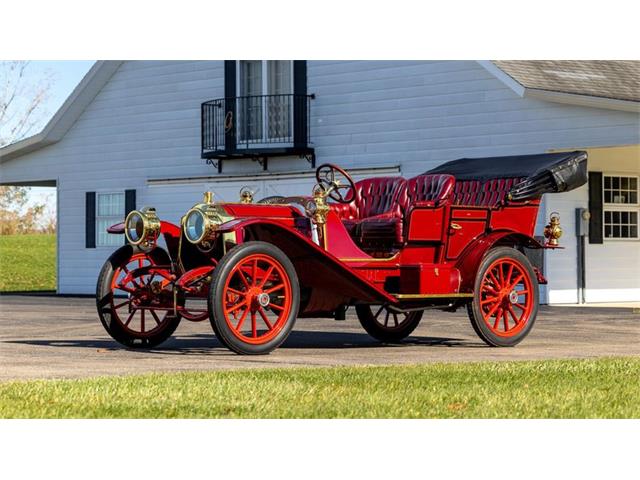
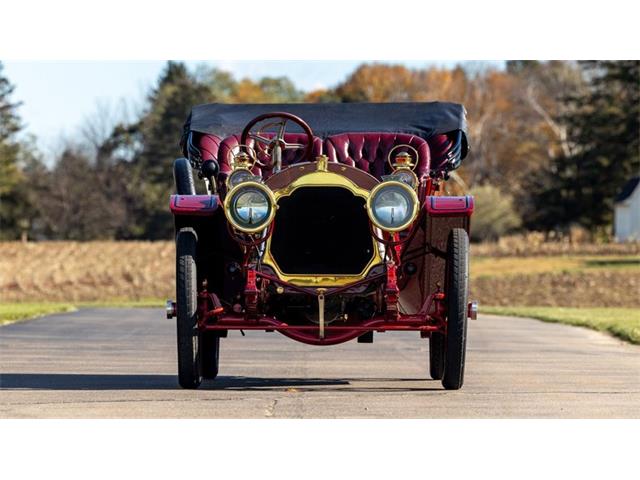
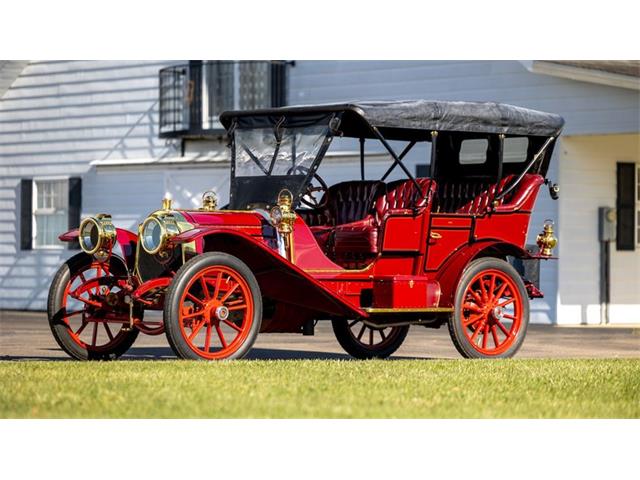
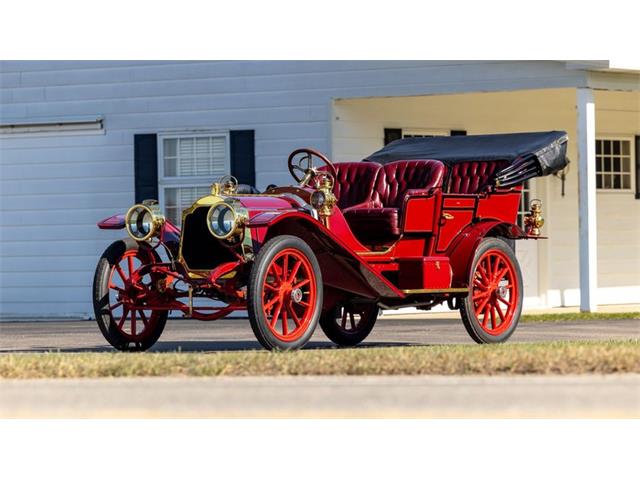
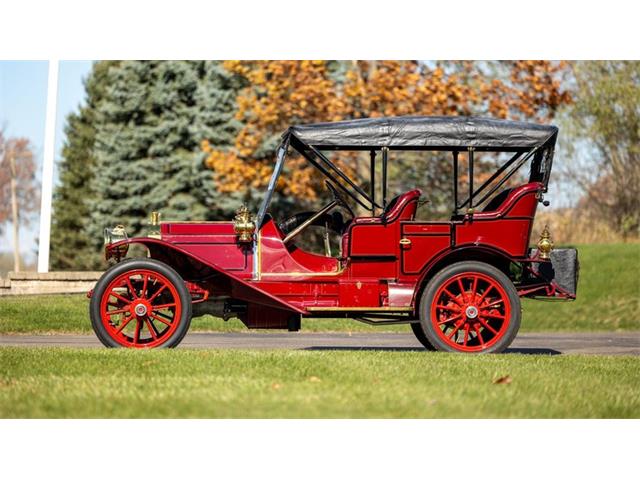
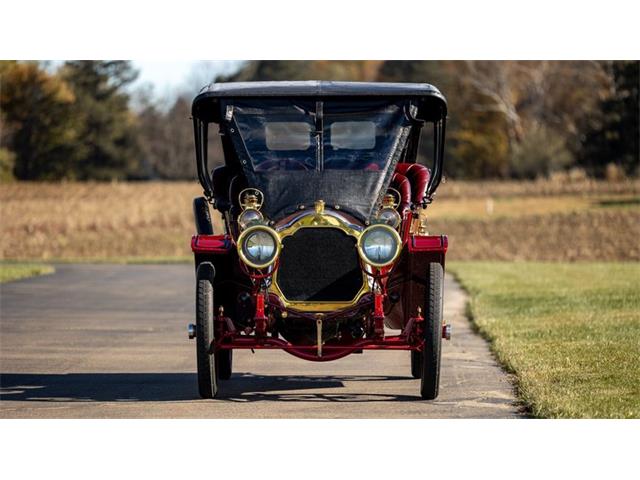
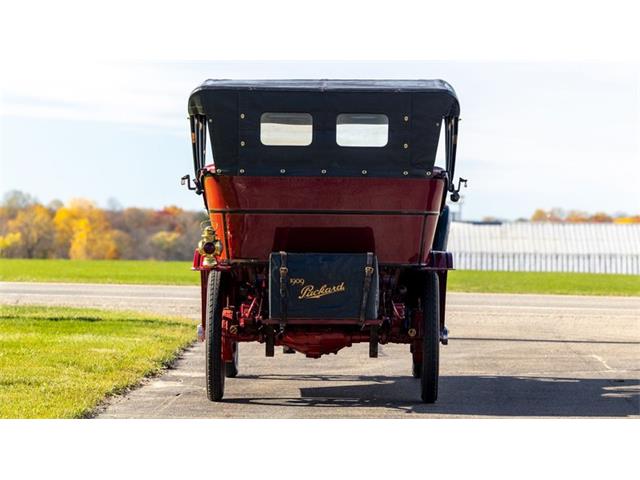
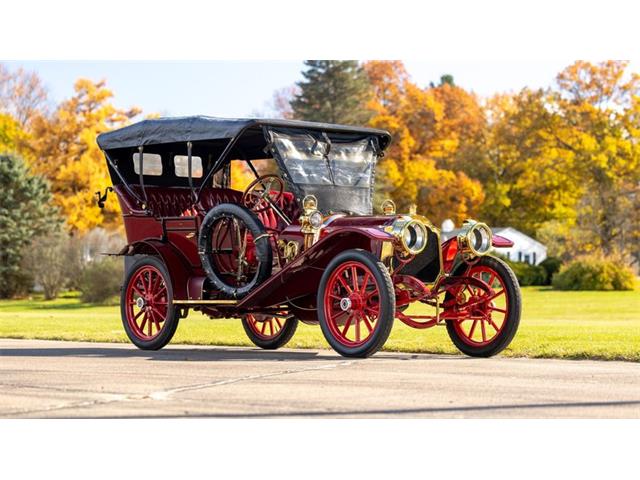
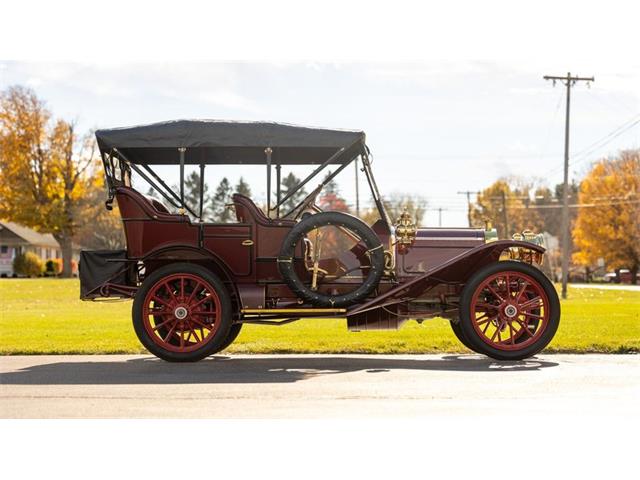
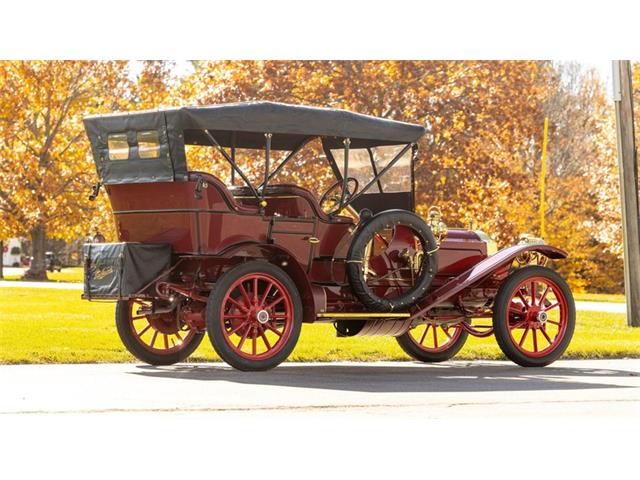
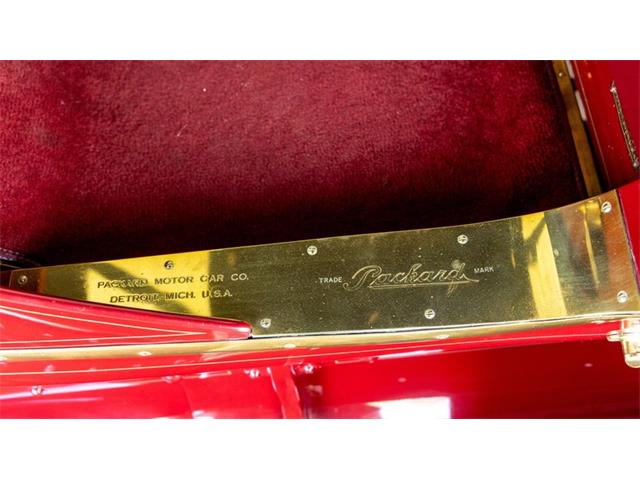
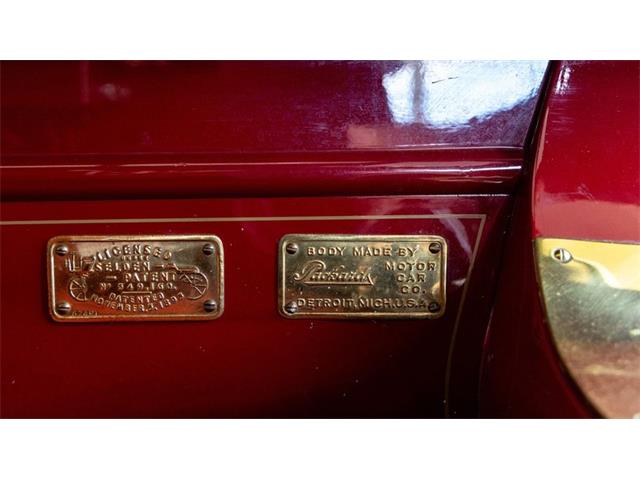
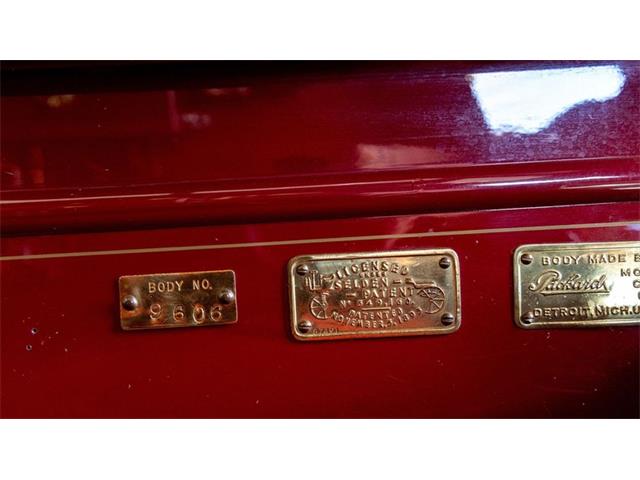
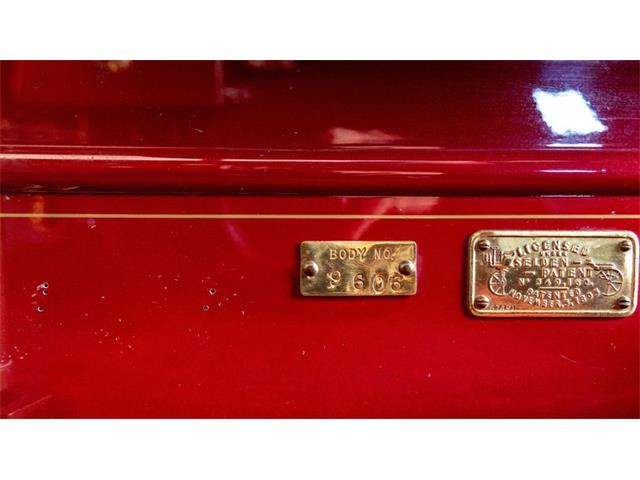
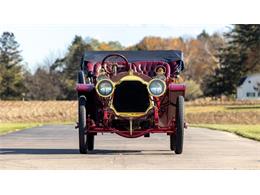
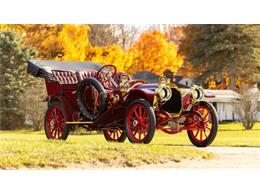
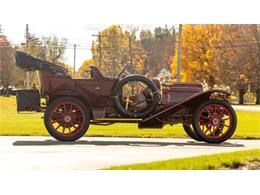
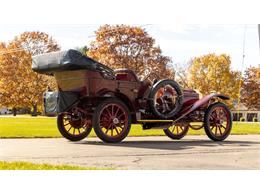
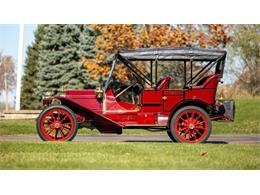
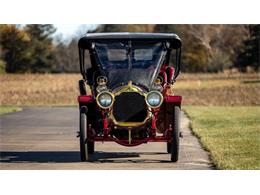
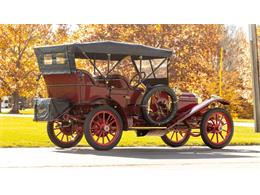
Packard introduced the "Eighteen" in 1909 as a town-sized companion
to the vaunted Thirty, built to the same standards but on more
nimble proportions. As Packard's own sales literature proclaimed,
the Eighteen was "a town car, of exactly the same design,
construction and general excellence as the well-known Packard
'Thirty,' but having smaller proportions to render it an extremely
convenient, easily-handled, light car for all kinds of city and
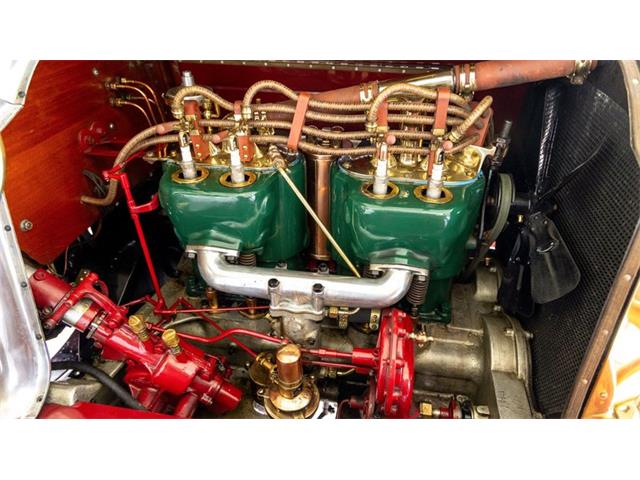
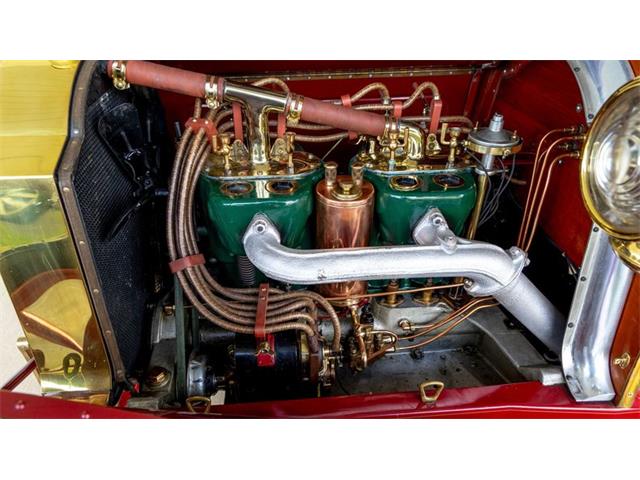
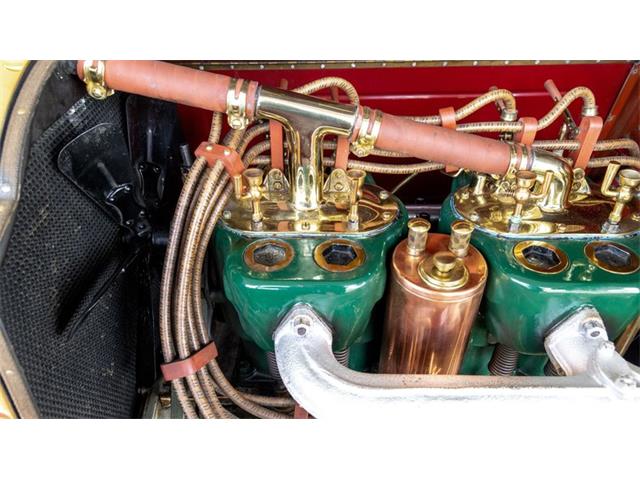
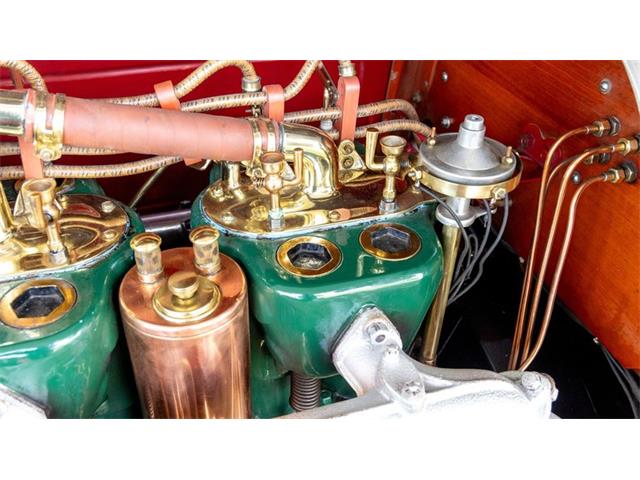
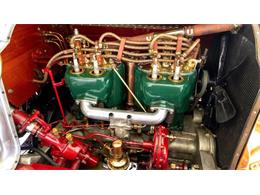
suburban driving." The model featured a 112-inch wheelbase and a
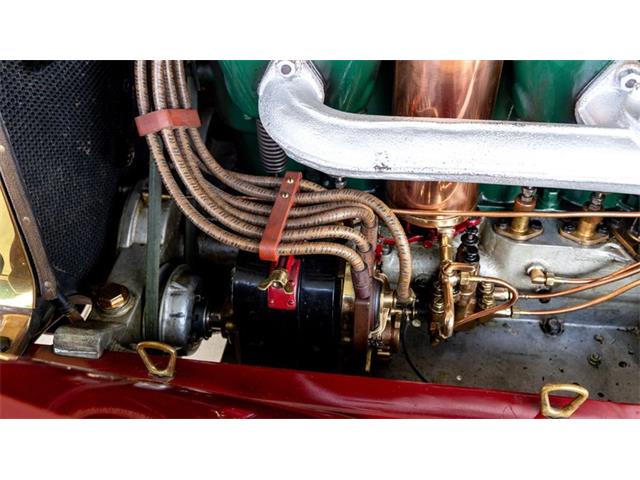
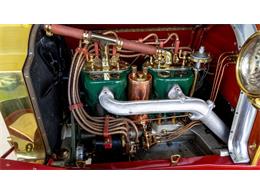
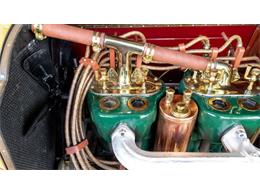
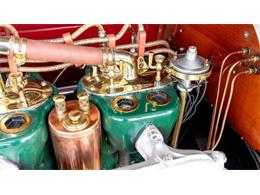
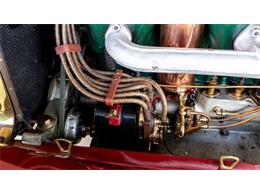
265.7 cu-in T-head four-cylinder engine, and was available as an
Open Tourer, Limousine, Landaulet, or Runabout.
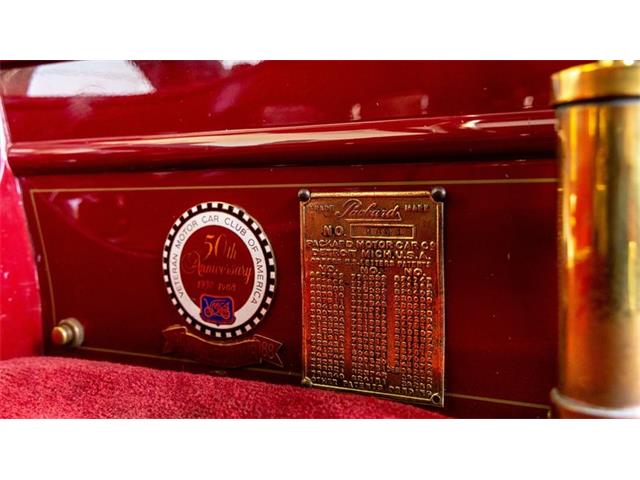
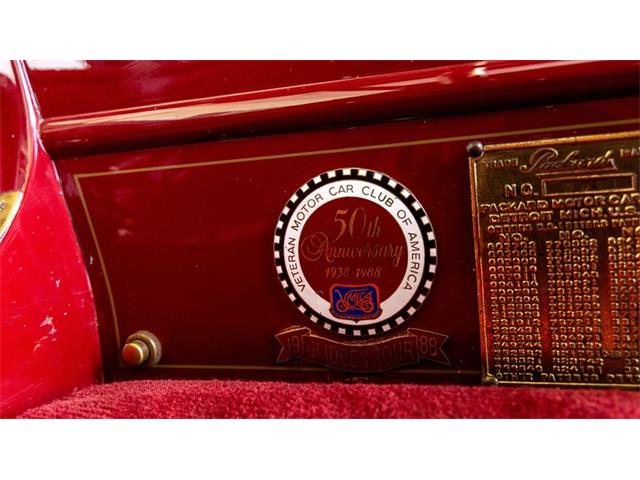
This particular Eighteen, Packard number 9641, began life as a
Runabout with early ownership by William D. Heller of Weehawken,
New Jersey. By mid-century, the car had passed to David Tunick of
Greenwich, Connecticut, and in 1950, it came into the possession of
automotive designer Richard "Dick" Teague of Franklin, Michigan.
Working at General Motors at the time, Teague would later join
Packard as their chief stylist. During his tenure, he uncovered
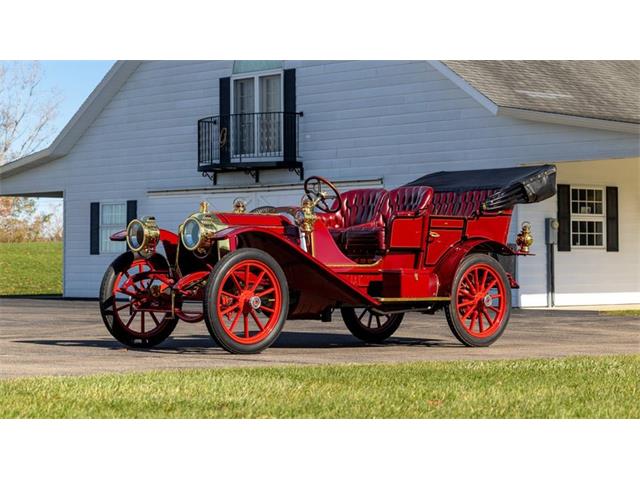
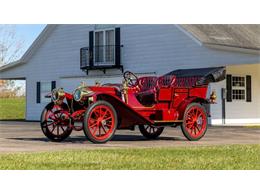
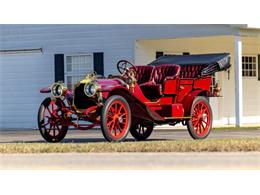
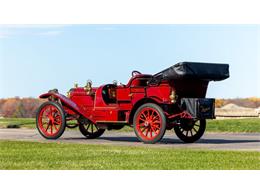
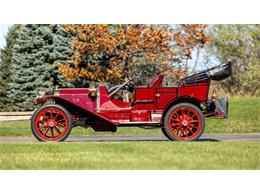
drawings for an unrealized 1909 Eighteen body design that had
remained on the drawing board. The design emphasized lighter, more
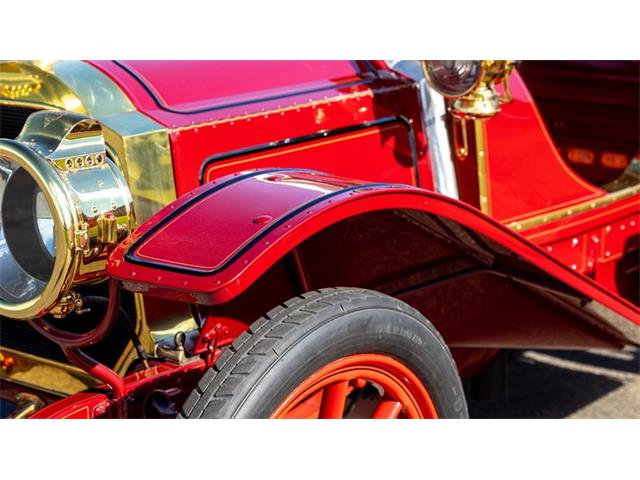
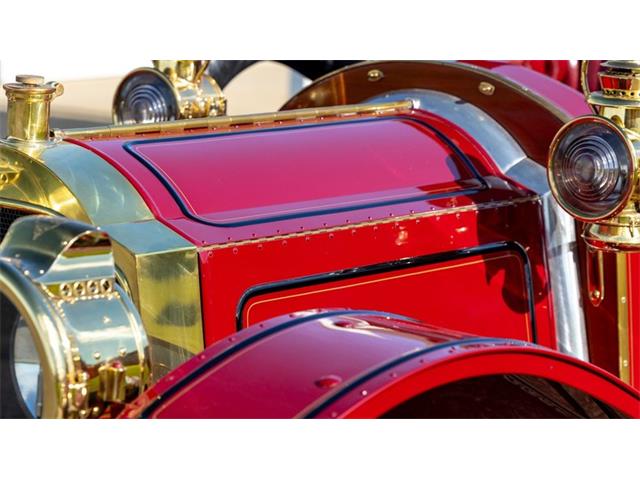
sporting lines with Runabout-style extended front fenders, an
elongated Thirty-inspired hood, and a rounded cowl.
Circa 1951, Teague sold both the car and the design blueprints to
Packard specialist Leonard Davis of Pontiac, Michigan, who
initiated the build according to the factory drawings. Bob Nydam of
Crete, Illinois, acquired the car from Davis's widow in 1984 when
it was partially finished. Nydam completed the build to Teague's
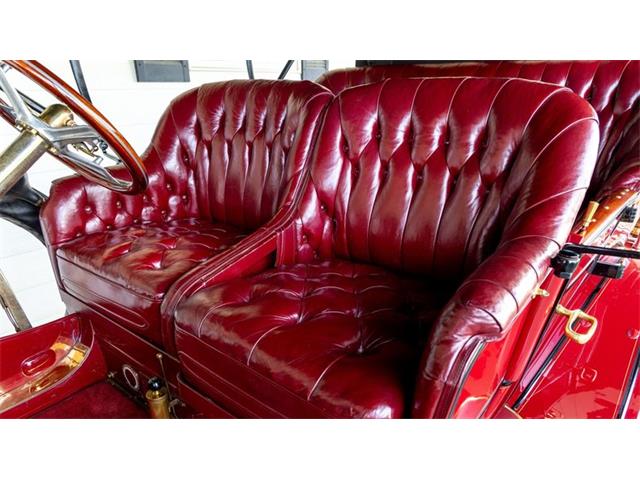
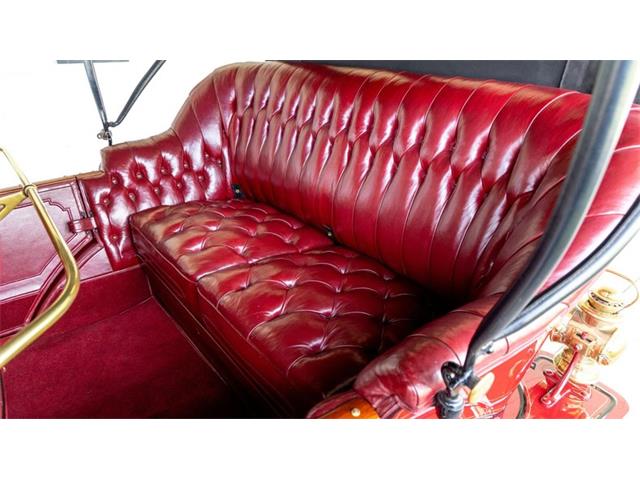
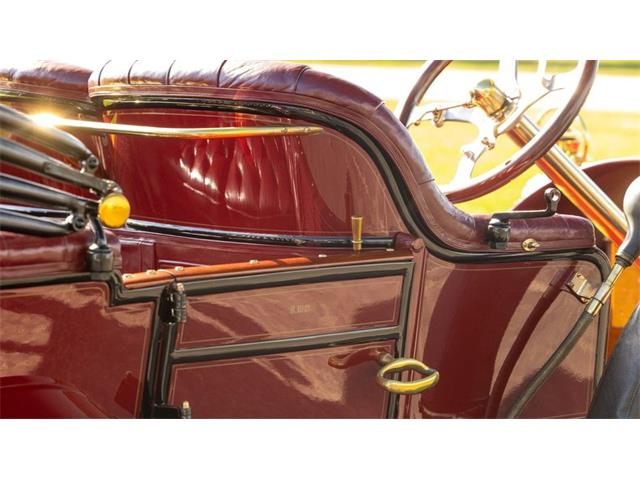
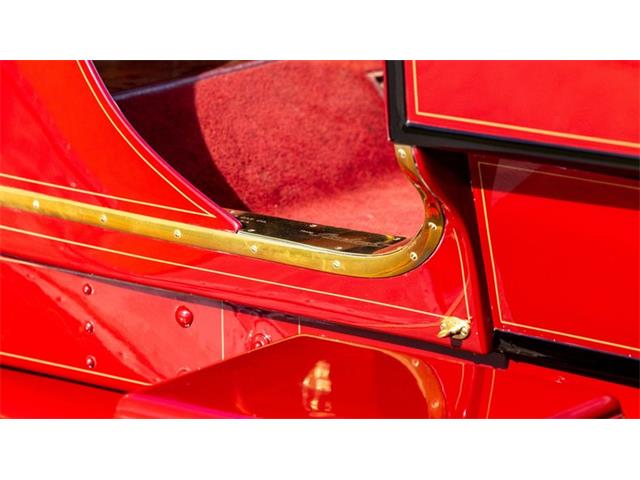
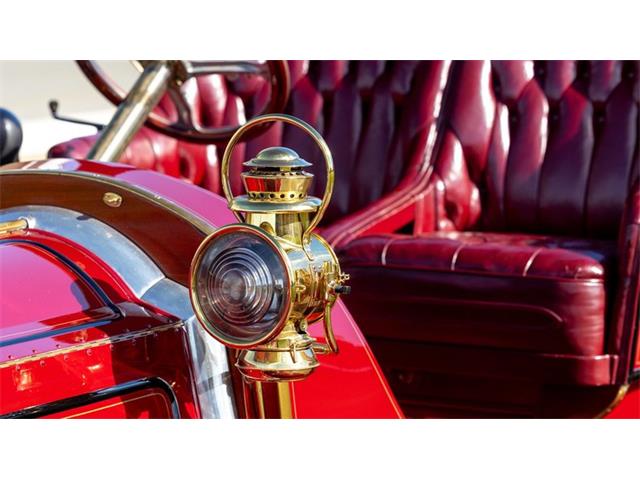
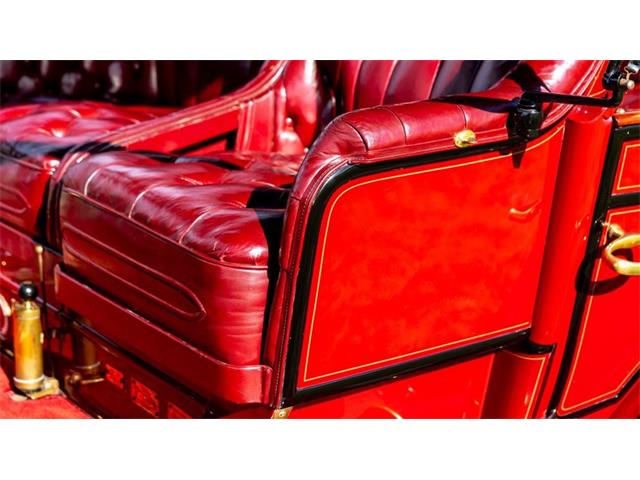
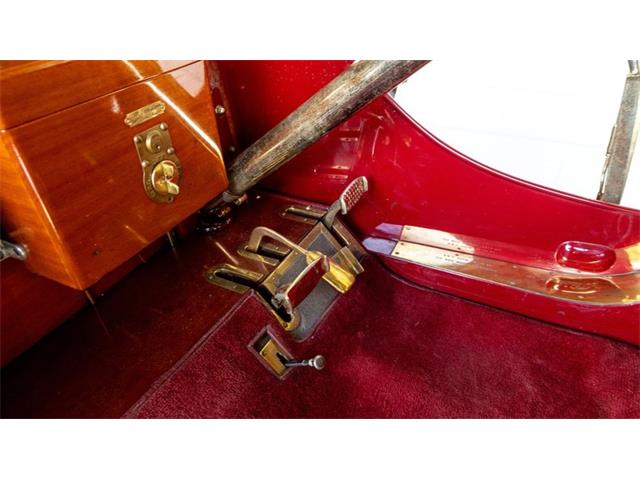
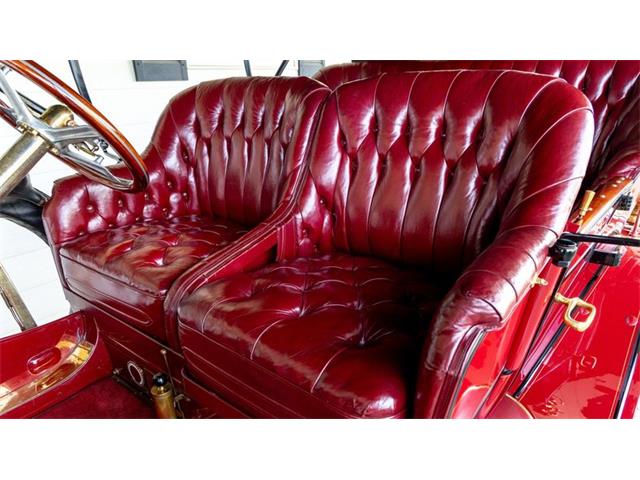
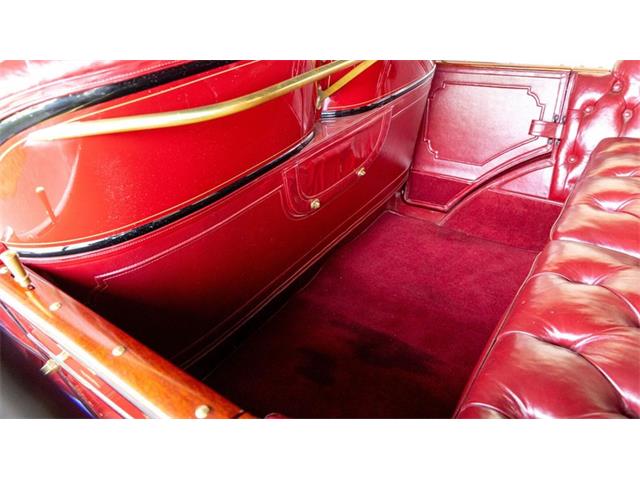
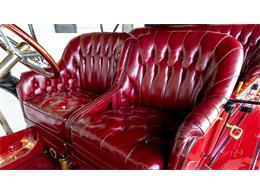
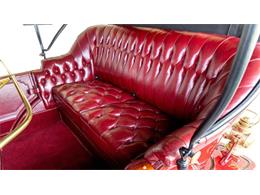
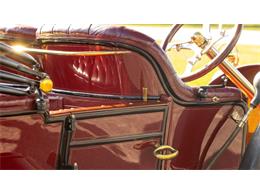
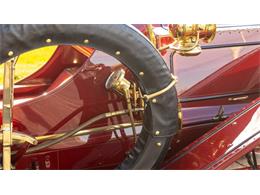
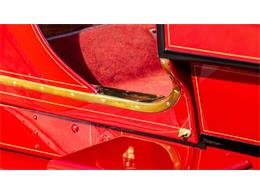
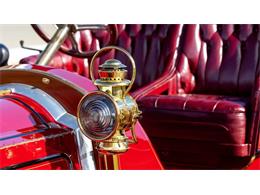
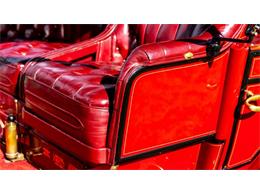
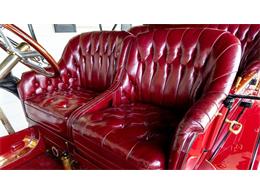
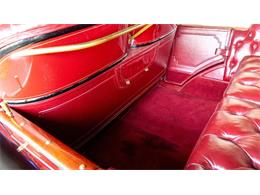
discovered factory design, commissioning renowned upholsterer Leif
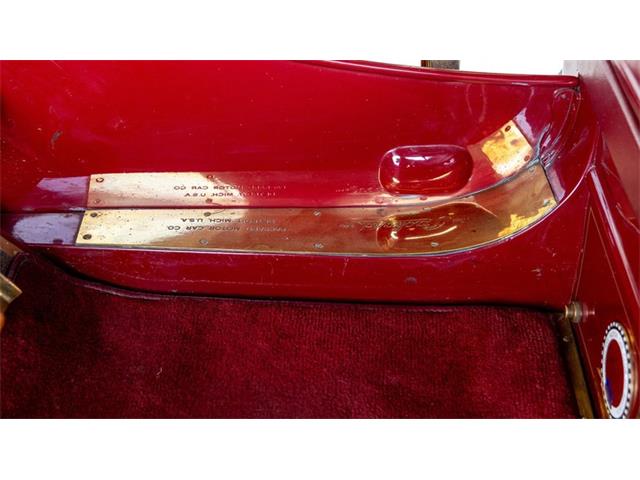
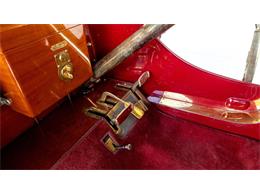
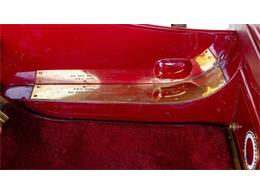
Drexler to trim the cabin in button-tufted red leather with Wilton
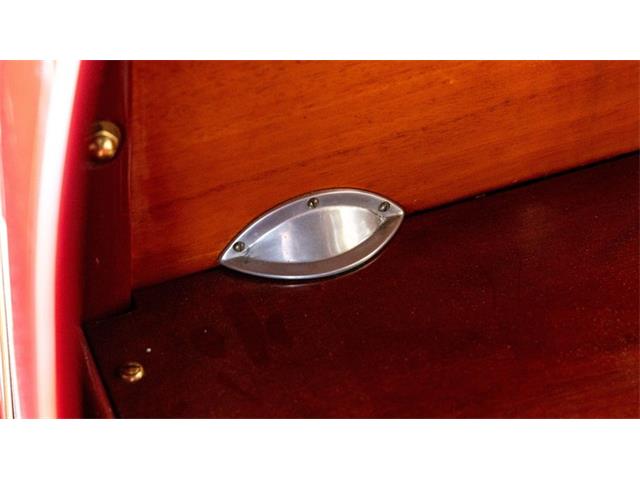
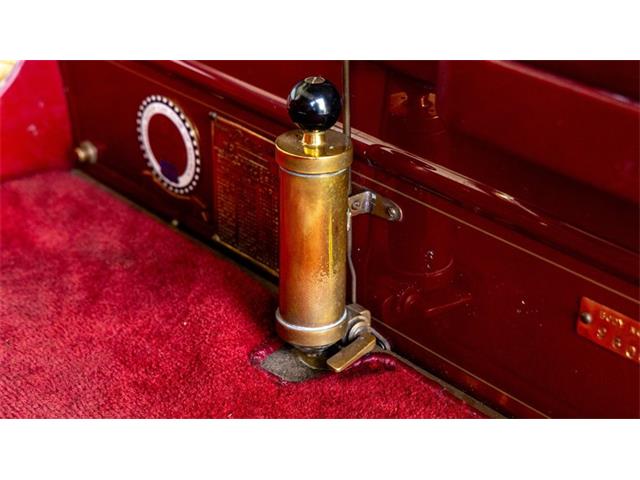
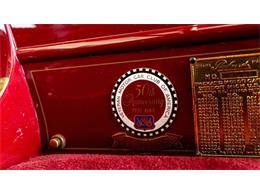
wool carpeting and period-correct details throughout. The
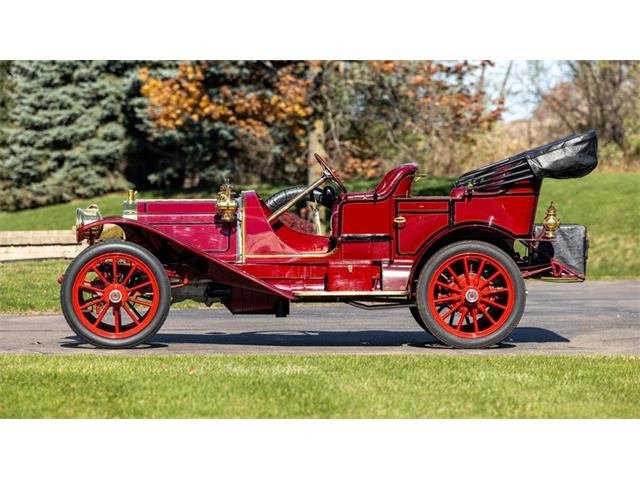
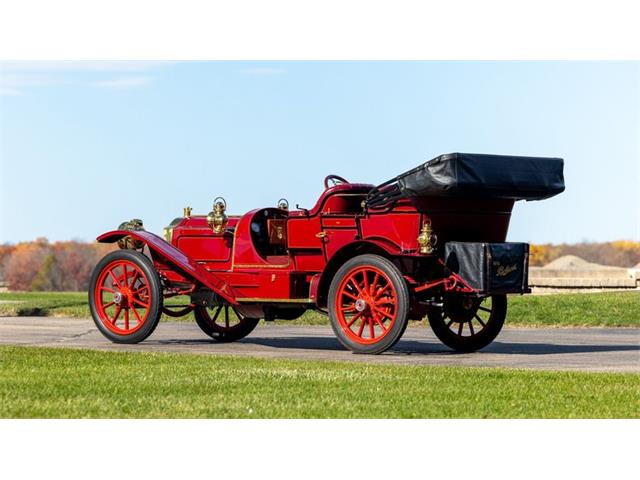
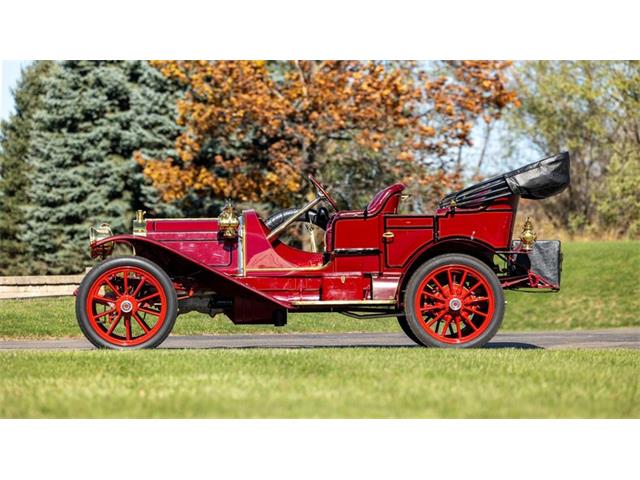
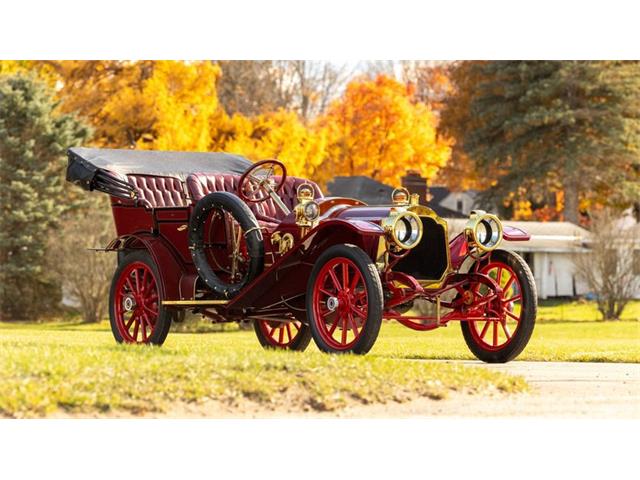
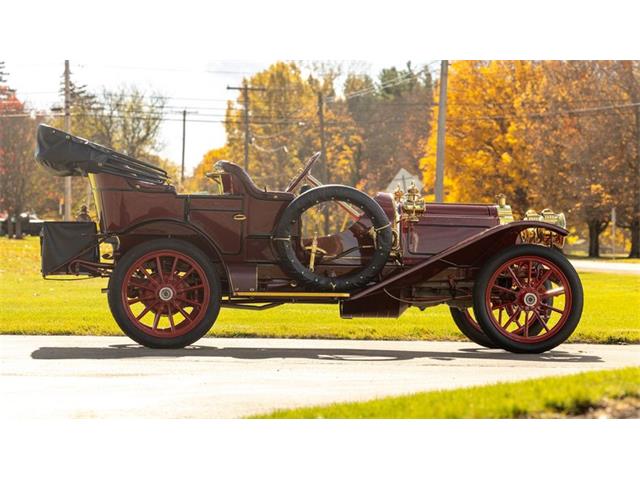
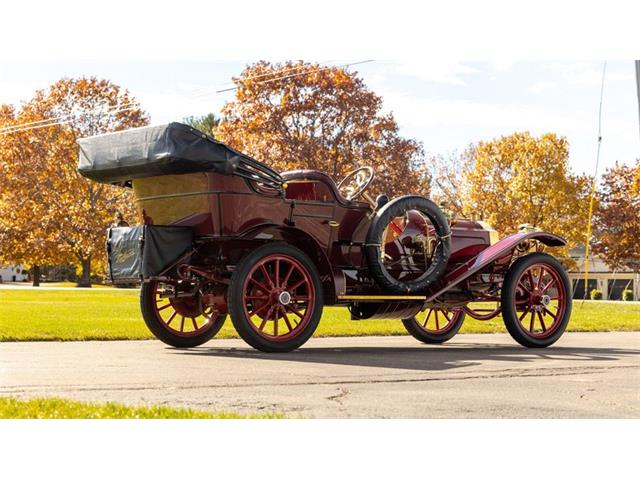
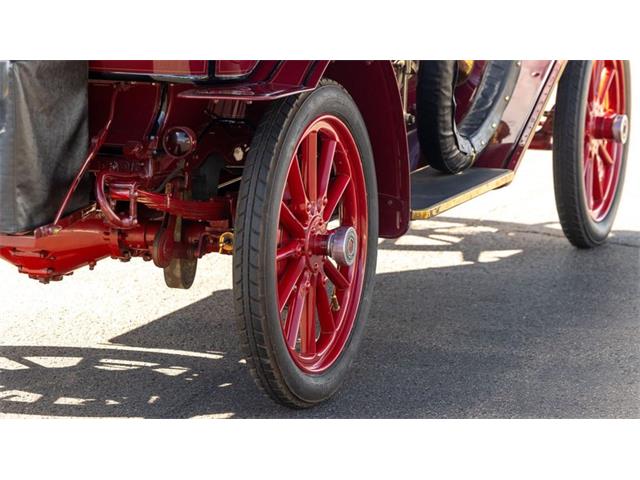
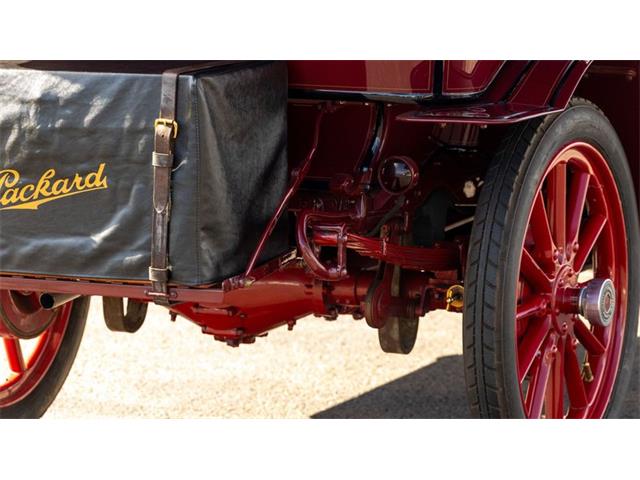
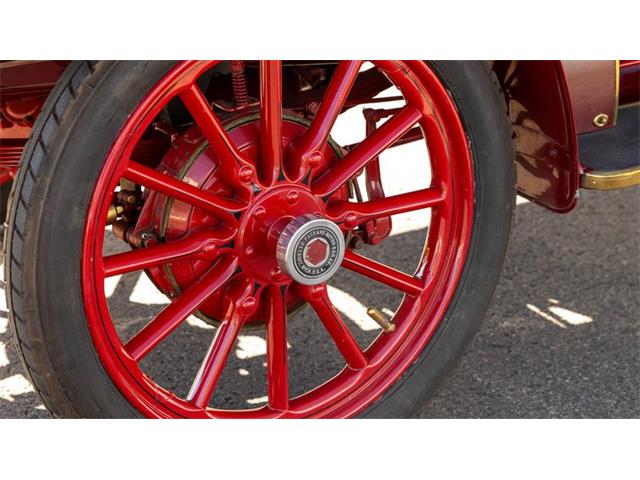
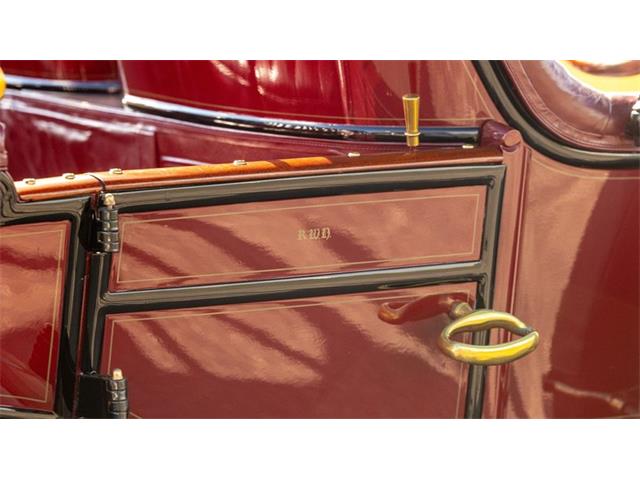
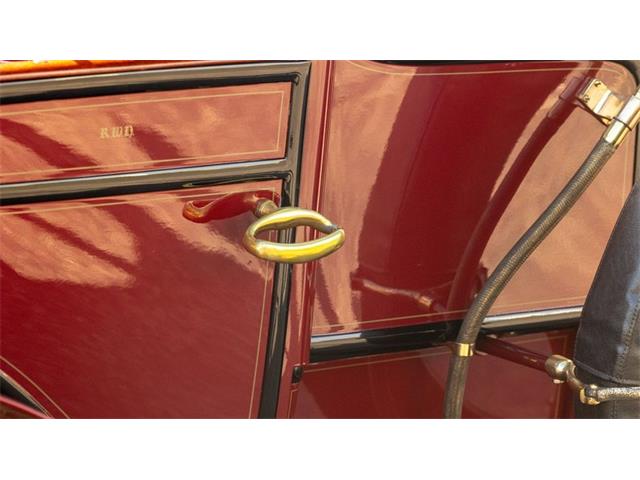
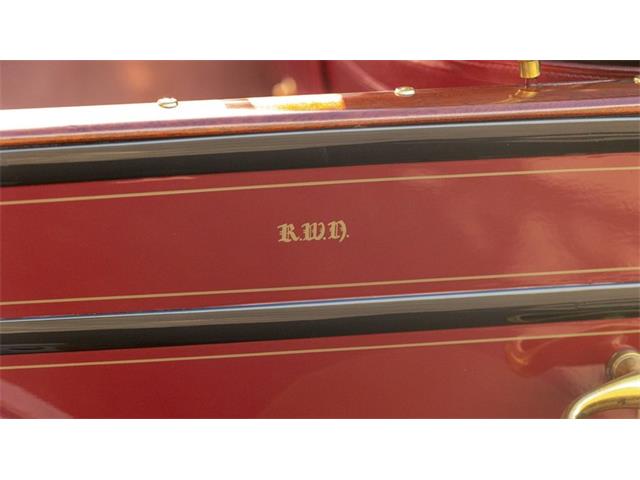
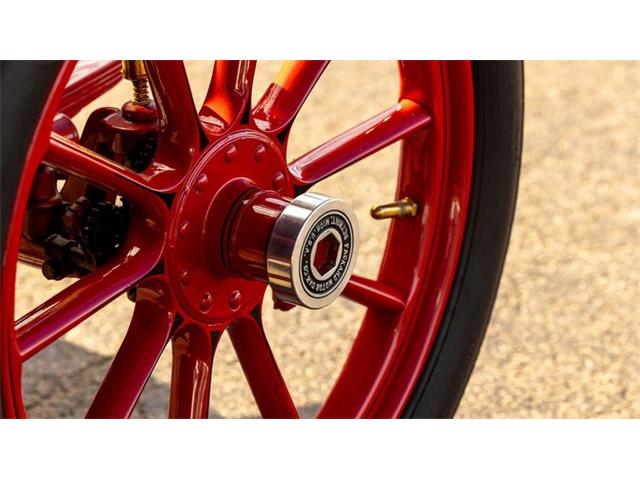
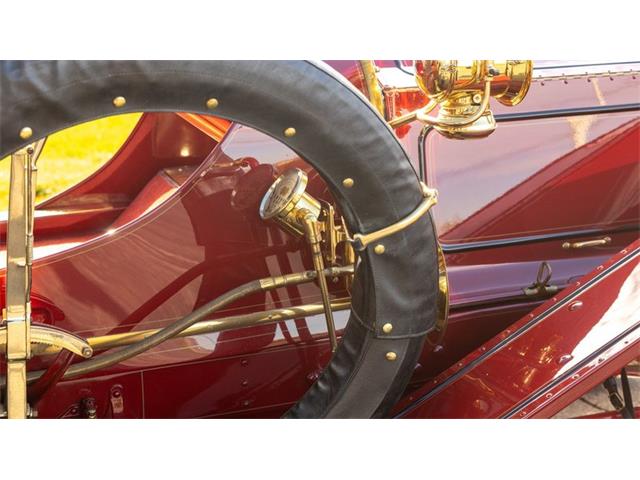
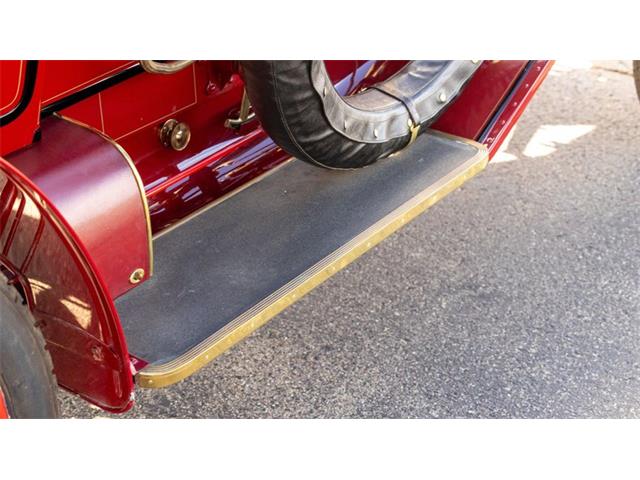
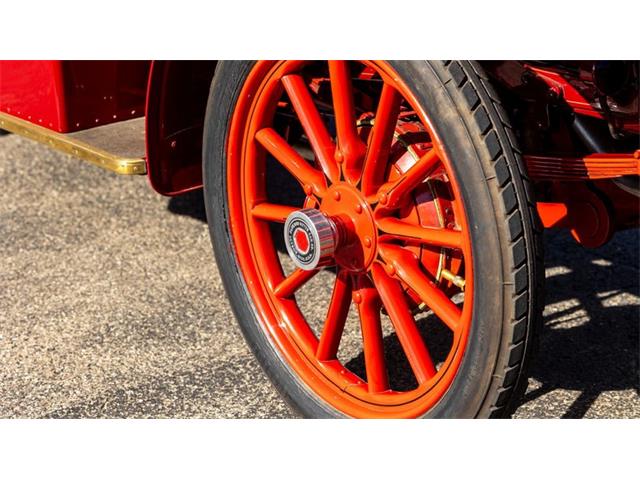
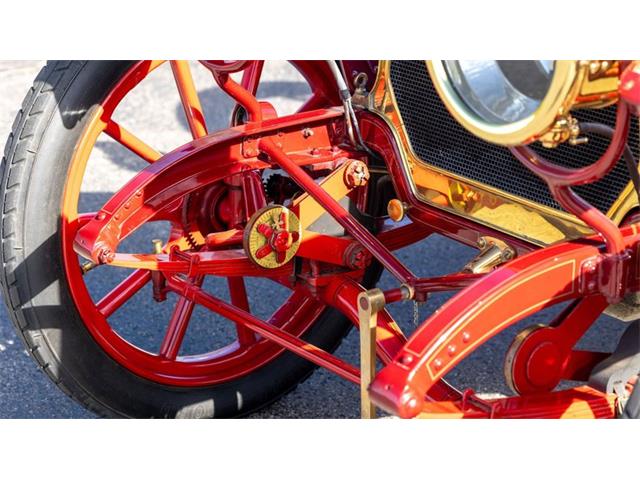
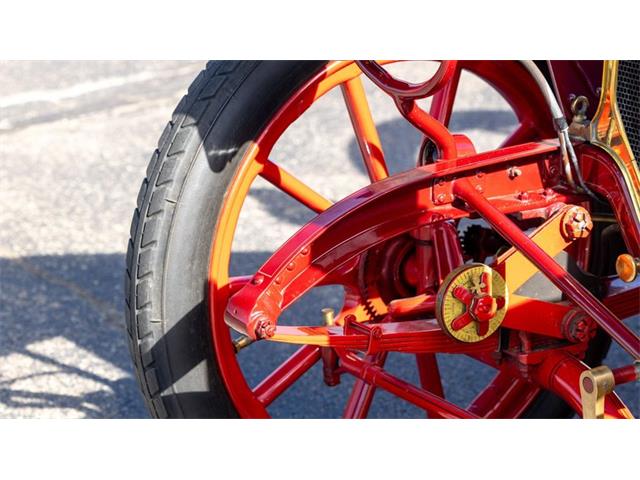
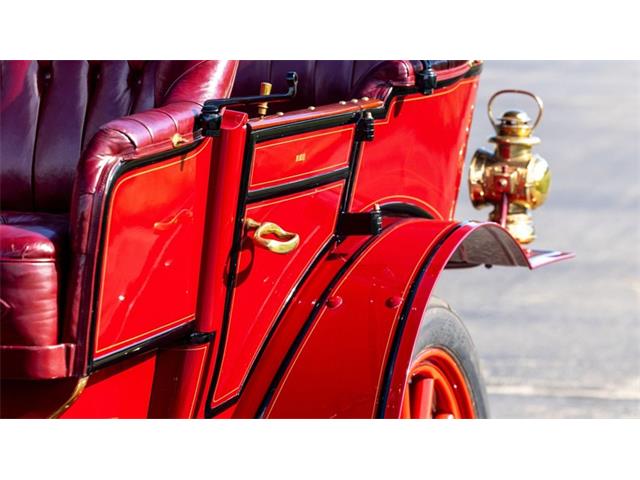
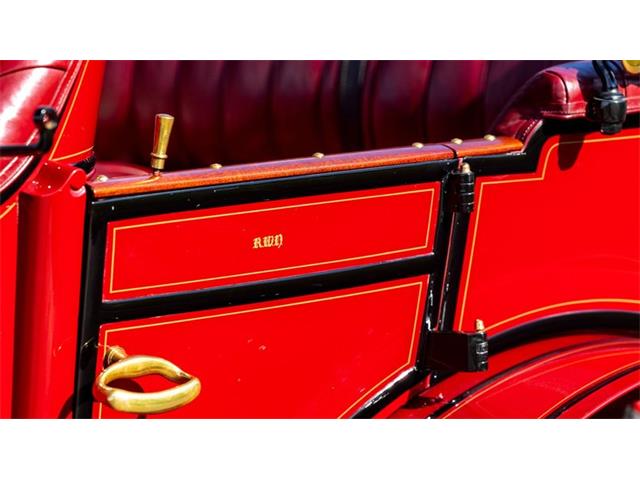
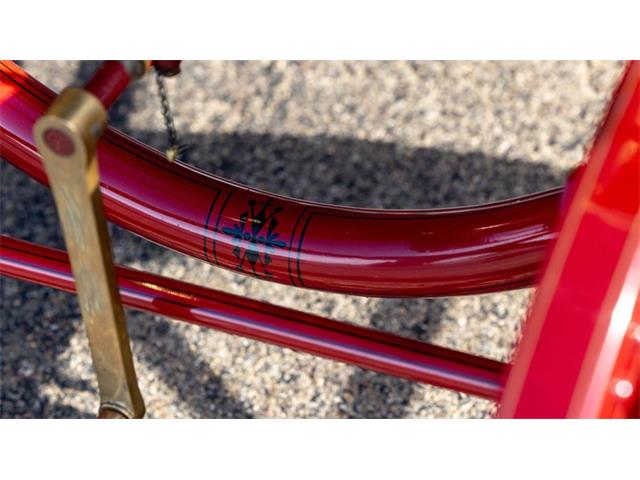
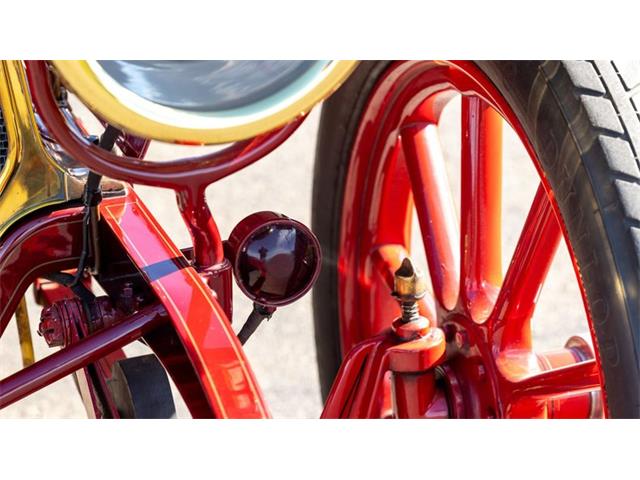
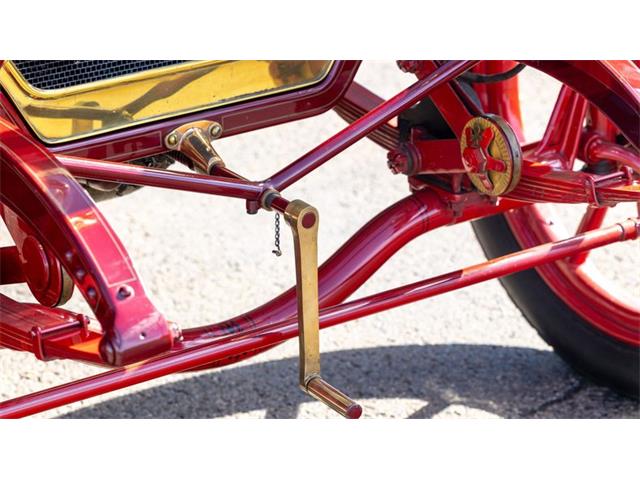
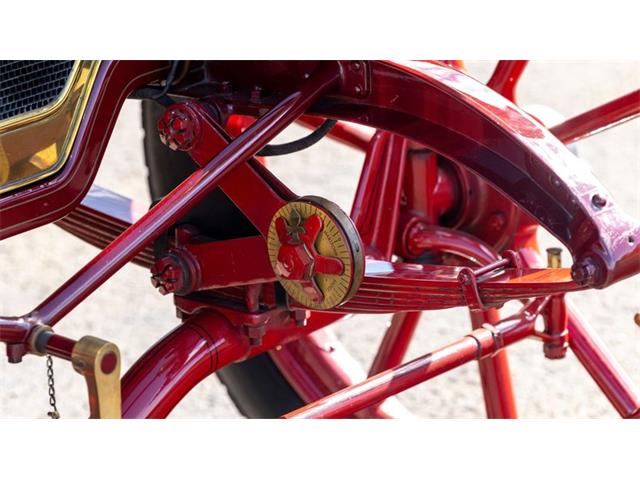
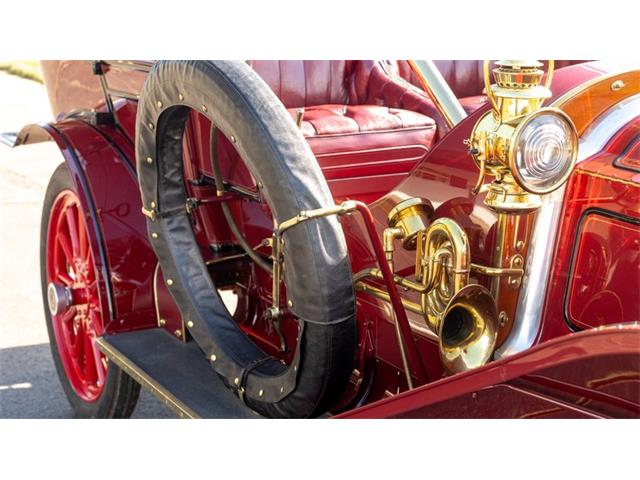
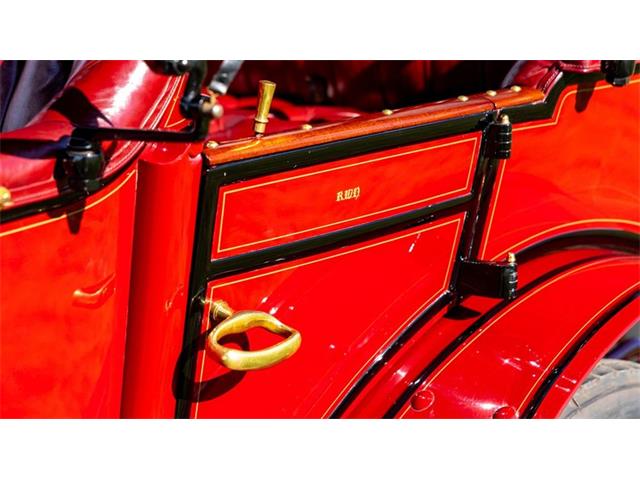
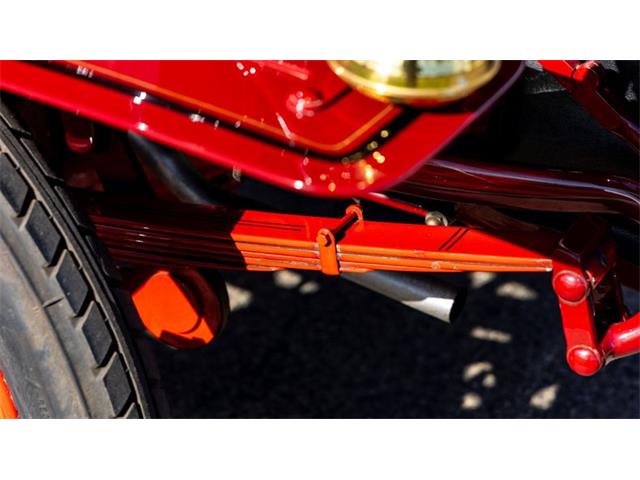
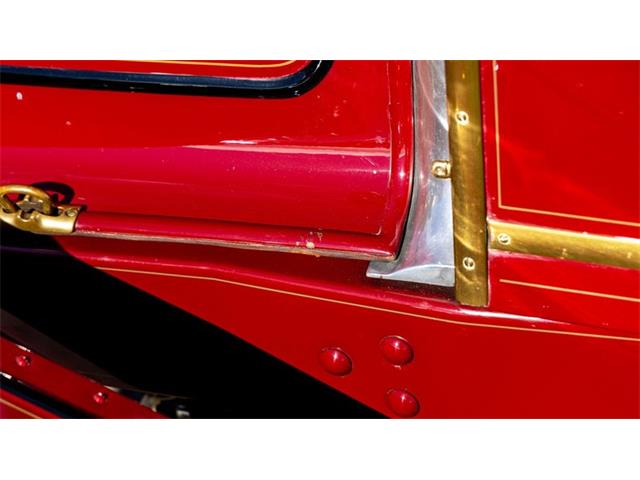
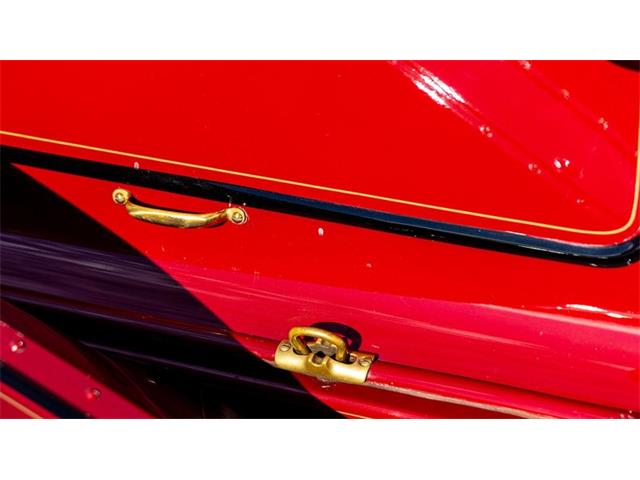
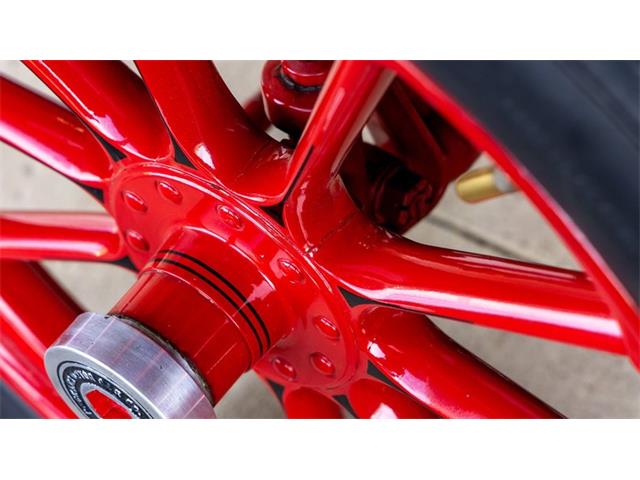
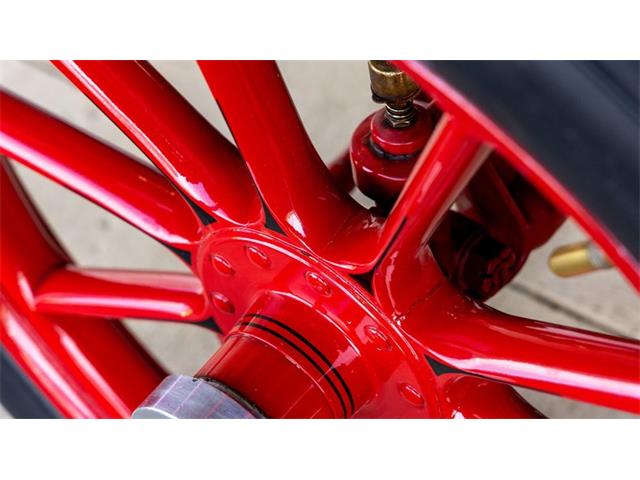
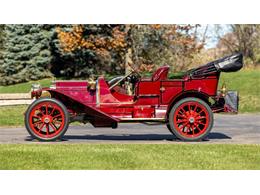
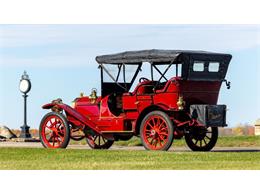
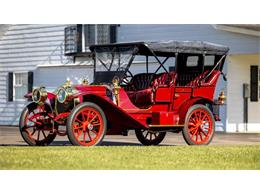
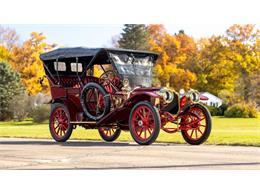
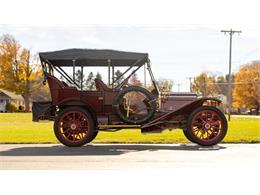
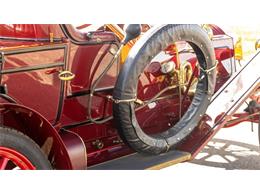
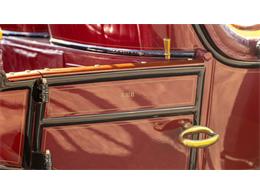
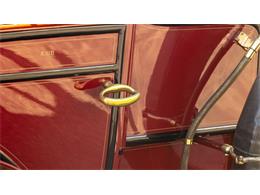
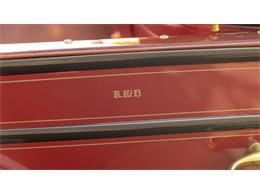
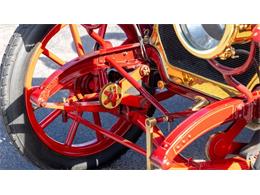
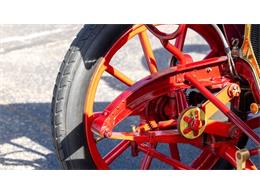
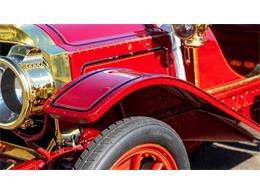
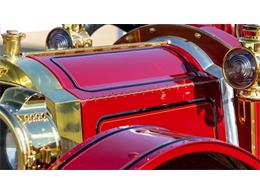
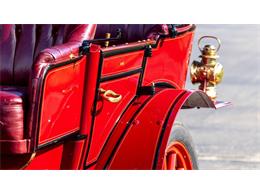
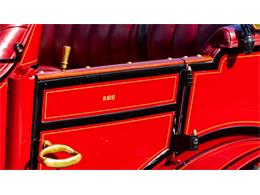
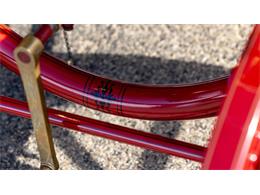
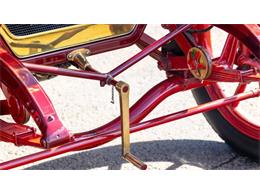
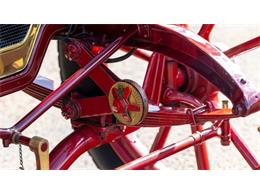
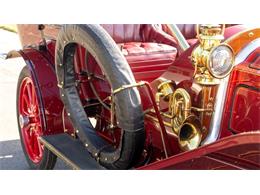
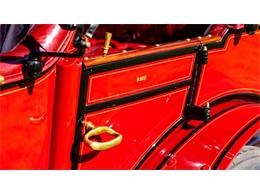
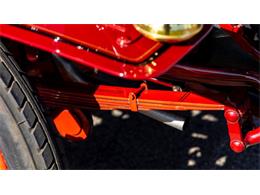
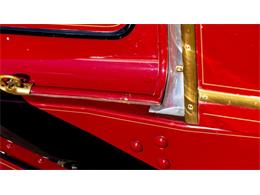
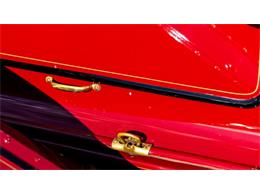
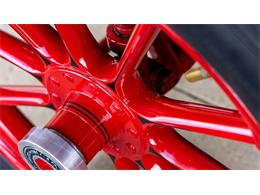
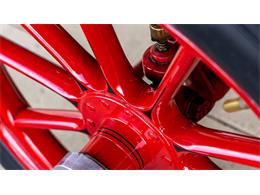
beautifully restored steel-bodied Phaeton is finished in rich
maroon with black accents and gold pinstriping-carried through to
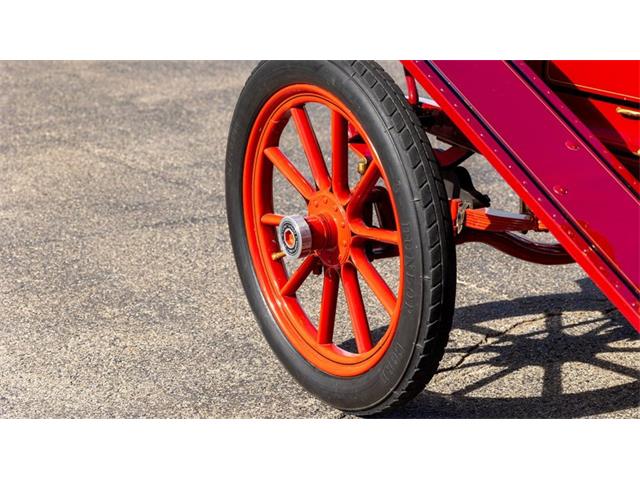
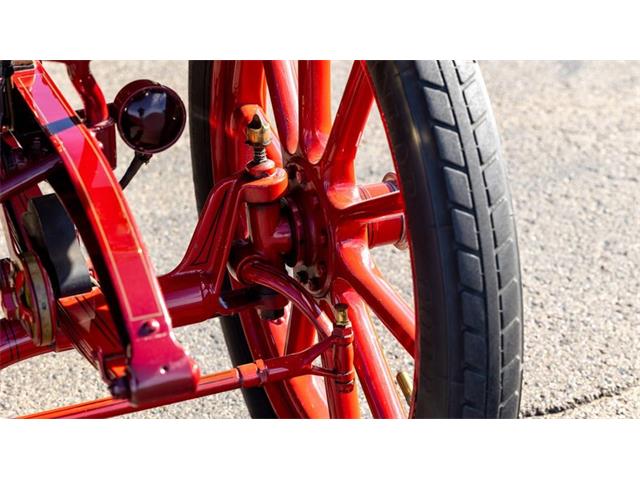
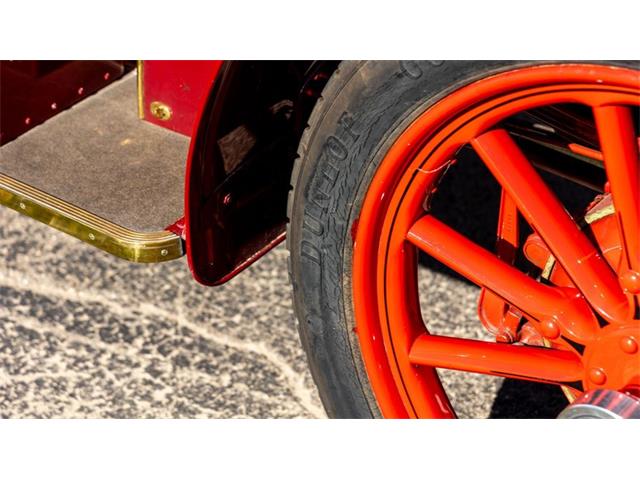
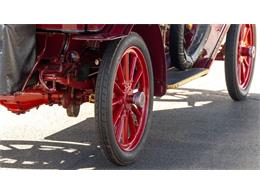
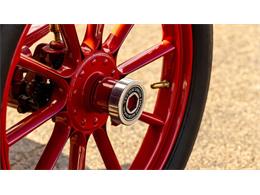
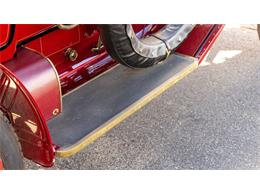
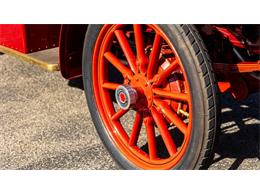
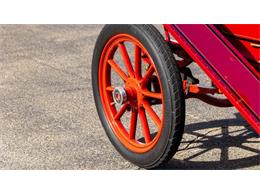
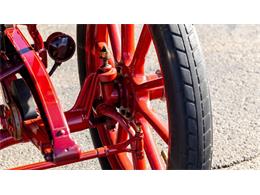
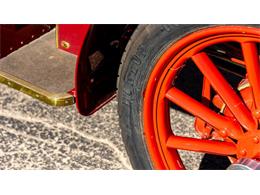
the chassis and chassis sprays-while Hartford friction shocks, cork
runningboards and floorboards, and Dunlop cord tires complete its
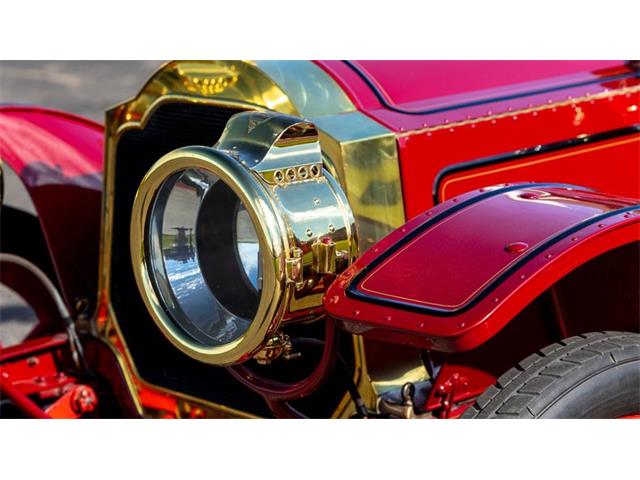
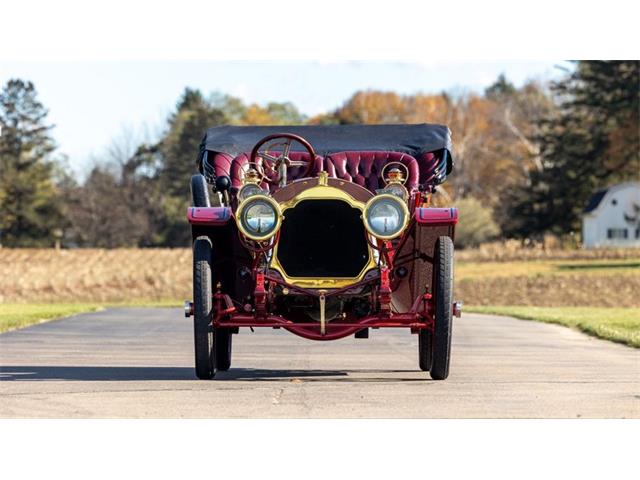
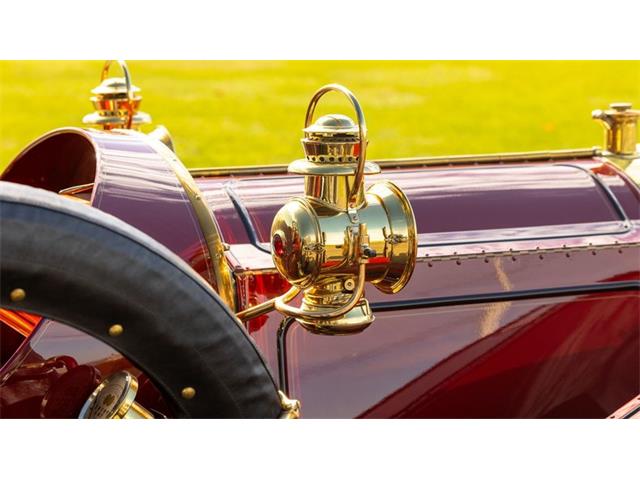
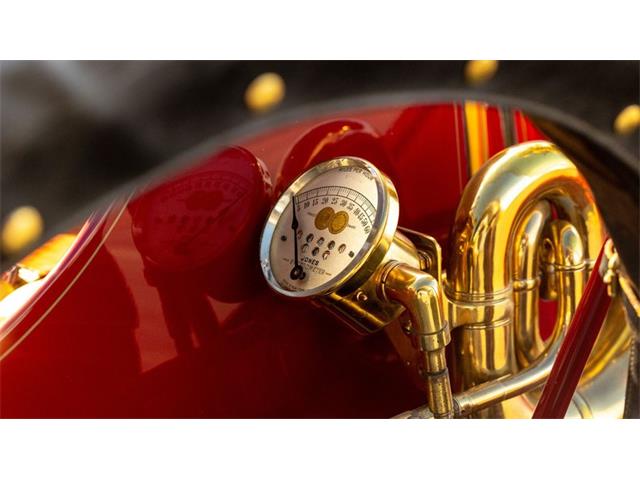
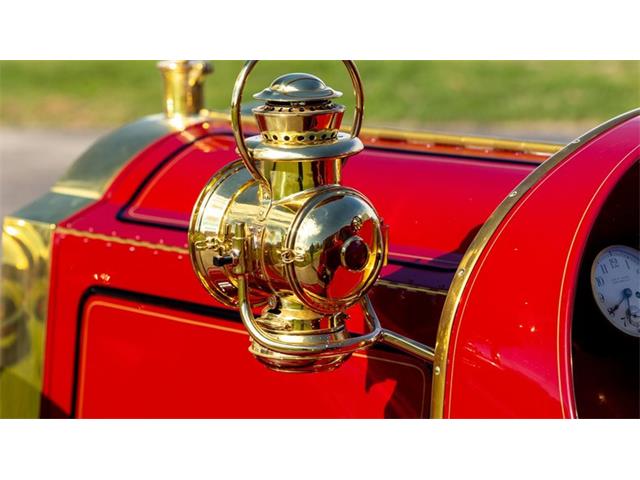
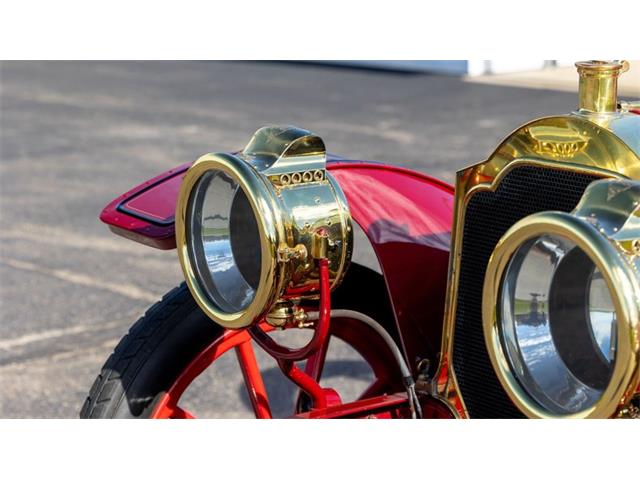
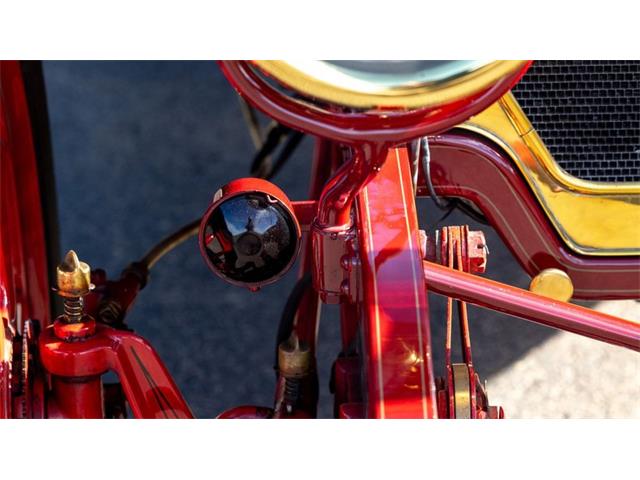
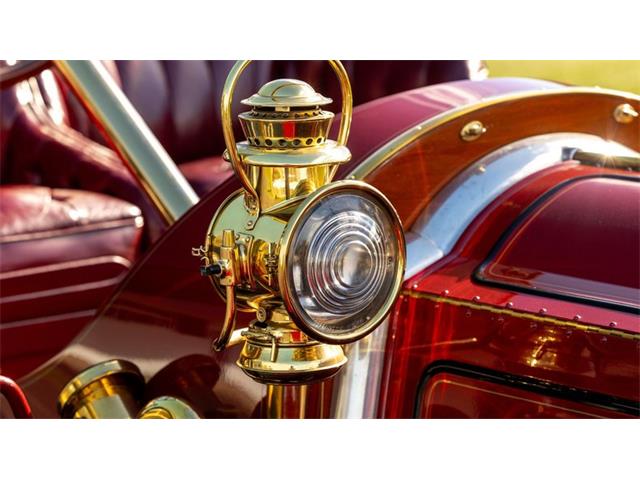
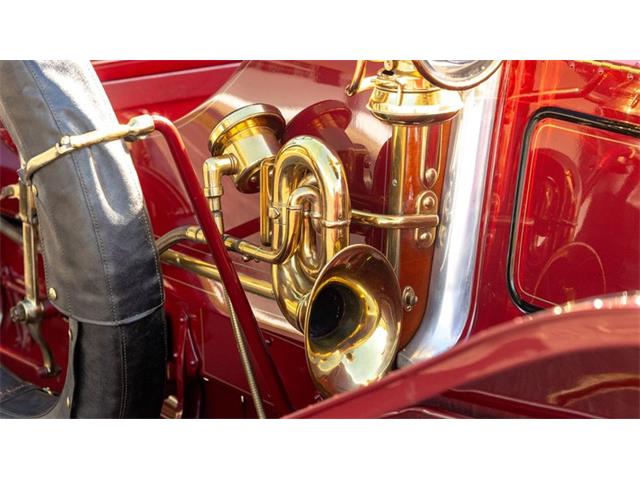
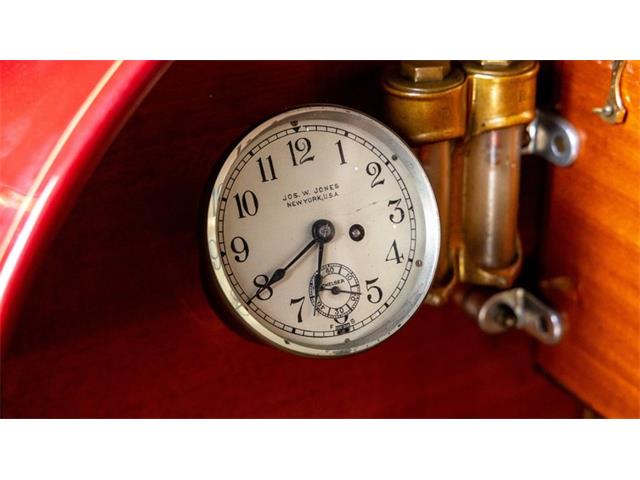
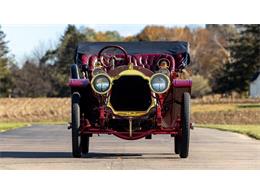
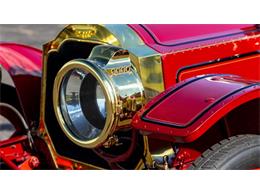
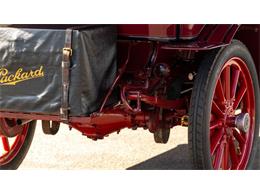
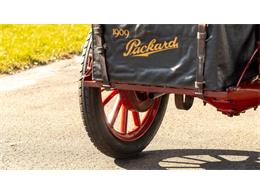
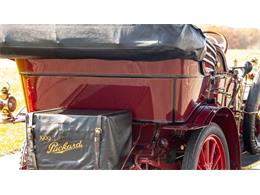
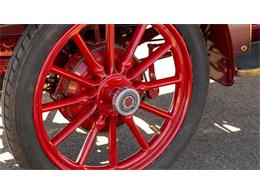
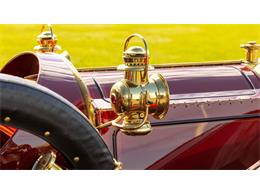
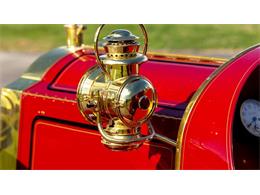
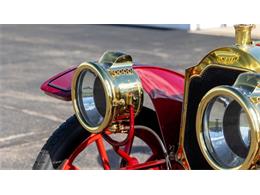
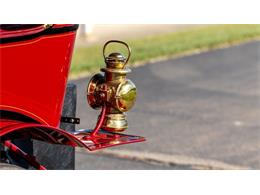
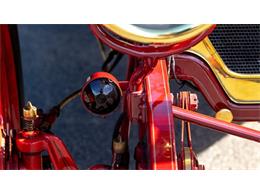
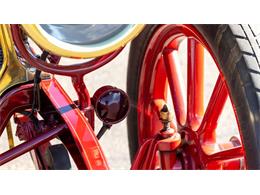
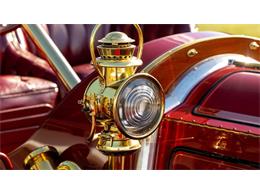
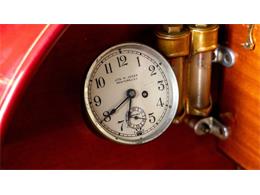
authentic Brass Era appearance. Ahead of the unmistakable Packard
radiator, the Solar Packard headlamps have been discreetly
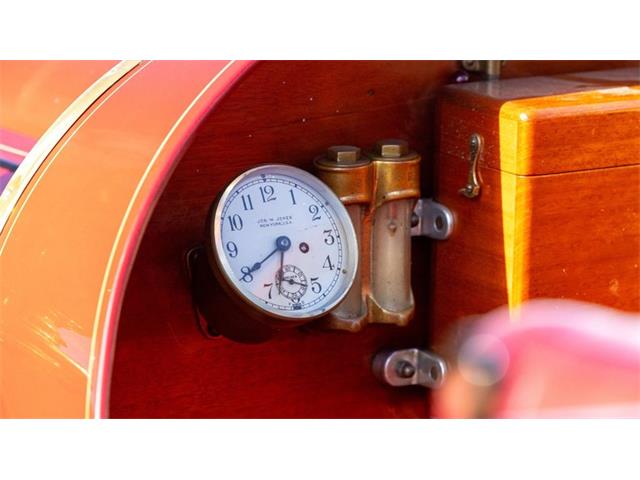
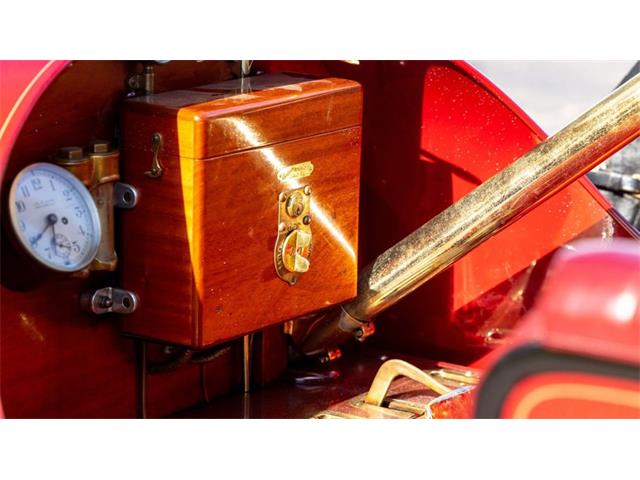
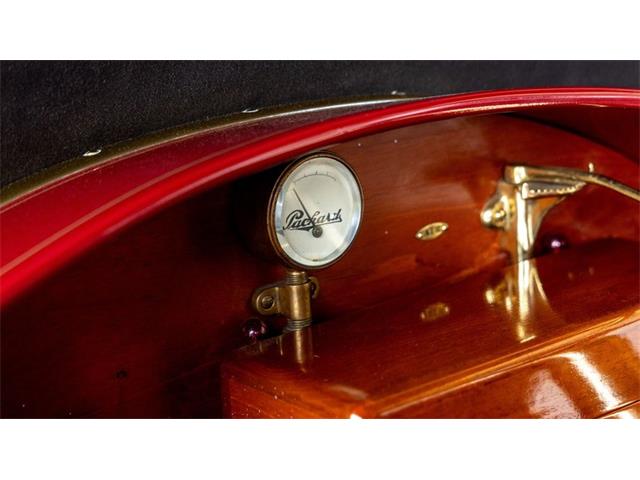
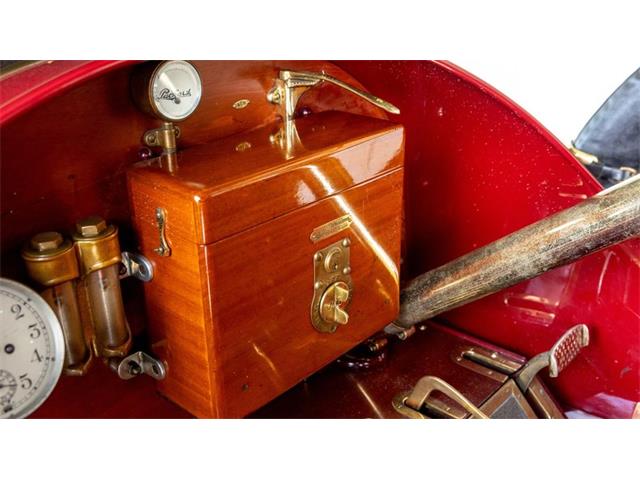
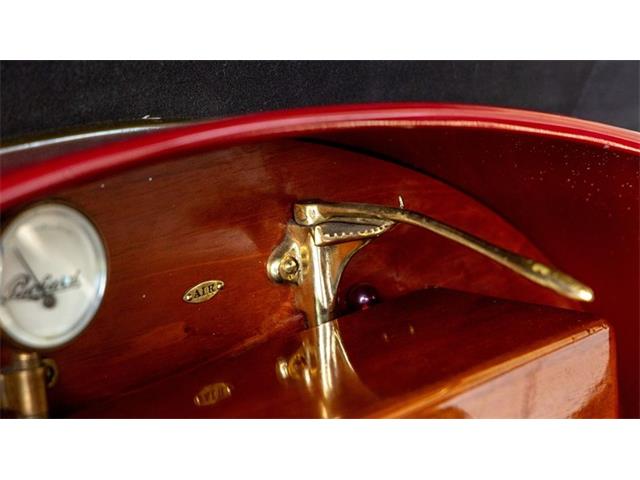
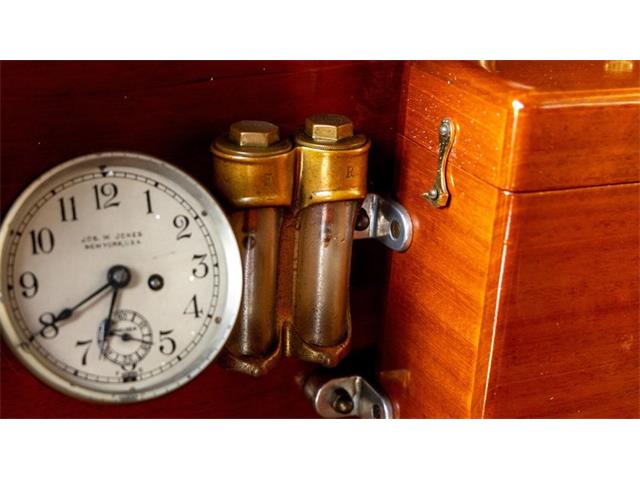
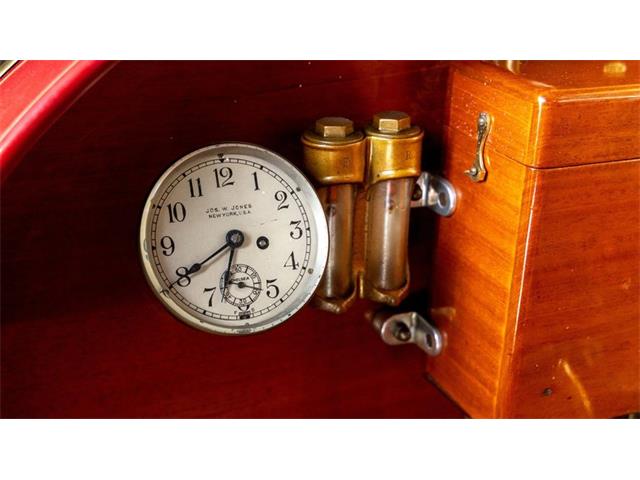
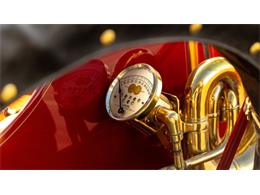
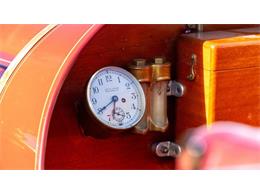
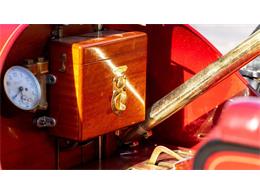
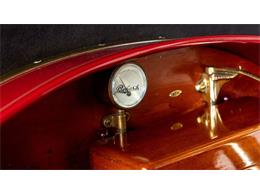
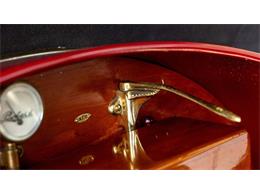
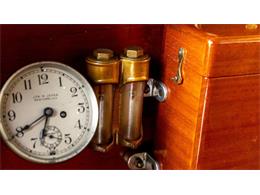
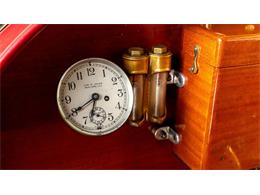
electrified, and the dash is complemented by a Jones clock and
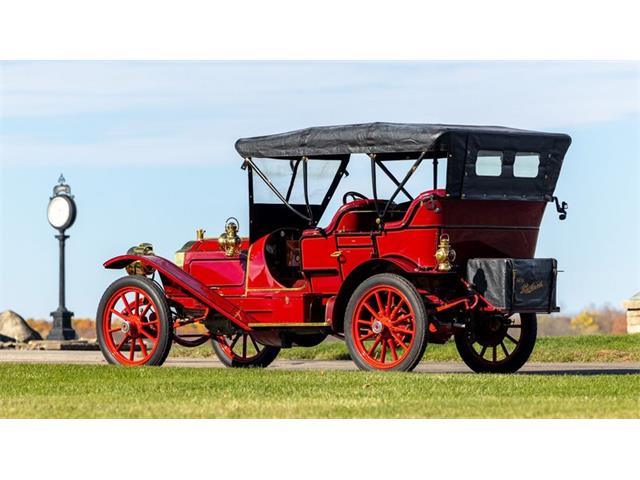
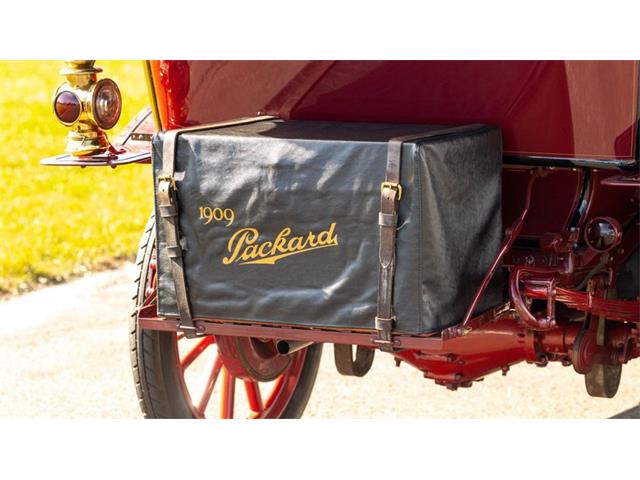
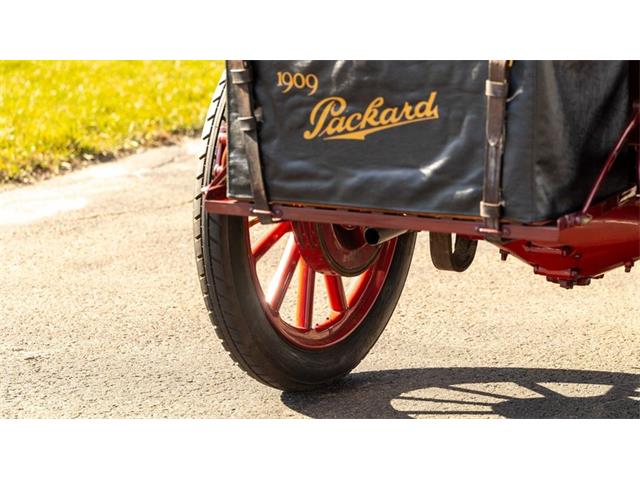
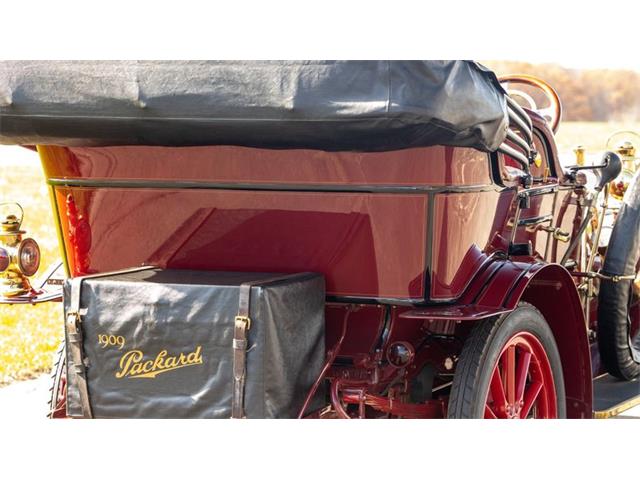
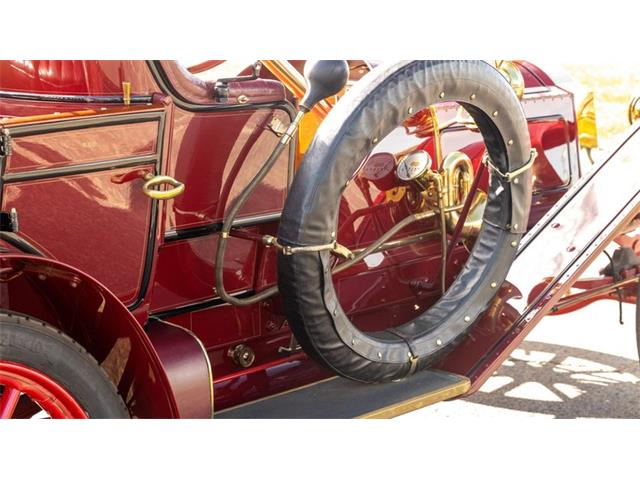
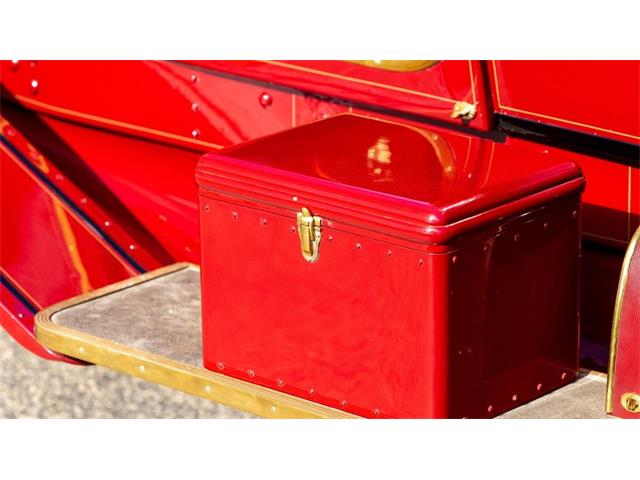
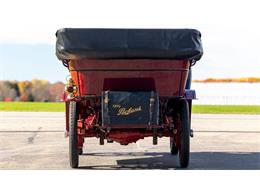
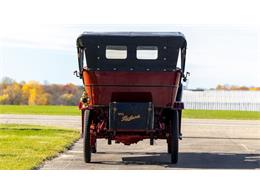
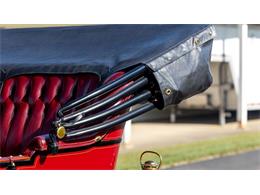
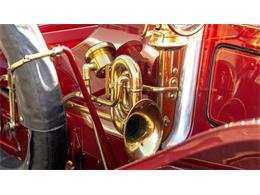
60-mph speedometer. Further touring-minded touches include magneto
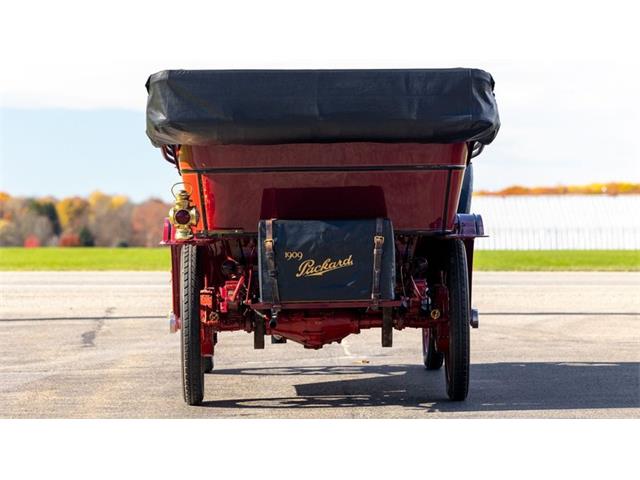
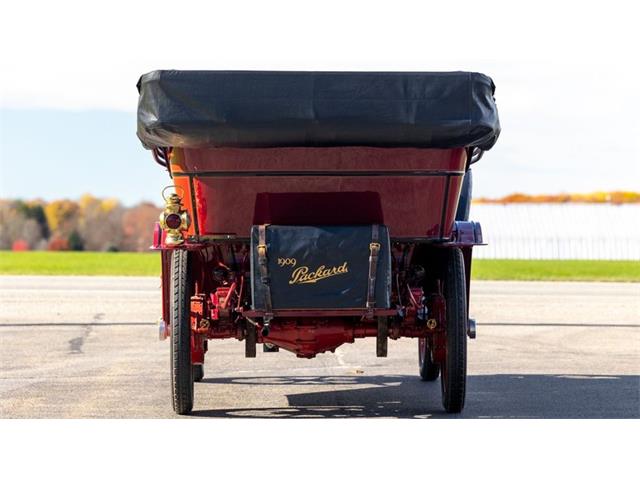
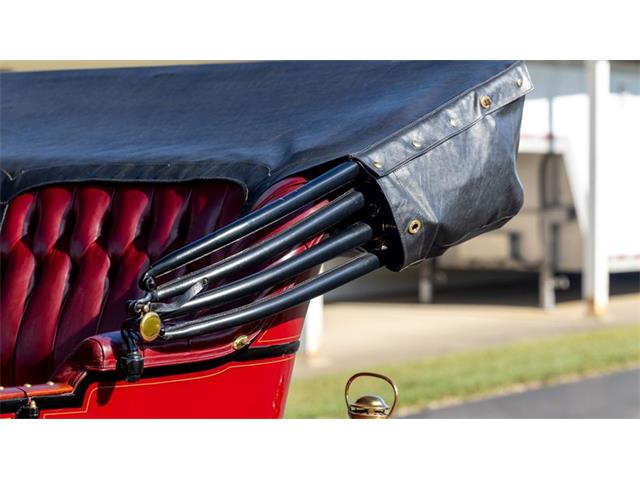
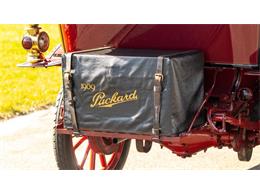
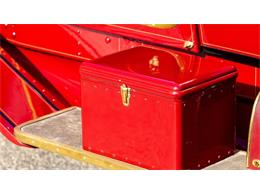
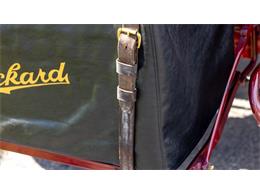
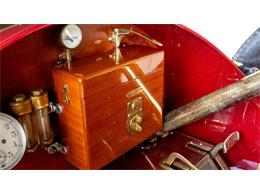
ignition with electric start, a runningboard toolbox, side-mounted
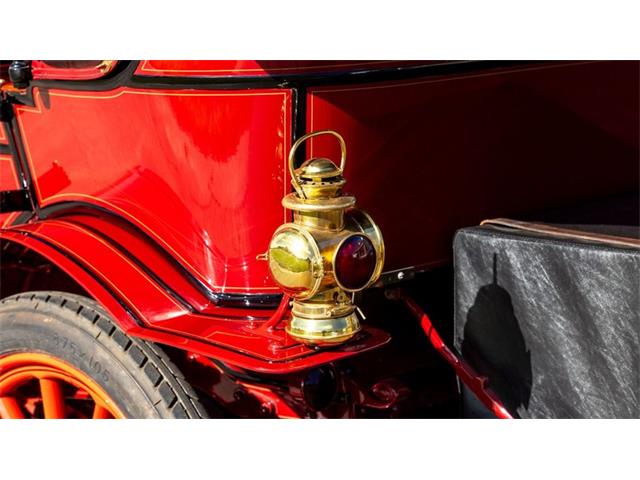
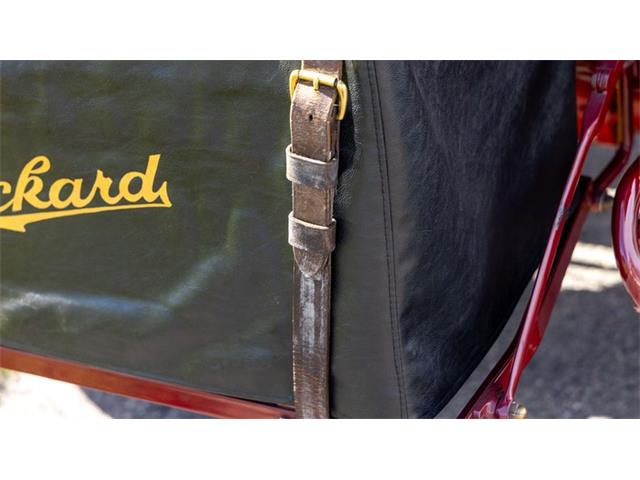
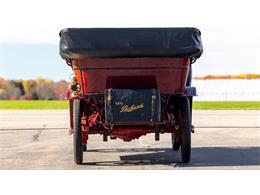
spare with cover, and a rear-mounted trunk with a matching vinyl
cover-complete with tools, wheel chocks, jack, and roadside
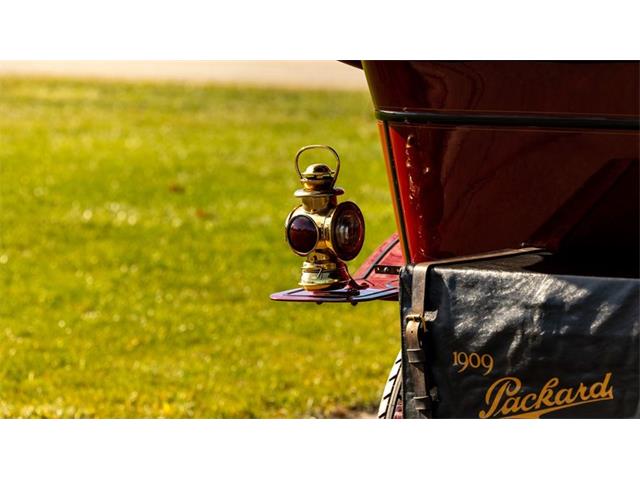
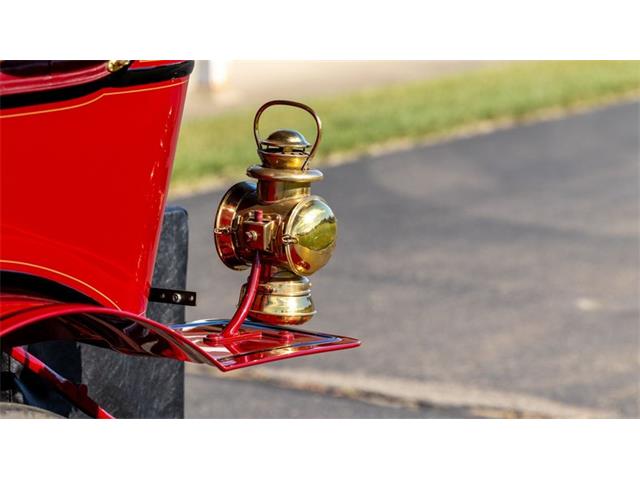
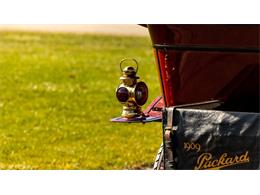
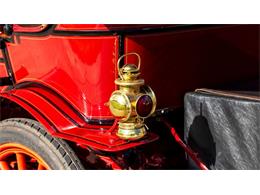
kit-joined by well-concealed rear electric brake lamps and a
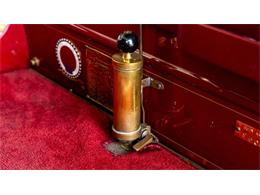
traditional brass kerosene tail lamp.
Like all Eighteens, this Packard delivers the usability,
reliability, and versatility that made these cars beloved in their
day for journeys of any length. This 1909 Five-Passenger Phaeton
offers exceptional touring capability wrapped in truly
one-of-a-kind factory styling that would surely set it apart on the
show field or on long-distance Brass-Era tours.
ClassicCars.com has been recognized as one of the fastest-growing private companies in the United States, successfully making the Inc. 5000 list in both 2015,
2016, 2017 and 2018. This prestigious accolade represents the continued growth of the company, and ClassicCars.com's dominance as the world's largest online marketplace for
buying and selling classic and collector vehicles.
The Stevie Awards, the world's premier business awards recognized
ClassicCars.com's first-class Customer Support team with a Stevie Bronze Award in 2019, celebrating the team's skills as exemplary customer support specialists.
In 2016 The Journal, brought to you by ClassicCars.com, was celebrated as the SECOND MOST INFLUENTIAL automotive blog in the world by NFC Performance.