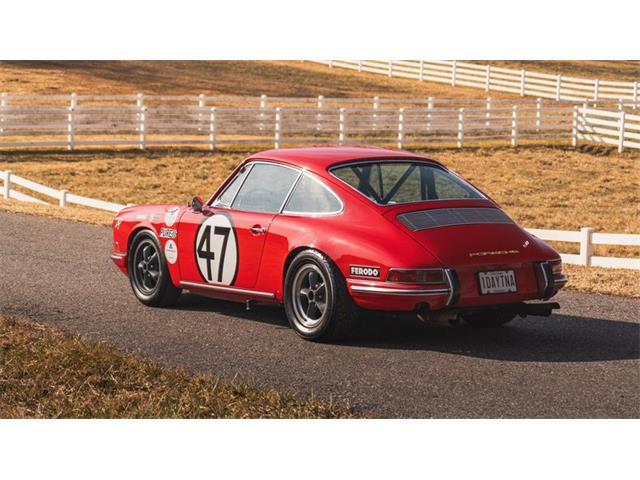
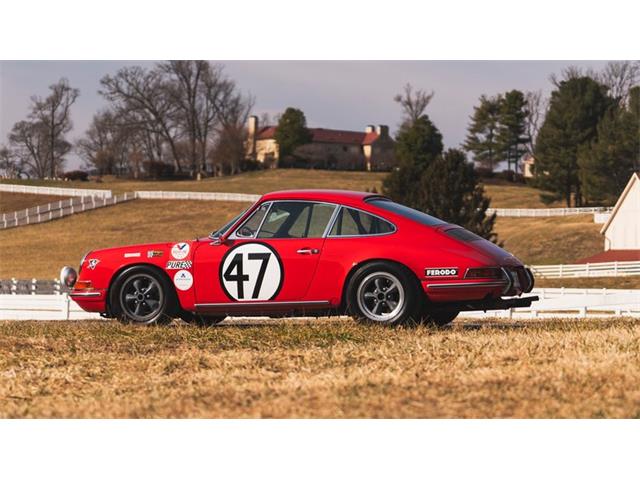
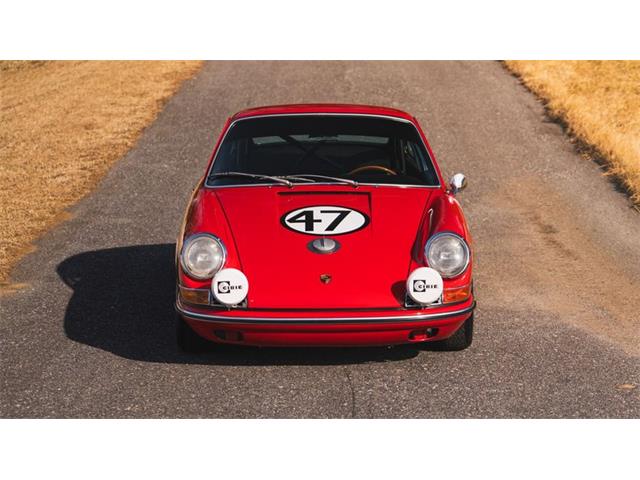
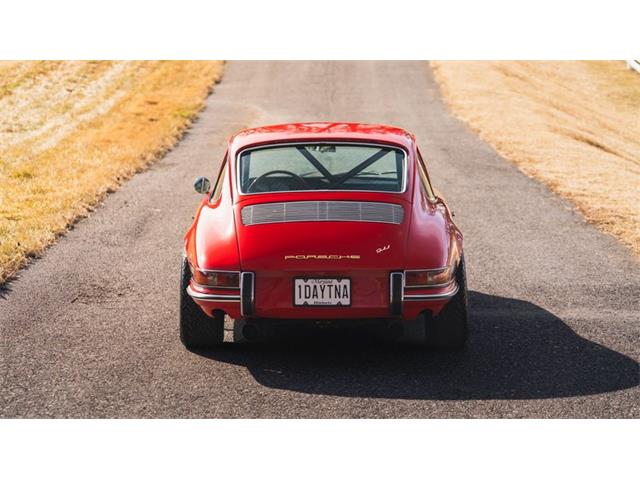
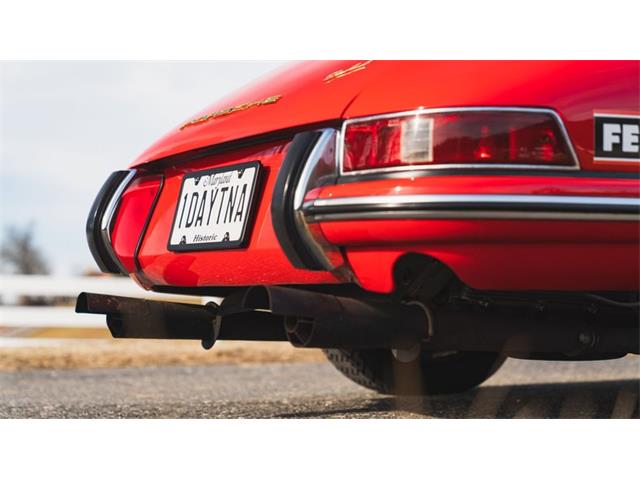
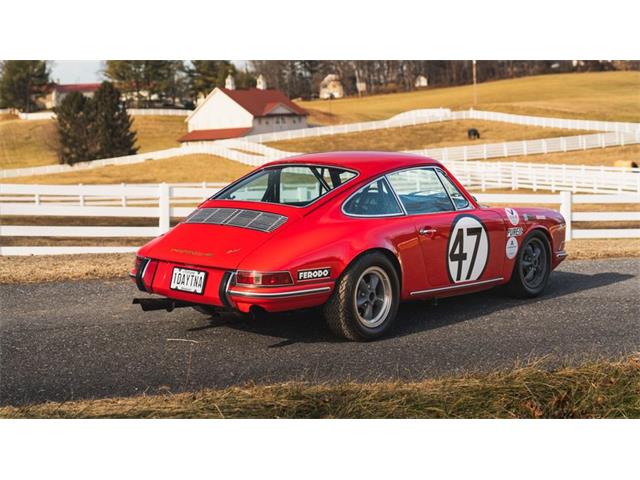
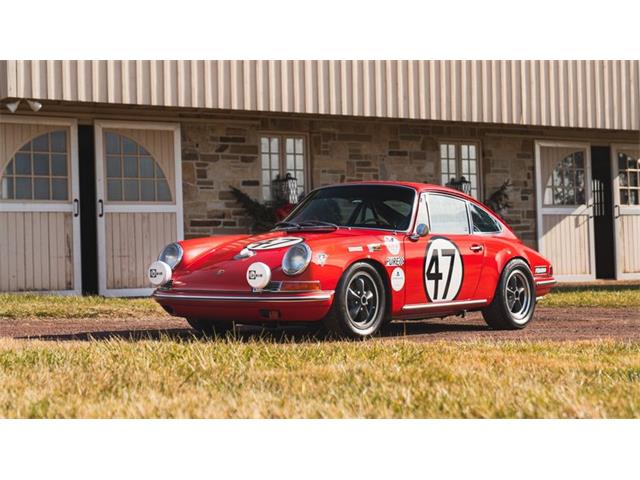
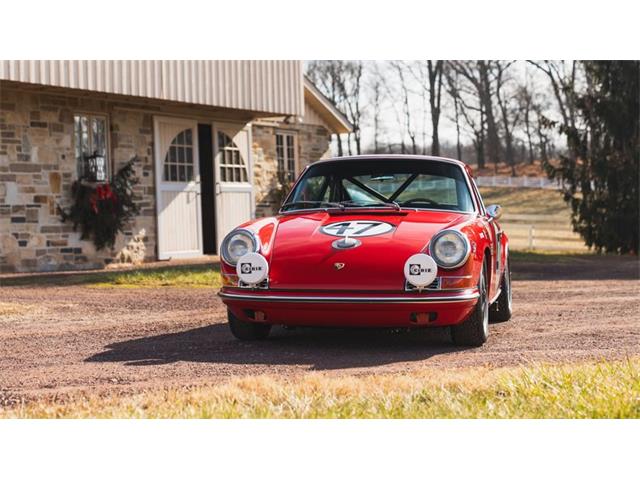
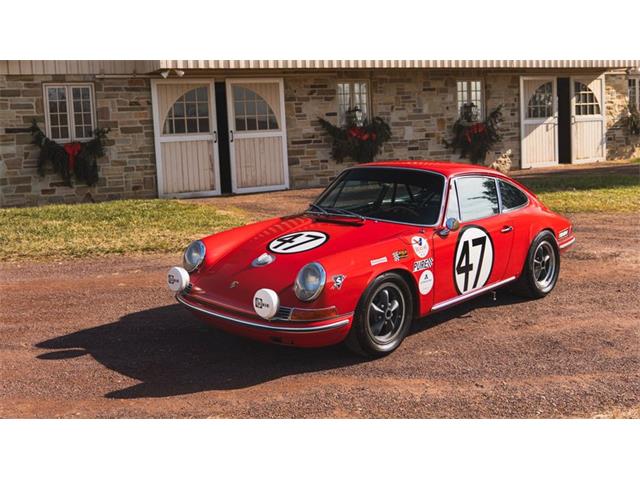
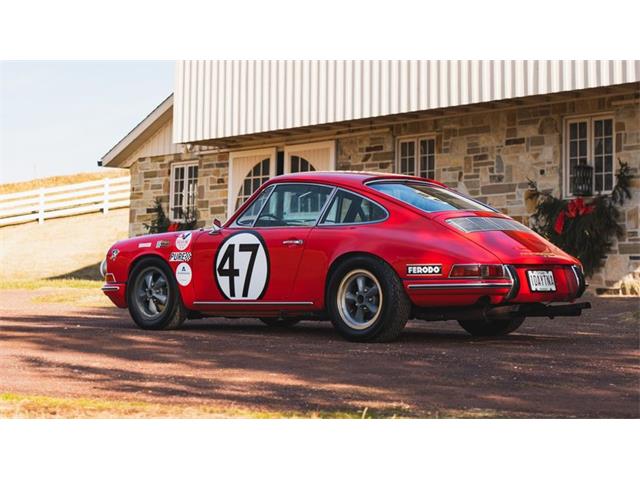
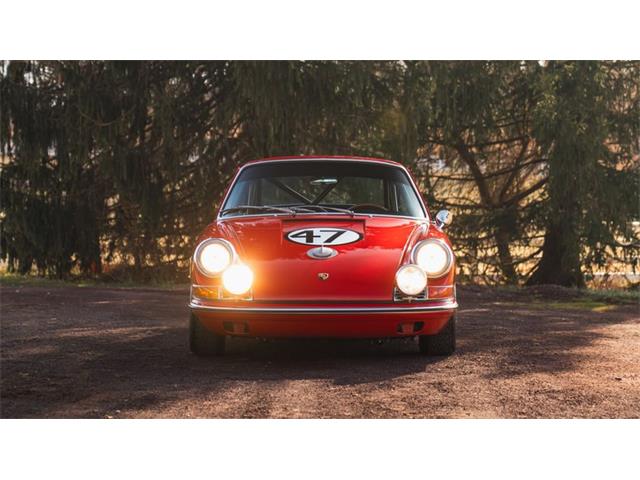
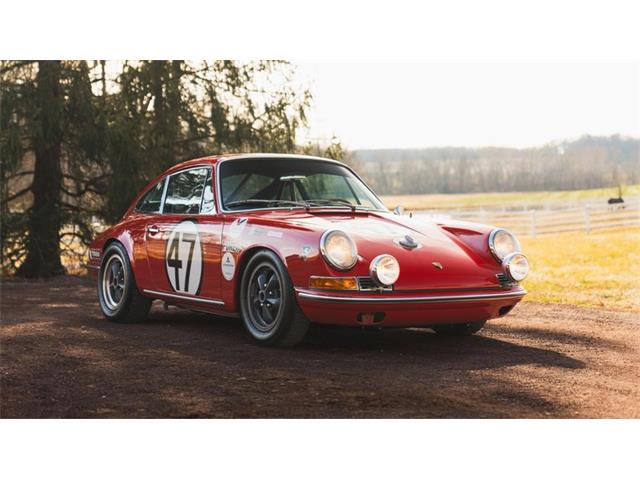
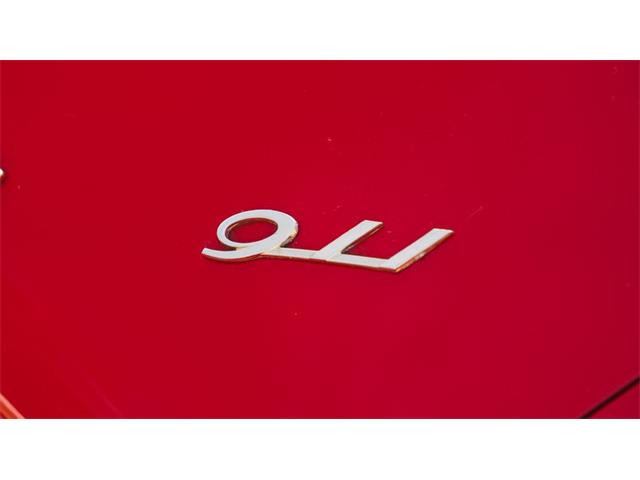
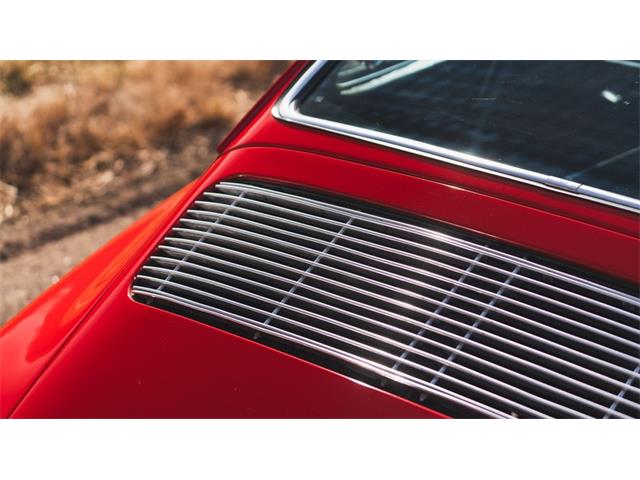
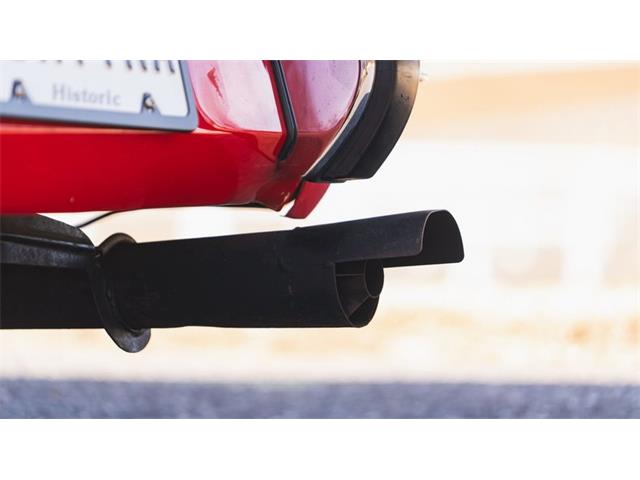
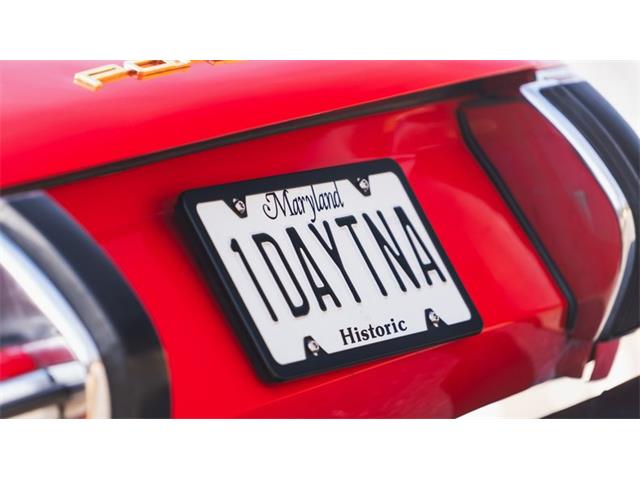
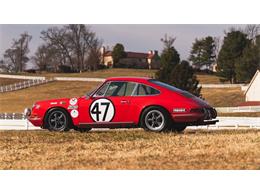
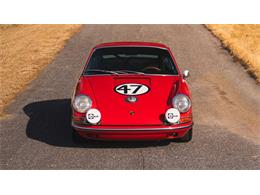
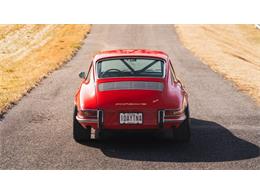
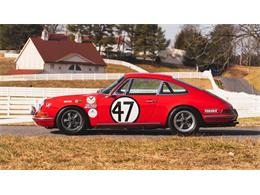
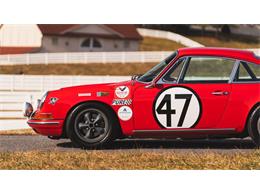
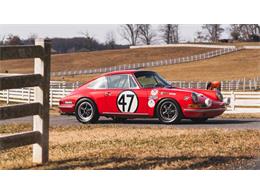
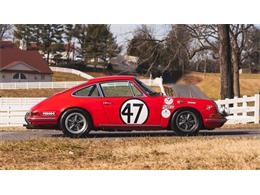
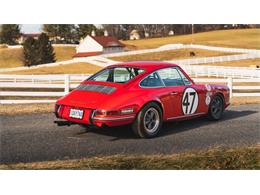
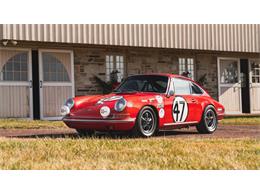
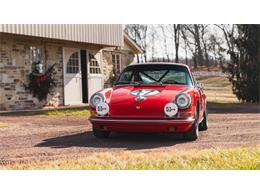
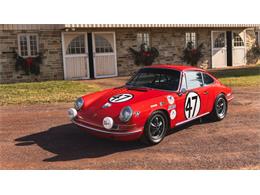
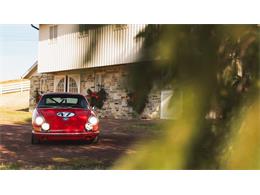
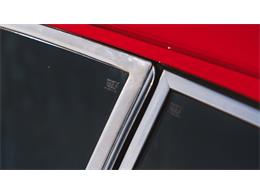
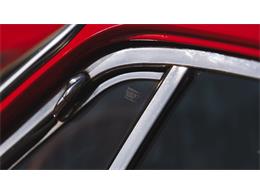
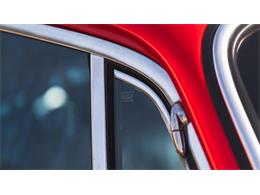
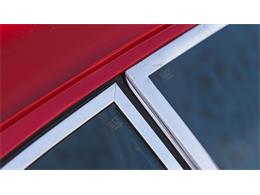
There are certain cars that make an immediate impression on those
who understand them, revealing greater depth the longer they're
observed. While historic motorsport Porsches are not explicitly
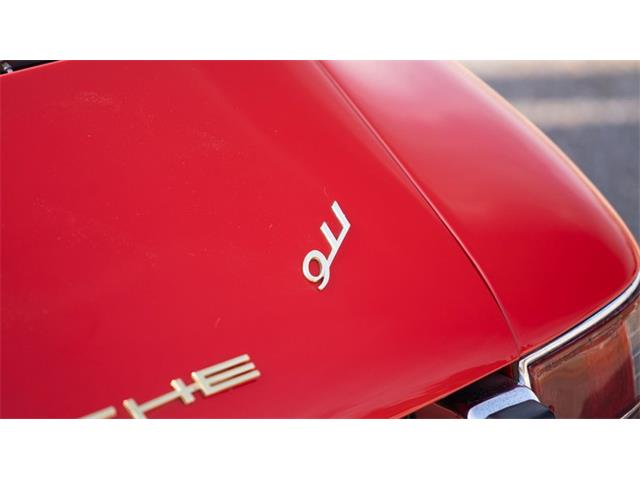
covered in Malcolm Gladwell's Blink, 1965 Porsche 911 chassis
number 301709 is exactly the type of living, breathing object
described therein whose initial impact is immediate and powerful,
yet grows more nuanced and compelling under informed, critical
examination.
Dr. Harold Williamson and 1965 Porsche 911 Chassis No. 301709
The Kardex warranty card for chassis 301709 captures a moment when
Porsche's Stuttgart-Zuffenhausen works believed they had finished
just another street-going 911 destined for the United States that
July, several years before the model would attract any formal
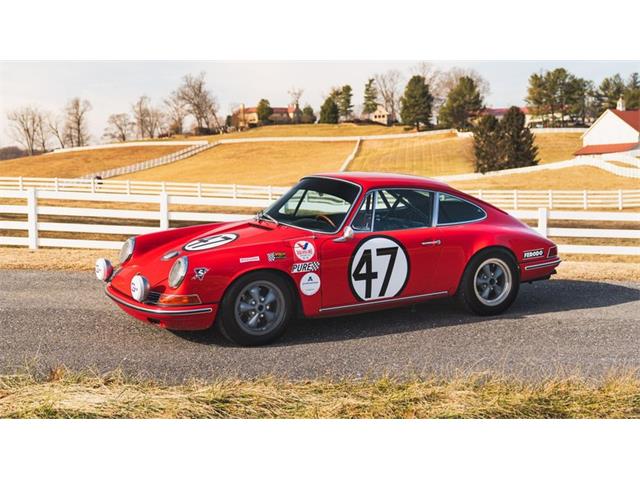
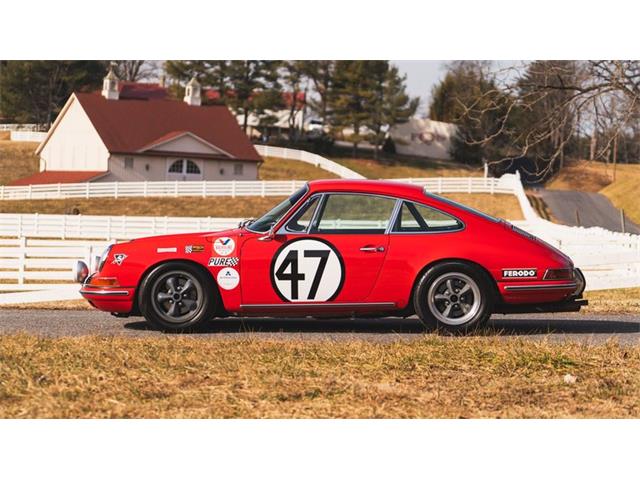
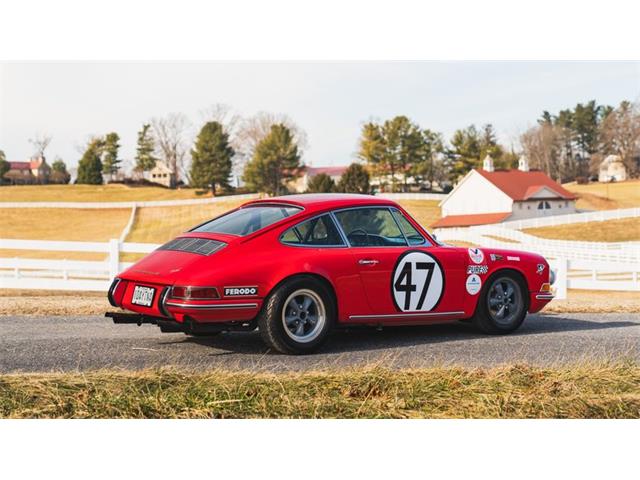
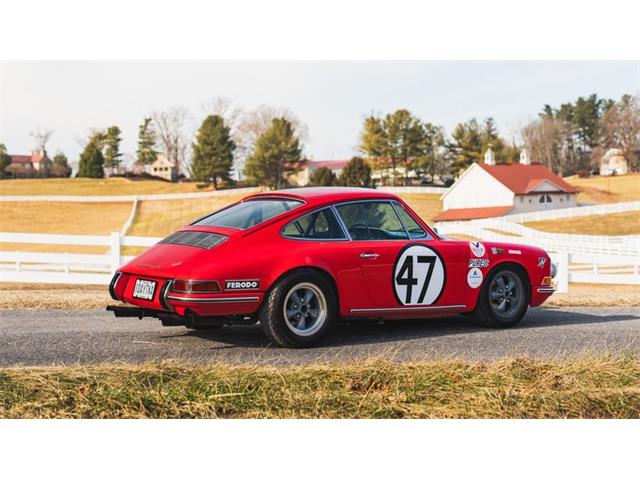
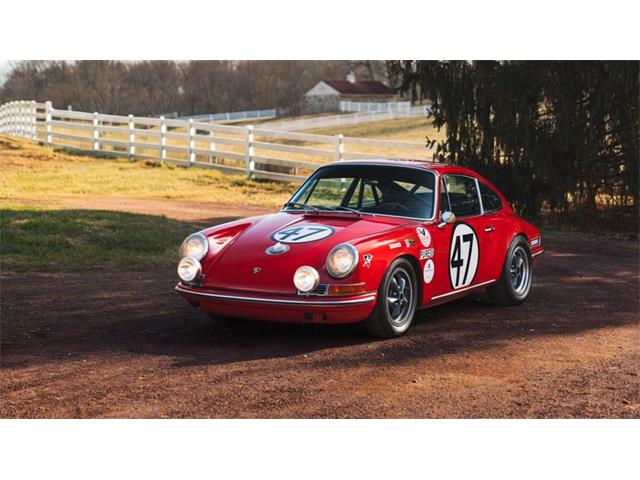
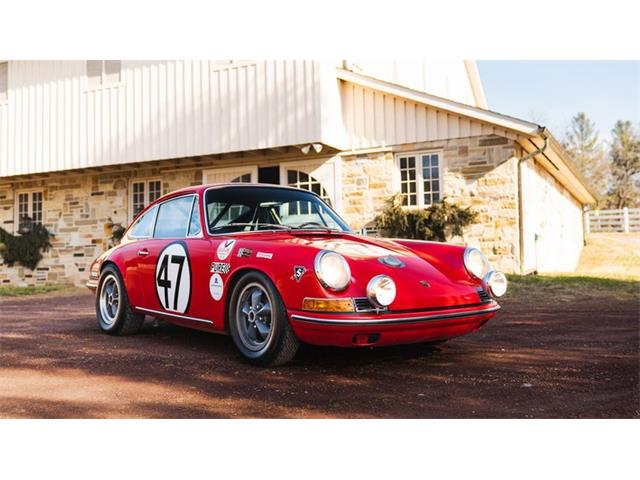
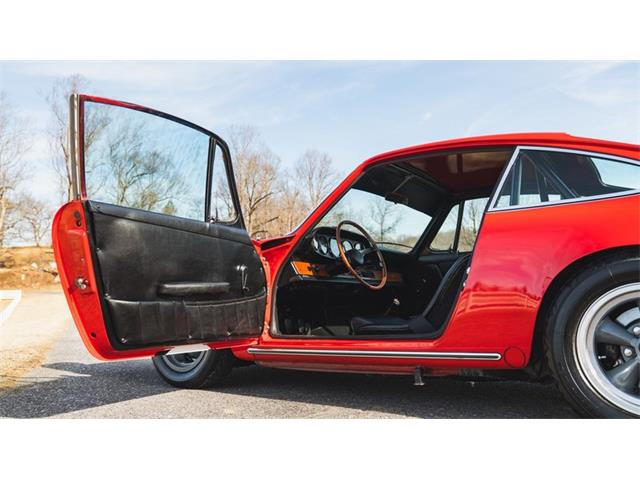
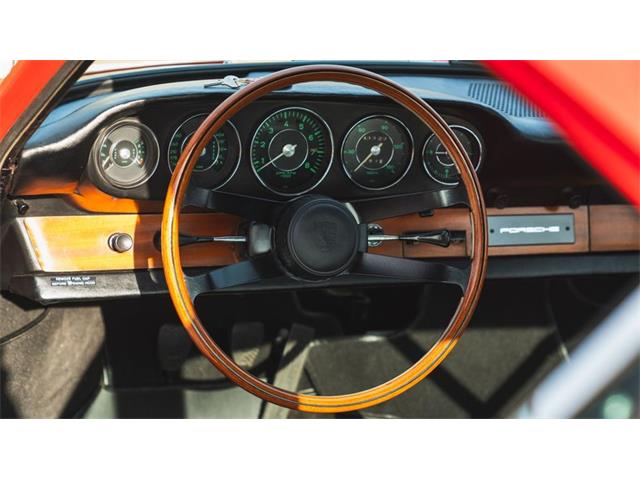
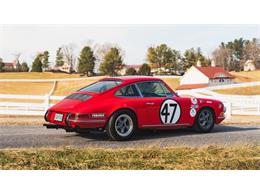
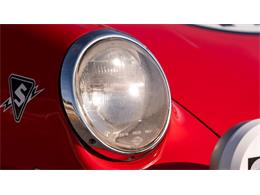
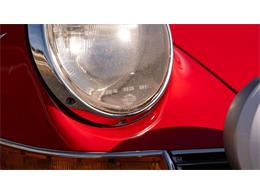
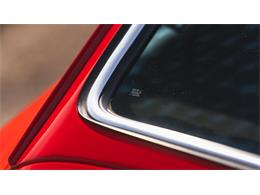
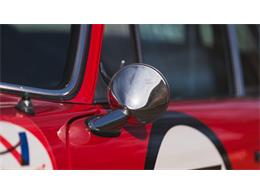
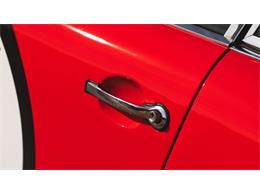
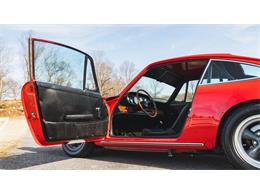
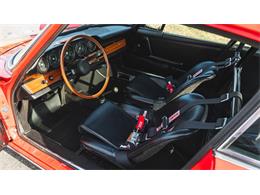
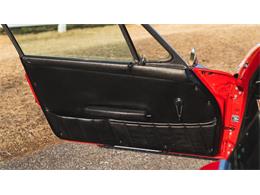
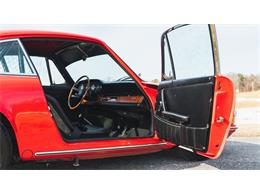
attention from the Competition Department. Finished in Signal Red
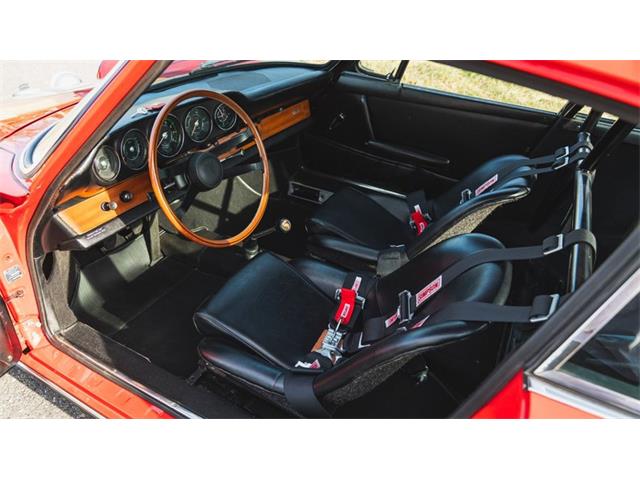
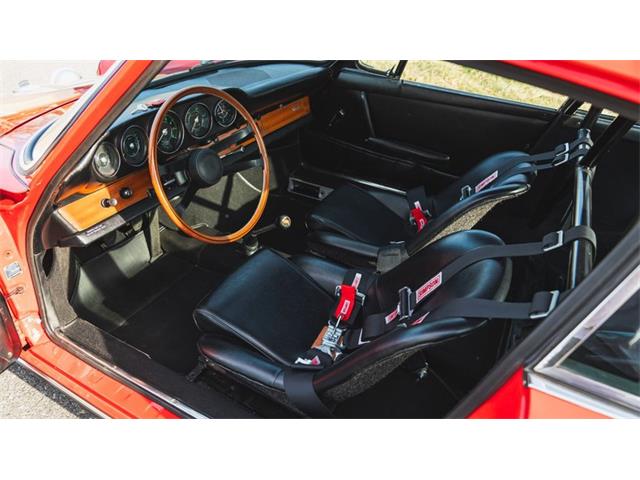
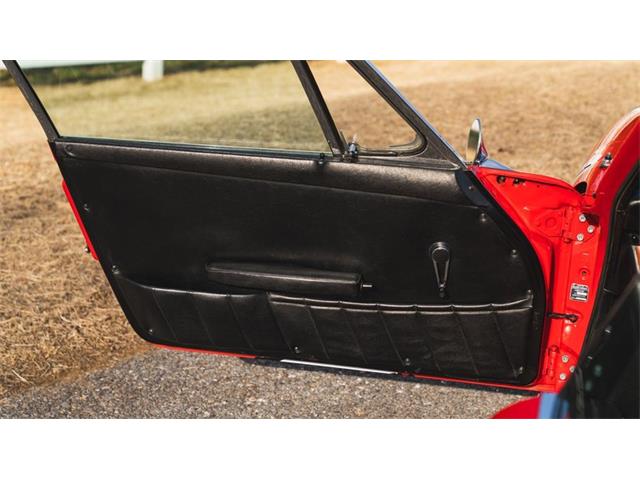
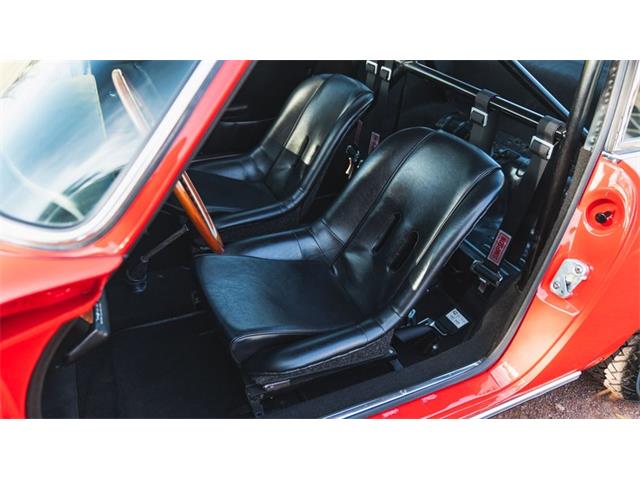
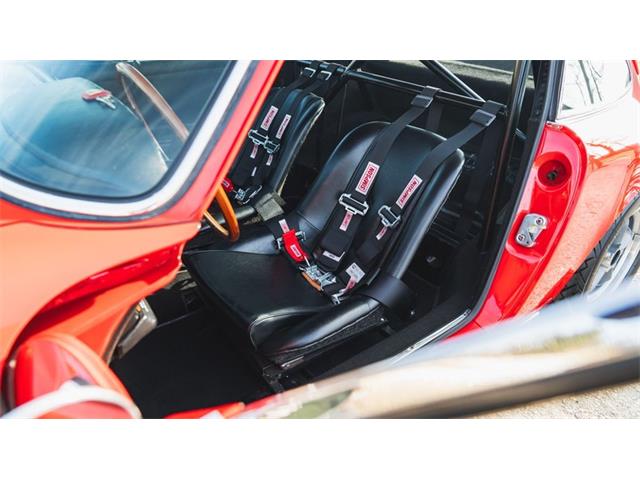
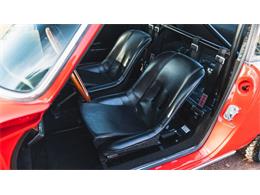
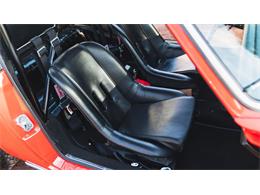
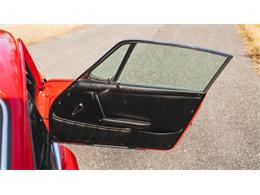
over a Black upholstered interior, this first year 911 was optioned
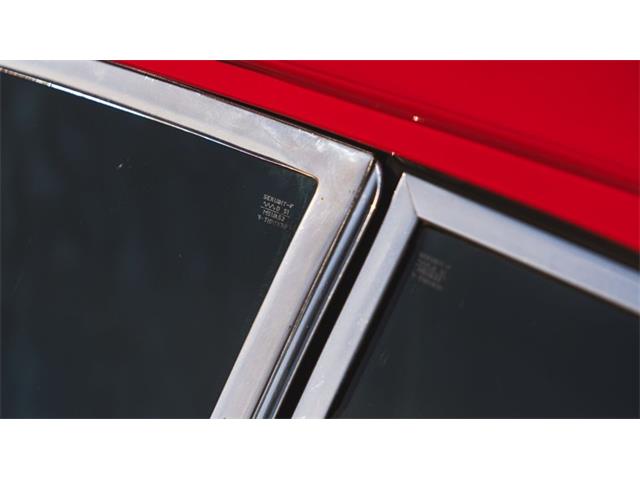
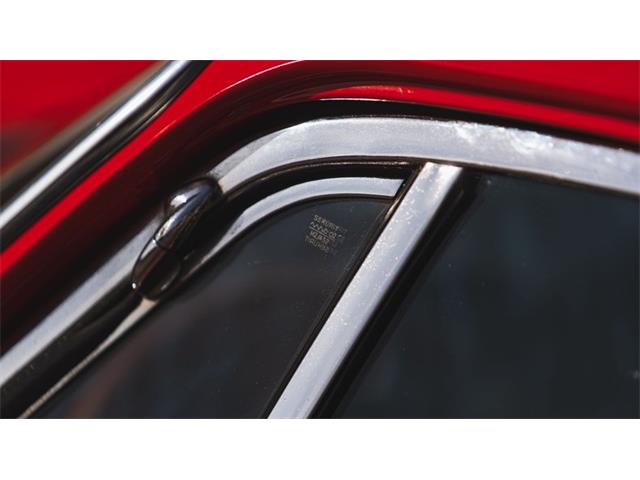
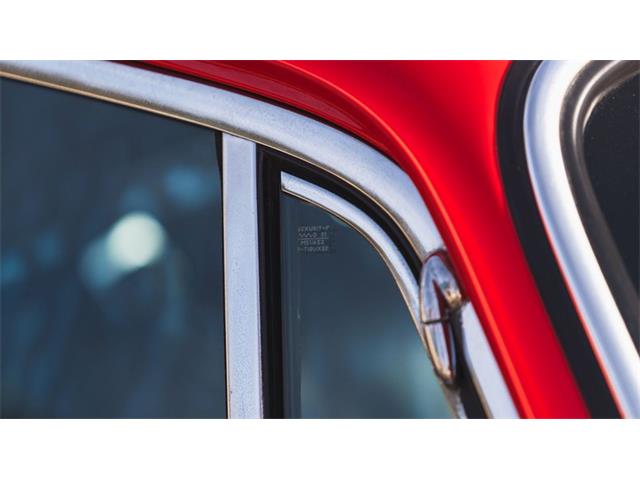
with a Webasto heater, hub caps with Porsche crests, and tinted
Catacolor glass all-around. The car was delivered through Brumos
Porsche Car Corp. so named for their Telex handle (BRUndage
MOtorS), who were the Southeast regional distributor for Porsche of
America. The 911 was retailed though a local Tampa-area dealer of
imported marques to Tampa-native Dr. Harold Williamson, no mere
physician, much like the 911 he chose.
Fascinated by flight at an early age, and earning his pilot's
certificate at 17, Williamson joined the U.S. Army Air Forces
following the bombing of Pearl Harbor at age 18. During the war he
flew the P-38 Lightning and became a B-25 Mitchell flight
instructor rising to the rank of First Lieutenant in U.S. Army Air
Forces. After returning home, Williamson received his medical
degree, later specializing in orthopedic surgery and settling in
Tampa, Florida. The immediacy of flying fighter planes stayed with
Dr. Williamson after the war and carried into his early-1960s SCCA
racing with a Porsche 356, where he observed that "racing is very
similar to flying," requiring "coordination of hands and feet and
accurate judgment of speed and distance."
When the 911 became available by 1965, the newly minted Southeast
SCCA Champion placed his order, not to race, but as his new street
car. Interestingly, Porsche frowned on those who wished to race
their new GT as they did not feel it was ready for competition even
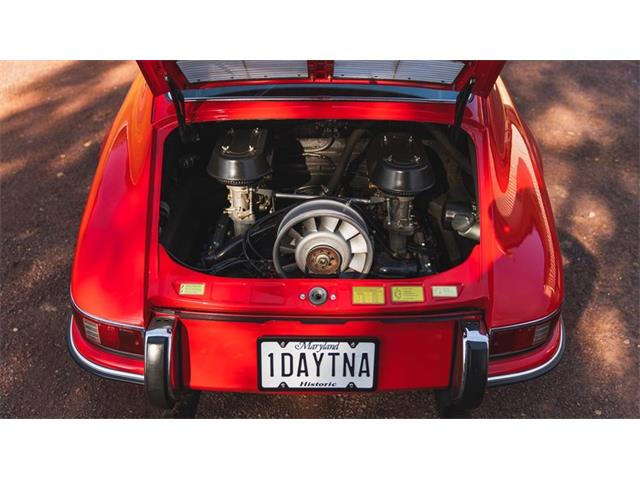
though its 2.0-liter flat-six saw use in both the 904 Carrera GTS
and Carrera 6 to be introduced at the end of 1965. Little did they
realize that a small group of American privateers would pay little
heed to the Competition Department's distinctly Germanic, paternal
orthodoxy.
Daytona 24 Hours - 1967
Perhaps spurred on by the success of the 1966 Daytona 24-Hour class
winning RBM/Autohaus 911 (now part of the Revs Institute Museum
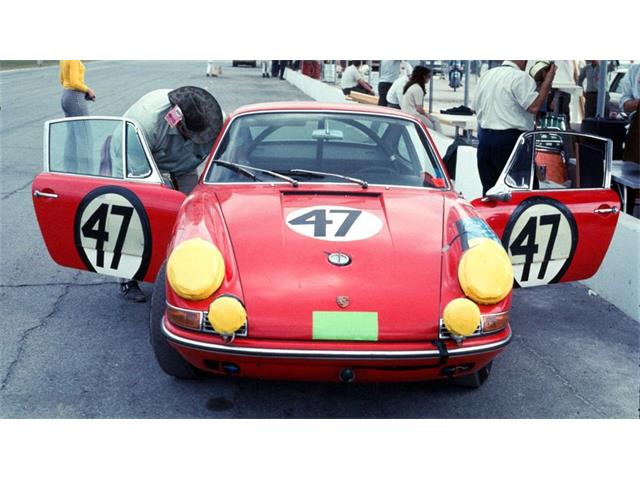
collection), in the fall of 1966 Dr. Williamson began modifying his
own 911, chassis number 301709 for competition. Unlike today's
purpose-built racing cars, modifying a well-engineered 1960s GT
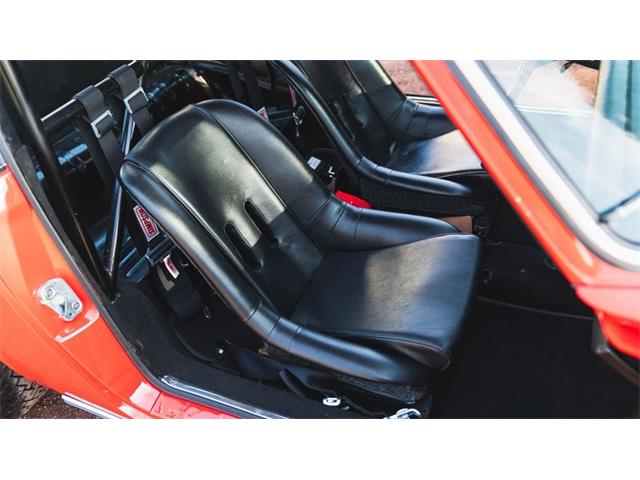
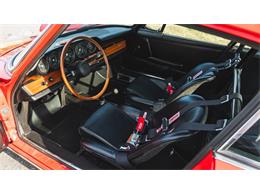
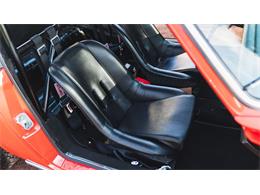
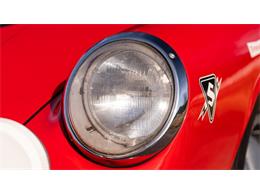
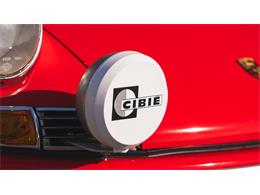
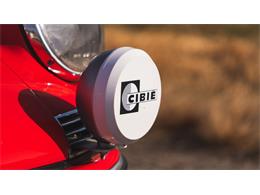
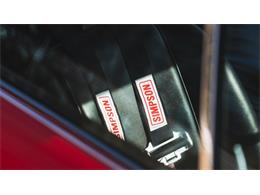
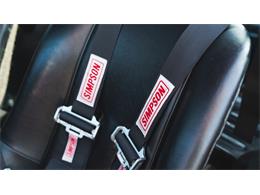
like a 911 for endurance racing was relatively simple. A roll bar,
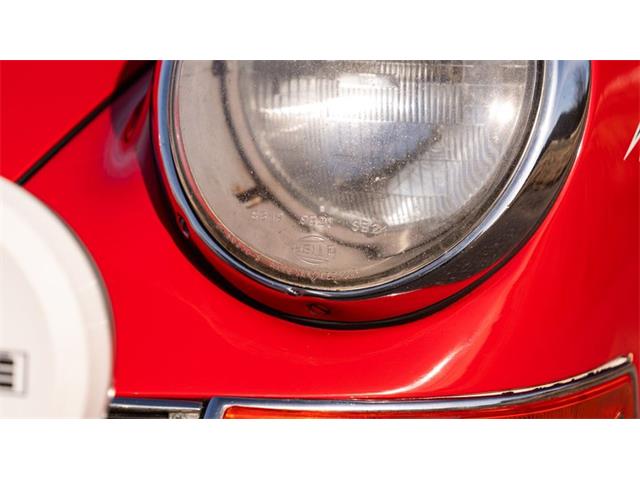
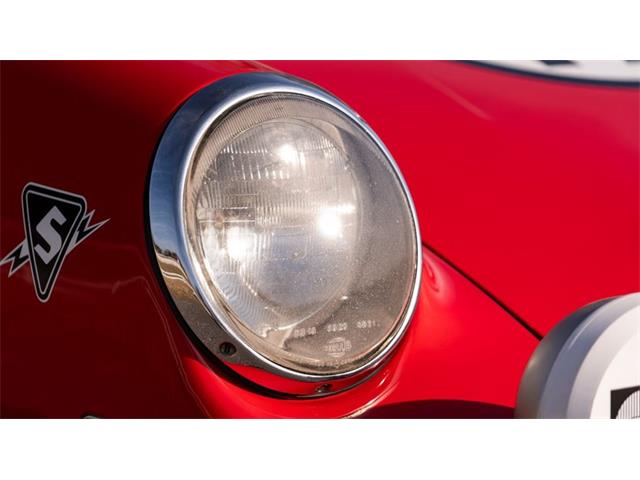
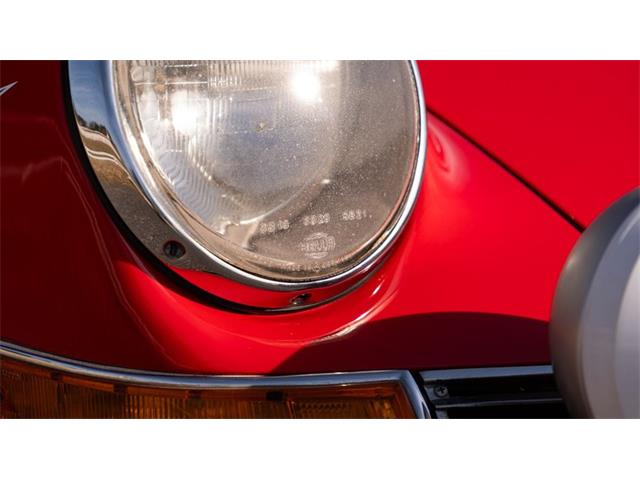
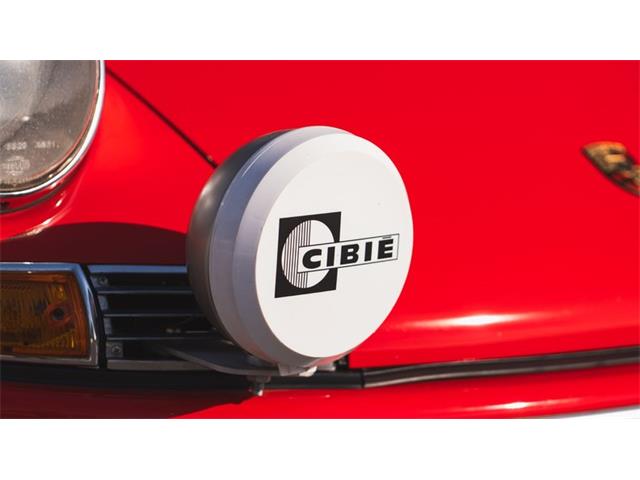
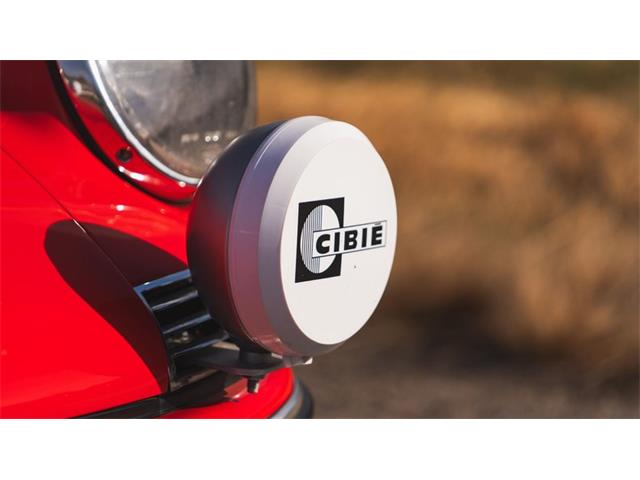
taped-up headlights, large forward mounted quartz-iodine
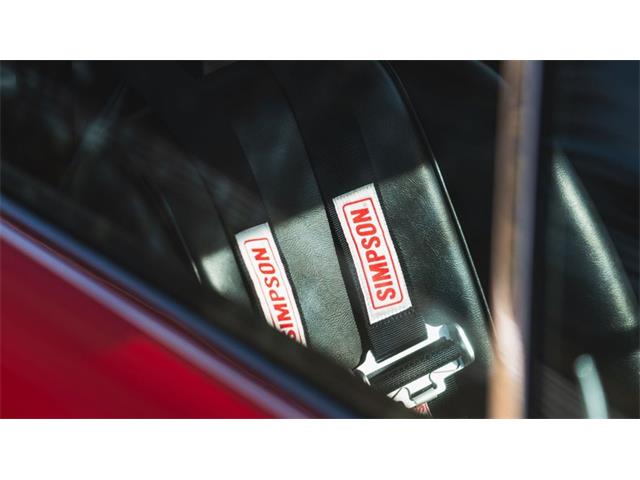
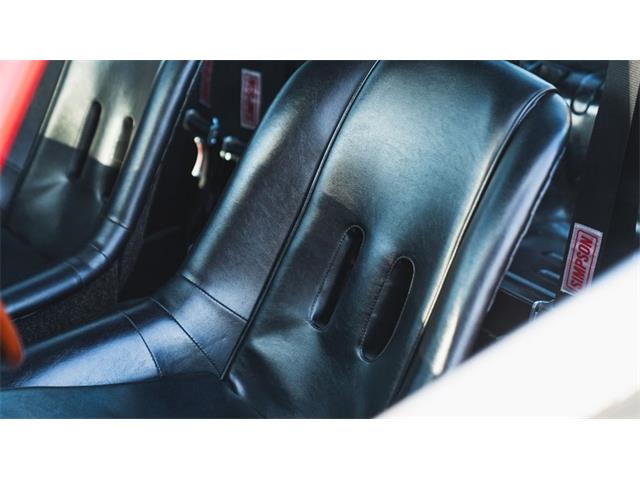
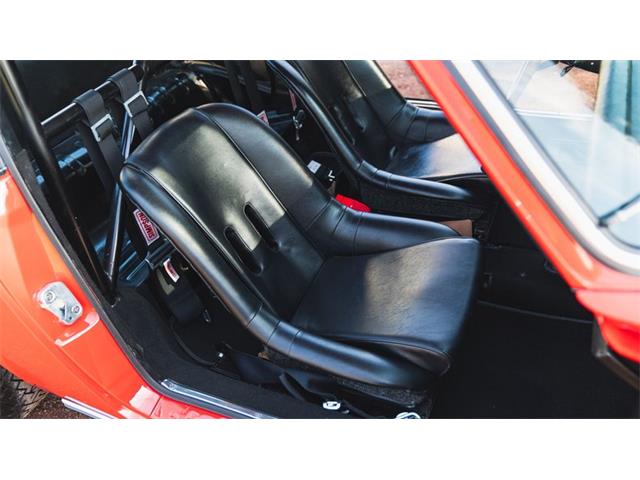
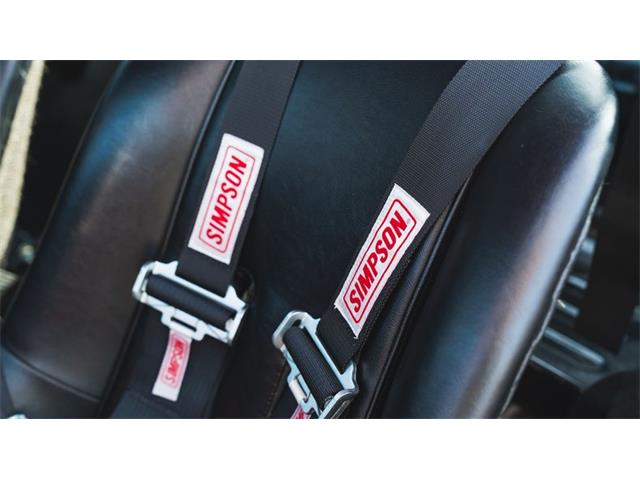
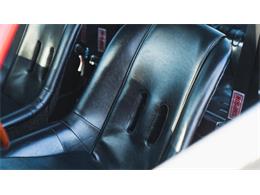
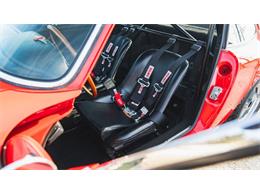
spotlights, bucket seats, harnesses, light fender flares, a sport
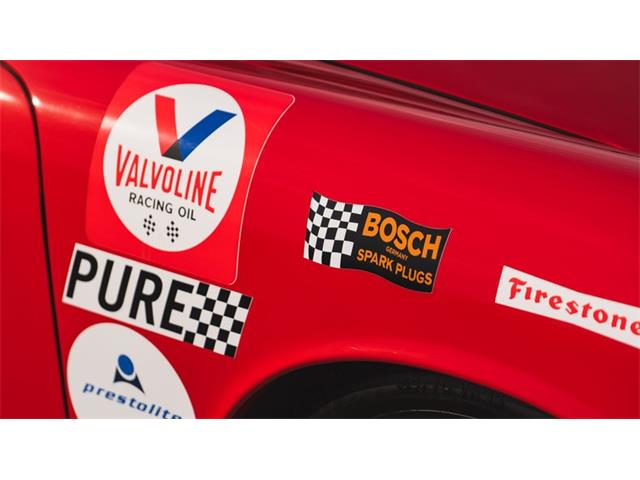
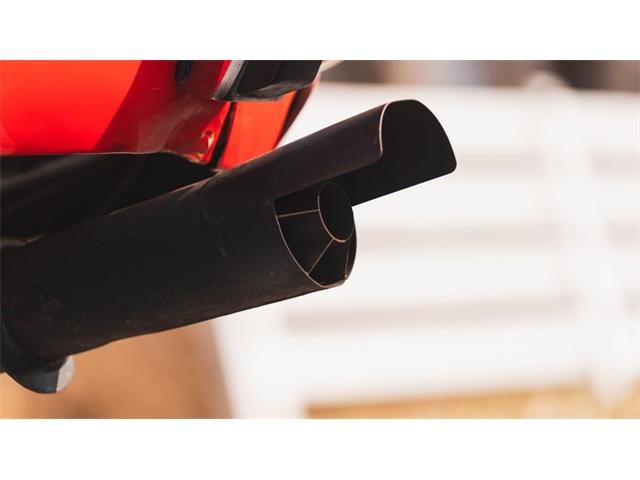
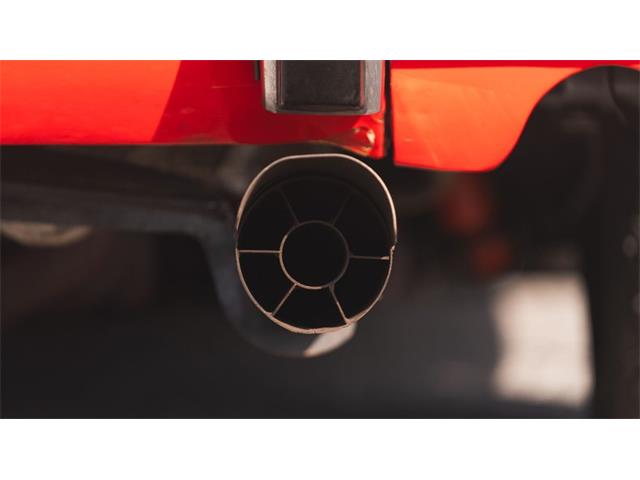
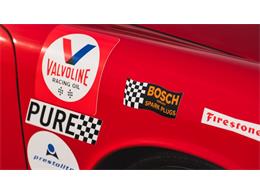
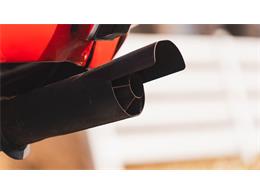
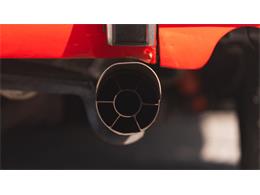
exhaust system, and sponsor decals were all that was seemingly
needed. In fact, so early were these initial competition efforts,
that Porsche, ever on the ball to sell customer racers all manner
of racing performance parts, had not yet created the seminal
Information Regarding Porsche Vehicles Used for Sports Purposes
manual!
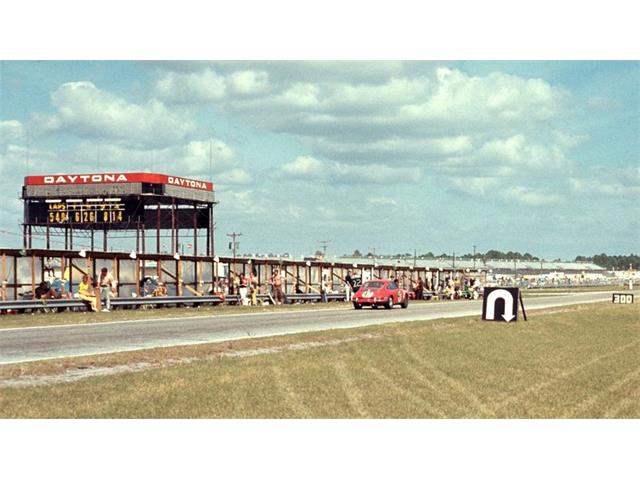
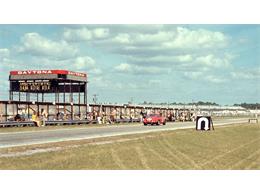
As it remains today, the 1967 Daytona 24 Hours marked the official
kickoff of the racing season. The 24-hour race attracted the best
entrants from Europe and the USA, both eager for an early escape
from a frigid winter. The 1967 event fielded a who's who of
entrants (McLaren, Foyt, Gurney, Donohue, Revson, Andretti, Hill,
Scarfiotti, Bandini, Amon, Rodr�guez) from across the globe with
each one of them racing a similarly spectacular car (Ford GT40
MkII, Chaparral 2F/2D, Ferrari 330 P2/P3, Porsche 906), and among
them Dr. Williamson and his daily driver 911. The good doctor had
an ace up his sleeve partnering with long-time Porsche racer George
Drolsom. Not only was Drolsom a highly regarded finisher and had
co-driven with Peter Gregg the year before in the Brumos 904
Carrera GTS finishing the race in 10th overall, but he was
additionally helpful in prepping the 911 at Brumos' Jacksonville
garage prior to the race.
Entered under Drolsom's name as start number 61, the two-man team
qualified chassis number 301709 in 41st position in a full field of
62 around the 3.81-mile circuit. The weather for the race was
nearly perfect for racing. Cloudy with highs in the 60s with no
rain predicted. As is well-known, endurance racing rewards economy
of pace, a cautious nature with mistake-free driving, a
well-prepared car, and the team of Williamson and Drolsom played to
their and the 911's strengths. It was not long before those with
different plans began to drop out and Williamson and Drolsom began
to steadily climb through the field. After 24 hours of hard racing
the duo finished a scarcely believable 10th place overall and first
in their 2.0-liter Touring class with a bevy of "faster" and more
proven, pure competition vehicles behind them in the finishing
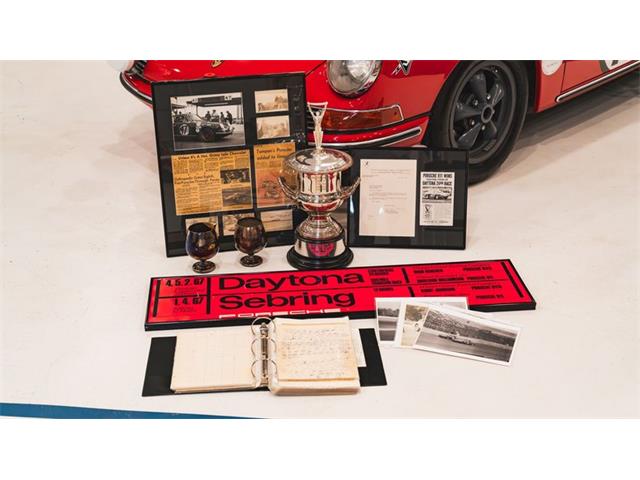
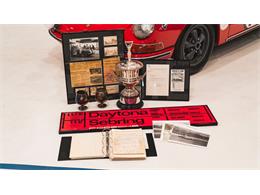
order. Porsche's victory poster from the race proudly lists the duo
and their 911 as "Touring Car Winner."
After the race, described by Dr. Williamson's family as "pinnacle
of his racing career," his Porsche 911 was returned to street use
blending into Tampa traffic while those around it remained
blissfully unaware they were stopped next to a Daytona winner. That
is the magic of a Porsche. Dr. Williamson continued racing his 356
that year but, probably missing the howl of the 911's flat-six
around the high banks of Daytona, returned it to SCCA competition
later that year for the Paul Whiteman Trophy Races. Perhaps owing
to a very active medical career, it is believed that Dr. Williamson
and 301709 competed in a single event during the 1968 season, a
2-hour race in Osceola where he finished 3rd.
Daytona 24 Hours / Sebring 12 Hours - 1969
The 1969 season would see Dr. Williamson and George Drolsom reunite
behind the wheel of 301709 at both the Daytona 24 Hours and Sebring
12 Hours races. Once again, the pair proved that good preparation,
consistent pace, and a Porsche 911 were the order of the day for
both events. The team's 1969 Daytona 24 ran very similar to their
1967 class-winning campaign however the secret was now out about
the 911's endurance race acumen with Porsche developing the 911 R
as a prototype and various 911s used in SCCA Trans-Am and European
endurance races. In fact, compared to the two 911s at Daytona in
1967 there were now 11 entered by Brumos, Wicky, Opert, and RBM
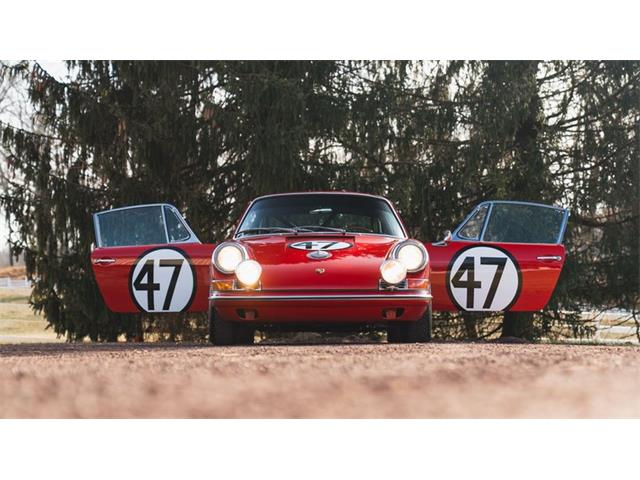
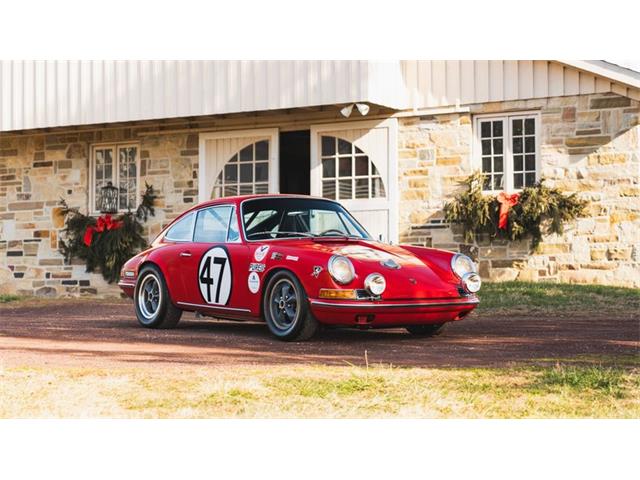
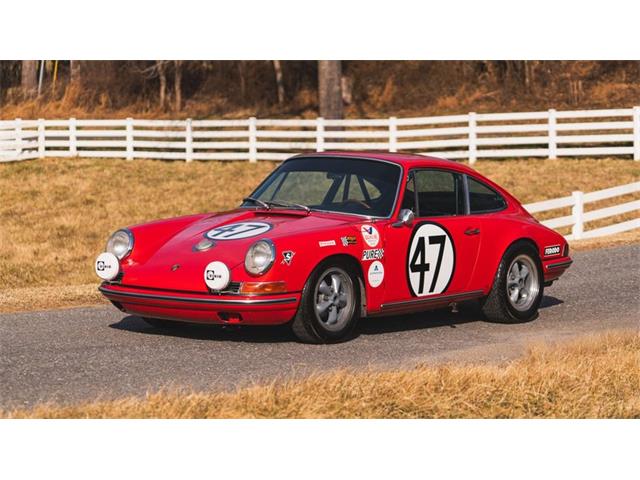
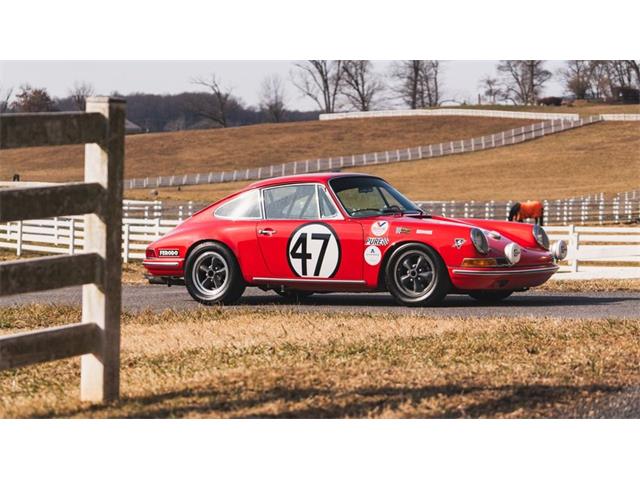
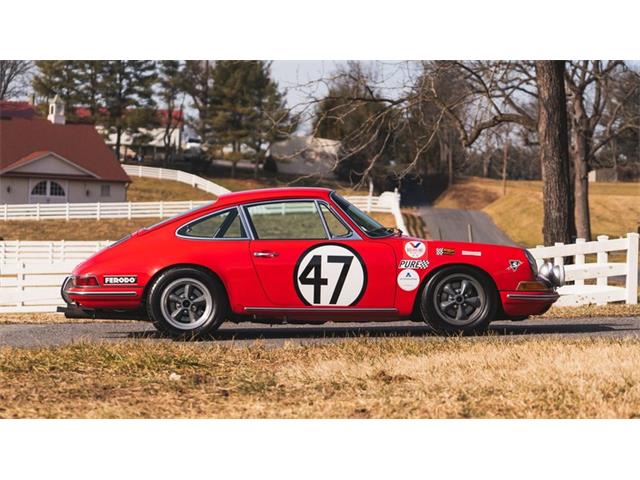
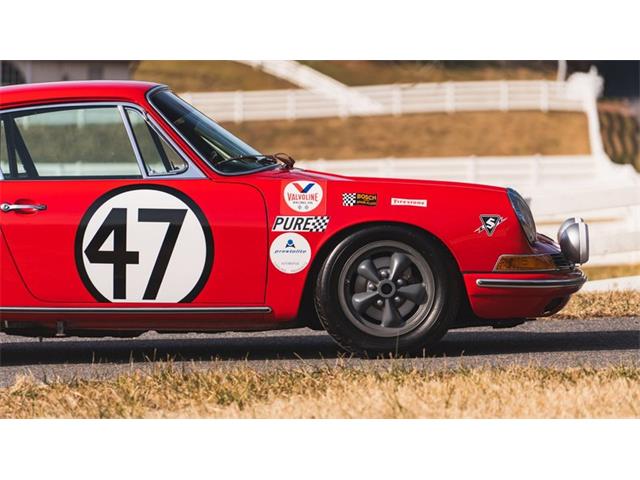
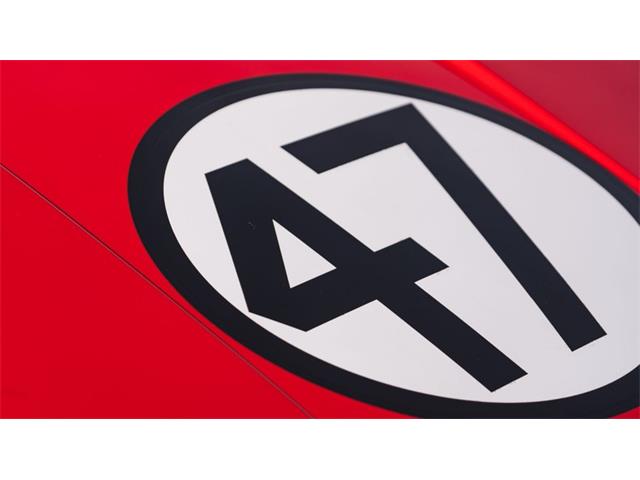
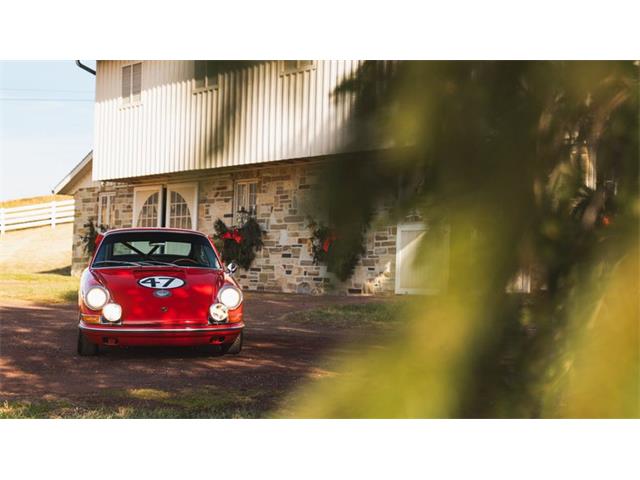
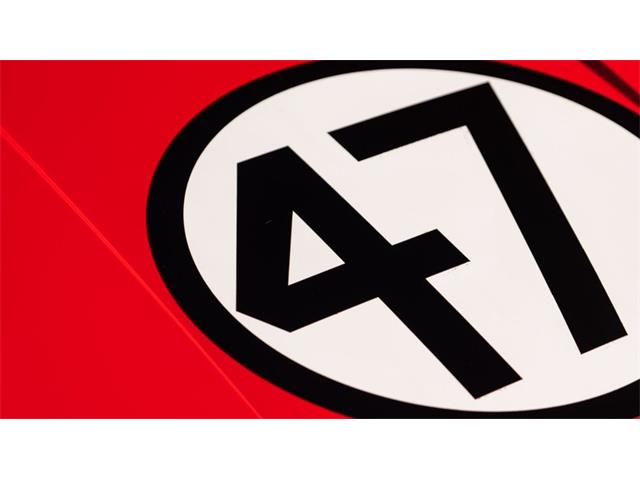
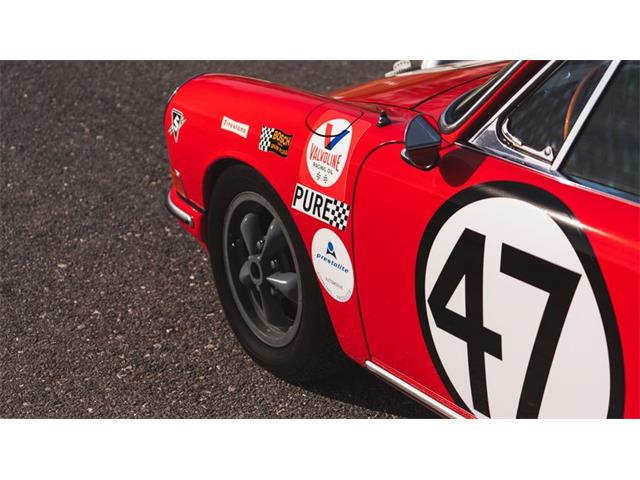
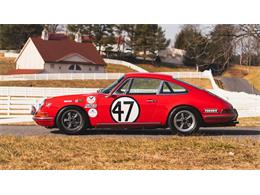
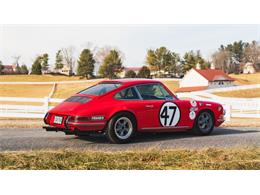
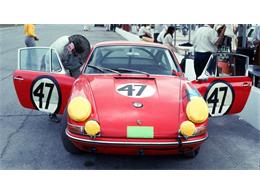
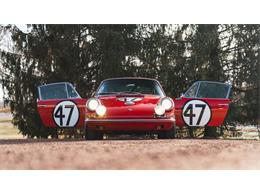
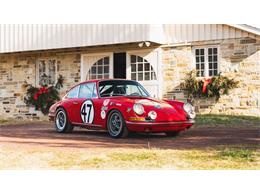
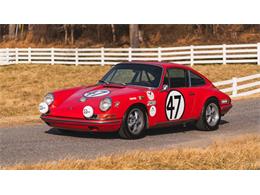
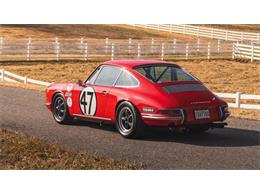
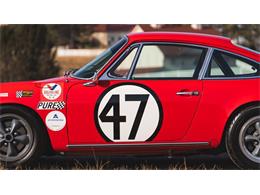
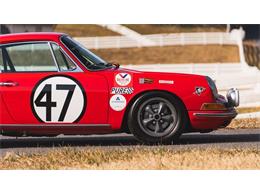
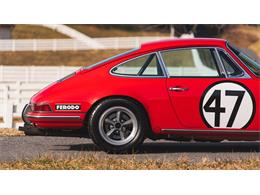
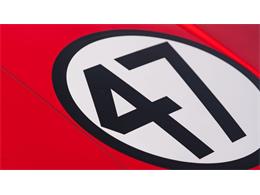
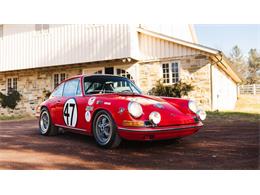
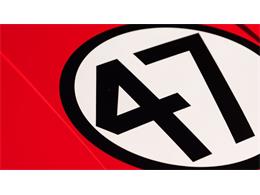
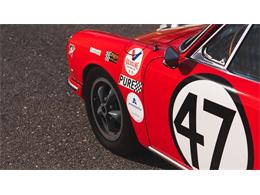
among others for the 1969 event! Entered by Dr. Williamson himself
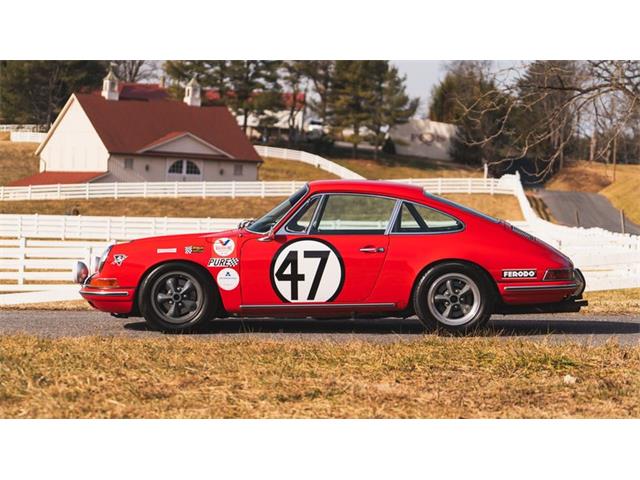
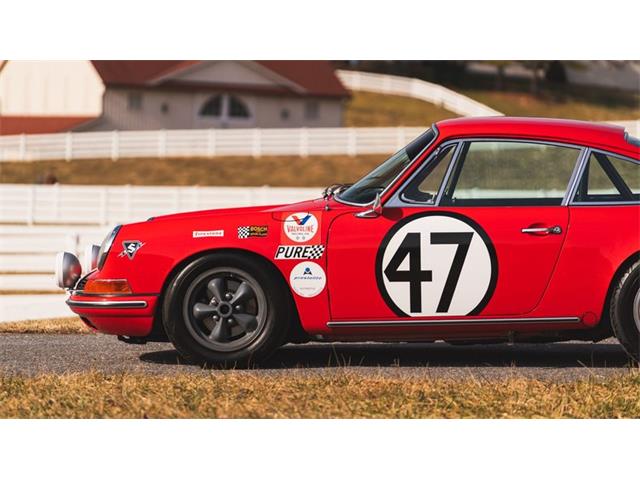
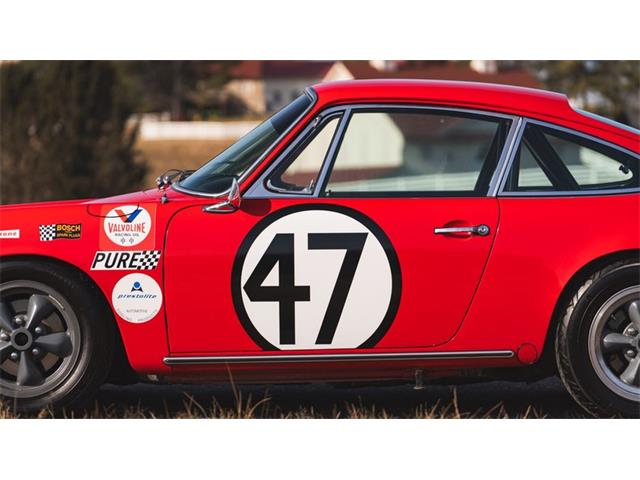
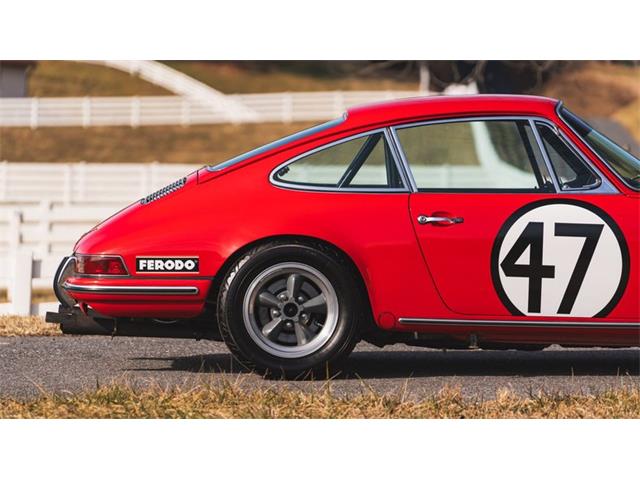
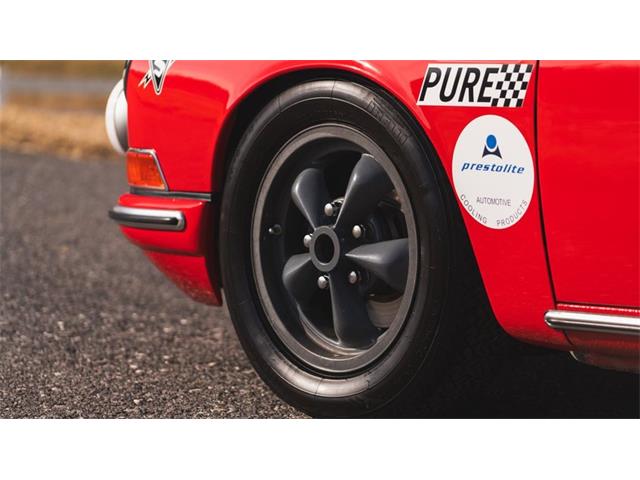
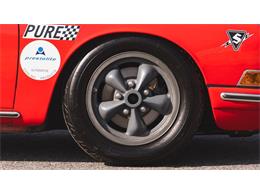
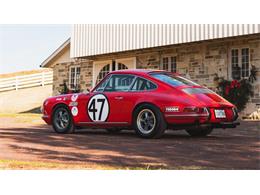
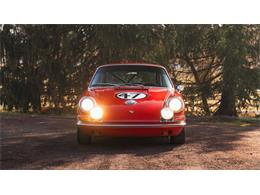
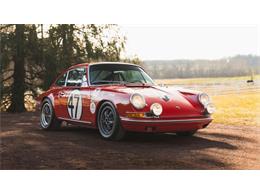
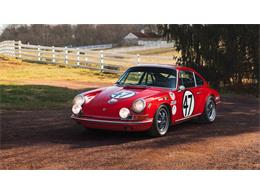
as start number 47 (the livery it appears in today), the duo
finished 8th overall and 2nd in the Touring 2.0-liter class
completing 577 laps and finishing ahead of all of the
factory-entered Porsche 908 prototypes!
Unable to rest on their laurels from Daytona, Dr. Williamson
entered their faithful 911, now prepared by Franz Blam of Elsco in
Jacksonville in the 12 Hours of Sebring for the March race. Like
Daytona, they were joined by a phalanx of nine other Porsche 911s
on the entry list. Sebring, a notoriously demanding 5.2-mile
circuit laid out on a former WWII B-17 combat crew training base,
was often a venue for the unexpected, and in what would prove to be
the final Le Mans start at S...for more information please contact
the seller.
ClassicCars.com has been recognized as one of the fastest-growing private companies in the United States, successfully making the Inc. 5000 list in both 2015,
2016, 2017 and 2018. This prestigious accolade represents the continued growth of the company, and ClassicCars.com's dominance as the world's largest online marketplace for
buying and selling classic and collector vehicles.
The Stevie Awards, the world's premier business awards recognized
ClassicCars.com's first-class Customer Support team with a Stevie Bronze Award in 2019, celebrating the team's skills as exemplary customer support specialists.
In 2016 The Journal, brought to you by ClassicCars.com, was celebrated as the SECOND MOST INFLUENTIAL automotive blog in the world by NFC Performance.