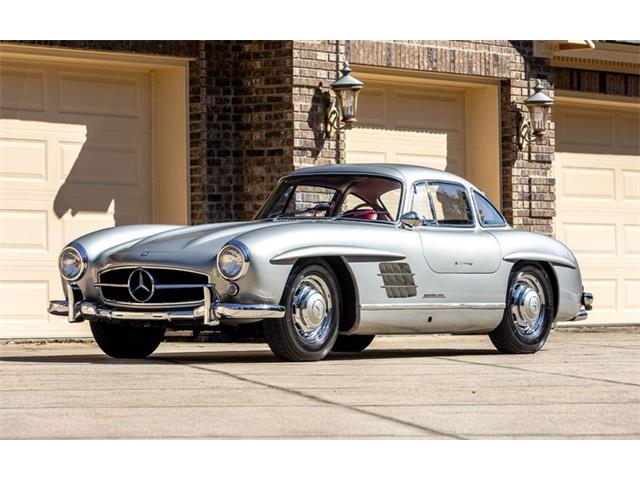
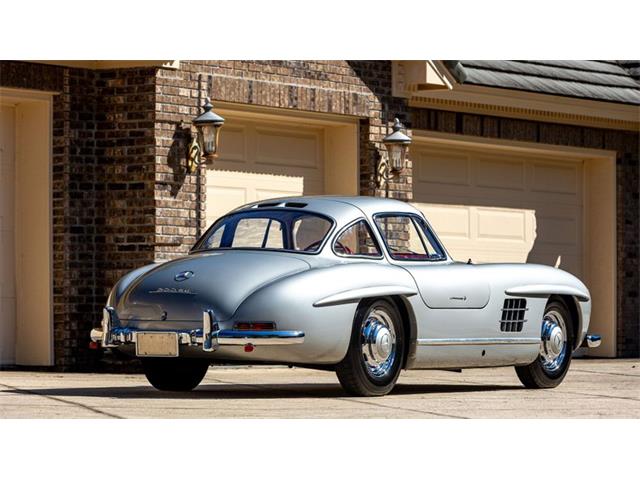
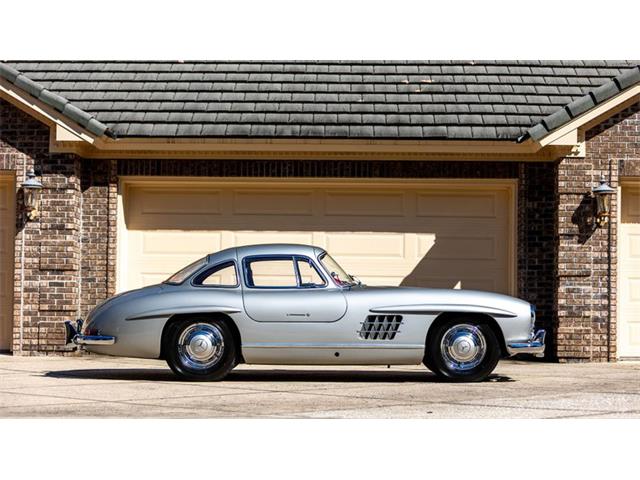
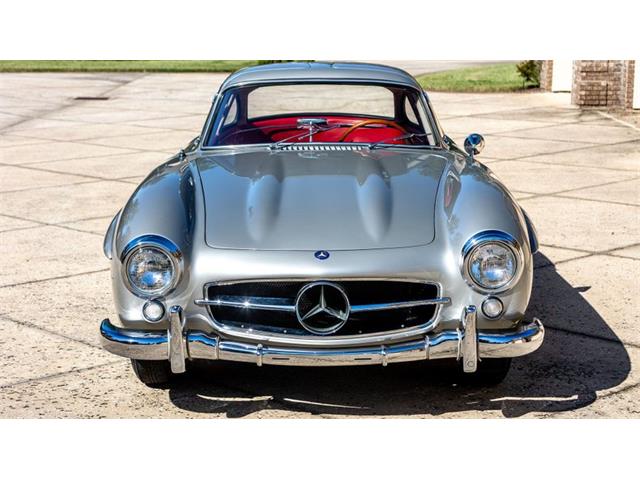
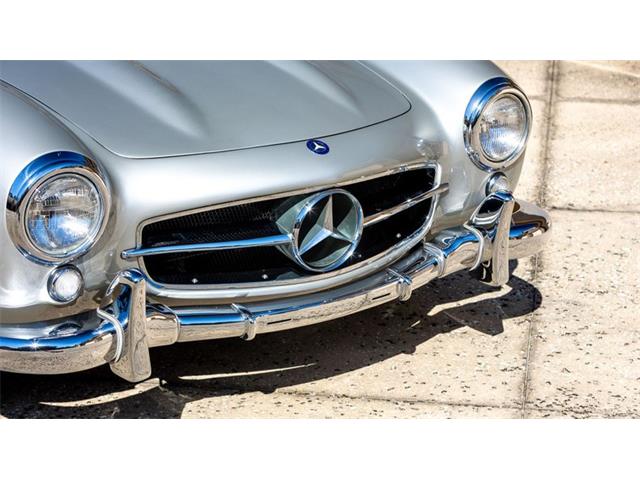
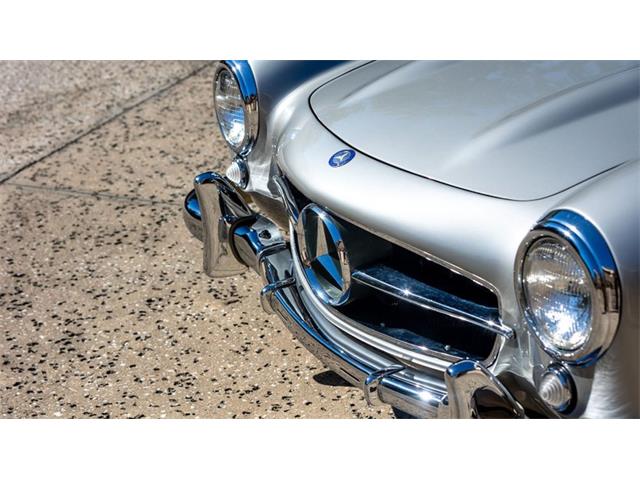
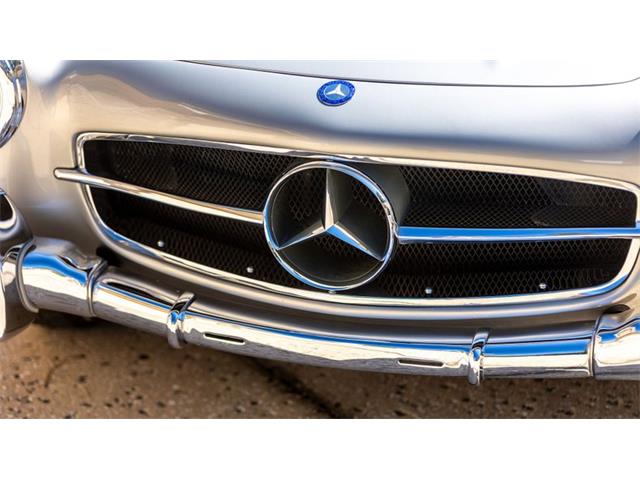
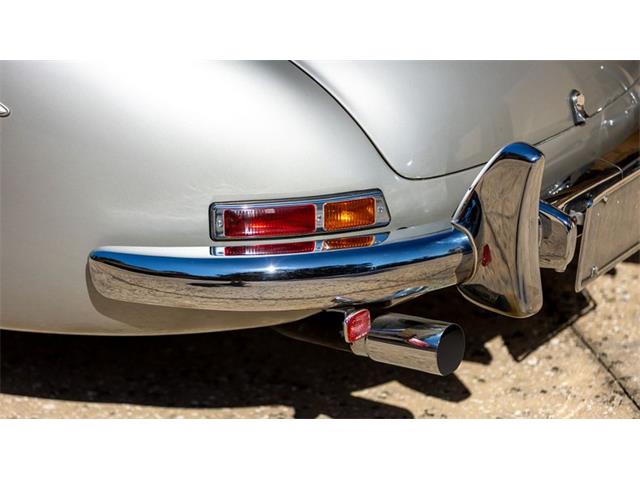
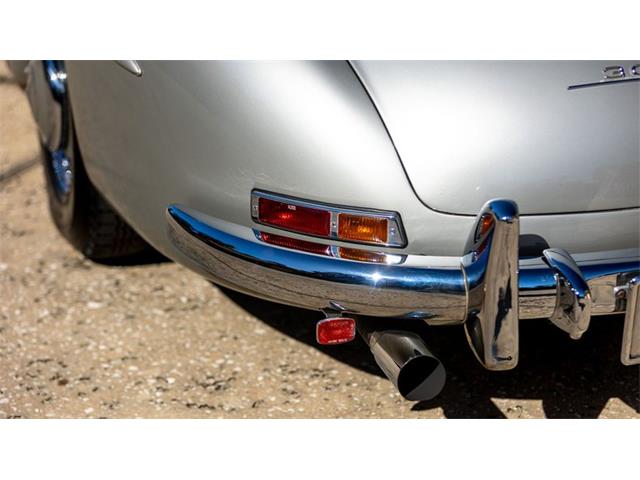
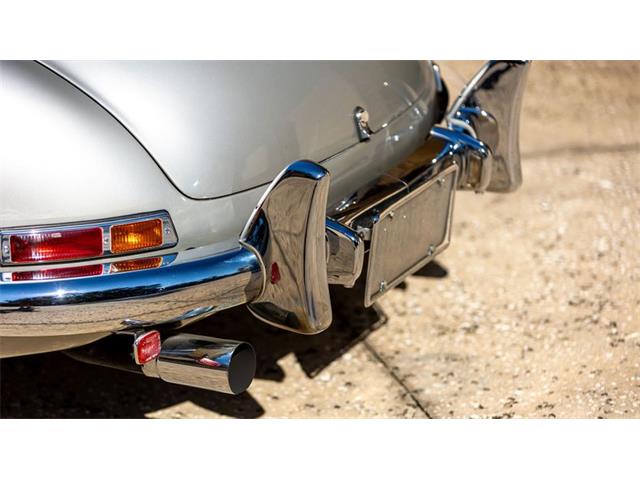
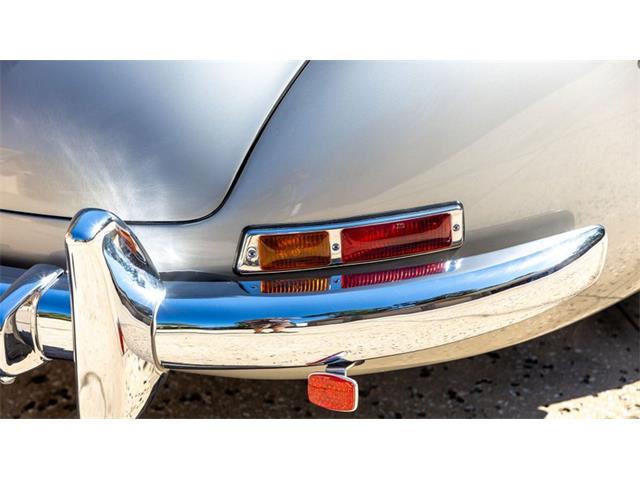
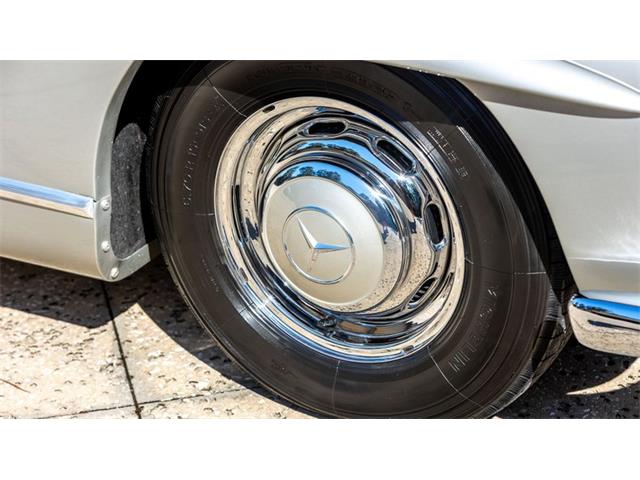
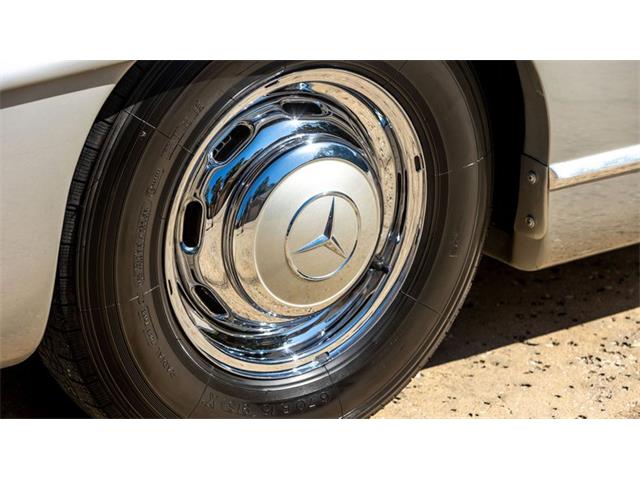
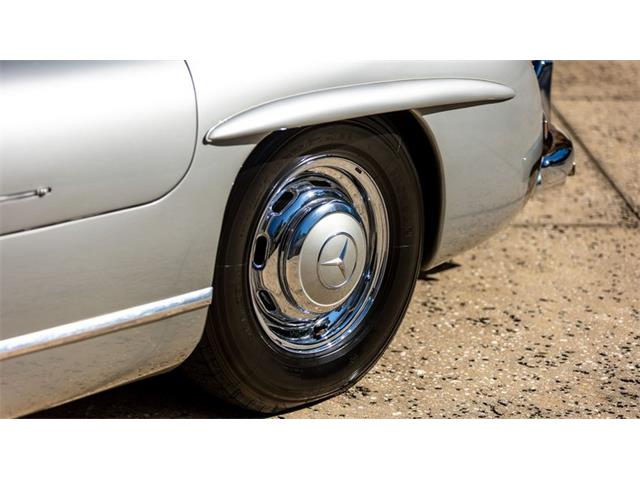
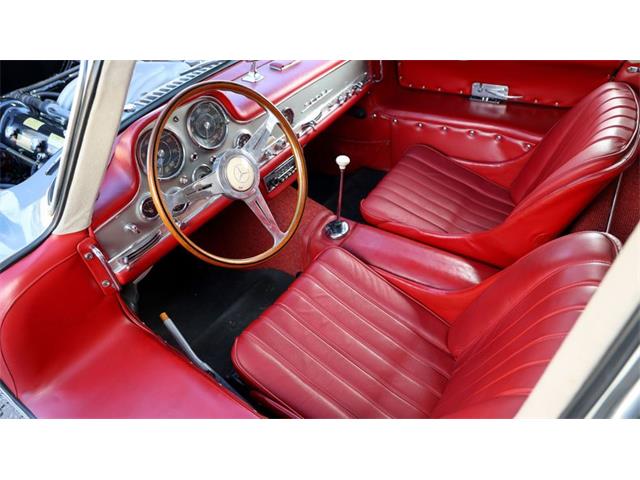
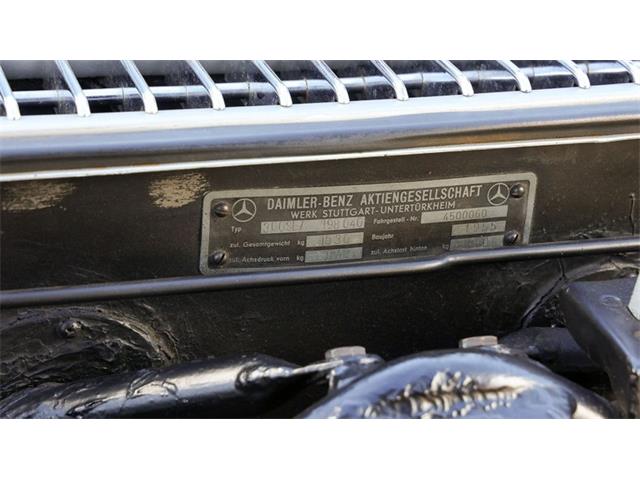
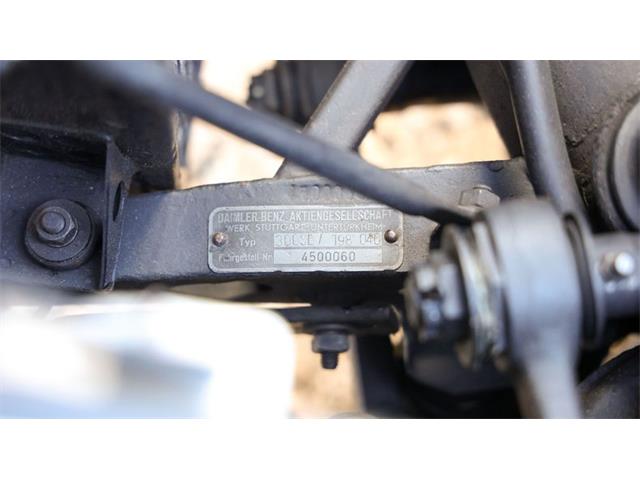
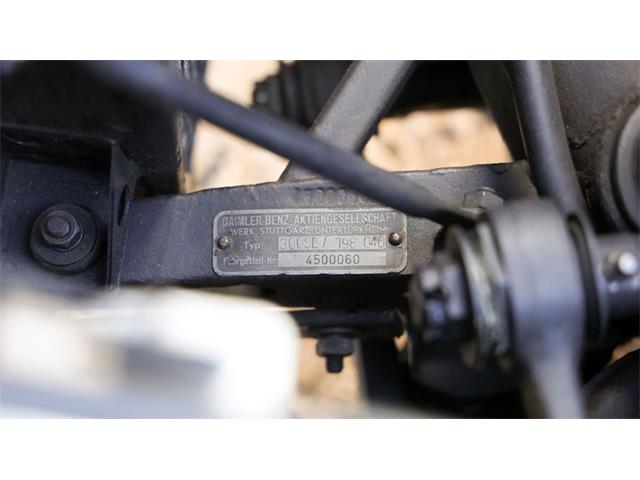
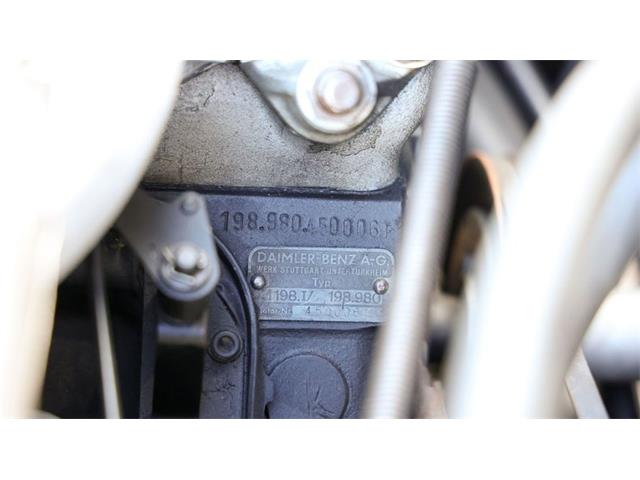
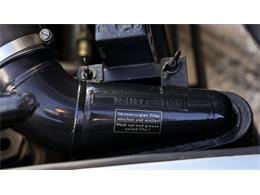
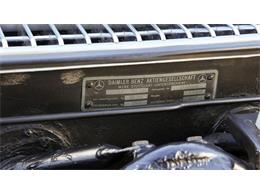
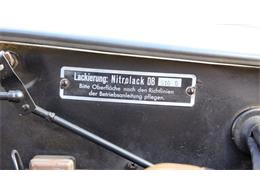
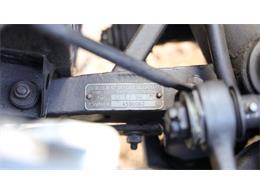
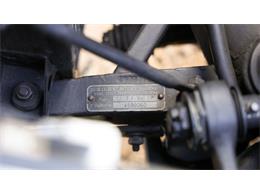
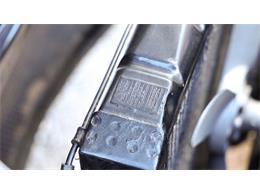
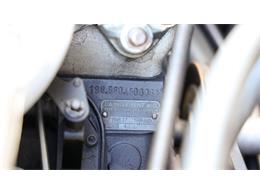
Chassis No. 198.040.4500060
Engine No. 198.980.4500061
Body No. A198.040.4500059
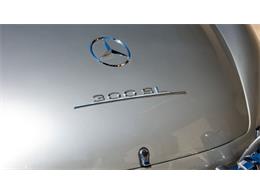
Born from the confluence of motorsport pedigree and Max Hoffman's
commercial vision, the Mercedes-Benz 300 SL Gullwing Coupe became
the defining symbol of postwar German engineering. Starting with
the great success Mercedes-Benz achieved racing with their W194
Coupe in 1952, this prompted visionary U.S. importer Max Hoffman to
encourage the board of directors to develop a high-performance
roadgoing variant. Hoffman, recognizing the appetite among American
enthusiasts for a halo sports car wearing the three-pointed star,
convinced Mercedes-Benz that such a model could redefine the brand
in the U.S. market. The result was the 300 SL Gullwing Coupe that
was unveiled in February 1954 at the New York International Motor
Sports Show. It became an instant icon that fused advanced racing
technology with striking design and extraordinary engineering.
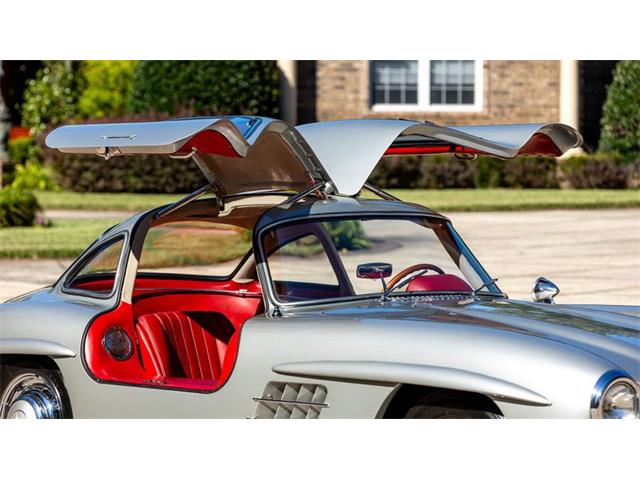
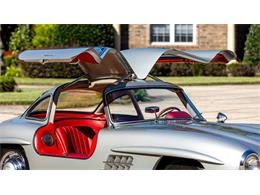
Its signature "gullwing" doors were far from a stylistic flourish.
They were a direct solution to the challenge posed by the
race-derived tubular spaceframe. The lightweight marvel weighing
just 110 pounds provided exceptional rigidity but left no room for
conventional door openings. The upward-swinging doors became a
defining feature, emblematic of the 300 SL's blend of engineering
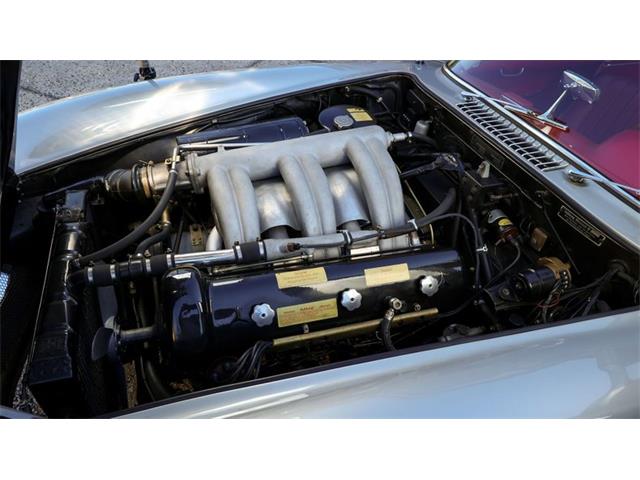
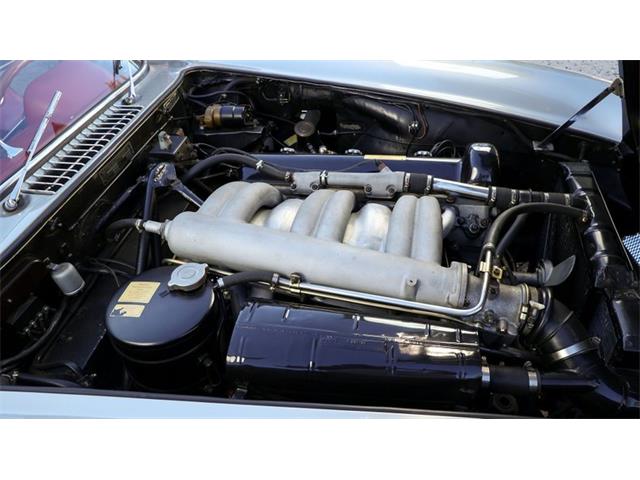
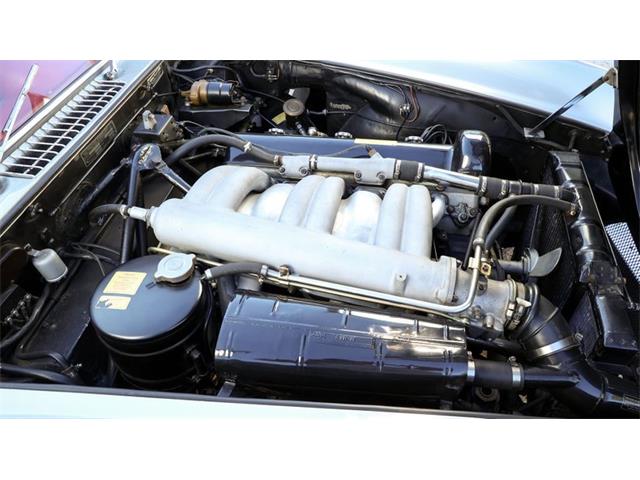
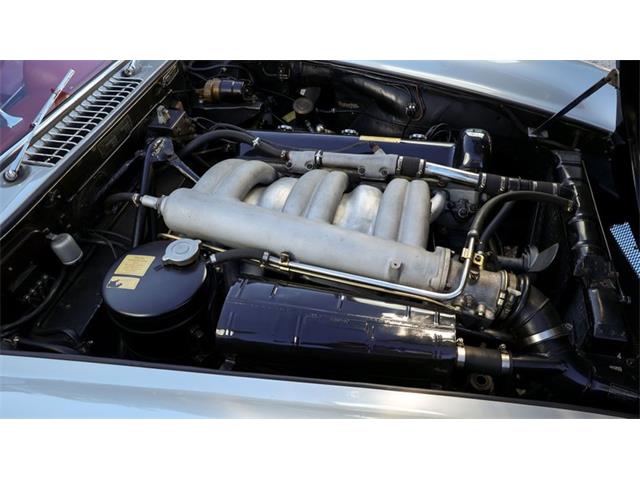
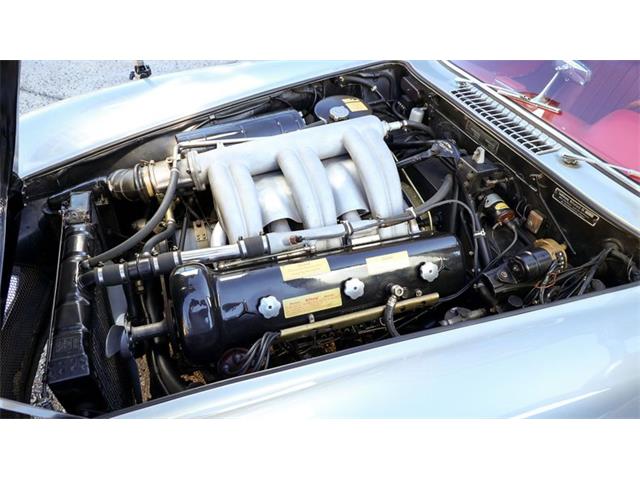
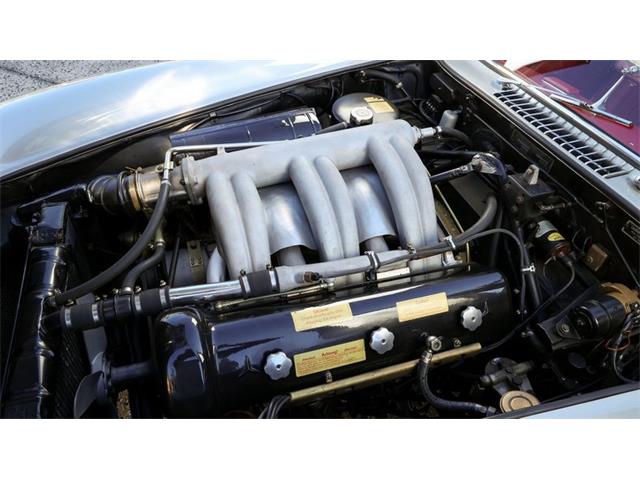
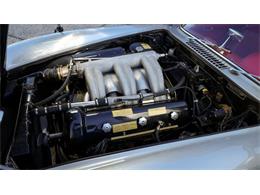
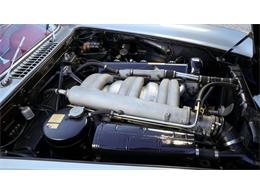
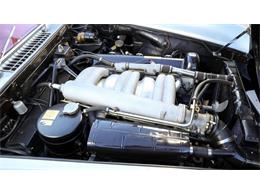
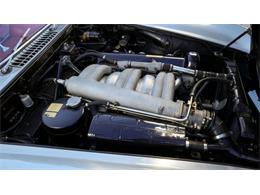
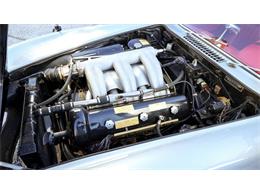
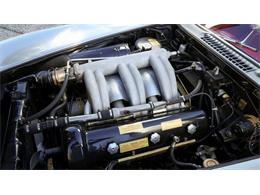
necessity and visual drama. Beneath the bodywork lay a
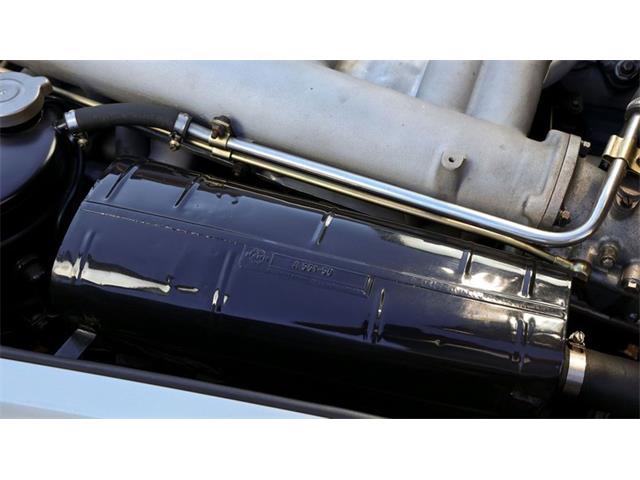
overhead-cam, 3.0-liter inline-six featuring Bosch direct
mechanical fuel injection-the world's first use of such technology
in a production car. This system not only delivered a notable
performance gain but also increased reliability because it
eliminated the continual tuning required of carbureted engines.
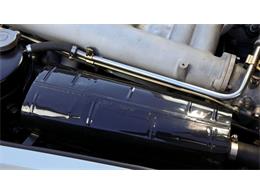
To achieve a low, aerodynamic profile, the engine was angled 50
degrees to the left within the chassis and utilized dry sump
lubrication. This clever packaging decision resulted in a sleek,
tapered nose that reduced its frontal aerodynamic profile and
remarkable performance for its era: weighing around 2,855 pounds
and depending on final-drive gearing, the 300 SL could reach speeds
near 160 mph, making it the fastest production car of its day. The
car's handling and stability, aided by its rigid space-frame and
race-proven suspension, made it as composed at high speed as it was
visually striking. Produced from 1954 through 1957 in a limited run
of 1,400 units, the Gullwing's combination of advanced technology,
impeccable build quality, and competition pedigree set new
standards for performance-oriented grand touring cars.
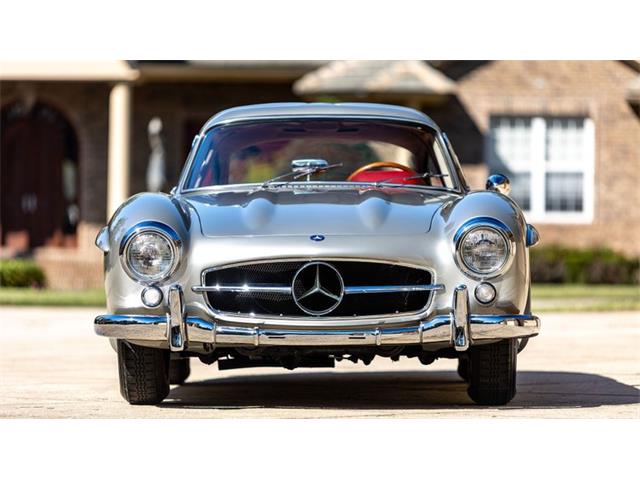
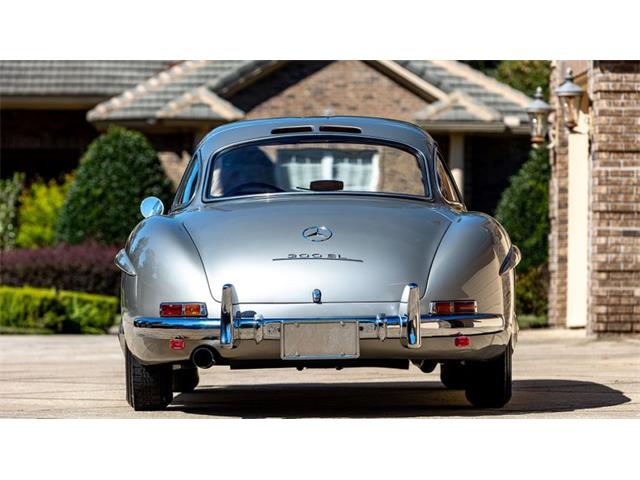
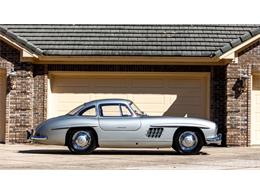
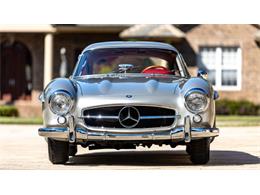
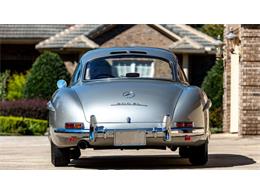
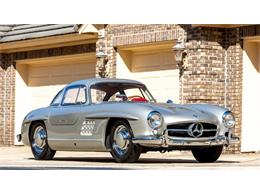
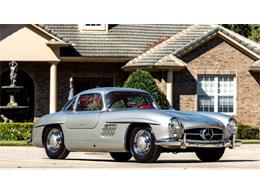
This early-production 300 SL completed production on 2 November
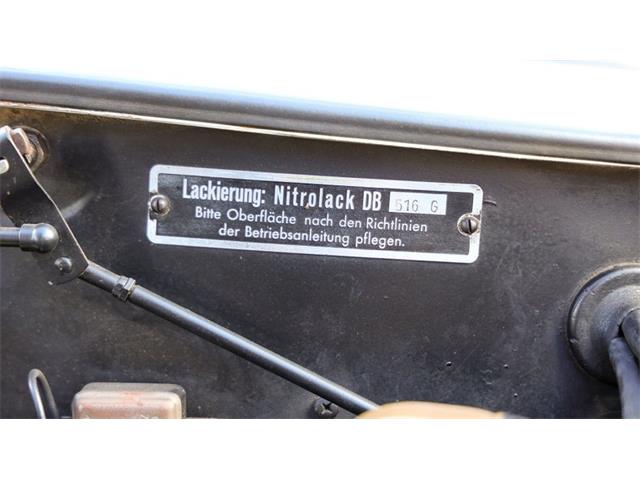
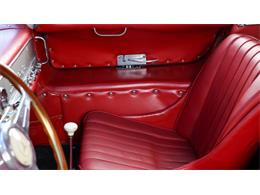
1954 in Medium Red (516) over a Beige-Brown leather (1066)
interior. As researched by 300 SL historian Chris Kramer, this
special-order paint color was applied to just four of the 167 cars
produced that year. In addition to the special-order paint, the
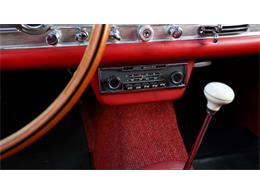
data card notes special-order leather, along with the
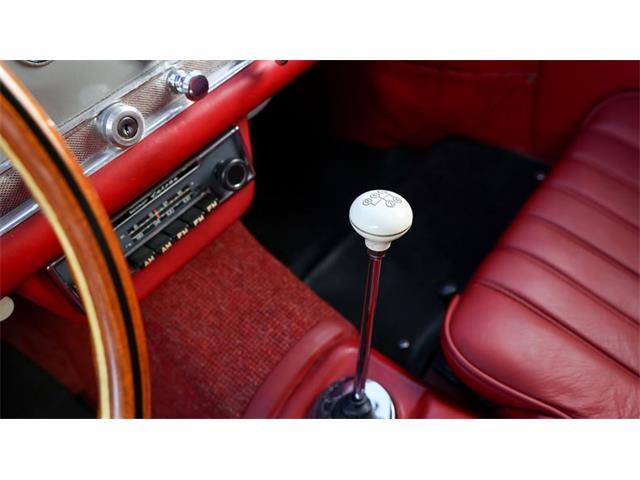
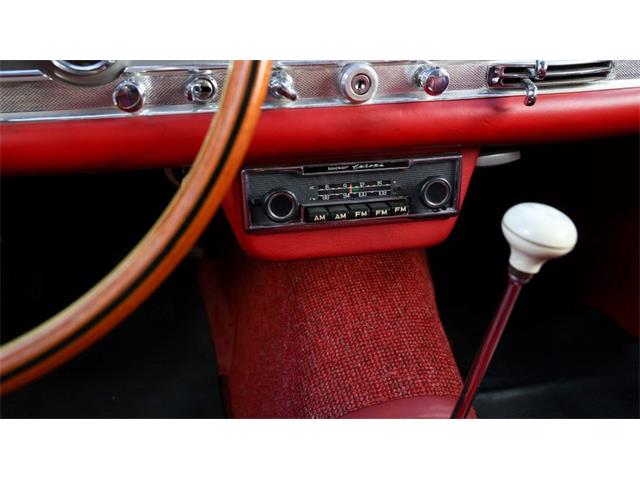
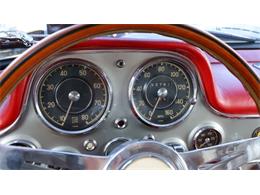
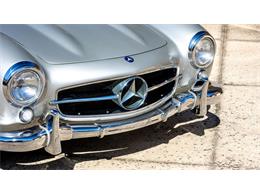
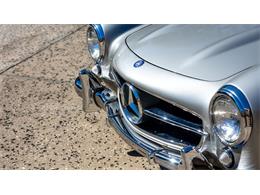
under-dash-mounted Becker Le Mans radio. Also equipped with
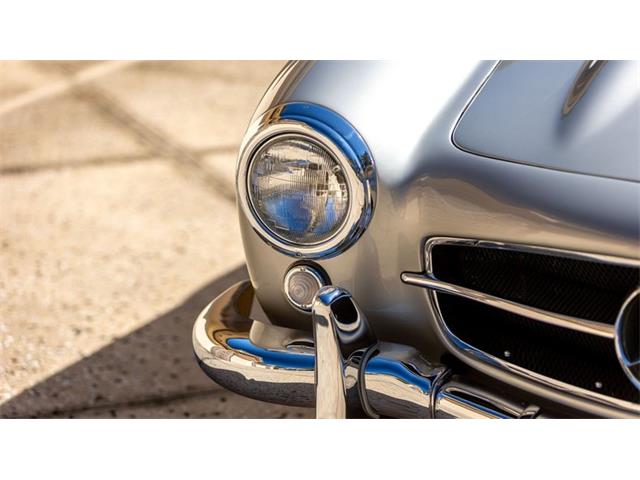
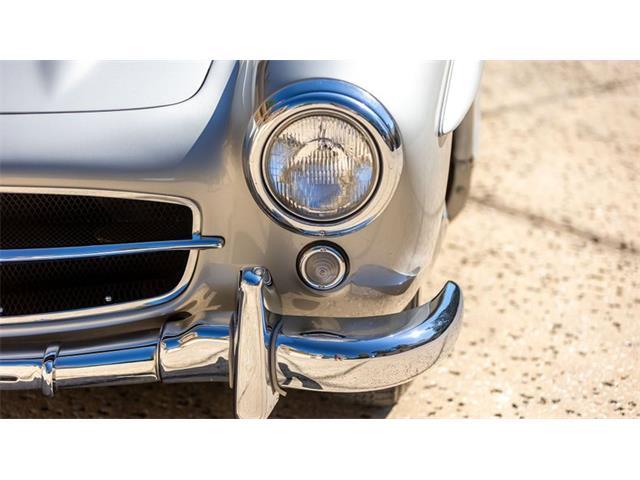
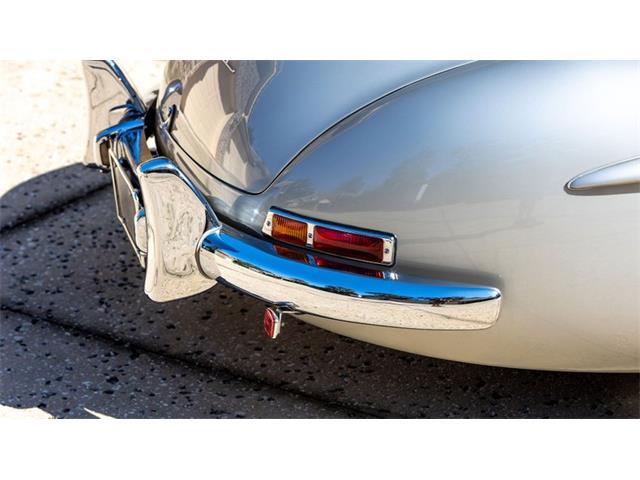
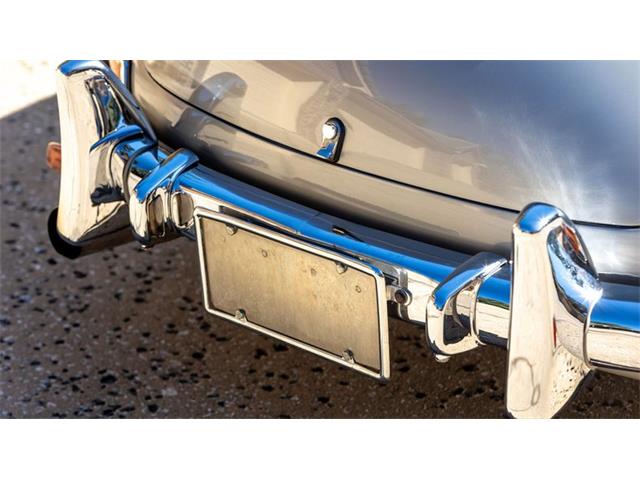
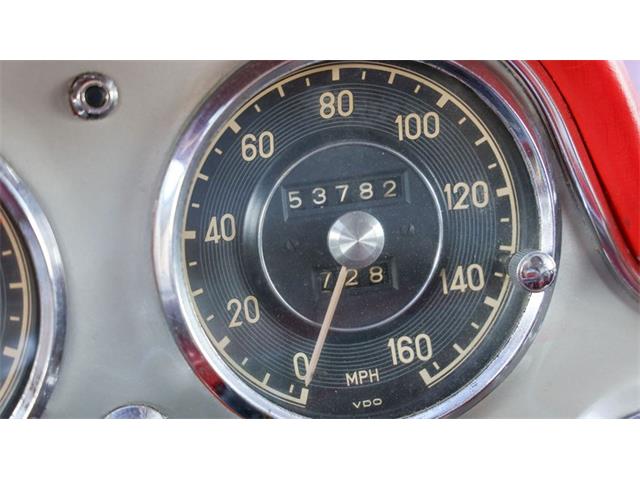
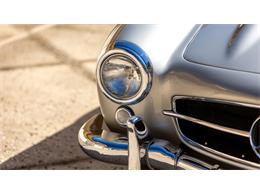
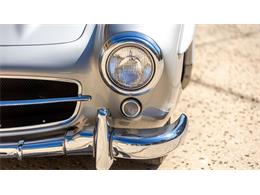
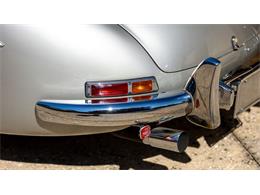
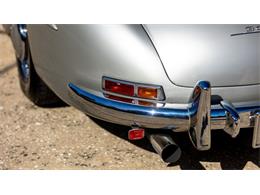
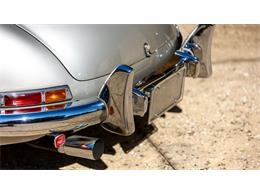
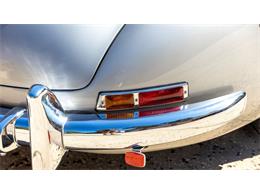
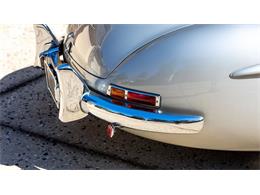
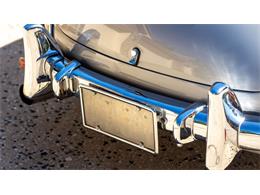
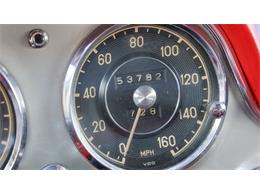
sealed-beam headlights, English instrumentation, and bumper
overriders, the car was then shipped to Los Angeles, California, on
22 November 1954.
After arriving on the West Coast, the Gull Wing Group records that
the car's first documented owner was Hal Dahl of Enumclaw,
Washington, just south of Seattle. Following Dahl's tenure with the
car, it stayed in the Seattle area when it passed to retired
Northwest Airlines pilot Harry Jack Bedrossian Jr of Gig Harbor,
Washington.
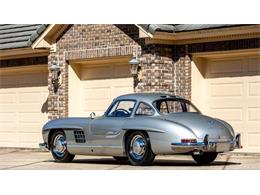
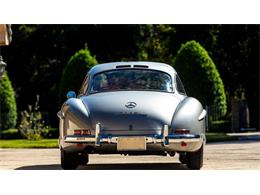
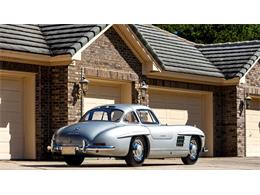
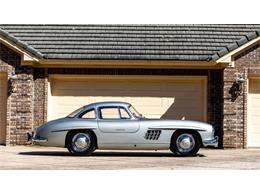
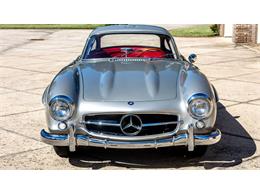
Likely leaving the Pacific Northwest for the first time in decades,
the car was brought to Jacksonville, Florida, in 2001 when it was
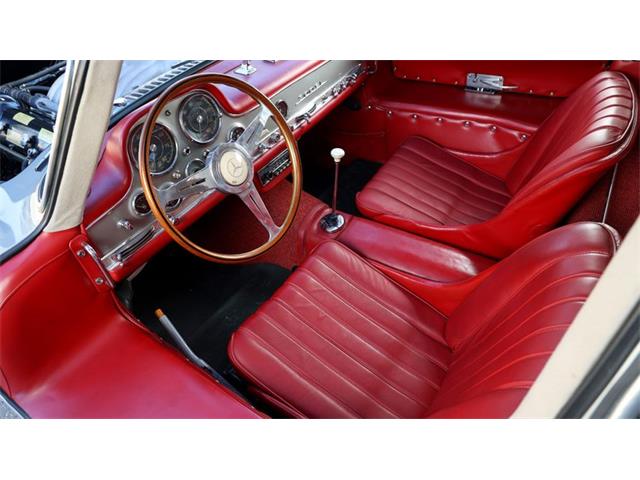
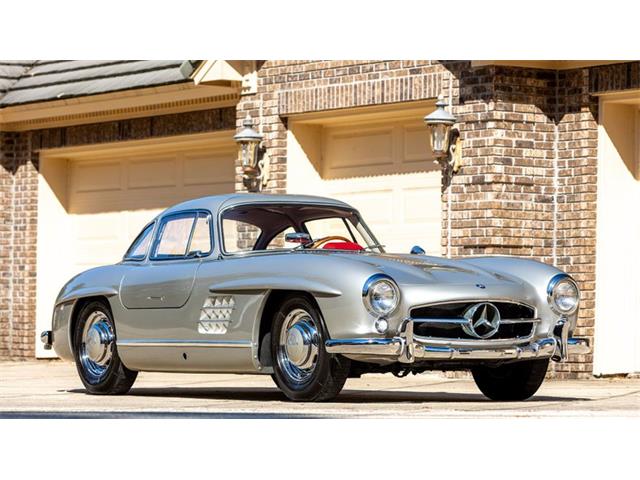
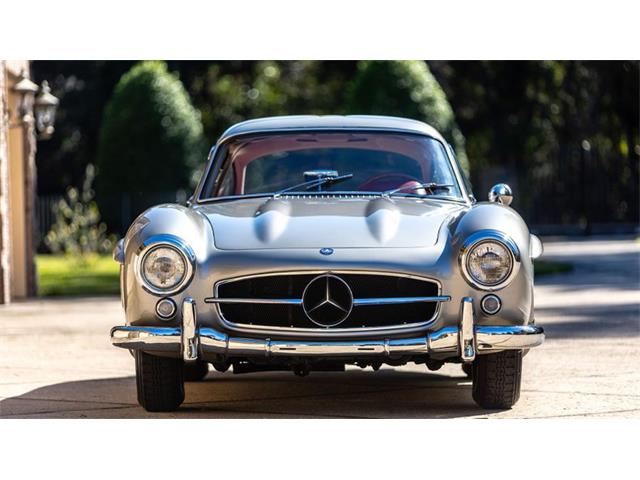
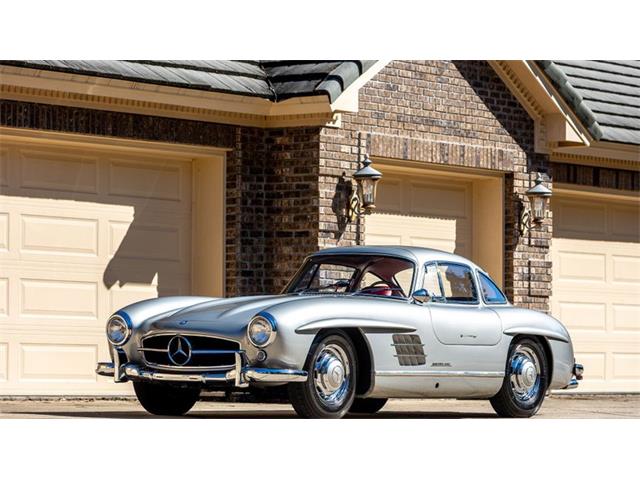
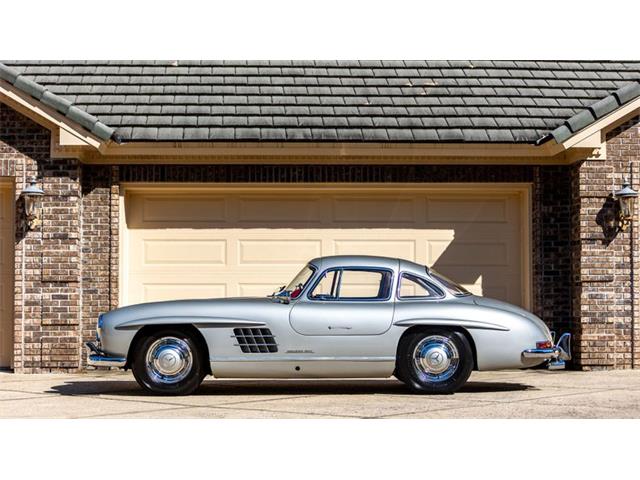
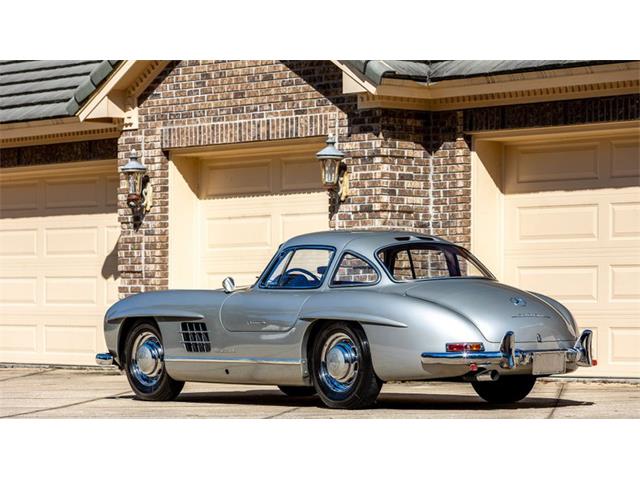
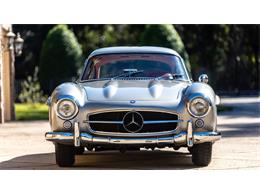
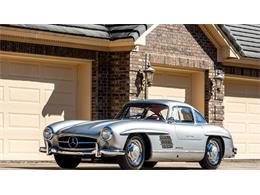
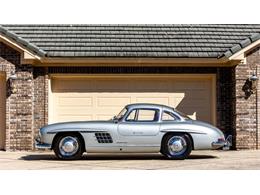
acquired by its current caretaker. By the time of their
acquisition, the car had already been refinished in its current
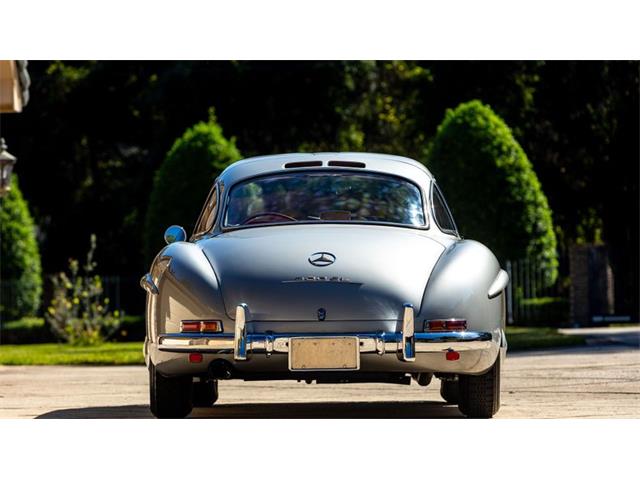
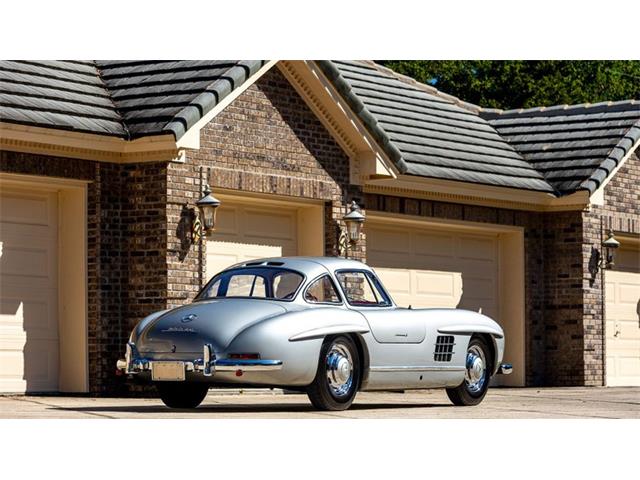
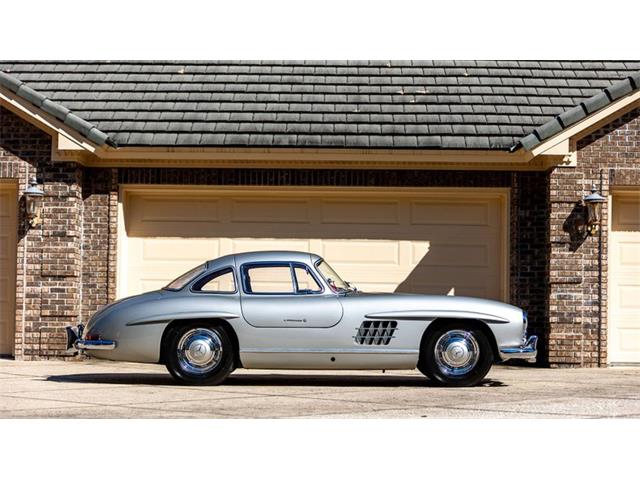
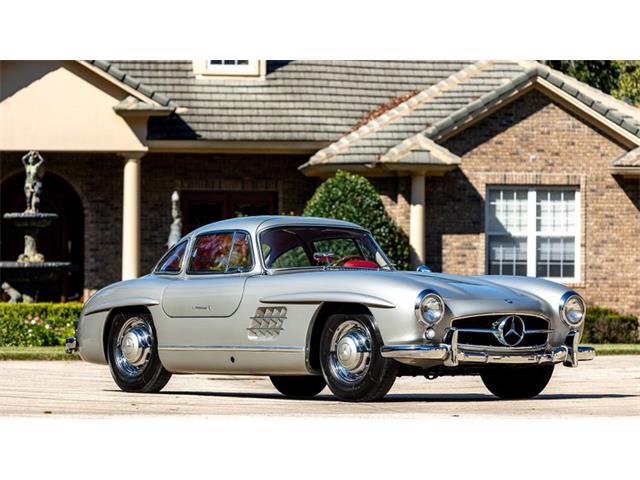
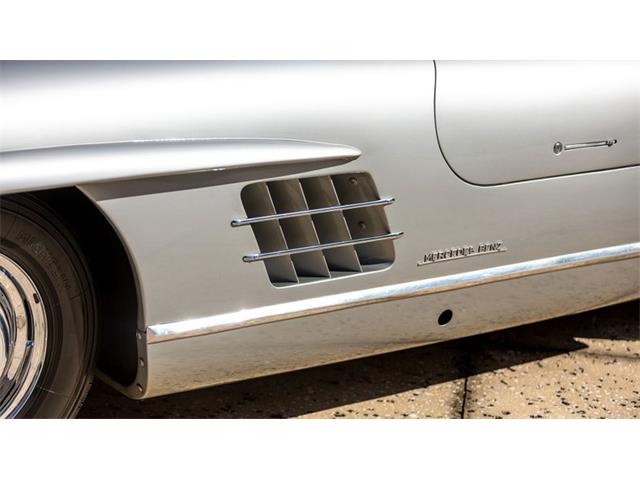
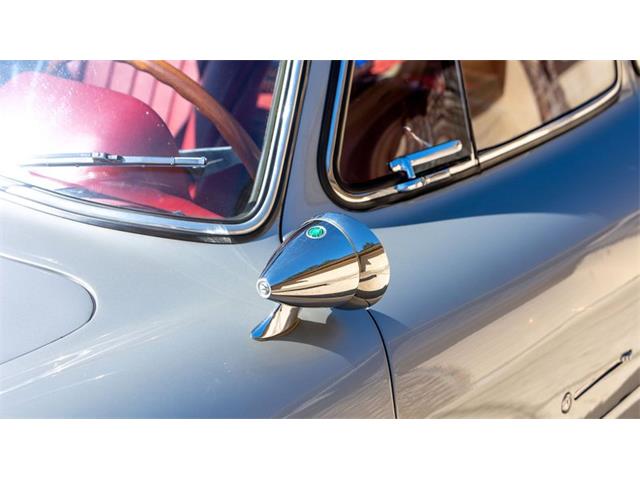
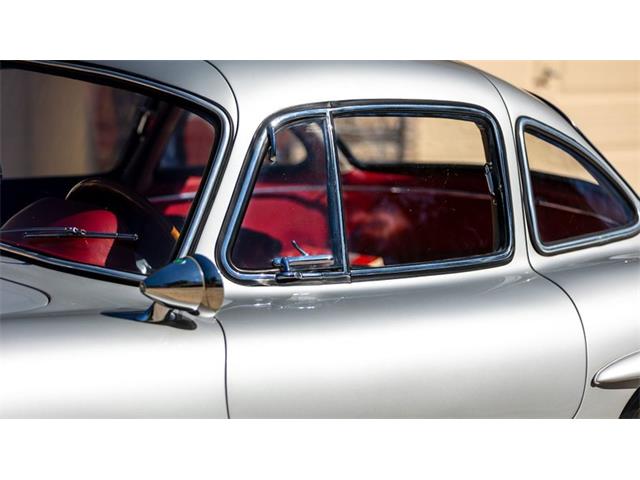
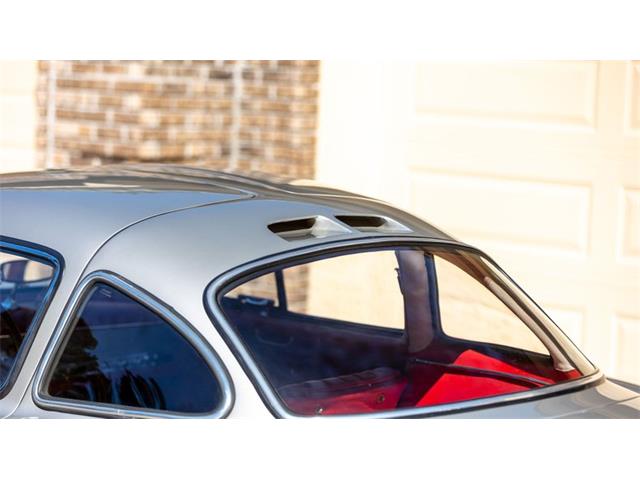
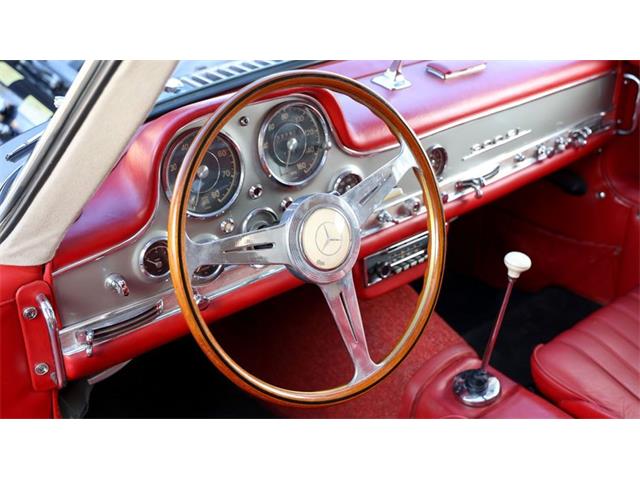
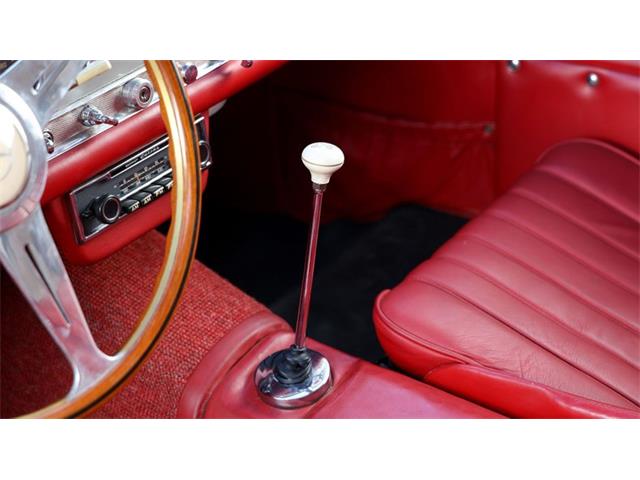
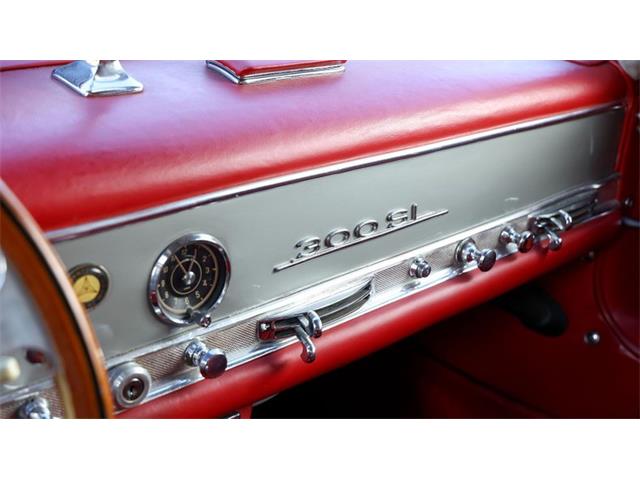
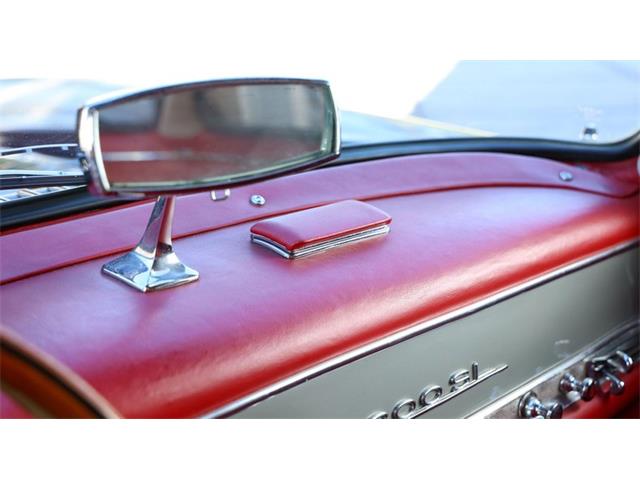
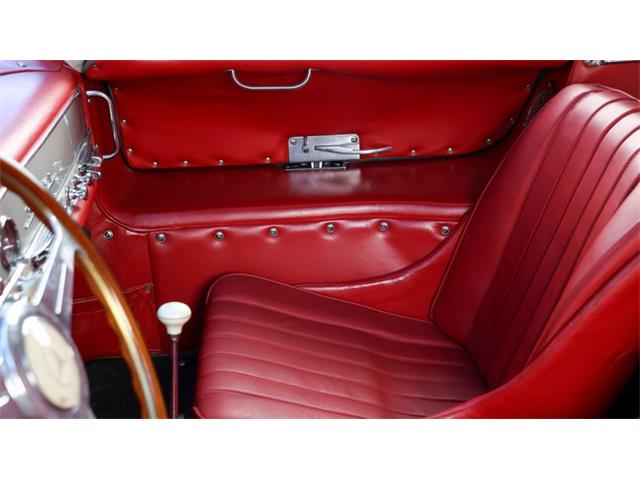
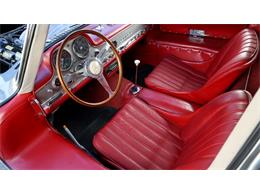
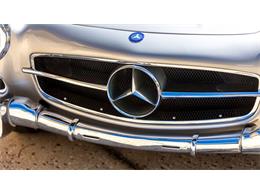
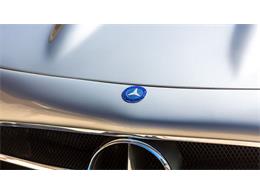
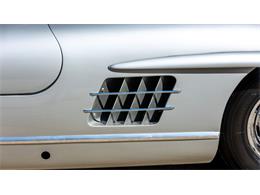
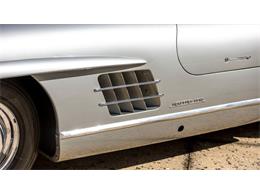
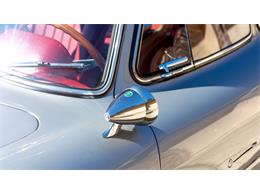
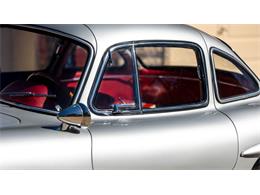
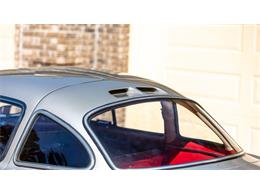
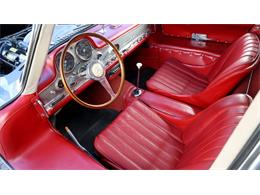
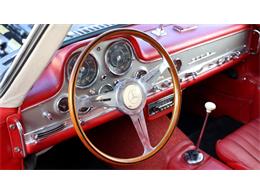
presentation of popular and sporting Silver (180) over a Red
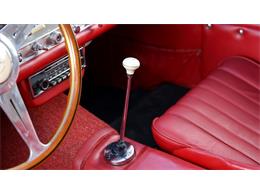
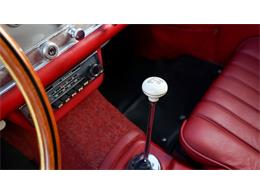
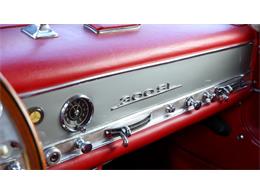
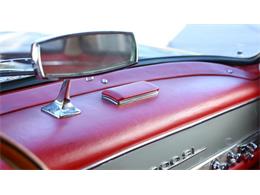
leather interior. Inside, the car was additionally outfitted with
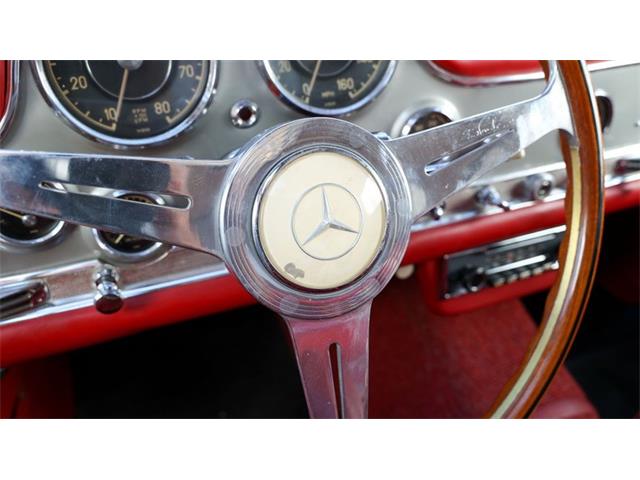
the correct type of square weave carpeting and ribbed floor mats, a
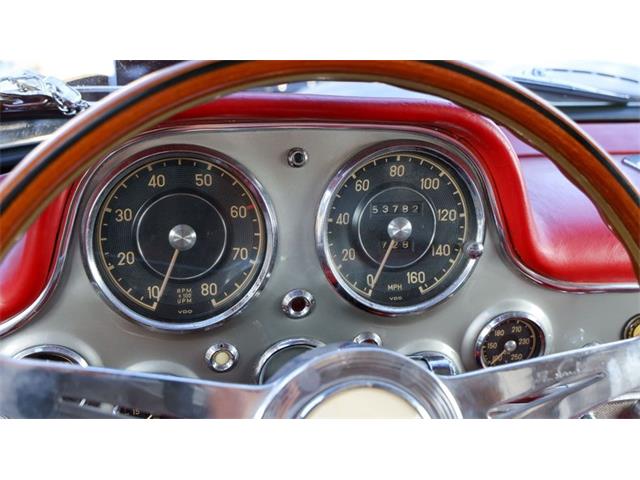
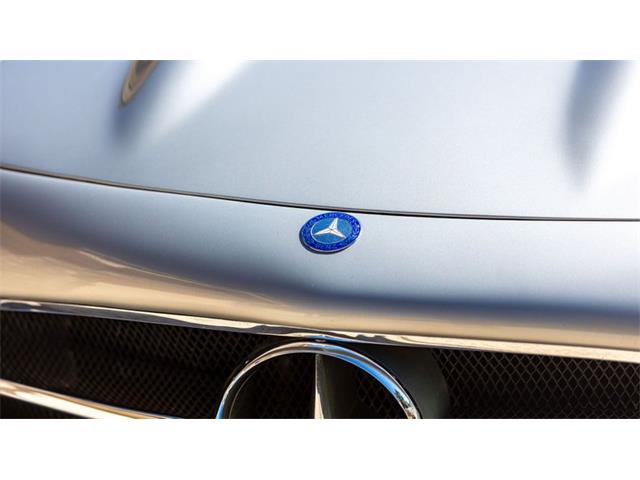
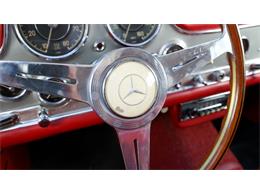
wood-rimmed Nardi steering wheel with a Mercedes three-pointed star
horn button adding to its sporting character. The current caretaker
used the Gullwing sparingly, resulting with just 53,782 miles
recorded at cataloging.
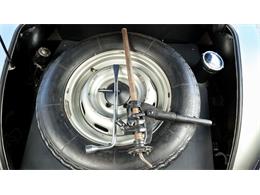
Today, the car remains a beautiful early example of the fabled 300
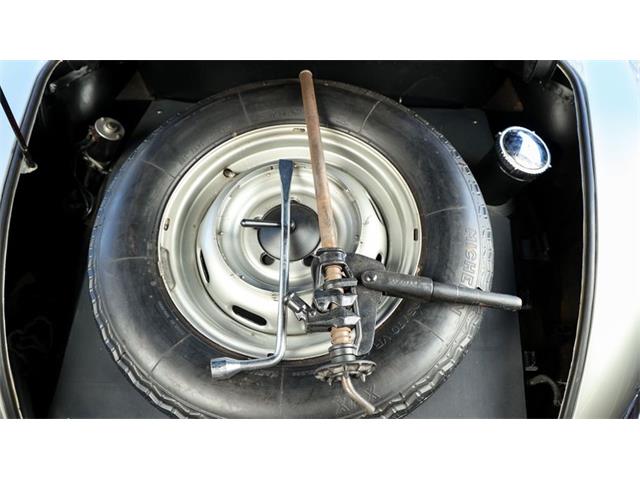
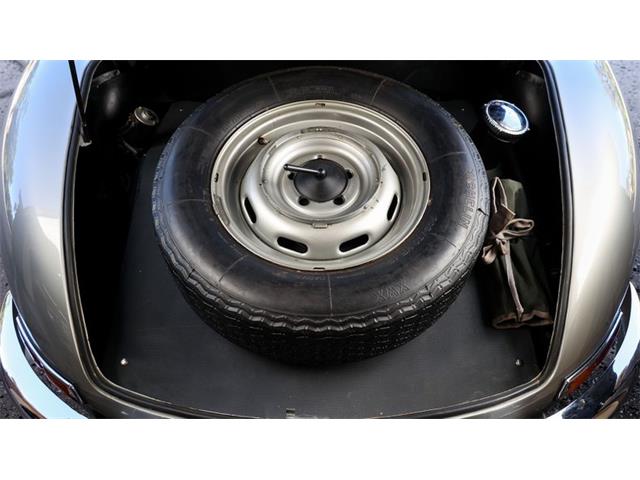
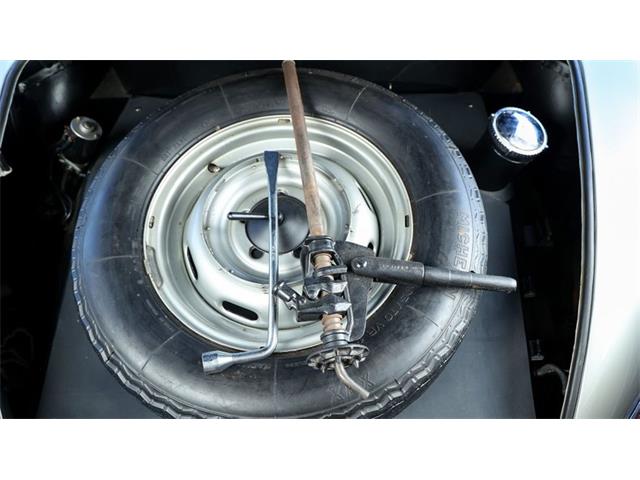
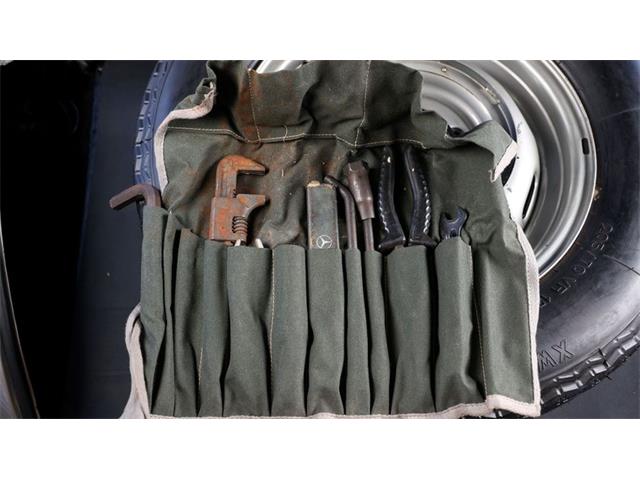
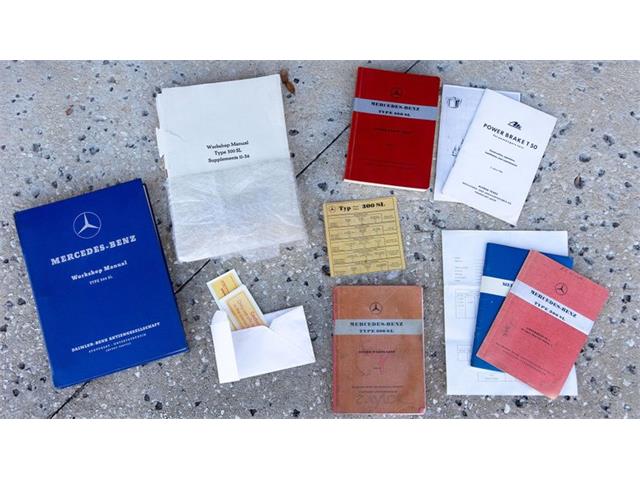
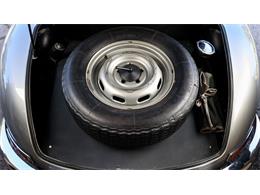
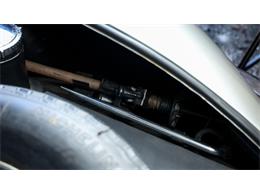
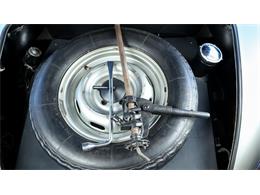
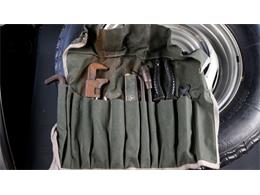
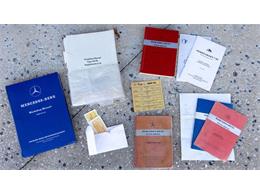
SL Gullwing. This Gullwing is furnished with a painted spare wheel,
jack, tool roll, an original hard cover workshop manual, spare
parts books, and a reprinted instruction manual from 1985. The 300
SL deserves a place in every important car collection for its
style, versatility, and effortless performance-qualities that early
production examples display in their purest form. It was a car that
brought cutting-edge, race-bred engineering to the road in a truly
usable form. As a result, the 300 SL is welcome everywhere from the
world's finest concours events to premier touring rallies, proving
itself as a car that can truly do it all. These combined qualities
make it the ideal cornerstone for any automotive collection.
ClassicCars.com has been recognized as one of the fastest-growing private companies in the United States, successfully making the Inc. 5000 list in both 2015,
2016, 2017 and 2018. This prestigious accolade represents the continued growth of the company, and ClassicCars.com's dominance as the world's largest online marketplace for
buying and selling classic and collector vehicles.
The Stevie Awards, the world's premier business awards recognized
ClassicCars.com's first-class Customer Support team with a Stevie Bronze Award in 2019, celebrating the team's skills as exemplary customer support specialists.
In 2016 The Journal, brought to you by ClassicCars.com, was celebrated as the SECOND MOST INFLUENTIAL automotive blog in the world by NFC Performance.