The Auburn Automobile Company got its start in 1900, building
sensible cars of good quality, though never set the world alight
with style and flash. By the mid-1920s, Auburn was struggling with
weak sales thanks to conservative marketing and a humdrum product
offering. In 1924, that all changed when the company enlisted the
help of entrepreneur and salesman E.L. Cord to help bail them out
of trouble. Cord was brought on as general manager and paid a
modest salary with the option of buying control of the firm if he
could save them. Auburn faced a glut of unsold inventory that the
public viewed as dull. E.L. Cord came up with the simple plan to
repaint the unsold cars in bright colors to give the illusion of a
fresh new lineup. To the surprise of many, his plan saved the
company.
Having taken over control of Auburn, E.L. Cord wasted little time
in transforming them into a style and value leader in the luxury
car market. He soon moved on to realize a dream of building a car
worthy of bearing his name. Cord wanted an automobile capable of
competing with the likes of Packard and Cadillac, and it was the
perfect opportunity to build a car that would fit neatly between
the value-leading Auburn, and the spectacularly exotic and
expensive Duesenberg. In typical E.L. Cord fashion, he eschewed
tradition in favor of a car that was as innovative as it was
beautiful. The sleek and low slung L-29 debuted in 1929, featuring
revolutionary front wheel drive and a De Dion front axle, designed
with input from the engineers responsible for the Miller
front-drive Indy Car.
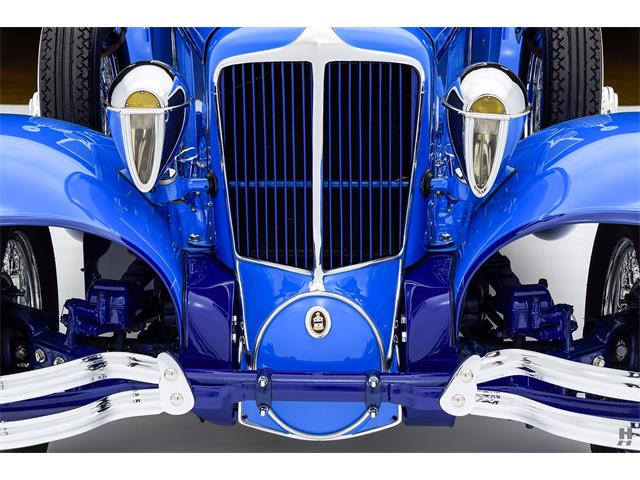
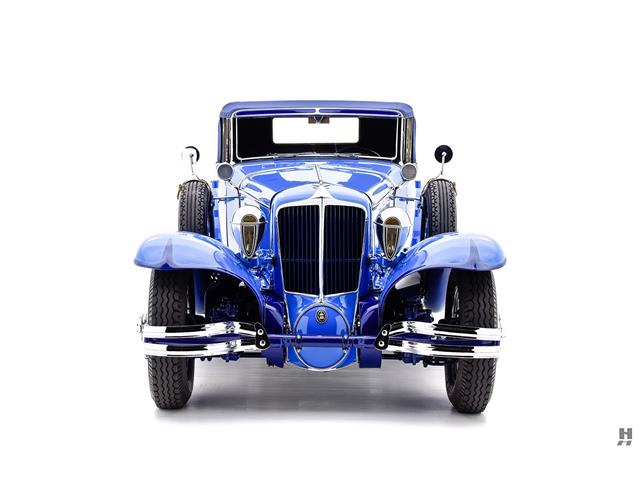
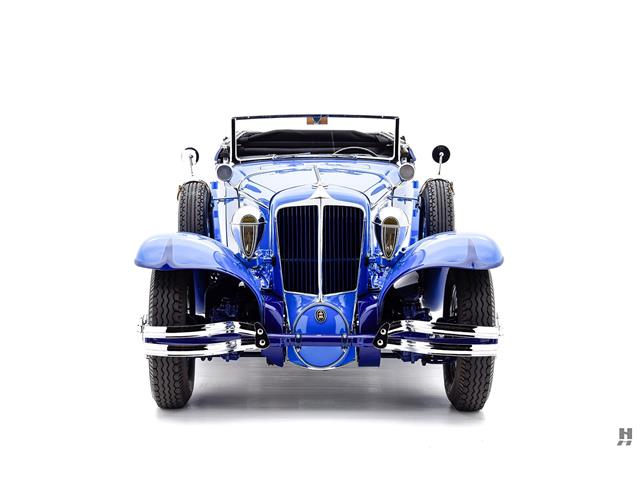
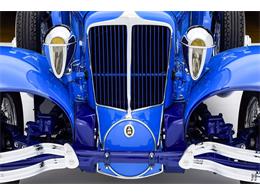
The gorgeous Cord L-29 featured flowing front fenders, and a
narrow, body-color radiator shell. The low slung appearance was
possible thanks to the front-drive layout, which in turn allowed
the body to mount over the chassis as opposed to on top. It shared
the 301 cubic-inch Lycoming straight eight with Auburn, albeit
turned 180-degrees in the chassis, driving through a three-speed
transmission at the front. Thanks to the low center of gravity,
handling was very impressive. The factory offered the L-29 in four
styles: Convertible Sedan, 5-Passenger Brougham, Sedan, and
2/4-Passenger Coupe/Roadster. Coachbuilders over the world over
scrambled for a chance to put their mark on the beautiful new Cord,
eager to take advantage of the low ride height and gracefully
sweeping fenders. Only 5,014 L-29s were built between 1929 and
1932, as the Great Depression took hold and effectively killed the
replacement L-30 before it even left the drawing board. Despite its
brief existence, the Cord L-29 stands as one of the most beautiful
American automobile designs of all time.
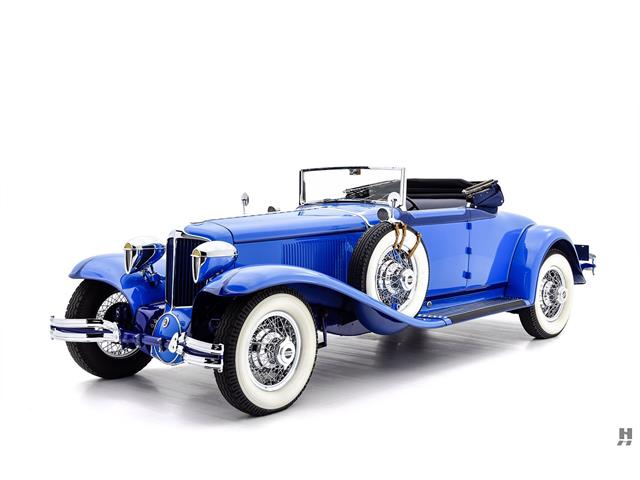
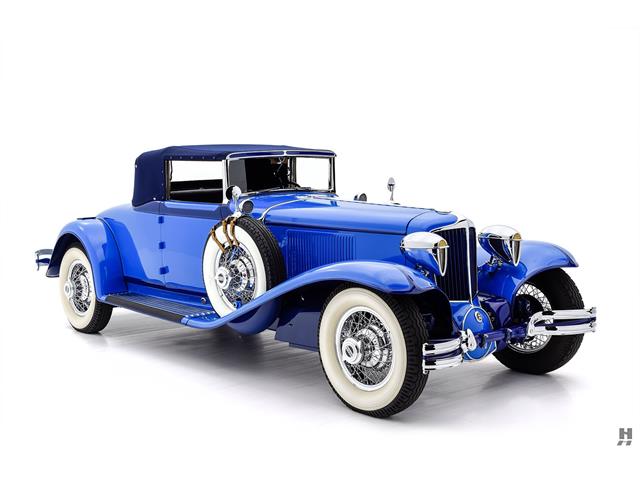
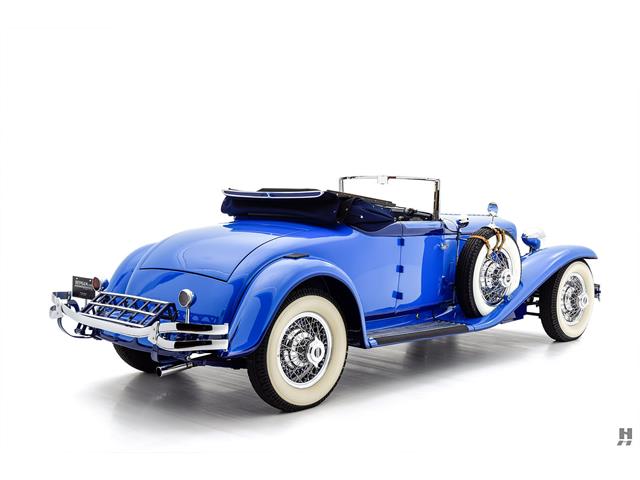
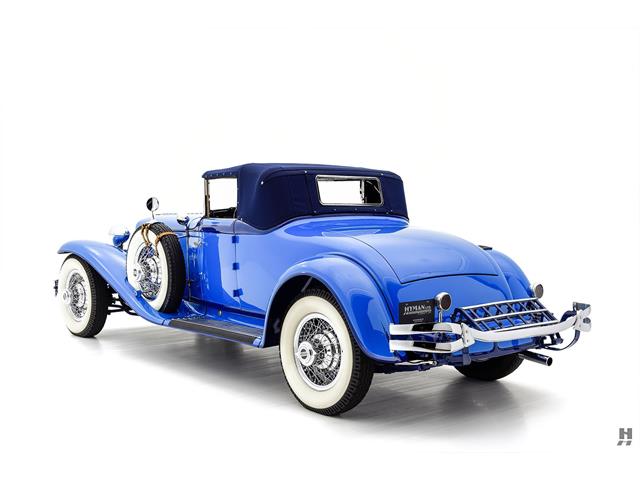
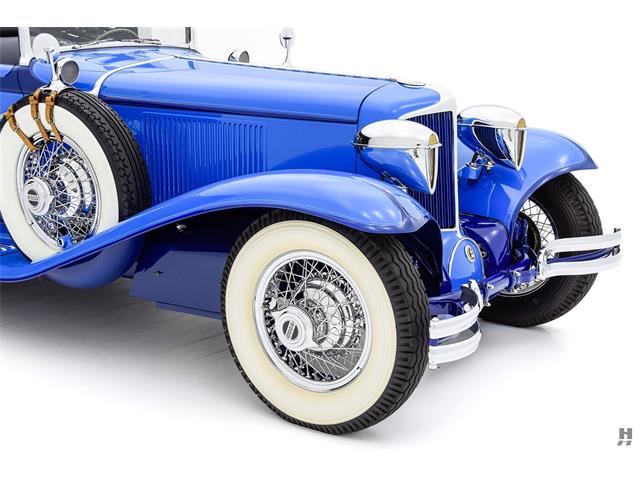
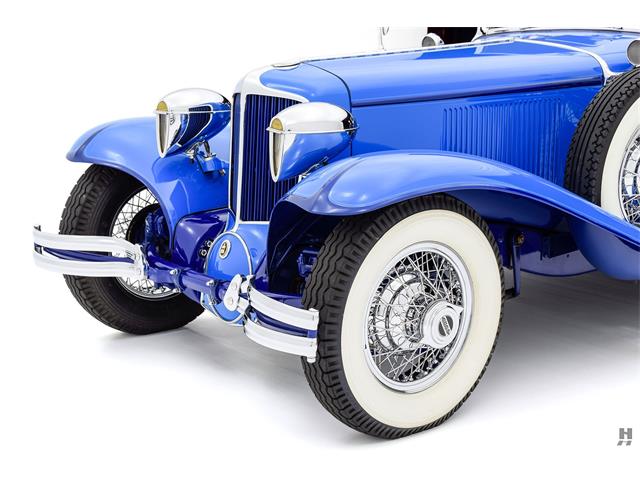
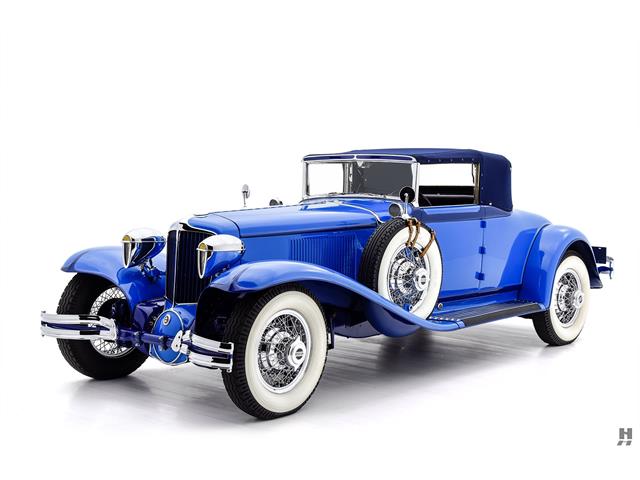
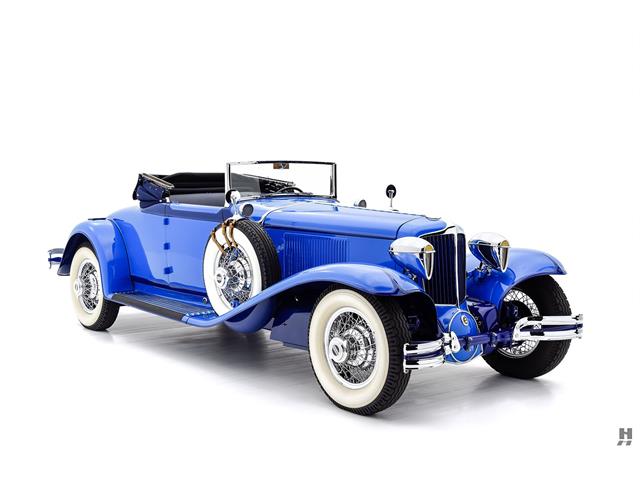
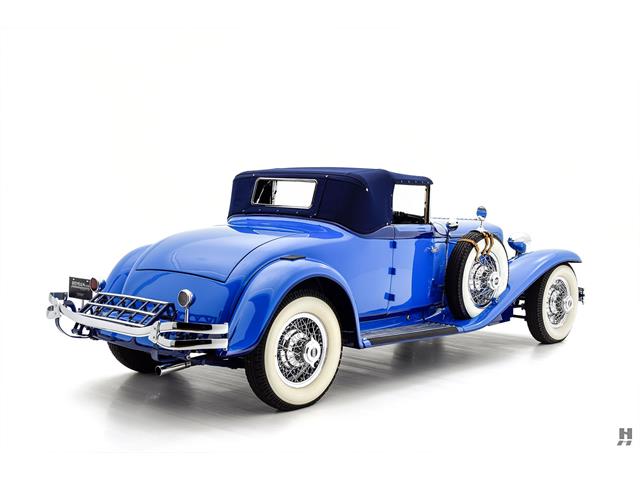
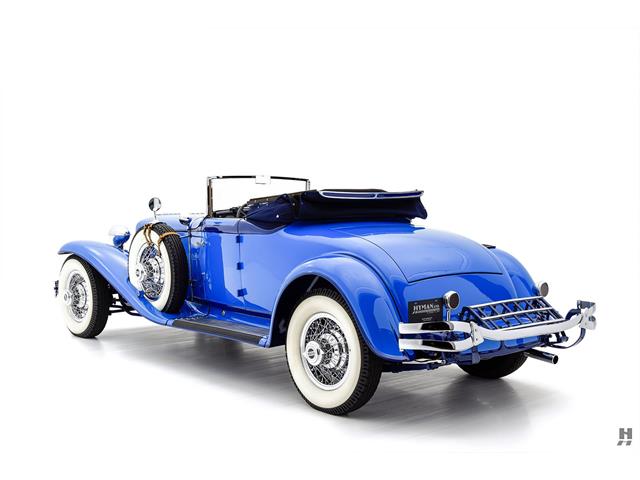
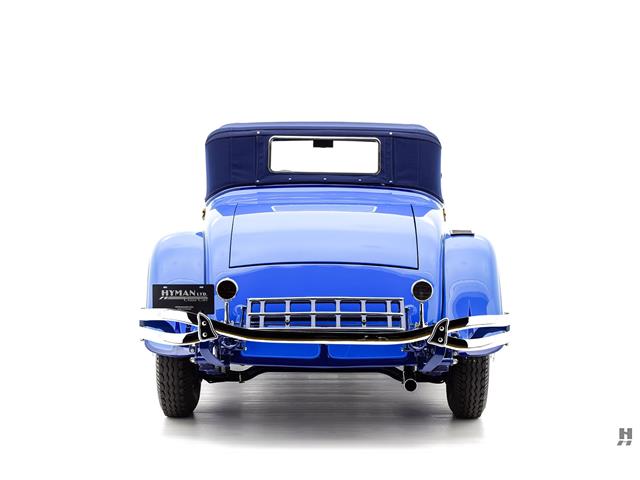
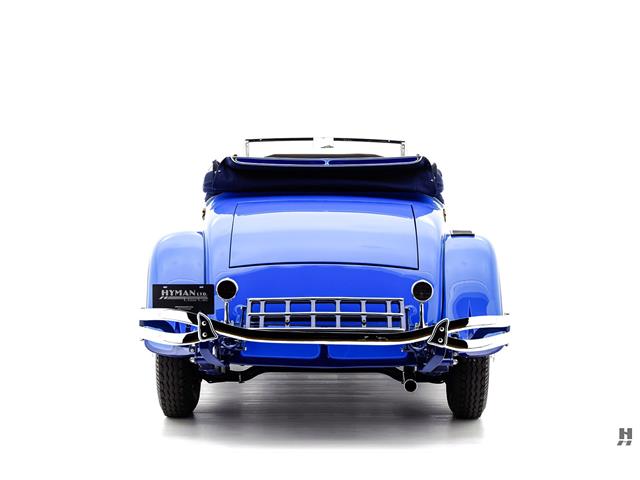
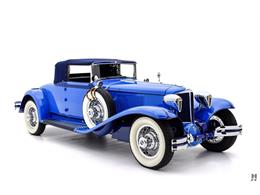
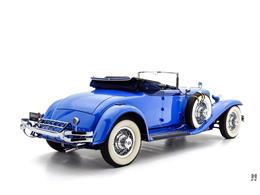
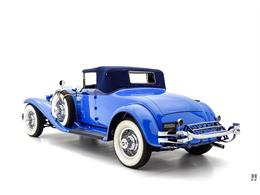
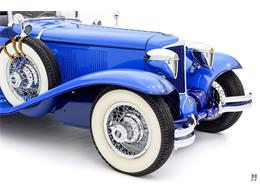
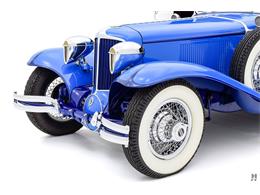
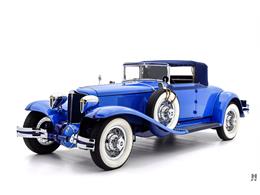
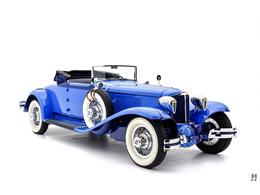
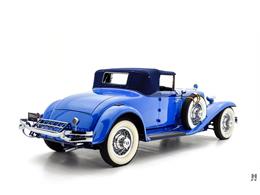
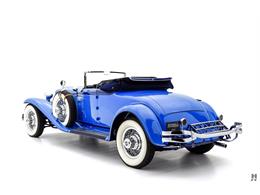
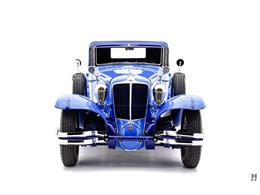
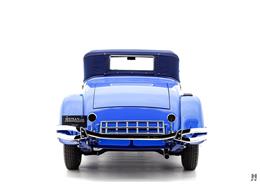
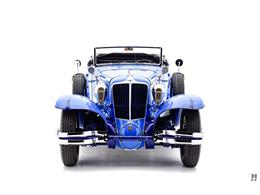
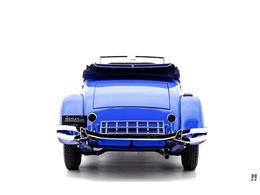
This stunning 1929 Cord L-29 wears sporty and stylish 2/4 passenger
cabriolet coachwork, presented in an arresting two-tone blue
livery. At just 58 inches tall, the Cabriolet stood a full 12
inches lower than its nearest competitor and was by far the most
sporting body style in the Cord catalog. This example was
meticulously restored in the 1990s and has since been refreshed and
maintained in near-concours condition. This chassis was originally
equipped with 5-passenger Brougham coachwork and is believed to
have received this Cabriolet body at the time of its restoration.
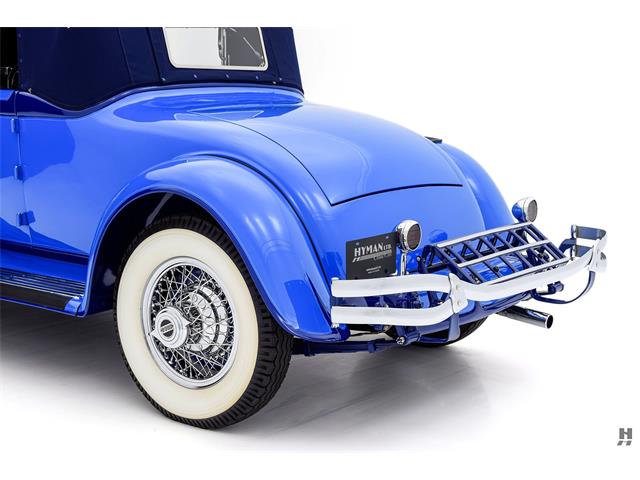
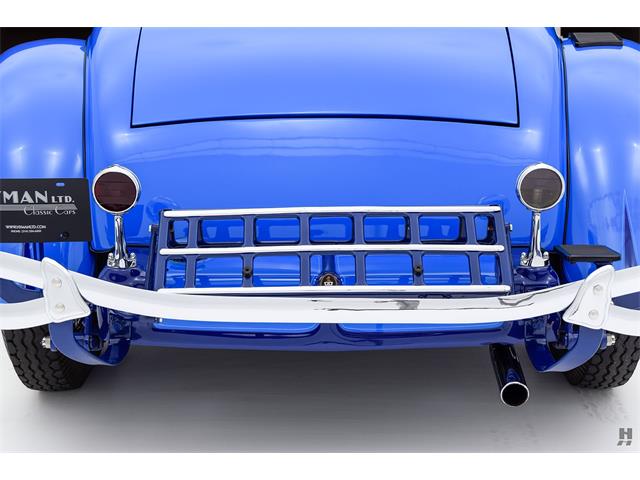
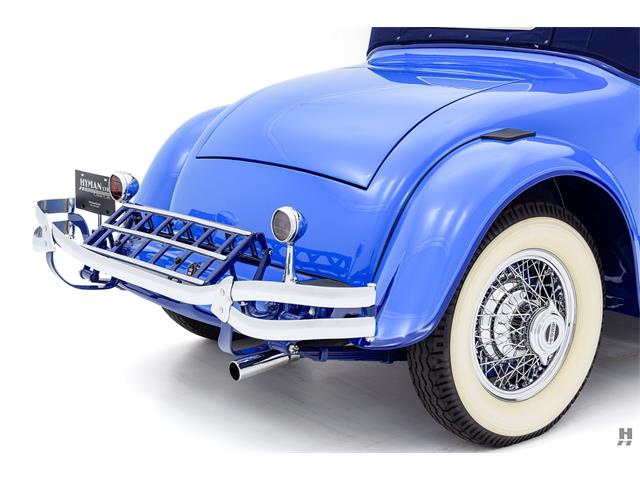
The presentation is truly exquisite, with its vivid blue main body
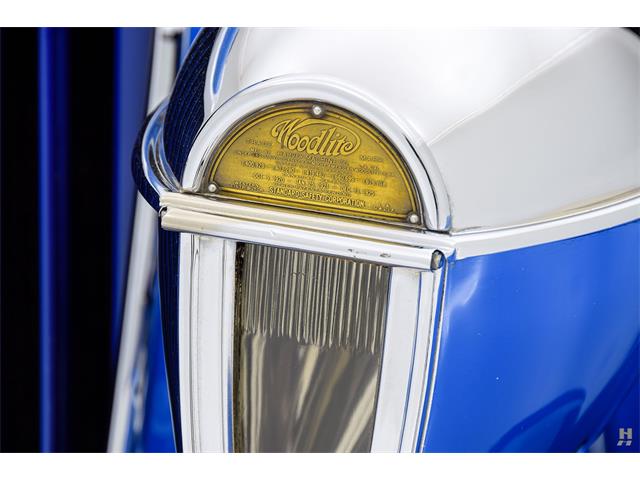
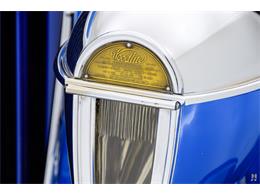
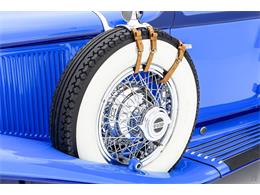
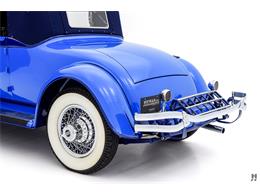
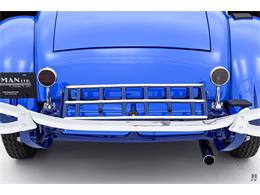
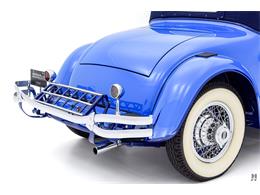
accented with dark blue feature lines. Accessories include rare
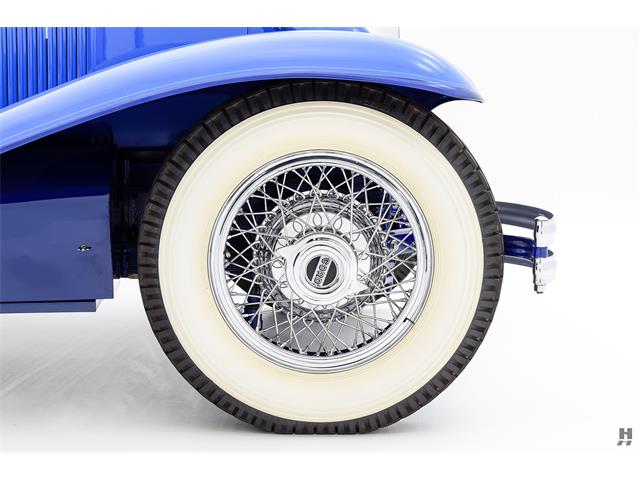
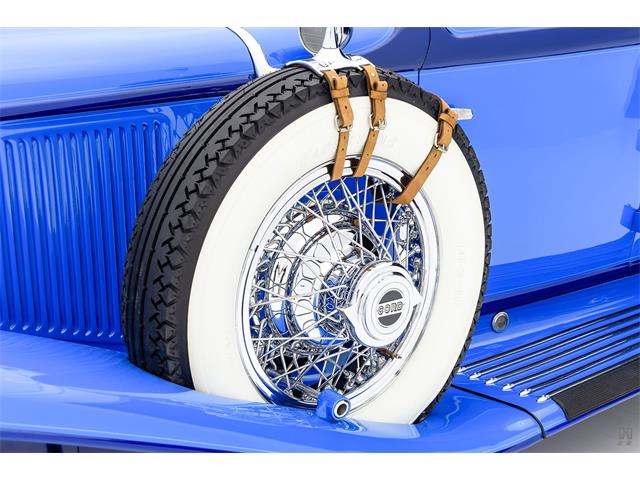
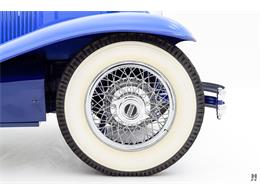
Woodlite headlamps, chrome wire wheels with dual side-mount spares,
dual taillights, and a trunk rack. It comes to us from a
significant collection of Classic Era automobiles and has been
shown at several important events, including the Hilton Head
Concours d'Elegance, and the 2017 Elegance at Hershey, where it
received the coveted People's Choice trophy. One look and it is
easy to see why this Cord continues to impress on the concours
field. While the restoration has mellowed slightly, the quality of
the paint remains exquisite. Fit and alignment of the body are
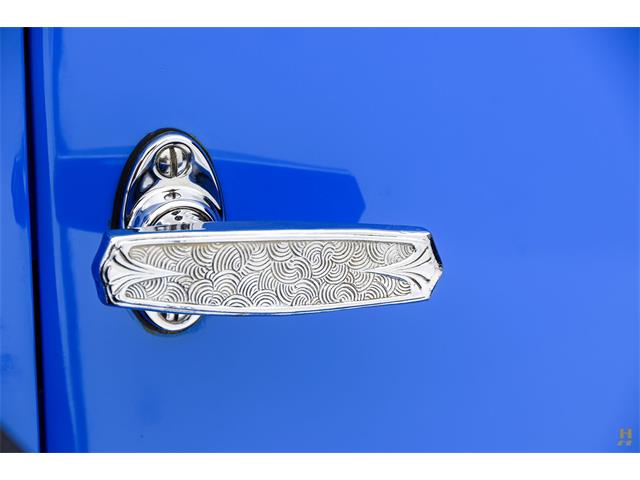
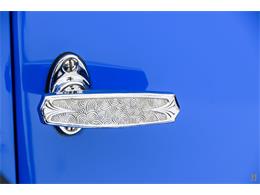
excellent, and the chrome plating and brightwork are impeccable,
from the gorgeous wire wheels to the intricately detailed door
handles.
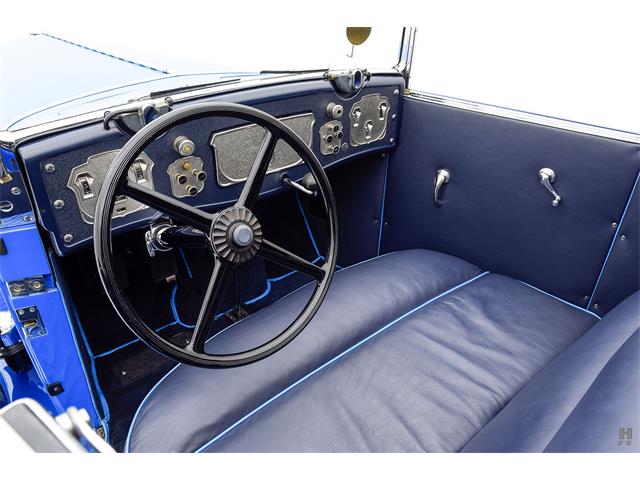
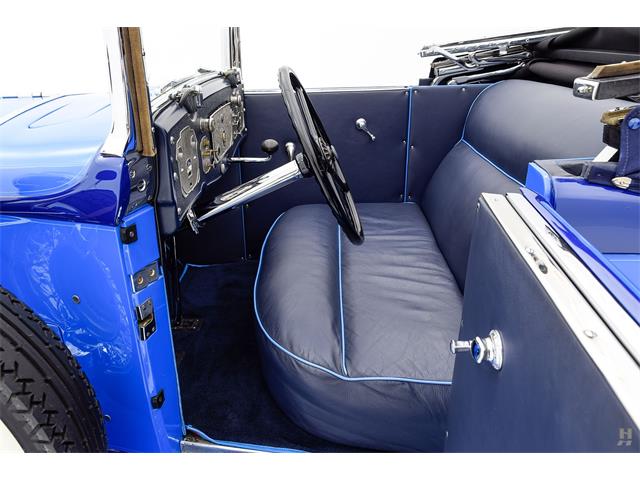
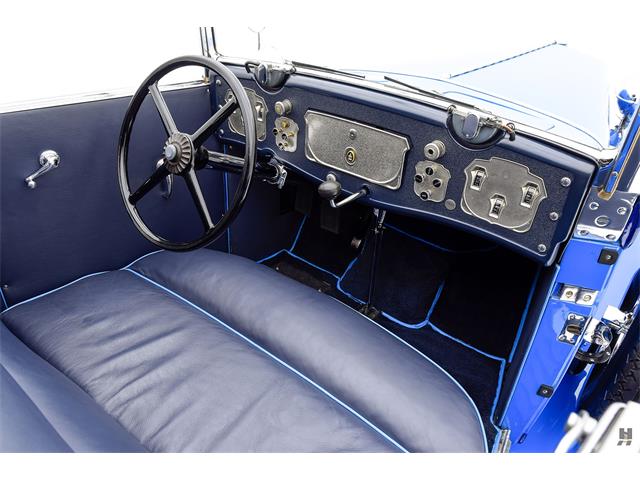
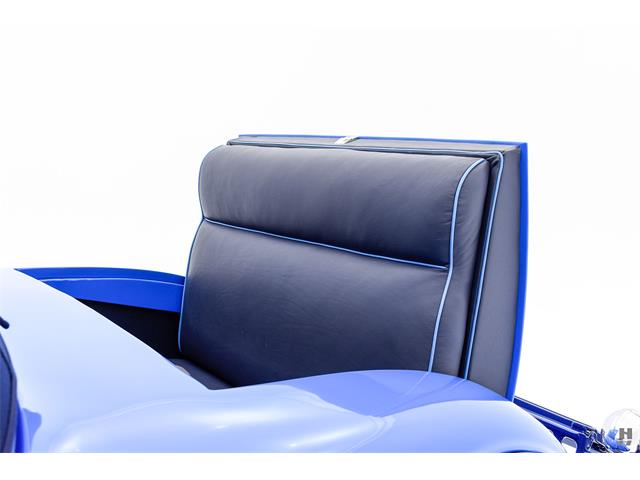
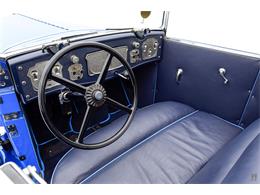
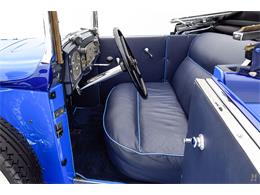
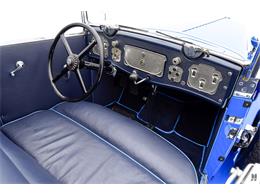
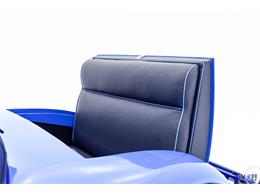
Complementing the dramatic color scheme is a two-place cockpit
trimmed in navy blue leather, with subtle light blue piping. The
driver's seat shows only minimal signs of use, while the matching
blue leather rumble seat and door panels present in excellent
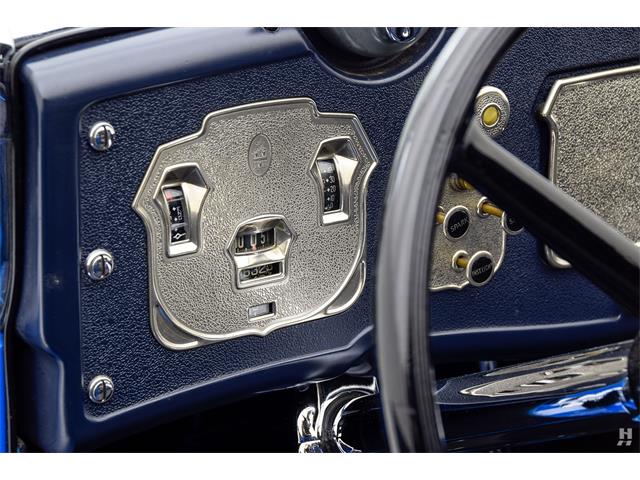
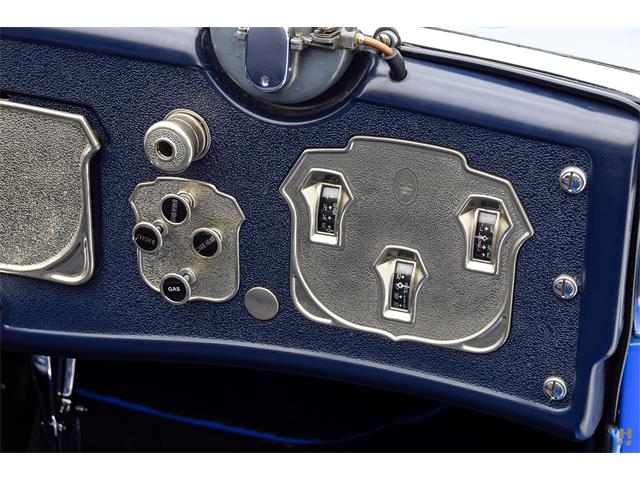
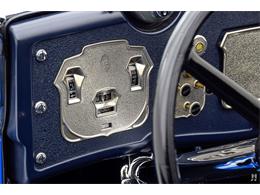
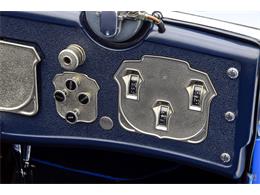
condition. The distinctive dash features restored original
instruments and control knobs in a proper textured-finish fascia.
Even the screw heads are clocked in perfect alignment with one
another, a testament to the level of detail given the restoration.
A taut and attractive navy blue canvas roof rounds out the fabulous
presentation.
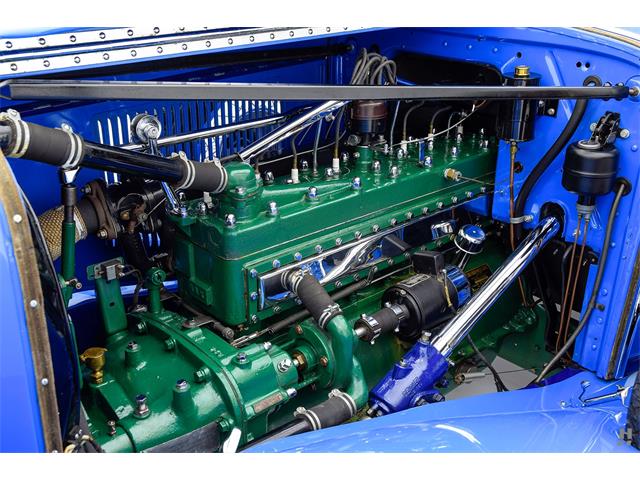
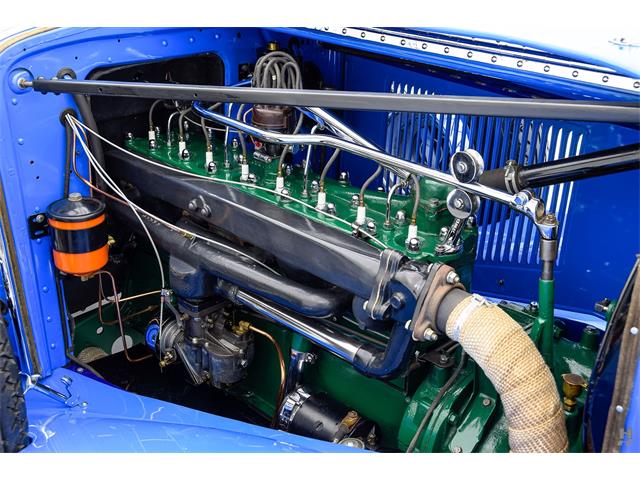
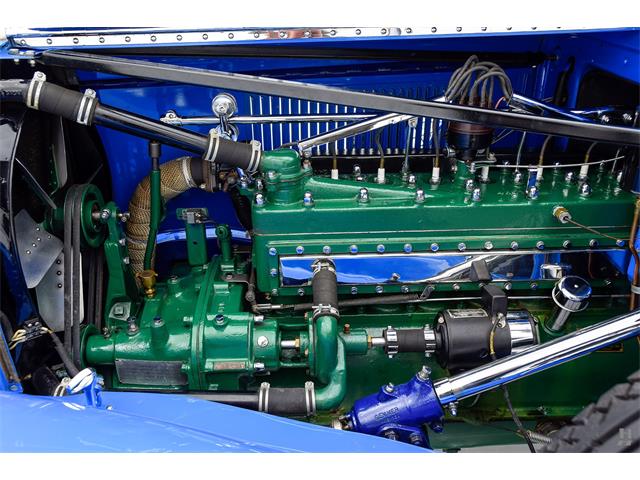
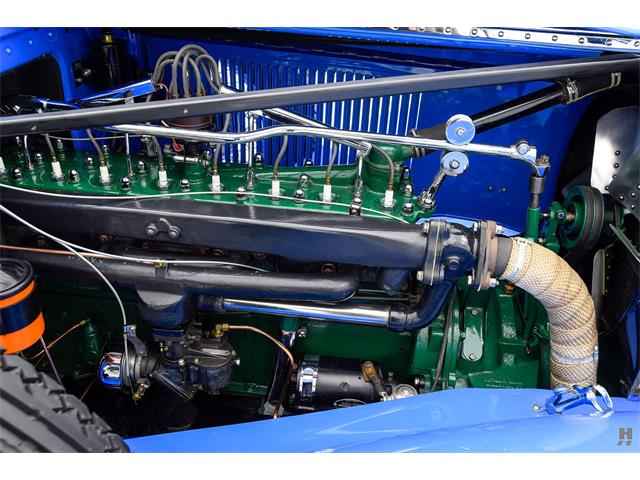
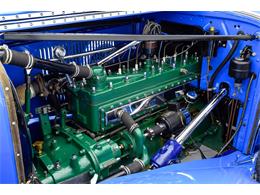
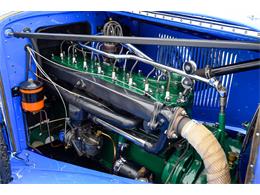
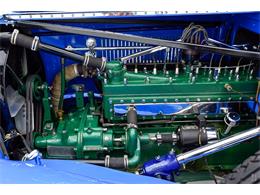
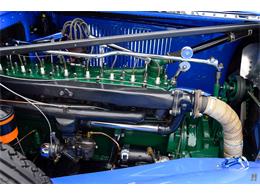
Underhood detailing is to a similar standard, showing only light
signs of use on the factory-correct finishes. The engine is painted
in correct Lycoming green, with black porcelain intake manifold and
beautiful chrome hardware. In the interest of drivability, a later
style carburetor and electric fuel pump have been added. The engine
and undercarriage appear very tidy and clean, looking to have some
light wear on the finishes from driving, but overall still
extremely well-presented.
Few cars of the Classic Era compete with the Cord L-29's
breathtaking style. This exquisite example is a proven concours
winner, benefitting from years of care in an extensive collection
of important pre-war automobiles. With its slightly matured but
fastidiously maintained restoration, this L-29 Coupe/Roadster a
beautiful car for that is still capable of impressing on the show
field, while also being certain to impress on driving events with
the CCCA or Auburn Cord Duesenberg Club.
ClassicCars.com has been recognized as one of the fastest-growing private companies in the United States, successfully making the Inc. 5000 list in both 2015,
2016, 2017 and 2018. This prestigious accolade represents the continued growth of the company, and ClassicCars.com's dominance as the world's largest online marketplace for
buying and selling classic and collector vehicles.
The Stevie Awards, the world's premier business awards recognized
ClassicCars.com's first-class Customer Support team with a Stevie Bronze Award in 2019, celebrating the team's skills as exemplary customer support specialists.
In 2016 The Journal, brought to you by ClassicCars.com, was celebrated as the SECOND MOST INFLUENTIAL automotive blog in the world by NFC Performance.