In just the second model year since the C2 Corvette's highly
successful launch, Chevrolet made a handful of evolutionary
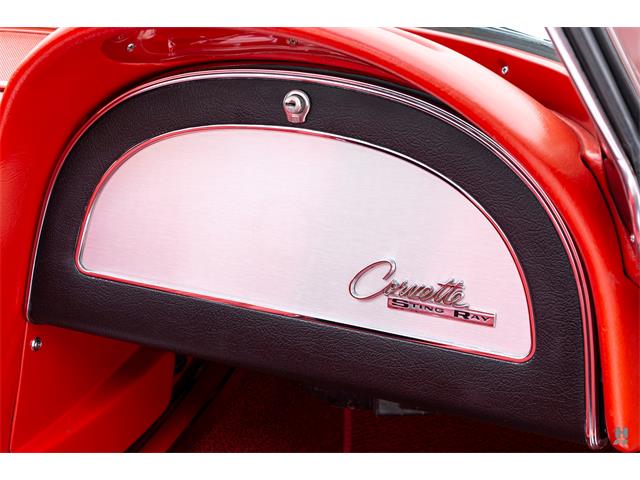
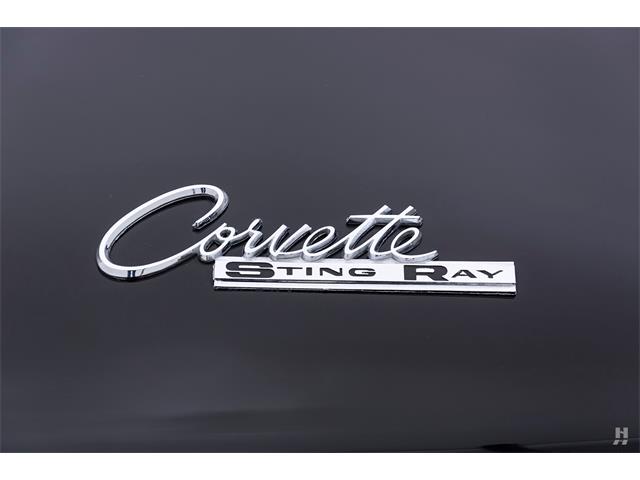
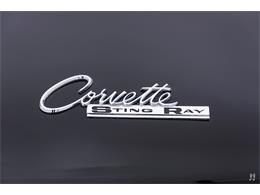
refinements to their flagship sportscar. The striking Sting Ray
design, credited largely to design boss Bill Mitchell and his
associate Larry Shinoda, underwent just a few minor tweaks - chief
among them was the abandonment of the signature split rear window
on coupes. Otherwise, changes were limited to trim bits and wheel
designs - after all, why mess with perfection?
Beneath the fiberglass skin, the 1964 Sting Ray gained new
progressive rate springs and revised dampers to fine tune ride and
handling, and engineers freed up a few ponies on the top two engine
options. As with 1963, the '64 model year cars were all powered by
the 327 cubic-inch OHV Smallblock V8. The two base engines were
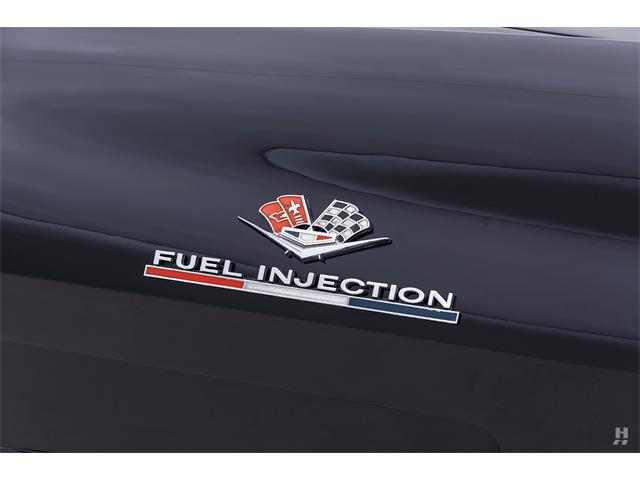
rated at 250-hp or 300-hp. Those customers wanting significantly
more oomph could pick from two solid lifter engine options, which
featured an aggressive new camshaft design, extra-large valves, and
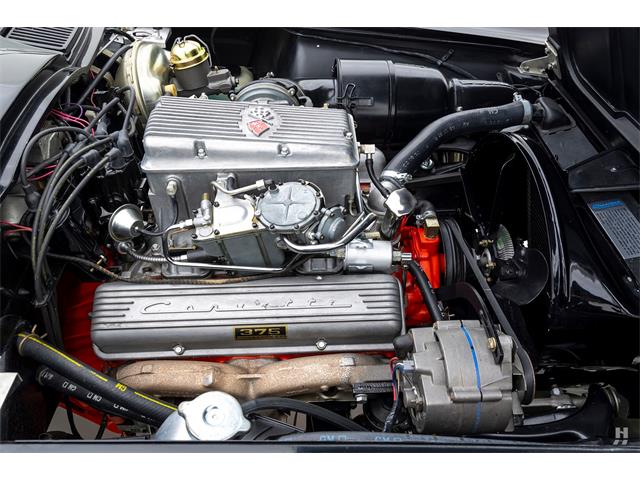
11.25:1 compression domed aluminum pistons, fed by either a
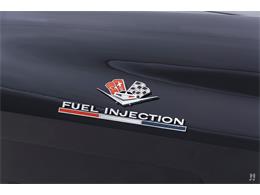
carburetor (365-hp) or the top-line Rochester mechanical fuel
injection belting out an impressive 375 horsepower. Various
automatic and manual gearboxes were also on the options list. While
subtle, the changes added up to a Corvette that was more capable
and comfortable than ever, and still worthy of its place on the
world stage.
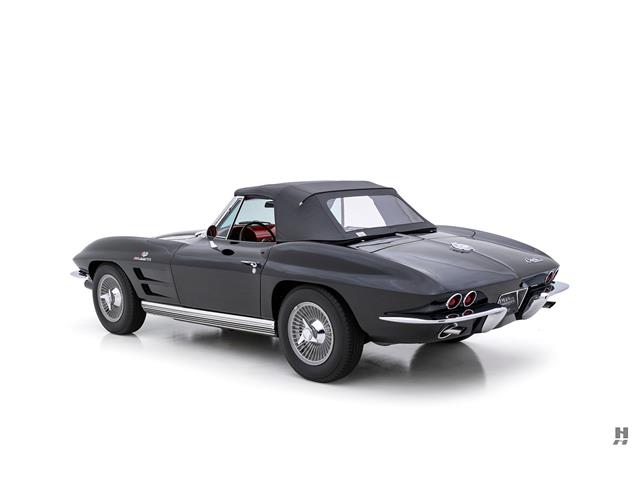
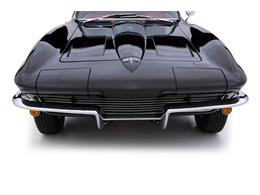
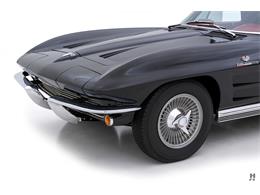
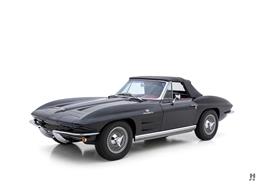
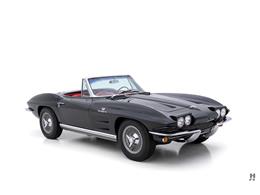
The C2 Corvette Sting Ray is an essential collector car for many
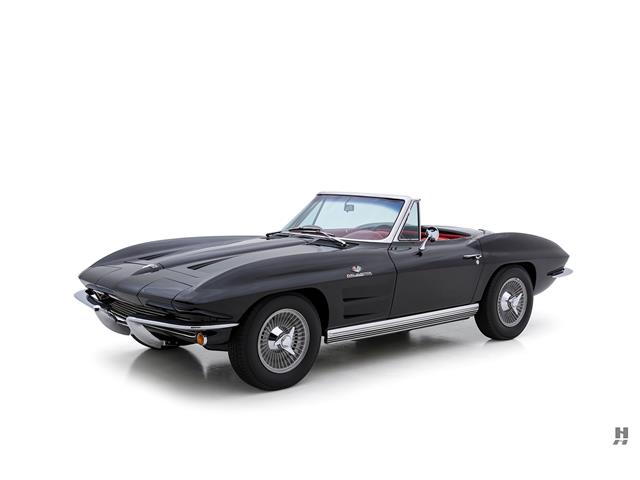
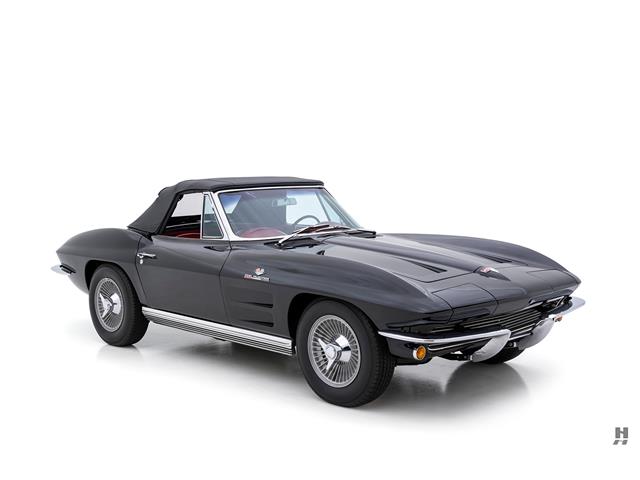
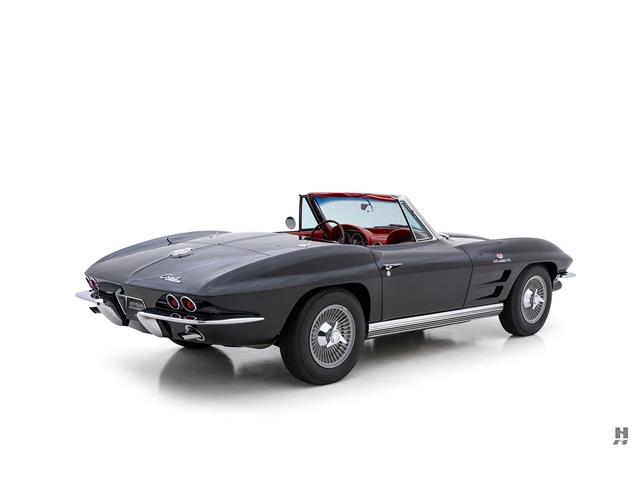
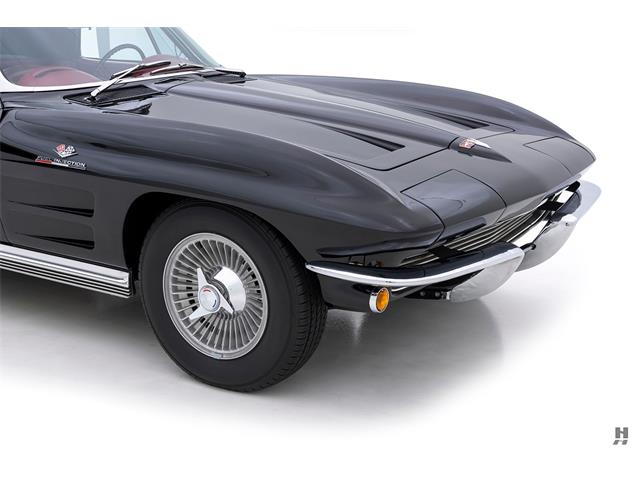
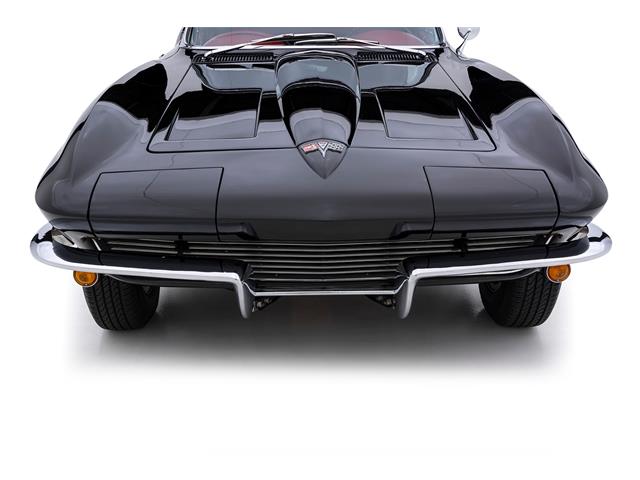
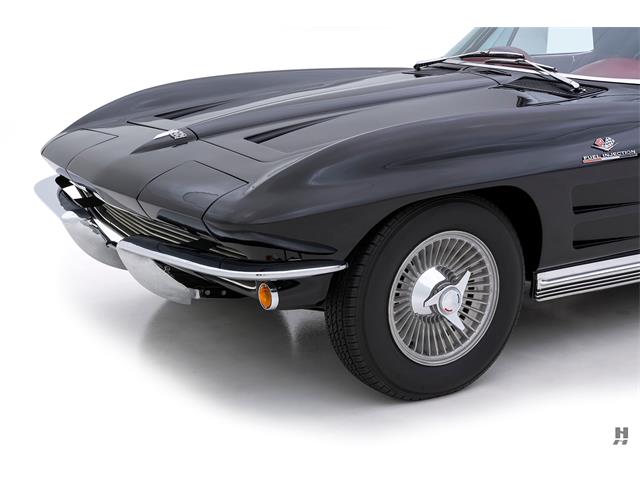
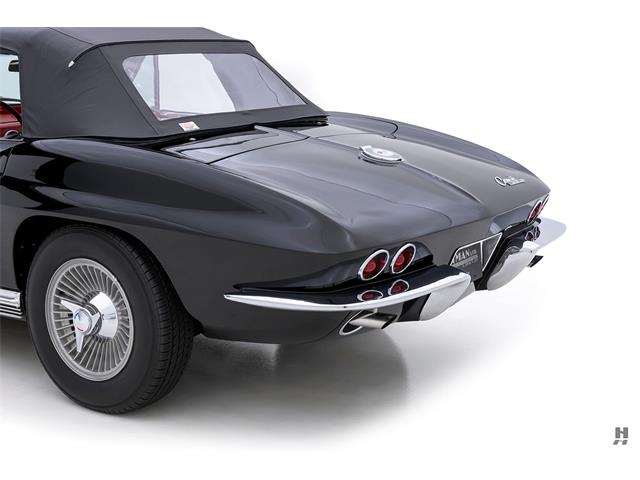
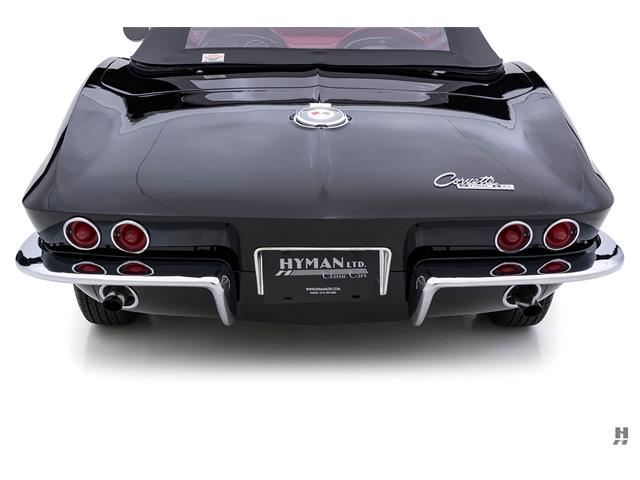
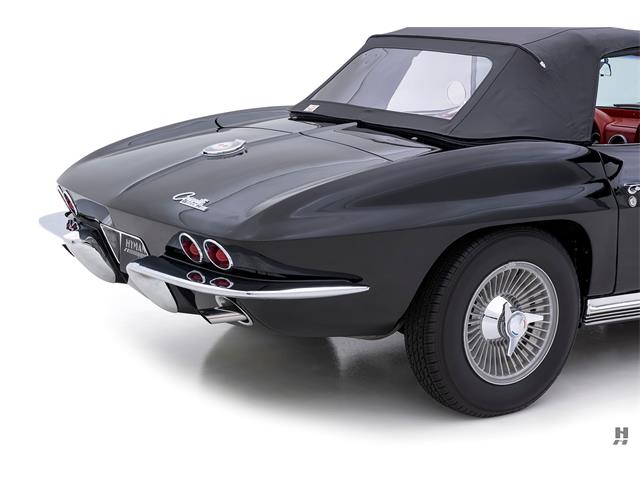
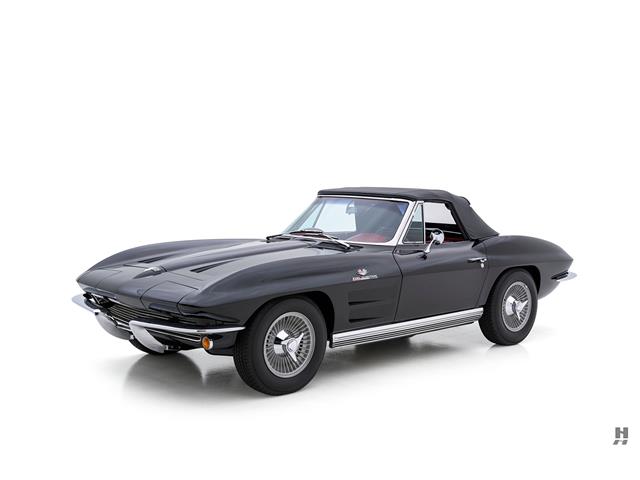
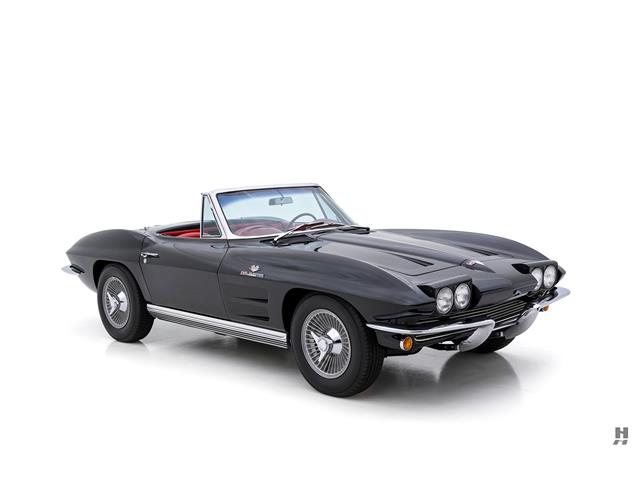
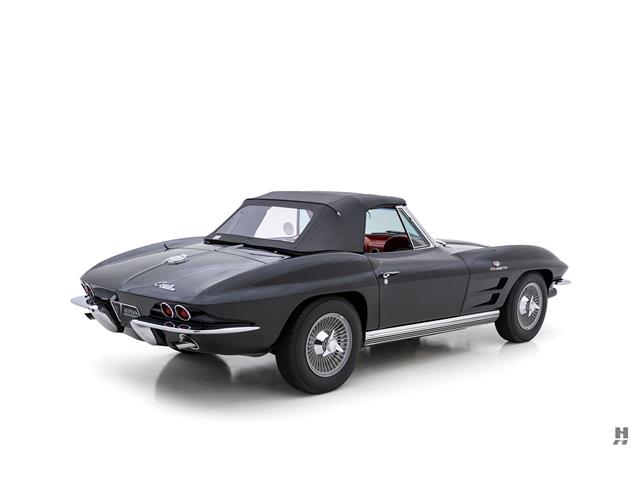
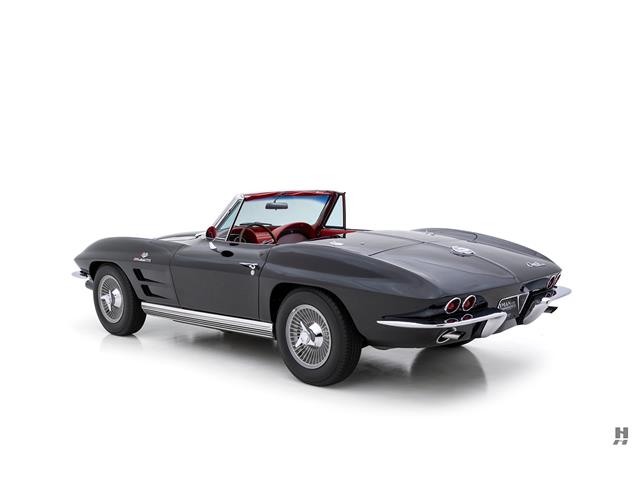
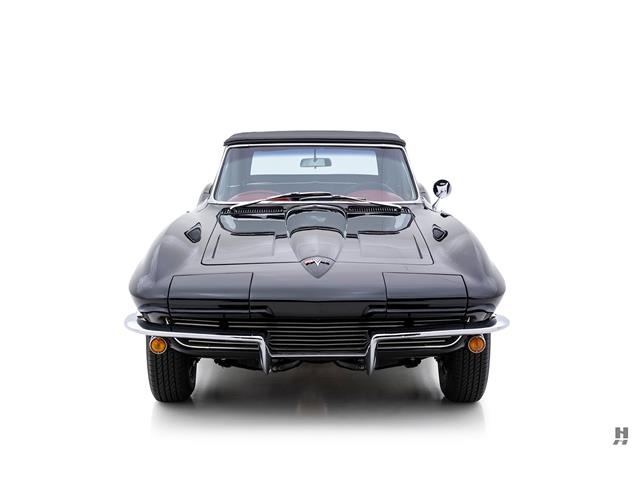
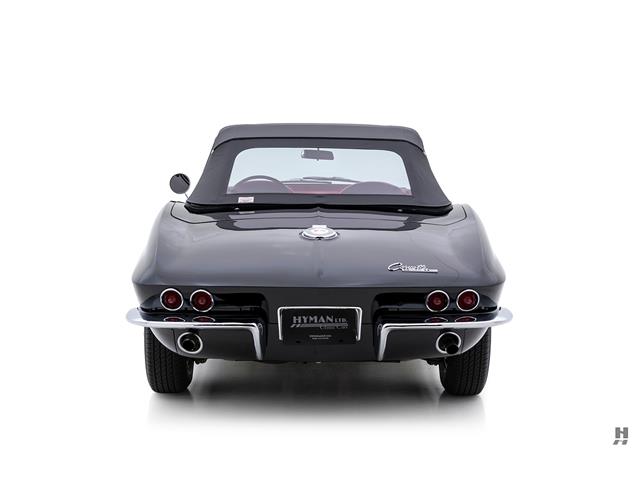
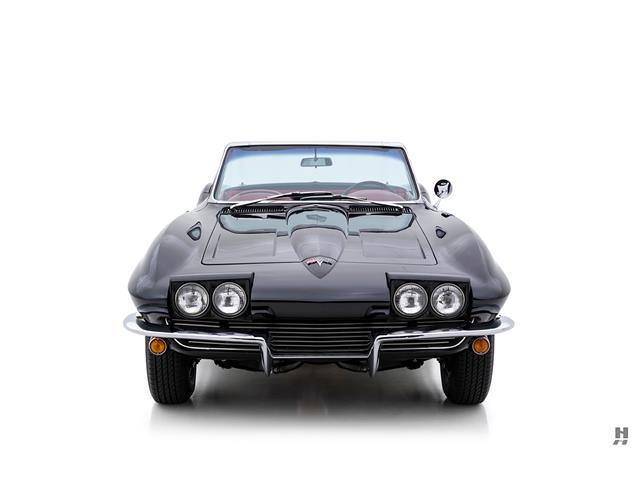
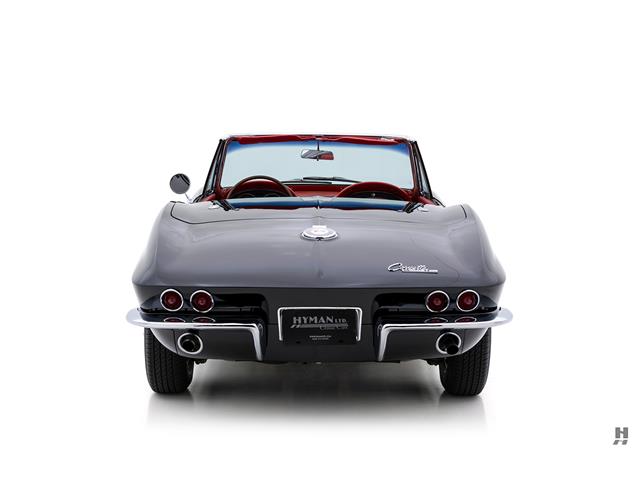
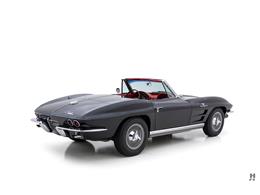
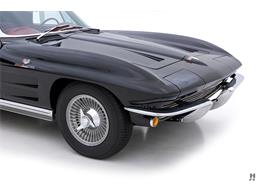
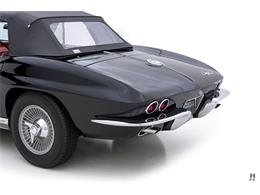
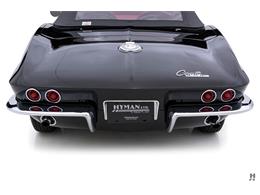
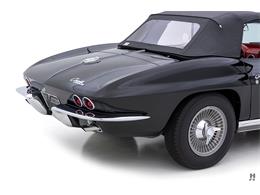
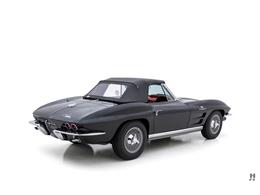
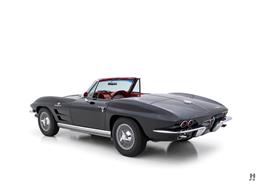
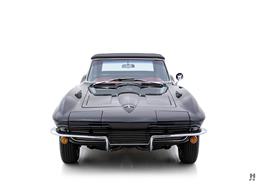
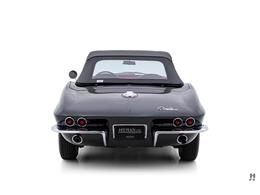
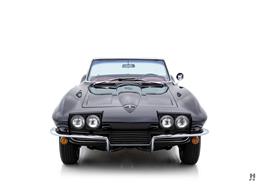
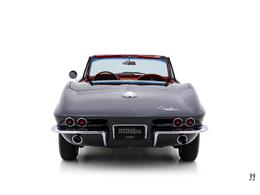
enthusiasts, as this superb 1964 'Fuelie' Roadster shows. This
original Tuxedo Black over Red example was most recently held in a
world class private collection that includes many top concours
winners, and it was enthusiastically enjoyed, and expertly
maintained by the owner's in-house staff. The trim tag and serial
number reveal this car to be a St. Louis built example, finished
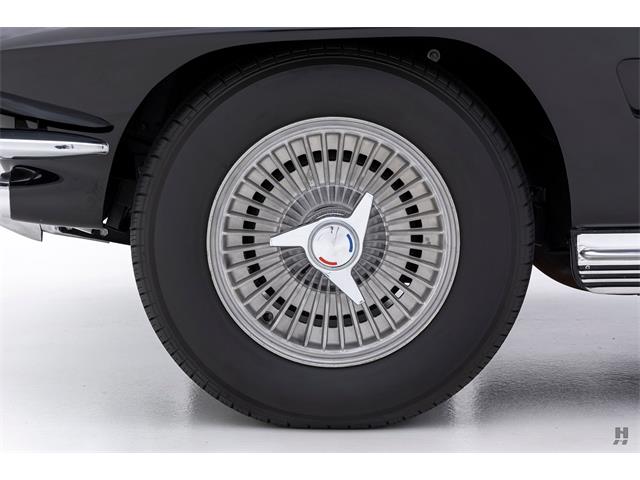
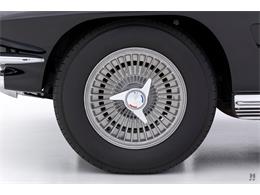
from new in this striking black over red combination. The
period-correct knock-off wheels, black soft top, and black wall
radials impart an understated yet purposeful look, and the older
restoration is beautifully executed with excellent finish work and
detailing.
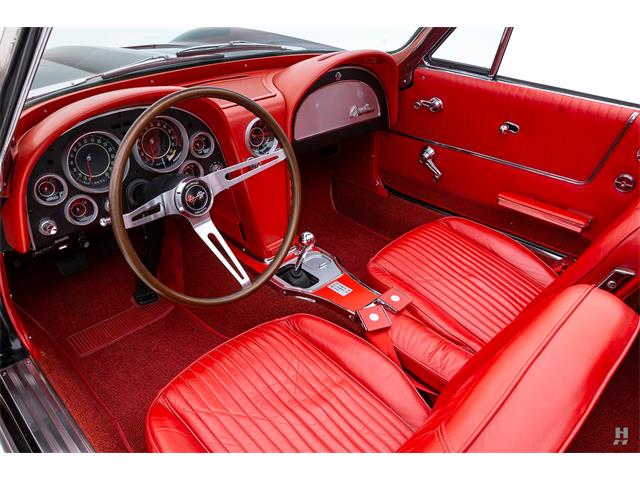
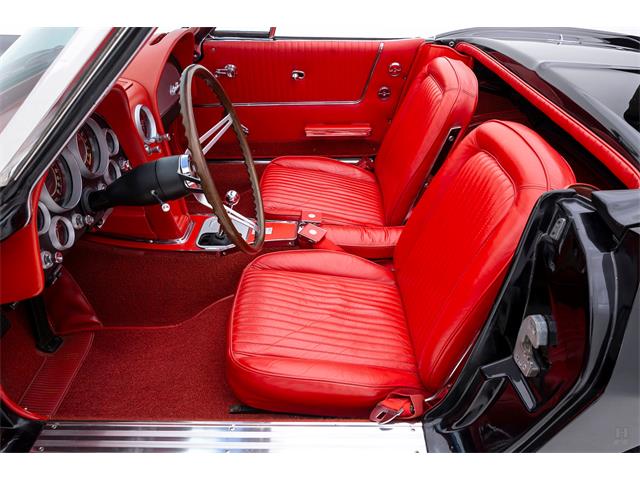
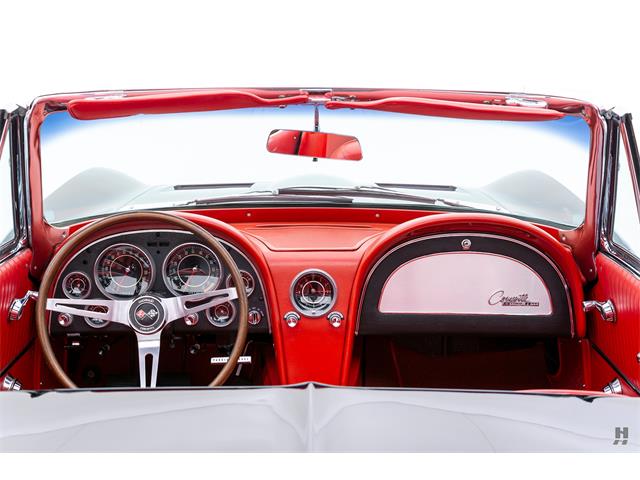
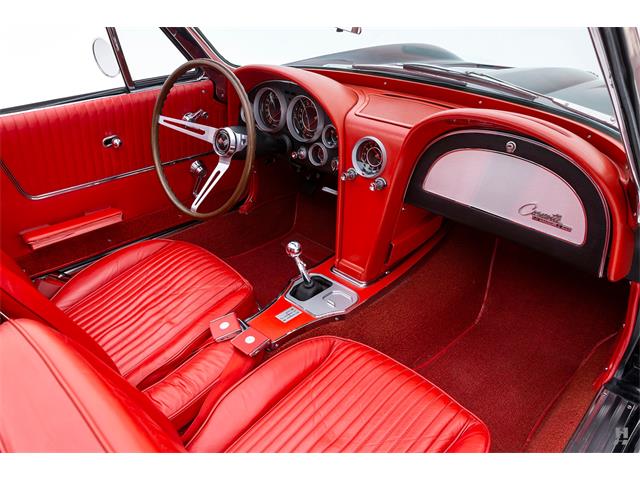
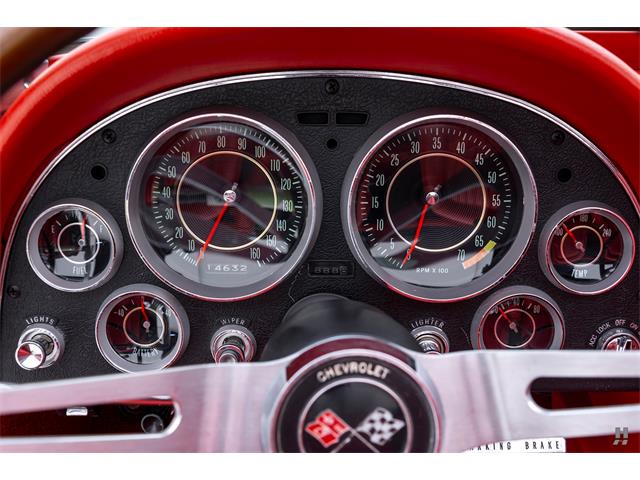
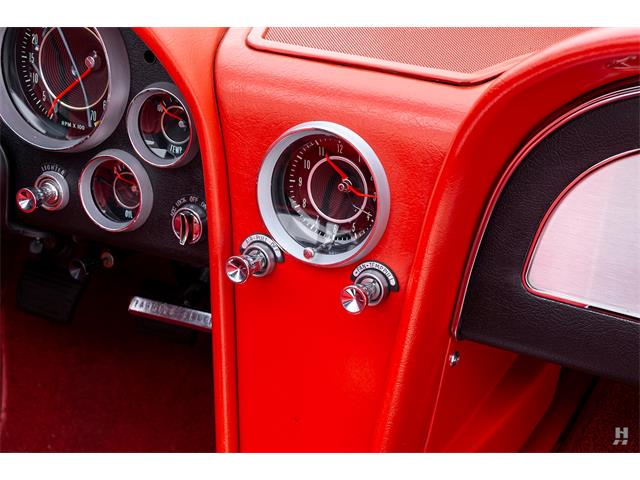
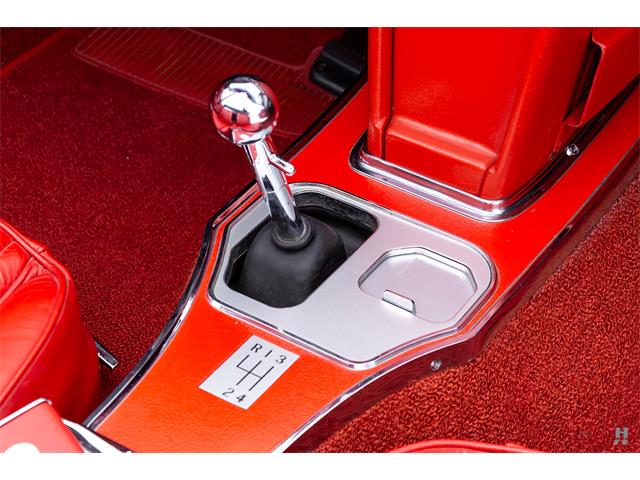
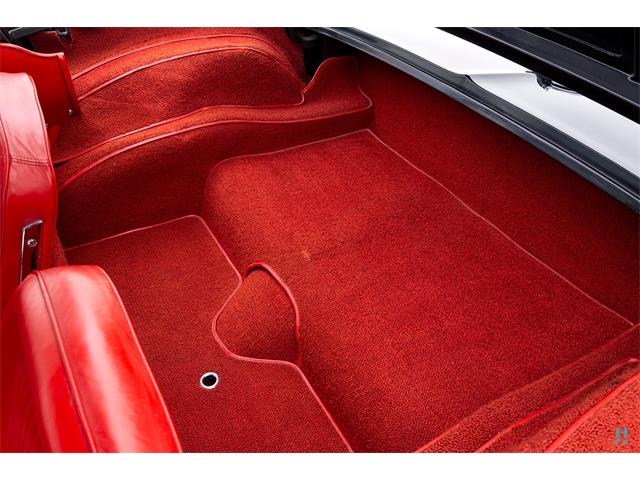
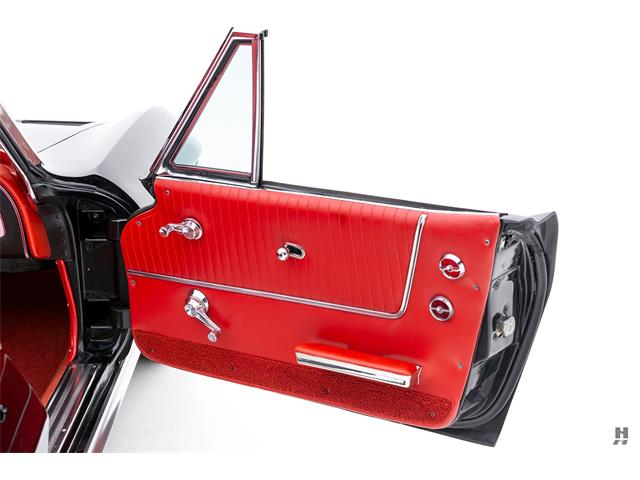
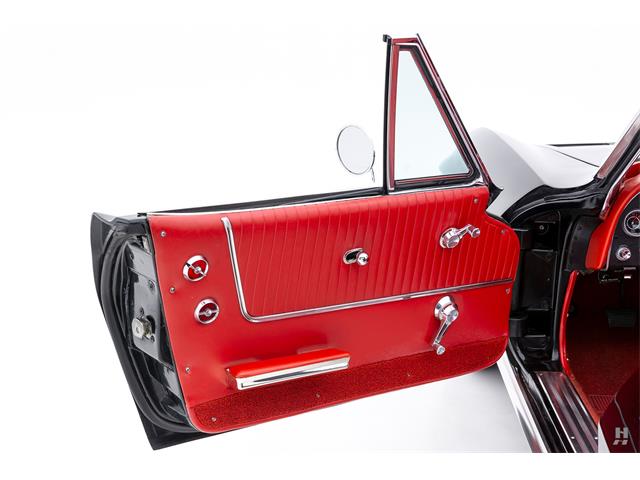
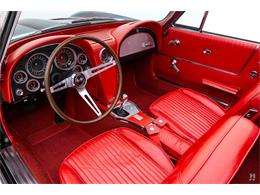
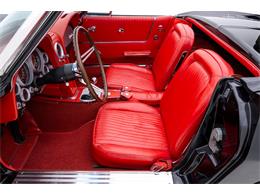
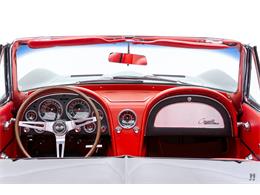
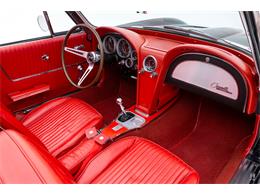
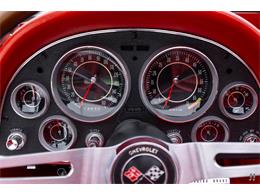
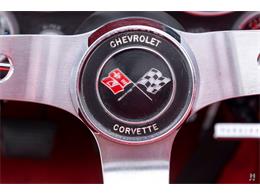
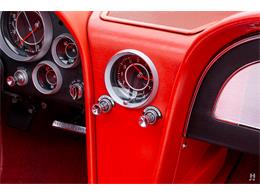
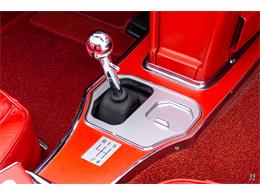
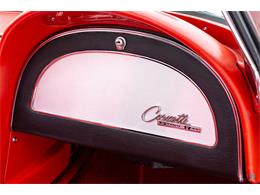
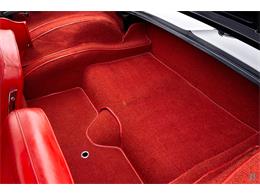
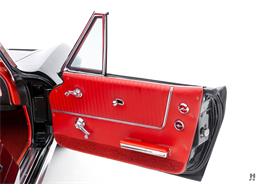
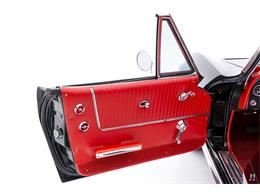
The cabin is trimmed in red leather (updated from its original red
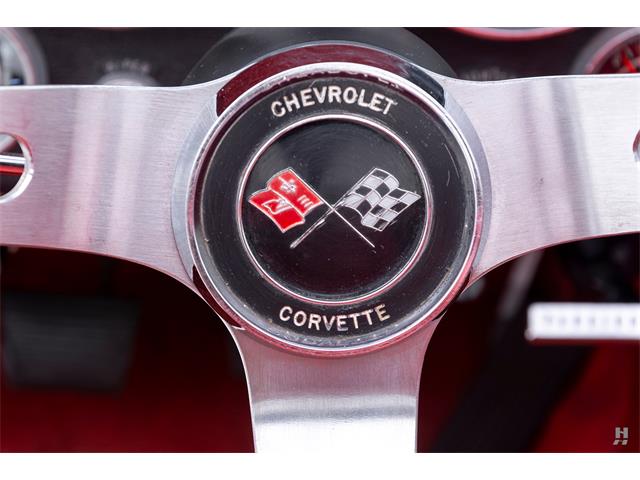
vinyl) with authentic details like red loop carpet, a teak rimmed
steering wheel, period-style seatbelts, and a chrome shifter for
the 4-speed 'box. The seats show light creasing from use, with an
inviting character that will undoubtedly appeal to those wanting to
pile on the miles. The radio-delete console means it is about you
and the mechanical symphony from the mighty V8 engine.
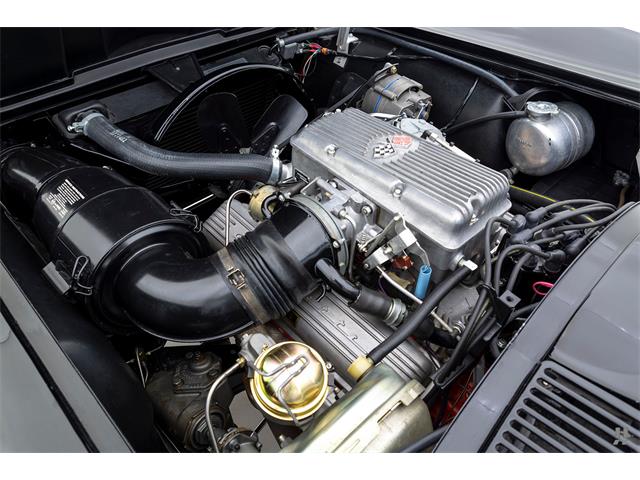
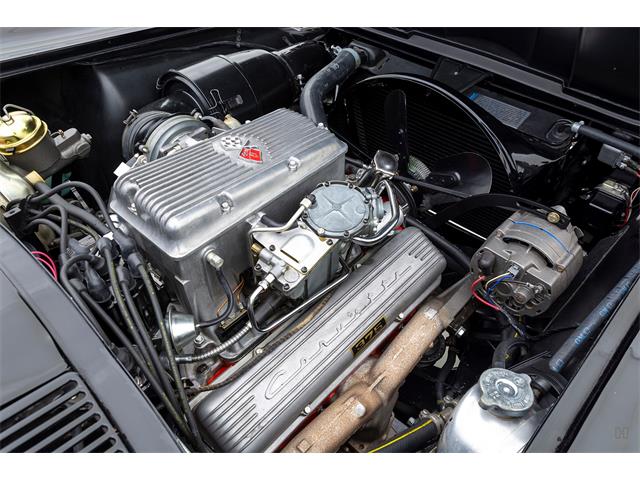
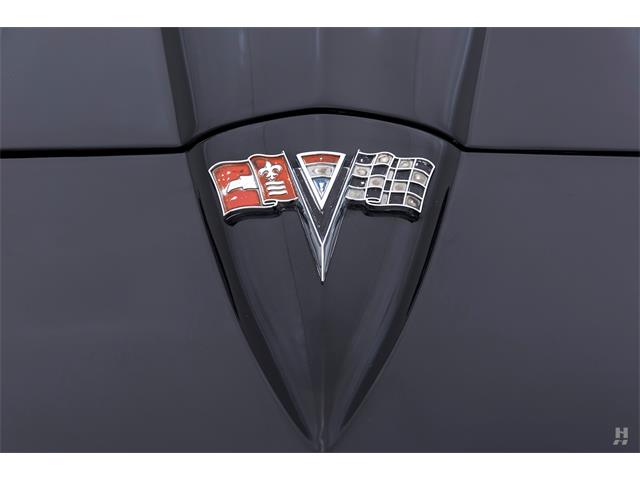
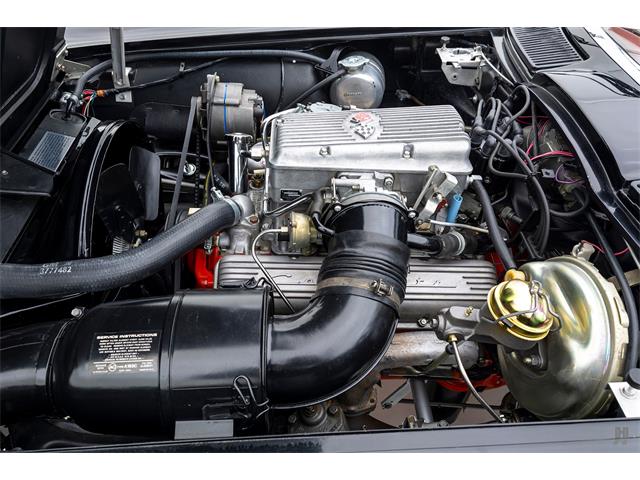
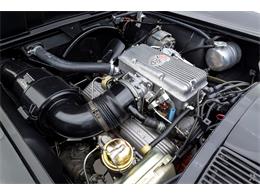
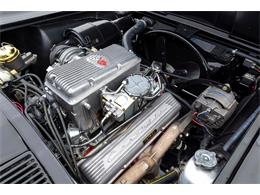
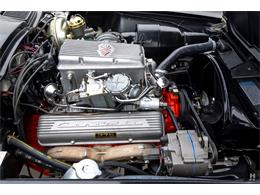
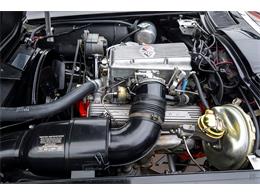
Inspection of the engine numbers show that the serial number
corresponds to the car's chassis number, and the "RF" suffix
denotes it as the range-topping 327/375 horsepower fuel-injected
model. The engine compartment is well detailed with faithfully
reproduced markings, and labels, authentic hose clamps and other
details, and displaying light signs of use consistent with regular
enjoyment.
Beautifully presented with a high-quality restoration in fabulous
original colors, and equipped with desirable high-performance
options, this collector-owned Corvette Roadster is a superb example
to enjoy on the open road. Drive it to events, show it with pride,
and blissfully cruise home as others load their trailers.
ClassicCars.com has been recognized as one of the fastest-growing private companies in the United States, successfully making the Inc. 5000 list in both 2015,
2016, 2017 and 2018. This prestigious accolade represents the continued growth of the company, and ClassicCars.com's dominance as the world's largest online marketplace for
buying and selling classic and collector vehicles.
The Stevie Awards, the world's premier business awards recognized
ClassicCars.com's first-class Customer Support team with a Stevie Bronze Award in 2019, celebrating the team's skills as exemplary customer support specialists.
In 2016 The Journal, brought to you by ClassicCars.com, was celebrated as the SECOND MOST INFLUENTIAL automotive blog in the world by NFC Performance.