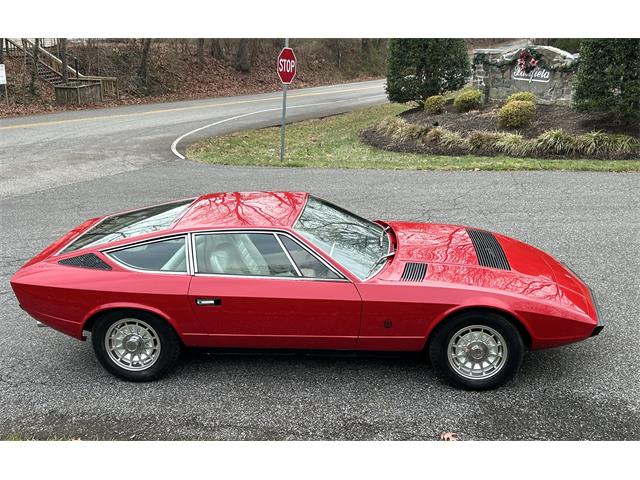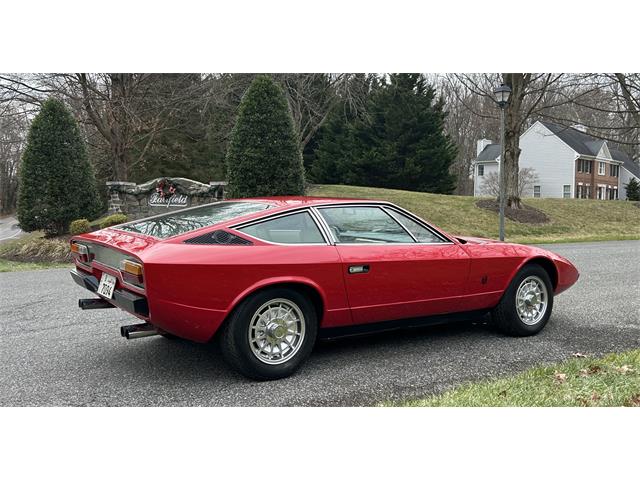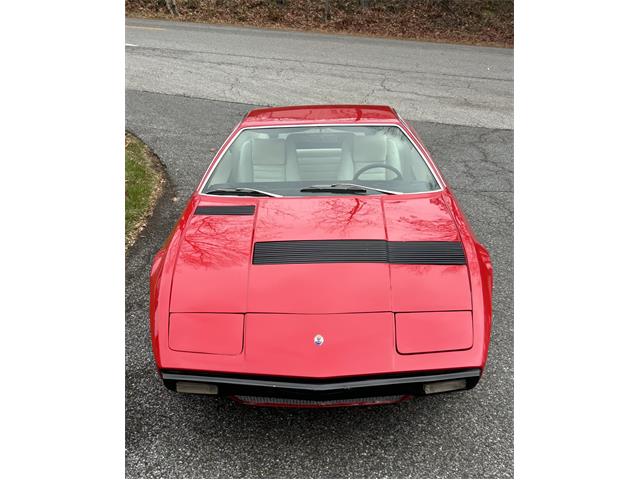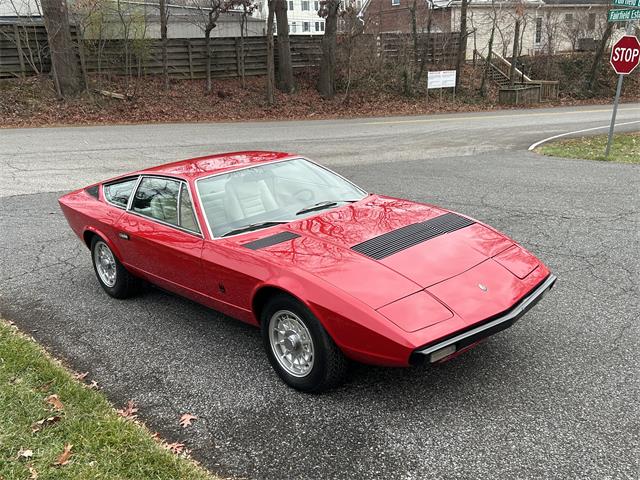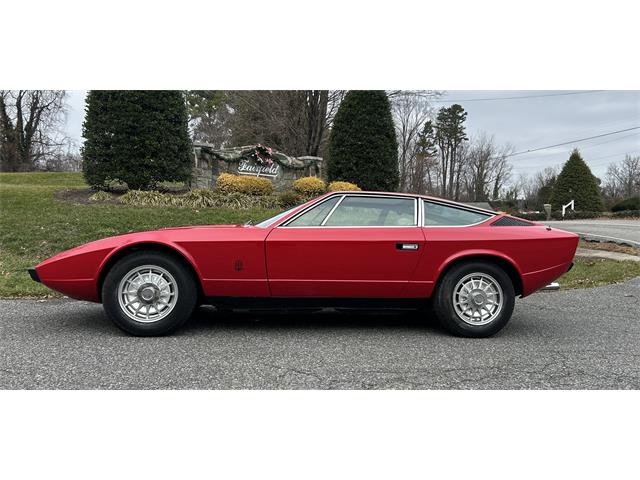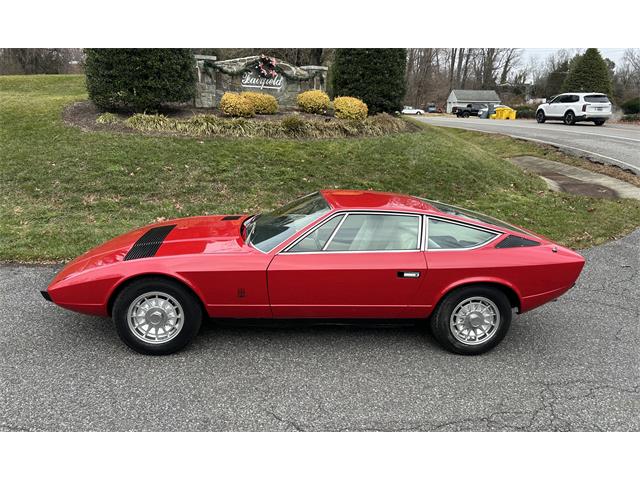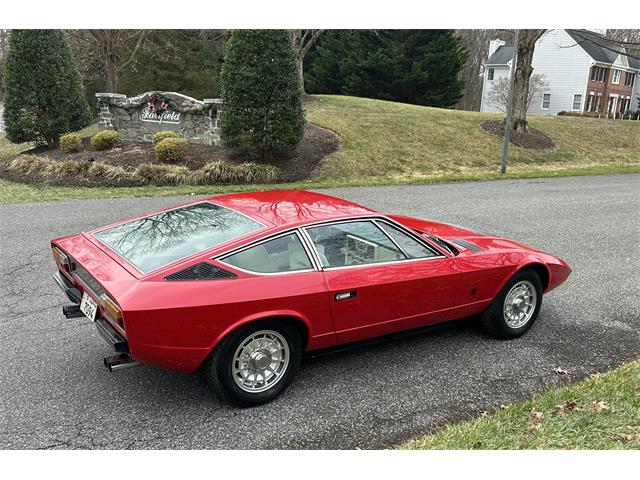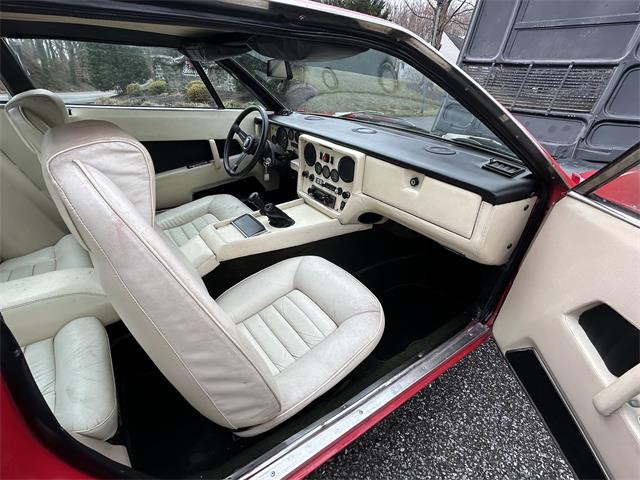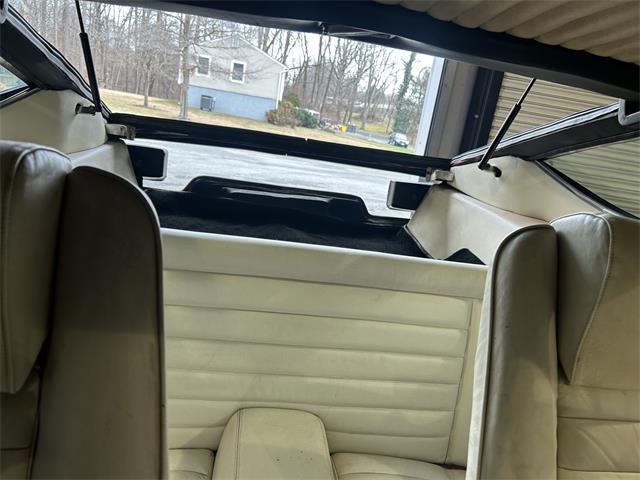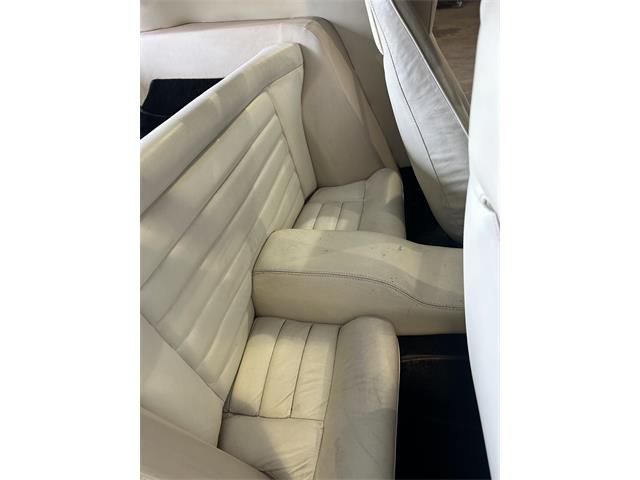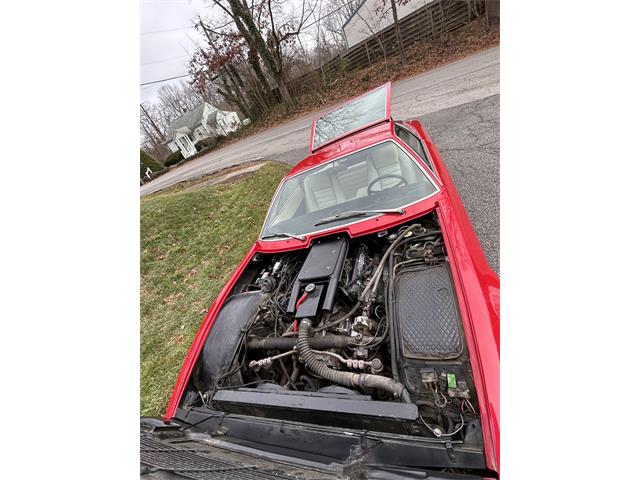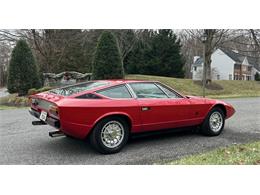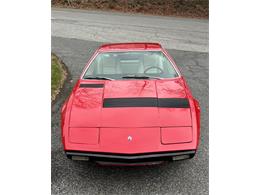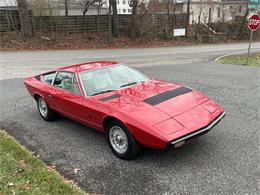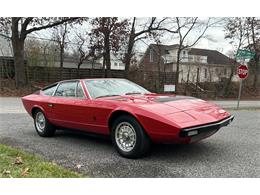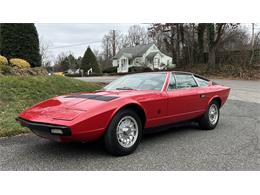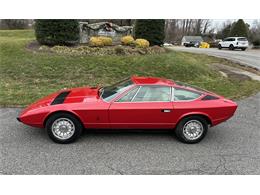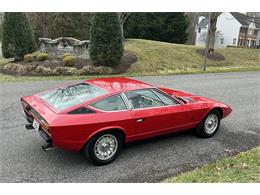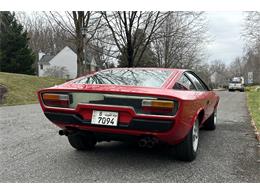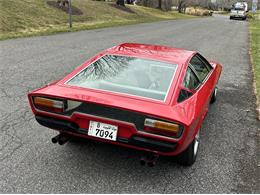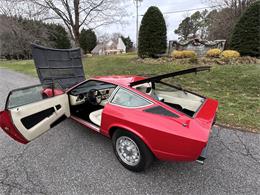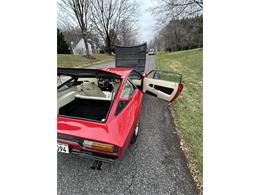
*** 1975 Maserati Khamsin ***
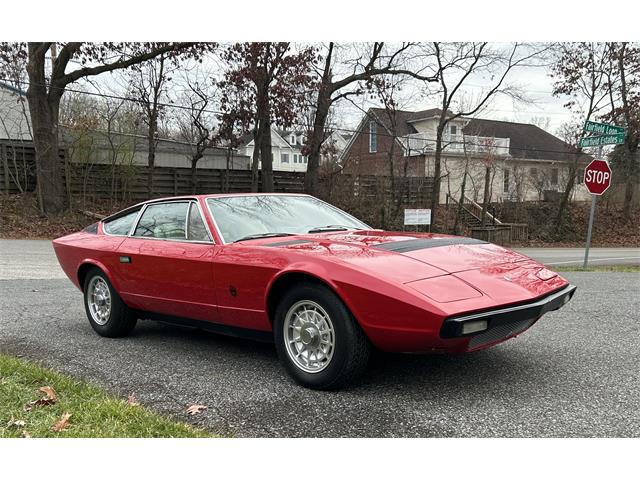
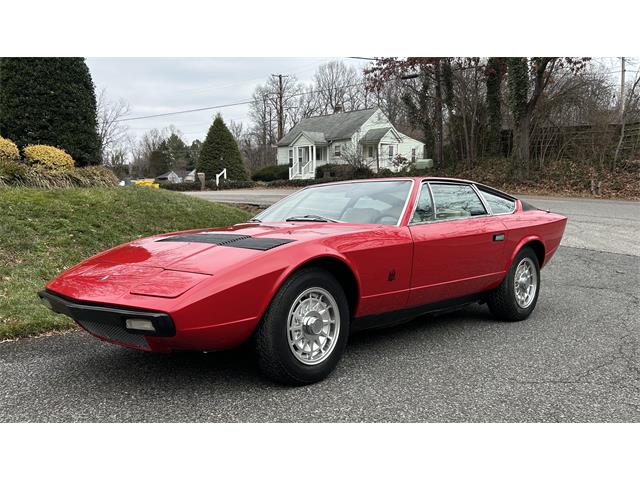
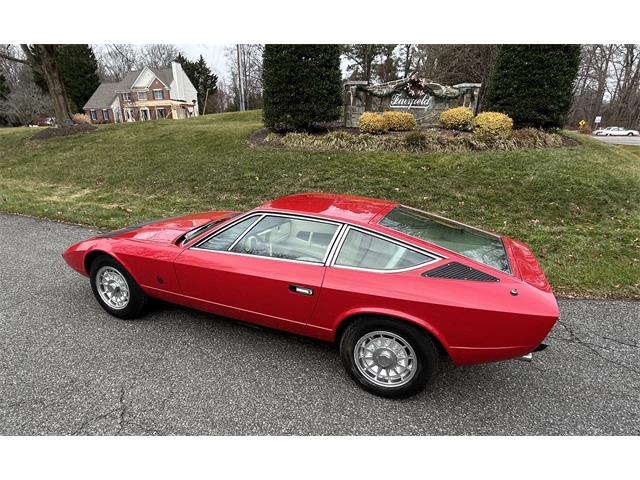
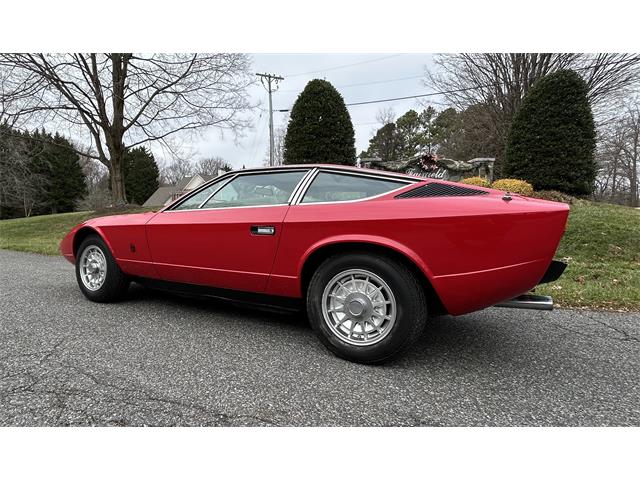
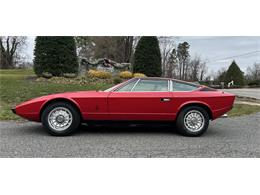
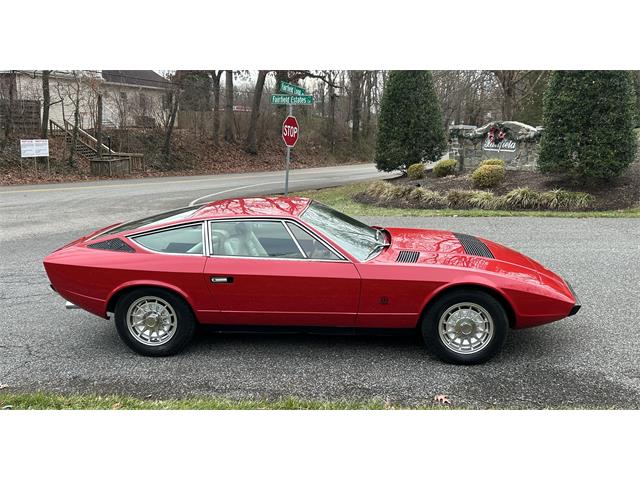
-Named for a hot North African desert gale that blows in Egypt and Libya, the 2+2 Khamsin was a stunning design shown at the 1972 Turin Auto Show. It was the last work with Giulio Alfieri as head of Maserati’s engineering department, and it was also the marque’s first series-production car to be designed by Bertone, under the masterful pen of Marcello Gandini. The result was a streamlined, wedge-shaped design with elegant proportions. The V8 drivetrain and chassis were derived from the Ghibli, but with a new independent rear suspension. The variable steering assistance was a legacy of Citroën, as were other high-pressure hydraulic applications, such as the clutch, pop-up headlights and driver seat adjustment, as well as the brake system. The Khamsin’s traditional Gran Turismo configuration—a large front-engine sports car with rear-wheel drive—marked the end of an era that would only return in the late 1990s with the 3200GT. A mere 435 examples were produced between 1974 and 1982.
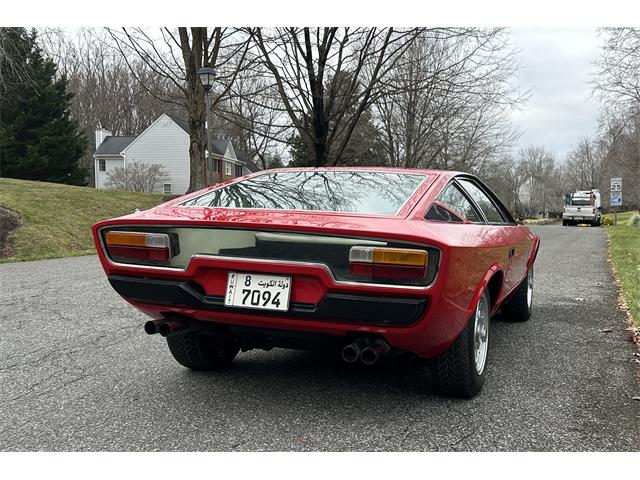
-The Khamsin was introduced on the Bertone stand at the November 1972 Turin Auto Show as a concept car. Designed by Marcello Gandini, it was Bertone's first work for Maserati. Its design highlight was a clear rear section which housed the tail lights along with a sharp, angular design in contrast to its predecessor. In March 1973, the production model was shown at the Paris Motor Show. Regular production of the vehicle started only a year later, in 1974.
-The Khamsin was developed under Citroën's ownership for a clientele that demanded a front-engined grand tourer on the lines of the previous Ghibli, a more conventional proposition than the mid-engined Bora.
-Despite the many improvements over its predecessor (The Ghibli), the Khamsin did not replicate its success, partly due to the ongoing fuel crisis that reduced demand for cars with large displacement engines.
-Production ended in 1982, with 435 vehicles made, 155 of which had been exported to the United States.
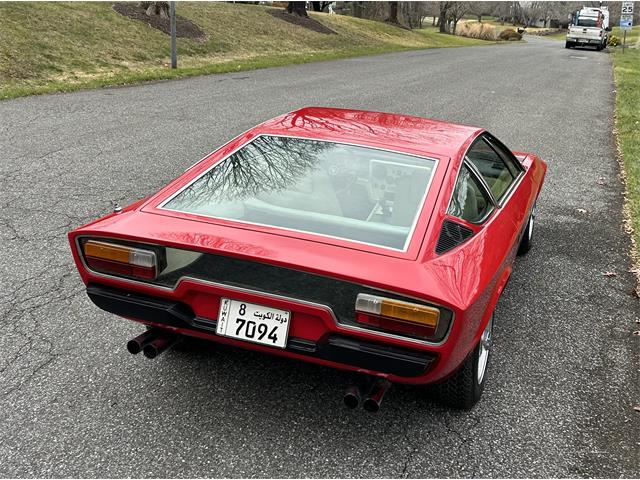
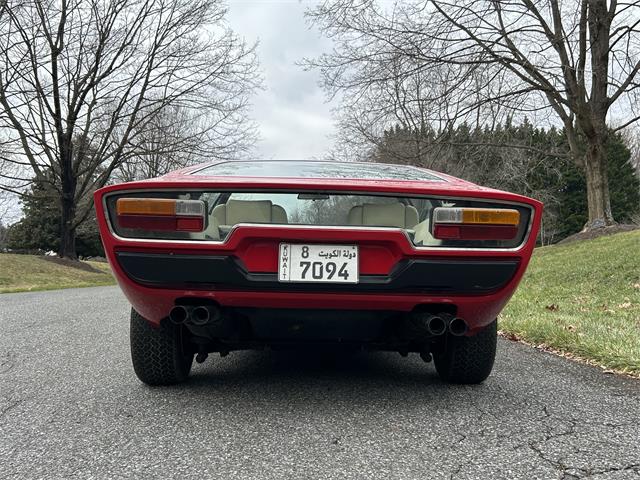
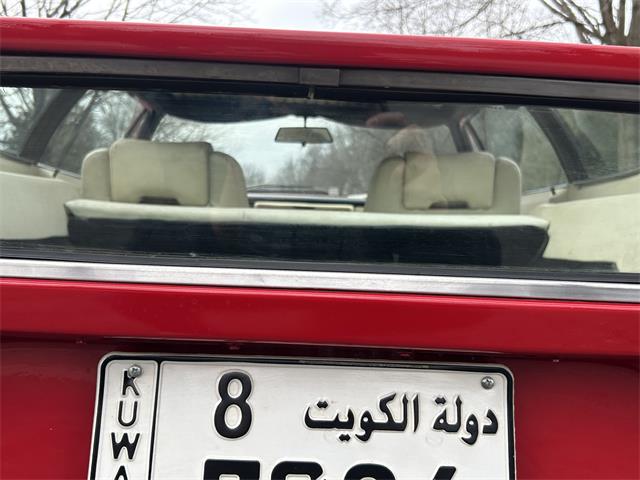
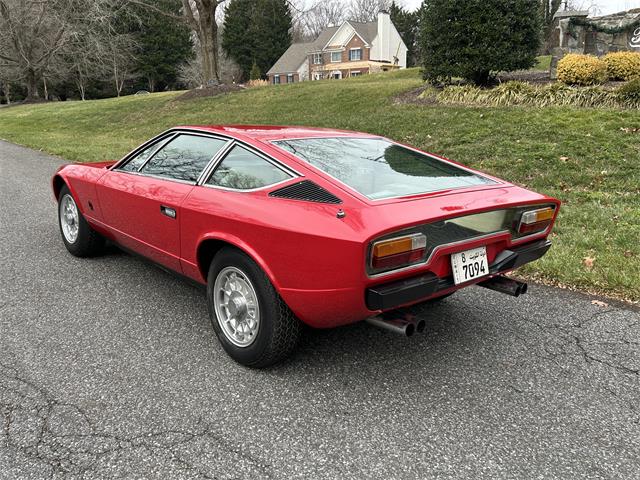
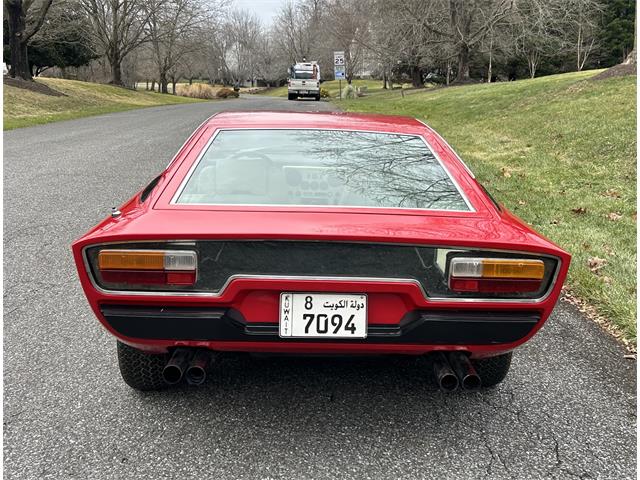
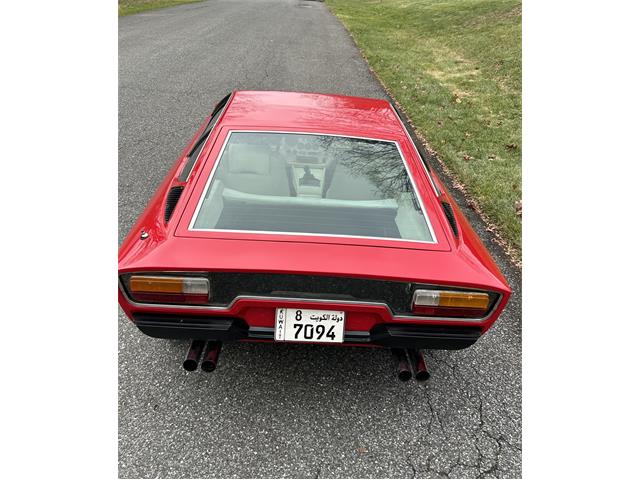
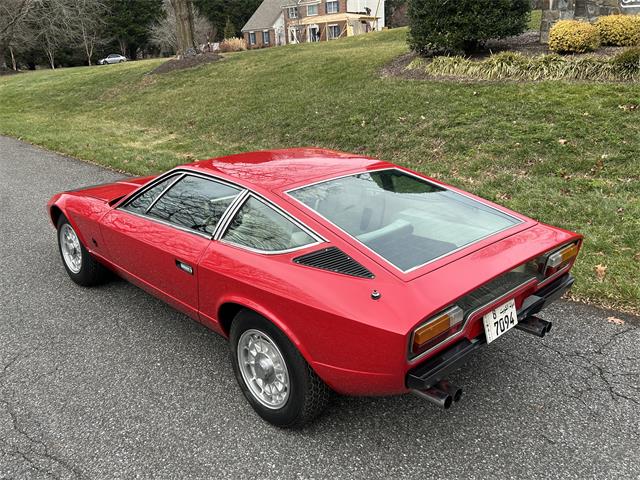
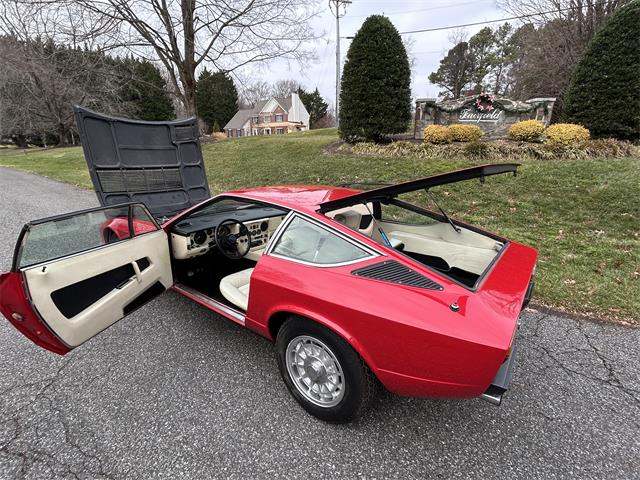
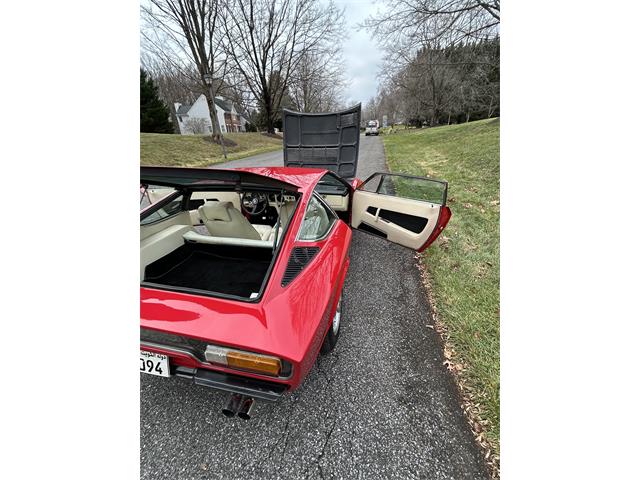
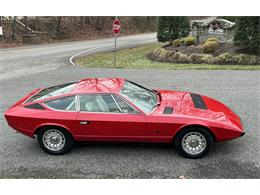
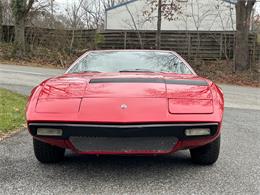
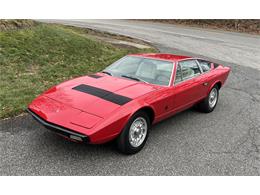
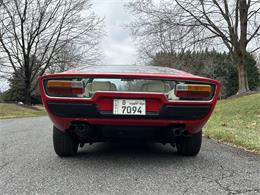
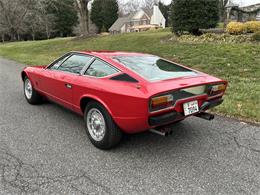
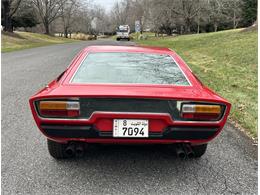
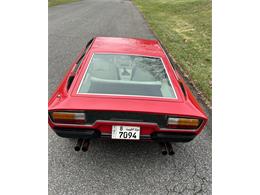
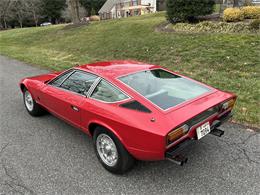
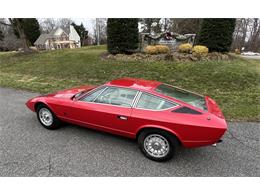
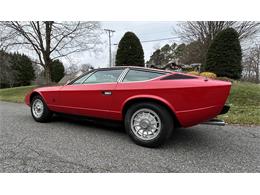
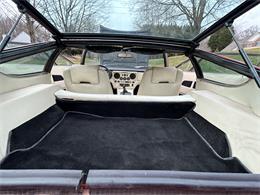
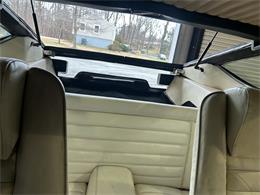
-The Khamsin's body is prominently wedge-shaped, with a fastback roofline and kammback rear end. The tail is characterized by a full-width glass rear panel, carrying inset "floating" tail lights.
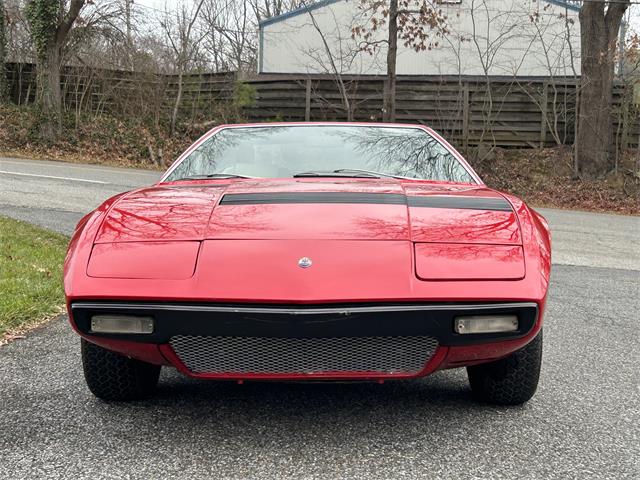
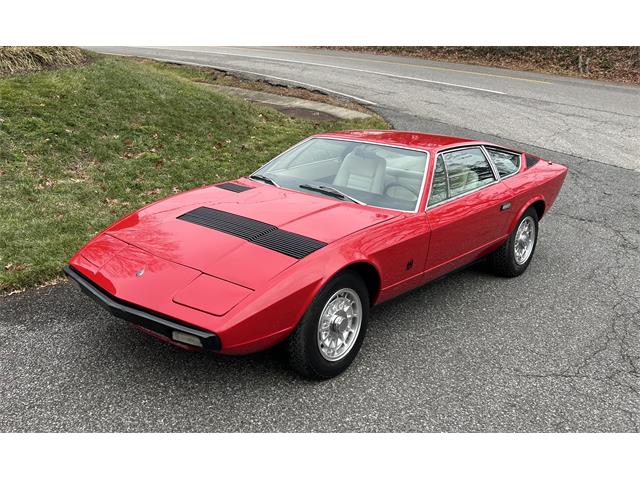
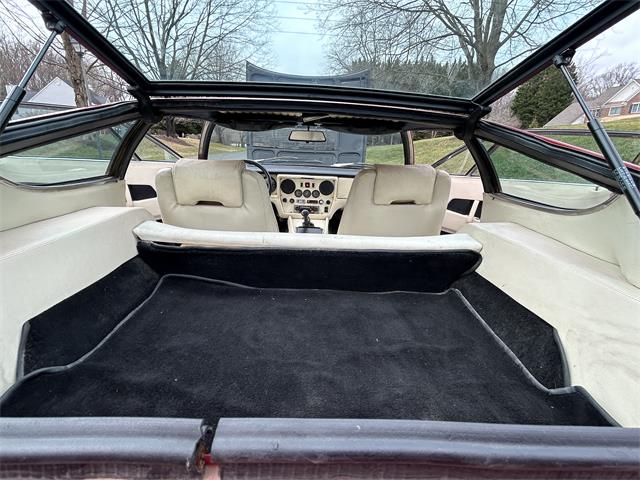
-Combined with the wide, almost all-glass rear hatch this gave exceptional rear visibility in comparison to most cars, especially similar sports cars. Cosmetic triangular vented panels are inlaid in the C-pillar, with the right-hand one hiding the fuel filler cap. Another distinguishing feature is the bonnet, pierced by asymmetrical vents. Design features such as the wedge body, glazed tail panel and the location of the fuel filler cap all carry Gandini's signature. They were all present on his earlier Lamborghini Espada.
-The Khamsin used an all-steel monocoque construction, with a rear Silentbloc-bushing insulated tubular subframe supporting the rear suspension and differential. Suspension was double wishbones all around - a major improvement over the Ghibli's leaf-sprung solid axle - with coaxial springs and shock absorbers (single upfront, double at the rear) and anti-roll bars.
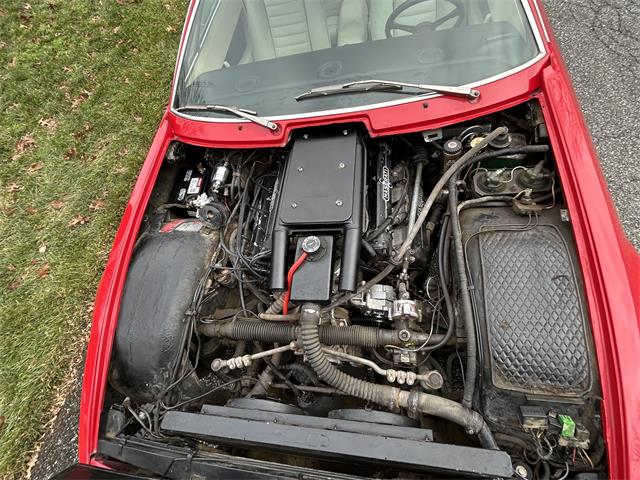
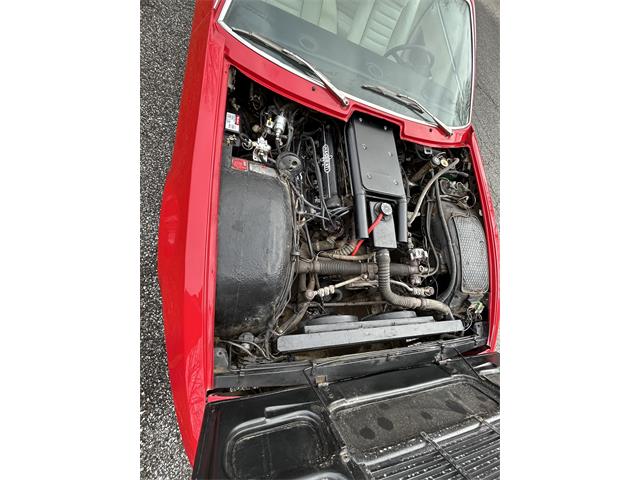
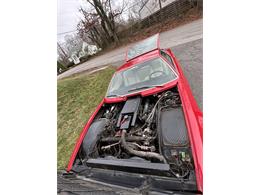
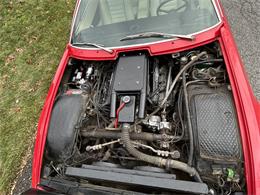
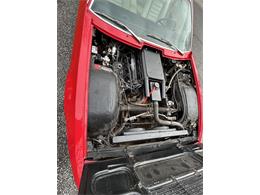
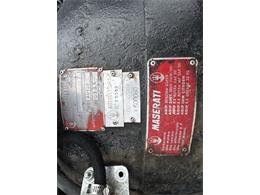
-The front-mid mounted engine gave the car a 50/50 weight distribution; it was pushed so far back towards the firewall that the full size spare tire could be stored beneath the radiator in front of it, thus freeing up space in the boot. Apart from the adoption of Bosch electronic ignition, Maserati's 4.9 L (4,930 cc) DOHC, 16-valve V8 engine was carried over from the Ghibli SS and delivered 240 kW (330 PS; 320 hp) at 5,500 rpm and 482.0 N⋅m (355.5 lb⋅ft) of torque at 4,000 rpm. It was fed through four double barrel 42 DCNF 41 Weber carburetors and used dry-sump lubrication. The dual fuel tanks were retained from the Ghibli, but not of similar size. A small tank is on the right and it is connected to the main tank below the cargo floor, with a single fuel filler on the right hand side feeding directly the small tank. The dual exhaust system ended with two resonators, each with twin exhaust tips.
-Power was routed to the rear wheels through a 5-speed, all synchromesh ZF manual gearbox with a single-plate dry clutch.
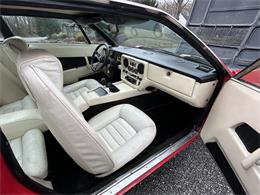
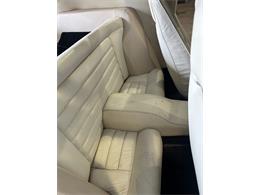
-Having been developed under the Citroën ownership, the Khamsin made large use of its high-pressure hydraulic systems. The power steering used the Citroën SM's DIRAVI speed-sensitive variable assistance, which made steering lighter for easier parking and decreased its intervention with speed. The all-round vented disc brakes and the clutch command were both hydraulically actuated and assisted. The adjustable seats and the pop-up headlights were also hydraulically actuated. An adjustable steering column (an innovative feature at the time), air conditioning, electric windows, a radio and full leather upholstery were standard.
-Maserati claimed a 270 km/h (170 mph) top speed for the European-specification model.
-Euro spec model (KM) Tail lights "Floating" in the rear glass body panel. (US spec model required tail lights moved down.)
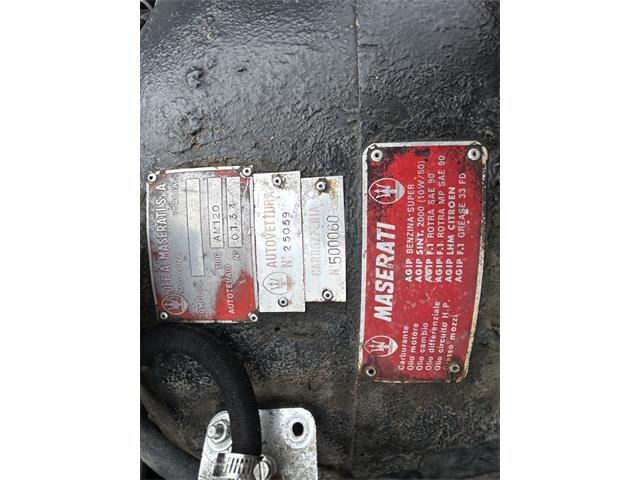
-320 bhp, 4,930 cc DOHC V-8 engine with four Weber DCNF carburetors, five-speed manual transmission, four-wheel independent suspension with coil springs and telescopic hydraulic dampers, and hydraulically actuated front and rear disc brakes. Wheelbase: 100.3 in.
-Maserati’s 4.9-liter DOHC V-8 engine, which was capable of producing 320 horsepower, leading to a top speed of 172 mph.
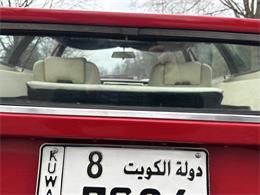
*This vehicle has been imported to the USA after spending many years in an extensive private collection in Kuwait. All import paperwork has been completed, and the car holds a clear Maryland title.
*Please feel free to contact me with any questions, or to come and inspect the vehicle in person. Purchase deposit is non-refundable