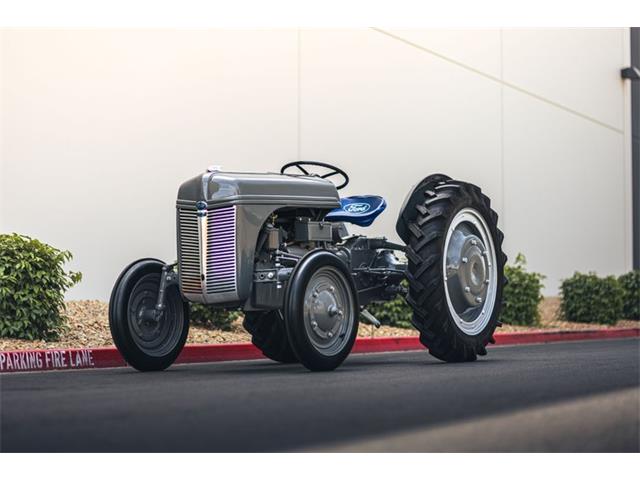
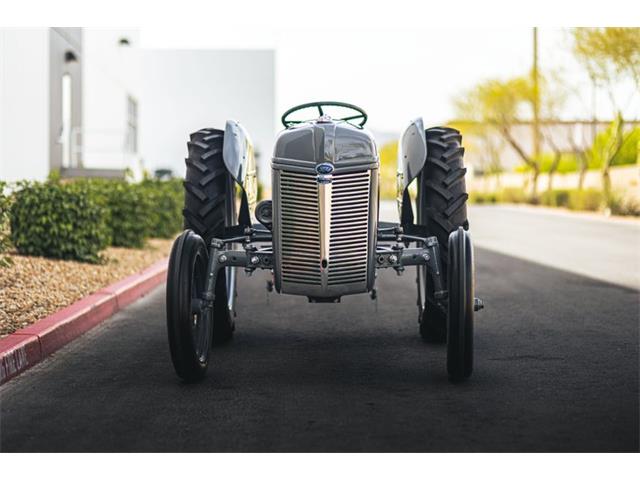
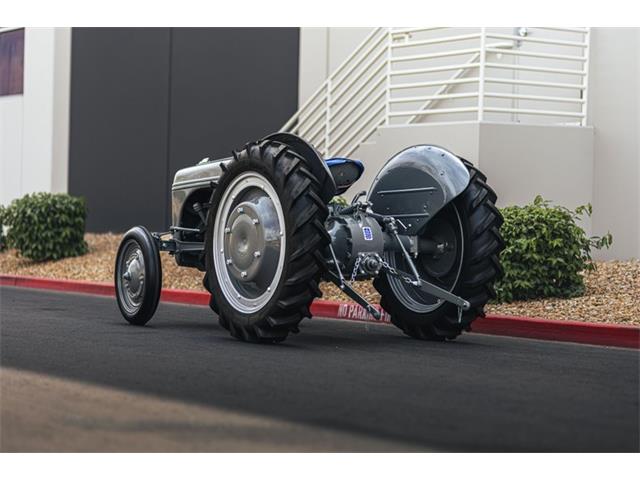
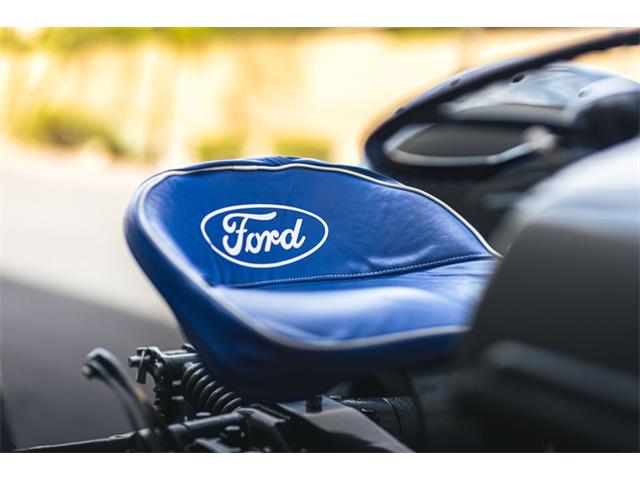
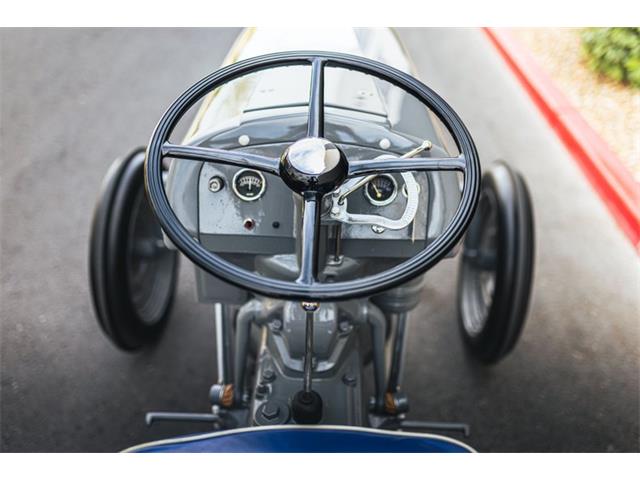
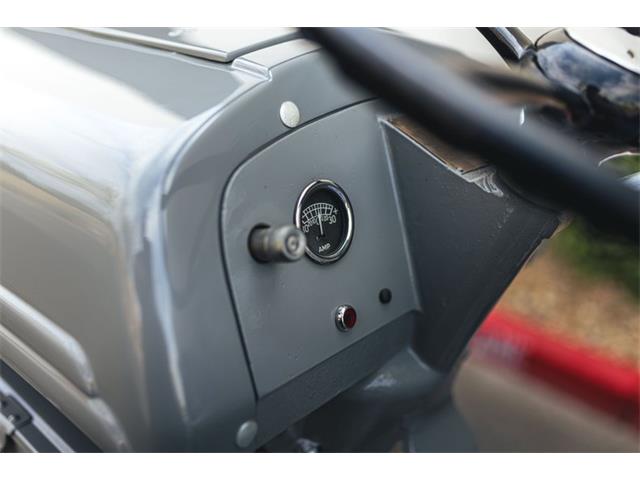
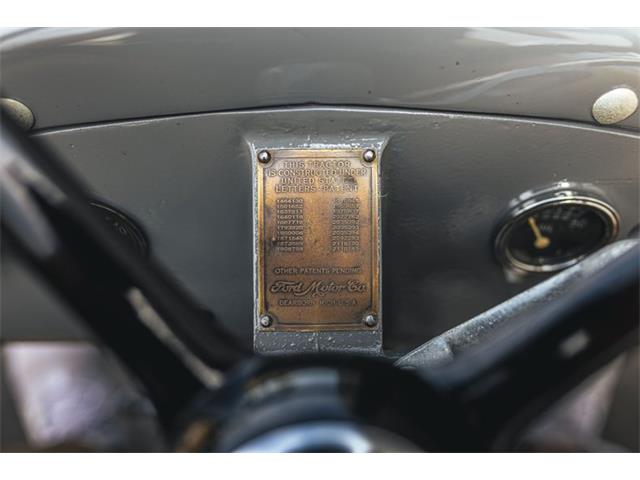
The Ford 9N was the first tractor in its series and the first to
feature both a three-point hitch and a rear power take-off (PTO).
It was first shown to the public on June 29, 1939, in Dearborn,
Michigan. The name "9N" came from the year it was introduced (1939)
and the letter "N" for tractors.
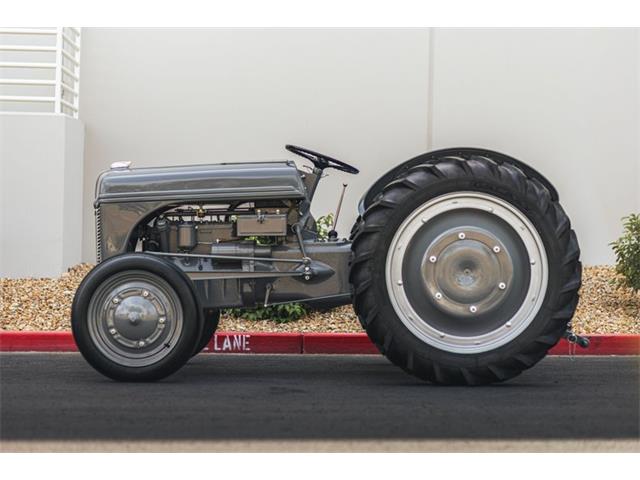
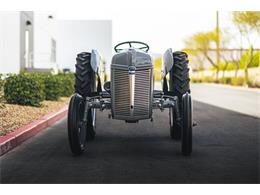
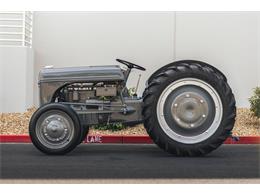
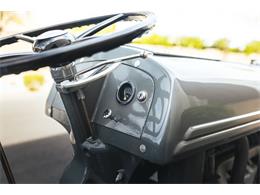
Designed for small farms, the 9N was a general-purpose row-crop
tractor. It was simple, reliable, and easy to use. It had a
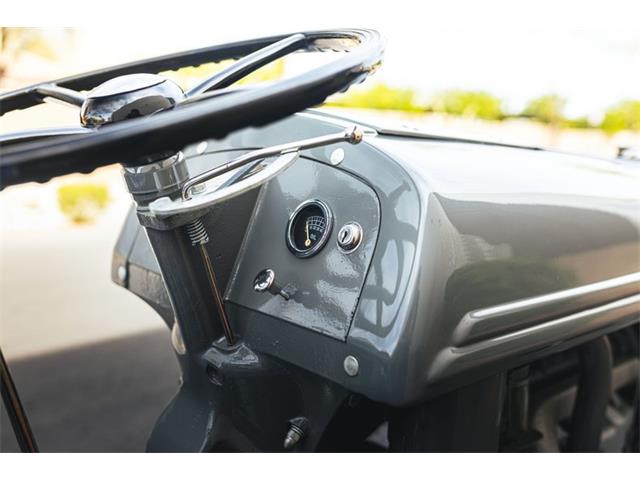
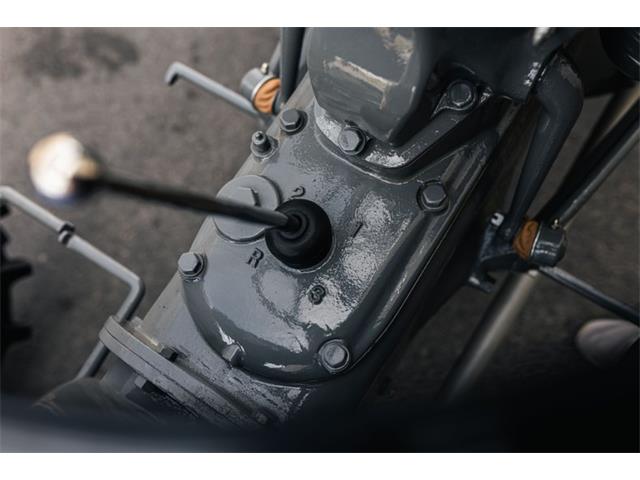
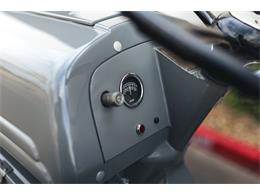
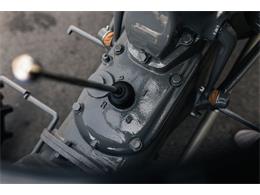
push-button electric starter, a three-speed transmission, and foot
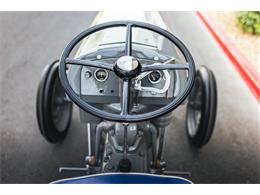
pegs instead of running boards. Its wide-set front wheels made
steering a bit slower compared to other tractors like the John
Deere Model A or the Farmall series.
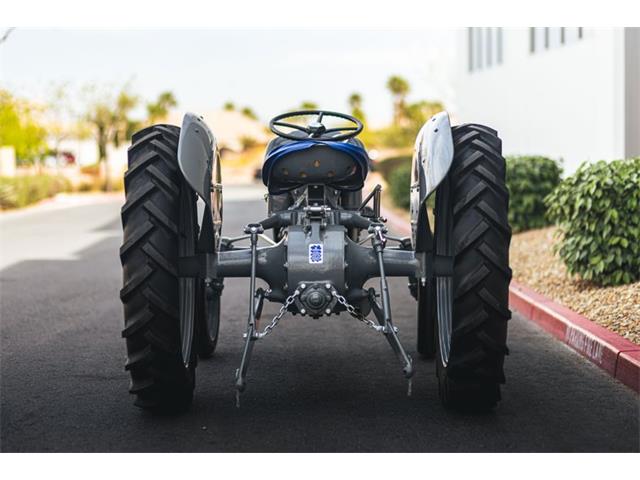
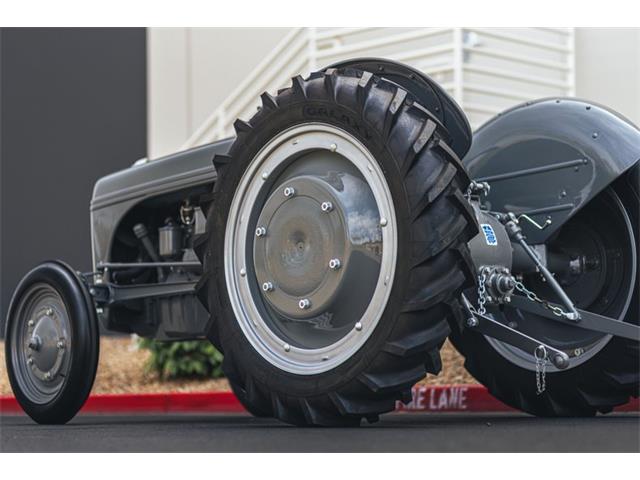
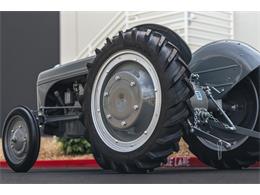
The 9N had adjustable front and rear track widths, which were
helpful for different types of row-crop work. The rear wheels could
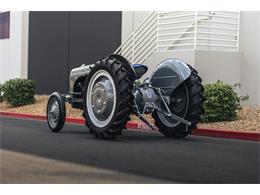
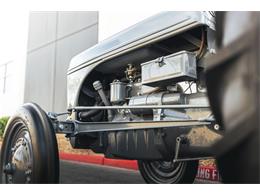
be flipped to widen the track. Unusually, the exhaust pipe ran
underneath the tractor, similar to a car. All 9N tractors were
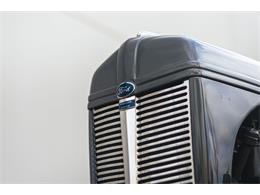
painted dark gray.
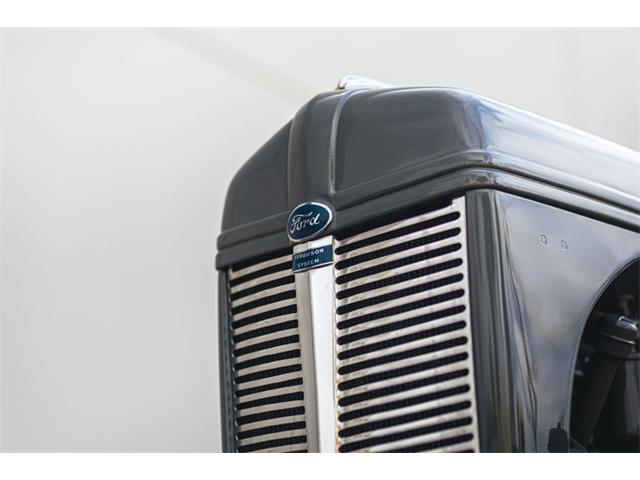
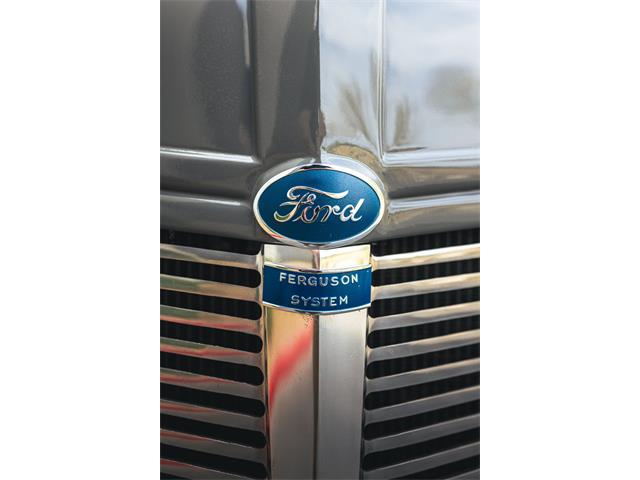
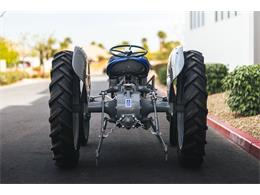
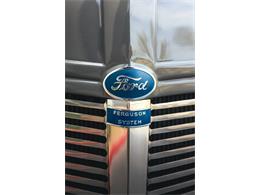
The three-point hitch, known as the Ferguson system, made attaching
implements easier and safer. It also included "draft control,"
which adjusted the hydraulic lift automatically using the
resistance from a plow to improve traction. This system helped
prevent accidents that were common with earlier tractors.
During World War II, the U.S. Navy used the 9N on aircraft carriers
to tow planes, earning it the nickname "Moto Tug." The U.S. Air
Force and the British RAF also used it for the same purpose.
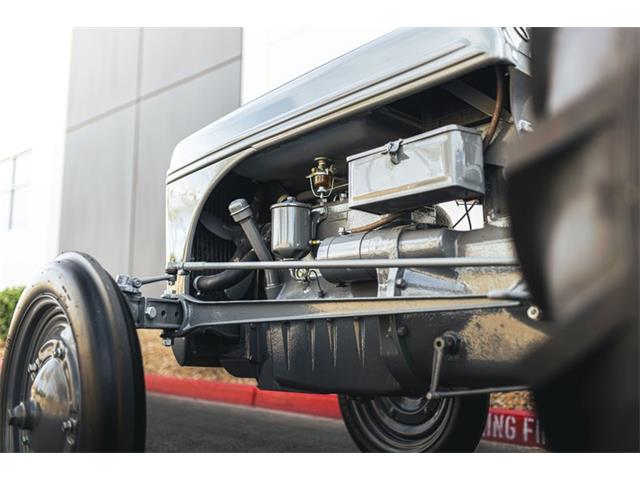
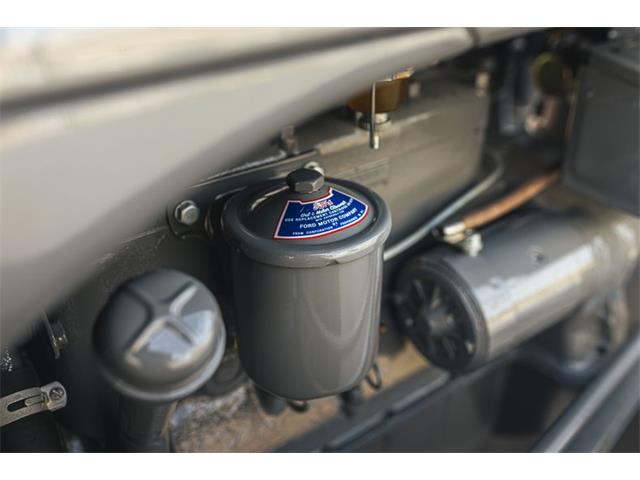
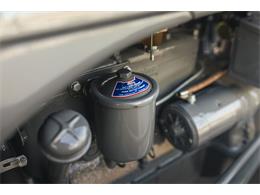
The engine was a side-valve, four-cylinder design with a 3.19-inch
bore and 3.75-inch stroke, giving it 120 cubic inches (2,000 cm�)
of displacement. It was designed to run on distillate fuels and
used some parts from Ford cars and trucks.
The 9N weighed about 2,340 pounds (1,060 kg) and sold for $585,
much cheaper than most competitors at the time, making it a popular
and affordable choice for farmers.
For more information, contact Steve Thiel at 702-383-6080 or
[email protected]