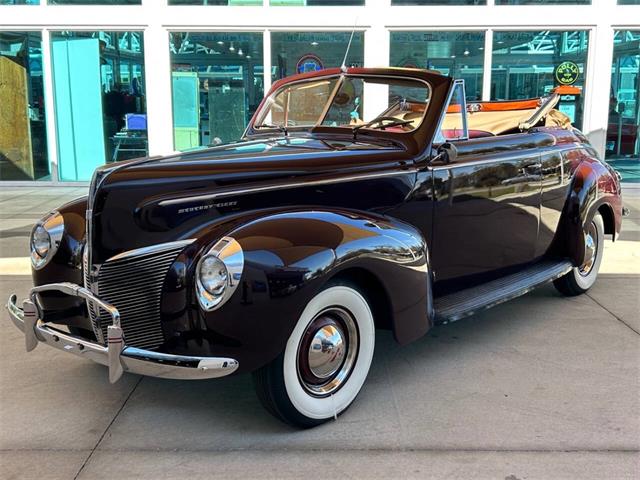
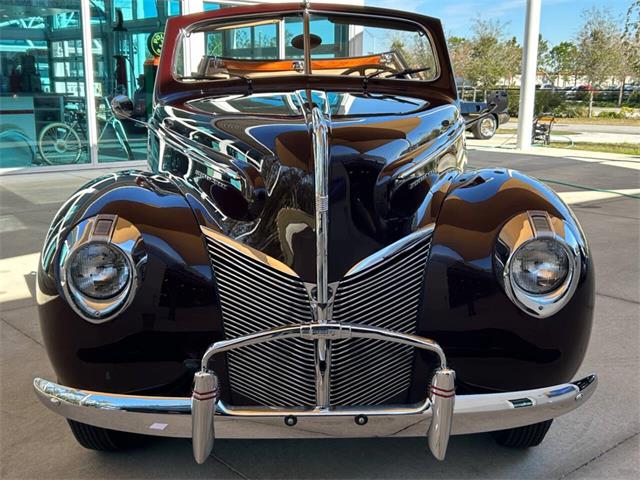
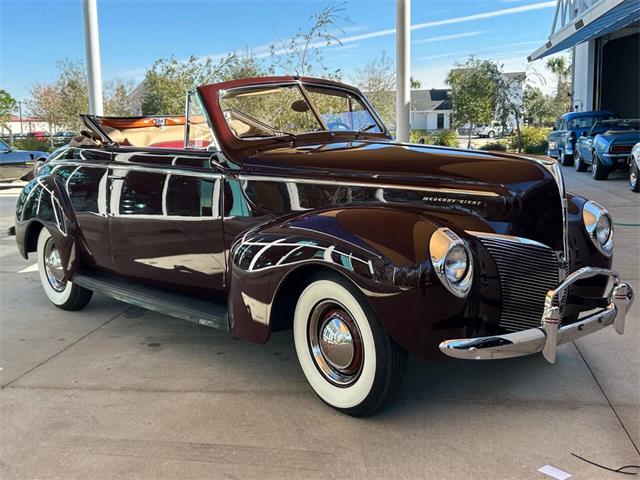
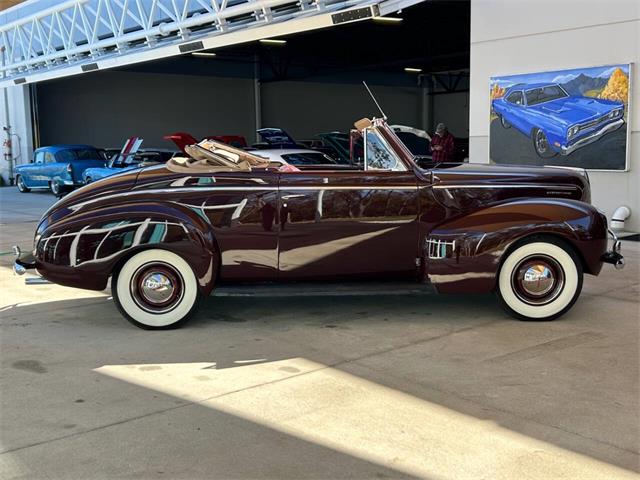
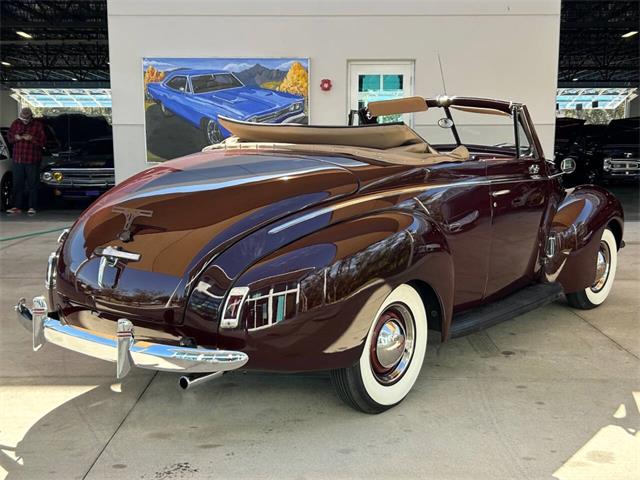
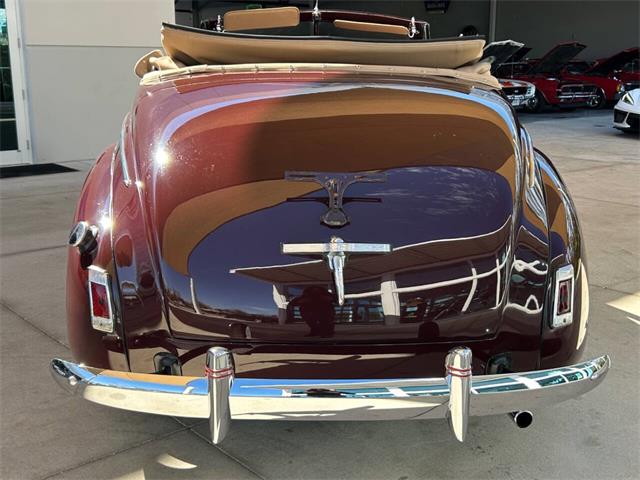
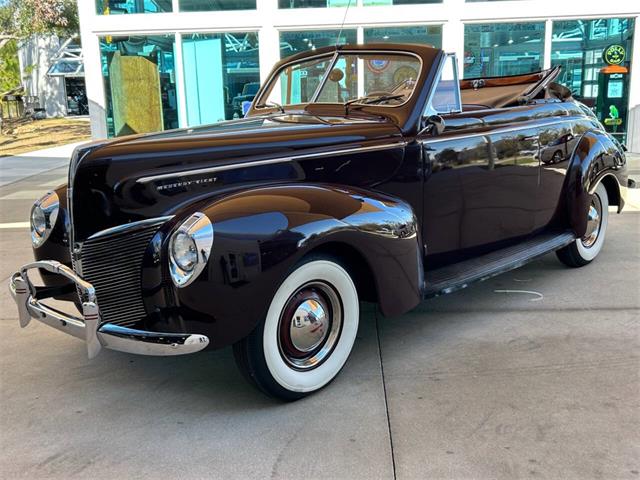
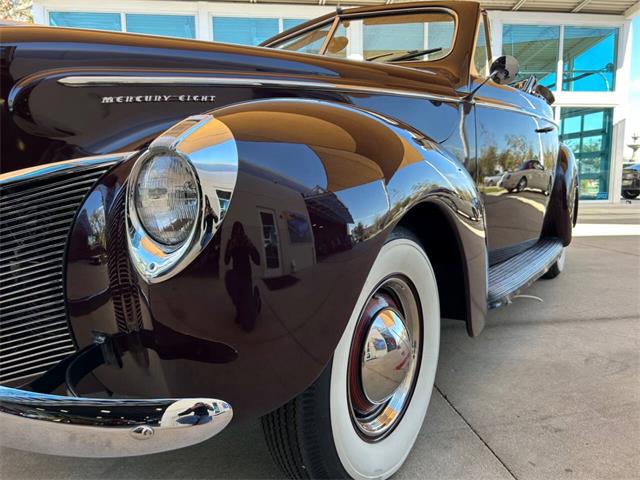
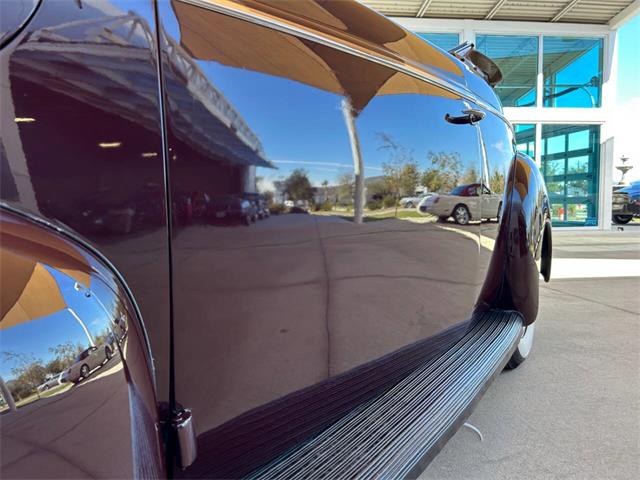
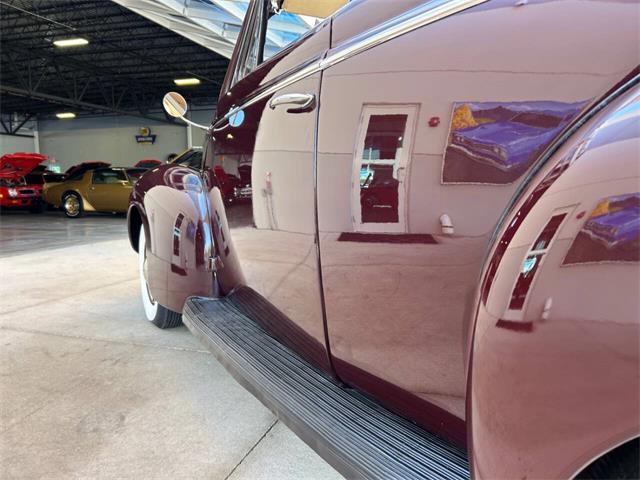
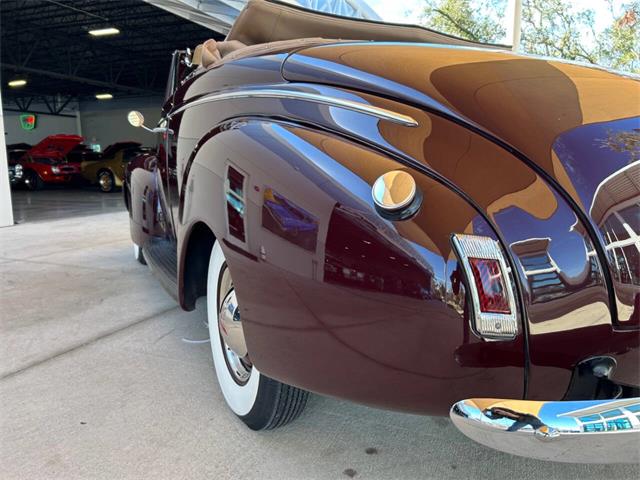
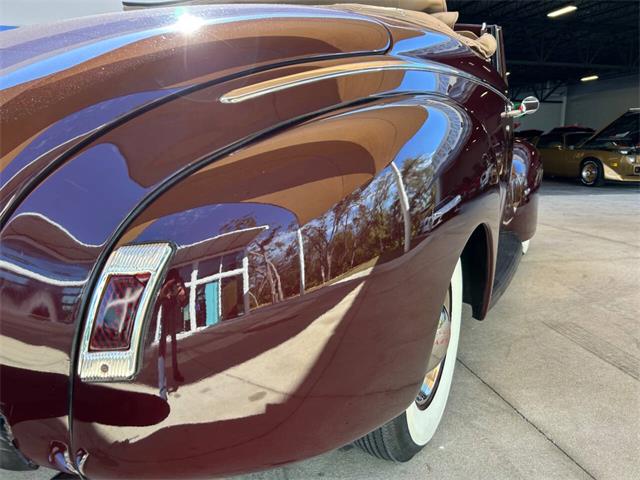
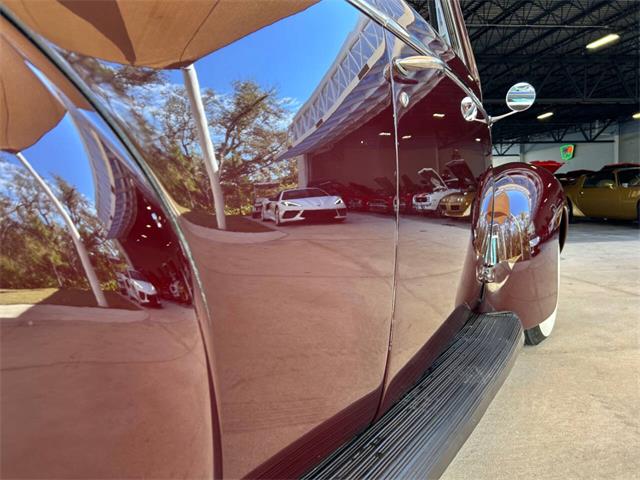
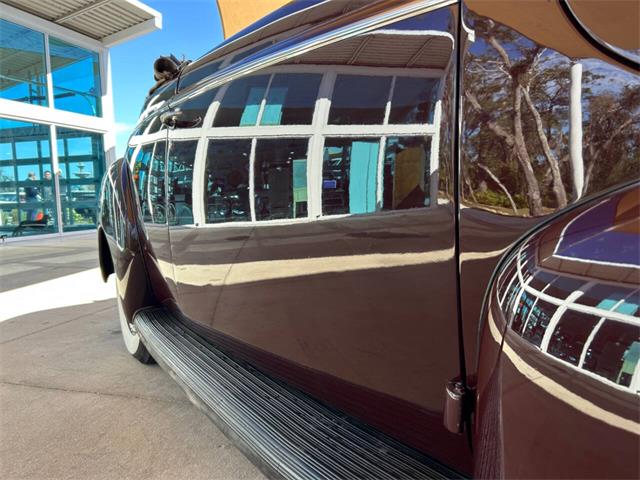
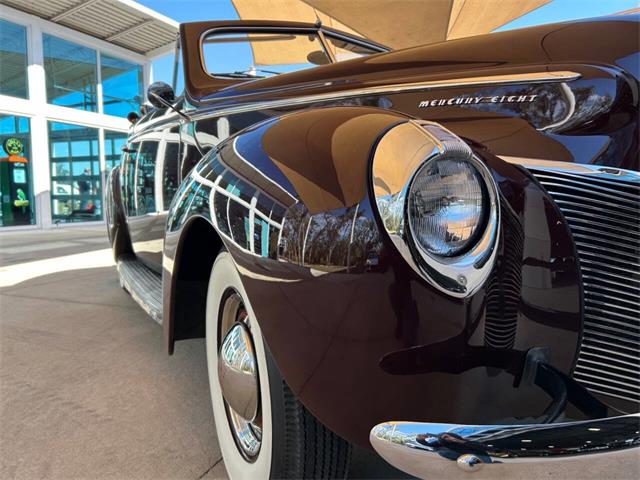
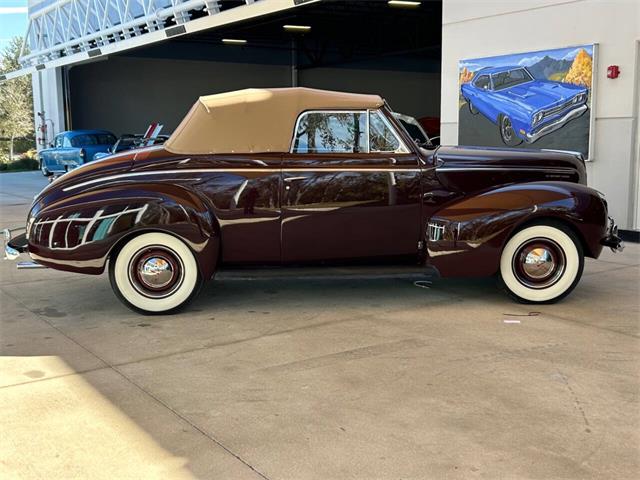
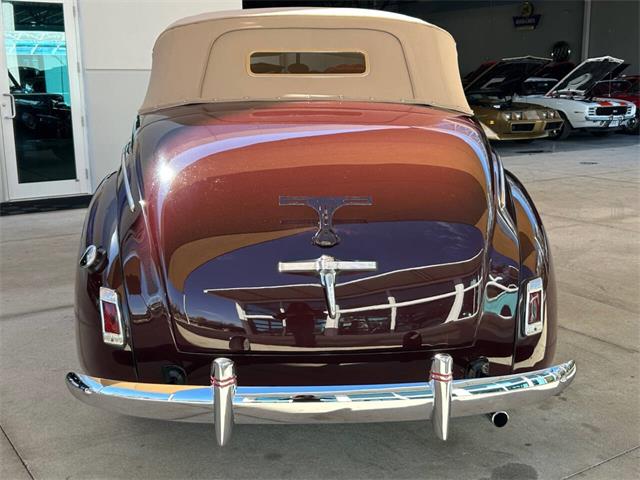
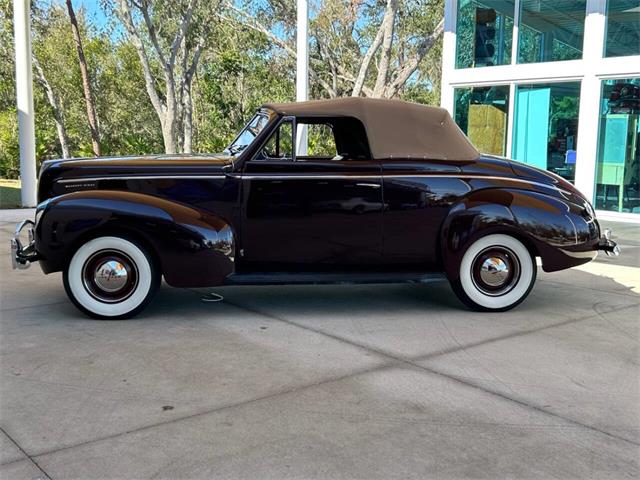
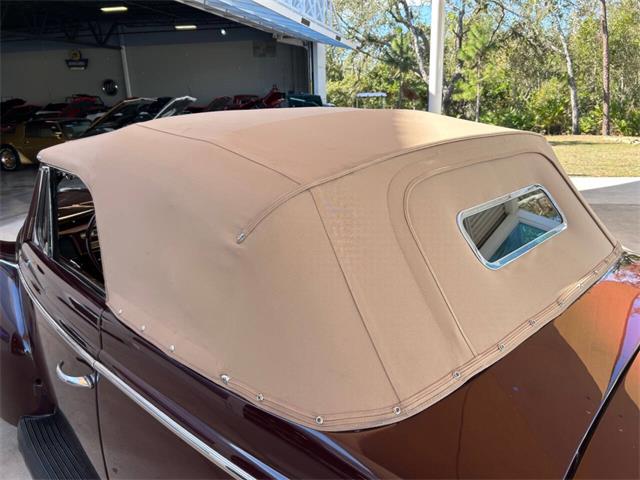
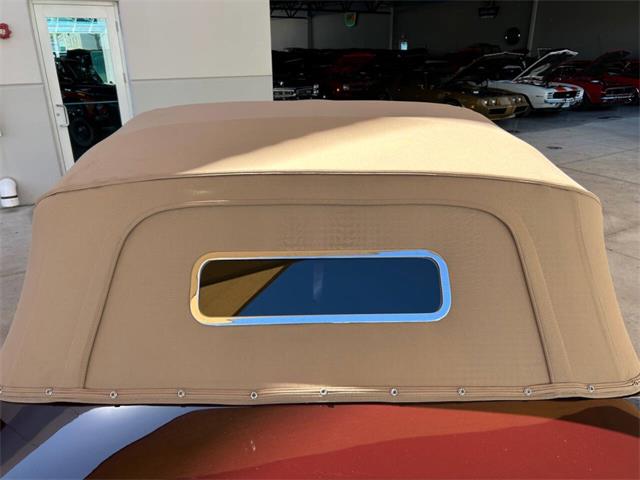
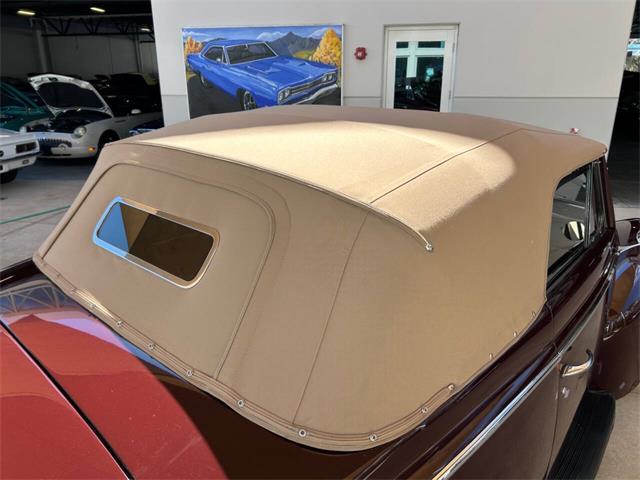
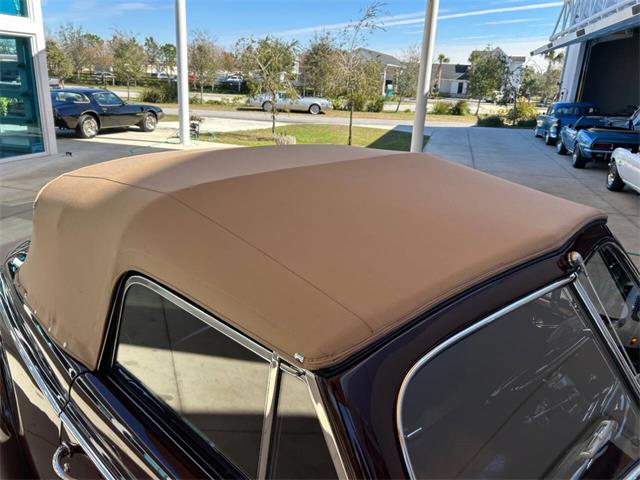
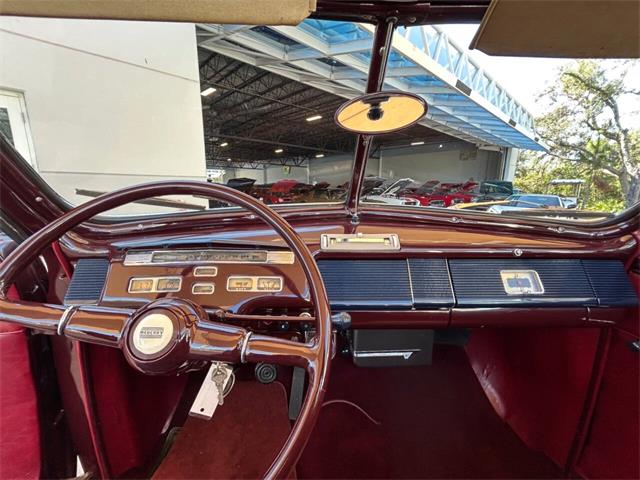
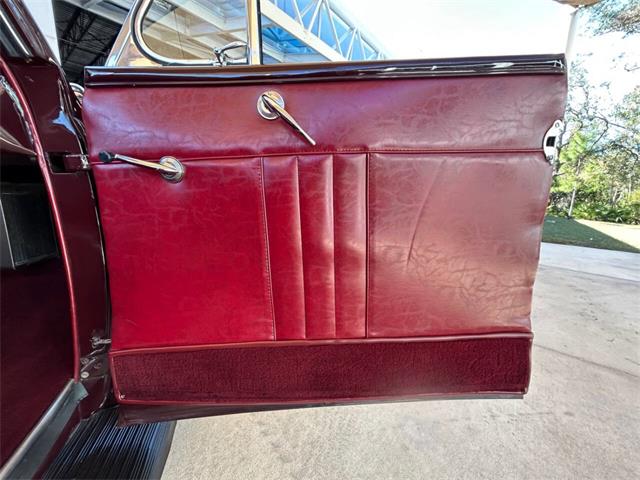
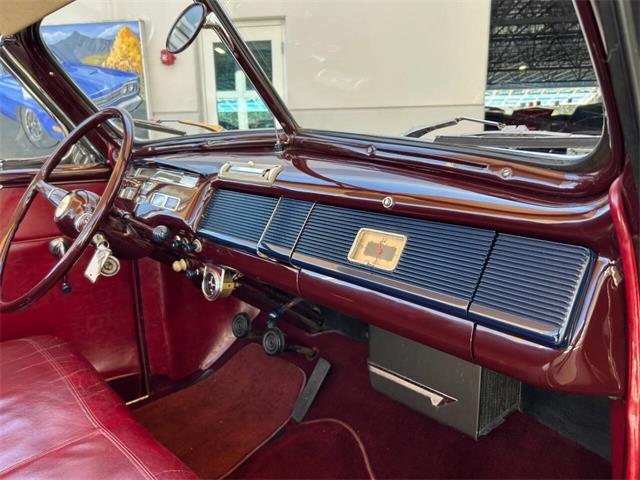
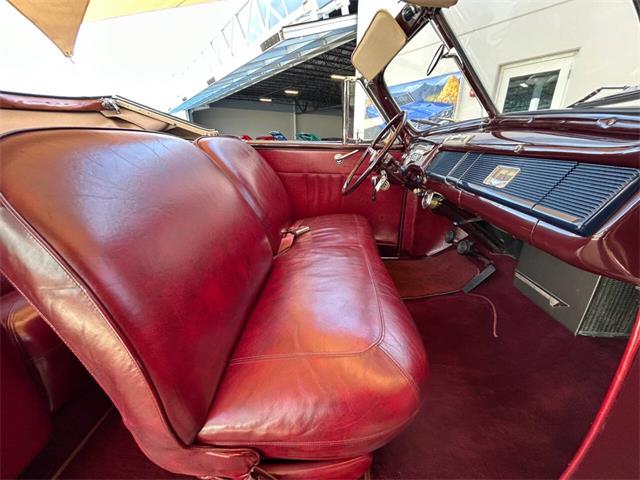
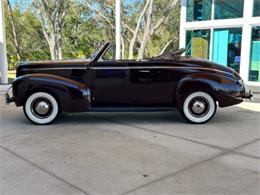
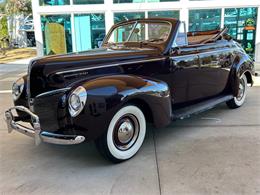
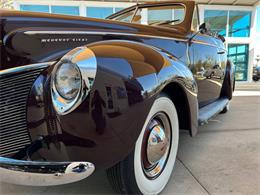
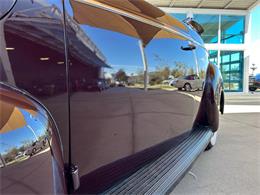
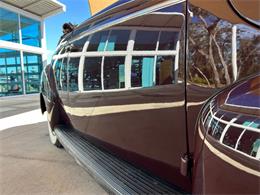
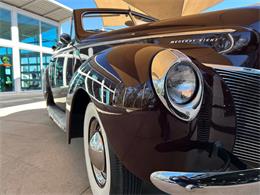
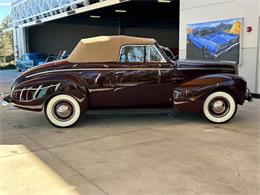
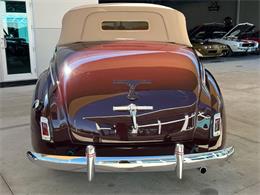
1940 Mercury Eight Convertible �€" Garnet Maroon, Flathead V8,
Restored Throughout Why This Car Is Special The 1940 Mercury Eight
holds a specific place in American automotive history that is easy
to overlook today. Ford Motor Company launched the Mercury brand in
1939 as a deliberate answer to a pricing gap �€" the Ford was
entry-level, the Lincoln was luxury, and there was nothing
competitive in between. Mercury filled that space with a longer
wheelbase, a larger engine, and noticeably more refined styling
than anything wearing a Ford badge at the time. By 1940, Mercury
had found its footing, and the second-year cars showed it. The body
was restyled with smoother, more streamlined sheetmetal, and the
convertible body style represented the top of the Mercury lineup in
terms of desirability and cost. The convertible was never a
high-volume body style. Ford Motor Company produced roughly 3,954
Mercury Eight convertibles for the 1940 model year, making them
considerably rarer than the two-door and four-door sedans that made
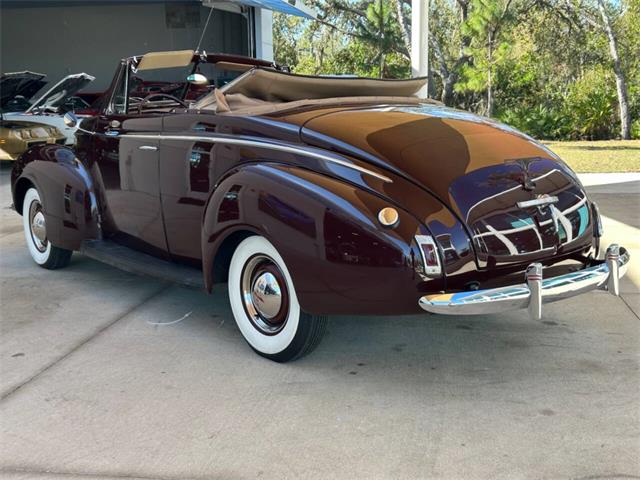
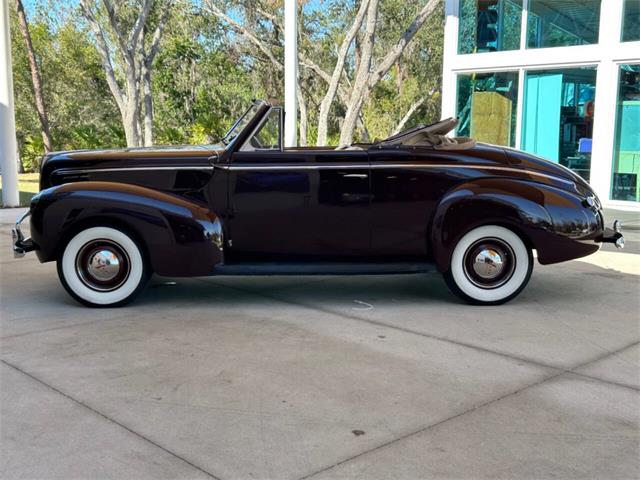
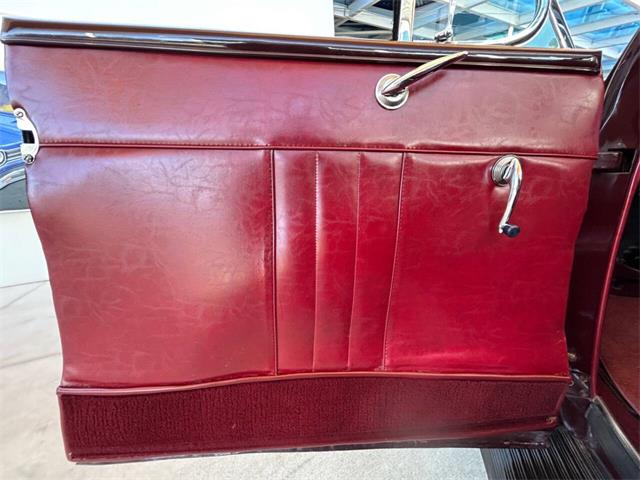
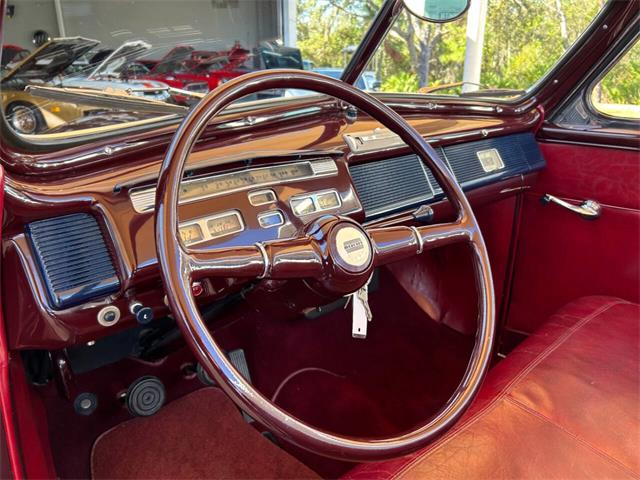
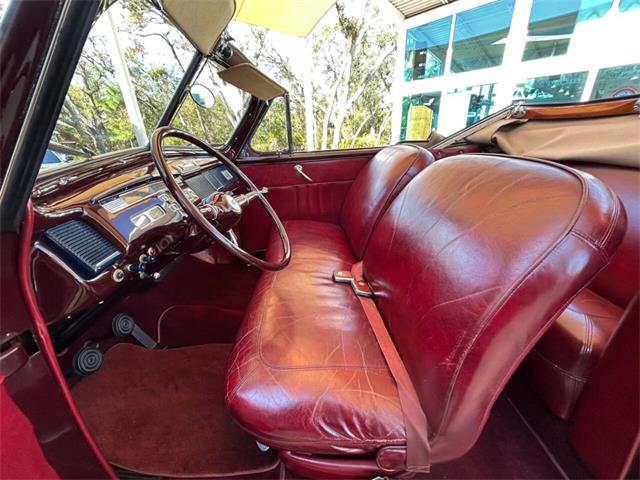
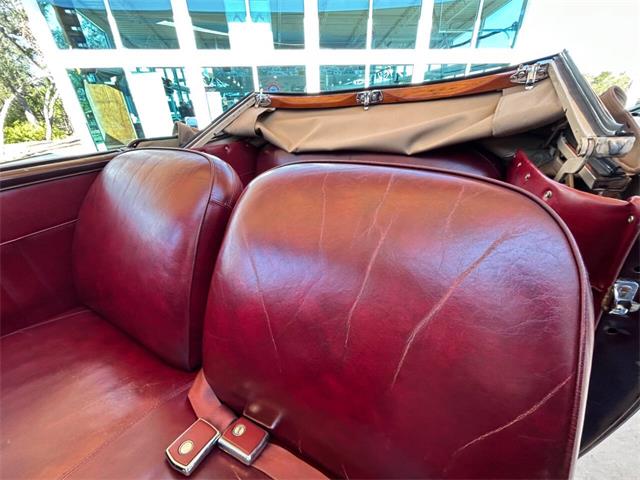
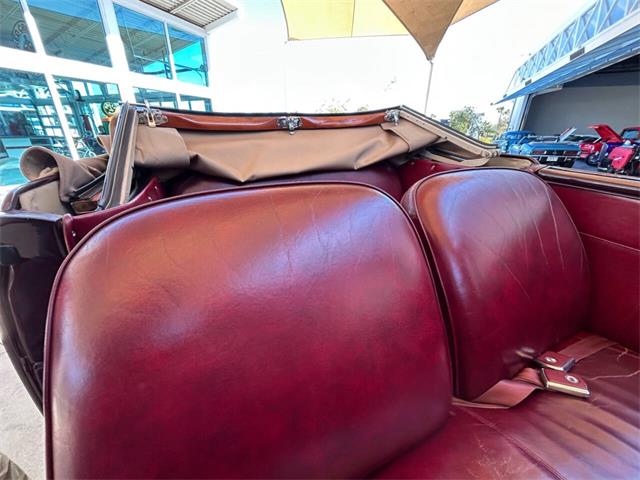
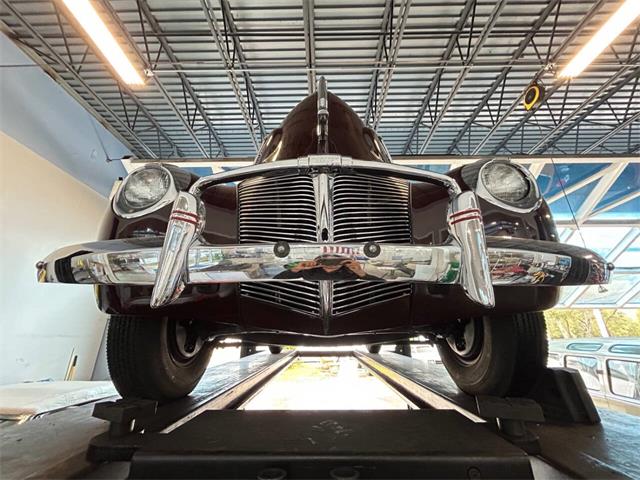
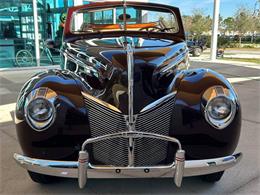
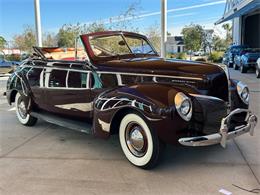
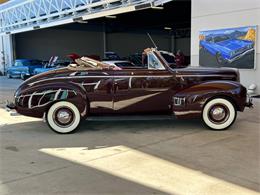
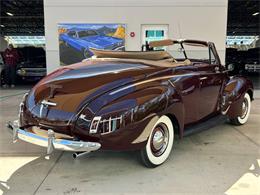
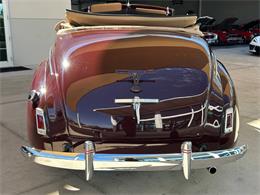
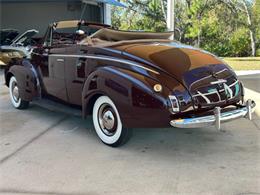
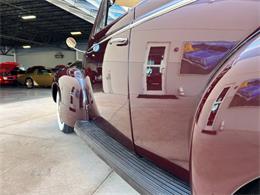
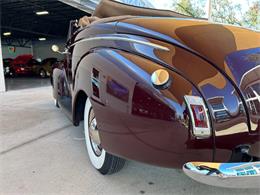
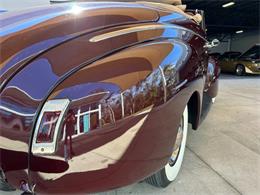
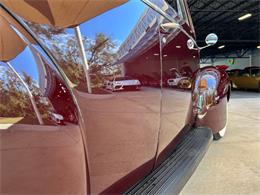
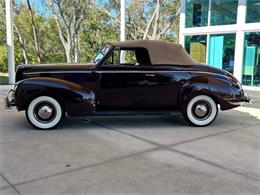
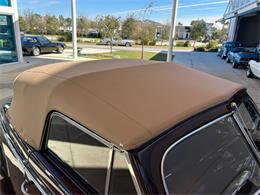
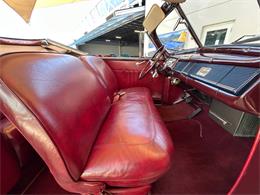
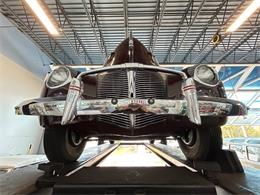
up the bulk of production. What you are looking at here is a
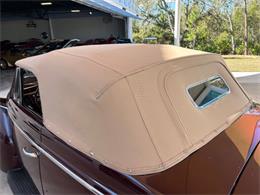
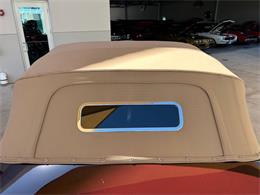
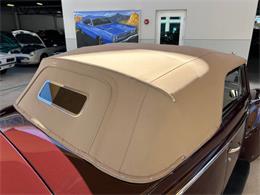
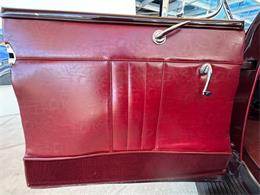
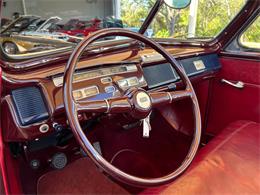
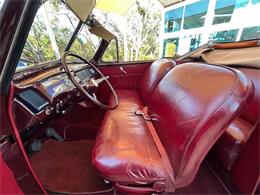
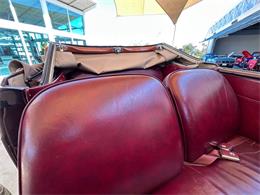
restored example of that low-production body style, finished in
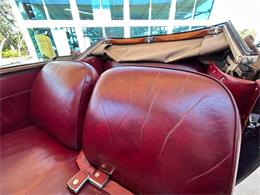
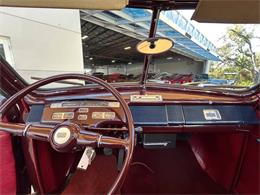
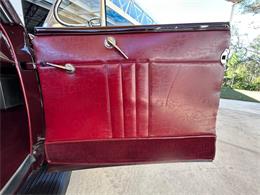
Garnet Maroon with a tan convertible top and a red leather interior
�€" a combination that reads as period-correct and visually
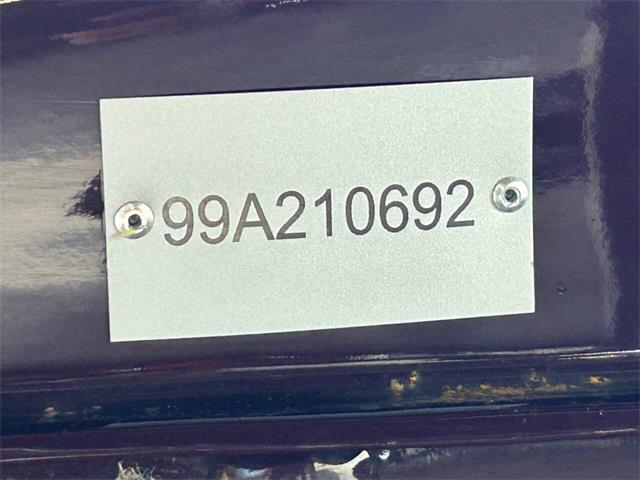
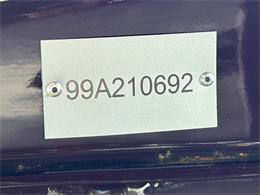
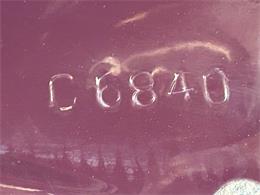
coherent from every angle. The VIN on this car begins with 99A,
which tells us this is a 1940 Mercury (the '9' prefix was used for
Mercury in Ford's system for that model year), built in the
Dearborn assembly plant �€" Ford's home plant and the source of
many of the most complete early Mercury builds. The 1940 Mercury
Eight was also a car that influenced the custom car culture of the
late 1940s and 1950s more than almost any other vehicle of its era.
Lead sled builders and kustomizers gravitated toward the '40 Merc
specifically because of its proportions �€" the long hood, the low
roofline relative to other cars of its day, and the naturally
flowing fenders. James Dean was photographed with one. The marque
was embedded in American car culture before most of the people
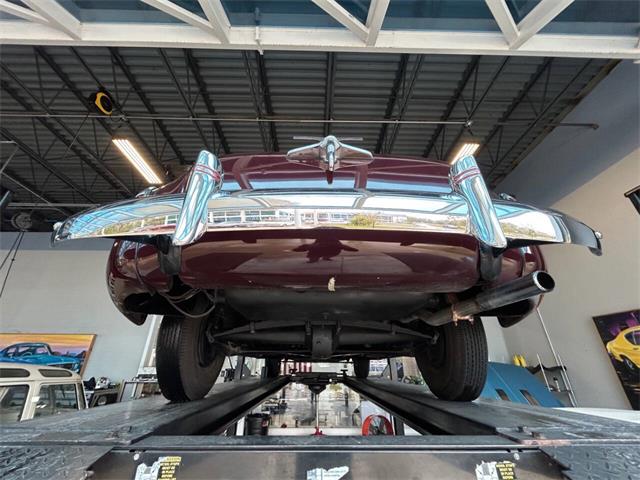
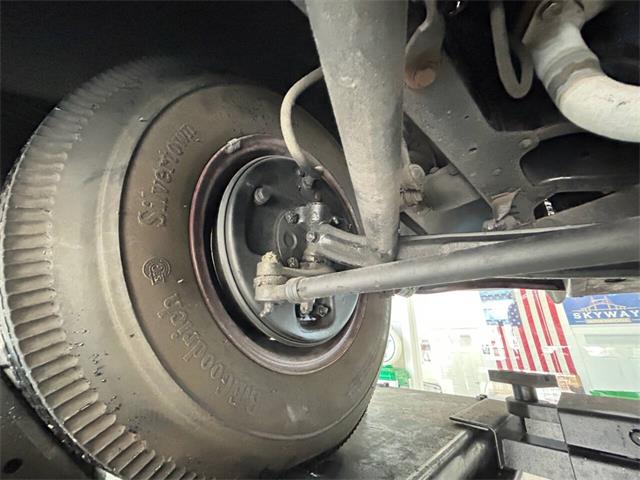
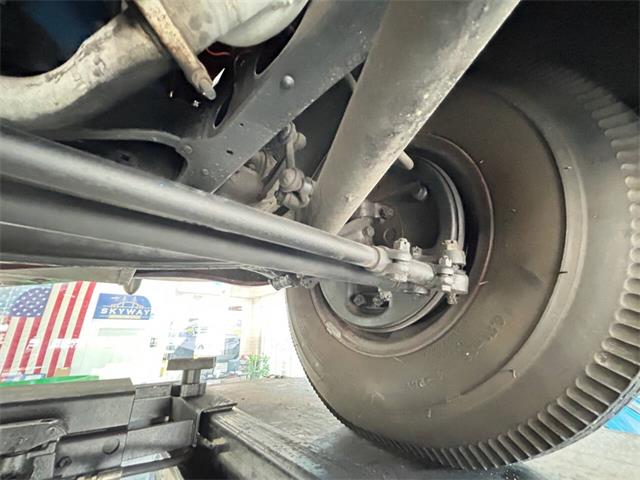
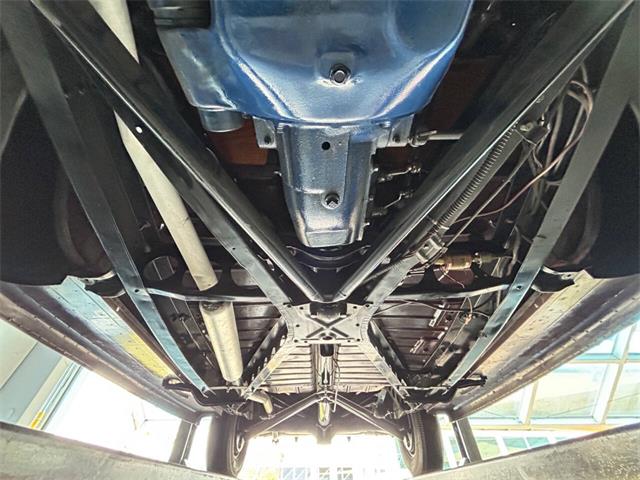
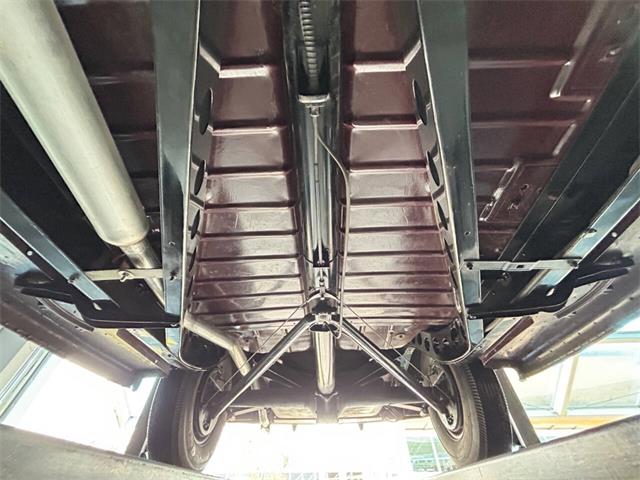
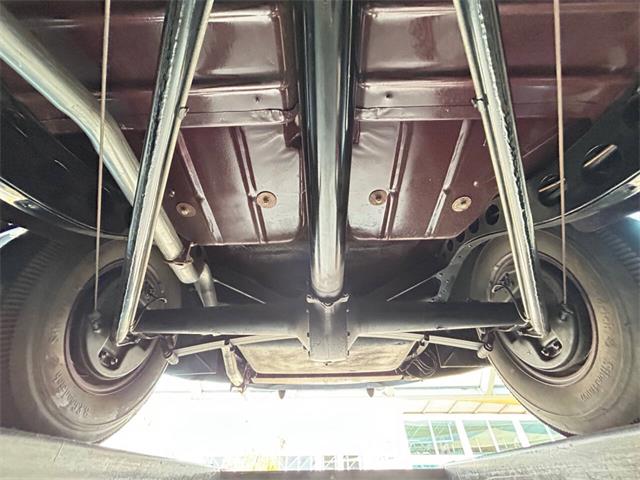
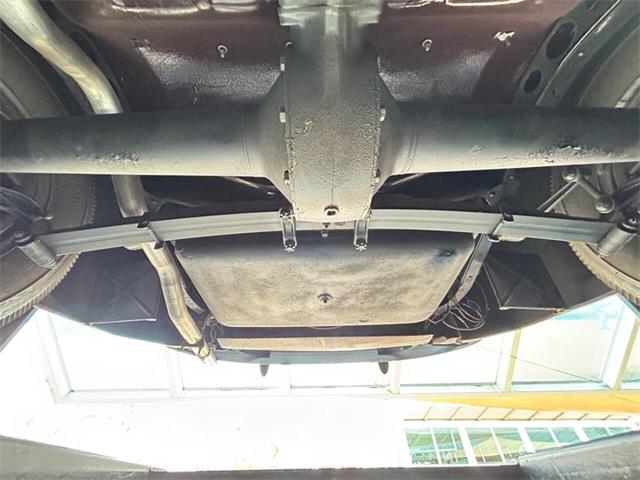
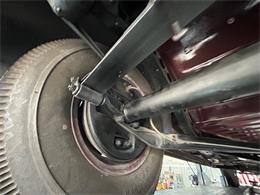
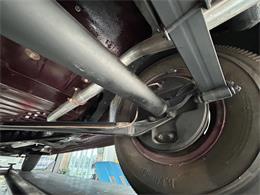
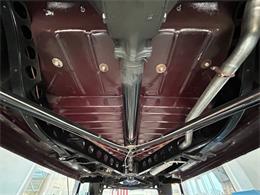
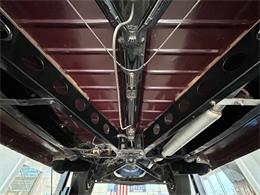
buying hot rods today were born. This particular car has been
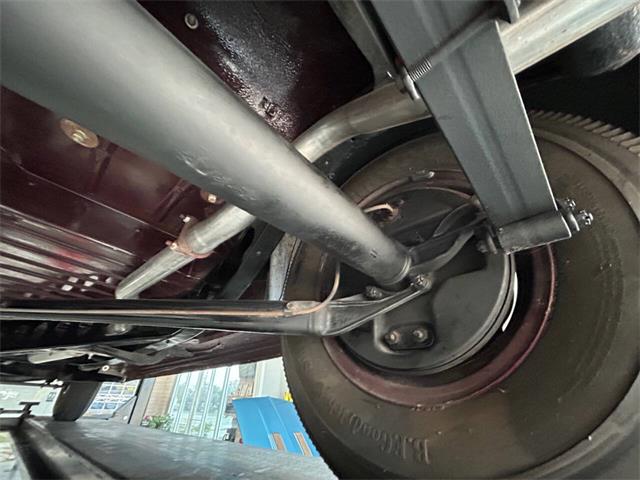
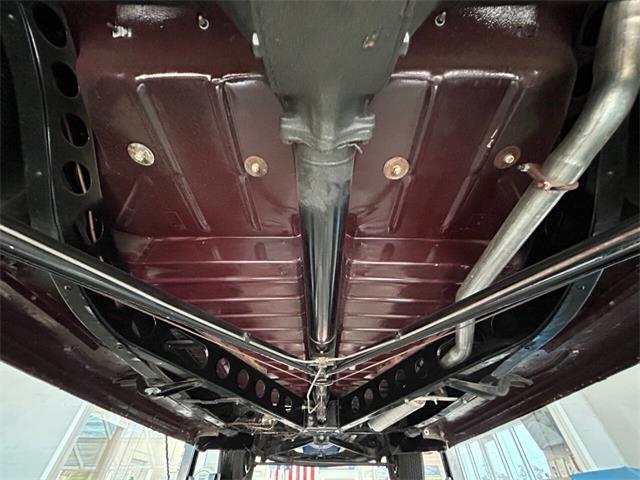
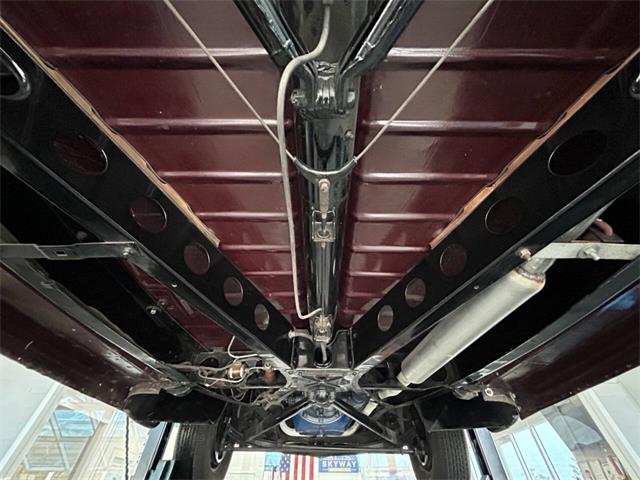
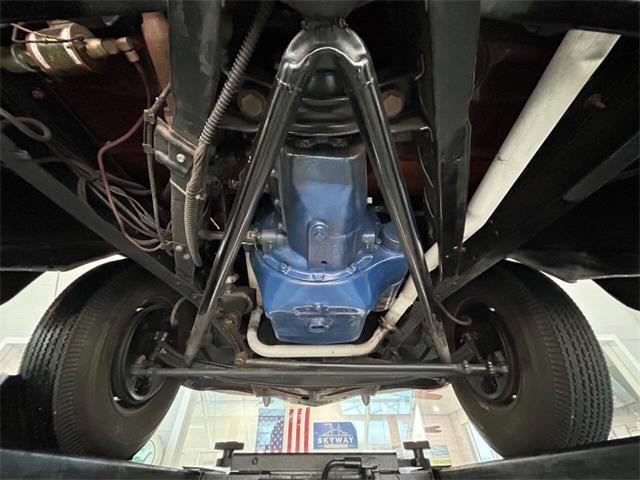
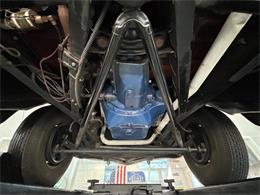
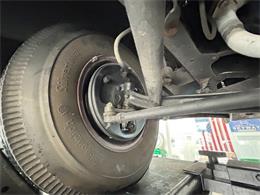
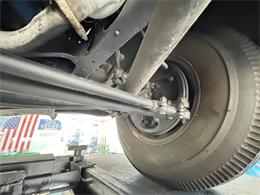
restored with care at every level, from the engine bay down to the
undercarriage, and presents as a driver-quality example that can be
shown or used on the road with equal confidence. Features List -
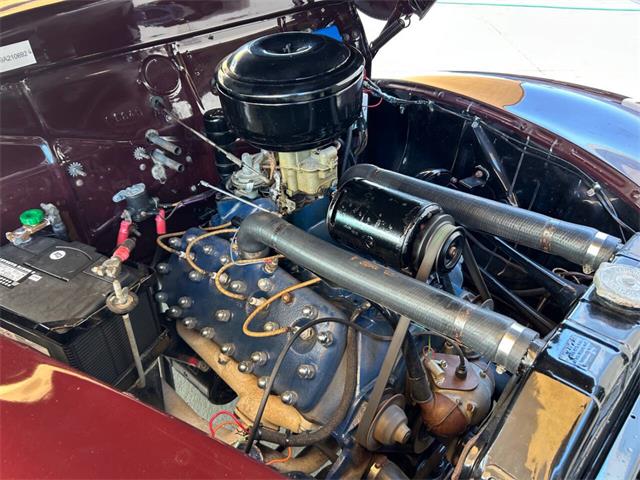
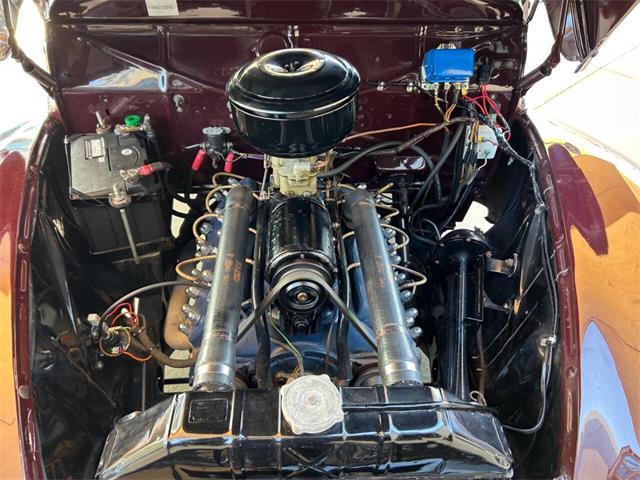
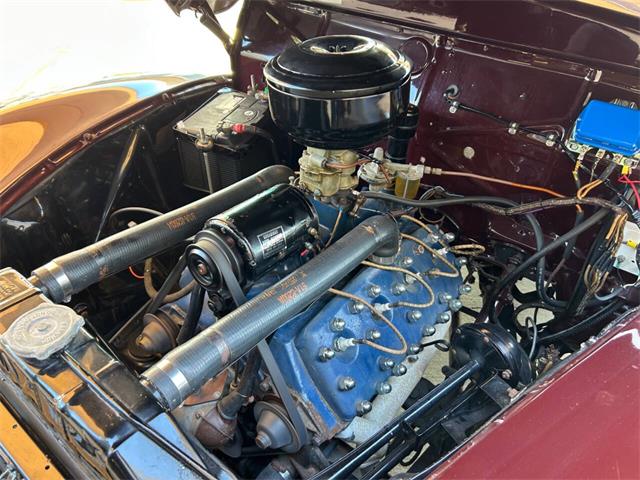
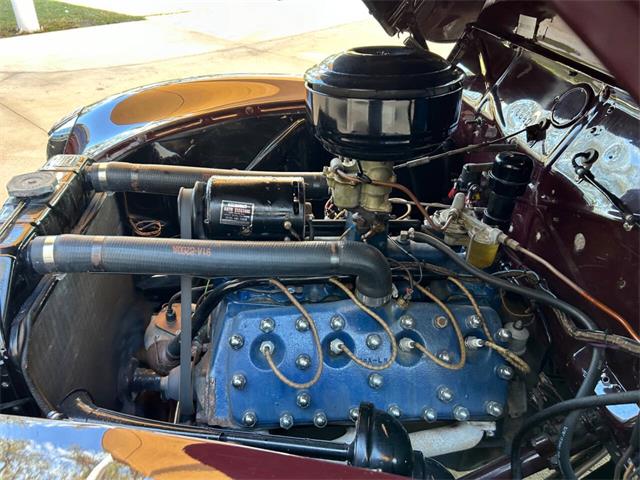
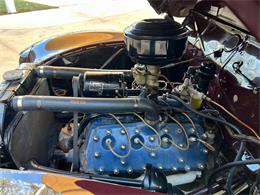
239ci Flathead V8, rated at 95 horsepower - Blue-painted block and
heads - 3-speed column-shift manual transmission - 8-volt
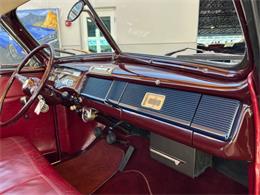
electrical system conversion - Tan convertible top - Red leather
interior throughout - Split-back front bench seat - Rear bench seat
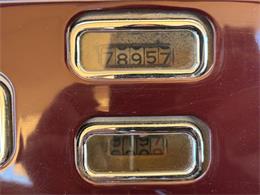
- Maroon carpeting - Seat belts front and rear - Dash clock present
- Heater and defroster - Original Mercury steering wheel - Chrome
side mirror - Whitewall tires - Chrome hubcaps - Running boards -
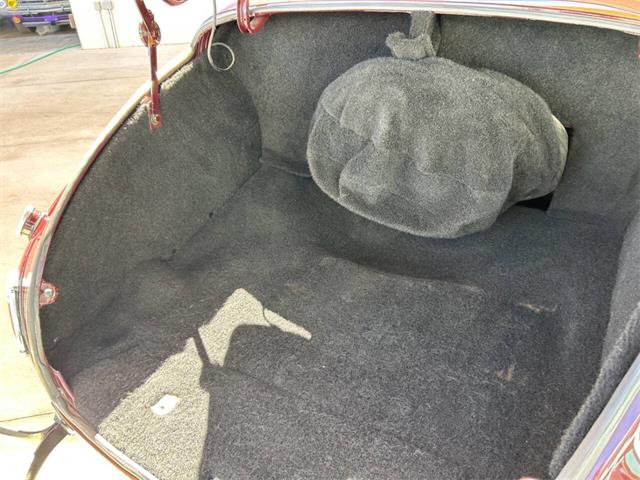
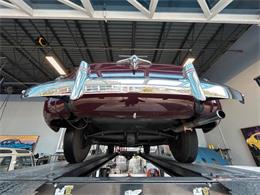
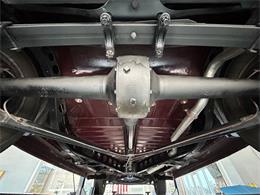
Chrome front and rear bumpers - Four-wheel drum brakes - Restored
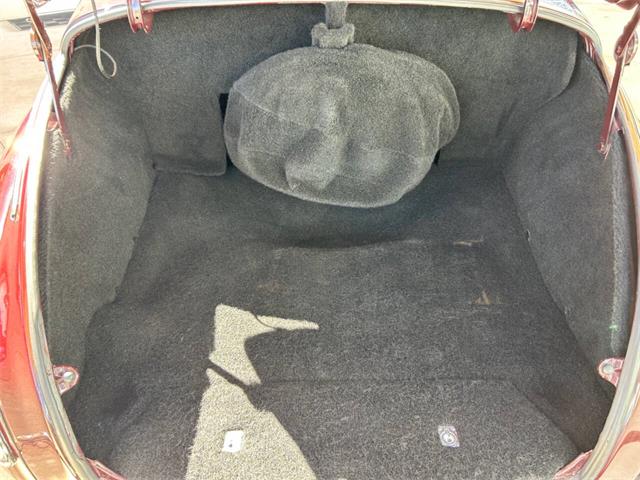
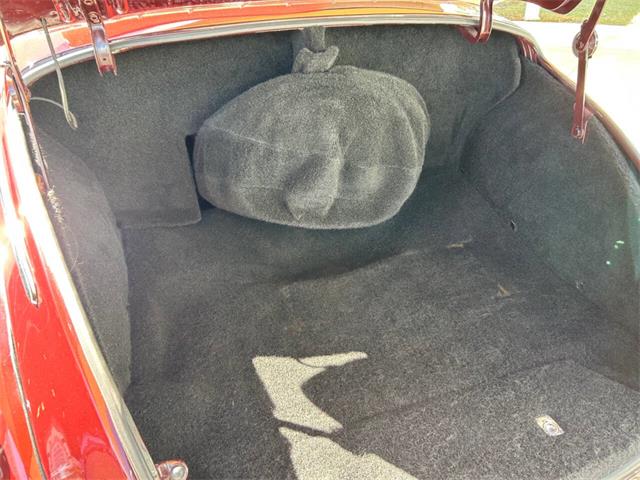
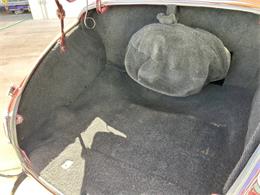
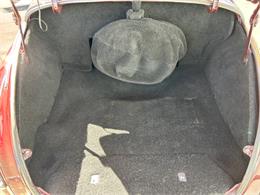
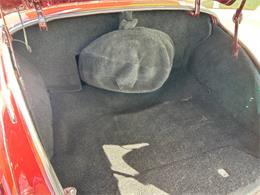
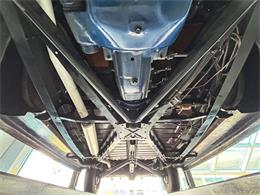
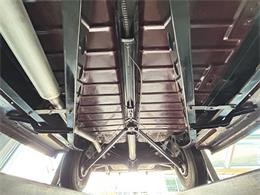
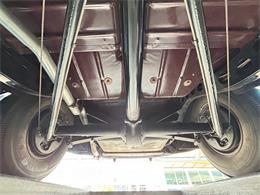
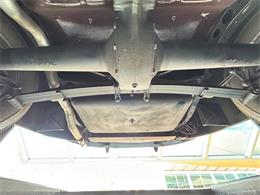
undercarriage - Carpet-lined trunk - Spare tire included - Restored
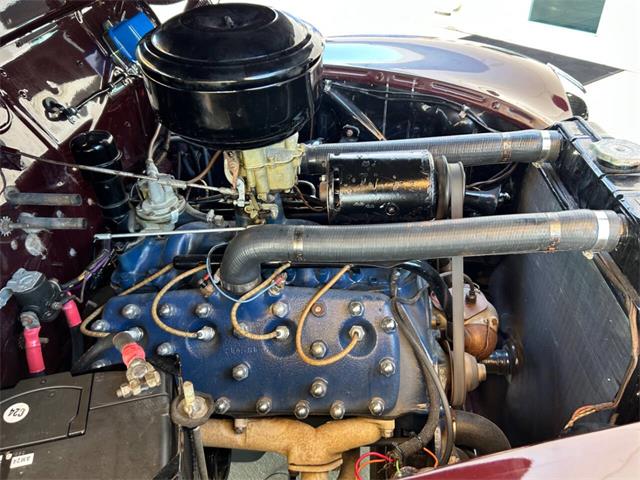
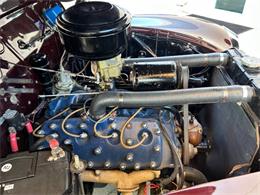
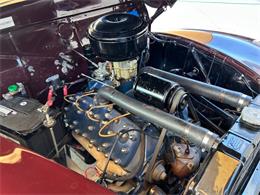
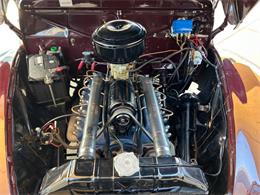
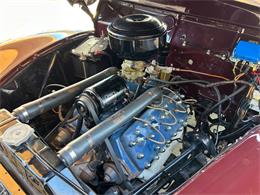
engine bay Mechanical The 239 cubic inch Flathead V8 under the hood
is the correct engine for this application. Mercury used a
bored-out version of Ford's flathead �€" displacing 239ci compared
to the Ford's 221ci �€" and rated it at 95 horsepower. That was a
meaningful number in 1940. It gave the Mercury a performance edge
over the base Ford while keeping the car accessible to buyers who
weren't shopping for Lincolns. The flathead V8 architecture, with
its valves in the block rather than the heads, was a Ford
innovation that dated back to 1932 and was genuinely advanced for
its time. By 1940 the design was well-sorted and reliable, and it
remained in production �€" with continuous refinements �€" through
1953. On this car, the block and heads have been painted blue as
part of the engine bay restoration. That blue paint scheme is
consistent with how these engines were often presented during
restoration, and it reads cleanly against the detailed engine bay.
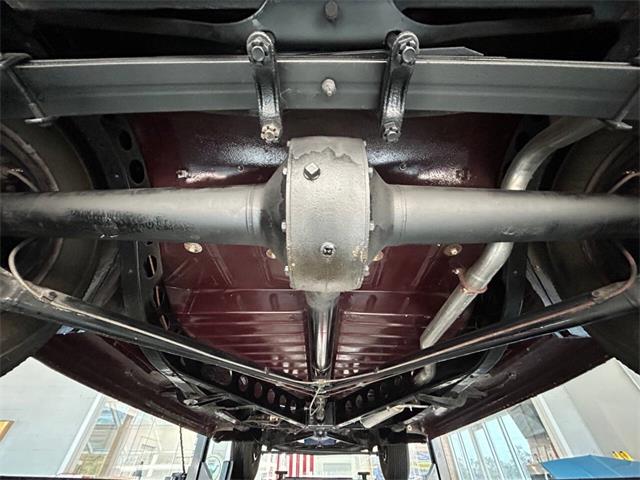
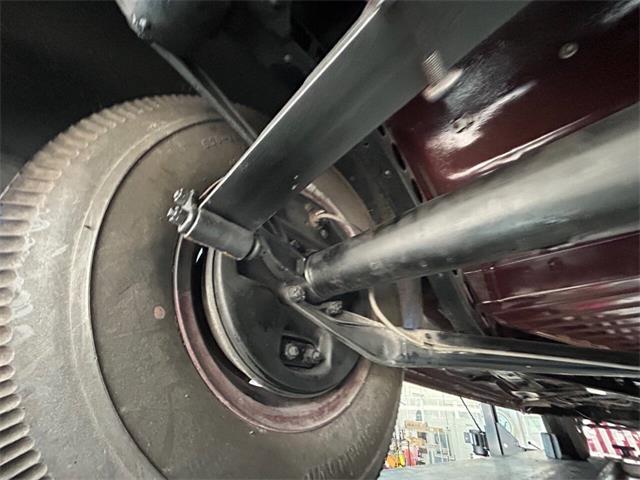
The restored bay itself shows organized, visible work �€" the
underside photos confirm a similar level of
ClassicCars.com has been recognized as one of the fastest-growing private companies in the United States, successfully making the Inc. 5000 list in both 2015,
2016, 2017 and 2018. This prestigious accolade represents the continued growth of the company, and ClassicCars.com's dominance as the world's largest online marketplace for
buying and selling classic and collector vehicles.
The Stevie Awards, the world's premier business awards recognized
ClassicCars.com's first-class Customer Support team with a Stevie Bronze Award in 2019, celebrating the team's skills as exemplary customer support specialists.
In 2016 The Journal, brought to you by ClassicCars.com, was celebrated as the SECOND MOST INFLUENTIAL automotive blog in the world by NFC Performance.