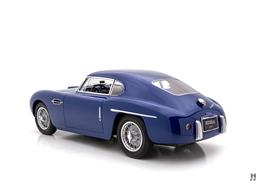
This vehicle has been soldThis vehicle is no longer available for sale on ClassicCars.com. Please set an alert if you would like to be notified as soon as similar vehicles become available.
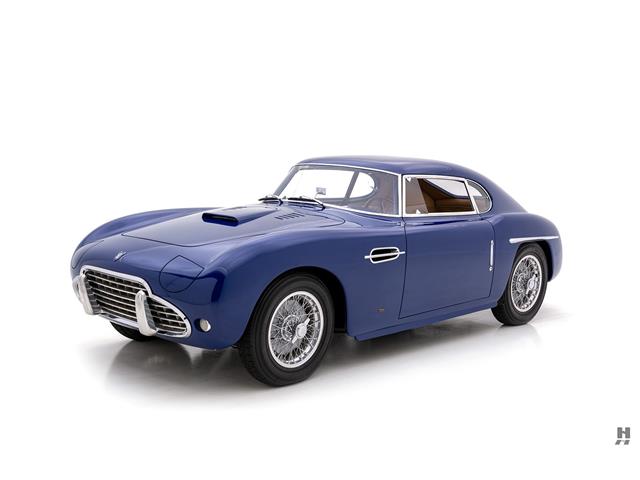
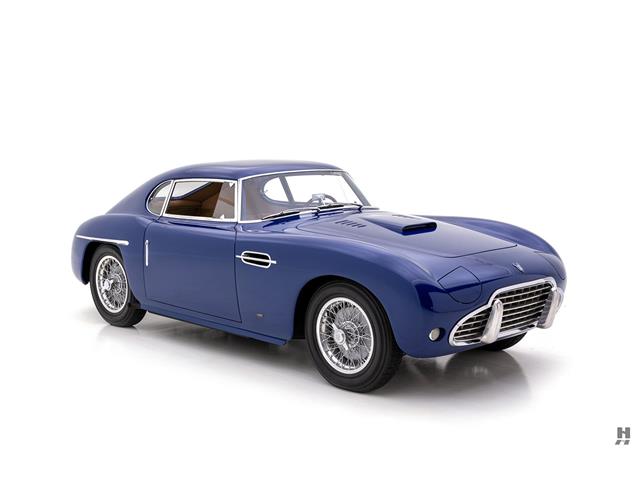
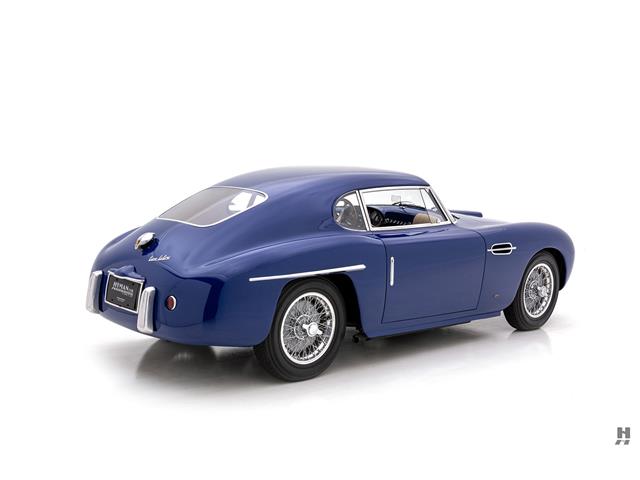
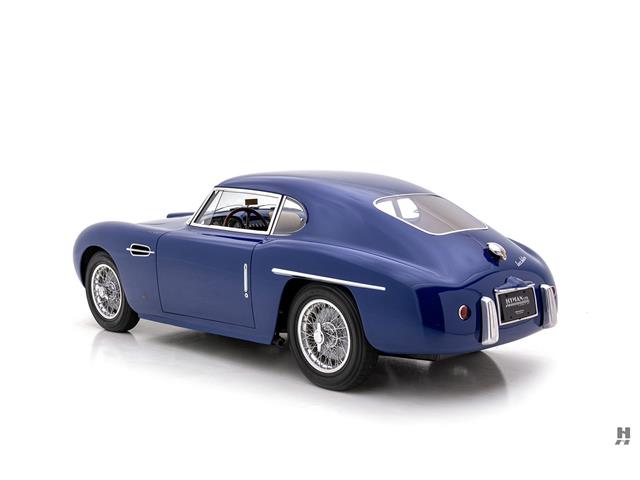
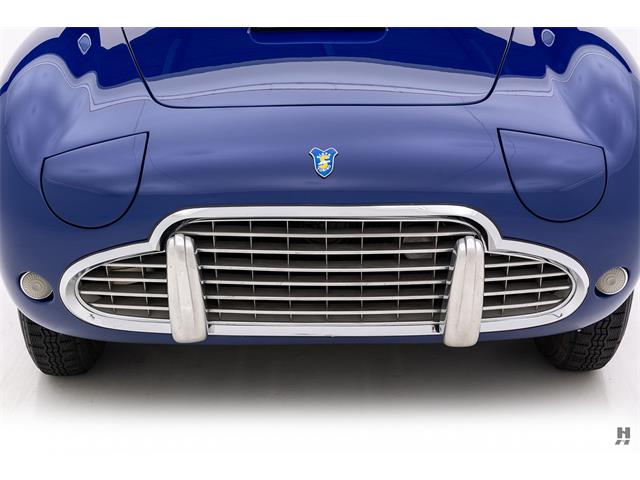
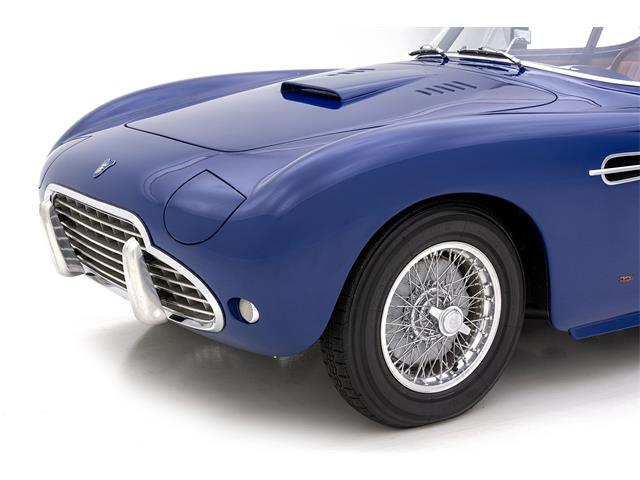
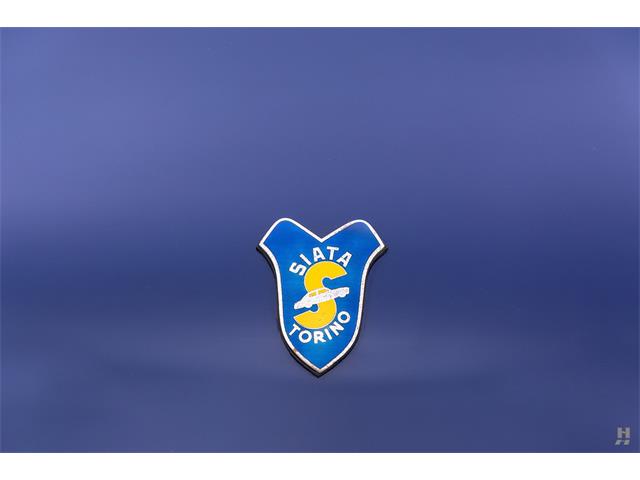
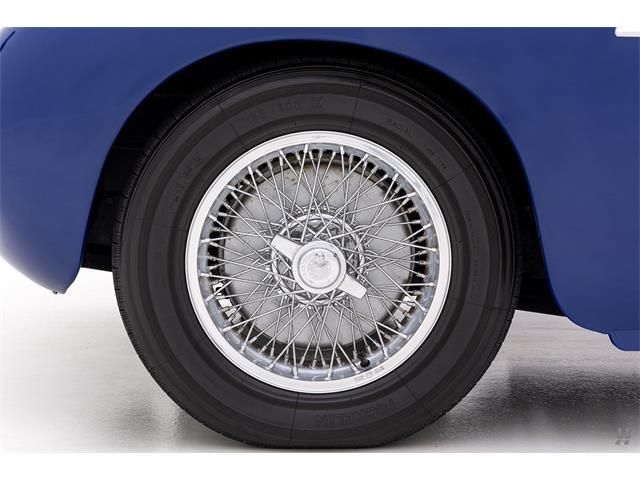
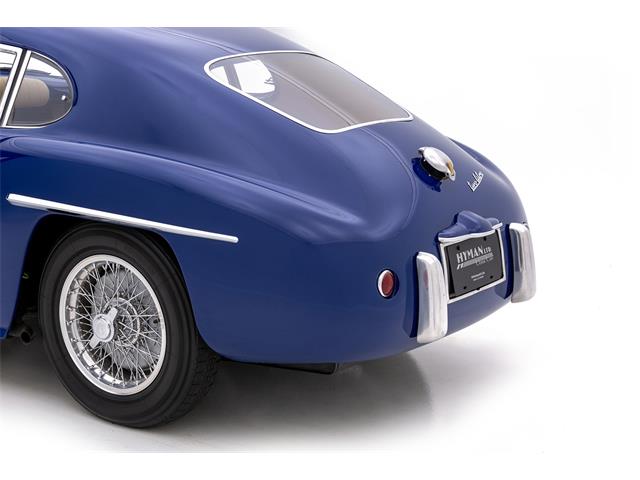
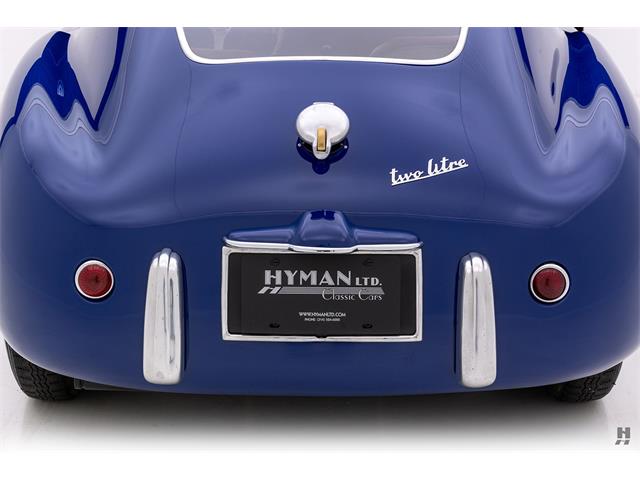
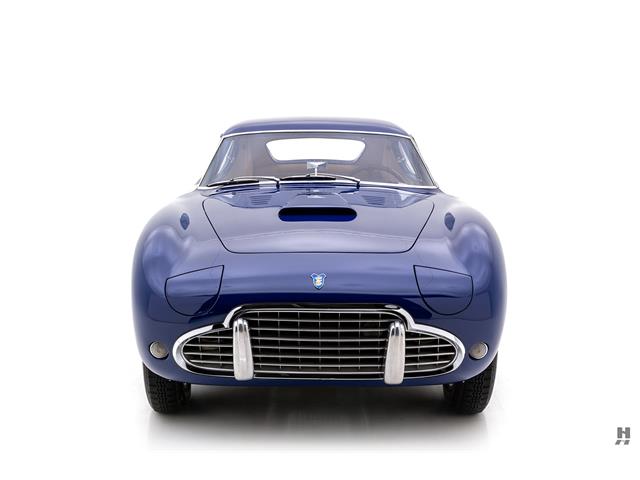
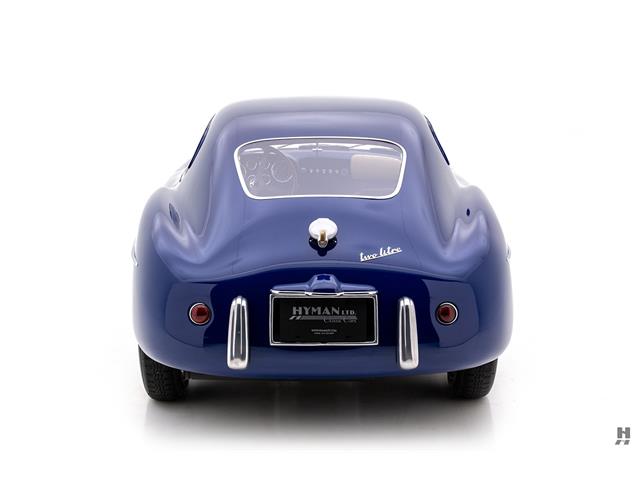
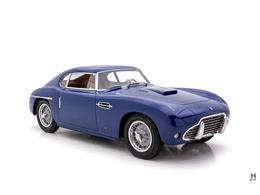
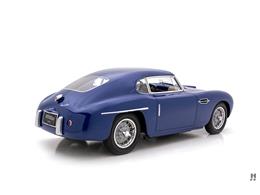
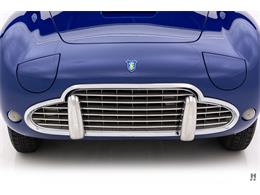
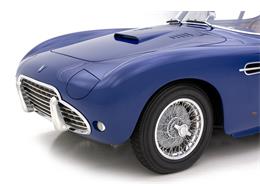
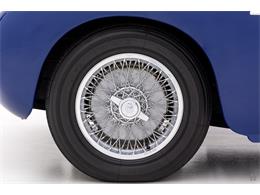
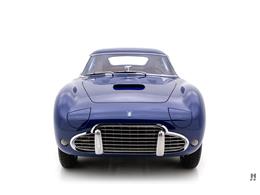
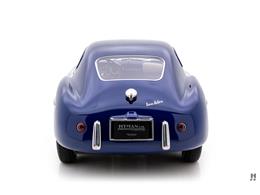
For Sale: 1953 Siata 208CS in Saint Louis, Missouri
For those unfamiliar, Siata (Societ� Italiana Auto Trasformazioni
Accessori) was founded in Turin in 1926, focused on producing
accessory and tuning parts, later gaining popularity for their
collaborations with Fiat, creating special editions and tuning kits
for various models. Ever the scrappy company, Siata came into its
own after World War II manufacturing a small 48 cc engine, dubbed
the "Cucciolo" or Little Puppy, that could be mounted on a bicycle
near the crankshaft creating a rudimentary motorcycle. Especially
popular throughout Italy, the profits allowed the company to begin
producing their own automobiles - featherweight sports cars of
their own design renowned for their elegance, performance, and
innovative engineering, earning the company a dedicated following.
Around the same time, Fiat conceived a plan to build a sedan for
the American market. With the understanding that a 569 cc
four-cylinder Topolino would not sell well in the United States,
they settled on creating an all-new, 2.0-liter V8 engine with
assistance from Siata. Unfortunately for Fiat, the sedan design
wasn't well received but knowing the new, all-aluminum engine had
potential, they placed it in their new 8V "Otto Vu" sports car.
While very competitive, the 8V sold slowly in a post-war economy
and, in a stroke of fortune, Fiat offered Siata approximately 50 of
these excess 8V engines to power cars of their own design. With a
powerplant in hand, Siata went to work crafting specifications for
their new 208S (Spider) and 208CS (Coupe). Technically advanced for
its time, the 208 featured tubular ladder chassis construction with
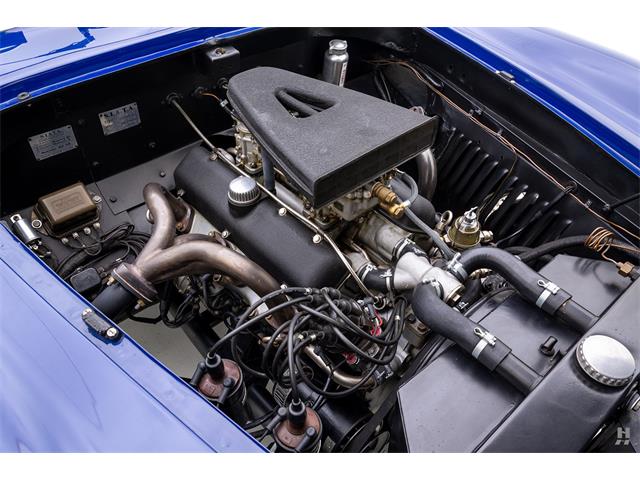
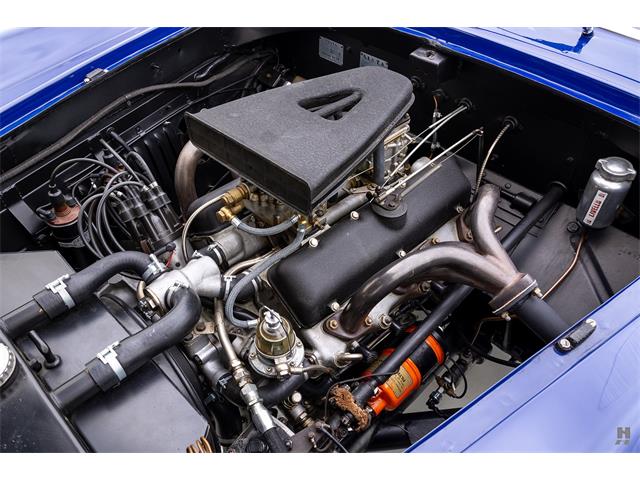
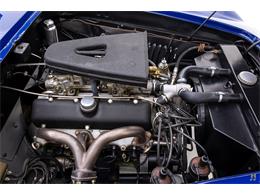
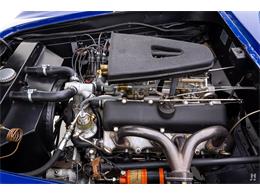
independent suspension all around. The 8V engine, with a dollop of
Siata intake, camshaft, and carburetor tuning, produced around 125
horsepower put to the rear wheels through a five-speed
transmission. Working with some of Italy's finest coachbuilders,
Siata offered a 208S barchetta with hand-formed aluminum bodies
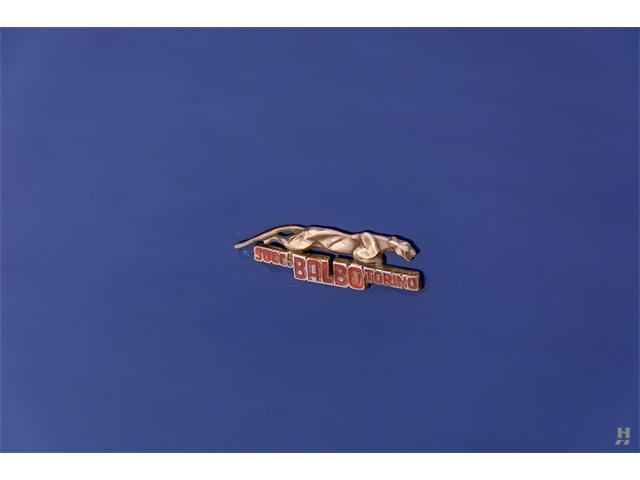
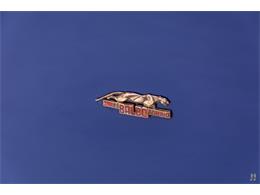
from Michelotti and Carrozzeria Motto and the 208CS berlinetta with
bodies first from Stabilimenti Farina and later from Carrozzeria
Balbo. Both versions of the 208, by either coachbuilder, are a
product of their era and method of construction and that is to say
- achingly beautiful. During production, approximately 53 208
Siatas were sold, with just 18 of these produced as 208CS
Berlinetta coupes. A mere eleven were bodied by Carrozzeria Balbo.
Even as a small, specialty manufacturer, Siata cultivated a
remarkable network of dealers in the United States during the early
1950s. Notable figures such as Ernie McAfee, John Edgar, and Pavia
& Co embraced Siata's offerings, while Tony Pompeo, operating
Fergus Motors from 444 West 55th Street in New York, just a stone's
throw from Columbus Circle, played a pivotal role in introducing
Siata to American enthusiasts. Pompeo's story takes a fascinating
turn when you delve into his diverse portfolio, encompassing not
only Siatas but also Bandini, Stanguellini, Abarth, Cisitalia, and
an occasional Alfa Romeo and Maserati, due to the niche nature of
these specialty cars. Interestingly, Pompeo was known for
exclusively importing competition-oriented vehicles. Legendary
racer Rene Dreyfus shared that Pompeo had a reputation as a
less-than-adept driver, entrusting the racing of his imported cars
to individuals like Robert Grier, the inaugural owner of chassis
number CS 071. Grier likely raced this Siata in events like the
Floyd Bennett Grand Prize Cup, a 100-lap race at Brooklyn's Floyd
Bennett Field on August 29, 1953, where it finished 18th among 43
competitors. Subsequently, Grier also participated in the Keene
Mountain Hill Climb in upstate New York. Ownership of this
coachbuilt Siata coupe transitioned to Russell G. Sceli, another
Northeast racer of that era. Notably, Alan R. Jones secured his
SCCA competition license in CS 071 before moving on to pilot a
Porsche 356 Carrera in 1959 and 1960. With this, the competitive
chapter in the life of this exceptional Siata coupe reached its
conclusion, but, as is often the case with unique automobiles, new
opportunities awaited. In September of 1959, the story of CS 071
took a fascinating twist as it found a loving home with Dr. Julius
Eisenstark, a connoisseur of European sports cars. In a time when
American roads were dominated by the allure of Detroit's automotive
giants. Dr. Eisenstark was part of a local sports car club, and his
journey led him to the discovery of this red Siata on a used car
lot in Queens, New York. Love at first sight prompted the purchase,
and on September 12, 1959, CS 071 found a new home with the
Eisenstark family. The younger Eisenstark recollects that the car
had previously been treated as a competition vehicle, designed for
maximum performance on the track. Under Dr. Eisenstark's ownership,
CS 071 underwent a transformative process, evolving from a
bare-bones race car into a more civilized GT, suitable for
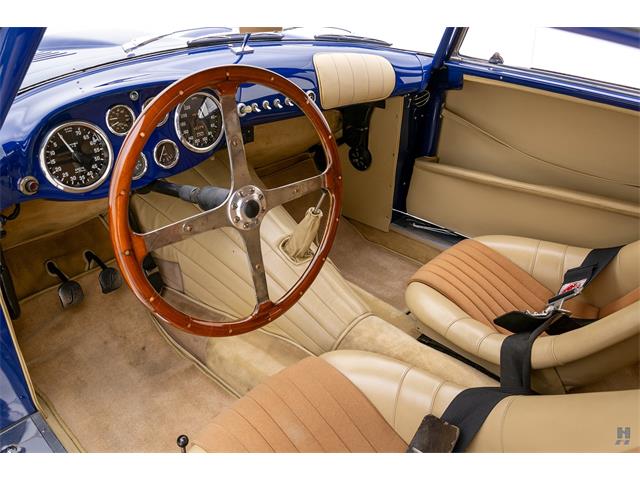
leisurely drives. The doctor added interior upholstery, a heater
with defrost, and enhanced engine cooling for the rare Fiat 8V
powerplant as well as another layer of Italy's national racing
color. When the 2.0-liter engine suffered a setback in 1966, it was
meticulously rebuilt. Dr. Eisenstark's passion for his Siata was
evident in his mechanical tinkering and modifications, with a
particular emphasis on performance. While the car was exhibited and
showcased at events, the focus was always on enhancing its driving
capabilities. Notably, CS 071 made an appearance on Jerry
Seinfeld's "Comedians in Cars Getting Coffee" episode, adding a
touch of Hollywood glamour to its already storied history. In 2017,
motoring plans took center stage as CS 071 made its way to
Automotive Restorations Inc. in Stratford, Connecticut, for
service. However, during a test drive, an unfortunate accident
occurred, marking the car's first significant damage in 64 years.
In response, comprehensive restoration efforts were set in motion
to not only repair the Siata but to return it to its original
show-quality condition, sporting the same colors it wore when it
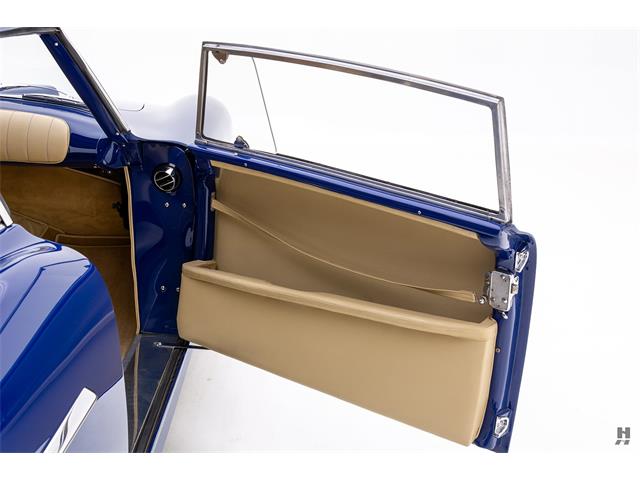
left Turin. The meticulous restoration process entailed the repair
of the original aluminum body, and the entire journey is
well-documented in a 35-page file. The restoration team left no
detail unexamined, even bringing in another 208CS to ensure precise
measurements. With the suspension points confirmed as unaltered,
the damaged right rear corner was scrutinized to create a ribbed
body buck for accurately replicating the original aluminum contours
that defined these small-batch, handcrafted Italian sports cars of
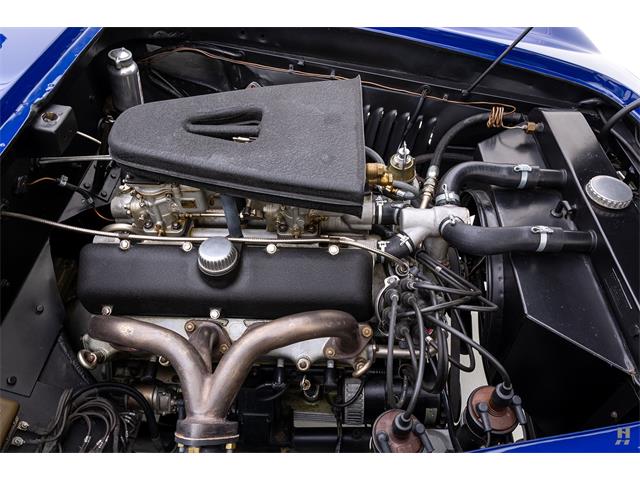
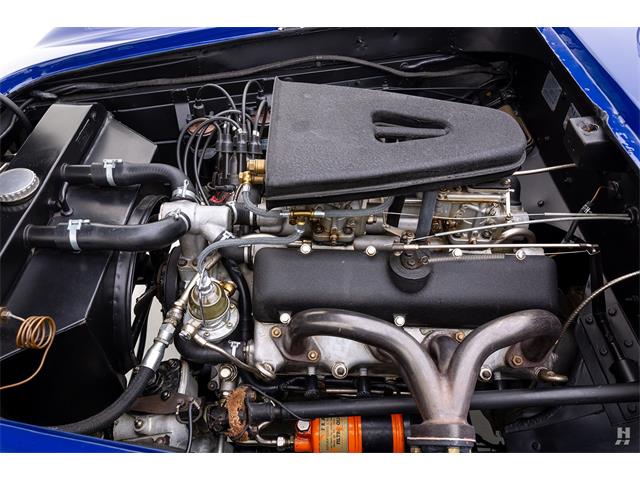
their era. While the localized body repairs progressed, the
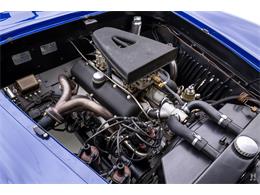
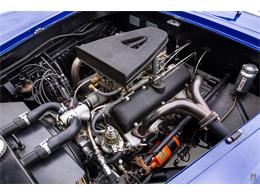
original matching-numbers Fiat 8V engine received a comprehensive
rebuild, ensuring that the Siata would once again perform at its
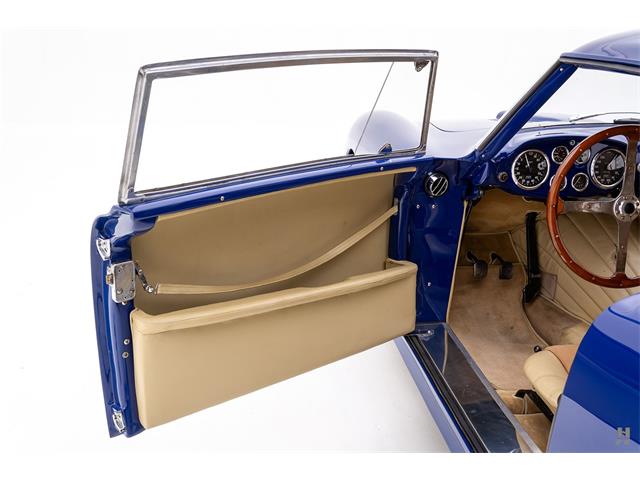
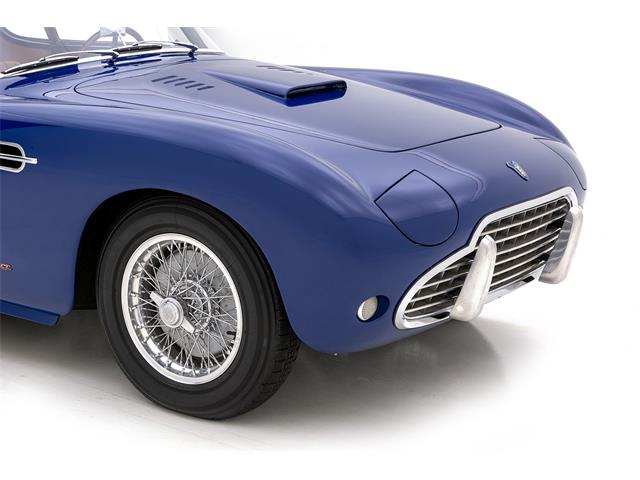
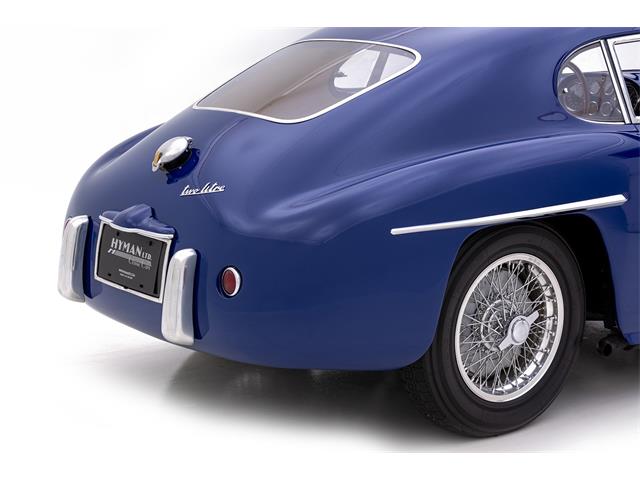
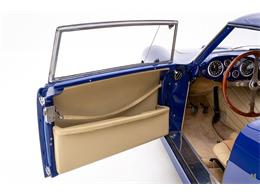
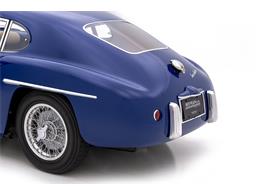
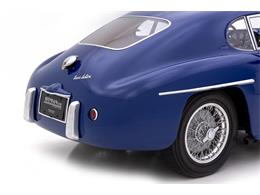
best. The restoration team identified the original medium blue
color and meticulously matched it to perfection. By the autumn of
2018, the decision was made to enter the partially restored Siata
in the 2018 Amelia Island Concours d'Elegance, a prestigious event
held in early March. Despite the tight timeline, the Siata was
fully prepped with panels and components test-fitted ahead of its
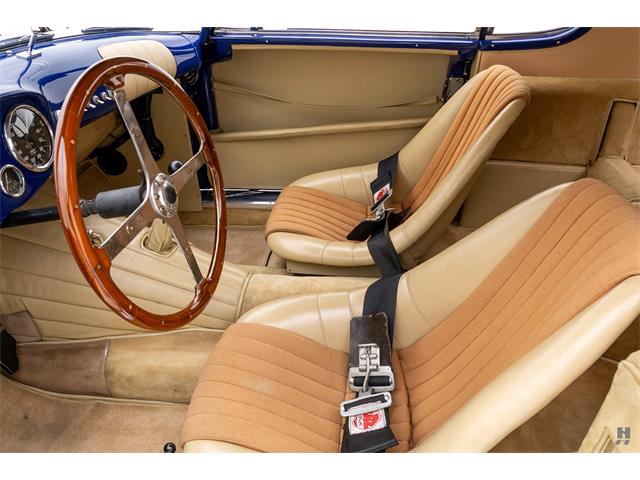
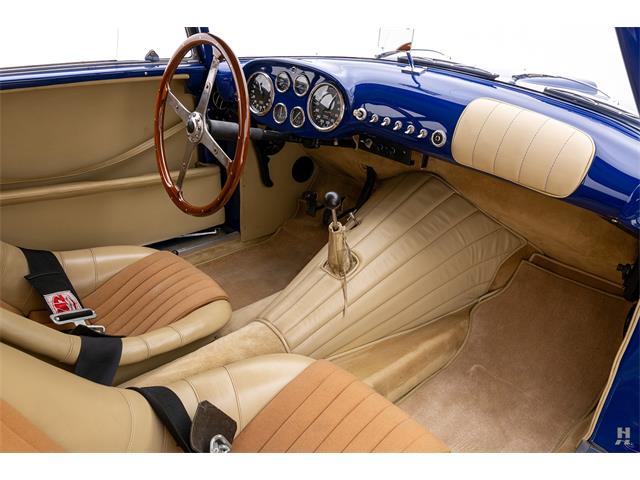
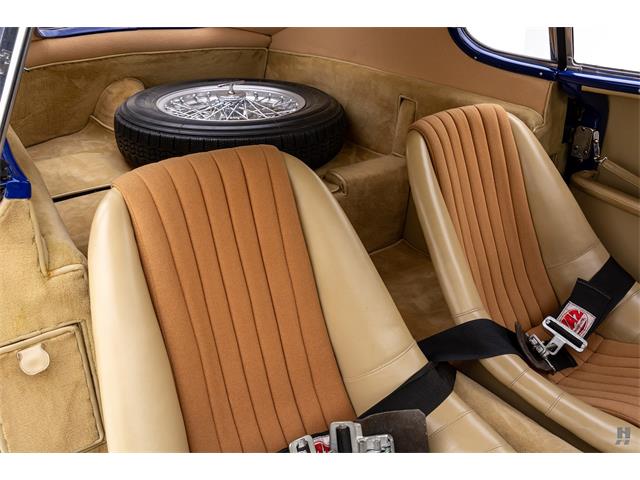
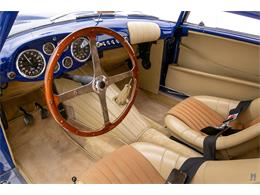
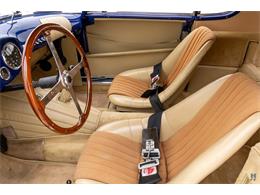
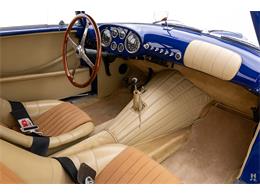
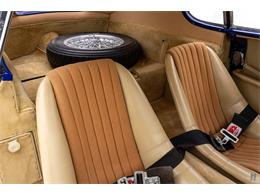
paint application. The interior was tailored to provide a level of
comfort more akin to a GT, reminiscent of Dr. Eisenstark's early
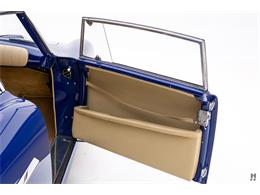
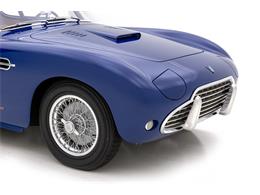
enhancements to the car. With all exterior components, including
the meticulously repaired and restored grille, lighting, glass, and
trim, reinstalled, the Siata made its debut at Amelia Island,
radiating in its original shade of blue as seen in the 1950s. The
judging panels recognized the historical significance of the car
and the quality of the restoration, awarding it the Best in Class -
Sports and GT Cars (1951-1956). Since its restoration, the S...for
more information please contact the seller.
ClassicCars.com has been recognized as one of the fastest-growing private companies in the United States, successfully making the Inc. 5000 list in both 2015,
2016, 2017 and 2018. This prestigious accolade represents the continued growth of the company, and ClassicCars.com's dominance as the world's largest online marketplace for
buying and selling classic and collector vehicles.
The Stevie Awards, the world's premier business awards recognized
ClassicCars.com's first-class Customer Support team with a Stevie Bronze Award in 2019, celebrating the team's skills as exemplary customer support specialists.
In 2016 The Journal, brought to you by ClassicCars.com, was celebrated as the SECOND MOST INFLUENTIAL automotive blog in the world by NFC Performance.