HISTORY OF THE TRIUMPH TR6
Regarded by many as the most appealing of the T-series Triumphs,
the TR6 debuted for the 1969 model year. Mechanically evolved from
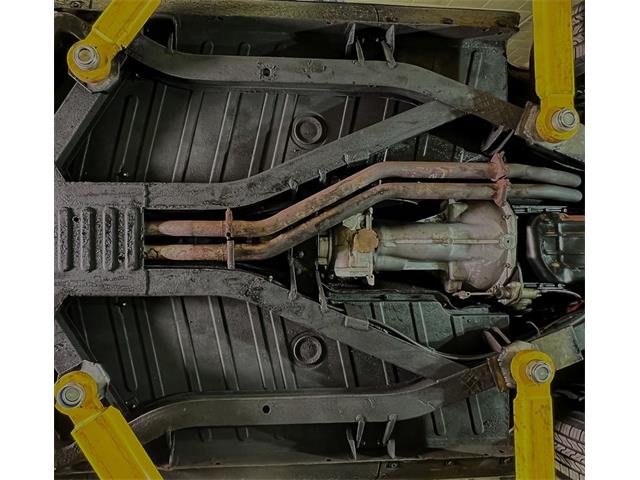
the one-year-only TR5/TR250, the TR6 retained its predecessor's
chassis and drivetrain while benefiting from suspension refinements
and wider 15-inch wheels, giving the car a leaner stance and more
composed handling.
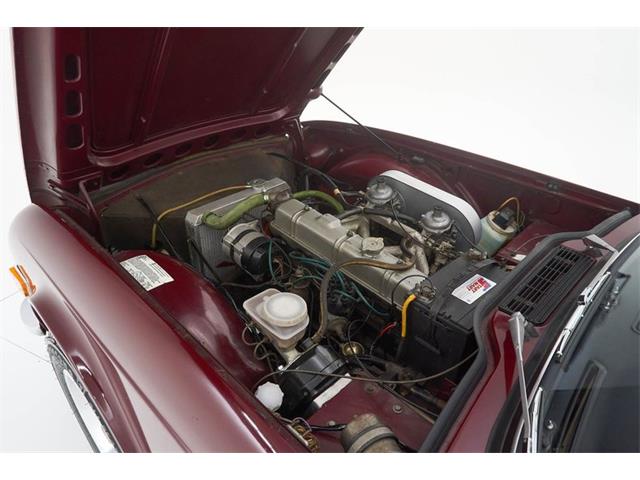
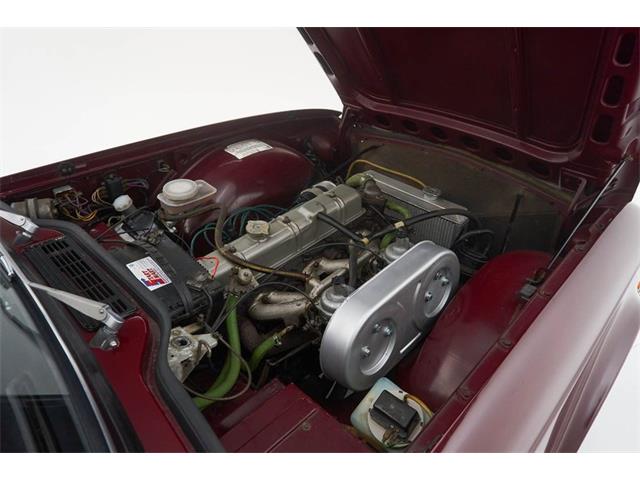
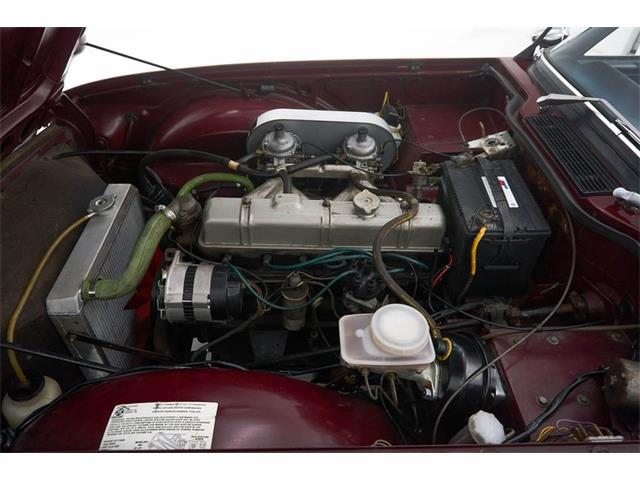
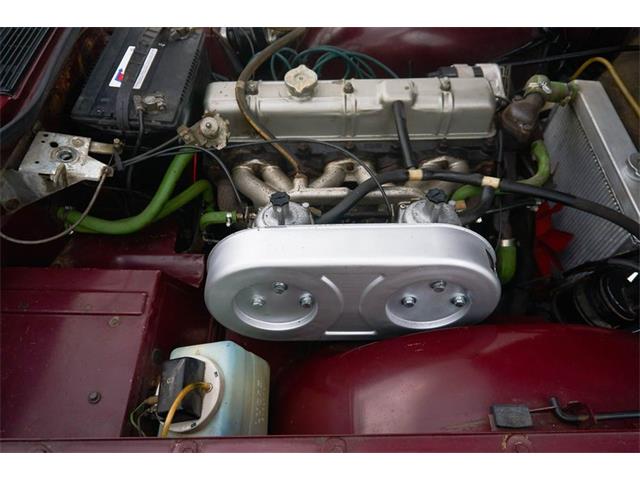
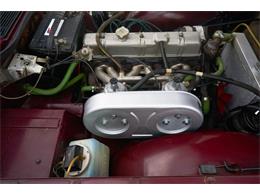
Power came from a 2.5-liter straight-six equipped with twin
Zenith-Stromberg carburetors in U.S.-specification, producing just
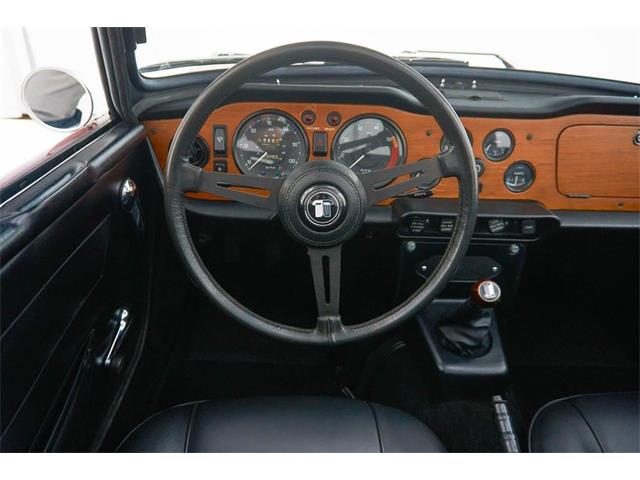
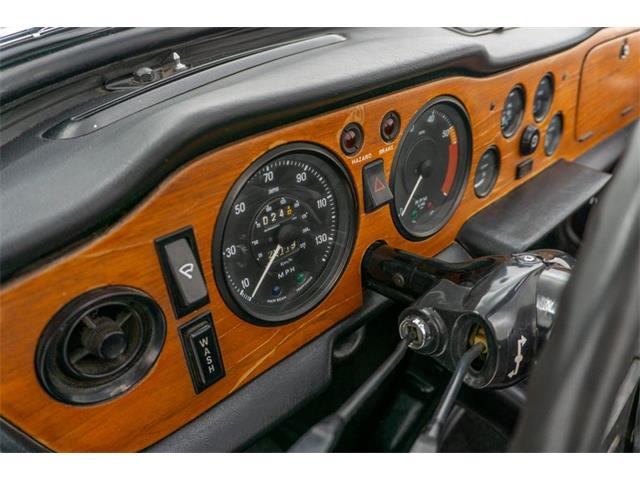
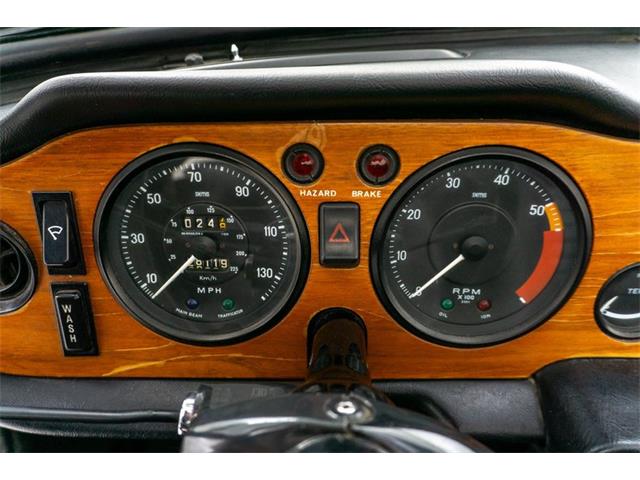
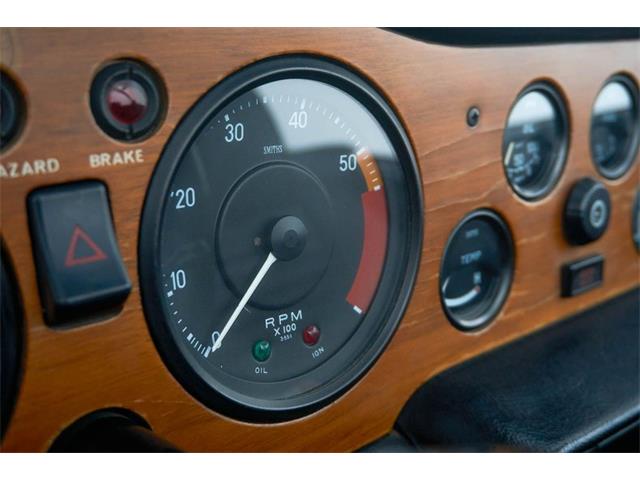
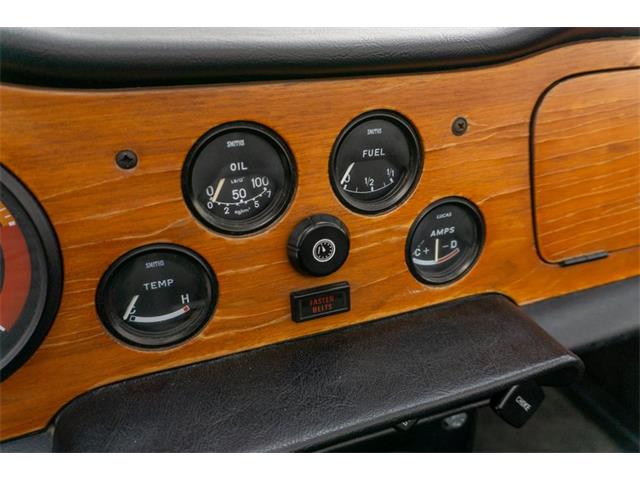
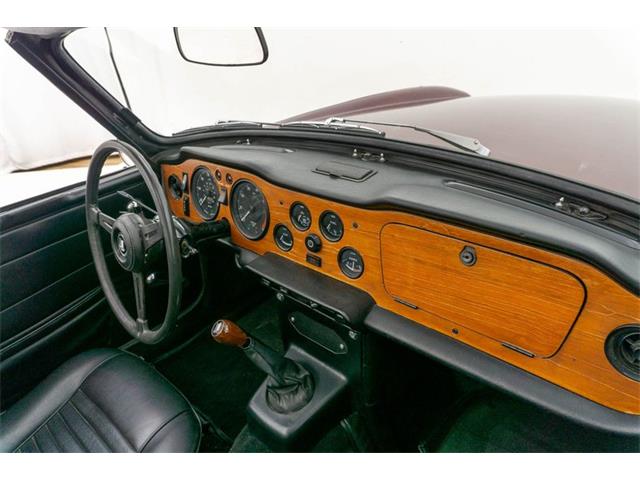
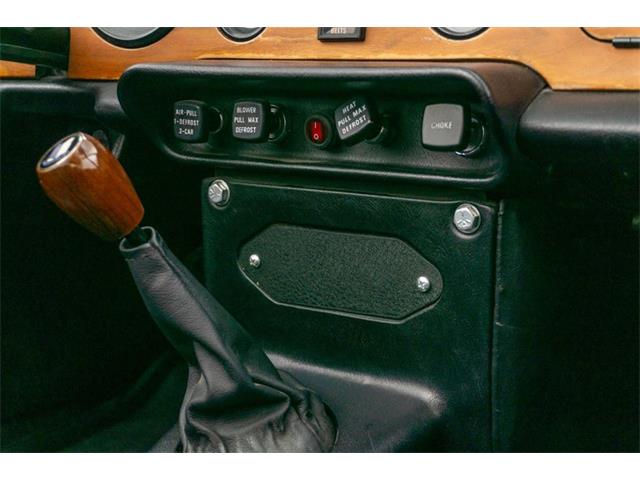
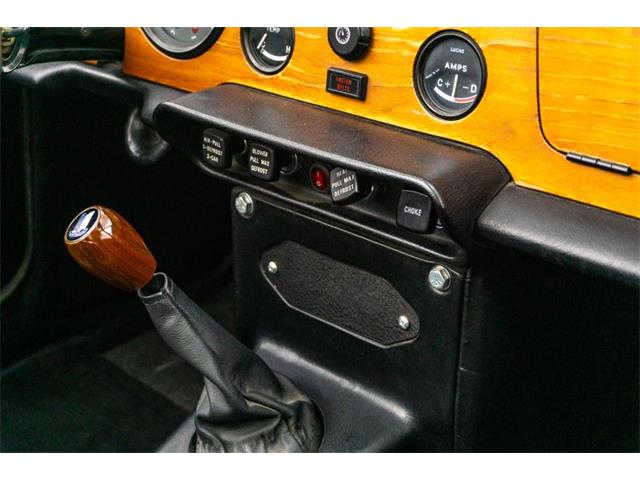
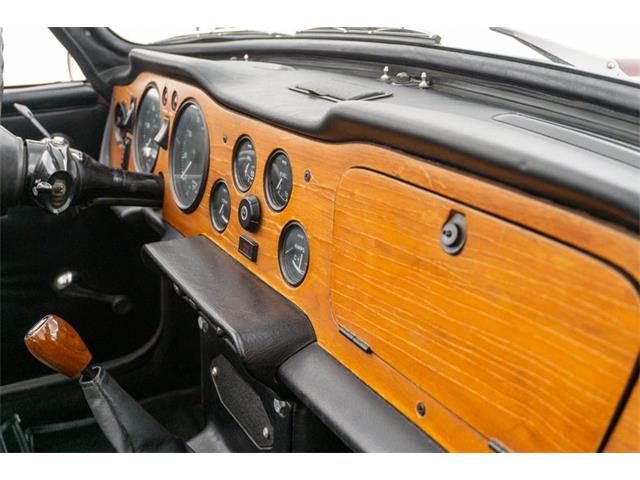
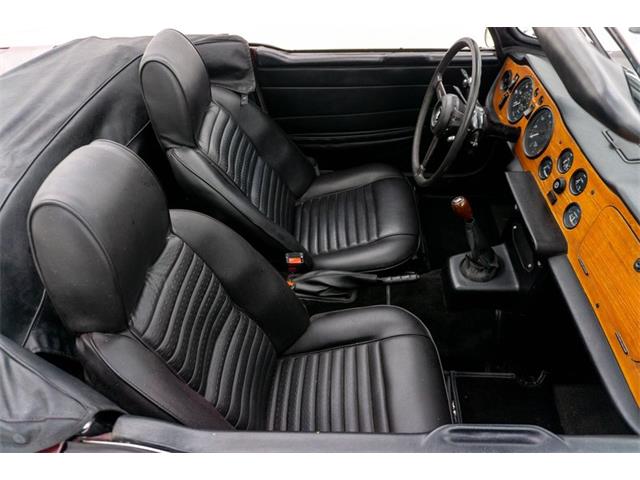
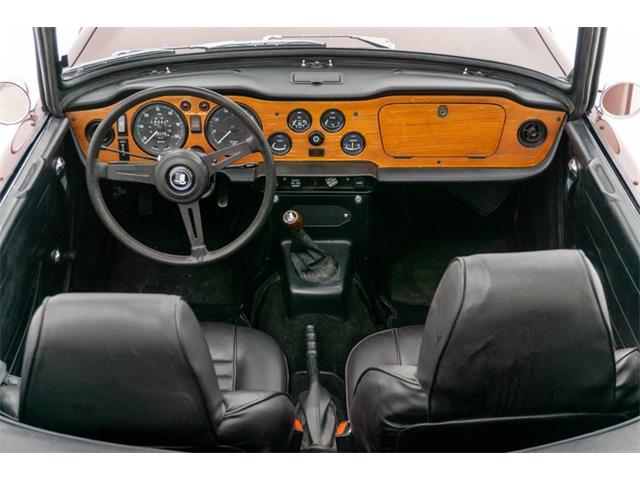
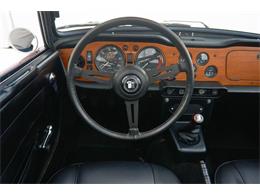
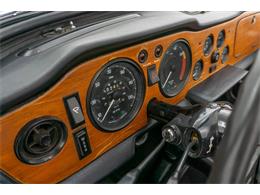
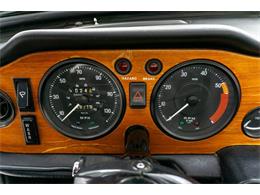
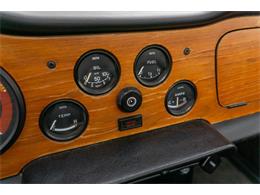
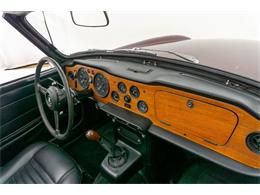
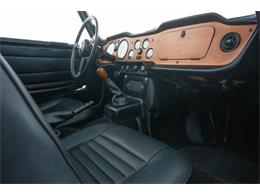
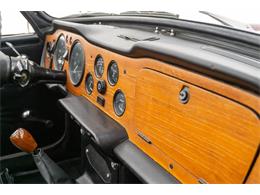
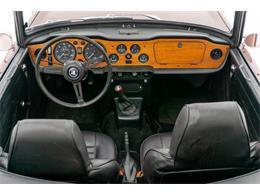
over 100 horsepower. A traditional wood dashboard, standard front
disc brakes, and options including Overdrive, chrome wire wheels,
and a removable hardtop made the TR6 highly customizable.
A delight to drive both then and now, the TR6 consistently ranks
high among iconic British sports cars. Its unmistakable styling and
lively character continue to appeal to discerning drivers and
collectors alike.
THE MOTORCAR OFFERED
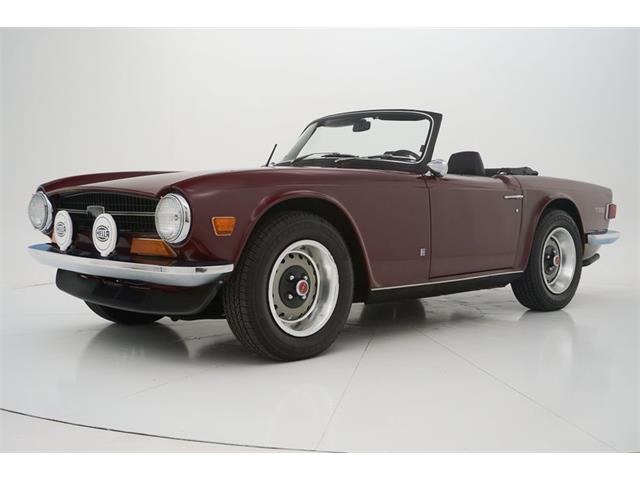
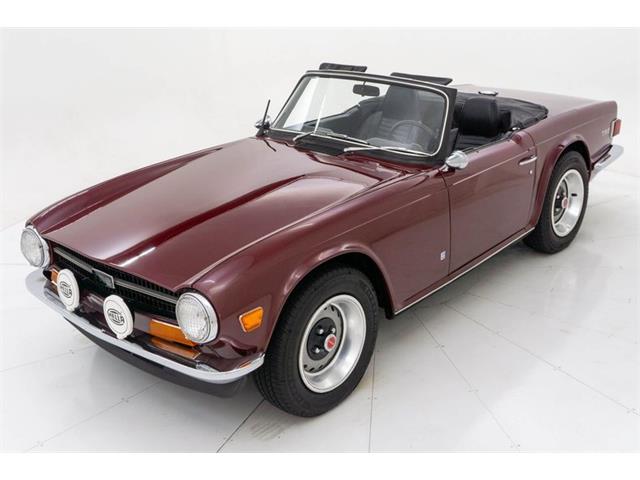
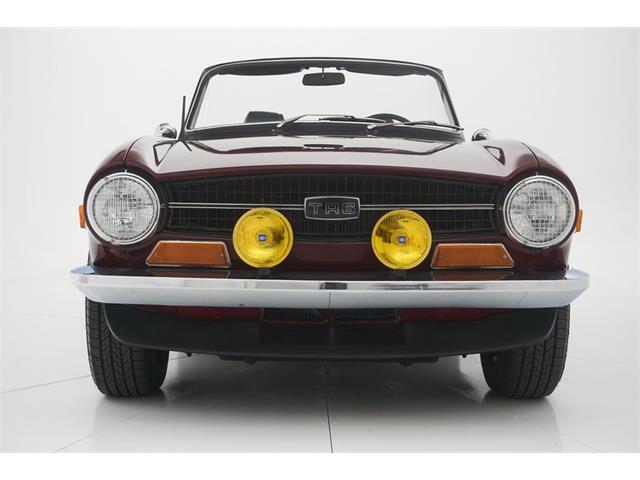
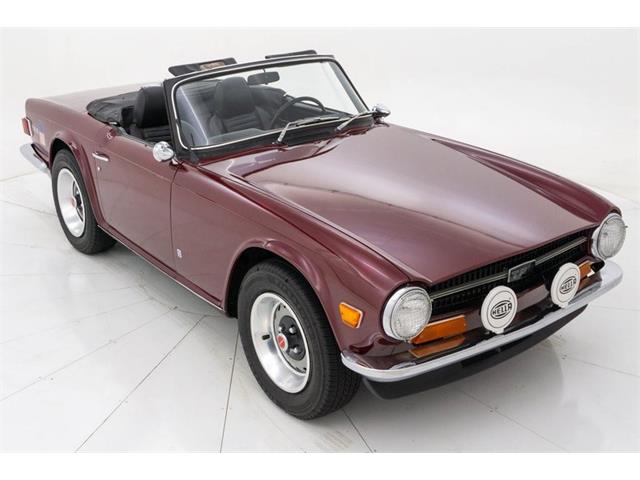
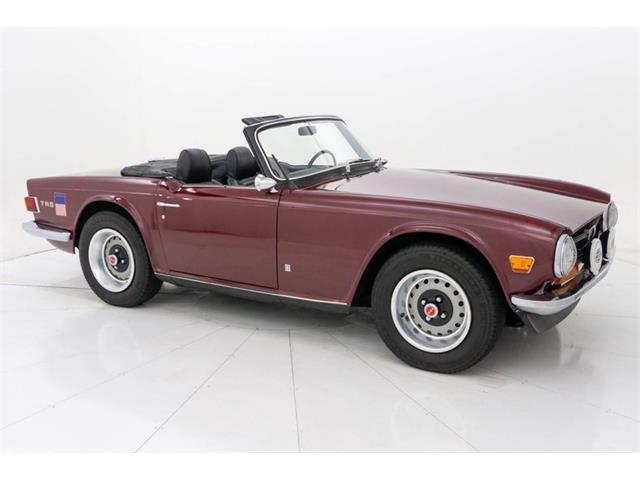
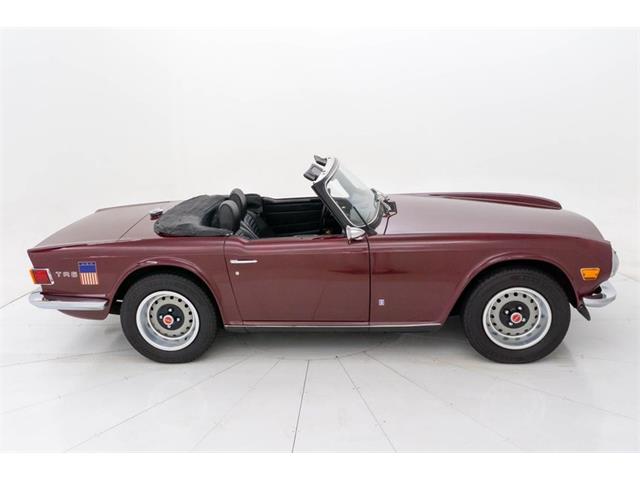
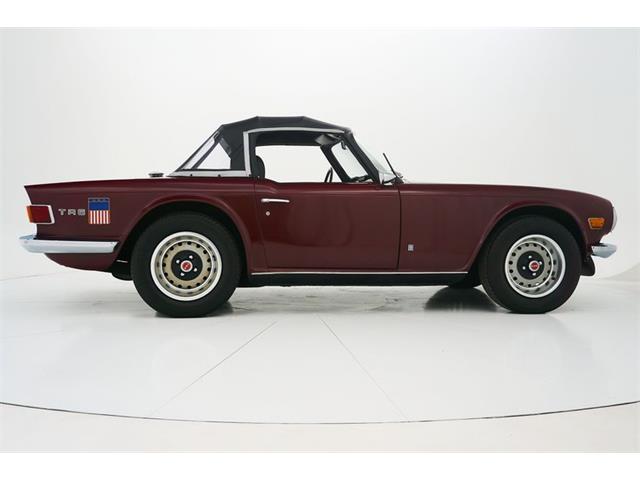
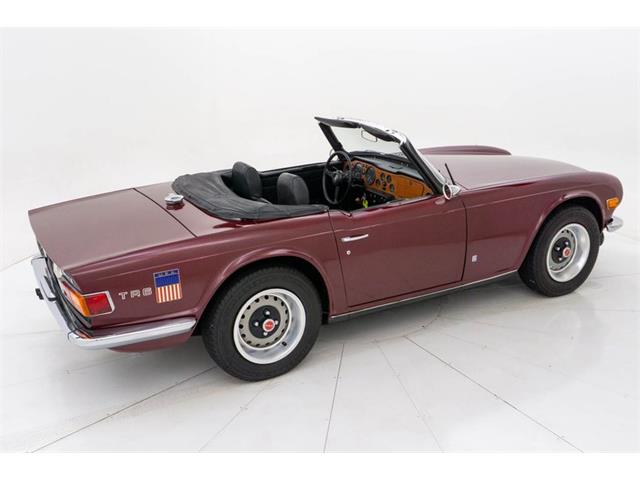
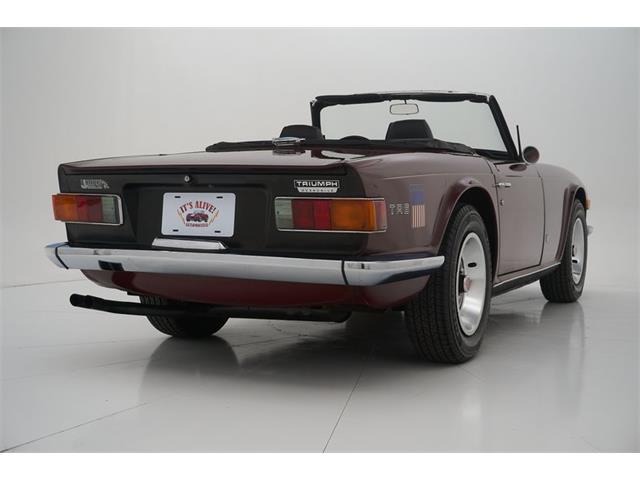
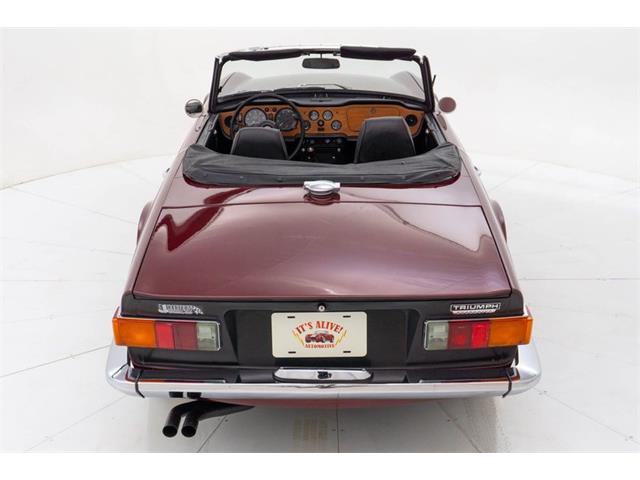
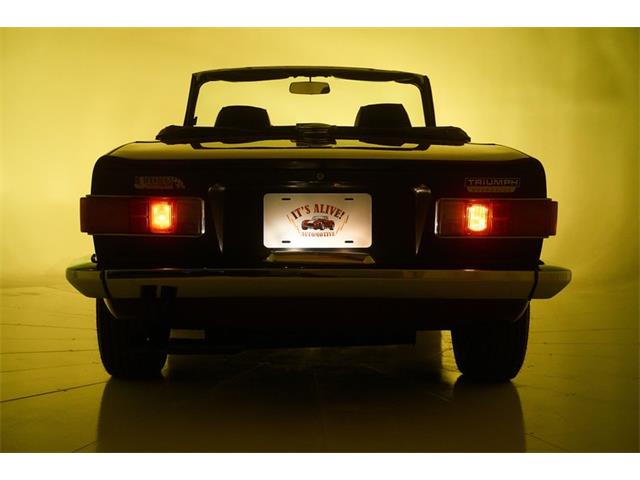
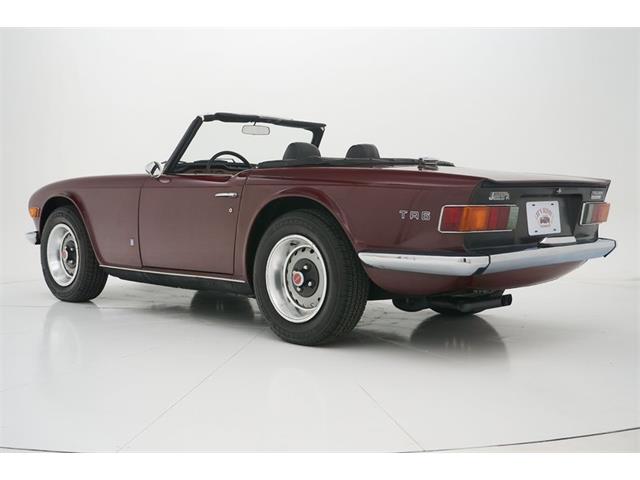
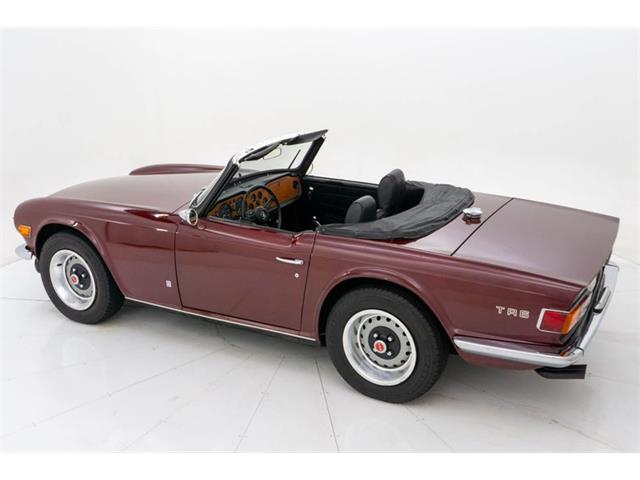
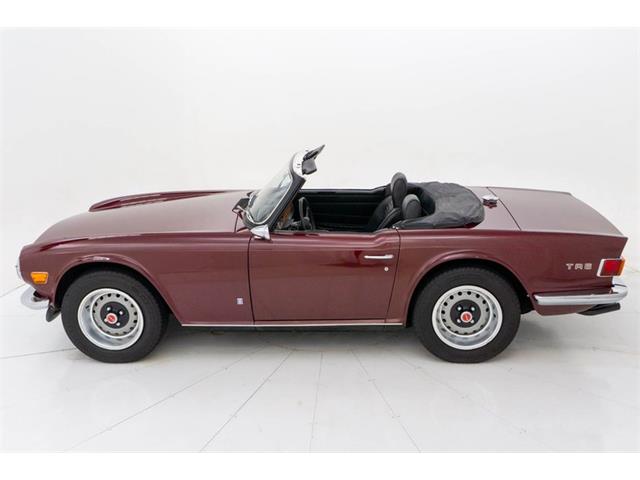
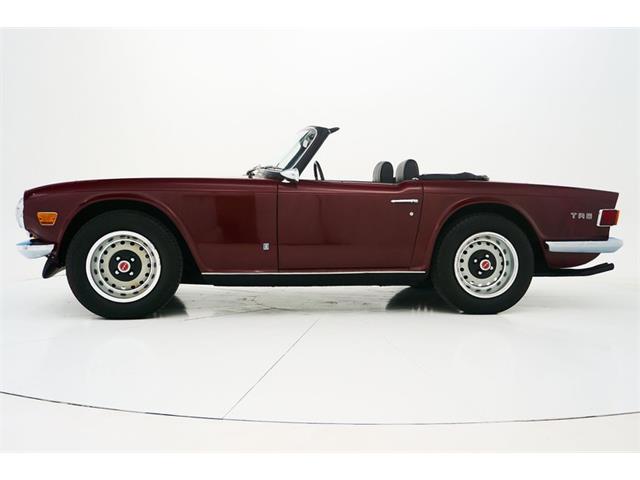
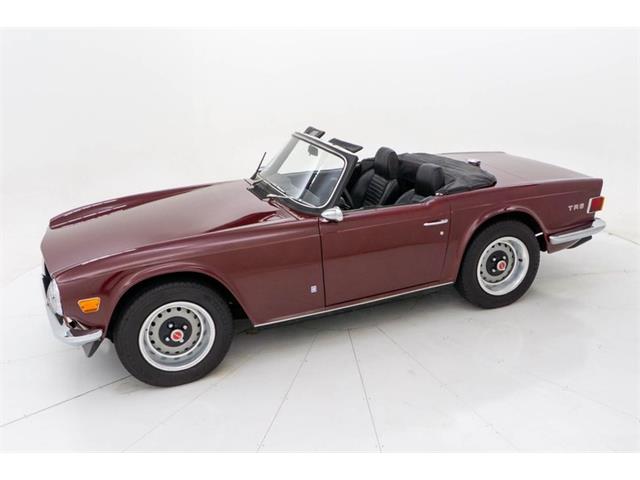
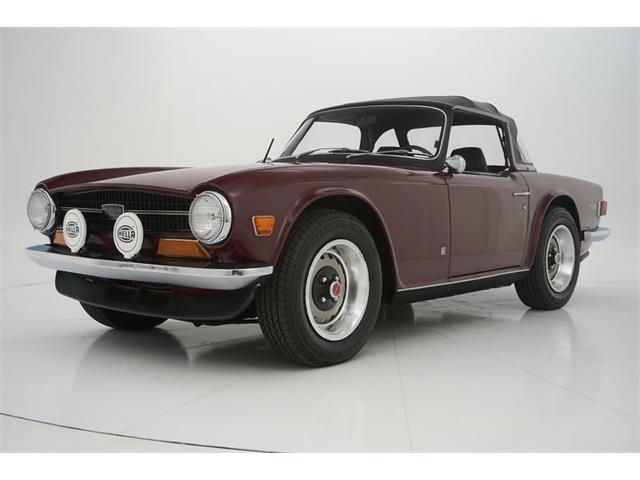
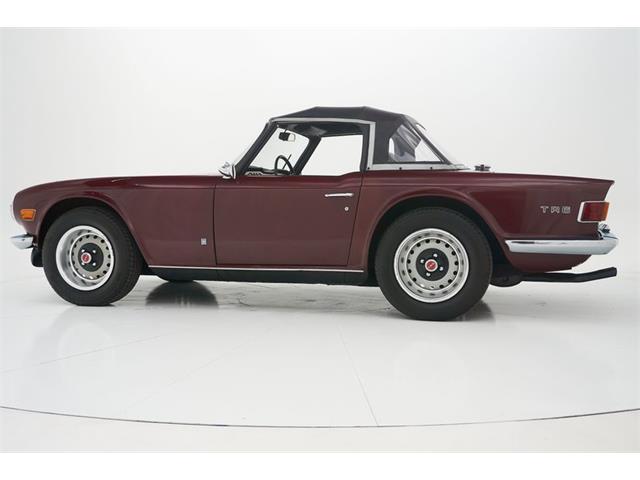
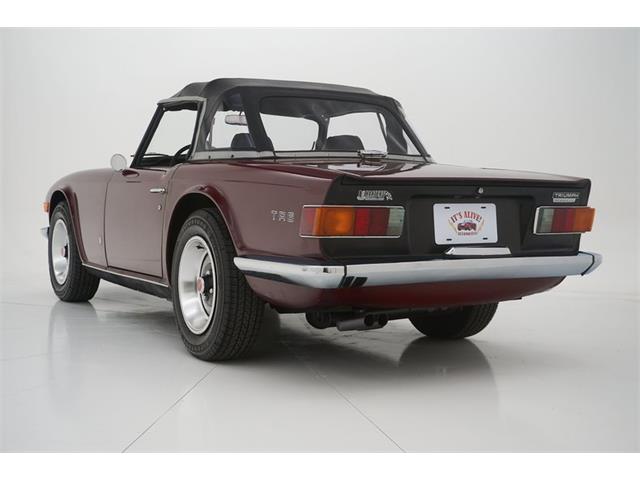
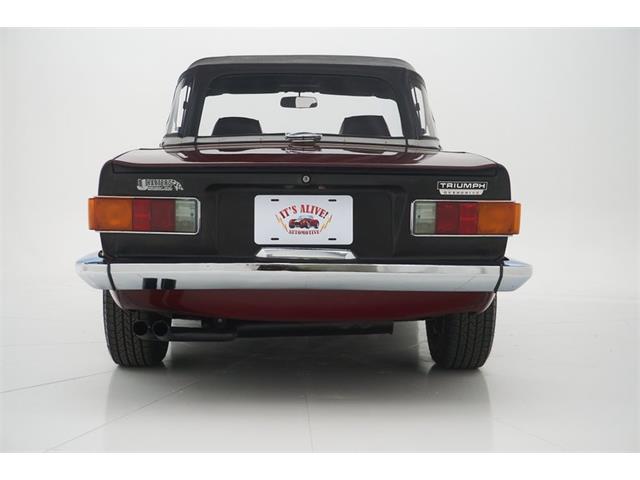
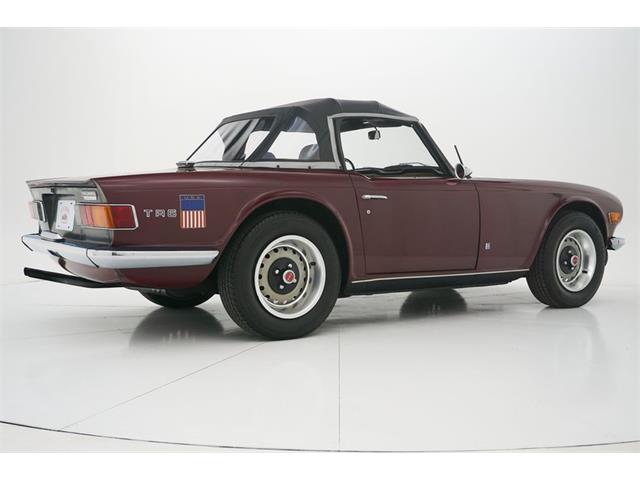
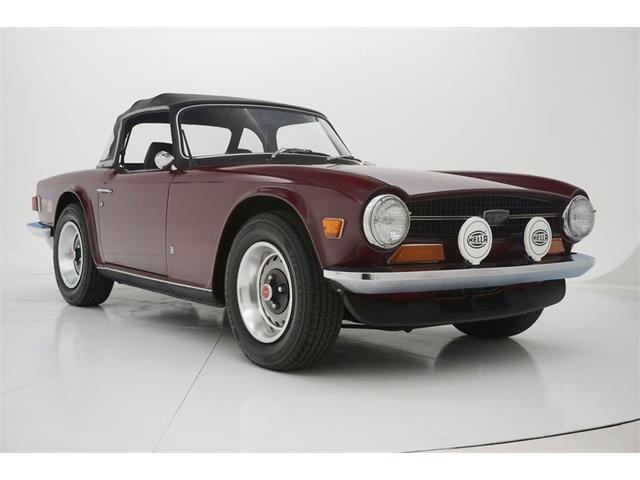
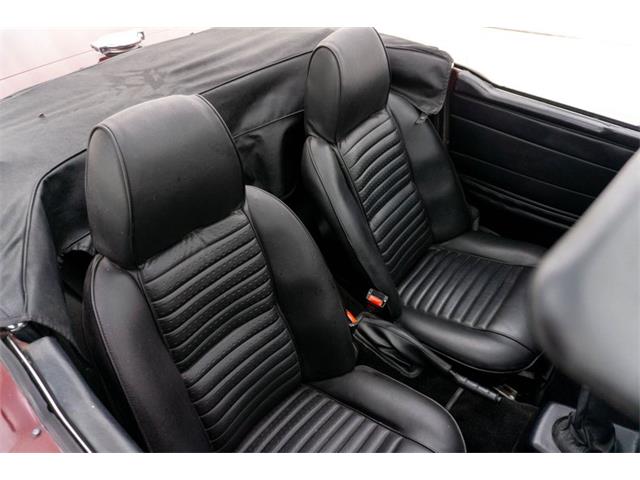
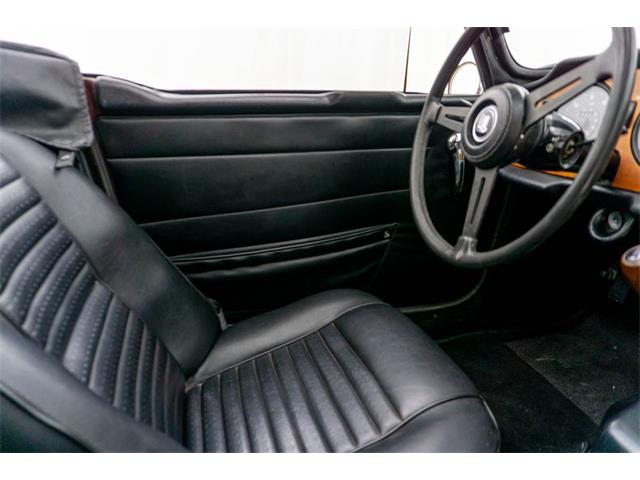
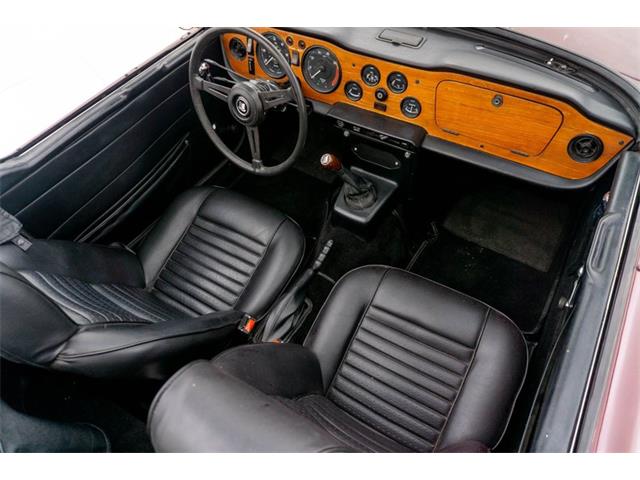
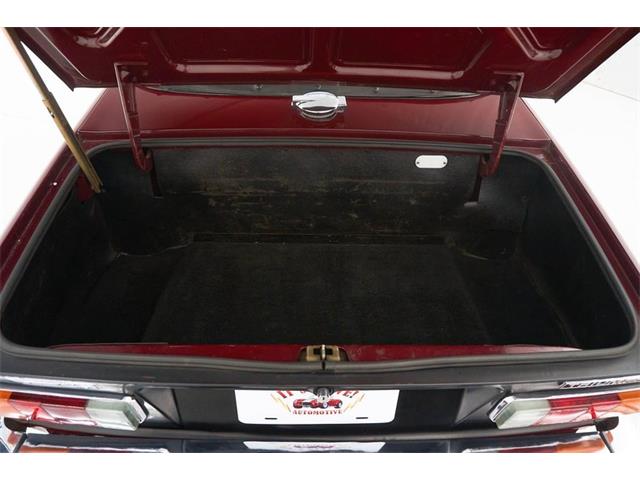
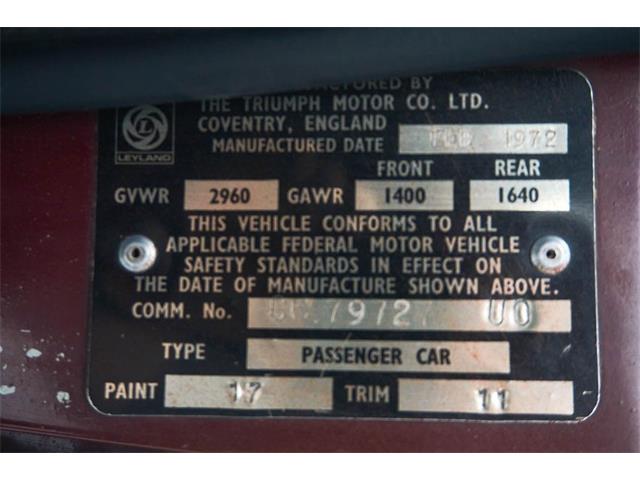
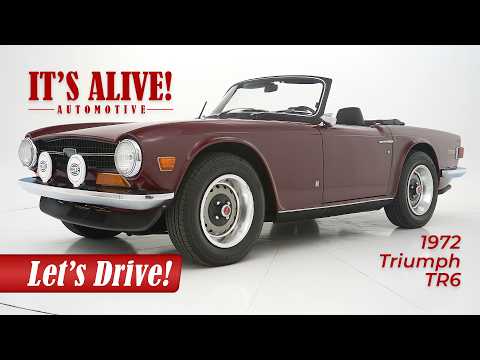
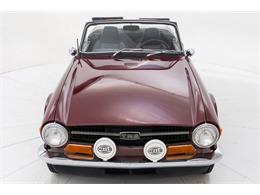
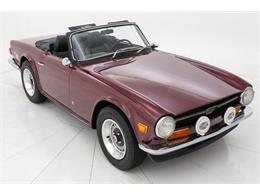
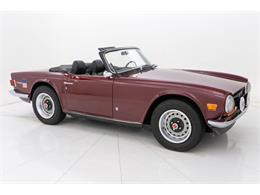
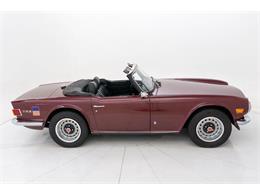
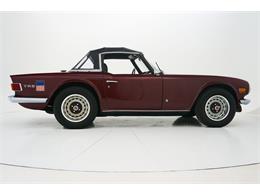
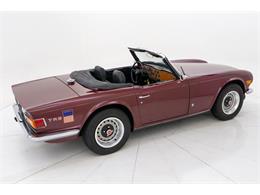
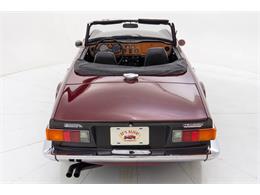
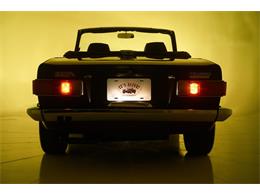
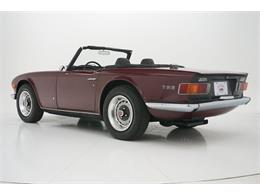
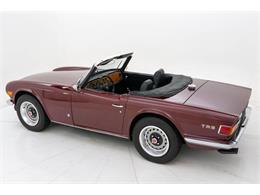
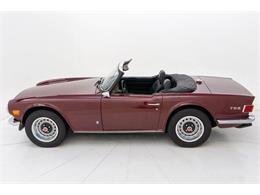
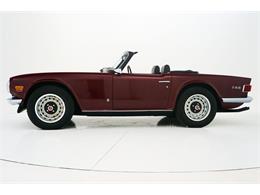
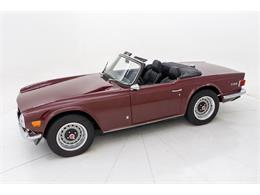
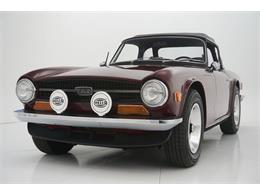
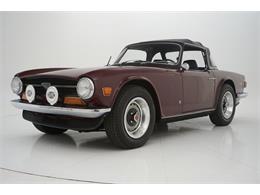
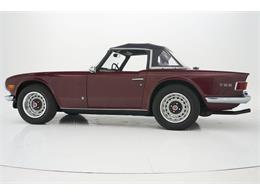
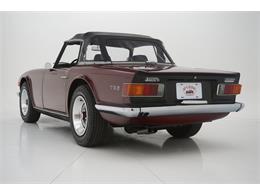
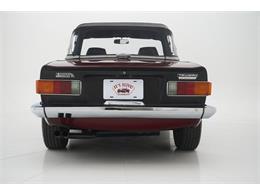
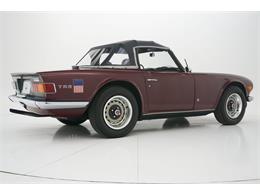
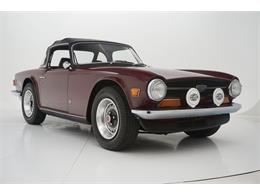
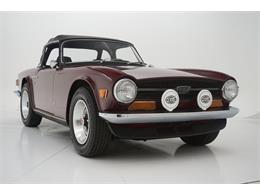
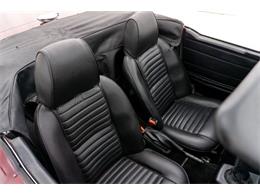
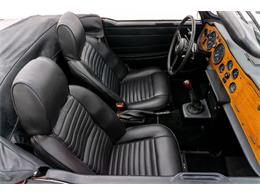
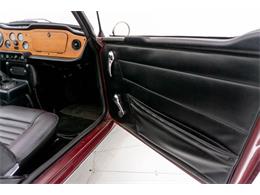
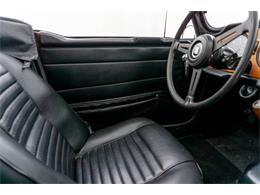
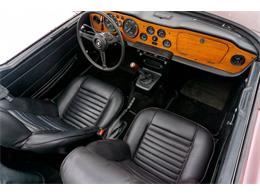
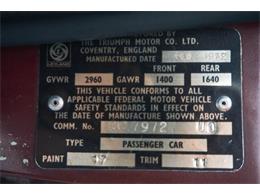
The 1972 Triumph TR6 with Overdrive featured here is finished in
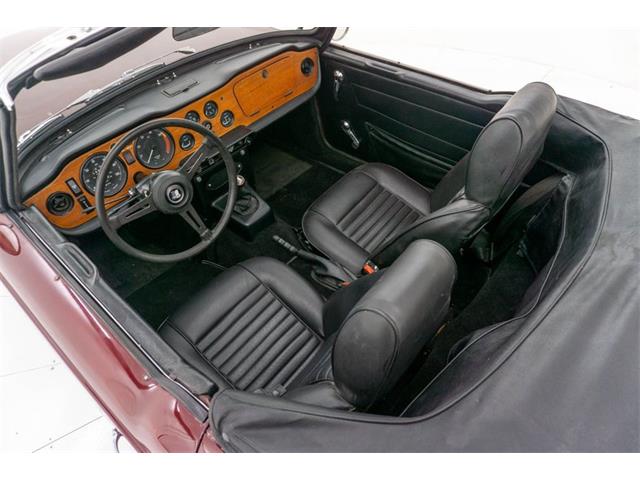
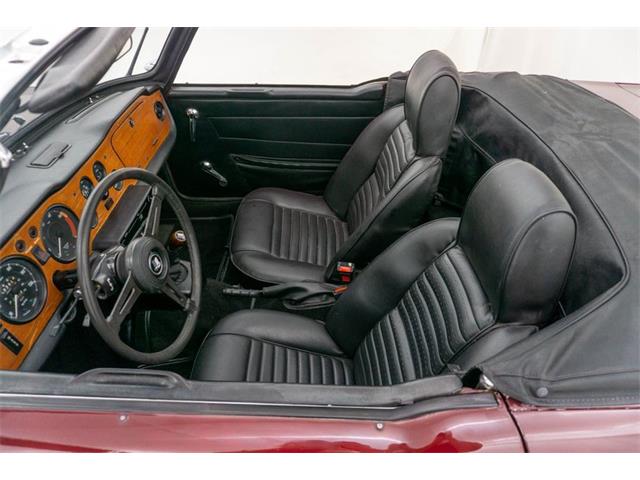
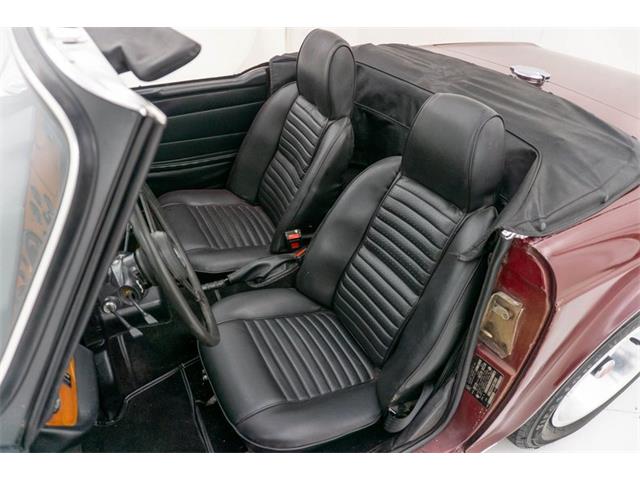
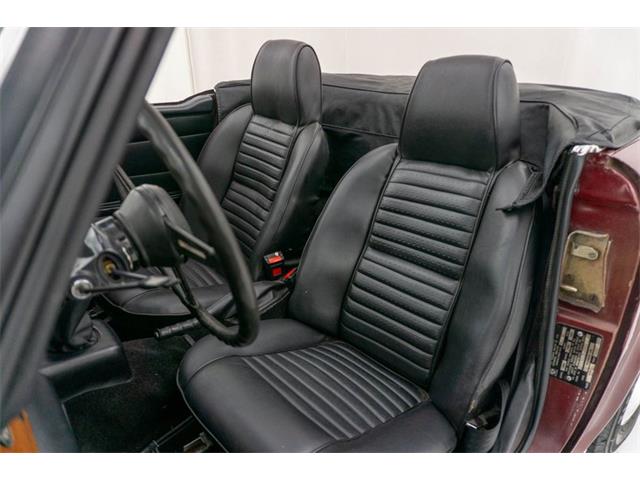
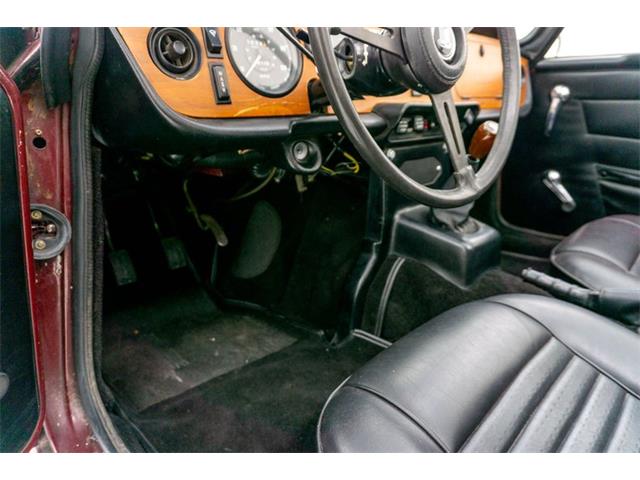
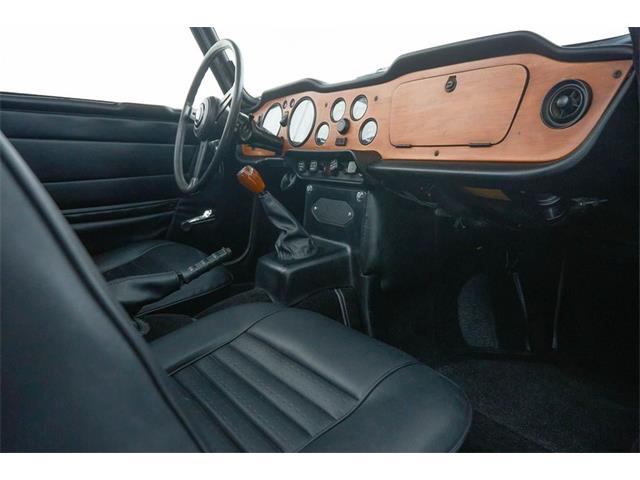
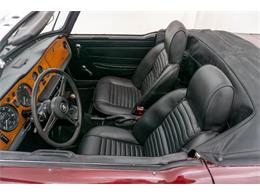
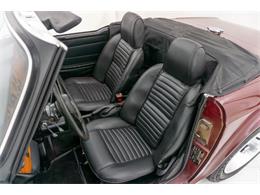
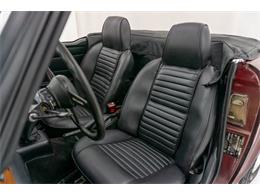
its factory-correct shade of Damson (Code 17) over a restored Black
interior (Code 11) and a new Black folding convertible top with
OE-style reflective strips. This particular TR6 was completed at
Triumph's Coventry Works in February 1972.
While the car's earliest history remains unknown, IT'S ALIVE!
originally acquired the car through a well-known member of the TR6
community in Ohio. Upon arrival at our facility, our team was
immediately impressed by the car's apparent originality and
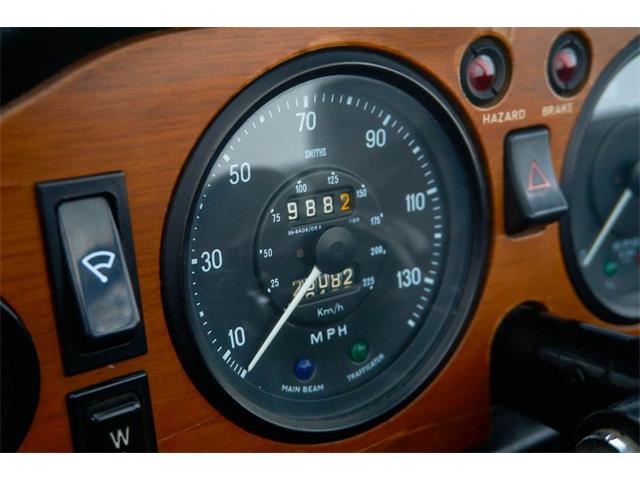
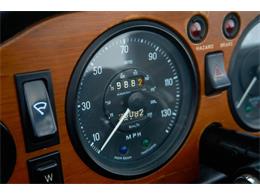
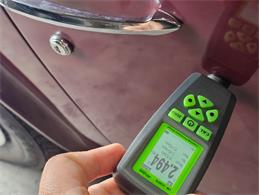
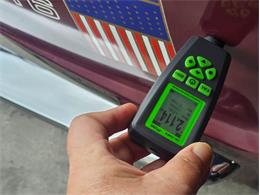
remarkably low indicated mileage of approximately 28,000 miles. The
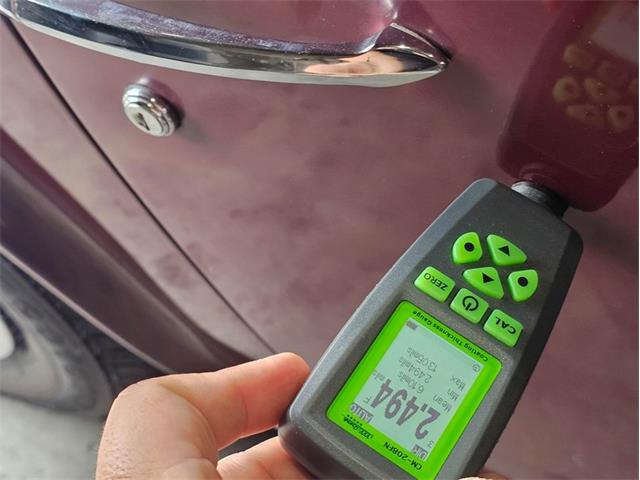
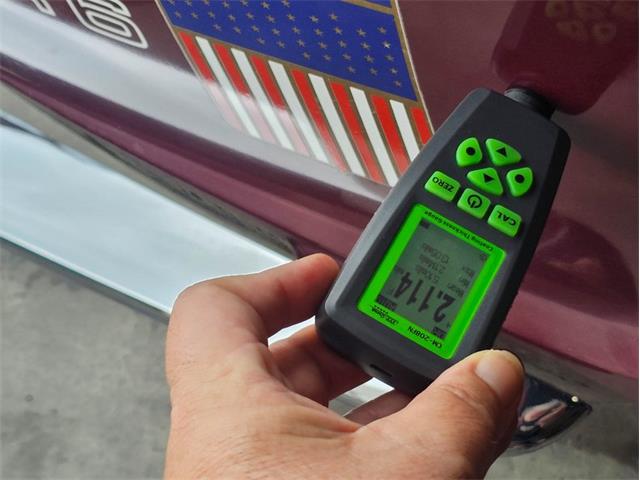
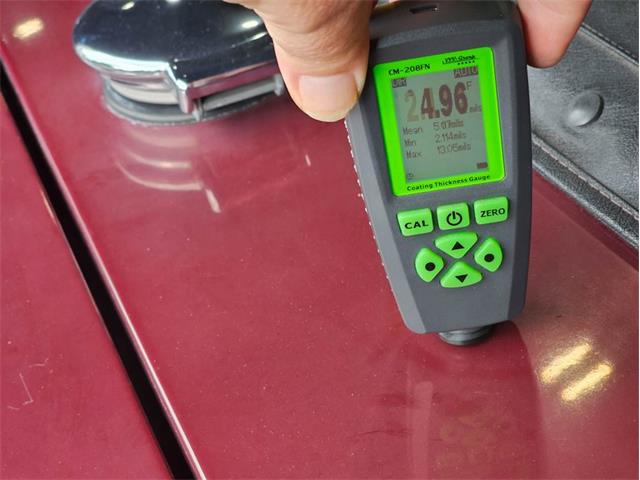
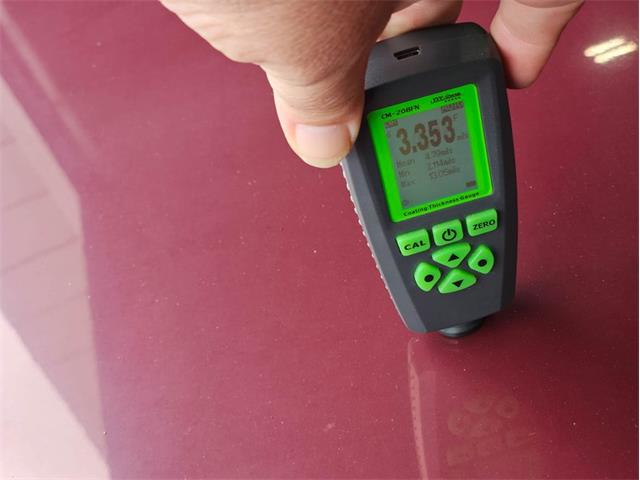
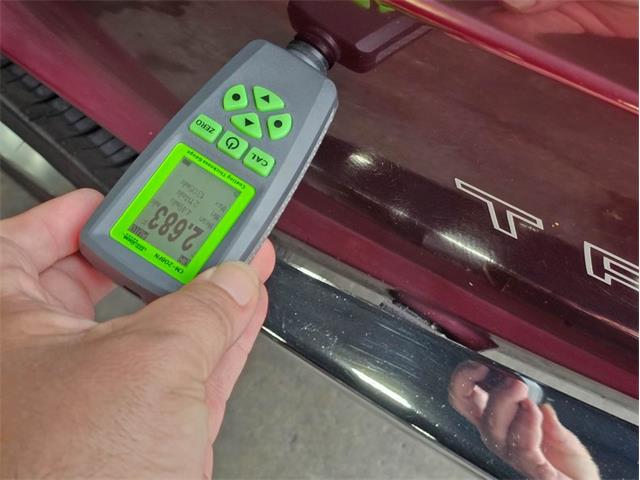
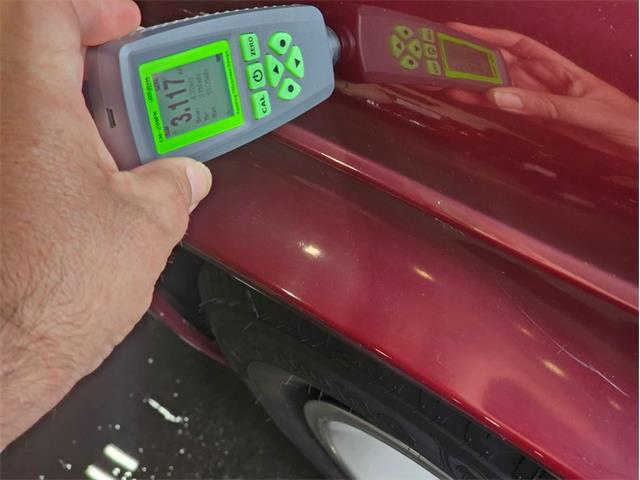
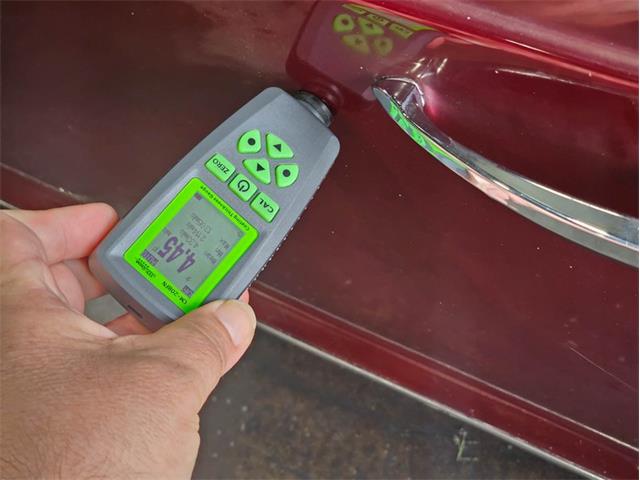
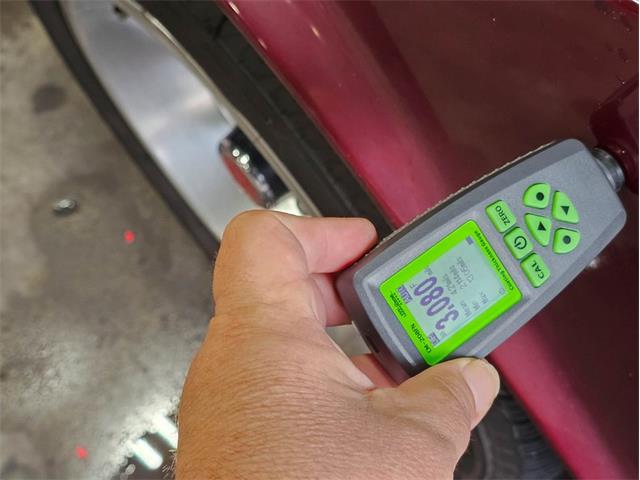
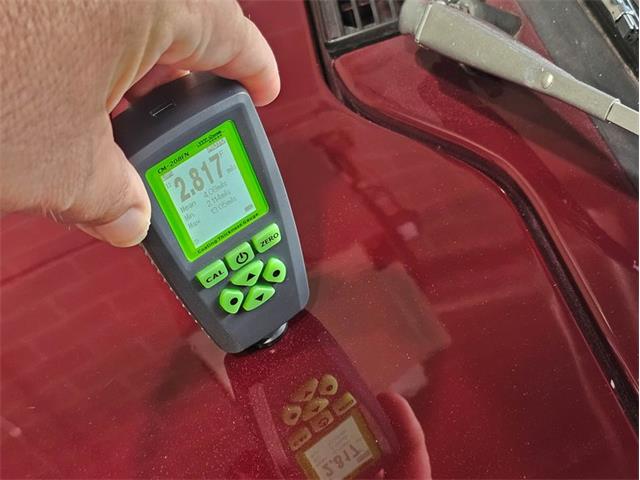
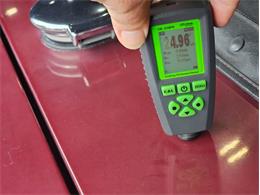
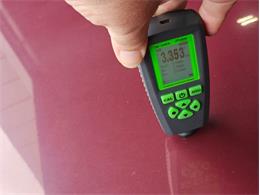
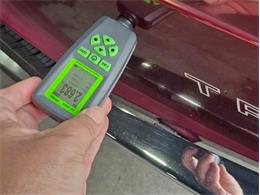
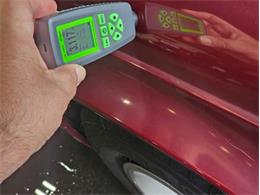
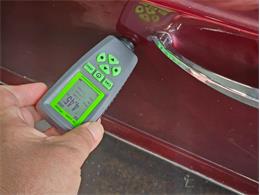
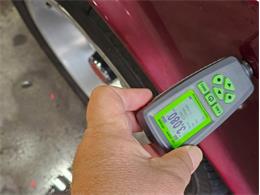
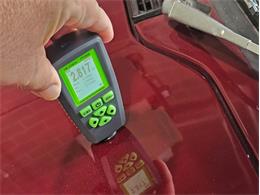
paint finish, which paint gauge readings seem to confirm, is
believed to be largely original. One slight variation in paint can
be observed directly behind the driver's door, in front of the
wheel, suggesting a localized repair early in the car's life. The
car's color combination is certainly one to celebrate, as Damson
was the only burgundy color offered during TR6 production and would
disappear from the color palette during the 1972 model year.
While the car's color and finish were worth celebration on arrival,
the car's original appearing interior and convertible top were less
than ideal. As such, IT'S ALIVE! undertook a combination of
mechanical recommissioning and sympathetic cosmetic restoration.
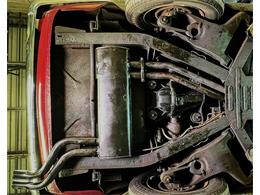
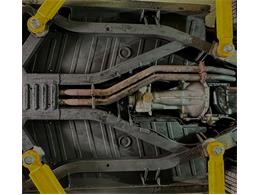
The clutch hydraulics were replaced, while the braking system was
serviced with a new caliper and brake servo. Particular attention
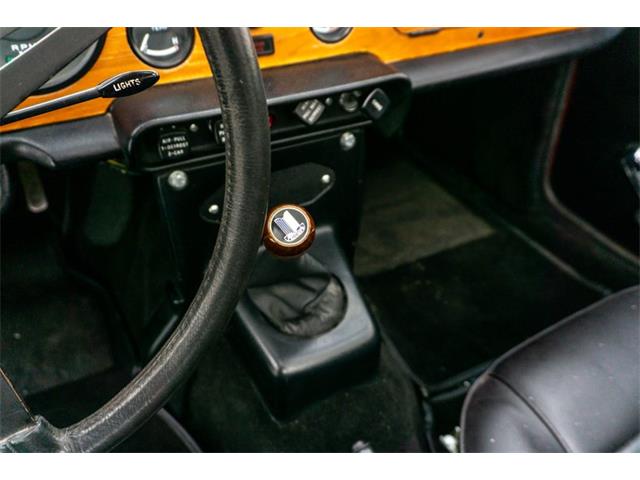
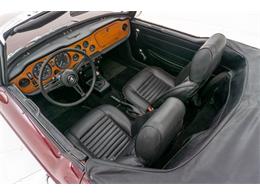
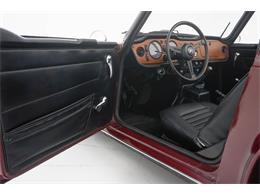
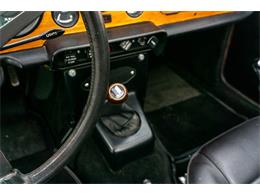
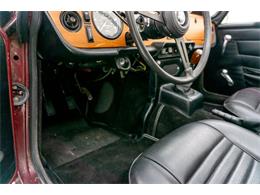
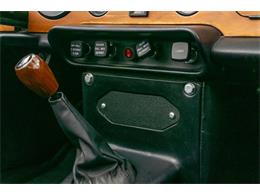
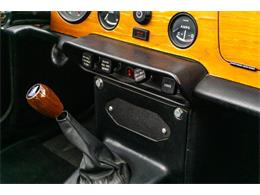
was also paid to preserving the character of the cabin while
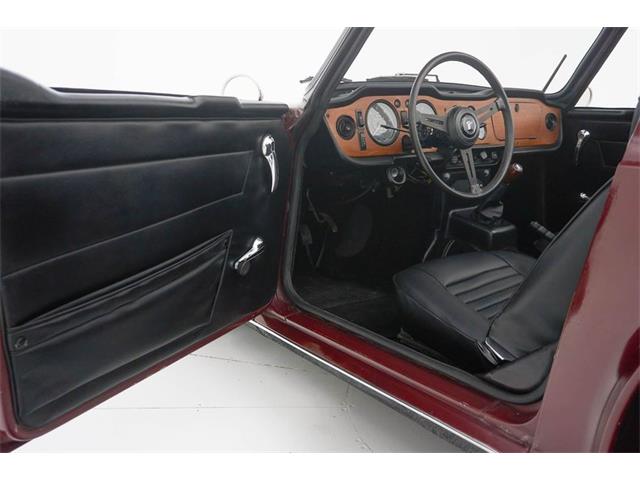
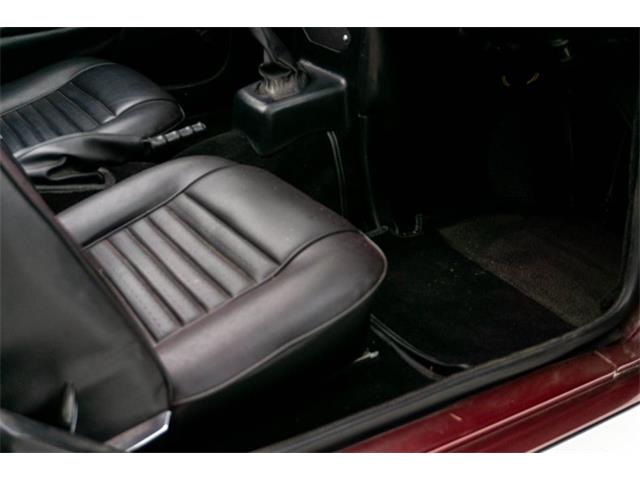
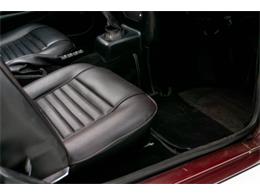
improving its comfort and presentation. The seats were completely
rebuilt with new foams, straps, bladders, and OE-style reproduction
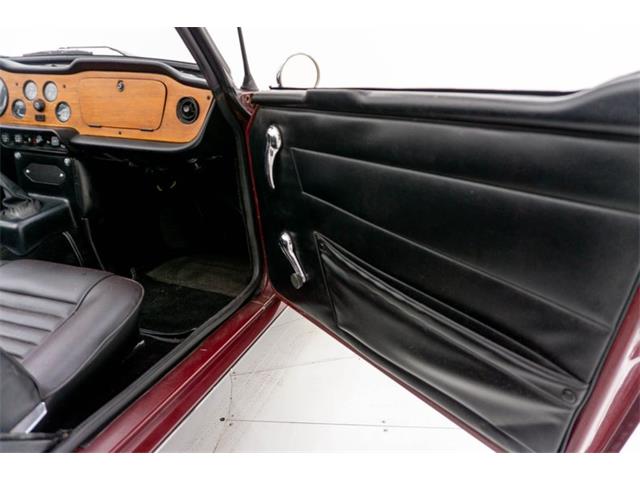
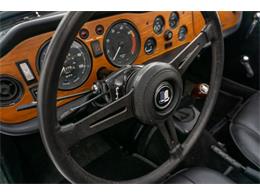
coverings. Interior carpet was replaced with a full kit. The wood
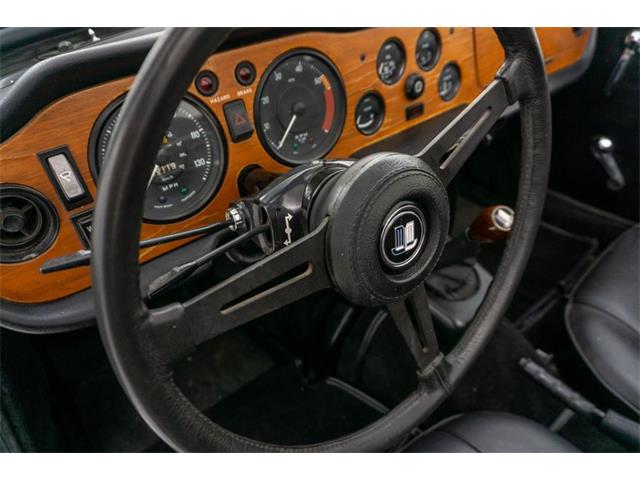
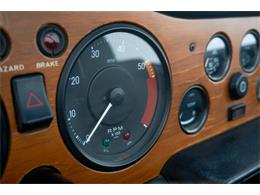
dash panel displays some delamination consistent in presentation
with other originals we've observed, while the dash top,
steering-wheel horn button and center pad were replaced with
quality reproductions to improve presentation while retaining the
original character of the cabin. Furthermore, the interior and
exterior door-glass window scrapers were replaced on both
doors.
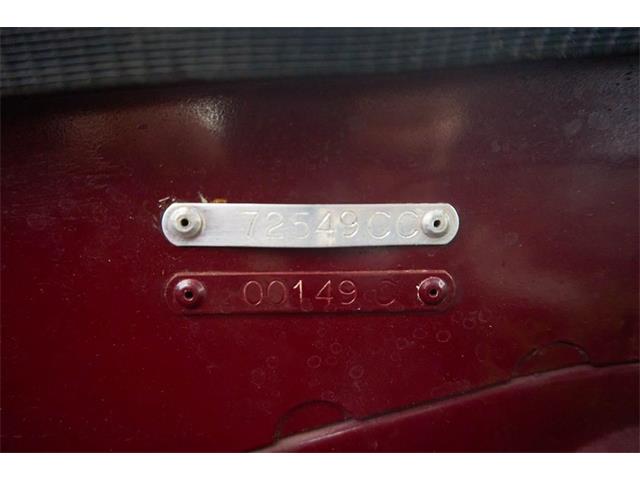
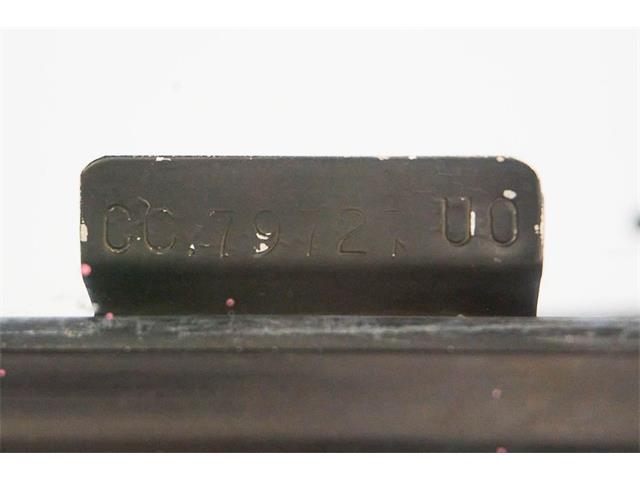
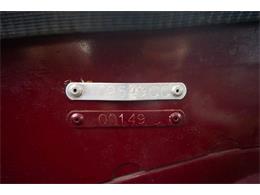
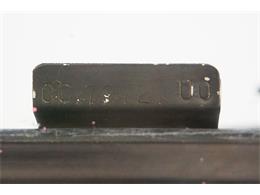
Curiously, IT'S ALIVE!'s attempt to secure a Heritage Certificate
from the British Motor Museum revealed that the page covering this
car's production period is missing from the surviving factory
ledger. Consequently, it is not possible to authenticate the engine
as numbers-matching through the factory records. However, the
visible engine number, CC79730UE, is appropriately sequenced in
relation to the car's Commission Number and is believed to be
original.
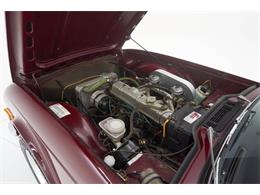
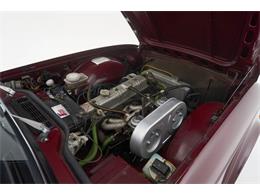
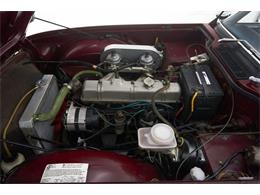
Also, under the bonnet resides period-correct Green Cooling-System
Hoses and the correct "Beehive" vacuum line running between the
intake manifold and the replaced Brake Servo. A performance
aluminum radiator fitted under prior ownership provides additional
cooling capacity and has performed well during our operation of the
car, including in warm summer conditions.
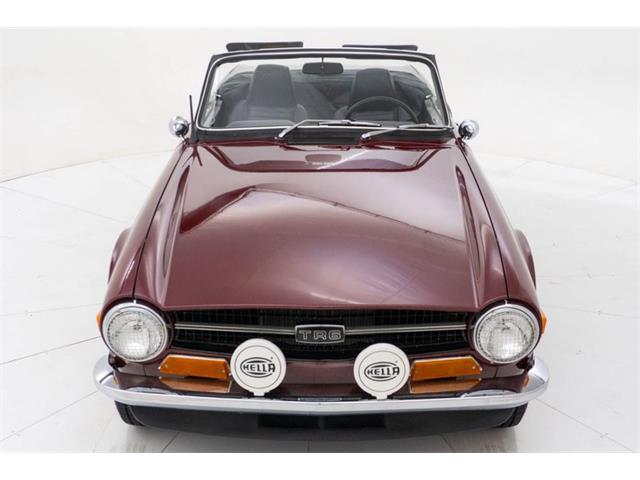
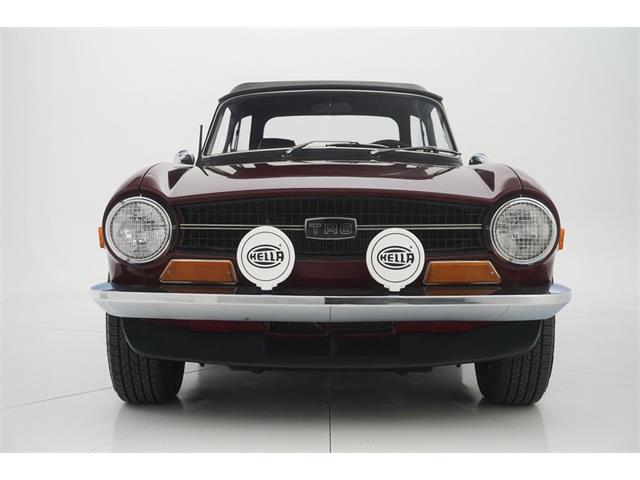
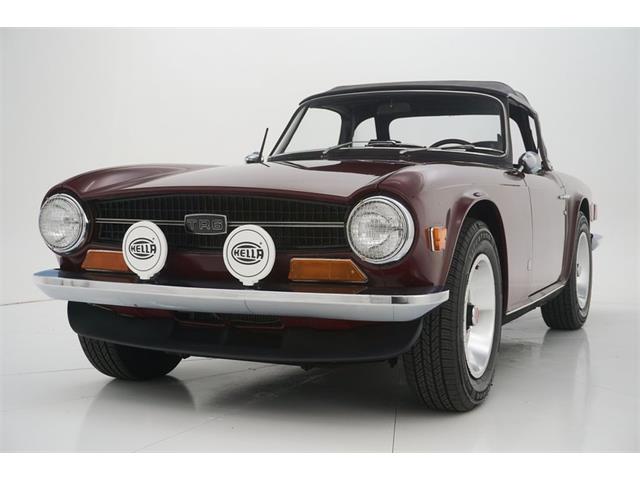
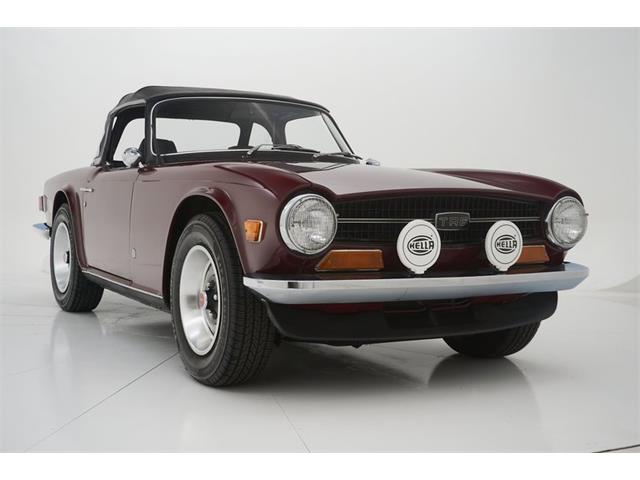
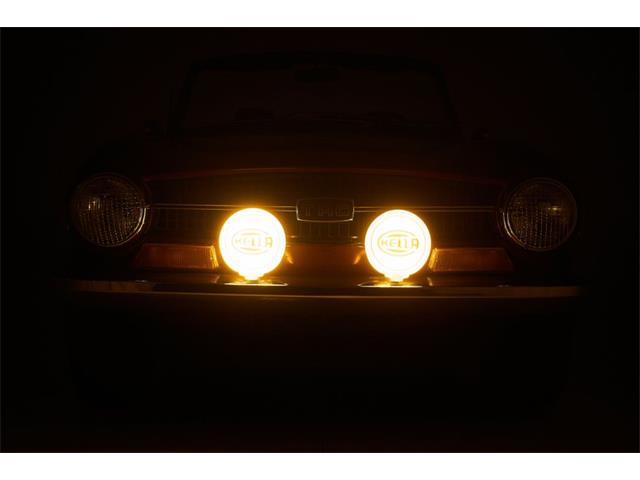
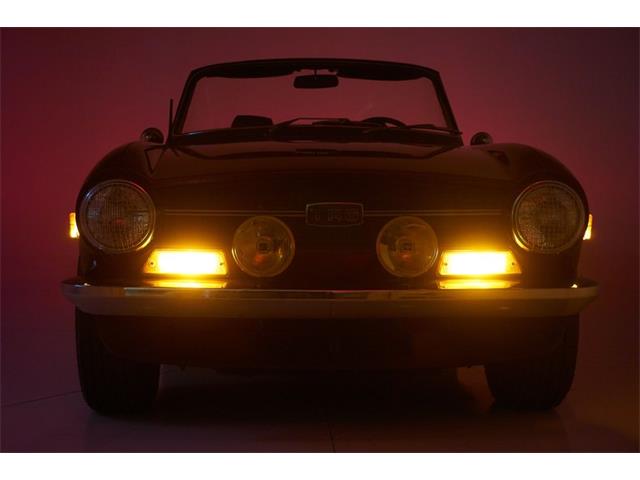
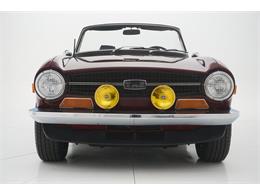
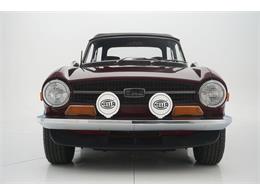
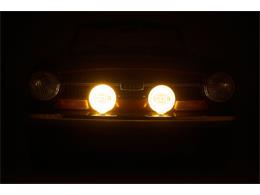
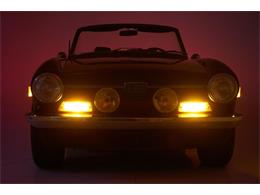
On the Exterior a set of HELLA Fog Lamps featuring removable white
covers is mounted to the front bumper, while the sealed beam
headlamps are protected from road debris with a pair of wire
headlamp grille covers. These tasteful additions help give the TR6
a period competition-inspired appearance. A further period touch
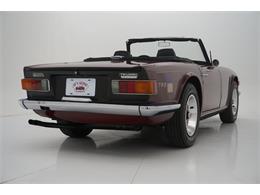
installed under previous ownership is the commemorative American
flag decal on the right rear fender, reminiscent of patriotic
graphics seen throughout the American automotive landscape during
the early 1970s, including Ford's 1972 Sprint Decor package. It is
an especially fitting detail given this TR6's 1972 production.
Today, the car presents wonderfully, offering an excellent balance
of originality and refreshed comfort. The largely original paint
finish exhibits some oxidation consistent with its age; however,
light polishing reveals an unmistakable sheen that immediately
draws the eye.
IT'S ALIVE! is pleased to offer this thoughtfully upgraded TR6 with
largely original paint and a reputed 28,000 miles from new to the
enthusiast who values both the heritage and driving experience of
one of Triumph's most celebrated sports cars.
If you're ready to get behind the wheel, give us a call at
314-710-6600 ext. 140 or email
[email protected].