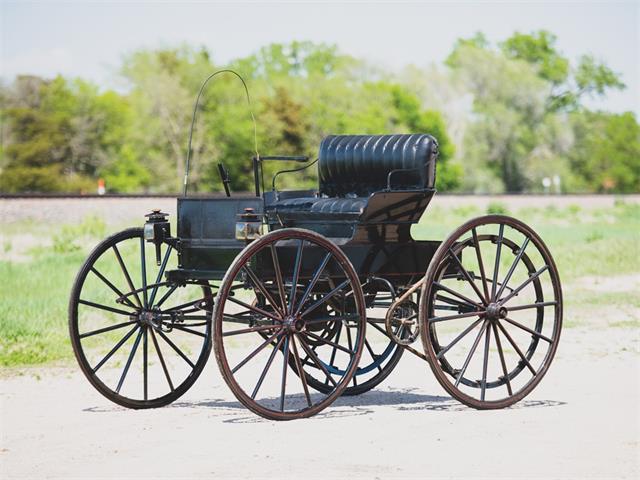
- Iconic high-wheel Holsman
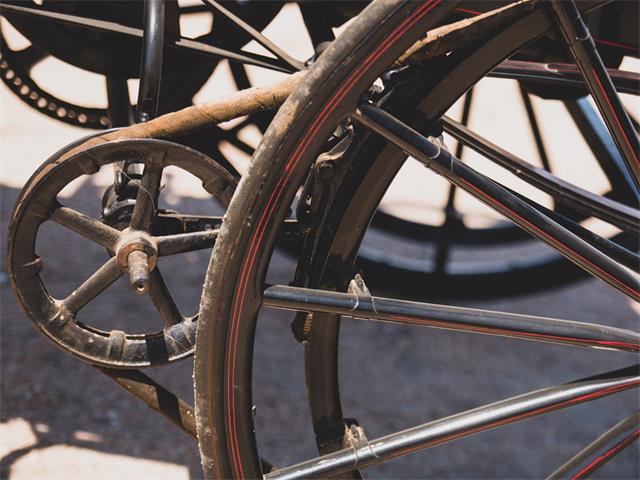
- Fascinating canvas-chain drive
- Authentically restored
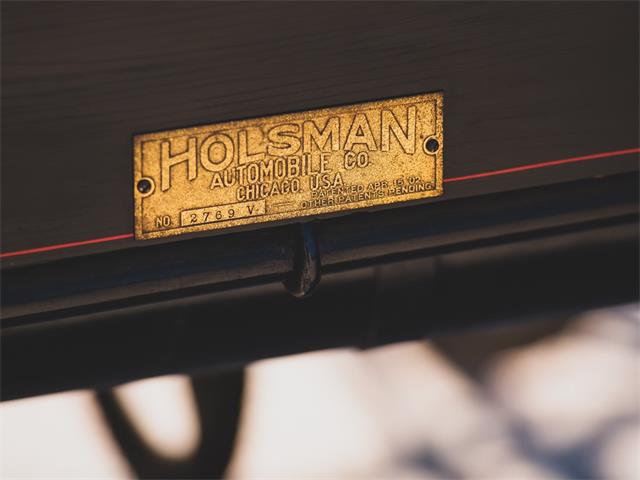
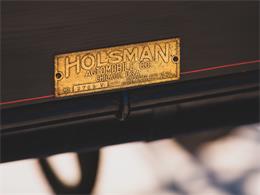
Henry K. Holsman and his associate C.H. Bryan formed the Holsman
Automobile Company in Chicago in 1903. Their car was immediately
popular. High-wheel automobiles appealed to Midwestern farmers, as
they could ride over most types of terrain and move easily through
high water. The first Holsmans used 7/8-inch manila rope for drive
belts, but this was problematic in wet weather, so eventually a
canvas-covered chain was devised.
Unlike other high-wheel manufacturers, Holsman did not evolve into
what became conventional car design, with smaller wheels and
pneumatic tires. Henry Holsman stuck to high-wheelers exclusively,
and his company was in receivership by 1910. He made another
attempt at a high-wheeler with the Independent Harvester in nearby
Plano, Illinois, in 1911, but found even less success.
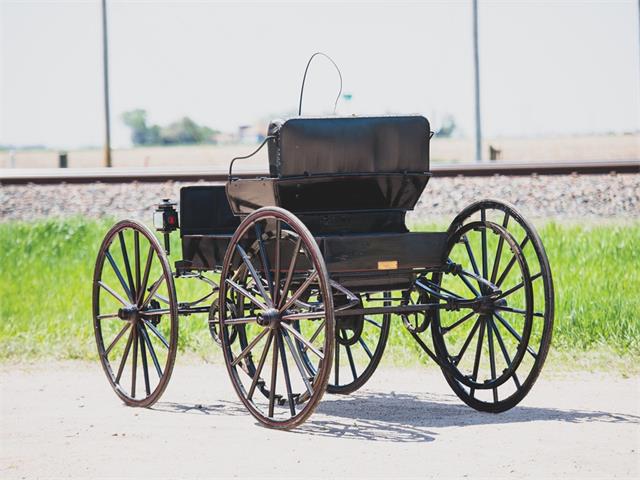
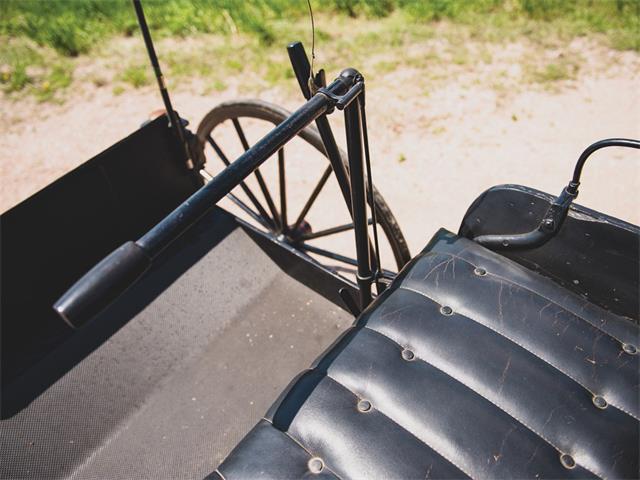
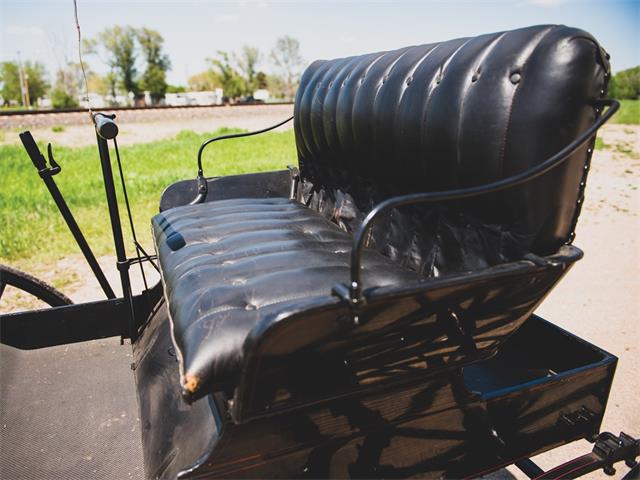
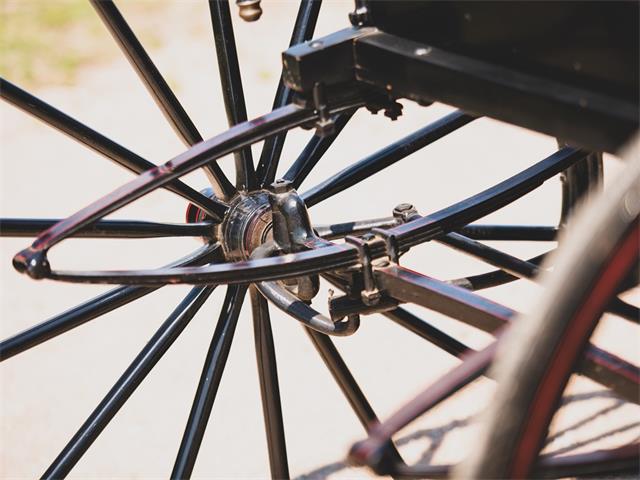
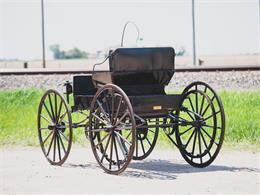
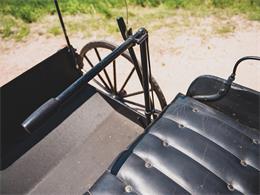
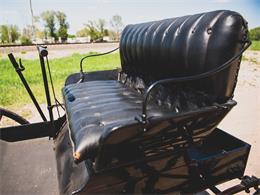
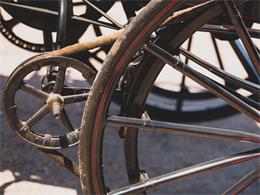
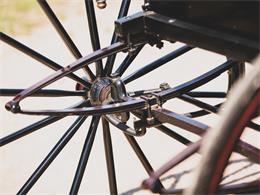
The wheels are immense, standing near shoulder high, and the car
towers over them. The tires are thin, solid rubber bands, which
leave the springs to soak up most of the shock. The hand-operated
brake shoes rub directly on the tires. The body is painted black,
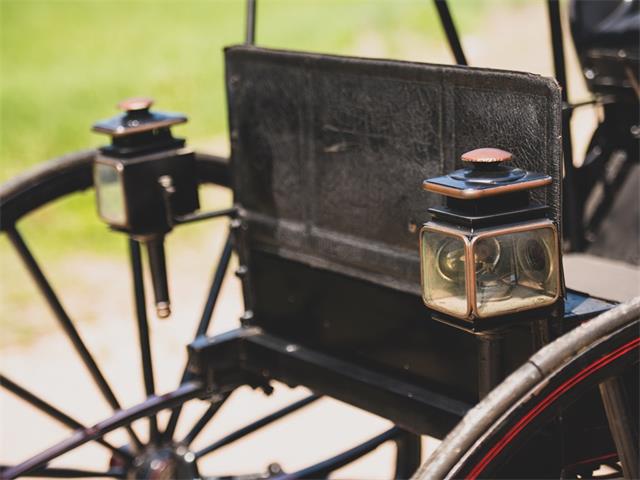
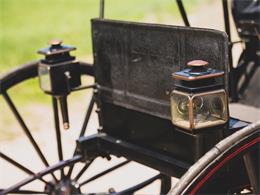
with maroon moldings that match the wheel spokes. The lighting, all
brass, comprises a single center-mounted headlight, two
high-mounted carriage lights, and a taillight. Authentically
restored, it is correct in every way. The car has the later drive
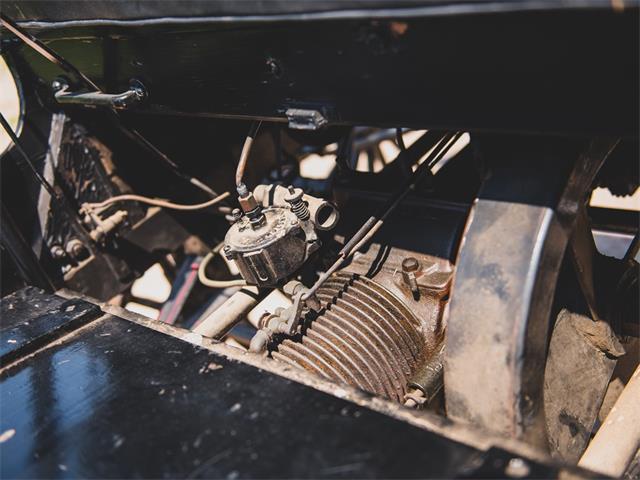
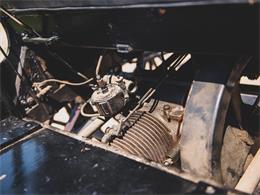
belts, made of chain with a canvas covering. There is a gear
transmission giving two speeds forward, but the vehicle must be
stopped to change between them.
High-wheel automobiles are the true horseless carriages. Few in
number now and almost never seen on the road, they demonstrate what
it was like in the very early days of motoring history.
This Holsman is an excellent example and will turn heads wherever
it goes.
Please note that this vehicle is offered on a bill of sale.
To view this car and others currently consigned to this auction,
please visit the RM website at
rmsothebys.com/en/auctions/hf19.