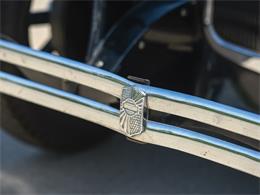
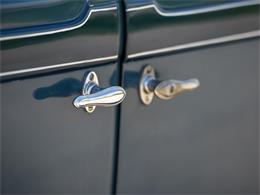
- Distinctive specialty-model sedan
- Well appointed, yet modestly priced
- Traditional Nash quality
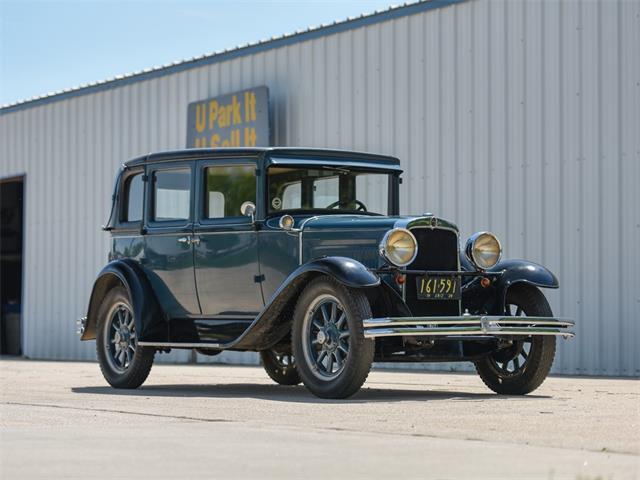
The Standard Six was Nash's entry-level series in the late 1920s.
Similar in appearance to the Special and Advanced Sixes, it had a
shorter wheelbase and a smaller engine, an L-head as opposed to the
larger cars' overhead valves. Interestingly, it had a unique body
style, the five-passenger Style 428 landau sedan, with formal rear
quarters accenting large quarter windows with long, curved,
decorative landau irons. Priced at just $995, it sold for several
hundred less than plainer bodies from the more upscale lines.
The Merrick Auto Museum acquired this Standard Six landau sedan in
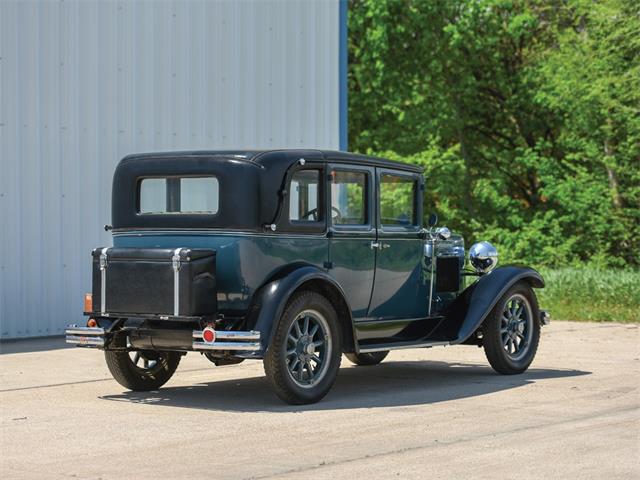
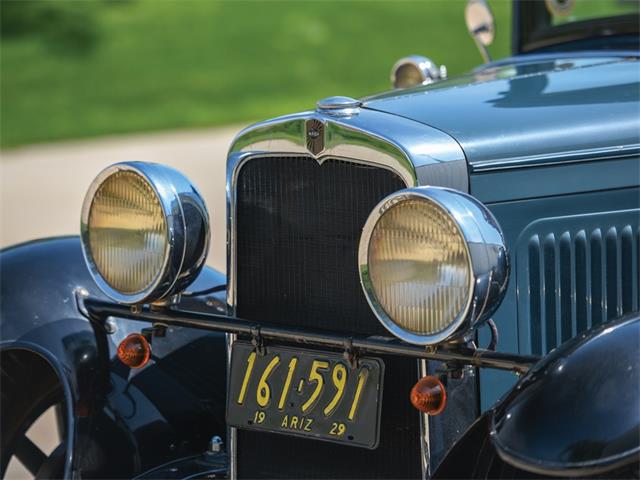
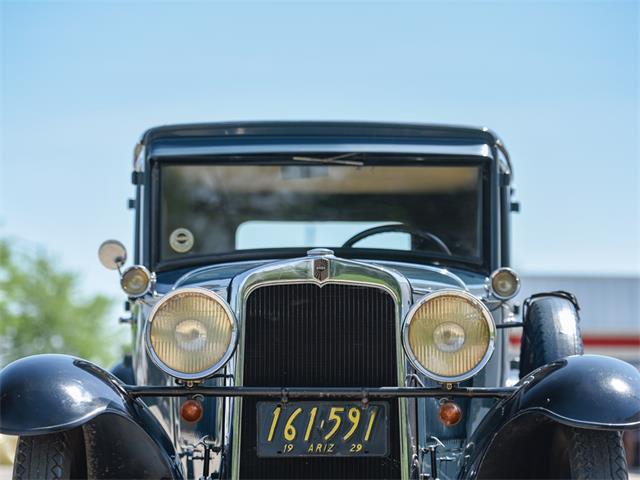
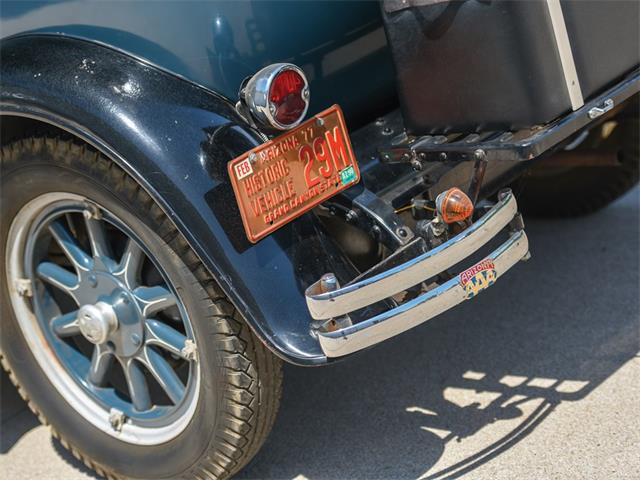
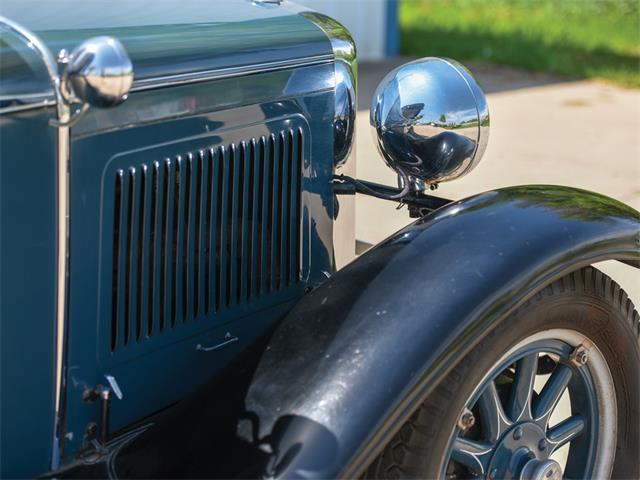
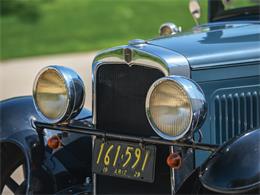
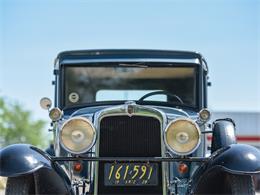
1999 from Arizona resident Mark Accomozzo. Dark blue with black
fenders, it has white pinstriping and a black padded fabric-covered
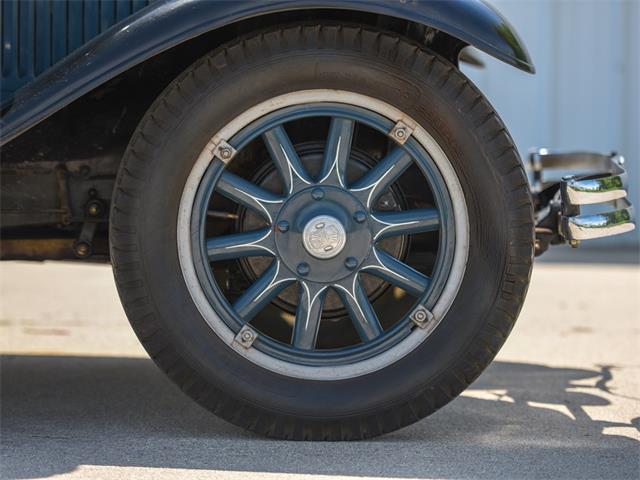
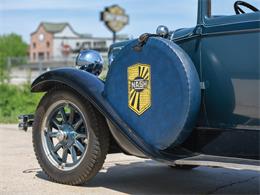
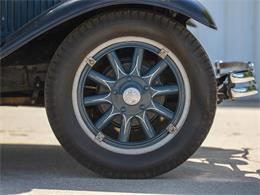
top. Body-color wood-spoke artillery wheels have demountable rims
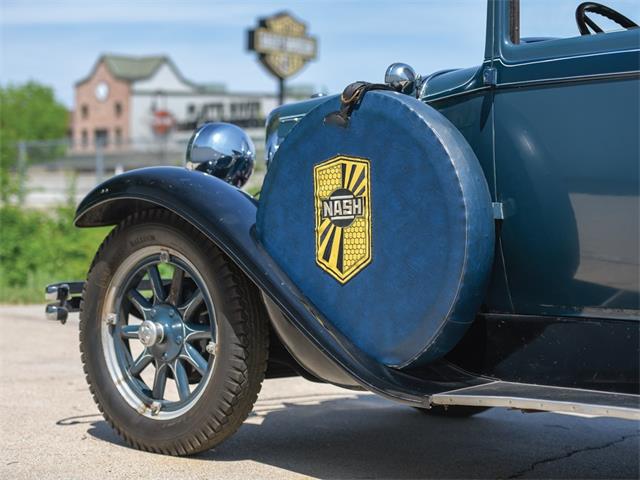
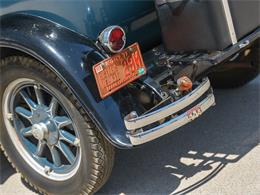
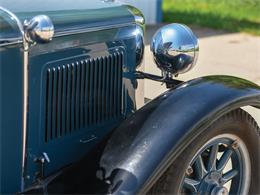
mounted with blackwall tires. The spare tire is in the left front
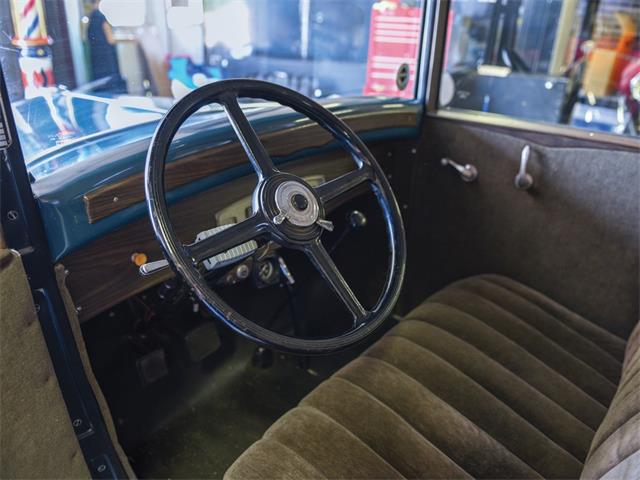
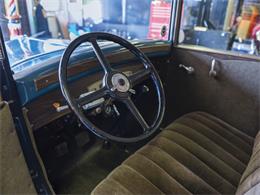
fender, leaving room for a large trunk at the rear. Upholstered in
pleated brown mohair, it has a rear-seat blanket rail and foot
bar.
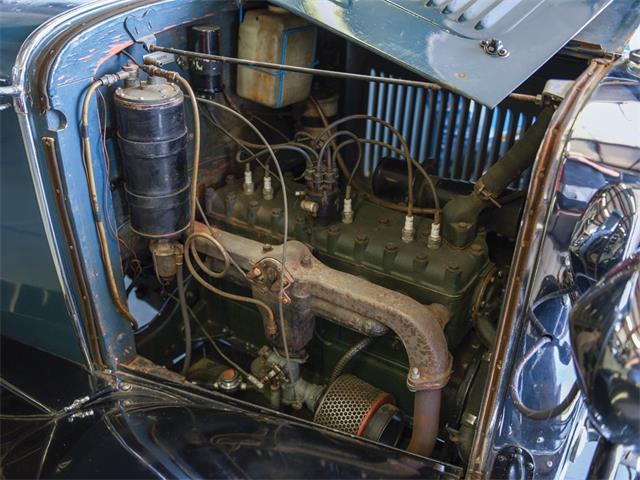
The engine is a 184-cubic-inch, 50 bhp unit. The transmission is of
three-speed sliding-gear design. The engine compartment is
generally clean and serviceable, although it could benefit from
further detailing. Fuel supply is via a large vacuum tank mounted
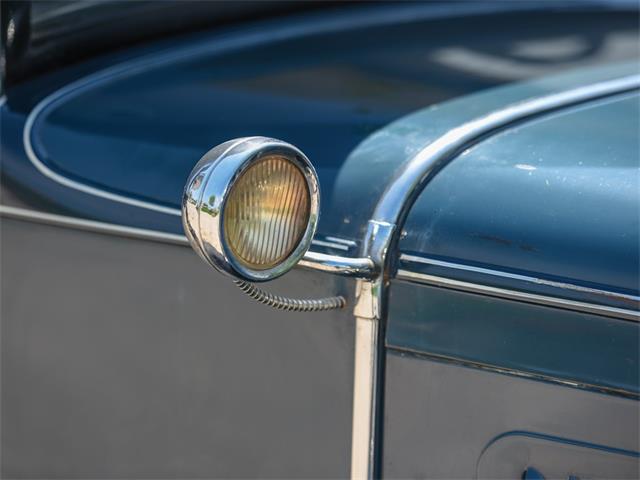
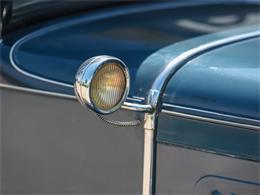
on the firewall. Accessory directional signals have been
unobtrusively installed for safety in modern traffic. A modern
temperature gauge has also been installed on the lower edge of the
instrument panel.
Nash bodies in this period were supplied by Seaman Body Corporation
of Milwaukee, Wisconsin, in which Nash had acquired a half
interest. Their location, near Nash's Kenosha factories, was a big
factor in the relationship. Although a volume producer, Seaman also
produced bespoke bodies for the likes of Locomobile, Lozier, and
Packard, resulting in high-quality bodies for Nash.To view this car
and others currently consigned to this auction, please visit the RM
website at
rmsothebys.com/en/auctions/hf19.