This vehicle has been soldThis vehicle is no longer available for sale on ClassicCars.com. Please set an alert if you would like to be notified as soon as similar vehicles become available.
For Sale: 1909 Sears Model K in Saint Louis, Missouri
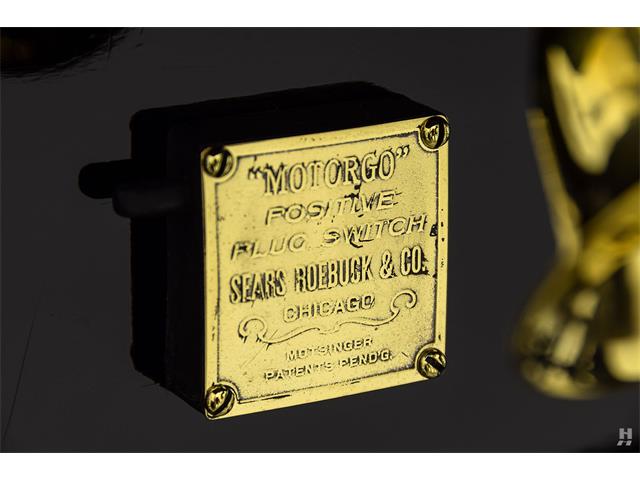
In the early years of the twentieth century, the Sears & Roebuck
catalog was as much of a fixture in the American household as the
Bible. Whether you lived in the heart of a city or on a farm in the
rural Midwest, Sears & Roebuck could deliver virtually any product
imaginable to your door. Clothing, rifles, livestock, sundries, and
even houses counted among the millions of products Sears offered
through the years. In 1908, the same year that Ford debuted their
revolutionary Model T, Sears & Roebuck added automobiles to its
ever-growing list of products. Sears was more than just a retailer;
they designed and manufactured many of the products they sold. The
Sears Motor Buggy was a natural extension of their manufacturing
experience, being designed and (eventually) built entirely in-house
by Sears in Chicago. The company brought in Alvaro S. Krotz to
create the car, who had previous experience with an electric
runabout sold under his name. Like the products that defined the
brand, the Sears Motor Buggy was a simple and robust machine. Early
examples used a two-cylinder gasoline engine of ten horsepower,
with a friction transmission, chain drive, and tiller steering.
Later models grew to 14 horsepower, and a range of body
configurations became available. The initial batch of Sears buggies
was built in the Hercules factory in Evansville, Indiana. However,
by late 1909, production shifted to Sears' factory in Chicago, and
the range gradually expanded into several models, all based around
the same basic design by Krotz (despite his hasty departure from
the company). From a technical standpoint, all models were
essentially the same, with the main differences being equipment and
wheels. The Model G was the most basic, while the Models H and J
added such niceties as mudguards and a top. The $475 Model K
features all the J had to offer and added large diameter cushion
tires. Stepping up to the Model L got you pneumatic tires, and so
forth. Between 1908 and 1912, Sears sold approximately 3,500 cars
through their catalog. Customers raved about their simplicity and
efficiency, but company accountants were considerably less
thrilled. Sears was losing money on every vehicle they sold, and
the arrival of Henry Ford's Model T was enough for them to see the
writing on the wall. Sears left the car business in 1912 - but not
for good, as in 1952 Sears would team up with Kaiser Motors to
market (unsuccessfully) the slow-selling Henry J under the
"Allstate" via the famous Sears catalog. Featured here is an early
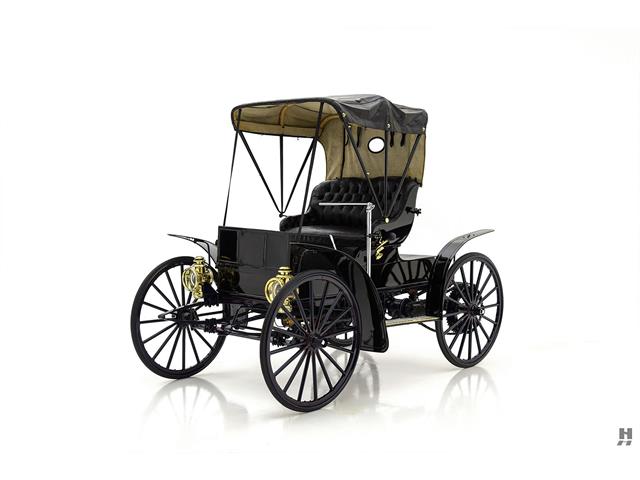
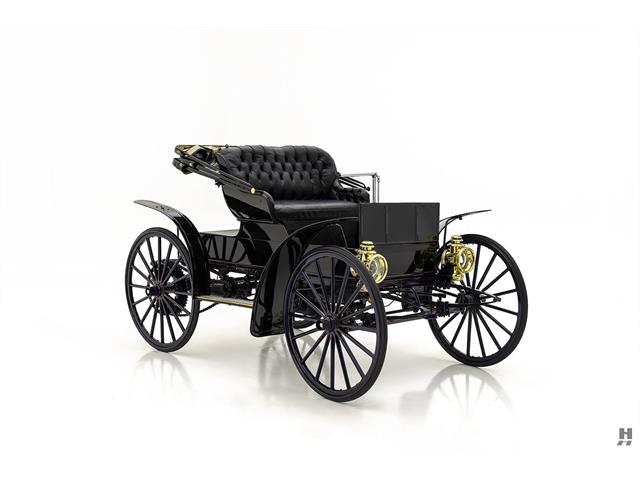
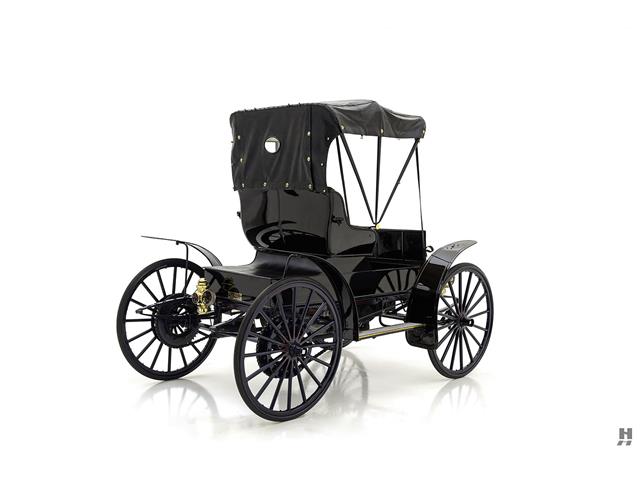
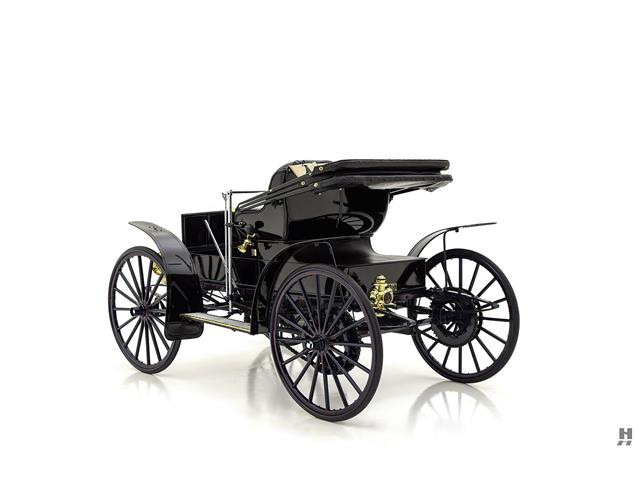
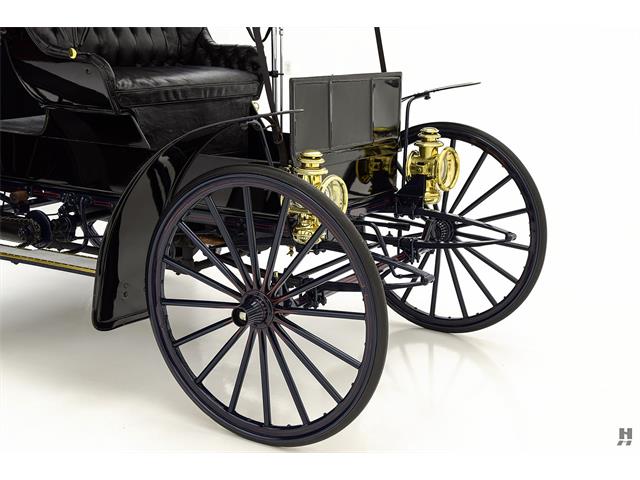
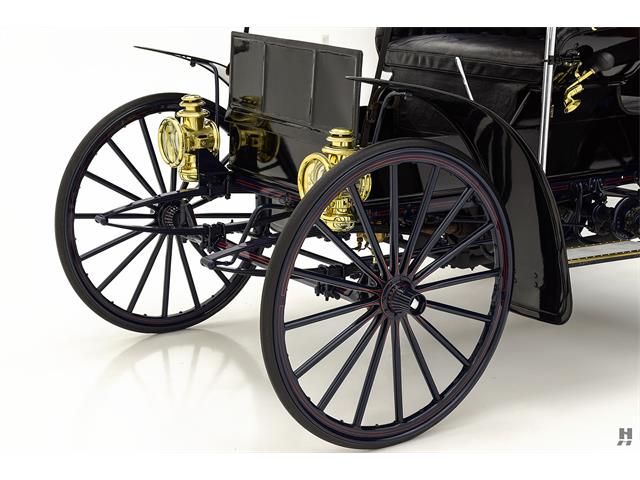
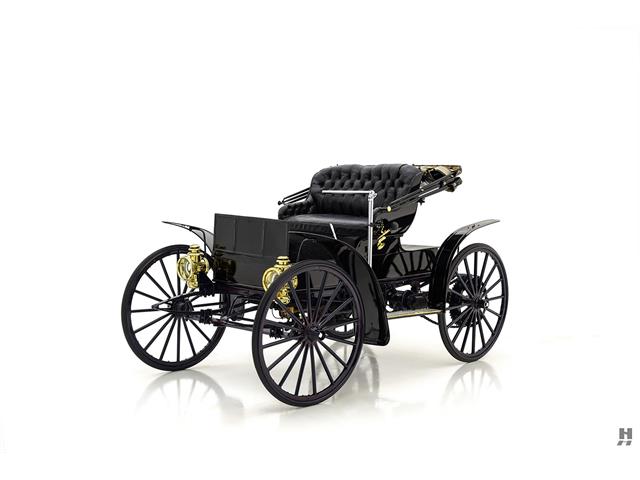
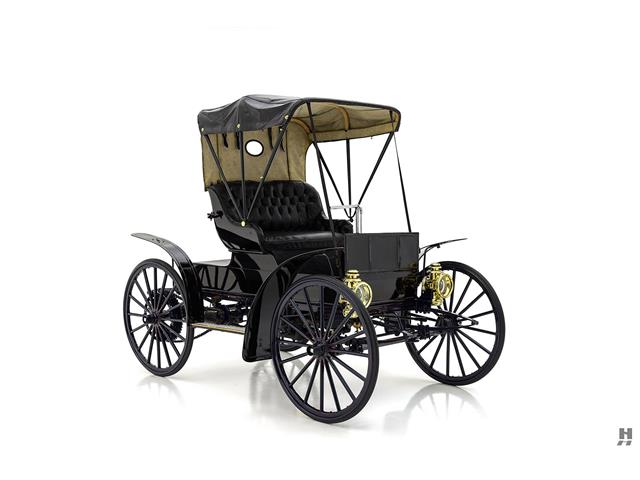
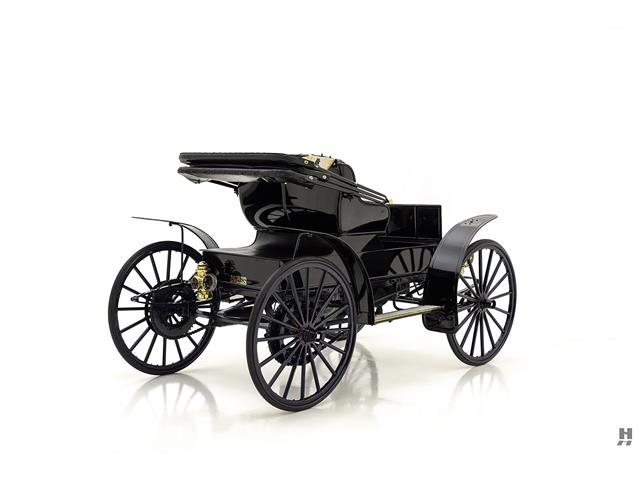
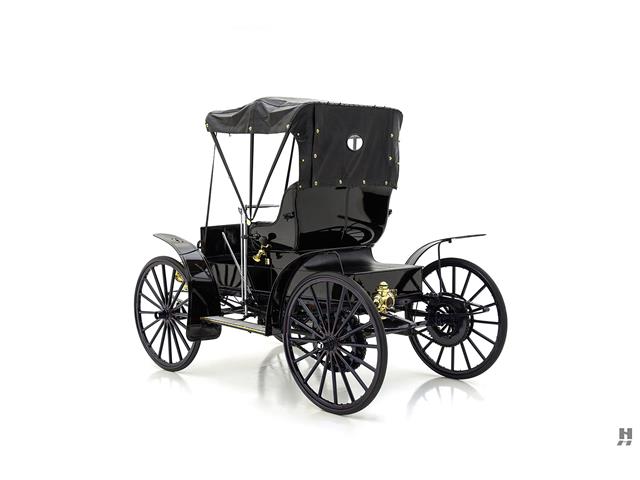
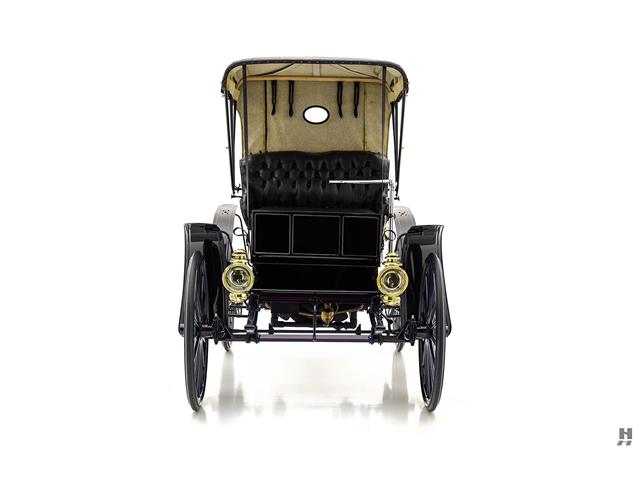
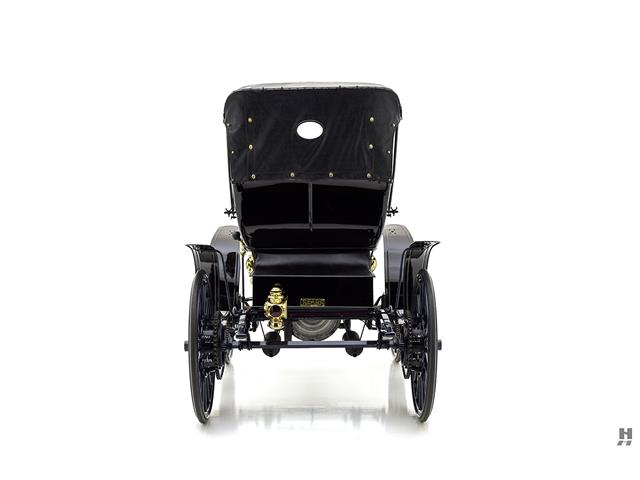
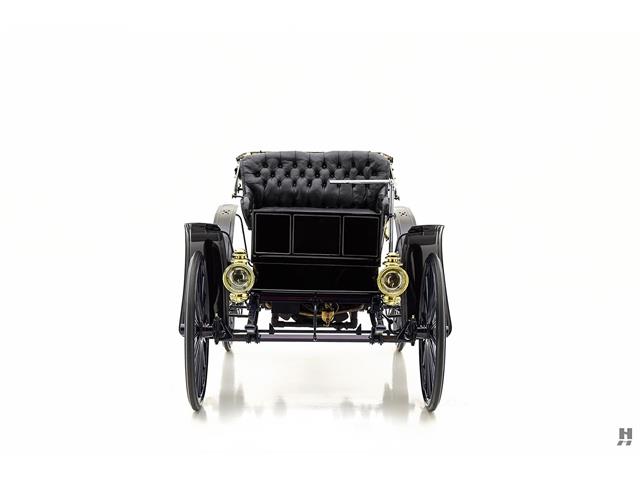
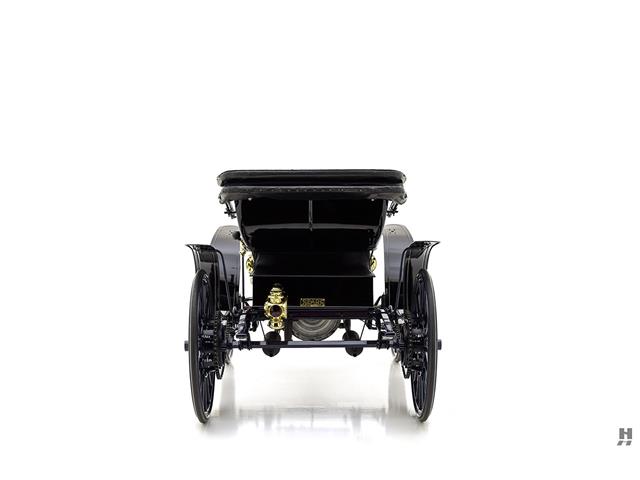
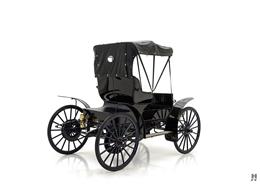
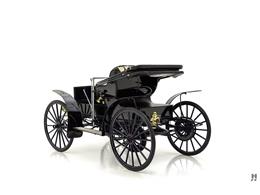
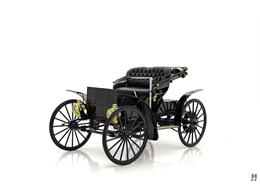
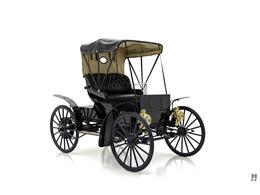
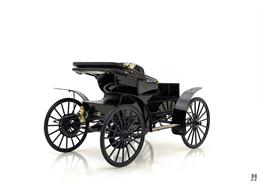
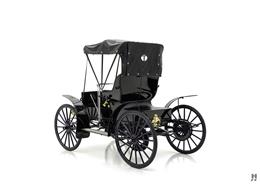
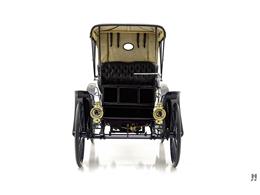
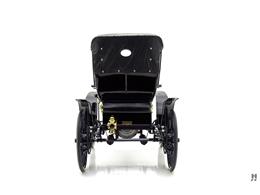
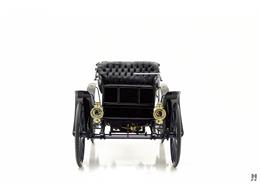
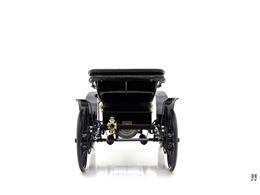
Sears Model K 14hp Motor Buggy. This lovely example was likely
produced in late 1909 for the 1910 model year, as it features the
14hp engine, and is badged and numbered as a Model K. The earliest
history is not known, although documents show that in the early
1970s, it belonged to John J. Zimmer of Lockport, Illinois. An
original copy of an Illinois title shows that Mr. Zimmer purchased
the car in 1973. By 1978, Zimmer sold the Sears, reportedly at
Hershey, to a Belgian collector and enthusiast. Following its
export, it remarkably remained in the same private collection until
early 2019. Fresh out of long-term ownership, it presents in lovely
condition with a recently freshened older restoration. Presented in
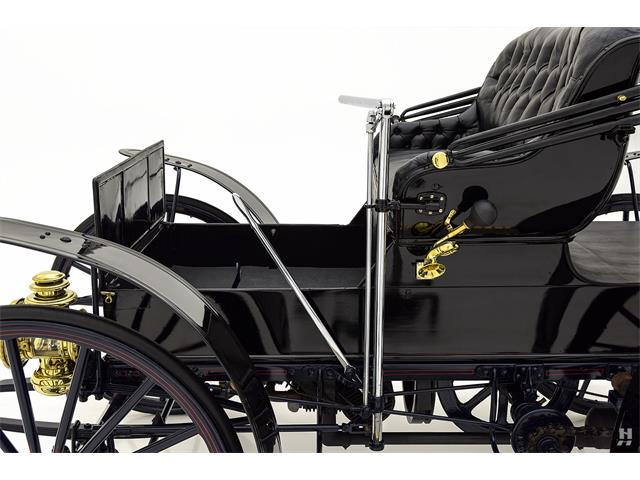
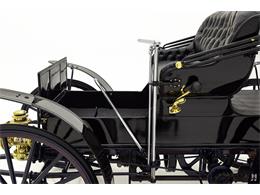
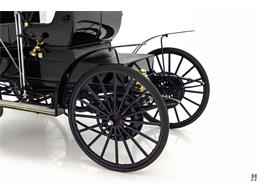
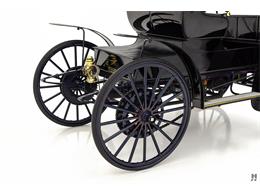
factory-correct specification, this Model K retains its proper
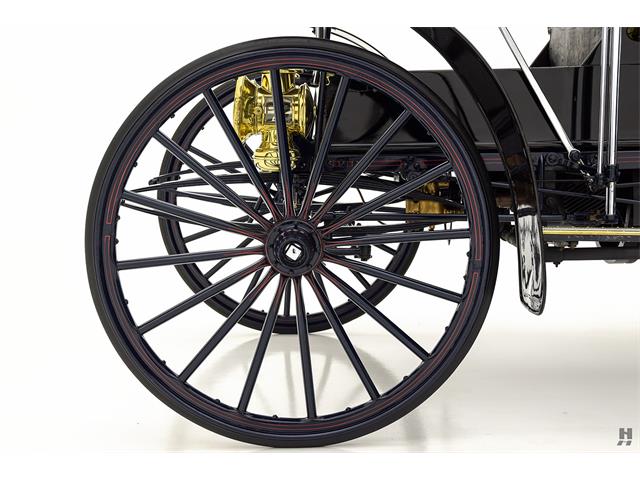
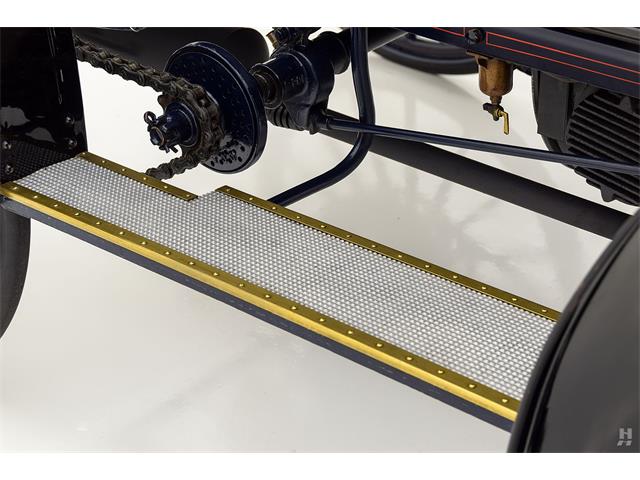
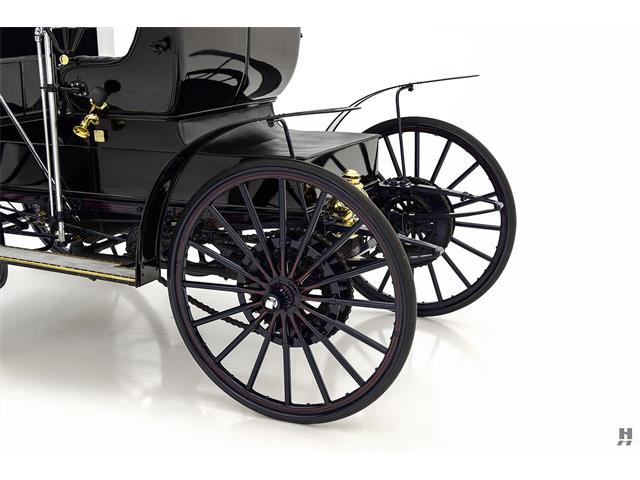
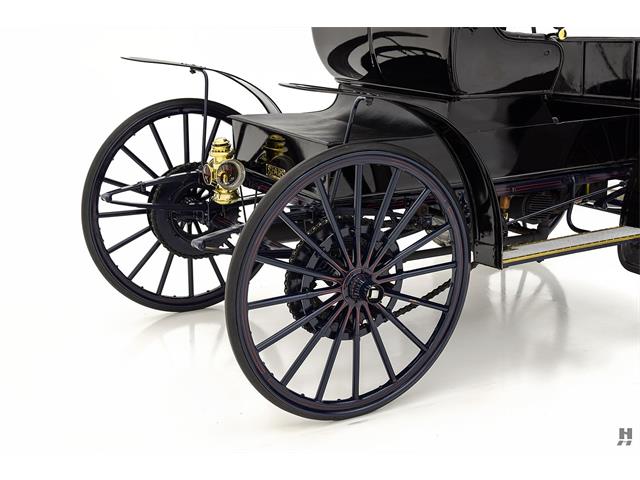
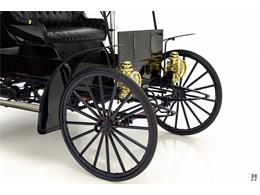
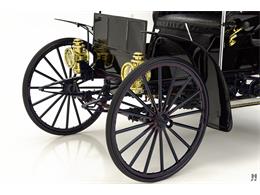
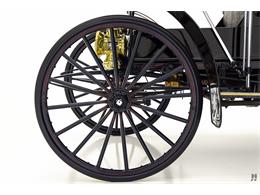
equipment and fittings including large diameter cushion tires,
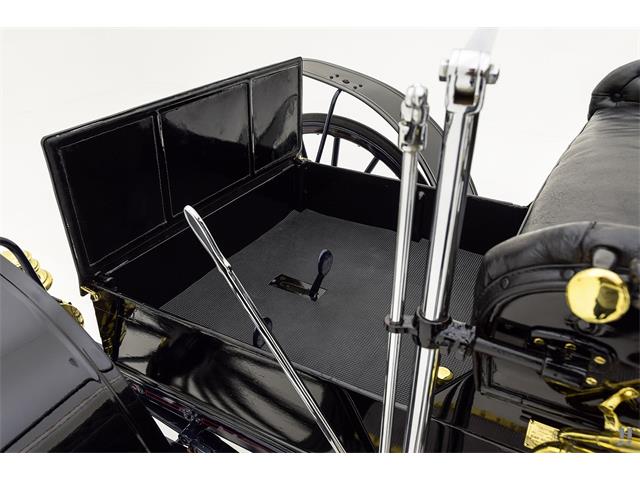
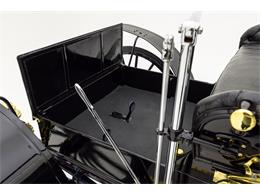
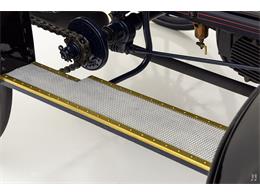
original-type mudguards, patent-leather toe-board, and folding
buggy top. The body is in fine order, with good quality woodwork
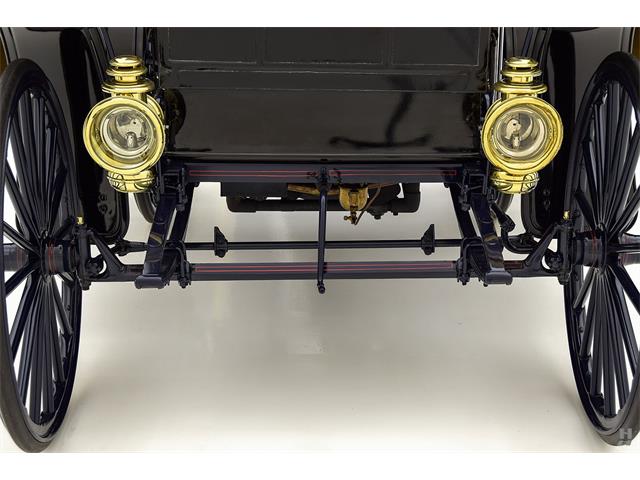
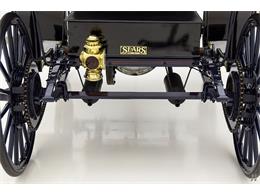
and black paint. The chassis and wheels are painted dark blue and
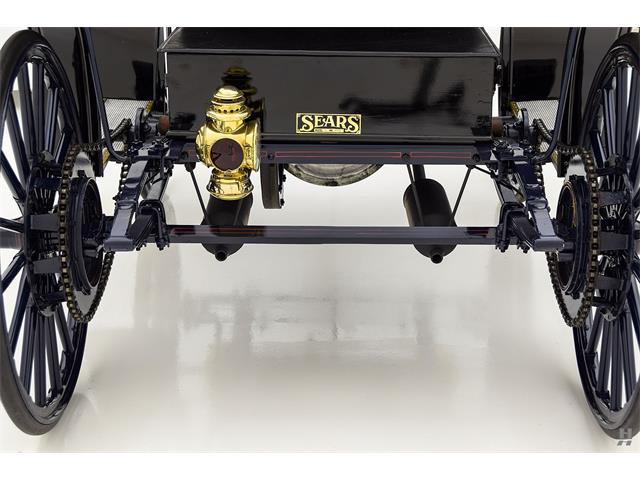
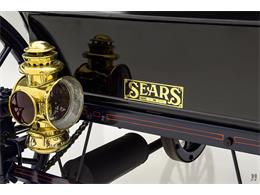
accented with red pinstripes for a dash of added color. Fittings
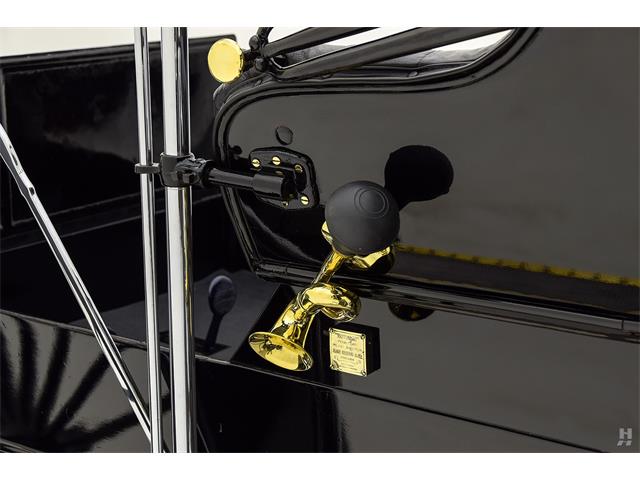
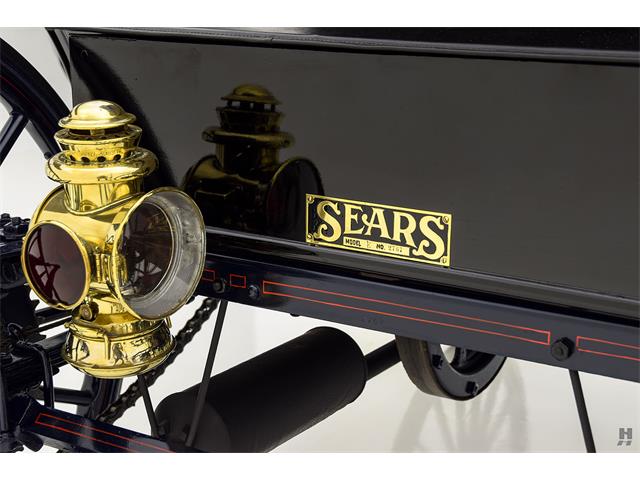
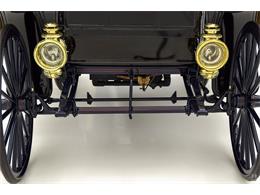
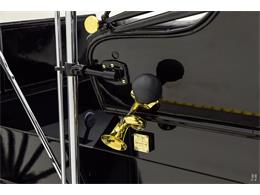
are appropriately basic, with twin oil lamps up front, and a brass
tail light produced by C.T. Ham Mfg. of Rochester, New York. The
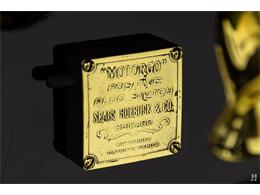
only badging is a small Sears nameplate affixed to the trunk. The
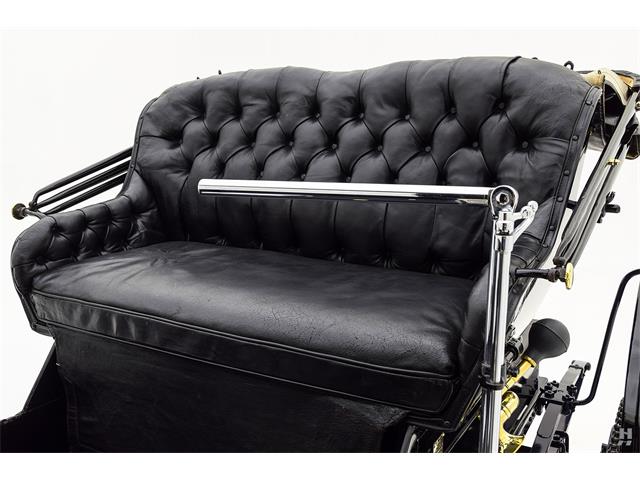
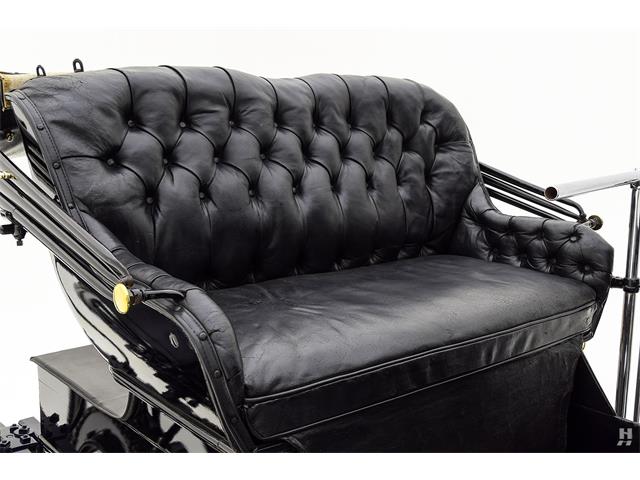
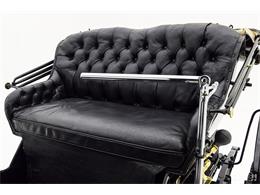
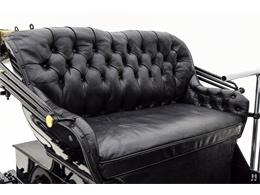
button-tufted leather bench presents in excellent condition, with a
light patina to the surface of the leather. Controls include two
foot-pedals, a hand brake and the tiller which incorporates the
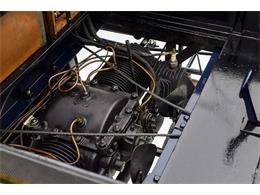
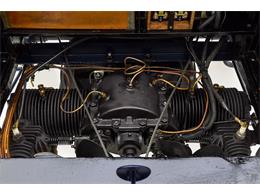
throttle and spark levers. The construction of the Model K is
typical for the period, with the carriage-style wooden body sitting
atop the frame, with suspension by cart springs, and the engine
mounted amidships beneath the seat. After many years in a private
collection, this little Sears remains in excellent running order.
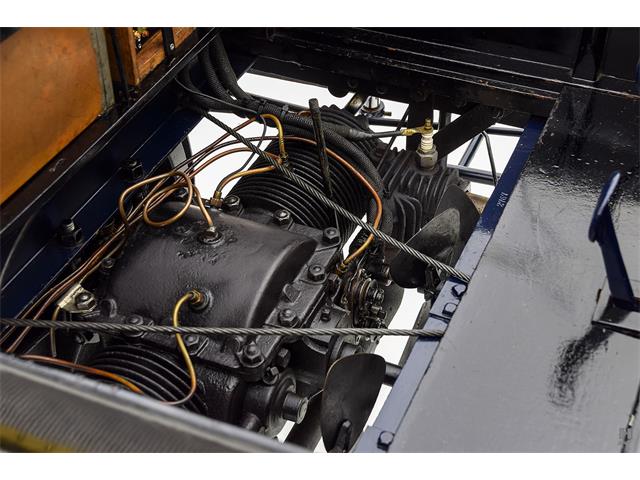
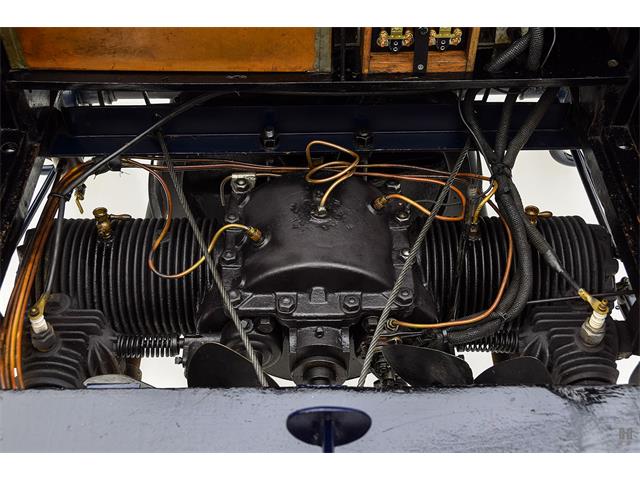
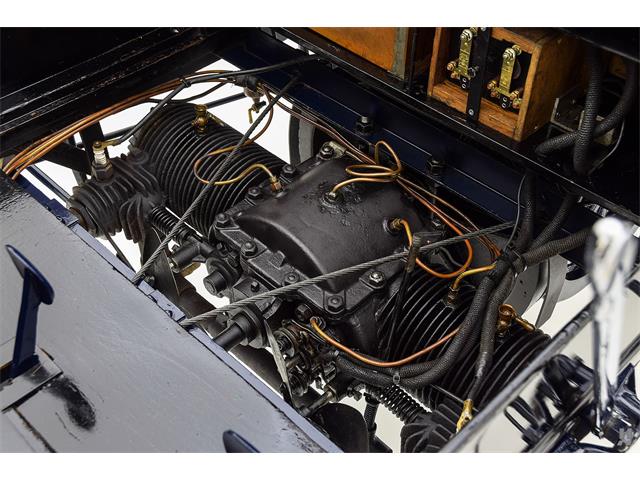
The two-cylinder engine comes to life readily, running smoothly and
sending power through a friction drive to the rear axle via a pair
of chains. Mechanically, it is a simple and robust machine,
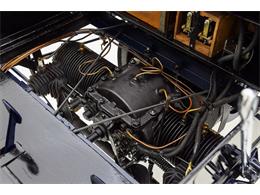
designed to be serviced in the field with ease. The engine and
undercarriage are in clean, orderly condition, with a light patina
that is appropriate for the age and quality of the restoration.
This Sears Model K is a lovely example of an early high-wheel motor
buggy, wonderfully suited for use with groups like the Horseless
Carriage Club, Antique Automobile Club or Veteran Car Club.
Exclusivity is assured, as only a fraction of the original 3,500
examples survive. It is a fascinating piece of American history, a
rare and charming machine from a bustling period for the American
motoring industry when everyone from barnyard engineers to the
nation's most successful retailer tried their hand at the
automobile business.
ClassicCars.com has been recognized as one of the fastest-growing private companies in the United States, successfully making the Inc. 5000 list in both 2015,
2016, 2017 and 2018. This prestigious accolade represents the continued growth of the company, and ClassicCars.com's dominance as the world's largest online marketplace for
buying and selling classic and collector vehicles.
The Stevie Awards, the world's premier business awards recognized
ClassicCars.com's first-class Customer Support team with a Stevie Bronze Award in 2019, celebrating the team's skills as exemplary customer support specialists.
In 2016 The Journal, brought to you by ClassicCars.com, was celebrated as the SECOND MOST INFLUENTIAL automotive blog in the world by NFC Performance.