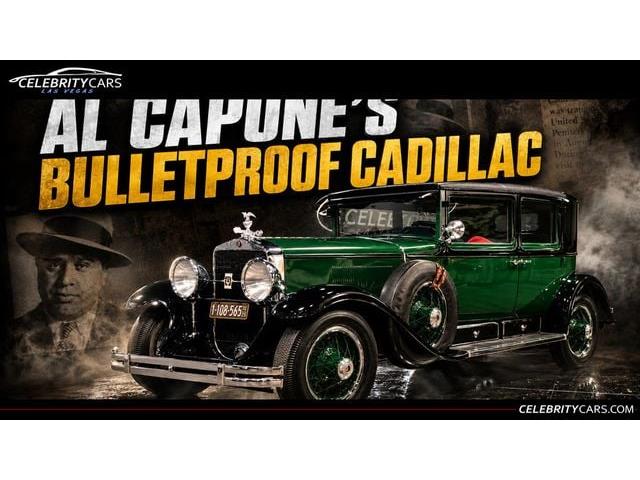
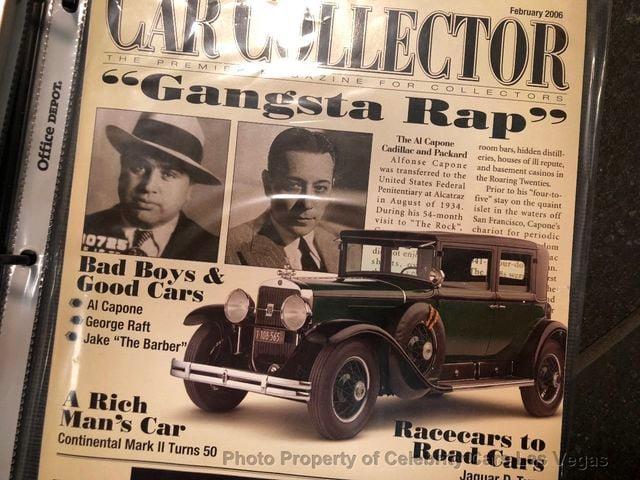
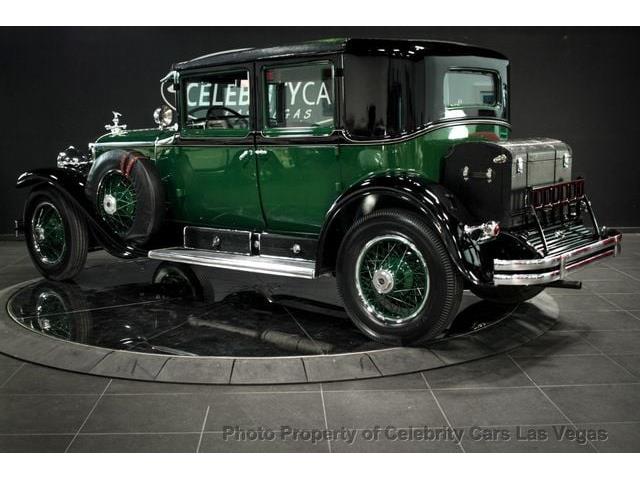
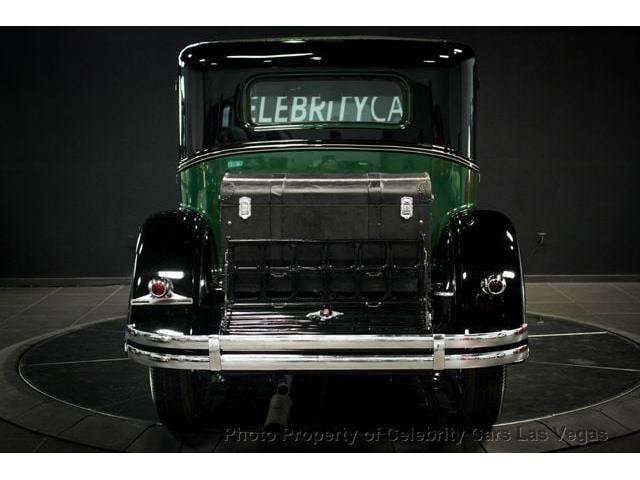
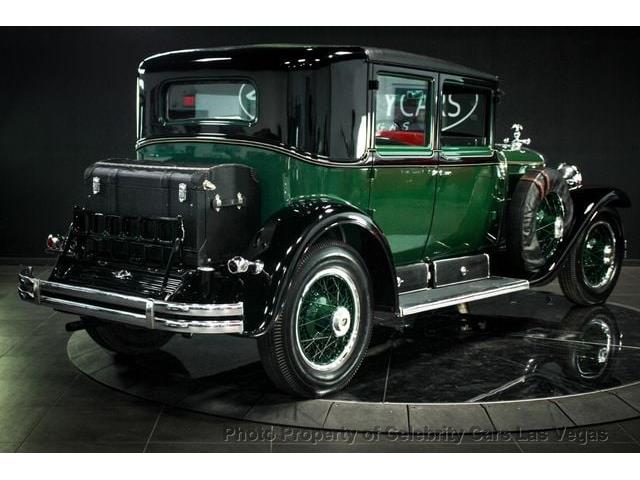
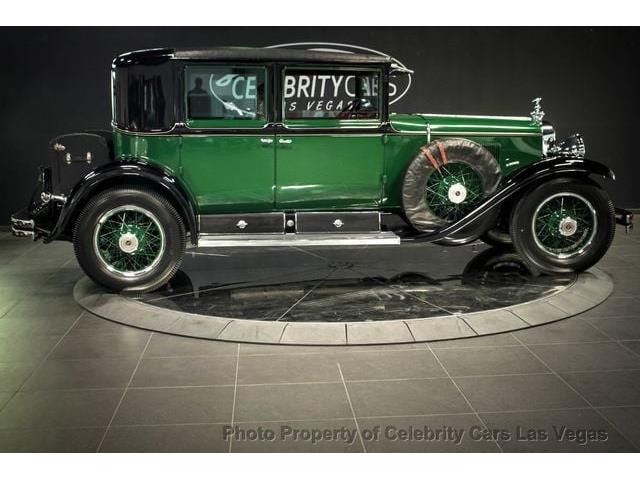
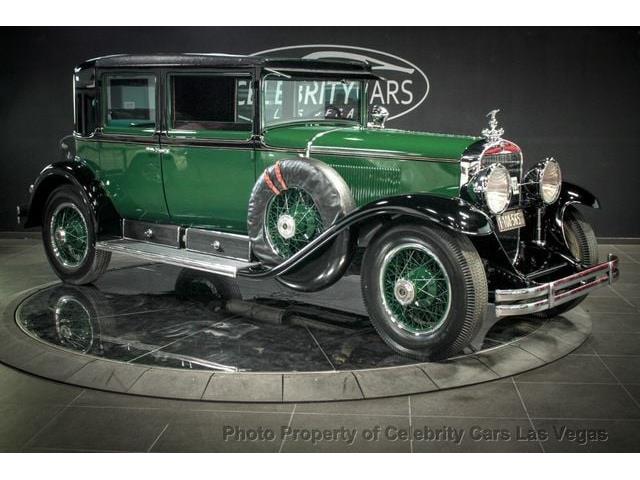
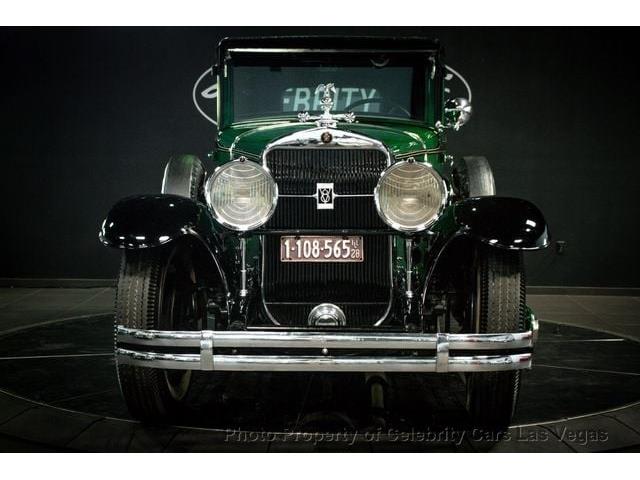
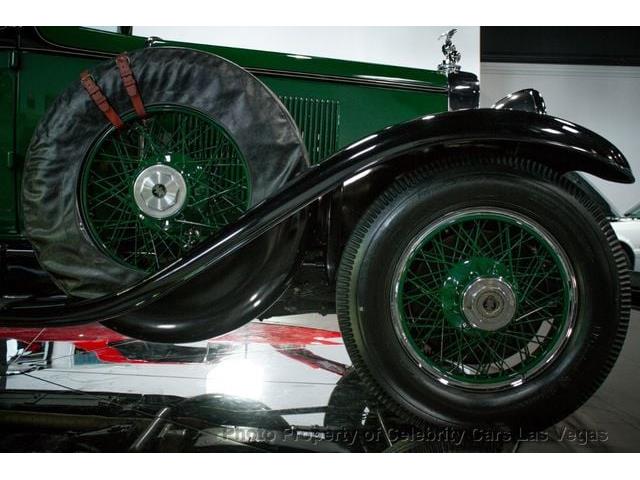
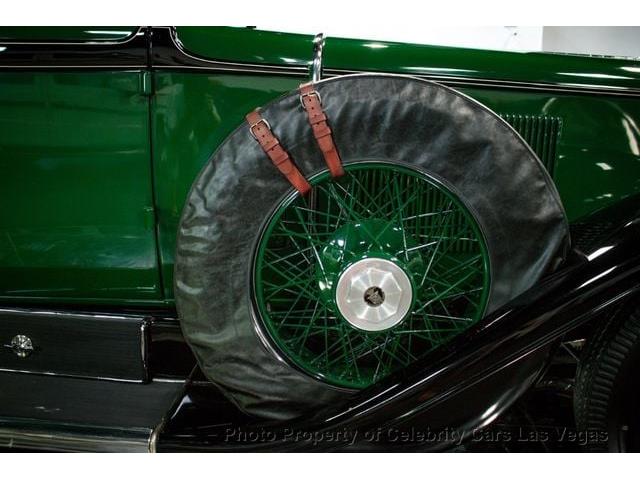
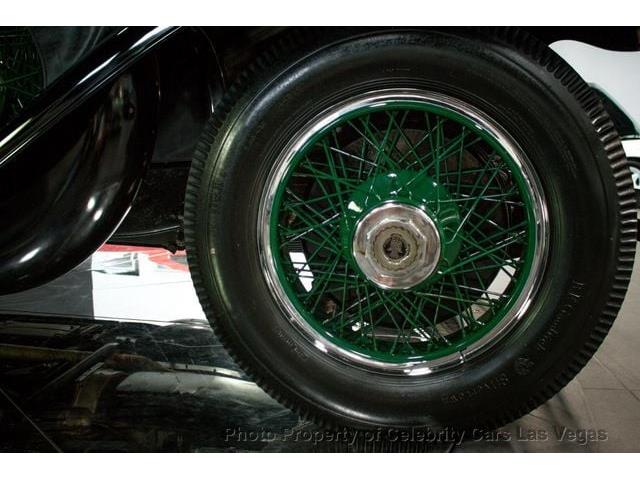
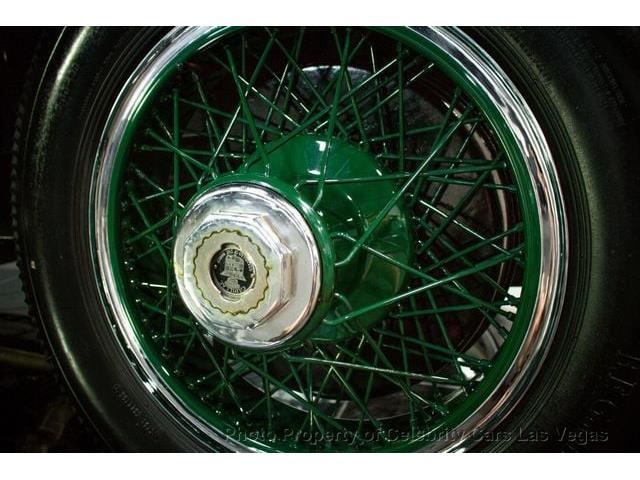
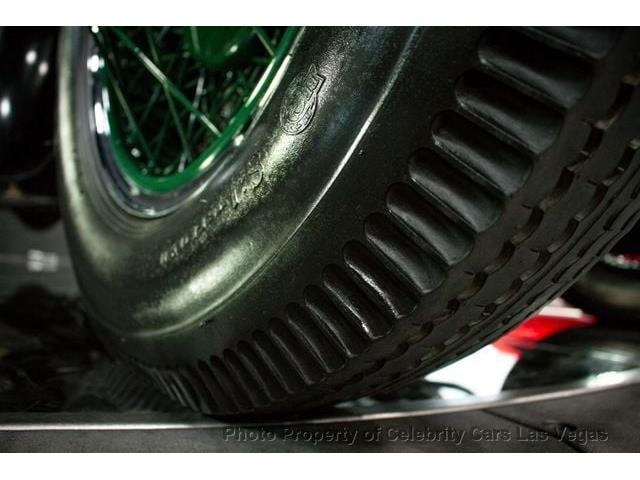
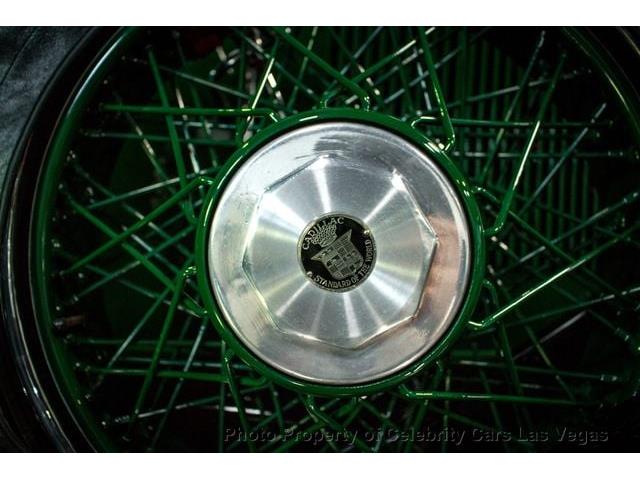
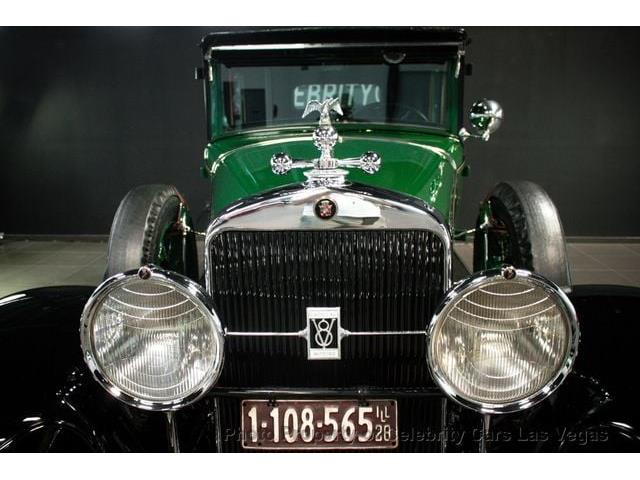
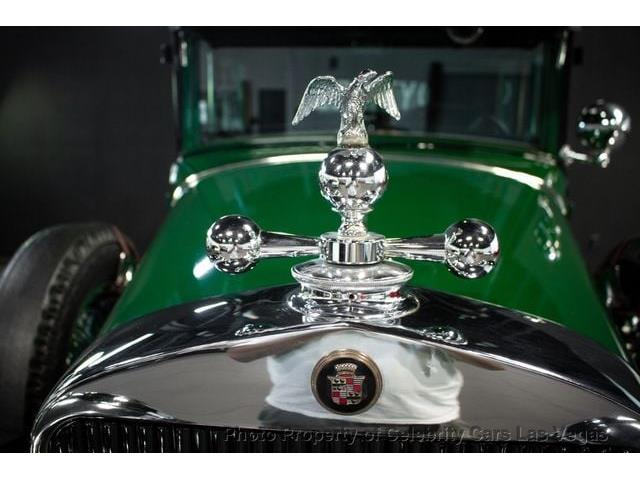
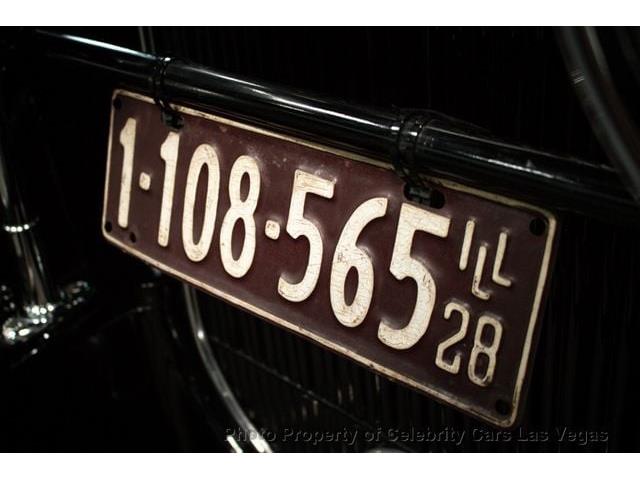
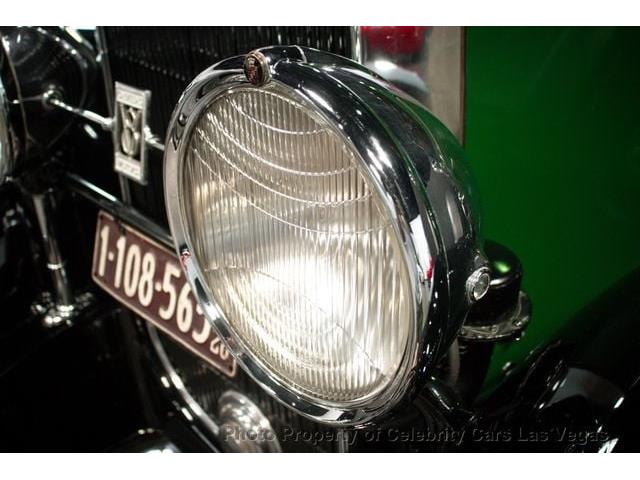
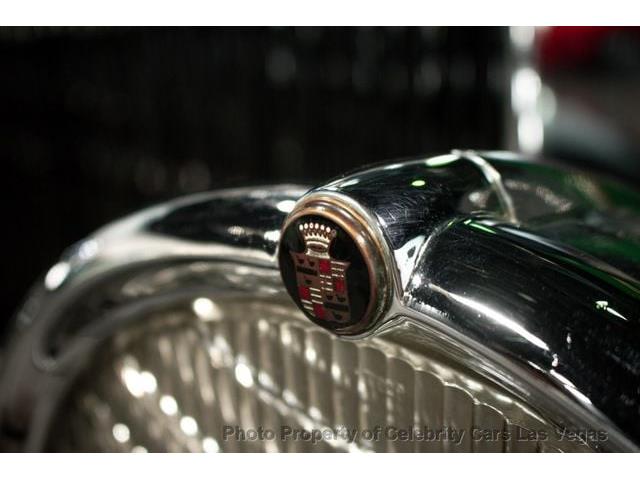
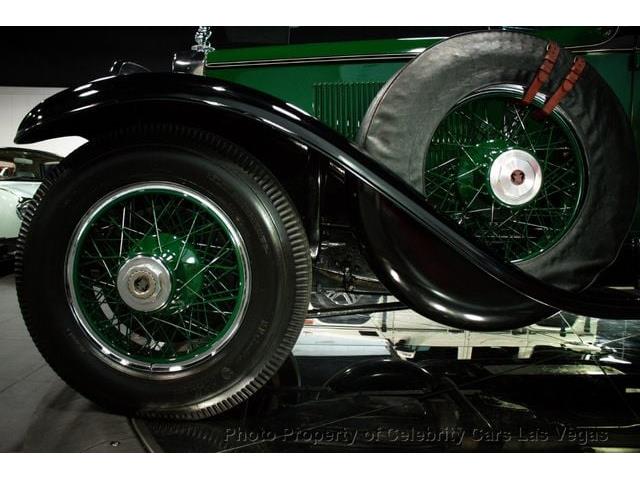
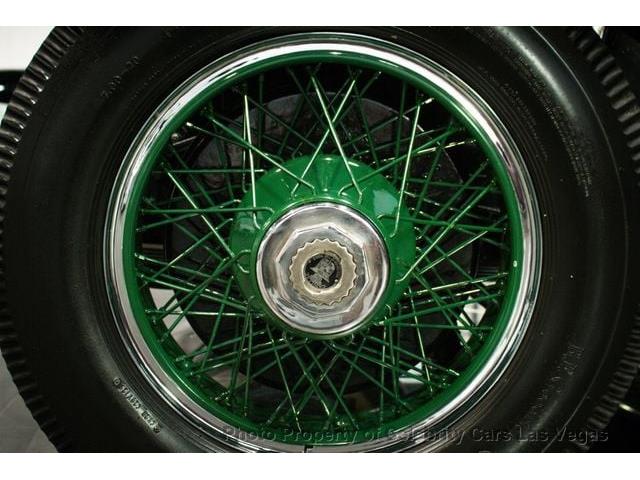
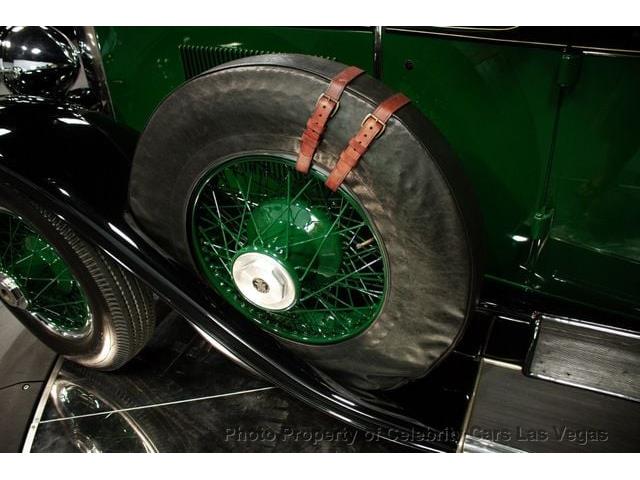
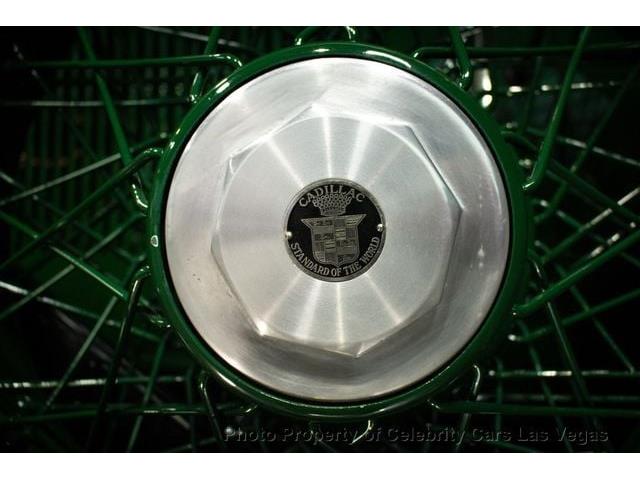
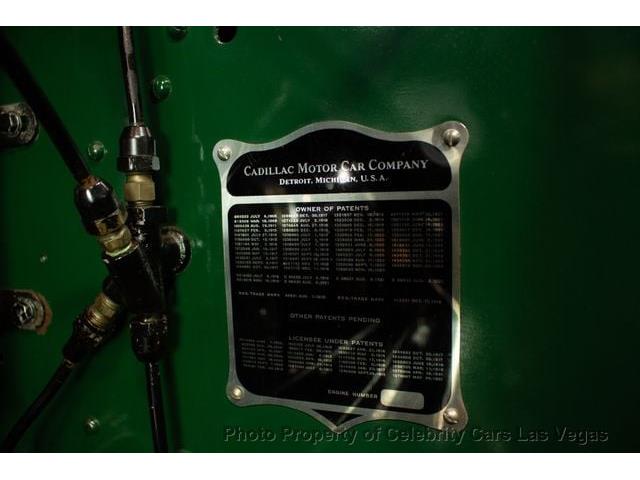
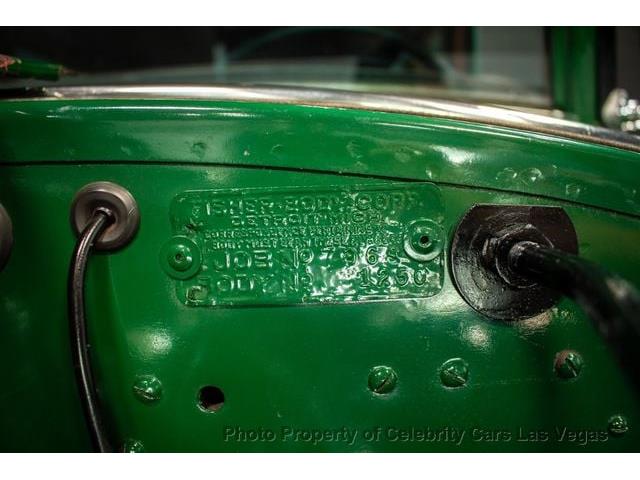
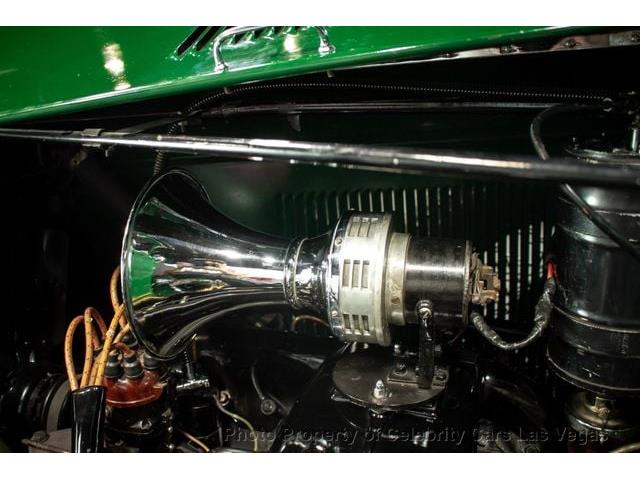
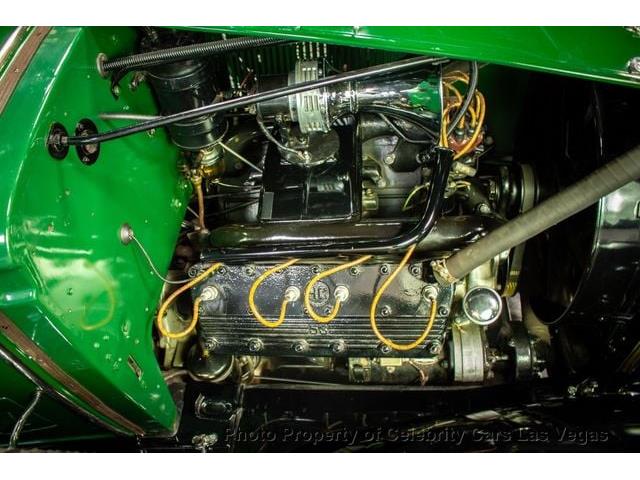
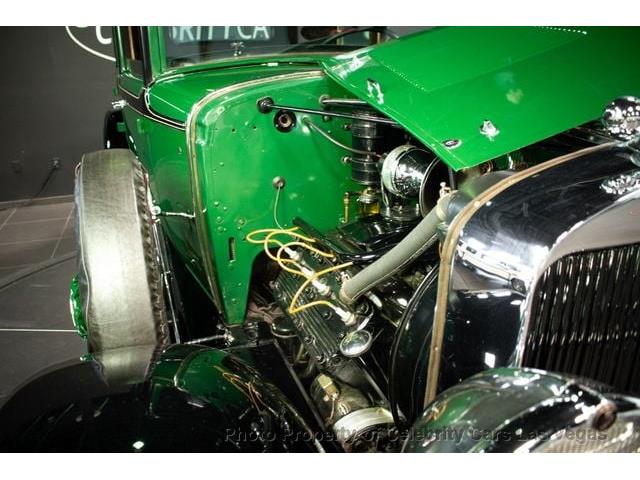
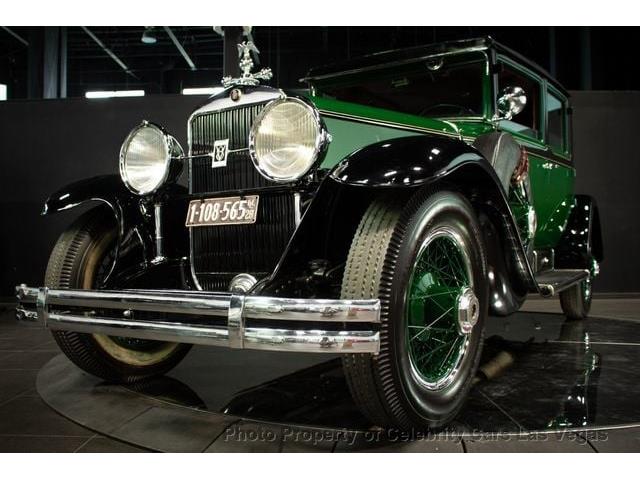
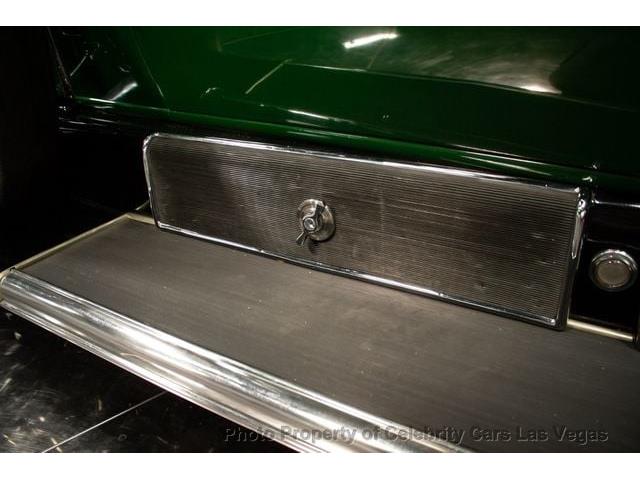
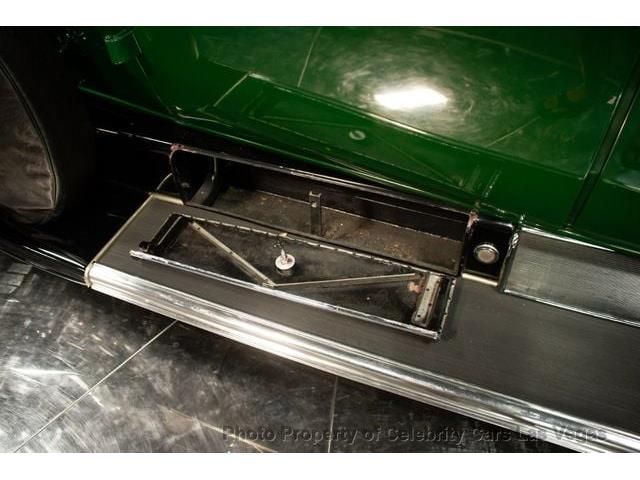
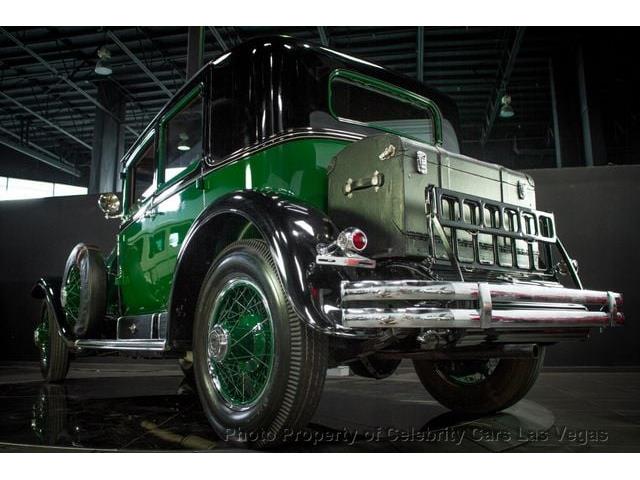
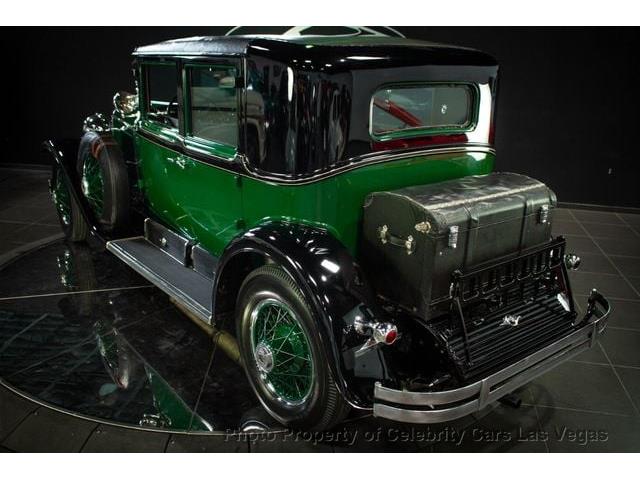
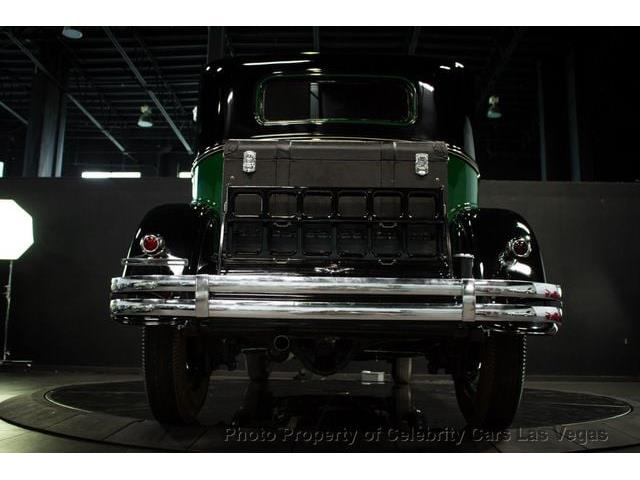
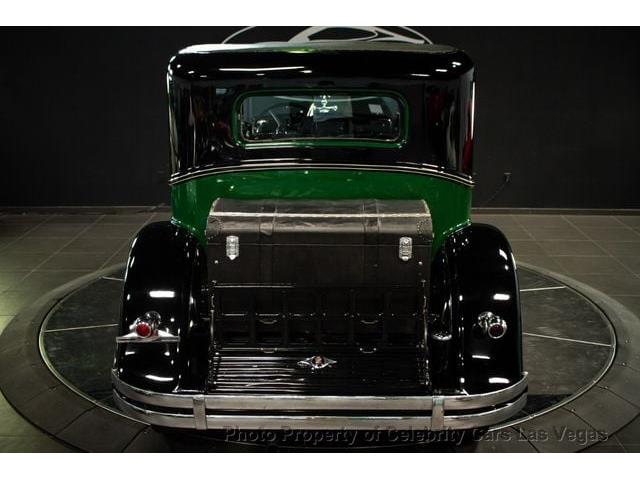
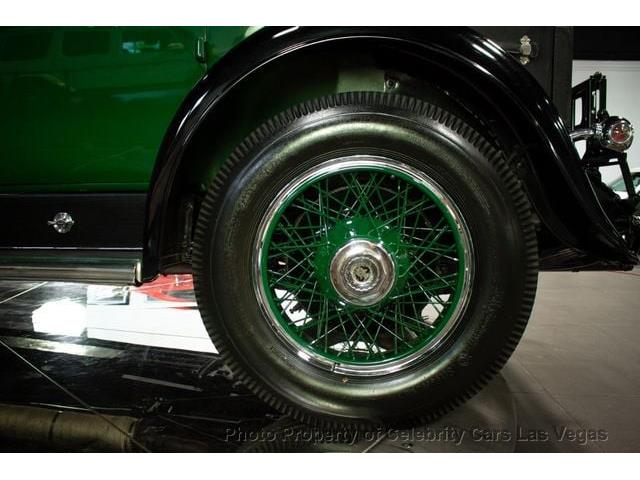
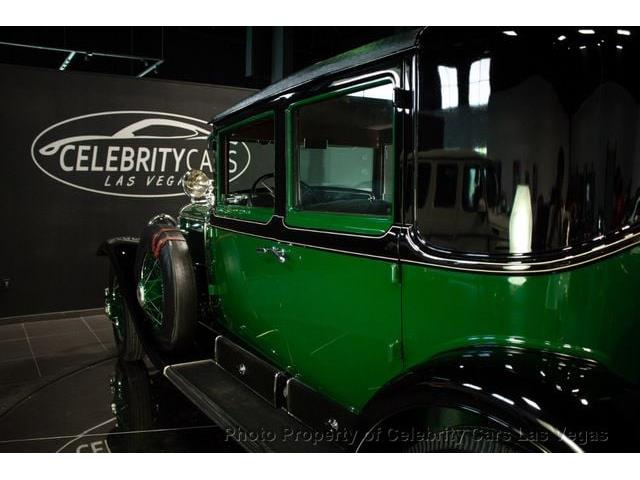
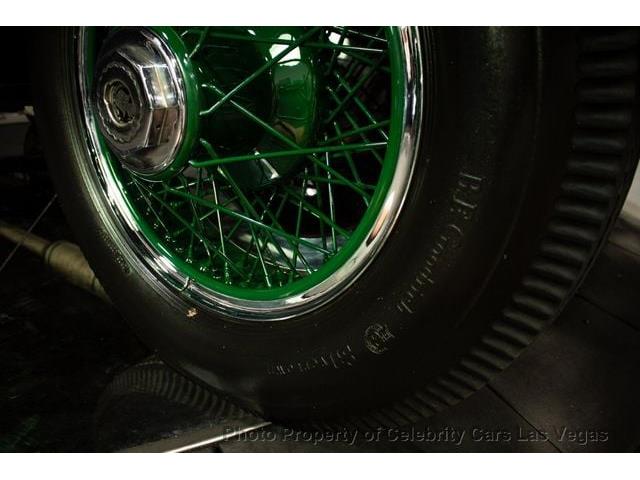
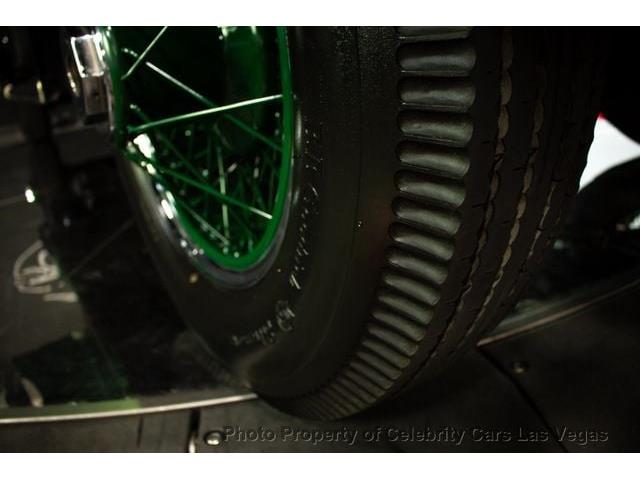
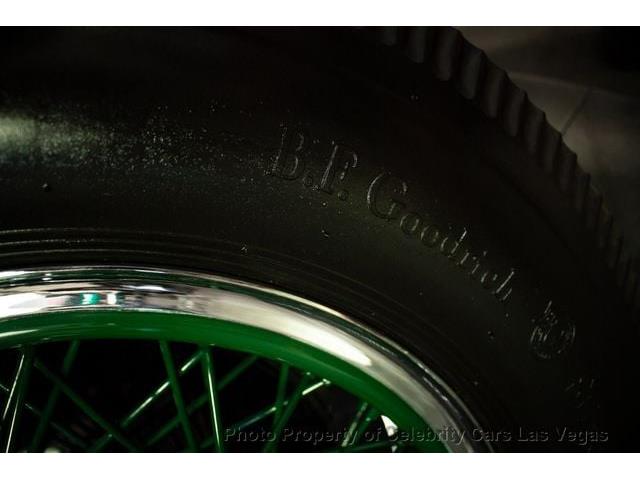
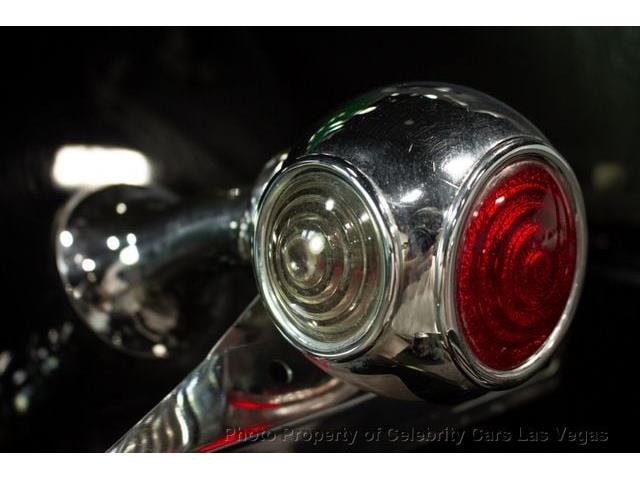
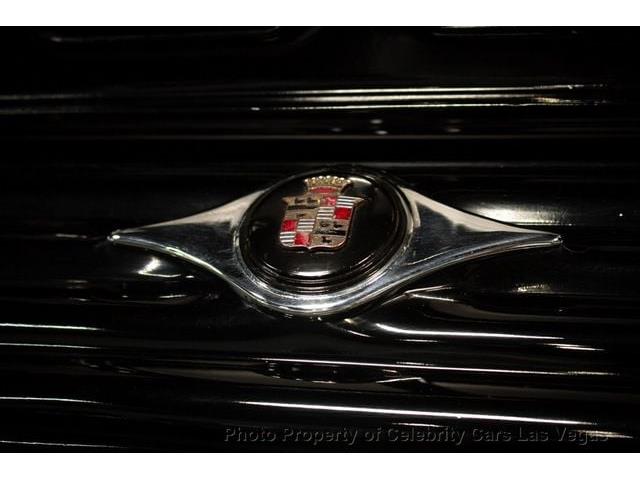
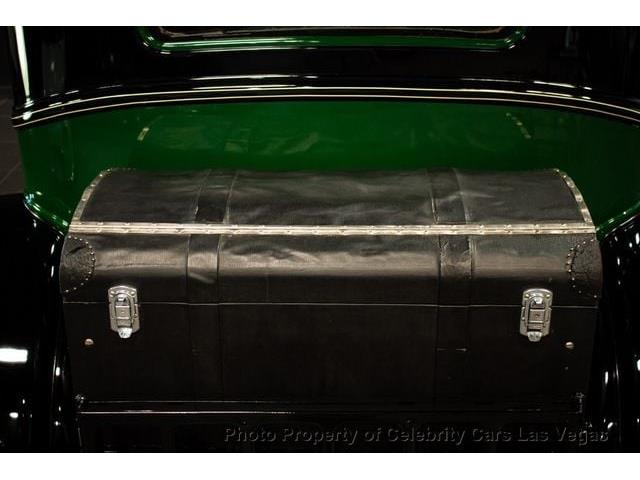
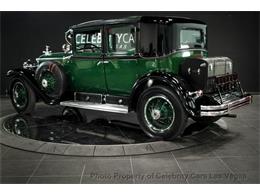
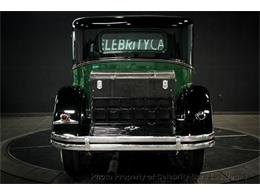
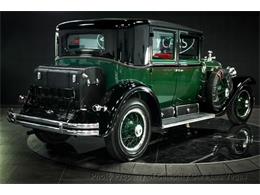
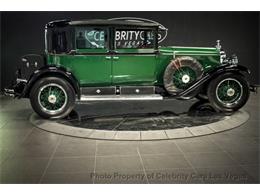
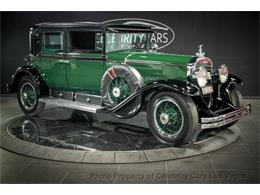
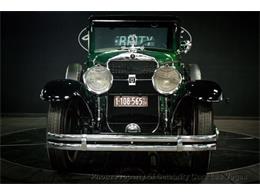
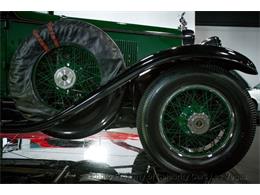
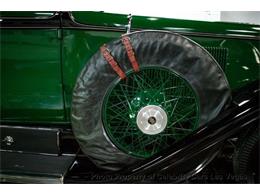
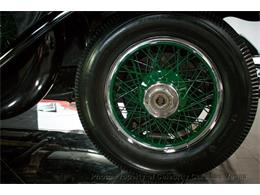
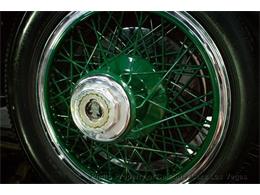
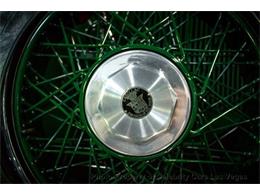
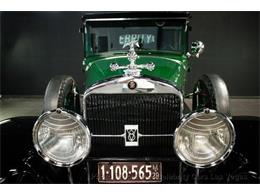
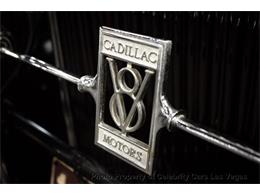
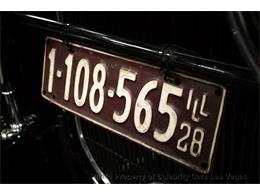
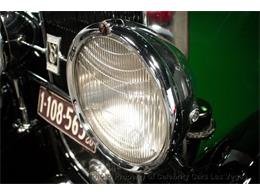
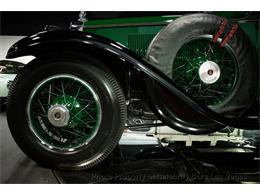
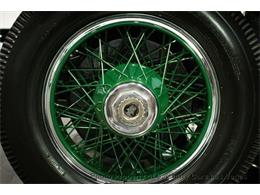
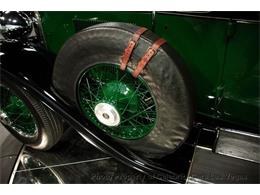
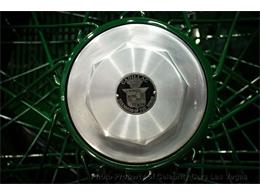
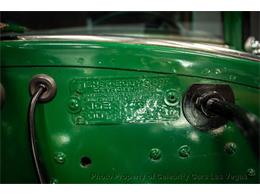
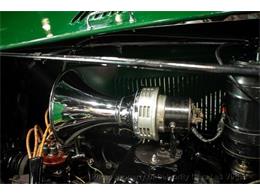
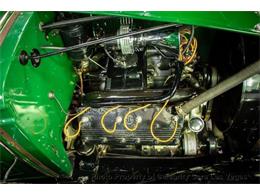
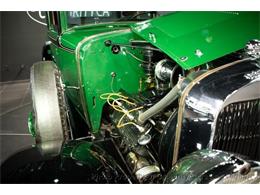
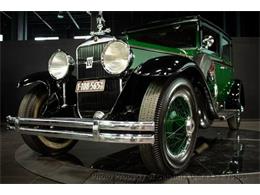
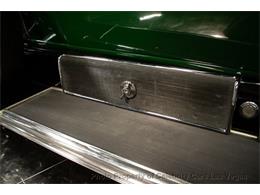
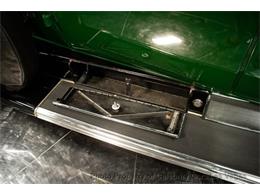
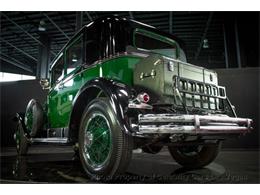
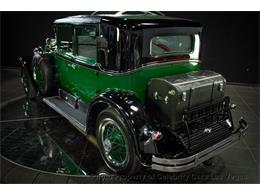
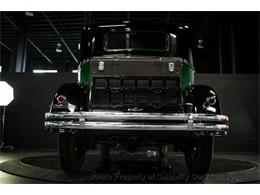
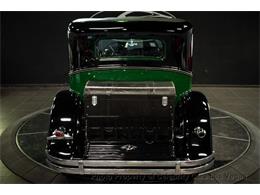
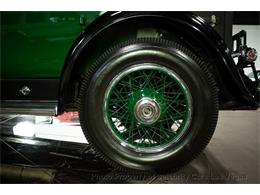
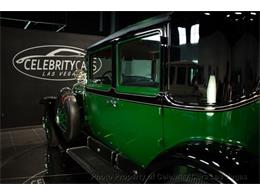
1928 Cadillac Series 341-A Town Sedan - Al Capone's Armored Car
Celebrity Cars is privileged to offer one of the most significant
surviving artifacts of Prohibition-era America: the armored 1928
Cadillac built for Alphonse Al Capone. Its ownership history is
continuous and documented from 1932 to the present, corroborated by
contemporary newspaper accounts, federal Bureau of Internal Revenue
files, the descendants of the second known owner, and - remarkably
- a living eyewitness to the armoring work itself.
Specifications
- Series 341-A Town Sedan
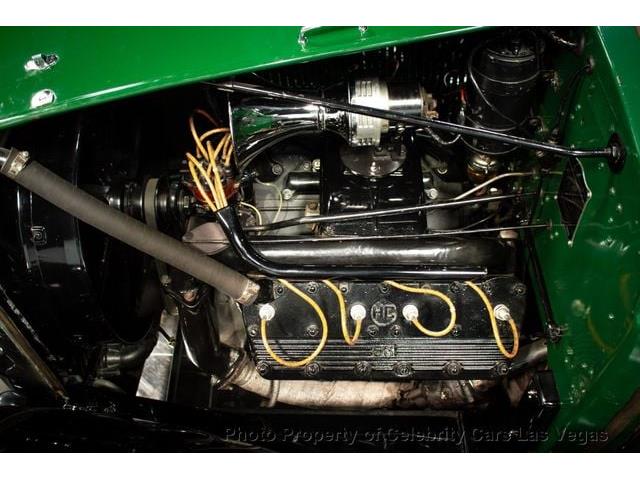
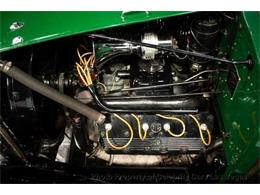
- 341 cu. in. L-head V-8, 90 bhp
- Three-speed manual transmission
- Beam front axle; full-floating rear axle with semi-elliptic
leaf springs
- Four-wheel mechanical drum brakes
- 140-inch wheelbase
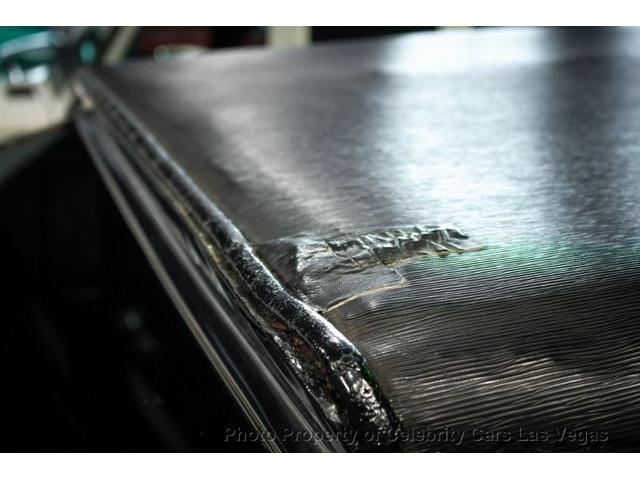
- Approximately 3,000 lbs. of armor plating as originally
built
- Bulletproof glass approaching one inch in thickness
The Chicago Connection
Emil Denemark ran one of the largest Cadillac dealerships on
Chicago's south side and was related to Capone by marriage. His
ties to the underworld were neither casual nor secret. His home and
business were bombed in early 1927 - an incident he publicly
dismissed as a political attack. In 1942 he was charged with
selling cars without the required gasoline ration stickers. As late
as 1950, his name surfaced in federal testimony before the Senate
committee investigating organized crime in interstate commerce,
where an investigator described Denemark as the dealer of choice
for a succession of Chicago syndicate figures, noting that one of
them had broken the pattern only once by buying elsewhere.
Denemark's most famous customer was Capone himself. On December 22,
1931, the Milwaukee Sentinel ran a story reporting that one of
Capone's two Cadillac V-16s had been used to chauffeur Warden David
Moneypenny of the Cook County jail, under a headline flatly calling
it Capone's car and a subhead noting that explanations of the
Chicago-Springfield trip conflicted. Denemark told the paper he had
sold Capone both V-16s and that neither still belonged to him, as
both had been repossessed for non-payment.
An Associated Press reporter working the same story that day traced
the plates and found the car still registered to Mrs. Mae Capone.
Pressed on the discrepancy, Denemark offered that the plates simply
had not been removed yet - which, he suggested, explained the
confusion. Given his standing with the syndicate and Capone's
reputation, the more plausible reading, and evidently the one the
reporters favored, is that Denemark was covering for his
customer.
A third account, in the Muscatine Journal & News Tribune, noted
that federal restrictions on visitors to the jailed gang chief had
briefly kept his creditors at bay, but that at least one had
obtained permission from federal authorities to see him: Denemark,
described as a politician and dealer in expensive automobiles, who
said he wished to discuss the balance owed on two cars. That a car
dealer could secure federal clearance to sit down with Al Capone in
the Cook County jail suggests business rather more substantial than
an outstanding invoice.
Timing Is Everything
The sequence of events matters. Capone was convicted on October 18,
1931, sentenced in November, denied a rehearing of his appeal in
March 1932, and began serving his sentence at the Atlanta U.S.
Penitentiary on May 4, 1932.
A lengthy report to the Intelligence Unit Chief of the Bureau of
Internal Revenue records that in October 1931 Capone was caught
attempting to liquidate assets - his Florida home, two yachts, and
other property - for $150,000 in cash. One of the V-16s appears on
the inventory of vehicles. The older armored 341-A does not. While
the two flashy sixteens were making headlines and drawing federal
attention, the sedan sat quietly in a Chicago garage and was
overlooked.
That is precisely when it moved. In the spring of 1932, the car was
placed with an agent in Chicago - almost certainly Denemark, and
almost certainly at Capone's direction.
The First Documented Sale
Mr. and Mrs. Patrick Moore, then working the summer season with a
traveling carnival, bought the Cadillac from that Chicago agent in
the spring of 1932. Their surviving daughter, Mrs. Pat Denning,
discussed her parents' brief ownership in recent years and
confirmed they understood the car had been placed with the agent by
Capone.
The Moores owned the car for roughly a year, exhibiting it with the
carnival through a full summer season. Their intention was to run
it as a standalone paid exhibit through the winter off-season as
well; when that plan failed to produce, they sold it. Mrs. Denning
noted that her parents had no permanent address in this period -
the Rockville, Connecticut address on the paperwork was in fact her
aunt's - and that the car almost certainly never traveled to
Connecticut and would not have been registered there. It moved on a
covered trailer, protecting the finish and, just as importantly,
keeping it out of sight until patrons had paid to look at it. That
account squares with Harry LaBreque's own later statement that he
bought the car in Chicago, in May 1933.
The Eyewitness
In 2008, Richard Cappy Capstran mentioned to a friend, almost in
passing, that as a boy he had helped his father install armor
plating on Al Capone's Cadillac. A short search established that
the car still existed. Capstran, 93 at the time, sat for a recorded
interview and recalled the job in extraordinary detail.
Ernest Capstran's body shop had recently completed a high-quality
repair on another Capone syndicate vehicle. Shortly afterward, a
brand-new 1928 Cadillac arrived. When the scope of the work was
explained, the elder Capstran objected that his shop did not do
that kind of work. The reply, as his son remembered it: you do
now.
Capone's men instructed that the car be backed into the shop so no
one on the street could see what was being done to it. Capstran
described the process of cutting open the rear of the body to
install the asbestos-wrapped steel plate, which arrived at the shop
with lead still embedded in it from proving tests.
Capone came in person to settle the bill and paid double the asking
price. Walking around the finished car, he noticed ten-year-old
Richard and asked who he was. Told the boy had done the sanding
between coats of lacquer - and done it well - Capone handed him a
ten-dollar bill, a small fortune for a child in 1928. The family
never discussed the job outside the household for decades.
Reunited with the Cadillac at the O'Quinn Collection after seventy
years, Capstran was unequivocal: this was the same car that came
through his father's shop.
How It Was Built
Setting the notoriety aside, this is among the earliest surviving
armored passenger vehicles anywhere - a direct ancestor of the
modern armored sedan.
The glass runs nearly an inch thick, and the car carried close to
3,000 pounds of plating. Heavy spring lifts were fitted so the side
windows could still be raised and lowered by hand against the
weight of the glass. The rear window was rigged to drop away
instantly, allowing occupants to return fire on a pursuing car. The
side windows were modified so the glass could be raised an
additional inch beyond its normal stop, exposing a circular cutout
sized to accept the muzzle of a machine gun.
Capstran was specific that when the car reached his father's shop
in the summer of 1928, the doors and windows had already been
bulletproofed elsewhere; his father's shop handled the rear of the
body. He also noted that the triangular tow bar visible a